Your brand can be part of Les Couleurs du Monde
A magazine and concept store to explore and shop across art, beauty, design, travel and lifestyle. Contact: info@lescouleursdumonde.com
Les Artistes du Monde @artistesdumonde
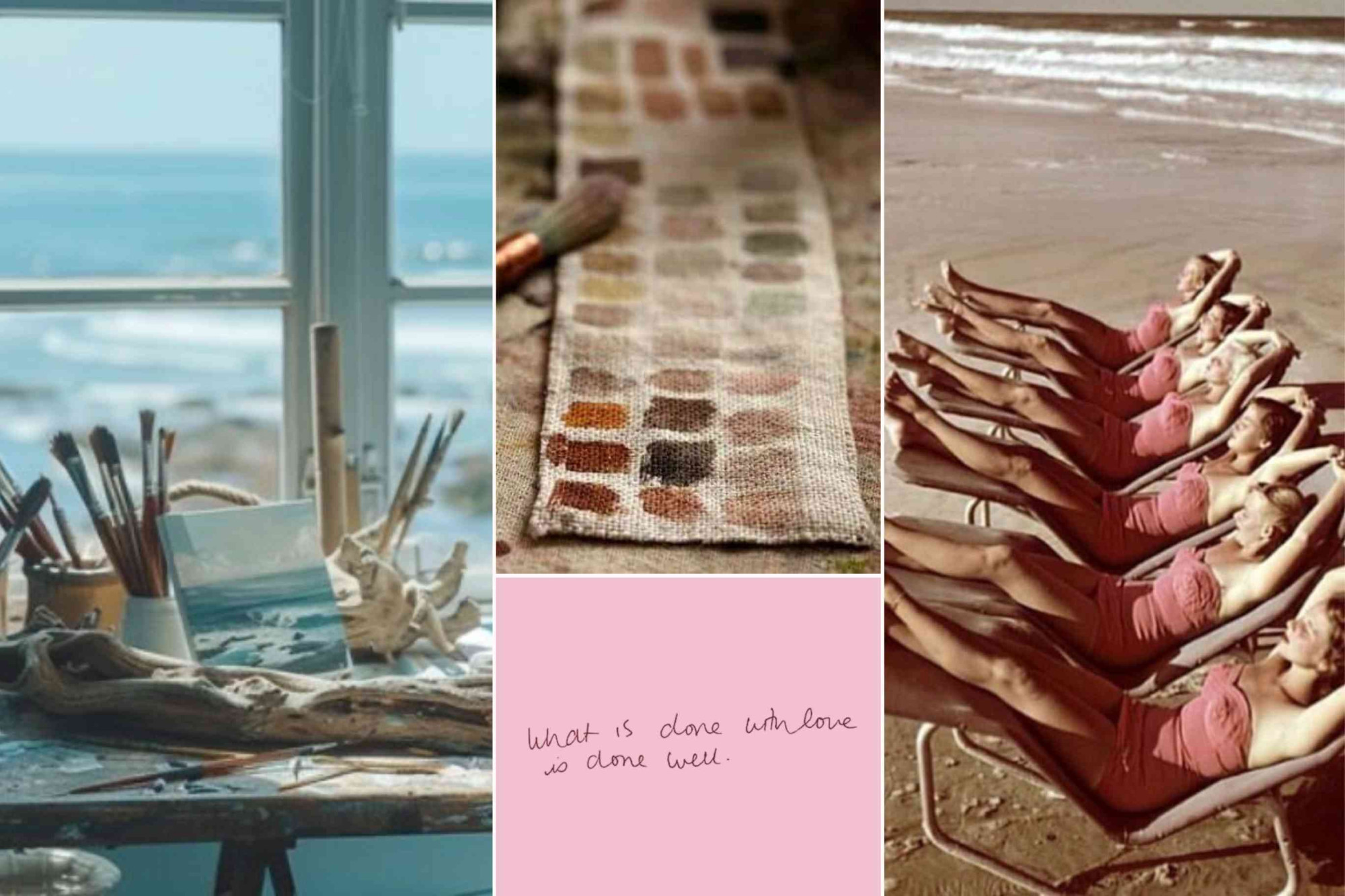
The places where artists live and work can become an important influence on their creative practice. Landscape, architecture, local colours and changing natural light can all affect the subjects, materials and visual language that develop within an artist’s work.
Coastal environments provide a clear example. The colours of the sea and sky, weathered natural materials and distinctive Mediterranean or Atlantic light have influenced painters, photographers and other creators across generations.
An artist’s surroundings can also shape everyday working habits. A studio overlooking the sea creates a different relationship with colour and light than a workspace in a dense city or mountain landscape. These environments do not determine what an artist creates, but they can become part of the observations and references that inform the work.
This connection between creativity and place is also why visiting artists’ studios can provide another perspective on their work. Understanding where something was created can reveal influences that are not immediately visible in the finished piece.
#ArtistStudio #CreativeProcess #ArtAndPlace #CoastalArt #LesArtistesduMonde
Les Artistes du Monde @artistesdumonde
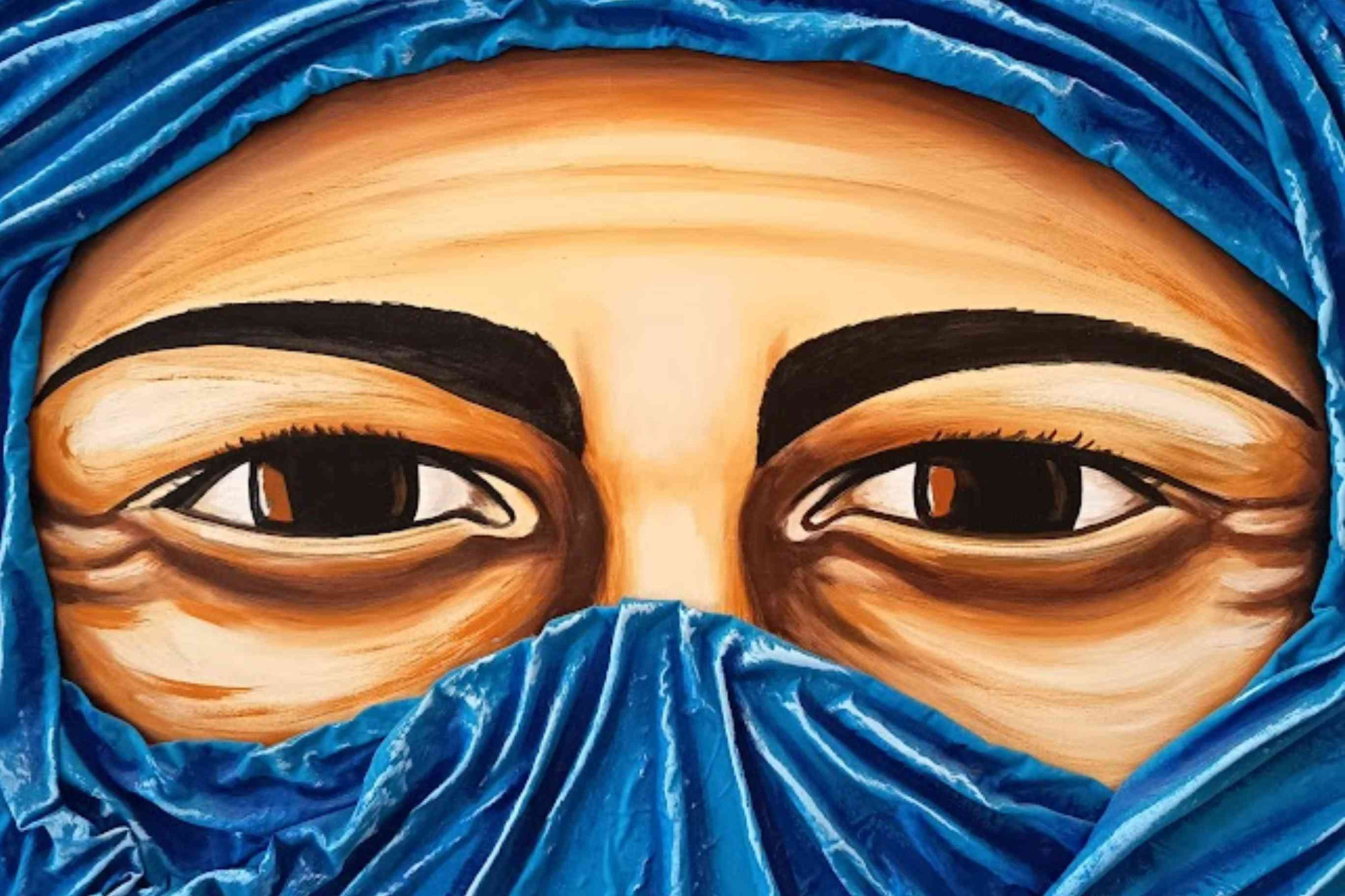
The Eyes in Portrait Art
The eyes are one of the most expressive elements in portrait art. Artists use gaze, colour, light and composition to direct attention and influence how a portrait is perceived. Even when much of the face is hidden, the eyes can become the central focus of the work.
Throughout different forms of portraiture, the direction of the gaze can change the relationship between the artwork and the viewer. A direct gaze can create a strong sense of presence, while looking away can introduce distance or draw attention to something beyond the composition.
Contemporary artists continue to explore the expressive possibilities of the eyes through painting, illustration, photography and mixed media. By isolating or emphasising them, an artist can create a visually powerful portrait without revealing every element of the subject.
#PortraitArt #ContemporaryArt #VisualArt #ArtisticExpression #LesArtistesduMonde
Les Artistes du Monde @artistesdumonde
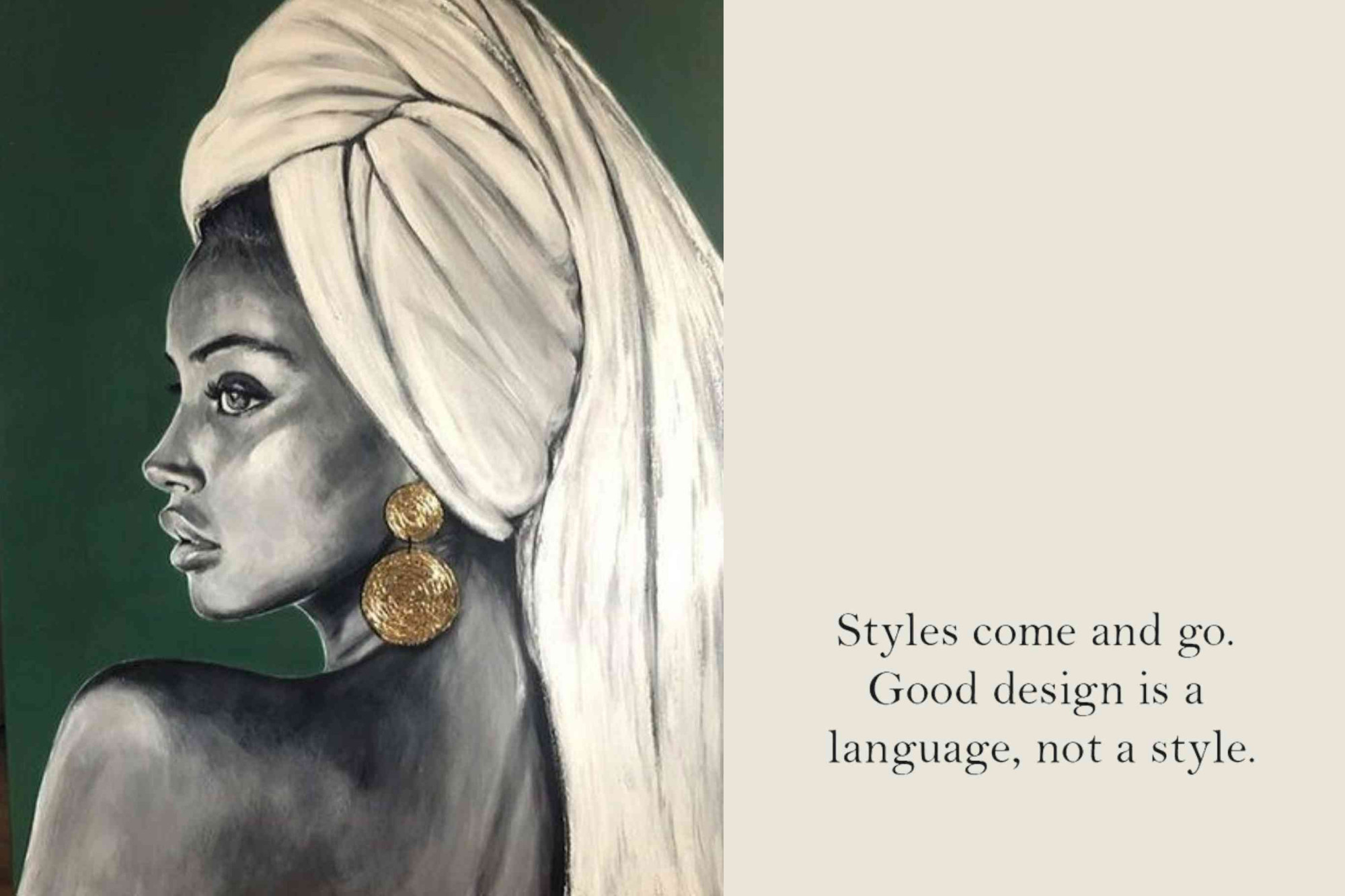
Visual Language in Art
A visual language is the combination of elements an artist uses to communicate ideas and make their work recognisable. Colour, form, composition, texture, materials and recurring subjects can all contribute to the way an artist develops a distinctive body of work.
Unlike a trend or temporary style, visual language develops through repeated creative choices. An artist may return to particular colours, techniques or forms while continuing to experiment and evolve. These recurring elements can create consistency between individual works without requiring every piece to look the same.
Visual language also extends across creative disciplines. Painters, photographers, illustrators, fashion designers and architects all make decisions that influence how their work is recognised and interpreted. Understanding these choices provides another way to look at creative work beyond its immediate aesthetic.
#VisualLanguage #ArtAndDesign #CreativeIdentity #ContemporaryArt #LesArtistesduMonde
Les Artistes du Monde @artistesdumonde
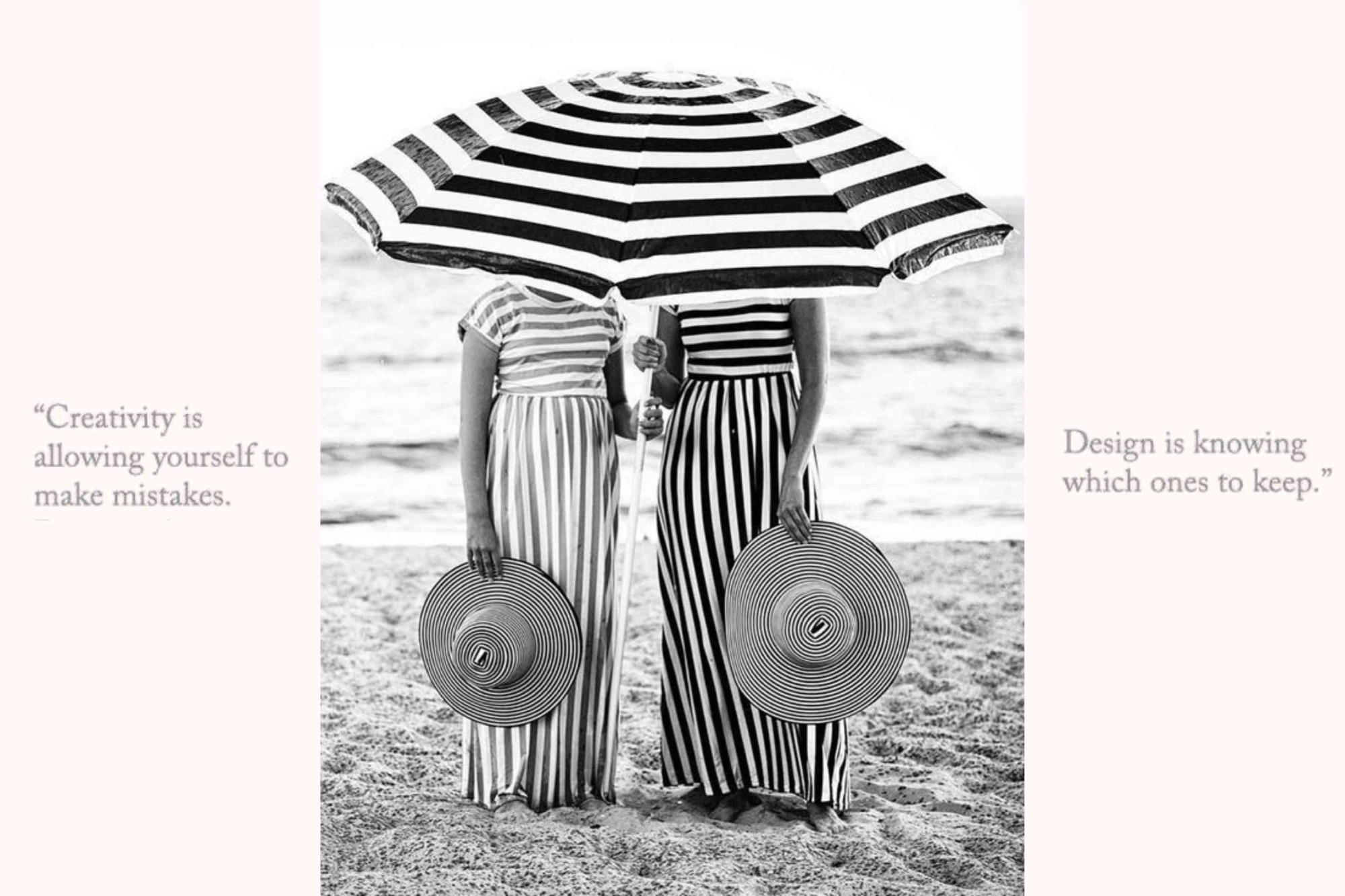
The Creative Value of Making Mistakes
Making mistakes is an essential part of the creative process. Artists often discover new ideas through experimentation, unexpected results and techniques that do not work as originally planned. What begins as an error can lead to a different direction, a new method or even a distinctive artistic style.
Creative work rarely develops in a straight line. Painting, photography, sculpture, design and other disciplines involve testing materials, changing compositions and reconsidering earlier decisions. This process allows artists to understand their medium while gradually developing their own visual language.
The willingness to experiment also plays an important role in contemporary creative practice. Instead of focusing only on a perfect final result, many artists value the process of making, observing and adjusting. Mistakes become part of that process and can create possibilities that would not have emerged through careful planning alone.
#CreativeProcess #Artists #Creativity #ContemporaryArt #LesArtistesduMonde
Les Artistes du Monde @artistesdumonde
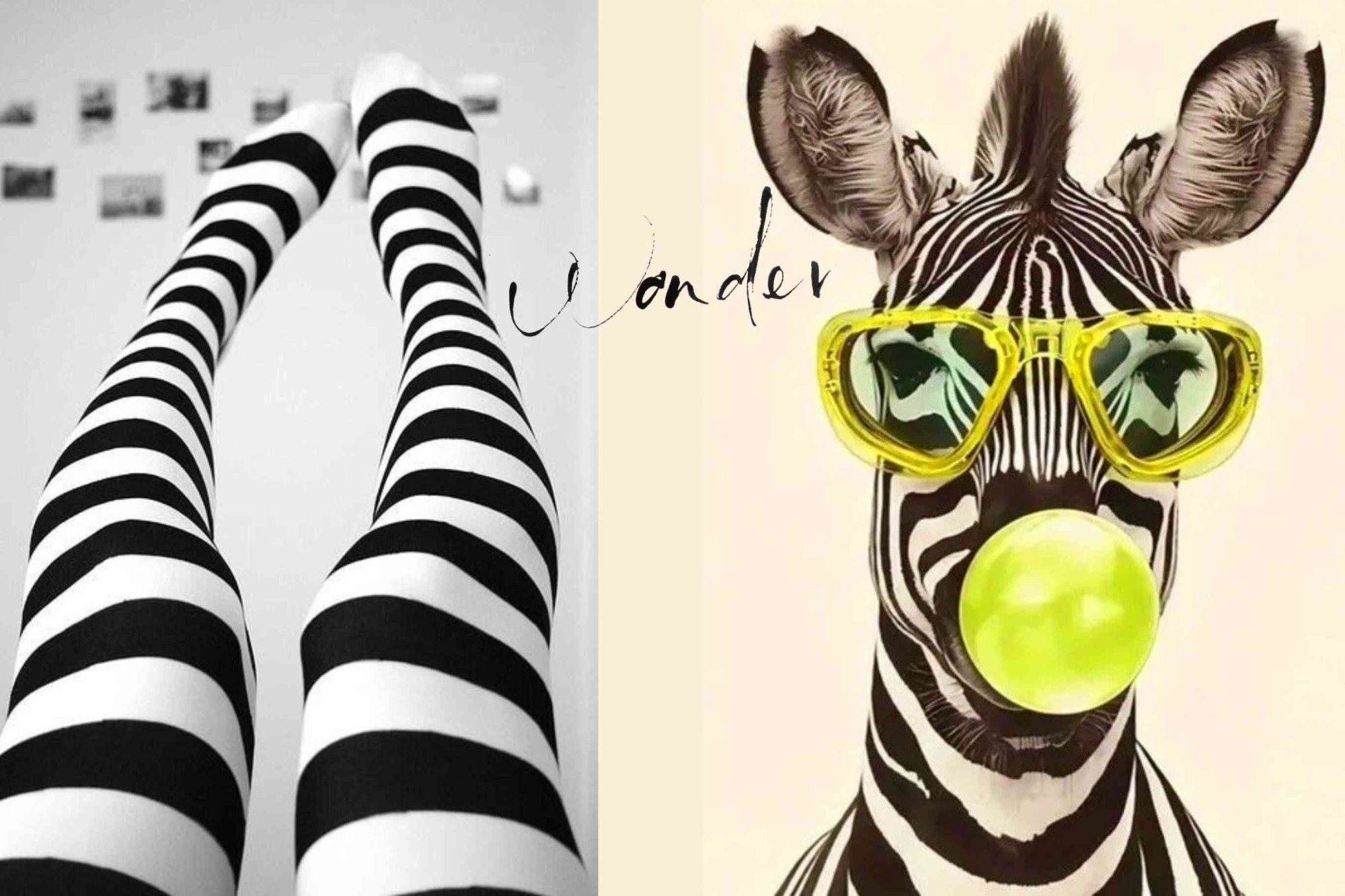
Patterns in Art
Patterns have played an important role in art and design for centuries. From geometric compositions and repeated lines to decorative motifs and optical effects, artists use patterns to create rhythm, structure and movement within an image.
Repetition can guide the viewer’s attention while variations in scale, colour and direction can completely change how a pattern is perceived. Stripes, grids, circles and organic forms are therefore more than decorative elements. They can become an important part of an artist’s visual language.
Patterns also connect different creative disciplines. They appear in painting and graphic art but also in textiles, fashion, architecture, ceramics and interior design. Contemporary artists continue to experiment with repetition and contrast, showing how a simple visual element can create a strong and recognisable composition.
#PatternsInArt #ArtAndDesign #VisualArt #CreativeDesign #LesArtistesduMonde
Les Artistes du Monde @artistesdumonde
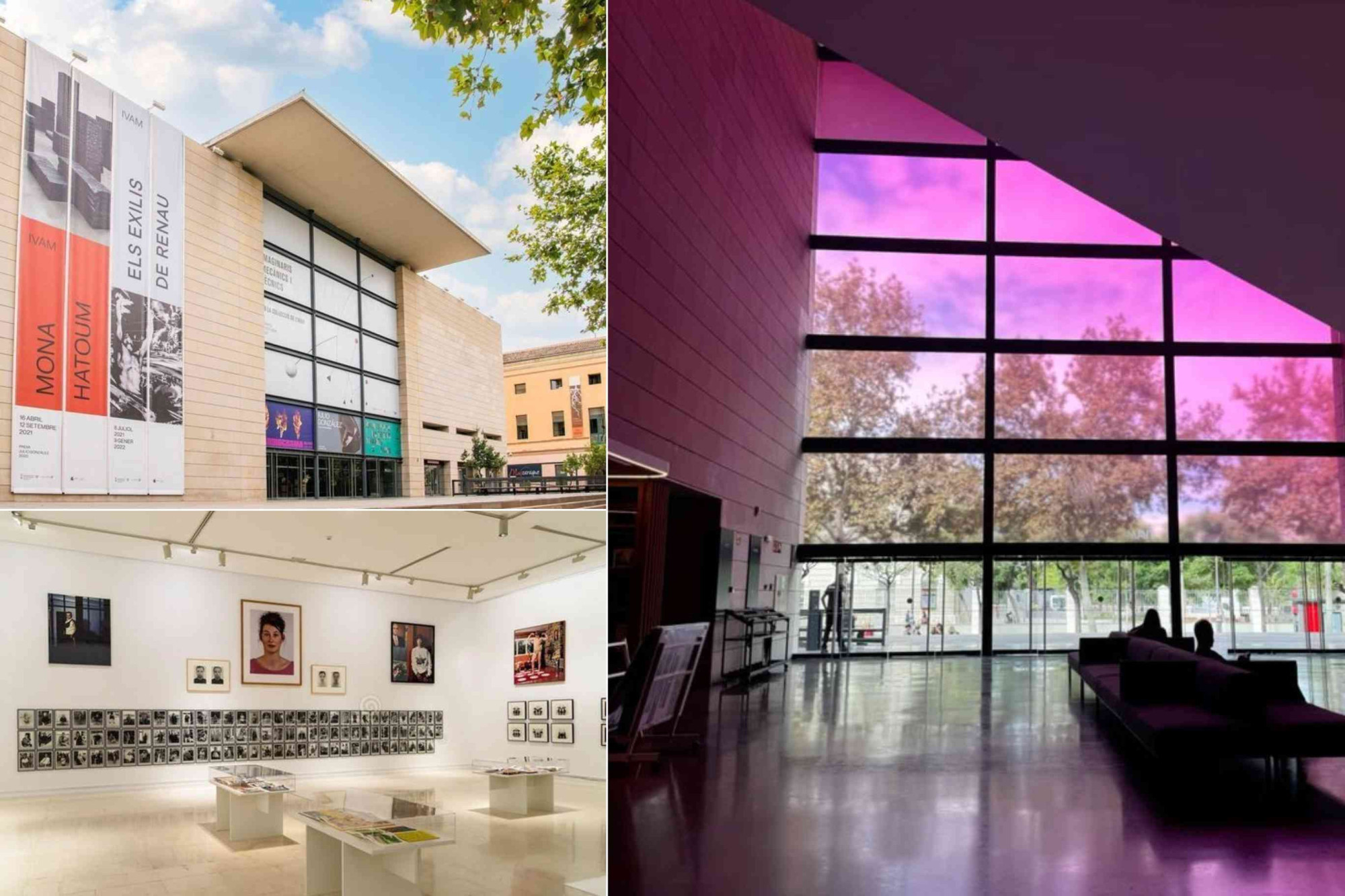
The Institut Valencià d'Art Modern (IVAM) is a key institution for modern and contemporary art in Valencia, with a focus on 20th-century movements and current artistic practices. Its collection includes works that explore abstraction, photography, sculpture and conceptual art within an international context.
The museum places strong emphasis on artists such as Julio González, whose work played a significant role in the development of modern sculpture. Alongside its permanent collection, IVAM presents temporary exhibitions that address social, political and cultural themes through contemporary perspectives.
The programming extends beyond exhibitions, with talks, research initiatives and public activities that support critical engagement with art. The institution positions itself as both a museum and a platform for ongoing dialogue within the cultural field.
How do you engage with modern art, through exhibitions, reading or discussion? Share your approach.
#artandculture #Spain #Valencia #ModernArt #IVAM
Les Artistes du Monde @artistesdumonde
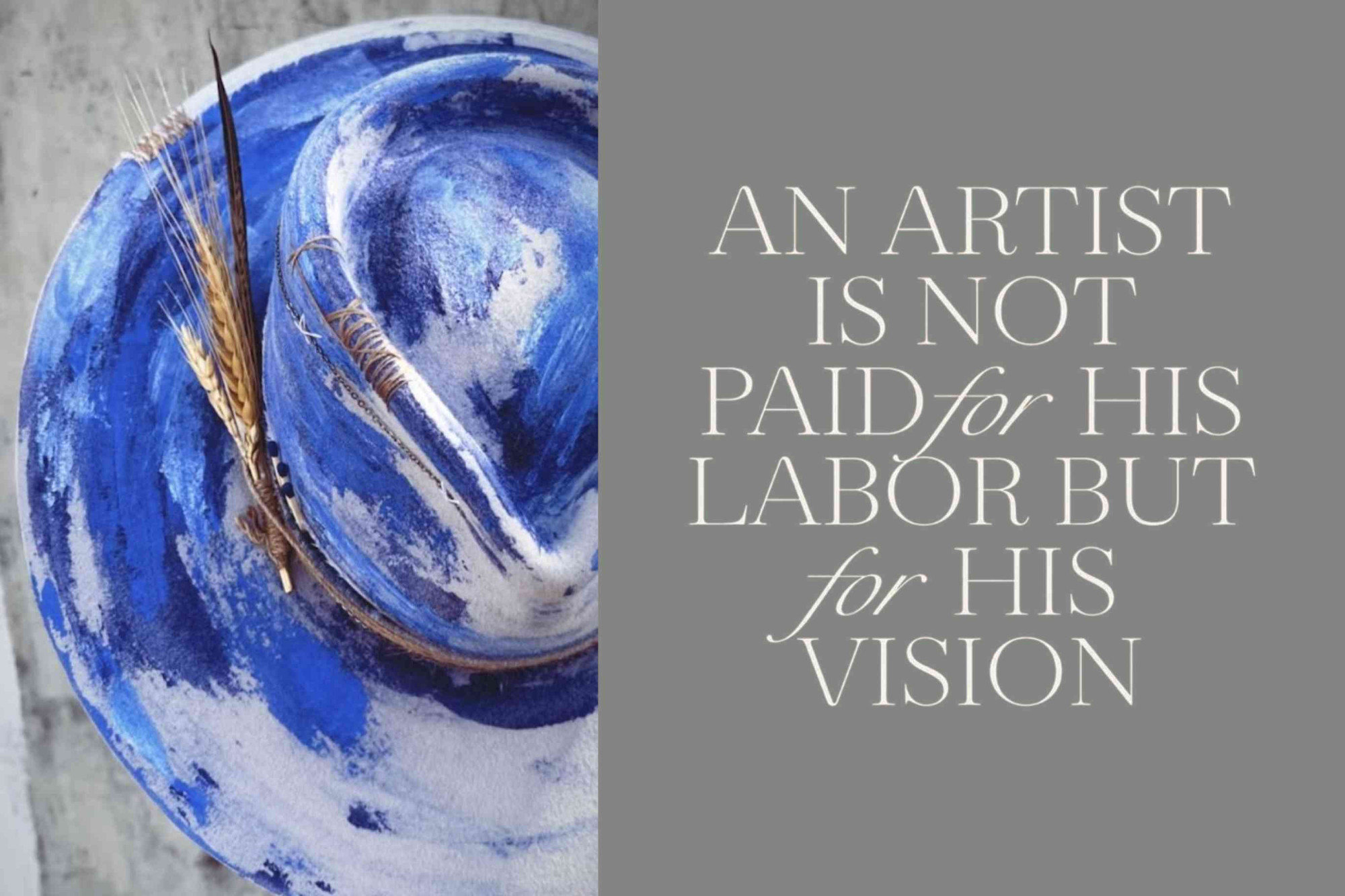
The value of an artwork is not determined solely by the time required to create it. Behind a finished work are years of observation, experimentation, technical development and creative decisions that shape an artist’s individual perspective.
Technique remains an important part of artistic practice, but skill alone does not define an artist’s work. The way a subject is interpreted, materials are used and ideas are translated into visual form can give a work its distinctive character.
This is also why two artists working with the same materials can produce completely different results. Their experiences, influences and creative choices become part of the work. Artistic value therefore extends beyond the physical process of making and includes the vision that an artist has developed over time.
#ArtisticVision #CreativeProcess #Artists #ArtisticPractice #LesArtistesduMonde
Les Artistes du Monde @artistesdumonde
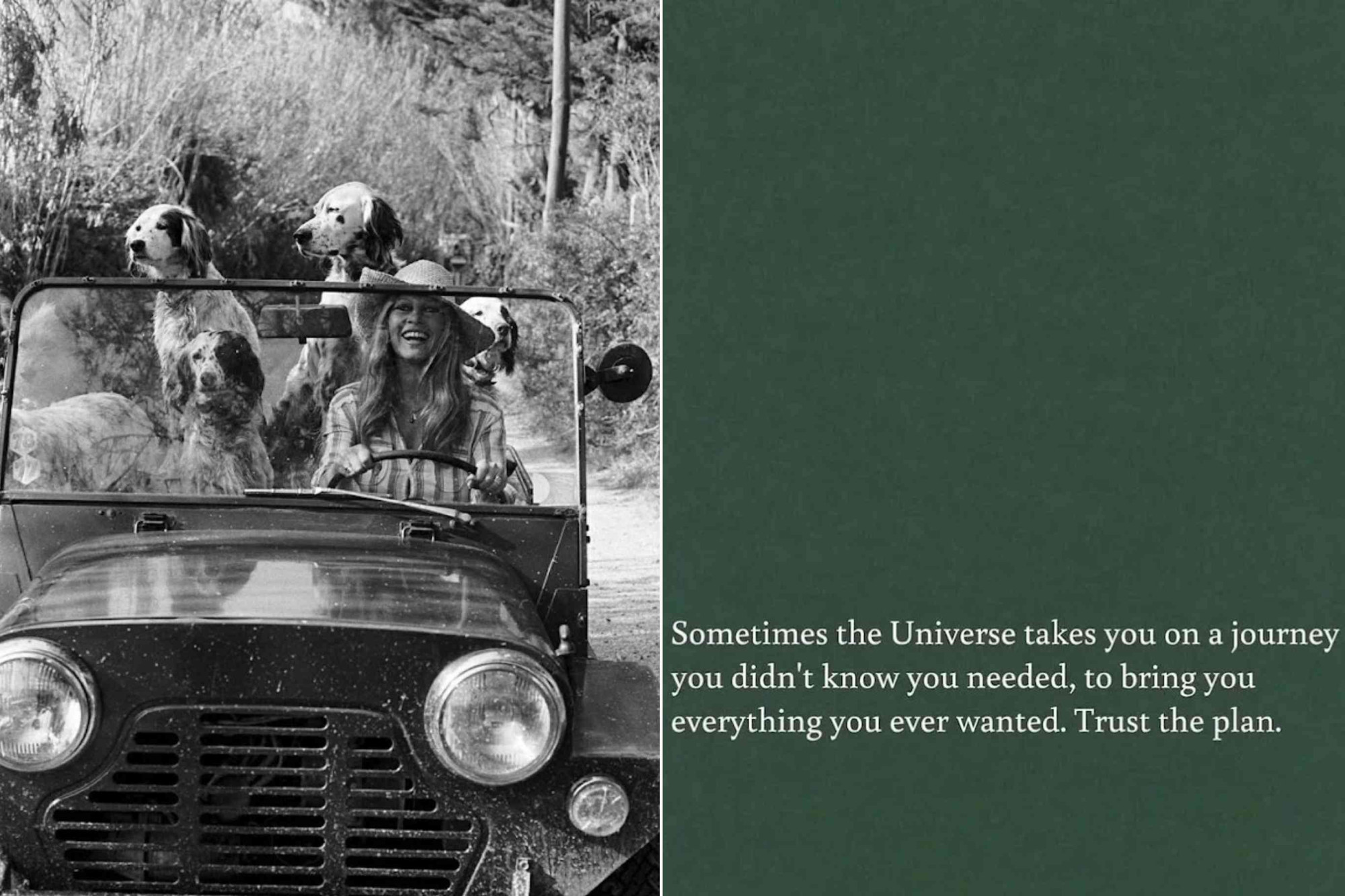
Brigitte Bardot: A Cultural Icon
Brigitte Bardot became one of the most recognisable figures of French cinema and popular culture during the 1950s and 1960s. Her films, photography and distinctive personal style helped create an image that became closely associated with a changing generation in France.
Her influence extended beyond cinema. Photographers, fashion designers, artists and magazines repeatedly interpreted her image, contributing to a visual identity that remains recognisable decades later. From her hairstyles and clothing to the photographs taken along the French Riviera, Bardot became part of the visual culture of her era.
Her connection with Saint-Tropez also contributed to the international image of the Mediterranean town. Cinema, photography and fashion transformed it into a cultural reference that continues to influence how the destination is represented today.
#BrigitteBardot #FrenchCinema #CulturalIcon #SaintTropez #LesArtistesduMonde
Les Artistes du Monde @artistesdumonde
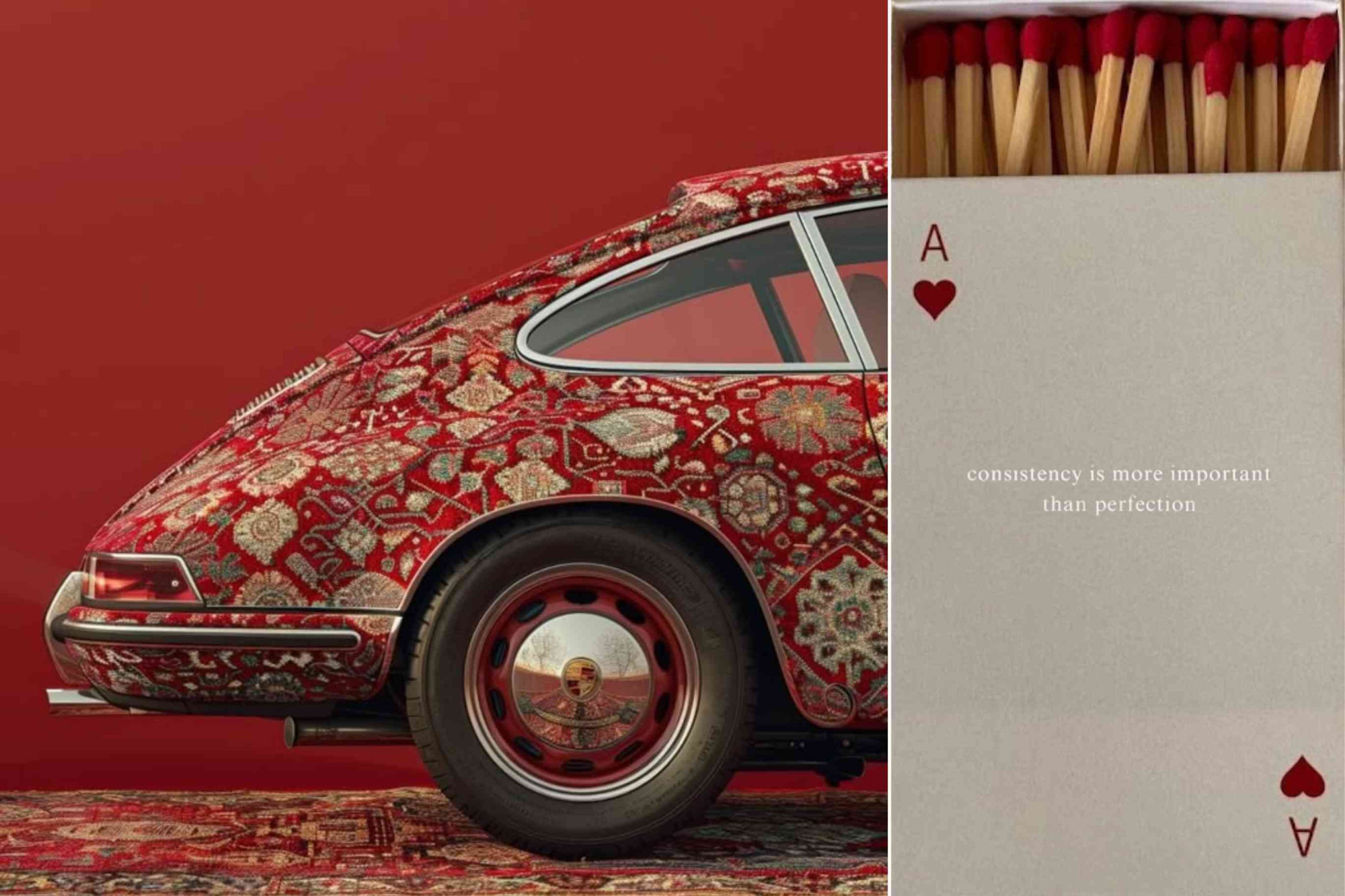
Craft and design increasingly come together in objects that move beyond their original function. Textiles, patterns and traditional decorative techniques can transform familiar objects into individual pieces where craftsmanship becomes part of the design itself.
This approach can be found across furniture, fashion, automotive design and contemporary art. Materials normally associated with interiors or clothing are applied in unexpected contexts, changing how an everyday object is perceived.
These collaborations also create opportunities for traditional techniques to find new applications. Weaving, embroidery, print and surface decoration can become part of contemporary design while retaining the knowledge and skill behind the original craft.
#CraftAndDesign #TextileArt #ObjectDesign #ContemporaryCraft #LesArtistesduMonde
Les Artistes du Monde @artistesdumonde
Surrealism in Contemporary Art
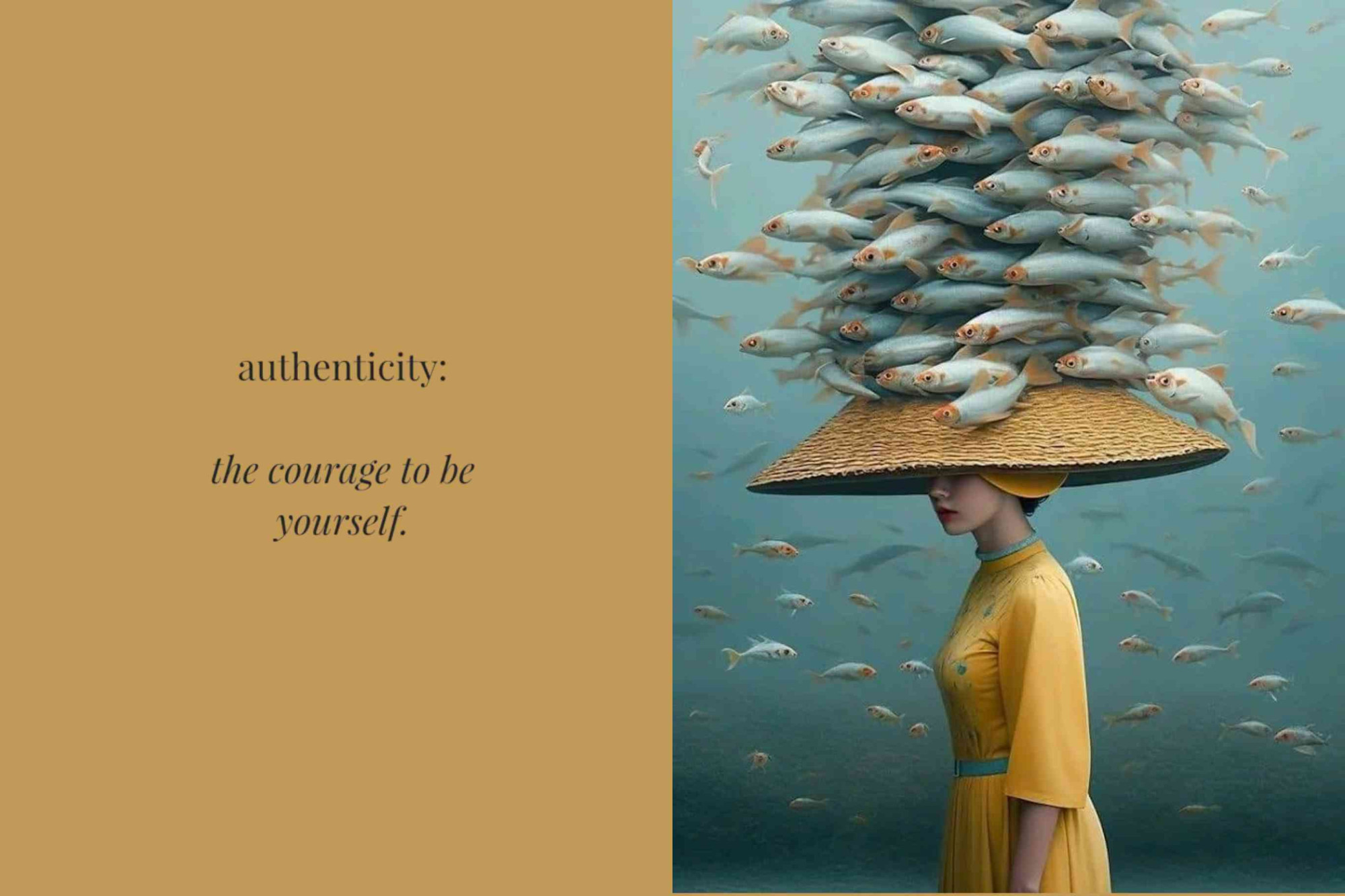
Surrealism uses unexpected combinations, altered proportions and dreamlike situations to create images that move beyond everyday reality. Although the movement developed in the early twentieth century, its visual language continues to influence contemporary artists, photographers and image makers.
By placing familiar objects in unfamiliar situations, artists can challenge the way viewers interpret an image. Scale, perspective and unusual combinations can turn recognisable subjects into compositions that feel imaginative or deliberately impossible.
Contemporary visual culture continues to reinterpret these principles through photography, digital art, collage, illustration and other forms of image making. New creative tools have expanded the possibilities further, but the central idea remains similar: using imagination to construct a visual world that could not exist in ordinary life.
#Surrealism #ContemporaryArt #VisualArt #DigitalArt #LesArtistesduMonde
Les Artistes du Monde @artistesdumonde
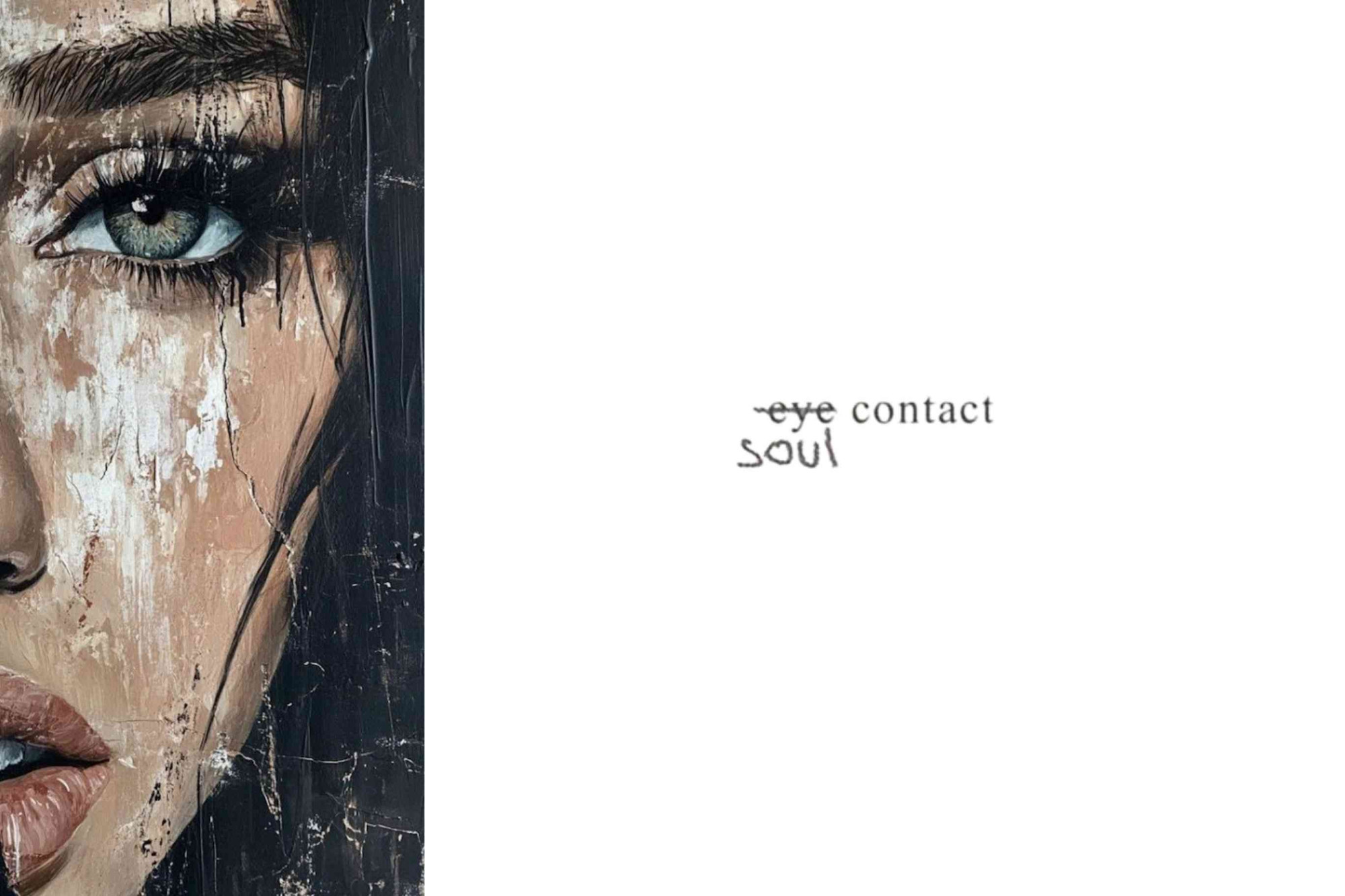
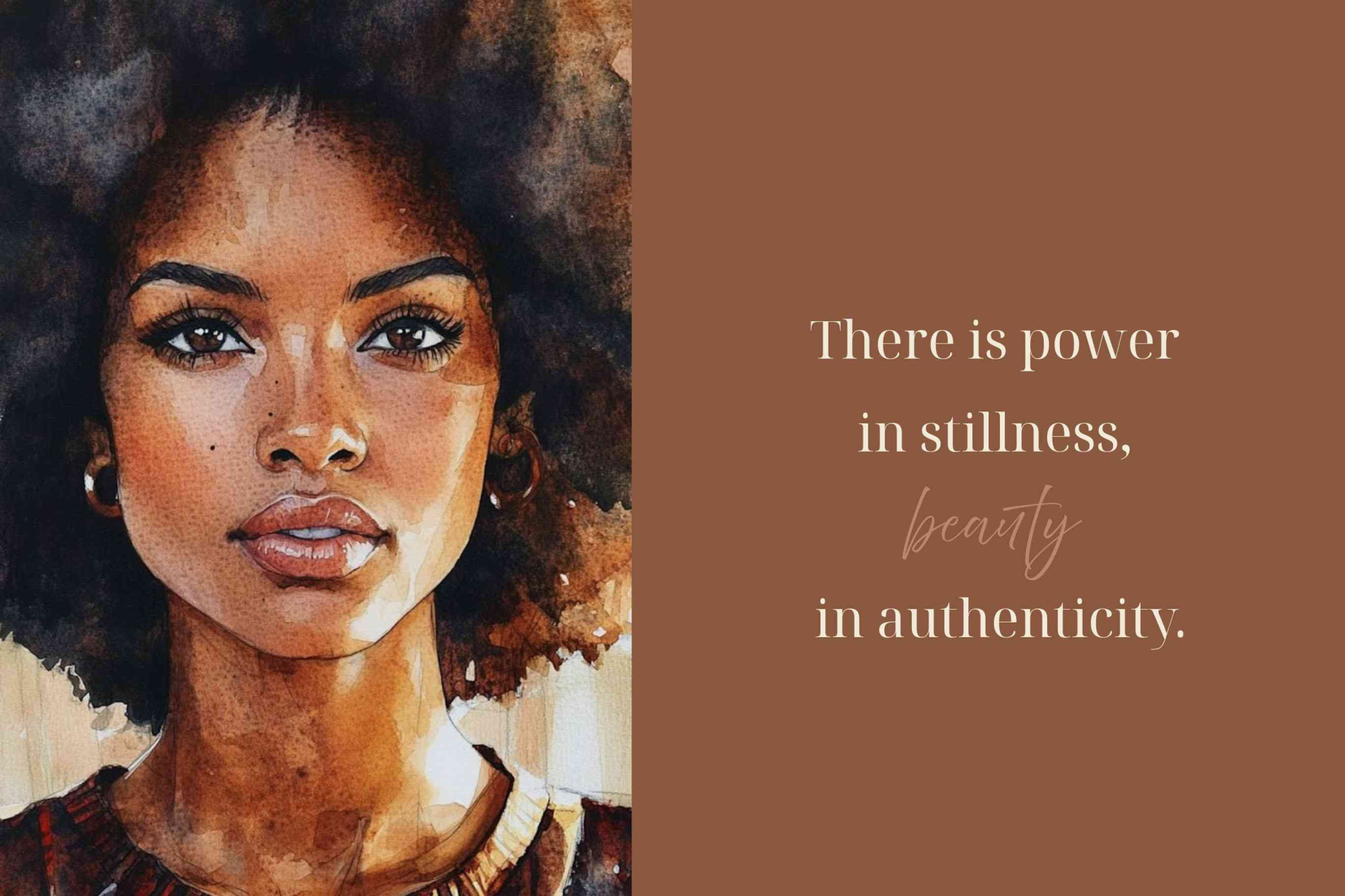
Texture can give a portrait depth, character and a stronger sense of materiality. Instead of creating a perfectly smooth representation of the face, artists can use visible brushstrokes, layered paint and irregular surfaces as part of the composition.
Different techniques produce different visual effects. Thick applications of paint can create physical relief, while scraping, layering and partially removing pigment can reveal traces of the artistic process. These marks become part of the finished portrait rather than something that needs to be concealed.
In contemporary portraiture, texture can also change how we perceive familiar features. Skin, hair and facial details can become areas of abstraction, bringing figurative painting and more experimental forms of artistic expression together within a single work.
#PortraitArt #PaintingTechniques #TextureInArt #ContemporaryPainting #LesArtistesduMonde
Les Artistes du Monde @artistesdumonde
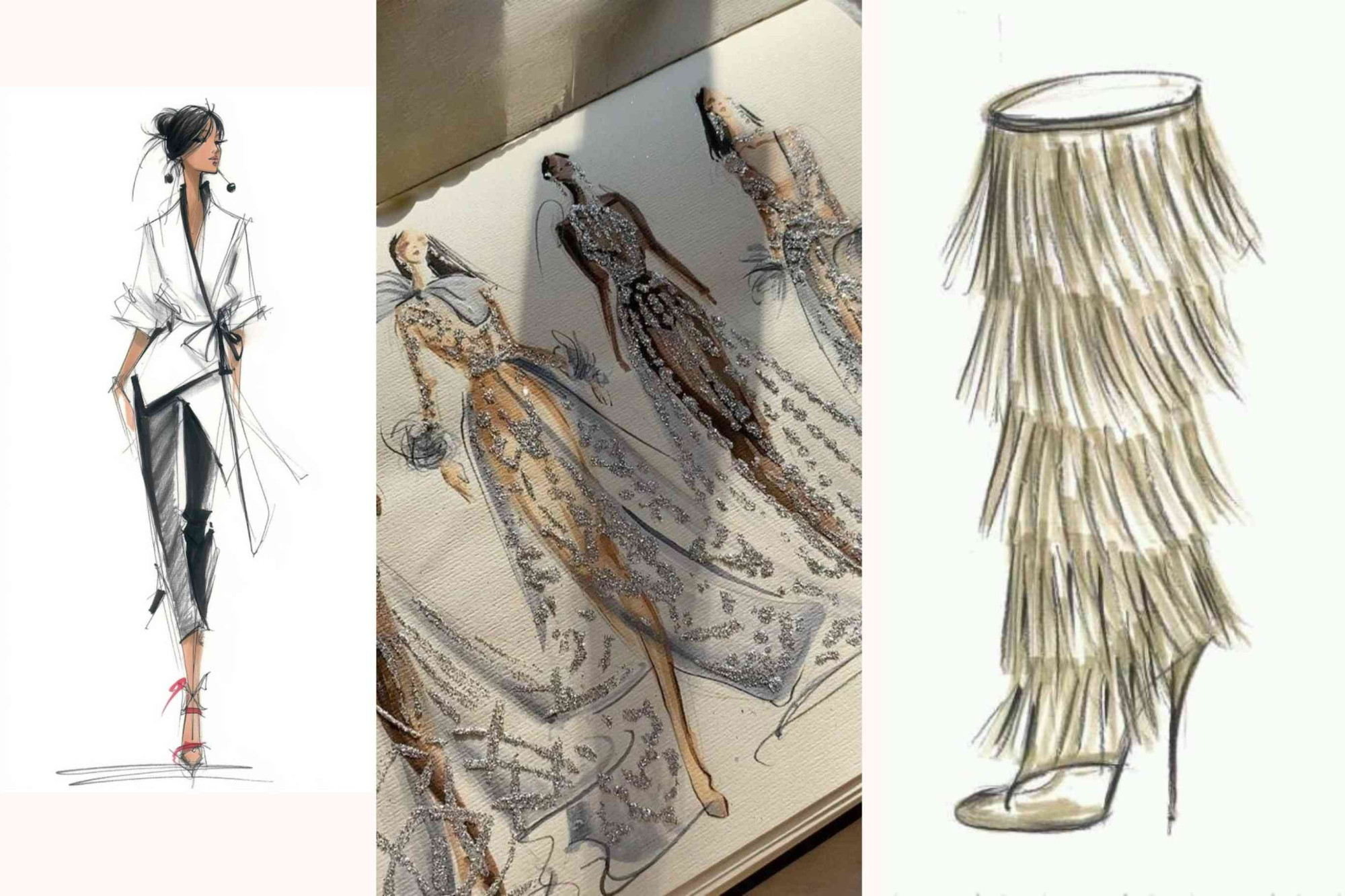
Fashion illustration translates an idea for a garment into a visual concept before it becomes a finished piece. Through drawing, designers and illustrators explore silhouette, proportion, movement, fabrics and details while developing the direction of a collection.
Unlike technical drawings, fashion illustrations do not always need to represent every construction detail precisely. Lines can be expressive, proportions exaggerated and fabrics suggested through colour, shading or texture. This gives each illustrator the opportunity to develop an individual drawing style.
Although digital tools have become an important part of contemporary fashion design, hand-drawn sketches remain valuable throughout the creative process. They provide a direct way to explore ideas and also exist as a creative discipline in their own right, connecting fashion with drawing and visual art.
#FashionIllustration #FashionArt #FashionDesign #CreativeProcess #LesArtistesduMonde
Les Artistes du Monde @artistesdumonde
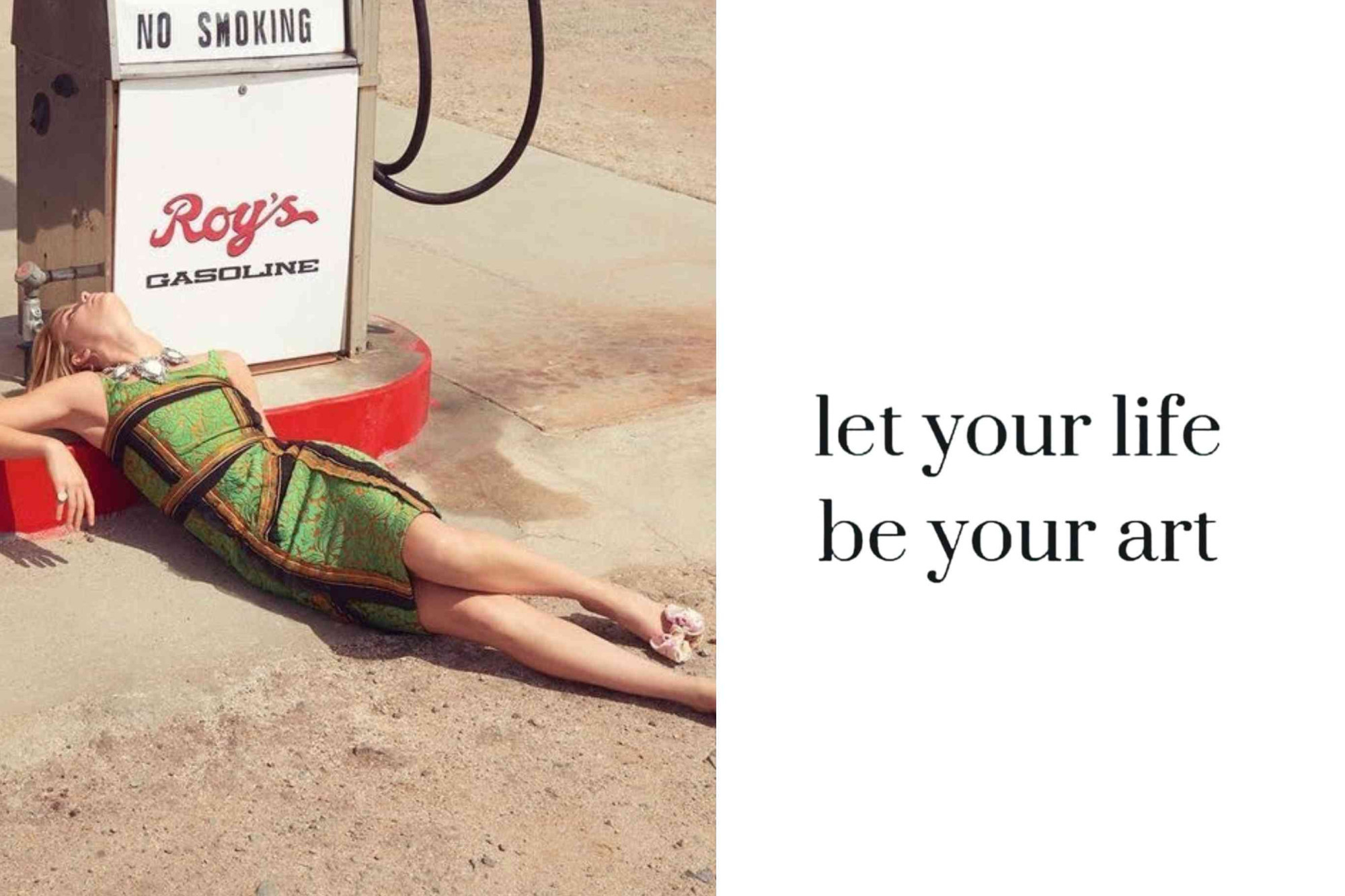
Fashion photography is not only about documenting clothing. It uses location, composition, styling and atmosphere to create a visual narrative around fashion. The setting can be as important as the clothes themselves, giving an image context and helping define its character.
Photographers often use unexpected locations to create contrast. A carefully styled garment photographed in an everyday, industrial or roadside environment can produce a completely different visual effect than the same piece photographed in a traditional studio.
Fashion photography therefore brings several creative disciplines together. Photography, styling, fashion design, art direction and location all contribute to the final image. The result can communicate much more than the individual garment and become a recognisable creative work in itself.
#FashionPhotography #VisualStorytelling #ArtDirection #FashionArt #LesArtistesduMonde
Les Artistes du Monde @artistesdumonde
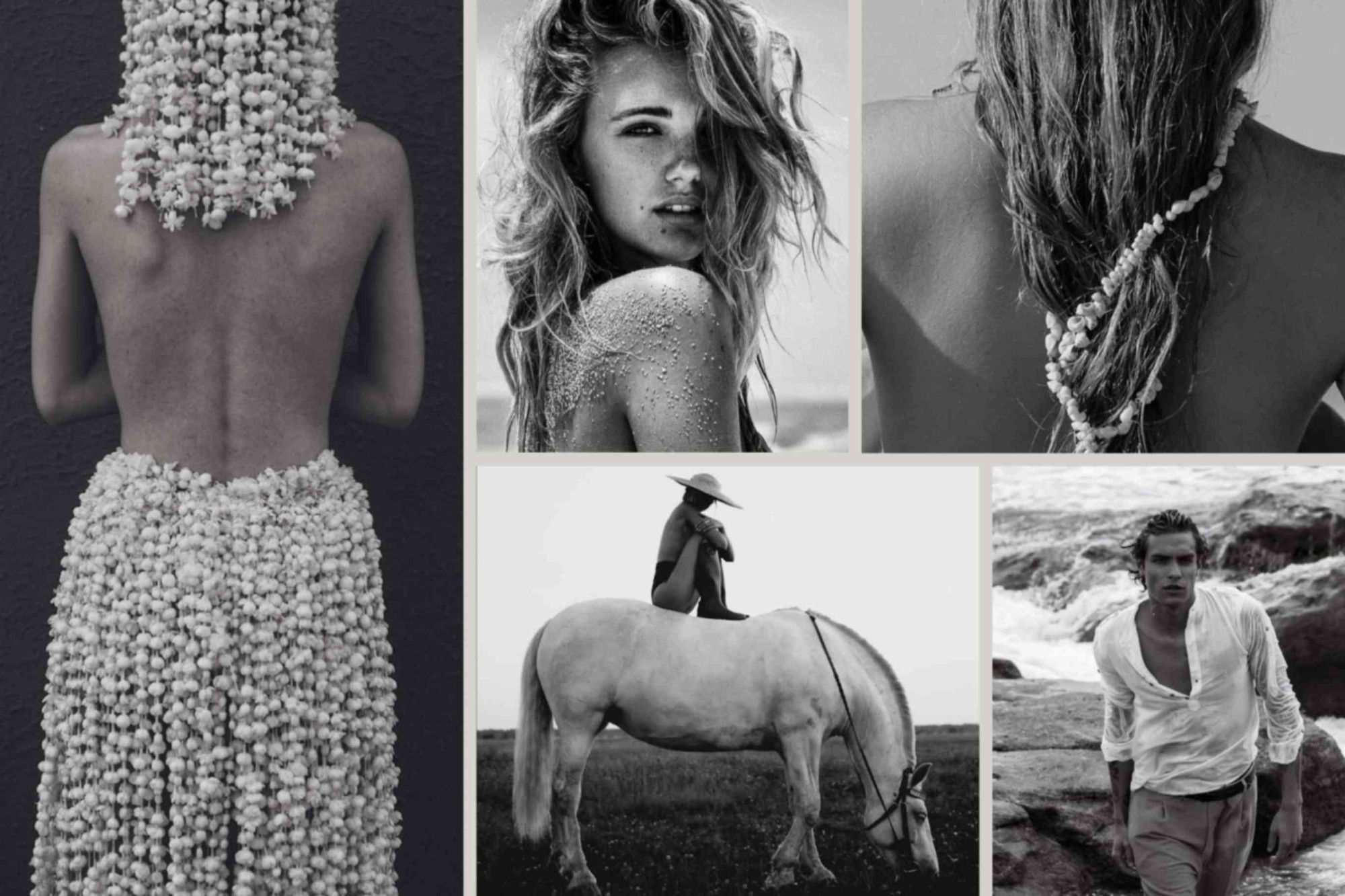
Black and White Photography
Black and white photography removes colour from an image and places greater emphasis on light, contrast, texture and composition. This can change the way a portrait or fashion image is perceived, drawing attention to details that might otherwise compete with colour.
Light becomes particularly important. Shadows can define the shape of a face, body or garment while differences between dark and light areas create depth and structure. Textures such as skin, fabric, hair and natural surroundings can also become more pronounced.
Despite the possibilities of contemporary colour photography, black and white remains widely used in portrait, fashion and fine art photography. Its strength lies not in nostalgia but in its ability to simplify an image and direct attention towards form, expression and composition.
#BlackAndWhitePhotography #Photography #PortraitPhotography #FineArtPhotography #LesArtistesduMonde
Les Artistes du Monde @artistesdumonde
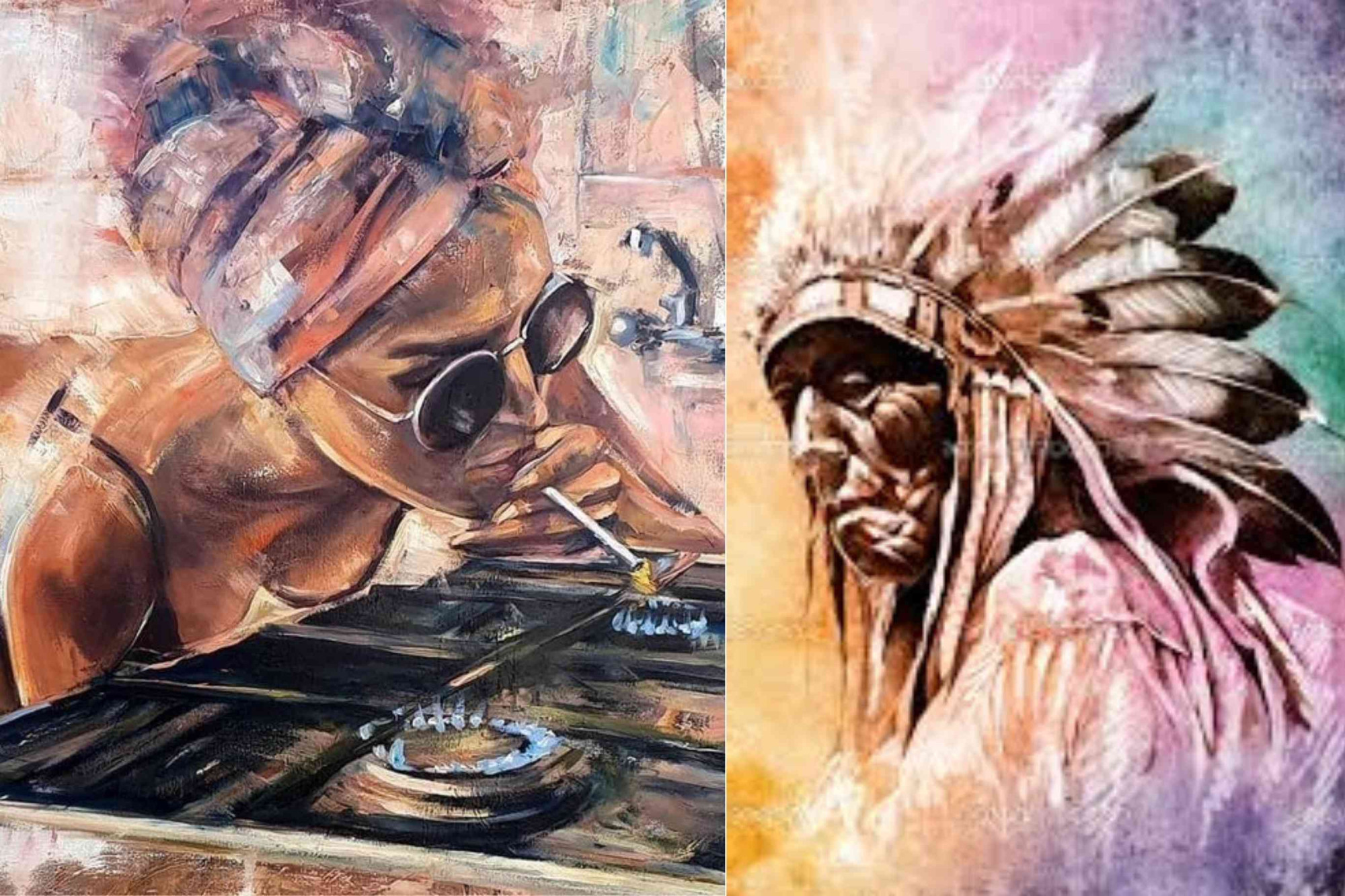
Portrait art can communicate more than physical appearance. Clothing, accessories, surroundings, colour and artistic technique can introduce elements of culture, personal history and identity into the way a subject is represented.
Artists have approached identity in very different ways across painting, photography and illustration. Some portraits document specific people and traditions, while others use cultural references as part of a broader artistic composition. Understanding the context behind these elements is important, particularly when symbols or traditional dress have a specific cultural meaning.
Contemporary portraiture continues to explore the relationship between the individual and the cultures, communities and environments that shape them. This makes context an important part of looking at a portrait, alongside technique, composition and visual expression.
#PortraitArt #CulturalIdentity #ContemporaryArt #VisualCulture #LesArtistesduMonde
Les Artistes du Monde @artistesdumonde
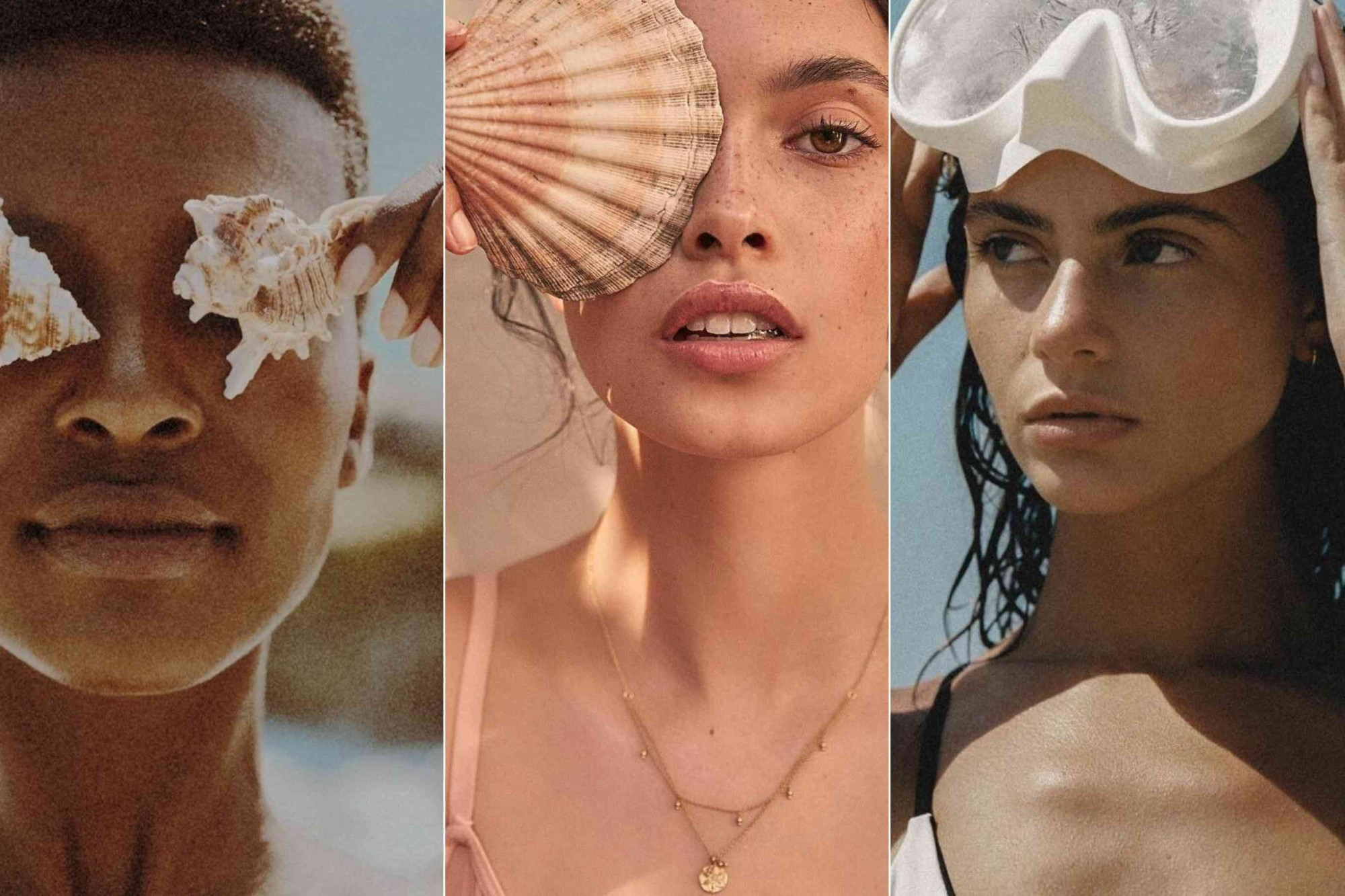
Natural forms have long influenced artists, designers and image makers. Shells, stones, plants and organic structures provide shapes, textures and patterns that can be translated into photography, fashion, sculpture, jewellery and other creative disciplines.
Shells are a clear example. Their curves, symmetry and layered surfaces can inspire everything from sculptural accessories to compositions in editorial photography. Rather than simply reproducing nature, creators can isolate individual characteristics and reinterpret them through different materials and techniques.
This relationship between nature and creative practice continues across contemporary art and design. Looking closely at naturally occurring forms can provide ideas for proportion, texture, colour and structure, creating connections between the natural environment and visual culture.
#ArtAndNature #CreativeInspiration #EditorialPhotography #OrganicForms #LesArtistesduMonde
Les Artistes du Monde @artistesdumonde
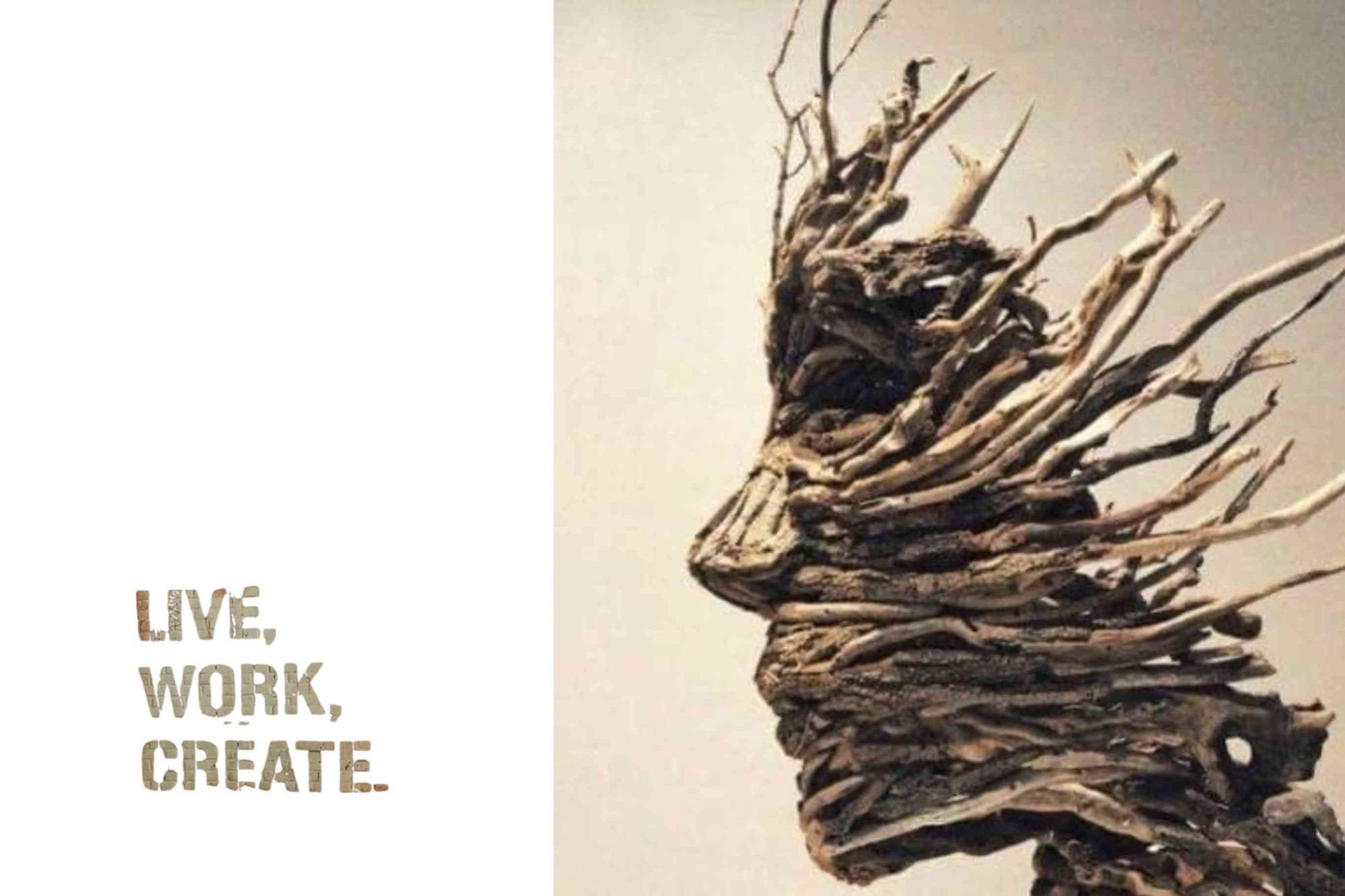
Natural materials can become part of the artistic process rather than simply serving as inspiration. Wood, branches, stone, clay and other materials found in nature bring their own textures, shapes and imperfections into sculptural work.
Working with these materials requires artists to respond to characteristics that already exist. The direction of a branch, the grain of wood or the irregular surface of a stone can influence the form of the finished sculpture. Instead of completely controlling the material, the artist works with its existing structure.
This approach creates a direct connection between sculpture, craftsmanship and the natural environment. Contemporary artists continue to explore these materials through figurative and abstract works, demonstrating how familiar natural elements can be transformed through composition and technique.
#Sculpture #NaturalMaterials #ContemporaryArt #ArtAndNature #LesArtistesduMonde
Les Artistes du Monde @artistesdumonde
Painting and Photography in Portraiture
Painting and photography provide different ways of interpreting the human face. A photograph captures a moment through light, composition and timing, while painting allows an artist to reconstruct a portrait through colour, texture, form and individual artistic choices.
Painters can alter proportions, simplify details or introduce colours that do not exist in the original subject. Photographers work with other elements such as lighting, styling, perspective and depth of field to influence how a person is represented.
Contemporary portraiture often brings these disciplines closer together. Photographers draw inspiration from painting while painters increasingly work from photographic references. Both approaches demonstrate that a portrait is not simply a record of someone's appearance but also an interpretation shaped by the person creating the image.
#Portraiture #PortraitPainting #PortraitPhotography #VisualArt #LesArtistesduMonde
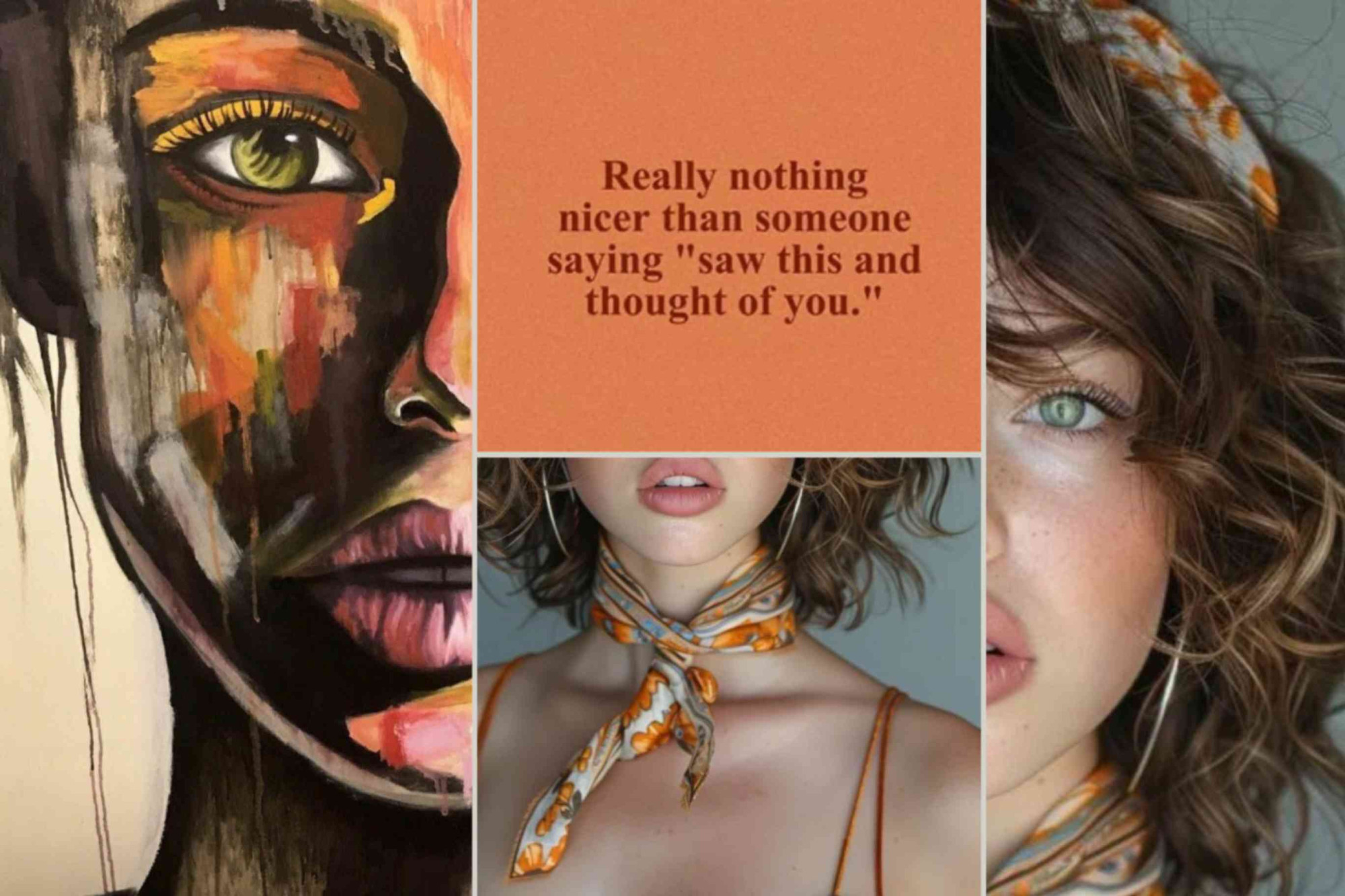
Les Artistes du Monde @artistesdumonde
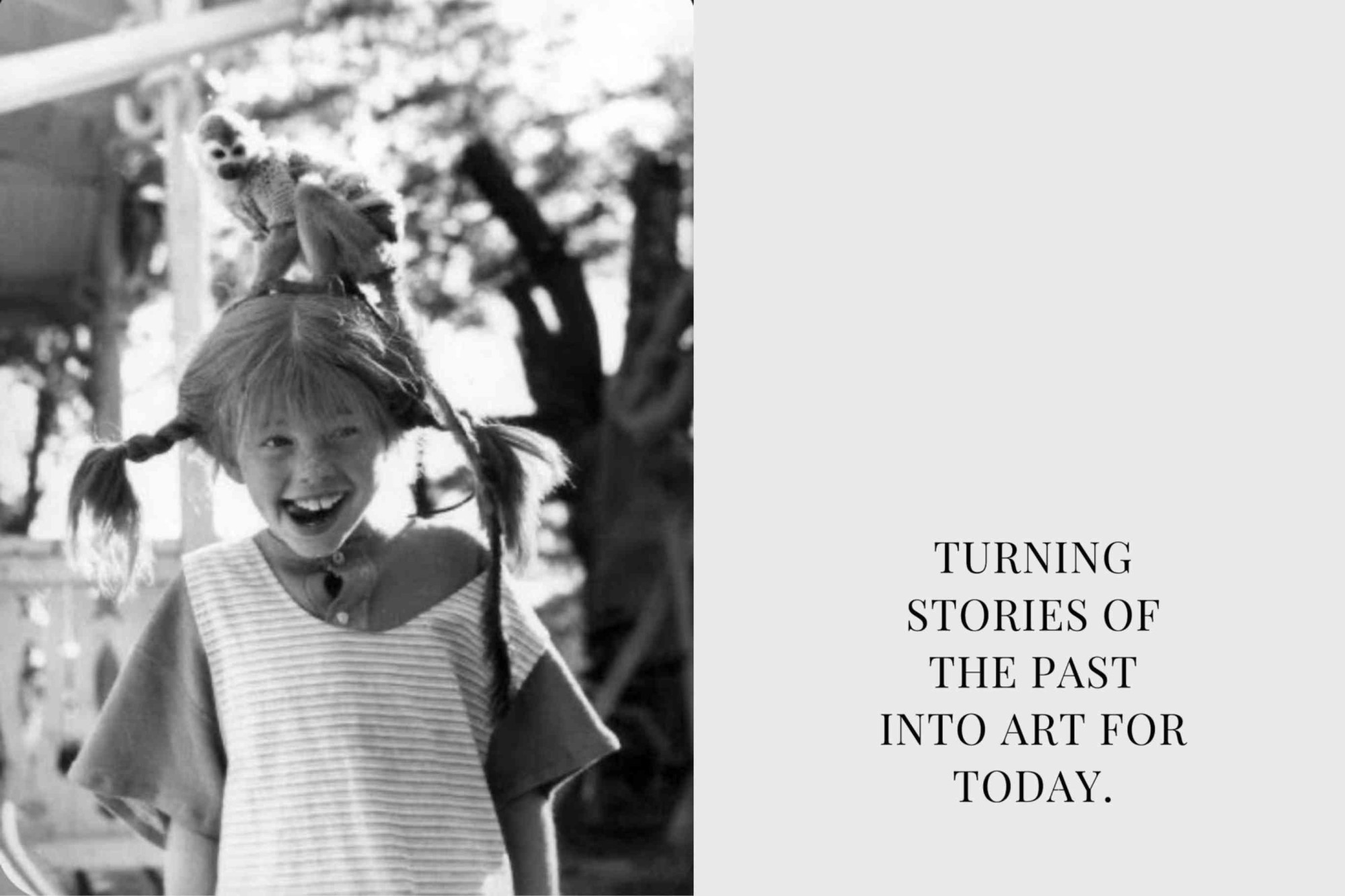
From Literary Character to Cultural Icon
Some fictional characters move far beyond the books in which they first appeared. Through illustration, film, television, costume and photography, they develop a visual identity that becomes recognisable across generations.
Pippi Longstocking is a clear example. Created by Swedish author Astrid Lindgren, the character became known not only through literature but also through her distinctive visual appearance, from her red braids and freckles to her unconventional clothing and independent personality.
The transformation of literary characters into visual culture shows how different creative disciplines influence one another. Writers establish the character, while illustrators, costume designers, actors, photographers and filmmakers contribute to the way audiences eventually recognise them.
#PippiLongstocking #VisualCulture #LiteratureAndArt #CulturalIcons #LesArtistesduMonde
Les Artistes du Monde @artistesdumonde
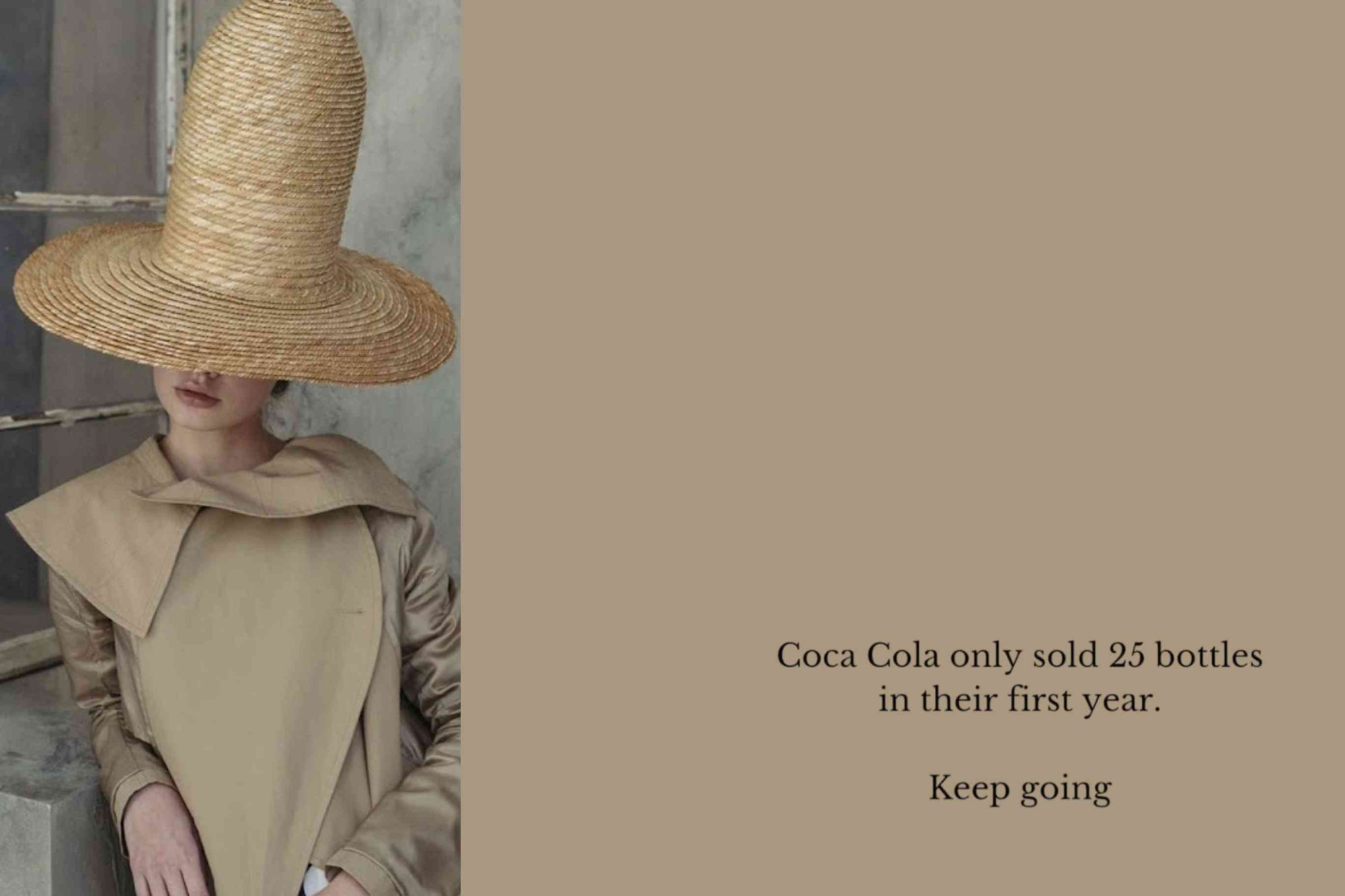
How Coca-Cola Became a Visual Icon
Coca-Cola grew from a new soft drink introduced in 1886 into one of the most recognisable visual identities in the world. Its development demonstrates how graphic design, packaging and advertising can shape the cultural identity of a product over generations.
The brand's distinctive script became an important part of that identity, while the contour bottle introduced in the early twentieth century gave Coca-Cola a recognisable physical form. Advertising later added other visual elements, including illustrations, posters, signs and campaigns that reflected different periods in popular culture.
Its history also shows that brand identity is not created by a single logo or advertisement. Consistent typography, colour, packaging, photography and storytelling can gradually build a visual language that audiences recognise across countries and generations.
Today, historic Coca-Cola advertisements and objects are also studied and collected as examples of graphic design, advertising history and popular visual culture. They demonstrate how commercial design can become part of a much broader cultural landscape.
#GraphicDesign #AdvertisingHistory #VisualIdentity #BrandDesign #LesArtistesduMonde
Les Artistes du Monde @artistesdumonde
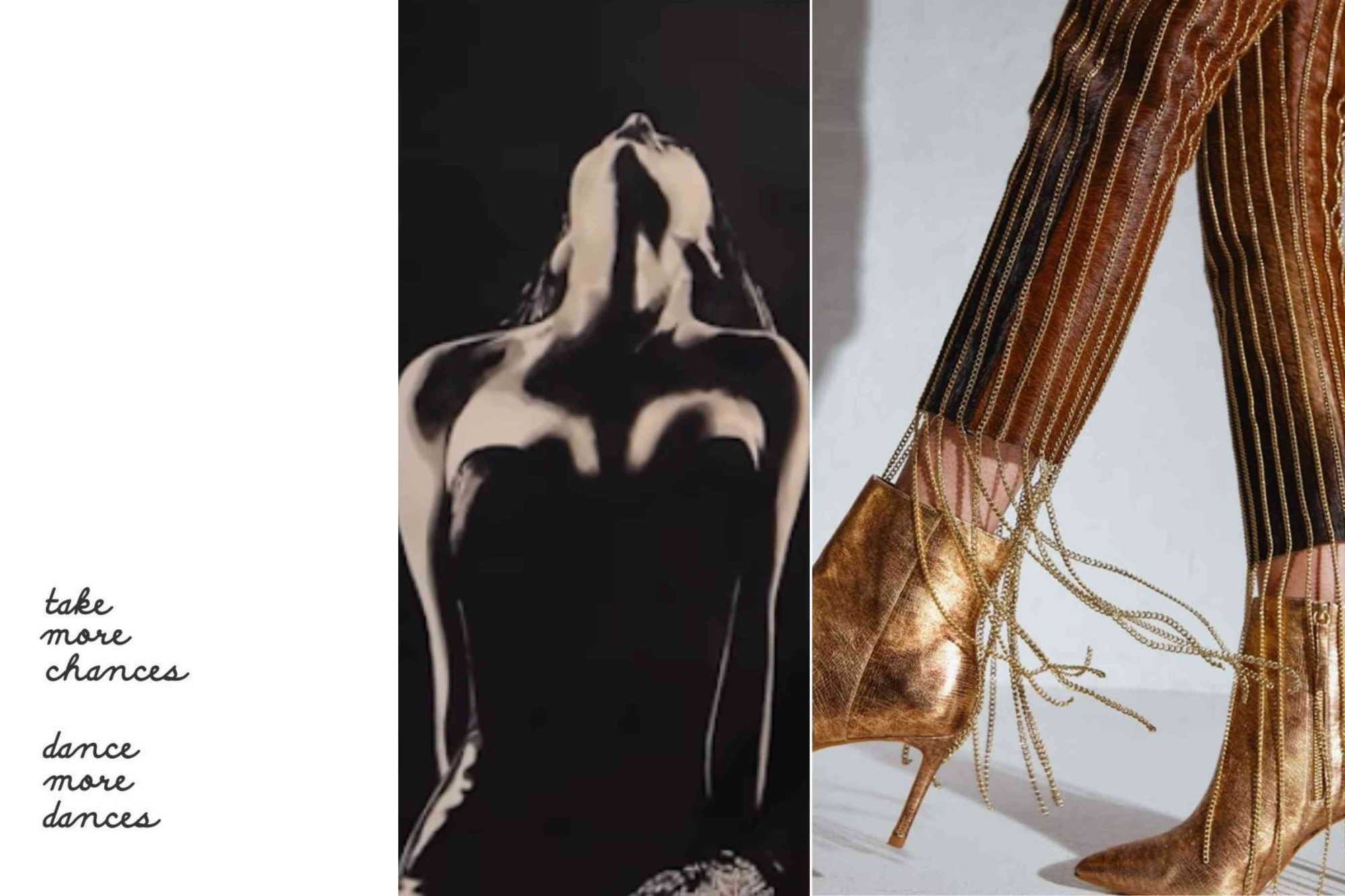
Dance uses the human body as a means of artistic expression. Movement, rhythm, posture and gesture can communicate ideas and emotions without relying on spoken language, making the body itself an important part of the creative work.
Different forms of dance approach movement in their own way, from the precision of classical techniques to the greater freedom found in many contemporary performances. Choreographers combine individual movements into compositions, considering timing, space and the relationship between performers.
The visual identity of dance also extends beyond choreography. Costume, lighting, music, stage design and photography can influence how a performance is experienced and documented. Together, these disciplines transform movement into a broader artistic and visual experience.
#Dance #PerformingArts #Choreography #Movement #LesArtistesduMonde
Les Artistes du Monde @artistesdumonde
Colour plays an important role in the way a painted portrait is constructed and perceived. Artists rarely rely on a single tone when painting skin. Instead, combinations of warm and cool colours, highlights, shadows and surrounding tones are used to create depth and dimension.
Colour can also influence the overall character of a portrait. Earth tones may create warmth and visual cohesion, while stronger contrasts can direct attention towards particular features. Background colours, clothing and accessories can further affect how the subject stands out within the composition.
Contemporary portrait artists often move beyond strictly realistic colour. Visible layers, unexpected tones and expressive brushwork allow painters to interpret their subjects rather than simply reproduce their appearance. Colour therefore becomes both a technical tool and an important part of an artist's individual visual language.
#PortraitPainting #ColourInArt #Painting #ContemporaryArt #LesArtistesduMonde
Les Artistes du Monde @artistesdumonde
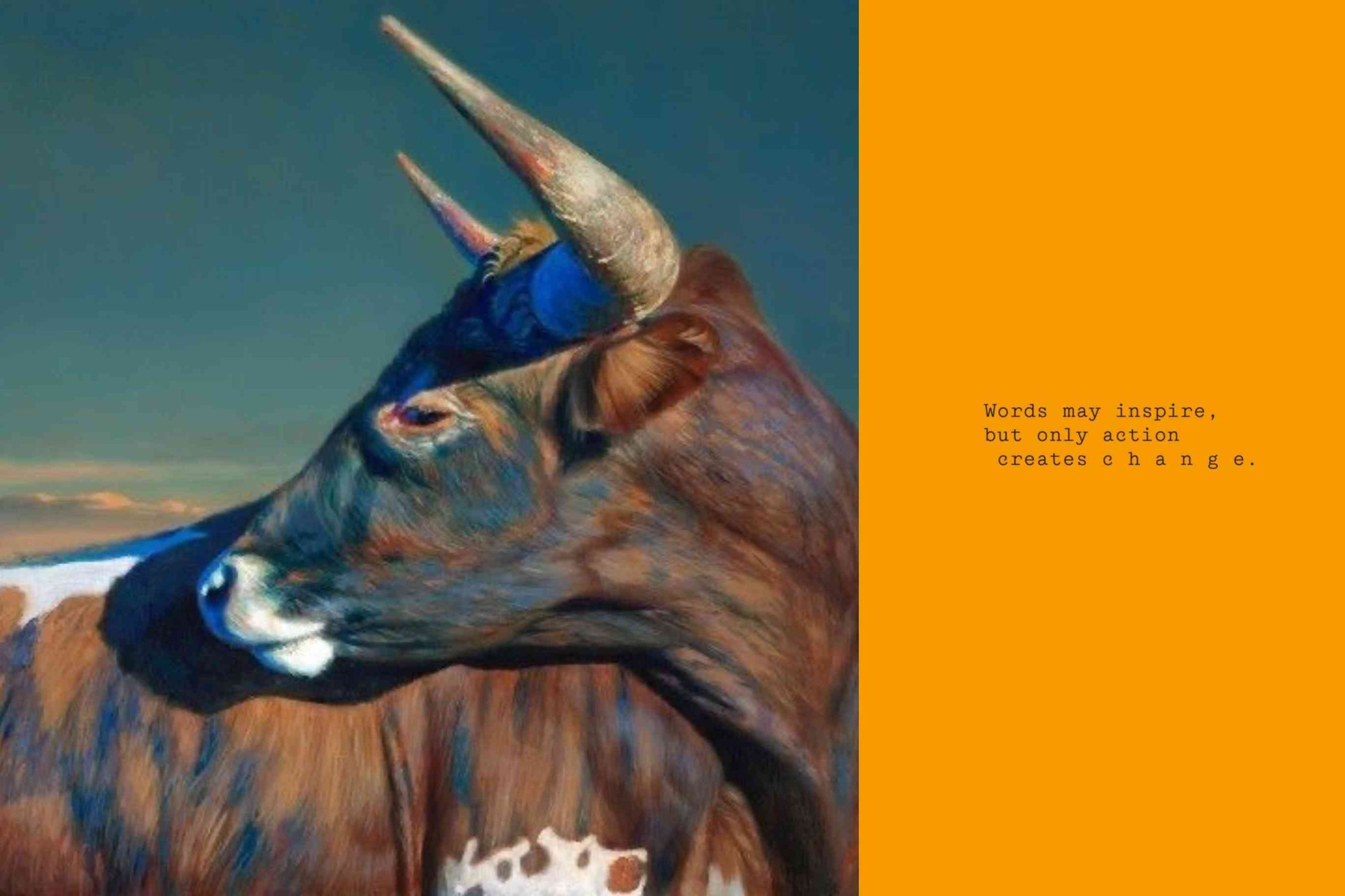
Animals in Art
Animals have been represented in art for thousands of years, appearing in everything from early cave paintings and classical sculpture to portraiture and contemporary art. Their role has changed considerably across periods and cultures, reflecting the relationship between people, nature and the societies in which artists worked.
In painting, animals can be the central subject or form part of a larger composition. Artists use colour, texture, anatomy and movement to capture their physical characteristics, while different techniques can range from detailed realism to highly expressive interpretations.
Contemporary artists continue to work with animals as subjects through painting, photography, sculpture and illustration. These works demonstrate how a familiar subject can be interpreted in very different ways depending on an artist's technique and visual language.
#AnimalArt #Painting #ArtHistory #ContemporaryArt #LesArtistesduMonde