A New Way of Experiencing
Explore our philosophy of slow discovery Contact: info@lescouleursdumonde.com
Les Couleurs de Bali @debali
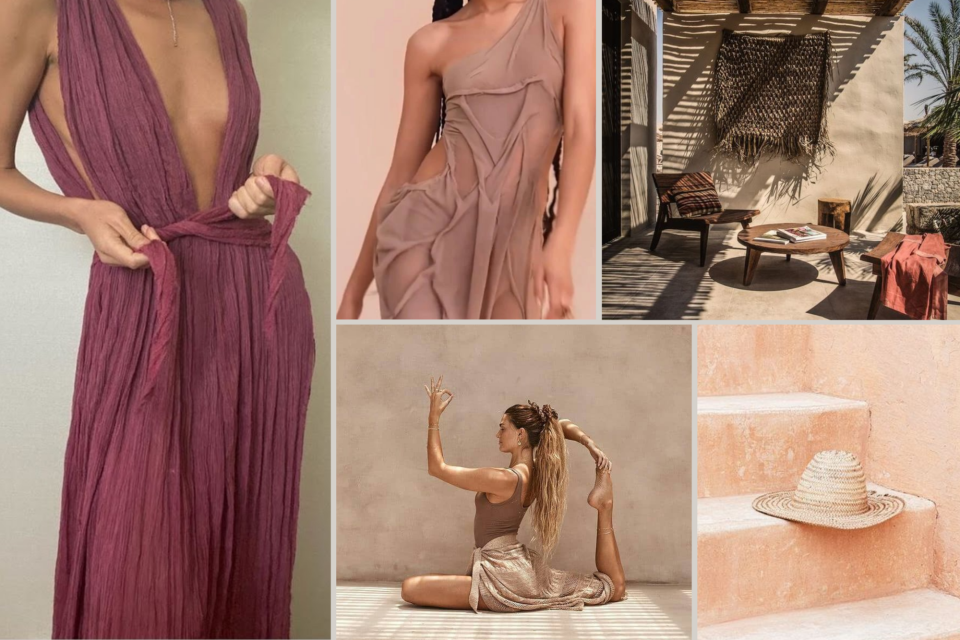
Packing for Bali works best when your wardrobe can move easily between the beach, a hotel, lunch and a day spent exploring the island. Lightweight pieces in breathable fabrics are particularly useful in the tropical climate and can be combined without bringing too much.
Loose trousers, relaxed dresses, skirts and simple tops form an easy base. Cotton and linen are practical choices, while crochet, embroidery and woven details fit naturally into the more relaxed side of a Bali wardrobe. A swimsuit or bikini that can be worn underneath clothing makes spontaneous stops at the beach or hotel pool much easier.
A light layer is useful too. Even in warm weather, it can be helpful for air-conditioned restaurants, early mornings or evenings outside. A sarong is another versatile piece to pack, especially when visiting temples where shoulders and legs should be covered appropriately.
Shoes can remain simple: sandals for most days, flip-flops for the beach and a comfortable pair of shoes if you plan to walk through rice fields, explore villages or spend time away from the coast.
Accessories such as a woven bag, hat and a few pieces of jewellery can change otherwise simple outfits without taking up much suitcase space. The result is a wardrobe that works with Bali's mix of beaches, tropical surroundings, informal restaurants and relaxed stays.
Planning a stay in Bali?
Find stays in Bali with Les Couleurs du Monde Travel.
#Bali #BaliTravel #BaliStyle #Indonesia #LesCouleursDuMonde
Les Couleurs de Bali @debali
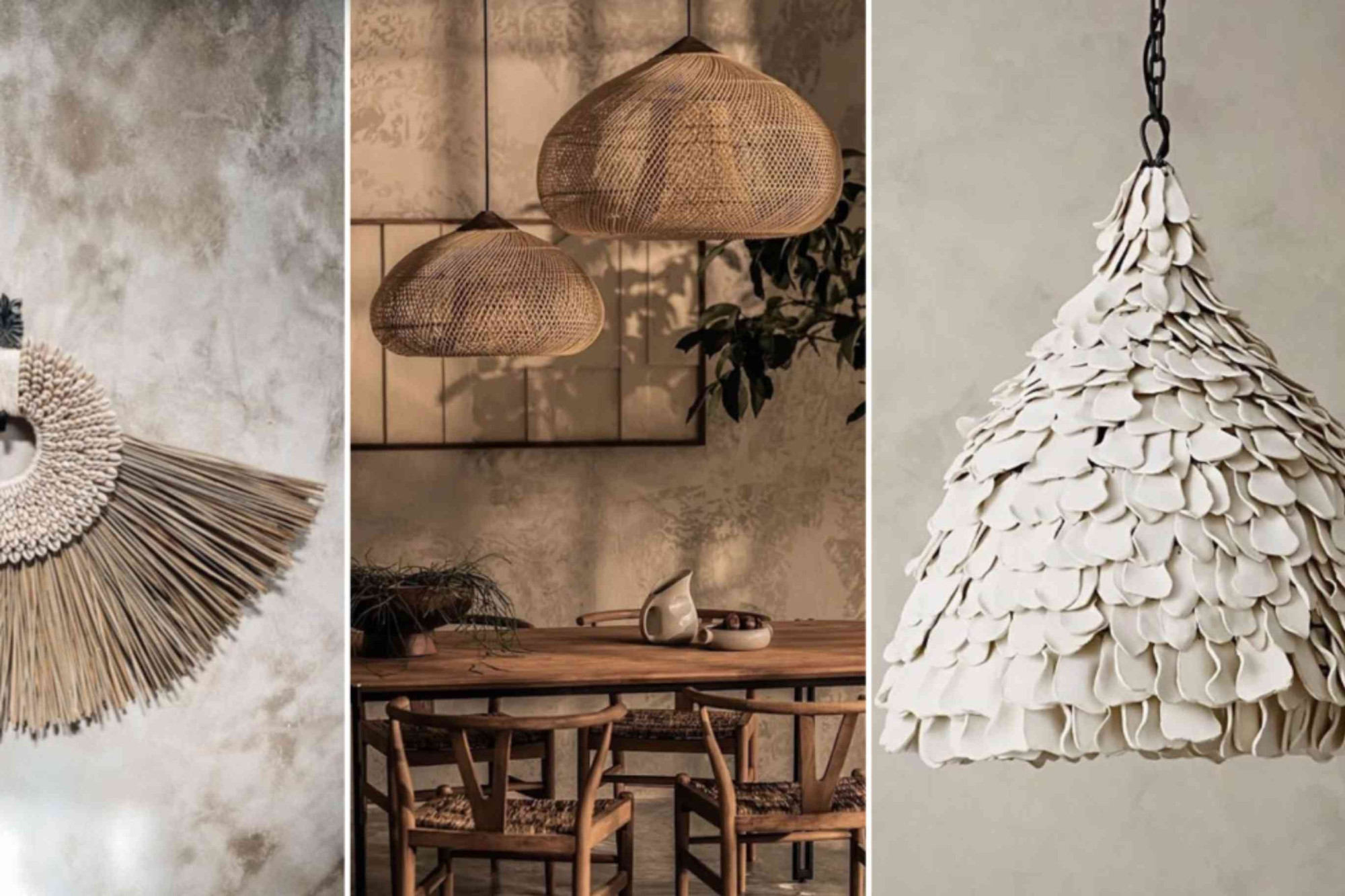
Some of the most memorable details inside a Bali stay are found above the dining table, beside the bed or hanging from a high ceiling. Lighting has become an important part of the interiors of many hotels, villas and restaurants on the island, where functional objects are frequently treated as decorative pieces in their own right.
Woven pendant lamps are particularly well suited to Bali's tropical architecture. Rattan, bamboo and other plant fibres allow light to filter through instead of creating a completely closed shade. During the day, their texture works with wood, stone and plaster interiors. In the evening, the same weave creates patterns of light and shadow across walls and ceilings.
More decorative designs introduce shells, beads or individually shaped pieces that turn a lamp into a focal point. These work particularly well in otherwise restrained interiors, where one unusual object can add character without filling the room with decoration.
It is an interesting detail to look for when choosing accommodation in Bali. Hotel photographs tend to focus on pools, views and bedrooms, but dining spaces, terraces and communal areas can reveal just as much about the character of a stay.
And for anyone bringing ideas home from Bali, lighting is perhaps one of the easiest details to remember. A woven pendant above a table can reference tropical interiors without recreating an entire Bali-inspired room.
Planning a stay in Bali?
Find stays in Bali with Les Couleurs du Monde Travel.
#Bali #BaliTravel #BaliInteriors #DesignHotels #LesCouleursDuMonde
Les Couleurs de Bali @debali
When looking at hotels in Bali, it is worth paying attention to the bathroom as well as the bedroom and pool. Some of the island's most interesting stays give just as much consideration to this part of the accommodation, creating spaces designed for long showers, baths and unhurried mornings.
Bali's climate makes layouts possible that would be difficult to use in many other destinations. Bathrooms can open onto private gardens, showers can sit beneath partially open roofs and large windows can bring tropical vegetation directly into view. In more secluded villas, the boundary between indoors and outdoors can become particularly subtle.
Materials play an important role too. Stone, textured plaster, timber and handmade objects give these spaces a warmer character than a conventional hotel bathroom. Instead of relying on large amounts of decoration, the architecture and materials provide most of the atmosphere.
For travellers, these details can make a genuine difference to the experience of a stay. A beautiful bathroom becomes somewhere to return to after the beach, a surf session or a day exploring the island, especially when it includes an outdoor shower, a deep bath or views of the surrounding landscape.
When comparing stays in Bali, it can therefore be worth looking beyond the usual photographs of infinity pools and ocean views. Sometimes one of the best spaces in the hotel is behind the bedroom door.
Planning a stay in Bali?
Find stays in Bali with Les Couleurs du Monde Travel.
#Bali #BaliTravel #BaliHotels #BaliDesign #LesCouleursDuMonde
Les Couleurs de Bali @debali
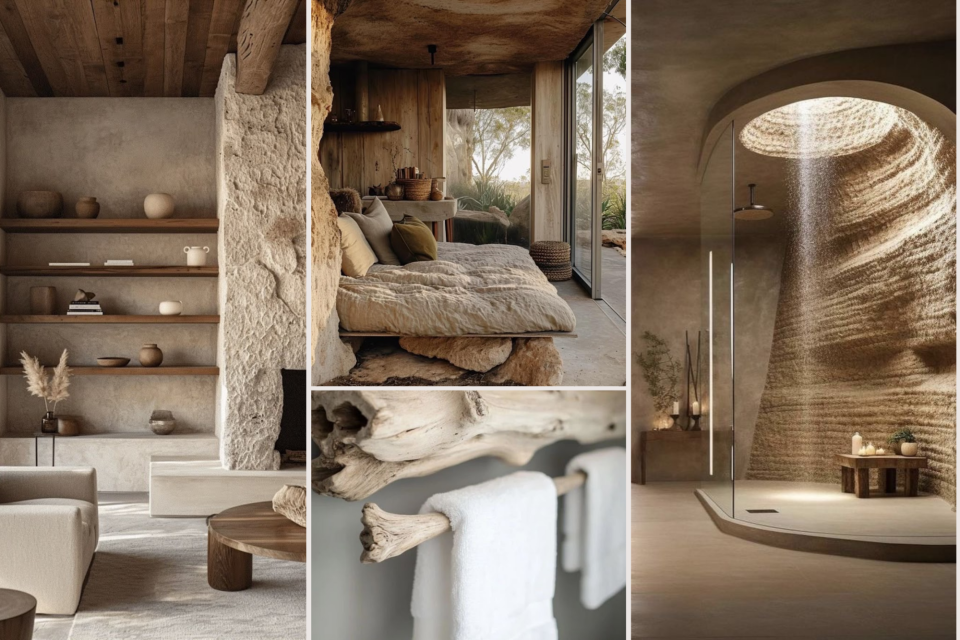
Bali interiors are not limited to pale wood, white linen and tropical greenery. Many stays across the island work with a much warmer palette, bringing together earthy colours, tactile materials and locally influenced decorative pieces.
Terracotta and clay shades work particularly well in Bali's strong natural light. Combined with rattan, timber, woven textiles and ceramics, they create rooms that feel warm without becoming heavy. Even small details, such as cushions in different shades of brown or handmade pots placed on open shelving, can give an otherwise simple room more depth.
Texture is equally important. Cane-fronted cupboards, loosely woven curtains, baskets and carved or beaded objects introduce variation while keeping the palette relatively restrained. These are details that appear naturally at home in tropical architecture, especially when rooms open onto gardens or terraces.
The same colours also translate easily into what you wear during a Bali trip. Rust, cinnamon, sand and cream work well with lightweight dresses, woven bags and natural jewellery, creating a connection between the relaxed atmosphere of a stay and the clothes packed for it.
For travellers who enjoy design, paying attention to these smaller details can make choosing accommodation part of the pleasure of planning Bali.
Planning a stay in Bali?
Find stays in Bali with Les Couleurs du Monde Travel.
#Bali #BaliTravel #BaliHotels #BaliInteriors #LesCouleursDuMonde
Les Couleurs de Bali @debali
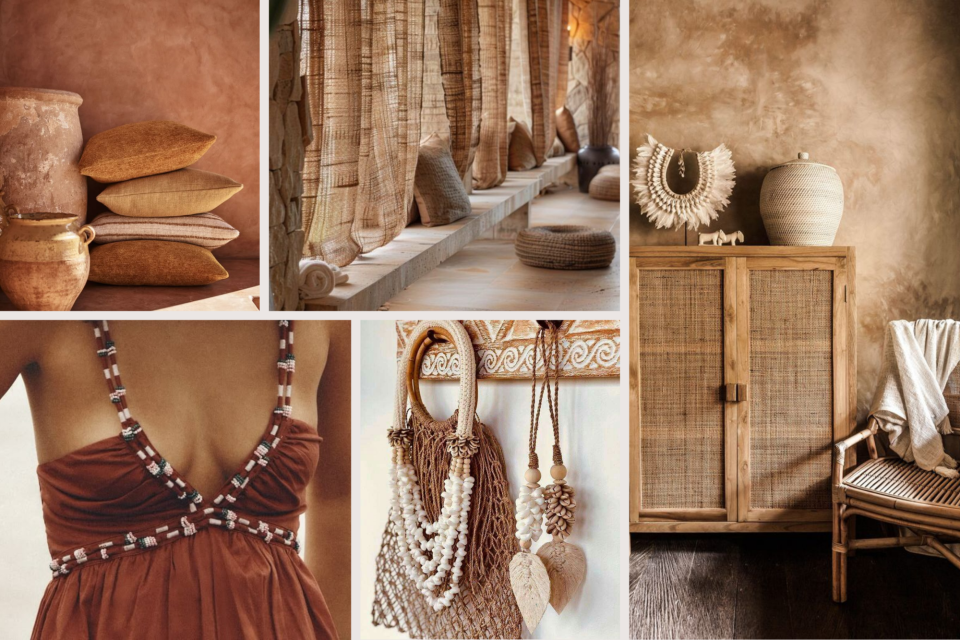
Shopping for interiors in Bali can be as interesting as shopping for clothes or souvenirs. The island has a large design and craft scene, with workshops producing everything from woven lighting and furniture to ceramics, baskets and decorative objects.
Rattan and bamboo are particularly visible. Large pendant lamps, woven chairs, baskets and wall pieces appear throughout hotels and restaurants, but similar pieces can also be found in shops and workshops. Many contemporary designers use traditional techniques while adapting shapes and proportions for modern interiors.
Ubud is a useful starting point for smaller objects, textiles and handmade pieces, while villages around the town are associated with different crafts. Mas is particularly known for woodcarving, while areas around Tegallalang have numerous workshops and shops selling furniture and decorative pieces.
Closer to the coast, Seminyak and Canggu offer a more curated selection. Here, local materials and techniques appear alongside contemporary furniture, home accessories and fashion, making these areas convenient if you want to browse several design shops during the same afternoon.
For larger pieces, it is worth asking about shipping before buying. Many established shops are accustomed to international customers and can explain what can realistically be transported home. Smaller baskets, ceramics and woven objects are much easier additions to a suitcase and can still bring a little of Bali's design language into an interior.
Planning a stay in Bali?
Find stays in Bali with Les Couleurs du Monde Travel.
#Bali #BaliTravel #BalineseDesign #BaliShopping #LesCouleursDuMonde
Les Couleurs de Bali @debali
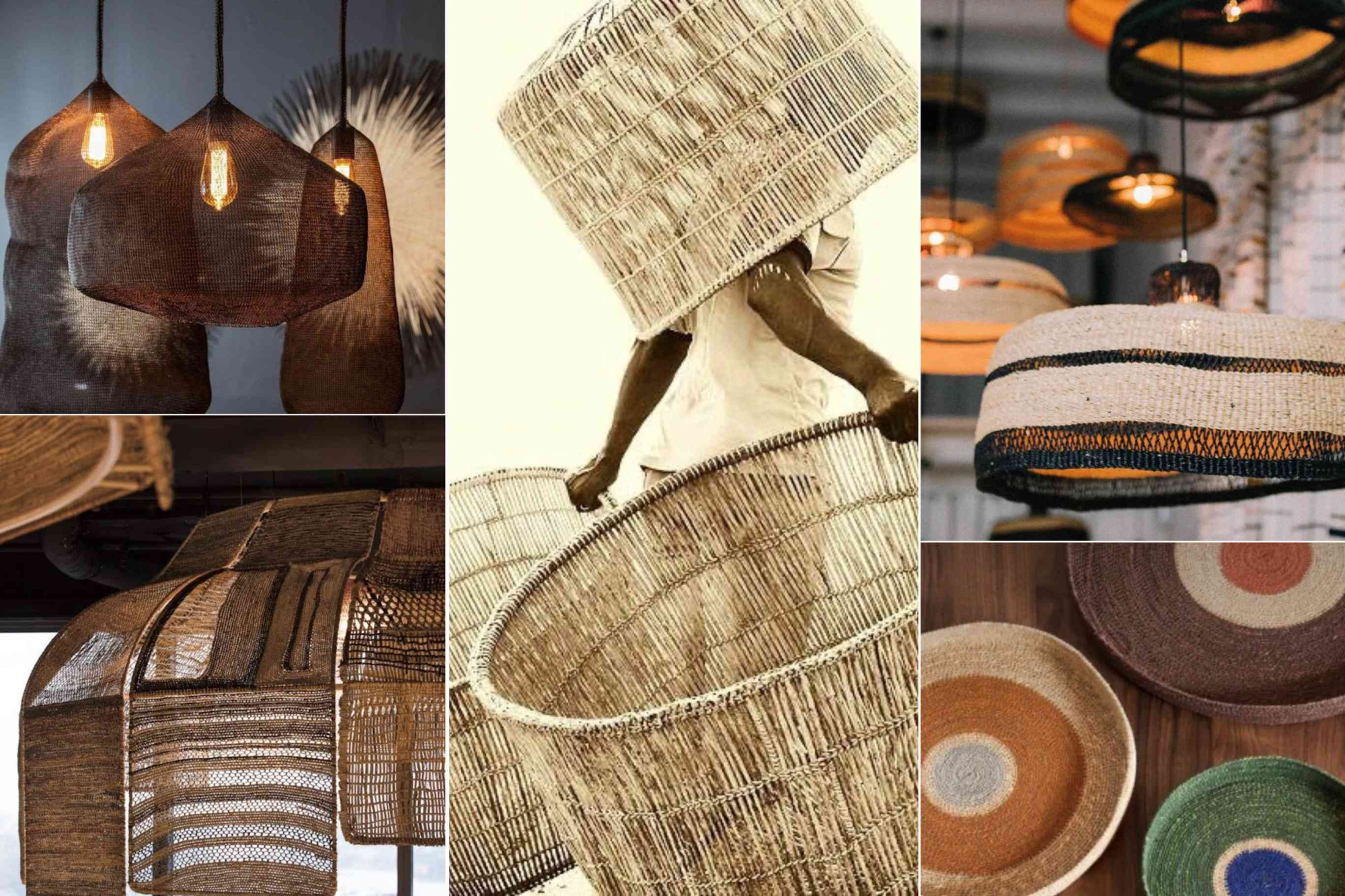
A Bali wardrobe changes once you leave the beach. Swimwear and very casual pieces work naturally around pools and coastal areas, but exploring the island calls for clothing that remains comfortable in the heat while being suitable for different places.
Loose trousers, long skirts, lightweight shirts and dresses are useful throughout the day. Natural fabrics such as linen and cotton cope well with the tropical climate, while neutral shades are easy to combine with woven bags, leather accessories and jewellery.
In Seminyak and Canggu, dressing is generally relaxed, particularly around cafés, shops and beach areas. Restaurants and more design-led hotels can call for something slightly more polished in the evening, although Bali remains relatively informal compared with many resort destinations.
Temple visits are different. Visitors are generally expected to cover their legs and dress respectfully, and a sarong and sash may be required. Some temples provide them at the entrance, but carrying a lightweight sarong makes spontaneous visits easier.
Accessories are an easy way to give simple travel clothes more character. Layered necklaces, bracelets, leather belts and woven bags take up little room and work particularly well with an otherwise restrained wardrobe.
The result is less about having separate outfits for every occasion and more about packing pieces that can move easily from breakfast at the hotel to an afternoon exploring and dinner later in the day.
Planning a stay in Bali?
Find stays in Bali with Les Couleurs du Monde Travel.
#Bali #BaliTravel #BaliStyle #TravelStyle #LesCouleursDuMonde
Les Couleurs de Bali @debali
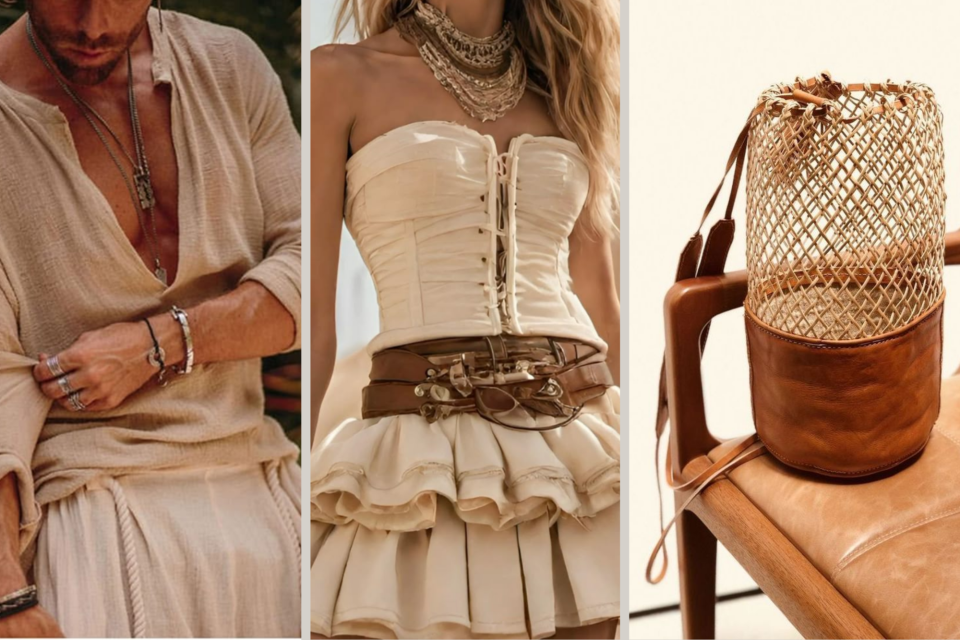
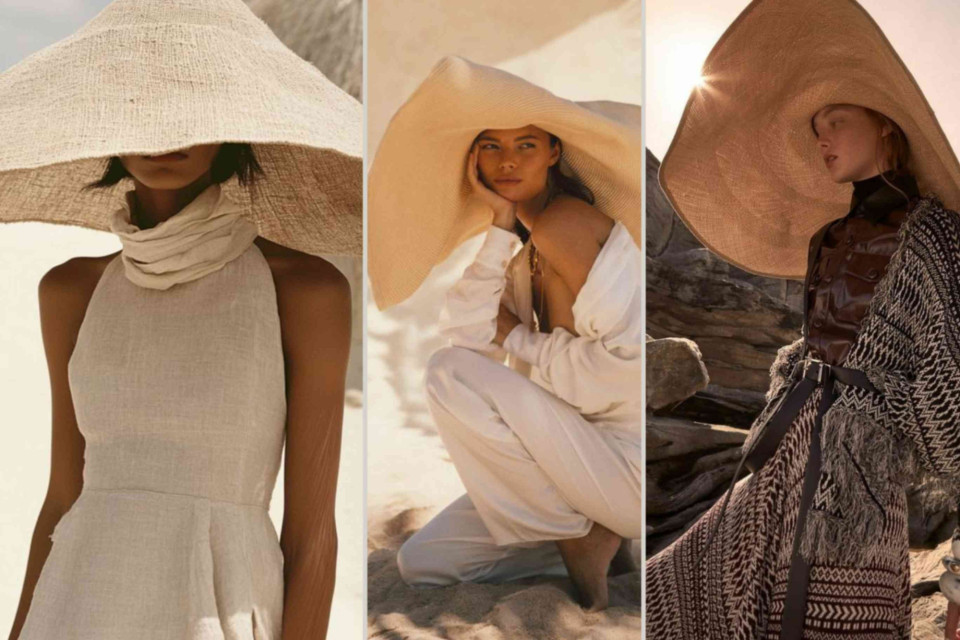
A wide-brimmed hat is one of the most useful accessories to bring to Bali. With much of a trip spent outdoors, from beaches and hotel pools to walking through towns and rice fields, clothing can provide an additional layer of protection from the sun.
Oversized woven hats offer considerably more shade than a small summer hat, covering the face, neck and sometimes the shoulders. They also work naturally with the lightweight clothes that suit Bali's climate, including linen dresses, loose trousers and oversized shirts.
Clothing with more coverage can be surprisingly comfortable when the fabrics are light. Long sleeves, flowing trousers and loose dresses protect more of the skin while allowing air to circulate, making them practical for sightseeing as well as time near the coast.
A hat also becomes useful away from the beach. Days exploring Ubud, visiting rice terraces or walking through local markets can mean spending several hours outside, sometimes with limited shade. Combined with sunscreen and regular breaks from direct sun, what you wear can make those days considerably more comfortable.
For travelling, a soft woven style that can be packed or reshaped is usually more practical than a highly structured hat. It is one of those pieces that can be worn throughout the trip instead of being reserved for a single beach day.
Planning a stay in Bali?
Find stays in Bali with Les Couleurs du Monde Travel.
#Bali #BaliTravel #BaliStyle #TravelStyle #LesCouleursDuMonde
Les Couleurs de Bali @debali
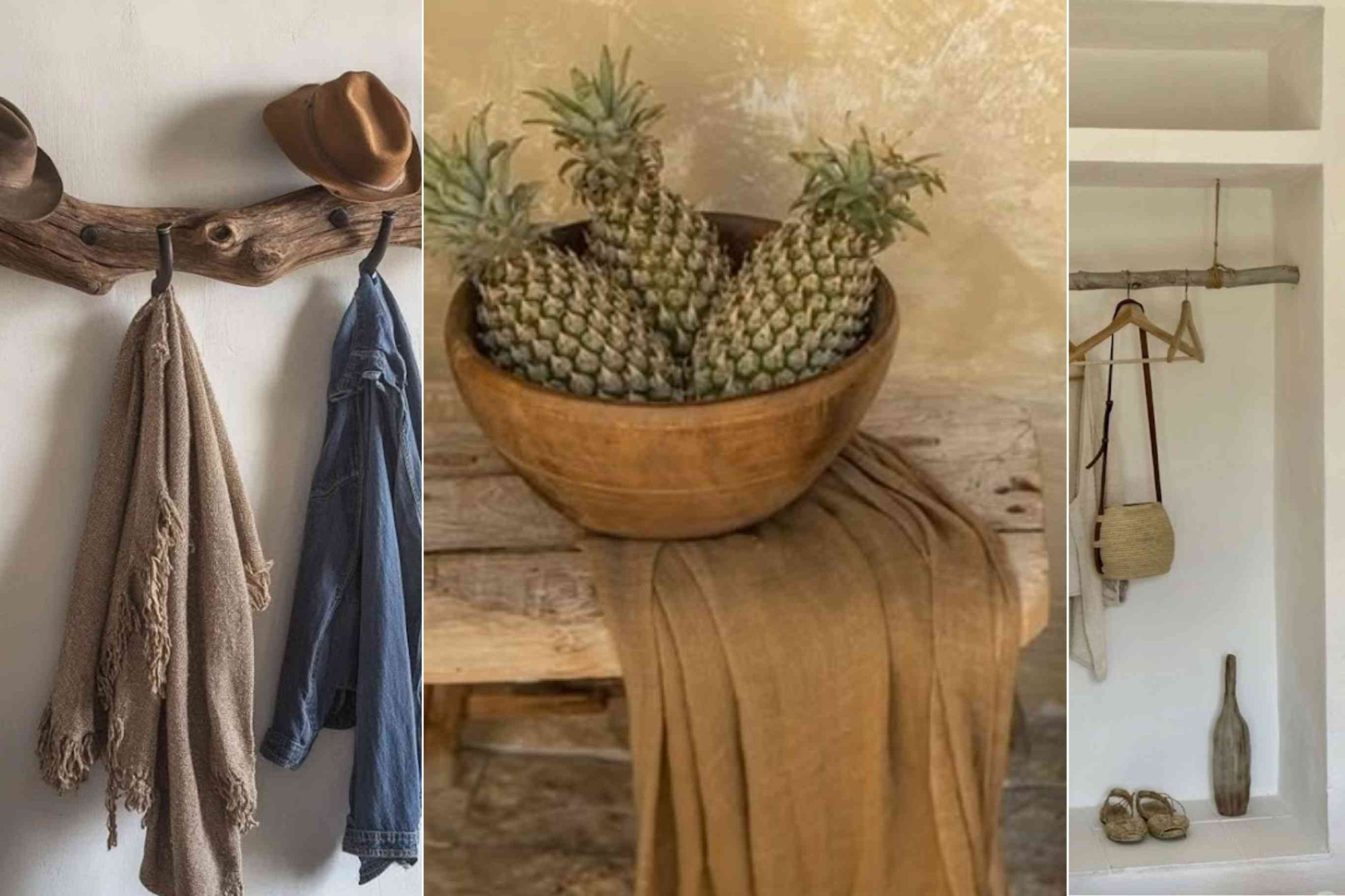
Some of the best details in a Bali stay are also the simplest. A bowl of tropical fruit, drinking water ready in the room, somewhere to hang clothes after the beach or a basket that can be taken to the pool may seem minor, but these are the things guests use every day.
In Bali, where much of the day is spent moving between indoors and outdoors, a well-designed room tends to accommodate that rhythm. Hooks and open wardrobes are useful for lightweight clothes and sarongs, while baskets and simple storage make it easier to keep beachwear, sandals and everyday belongings together.
Food can be part of the welcome too. Pineapple, papaya, mangosteen, rambutan and other tropical fruits are widely available on the island, and some hotels and villas include seasonal fruit in rooms or at breakfast. It is a small detail, but one that immediately connects a stay with its destination.
Practical extras are also worth checking before packing. Depending on the property, guests may find beach bags, reusable water bottles, umbrellas, sarongs or yoga mats already provided. Knowing what is available can save suitcase space, particularly during a longer trip with several stops.
When choosing between stays, these details rarely appear first in the photographs. Looking through room descriptions and guest information can reveal much more about what everyday life at the property will actually be like.
What to look for
Fresh drinking water – Particularly useful in Bali, where tap water should not be used for drinking.
Beach and pool accessories – Some stays provide towels, bags, sarongs or other useful items.
Breakfast and local fruit – Worth checking when comparing what is included in the room rate.
Practical storage – Open wardrobes, hooks and baskets work particularly well for an informal tropical stay.
Planning a stay in Bali?
Find stays in Bali with Les Couleurs du Monde Travel.
#Bali #BaliTravel #BaliHotels #TravelTips #LesCouleursDuMonde
Les Couleurs de Bali @debali
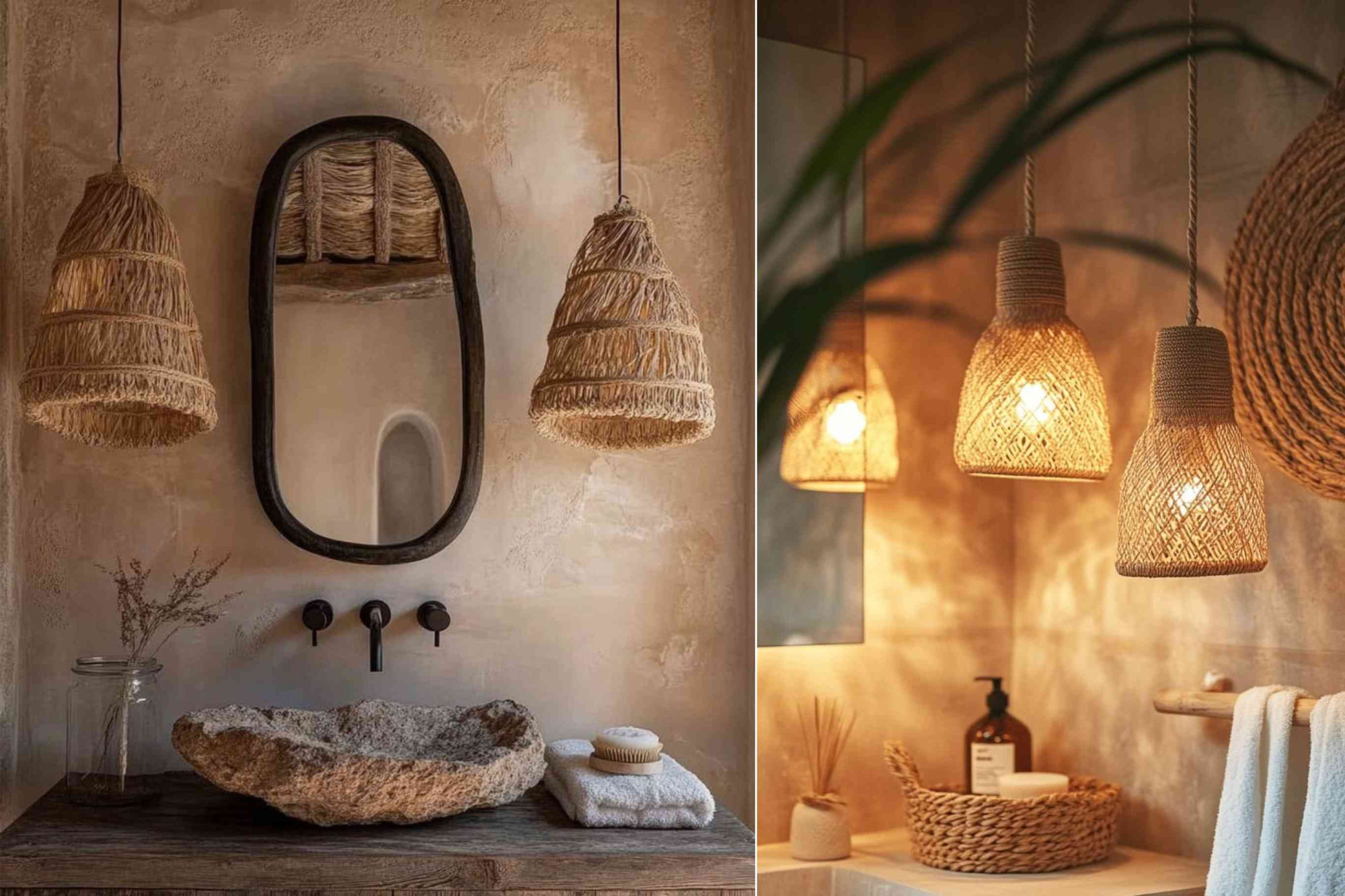
An outdoor bathroom is one of the features worth looking for when choosing a stay in Bali. Across the island, villas and boutique hotels use courtyards, open roofs and tropical gardens to create bathrooms that feel very different from those of a conventional hotel.
Some are completely open to a private garden, while others simply introduce an outdoor shower or leave part of the roof uncovered. Stone basins, textured walls, timber, woven lighting and simple wooden furniture are frequently used because they work naturally with the surrounding architecture.
Privacy is an important part of the design. In well-planned villas, walls and vegetation shield the bathroom while still allowing daylight and fresh air into the space. In jungle and countryside stays, the surrounding landscape can become part of the room itself.
The experience is particularly suited to Bali's climate. Showering outdoors after a morning at the beach, returning from a walk through rice fields or getting ready for dinner becomes one of those small details that can make the accommodation feel connected to the destination.
When comparing hotels and villas, it is worth looking through the bathroom photographs as well as the familiar images of pools and bedrooms. Bali has some particularly creative examples.
Planning a stay in Bali?
Find stays in Bali with Les Couleurs du Monde Travel.
#Bali #BaliTravel #BaliHotels #OutdoorBathroom #LesCouleursDuMonde
Les Couleurs de Bali @debali
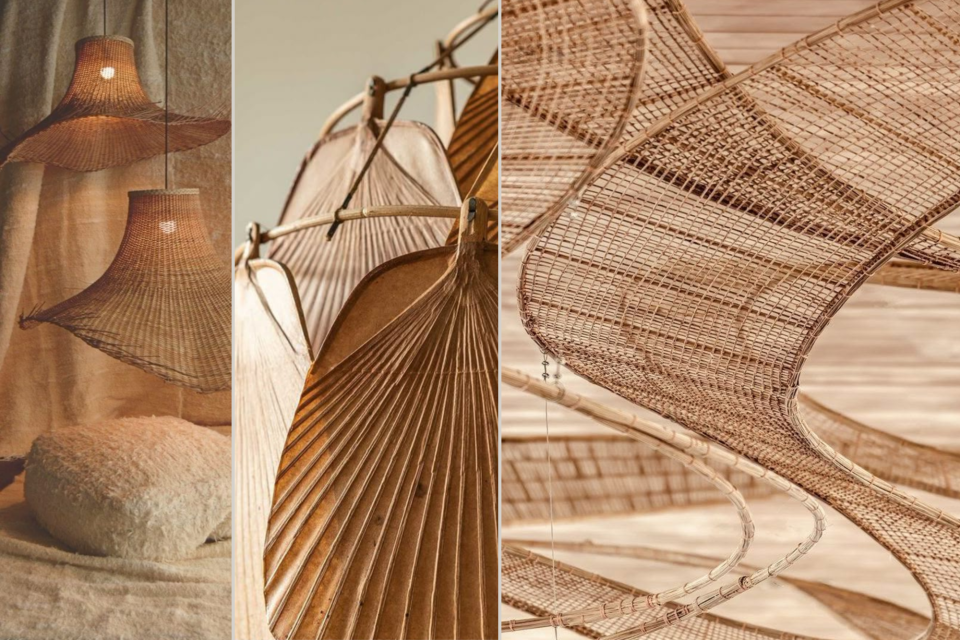
Design in Bali frequently starts with materials that are already part of everyday life on the island. Bamboo, rattan and other plant fibres can appear in everything from furniture and lighting to ceilings and large architectural structures.
What makes many newer stays interesting is the scale at which these materials are being used. Weaving is no longer limited to a basket or lampshade. Designers use it to create large screens, curved ceilings and installations that become part of the architecture itself.
Bamboo has an equally important role. Its flexibility allows architects to create sweeping roofs and open structures that would look very different if constructed from conventional materials. These buildings also suit Bali's climate, where shaded spaces and natural ventilation can form an important part of the design.
For travellers interested in architecture, this makes accommodation another way of seeing contemporary Bali. A hotel can introduce local materials and techniques while showing how designers are interpreting them in completely new ways.
Several properties are particularly interesting examples. Bambu Indah near Ubud combines historic Javanese houses with bamboo structures and natural materials. Bambu Indah's sister project, Green Village, is also worth knowing for its extraordinary bamboo architecture, although it is primarily a residential community rather than a conventional resort. Potato Head Studios in Seminyak takes a different approach, combining contemporary hospitality with Indonesian craft, locally made furniture and design.
Planning a stay in Bali?
Find stays in Bali with Les Couleurs du Monde Travel.
#Bali #BaliTravel #BaliDesign #BaliHotels #LesCouleursDuMonde
Les Couleurs de Bali @debali
Renting a villa changes the way you can spend your time in Bali. Instead of returning to a hotel room at the end of the day, you have your own living spaces, a kitchen or dining area and, in many properties, a private pool and garden.
The choice is particularly extensive around Canggu, Pererenan and Seminyak, where villas range from compact one-bedroom properties to large houses designed for groups. Staying here keeps restaurants, beaches and shops relatively close while providing more privacy than many larger resorts.
Ubud offers a different experience. Villas are more likely to sit among tropical gardens, rice fields or quieter residential areas, making them appealing for travellers who want to spend more time at the property itself. Further east, areas such as Sidemen offer an even quieter base surrounded by countryside.
A villa can also make sense for a longer trip. Having a kitchen, proper dining table and comfortable living area gives you the option of eating at home occasionally instead of organising every meal around a restaurant. For families or groups, shared spaces also allow everyone to stay together while retaining separate bedrooms.
Services vary considerably. Some villas operate almost like private hotels, with daily housekeeping, breakfast and staff available to arrange transport or meals. Others are closer to independent holiday rentals. Checking what is included before booking is therefore just as important as looking at the photographs.
Areas to consider
Canggu and Pererenan – Good for combining a private villa with beaches, restaurants and cafés.
Seminyak – Convenient for travellers who want restaurants, shopping and nightlife nearby.
Ubud – Particularly interesting for villas surrounded by gardens, rice fields and tropical vegetation.
Sidemen – A quieter option for countryside views and a more rural stay.
Planning a stay in Bali?
Find stays in Bali with Les Couleurs du Monde Travel.
#Bali #BaliTravel #BaliVillas #BaliHotels #LesCouleursDuMonde
Les Couleurs de Bali @debali
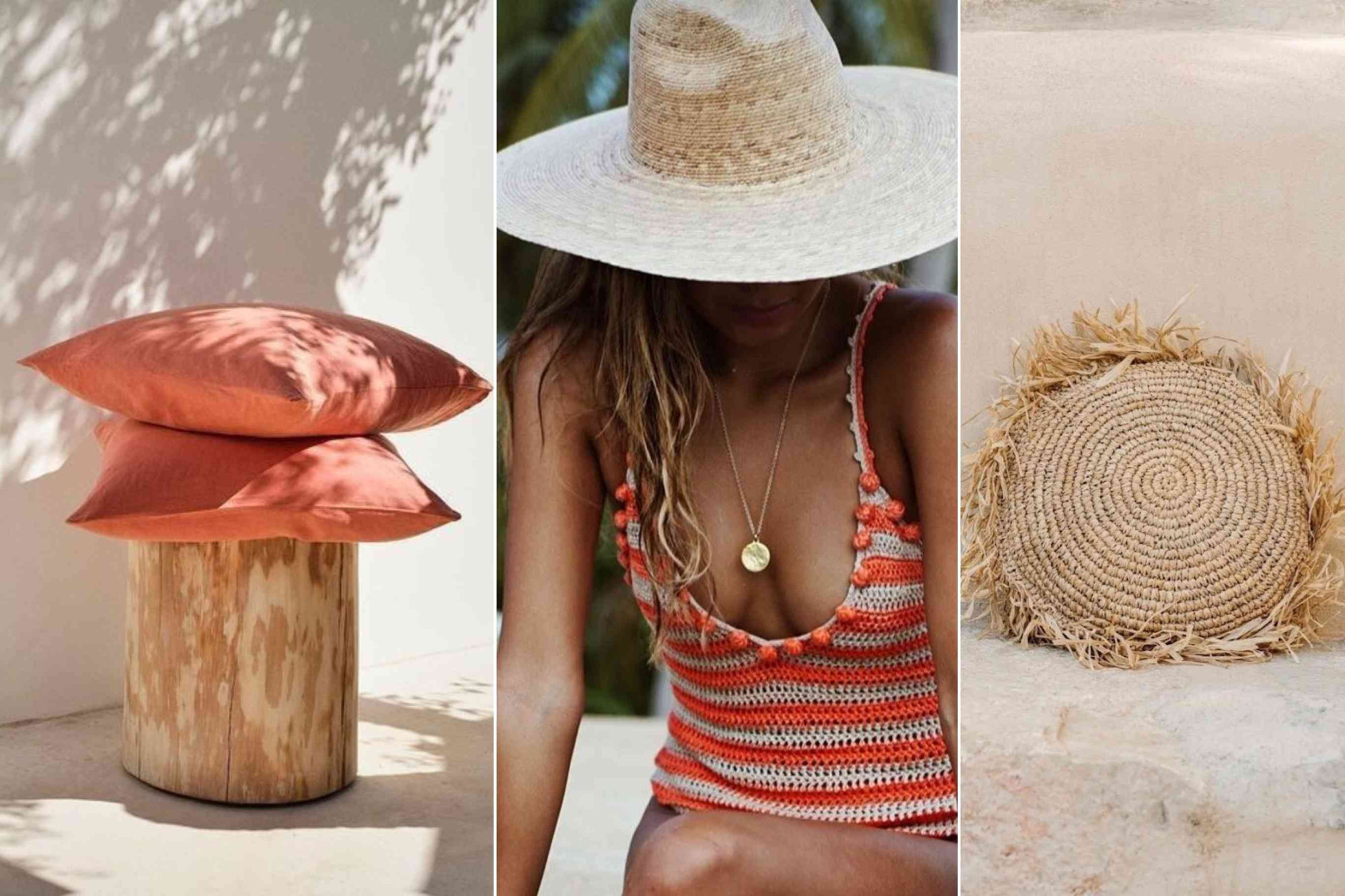
Bali is a good place to leave some room in your suitcase for clothes and accessories found during the trip. Shopping ranges from small boutiques and local markets to contemporary labels producing pieces specifically suited to a tropical wardrobe.
Crochet tops, loose dresses, linen separates and lightweight beachwear are easy to find, particularly around the southern coastal areas. Natural shades remain popular, but warmer colours such as rust, coral and terracotta work particularly well against Bali's tropical surroundings.
Accessories are equally interesting. Woven hats and bags, beaded jewellery, leather pieces and handmade sandals are small enough to bring home without turning shopping into a logistical exercise. They can also be worn immediately during the trip.
Seminyak has long been one of Bali's main areas for fashion boutiques and resortwear. Canggu offers a younger mix of independent labels, surf-inspired clothing and smaller concept stores. Ubud has a different character, with more textiles, jewellery, craft pieces and market shopping.
It is worth looking beyond pieces that simply carry a Bali aesthetic. Some of the more interesting finds come from Indonesian designers and businesses that produce locally and combine traditional materials or techniques with contemporary fashion.
Where to shop
Seminyak – A good starting point for resortwear, established boutiques and accessories.
Canggu – Independent labels, beachwear, jewellery and contemporary casual fashion.
Ubud – Particularly good for textiles, jewellery, market finds and handmade accessories.
Planning a stay in Bali?
Find stays in Bali with Les Couleurs du Monde Travel.
#Bali #BaliTravel #BaliFashion #BaliShopping #LesCouleursDuMonde
Les Couleurs de Bali @debali
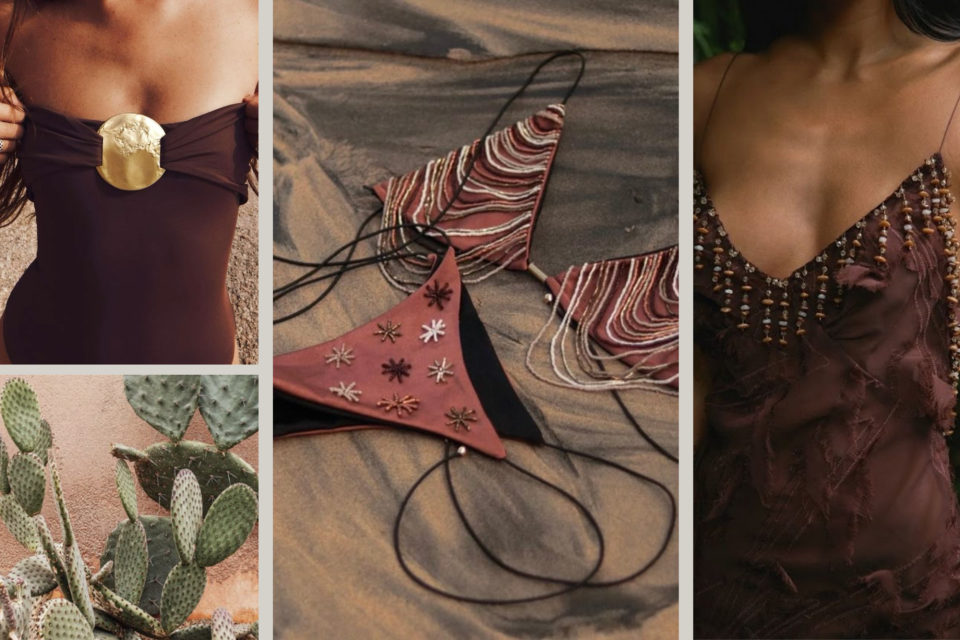
An evening out in Bali rarely requires formal dressing, but it can be a good moment to change the mood of what you have been wearing during the day. Around Seminyak, Canggu and Uluwatu, dinner may follow an afternoon at the beach or drinks at sunset, so clothes that work across several settings are particularly useful.
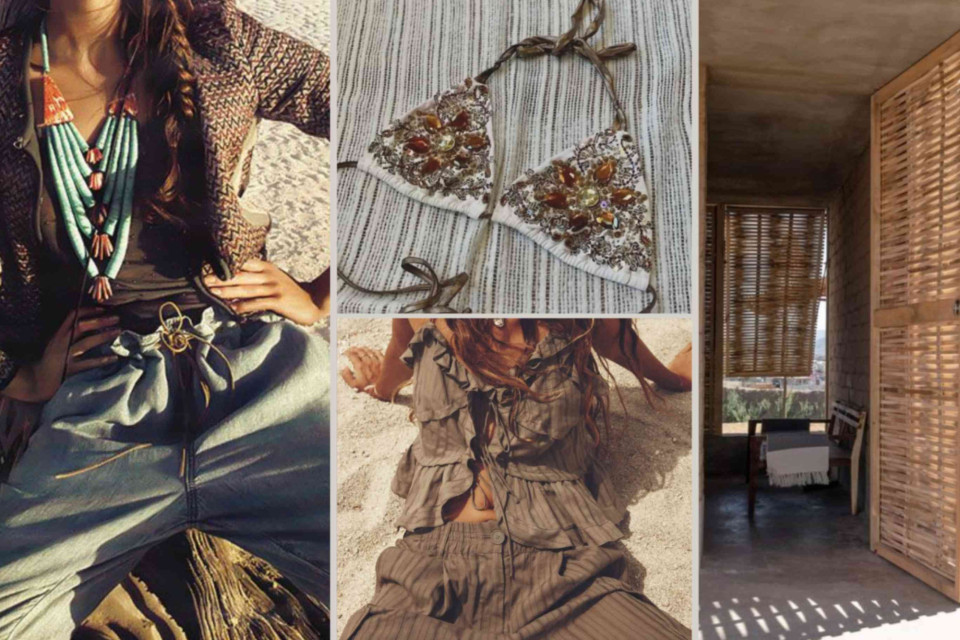
A swimsuit can become part of the outfit when combined with a skirt, loose trousers or an open shirt. Dark chocolate, rust, sand and other earthy colours work particularly well for evening, while embroidery, beads and textured fabrics add detail without making an outfit feel overly dressed.
Jewellery can do much of the work. A sculptural pendant, layered necklace or beaded piece changes a simple dress or swimsuit immediately and takes very little suitcase space.
Footwear remains relatively informal in most coastal areas. Flat leather sandals can work from late afternoon through dinner, although some of Bali's more sophisticated restaurants and hotel bars lend themselves to a slightly dressier look.
The main difference is location. A casual dinner in Canggu, sunset drinks in Uluwatu and an evening at a luxury resort in Nusa Dua can each call for a slightly different version of Bali style, but very few places require traditional formalwear.
Areas for an evening out
Seminyak – Restaurants, bars and beach clubs with plenty of options for dressing up a little.
Canggu – Generally more casual, with restaurants and bars mixed into the area's surf and beach culture.
Uluwatu – Particularly good for sunset drinks and dinner overlooking the coast.
Planning a stay in Bali?
Find stays in Bali with Les Couleurs du Monde Travel.
#Bali #BaliTravel #BaliStyle #BaliNights #LesCouleursDuMonde
Les Couleurs de Bali @debali
Choosing a wellness stay in Bali starts with deciding how much you want wellness to shape the trip. You can book a beautiful hotel with morning yoga and a good spa, or choose a dedicated retreat where much of the day follows a planned programme.
Ubud has one of the largest concentrations of wellness-focused accommodation on the island. Its inland setting, tropical vegetation and large choice of yoga studios and spas make it particularly suitable for travellers who want wellness to be an important part of their stay.
Other areas offer a different balance. Around Uluwatu, wellness can be combined with beaches, surfing and coastal restaurants, while quieter parts of the island suit travellers looking for more privacy and fewer distractions.
Before booking, it is worth checking what is actually included. Yoga classes, massages, meditation sessions and meals may be part of the rate at one retreat and charged separately at another. Some properties offer structured multi-day programmes, while others allow guests to decide each morning what they would like to do.
The right choice therefore depends less on finding the most elaborate retreat and more on choosing the type of stay that fits the holiday you want. For many travellers, a few yoga classes and a spa treatment alongside days spent exploring Bali may be enough.
Planning a stay in Bali?
Find stays in Bali with Les Couleurs du Monde Travel.
#Bali #BaliTravel #BaliRetreat #YogaBali #LesCouleursDuMonde