Travel Never Goes Out of Style
Les Couleurs du Monde Magazine - Where’s Your Next Escape? Discover our editions. Contact: info@lescouleursdumonde.com
Les Couleurs de Marrakech @demarrakech
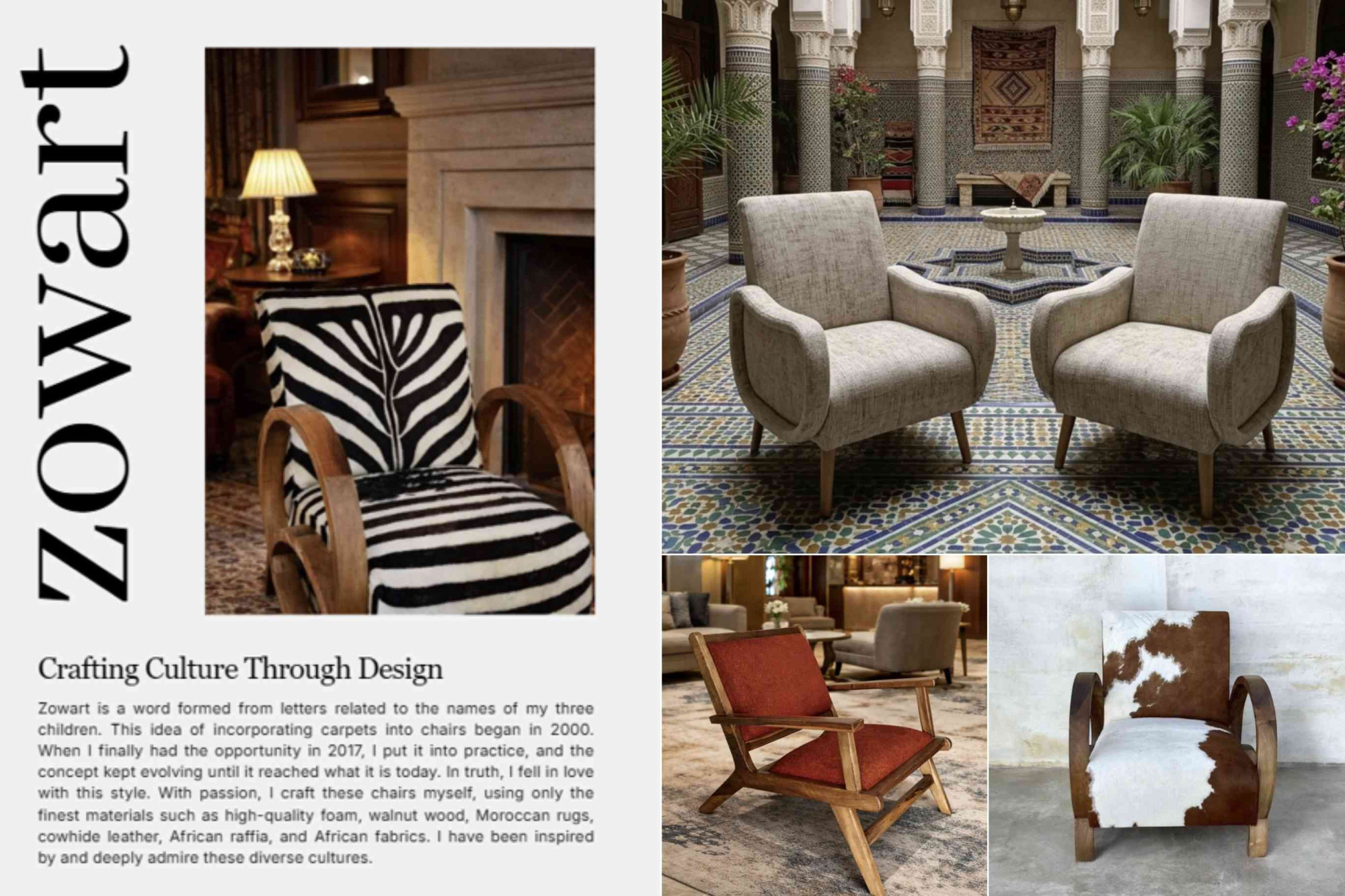
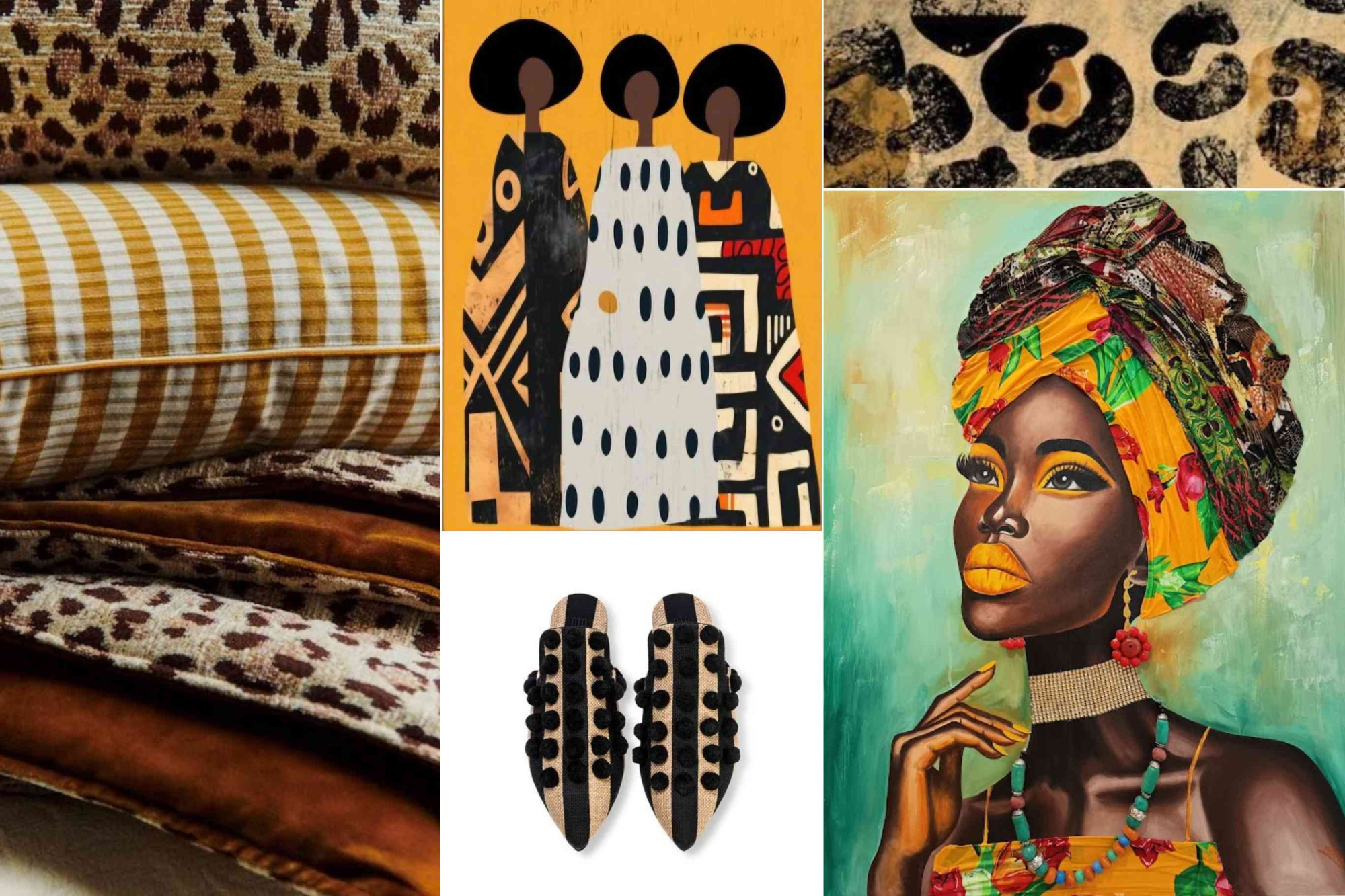
Some pieces tell a story beyond their form. The creations of Zowart are a perfect example, where craftsmanship, culture and personal inspiration come together in a unique way.
Each chair is more than just furniture, it is a blend of materials and traditions from around the world. From Moroccan rugs to African fabrics and refined woodwork, every detail reflects a deep appreciation for heritage and design. The result is a collection that feels both contemporary and timeless, adding character and warmth to any space.
What makes these pieces truly special is the personal touch behind them. Designed and crafted with passion, they transform interiors into spaces with identity, where every element has meaning.
👉 Discover the full story in our magazine
#interiordesign #craftsmanship #designinspiration #luxuryinteriors #artanddesign
Les Couleurs de Marrakech @demarrakech
Marrakech beyond the itinerary - By Tracey Heppner
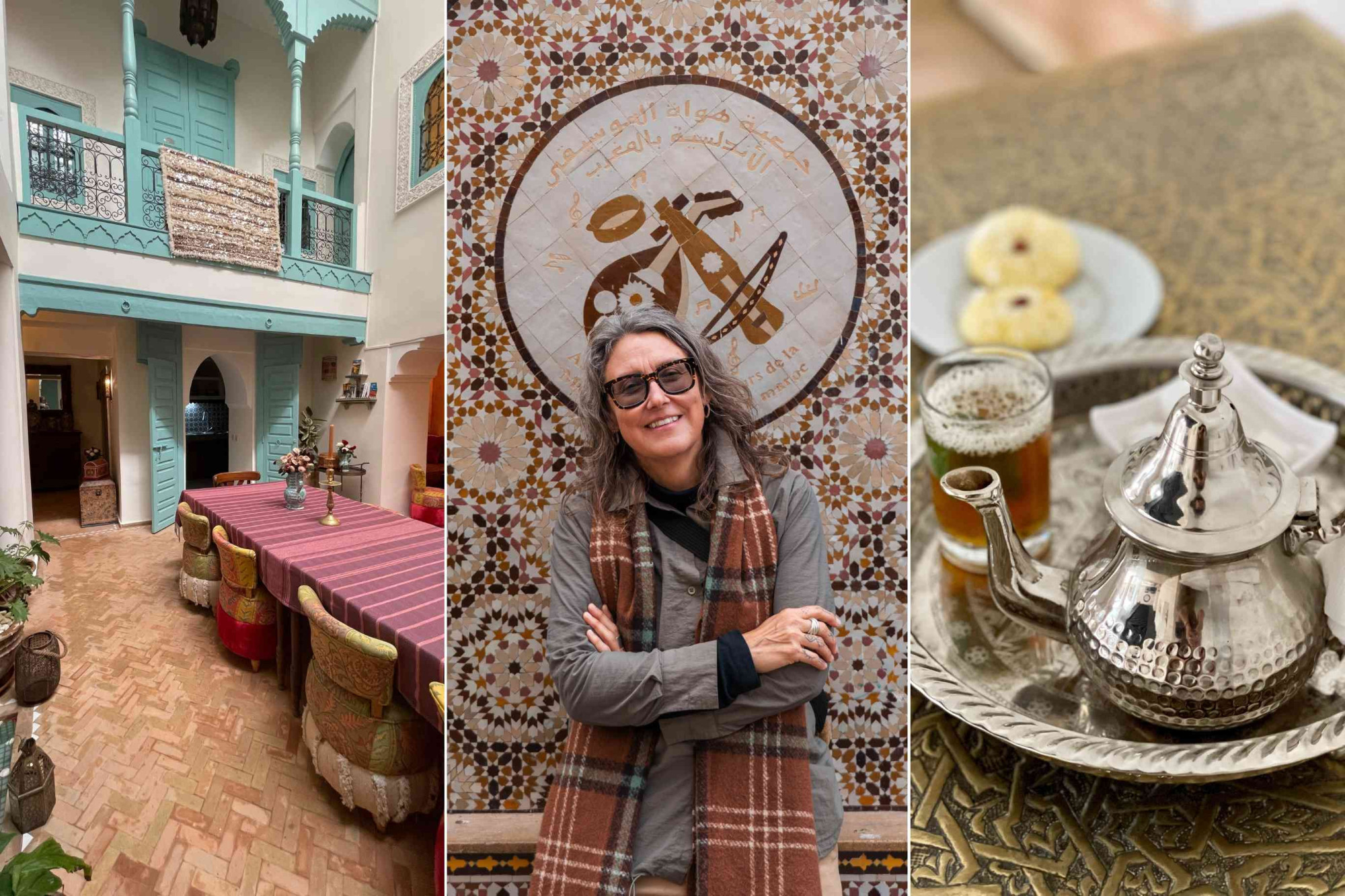
Marrakech is a destination many travellers think they already know, but the real experience often lies beyond the typical sights. Early in the morning, before the city fully wakes up, the medina offers a completely different atmosphere. Shop doors slowly open, the smell of fresh bread fills the narrow streets, and daily life unfolds in a calm and authentic way.
As the day progresses, the rhythm of the city becomes more visible. Artisans work in small workshops, families gather, and visitors are welcomed into spaces that are usually hidden from view. These moments are not part of standard travel routes, yet they are often the most memorable. They offer insight into local life and create a deeper connection with the destination.
In Morocco, hospitality plays a central role in everyday life. Sharing tea, having conversations, and being invited into someone’s space are experiences that go beyond traditional sightseeing. Travel becomes more personal, more meaningful, and less focused on ticking off highlights.
Exploring Marrakech in this way also means taking time. From the vibrant souks filled with colours and scents to the quiet courtyards and rooftops overlooking the city, each place reveals itself gradually. Outside the city, the landscape opens up to the vast calm of the desert, offering a completely different perspective.
This approach to travel is about slowing down and experiencing a destination through its people, culture, and everyday moments. It transforms a trip into something more than just a visit — it becomes an experience that stays with you long after you leave.
👉 You can read the full article in our magazine
#marrakech #moroccotravel #culturaltravel #authentictravel #traveldeeper
Les Couleurs de Marrakech @demarrakech
The souks of Marrakech are a good place to look for pieces that still remind you of the city long after the trip is over. Instead of trying to see everything, it helps to know which objects are worth looking out for.
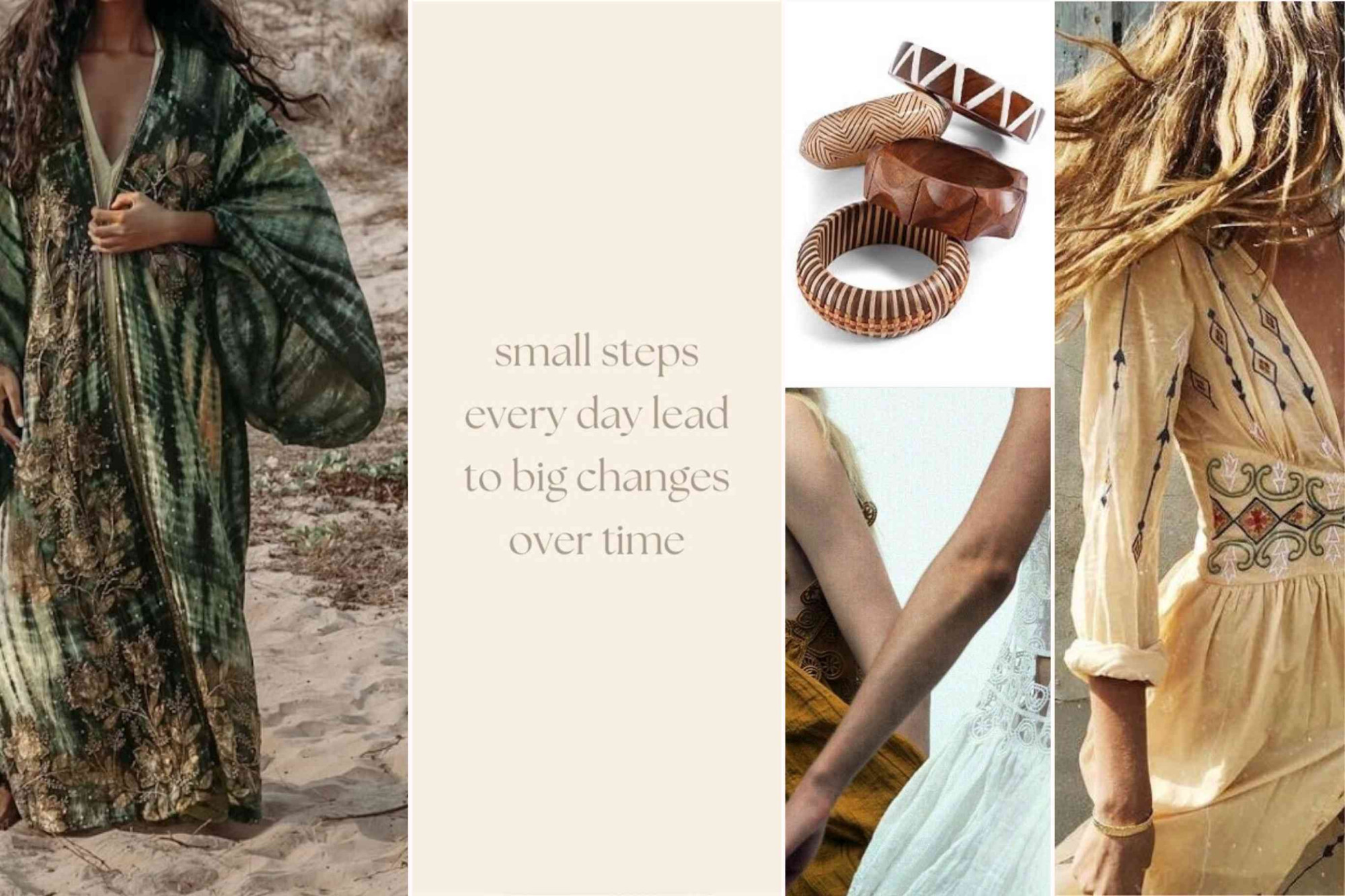
Textiles are an obvious starting point. Woven blankets, cushions, lightweight fabrics and embroidered pieces appear throughout the medina, with colours ranging from warm neutrals to deeper reds, greens and ochres.
Jewellery is another interesting category. Silver-toned pieces, engraved bracelets, beads and larger decorative designs can be found alongside more contemporary interpretations made by local designers.
For the home, ceramics, small bowls, trays, baskets and handwoven rugs are easy ways to bring some of Marrakech's character into an interior. Leather slippers and bags are also widely available, although quality can vary considerably between shops.
The most interesting purchases are usually the ones you would genuinely use or wear at home. A single well-chosen piece can become a much better reminder of Marrakech than a suitcase filled with souvenirs.
Look for
Textiles and embroidered pieces · jewellery · ceramics · woven baskets · rugs · leather accessories · objects by Moroccan designers
#Marrakech #Morocco #MarrakechTravel #MarrakechSouks #TravelGuide
Les Couleurs de Marrakech @demarrakech
A visit to Marrakech feels incomplete without spending some time in the souks of the medina. Starting around Jemaa el-Fna, narrow streets lead into a network of markets where shops, workshops and stalls gradually blend into one another.
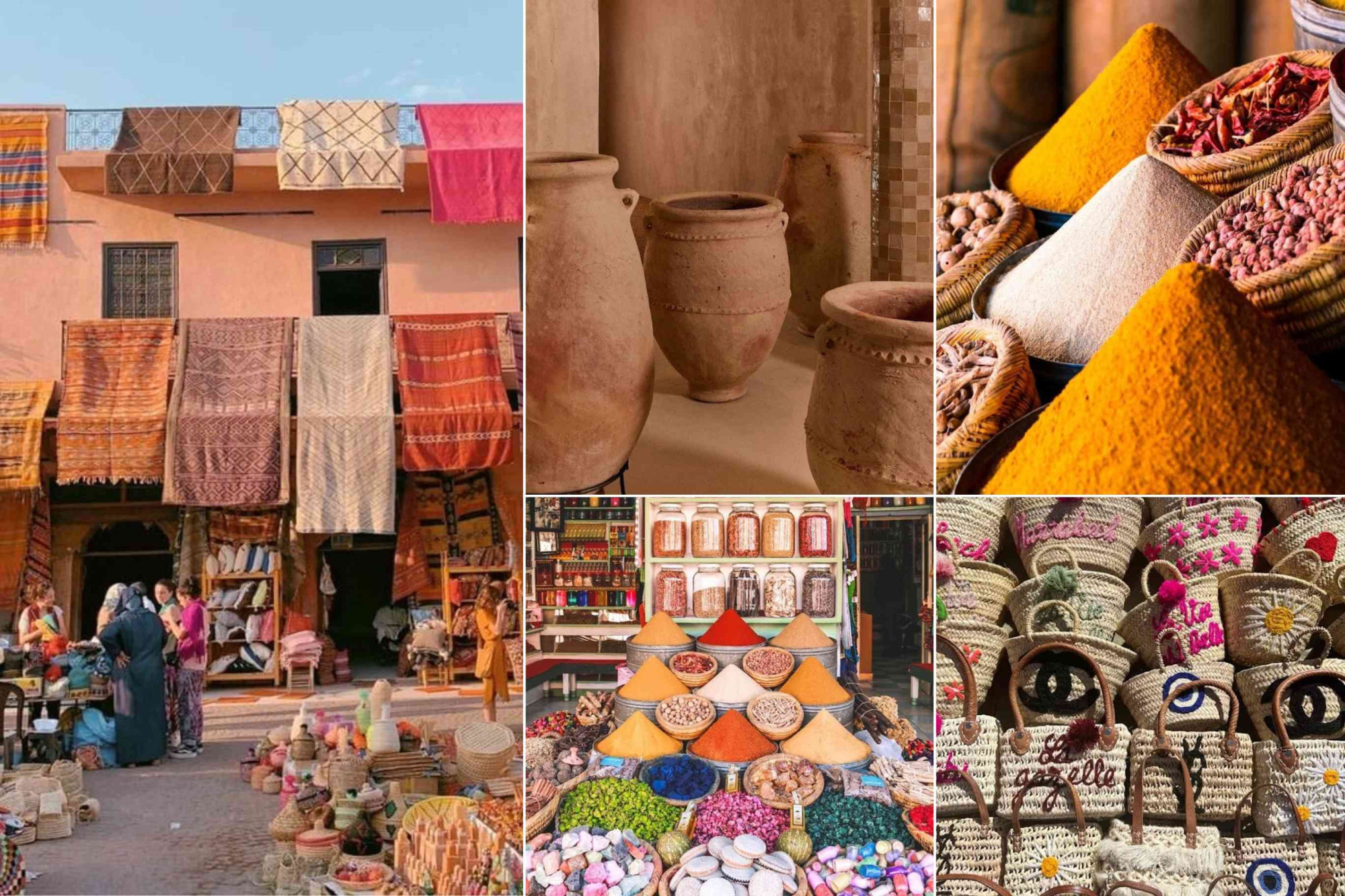
Different areas have traditionally been associated with particular crafts and products. You may pass shops filled with colourful rugs before finding ceramics, metal lanterns, leather goods, woven baskets or displays of spices and dried herbs. Some workshops also allow you to see artisans working behind or beside the shop.
There is no need to cover the entire souk in one visit. Choosing one or two areas and leaving enough time to look around makes the experience much more enjoyable. The streets can become busy later in the day, so mornings are particularly pleasant for exploring.
Getting slightly lost is almost inevitable. Keeping the location of Jemaa el-Fna or another familiar landmark saved on your phone makes it easier to find your way back.
Shopping is part of the experience, but simply walking through the souks is equally worthwhile. The colours, materials, workshops and everyday activity offer one of the best introductions to the character of Marrakech.
Places to explore
Souk Semmarine for a broad mix of textiles, leather goods and accessories
Souk des Teinturiers for dyed wool and colourful textiles
Souk Haddadine for metalwork and lanterns
Rahba Kedima for baskets, spices and smaller market stalls
Jemaa el-Fna as an easy starting point for exploring the medina
#Marrakech #MarrakechSouks #MoroccoTravel #Medina #TravelGuide
Les Couleurs de Marrakech @demarrakech
One of the pleasures of walking through Marrakech is noticing how the same colours and materials return in very different places. They appear in historic buildings and traditional crafts, but also in contemporary hotels, restaurants and shops.
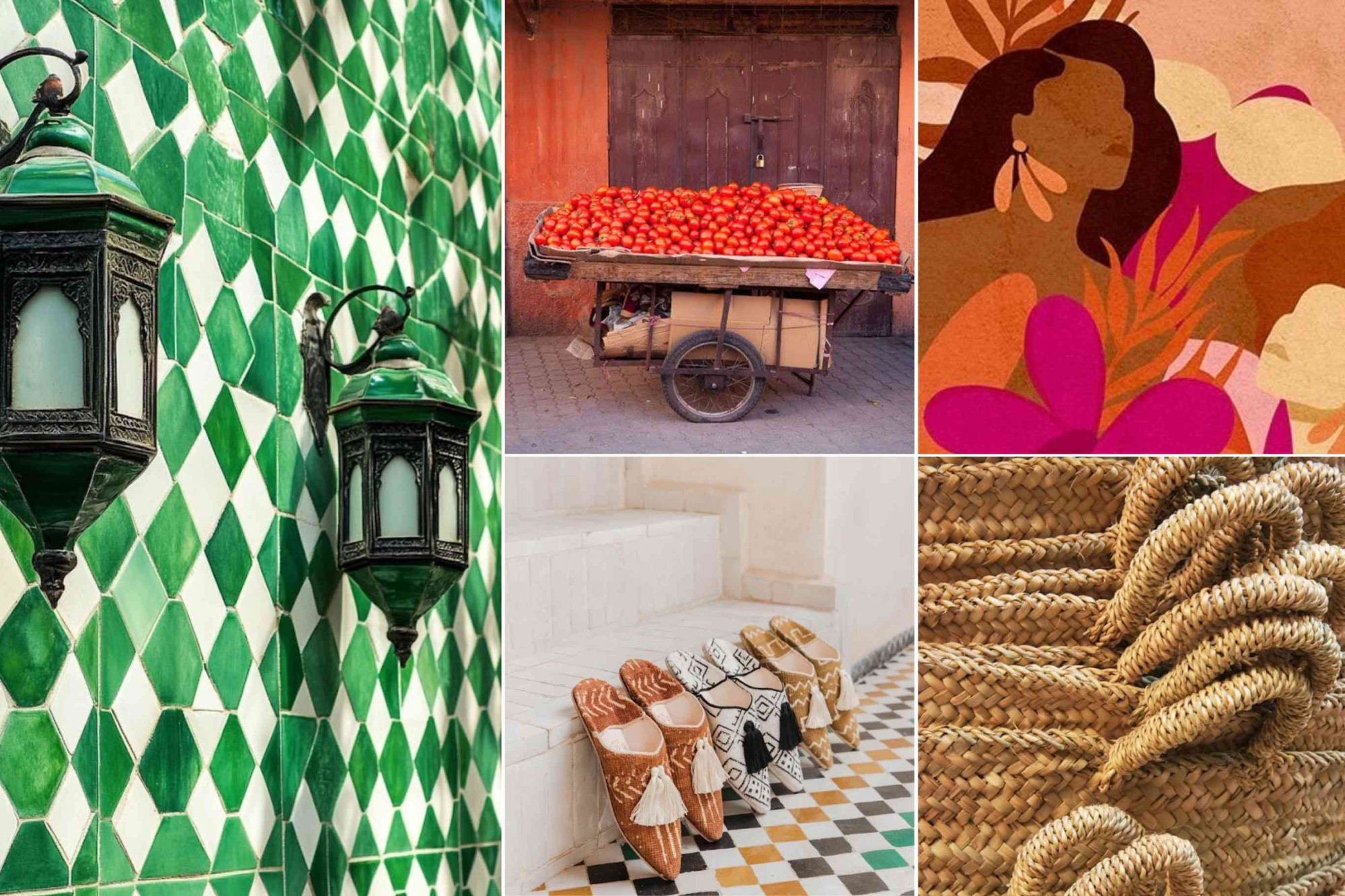
Zellige is perhaps one of the most recognisable examples. The small glazed tiles are arranged in geometric patterns and can be found around fountains, courtyards, floors and walls. While blue and green are particularly familiar, Marrakech interiors also use softer whites, earthy reds and warmer combinations.
Natural materials create another layer. Palm leaves are woven into baskets and bags, leather is used for slippers and accessories and wool appears in rugs and textiles. Metal lanterns and decorative objects bring yet another texture into the mix.
Colour is equally present outside. Terracotta and dusty pink walls define much of the medina, while market stalls introduce tomatoes, herbs, spices, flowers and brightly coloured fabrics into the streets.
These details are worth looking for while exploring Marrakech because they connect many different parts of the city. A riad courtyard, a market stall and a modern restaurant may look completely different, yet the materials and colours can reveal a common visual language.
Where to notice it
Riads for zellige, plasterwork and courtyard architecture
Medina streets for painted façades and everyday details
Concept stores for contemporary Moroccan design
Restaurants and cafés for modern interpretations of traditional interiors
Markets and workshops for leather, weaving, ceramics and metalwork
#Marrakech #MoroccanDesign #MarrakechTravel #Morocco #TravelInspiration
Les Couleurs de Marrakech @demarrakech
Marrakech is an interesting destination for travellers who enjoy seeing how traditional craft is being interpreted in new ways. Embroidery, weaving, basketry, leatherwork and decorative patterns remain highly visible, but they are no longer limited to traditional objects.
Across the city, Moroccan designers and independent boutiques are using familiar techniques for clothing, bags, cushions, baskets and home accessories with a more contemporary character. Colours can be brighter, shapes simpler and traditional patterns used in unexpected combinations.
The medina remains an important place to explore, particularly when you want to see workshops and traditional pieces. But it is worth looking outside the busiest market streets too. Areas such as Sidi Ghanem have become known for interiors, fashion and design studios, while the neighbourhood around Rue Yves Saint Laurent offers galleries, boutiques and creative addresses alongside the better-known attractions.
This makes design an interesting theme for a day in Marrakech. Spend the morning exploring traditional workshops in the medina, stop for lunch and continue towards one of the city's more contemporary shopping areas in the afternoon.
Seeing both sides provides a much broader picture of Marrakech today: a city where established crafts continue to influence a new generation of designers.
Areas to explore
The Medina · traditional workshops, textiles, leather and accessories
Sidi Ghanem · design studios, interiors, fashion and independent brands
Gueliz · boutiques, galleries and contemporary Marrakech
Rue Yves Saint Laurent area · fashion, design, museums and creative addresses
#Marrakech #MarrakechDesign #MoroccoTravel #MarrakechGuide #TravelAndDesign
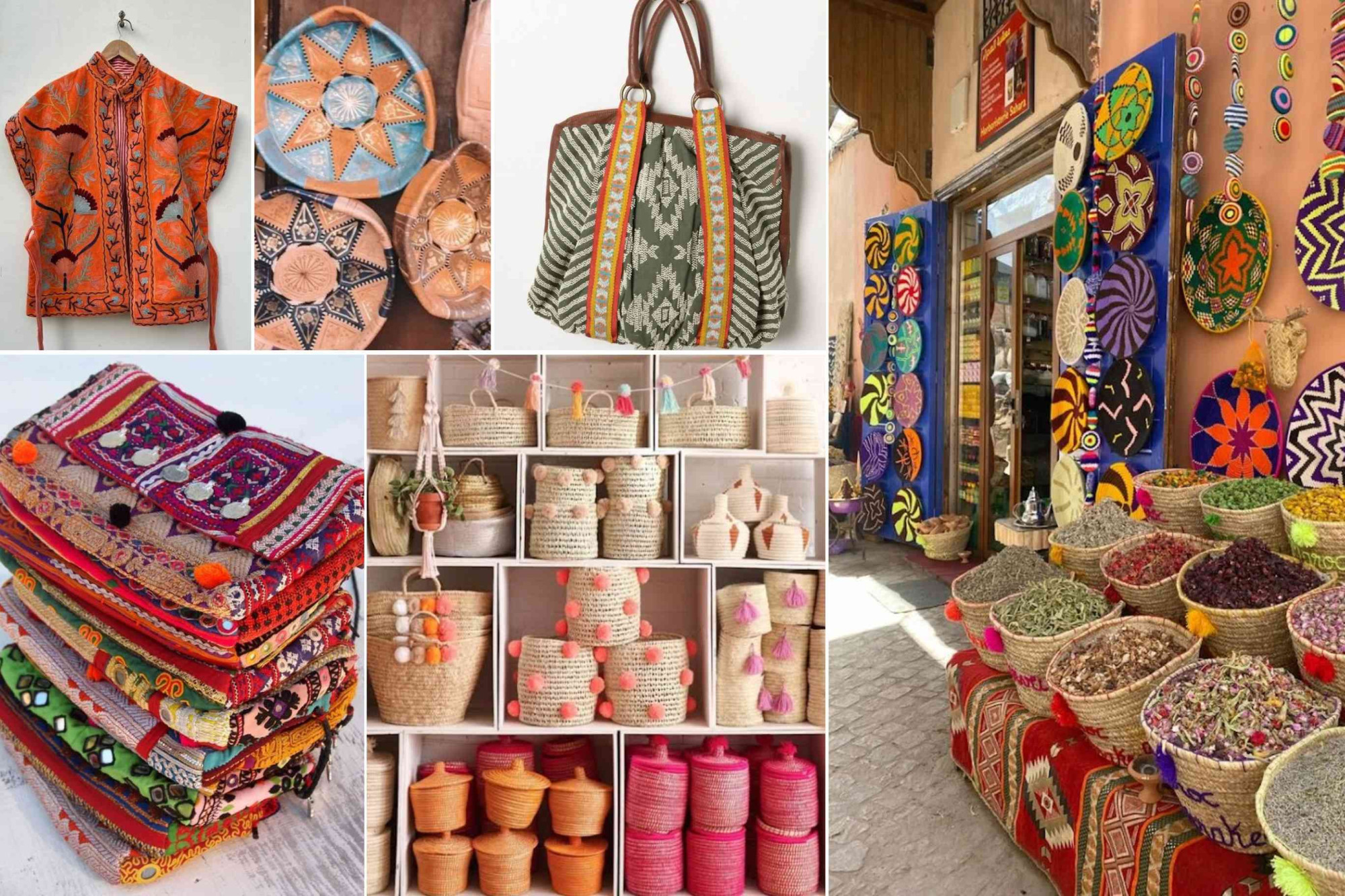
Les Couleurs de Marrakech @demarrakech
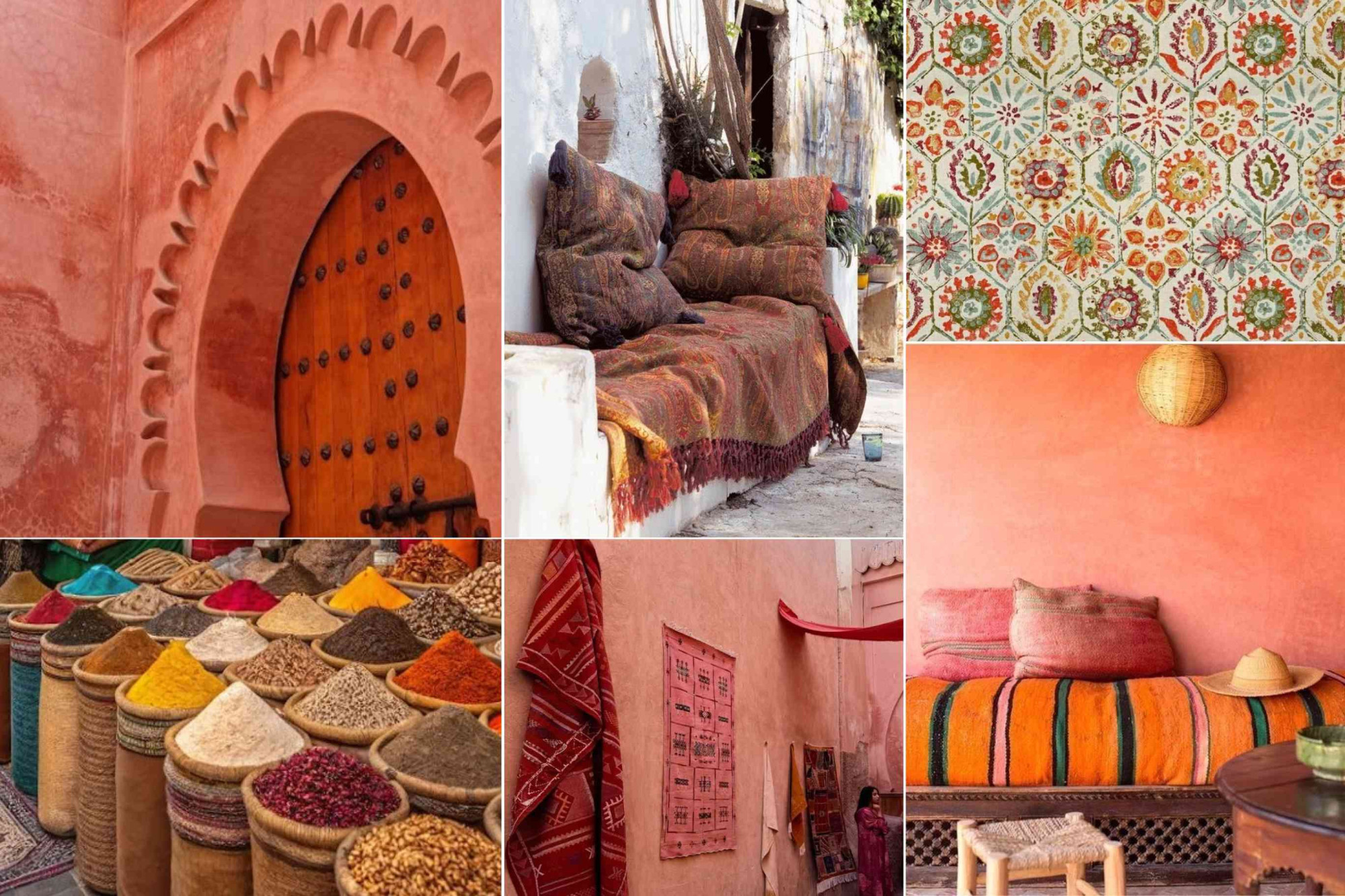
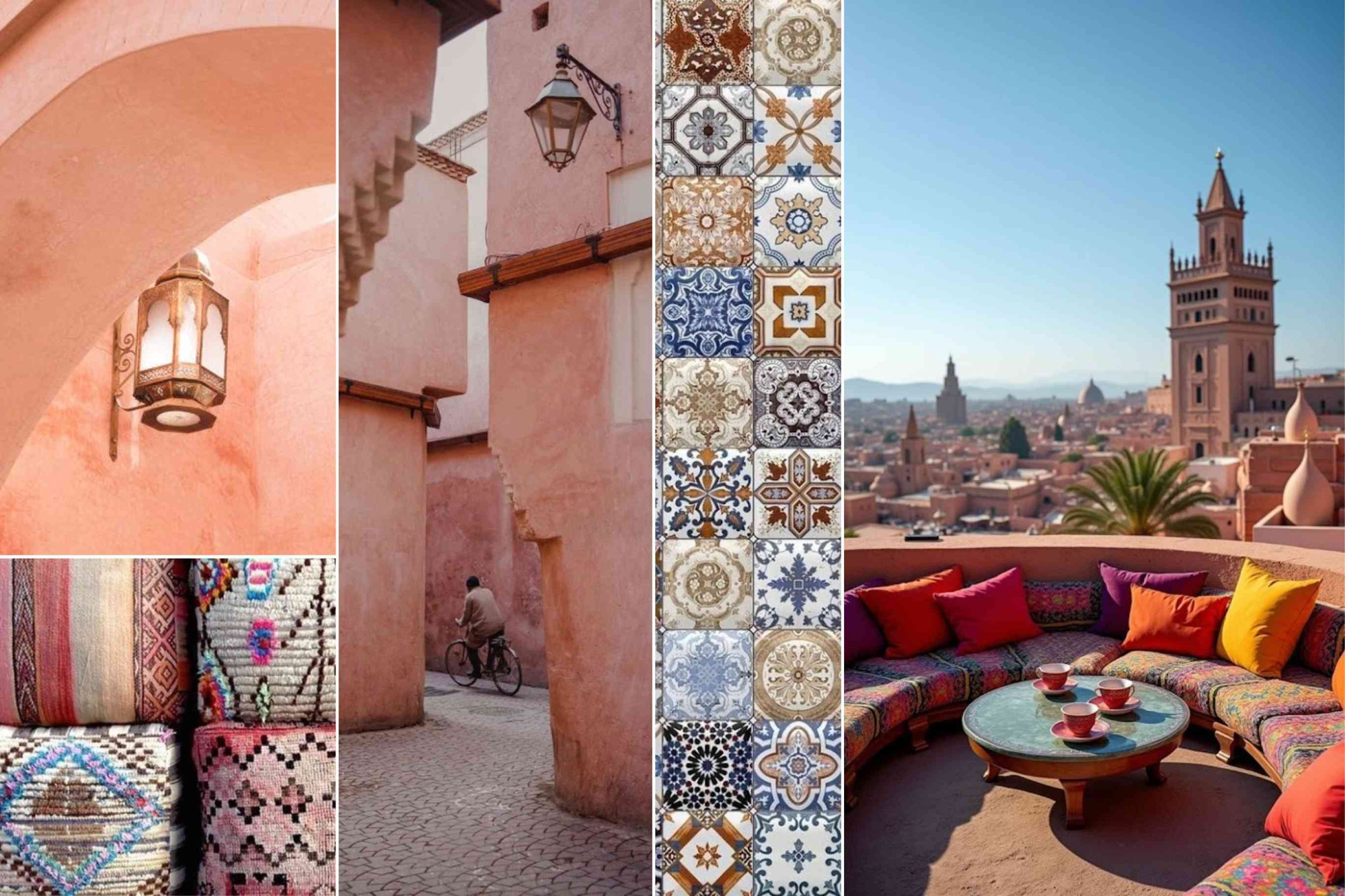
The warm reddish colour of Marrakech is one of the first details you notice when exploring the city. Across the medina, shades of dusty pink, ochre and terracotta appear on walls, houses and historic buildings.
The colours are closely associated with the traditional materials used in local construction. Earth-based finishes and clay-rich materials created warm natural tones that suited both the landscape and the architecture of the region. Over time, this palette became part of the visual identity of Marrakech.
It is especially noticeable when walking through the medina. Narrow passages move between pale pink and deeper red walls, occasionally opening onto colourful shops, tiled entrances and quieter residential corners. Rugs, ceramics and decorative objects introduce additional colour, but the earthy background keeps the streets visually connected.
The same palette extends well beyond the oldest buildings. Many riads, hotels and newer properties continue to use terracotta, pink and ochre, sometimes combined with green tiles, dark wood and natural fibres.
For travellers, it is a detail worth noticing beyond the famous monuments. Simply walking through different parts of the medina reveals how much the architecture and colour of Marrakech contribute to the experience of the city.
Places to notice the colours of Marrakech
The Medina · narrow streets and traditional façades
The Kasbah · historic walls and residential streets
The city walls · some of the clearest examples of Marrakech's characteristic colour palette
Traditional riads · terracotta and pink combined with zellige, wood and greenery
#Marrakech #RedCity #MarrakechMedina #MoroccoTravel #MarrakechGuide
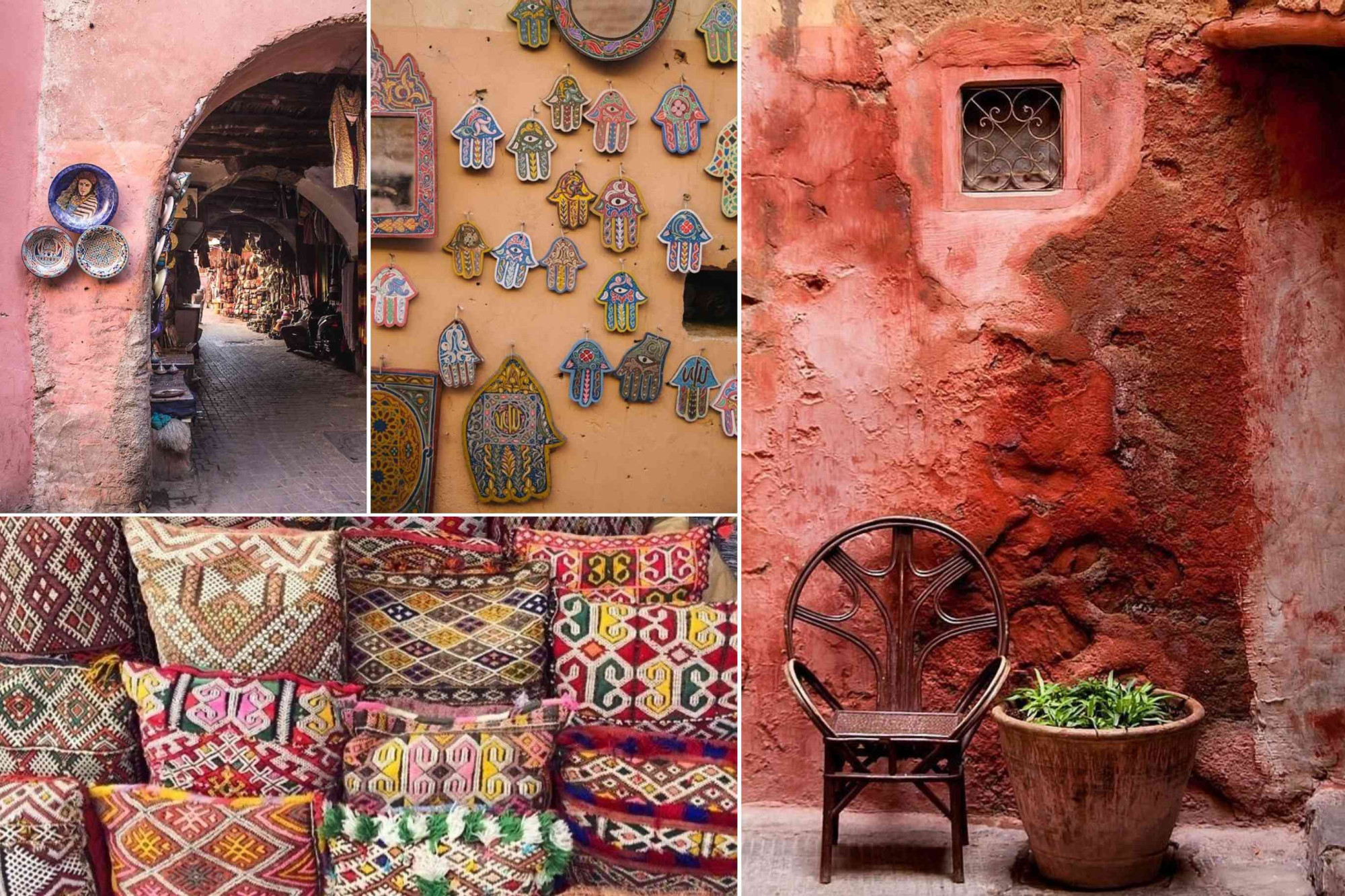
Les Couleurs de Marrakech @demarrakech
The displays of spices found around Marrakech are colourful, but their real importance becomes clear once you start eating in the city. Many of the flavours encountered in tagines, couscous, soups and grilled dishes can also be found in the markets.
Cumin is particularly common and is used both during cooking and as a seasoning at the table. Ginger, turmeric, paprika, cinnamon and pepper are other familiar ingredients, each appearing in different combinations depending on the dish.
One blend travellers are likely to encounter is ras el hanout. There is no single recipe for it. The combination varies between spice sellers and producers and can contain a wide range of spices, making it interesting to compare different versions.
Marrakech's markets also extend well beyond cooking spices. Dried herbs, mint tea, orange blossom products and other aromatic ingredients are sold alongside them, creating shops where scent is as noticeable as colour.
Trying these flavours in restaurants before visiting a spice shop can make the experience more interesting. You begin to recognise ingredients from meals you have already eaten and can choose something you might actually use once you return home.
Look for
Cumin · widely used in Moroccan cooking
Ras el hanout · a spice blend that varies from seller to seller
Cinnamon · used in both savoury and sweet dishes
Dried mint and herbs · commonly associated with teas and infusions
Orange blossom · found in Moroccan pastries and drinks
#Marrakech #MoroccanFood #MarrakechTravel #Morocco #TravelGuide
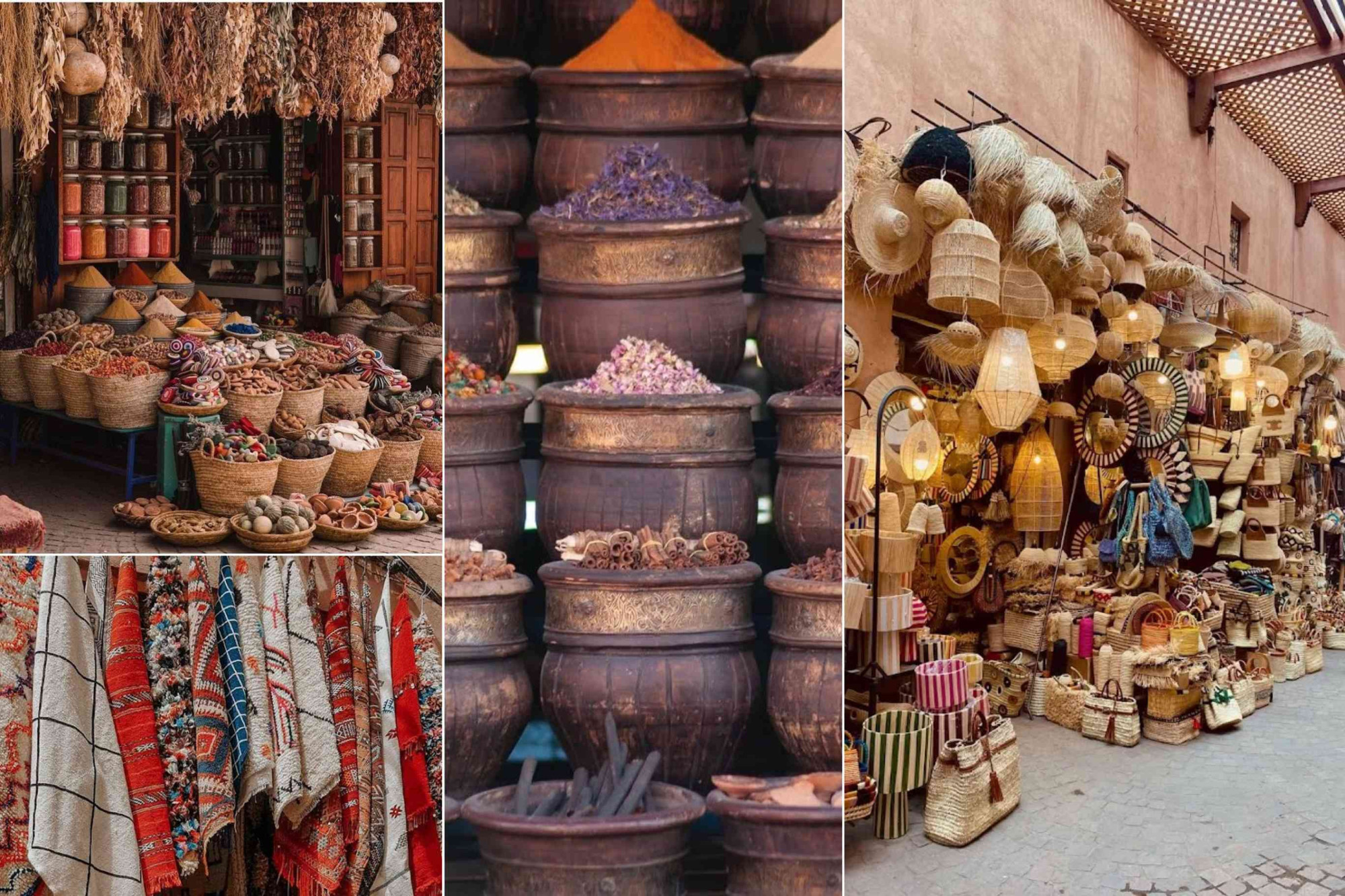
Les Couleurs de Marrakech @demarrakech
Walking into a rug shop in Marrakech can quickly become an experience in itself. Carpets are unfolded one after another, revealing everything from simple cream wool and geometric black lines to vivid colours and intricate traditional patterns.
Many of the rugs sold in Marrakech originate from different regions and communities across Morocco. Beni Ourain rugs are among the most recognisable, typically made from wool with a pale background and simple geometric motifs. Other Moroccan rugs use stronger colours, denser patterns or flatter weaving techniques.
Vintage pieces can look very different from newly made rugs. Their colours may have softened with age and small irregularities are common. Contemporary Moroccan designers are also working with traditional weaving techniques, creating rugs that fit easily into modern interiors.
If you are considering buying one, take time to compare several pieces. Look closely at the wool, weaving and finishing and ask where the rug was made. Dimensions are also worth checking carefully, particularly when the rug needs to fit a specific space at home.
Even without buying one, visiting a good carpet shop offers an interesting introduction to Moroccan textile traditions and to one of the crafts that remains highly visible throughout Marrakech.
Rugs you may come across
Beni Ourain · typically neutral wool with geometric motifs
Azilal · expressive patterns and stronger use of colour
Boucherouite · colourful rugs traditionally made using recycled textiles
Kilim-style rugs · flatter woven pieces that are generally lighter and easier to transport
#Marrakech #MoroccanRugs #MoroccanDesign #MoroccoTravel #MarrakechGuide
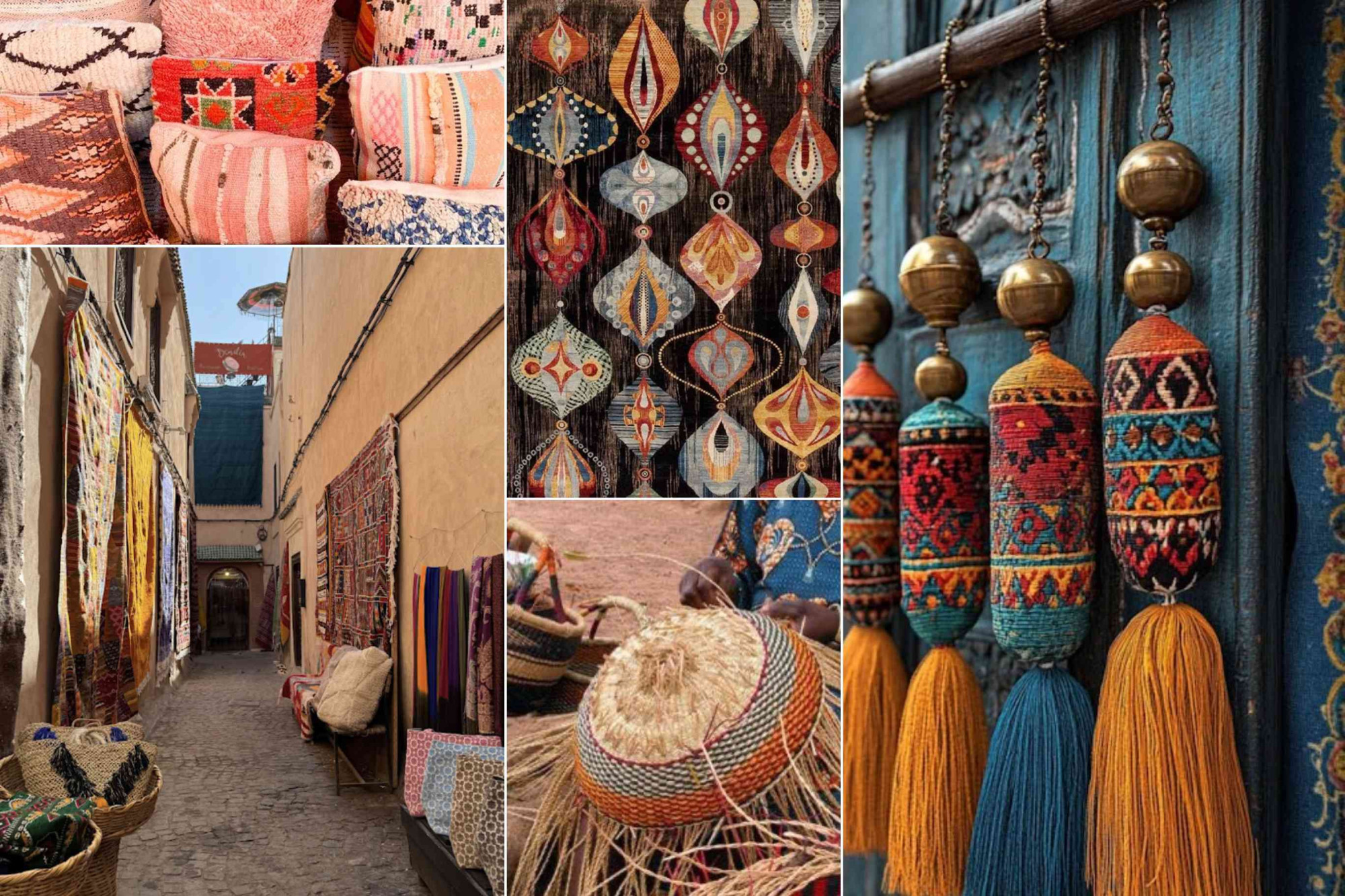
Les Couleurs de Marrakech @demarrakech
Contemporary art offers a different way to experience Marrakech beyond the medina and its best-known sights. The city has developed into an important creative destination, with spaces presenting work by Moroccan artists alongside artists from elsewhere in Africa and the wider international art world.
The gallery scene is a good place to start. Gueliz has several contemporary galleries and creative spaces, making it easy to combine an exhibition with cafés, shops and other parts of the modern city.
Marrakech also has museums and foundations where art can be explored in a broader cultural context. Exhibitions may cover photography, painting, sculpture, textiles and mixed media, with programmes changing throughout the year.
The city has also become associated with major art events, particularly the 1-54 Contemporary African Art Fair, which has brought galleries, collectors and artists from across Africa and beyond to Marrakech.
Adding one gallery or museum to a day in the city creates an interesting contrast with the historic medina. It also shows another side of Marrakech: one connected to contemporary African creativity, new ideas and an international cultural scene.
Places to explore
MACAAL · contemporary African art
Comptoir des Mines Galerie · contemporary art in Gueliz
Maison de la Photographie · photography and visual history of Morocco
Musée Yves Saint Laurent Marrakech · fashion, exhibitions and design
1-54 Marrakech · contemporary African art fair held in the city
#Marrakech #ContemporaryArt #AfricanArt #MoroccoTravel #MarrakechGuide
Les Couleurs de Marrakech @demarrakech
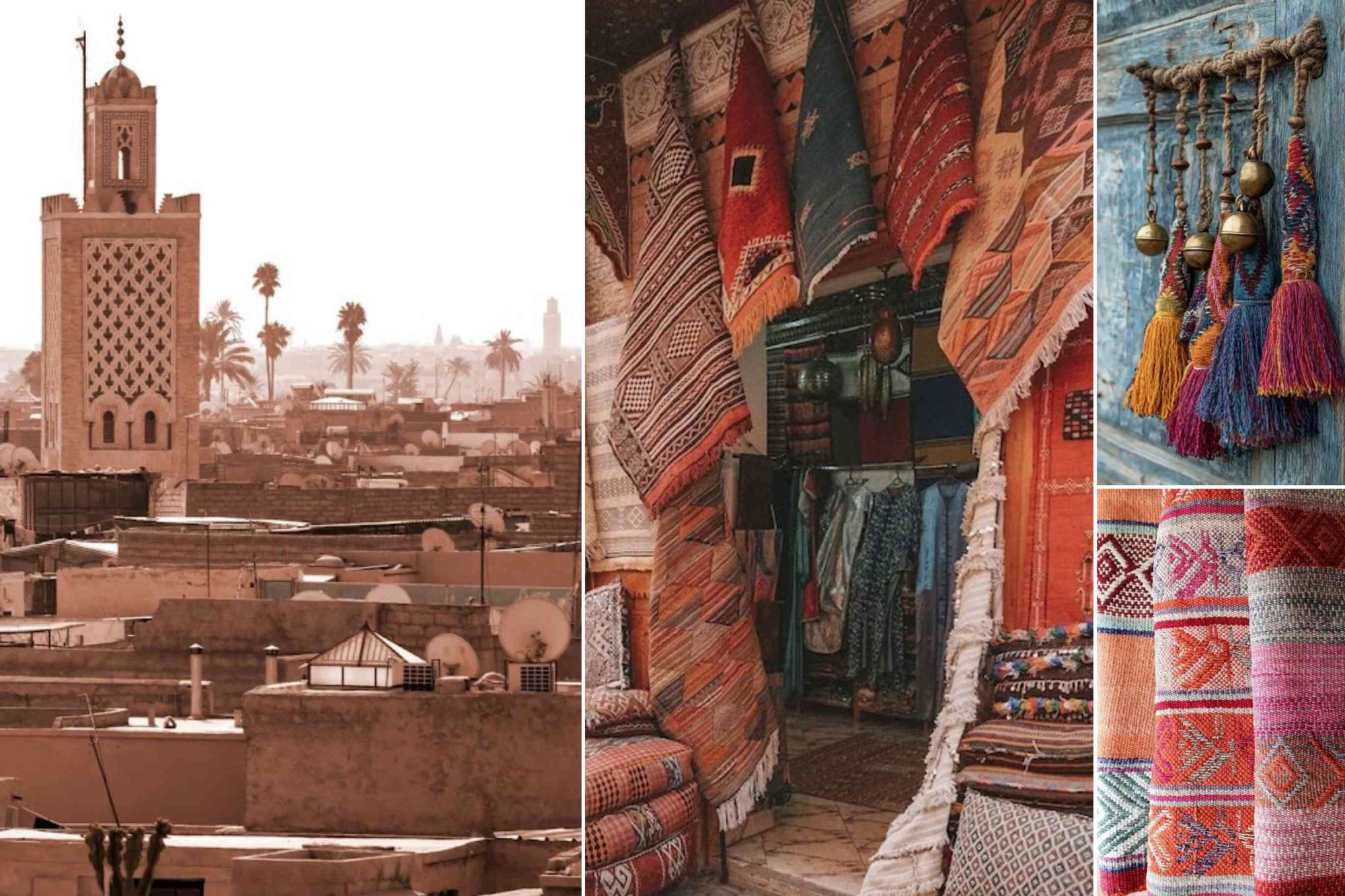
One of the best ways to understand the layout of Marrakech is to see the medina from above. At street level, its narrow lanes and enclosed buildings can make the old city feel almost impossible to read. From a rooftop, that changes completely.
Across the medina, riads, cafés and restaurants have terraces overlooking a seemingly continuous landscape of warm-coloured roofs. The Koutoubia Mosque is one of the easiest landmarks to recognise, its minaret rising above much of the surrounding city.
Rooftops are worth visiting at different moments of the day. During the morning, they can be a quiet place for breakfast before heading into the medina. Around lunchtime, shaded terraces provide a break from the busy streets below. Later in the day, many become popular places for a drink or dinner as the temperature begins to fall.
On a clear day, the Atlas Mountains can sometimes be seen beyond the city. Their appearance changes with the season and weather, creating a striking contrast with the low-rise architecture of Marrakech.
When choosing a riad or restaurant, it is therefore worth checking whether it has a rooftop terrace. It is more than an attractive place to sit. Seeing Marrakech from above gives you a completely different impression of the city you have been exploring at street level.
#Marrakech #MarrakechRooftops #Medina #MoroccoTravel #MarrakechGuide
Les Couleurs de Marrakech @demarrakech
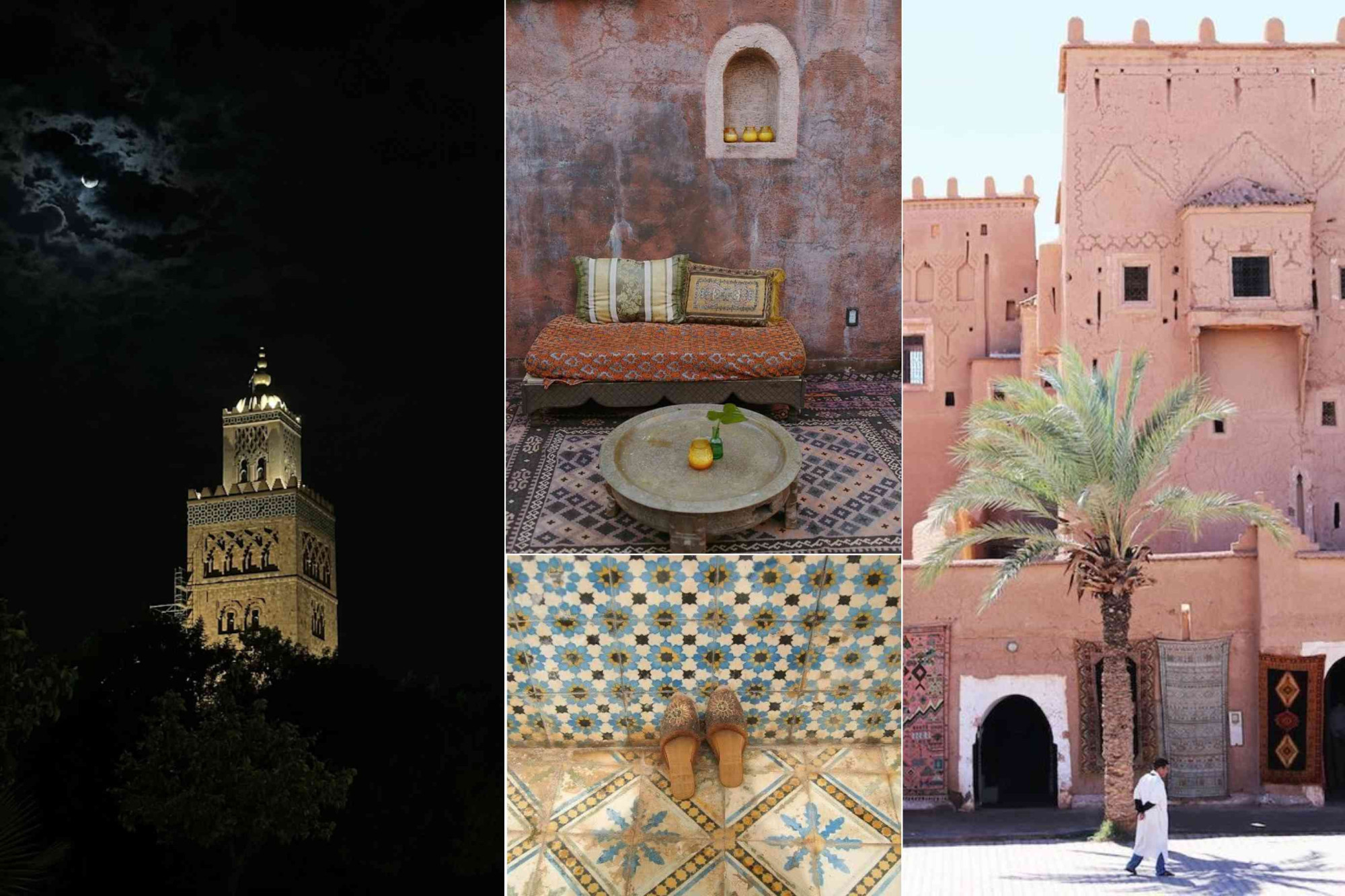
Marrakech changes noticeably towards the end of the day, making the evening one of the best times to explore the city. Shops remain open, restaurants begin to fill and the streets around the medina become particularly lively.
Jemaa el-Fna is the obvious place to experience this change. Towards sunset, food stalls appear across the square and the surrounding rooftop terraces become popular places to watch the activity below. It can be busy, but that is part of seeing one of Marrakech's most famous public spaces at its liveliest.
For a quieter evening, dinner in a riad offers a completely different atmosphere. Many have interior courtyards or rooftop terraces where Moroccan dishes are served away from the busiest streets. Contemporary restaurants in the medina and Gueliz provide another option if you want to explore the city's newer dining scene.
A walk around the Koutoubia area is also worthwhile after dark. The illuminated minaret is visible from several parts of the city and provides an easy landmark when moving between the medina and the surrounding neighbourhoods.
There is no need to plan every part of the evening. Sunset on a rooftop, dinner somewhere nearby and a walk through the city afterwards can be enough to experience Marrakech at a very different pace from the daytime.
Ideas for the evening
Watch sunset from a rooftop terrace
Walk through Jemaa el-Fna as the food stalls open
Have dinner in a riad courtyard
See the illuminated Koutoubia Mosque
Explore the restaurants and cafés of Gueliz
#Marrakech #MarrakechTravel #MarrakechMedina #MoroccoTravel #TravelGuide
Les Couleurs de Marrakech @demarrakech
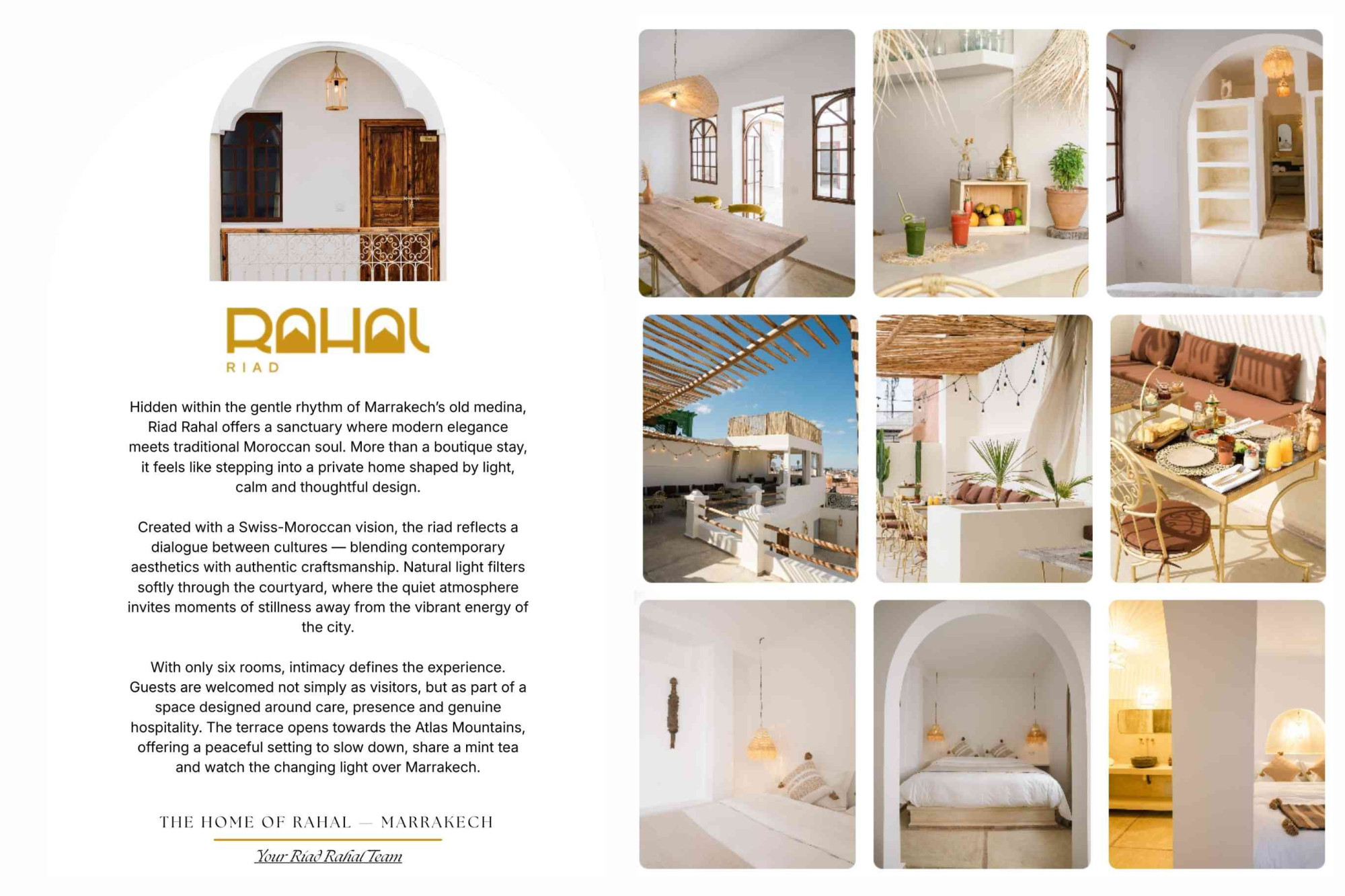
Riad Rahal — Marrakech
Located in the heart of the medina, Riad Rahal offers a quiet and refined escape within the city. Traditional Moroccan architecture is combined with a clean and contemporary design, creating a space that feels both authentic and comfortable.
The riad is built around light, natural materials and open spaces. Each room is designed with simplicity and attention to detail, offering a calm environment away from the busy streets.
With a small number of rooms, the experience remains personal. The rooftop terrace and shared spaces invite guests to slow down and enjoy a more relaxed rhythm of Marrakech.
Book your stay here.
#lifestyletravel #marrakech #boutiquehotel #luxurystays #desert #travelinspiration
Les Couleurs de Marrakech @demarrakech
Where you stay in Marrakech makes a noticeable difference to how you experience the city. The main areas each have their own advantages, so it is worth choosing a location before deciding on a particular hotel or riad.
For a first visit, the Medina puts you close to many of Marrakech's historic sights, souks and traditional restaurants. Staying in a riad also gives you the experience of traditional Moroccan architecture, usually built around a peaceful interior courtyard.
Gueliz feels more contemporary. Wide streets, cafés, restaurants, boutiques and galleries make it a convenient choice for travellers who want to combine the historic city with modern Marrakech.
Nearby Hivernage is known for larger hotels, restaurants and resorts. It can work particularly well if you prefer hotel facilities and easier car access while remaining relatively close to the medina.
For more space, gardens and a resort atmosphere, look towards the Palmeraie or properties outside the centre. These stays can feel much more secluded, although taxis or hotel transfers become more important for visiting the city.
Another option is to divide the trip between two locations. A few nights in a riad followed by a stay outside the medina combines the atmosphere of central Marrakech with time to relax by a pool or in a garden.
Areas to consider
Medina · riads, historic Marrakech and exploring on foot
Gueliz · cafés, galleries, boutiques and contemporary city life
Hivernage · larger hotels, restaurants and convenient access
Palmeraie · gardens, resorts and more space
Outside Marrakech · countryside stays and a quieter setting
Planning a stay in Marrakech?
Find stays in Marrakech with Les Couleurs du Monde Travel.
#Marrakech #MarrakechHotels #MarrakechRiads #MoroccoTravel #MarrakechGuide
Les Couleurs de Marrakech @demarrakech
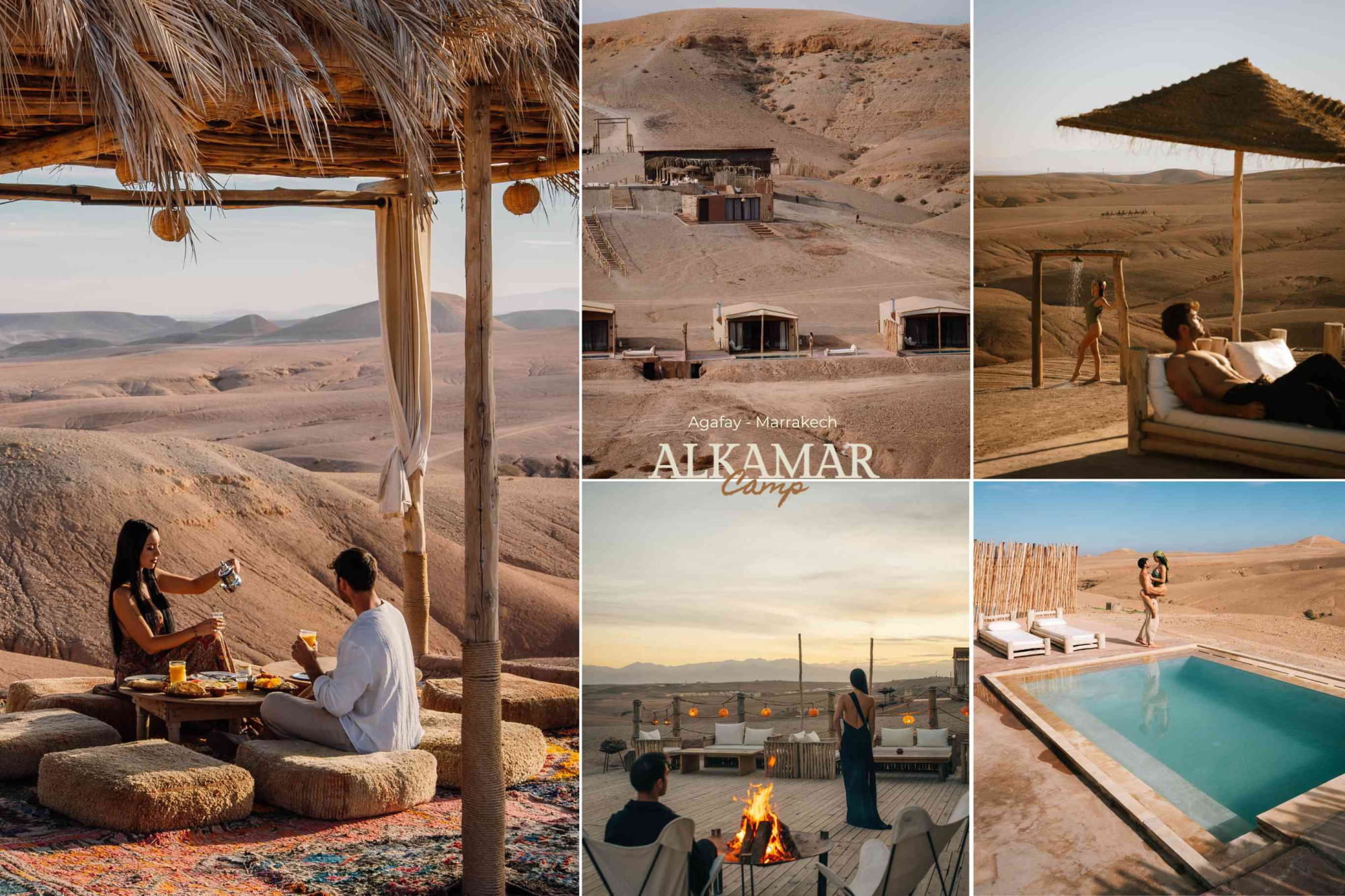
Just 35 kilometers from Marrakech, the Agafay Desert reveals a quieter side of Morocco. Alkamar Camp Agafay is designed as an intimate retreat where architecture, craftsmanship and landscape align naturally.
Created by Rachid El Youssoufi and Ismail Fdi, the camp features ten boutique lodges, each with a private pool. The design focuses on authenticity and Moroccan artisanship. Handwoven rugs, custom furniture, fireplaces for cool evenings and thoughtful comforts like king size beds and espresso machines create effortless luxury.
A 25 meter pool sits at the heart of the camp, perfectly positioned toward the Atlas Mountains. From sunrise to sunset, the view becomes part of the experience.
Guests can explore the desert by camel, quad or buggy, enjoy traditional Moroccan cuisine, unwind with massages or join yoga sessions at dawn and dusk. Alkamar is also a refined setting for destination weddings and private retreats.
Alkamar Camp Agafay proves that true luxury is quiet, intentional and deeply connected to its surroundings.
#Agafay #AlkamarCamp #Marrakech #Morocco #DesertRetreat #AtlasMountains #BoutiqueStay #MoroccanDesign
Les Couleurs de Marrakech @demarrakech
Walking is the best way to explore the medina, but navigating it takes a little getting used to. Unlike the wider streets of modern Marrakech, many lanes inside the old city are too narrow for cars and do not follow an obvious grid.
For a first visit, it helps to use major landmarks as reference points. Jemaa el-Fna, the Koutoubia Mosque and the main gates of the medina are easier to locate than individual streets. Saving your accommodation on an offline map before leaving is useful too, particularly if your riad is hidden down a smaller lane.
Distances can also be deceptive. Two places may appear close together on a map while the actual walking route involves several turns through narrow streets. Leave more time than you think you need and treat the walk as part of exploring Marrakech.
The medina is shared by pedestrians, bicycles, scooters, carts and occasionally animals, so some streets can feel busy. Stepping aside when necessary and keeping to the edge of narrower passages quickly becomes second nature.
For longer distances, taxis are useful once you reach a road accessible by car. If you are staying deep inside the medina, ask your riad for the nearest practical drop-off point. This is particularly helpful when arriving with luggage.
After a day or two, streets that initially seemed confusing usually become more familiar. You start recognising a particular doorway, shop, square or café and gradually build your own mental map of the neighbourhood.
Useful tips
Save your riad location offline before exploring
Use major landmarks instead of relying only on street names
Allow extra walking time inside the medina
Ask your accommodation for the nearest taxi drop-off point
Wear comfortable shoes for uneven streets and long days on foot
#Marrakech #MarrakechMedina #MarrakechTravel #MoroccoTravel #TravelTips
Les Couleurs de Marrakech @demarrakech
Staying in a riad gives you a very different experience of Marrakech from staying in a conventional hotel. Many are located inside the medina, where an unassuming doorway can open onto a quiet courtyard filled with tiles, plants, textiles and traditional architectural details.
The layout is an important part of the experience. Rooms generally face inward towards the central courtyard instead of towards the street. This creates a sense of separation from the busy lanes outside and explains why many riads feel surprisingly peaceful despite their central location.
Riads vary considerably in style. Some retain richly decorated Moroccan interiors with zellige, carved wood and colourful textiles. Others have been renovated with limewashed walls, natural fabrics and a much more minimal approach. Many combine elements of both.
Smaller properties may have only a handful of rooms, which can make the stay feel more personal. Breakfast is frequently served in the courtyard or on the rooftop and some riads also have a small pool, hammam or restaurant.
Location deserves particular attention when booking. A riad deep inside the medina can be ideal for exploring on foot, but taxis may not be able to reach the entrance. Checking the nearest car-accessible point and arranging an arrival transfer can make the first day much easier.
For travellers who want to experience the medina as part of their stay, a riad is one of the most interesting accommodation choices in Marrakech.
Choosing a riad
Location · check the walking distance to the places you want to visit
Rooftop · useful for breakfast, sunset or simply taking a break
Pool · particularly appealing during warmer months
Size · smaller riads can have a more intimate atmosphere
Access · check how close a taxi can get to the entrance
Planning a stay in Marrakech?
Find riads and hotels in Marrakech with Les Couleurs du Monde Travel.
#Marrakech #MarrakechRiads #MarrakechHotels #MoroccoTravel #MarrakechGuide
Les Couleurs de Marrakech @demarrakech
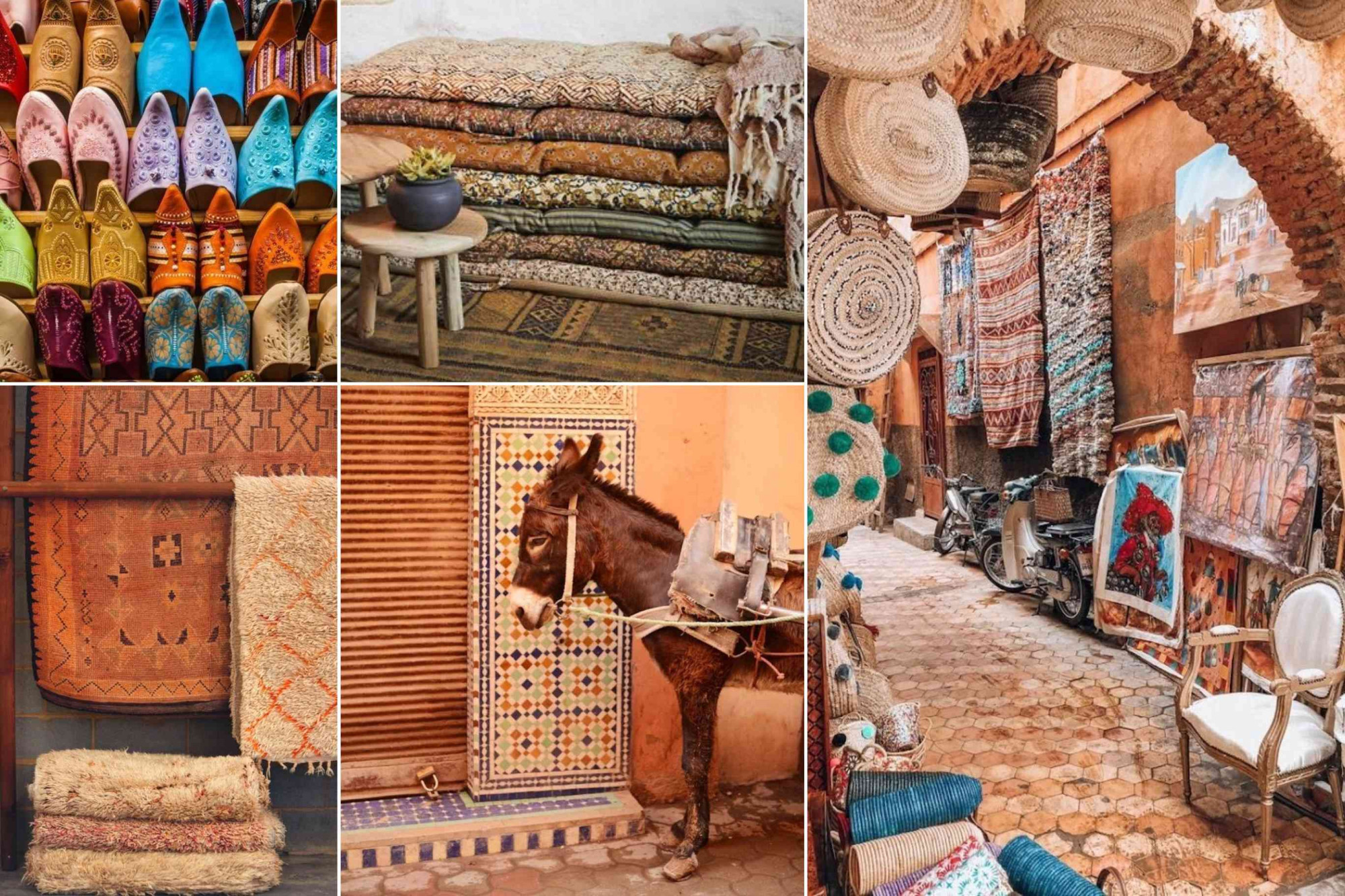
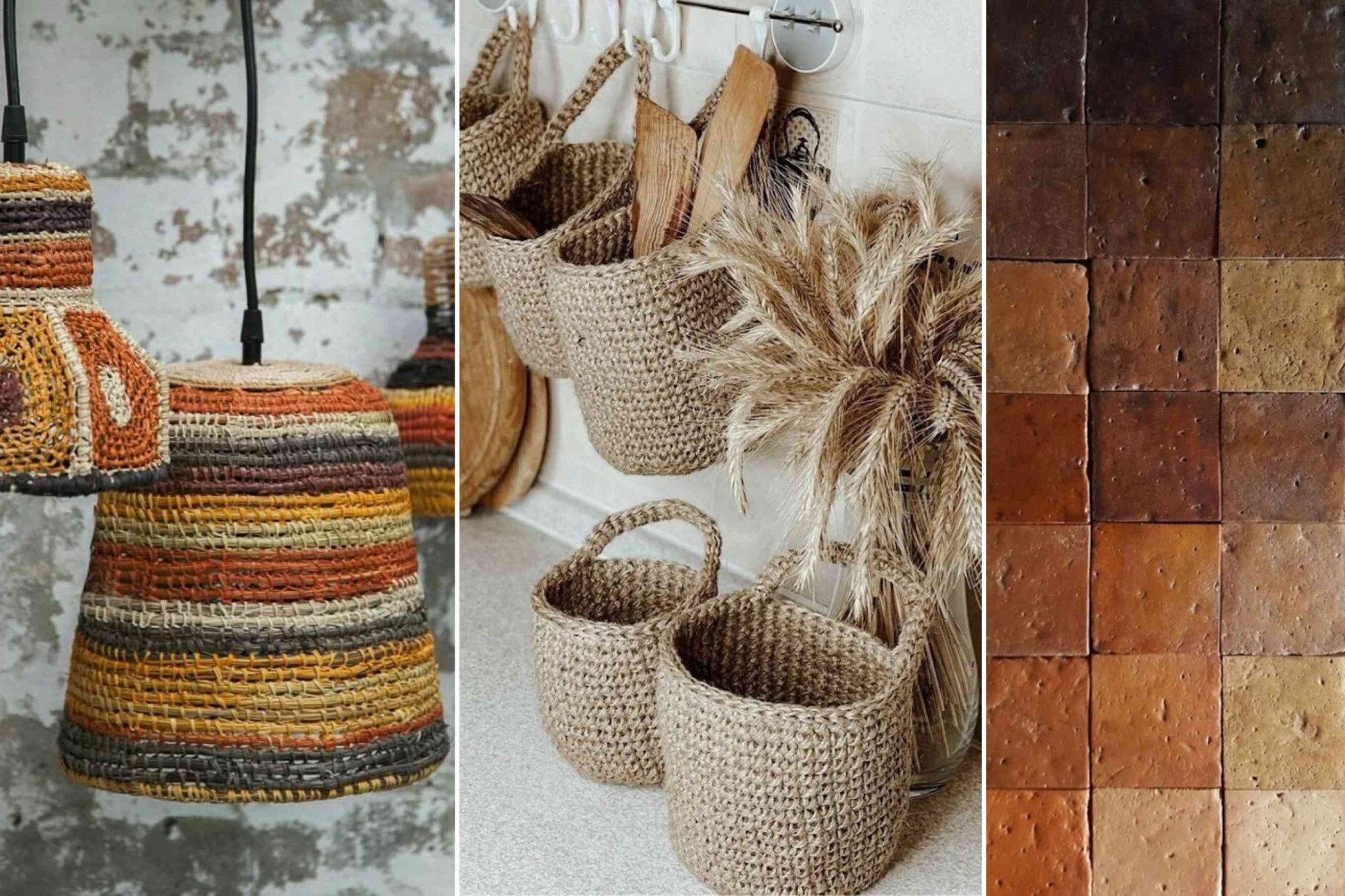
Basketry is one of the crafts you will encounter repeatedly while walking through Marrakech. In the medina, woven pieces hang from shopfronts, fill market stalls and sit alongside rugs, ceramics and other objects made from natural materials.
The simplest designs are closely connected to everyday use. Large baskets can be used for carrying produce or storing household items, while smaller versions are made for bread, shopping and storage. Their lightweight construction and practical shapes explain why woven objects remain so common.
There is also a more decorative side to the craft. Coloured fibres, wool and embroidery are added to bags and baskets, while traditional weaving techniques are increasingly used for lampshades and contemporary home accessories.
Natural variations are part of their character. The colour and texture of the fibres can differ from one piece to another and handmade shapes are rarely completely identical.
While exploring Marrakech, it is interesting to notice how these woven objects appear in very different settings. The same basic techniques can be seen in a traditional market basket, a modern boutique and the lighting of a beautifully designed riad.
Look for
Palm-leaf baskets · simple and lightweight
Woven shopping bags · practical pieces with leather or textile details
Decorative baskets · incorporating colour, embroidery or wool
Woven lampshades · increasingly used in riads, restaurants and hotels
Storage baskets · traditional shapes adapted for contemporary interiors
#Marrakech #MoroccanCraft #Basketry #MarrakechTravel #Morocco
Les Couleurs de Marrakech @demarrakech
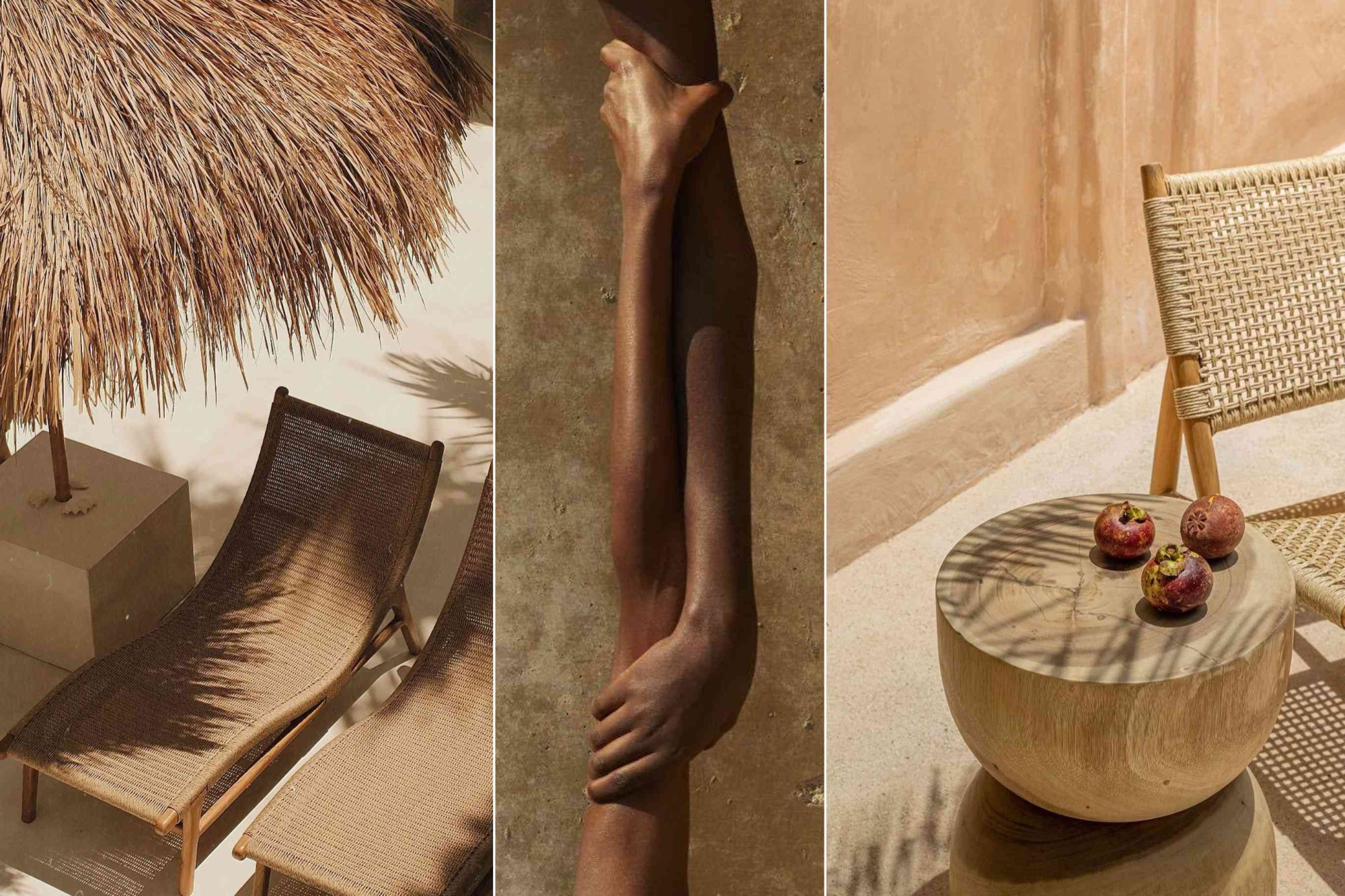
Staying outside the medina can show you a very different side of Marrakech. Instead of stepping directly into busy streets and souks, mornings may begin in a garden, beside a pool or with breakfast overlooking the surrounding landscape.
The Palmeraie is one of the best-known areas for this type of stay. Located outside the historic centre, it is home to resorts, villas and smaller properties set among palms and gardens. Other countryside stays can be found further from the city, where architecture and interiors frequently make use of terracotta, woven fibres, natural fabrics and locally made objects.
The main consideration is distance. Staying outside the centre means planning transport when you want to visit the medina, museums or restaurants in the city. Some hotels provide transfers, while taxis or private drivers are another option.
For a longer Marrakech trip, combining two locations can work particularly well. Spend the first few nights in a riad to explore the medina on foot, then move outside the centre for a quieter end to the trip.
This combination allows you to experience Marrakech in two very different ways without travelling far.
Good to know
Choose this type of stay for · gardens, pools and more space
Consider the Palmeraie · for easy access to both resorts and the city
Check transfer options · particularly for evenings in the medina
Combine two stays · a riad first, followed by a quieter property outside the centre
Planning a stay in Marrakech?
Find stays in and around Marrakech with Les Couleurs du Monde Travel.
#Marrakech #MarrakechHotels #Palmeraie #MoroccoTravel #MarrakechGuide
Les Couleurs de Marrakech @demarrakech
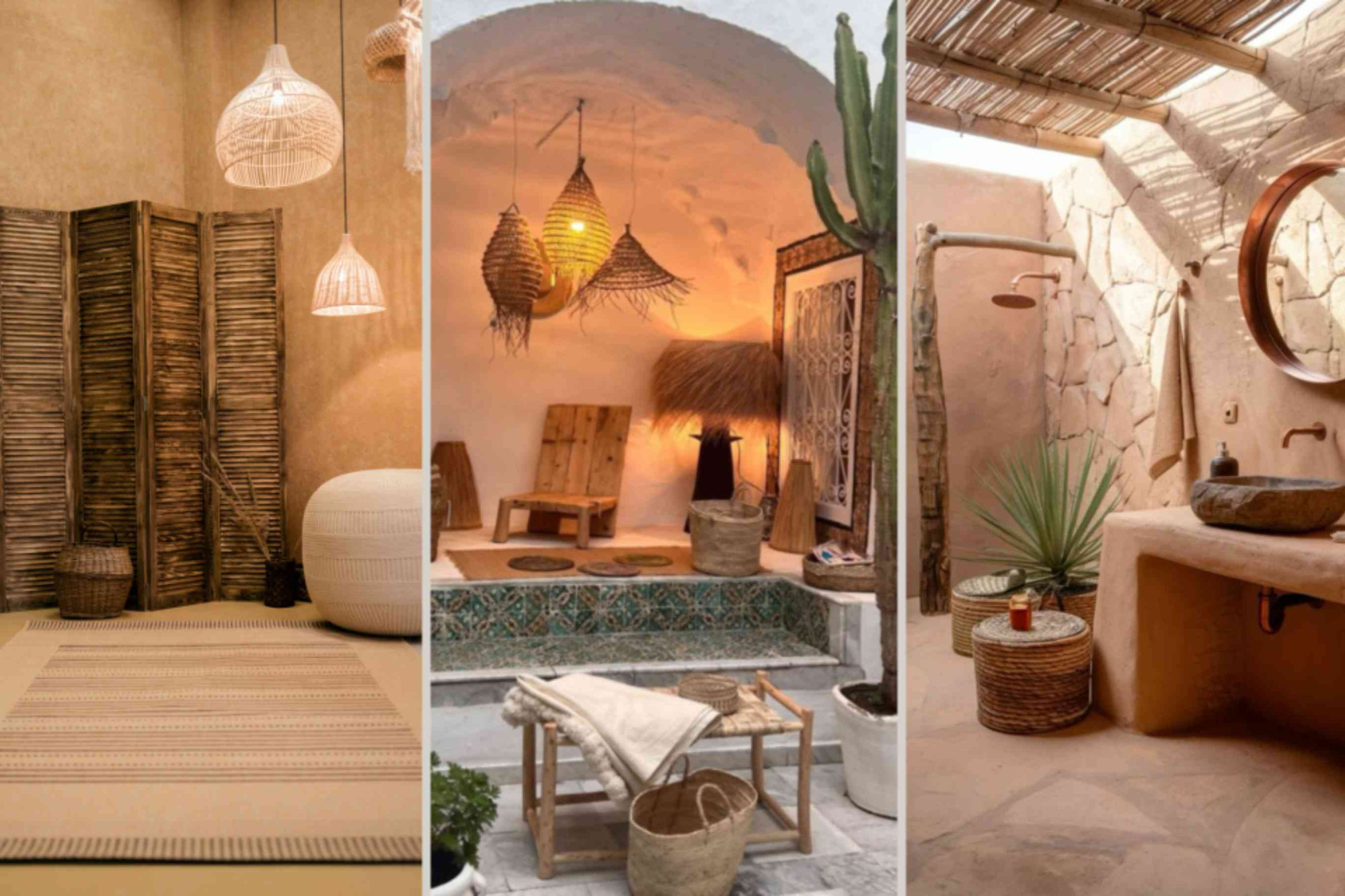
Visiting a hammam can be a relaxing break from a busy day exploring Marrakech. The experience traditionally revolves around heat, water, cleansing and exfoliation and remains an established part of Moroccan bathing culture.
Travellers can choose between very different types of hammam. Traditional public hammams offer the most local experience and are generally simple and functional. At the other end of the spectrum, many riads and hotels have private hammams where the ritual is combined with spa treatments in a quieter setting.
A typical treatment may begin in a warm steam room before black soap is applied to the skin. This is usually followed by exfoliation with a kessa glove and rinsing with warm water. Depending on the hammam, treatments using clay, oils or massage may be added afterwards.
For a first experience, a riad or spa hammam can be the easiest option. Treatments can usually be booked in advance and everything you need is provided.
It is worth leaving some free time afterwards rather than immediately returning to sightseeing. Many hammams have a relaxation area and some riads serve mint tea after the treatment, making the experience an easy way to add a slower afternoon to a few days in Marrakech.
Choosing a hammam
Traditional hammam · simple, local and usually more affordable
Riad hammam · smaller and more private
Hotel spa · a wider choice of treatments and facilities
Book ahead · particularly for popular riads and spas
Allow extra time · so the experience does not have to be rushed
#Marrakech #MarrakechHammam #MoroccoTravel #MarrakechGuide #Morocco
Les Couleurs de Marrakech @demarrakech
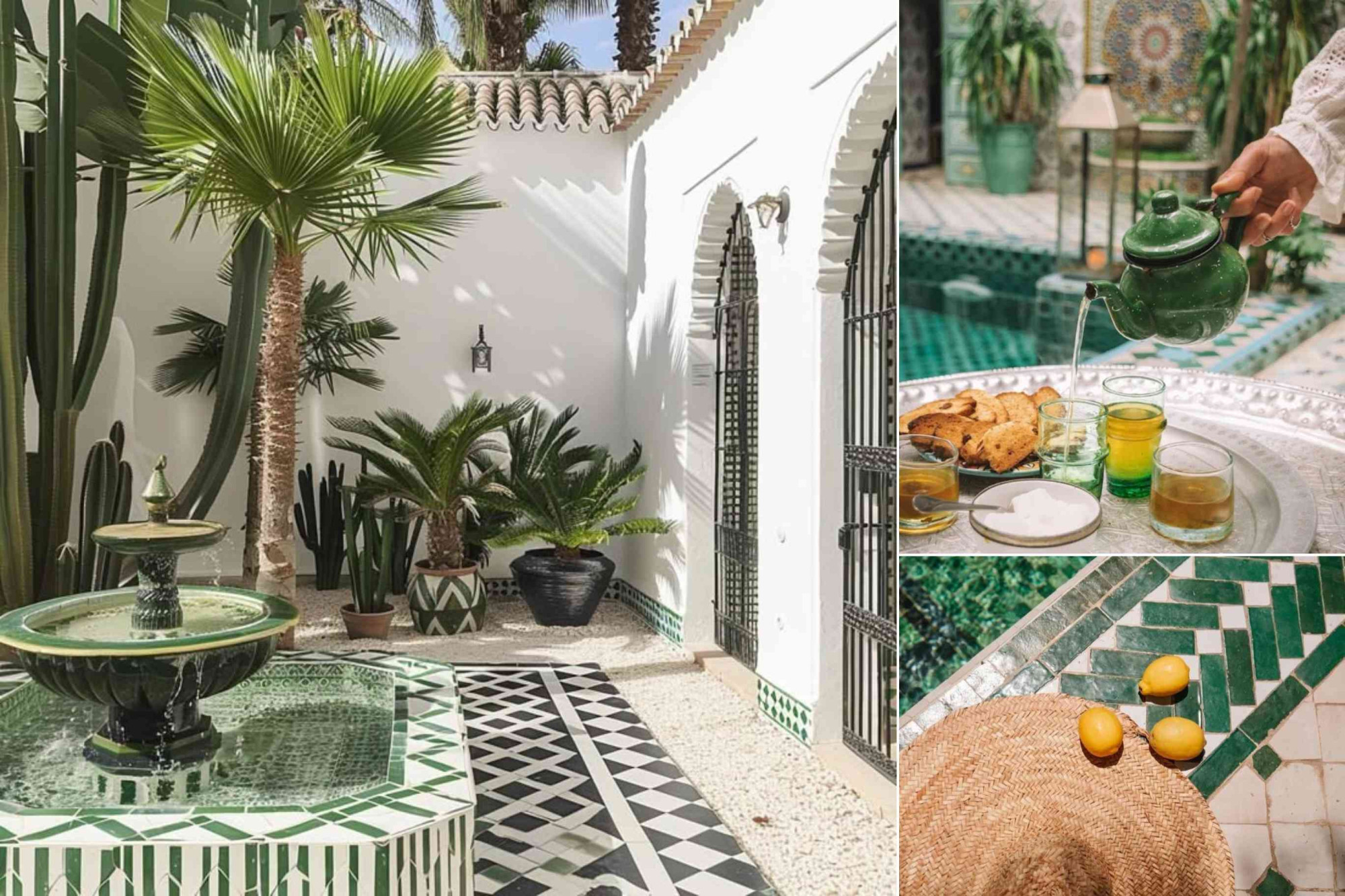
A morning in a Marrakech riad often begins around the breakfast table. Away from the streets of the medina, breakfast is usually served in an interior courtyard, beside a small pool or fountain or upstairs on the rooftop terrace.
The exact menu varies from one riad to another, but Moroccan breads are usually an important part of it. Msemen is a layered flatbread with a slightly crisp exterior, while baghrir is a light pancake recognisable by the tiny holes across its surface. Bread may be accompanied by honey, jams, butter or amlou, a spread traditionally made with almonds and argan oil.
Fresh fruit, yoghurt, eggs and pastries are frequently added, particularly in hotels and more contemporary riads. Mint tea is a familiar presence, alongside coffee and fresh juice.
What makes breakfast in a riad particularly enjoyable is the setting. Courtyards are designed as sheltered spaces at the centre of the house, with greenery, tiled floors and fountains creating a quiet contrast with the medina outside.
There is also a practical advantage to having breakfast where you stay. Marrakech days can quickly fill with museums, markets, gardens and excursions, so starting slowly at the riad gives you time to plan the day before heading out.
What you may find at breakfast
Msemen · layered Moroccan flatbread
Baghrir · light Moroccan pancakes
Amlou · almond and argan oil spread
Honey and local jams · served with breads and pancakes
Mint tea · one of Morocco's best-known drinks
Fresh fruit and juice · commonly added to the breakfast table
Planning a stay in Marrakech?
Find riads and hotels in Marrakech with Les Couleurs du Monde Travel.
#Marrakech #MarrakechRiads #MoroccanBreakfast #MoroccoTravel #MarrakechGuide
Les Couleurs de Marrakech @demarrakech
A full day in the medina gives you enough time to see the well-known sights while also leaving room for the streets in between. Marrakech is particularly enjoyable when a few planned stops are combined with time to wander.
Start in the morning, when temperatures are generally more comfortable and many streets are still relatively quiet. This is a good moment to visit one of the historic monuments or palaces before moving deeper into the medina.
Continue through the souks, but avoid treating them simply as a shopping destination. Workshops, spice stalls, textiles, small courtyards and everyday street life are as much a part of the experience as the objects for sale.
Around lunchtime, choose a courtyard restaurant or rooftop terrace. Taking a longer break works well in Marrakech, particularly before continuing through the busier parts of the old city in the afternoon.
The medina also has quieter corners away from the main shopping routes. Small squares, residential lanes and less elaborate doorways can be just as interesting as the famous sights and offer a better sense of how different parts of the old city connect.
Towards the end of the afternoon, gradually make your way towards Jemaa el-Fna. The square becomes increasingly active as evening approaches, making it a natural place to finish a day spent exploring the medina.
A simple way to plan the day
Morning · historic sights and quieter streets
Late morning · souks, workshops and small shops
Lunch · a courtyard or rooftop restaurant
Afternoon · explore smaller streets and stop for mint tea
Early evening · head towards Jemaa el-Fna
#Marrakech #MarrakechMedina #MoroccoTravel #MarrakechGuide #VisitMarrakech