
The Autumn Edition
Les Couleurs du Monde Magazine – Travel, Living and Style. From European coastlines and countryside escapes to Bali, Argentina and more. Contact: info@lescouleursdumonde.com
Home & Design @interiorsanddesign
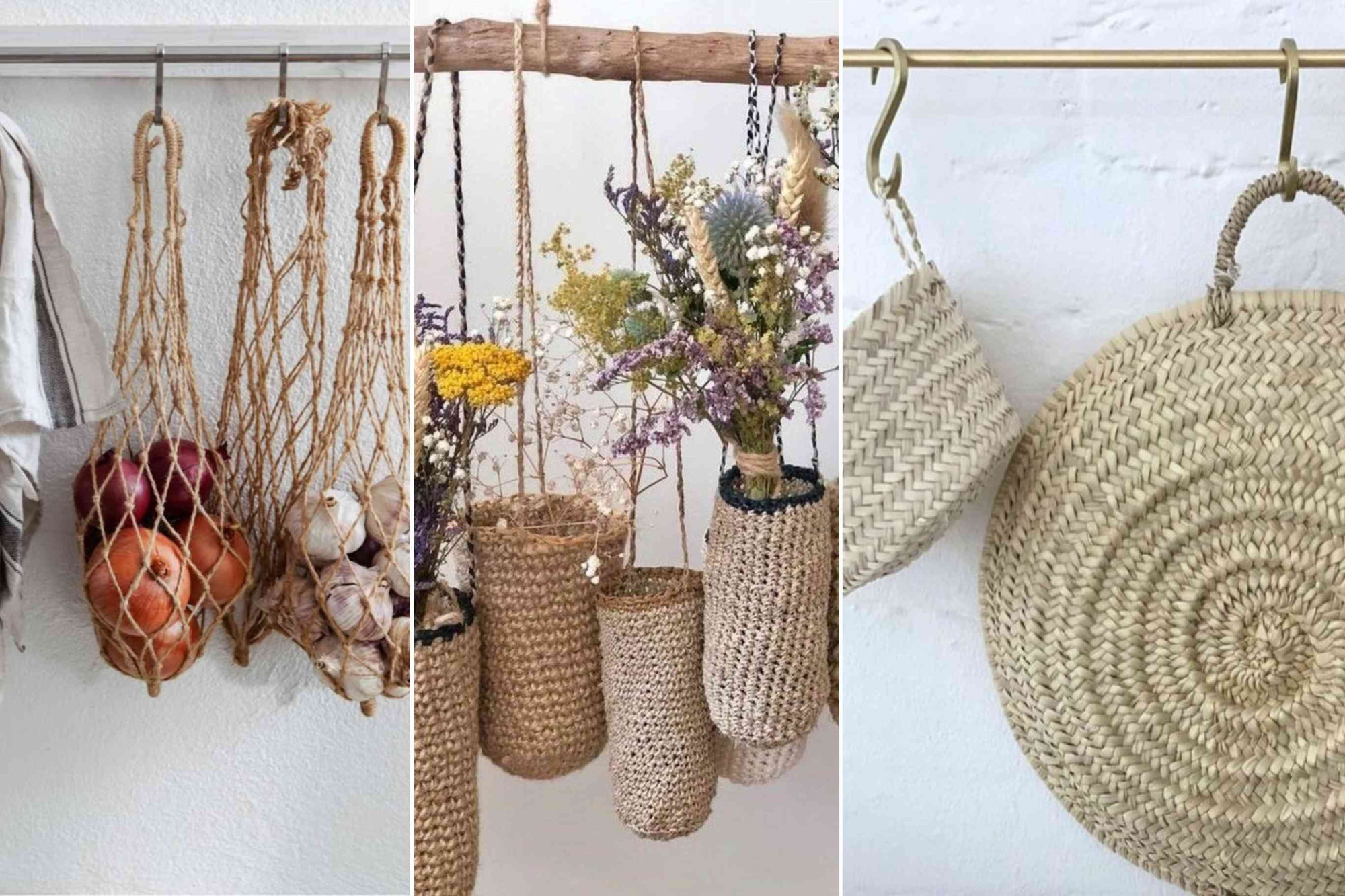
Hanging baskets, woven organisers and cotton nets provide practical storage solutions for kitchens, bathrooms and smaller living spaces. Using walls, hooks and rails makes it possible to organise everyday essentials without adding extra furniture or occupying valuable worktop space.
In the kitchen, hanging nets are particularly useful for onions, garlic and other produce that benefits from good air circulation. Keeping these items separate and visible makes it easier to monitor their condition. Open-weave baskets can also accommodate kitchen towels, utensils and lightweight accessories.
In bathrooms and bedrooms, hanging baskets provide storage for toiletries, hair accessories and smaller personal belongings. Materials such as jute and cotton are frequently used because they are flexible and can be worked into different shapes and sizes. In damp areas, good ventilation is important to prevent natural fibres from retaining moisture.
Handmade Storage
The Unraveling in Edinburgh, Scotland is an independent homeware brand specialising in handmade crochet designs using natural fibres.
The collection includes hanging storage baskets, wall planters and plant holders made primarily from jute and recycled cotton. Each piece is crocheted by hand, with the baskets constructed in continuous rounds to provide strength without additional seams.
The hanging storage baskets are available in different sizes and can be used for kitchen essentials, bathroom accessories or other lightweight household items. Their flexible construction allows them to be installed individually or grouped together according to the available wall space.
The Unraveling demonstrates how traditional crochet techniques can be applied to contemporary storage products, combining practical organisation with small-scale production.
#HomeAndDesign #StorageSolutions #HomeOrganisation #NaturalMaterials #HangingStorage #HandmadeDesign #LesCouleursDuMonde
Home & Design @interiorsanddesign
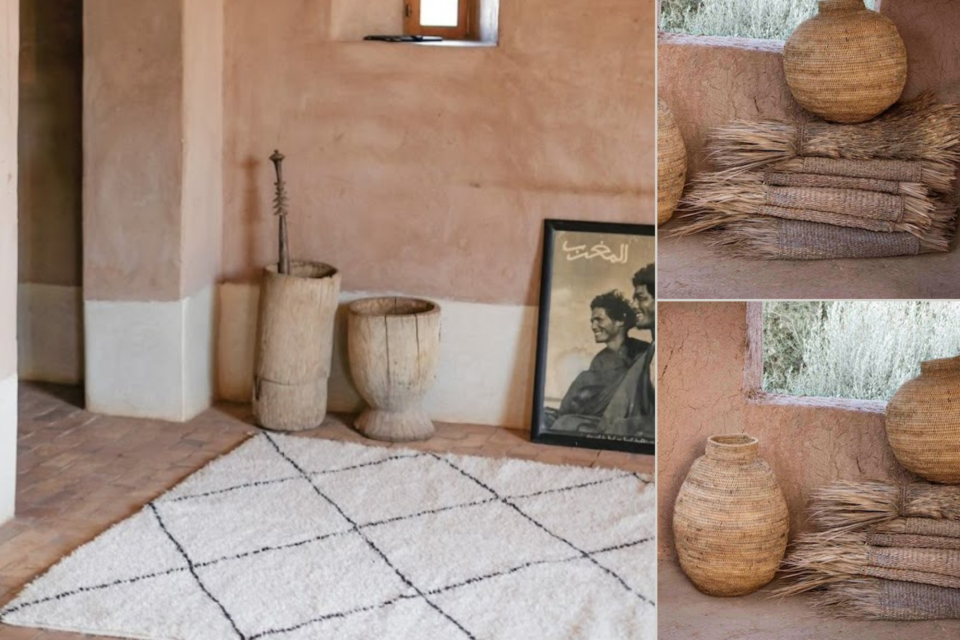
Beni Ourain rugs originate from the Amazigh weaving traditions of Morocco's Middle Atlas Mountains. Traditionally made by women for everyday use, these woollen carpets have become internationally recognised, bringing renewed attention to Moroccan craftsmanship and the artisans who preserve it.
Originally valued for their warmth and durability, Beni Ourain rugs were produced using locally available wool. Their geometric patterns were often developed by the weavers themselves, reflecting knowledge passed between generations.
Today, traditional Moroccan rugs are sold alongside contemporary interpretations and machine-made reproductions. Understanding the difference involves looking at the materials, weaving techniques and provenance rather than the pattern alone. A genuine handmade rug should have a traceable origin, with information about its production and the artisans involved.
Moroccan Craftsmanship Today
Beni Rugs offers an example of how traditional weaving can be organised within a contemporary design business. Founded in 2018 by Robert Wright and Tiberio Lobo-Navia, the company established a weaving atelier in Tameslouht, near Marrakech.
An important figure within the studio is Rachida Ouilki, a master weaver who learned her craft from her mother and sister. As head of training and technique, she now mentors artisans and works with the design team to develop new collections.
The atelier brings weaving, washing, finishing and quality control together in one location. This approach gives artisans access to regular employment, training and opportunities to develop their skills.
Beni Rugs also collaborates with contemporary designers, introducing new patterns, colours and weaving techniques while continuing to work with Moroccan artisans.
The studio demonstrates how traditional craftsmanship can remain commercially relevant while creating professional opportunities for the people responsible for its production.
#HomeAndDesign #MoroccanRugs #BeniOurain #MoroccanCraftsmanship #AmazighTextiles #TextileDesign #HandmadeRugs #LesCouleursDuMonde
Home & Design @interiorsanddesign
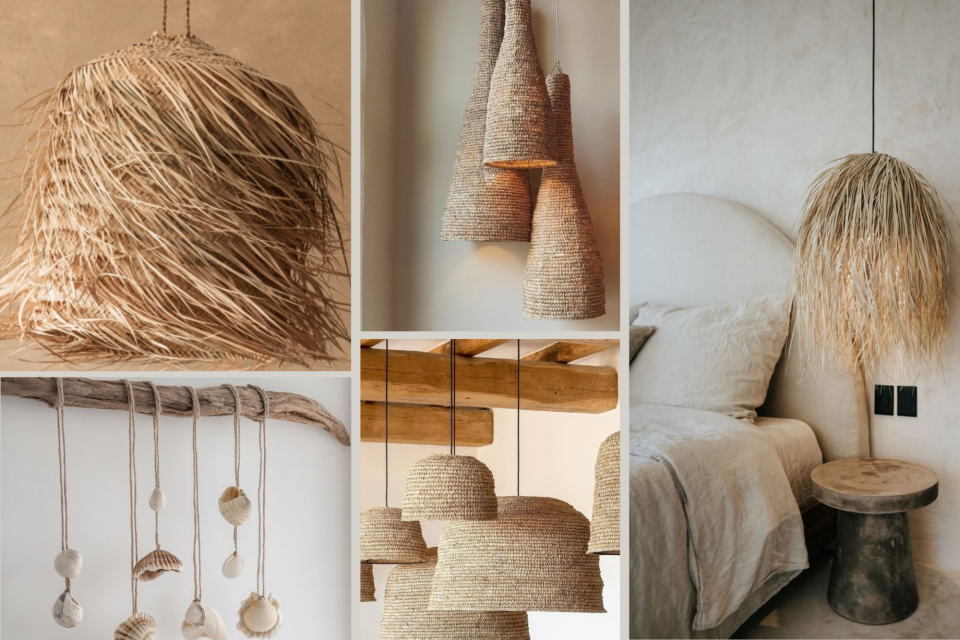
Raffia, palm leaves and seagrass are used in contemporary lighting design to produce everything from compact woven pendants to oversized lampshades. Each material has different properties that influence the construction, shape and distribution of light.
Understanding the Materials
Raffia is obtained from the leaves of the raffia palm. Its long, flexible fibres can be woven, crocheted or attached as fringes. Designers use it for cylindrical shades, layered pendants and lamps with loose, flowing edges.
Palm leaves are generally cut into strips, dried and prepared for weaving. Depending on the palm species and preparation method, they can be used to create structured dome-shaped shades, bell-shaped pendants and open basket constructions.
Seagrass is a collective name for several aquatic plants used in weaving. Once dried, the fibres can be twisted or braided into cords suitable for more structured lampshades. Seagrass is often used for rounded, conical and basket-shaped designs.
Different Shapes and Lighting Effects
The construction of a lampshade determines how light travels through it.
Tightly woven shades limit the amount of light passing through the sides and direct more illumination through their openings. Open-weave designs allow light to spread more widely and can create patterned shadows on nearby surfaces.
Wide dome-shaped pendants are commonly used above dining tables, while narrow cylindrical designs can be grouped at different heights. Fringed lampshades provide another option, with loose fibres extending below or around the main structure.
For practical lighting, it is important to consider the position of the bulb, the shade's dimensions and whether the fixture provides sufficient illumination for the intended space.
Design Studio
ZliZ creates handmade lighting using materials including raffia, palm leaves and doum palm fibres.
Its collection includes woven pendant lights in different sizes, with made-to-order options for larger installations. The studio also develops custom designs, adjusting the frame, weaving technique and dimensions to suit individual projects.
#HomeAndDesign #NaturalFibreLighting #Raffia #PalmLeaf #Seagrass #LightingDesign #HandwovenLighting #LesCouleursDuMonde
Home & Design @interiorsanddesign
Designed Together with Artisans
British design brand AARVEN works with artisan communities across Africa and India to create contemporary homeware using traditional craft techniques and locally sourced materials.
The story began in 2011 when designer Amy Fleuriot-Reade and craft development specialist Bee Friedmann travelled to East Africa. Their encounters with local makers led to the creation of Artisans & Adventurers, later renamed AARVEN, meaning 'friend of the people'.
Today, the brand is led by Amy from the English seaside town of Margate, where AARVEN also operates its own store.
Craftsmanship Across Cultures
AARVEN develops original collections in collaboration with small-scale artisan groups. Instead of simply sourcing finished products, the brand works with makers to adapt traditional techniques to contemporary designs.
In Ghana, women weavers produce baskets and lighting using locally available plant fibres. In Kenya, artisans carve soapstone into household objects and work with recycled brass to create jewellery and decorative hardware.
The Indian collections include hand-painted ceramics from Jaipur, block-printed textiles and handmade paper products. Among the makers are the Doraya family, whose work continues Jaipur's Blue Pottery tradition.
These partnerships are central to AARVEN's approach. The brand states that artisans set their own prices and that production relationships are assessed against fair trade principles.
From Workshop to Home
The collection extends across lighting, textiles, storage, decorative objects, jewellery and smaller household accessories.
AARVEN's bathroom range is a good example of its approach to design. Handwoven Ghanaian baskets, Kenyan soapstone containers and painted ceramic soap dishes from Jaipur bring three different craft traditions into the same setting.
The interest lies not only in the finished products but also in the people and techniques involved in making them. Through its collections and artisan stories, AARVEN introduces independent makers to an international audience while supporting the continuation of their skills.
Discover AARVEN
Explore the collections and meet the artisans behind the designs.
#HomeAndDesign #AARVEN #ArtisanDesign #TraditionalCrafts #HandmadeHomeware #IndependentDesign #EthicalHomeware #LesCouleursDuMonde
Home & Design @interiorsanddesign
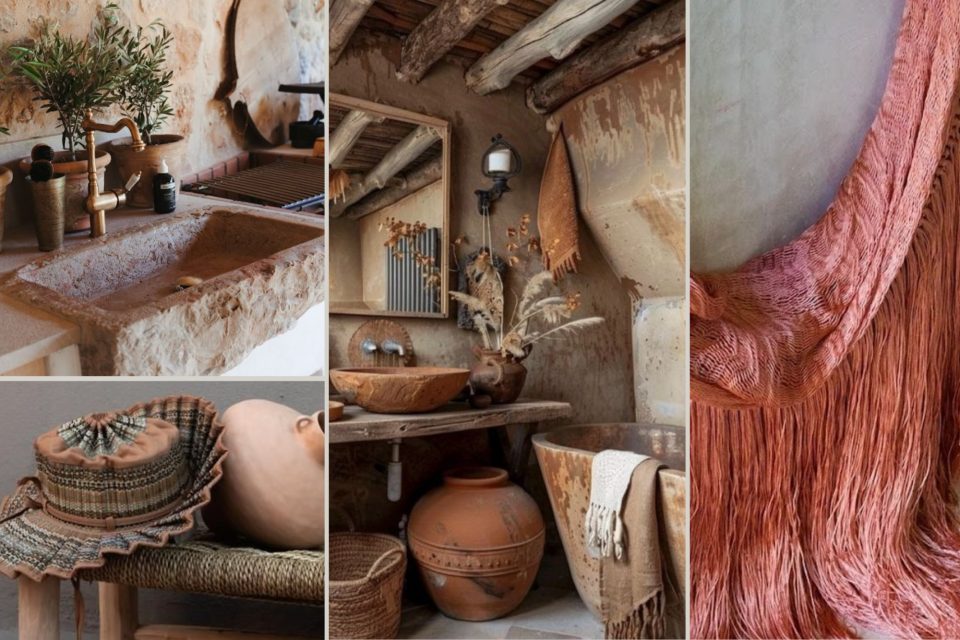
Lime plaster is a traditional mineral wall finish that has found a renewed place in contemporary architecture, particularly in projects combining natural materials with established craftsmanship.
Made primarily from lime, sand and water, the material has been used in Mediterranean architecture and historic buildings for generations. Its ability to allow water vapour to pass through walls makes it particularly relevant in the restoration of older masonry.
Today, architects also choose lime-based finishes for contemporary interiors. The material can be combined with mineral pigments and applied in different ways, creating smooth surfaces or more textured finishes. The result depends on the composition and the skills of the plasterer.
La Calce del Brenta | An Italian Family Tradition
In Cittadella, near Padua, the De Toni family has been producing lime since 1920. The business began when Cristiano De Toni established a kiln to process stones collected from the Brenta River.
Over the following generations, La Calce del Brenta developed from traditional lime production into a specialist manufacturer of mineral wall finishes for restoration and contemporary architecture.
Its collections include Riva, a lime-based plaster available in a wide range of colours, and Vivastile, a traditional finish made with lime putty and selected marble aggregates.
The company has also contributed to architectural restoration projects in Italy, including work associated with Venice's Ca' di Dio, demonstrating how traditional materials can be adapted to contemporary design requirements.
Traditional Knowledge in Modern Interiors
Lime plaster requires careful material selection and skilled application. Its performance depends on the underlying wall, the formulation and the conditions in which it is used.
For architects and designers, companies such as La Calce del Brenta offer access to traditional production knowledge alongside a wider choice of contemporary finishes.
Discover La Calce del Brenta
#HomeAndDesign #LimePlaster #LaCalceDelBrenta #ItalianCraftsmanship #NaturalMaterials #InteriorArchitecture #TraditionalMaterials #LesCouleursDuMonde
Home & Design @interiorsanddesign
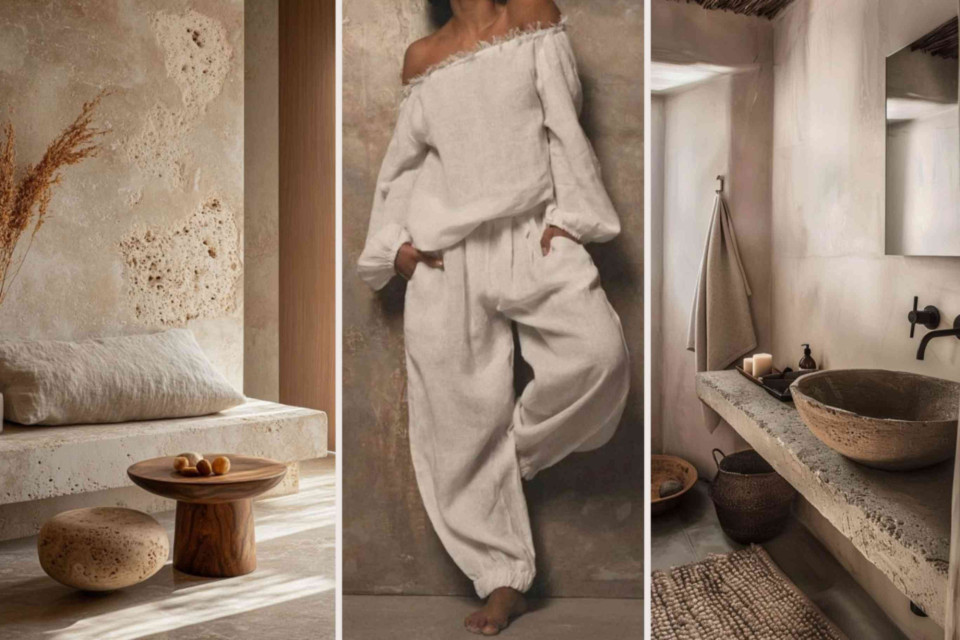
Reclaimed wood is increasingly used in lighting design to create individual pieces that combine practical illumination with traditional woodworking techniques. Instead of manufacturing identical components, designers work with existing sections of timber, preserving their natural shapes and irregular structures.
The process begins with selecting suitable wood, including fallen branches, driftwood and timber recovered from previous uses. Each piece must be assessed for stability and condition before being cleaned, dried and prepared for the electrical components.
Designers also need to consider the weight of the wood, the positioning of the light source and the installation method. LED lighting is particularly suitable because it produces less heat than traditional incandescent bulbs.
Handmade Lighting in France
French artist NINE ARTISTE creates lighting and decorative objects using recovered materials, including driftwood, oak and olive wood.
Her work includes handmade lamps and suspended wooden sculptures. The wood is collected locally or recovered from discarded materials, then shaped, sanded and combined with lighting components.
Some pieces retain their original irregular forms, while others are modified to accommodate the bulb, fitting or supporting structure. Each design is produced individually, with custom commissions also available.
The atelier offers an example of how reclaimed materials can be incorporated into contemporary lighting without relying on standardised manufacturing.
#HomeAndDesign #LightingDesign #ReclaimedWood #Woodworking #SculpturalLighting #HandmadeDesign #LesCouleursDuMonde
Home & Design @interiorsanddesign
Rethinking the Towel Rail
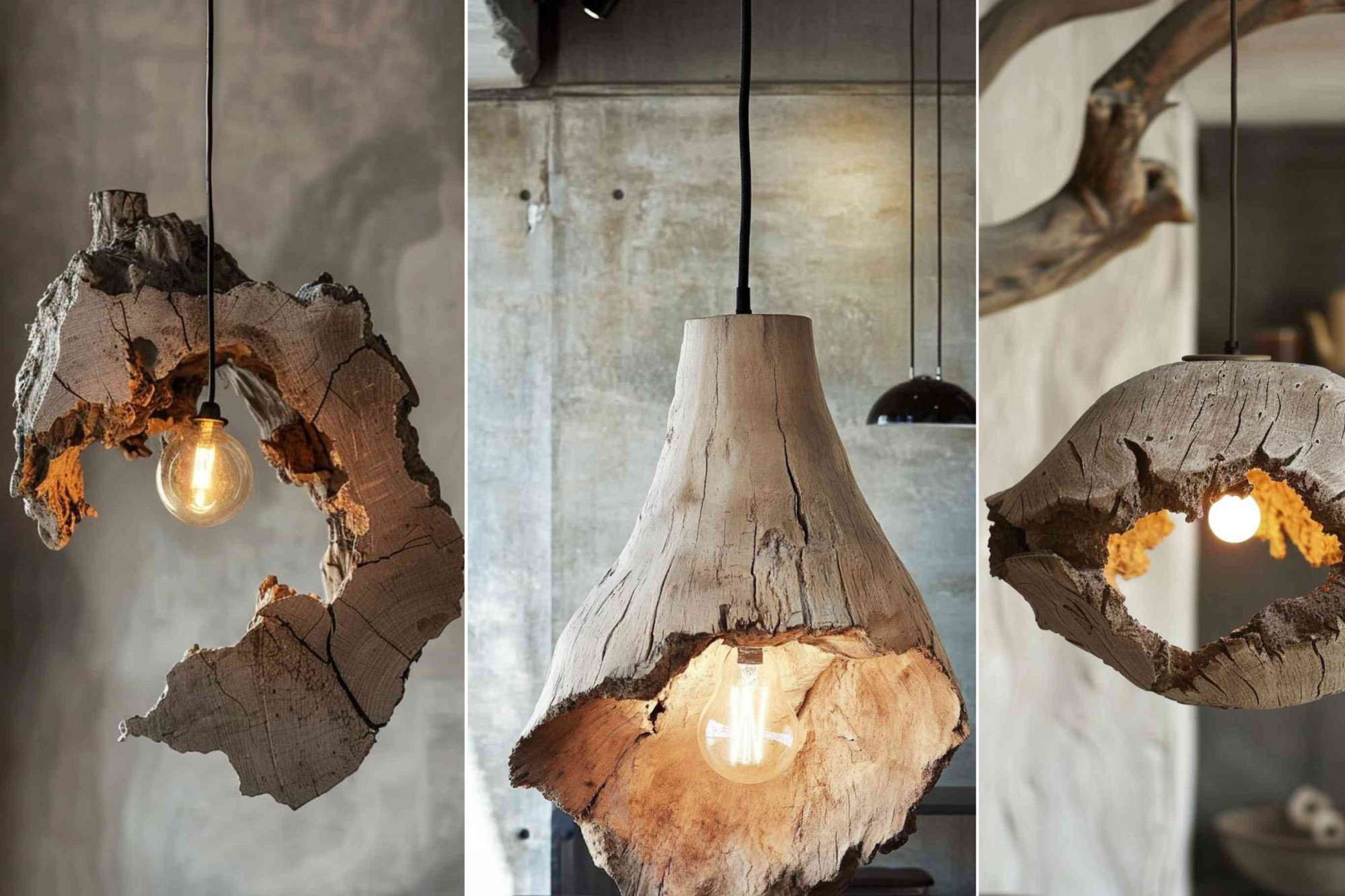
Boat fittings, reclaimed architectural hardware and traditional metalworking offer alternatives to conventional bathroom towel rails. Objects originally designed for entirely different purposes can find a practical second use in contemporary interiors.
A boat cleat is a good example. Originally developed to secure ropes on boats and docks, its two projecting arms also make it suitable for hanging towels. Mounted individually or in a row on a wooden board, these fittings provide a practical alternative to standard bathroom hooks.
Other designs take inspiration from industrial pipework, bent metal rods and traditional wall brackets. Their construction is often simple, but the choice of material and fixing method determines how well they perform.
Reclaimed Hardware
Architectural salvage offers another approach to bathroom fittings. Brass rails originally installed on church pews to hold umbrellas, for example, can be repurposed as hand towel holders.
Water and Wood has offered reclaimed brass rails of this kind, preserving their original construction while giving them a new domestic function.
The pieces retain signs of their previous use, including small marks and variations in the metal. Unlacquered brass also develops a patina over time, although regular polishing can maintain a brighter finish.
Contemporary Metalworking
For newly made pieces, Aurulent produces solid brass towel rails by hand in Suffolk, England.
Its designs are available in raw and antique brass finishes, with custom lengths offered on request. Raw brass changes colour naturally through use and exposure, making the material itself part of the design.
These examples show two approaches to bathroom hardware: adapting an existing object for a new purpose or commissioning a functional piece made using traditional metalworking skills.
#HomeAndDesign #BathroomDesign #TowelRails #ArchitecturalSalvage #BrassHardware #FunctionalDesign #IndependentMakers #LesCouleursDuMonde
Home & Design @interiorsanddesign
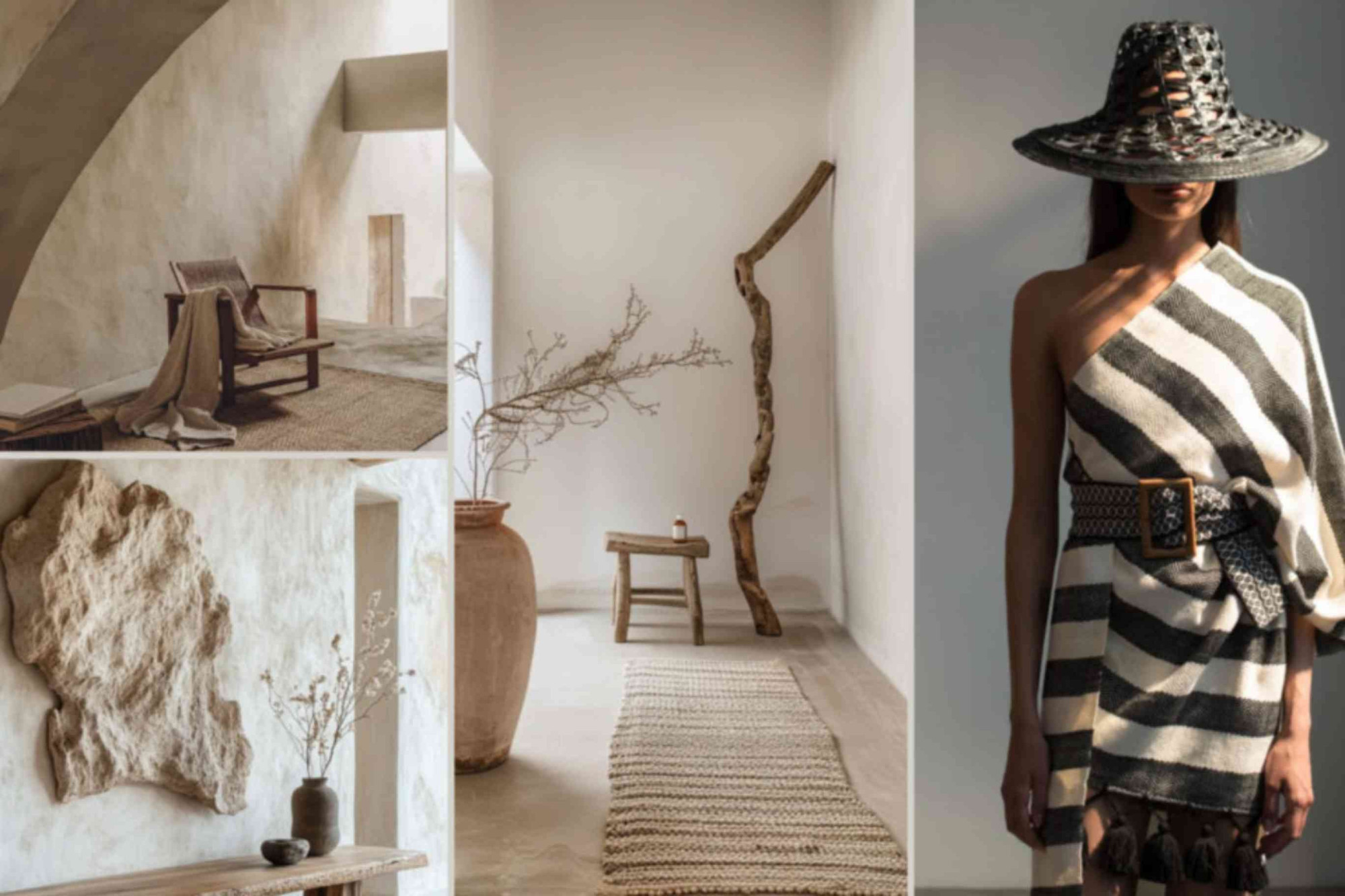
Morocco's Polished Walls
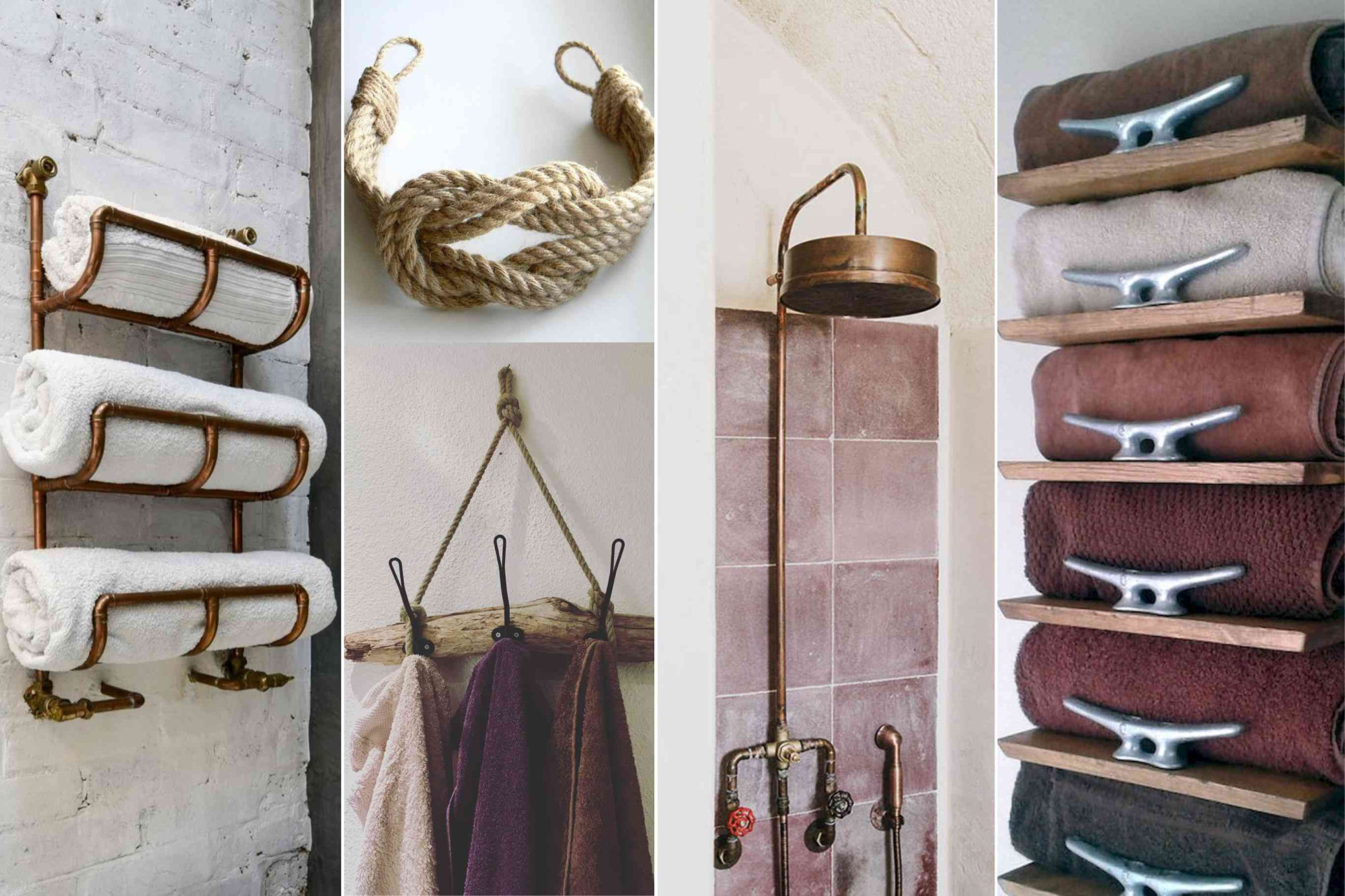
Tadelakt is a traditional Moroccan lime plaster originating from the Marrakech region, where it has long been used to finish hammams, riads, fountains and palace interiors. Its water-resistant surface is created through a specialised hand-polishing technique.
Unlike conventional wall plaster, tadelakt is compressed and polished with a smooth river stone before being treated with black olive soap, known locally as savon beldi. The soap reacts with the lime to create a water-repellent finish.
The technique was traditionally used in places exposed to humidity, particularly hammams and water basins. Its continuous surface also allows craftspeople to finish curved walls, alcoves and architectural details without the joints associated with ceramic tiles.
Talliart
Based in Marrakech, Talliart specialises in traditional tadelakt and contemporary mineral finishes. The atelier works on the renovation of riads, villas and private interiors, combining Moroccan craftsmanship with architectural design.
Its projects include bathrooms, walk-in showers, integrated washbasins, alcoves and custom-built furniture. The studio also works with zellige and other traditional Moroccan materials, allowing different craft techniques to be incorporated into a single interior project.
According to the atelier, its expertise in tadelakt has developed over two decades, with each surface finished by hand.
From Hammams to Contemporary Architecture
Today, tadelakt is used in bathrooms and architectural interiors where a continuous mineral finish is desired. Mineral pigments can be incorporated into the plaster, producing a wide range of colours.
The technique requires suitable substrates, experienced application and appropriate maintenance. Although traditional tadelakt is water-resistant, its suitability for showers and other continuously wet areas depends on the complete construction and waterproofing system.
Studios such as Talliart demonstrate how traditional Moroccan craftsmanship continues to find applications in contemporary architecture while maintaining a connection with its origins.
#HomeAndDesign #Tadelakt #MoroccanCraftsmanship #Marrakech #TraditionalTechniques #ArtisanDesign #InteriorArchitecture #LesCouleursDuMonde
Home & Design @interiorsanddesign
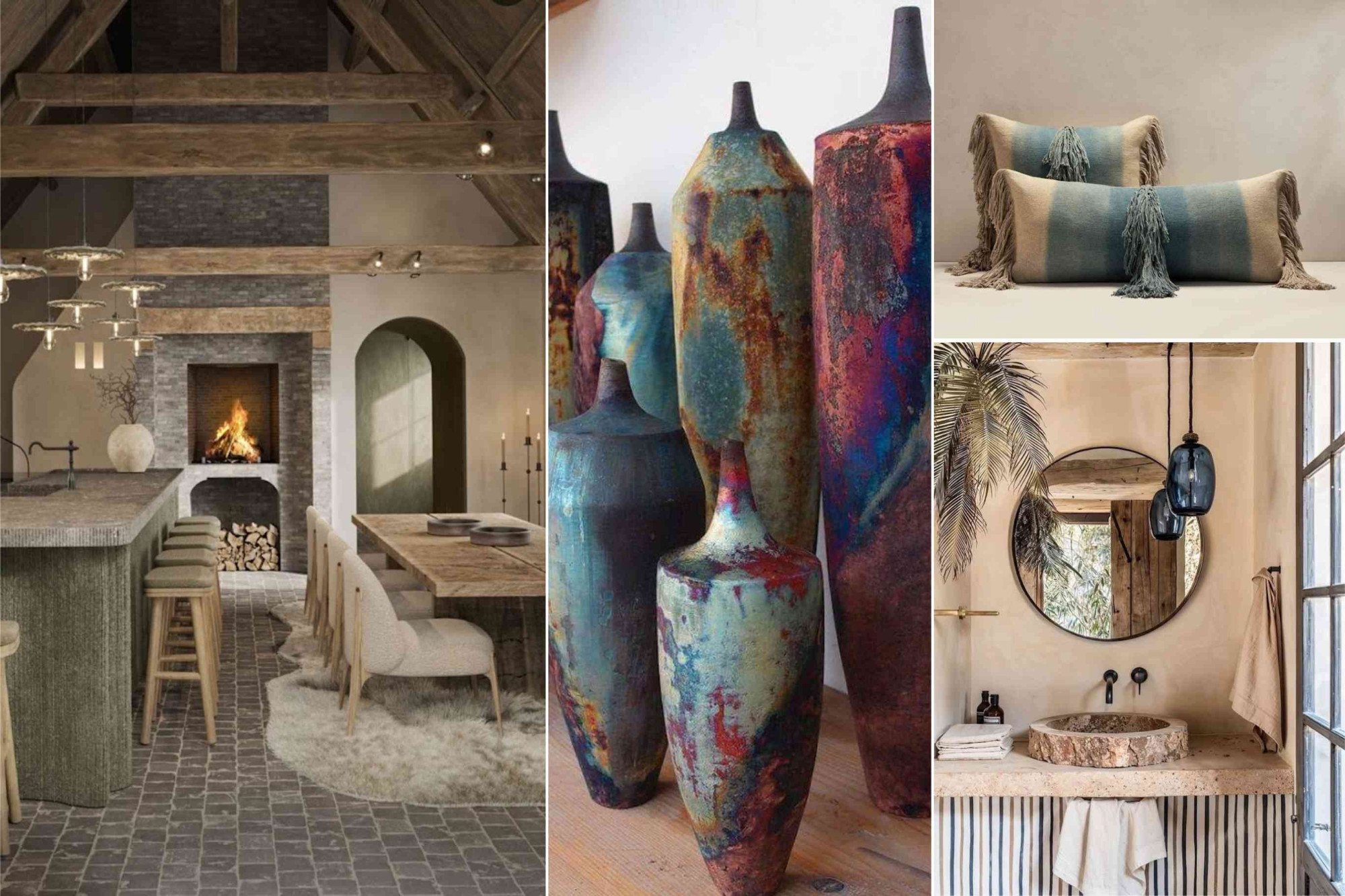
Sculptural Ceramics
Contemporary ceramic artists are redefining the traditional vase, creating objects that occupy a space between functional design and sculpture. Form, firing techniques and experimental glazes have become as important as the original purpose of the vessel.
The relationship between ceramics and sculpture is not new, but contemporary makers are increasingly exploring forms that challenge the familiar proportions of bowls, vases and containers.
Some retain the basic structure of a vessel while introducing exaggerated proportions or asymmetrical shapes. Others experiment with surface treatments, allowing minerals, oxides and kiln temperatures to influence the final appearance.
Exploring Form and Surface
Portuguese ceramic artist José Carvalho works from his studio in Aldeia do Meco, near Sesimbra on Portugal's Atlantic coast.
After spending almost two decades developing his ceramic practice in London, he returned to Portugal in 2026 to establish his studio.
His work draws on Japanese and Korean ceramic traditions, architectural geometry and natural materials. The collections include Moon Jars, asymmetrical Lopsided Vessels and geometric V-Shaped Vessels.
A particular focus of his practice is the use of volcanic glazes, metal oxides and recycled natural materials. During firing, these elements produce variations in colour and surface that cannot be completely controlled.
From Studio to Interior
Carvalho's ceramics are created for collectors, architects and interior designers, with individual pieces selected for both their sculptural qualities and their relationship to the surrounding architecture.
His practice also includes private tuition, workshops and artist residencies, offering an opportunity to explore the techniques behind contemporary ceramic production.
The work illustrates how an everyday object such as a vase can become an independent piece of art while retaining a connection to traditional ceramic craftsmanship.
→ Explore José Carvalho Ceramics
#HomeAndDesign #SculpturalCeramics #JoseCarvalho #ContemporaryCeramics #PortugueseDesign #CeramicArt #IndependentMakers #LesCouleursDuMonde
Home & Design @interiorsanddesign
Decorating with Evergreen Branches
Evergreen branches have an established place in European Christmas traditions, from handmade Advent wreaths to garlands decorating doorways, fireplaces and entrances. The choice of greenery and the way it is assembled remain central to traditional Christmas floristry.
Fir, spruce and pine are commonly used, although their characteristics differ. Nordmann fir is particularly valued for its needle retention, while spruce offers a traditional appearance but tends to shed its needles more quickly indoors. Pine branches introduce longer needles and a different structure.
Holly, ivy, eucalyptus and dried seed heads can be incorporated into arrangements, while pinecones, dried oranges and ribbons provide additional decoration.
The Tradition of Wreath Making
In Germany and Scandinavia, wreath making remains part of the preparations for Advent. Traditional wreaths are constructed by attaching small bundles of greenery to a circular base with florist's wire, gradually building a full arrangement.
The same technique can be adapted to create longer garlands for staircases, doorframes and mantelpieces. For outdoor decorations, fir and pine generally remain fresh longer in cool conditions than in heated interiors.
Christmas Floristry in Denmark
Danish floral collective Blomsterfællesskabet offers workshops introducing traditional wreath-making techniques and the use of natural seasonal materials.
At Byaasgaard in North Zealand, the collective organises Christmas workshops where participants learn to make Advent wreaths and door decorations. The programme includes working with dried flowers and natural greenery, with guidance on assembling and decorating individual pieces.
These workshops offer an opportunity to learn the techniques behind handmade Christmas decorations and create arrangements that reflect the materials available locally.
Choosing and Caring for Christmas Greenery
Fresh branches should be kept cool before arranging and positioned away from radiators and open fires. Outdoor wreaths generally retain their appearance longer than decorations exposed to constant indoor heating.
For a reusable alternative, dried materials can be incorporated into wreaths and stored carefully after Christmas. Fresh greenery, however, will eventually dry out and needs replacing.
Whether used for a traditional Advent wreath or a large entrance decoration, evergreen branches remain a practical material for handmade Christmas floristry.
#HomeAndDesign #ChristmasGreenery #ChristmasDecorations #EvergreenBranches #ChristmasWreaths #NaturalChristmas #DanishFloristry #LesCouleursDuMonde

Home & Design @interiorsanddesign
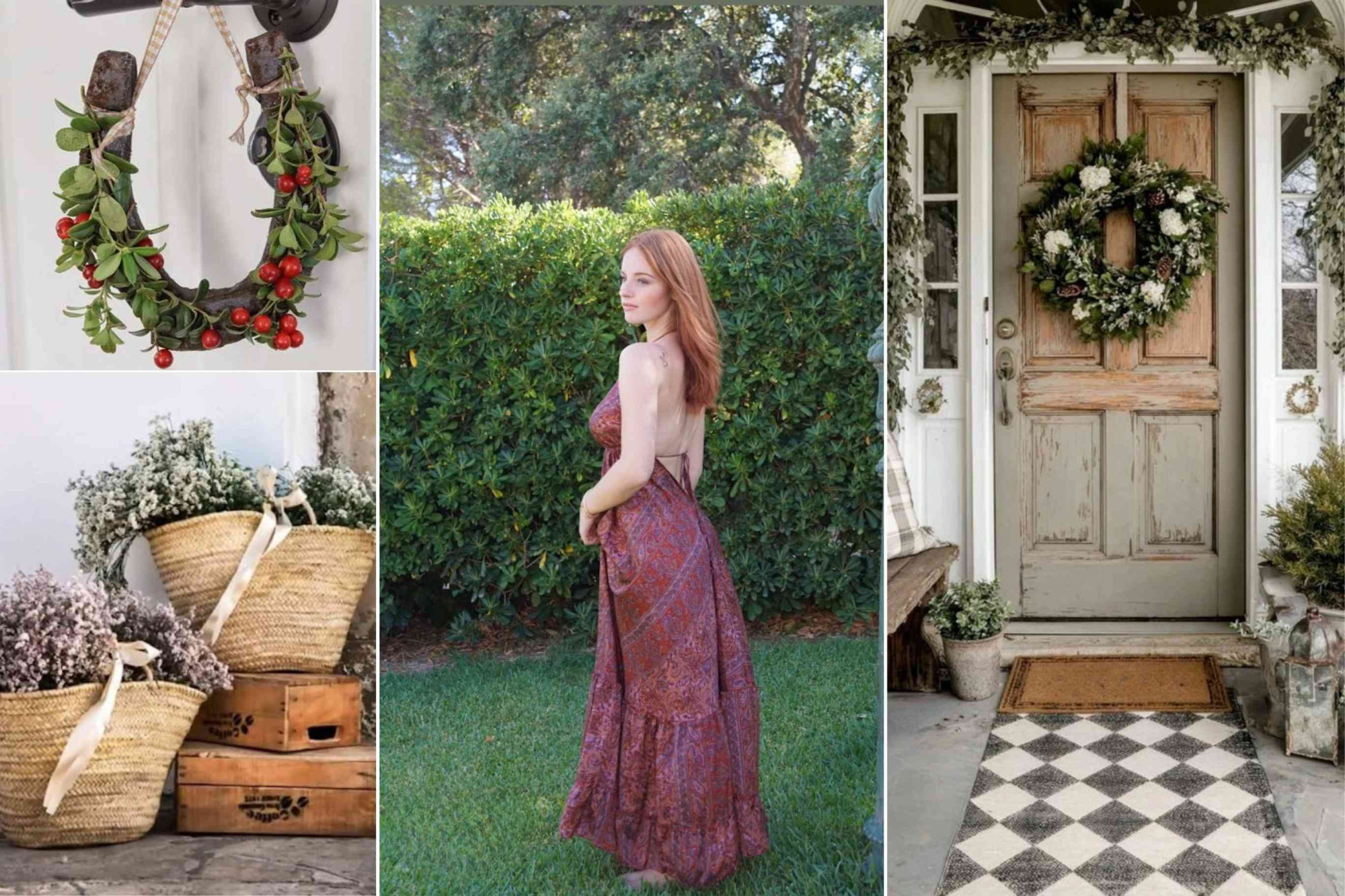
A Floral Welcome
Flowers can become part of a home's entrance throughout the year, with seasonal wreaths, planted baskets and botanical arrangements offering alternatives to traditional indoor bouquets.
The entrance is an interesting place for floral decoration because arrangements can be created specifically for a door, porch or sheltered outdoor space. A wreath can combine fresh foliage with flowering branches, while baskets allow potted plants and seasonal flowers to be displayed together.
In spring, flowering branches, hellebores and early bulbs offer possibilities for entrance arrangements. Summer brings garden roses, hydrangeas and flowering herbs, while autumn lends itself to berries, seed heads and dried flowers. The materials change with the season, but the decorative approach remains the same.
Floral Arrangements Beyond the Vase
A wreath does not need to follow the traditional full circular arrangement. Contemporary floral designers also create asymmetrical compositions, concentrating flowers and foliage along one side of the base.
Baskets provide another approach. Instead of arranging cut flowers in water, small potted plants can be grouped inside a woven container, allowing individual plants to be replaced as their flowering period ends. For outdoor use, drainage and protection from prolonged rain are important.
Flowers for Every Season
In the Netherlands, Jardin Enchanté is a small floral studio, who began by decorating her own front door with seasonal wreaths.
What started as a personal tradition developed into a collection of handmade wreaths and bouquets. The studio now works with realistic artificial flowers sourced from Belgium, creating arrangements intended to be reused throughout the year.
Its designs follow the changing seasons, from spring blossoms and summer greenery to autumn berries and winter branches. Each wreath is assembled by hand, with attention to the placement of individual flowers, leaves and stems.
The studio offers an interesting alternative to fresh floral decorations, particularly for entrances where regular replacement or maintenance may be impractical.
A floral entrance can therefore be created with fresh seasonal materials, living plants or reusable handmade arrangements, depending on the location and the type of decoration preferred.
#HomeAndDesign #FloralDecoration #EntranceDecor #SeasonalFlowers #FloralWreaths #IndependentFlorists #HomeStyling #LesCouleursDuMonde
Home & Design @interiorsanddesign
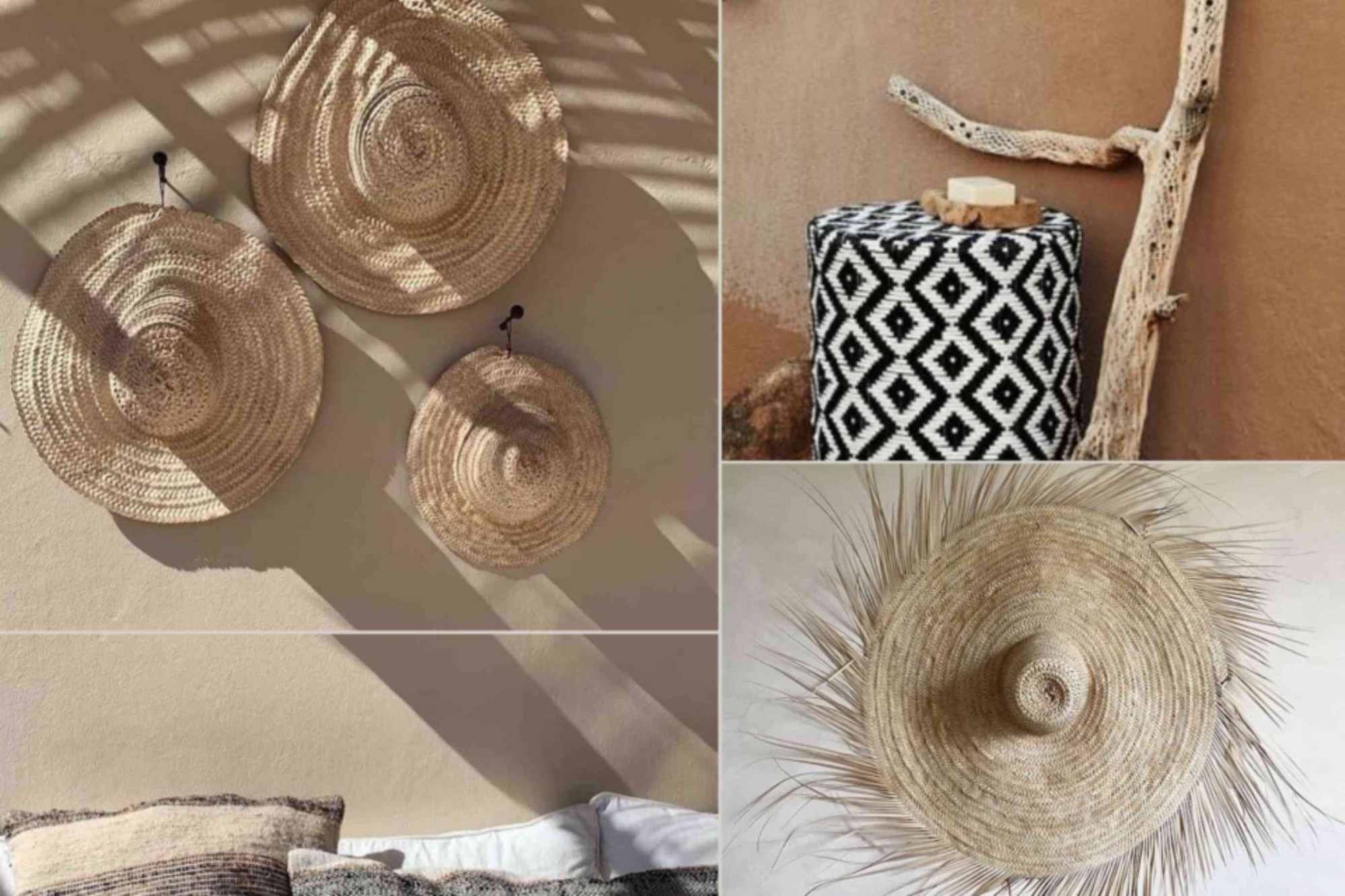
Woven baskets, palm-leaf hats and circular wall pieces offer an alternative to framed artwork, introducing natural materials and three-dimensional forms into interior decoration.
Originally created as functional objects, woven pieces are increasingly used as wall decorations in living rooms, bedrooms and covered outdoor spaces. Their circular shapes make them particularly suitable for arrangements that combine different sizes without requiring identical designs.
Decorating with Woven Wall Pieces
A single oversized woven piece can work above a sofa, console or bed, while smaller pieces can be arranged together to create a wall composition.
For a balanced arrangement, combining three or five pieces of different diameters often works well. Keeping some space between them allows each shape to remain visible, particularly when the objects have raised centres or decorative fringes.
The choice of material also influences the result. Tightly woven palm leaves create defined circular patterns, while raffia fringes introduce a less structured outline. Natural tones can be combined with coloured textiles, patterned cushions or darker furniture.
Wall Decoration from Marrakech
Beldi Sélection offers a collection of oversized woven palm-leaf hats produced in Morocco and finished in its Marrakech workshop.
The collection includes decorative wall hats measuring approximately 40 to 100 centimetres in diameter, with options for natural finishes, raffia fringes and personalised embroidery.
The pieces can be displayed individually or combined in groups. Beldi Sélection also offers customised lettering, allowing names, words or logos to be incorporated into the designs for private interiors, riads and hospitality projects.
Its collection demonstrates how an everyday object can be adapted into wall decoration without losing its original form.
Choosing the Right Arrangement
Before hanging woven decorations, consider the proportions of the wall and the surrounding furniture. A large piece can fill an otherwise empty section, while a collection of smaller objects is often better suited to a wider surface.
Lightweight woven pieces should be attached with fixings appropriate to their construction and the wall. In bathrooms or outdoor areas, protection from prolonged moisture and direct weather exposure is important to preserve the natural fibres.
#HomeAndDesign #WovenWallDecor #WallDecoration #InteriorStyling #PalmLeafDecor #NaturalMaterials #BeldiSelection #LesCouleursDuMonde
Home & Design @interiorsanddesign
Architectural niches allow walls to serve more than one purpose, creating space for seating, storage, lighting and decorative objects without introducing additional freestanding furniture.
In traditional architecture, recessed spaces were often incorporated into thick masonry walls. Today, architects use similar principles in renovations and contemporary homes, sometimes creating niches within purpose-built partitions or fitted cabinetry.
The possibilities extend from a small alcove for displaying ceramics to a recessed reading corner or an entire wall designed around integrated storage.
Designing Space Within the Wall
The most useful niches are planned around a specific function. In an entrance hall, a recessed bench can provide seating while incorporating shoe storage underneath. In a bedroom, a bed alcove can accommodate integrated lighting and bedside shelves.
Depth is an important consideration. A shallow decorative recess requires relatively little space, while a seating niche needs sufficient room for comfortable use. In existing buildings, creating a recess may also involve structural considerations, particularly when working with load-bearing walls.
Lighting can be incorporated into the design, allowing a niche to function as a reading area or display space without additional table lamps.
Function Walls
An interesting example comes from Lookofsky Architecture, a Swedish studio led by architect David Lookofsky.
In its Function Walls project, the studio renovated an 80-square-metre apartment in Stockholm, originally built in the 1920s.
Instead of relying on conventional cupboards and separate furniture, the architects designed three integrated wall systems for the kitchen, bathroom and bedroom.
The seven-metre-long kitchen wall incorporates individual zones for cooking, storage and seating. Each function is given its own recessed or framed space, creating a continuous architectural element that accommodates several everyday activities.
The bathroom and bedroom follow the same principle, with storage integrated into the walls to make more effective use of the apartment's available space.
When Architecture Replaces Furniture
Projects such as Function Walls demonstrate how architectural niches can become part of the organisation of a home.
A well-positioned recess can accommodate a particular activity, reduce the need for additional furniture or provide a dedicated place for objects that would otherwise occupy shelves and tables.
The important consideration is to establish its purpose during the design process. A niche planned around how a room will be used is more likely to remain useful than one introduced solely as a decorative feature.
#HomeAndDesign #ArchitecturalNiches #InteriorArchitecture #LookofskyArchitecture #BuiltInDesign #ResidentialArchitecture #ArchitecturalDetails #LesCouleursDuMonde
Home & Design @interiorsanddesign
Marrakech's souks offer an opportunity to discover furniture, textiles and decorative objects in the same streets where many of the city's traditional trades continue to operate. Knowing which areas specialise in particular products makes exploring the medina especially rewarding for anyone interested in interiors.
The souks extend north from Jemaa el-Fna through a network of covered passages, small squares and workshops. Although shops increasingly offer a mixture of products, several areas remain associated with specific trades.
For interior shopping, the most interesting discoveries are often found away from the main thoroughfares, where smaller workshops and specialised traders offer a wider variety of objects.
Baskets and Wooden Objects
Souk Chouari is an interesting starting point for anyone looking for practical and decorative pieces for the home.
Wooden bowls, carved utensils, small furniture and woven baskets are among the objects associated with this part of the medina. Some workshops specialise in woodturning, while others offer palm-fibre baskets, trays and household accessories.
It is worth looking beyond the objects displayed at the entrance. Smaller workshops may have different sizes or unfinished pieces available, and some makers can discuss adjustments or commissions.
Decorative Finds
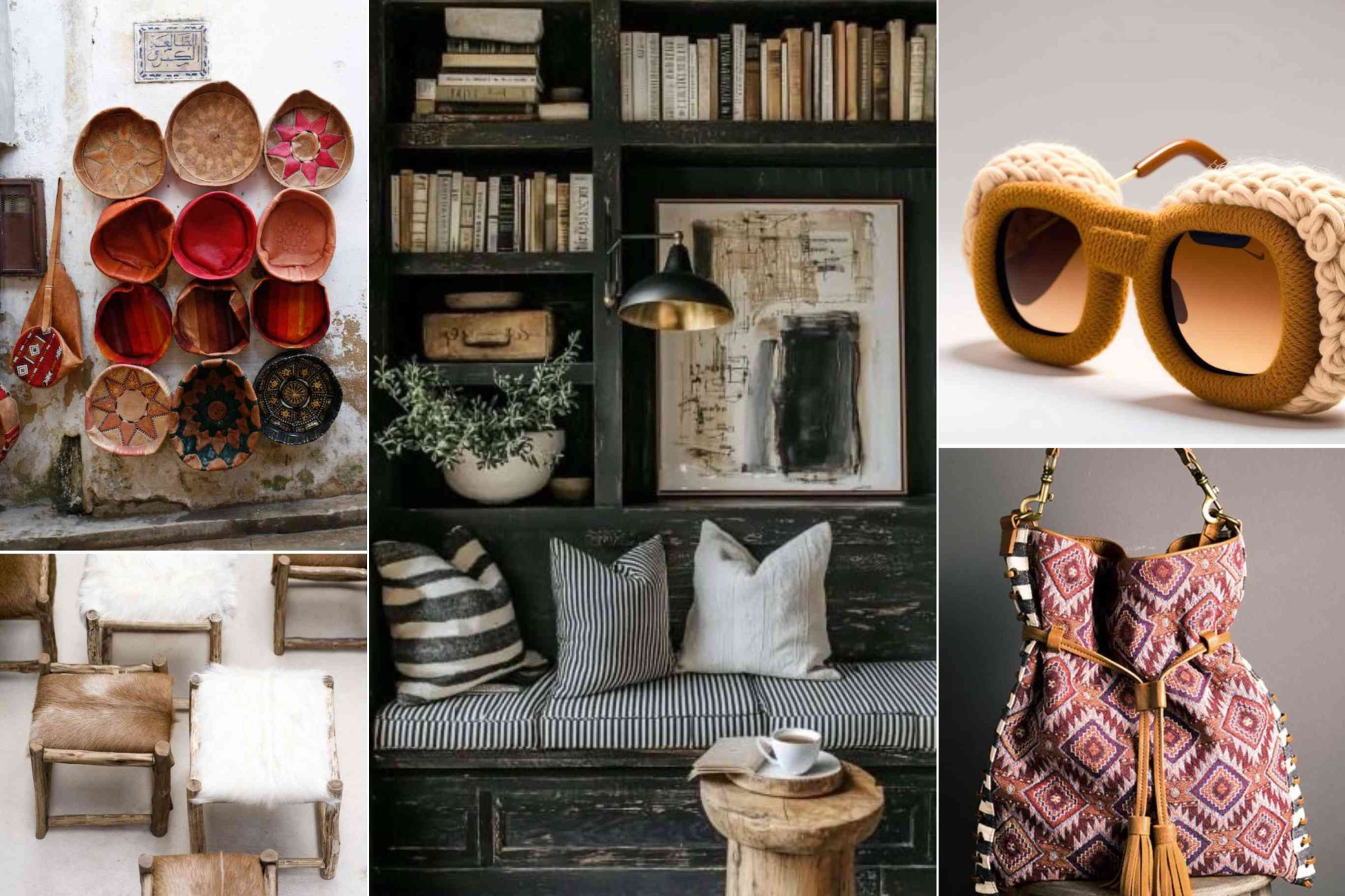
Around Rahba Kedima, also known as Place des Épices, stalls selling spices and traditional household products sit alongside displays of woven baskets, hats and decorative accessories.
Large shallow baskets can be used as wall decorations, while smaller woven pieces work well for storage or displaying everyday objects.
The surrounding lanes are also worth exploring for textiles and carpets, particularly towards Souk Zrabi, where traders specialise in Moroccan rugs and woven floor coverings.
Souk Cherratine and Souk Haddadine
For leather accessories, Souk Cherratine is associated with bags, belts and traditional leather goods. Leather poufs are particularly relevant for interiors, although it is worth checking the stitching, lining and whether a pouf is sold filled or as an empty cover.
Souk Haddadine offers a different selection. This is the metalworkers' area, where visitors can discover lanterns, metal fittings and decorative lighting.
For anyone considering purchasing a lamp, it is important to check the dimensions, weight and electrical compatibility before arranging transport home.
Shopping with a Particular Space in Mind
One useful approach is to explore the souks with a specific room or purpose in mind, without deciding on every object in advance.
A woven basket may work as storage in a bedroom, a small wooden stool as an occasional table or a handmade lantern as a decorative feature. Measurements are particularly useful when considering larger objects, as proportions can be difficult to judge in a crowded market.
Prices vary between traders and bargaining is common. Comparing similar pieces across several stalls can help establish a reasonable price. When buying handmade objects, asking about the material, origin and maker can also reveal whether an item was produced locally or sourced elsewhere.
For larger purchases, discuss packaging and shipping arrangements before paying, particularly for fragile ceramics, mirrors and furniture.
The appeal of shopping in Marrakech lies in the opportunity to explore different areas of the medina, discover objects that may not appear in conventional homeware collections and occasionally meet the people who make them.
Discover More of Marrakech
From traditional souks and independent boutiques to riads, architecture and local addresses, discover more places and experiences through our dedicated Marrakech profile.
→ Explore Les Couleurs de Marrakech
#Marrakech #MarrakechSouks #HomeAndDesign #InteriorShopping #MoroccanInteriors #MarrakechShopping #LesCouleursDuMonde
Home & Design @interiorsanddesign
Personalised Christmas decorations offer a way to mark special occasions, celebrate family traditions and create ornaments that return to the tree year after year. From hand-painted ceramic baubles to engraved wooden decorations and printed keepsakes, personalisation can turn a simple festive accessory into a meaningful gift.
Christmas trees often bring together decorations collected over time. Some are chosen for their design, while others commemorate a particular person, place or occasion. Adding a name, date or short message gives an ornament a connection to the people who own it.
Different Ways to Personalise Christmas Decorations
Hand-painted ornaments allow considerable freedom in design. A ceramic or glass bauble can carry handwritten lettering, a small illustration or a combination of both. Some makers offer colours that coordinate with an existing Christmas collection, while others accept requests for individual designs.
Engraving is particularly suitable for wood, metal and certain glass ornaments. Initials, dates and short messages can be incorporated without adding printed colour. Wooden decorations can also be cut into shapes representing a house, an animal or another personal reference.
Printed ceramic ornaments offer another possibility. Photographs, children's drawings and original illustrations can be transferred onto the surface, making them particularly suitable for commemorating a family occasion or creating a gift for grandparents.
Affordable Personalisation
French studio Atelier M. Créations offers personalised Christmas baubles featuring a name, date or short message. Its 8 cm ornaments are available in finishes including matt gold, glossy gold and champagne, with personalisation added to each piece.
Made from plastic, the baubles are a practical alternative to fragile glass decorations, particularly in homes with children or pets. The collection provides an affordable option for creating individual ornaments or matching sets for family members.
A Decoration with a Personal Story
A personalised ornament can commemorate more than a traditional Christmas milestone.
The name of a favourite holiday destination, the year of a memorable journey or the outline of a much-loved family home can become the subject of a decoration. A child's drawing can be reproduced on ceramic, while a pet's name can be added to a bauble that becomes part of the family's annual decorations.
These ideas also work well for gifts. A small collection of matching ornaments, each carrying a different name or message, can be created for family members or close friends.
Choosing a Decoration That Will Last
The material and finishing method are worth considering when ordering personalised ornaments.
Ceramic and glass require careful storage, while wooden and shatter-resistant decorations may be more practical in homes with young children or pets. For hand-painted designs, it is useful to ask whether the surface is sealed or kiln-fired and how the ornament should be cleaned.
Custom-made pieces may require additional production time, especially during the Christmas period. Checking spelling, dates and the positioning of text before confirming an order is particularly important, as personalised products often cannot be returned simply because the customer changes their mind.
A carefully chosen decoration can become part of a family's Christmas collection, bringing a personal memory back into the home each December.
#ChristmasDecorations #PersonalisedChristmas #ChristmasOrnaments #HomeAndDesign #HandmadeDecorations #ChristmasGifts #LesCouleursDuMonde
Home & Design @interiorsanddesign
Colour & Fringe
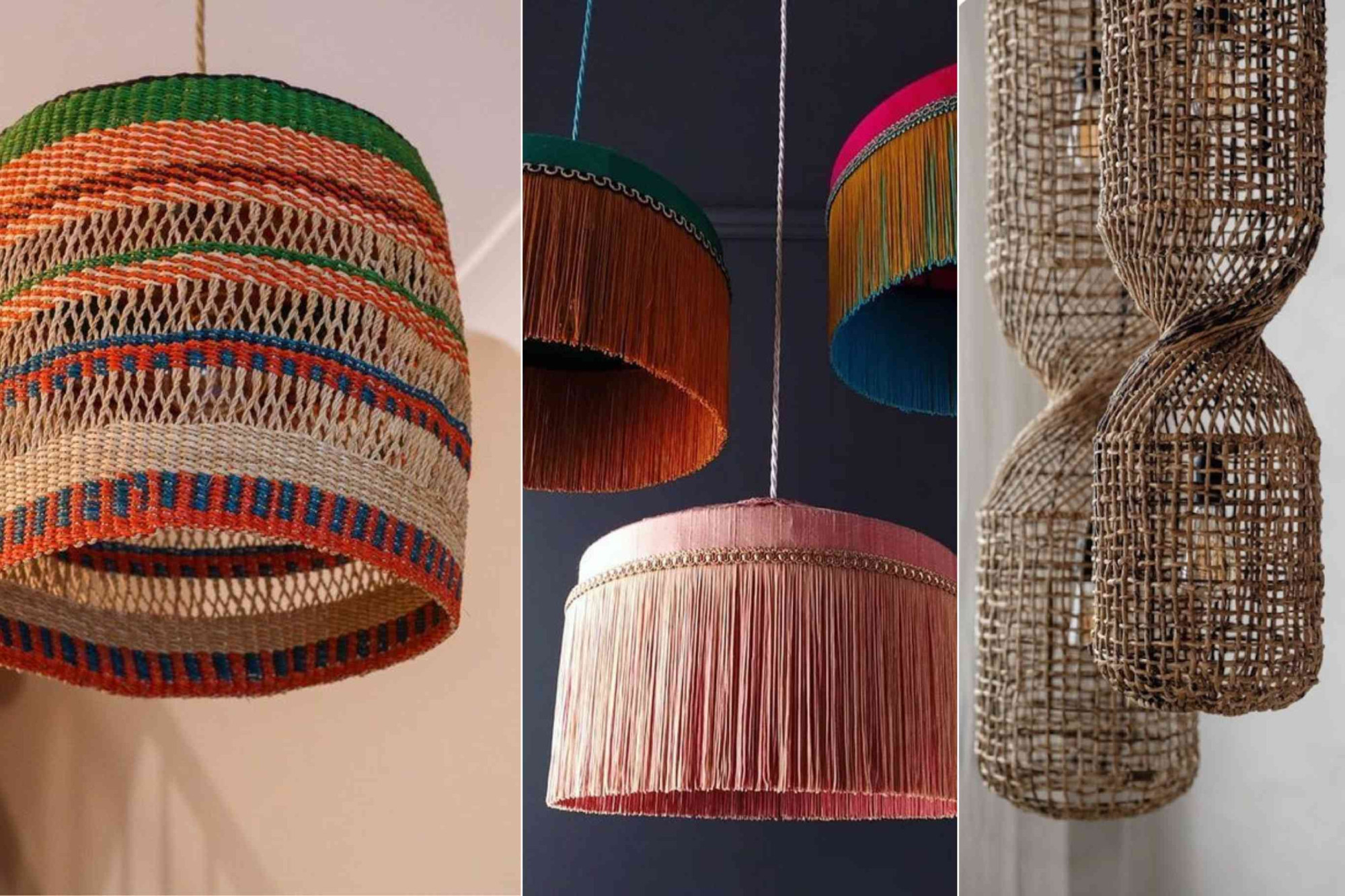
Colourful pendant lamps with woven patterns, contrasting trims and long textile fringes bring a decorative approach to contemporary lighting. Spanish design studios are exploring these possibilities through handmade lampshades, custom colours and designs that combine traditional textile details with modern interiors.
Pendant lighting is no longer limited to simple fabric shades or neutral finishes. Woven bands, coloured threads and decorative fringes can turn a ceiling light into an important element of a room's design.
The appeal lies in the variety of possibilities. A cylindrical shade with multicoloured woven patterns can introduce colour above a dining table, while a fringed pendant creates a different effect, particularly when several lamps are suspended together at varying heights.
Decorative Lighting from Madrid
Otherlamps is a Madrid-based studio specialising in handmade lamps and custom lampshades.
The founders work with fabrics, colours, proportions and decorative finishes to develop lighting for individual interiors. Their approach allows customers to choose combinations that suit a particular room, from the dimensions of the shade to the material and final detailing.
For those interested in colourful lighting, this made-to-order approach offers the possibility of combining a traditional lampshade silhouette with unexpected colours, contrasting borders or decorative fringes.
Otherlamps also works with interior designers on individual projects, producing lamps in Spain according to the requirements of each space.
Woven Lighting with Fringe
In Barcelona, Munay Habitat offers another interpretation of decorative textile lighting.
Its Trama I pendant lamp is handmade using natural jute and cotton fibres, with a woven structure finished with hanging fringes. The design can be personalised through a choice of colours, dimensions and textile cable.
Each lamp is made by two artisans in a Barcelona workshop. The open weave allows light to pass through the fibres, while the fringed edge adds movement to the silhouette.
The possibility of selecting different colours makes the design particularly interesting for interiors where lighting is intended to introduce a stronger decorative element.
#HomeAndDesign #ColourfulLighting #FringedLamps #PendantLighting #SpanishDesign #TextileDesign #IndependentDesigners #LesCouleursDuMonde
Home & Design @interiorsanddesign
Morocco's markets and specialist textile dealers offer more than traditional rugs. Vintage blankets, handwoven cushions, embroidered fabrics and smaller decorative pieces provide opportunities to discover Moroccan textile design and bring individual finds into the home.
In Marrakech, textiles appear throughout the medina, from colourful rugs displayed along the souk walls to folded blankets, cushions and woven fabrics in small shops. Some pieces are newly produced, while others have been collected from different regions of Morocco and sold through dealers specialising in older textiles.
For visitors interested in interiors, exploring these collections can be as rewarding as searching for a large carpet. Smaller pieces are often easier to transport and offer an opportunity to discover regional weaving traditions.
Discovering Vintage Textiles
Vintage Moroccan textiles include flatwoven kilims, woollen blankets, embroidered covers and fabrics originally produced for everyday household use. Some older textiles are also repurposed into cushion covers, wall hangings and other decorative objects.
When searching for vintage pieces, it is worth understanding the difference between an original textile and a newly made design inspired by traditional patterns. Age alone does not establish authenticity. The weaving technique, materials, construction and provenance are more useful indicators.
Signs of wear, faded colours and old repairs can provide clues to a textile's history, although they should not automatically be considered proof of age. A knowledgeable dealer should be able to explain where a piece was sourced, its approximate age and whether it has undergone restoration.
A Textile Address in Marrakech
In the Guéliz district, Ben Rahal Art offers an opportunity to explore an extensive collection of vintage and antique Moroccan textiles.
Established more than 60 years ago, the family business specialises in Amazigh carpets and woven pieces collected from different regions of Morocco, particularly the High and Middle Atlas.
Its collection includes flatwoven kilims, vintage woollen rugs and rare antique examples. Through longstanding relationships with dealers and weaving communities, the gallery has developed a collection that attracts interior designers, collectors and visitors interested in Moroccan textile heritage.
An interesting aspect of visiting Ben Rahal Art is the opportunity to compare older weaving techniques, regional patterns and individual pieces while learning more about their origins.
The gallery is located at 28 Rue de la Liberté in Guéliz, outside the medina.
Explore More of Marrakech
For more independent addresses, local discoveries and places to visit, explore our dedicated Marrakech profile.
→ Explore Les Couleurs de Marrakech
#HomeAndDesign #MoroccanTextiles #VintageTextiles #Marrakech #InteriorFinds #MoroccanDesign #LesCouleursDuMonde
Home & Design @interiorsanddesign
Autumn Details
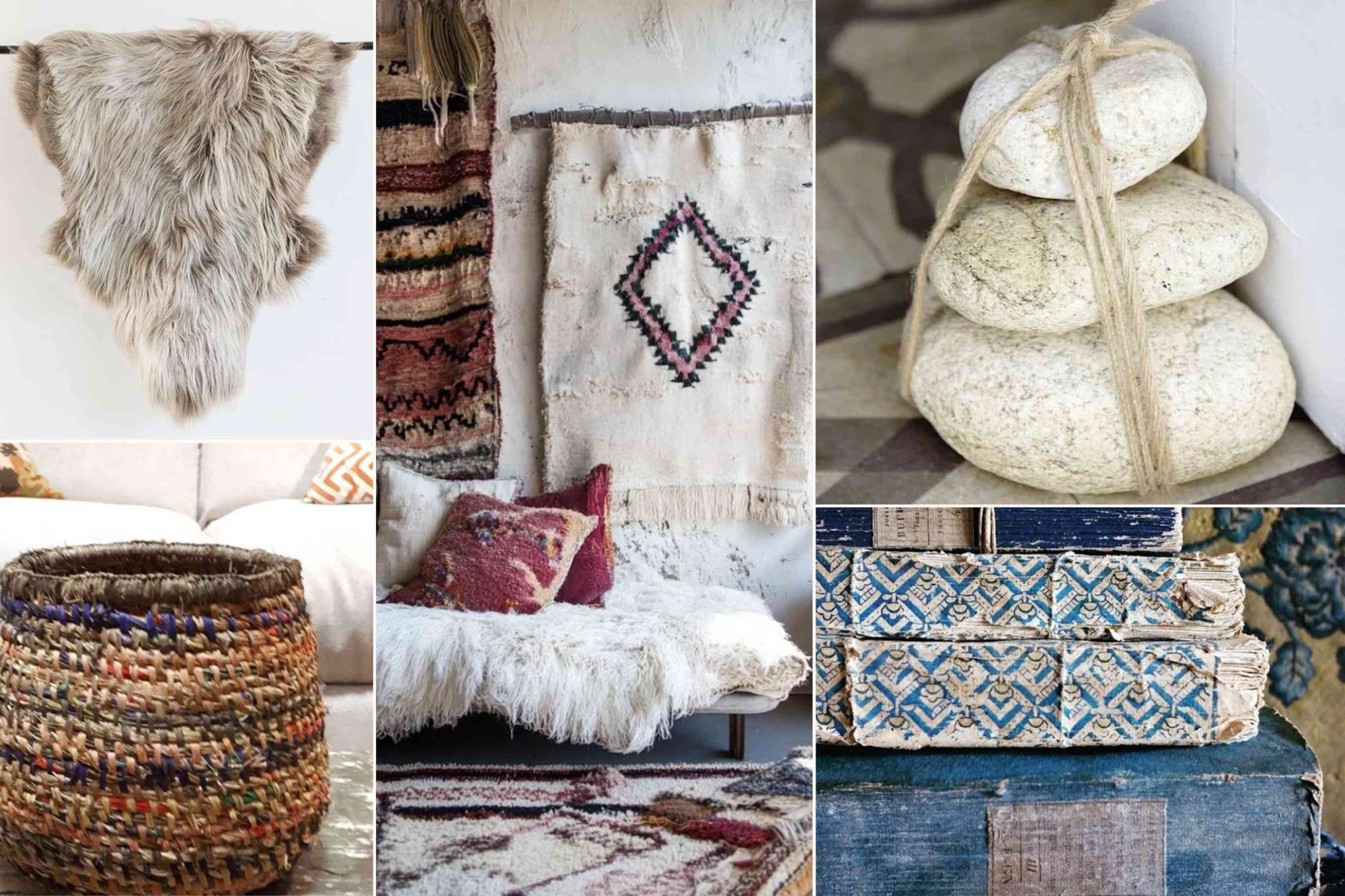
Knitted and crocheted pumpkins offer a creative alternative to traditional autumn decorations. From small hanging ornaments to decorative cushions, these handmade pieces bring seasonal details into the home through simple textile techniques and a variety of colours and designs.
Unlike fresh pumpkins, textile versions can be brought out each autumn and collected over time. Their designs range from miniature crocheted pumpkins with rustic stems to larger knitted cushions featuring raised pumpkin motifs.
Small ornaments can be suspended from branches, displayed on shelves or arranged together in a decorative bowl. Pumpkin cushions offer another interpretation, using chunky yarn, embroidered details and knitted patterns to introduce the seasonal motif into everyday home accessories.
Handmade in Burgundy
In Burgundy, France, Amélia Dias creates handmade accessories and textile decorations through her studio, Creabolsa, located near Dijon.
Working with crochet and sewing techniques, she produces a variety of individual pieces, including a collection of crocheted autumn pumpkins.
The pumpkins are available in several sizes, from small ornaments to larger decorative pieces, with colours including ecru, beige, rust, mustard and brown. Each is made individually, allowing for slight variations in shape and finish.
Creabolsa also offers the possibility of special orders and coordinated sets, making it possible to combine different sizes and colours for a particular arrangement.
Small & Seasonal
One of the advantages of textile pumpkins is their versatility. A few miniature pieces can be hung from a branch arrangement, while larger versions work well on a mantelpiece, a side table or alongside other autumn decorations.
Knitted pumpkin cushions provide a different option for sofas and armchairs, especially in natural wool tones or traditional autumn colours.
These handmade decorations can be stored and reused each year, making them a practical addition to a seasonal collection without requiring an entirely new interior arrangement.
#HomeAndDesign #AutumnDecor #CrochetPumpkins #KnittedDecor #HandmadeHome #FrenchMakers #SeasonalDecor #LesCouleursDuMonde
Home & Design @interiorsanddesign
Three Styles, Different Approaches
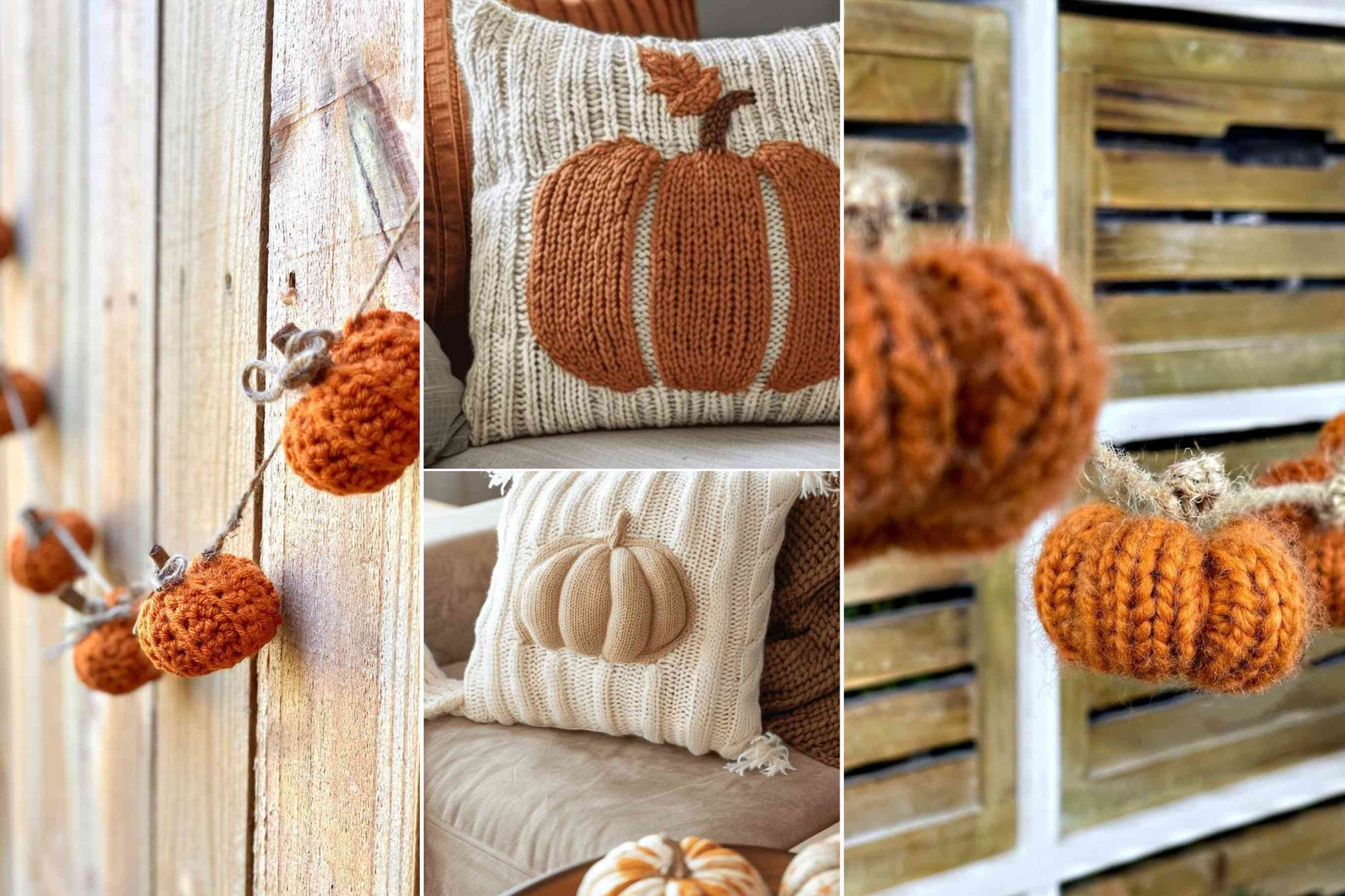
Mediterranean interiors take much of their character from regional architecture. In places such as Ibiza, Mallorca and southern Spain, traditional houses feature plastered walls, timber beams, tiled floors and furniture suited to warm climates.
Organic modern design introduces a more contemporary approach. Furniture tends to have simple or rounded forms, with an emphasis on proportion, craftsmanship and materials such as wood, stone and natural fibres.
Bohemian interiors allow greater freedom in the selection of decorative objects. Vintage furniture, woven textiles, handmade ceramics and pieces collected during travel can sit alongside contemporary designs.
The difference lies in how these elements are combined. A Mediterranean architectural setting can accommodate modern furniture, while a small selection of bohemian accessories adds individuality without changing the overall character of a room.
An Interior Approach from Ibiza
Ibiza provides an interesting example of this combination. The island's traditional architecture has influenced a contemporary interior style that brings together local building characteristics, international design and handcrafted accessories.
One business working within this aesthetic is SAKASA Ibiza, an interior and exterior design company established in 2017.
Based in Ca Na Negreta, SAKASA offers furniture, lighting, textiles and decorative accessories for residential and hospitality projects. Its collection includes pieces made from natural fibres alongside contemporary furniture and handcrafted objects.
The company also operates its own textile atelier, producing made-to-measure curtains, cushions and other soft furnishings.
For anyone interested in combining Mediterranean, organic modern and bohemian influences, SAKASA offers examples of how these styles can be brought together through individual furniture and accessory choices.
Combining Styles Without Losing Character
Mixing interior styles works best when the architectural character of a space provides the starting point.
In a traditional Mediterranean house, contemporary seating can introduce a different silhouette without competing with original timber beams or plastered walls. Woven cushions, baskets or a fringed lampshade can then introduce bohemian influences.
The same approach can work in a modern apartment. A simple interior can accommodate rustic furniture or handmade objects without requiring a complete redesign.
The aim is to select pieces that work together in scale, function and material, while allowing room for objects with a personal connection.
#HomeAndDesign #InteriorStyles #MediterraneanInteriors #OrganicModern #BohemianInteriors #IbizaInteriors #LesCouleursDuMonde
Home & Design @interiorsanddesign
From Everyday Objects to Architecture
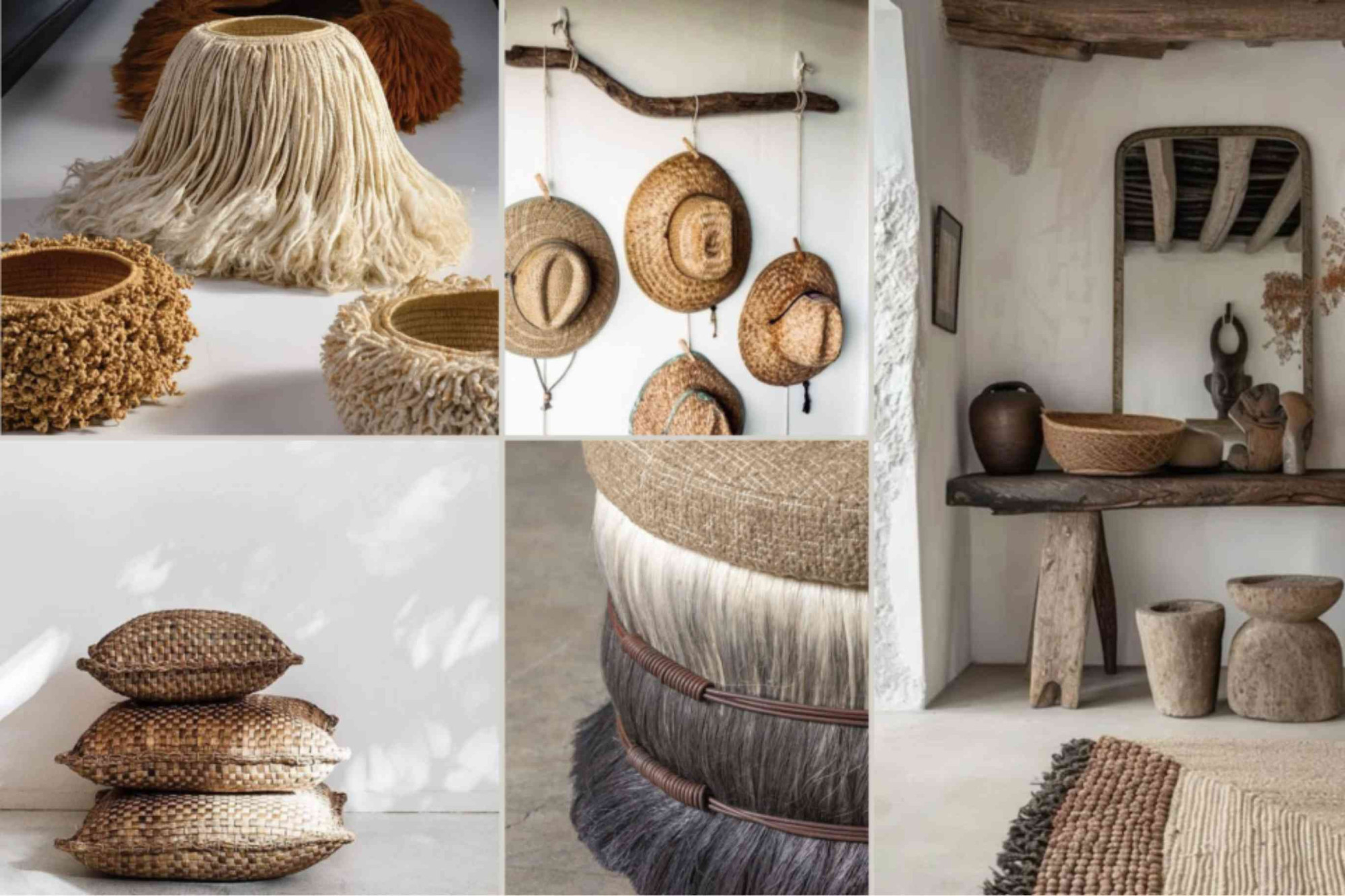
In destinations such as Bali and Tulum, timber, bamboo and palm leaves are used in both residential interiors and hospitality projects.
The same construction principles can be applied at different scales. A wooden pole suspended between two supports becomes a clothing rail, while a larger timber frame can support a shaded terrace or outdoor seating area.
Palm-leaf thatching provides shade and protection from rain when correctly constructed. Its performance depends on the type of leaves, the roof pitch and the local climate. Unlike conventional roofing, it also requires periodic maintenance and replacement.
These approaches are especially interesting when simple structural elements become part of the interior design rather than being concealed behind decorative finishes.
Designing with Bamboo in Bali
One studio exploring the possibilities of natural construction is IBUKU, based in Bali and founded by designer Elora Hardy.
After working in fashion design in New York, Hardy returned to Bali in 2010 and began developing architectural projects with local craftspeople, designers and engineers.
IBUKU specialises in bamboo architecture and has created more than 60 structures in Bali and internationally, including homes at Green Village, buildings at Green School and projects at Bambu Indah.
Its work extends to bespoke interiors and furniture. Bamboo is used to create structural frames, staircases, partitions and individual furnishings, demonstrating how one material can serve several functions within a building.
A notable example is The Arc, completed at Green School in 2021. Its interconnected bamboo arches span 19 metres and demonstrate how traditional craftsmanship can be combined with contemporary structural engineering.
Applying the Principles at Home
The ideas behind these projects can also inform smaller interior decisions.
An exposed timber rail can replace a freestanding wardrobe in a guest room. A lightweight wooden screen can divide a space without constructing a permanent wall, while a properly designed thatched canopy can provide shade for an outdoor terrace.
For structural installations, material treatment, secure connections and local building requirements remain important. The simplicity of the finished appearance should not be confused with the absence of planning or craftsmanship.
IBUKU's projects offer a useful reference for understanding how natural materials can be developed into both everyday objects and more ambitious architectural structures.
#HomeAndDesign #NaturalArchitecture #BambooDesign #TimberStructures #BaliDesign #InteriorArchitecture #LesCouleursDuMonde
Home & Design @interiorsanddesign
Working with Pattern and Colour
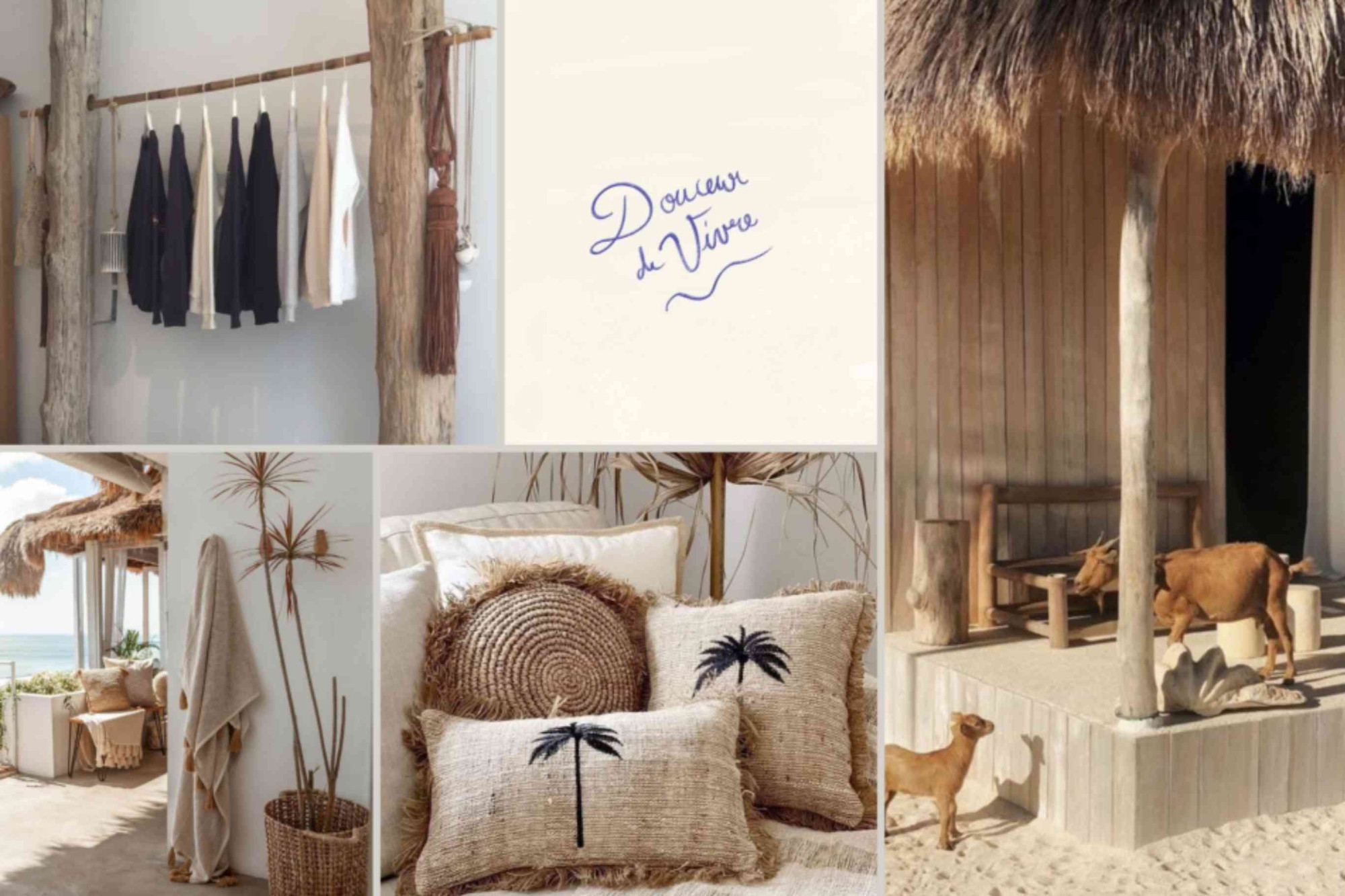
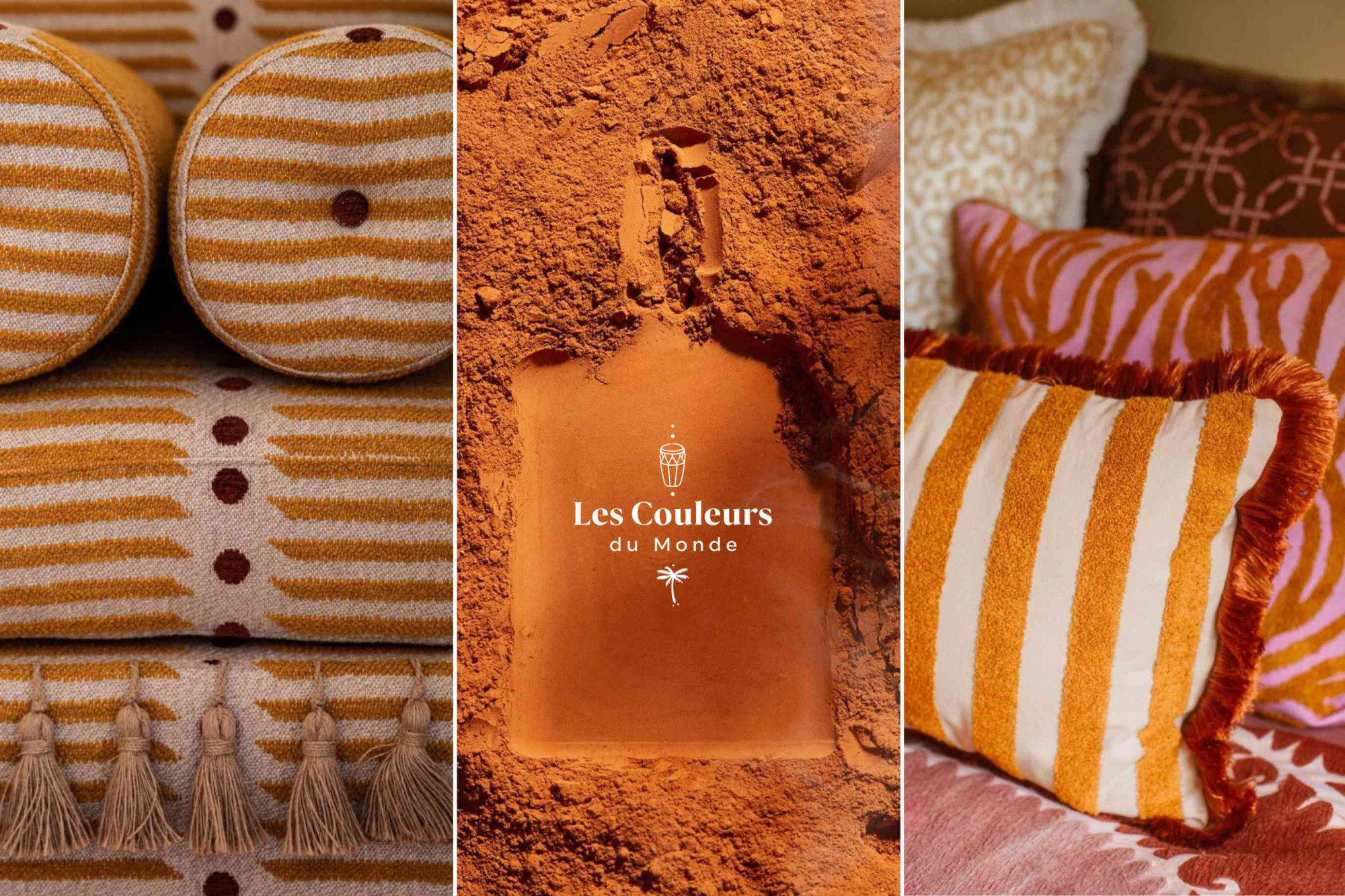
Stripes are among the most adaptable patterns in interior design. Narrow stripes can be combined with larger geometric designs, while irregular or hand-drawn patterns introduce a less structured element.
A shared colour palette helps connect different designs. Ochre, terracotta, rust and cream, for example, can appear across several fabrics without requiring identical patterns.
Scale also matters. Combining a large patterned cushion with smaller motifs creates contrast, while plain fabrics provide a visual break between stronger designs.
Decorative finishes such as tassels, embroidery and fringed edges introduce another element. They can make a relatively simple striped textile more interesting without adding another printed pattern.
Contemporary Textiles from Marrakech
An interesting example of this approach is LRNCE, founded in 2013 by Belgian designer Laurence Leenaert.
Based in Marrakech, the studio works with local artisans to produce textiles, ceramics and decorative objects. Its designs are recognised for expressive shapes, hand-drawn patterns and combinations of colour.
The textile collection includes handwoven rugs, cushions and other fabric pieces made using natural materials. Rather than reproducing traditional Moroccan patterns directly, Leenaert develops her own graphic designs and works with craftspeople to translate them into finished products.
This collaboration brings together contemporary design and established textile-making skills.
The LRNCE studio in Sidi Ghanem, Marrakech, is also open to visitors interested in seeing the collections.
Bringing Different Textiles Together
A sofa or bed offers a practical starting point for combining patterns. A larger striped cushion can establish the main colours, while smaller geometric designs introduce variation.
Mixing different shapes also changes the arrangement. Round cushions, rectangular designs and textured fabrics can be combined without relying on matching sets.
The important consideration is the relationship between the pieces. Repeating one or two colours across different patterns creates continuity, while changes in scale and texture keep the arrangement interesting.
The collections of LRNCE provide a useful example of how individual textile designs can be combined without losing their character.
#HomeAndDesign #InteriorTextiles #PatternMixing #TextileDesign #MarrakechDesign #LRNCE #LesCouleursDuMonde
Home & Design @interiorsanddesign
Bringing Different Traditions Together
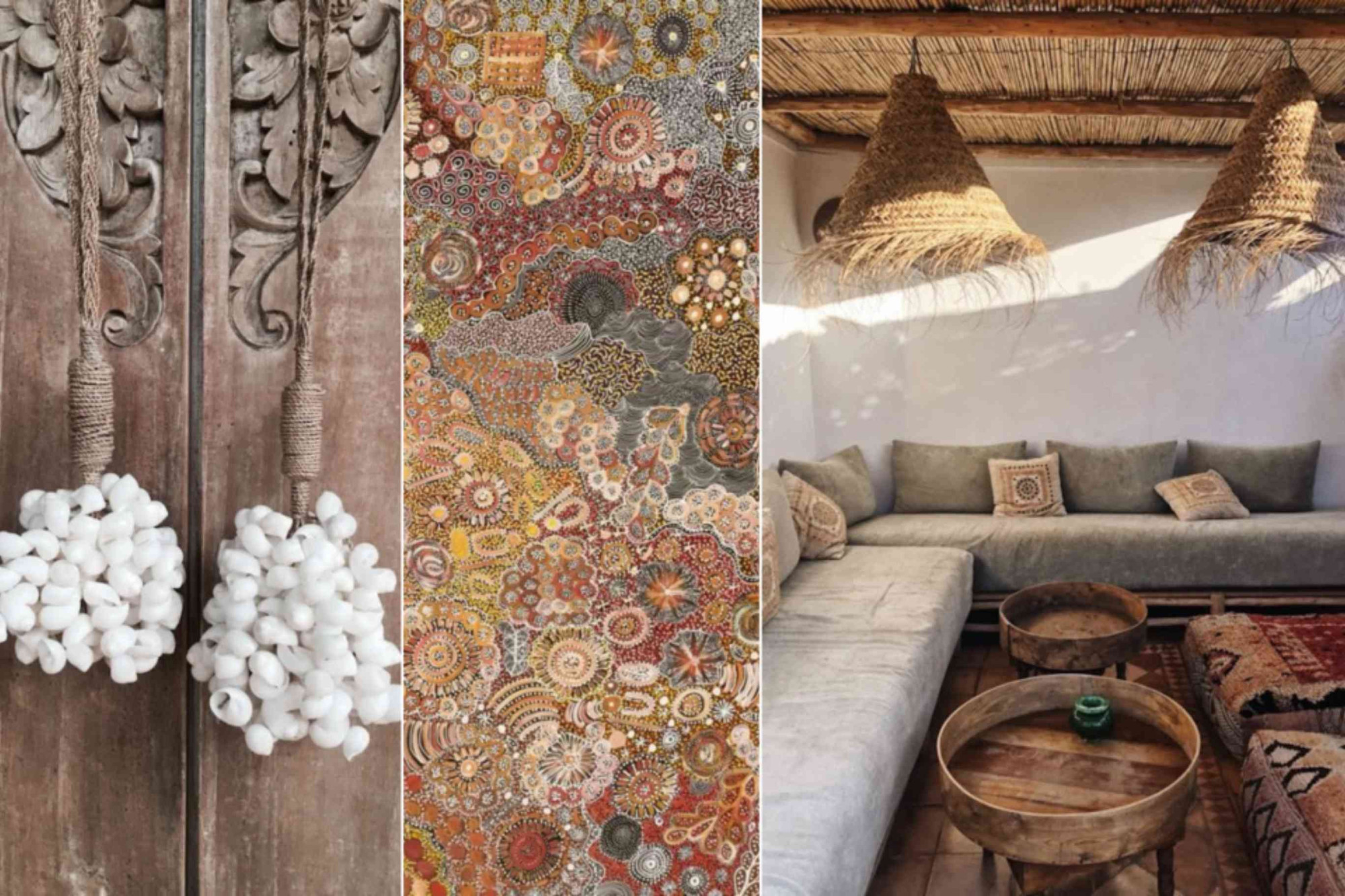
Collected interiors combine objects acquired over time, including vintage finds, contemporary designs and pieces purchased during travel.
A carved wooden door from Morocco, a woven basket from Colombia or a handmade ceramic vessel from Portugal can sit alongside modern furniture. The connection between these objects comes from their proportions, materials and placement, rather than a shared country of origin.
The distinction between decoration and functional design is also interesting. A traditionally woven basket may become a storage piece, while an embroidered textile can be displayed as wall art. Objects originally made for everyday use can take on a different role in a contemporary interior.
However, understanding their origin remains important. Traditional patterns and techniques belong to particular communities and should not simply be grouped together under a general ethnic or bohemian label.
Contemporary Design and Colombian Craftsmanship
One company working with traditional craftsmanship in a contemporary context is AMES, a German design brand founded by Ana María Calderón Kayser.
The brand collaborates with Colombian artisans to develop furniture, lighting and decorative accessories using established regional techniques.
Its collections include handwoven outdoor furniture, colourful rugs, ceramic objects and lighting made from natural fibres.
The CIRCO furniture collection, designed by Sebastian Herkner, combines powder-coated steel frames with handwoven synthetic cord. The pieces are produced in Colombia, bringing traditional weaving skills into contemporary furniture design.
Another example is the CARIBE collection, which draws on weaving techniques used by craftspeople in Colombia's Caribbean region.
Rather than treating craftsmanship as a decorative addition, AMES incorporates the makers' skills into the construction and identity of its products.
Creating a Personal Collection
A collected interior develops through individual choices rather than a complete decorating scheme.
An antique wooden cabinet can be combined with a contemporary sofa, while a handcrafted pendant light or an unusual textile introduces another cultural reference.
The important consideration is whether each piece has a purpose within the room. Large furniture establishes the layout, while smaller objects can be added or changed over time.
Buying directly from independent designers, artisan workshops and specialist galleries also offers opportunities to learn more about the origins of individual pieces.
The work of AMES provides an example of how traditional craftsmanship can remain relevant in contemporary interiors while maintaining a connection with the communities producing the objects.
#HomeAndDesign #CollectedInteriors #GlobalDesign #Craftsmanship #InteriorDesign #ColombianDesign #ArtisanMade #LesCouleursDuMonde
Home & Design @interiorsanddesign
A Different Approach to Bedroom Design
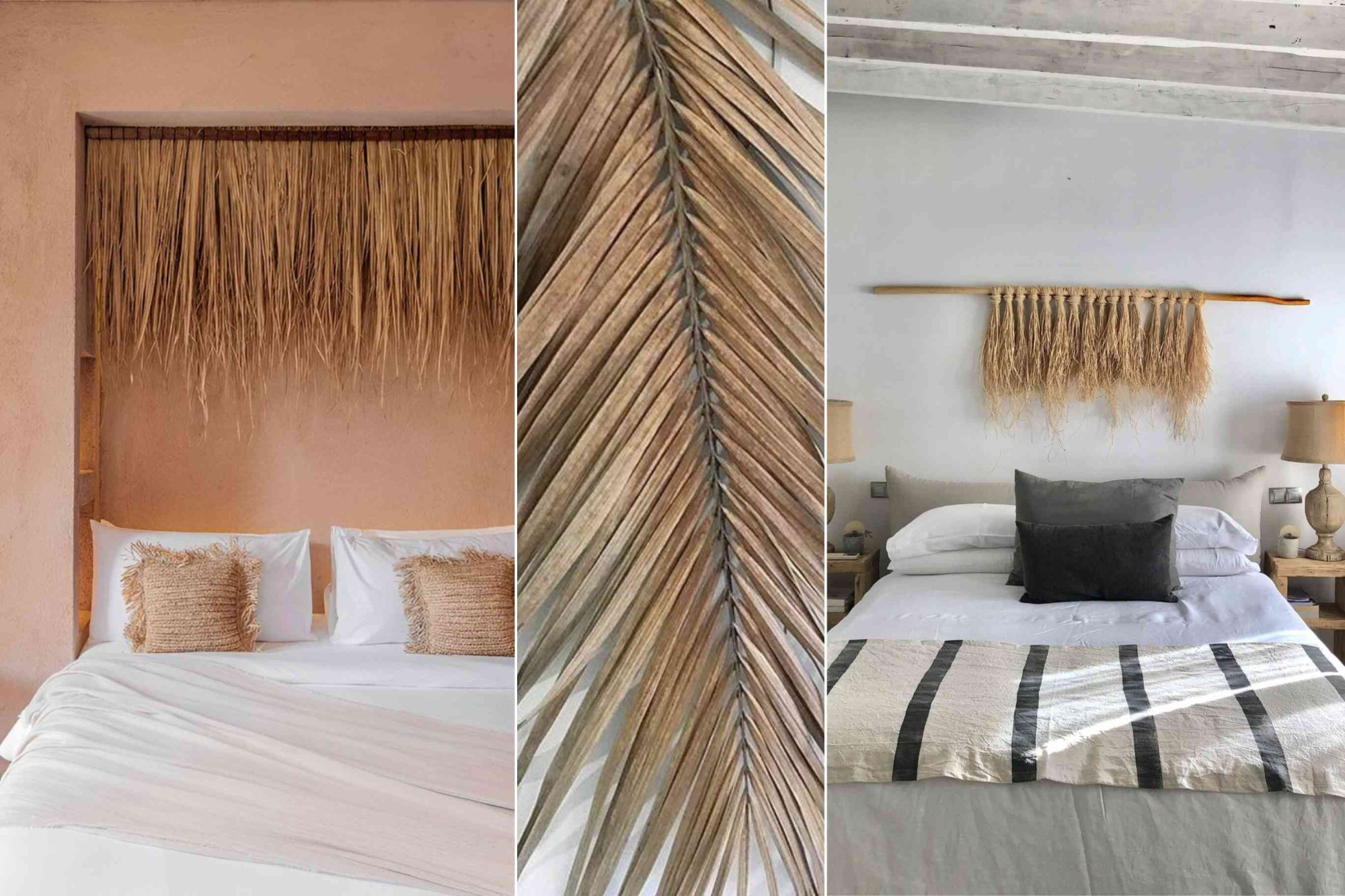
Traditionally, headboards served a practical purpose, providing support and separating the bed from a cold wall. Today, their role is increasingly decorative.
Instead of choosing a standard bed frame with an attached headboard, designers can work directly with the wall behind the bed.
A woven panel can be mounted independently, allowing the bed and headboard to be selected separately. Textile installations offer another possibility, particularly in bedrooms where a large piece of artwork would feel out of place.
The proportions are important. A headboard extending beyond the width of the bed creates a different architectural effect from a smaller wall-mounted piece. Height also influences whether the design functions primarily as furniture or decoration.
Handwoven Headboards from Spain
Spanish interior brand Let's Pause offers an interesting example with its collection of handcrafted headboards made from natural fibres.
The brand works with artisans who use traditional weaving techniques to produce contemporary furniture and decorative objects.
Its Faial headboard is made from fique, a plant fibre obtained from the leaves of Furcraea andina. The fibres are woven by hand using a two-needle technique and attached to a wooden support for wall installation.
The design is available in several sizes and colours, including natural brown, white and anthracite grey. Custom dimensions can also be commissioned.
Another design, Licio, uses the same fibre but is produced on a manual loom, resulting in a different woven structure.
These collections demonstrate how a traditional craft technique can be adapted into a contemporary furniture piece without requiring a conventional upholstered frame.
Choosing an Alternative Headboard
A wall-mounted design allows greater flexibility when furnishing a bedroom. The bed can be replaced without necessarily changing the decorative element behind it.
Textile and fibre-based headboards are particularly suitable for interiors where the emphasis is on handcrafted furniture and individual pieces.
When selecting a design, the mounting method, dimensions and cleaning requirements deserve attention. A decorative wall hanging may require different installation and maintenance from a headboard intended for regular contact.
The work of Let's Pause illustrates how an everyday piece of bedroom furniture can also become an example of contemporary textile craftsmanship.
#HomeAndDesign #BedroomDesign #HeadboardDesign #InteriorDesign #HandwovenFurniture #SpanishDesign #LesCouleursDuMonde
Home & Design @interiorsanddesign
The Earth-Toned Interior
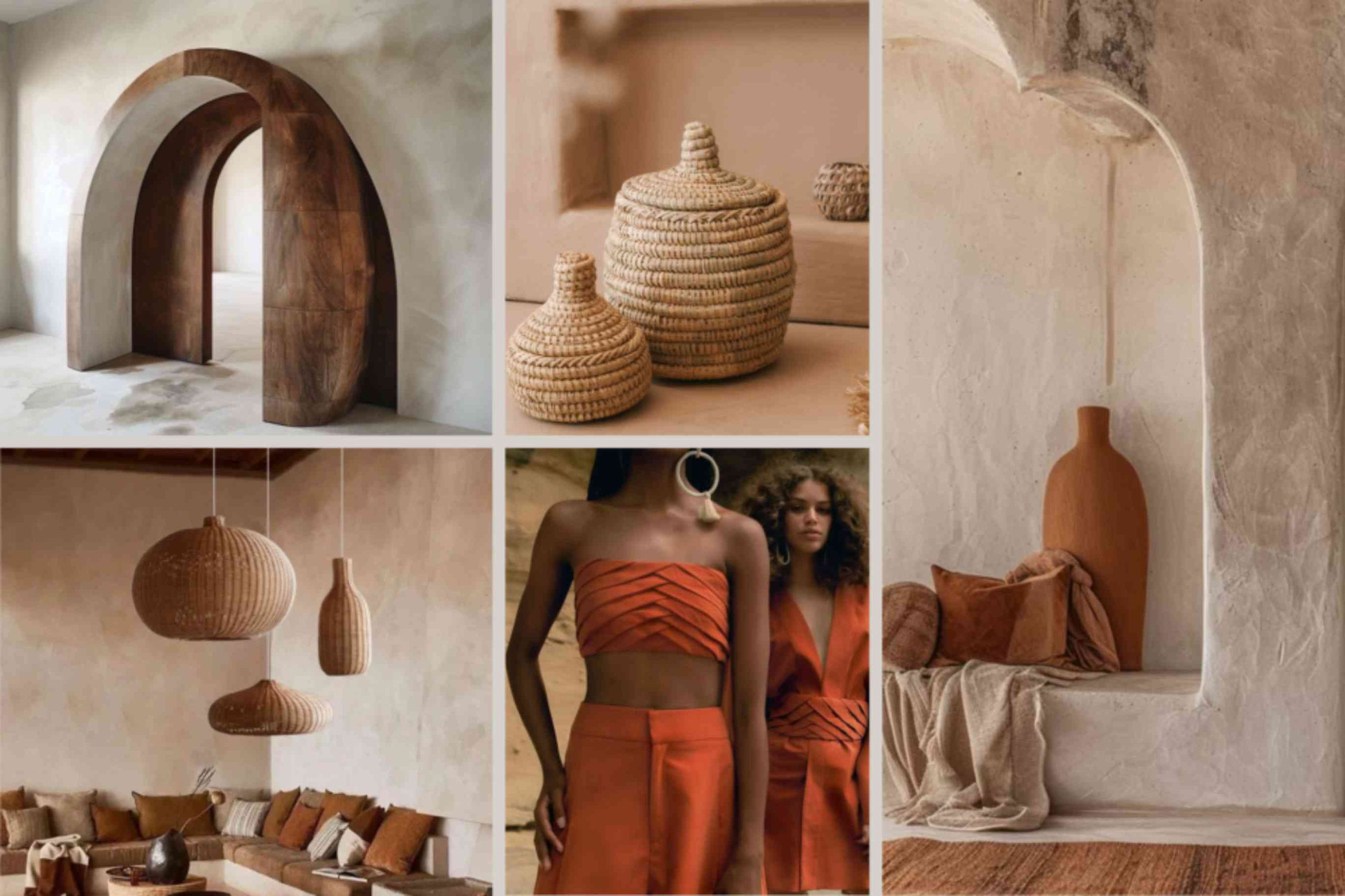
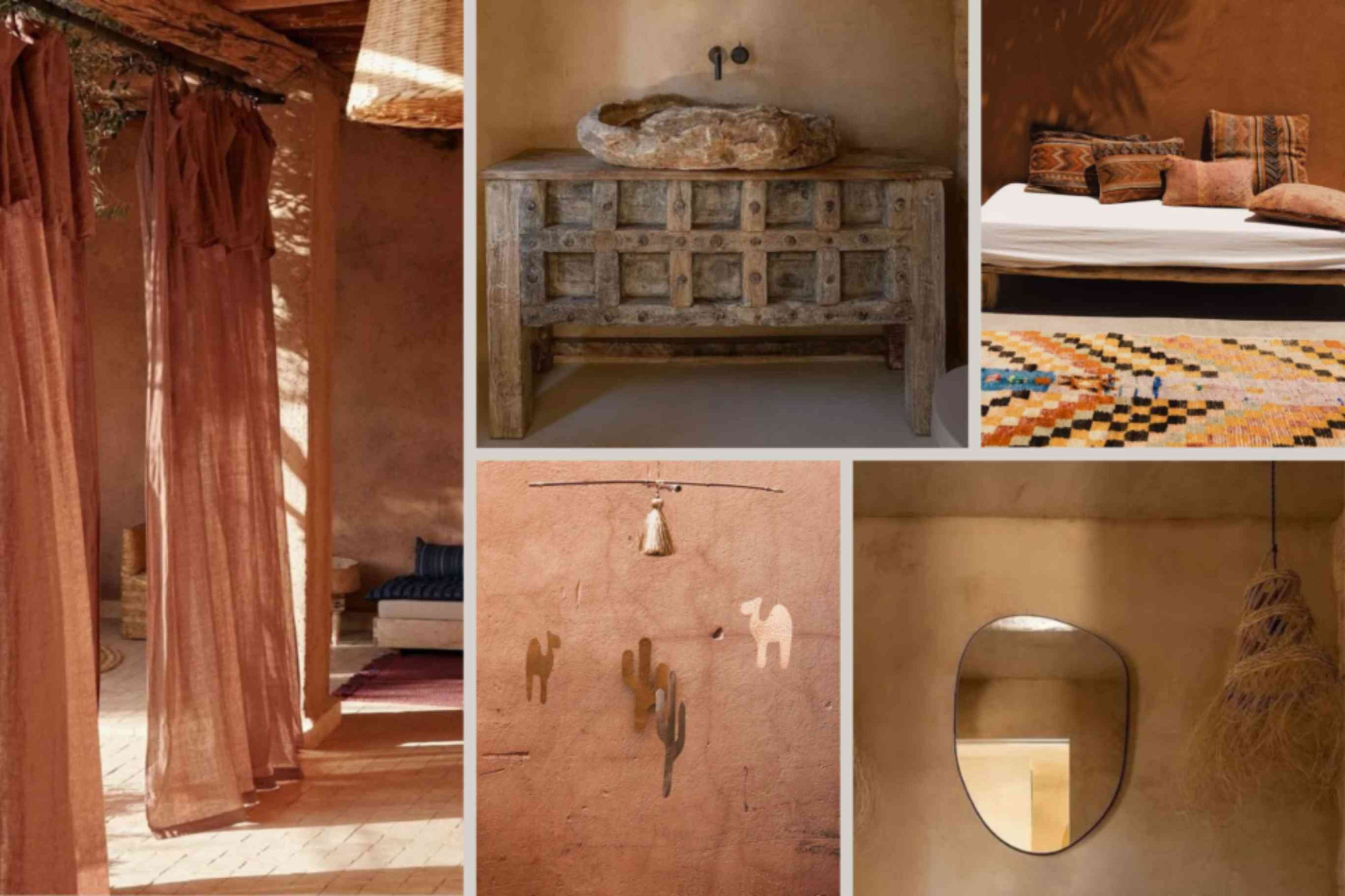
Terracotta, ochre, sand and warm brown are closely associated with Moroccan architecture. Their use is partly connected to the materials traditionally available for construction, including earth, clay and mineral pigments.
Unlike a painted surface, an earthen wall can have variations in colour and texture throughout its finish. Lime-based renders and pigmented plasters offer other ways of introducing colour directly into architectural surfaces.
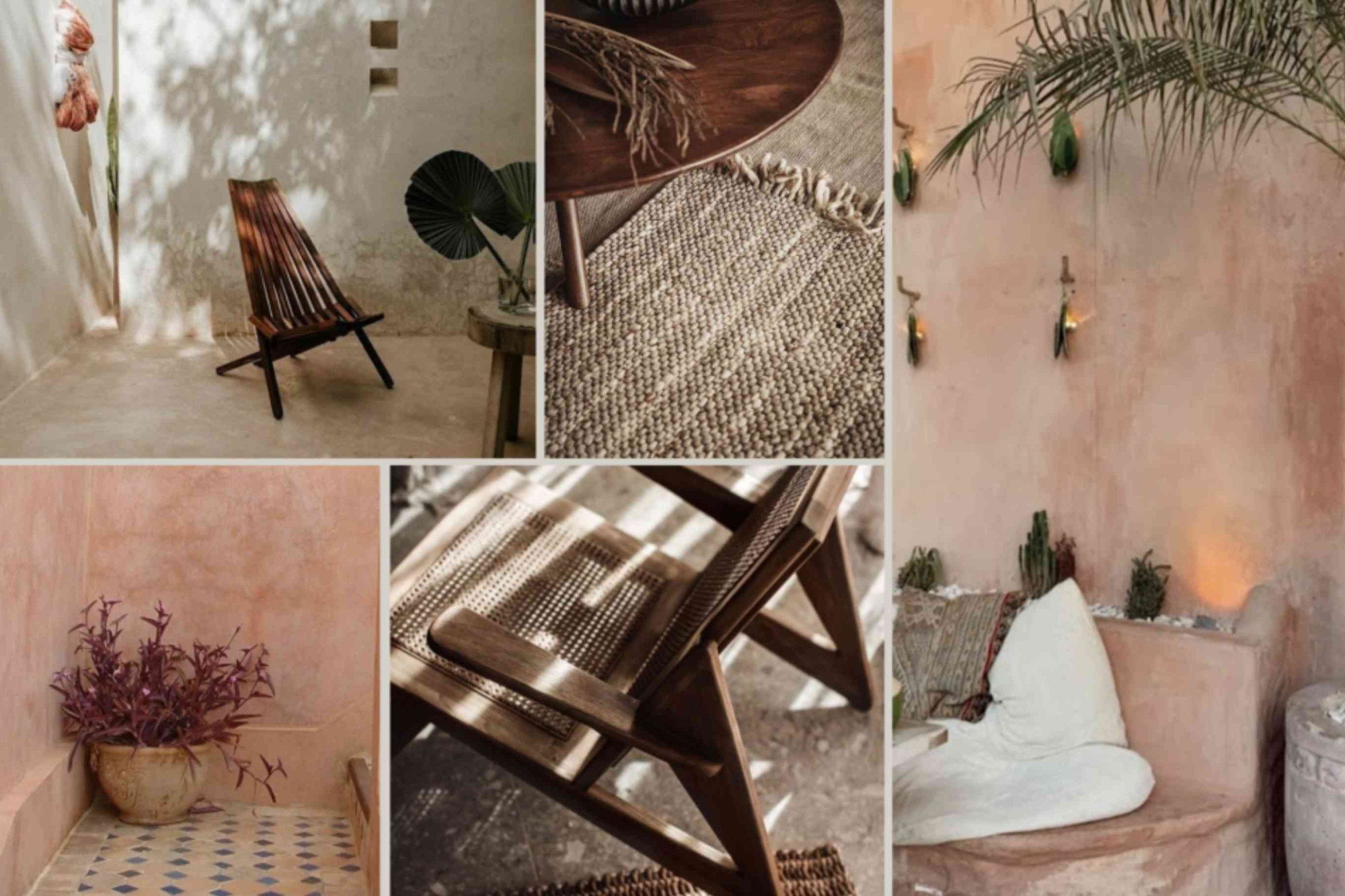
These materials can be combined with contemporary furniture and textiles without reproducing an entirely traditional interior. A stone washbasin, antique wooden cabinet or patterned rug can introduce different periods and styles within the same palette.
Contemporary Architecture in Morocco
An interesting example is Studio KO, founded in 2000 by architects Karl Fournier and Olivier Marty.
Working between Paris and Marrakech, the practice has developed residential and public projects that draw on local construction materials and the characteristics of each site.
One of its projects is Villa K, completed in 2009 in Oumnass, approximately 30 minutes south of Marrakech.
The residence uses earth construction, unfinished cedar and patinated iron. Its walls and finishes range from ivory and sand to deep brown, while the architecture combines traditional materials with contemporary proportions.
The property includes five suites, gardens and a 30-metre swimming pool facing the Atlas Mountains.
Studio KO is also responsible for the Musée Yves Saint Laurent Marrakech, which opened in 2017. The museum demonstrates another approach to incorporating locally relevant materials and architectural references into contemporary design.
Working with an Earth-Toned Palette
An earth-toned interior can include several shades without relying on a single colour throughout the room.
Wall finishes establish the main palette, while furniture and textiles introduce contrast. Dark wood, terracotta-coloured curtains or a patterned rug can work alongside lighter plastered surfaces.
The choice of materials also affects the result. A painted wall, lime plaster and natural stone may share similar colours but differ in texture, maintenance and application.
Projects such as Villa K demonstrate how these decisions can be considered from the beginning of an architectural project, allowing colour to become part of the building rather than an additional decorative layer.
#HomeAndDesign #EarthTones #InteriorArchitecture #MoroccanDesign #StudioKO #MarrakechDesign #InteriorMaterials #LesCouleursDuMonde
Home & Design @interiorsanddesign
The Courtyard in Moroccan Architecture
In traditional Moroccan riads, the courtyard forms the centre of the house. Rooms are arranged around this internal space, which provides daylight and ventilation while maintaining privacy from the street.
Courtyards were traditionally designed with features such as fountains, planting and shaded walkways. Their proportions and surrounding walls help regulate exposure to the sun, making them particularly relevant in warm climates.
Contemporary courtyard design builds on these principles while adapting the space to modern living. Built-in seating, movable furniture and carefully positioned planting can turn even a relatively small patio into an outdoor sitting or dining area.
Courtyard Design in Marrakech
An example of this approach can be found in the work of Studio Falaj, a landscape architecture practice working on residential and hospitality projects in Morocco.
Its Villa AVH project, completed in 2016, includes a small Moroccan courtyard alongside Mediterranean and tropical garden areas.
The project also incorporates a sheltered rooftop terrace, demonstrating how different outdoor spaces can be developed for separate activities within one property.
Rather than treating the courtyard as an isolated decorative feature, the design considers its relationship with the surrounding architecture and other outdoor areas.
Studio Falaj's work illustrates how landscape architecture can contribute to the organisation and everyday use of residential spaces.
Designing a Courtyard for Everyday Use
The first consideration is how the courtyard will be used. A built-in bench can provide seating without occupying the centre of the space, while lightweight chairs allow the arrangement to change between dining and relaxation.
Shade is another important element. Existing walls, trees or a pergola can provide protection during the warmest hours, depending on the courtyard's orientation.
Plant selection should reflect the amount of sunlight available and the local climate. In Mediterranean environments, drought-tolerant species can help reduce irrigation requirements, although enclosed courtyards may also contain cooler shaded areas that suit different plants.
Materials should be selected for outdoor exposure and maintenance. Timber furniture, natural stone and plastered walls can work together, provided their finishes are appropriate for the conditions.
The result is an outdoor area designed around practical use, with architecture, furniture and planting considered as parts of the same space.
#HomeAndDesign #CourtyardDesign #OutdoorLiving #LandscapeArchitecture #MarrakechDesign #PatioDesign #LesCouleursDuMonde
Home & Design @interiorsanddesign
Low-Level Living
In traditional Moroccan homes, low upholstered seating, known as sedari, is commonly arranged along the walls of a salon. This leaves the centre of the room available for a table and allows several people to sit together.
Contemporary interpretations include built-in benches, recessed seating areas and low wooden platforms with removable cushions.
Unlike freestanding furniture, integrated seating is designed around the dimensions of a particular room. An alcove can accommodate a fitted bench, while a long wall provides an opportunity for continuous seating without several individual chairs.
A Contemporary Interpretation in Marrakech
An interesting example can be found in the work of Atelier Mayer, an interior design studio with a residential project in Marrakech.
The property's living room takes inspiration from sculptural architecture and includes bespoke banquettes constructed in Moroccan tadelakt plaster.
Rather than introducing a conventional sofa, the seating becomes part of the room's architectural structure. Textured wool cushions made by a local women's cooperative provide comfort, while Berber sofas by Soufiane Zarib introduce another interpretation of traditional Moroccan seating.
The project also combines vintage furniture and objects from different periods, demonstrating how built-in seating can work alongside individual design pieces.
Designing Around Low Seating
Low-level living can be introduced without redesigning an entire room.
A wooden platform with fitted cushions offers an alternative to a traditional sofa, while a built-in bench can make use of an alcove or an otherwise unused wall.
Seat depth, cushion support and the height of accompanying tables are important considerations. A seating area intended for conversation may require a different arrangement from one designed for reading or reclining.
Very low furniture can also be difficult to use for people with limited mobility. Combining low seating with conventional chairs allows a room to accommodate different preferences.
Atelier Mayer's Marrakech project provides an example of how seating can become an architectural feature while retaining the comfort and flexibility of a living room.
#HomeAndDesign #LowLevelLiving #InteriorArchitecture #BuiltInSeating #MoroccanInteriors #MarrakechDesign #FurnitureDesign #LesCouleursDuMonde

Home & Design @interiorsanddesign
The colour of earth varies according to its mineral composition and geographical origin. Iron oxides, for example, contribute to many of the red, orange and yellow tones associated with terracotta.
In interior design, clay can be used to produce wall finishes that obtain their colour from the material itself, rather than relying entirely on added pigments.
The texture depends on the grain size, the composition of the mixture and the application technique. Fine clay plaster produces a relatively smooth surface, while coarser mixtures create a more pronounced finish.
These differences make earth-based materials interesting for architects and interior designers who want to work with colour as part of the surface itself.
Working with Natural Clay Colours
Italian company MATTEOBRIONI specialises in contemporary clay-based finishes for architecture and interiors.
Its MB Terra Natural collection consists of 21 colours sourced from natural earth, with five different textures available.
The palette includes shades such as Cannella (cinnamon), Melograno (pomegranate), Cacao, Cipria and Senape (mustard). Each colour originates from the clay used in the mixture.
The finishes range from smooth plaster to coarser surfaces and more expressive hand-applied textures.
The company also develops bespoke applications, allowing architects and designers to select particular colour combinations and surface effects for individual projects.
From Material Samples to Interior Projects
MATTEOBRIONI's work demonstrates how clay finishes can be applied in contemporary residential interiors.
In a private residence in Trento, designed by Maurizio Tomazzoni, the company supplied clay finishes in Cacao, Cannella and Sale Grigio. Different colours were used across the walls, creating variation within the same material family.
Another project, a private house in Milan designed by Ciro Massaro, incorporated a coarse clay finish in Melograno with added straw on the kitchen walls.
These projects show how the selection of colour and texture can be developed for specific rooms rather than applying the same finish throughout a property.
Clay-based finishes also require appropriate product selection. A decorative plaster intended for a dry interior wall has different performance requirements from a surface exposed to regular moisture or heavy use.
MATTEOBRIONI's collections provide a practical reference for exploring the possibilities of natural earth colours in contemporary interior design.
#HomeAndDesign #EarthColours #ClayPlaster #Terracotta #InteriorMaterials #ItalianDesign #MatteoBrioni #LesCouleursDuMonde

Home & Design @interiorsanddesign
Designing for Indoor and Outdoor Spaces
Outdoor furniture has traditionally been designed with durability as its main consideration. Today, furniture collections increasingly connect indoor and outdoor spaces through similar materials, proportions and construction details.
Wooden lounge chairs are a good example. Their simple construction allows them to work in different settings, from a living room or covered veranda to a Mediterranean terrace.
Teak is particularly suitable for this type of furniture. Its natural oils contribute to its resistance to moisture, making it a popular choice for outdoor seating. The finish, fittings and maintenance requirements remain important, especially when furniture is exposed to changing weather conditions.
A Furniture Selection from Ibiza
Happinez Ibiza offers furniture and decorative pieces that reflect the island's preference for natural materials and relaxed interiors.
One example is the Folding Lounge Chair, made with a teak frame and a woven rope seat and backrest. Its low profile, reclining position and folding construction make it suitable for informal seating arrangements.
The combination of wood and rope gives the chair a relatively lightweight appearance. It can complement a neutral interior with linen upholstery and natural textures or provide additional seating on a sheltered terrace.
The design also illustrates how traditional materials can be used in furniture that feels appropriate in both contemporary and rustic surroundings.
Creating a Connection Between Spaces
A consistent selection of materials can help connect an interior with its adjoining terrace or garden.
Repeating timber tones in lounge chairs, occasional tables and other furniture creates continuity without requiring identical pieces. Natural textiles can provide another connection, although outdoor cushions and upholstery should be selected according to their exposure to sunlight and moisture.
For covered outdoor areas, low wooden seating can be combined with simple side tables and portable accessories. In smaller spaces, folding furniture provides flexibility when seating needs change.
The Folding Lounge Chair from Happinez Ibiza is one example of furniture that can contribute to this approach, combining a familiar material palette with a practical, adaptable design.
#HomeAndDesign #IndoorOutdoorLiving #FurnitureDesign #HappinezIbiza #IbizaInteriors #NaturalMaterials #OutdoorLiving #LesCouleursDuMonde

Home & Design @interiorsanddesign
Bringing Balinese Design into Different Homes
A tropical-inspired interior does not require a house in Bali. The materials, furniture and decorative details associated with Balinese homes can also be incorporated into a European apartment, a Mediterranean villa or a contemporary city residence.
Timber, natural stone, woven materials and textured wall finishes are important elements of this approach. Their combination creates interiors with depth and character without relying on elaborate decoration.
Bali's influence is particularly recognisable in bathrooms and living spaces. Stone surfaces, timber furniture, large woven pendant lights and greenery can introduce a tropical character even when the surrounding architecture is entirely different.
Contemporary Architecture from Bali
An interesting example is Pulau Studio, an architecture and interior design practice based in Ubud and founded by Indonesian architect Talisa Dwiyani.
The studio works with locally sourced materials including reclaimed teak, bamboo and volcanic stone. Its projects consider how natural light, ventilation and the surrounding landscape influence the design of a home.
One particularly interesting project is EU Residence in Dalung, Bali. Inspired by the client's preference for a traditional English cottage, the house combines familiar European architectural references with materials and design solutions suited to the tropical climate.
The project demonstrates that living in Bali does not necessarily mean choosing a traditional Balinese interior. Personal preferences can influence the design while the architecture responds to local conditions.
Creating a Bali-Inspired Interior Elsewhere
The most practical approach is to introduce selected elements rather than reproduce an entire tropical villa.
In a bathroom, natural stone or textured tiles can be combined with warm lighting and timber details. In a living room, a large woven pendant light, low wooden furniture and linen upholstery can establish a similar material palette.
Bedrooms can incorporate timber headboards, natural textiles and carefully considered lighting. A limited selection of materials helps maintain consistency between the different rooms.
Climate and maintenance remain important. Materials suitable for an open-air bathroom in Bali may require different treatments and construction methods in a colder environment.
Balinese design can provide inspiration for homes in many locations. The result should reflect the architecture, practical requirements and personal preferences of the people living there.
#HomeAndDesign #BaliInteriors #PulauStudio #TropicalInteriors #InteriorArchitecture #NaturalMaterials #InteriorDesign #LesCouleursDuMonde

Home & Design @interiorsanddesign
What Defines a Summer House?
A summer house is shaped as much by the way it is used as by its architecture. Open living spaces, shaded terraces, natural materials and practical furniture create an environment suited to warmer days and informal living.
The style can vary considerably depending on the location. A traditional house in Ibiza may feature whitewashed walls and stone floors, while a tropical residence in Bali might incorporate timber, bamboo and open-air bathrooms.
Despite these differences, many summer homes share similar characteristics: comfortable spaces, a close connection with the outdoors and materials that work well in their surroundings.
Small Details, Big Difference
The character of a summer house frequently comes from individual design choices.
A freestanding bathtub, textured walls, woven lounge chairs or handmade ceramics can introduce personality without requiring an extensive renovation.
An interesting example is Studio Go Ibiza, a boutique architecture and interior design practice founded by Belgian architect Sam De Ridder.
Its Casa M project on Ibiza combines a warm terracotta exterior with a minimalist interior influenced by traditional farmhouse architecture. The project illustrates how a relatively small home can develop a distinctive identity through its proportions, finishes and material choices.
Summer Living at Home
The principles associated with summer houses can also be applied to permanent residences, regardless of location.
Natural textiles, wooden furniture and woven lighting can introduce a lighter seasonal atmosphere. Bathrooms can incorporate stone, textured tiles or warm metal finishes, while terraces and balconies can become additional living spaces with suitable furniture and planting.
A summer house does not need to follow a particular regional style. Mediterranean, tropical, minimalist and contemporary influences can all work, provided the materials and furniture suit the architecture and the way the home is used.
#HomeAndDesign #SummerHouse #SummerLiving #InteriorDesign #MediterraneanInteriors #TropicalInteriors #StudioGoIbiza #LesCouleursDuMonde
