The SUMMER Edition
From the Mediterranean to Mongolia, remarkable destinations, unique stays, local stories, design, culture and the inspiring people behind them. Contact: info@lescouleursdumonde.com
Les Couleurs de Safari @lescouleurssauvages
The most useful travel clothes are pieces that can move easily between different settings without being designed specifically as travelwear.
Cargo trousers are a good example. They are practical enough for a day outdoors, but in a clean cut and a darker shade such as olive or khaki they can also be combined with a fitted top, shirt or jacket for a more dressed-up look.
Footwear has a similar role. Boots provide more coverage and support than sandals while still working with trousers, shorts and dresses. Choosing a relatively simple shape makes them easier to wear beyond purely outdoor settings.
Layers become important when temperatures change during the day. A lightweight shirt, vest or jacket can be carried easily and worn over a sleeveless top or dress when needed. Neutral colours make these combinations easier because individual pieces can be exchanged without rebuilding the complete outfit.
Accessories can do more than add decoration. A hat provides sun protection, a scarf can be worn in several ways and a substantial bag is useful when a day involves more than one activity. Their design can still be considered part of the outfit rather than purely functional.
Fabric choice matters as well. Cotton, linen blends and lightweight twill are comfortable in warmer climates and work across casual and more polished clothing. Materials that crease attractively or have some natural texture can also be easier to wear during longer days away from a hotel.
A good travel wardrobe is therefore less about buying specialised clothing and more about choosing pieces with more than one purpose. The strongest pieces are those you would continue to wear at home.
#TravelStyle #TravelWardrobe #UtilityStyle #FashionAndTravel #LesCouleursSauvages
Les Couleurs de Safari @lescouleurssauvages
Earth tones create a natural foundation for a wardrobe, bringing together shades of brown, sand, khaki, camel and ochre without relying on a single neutral colour.
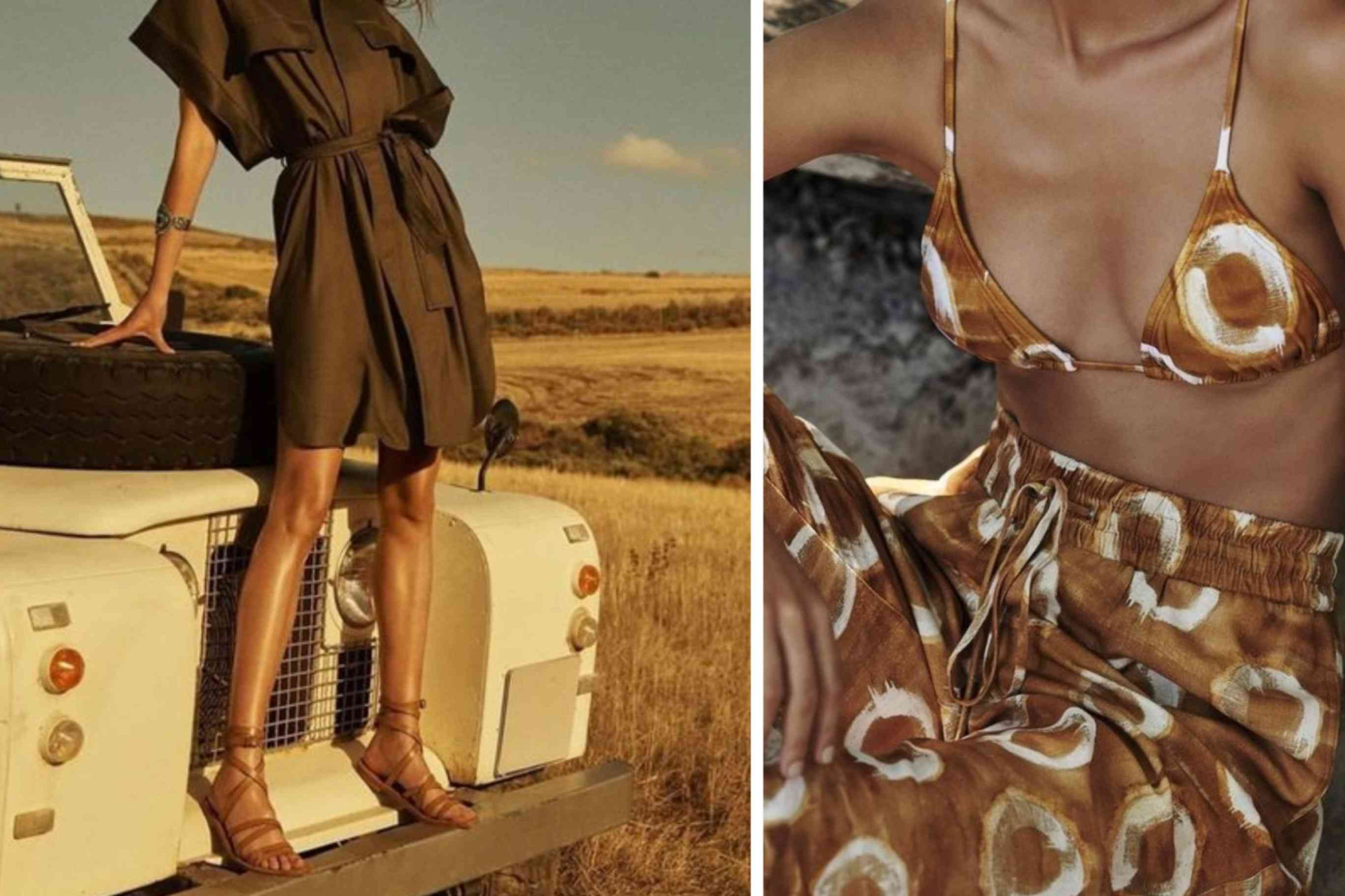
The strength of this palette lies in the way different shades can be layered. A deep chocolate brown dress works easily with tan leather sandals, while lighter sand and beige tones can soften the overall look.
Texture becomes particularly important when colours remain within the same family. Linen, cotton, suede and leather each reflect light differently, creating contrast even when the shades are similar. This makes a tonal outfit feel more considered without adding more colour.
Prints can also work naturally within an earthy palette. Abstract patterns in brown, cream and ochre introduce movement while keeping the look connected. They offer an alternative to traditional animal prints while still referencing colours found in nature.
Accessories are an easy way to continue the palette. Tan sandals, woven bags, leather belts and warm metallic jewellery complement earth-toned clothing without competing with it.
These colours also move easily between different settings. Khaki and sand can feel practical and relaxed during the day, while chocolate brown and deeper bronze shades create a more sophisticated look for evening.
Earth tones are particularly suited to summer wardrobes when fabrics remain light and silhouettes relaxed. Combined with natural materials and subtle prints, they create a style that feels equally at home in the city, the desert or a landscape far from both.
#EarthTones #NaturalStyle #SafariStyle #SummerFashion #LesCouleursSauvages
Les Couleurs de Safari @lescouleurssauvages
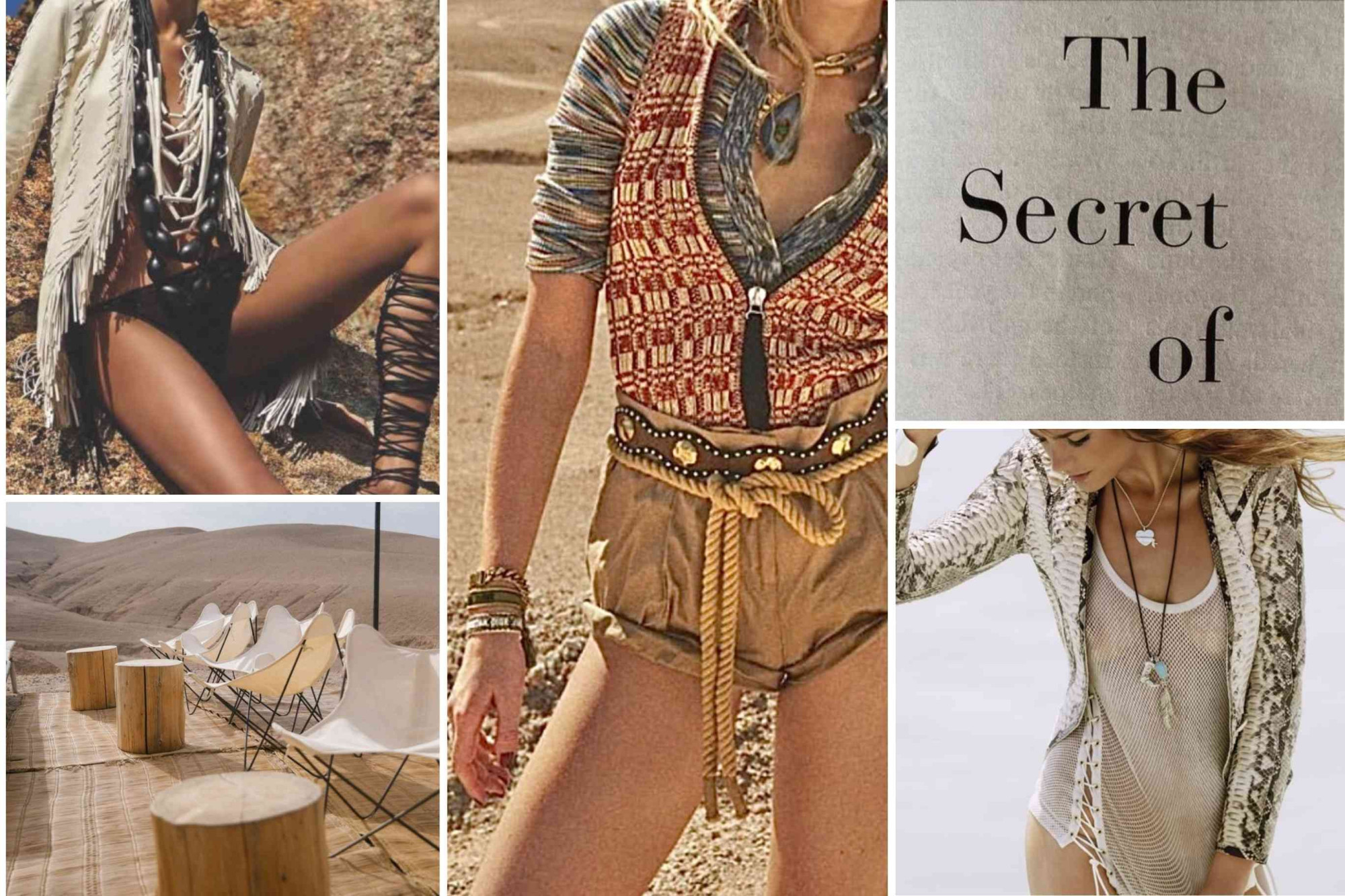
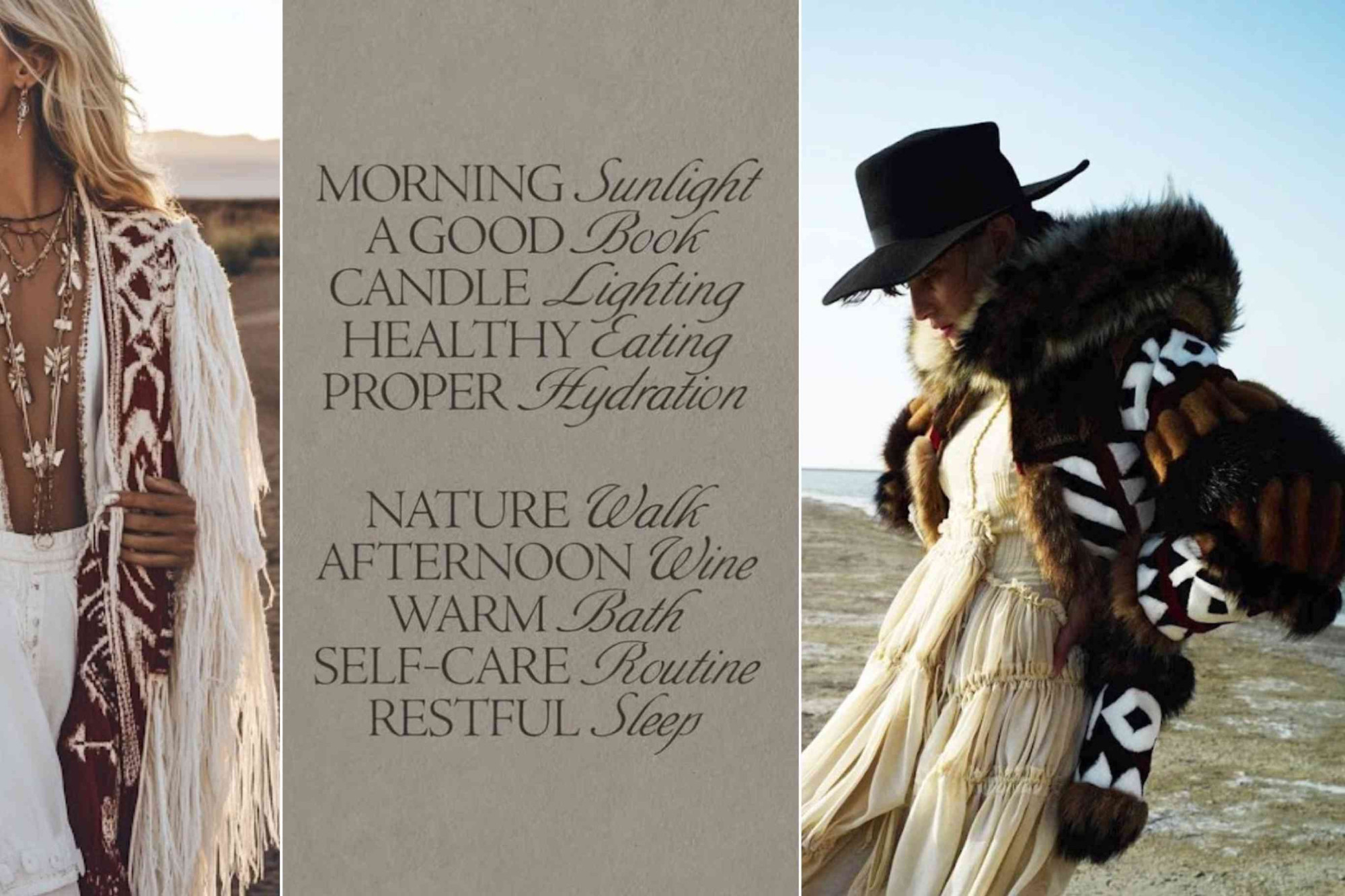
Desert bohemian style combines relaxed clothing, natural materials and western influences in a look built around texture rather than polished perfection.
The colour palette usually starts with the landscape. Sand, cream, faded brown, rust and muted red create an easy base, while patterned fabrics add warmer accents without making the outfit overly colourful.
Layering is an important part of the style. A lightweight knit can be worn under a patterned waistcoat, while an open shirt or loose jacket adds another texture. Shorts, tunics and relaxed dresses keep the silhouette informal and practical for warmer climates.
Western influences appear in the details. Wide leather belts, studs, boots, suede and braided cords bring a tougher element to softer fabrics. They can be mixed with pieces that feel more bohemian, such as crochet, fringe, embroidery and loosely woven knits.
Jewellery is usually layered rather than minimal. Several necklaces, bracelets and rings can be combined, particularly when using silver, aged metals, stones, leather and natural materials.
The result works because the individual pieces do not need to match perfectly. Different patterns, textures and accessories can sit together as long as the colours remain connected.
Desert bohemian style is therefore less about following one fashion trend and more about combining influences. Western details, relaxed summer clothing and handcrafted-looking textures create a wardrobe that feels particularly suited to dry landscapes, road trips and outdoor settings.
#DesertStyle #BohemianStyle #WesternStyle #SummerFashion #LesCouleursSauvages
Les Couleurs de Safari @lescouleurssauvages
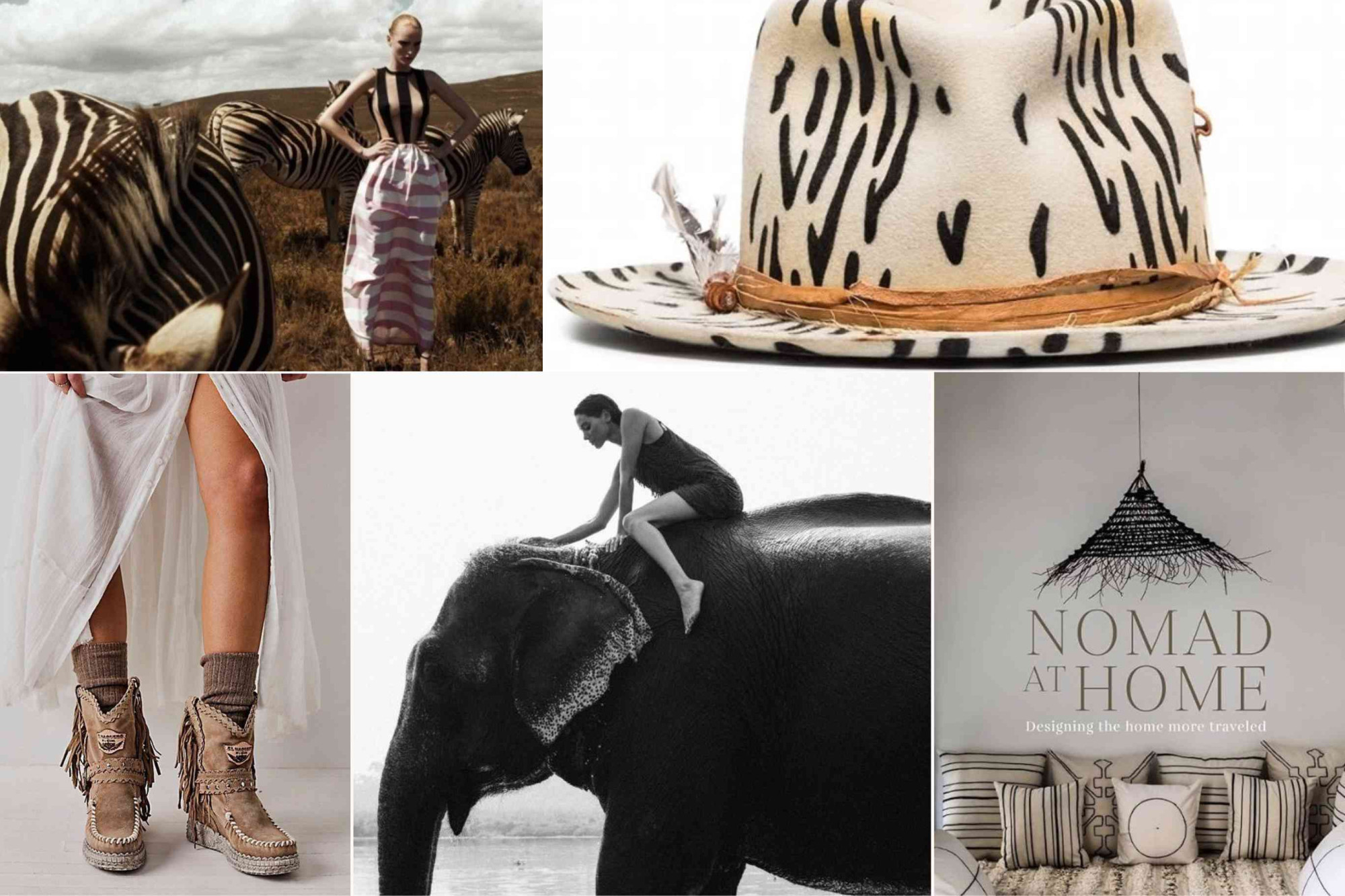
Animal prints have become a permanent part of fashion, moving between bold statement pieces and smaller details that are surprisingly easy to wear.
Zebra is one of the most graphic examples. Its strong contrast works naturally in black and white, but designers also reinterpret the pattern in softer shades such as brown, cream, grey and muted pink. Changing the colours can make a familiar print feel completely different.
Leopard and cheetah prints bring warmer tones into a wardrobe. They combine easily with black, denim, khaki, camel and natural fabrics, which is one reason they continue to return across different seasons.
The scale of a print also changes its effect. Large patterns immediately become the focus of an outfit, while smaller or less defined markings can almost function as a neutral. A long printed skirt or dress creates a stronger look than a belt, scarf or pair of shoes using the same inspiration.
Animal influences are not limited to clothing. Printed hats, textured boots, bags and jewellery can introduce the idea in smaller proportions. Mixing them with plain fabrics prevents the look from becoming too literal.
For Les Couleurs Sauvages, these patterns are particularly interesting when combined with pieces inspired by outdoor and nomadic dressing: long skirts, boots, leather, relaxed shirts and natural textures.
Animal print can be dramatic, but it does not have to dominate an outfit. Used through colour, scale and accessories, it becomes another way of bringing the patterns of the natural world into fashion.
#AnimalPrint #ZebraPrint #WildStyle #FashionInspiration #LesCouleursSauvages
Les Couleurs de Safari @lescouleurssauvages
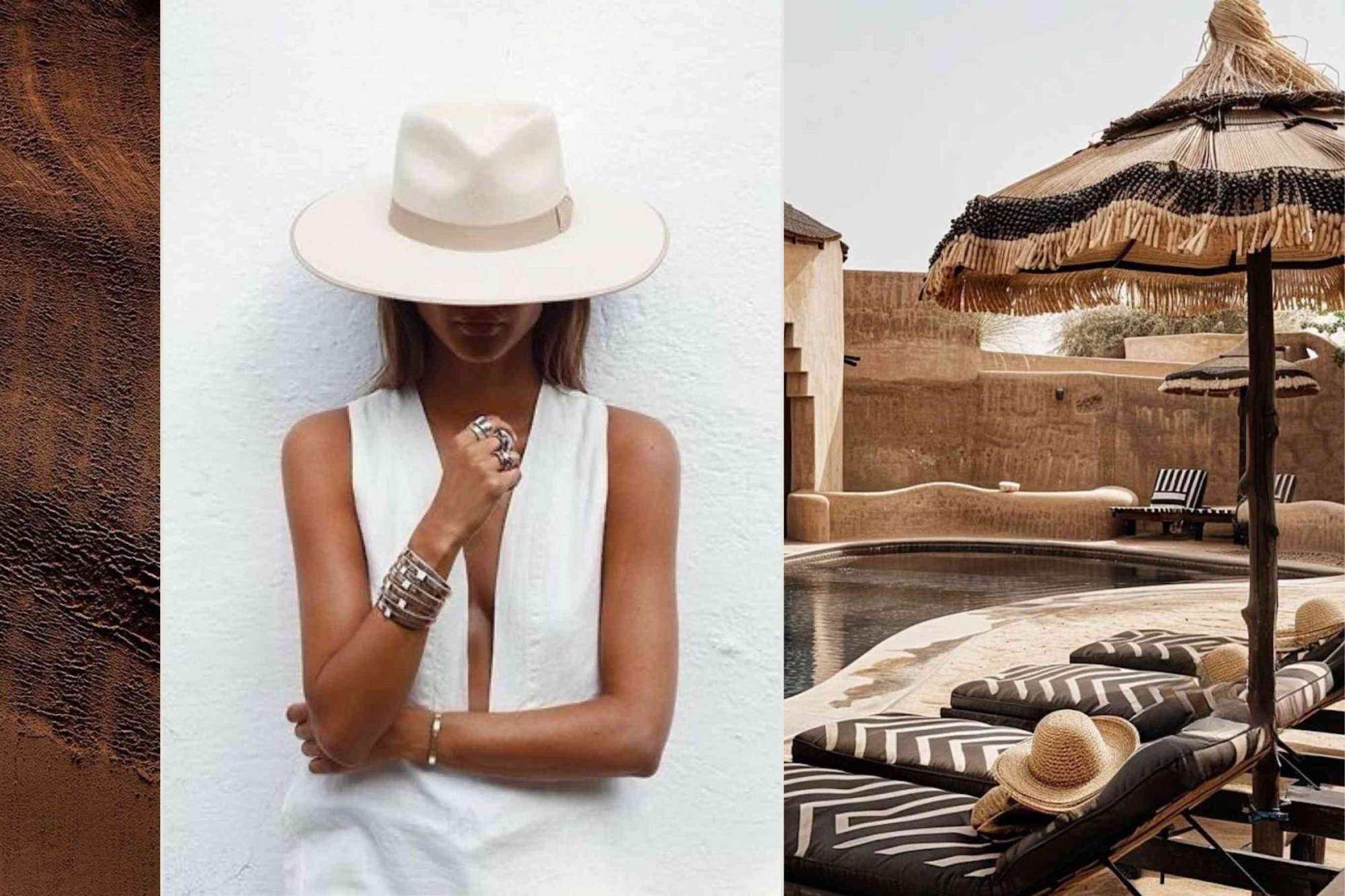
A wide-brim hat is closely associated with outdoor dressing, but its shape and material can take it from practical sun protection to a defining part of an outfit.
Felt and structured wool hats bring a stronger western influence, particularly in shades such as cream, camel, brown and black. Straw versions feel lighter and are naturally suited to warmer climates, while softer woven designs create a more relaxed silhouette.
The width of the brim has a noticeable effect on the overall look. A larger brim creates a stronger statement and works particularly well with simple clothing, while narrower shapes are easier to combine with more detailed outfits.
Neutral colours make these hats especially versatile. White and cream can lighten darker summer clothing, while tan and tobacco shades work naturally with linen, denim, suede and leather.
A wide-brim hat can also change the character of a simple outfit. Combined with a white dress or sleeveless top, it introduces a subtle western reference without requiring boots, fringe or other recognisable western details.
For travel, packable straw and woven styles are practical alternatives to more structured designs. They work with swimwear and lightweight dresses during the day and can remain part of an outfit away from the beach.
From desert-inspired dressing to summer wardrobes, the wide-brim hat remains one of the accessories that can be both functional and strongly connected to personal style.
#WideBrimHat #HatStyle #WesternStyle #SummerAccessories #LesCouleursSauvages
Les Couleurs de Safari @lescouleurssauvages
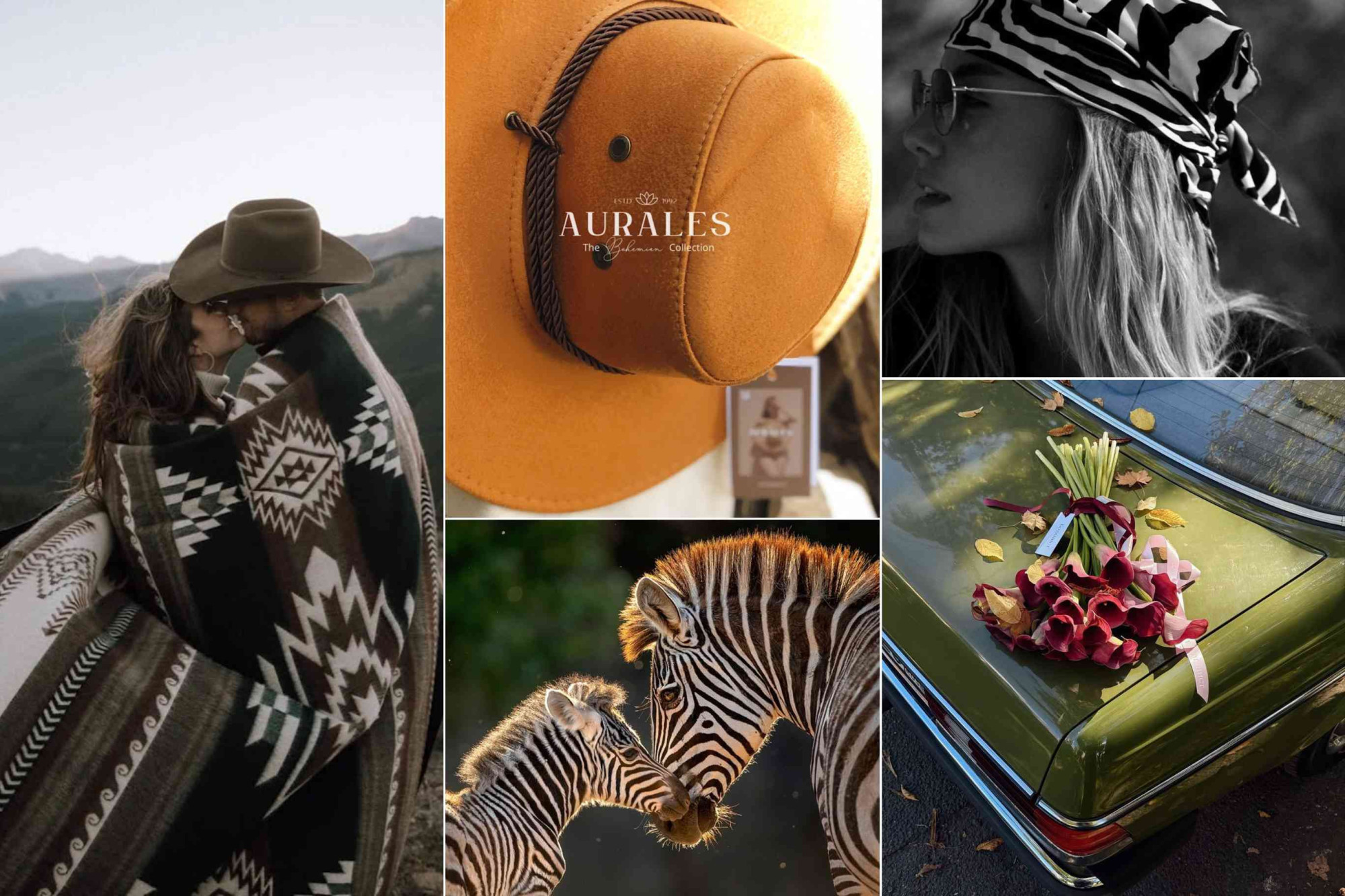
Western style has moved far beyond the traditional combination of cowboy boots, denim and checked shirts, with individual elements now appearing in much more contemporary wardrobes.
The western hat remains one of its most recognisable references, but the way it is styled makes the difference. Combined with oversized patterned knits, long coats or simple neutral clothing, it feels less like a costume and more like part of an everyday look.
Blanket-inspired patterns are another characteristic element. Geometric motifs in brown, cream, black and rust work particularly well on ponchos, jackets and oversized scarves. Their graphic quality adds interest to an outfit while remaining easy to combine with denim and plain fabrics.
Leather and suede bring another layer to the style. They appear in boots, belts, bags and jackets, but a single leather accessory can be enough to introduce a western influence without building the entire outfit around the theme.
Western dressing also works well with unexpected prints. Stripes, graphic black and white patterns and even animal influences can be mixed with classic western pieces when the colour palette remains connected.
Modern interpretations tend to select individual references rather than reproduce the complete cowboy look. A hat with a long coat, western boots with a flowing dress or a patterned poncho over simple clothing can each create a different version of the style.
This freedom is what makes western influences particularly interesting today. Familiar pieces can be mixed with contemporary fashion, travel wardrobes and influences from other parts of the world.
#WesternStyle #WesternFashion #WildStyle #FashionInspiration #LesCouleursSauvages
Les Couleurs de Safari @lescouleurssauvages
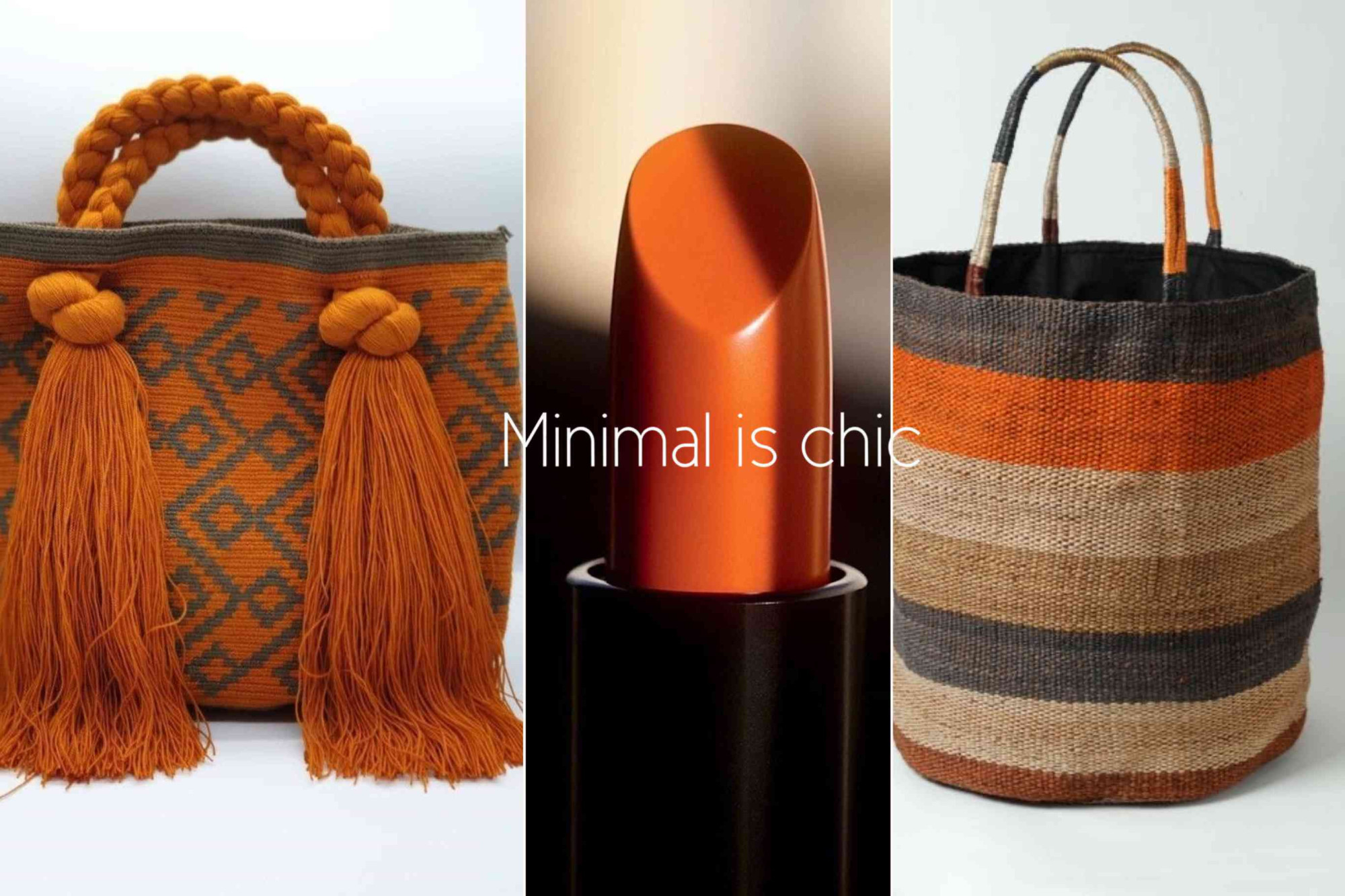
Woven bags have moved well beyond the traditional summer basket, with structured shapes, graphic patterns and decorative details turning natural fibres into distinctive fashion accessories.
Materials such as raffia, sisal, palm fibre and jute give these bags their characteristic texture. Depending on the weaving technique, the result can range from a soft market bag to a structured design that holds its shape much like a leather handbag.
Colour also plays an important role. Natural beige and brown remain familiar choices, but rust, ochre, black and terracotta give woven bags a stronger fashion identity. Stripes and geometric motifs can make the weave itself part of the design.
Details such as braided handles, tassels, knots and wrapped leather add another dimension. On a simple outfit, these elements can provide enough texture and colour to become the main accessory.
Their styling has also become less seasonal. A woven bag can be combined with linen and sandals in summer, but darker colours and more structured designs work equally well with denim, suede, boots and lightweight jackets.
Larger shapes remain useful for travel and everyday use, while smaller versions offer an alternative to conventional handbags. The material may be traditional, but the proportions and finishing can make the result feel distinctly contemporary.
#WovenBags #NaturalFibres #FashionAccessories #WildStyle #LesCouleursSauvages
Les Couleurs de Safari @lescouleurssauvages
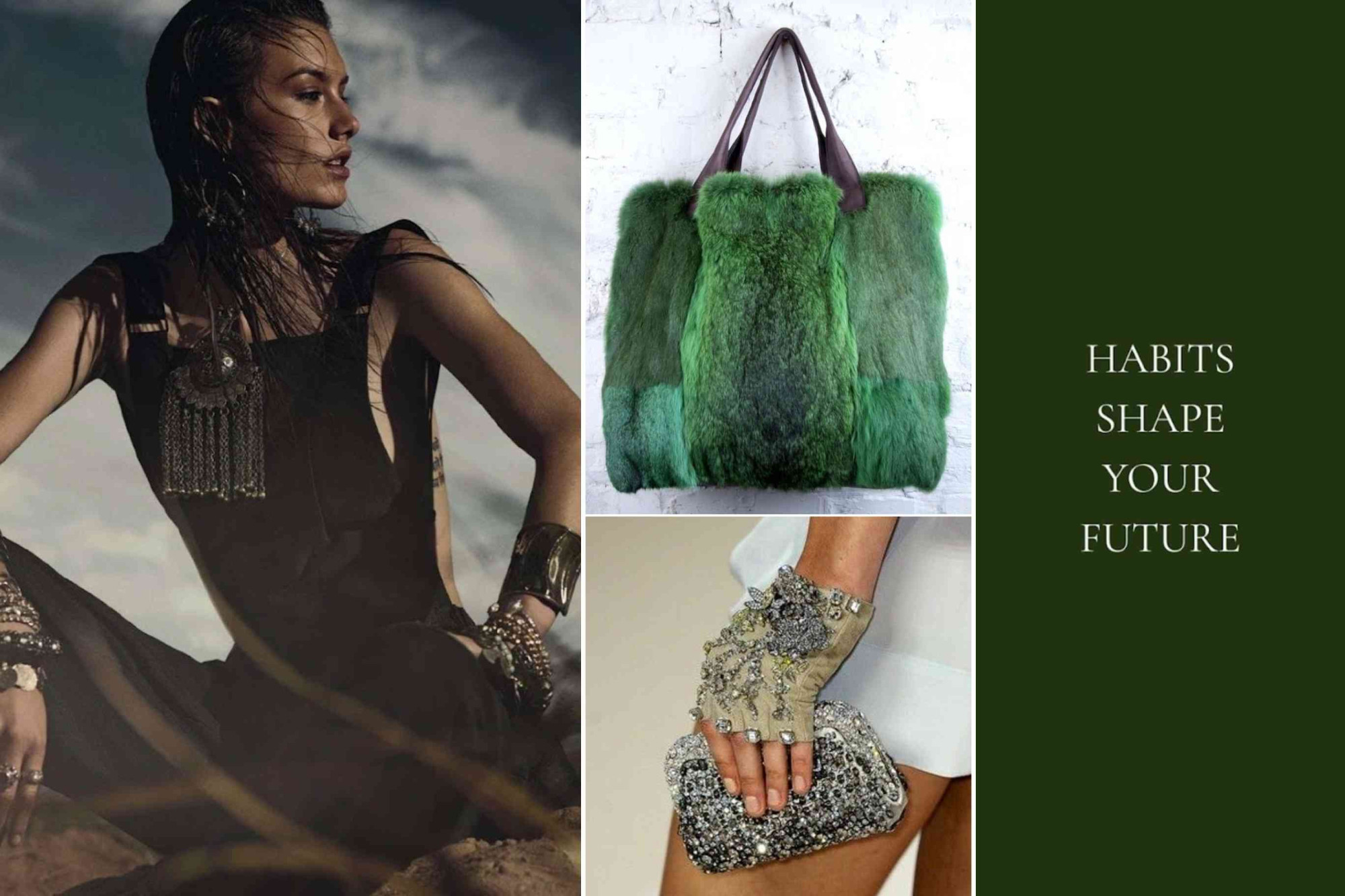
Beads, metalwork, studs and embroidery can turn even a simple piece of clothing into something with a much stronger identity.
Embellishment has long appeared across fashion in different forms, from intricate beadwork and metallic embroidery to coins, chains, stones and small pieces of hardware. Today these techniques can be found on dresses, jackets, bags, shoes and jewellery.
The effect depends largely on how the decoration is used. Dense beadwork can cover an entire surface and almost replace a printed fabric, while a few metallic details along a neckline, cuff or shoulder create a subtler result.
Dark fabrics provide a particularly strong background for silver, bronze and antique metal finishes. Black and deep brown allow these details to stand out, while still keeping the overall look relatively restrained.
Texture is equally important. Smooth leather combined with metal feels very different from beads worked into woven fabric or embroidery added to lightweight cotton. Mixing these surfaces gives an outfit depth even when the colour palette remains limited.
Accessories offer an easy way to introduce the look. An embellished clutch, cuff or pair of shoes can bring detail to otherwise simple clothing without requiring several statement pieces at once.
Within a wilder wardrobe, these decorative elements work particularly well alongside leather, flowing fabrics and natural textures. The result can reference different cultures and periods while still feeling contemporary.
#EmbellishedFashion #FashionDetails #StatementAccessories #WildStyle #LesCouleursSauvages
Les Couleurs de Safari @lescouleurssauvages
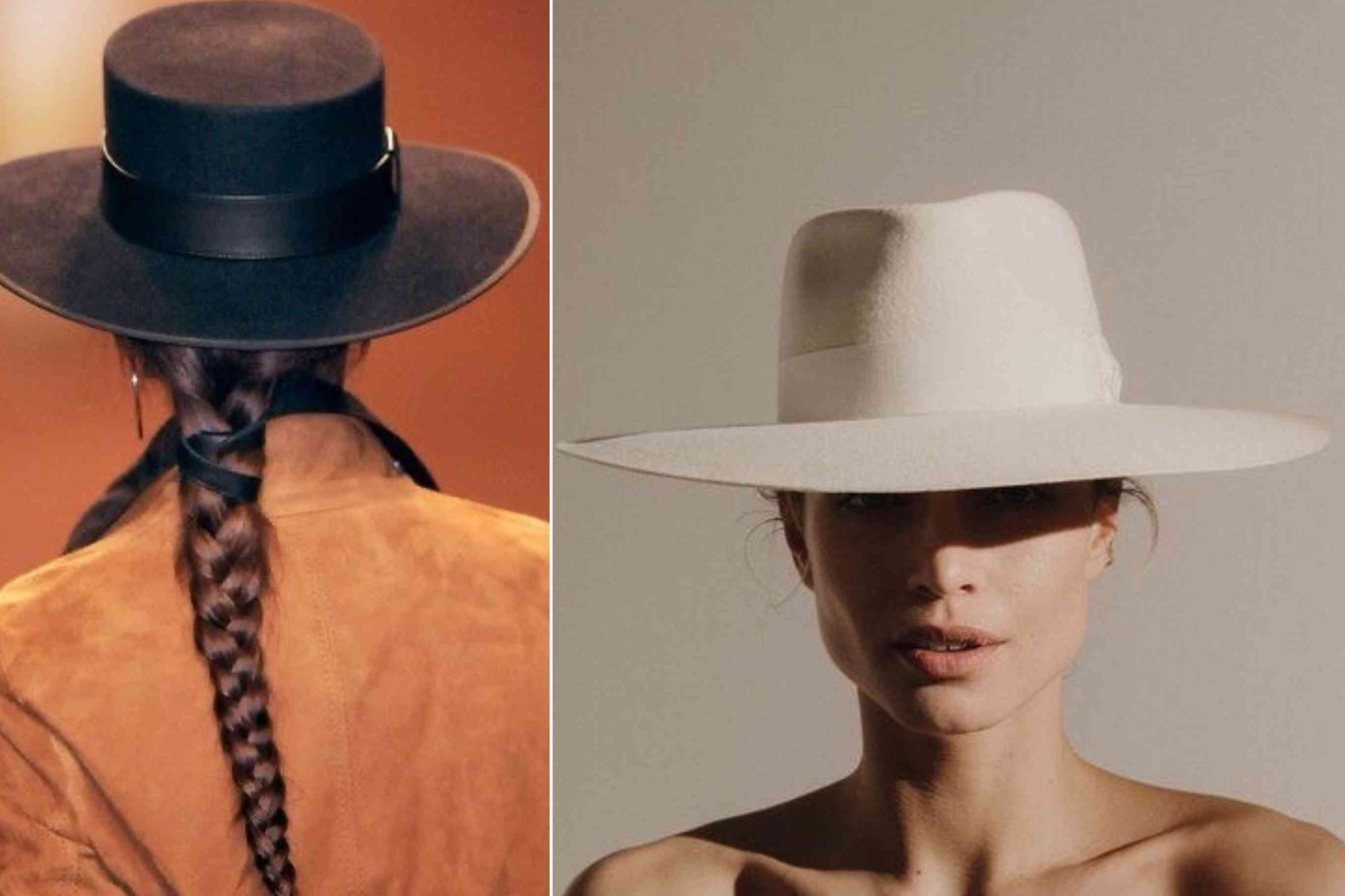
Modern western style takes some of the most recognisable elements of traditional western clothing and strips them back to create a cleaner, more contemporary look.
The hat is perhaps the clearest example. A structured wide brim immediately introduces a western reference, even when the rest of the outfit is minimal. In black, cream or warm brown, it can become the defining element without making the complete look feel themed.
Suede works in a similar way. Traditionally associated with jackets, boots and ranch clothing, it brings texture to otherwise simple silhouettes. Camel and tobacco shades work particularly well with black, white and denim.
Modern western dressing also relies less on decoration. Instead of combining fringe, embroidery, large buckles and cowboy boots in one outfit, a single recognisable element can be enough. A black hat with a simple dress or a suede jacket over monochrome clothing creates the reference in a subtler way.
Silhouette plays an important role. Strong shoulders, long coats, straight trousers and clean dresses balance the more traditional accessories and keep the overall look contemporary.
Black and white offer another interpretation of the style. Removing the familiar earthy colour palette gives western pieces a sharper appearance and makes them easier to integrate into an existing wardrobe.
The result is a quieter version of western fashion, built around shape, material and a few carefully chosen references rather than a complete cowboy look.
Overview
Modern western style combines recognisable pieces such as structured hats and suede with clean silhouettes, restrained colours and minimal styling.
#ModernWestern #WesternStyle #SuedeStyle #FashionInspiration #LesCouleursSauvages
Les Couleurs de Safari @lescouleurssauvages
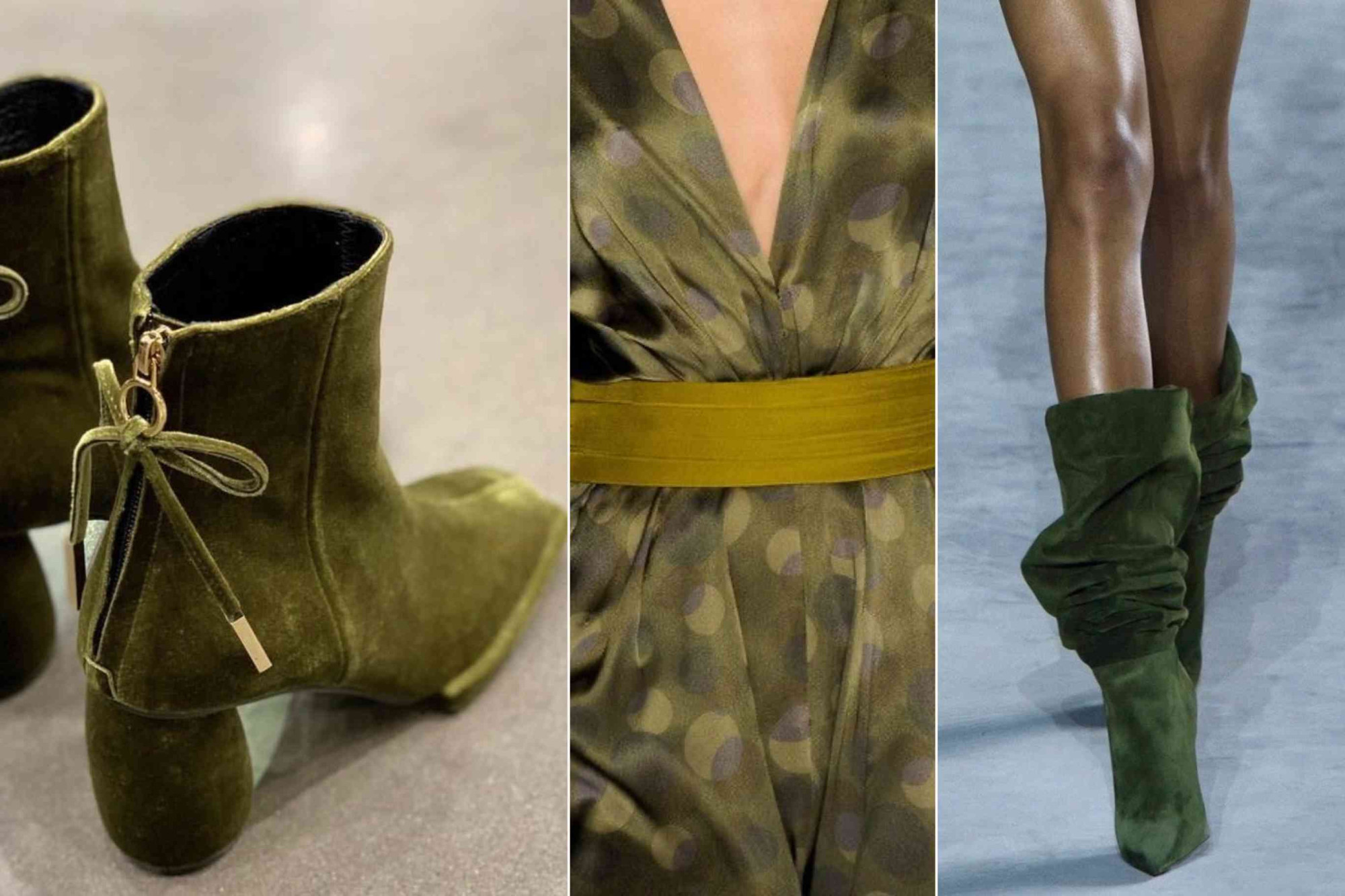
Olive green sits somewhere between a neutral and a colour, which makes it particularly easy to combine while still giving an outfit more character than beige, brown or black.
The shade has strong associations with military and utility clothing, but its place in fashion has become much broader. Olive appears in everything from flowing dresses and tailoring to suede boots, bags and lightweight summer pieces.
Different materials also change the character of the colour. In suede, olive becomes deep and slightly muted, making it particularly suited to boots and accessories. Silk and satin bring out its warmer undertones, while cotton and linen give it a more casual appearance.
Olive works especially well within a natural palette. Camel, chocolate brown, cream, sand and tobacco create warmer combinations, while black gives the colour a sharper contrast. Gold and bronze jewellery can bring out its warmer side.
Print offers another possibility. Tonal patterns using several shades of green can introduce the idea of camouflage without using a traditional military print. Abstract spots, botanical motifs and irregular patterns create a softer interpretation.
The colour also moves easily between seasons. Lightweight olive fabrics work well in warmer months, while suede, leather and heavier textures make the same palette suitable for autumn and winter.
For a wardrobe influenced by natural landscapes, olive green provides an alternative to the more familiar browns and beiges while remaining just as versatile.
#OliveGreen #ColourInFashion #SuedeBoots #NaturalStyle #LesCouleursSauvages
Les Couleurs de Safari @lescouleurssauvages
Guided by instinct
It’s a world where style feels untamed and grounded at the same time: powerful layers, tribal touches, natural materials and pieces that move with the wild rhythm of the day.
There’s a certain clarity that comes from stepping into nature and letting it influence how you dress and how you feel.
A sense of strength, simplicity and freedom that grows from the elements themselves — sand, light, warmth, the steady pulse of wide-open space.
Here, everything becomes more honest.
✨ Inspiration: choose one piece or ritual that brings you closer to your own natural rhythm. A raw texture, a grounding colour or a moment spent outside.
Let the wildness guide you.
#LesCouleursSauvages #WildElegance #EarthDrivenStyle #UntamedBeauty #NaturalStrength #DesertVibes
Les Couleurs de Safari @lescouleurssauvages
Cowboy boots began as practical footwear for horse riding and ranch work, but their distinctive shape eventually gave them a place far outside the American West.
Traditional western boots were designed around function. A raised heel helped keep the foot secure in a stirrup, while the higher shaft protected the lower leg. Leather made them durable enough for long days outdoors, and the pointed or rounded toe made it easier to slide the foot into a stirrup.
Over time, these practical features became part of the visual identity of the boot. Decorative stitching, contrasting leather, embroidery and more elaborate shapes appeared, turning functional footwear into something that could also express personal style.
Western films and country music helped introduce cowboy clothing to a much wider audience during the twentieth century. Boots became closely associated with the image of the American West, but fashion gradually began separating them from the complete cowboy look.
That shift is important to how they are worn today. Cowboy boots now appear with pieces that have little connection to traditional western clothing. They can be paired with summer dresses, oversized tailoring, denim shorts, long skirts or simple knitwear.
Designers have also changed the original boot considerably. Alongside traditional brown leather are versions in suede, metallic finishes, bright colours, animal prints and highly polished leather. Heel heights and shaft lengths vary, making some designs only loosely connected to their ranchwear origins.
Vintage pairs have also remained popular. Worn leather and faded colour give older boots a character that is difficult to reproduce, particularly when combined with otherwise contemporary clothing.
The cowboy boot is a good example of how functional clothing can move into fashion without completely losing its original identity. The shape remains recognisable, but the way it is worn continues to change.
#CowboyBoots #WesternFashion #FashionHistory #BootStyle #LesCouleursSauvages
Les Couleurs de Safari @lescouleurssauvages
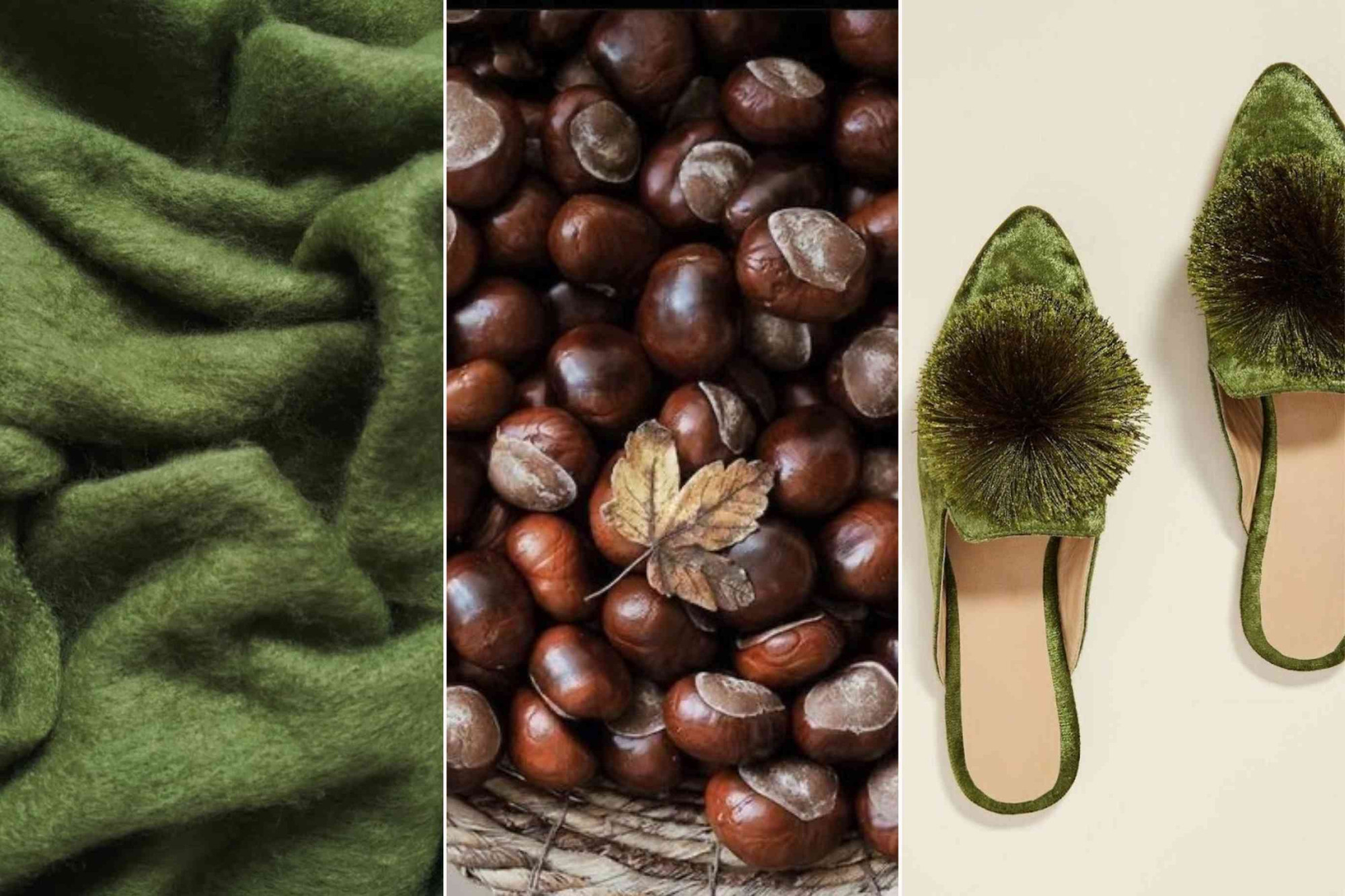
Velvet has a distinctive depth of colour because its surface reacts to light differently from a flat woven fabric. This is why the same shade can appear dark and intense from one angle and noticeably lighter from another.
The effect comes from the short, dense pile on the surface of the fabric. As these fibres catch the light, they create subtle variations across a garment or accessory. Movement makes those differences even more visible.
Colour plays an important role. Deep green, burgundy, chocolate brown and navy emphasise velvet's richness, while lighter shades such as beige, blush and pale blue give the material a softer appearance.
Velvet also changes according to what it is used for. On a long dress or jacket, a larger surface allows light and shadow to become part of the silhouette. On shoes and bags, the same quality gives a relatively simple accessory more texture.
The material has traditionally been associated with evening and occasion dressing, but it is no longer limited to formal clothing. Velvet loafers, ballet flats, boots, trousers and relaxed jackets can introduce it into everyday wardrobes.
Combining velvet with contrasting materials keeps the look contemporary. Denim and wool make it more casual, while leather creates a stronger contrast. Silk and satin bring it closer to evening dressing.
It is this relationship between texture, colour and light that makes velvet distinctive. Even without prints or decorative details, the fabric creates visual variation of its own.
#Velvet #FabricAndFashion #AutumnStyle #FashionTextures #LesCouleursSauvages
Les Couleurs de Safari @lescouleurssauvages
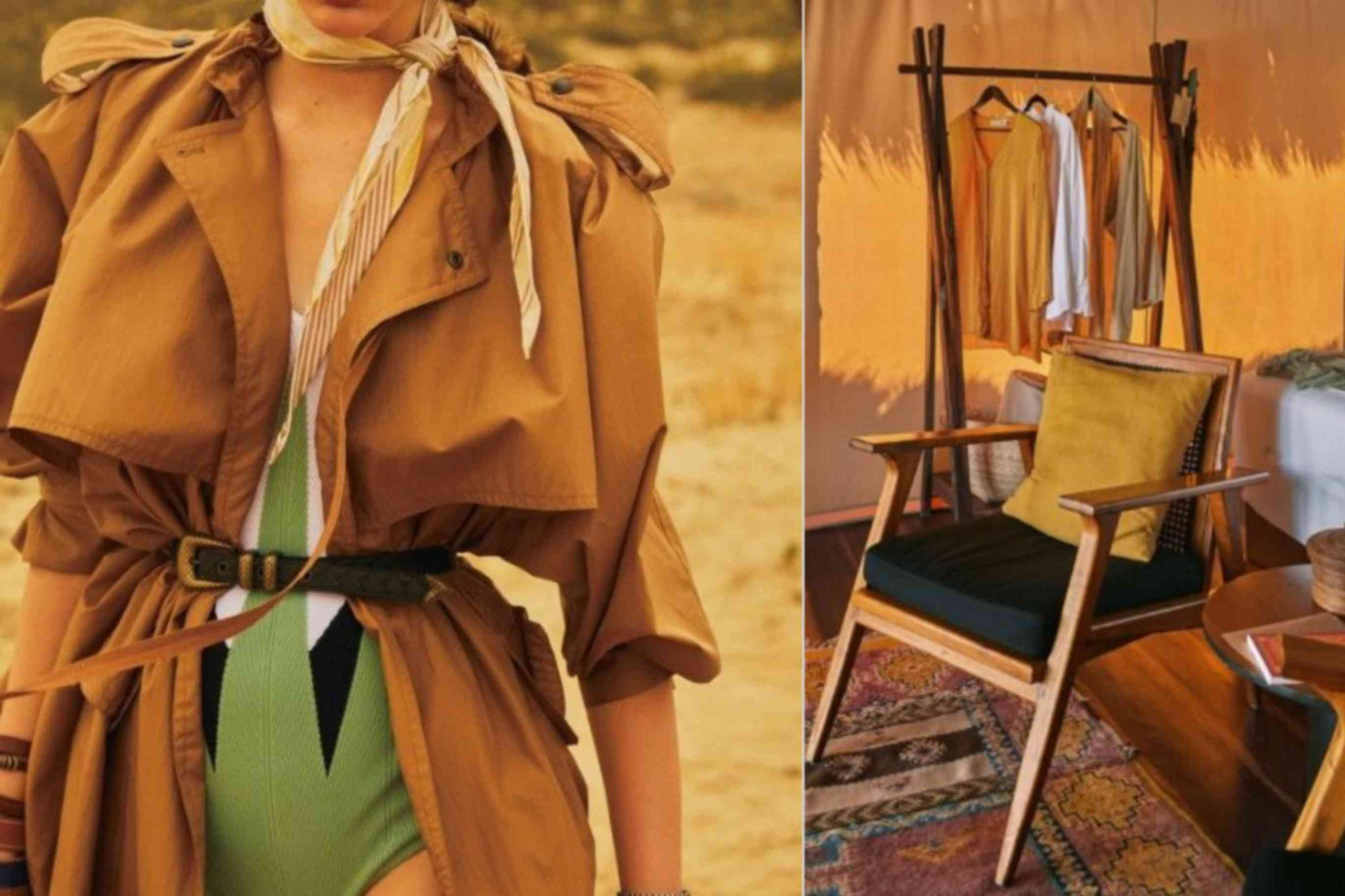
The safari jacket is one of those practical garments that gradually became a fashion classic, recognisable through its pockets, belt, lightweight fabric and neutral colours.
Its origins lie in clothing designed for travel in warm climates. Early versions were made from breathable cotton in shades such as khaki, beige and sand. Multiple pockets provided practical storage, while a belt allowed the loose jacket to be adjusted around the waist.
Fashion kept many of these characteristics but changed the proportions. The jacket became shorter or more oversized, sleeves gained volume and belts began to play a greater role in defining the silhouette. Longer versions eventually developed into safari-style dresses.
The fabric has changed too. Cotton twill remains closely associated with the original design, but linen and lighter blends make the style particularly suitable for spring and summer. Suede and leather create a heavier interpretation for cooler seasons.
One reason the safari jacket has remained relevant is its versatility. It can be worn open over a swimsuit or simple top, belted as part of a more structured outfit or combined with trousers, shorts and skirts.
Traditional khaki is no longer the only option. Tobacco brown, olive, cream and even black retain the character of the original jacket while making it easier to integrate into different wardrobes.
Small styling choices can also change its direction. A silk scarf makes it more refined, while leather belts and boots emphasise its utilitarian origins. Worn with cleaner accessories, the same jacket can look considerably more contemporary.
The basic design has changed surprisingly little. Pockets, practical fabric and an adjustable waist still define the safari jacket, even when its original purpose has been replaced by fashion.
#SafariJacket #FashionClassics #UtilityStyle #SafariFashion #LesCouleursSauvages
Les Couleurs de Safari @lescouleurssauvages
Dressing for a safari lodge means finding a balance between clothing that works outdoors and pieces that still feel appropriate for the relaxed atmosphere of the lodge itself.
During the day, lightweight fabrics are the most practical starting point. Linen and cotton shirts, relaxed trousers, shorts and simple T-shirts work well in warm, dry conditions. Cream, khaki, tobacco and olive are easy to combine and naturally suit this type of wardrobe.
Early morning game drives can be considerably cooler than the middle of the day. A lightweight jacket, overshirt or knit is useful because it can be removed as temperatures rise. Long sleeves and trousers also provide more coverage when spending several hours outdoors.
Footwear depends on the programme. Closed shoes or boots are useful for walking and outdoor activities, while sandals can be kept for time around the lodge. There is rarely a need for very formal footwear.
The safari wardrobe does not have to consist entirely of technical clothing. A printed T-shirt, leather belt, scarf or vintage-inspired accessory can bring more personality to practical basics. For men, a linen shirt with relaxed trousers works particularly well. For women, shirt dresses, long skirts and loose dresses provide alternatives to shorts and trousers.
Evenings at many lodges remain informal, but changing after a day outdoors can be part of the experience. A long lightweight dress, linen trousers with a good shirt or a simple jumpsuit can take the wardrobe into dinner without feeling overdressed.
A scarf is particularly useful throughout the trip. It can add colour to neutral clothing, provide an extra layer around the neck during an early drive or simply change the look of a white shirt.
The result is a relatively compact wardrobe in which most pieces can be combined with each other. Practicality remains important, but safari dressing can still leave plenty of room for personal style.
#SafariStyle #SafariWardrobe #TravelStyle #LodgeStyle #LesCouleursSauvages
Les Couleurs de Safari @lescouleurssauvages
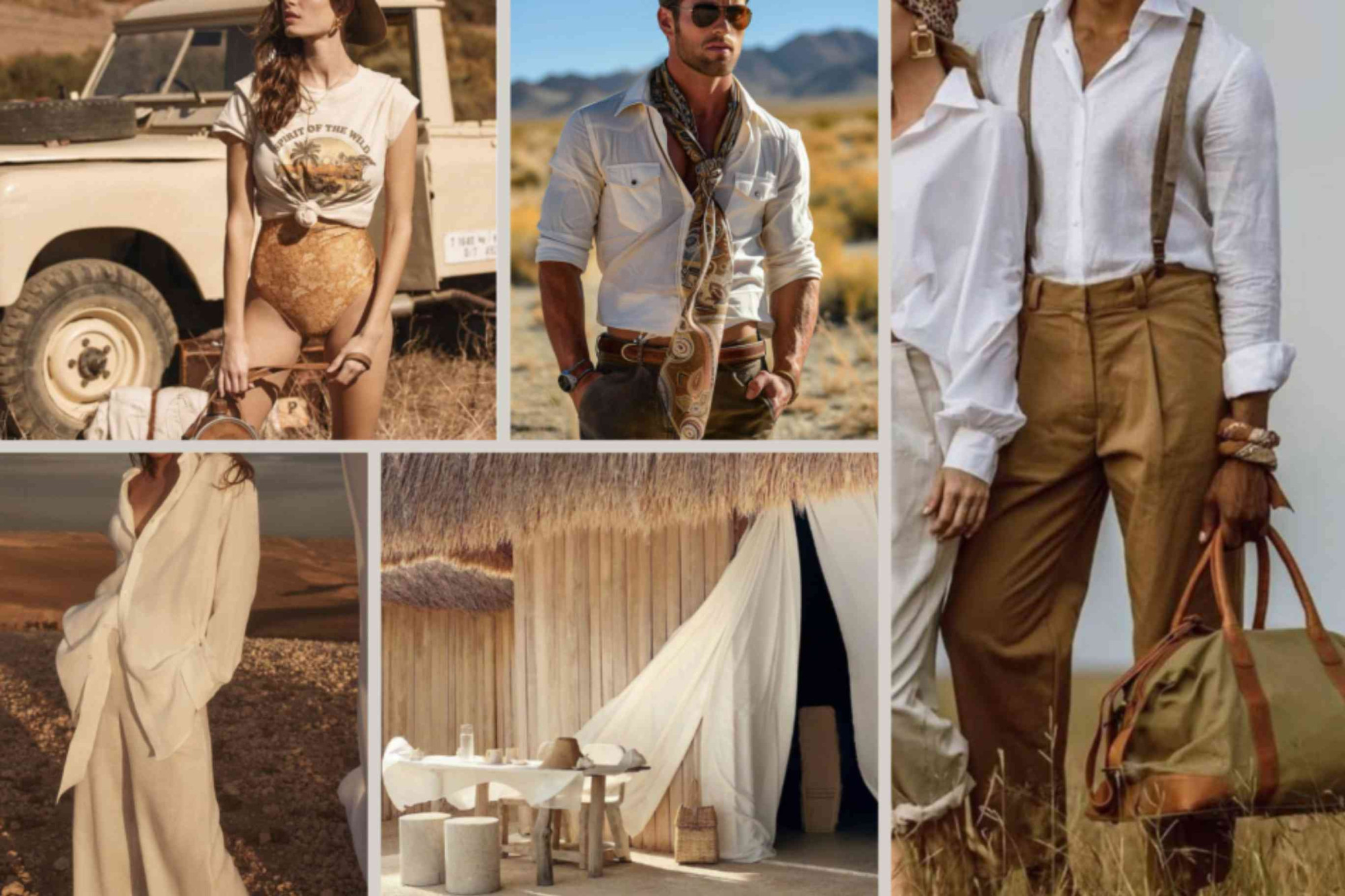
Ecru, ivory, oatmeal and natural cotton may look like variations of white, but many of these shades originate from fibres that have not been heavily bleached or dyed.
Natural cotton, linen and wool each have their own underlying colour. Depending on the fibre and the way it is processed, this can range from warm cream and pale beige to slightly grey or yellow undertones. The result is less uniform than a bright optical white.
This difference becomes particularly visible when several natural fabrics are worn together. An ecru linen shirt can look warmer beside cotton trousers, while crochet and loosely woven knits create additional variation through texture and shadow.
The finish of the material matters as much as the shade. Linen has its characteristic irregular surface, cotton can range from crisp to very soft and raffia or woven plant fibres introduce a much rougher texture. This allows an outfit built almost entirely around cream to remain visually interesting.
Natural shades are also easy to combine with materials such as tan leather, suede, canvas and woven accessories. Instead of introducing a contrasting colour, these materials continue the same warm palette.
There are practical differences too. Bright white can show marks quickly and sometimes requires more careful washing, while ecru and oatmeal shades tend to be more forgiving. Natural fibres such as linen and cotton are also particularly useful in warm climates because lightweight constructions can allow air to circulate around the body.
The appeal of this palette therefore comes from more than colour alone. Fabric, weave and natural variation give each shade a different appearance, making cream and ecru useful alternatives to conventional white.
#Ecru #NaturalFabrics #LinenStyle #NaturalFashion #LesCouleursSauvages
Les Couleurs de Safari @lescouleurssauvages
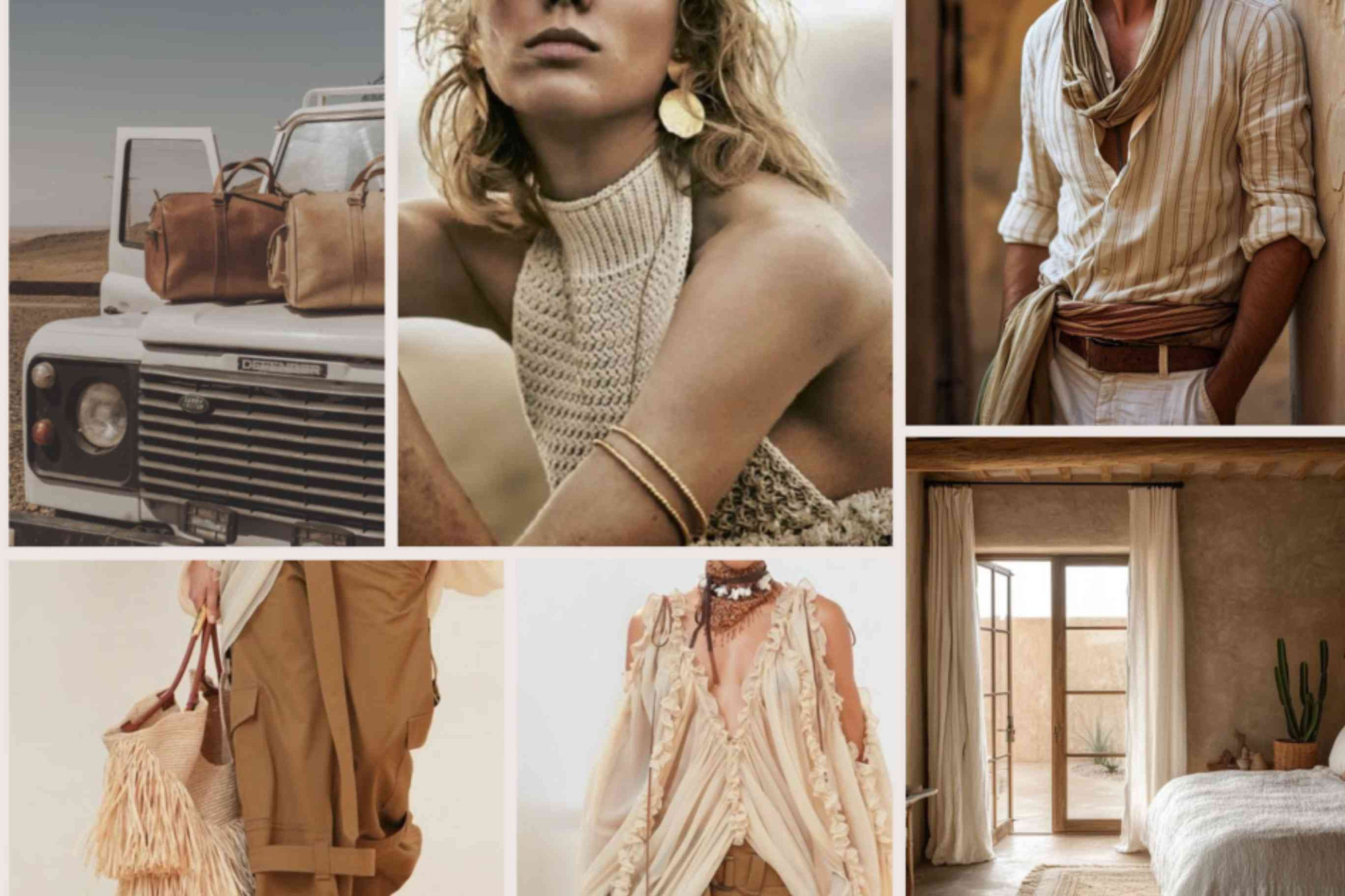
Braiding can be much more than a decorative finish. In fashion, cords and plaited fabrics can shape a garment, replace conventional fastenings or become part of its construction.
One of the simplest applications is the braided belt. Instead of a buckle, a long cord can be wrapped around the waist and knotted, making it easy to adjust and particularly suited to loose dresses, trousers and skirts.
Braiding can also be incorporated directly into clothing. Strips of fabric may be plaited along necklines, seams and openings, while thicker cords can create straps or connect different sections of a garment.
The technique becomes especially noticeable when the braid is made from the same material as the clothing. Rather than adding a contrasting accessory, designers can turn the fabric itself into a three-dimensional detail.
Scale changes the result considerably. Fine braiding creates subtle texture, while oversized cords and knots become structural elements that influence the silhouette.
It also works across very different materials. Cotton and linen produce softer braids, leather creates a firmer result and rope introduces a more substantial texture. Even lightweight fabrics can be twisted and plaited to create unexpected volume.
Used this way, braiding adds detail without relying on prints, embroidery or additional decoration. The construction itself becomes part of the design.
#BraidedDetails #FashionDesign #TextileDetails #FashionTextures #LesCouleursSauvages
Les Couleurs de Safari @lescouleurssauvages
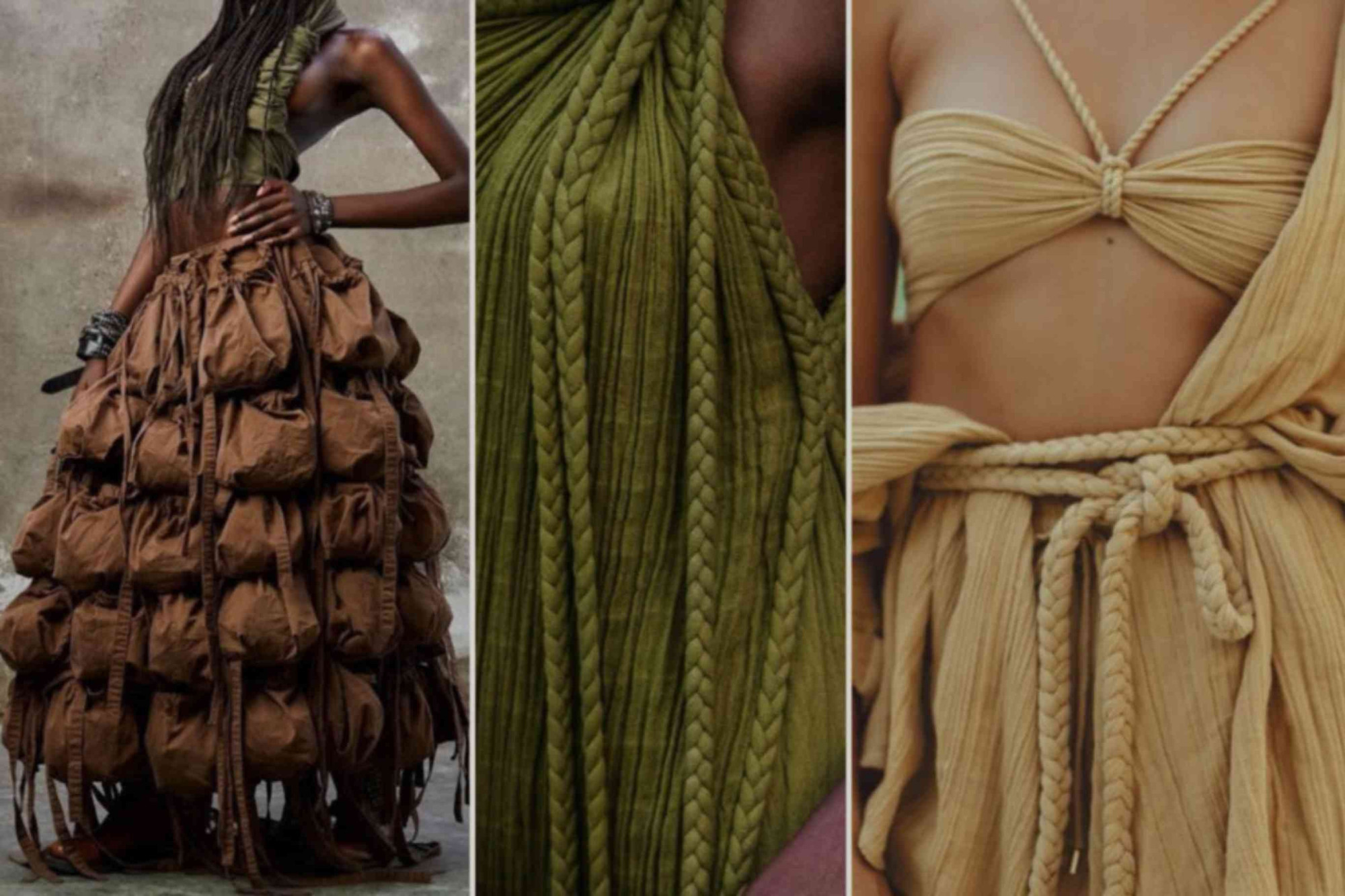
The corset has returned to fashion in a very different form from the structured undergarment it once was. Today, its construction is just as likely to appear on tops, dresses and separates designed to be seen.
Traditional corsets were created to shape and support the torso. Boning provided structure, while lacing allowed the garment to be tightened and adjusted. Contemporary fashion has retained many of these recognisable details without necessarily using them for the same purpose.
Corset tops are one example. Some include boning and shaped cups, while others simply reference the original through visible seams, fitted panels or lace-up fronts. Softer fabrics can create the appearance of a corset without the rigidity of traditional construction.
Designers have also started separating corset details from the upper body. Wide waist panels, lace-up belts and structured waistbands can create a similar effect on skirts and trousers. This changes the proportions of an outfit by placing more emphasis on the waist.
The way corsets are styled has changed as well. Instead of pairing them exclusively with eveningwear, they now appear with long cotton skirts, loose trousers, denim and oversized layers. This contrast makes the corset feel less formal.
Neutral fabrics create another interpretation. Ecru cotton, linen and washed textures take the corset away from its traditional associations with satin, lace and lingerie. Combined with crochet, fringe or relaxed skirts, it can become part of a much more informal wardrobe.
The corset's influence in current fashion is therefore not limited to one garment. Its lacing, panel construction and defined waist continue to be adapted in new ways, even when the finished piece looks very different from its historical predecessor.
#CorsetStyle #FashionDetails #ContemporaryFashion #DesertFashion #LesCouleursSauvages
Les Couleurs de Safari @lescouleurssauvages
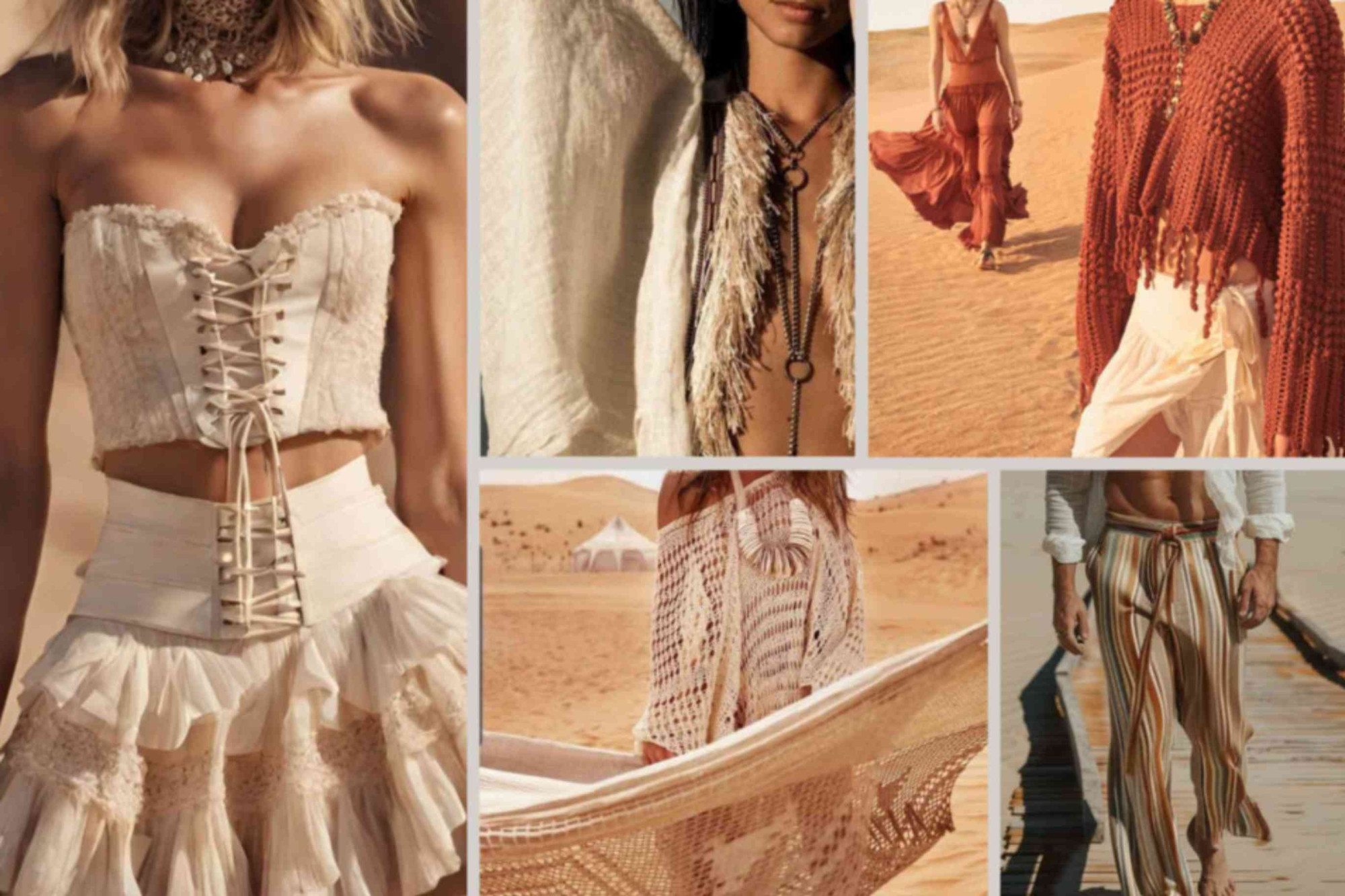
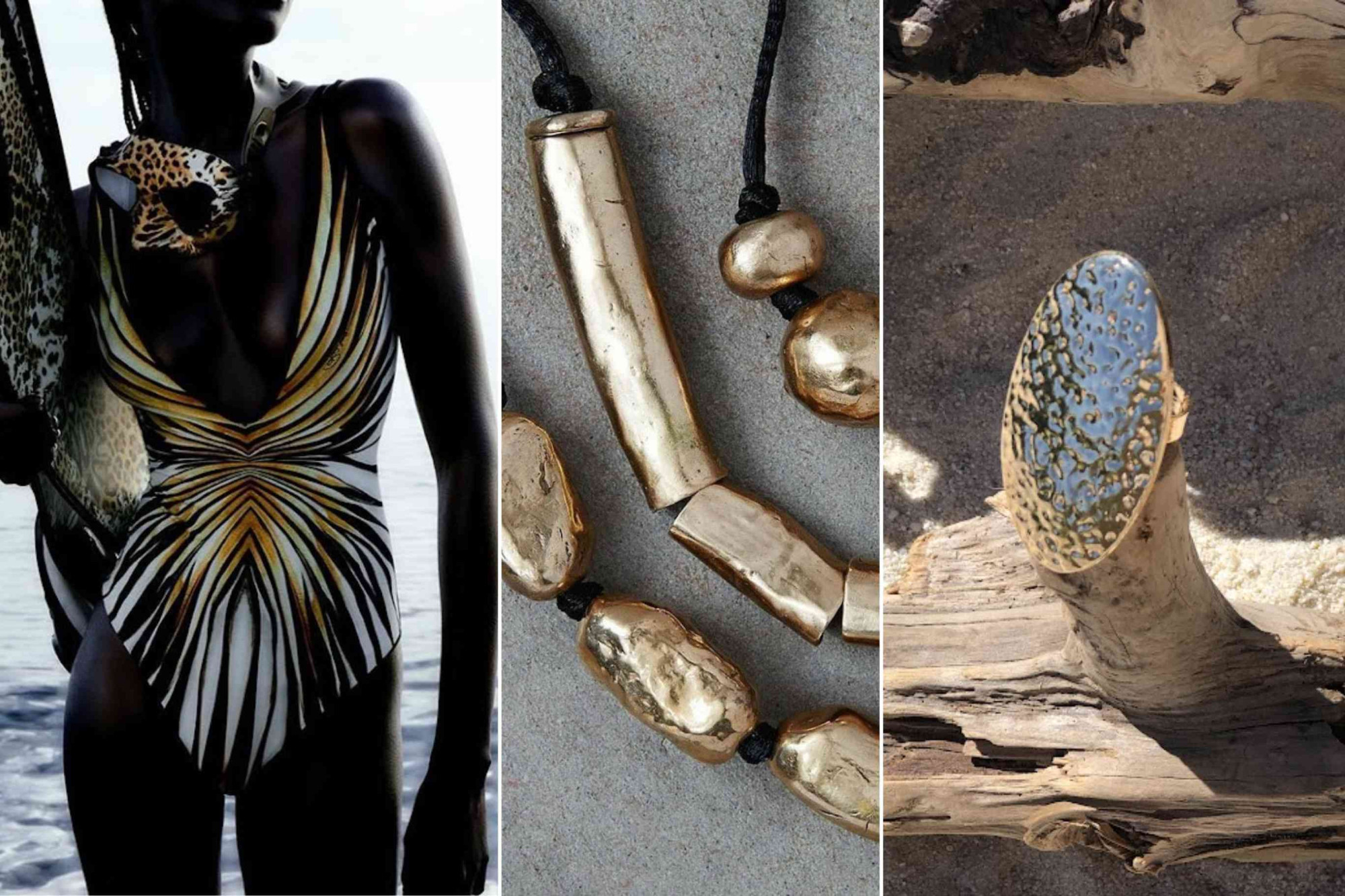
Sculptural jewellery is defined as much by shape and volume as by the material from which it is made. Instead of relying on small stones or delicate chains, these pieces use form itself as the main decorative element.
Large metal beads, irregular pendants and substantial cuffs are typical examples. Their surfaces are rarely perfectly smooth or symmetrical. Hammering, casting and hand-finishing can leave subtle variations that make the metal react differently to light.
Scale is an important part of the design. A single oversized pendant can replace several smaller necklaces, while large earrings or a broad cuff can become the main accessory in an otherwise simple outfit.
Organic shapes have become particularly prominent in this type of jewellery. Rounded forms, uneven edges and elongated pieces can reference pebbles, seeds, shells and other shapes found in nature without reproducing them literally.
Metal choice changes the character of a piece. Polished gold creates a more refined finish, while brushed, hammered and aged metals have a less uniform surface. Silver, bronze and mixed metallic tones can also be combined within the same piece.
Because sculptural jewellery already has a strong visual presence, it works particularly well with simple clothing. Open necklines, plain fabrics and restrained colours provide enough space for larger forms to stand out.
The appeal lies in treating jewellery almost as a small object of design. Shape, weight, surface and proportion become just as important as decoration.
#SculpturalJewellery #StatementJewellery #JewelleryDesign #FashionAccessories #LesCouleursSauvages
Les Couleurs de Safari @lescouleurssauvages
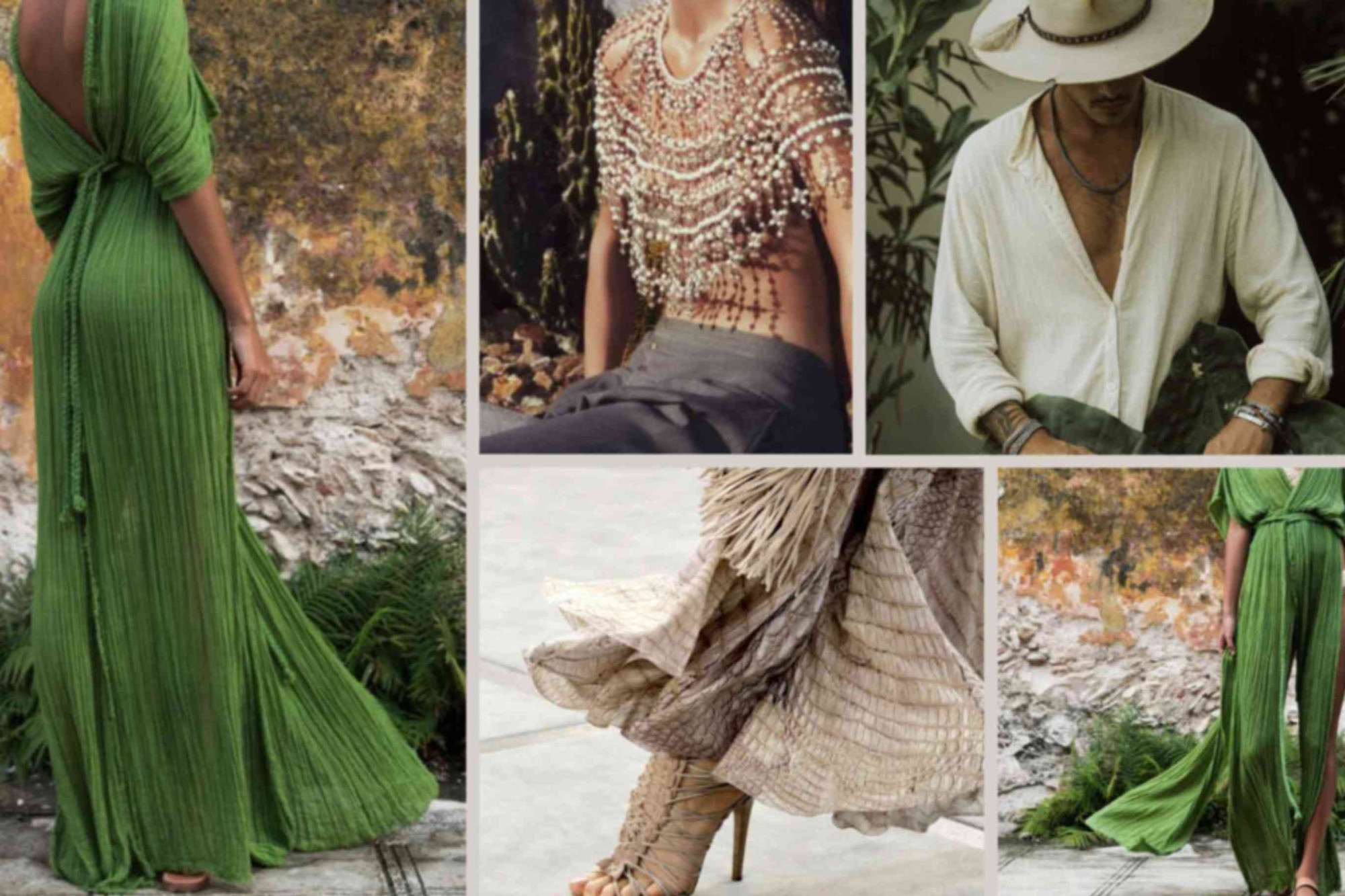
Pleats are widely used in dresses and skirts because they add extra fabric and movement without making the silhouette look unnecessarily wide.
There are different ways to create pleats. Very fine pleats are commonly seen in long summer dresses and maxi skirts, while wider folds give skirts more shape and structure. The choice largely depends on the fabric and the style of the garment.
Lightweight fabrics are particularly suitable for fine pleating. They keep the garment comfortable and allow a long skirt or dress to move easily when walking. Heavier fabrics produce a more structured result and are commonly used for autumn and winter clothing.
Pleats are also useful for creating volume in specific parts of a garment. A designer can add them to a skirt while keeping the waist fitted, or use them in sleeves to create extra width without changing the entire silhouette.
They work especially well on maxi dresses. A long pleated dress can have plenty of fabric while still falling relatively close to the body. A belt or fitted waist can add more definition if needed.
Pleated skirts are easy to combine with different types of clothing. A simple shirt or fitted top keeps the focus on the skirt, while boots make the look suitable for cooler weather. In summer, the same skirt can be worn with sandals and a lightweight top.
Pleats can also make a plain fabric more interesting without adding a print. This makes them particularly useful for single-colour pieces in green, brown, cream, black or other neutral and natural shades.
#PleatedDress #PleatedSkirt #MaxiDress #FashionDetails #LesCouleursSauvages
Les Couleurs de Safari @lescouleurssauvages
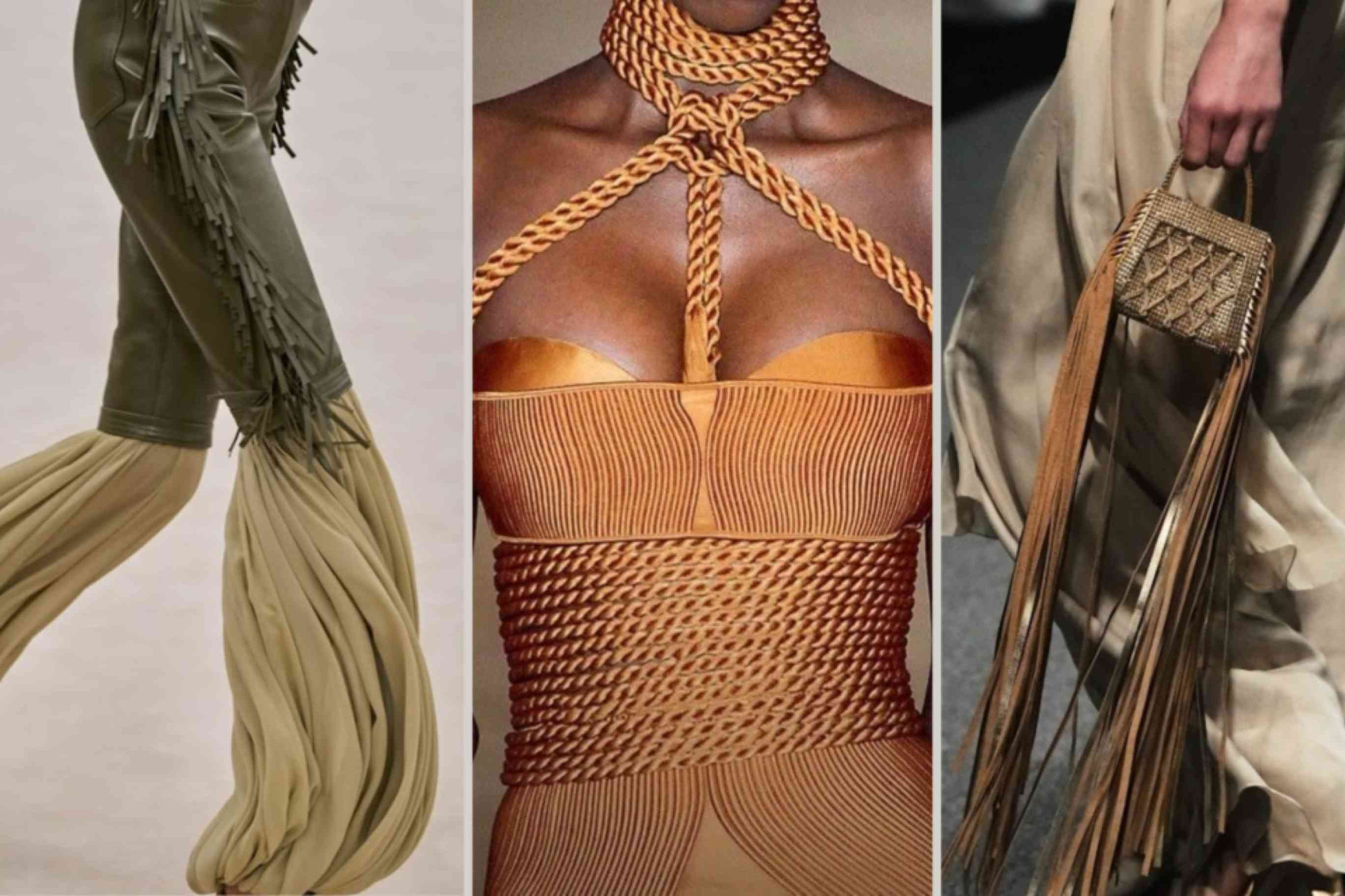
Fringe is being used in fashion as more than a western detail, appearing on trousers, dresses, knitwear and accessories in increasingly refined ways.
One of the biggest changes is the choice of material. Suede and leather still give fringe a clear western influence, but fine cords, silk threads, beads and knitted strands create a very different result. This makes the detail suitable for both casual clothing and more dressed-up pieces.
Placement is equally important. Fringe along the side of trousers emphasises the length of the leg, while fringe around a skirt or dress adds movement to the lower part of the silhouette. On tops, it can be used around sleeves, shoulders or the waist without covering the entire garment.
Long fringe makes the strongest statement. It can extend well below a handbag, skirt or sleeve and becomes part of the silhouette itself. Shorter versions are easier to wear and work more like a textured trim.
The detail is also appearing in more minimal outfits. Olive trousers with tonal fringe, for example, keep everything within one colour palette. This feels more contemporary than combining several obvious western elements in the same look.
Accessories offer another approach. A fringed bag can add texture to a simple dress or trouser look, particularly when the bag and clothing use similar natural shades.
Fringe works best when it has a clear role in the outfit. Instead of repeating it across several pieces, one fringed garment or accessory usually provides enough detail.
#FringeFashion #FashionDetails #ContemporaryStyle #StatementAccessories #LesCouleursSauvages
Les Couleurs de Safari @lescouleurssauvages
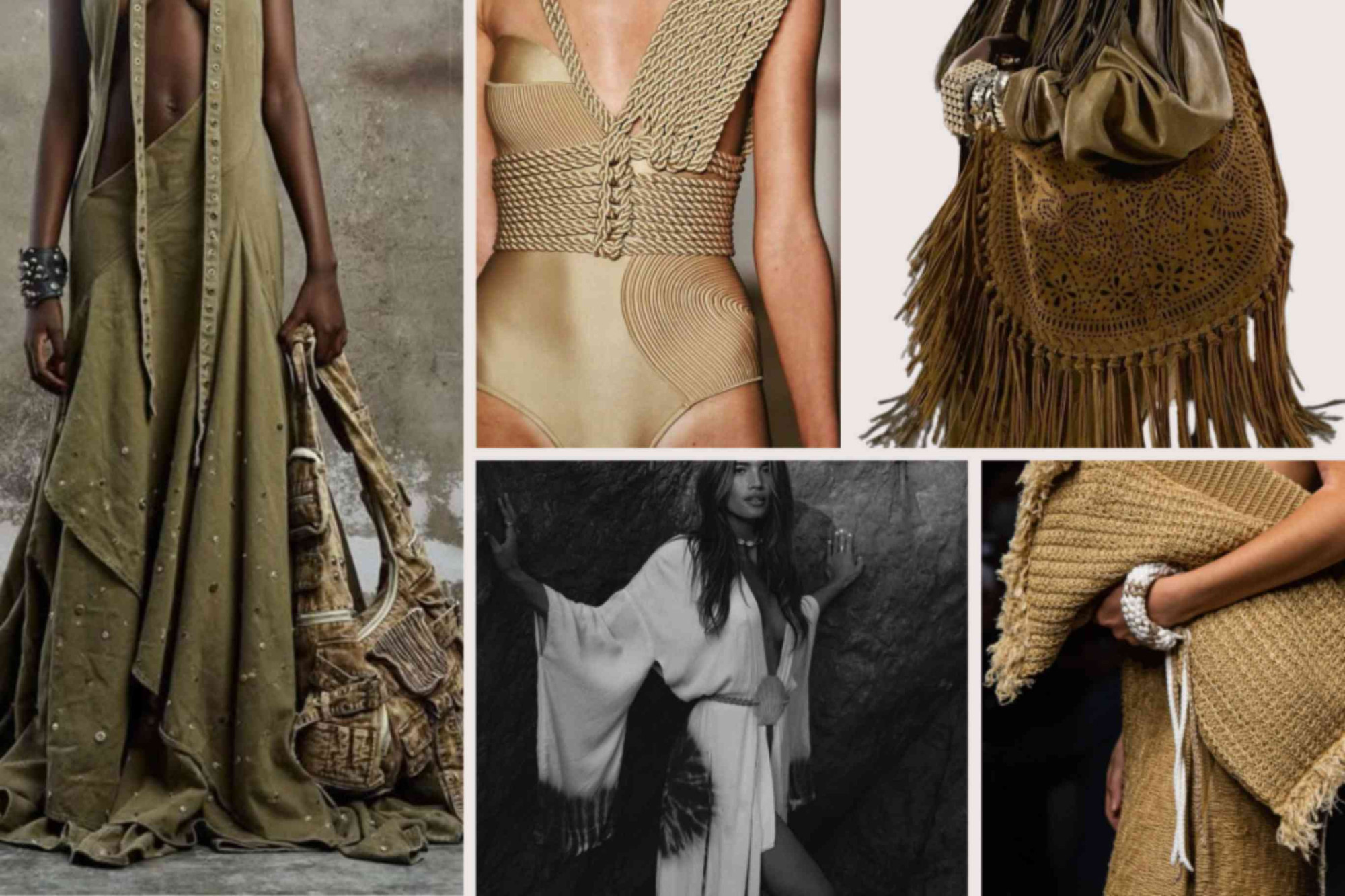
After several seasons dominated by oversized and relaxed silhouettes, the waist is becoming more visible again in dresses, tops and tailoring.
This does not necessarily mean returning to tightly fitted clothing. Many current silhouettes keep volume through the skirt, sleeves or upper body while bringing definition specifically to the waist.
Wide waistbands are one way to achieve this. They create a clear division between the upper and lower body and work particularly well with long skirts and wide-leg trousers. On dresses, a fitted central section can provide structure while the rest of the fabric remains loose.
Belts offer a more flexible approach. Wide leather styles create a stronger shape, while fabric belts and cords give softer dresses more definition without changing their relaxed character.
Designers are also building the waist directly into garments. Corset-inspired panels, gathered sections and shaped seams can create definition without adding a separate belt. This works particularly well on monochrome looks where construction becomes part of the design.
Proportion is important. A defined waist combined with a long skirt can make the lower half of the silhouette appear longer. With wider sleeves or a more voluminous top, it also helps balance the overall shape.
The look works across very different styles. A structured olive maxi dress, a lightweight cream dress and a fitted top with relaxed trousers can all use the same principle without looking alike.
The renewed focus on the waist is therefore less about one specific trend and more about proportion. Volume remains part of fashion, but it is increasingly being combined with a clearer shape.
#DefinedWaist #FashionSilhouettes #ContemporaryFashion #StyleDetails #LesCouleursSauvages
Les Couleurs de Safari @lescouleurssauvages
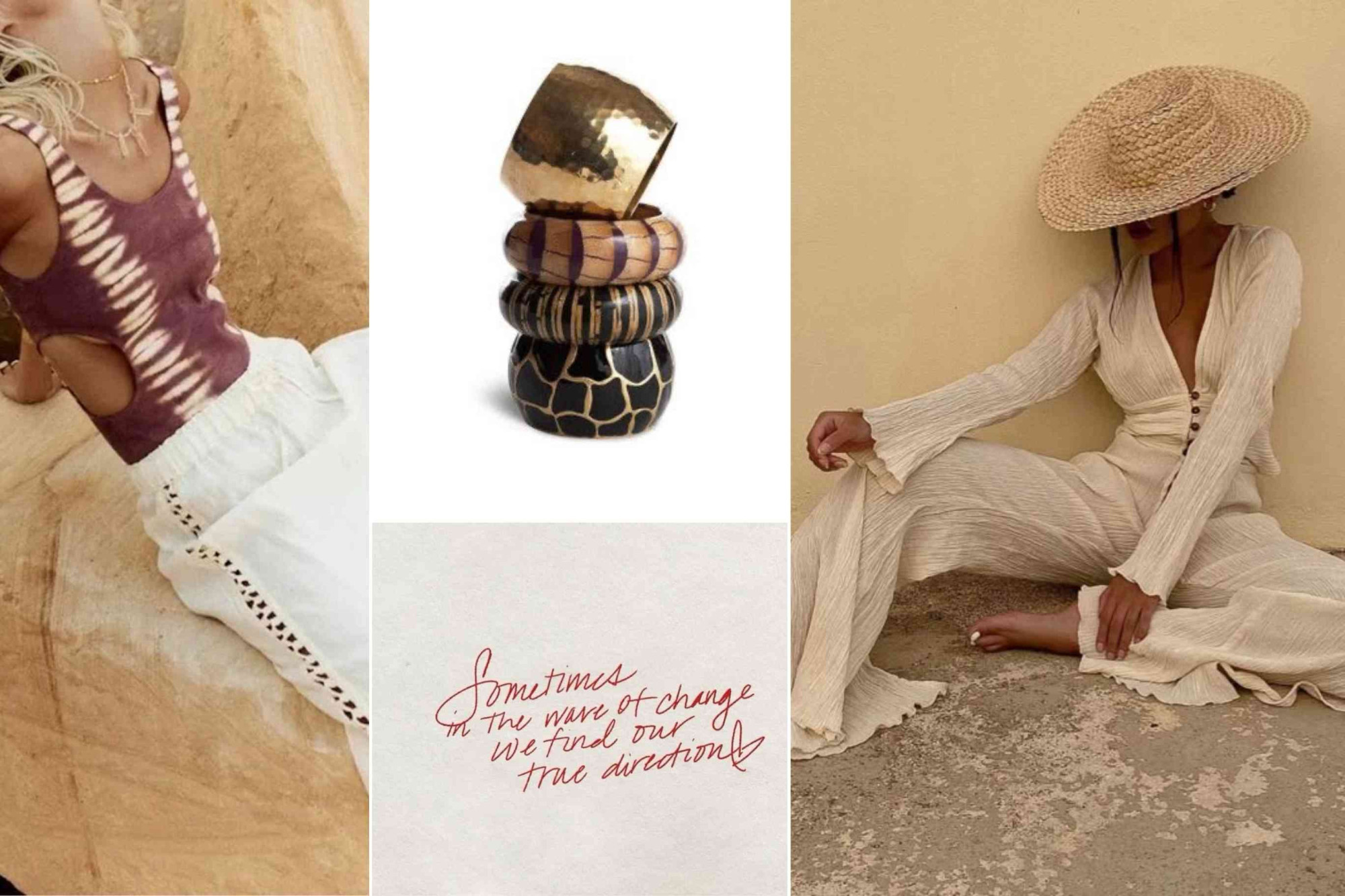
Tie-dye is no longer limited to bright colour combinations and festival clothing. In neutral and earthy shades, the print can work surprisingly well in a more considered wardrobe.
Brown, burgundy, olive, black and cream give tie-dye a very different appearance from the familiar rainbow versions. With fewer colours involved, the pattern becomes easier to combine with pieces already in a wardrobe.
The type of garment also matters. On a fitted top or bodysuit, tie-dye can function almost like an abstract print. Combined with a white maxi skirt or relaxed trousers, it adds pattern without taking over the complete outfit.
Larger, irregular markings tend to feel more contemporary than very small repeated patterns. They also make every section of the garment look slightly different, particularly when the print continues across seams and fitted shapes.
For an understated combination, one printed piece is usually enough. White, ecru, denim, khaki and chocolate brown all provide a simple base. Jewellery in wood, metal or resin can pick up the warmer tones without introducing another print.
Tie-dye can also work outside summer. Darker colour combinations on knits, long-sleeved tops and dresses make the technique suitable for autumn wardrobes as well.
Choosing a restrained palette changes the character of tie-dye considerably. The technique remains recognisable, but the result feels less associated with beach and festival dressing and easier to incorporate into everyday fashion.
#TieDye #PrintedFashion #EarthyStyle #ContemporaryFashion #LesCouleursSauvages
Les Couleurs de Safari @lescouleurssauvages
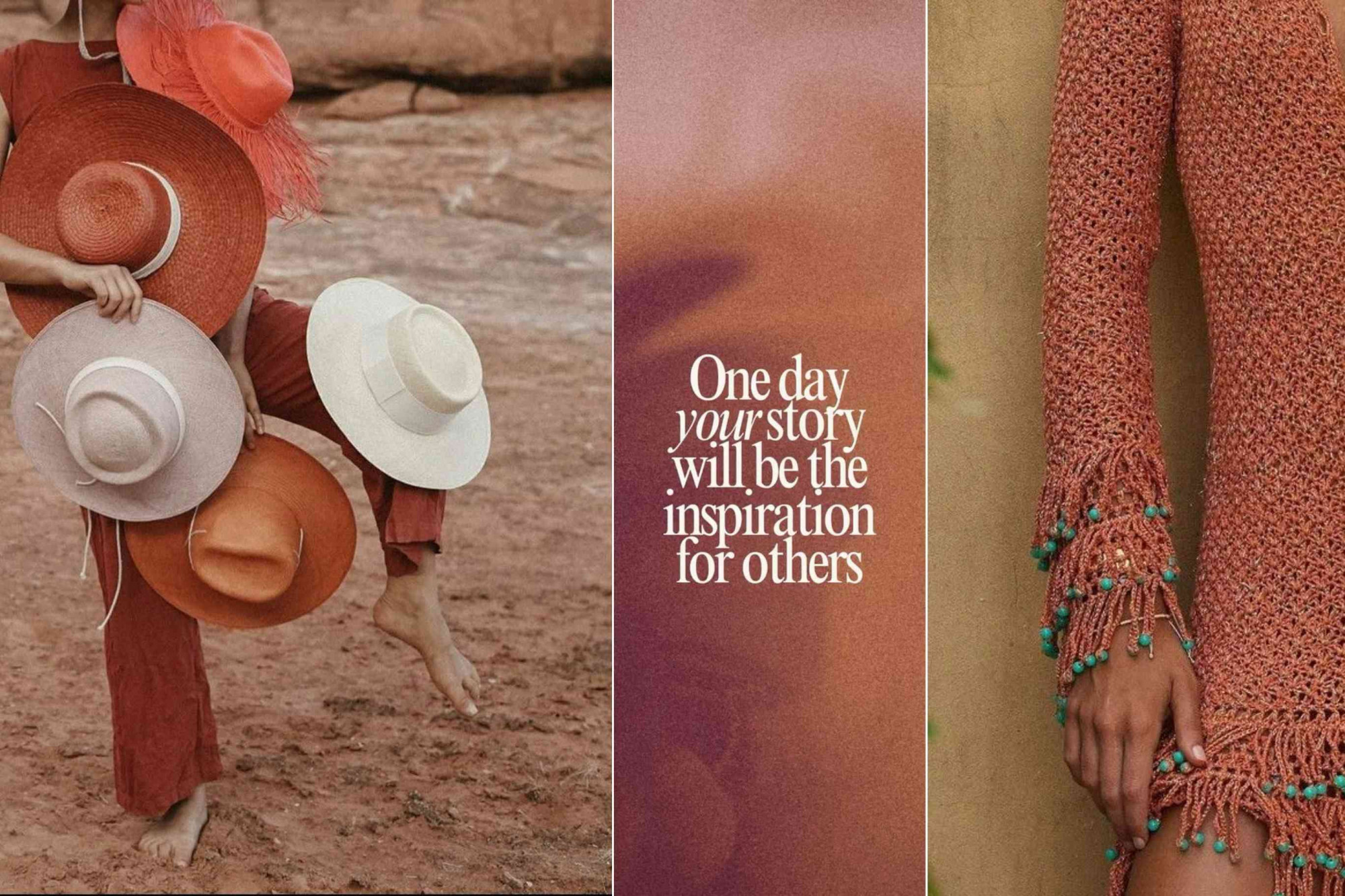
Crochet has become a regular part of summer fashion, with the technique now used for complete dresses, skirts, trousers and matching sets as well as traditional tops and accessories.
One reason crochet works particularly well for warm-weather clothing is its open construction. Depending on the stitch, a garment can range from relatively dense to almost transparent. Designers can therefore use the same technique for very different types of clothing.
The fit has also changed. Crochet is no longer limited to loose beach cover-ups. Fitted maxi dresses, long-sleeved tops and narrow skirts give the material a cleaner silhouette, while oversized stitches create a more relaxed result.
Colour makes a noticeable difference. Cream and white remain popular, but rust, chocolate brown, olive and terracotta give crochet a less traditional appearance. These deeper shades also make it easier to carry crochet into late summer and early autumn.
What is worn underneath matters because of the open weave. A tonal slip creates more coverage without hiding the texture, while a bodysuit or simple underwear can make the open sections more visible. Some garments combine tighter and more open stitches so that coverage is already incorporated into the design.
Decorative details can be added directly to the crochet. Beads, small stones, tassels and contrasting threads can be worked into cuffs, hems and necklines instead of being added as separate accessories.
For everyday wear, crochet is easiest to combine with simpler materials. Linen trousers, a plain skirt, leather sandals or a structured bag provide contrast and prevent an outfit from becoming too beach-oriented.
#CrochetFashion #SummerFashion #FashionTextures #EarthyStyle #LesCouleursSauvages
Les Couleurs de Safari @lescouleurssauvages
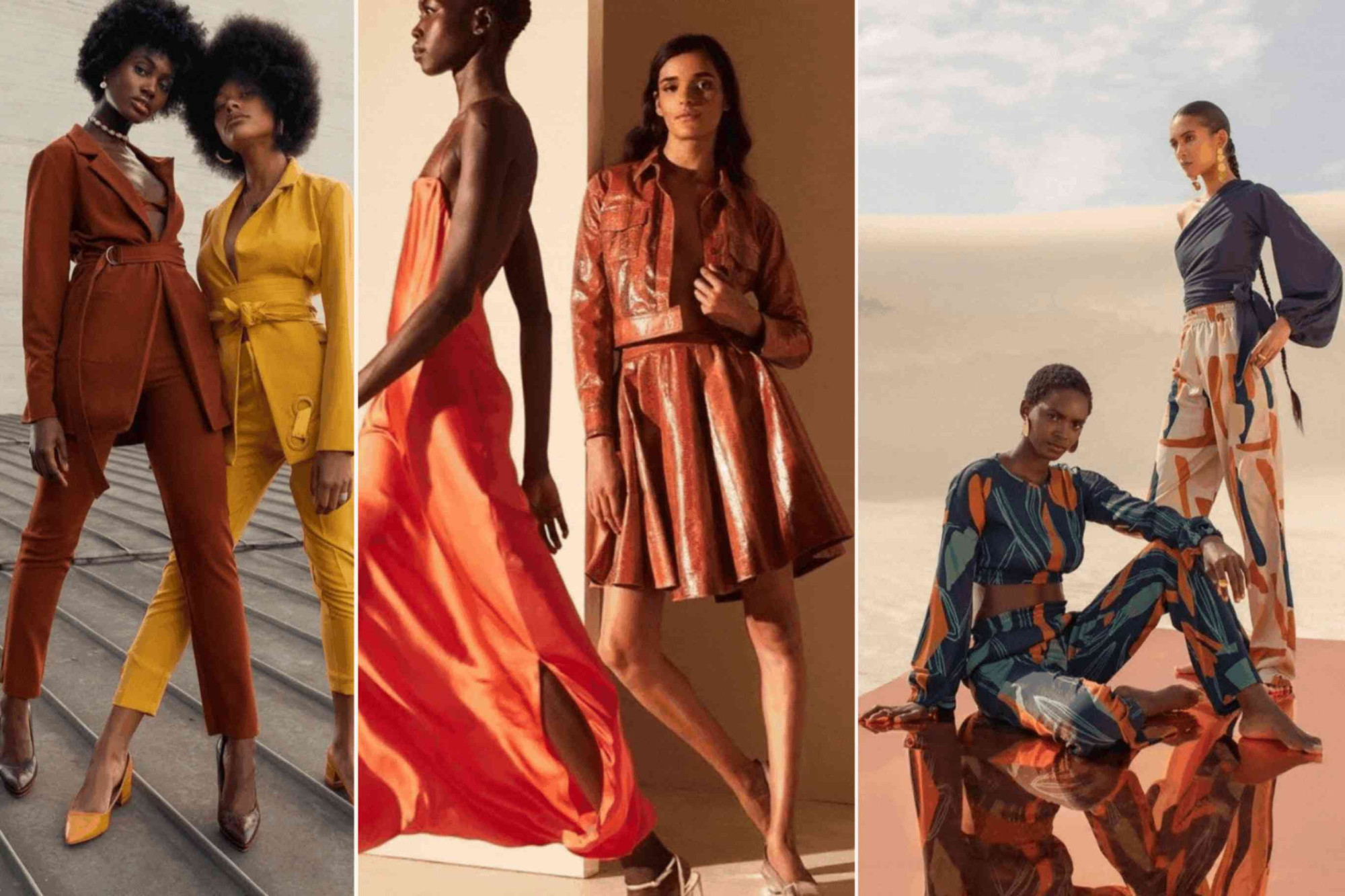
An earthy wardrobe does not have to stay within brown, beige and khaki. Stronger colours can work particularly well when they share the same warm or muted character.
Rust and terracotta are useful starting points because they already sit close to traditional earth tones. Combining them with mustard yellow creates more contrast while keeping the overall palette warm. This works particularly well in tailoring, where a jacket and trousers provide large, clearly defined blocks of colour.
Red and orange can be used in the same way. Instead of adding them only through accessories, a dress, skirt or jacket can become the main colour in the outfit. Brown leather, tobacco and warm neutrals help balance brighter shades.
Blue creates a different effect. Navy and deep indigo provide a cooler base for rust, ochre and orange. In a printed outfit, these colours can be repeated across several pieces without looking disconnected.
The intensity of the colour matters. Mustard, burnt orange, brick red and deep blue are generally easier to combine with earthy shades than very bright primary colours because their undertones are less sharp.
Texture can also affect how strong a colour appears. Suede and matte fabrics soften rust and yellow, while leather and satin make the same colours look richer and more noticeable.
A simple way to build these combinations is to start with one familiar earth tone and add one stronger shade. Once the colours share a similar depth or warmth, the result can remain cohesive even when the individual pieces are quite bold.
#ColourInFashion #EarthTones #ColourStyling #ContemporaryFashion #LesCouleursSauvages
Les Couleurs de Safari @lescouleurssauvages
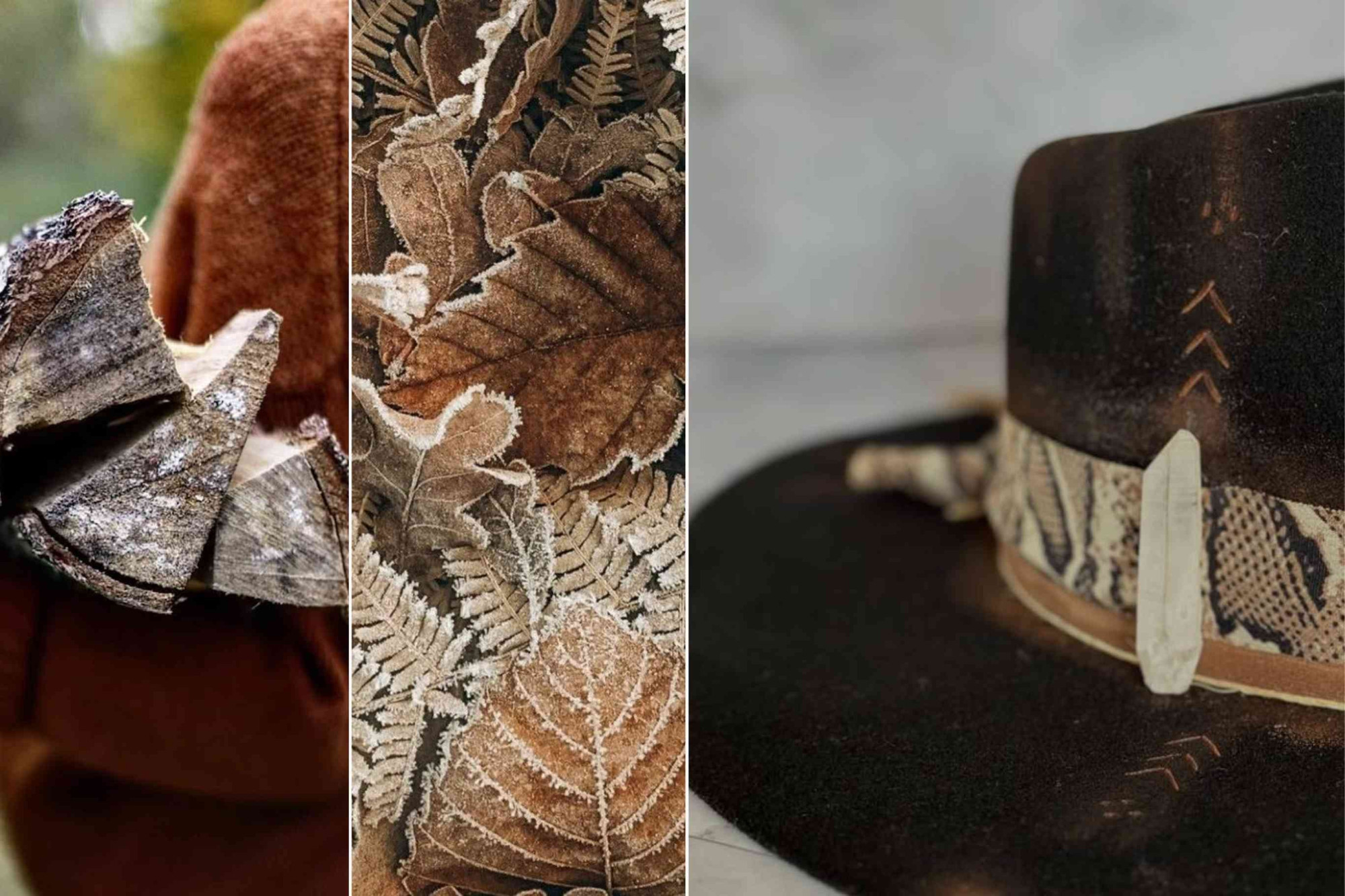
Natural materials are increasingly visible in fashion accessories, particularly in pieces where their original texture and irregular shape remain part of the design.
Stone is a good example. Instead of being highly polished and set like traditional jewellery, it can appear as a buckle, closure or decorative element on a belt, bag or hat. The irregular surface gives every piece a slightly different finish.
Wood is being used in a similar way. Large wooden beads, handles and buckles work particularly well with leather and woven materials. Darker woods create a stronger look, while lighter varieties combine easily with linen, raffia and summer clothing.
Leather also changes depending on its finish. Smooth, polished leather feels more formal, while washed, distressed and naturally marked surfaces create a less uniform appearance. These finishes work particularly well on belts, boots and bags.
Combining several materials can make a simple accessory more distinctive. A leather belt with a stone buckle or a woven bag with wooden handles introduces contrast without relying on bright colour or a large logo.
The shape of these details is usually kept simple. When a stone, piece of wood or textured metal already has a strong surface, complicated decoration is rarely necessary.
These accessories work particularly well with plain clothing because the material itself provides the detail. A simple dress, knit or jacket gives an unusual buckle, cuff or bag enough space to stand out.
#FashionAccessories #NaturalMaterials #AccessoryDetails #FashionDetails #LesCouleursSauvages
Les Couleurs de Safari @lescouleurssauvages
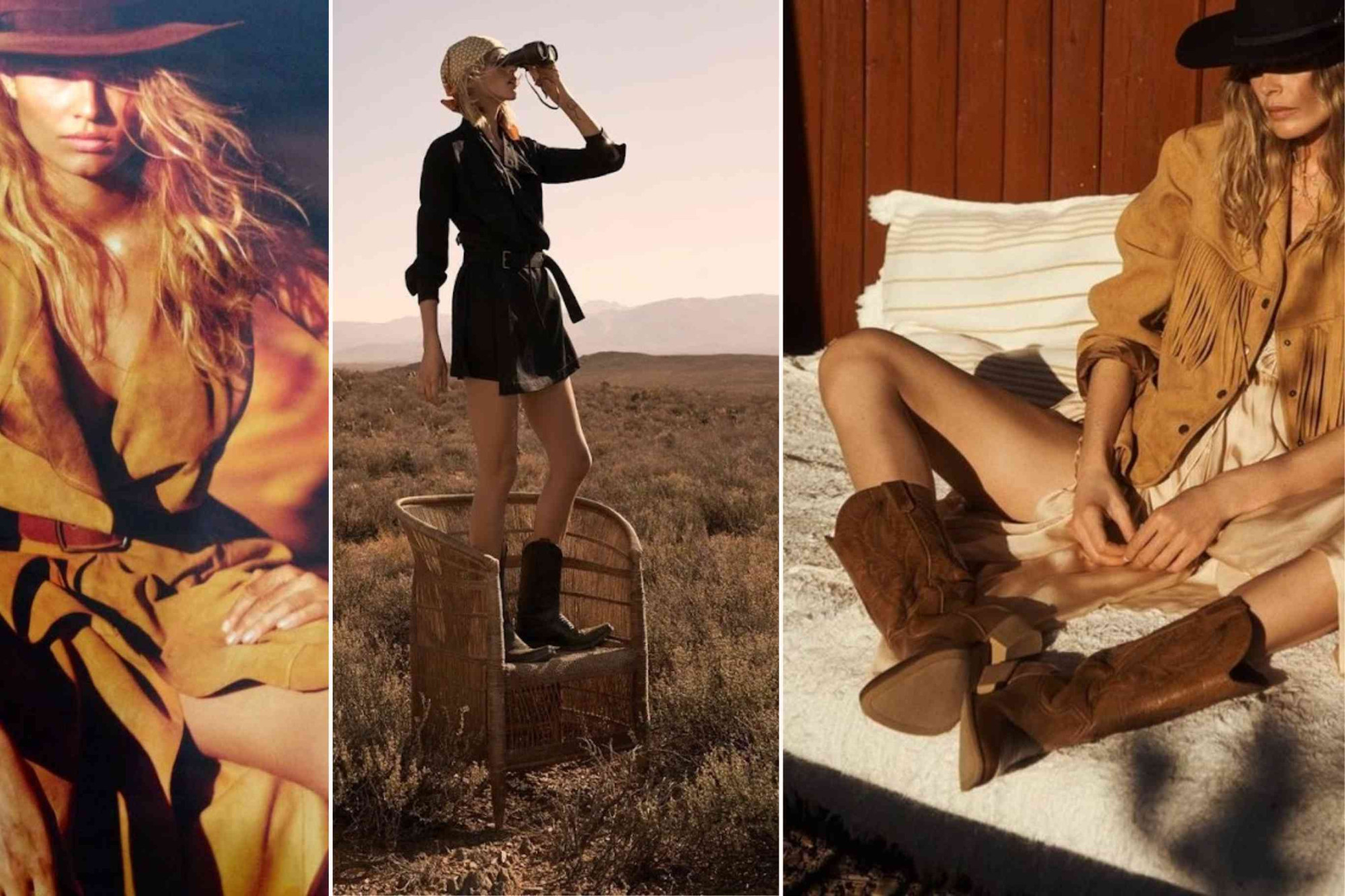
The combination of shorts or a short dress with higher boots creates a strong silhouette because most of the volume and visual weight sits at the lower part of the outfit.
Knee-high and mid-calf boots work particularly well with shorter lengths because there is enough space between the hem and the top of the boot. The result feels more balanced than combining a very short hem with an equally delicate shoe.
The choice of boot changes the outfit considerably. Western boots introduce a casual element, while a cleaner knee-high boot makes the same shorts or dress feel more polished. Slouchy suede styles create a softer shape around the leg.
Proportion matters at the top as well. A loose shirt, relaxed jacket or slightly oversized layer balances a short bottom without making the outfit overly fitted. A belt can then bring some definition back to the waist.
The combination becomes more interesting when the materials contrast. Lightweight cotton or a fluid dress paired with substantial leather or suede boots gives both pieces more definition. Denim and tailored shorts offer a more structured alternative.
Colour can keep the look understated. Brown boots with cream, camel or black clothing create an easy combination, while matching the boots exactly to the rest of the outfit is unnecessary.
Accessories determine how strongly the outfit leans into western style. Add a hat, fringe and a large belt and the reference becomes obvious. Leave those elements out and the boots can simply function as the stronger part of an otherwise contemporary outfit.
#HighBoots #BootStyle #FashionStyling #OutfitProportions #LesCouleursSauvages
Les Couleurs de Safari @lescouleurssauvages
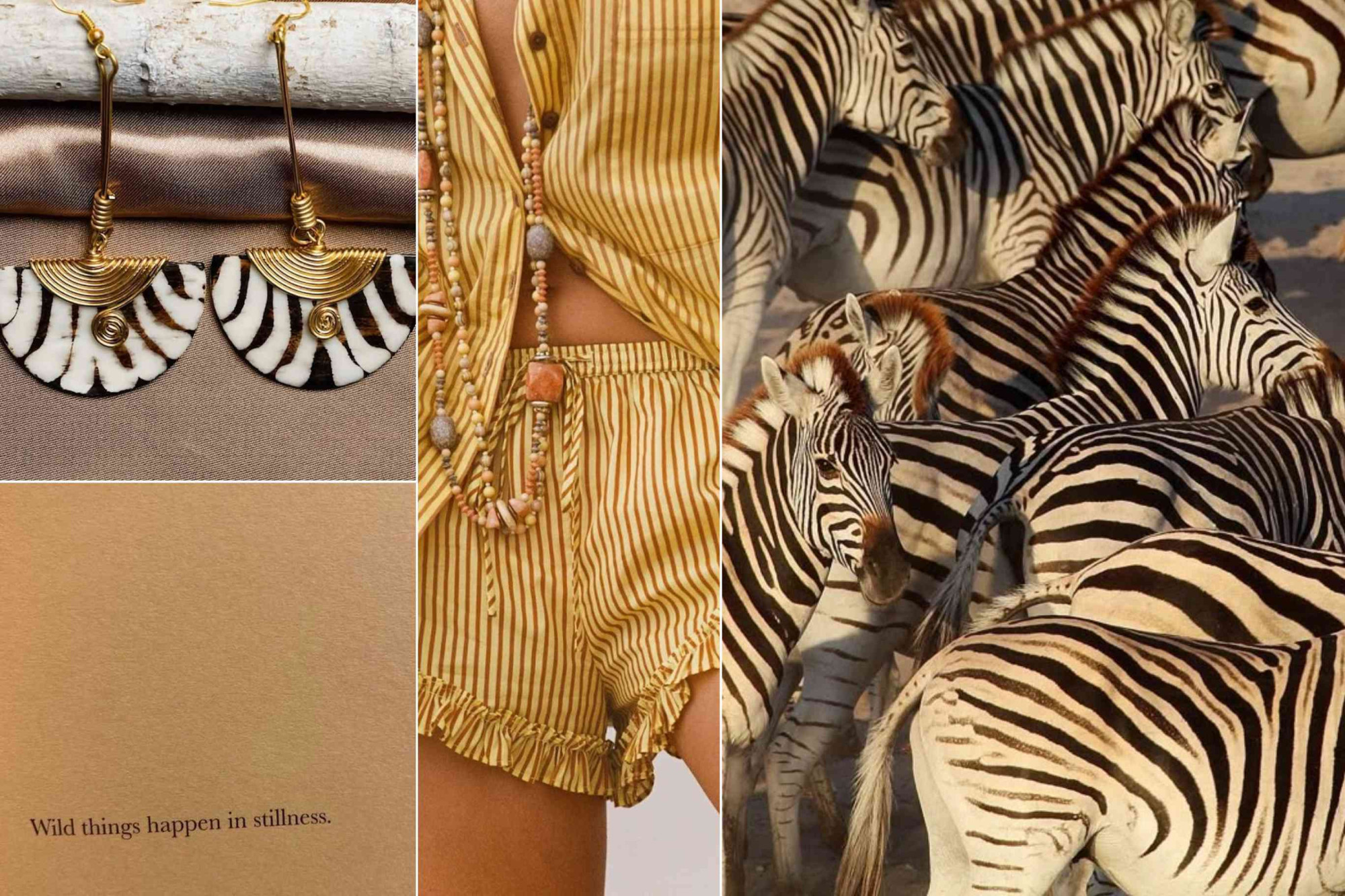
Stripes and animal prints can work surprisingly well together because many animal patterns already contain the same repetition of lines, contrast and irregular spacing.
The easiest combination starts with colour. Zebra print naturally works with black and white stripes, but warmer versions can also be paired with cream, camel, brown and ochre. Keeping the colours related allows the patterns themselves to provide the contrast.
The width of the stripe matters. Fine stripes have less visual impact and can therefore sit next to a stronger animal print without competing with it. Wider stripes make a bigger statement and work better when the second print appears only on an accessory.
Scale is another useful consideration. Two large prints can quickly dominate an outfit. Combining a small repeated stripe with a larger zebra or animal motif gives each pattern a clearer role.
Accessories are an easy place to experiment. Zebra earrings, a printed belt, scarf or bag can be worn with striped clothing without turning the complete outfit into a print mix.
The same principle works with other patterns. Tiger stripes can be combined with warm brown linear prints, while snake-inspired accessories work well with narrow neutral stripes.
There is no need to match patterns exactly. In fact, slight differences in line, scale and spacing usually make the combination more interesting. The connection comes from repeating part of the colour palette or the graphic character of the prints.
For a more understated result, the rest of the outfit can remain plain. A striped shirt with neutral trousers and one animal-print accessory is enough to introduce the idea without making every element compete for attention.
#PrintMixing #AnimalPrint #Stripes #FashionStyling #LesCouleursSauvages
Les Couleurs de Safari @lescouleurssauvages
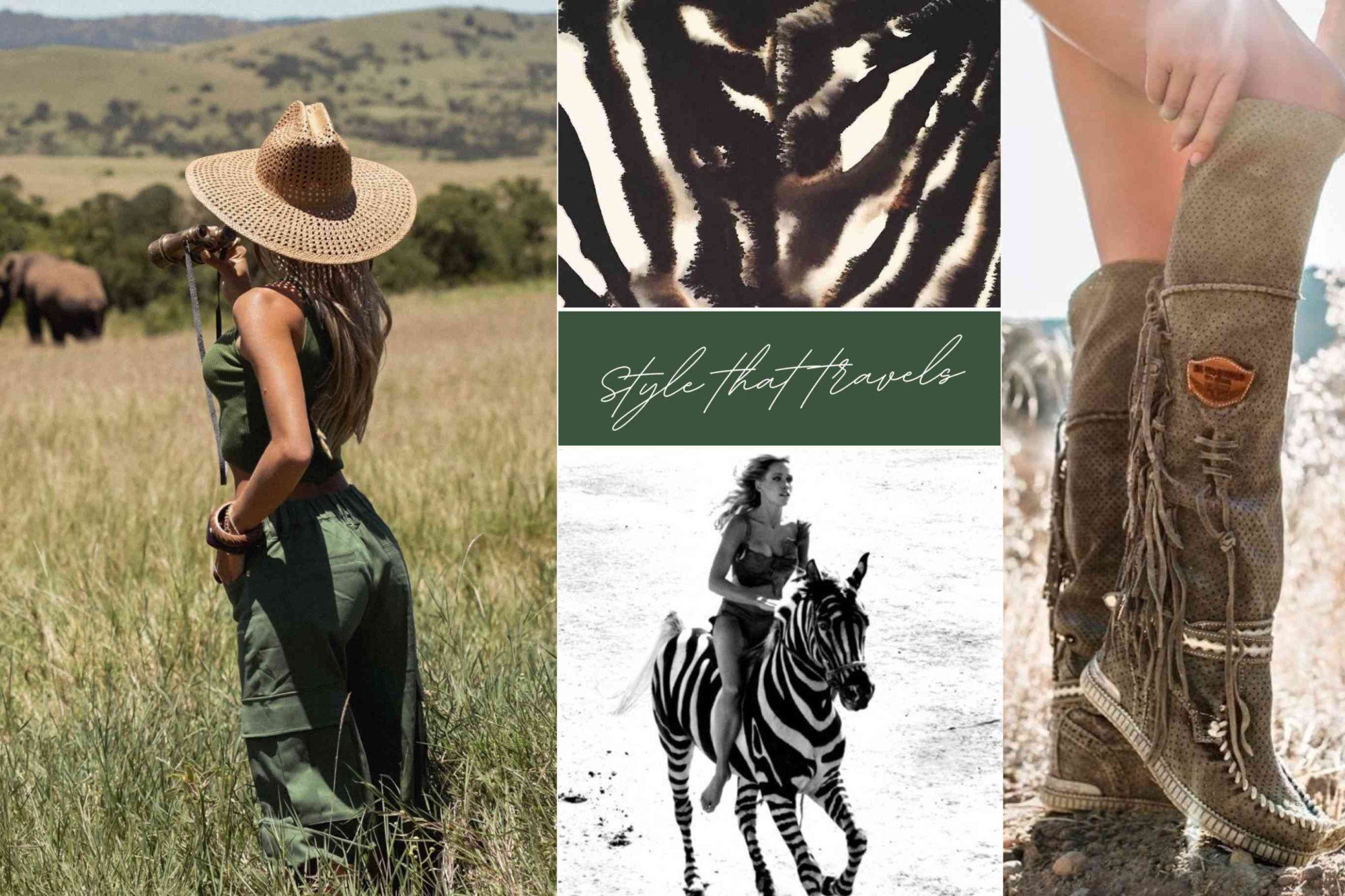
Safari-inspired fashion works best in an everyday wardrobe when only a few recognisable elements are used at the same time.
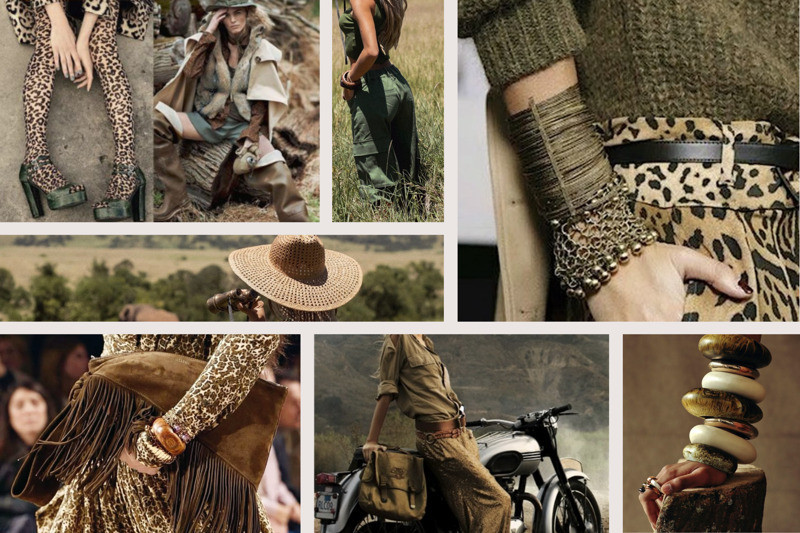
Khaki trousers are an easy starting point. Cargo pockets, relaxed cuts and cotton fabrics give them a utility influence, but they can be worn with a simple knit, white shirt or fitted top instead of a complete safari outfit.
Animal print can play a similar role. Leopard trousers or a printed bag already make a strong statement, so the rest of the outfit can remain relatively simple. Olive, cream, brown and black are particularly easy colours to combine with these prints.
Accessories can introduce the style in smaller proportions. A wide leather belt, substantial bracelets, a canvas bag or a woven hat can change a basic outfit without making it look themed.
Mixing polished and practical pieces also makes the look more current. Cargo trousers with jewellery, a utility jacket over a dress or leopard print with a simple knit creates contrast between different types of clothing.
Proportion is worth considering too. Loose trousers or an oversized jacket usually work better with something more fitted elsewhere in the outfit. This prevents utility pieces from making the complete silhouette too heavy.
There is also no need to stay entirely within beige and khaki. Black, dark green, denim and white can break up the traditional safari palette, while leopard and other prints provide stronger accents.
The most wearable version of safari-inspired fashion is therefore built from individual references. Utility trousers, animal print, leather or statement jewellery can each bring part of the look into a contemporary wardrobe without turning it into a costume.
#SafariStyle #UtilityFashion #AnimalPrint #ContemporaryStyle #LesCouleursSauvages
Les Couleurs de Safari @lescouleurssauvages
A statement bracelet can bring pattern, texture and proportion into an outfit without adding several different accessories at once.
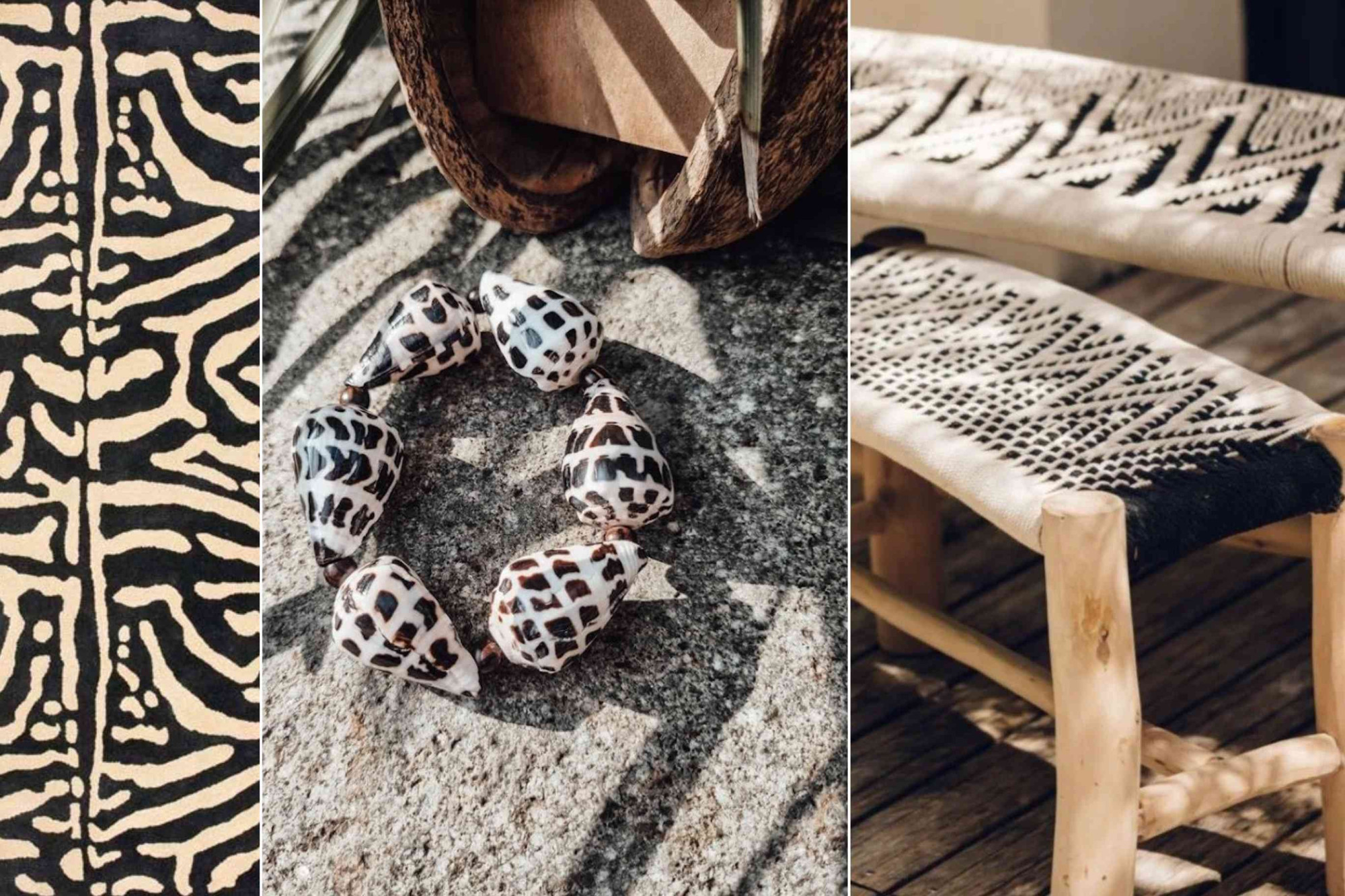
Larger bracelets and cuffs naturally draw attention to the wrist. Their impact can come from width, shape or material, but also from graphic patterns such as black and white, stripes or irregular markings.
Scale is one of the main differences between a statement bracelet and a conventional bangle. A single oversized piece can take the place of several smaller bracelets, particularly when it has a strong surface or unusual construction.
Natural and textured materials work particularly well in larger designs. Shell, horn, wood, resin and hammered metal each create a different finish and can make relatively simple shapes more distinctive.
Black and white patterns are especially easy to style because they work with both neutral and stronger colours. Combined with linen, denim, a simple dress or monochrome clothing, a graphic bracelet can become the main detail of the outfit.
The shape of the sleeve also matters. Statement bracelets are most visible with sleeveless clothing, short sleeves or sleeves that finish above the wrist. With longer sleeves, a cuff can sometimes be worn over fine fabric for a stronger fashion look.
Mixing several large bracelets is possible, but the proportions need more attention. Combining different widths within a similar colour palette usually looks more balanced than stacking several equally dominant pieces.
A statement bracelet is therefore useful when an outfit needs one clear accessory. Instead of adding earrings, necklaces and several smaller bracelets, one substantial piece can be enough.
#StatementBracelet #StatementJewellery #FashionAccessories #JewelleryStyle #LesCouleursSauvages