Become Part of Les Couleurs du Monde
Share your brand through our magazine, destinations, shop and creator community. Contact: info@lescouleursdumonde.com
Style & Fashion @safaristyle
Travel Dressing
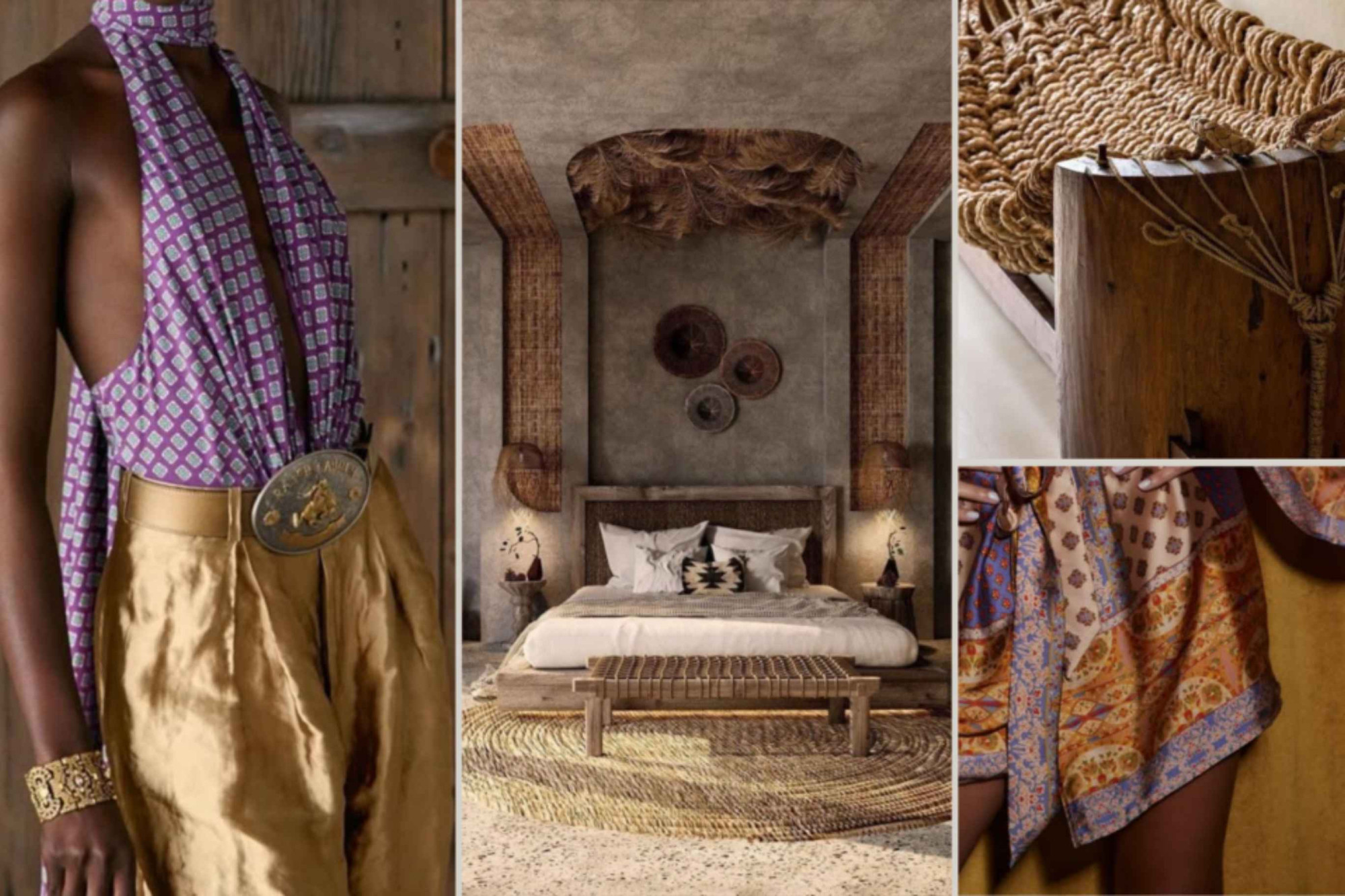
A metallic gold skirt paired with a purple geometric halterneck top creates an interesting alternative to traditional safari-inspired fashion. The combination introduces colour, structure and contrasting textures into a wardrobe usually associated with neutral tones and practical clothing.
The gold skirt provides a strong silhouette, while the fitted top balances its volume. A statement belt and gold jewellery add definition without requiring additional layers.
This type of outfit is particularly suited to evenings spent at a boutique hotel, a private dinner or an occasion during a longer journey. It offers a more expressive approach to travel dressing while remaining easy to adapt through accessories.
Combining Colour and Texture
Metallic fabrics work particularly well alongside materials with a less reflective finish. Leather sandals, woven bags and natural-fibre accessories can soften the overall appearance without competing with the clothing.
The purple geometric print introduces another dimension. Its pattern contrasts with the solid gold fabric, while the warm metallic tone provides a connection between the two pieces.
For travel, separating statement pieces into different outfits also makes them more versatile. The halterneck top can be paired with relaxed linen trousers, while the skirt works with a simple cotton or silk top.
The result is a small selection of pieces that can be worn in different combinations rather than a single outfit reserved for one occasion.
Stay Inspiration | Rosyth Estate House, Sri Lanka
Located near Kegalle, Rosyth Estate House occupies a restored planter's bungalow dating from 1926, set within a working tea and rubber estate.
The property combines traditional Sri Lankan architecture with individually designed accommodation, timber furniture and local artwork.
Guests can explore the estate, learn about tea cultivation and production or participate in a Sri Lankan cooking experience.
Its intimate setting offers an interesting alternative to larger resorts and a suitable destination for travellers who appreciate distinctive accommodation and local experiences.
Discover Sri Lanka in Our Magazine
Sri Lanka is also featured in the fifth edition of Les Couleurs du Monde Magazine, with further inspiration on the country's landscapes, culture and places to stay.
Discover Sri Lanka in the Fifth Edition
#LesCouleursSauvages #SafariStyle #SriLanka #TravelFashion #MetallicFashion #GeometricPrints #RosythEstateHouse #BoutiqueStays #LesCouleursDuMonde
Style & Fashion @safaristyle
Wear your hat with pride
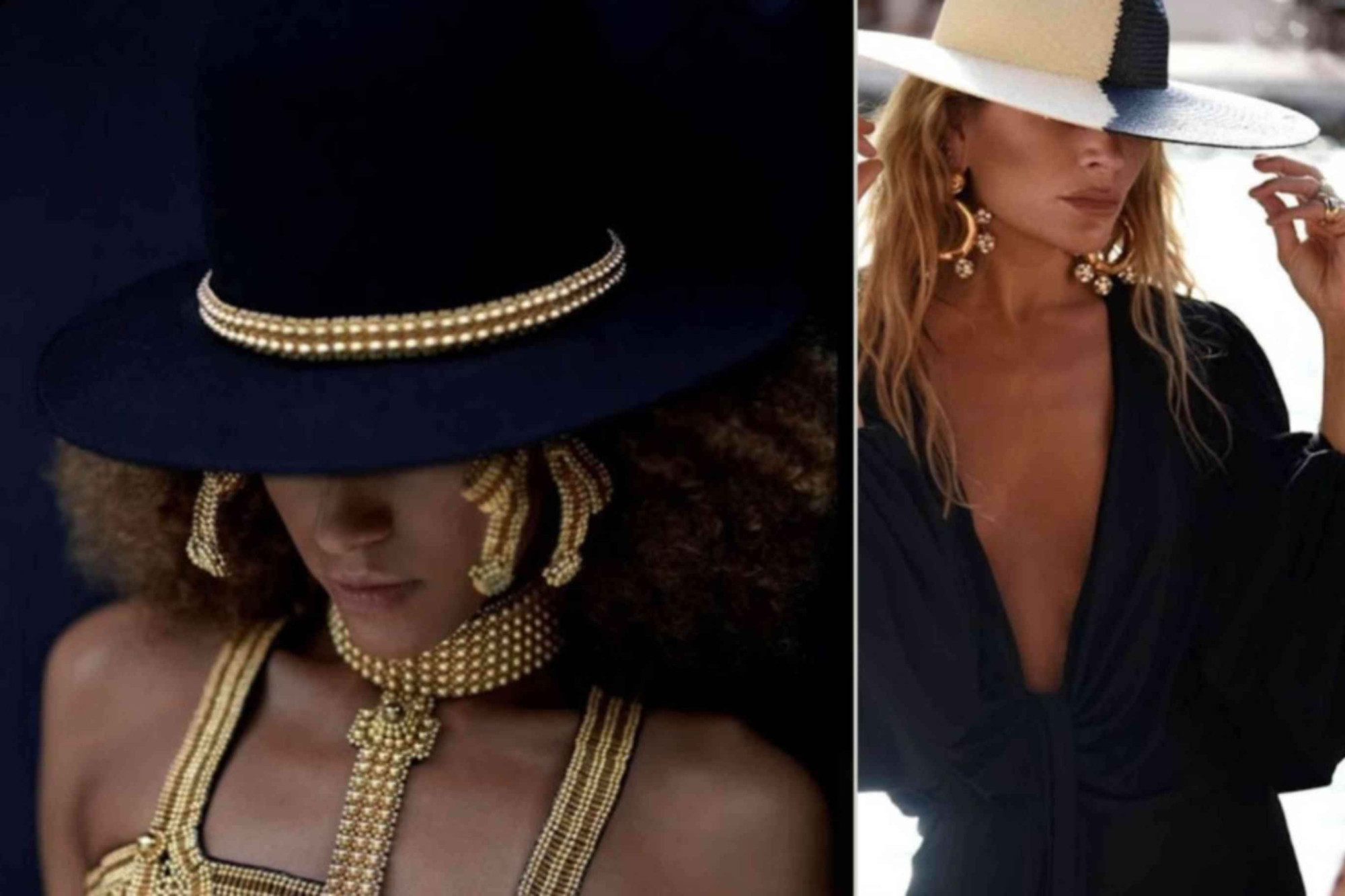
A wide-brimmed hat can become the defining element of an outfit. Its shape, colour and decorative details influence the overall silhouette, particularly when combined with simple clothing.
The contrast between a dark hat, gold jewellery and a black dress creates a distinctive evening look. Pearl embellishments, decorative bands and metallic accents introduce elements traditionally associated with jewellery into hat design.
This approach offers an alternative to classic safari-inspired accessories. A statement hat can be worn for an outdoor celebration, an evening at a boutique lodge or a special occasion during a journey.
Millinery from Ibiza
Based on Ibiza, Mar Calvo creates personalised hats through her independent label Calvo Hats.
Her work centres on individual designs, allowing clients to choose the shape, colour and decorative finishing of their hats.
Rather than selecting a standard accessory, customers can develop a piece that complements their wardrobe and personal preferences.
This approach is particularly interesting for statement hats, where the proportions of the brim, the colour of the material and the placement of decorative details determine the final appearance.
Calvo Hats represents a more personal approach to accessories, with individual design choices forming an important part of the finished piece.
Choosing a Hat for Different Occasions
A wide-brimmed hat can complement a flowing dress or a tailored outfit, while a fedora introduces a more structured silhouette.
For evening dressing, dark colours combined with gold jewellery create a strong contrast. A decorative hatband can provide sufficient detail without requiring several additional accessories.
For daytime travel, lighter materials and a comfortable fit become more important. Sun protection, breathability and the ability to transport the hat safely should also influence the choice.
Commissioning a personalised hat allows these practical considerations to be discussed alongside the design, making the finished accessory suitable for the occasions on which it will be worn.
#LesCouleursSauvages #StyleAndFashion #CalvoHats #MarCalvo #IbizaDesigners #StatementHats #Millinery #FashionAccessories #LesCouleursDuMonde
Style & Fashion @safaristyle
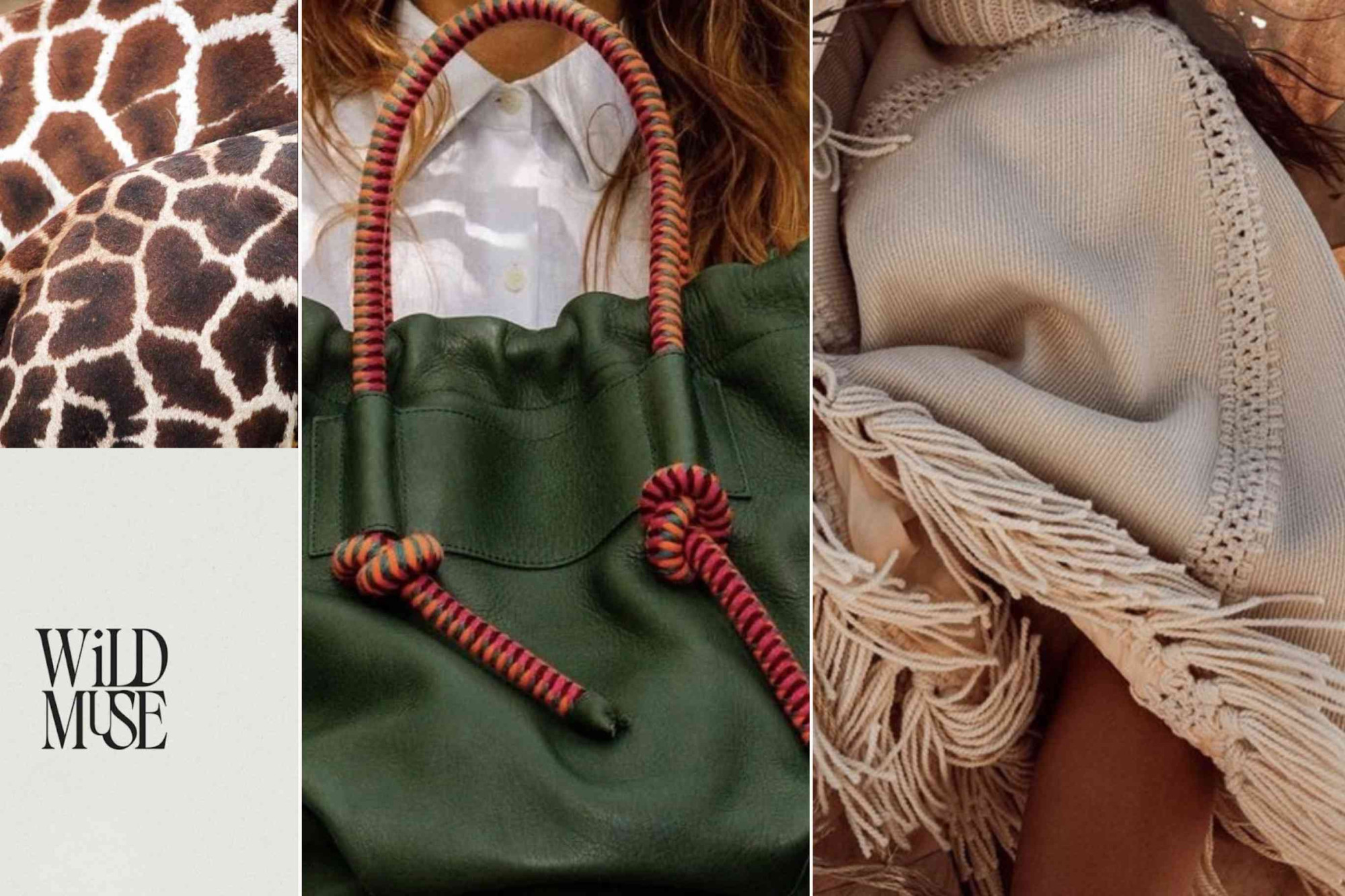
Safari Essentials: The Right Bag
A safari wardrobe requires practical accessories that can accompany travellers from game drives to lodge activities without adding unnecessary weight.
For a typical game drive, a compact day bag is useful for carrying sunglasses, sunscreen, a phone, travel documents and personal essentials. A secure closure helps protect belongings from dust, while Designed for Safari Travel
South African designer and traveller Celia du Preez is the founder of Celia in Africa, a brand influenced by her experience organising luxury safari expeditions across southern Africa.
Her Canvas and Leather Safari Range is produced by a small group of artisans in Zululand, KwaZulu-Natal, who have been making these bags for more than a decade.
The collection uses heavyweight cotton canvas treated to repel water and resist dirt, with genuine leather trims, antique brass fittings and heavy-duty zips.
Available in olive green and sand, the range includes several designs intended for different travel requirements.
The Day Bag is an option for everyday essentials, while the Tour Bag offers additional capacity, external pockets and an adjustable shoulder strap. Larger Safari and Weekend Bags are available for transfers and short trips.
The collection demonstrates how practical travel equipment can be developed with attention to materials, durability and appearance.
From Game Drives to Lodge Life
The most suitable bag depends on the activities planned during a safari.
For game drives, a small zipped bag is generally preferable to an open tote, particularly when travelling in an open vehicle. A crossbody strap can also be useful when moving between vehicles and accommodation.
Walking safaris require a different approach. A lightweight backpack with secure straps keeps both hands free and distributes weight more evenly.
At the lodge, a softer handbag can be used for lunch, dinner or relaxed afternoons. Decorative handles, woven details and richer colours offer opportunities to introduce a more individual style.
For travellers taking light-aircraft transfers between safari camps, it is important to check luggage restrictions in advance. Some operators require soft-sided bags and impose strict weight limits.
#LesCouleursSauvages #StyleAndFashion #SafariStyle #SafariDayBag #CeliaInAfrica #SouthAfricanDesign #SafariAccessories #TravelWardrobe #LesCouleursDuMonde
Style & Fashion @safaristyle
The Bohemian Boot
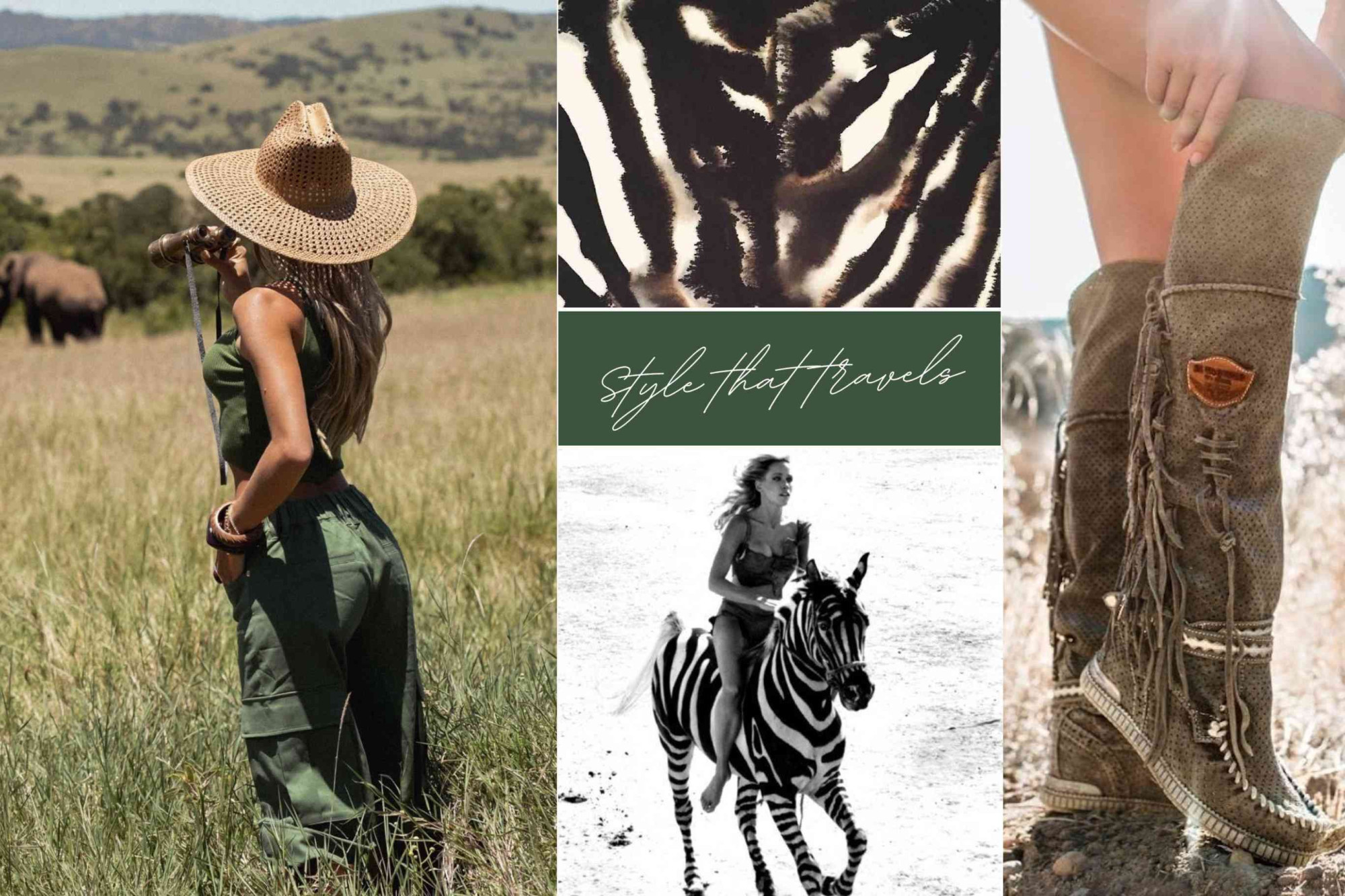
Suede, decorative stitching and long fringes give bohemian boots their distinctive character. Italian footwear brand El Vaquero has developed its own interpretation of this style through handcrafted designs influenced by moccasin construction and Western footwear.
Founded in Italy in 1975, El Vaquero specialises in leather footwear with a recognisable bohemian identity.
Under the creative direction of Valerio Giuntoli, the brand combines traditional shoemaking techniques with distinctive materials, decorative finishes and unconventional silhouettes.
Soft suede, hand-finished leather, visible stitching and fringed details are recurring elements throughout its collections. Many designs also incorporate concealed wedge heels, creating additional height while maintaining the appearance of a relaxed boot.
The result is footwear that combines elements of moccasin and Western design with a more contemporary interpretation of bohemian fashion.
Three Interpretations of the Bohemian Boot
The El Vaquero collection offers several approaches to this distinctive style.
Esme Silverstone Mou is a tall suede boot with long fringes, decorative stitching and a concealed wedge heel. Its elongated silhouette makes it particularly suitable for wearing with shorter dresses, skirts or fitted trousers.
Drifter Silverstone Corda offers a more relaxed alternative. Its flat construction, moccasin-inspired shape, lacing and decorative details create a different silhouette, particularly suited to casual dressing.
Arya Silverstone Corda is another characteristic El Vaquero design. Combining a moccasin-inspired upper with a concealed wedge, it offers an alternative for those who prefer a shorter, more versatile boot.
Each design demonstrates how variations in height, construction and decorative finishing can give a familiar footwear style a different character.
Bohemian Boots and Safari-Inspired Style
Earthy colours, natural materials and practical silhouettes have long influenced safari-inspired fashion.
Suede boots in shades of sand, taupe, tobacco and chocolate brown complement olive-green jumpsuits, cotton dresses, linen trousers and lightweight knitwear.
The combination of a structured safari-style outfit with softer fringed footwear creates an interesting contrast. Decorative boots can become the defining element without requiring additional statement accessories.
For travel, these designs are best suited to relaxed days, evenings at a lodge or destinations where extensive walking is not planned.
Although their appearance complements a safari-inspired wardrobe, suede fashion boots are not intended to replace technical walking footwear for guided bush walks or demanding terrain.
Explore El Vaquero's Collection
#LesCouleursSauvages #StyleAndFashion #ElVaquero #ItalianDesign #BohemianBoots #SuedeBoots #FringedBoots #SafariInspiredStyle #ItalianCraftsmanship #LesCouleursDuMonde
Style & Fashion @safaristyle
The Printed Two-Piece Set
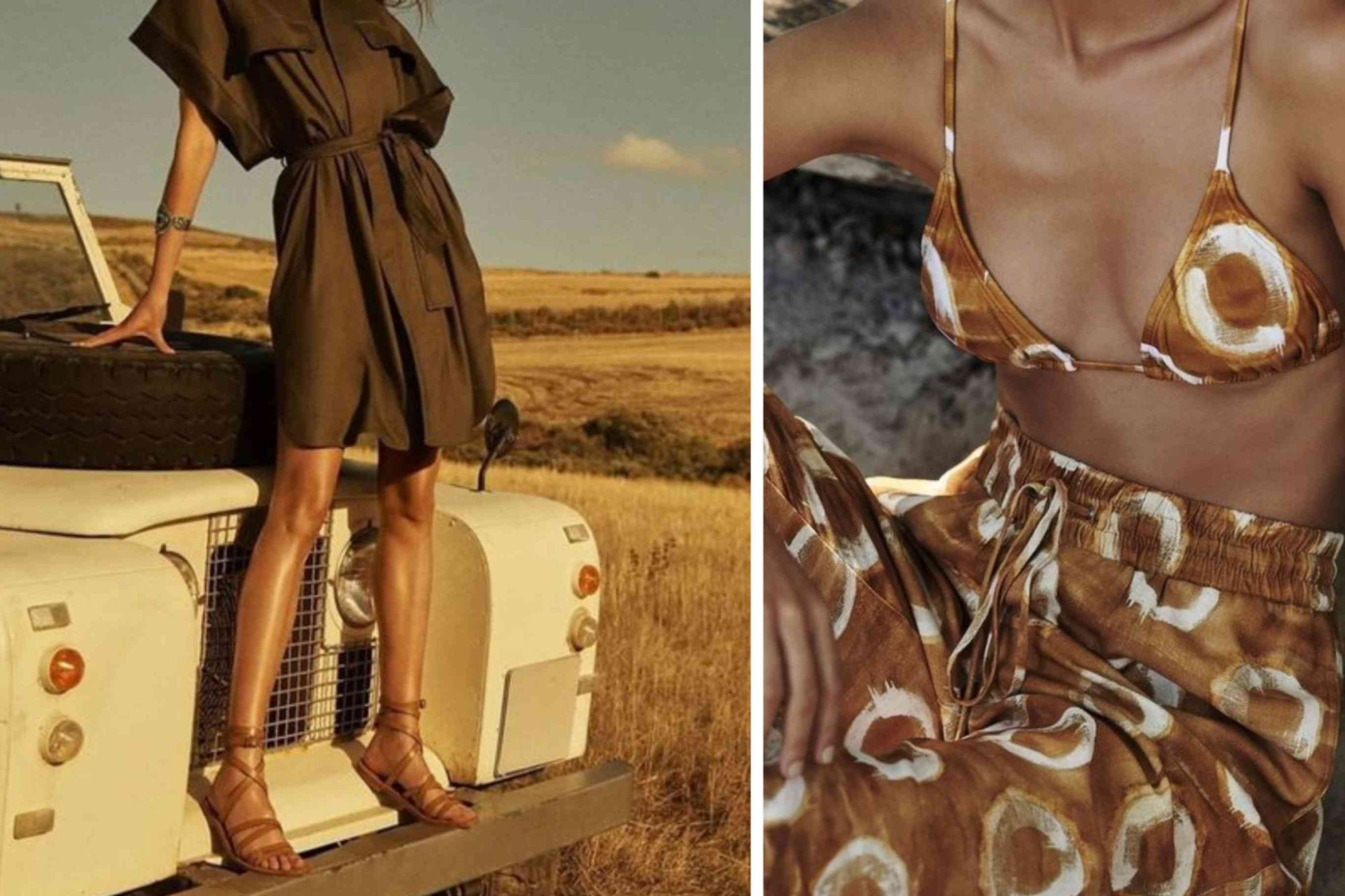
The combination of a triangle bikini top and matching trousers creates a coordinated look built around a single abstract print.
Warm shades of tobacco, caramel and cream give the pattern depth, while the contrasting shapes introduce a graphic element. The narrow straps and minimal construction of the top balance the volume of the trousers.
The relaxed trousers, with their gathered waistband and adjustable drawstring, are particularly suited to warm-weather dressing. Their loose silhouette allows for movement and makes them easy to wear over swimwear.
Matching pieces also offer versatility. The trousers can be combined with a plain white shirt or a simple cotton top, while the bikini can be worn separately with neutral beachwear.
Primitive Chic
The concept of primitive chic draws on natural textures, organic forms and earthy colour palettes.
In contemporary fashion, these influences can be interpreted through abstract prints, uncomplicated silhouettes and materials chosen for comfort in warmer climates.
The print featured in this selection has an almost hand-painted appearance, with irregular circular shapes and contrasting areas of colour.
Rather than relying on elaborate construction, the outfit uses its pattern and proportions to create visual interest.
Accessories in natural leather, raffia or woven fibres complement this approach without competing with the print.
The Poente Collection
Brazilian designer Lenny Niemeyer is known for her luxury swimwear and resortwear, with collections that combine original prints, carefully considered silhouettes and contemporary design.
Her Poente collection, presented in 2021 and photographed in Búzios, Brazil, was developed around the concept of primitivismo chic.
The collection explores natural textures, organic influences and relaxed resortwear silhouettes, bringing these elements into a contemporary summer wardrobe.
This design direction provides an interesting context for the printed ensemble, where an earthy palette and abstract pattern become the defining features.
#LesCouleursSauvages #StyleAndFashion #PrimitiveChic #LennyNiemeyer #PoenteCollection #BrazilianResortwear #PrintedResortwear #MatchingSets #SummerFashion #LesCouleursDuMonde
Style & Fashion @safaristyle
The Bohemian Touch
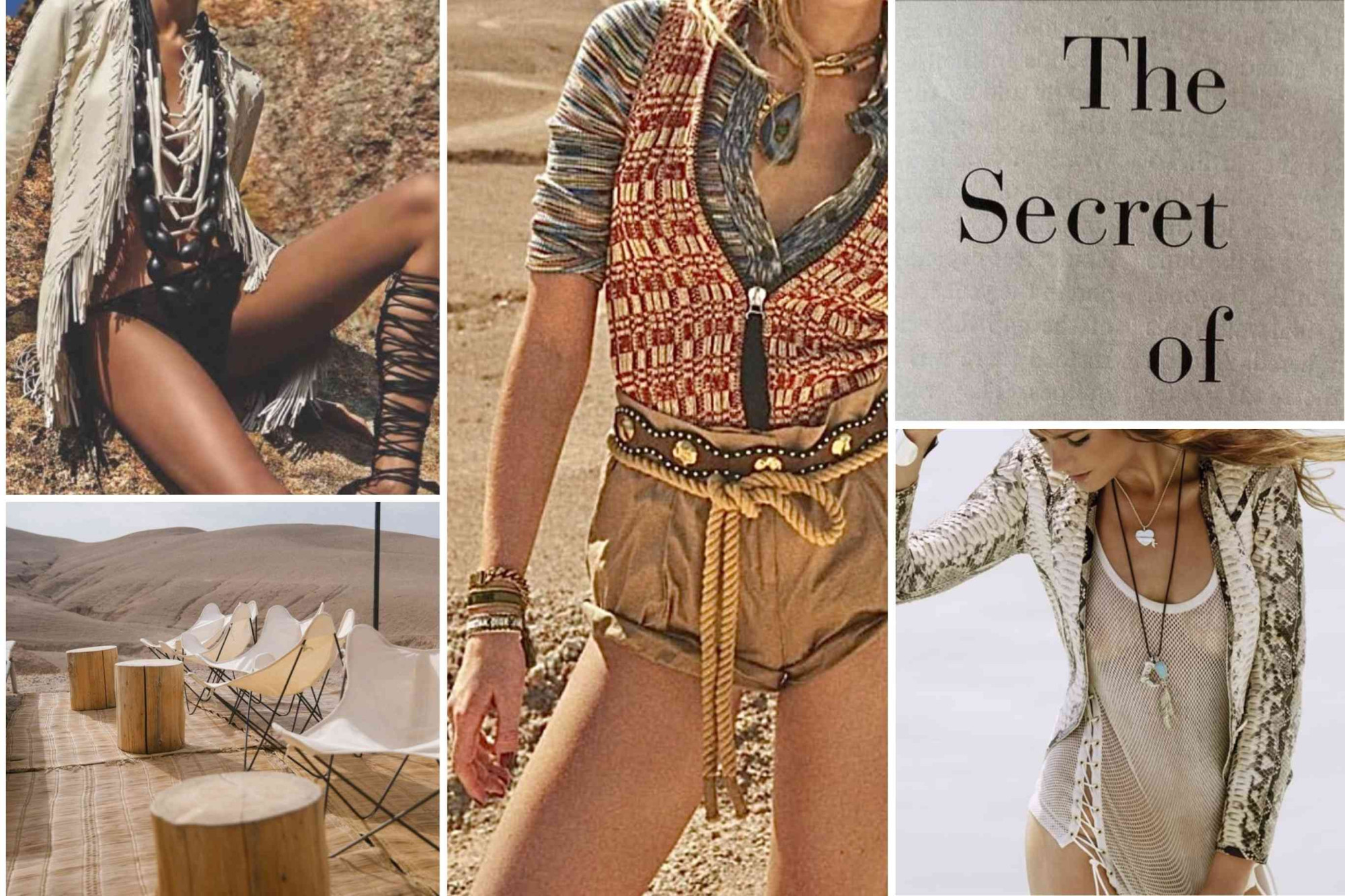
Bohemian jewellery combines natural gemstones, handcrafted details and individual pieces collected over time. Long necklaces, decorative pendants and substantial bracelets add character to safari-inspired fashion without relying on matching sets.
Turquoise and Silver
Turquoise has an established place in Native American jewellery traditions, particularly in the silverwork of Navajo and Zuni artisans. Stone cutting, setting techniques and decorative patterns distinguish the work of individual makers.
Founded in Paris in 1971, Harpo Paris Jewellery specialises in jewellery associated with these traditions. Its selection includes turquoise rings, engraved silver cuffs and pendants, offering an interesting example of craftsmanship within contemporary fashion.
A Safari-Inspired Wardrobe
Jewellery provides an interesting contrast to the functional elements of safari style. A turquoise pendant adds colour to an olive-green jumpsuit, while an engraved silver cuff complements a linen shirt with rolled sleeves.
For a more decorative look, combine pieces of different proportions rather than wearing a complete matching set. Keeping the clothing simple allows the craftsmanship and individual character of the jewellery to stand out.
#LesCouleursSauvages #StyleAndFashion #BohemianJewellery #HarpoParis #TurquoiseJewellery #SafariInspiredStyle #ArtisanJewellery #LesCouleursDuMonde
Style & Fashion @safaristyle
Prints and Proportions
Animal patterns have been part of fashion for decades, with zebra stripes and leopard motifs appearing in collections ranging from casual clothing to luxury ready-to-wear.
A fitted striped top paired with a long printed skirt creates contrast through pattern and proportion. Keeping colours within a similar palette allows different designs to work together while maintaining a balanced silhouette.
Fashion as Cultural Expression
Italian-Haitian designer Stella Jean is recognised for combining Italian tailoring with textiles, patterns and craftsmanship from different cultural traditions.
For Jean, fashion is also a means of cultural exchange. She believes clothing can communicate ideas about identity, inclusion and the relationship between cultures more directly than words alone.
Her collections reflect this philosophy through contrasting prints, distinctive silhouettes and collaborations with artisans. Rather than treating cultural influences as decorative references, she places importance on the people and traditions behind them.
A Contemporary Safari Wardrobe
For a safari-inspired interpretation, combine a graphic top with a flowing maxi skirt or introduce animal patterns through a single statement garment.
Lightweight cotton and linen provide comfort in warmer climates, while leather accessories and simple sandals complement the stronger prints.
This approach brings together expressive design and practical dressing, creating a wardrobe suited to travel without losing its individual character.
#LesCouleursSauvages #StyleAndFashion #StellaJean #PrintMixing #SafariInspiredStyle #AnimalPrint #CulturalFashion #ContemporaryFashion #LesCouleursDuMonde
Style & Fashion @safaristyle
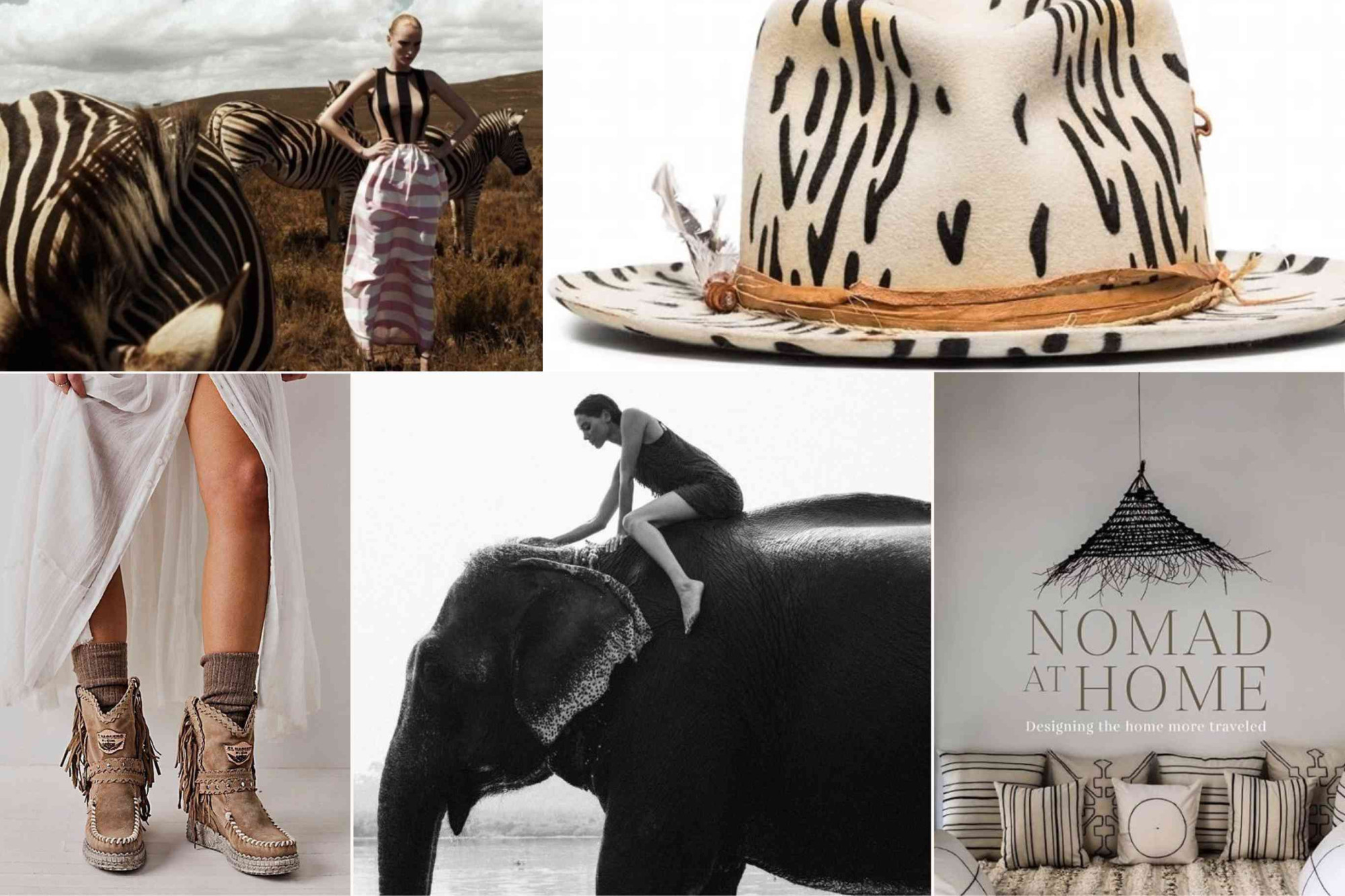
Finnish Design, Kenyan Craftsmanship
What began with a visit to a market in Nairobi became a collaboration between Finnish designers and Kenyan artisans. Mifuko demonstrates how traditional basket weaving can find a place in contemporary interiors while creating income opportunities for rural communities.
From Nairobi to Finland
In 2009, Finnish designers Mari Martikainen and Minna Impiö founded Mifuko after recognising the potential of traditional Kenyan craftsmanship.
Their first collection focused on the Kiondo, a handwoven basket traditionally made from sisal. Rather than simply importing existing products, they began developing designs together with local artisans, combining Finnish design ideas with established weaving techniques.
The name Mifuko means pocket in Swahili.
The People Behind the Baskets
A Kiondo basket can take between half a day and two days to weave, depending on its size and complexity.
Mifuko works with organised artisan groups in rural Kenya. Women can weave from home and meet regularly to coordinate production, exchange skills and manage collective savings activities.
Each finished basket carries the name of the woman who made it, giving the maker individual recognition.
In August 2026, Mifuko reported working with 993 artisans across 35 groups in Kenya. The company is also a guaranteed member of the World Fair Trade Organization.
Traditional Craft
Mifuko's collections include baskets made from sisal, paper twine and repurposed materials. Traditional weaving techniques are combined with contemporary colours, patterns and proportions.
The result is functional design that preserves an established craft while introducing it to an international audience.
#NomadesDuMonde #HomeAndDesign #Mifuko #FinnishDesign #KenyanCraftsmanship #KiondoBaskets #ArtisanDesign #ContemporaryInteriors #LesCouleursDuMonde
Style & Fashion @safaristyle
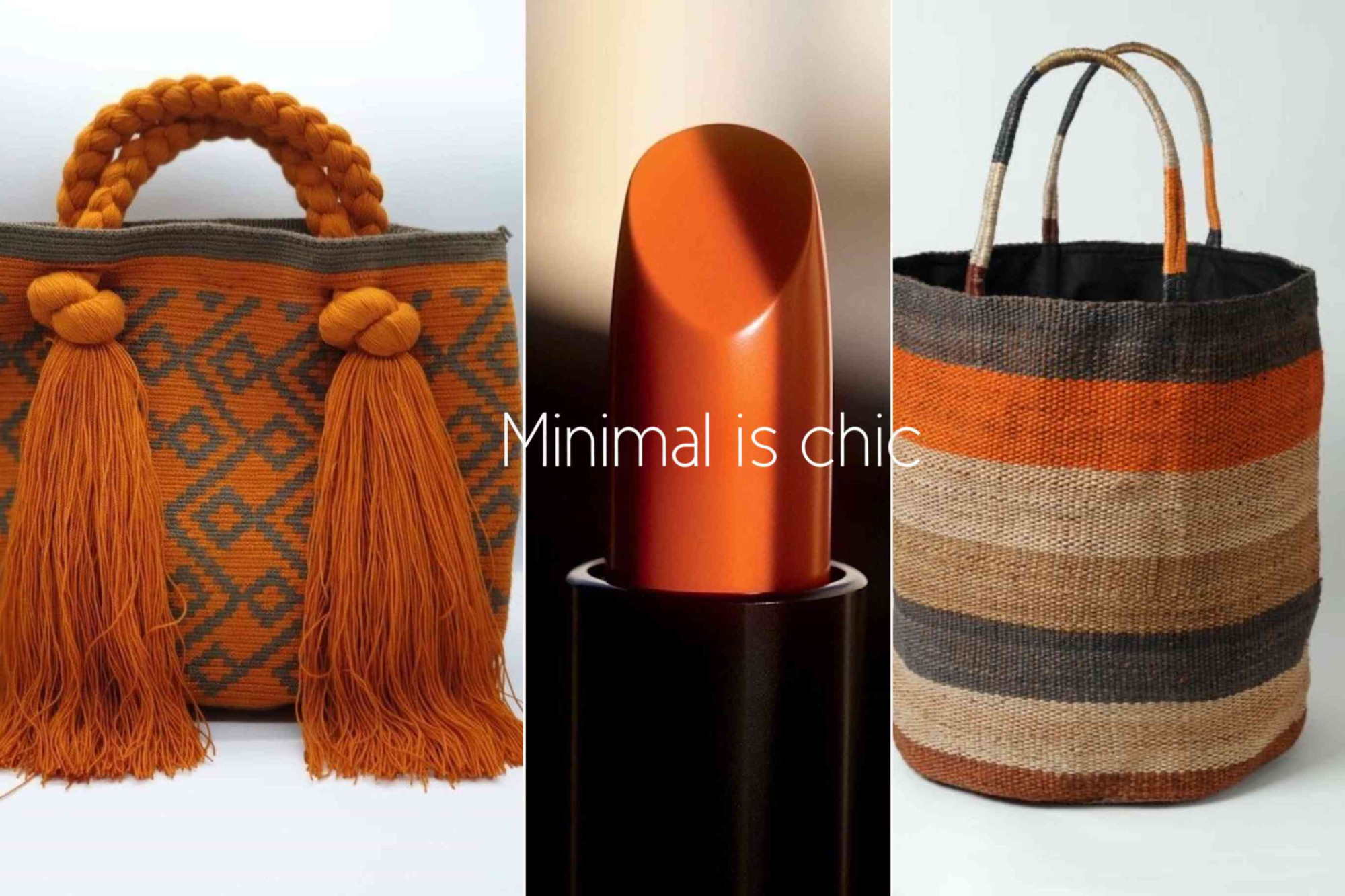
In the Italian region of Tuscia, designer Benedetta Bruzziches has developed a distinctive approach to handbag design. Her crystal-covered evening bags combine unconventional materials with specialist craftsmanship and a production model rooted in the local community.
From a Family Garage to an Italian Atelier
In 2009, Benedetta Bruzziches founded her accessories label with her brother Agostino in Caprarola, a small town north of Rome.
Their first workshop was the family garage, where their mother Ada helped with the sewing. After initially working with manufacturers abroad, the siblings decided to bring production back to their home region.
They began collaborating with local craftspeople, including upholsterers and seamstresses, adapting their skills to handbag construction.
The Challenge of Crystal Mesh
One of the brand's signature materials is crystal mesh, a flexible surface made from connected crystals.
Unlike conventional fabrics, this material cannot be cut and assembled using standard industrial machinery. The mesh requires specialist handwork, with individual sections joined using needle and thread.
The resulting bags combine a soft silhouette with a highly reflective surface, turning a small evening accessory into an elaborate piece of craftsmanship.
Bringing Local Skills Back to Work
In March 2024, the company opened Bottega Bruzziches in Viterbo, bringing design and production together in a dedicated workshop.
The brand has also developed a network of more than fifty local seamstresses who work from home, continuing textile skills that once supported the region's luxury manufacturing industry.
This approach allows the company to maintain specialist production in Tuscia while offering flexible employment within the surrounding communities.
#LesCouleursSauvages #StyleAndFashion #BenedettaBruzziches #ItalianDesign #CrystalBags #ArtisanCraftsmanship #EveningBags #MadeInItaly #LesCouleursDuMonde
Style & Fashion @safaristyle
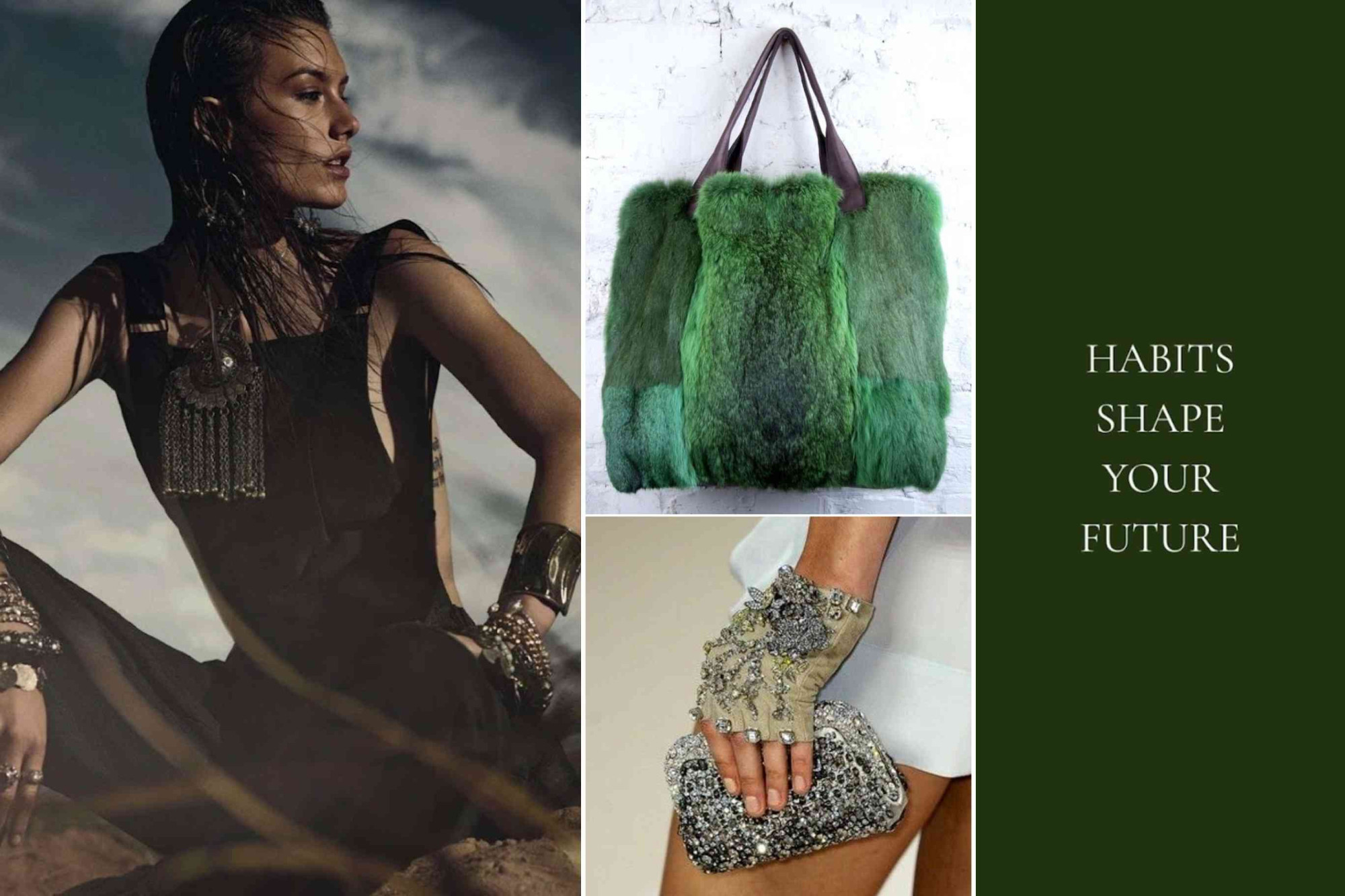
The wide-brimmed felt hat has become a recognisable accessory in contemporary Western-inspired fashion. Its structured crown, generous brim and understated detailing reflect a long tradition of hatmaking that continues through independent European designers.
A Tradition of Hatmaking
The construction of a felt hat begins with shaping wool fibres into a dense material using moisture, heat and pressure. The felt is then moulded over a wooden block to create the crown, while the brim is shaped and finished separately.
Unlike woven straw, wool felt offers structure and flexibility, allowing hatmakers to develop different silhouettes from the same material.
Van Palma: Designed in Marseille
Founded in 2014 by Victoria Sanguinetti, French label Van Palma specialises in hats that combine traditional craftsmanship with contemporary decorative details.
Its wool felt hats are manufactured in France and subsequently customised in the brand's Marseille workshop with embroidery, ribbons and jewellery.
The company also works with an Ecuadorian women's association producing handwoven toquilla straw hats, which are finished and personalised in Marseille.
Western Influences in Contemporary Fashion
A structured black or cream felt hat works particularly well with suede jackets, denim, long skirts and leather accessories.
The wide brim and defined crown reference classic Western silhouettes, while minimal detailing makes these designs suitable for contemporary wardrobes.
Van Palma demonstrates how established hatmaking techniques can be maintained while allowing individual designers to develop their own visual identity.
#LesCouleursSauvages #StyleAndFashion #VanPalma #VictoriaSanguinetti #FrenchMillinery #FeltHats #WesternInspiredStyle #ArtisanCraftsmanship #LesCouleursDuMonde
Style & Fashion @safaristyle
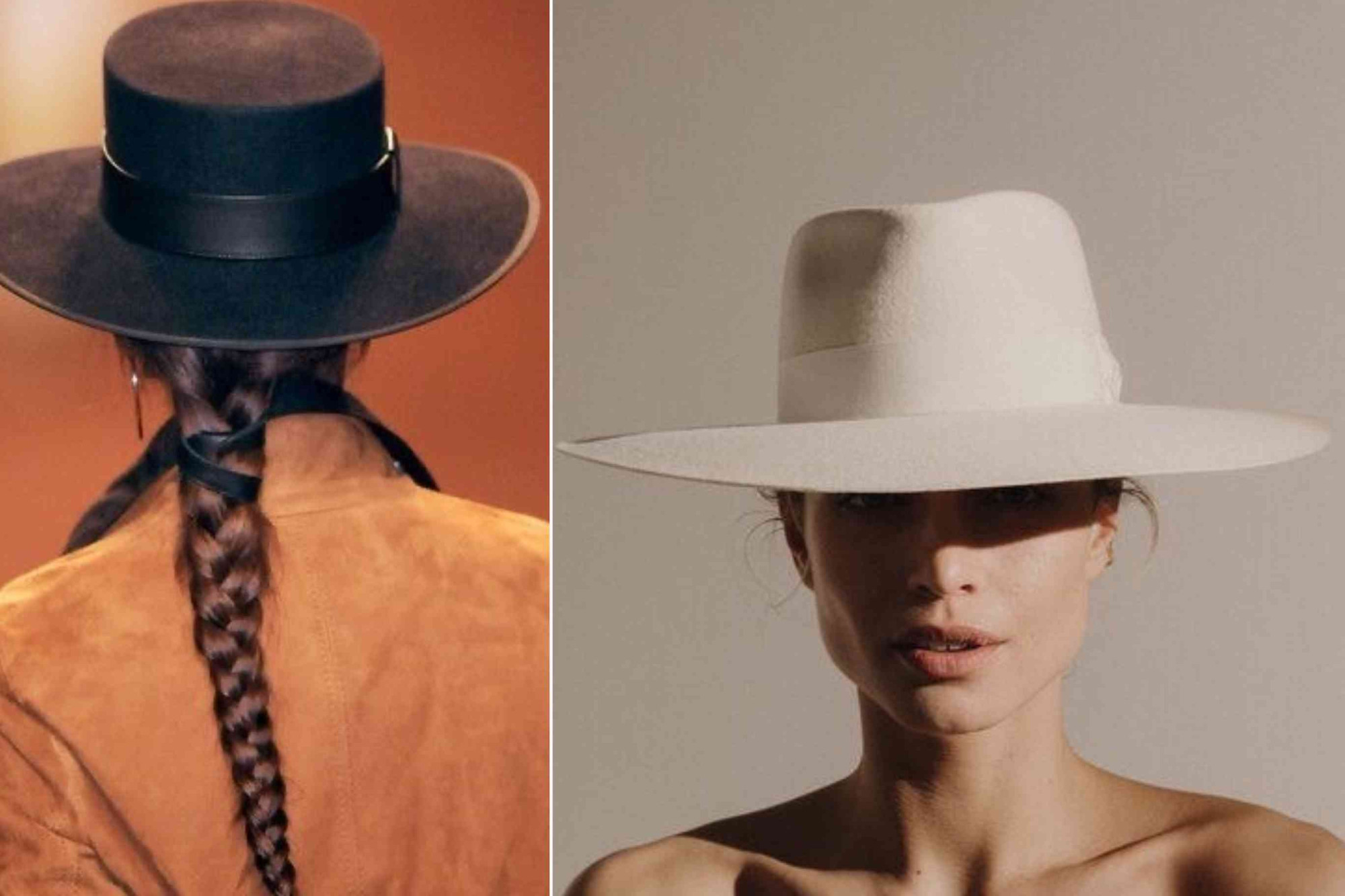
Olive green has moved from military uniforms and functional outdoor clothing into contemporary fashion. In footwear, the colour offers an alternative to conventional black and brown, particularly when combined with the softer texture of suede.
From Military Colour to Fashion
Olive drab became widely associated with military clothing during the twentieth century, valued for its muted appearance in natural environments.
Fashion designers subsequently incorporated similar shades into tailoring, outerwear and footwear. In suede, olive green takes on a different character: the brushed surface absorbs and reflects light unevenly, creating subtle variations in colour.
This makes it particularly interesting for ankle boots, where the texture can soften a structured silhouette.
Fiorentini + Baker: British Design, Italian Craftsmanship
Established in 2001 by British designer Deborah Baker in collaboration with Paolo Fiorentini, Fiorentini + Baker specialises in leather footwear manufactured in Italy.
The brand works with small family-run shoemakers and places particular emphasis on durable construction, leather quality and designs intended to remain wearable across seasons.
Its collections include suede ankle boots, lace-up designs and styles with stacked heels, combining traditional footwear construction with contemporary proportions.
The Appeal of Suede Boots
Unlike smooth leather, suede develops a softer appearance through its raised fibres. This also makes the material more sensitive to moisture, stains and abrasion.
Olive-green ankle boots complement cream tailoring, dark denim and patterned dresses, while a higher heel introduces a more formal silhouette.
For travel, suede boots are best reserved for dry conditions and urban or leisure settings rather than demanding outdoor terrain.
#LesCouleursSauvages #StyleAndFashion #FiorentiniAndBaker #SuedeBoots #ItalianCraftsmanship #OliveGreen #ContemporaryFootwear #LesCouleursDuMonde
Style & Fashion @safaristyle
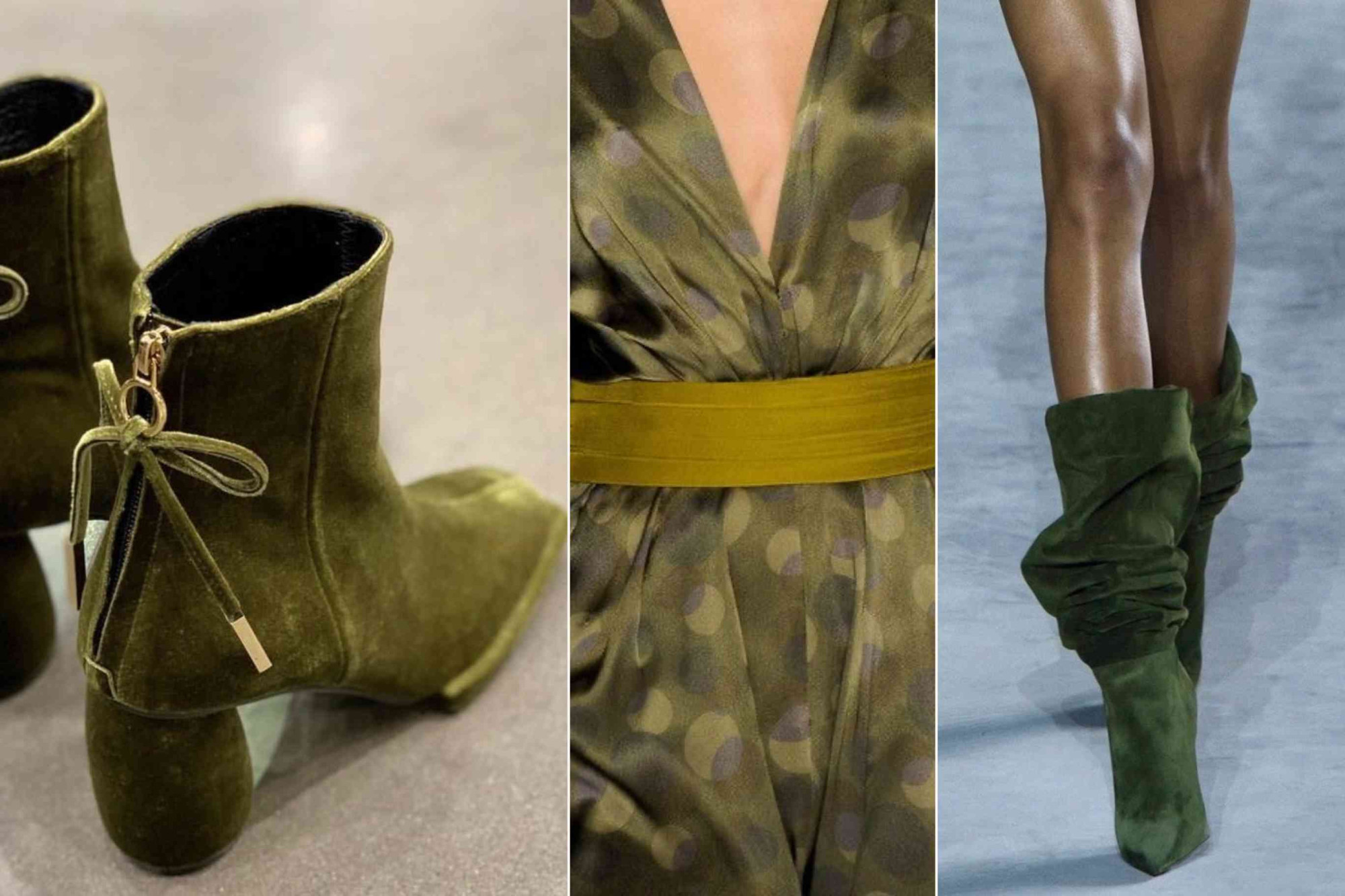
Natural landscapes can provide a surprisingly practical starting point for the way we dress. Colours, materials and textures found in desert, mountain and open countryside settings translate easily into clothing without creating a literal outdoor look.
The palette often begins with earthy shades. Sand, khaki, tobacco, rust, cream and brown are easy to combine because they sit naturally alongside one another. A stronger shade such as deep green or burnt orange can then provide contrast without changing the overall direction.
Materials reinforce that connection. Linen, cotton, suede, leather and woven fibres have visible texture and work particularly well in relaxed silhouettes. Their surfaces also create enough variation to make an outfit interesting when the colour palette remains limited.
Outdoor influences can appear through individual pieces rather than a complete look. Cargo trousers, boots, a wide-brim hat, a substantial belt or an oversized shirt can introduce a practical element alongside dresses, skirts and more refined pieces.
Accessories provide another layer. Woven bags, leather details, natural stones and metal jewellery work easily with these materials and colours and can be added without making the outfit overly styled.
The result is a wardrobe influenced by the landscape rather than designed specifically for it. Natural colours, tactile materials and practical pieces can move easily between travel, everyday dressing and time spent outdoors.
Want to bring more character into the details?
Discover Bohemian Style →
#LesCouleursSauvages #NaturalStyle #EarthTones #OutdoorStyle #TravelStyle
Style & Fashion @safaristyle
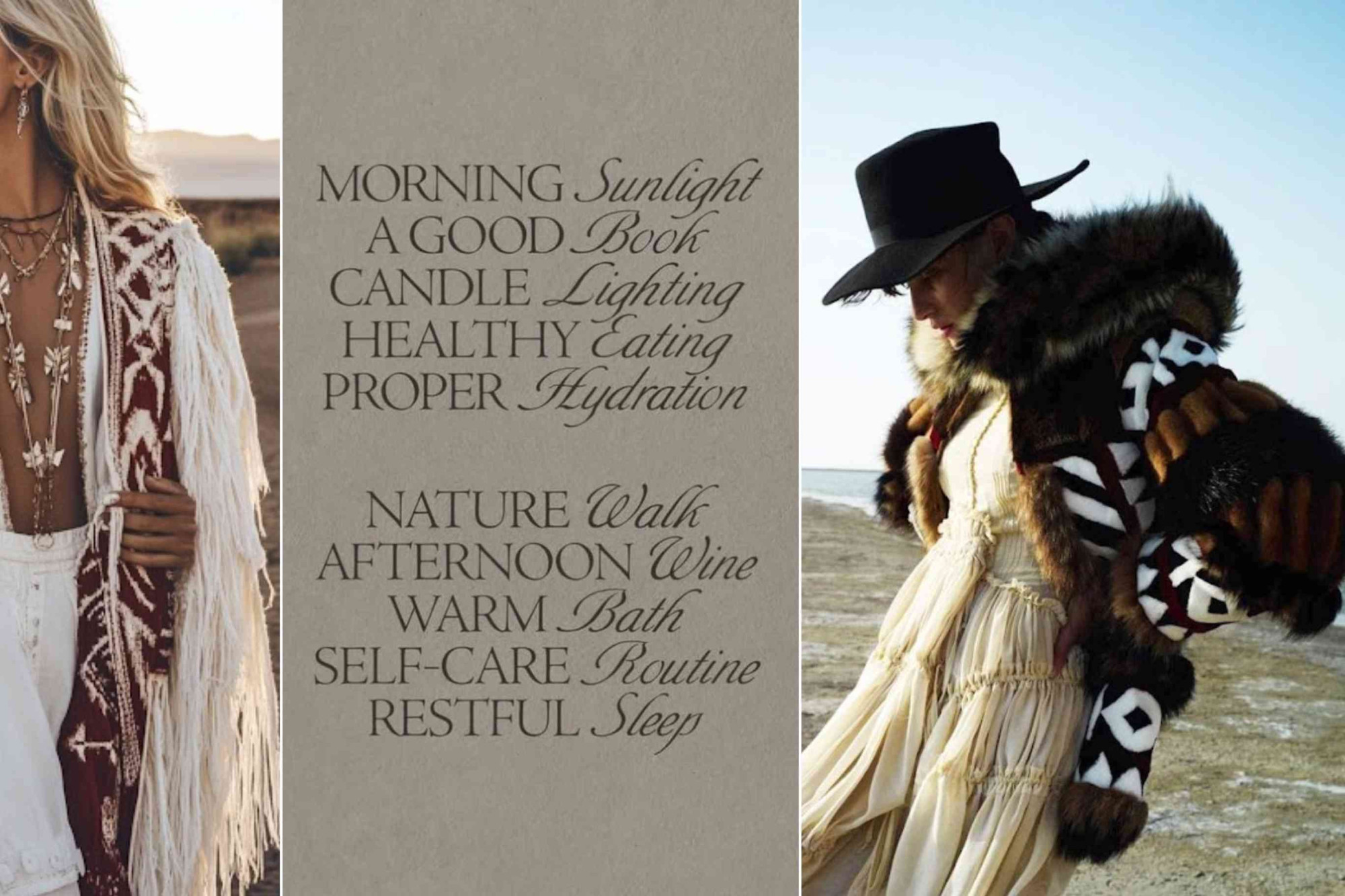
Originally developed as practical footwear for cattle ranchers, cowboy boots have become a recognisable part of contemporary fashion. Their distinctive shape, decorative stitching and leather construction continue to influence designers, including Spanish bootmaker Sendra Boots.
The Origins
The modern cowboy boot developed in the American West during the nineteenth century, drawing on earlier riding footwear traditions.
Its raised heel helped secure the foot in the stirrup, while the tall shaft protected the lower leg. Pull straps made the boots easier to put on and decorative stitching gradually became an important design feature.
During the twentieth century, Western films, country music and fashion helped introduce cowboy boots to a much wider audience.
Spanish Craftsmanship
Founded by Andrés Sendra in Almansa, Spain, in 1913, Sendra Boots began producing cowboy and riding boots after its founder developed an interest in American Western footwear.
The company remains family-run and continues to manufacture its boots in Almansa.
Each pair undergoes approximately 250 production steps, including leather cutting, shaping, decorative stitching and finishing.
A defining feature is the Goodyear welt construction, which uses two separate lines of stitching to connect the upper, welt and sole. This method provides durability and allows the soles to be replaced by a skilled repairer.
In 1998, the brand introduced its Blue Bird model, which helped establish Sendra within contemporary fashion.
Cowboy boots have moved well outside their original working environment. Today, they are worn with cotton dresses, denim, tailored trousers and oversized knitwear.
Cognac and tobacco-coloured leather complement the natural tones associated with safari-inspired fashion, while embroidered shafts and shaped heels retain the characteristic Western identity.
#LesCouleursSauvages #StyleAndFashion #SendraBoots #CowboyBoots #SpanishCraftsmanship #WesternFashion #LeatherBoots #SafariInspiredStyle #LesCouleursDuMonde
Style & Fashion @safaristyle
Wool and Felt
Wool fibres have microscopic scales that interlock when exposed to moisture, heat and mechanical movement. This process creates felt, a dense material that can be shaped without conventional weaving.
Boiled wool follows a related process in which knitted or woven wool fabric is deliberately shrunk and compacted. The result is a warmer, denser textile with a softer structure than traditional felt.
Both materials are used in winter clothing and accessories, although their construction and properties differ.
Austrian Wool
Founded in 1926 in Imst, Tyrol, Gottstein specialises in woollen slippers and felt footwear.
The company produces its own wool felt and works with natural fibres, including sheep's wool and alpaca wool. Its collections include slippers made from boiled wool and moulded felt, with designs intended for indoor comfort.
One of its specialist techniques is the production of seamless felt slippers, where the material is shaped into a three-dimensional form rather than assembled from separate fabric panels.
Natural Materials for Cooler Seasons
Wool's insulating properties make it suitable for clothing and accessories during autumn and winter. Its ability to absorb moisture vapour also contributes to comfort in changing temperatures.
Felt slippers provide warmth without the weight of outdoor footwear, making them particularly suitable for indoor use at a mountain chalet or countryside retreat.
#LesCouleursAlpines #StyleAndFashion #Gottstein #AustrianCraftsmanship #WoolAndFelt #AlpineStyle #NaturalFibres #WinterAccessories #LesCouleursDuMonde
Style & Fashion @safaristyle
Originally associated with military uniforms and expedition clothing, the safari jacket has become a recognisable part of contemporary fashion. Its practical construction, generous pockets and adjustable waist continue to influence designers working with functional clothing.
Expedition Clothing
The safari jacket developed from lightweight military and outdoor garments worn in warm climates during the nineteenth and early twentieth centuries.
Cotton drill and other tightly woven fabrics were valued for their durability, while large pockets provided storage for essential equipment. Shoulder straps, adjustable belts and rolled sleeves reflected the practical requirements of outdoor clothing.
During the twentieth century, these functional elements were adapted into civilian wardrobes. The belted safari jacket became particularly prominent in fashion during the late 1960s.
French Craftsmanship
With a heritage dating to 1918, Coulange specialises in military-inspired outerwear produced in France.
Its women's C79 Safari Jacket is made in an atelier in Mayenne using Japanese cotton. The design retains four patch pockets, an adjustable belt and an unlined construction intended for warmer conditions.
The brand also offers the M47, a more structured interpretation of the traditional field jacket.
These designs demonstrate how details originally developed for practical clothing continue to influence contemporary tailoring.
A Contemporary Resort Wardrobe
The safari jacket has also found a place in resort fashion. A lightweight cotton version can be worn over a swimsuit or combined with linen trousers and a simple top.
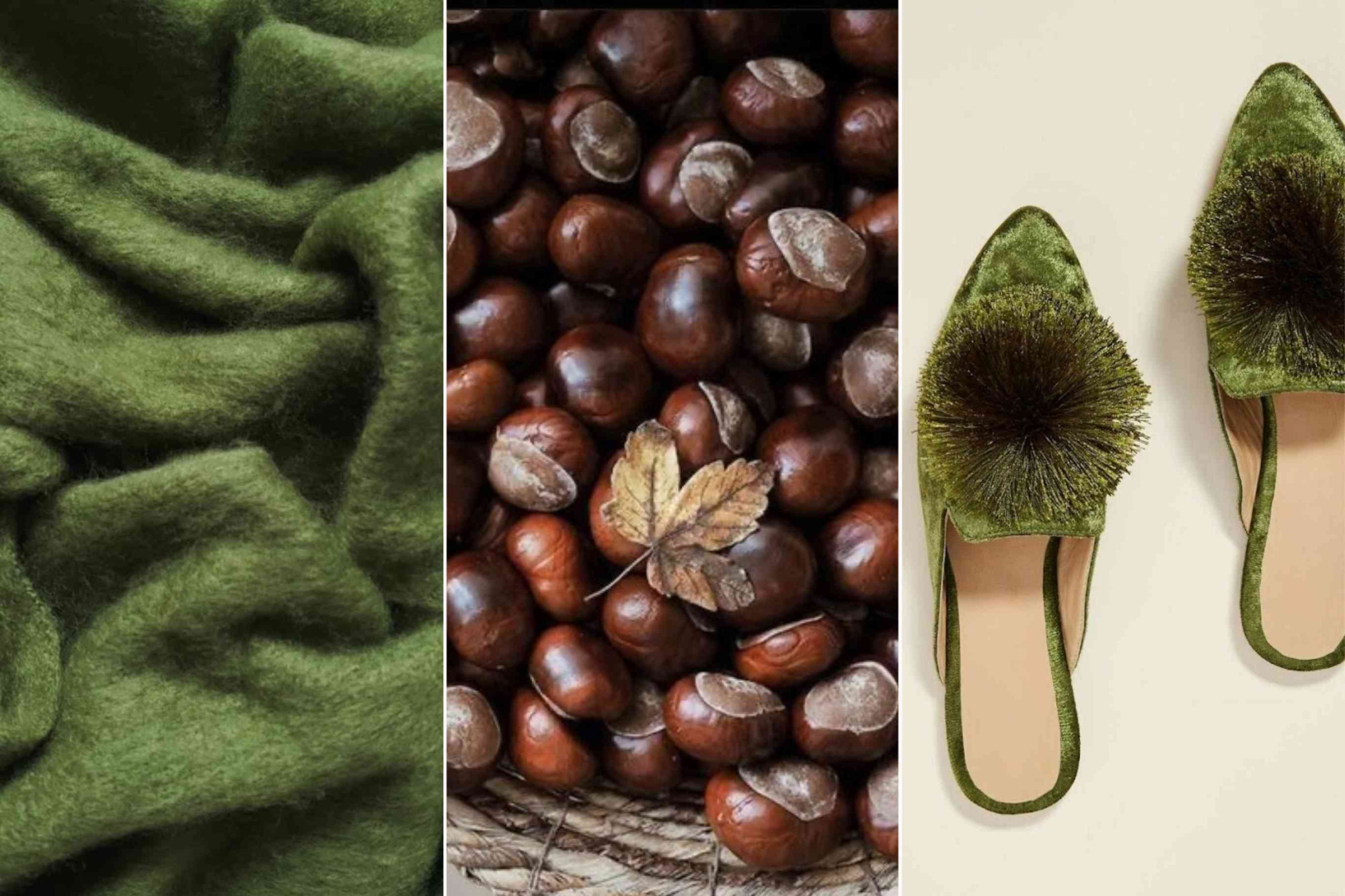
Camel, khaki and olive remain characteristic colours, while oversized cuts and adjustable belts allow the garment to be worn in different ways.
The result is a practical piece that connects outdoor clothing traditions with contemporary summer fashion.
#LesCouleursSauvages #StyleAndFashion #SafariJacket #Coulange1918 #FrenchCraftsmanship #UtilityFashion #ResortWear #SafariInspiredStyle #LesCouleursDuMonde
Style & Fashion @safaristyle
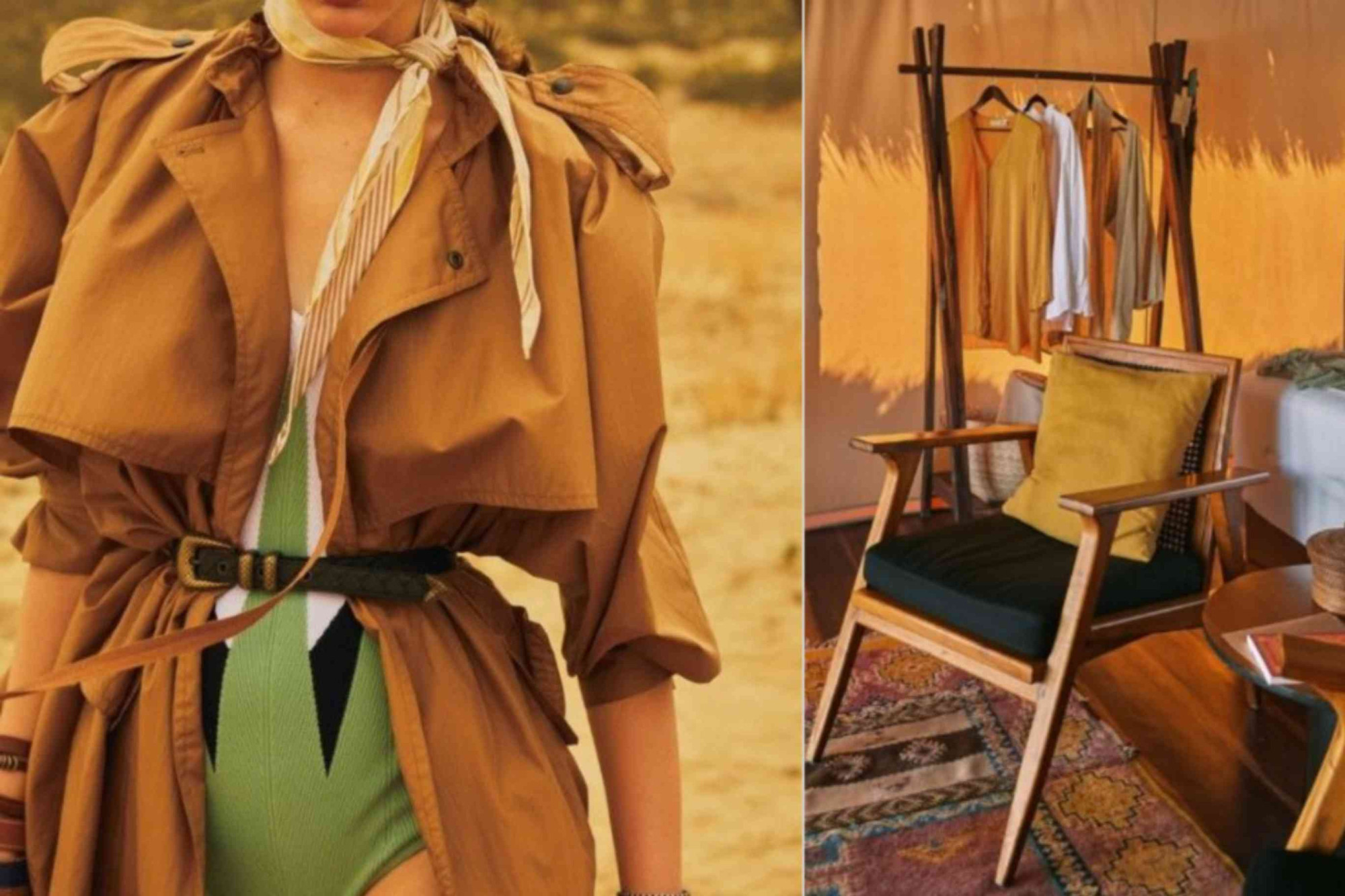
Savanna by Sand by Shirin
Designer Shirin Mann, founder of Sand by Shirin, introduced Savanna, a collection inspired by the landscapes around Cape Town.
Rather than reproducing traditional expedition uniforms, Mann developed clothing for men and women that combines safari references with contemporary resort fashion.
The collection includes linen shirts, coordinated trousers, relaxed shorts, jumpsuits and flowing dresses. Colours range from almond, latte and truffle to pistachio, tangerine and lemon.
Specific pieces such as the Serengeti Shirt, Springbok Trousers and Sandton Jumpsuit reference South African places and wildlife through their names, while the Kruger prints introduce a more recognisable safari influence.
The choice of materials is equally important. Alongside cotton and linen, the collection incorporates linen-silk blends and metallic linen, creating a contrast between practical travel clothing and more decorative summer fashion.
Plant-Based Fibres
An important part of Sand by Shirin's design philosophy is its interest in natural and alternative textile fibres.
The label works with fabrics derived from aloe vera, eucalyptus, rose, soybean protein and banana, alongside organic linen, cotton and luxury jersey.
These materials reflect a wider development in contemporary fashion, where designers are exploring plant-derived fibres as alternatives to conventional textiles. Their properties depend on how the raw materials are processed and how the finished fabrics are constructed.
For summer collections, Sand by Shirin focuses on lightweight, breathable fabrics suited to warmer climates. Linen and cotton are particularly relevant to the Savanna collection, where relaxed silhouettes and natural materials complement the safari-inspired designs.
The brand also uses cashmere and pashmina for its winter collections, demonstrating an approach to fabric selection that extends across different seasons.
Stay Inspiration | Jack's Camp, Botswana
Located in the Makgadikgadi region of Botswana, Jack's Camp offers a connection to the heritage of African safari travel.
The camp's origins date to the 1960s, when Jack Bousfield established a remote camp near the salt pans. His son Ralph subsequently developed the property, preserving its distinctive expedition character.
Following a complete rebuild, Jack's Camp reopened in 2021 with nine spacious canvas guest tents, private plunge pools, antique furnishings and interiors inspired by the 1940s.
Activities include guided excursions across the salt pans, wildlife viewing and encounters with habituated meerkats.
The combination of classic safari interiors and contemporary comfort makes Jack's Camp a fitting travel reference for Sand by Shirin's Savanna collection.
#LesCouleursSauvages #StyleAndFashion #SandByShirin #ShirinMann #SavannaCollection #SafariFashion #PlantBasedFibres #IndianDesigners #JacksCamp #Botswana #LesCouleursDuMonde
Style & Fashion @safaristyle
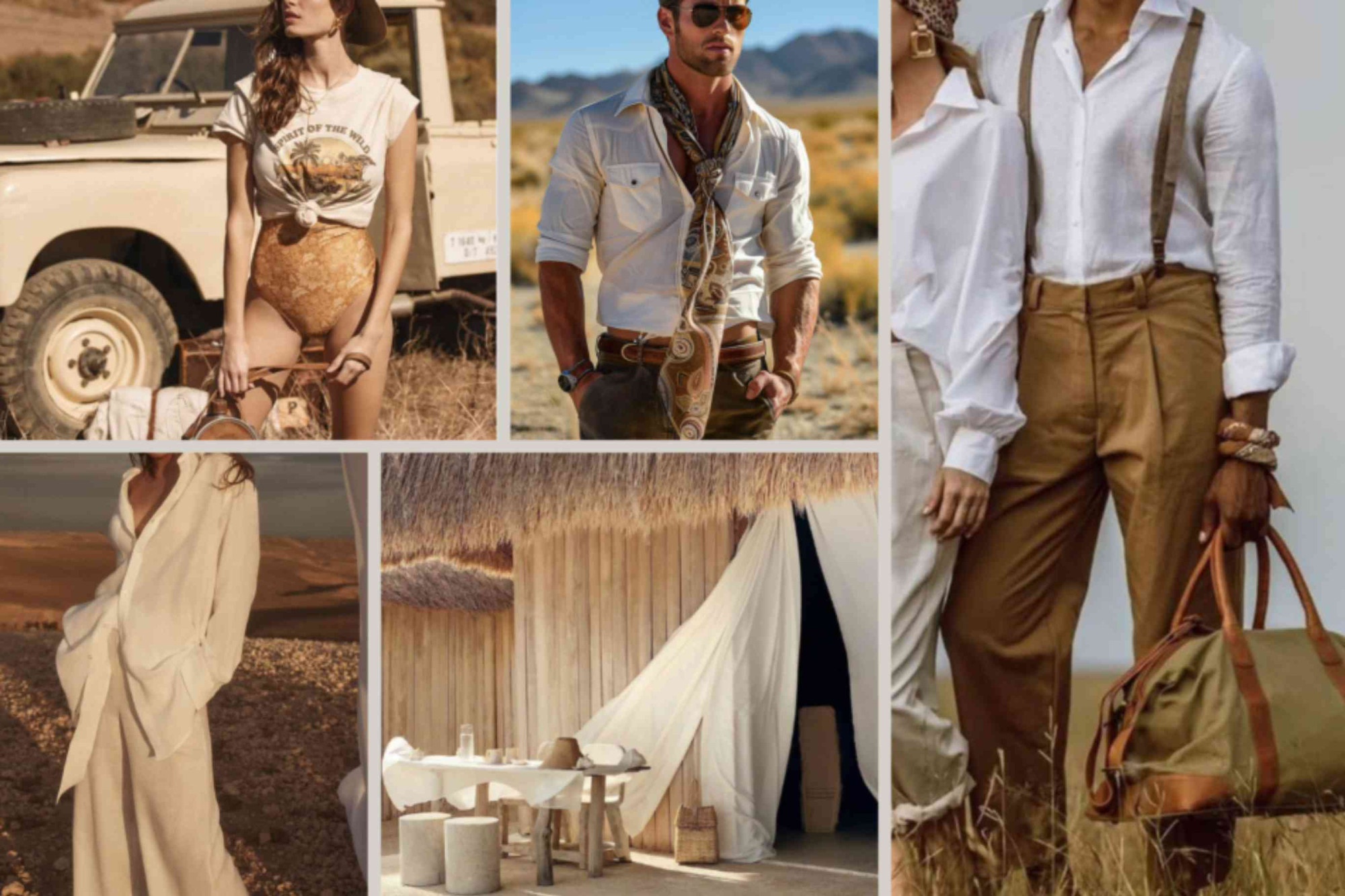
Getaway Looks to Love
Natural textures, relaxed tailoring and vintage-inspired details bring a bohemian influence to contemporary safari fashion. Australian label Spell combines these elements through original textile designs, decorative details and clothing influenced by travel and vintage fashion.
From Byron Bay
Founded in 2009 by sisters Isabella Pennefather and Elizabeth Abegg, Spell began at the artisan markets of Byron Bay, Australia.
Isabella initially created handmade jewellery, drawing on her family's creative background and an interest in vintage accessories. When Elizabeth joined the business, the sisters expanded into clothing and developed what became Spell & The Gypsy Collective.
Today, Spell is recognised for its flowing dresses, distinctive prints, lace details and vintage-inspired designs.
The collections are developed in Byron Bay, where an in-house team works on original prints, garment construction and textile development before production takes place with international manufacturing partners.
Naturally and Hints of nostalgia
Spell's approach to fashion draws on vintage clothing, decorative textiles and traditional bohemian styling.
Crochet details, lace blouses, loose shirts and wide-leg trousers introduce a softer interpretation of safari-inspired fashion. Combined with cotton trousers, leather belts and travel accessories, these pieces create a wardrobe suited to warm-weather destinations.
An important part of Spell's identity is its original textile design. The brand develops hand-drawn prints in Byron Bay, paying particular attention to motifs, colour combinations and texture.
Rather than reproducing traditional expedition clothing, Spell brings together vintage references and contemporary resortwear, with individual garments designed to remain part of a wardrobe across different seasons.
Stay Inspiration | Kokos Huis, South Africa
Located in Riebeek-Kasteel, in South Africa's Swartland wine region, Kokos Huis occupies a restored farmhouse dating back approximately 200 years.
The property was developed by Prisca Llagostera, who previously founded L'Ovella Negra, a mountain lodge in Andorra. After settling in South Africa, she created Kokos Huis as a small boutique hotel connected to the local community.
The property has six bedrooms in the original farmhouse and three independent studios. Original terracotta floors, wooden shutters and exposed beams have been preserved, while locally made furniture, ceramics, linen and woven textiles introduce contemporary details.
Guests can spend time around the palm-lined swimming pool, explore the village of Riebeek-Kasteel or visit independent wine producers in the surrounding Swartland region.
Kokos Huis offers an interesting connection to Spell's design approach. Both combine vintage influences, natural materials and individual craftsmanship, creating a style that feels appropriate for relaxed travel without relying on traditional safari-lodge interiors.
#LesCouleursSauvages #StyleAndFashion #Spell #ByronBayFashion #BohemianFashion #VintageInspiredStyle #AustralianDesign #KokosHuis #Swartland #SouthAfrica #LesCouleursDuMonde
Style & Fashion @safaristyle
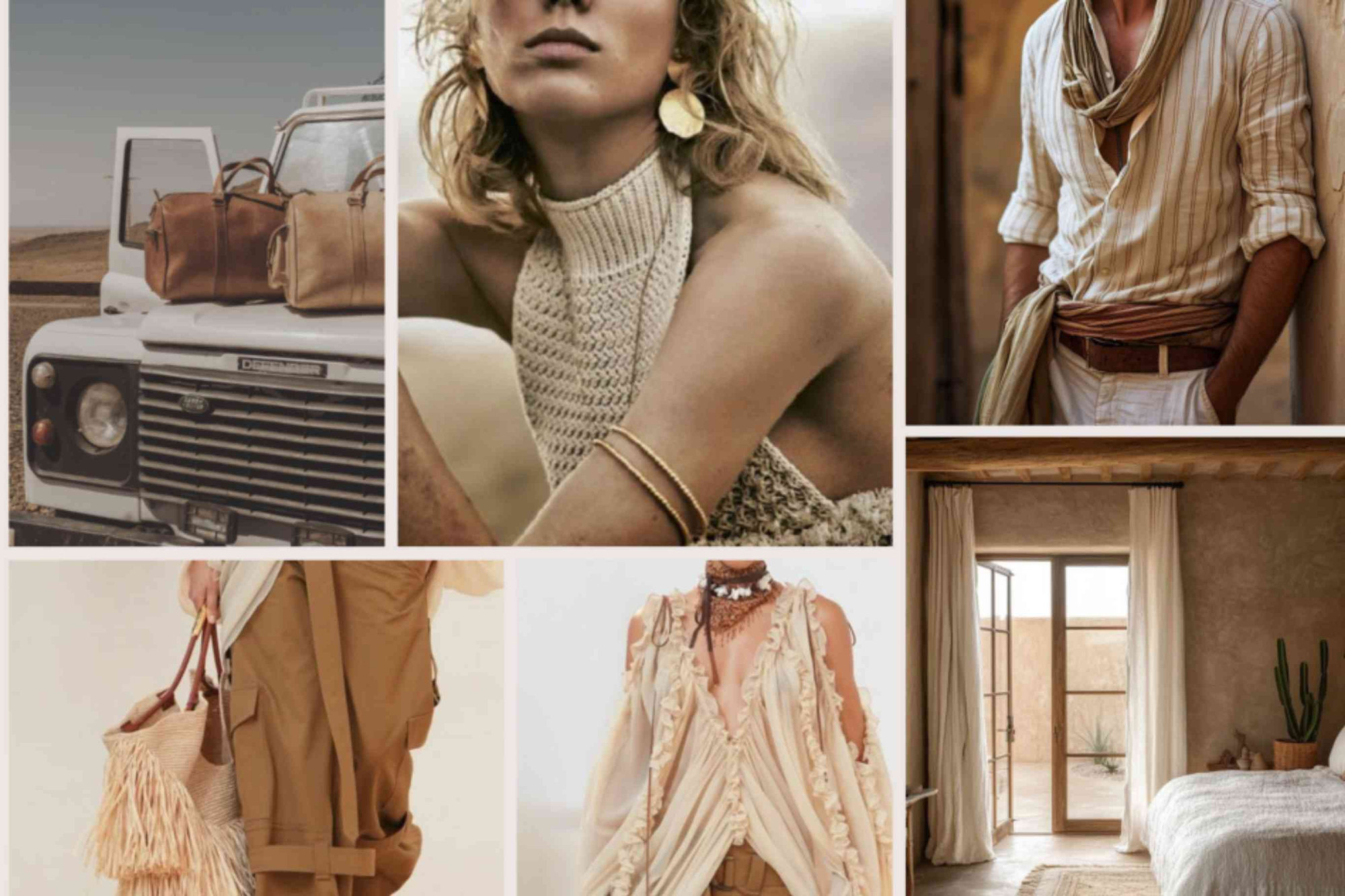
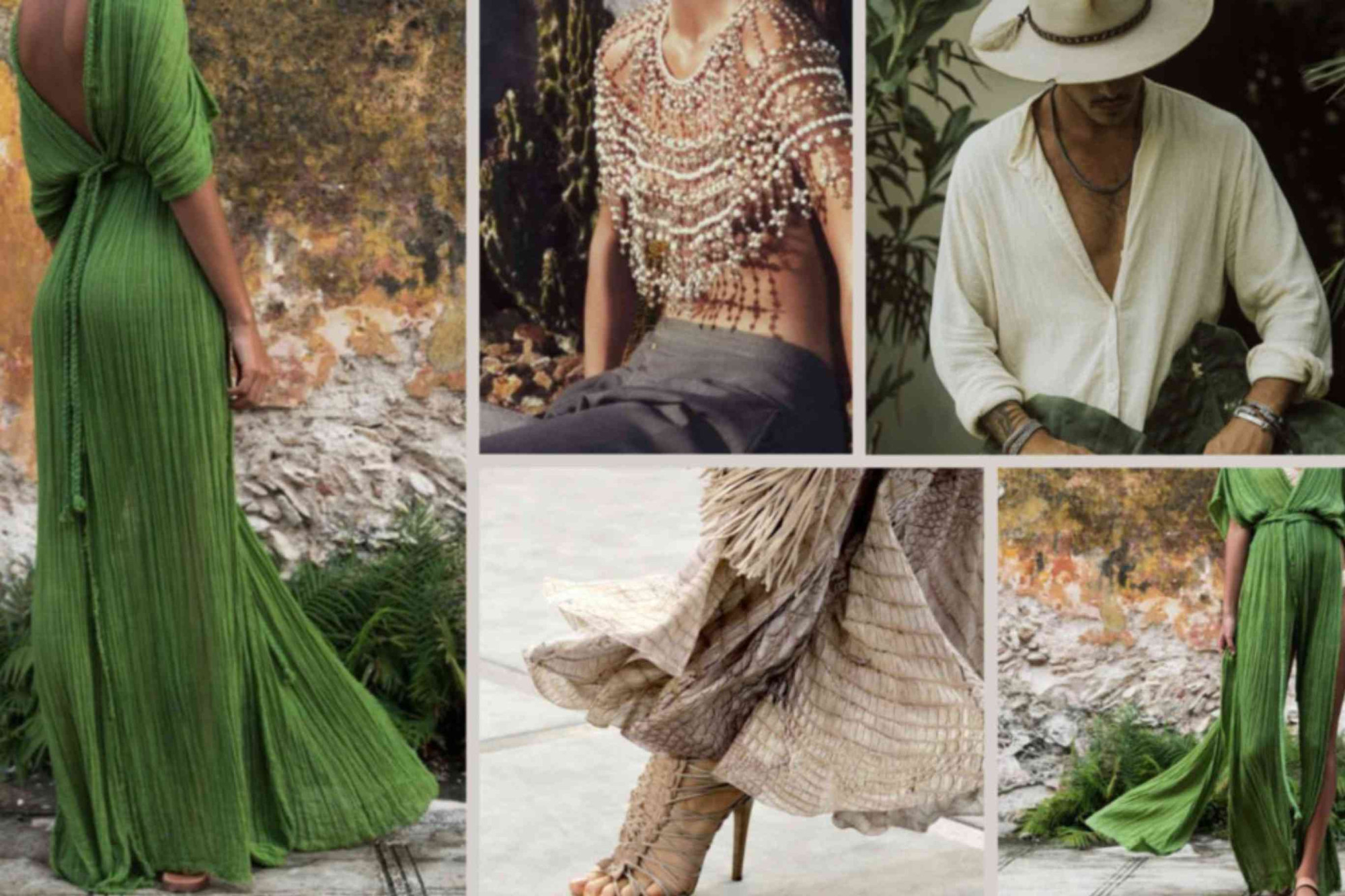
The Architecture of Clothing
Pleating, knotting and fabric manipulation allow designers to create volume and structure without relying entirely on conventional tailoring. These techniques are central to the work of Cameroonian designer Imane Ayissi, who combines contemporary couture with African textile traditions.
The Art of Draping
Born in Cameroon, Imane Ayissi developed his career in Paris, where he established his own fashion house after working as a dancer and model.
His collections explore the relationship between fabric, the body and traditional methods of dressing. In particular, he draws on the practice of wrapping and draping cloth, which remains an important part of dress traditions across West and Central Africa.
For his Spring/Summer 2024 haute couture collection, Abeung Sanda Iyé, Ayissi explored how rectangular pieces of fabric could be folded, wrapped and layered to create garments.
Some dresses were draped directly on the mannequin and held together through carefully positioned pleats and a limited number of seams.
African Textiles in Couture
Ayissi works with African textiles alongside established couture materials such as silk organza, taffeta and satin.
His 2024 collection incorporated handwoven cotton and kapok textiles from Ghana, Gambia and Burkina Faso, including narrow woven strips traditionally joined to form larger pieces of cloth.
He also used Ghanaian kente and decorative fabric flowers made from textile remnants.
By adapting these materials through sculptural construction, Ayissi demonstrates how traditional textile techniques can become part of contemporary fashion without losing their cultural origins.
#LesCouleursSauvages #StyleAndFashion #ImaneAyissi #SculpturalFashion #AfricanTextiles #FabricManipulation #FashionCraftsmanship #ContemporaryCouture #LesCouleursDuMonde
Style & Fashion @safaristyle
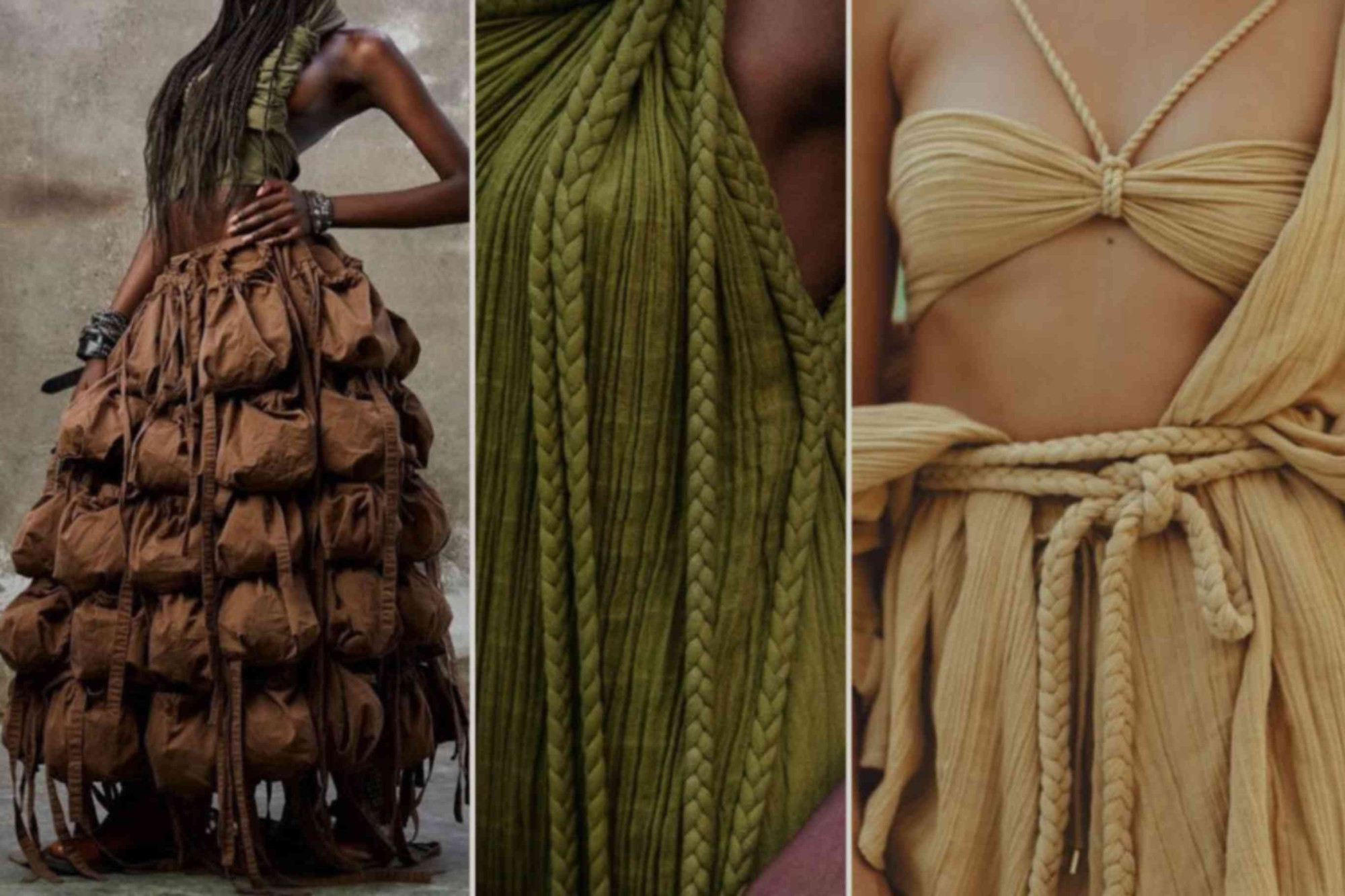
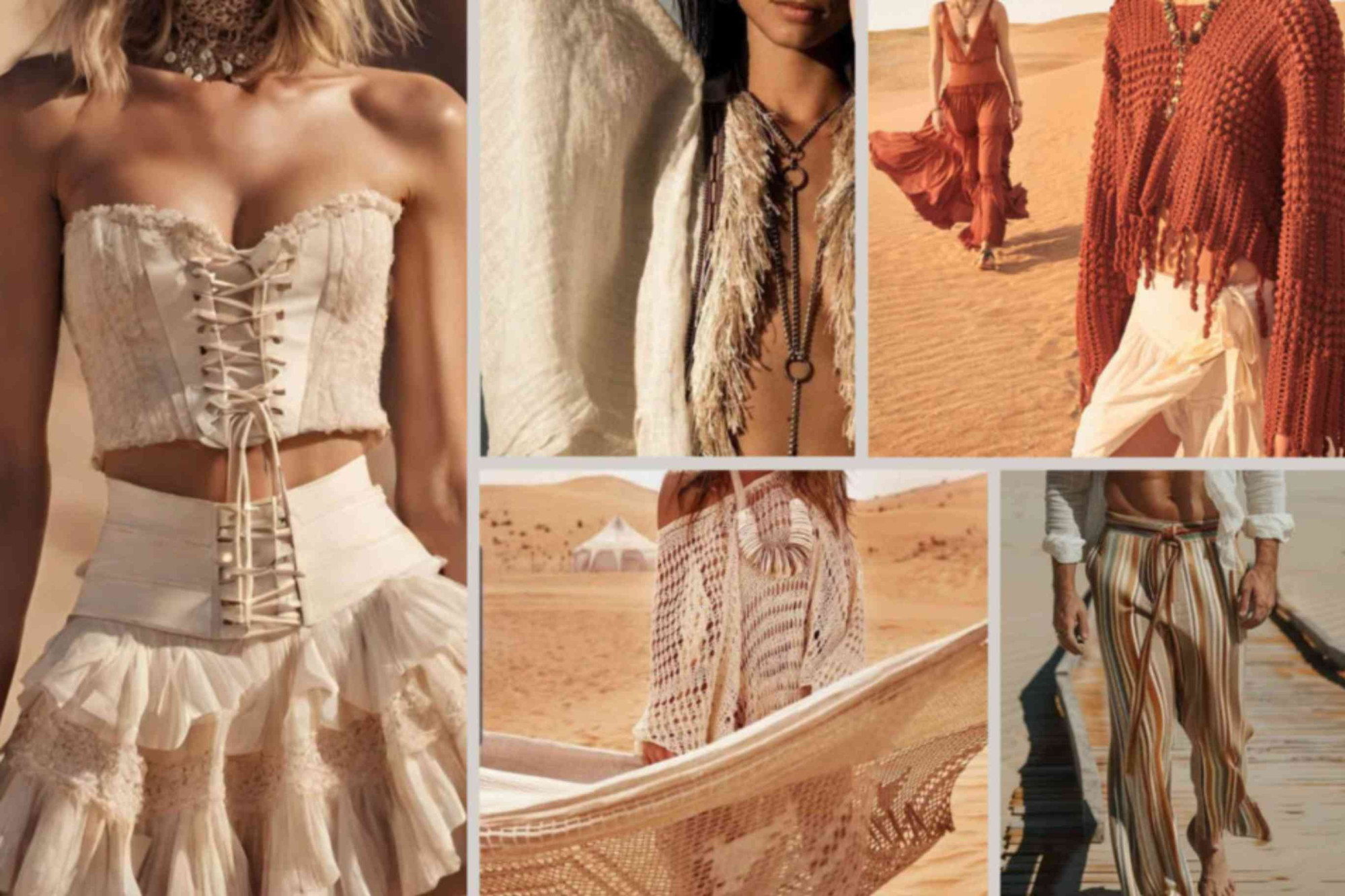
Lace-up details, cotton gauze and crochet bring influences from vintage bohemian clothing into contemporary desert fashion. American designer Jen Rossi has built her label Jen's Pirate Booty around these materials and traditional textile techniques.
Jen's Pirate Booty | A Malibu Fashion Label
Before establishing her own clothing label, Jen Rossi spent fourteen years working as a buyer for Planet Blue, the Californian fashion retailer associated with emerging bohemian designers.
Her experience sourcing clothing and accessories introduced her to independent makers and specialist textile techniques. She subsequently established Jen's Pirate Booty to create garments she felt were missing from the market.
Based in Malibu, the label draws on the fashion of the 1960s and 1970s, particularly relaxed silhouettes, decorative finishes and handmade details.
The collections include cotton gauze dresses, crochet garments, loose blouses, kaftans and trousers. Rather than relying on one manufacturing location, Rossi works with producers in several countries selected for their textile traditions and specialist techniques.
Cotton Gauze and Crochet
Cotton gauze is an important material in the Jen's Pirate Booty collections. Its loosely woven structure creates a lightweight fabric with a soft drape, making it particularly suitable for warm-weather clothing.
Crochet is another recurring element. Unlike knitted fabrics produced on industrial machines, traditional crochet is formed through individual loops worked with a hook. It can be used for complete garments or as decorative inserts in blouses and dresses.
Combined with lace-up fastenings, gathered fabric and loose trousers, these details create a wardrobe influenced by vintage fashion while remaining suitable for contemporary resort dressing.
#LesCouleursSauvages #StyleAndFashion #JensPirateBooty #JenRossi #DesertFashion #BohemianFashion #CottonGauze #CrochetFashion #VintageInspiredStyle #LesCouleursDuMonde
Style & Fashion @safaristyle
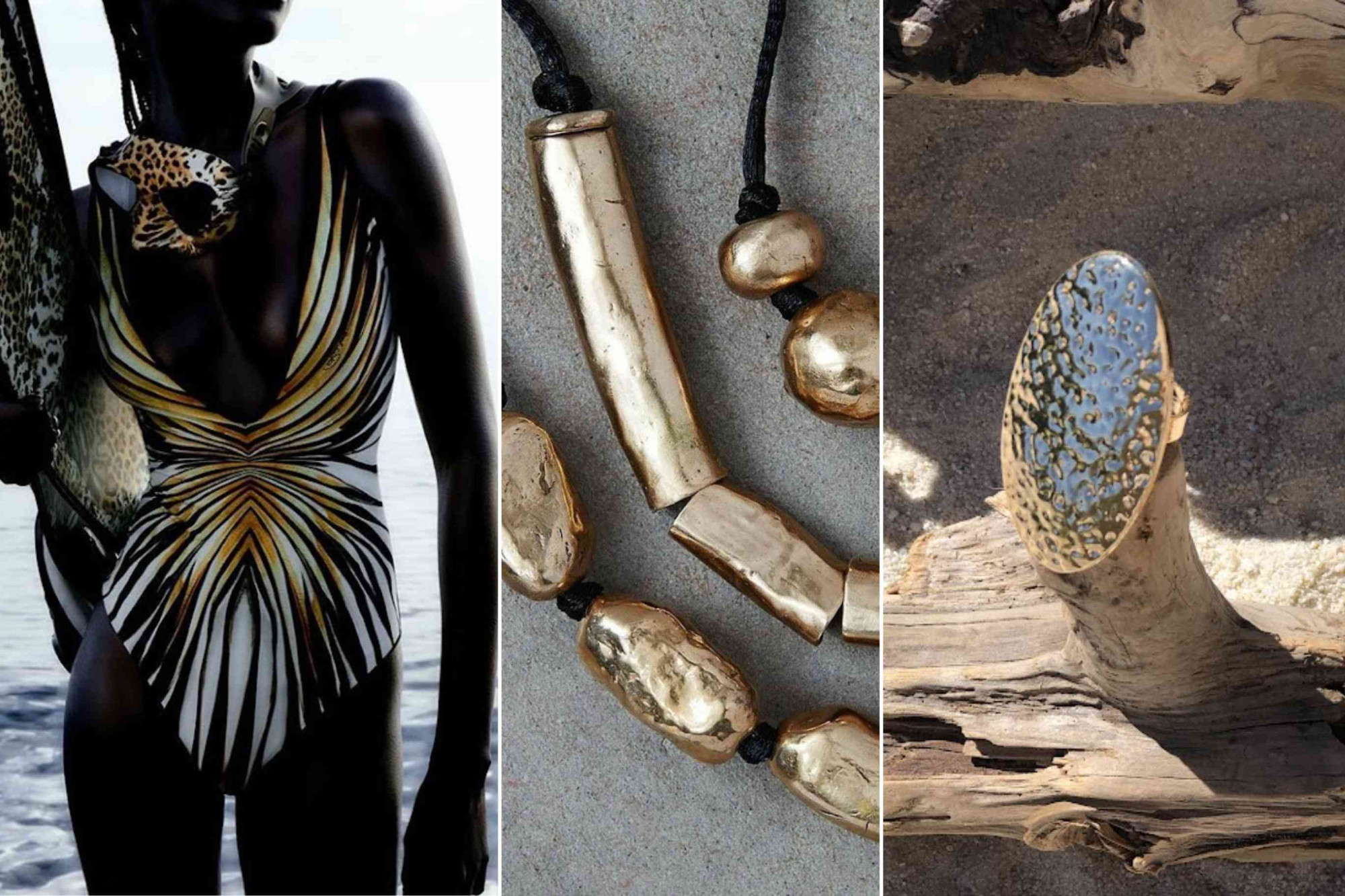
Organic forms, unconventional materials and handcrafted metalwork are central to the jewellery of Kenyan designer Ami Doshi Shah. Working from Nairobi, she approaches jewellery as a form of wearable art, combining contemporary design with materials and techniques associated with African craftsmanship.
The Designer
Ami Doshi Shah trained at the Birmingham School of Jewellery in the United Kingdom, receiving the Worshipful Company of Goldsmiths Award for Best Design in 2001.
She established her jewellery label in Nairobi in 2015, developing collections that explore the relationship between adornment, sculpture and the natural world.
Her work uses unconventional and locally sourced materials, challenging traditional ideas about what constitutes precious jewellery.
Rather than relying exclusively on gemstones and polished precious metals, Shah explores texture, irregular shapes and the contrast between different materials.
International Recognition
In 2019, Shah became the first Kenyan jewellery designer selected for the International Fashion Showcase during London Fashion Week.
Her work was also included in Africa Fashion, the exhibition first presented at London's Victoria and Albert Museum in 2022. The exhibition examined African fashion and design through historical and contemporary perspectives.
These presentations have helped position Shah's jewellery within a wider conversation about contemporary African design and the importance of material experimentation.
Her work demonstrates how jewellery can function as both a fashion accessory and an independent design object.
#LesCouleursSauvages #StyleAndFashion #AmiDoshiShah #AfricanJewelleryDesign #SculpturalJewellery #WearableArt #KenyanDesign #ContemporaryJewellery #LesCouleursDuMonde
Style & Fashion @safaristyle
Pleating changes the structure of a garment by introducing texture, volume and movement. Australian fashion house Aje explores these possibilities through sculptural silhouettes, experimental fabric treatments and traditional dressmaking techniques.
The Designers Behind
Founded in 2008 by Edwina Forest and Adrian Norris, Aje developed from a shared interest in art, fashion and the contrast between relaxed Australian dressing and more structured clothing.
Norris studied at the Liceo Artistico Venezia in Italy, while Forest previously worked at Australian fashion magazine RUSSH.
Their different backgrounds influenced the label's approach to design, combining artistic references with garment construction.
The brand develops original prints, fabric treatments and distinctive silhouettes, with particular attention to volume, proportion and decorative finishes.
The Sculptura Collection
Aje's Resort 2023 collection, Sculptura, explored the relationship between clothing, sculpture and architectural form.
One of its most distinctive pieces, the Expressive Pleated Maxi Dress, incorporated several pleating and gathering techniques developed by the design team.
The garment was constructed with pleated organza, raw-edged fabric strips and a sculptural bodice. Its exaggerated shapes were partly inspired by the wrapped architectural installations of artists Christo and Jeanne-Claude.
The collection demonstrated how pleating can become an essential part of a garment's construction rather than simply a decorative surface treatment.
This interest in fabric manipulation continues to distinguish Aje's approach to contemporary womenswear.
#LesCouleursSauvages #StyleAndFashion #Aje #EdwinaForest #AdrianNorris #PleatedFashion #TextileDesign #AustralianFashion #FashionCraftsmanship #LesCouleursDuMonde
Style & Fashion @safaristyle
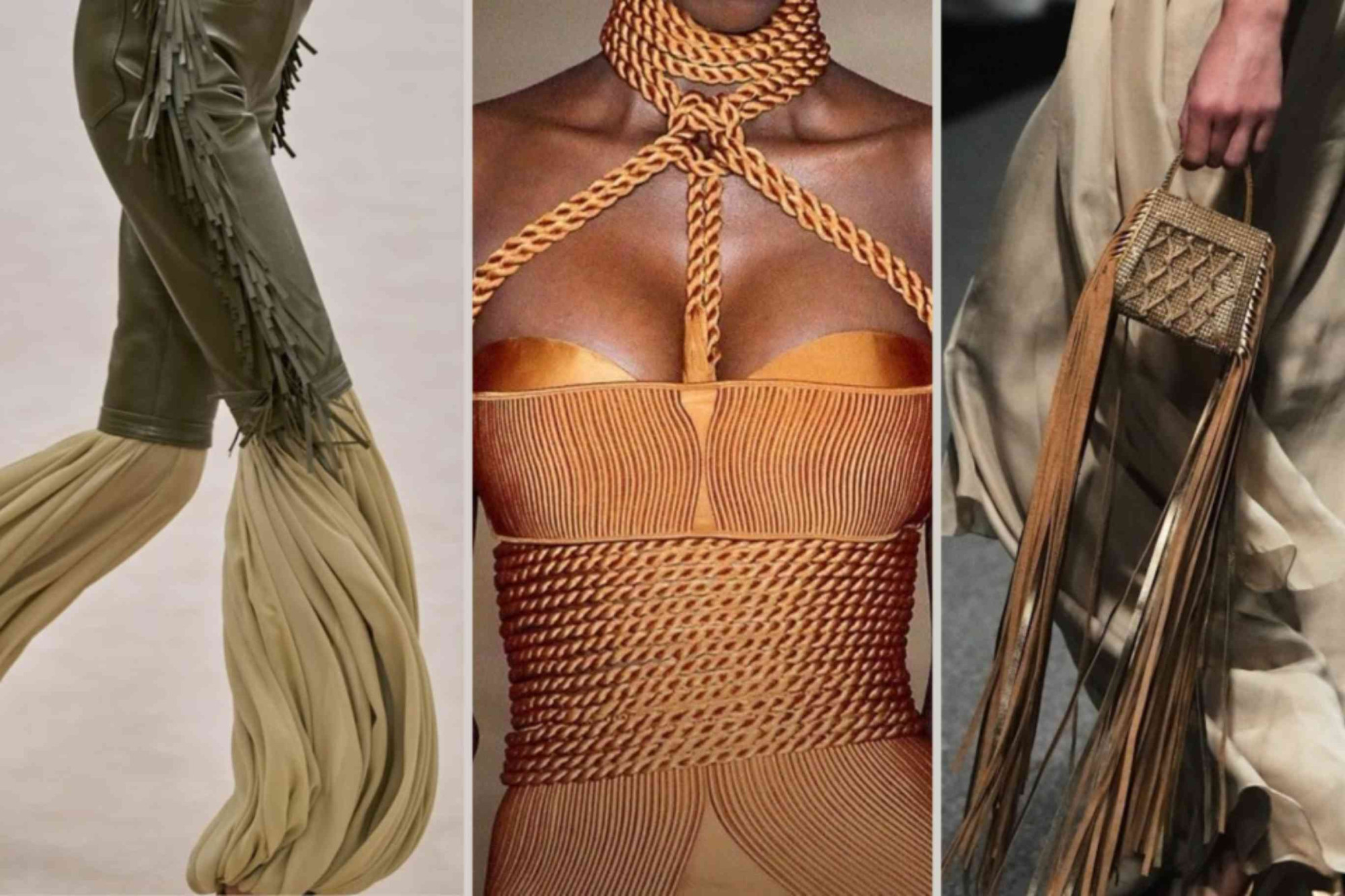
Gabonese designer Chouchou Lazare transforms raffia, a natural palm fibre with deep cultural significance in Central Africa, into contemporary fashion. His work combines traditional weaving techniques with sculptural silhouettes, bringing Gabonese textile craftsmanship to an international audience.
From Gabon to the Runway
Based in Libreville, Chouchou Lazare is a self-taught fashion designer whose work centres on raffia, a material traditionally associated with ceremonial clothing in Gabon.
His interest in fashion began at the age of nine, when he helped his mother with sewing. During secondary school, he organised his first fashion show and subsequently developed his skills independently, experimenting with the possibilities of woven raffia.
In 2002, Lazare received recognition at the International Design Biennale in Saint-Étienne, France, where he won an award for his fashion presentation.
His work has since gained further international attention, including recognition at the Fashion Annual Show in Paris.
As president of the Association of Stylists and Designers of Gabon, Lazare also supports emerging designers and promotes the country's textile craftsmanship.
The Craft of Raffia
Raffia is obtained from palm leaves and can be processed into fibres suitable for weaving, braiding and decorative textile work.
In Gabon, raffia cloth traditionally carried social and ceremonial significance. Particular patterns, lengths and decorative elements could communicate status and cultural identity. The material remains associated with weddings and Bwiti ceremonies.
Lazare works with finely woven Gabonese raffia, transforming it into fitted bodices, structured skirts and elaborate dresses.
The fibres can be assembled into textile surfaces, braided into decorative elements or used to create volume through layered construction.
His approach retains the distinctive texture of raffia while introducing contemporary proportions and garment shapes.
By developing collections around this material, Lazare brings attention to a specialist textile tradition and the craftsmanship involved in preparing and working with natural fibres.
#LesCouleursSauvages #StyleAndFashion #ChouchouLazare #RaffiaFashion #GaboneseDesign #AfricanFashion #TextileCraftsmanship #ContemporaryFashion #LesCouleursDuMonde
Style & Fashion @safaristyle
THE FRINGE
Long fringes, intricate weaving and unconventional proportions have given handmade handbags a distinctive place in contemporary fashion. Designer Nasrin Jean-Baptiste explores these elements through Petit Kouraj, a label rooted in her Haitian heritage.
Petit Kouraj
Born in London to Haitian parents, Nasrin Jean-Baptiste worked as a fashion stylist before establishing her own accessories label.
A visit to Haiti encouraged her to explore the country's creative traditions and develop a product that would connect contemporary fashion with local craftsmanship.
She founded Petit Kouraj in 2018. The name means little courage in Haitian Creole and reflects the personal significance of creating a business connected to her family's heritage.
The label became known for its distinctive fringed handbags, combining openwork structures with long strands of textile fibre.
Handmade in Haiti
Petit Kouraj works with artisans in Haiti to produce its handbags by hand. The designs use crochet and knotting techniques to create structured surfaces, with long fringes forming an important part of their silhouette.
Unlike conventional leather handbags, these designs place textile construction at the centre of the accessory. The openwork patterns, proportions and movement of the fringes give each piece its character.
The brand's collaboration with Haitian makers also connects the finished product to the people and specialist skills involved in its production.
Petit Kouraj demonstrates how an accessory can become the defining element of an outfit through its materials and construction.
#LesCouleursSauvages #StyleAndFashion #PetitKouraj #NasrinJeanBaptiste #FringeBags #HandmadeAccessories #HaitianCraftsmanship #IndependentDesigners #LesCouleursDuMonde
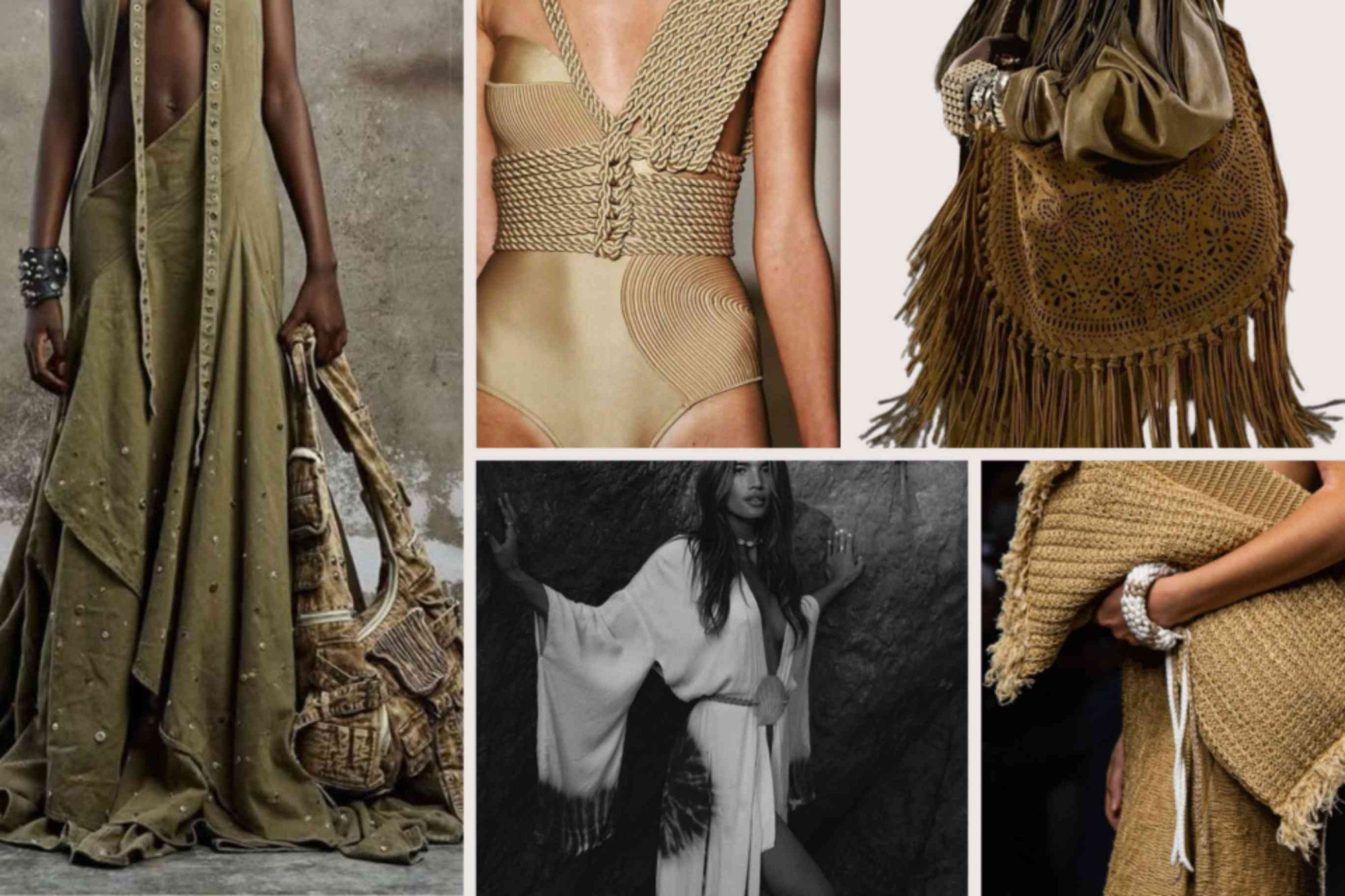
Style & Fashion @safaristyle
Made by Heart
Traditional dyeing techniques give contemporary fashion a distinctive character through colour, pattern and individual craftsmanship. Danish designer Birgitte Raben has made hand-dyed textiles an essential part of her label Rabens Saloner.
Copenhagen and Bali
Founded in 2007 by Birgitte Raben, Rabens Saloner combines contemporary Scandinavian fashion with traditional textile craftsmanship.
The design team is based in Copenhagen, while Raben maintains a creative base in Bali, where she spends part of the year working with local artisans and textile specialists.
Her collections include relaxed dresses, draped tops, lightweight separates and hand-dyed garments. Tie-dye has become one of the label's most recognisable design elements.
Rather than treating the technique as a seasonal trend, Rabens Saloner has incorporated hand-dyed fabrics into its collections for many years.
Inside the Dye Atelier
At the label's Bali atelier, fabrics are folded, pleated and secured before being immersed in dye baths.
Traditional resist-dyeing techniques prevent colour from reaching selected areas of the fabric, creating patterns that emerge when the bindings are removed.
Some garments undergo several rounds of tying and dyeing to produce more complex colour combinations.
The process is carried out by hand, with the dyers adjusting their methods according to the fabric and the desired result. Even when the same technique and colours are used, small variations make individual garments different.
For Birgitte Raben, this collaboration with Balinese dye specialists is central to the label's identity, connecting traditional knowledge with contemporary fashion design.
#LesCouleursSauvages #StyleAndFashion #RabensSaloner #BirgitteRaben #HandDyedFashion #TieDye #TextileCraftsmanship #DanishDesign #LesCouleursDuMonde
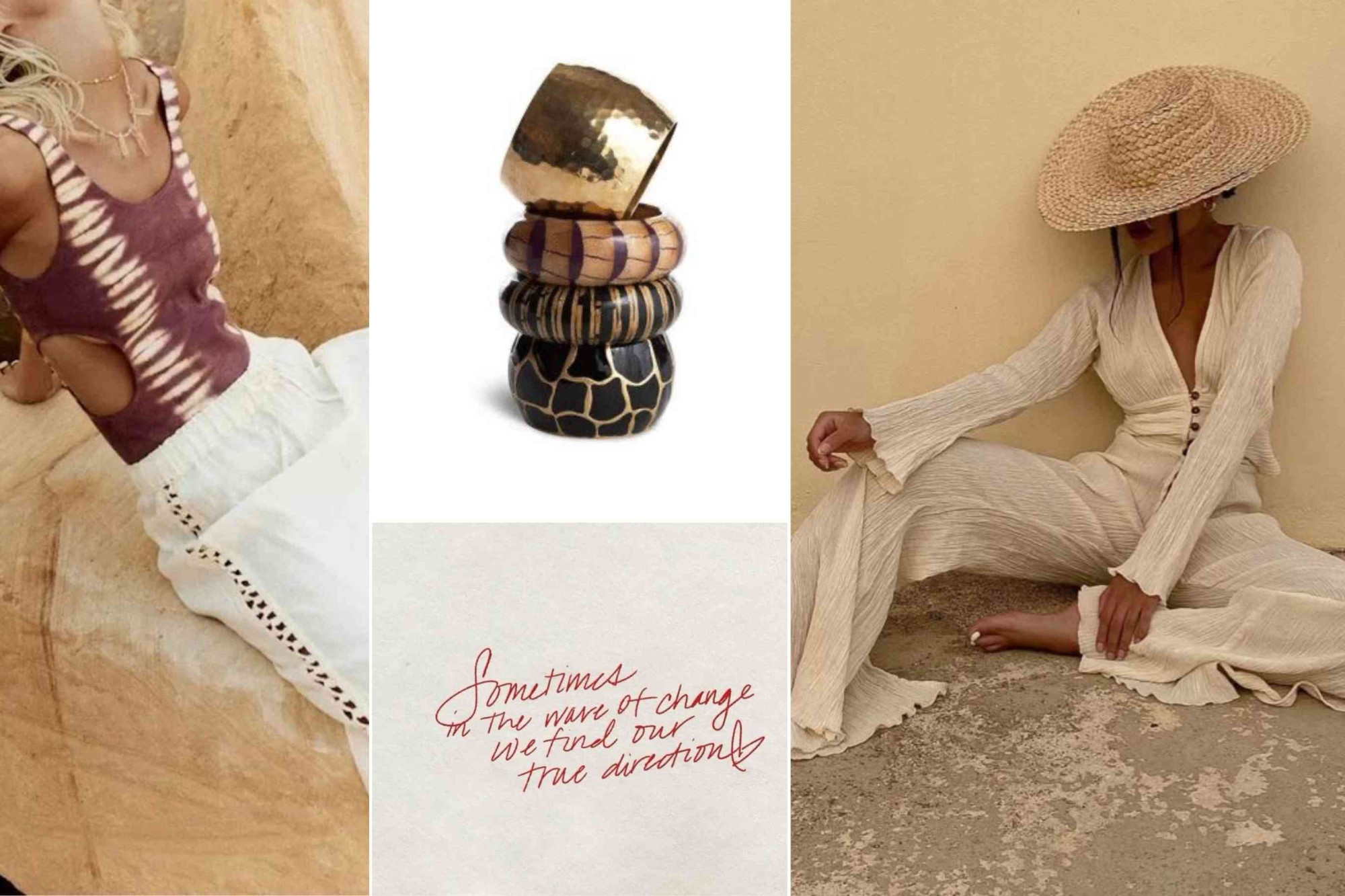
Style & Fashion @safaristyle
A distinctive wardrobe is built through the combination of clothing, accessories and individual design choices. For Marie Gas, founder of the Parisian concept store BY MARIE, this approach has shaped more than 25 years of selecting independent fashion designers and distinctive pieces.
The Woman Behind BY MARIE
Growing up in Marseille, Marie Gas was introduced to craftsmanship through her father, André Gas, founder of the jewellery house Gas Bijoux.
Although she initially studied law, she became interested in fashion after accompanying her father to international trade fairs. During visits to New York and Los Angeles, she encountered independent designers and a colourful, vintage-influenced style that would shape her future business.
In 2000, she opened her first BY MARIE boutique on Rue Étienne Marcel in Paris.
Her concept was to bring together designers with individual identities rather than build a collection around one fashion house.
Today, BY MARIE operates boutiques in Paris, Saint-Tropez and Marseille, presenting clothing, jewellery and accessories selected by Gas.
Elegant and Easy, Delicate and Strong
BY MARIE's selection includes established designers and emerging labels, with an emphasis on craftsmanship, distinctive materials and limited collections.
Its fashion offering ranges from relaxed summer clothing to more structured tailoring, while jewellery, bags and hats are treated as essential parts of the overall wardrobe.
The concept store also offers its own BY MARIE Collection, designed by Marie Gas. Inspired by her travels, the collection includes cashmere and silk garments with relaxed cuts and carefully selected colours.
Another part of the concept is Vacation Pieces, a permanent selection of clothing and accessories intended for warm-weather destinations.
Rather than presenting a single seasonal aesthetic, BY MARIE brings together different design influences through a personal approach to fashion.
#LesCouleursSauvages #StyleAndFashion #ByMarie #MarieGas #PersonalStyle #IndependentDesigners #BohemianFashion #FashionAccessories #LesCouleursDuMonde
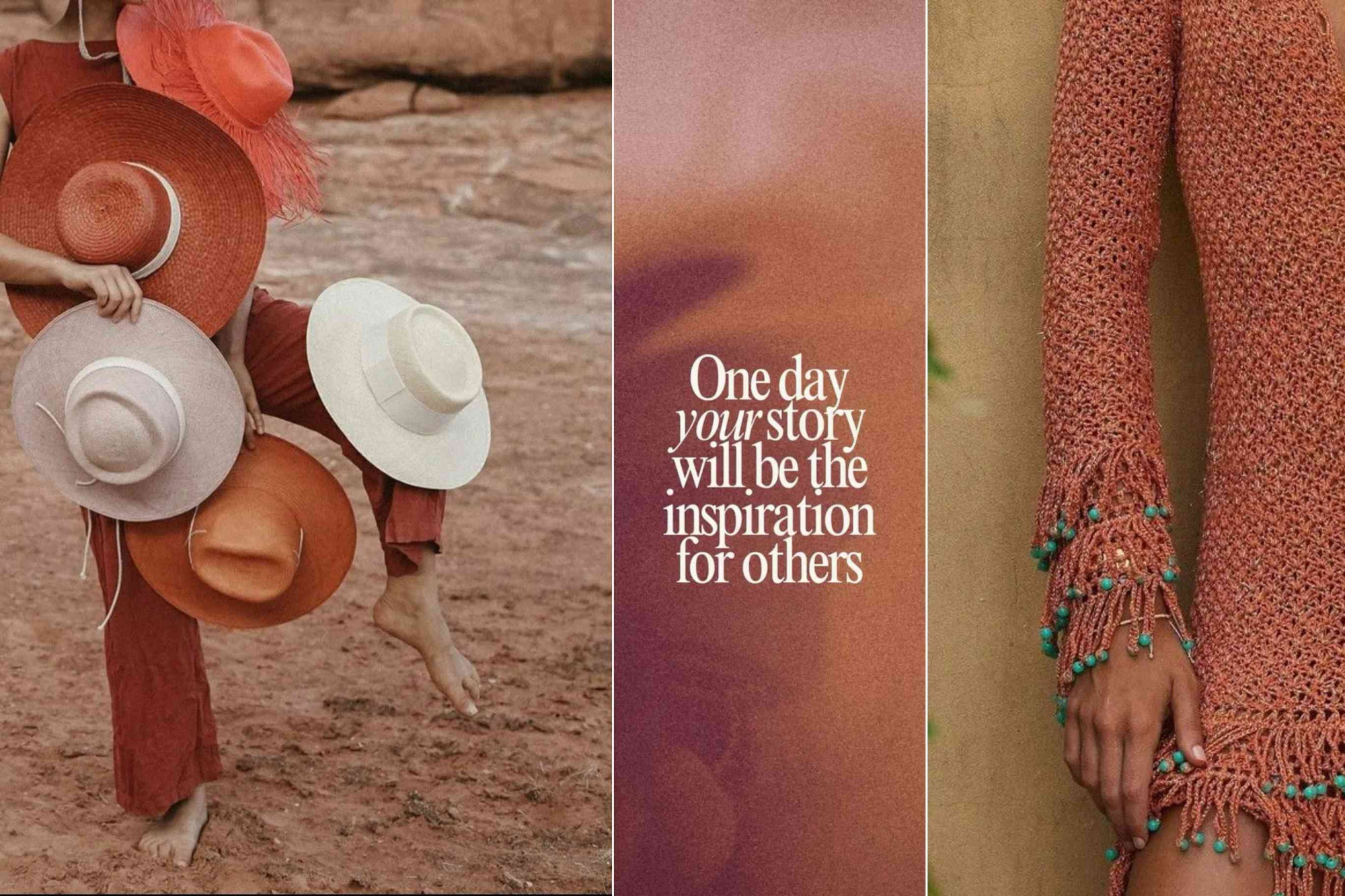
Style & Fashion @safaristyle
Boundary-pushing fashion
For Nigerian designer Lisa Folawiyo, colour and pattern are central to a fashion language that combines West African textile traditions with contemporary silhouettes and detailed craftsmanship.
A visionary approach to craftsmanship and creativity
Lisa Folawiyo founded her fashion label in Lagos in 2005. With no formal fashion training, she developed a distinctive approach to womenswear through her interest in traditional fabrics and their possibilities within contemporary design.
Her early work focused on Ankara, the printed cotton textile widely worn across West Africa. Rather than using these fabrics in conventional forms, Folawiyo began combining contrasting prints with fitted tailoring, embroidery and intricate hand-beaded embellishments.
This approach established her reputation internationally and contributed to a growing recognition of contemporary Nigerian fashion.
Transforming Traditional Fabrics into Contemporary Fashion
Ankara remains an important reference in Folawiyo's work, alongside other West African textiles such as Akwete, a handwoven fabric associated with southeastern Nigeria.
Her collections explore how printed textiles can be transformed through construction and embellishment. Beading introduces additional texture, while carefully placed patterns emphasise the structure of jackets, dresses and coordinated separates.
The result is a recognisable design identity in which traditional textile references become part of contemporary fashion.
Folawiyo's work has also been presented internationally, including through the Africa Fashion exhibition developed by London's Victoria and Albert Museum.
Her collections demonstrate the creative possibilities of working with local textile heritage while developing a fashion label with an international audience.
#LesCouleursSauvages #StyleAndFashion #LisaFolawiyo #AfricanFashion #ContemporaryFashion #TextileDesign #NigerianDesigners #LesCouleursDuMonde
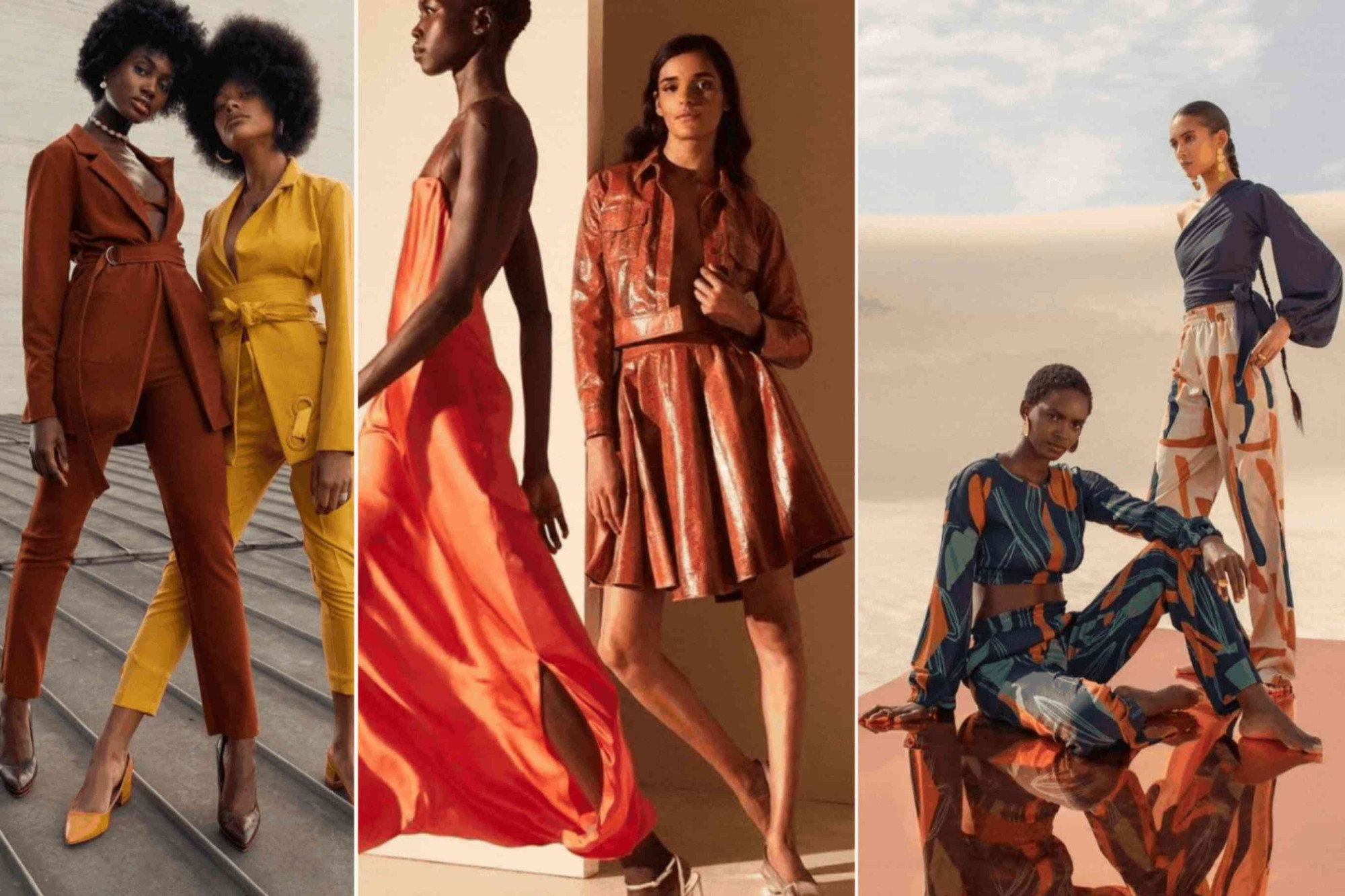
Style & Fashion @safaristyle
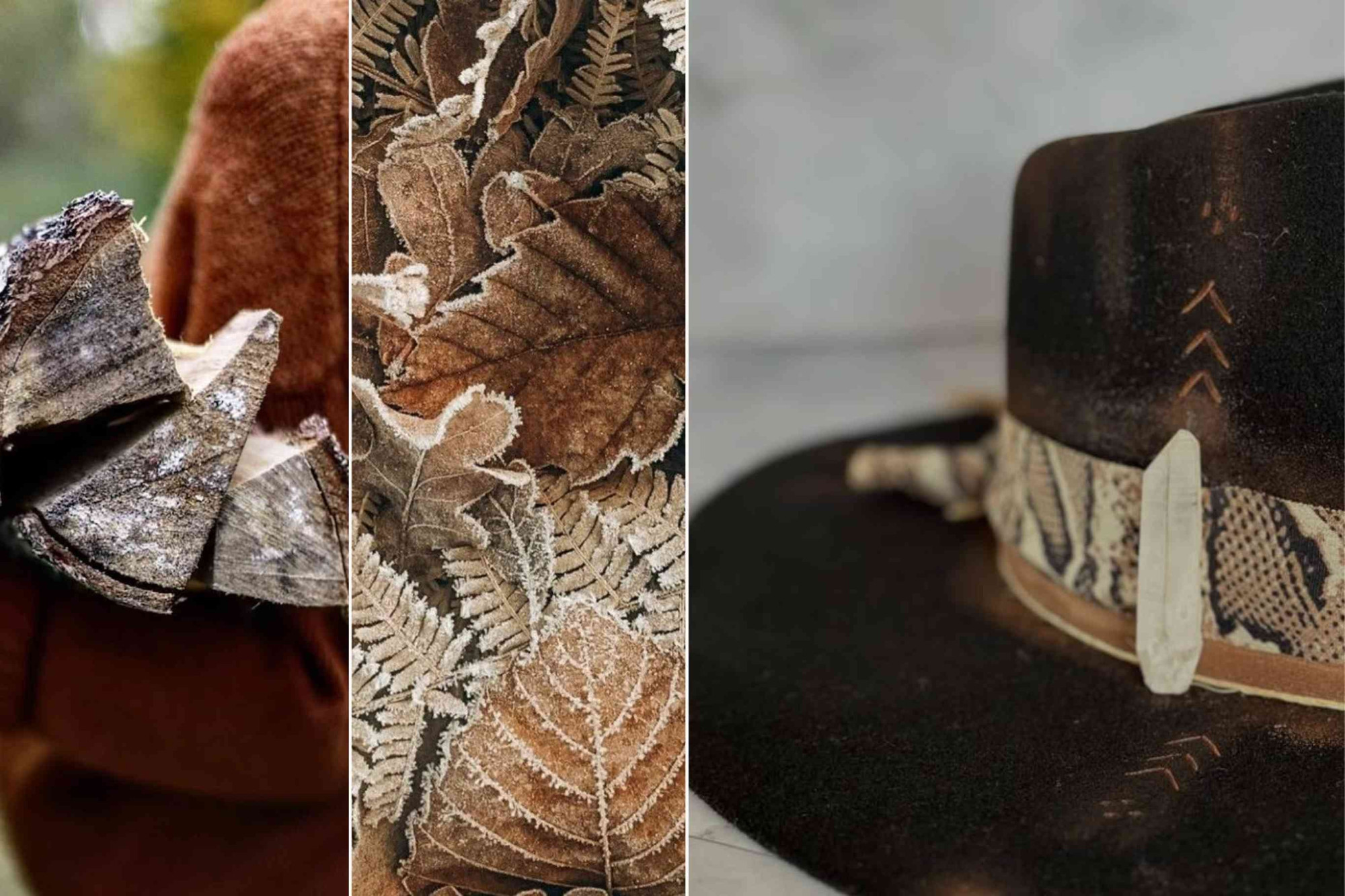
Explorers of Forms, Textures and Hues
Maleza was founded by Dutch designer Myrte Sara Huyts and Spanish designer Javier Reta Gallego, who came from backgrounds in literature and fine arts.
Their interest in hatmaking began in 2017 in Madrid's Lavapiés neighbourhood. Two years later, they officially opened their workshop, bringing together traditional millinery tools and a contemporary approach to design.
The name Maleza, meaning wild vegetation or weeds in Spanish, reflects their fascination with natural forms and irregular textures.
Working with wooden hat blocks and antique equipment, they create bespoke designs, limited editions and individual pieces. Their hats are designed without gender-specific conventions, allowing shape, proportion and personal preference to determine how each piece is worn.
Felt, Botanical Dyes and Handcrafted Forms
One of Maleza's most distinctive practices is the reuse of vintage felt. Old hats are carefully dismantled, washed and reshaped into new designs, preserving materials that might otherwise be discarded.
The atelier also works with French merino wool felt, vegetable fibres and reclaimed textiles. Many pieces are coloured using botanical dyes, producing subtle variations that make each hat individual.
Even the tools reflect the workshop's commitment to craftsmanship. Maleza designs its own wooden hat blocks, which are then made by a specialist woodworker in Seville. Vegetable-tanned leather from northern Spain is used for the interior sweatbands.
The resulting collections combine traditional construction with sculptural shapes and unconventional finishes.
Among the atelier's creations is Merzouga, a burnt-orange felt hat named after the Moroccan desert town. Its design reflects Javier's years living in Morocco and demonstrates how personal experiences can influence individual pieces.
Maleza's work has been exhibited in Madrid, Barcelona, Tokyo and Amsterdam, introducing its approach to traditional millinery to an international audience.
#LesCouleursSauvages #StyleAndFashion #MalezaHatmakers #SpanishDesign #ArtisanalFashion #Hatmaking #NaturalMaterials #IndependentDesigners #LesCouleursDuMonde
Style & Fashion @safaristyle
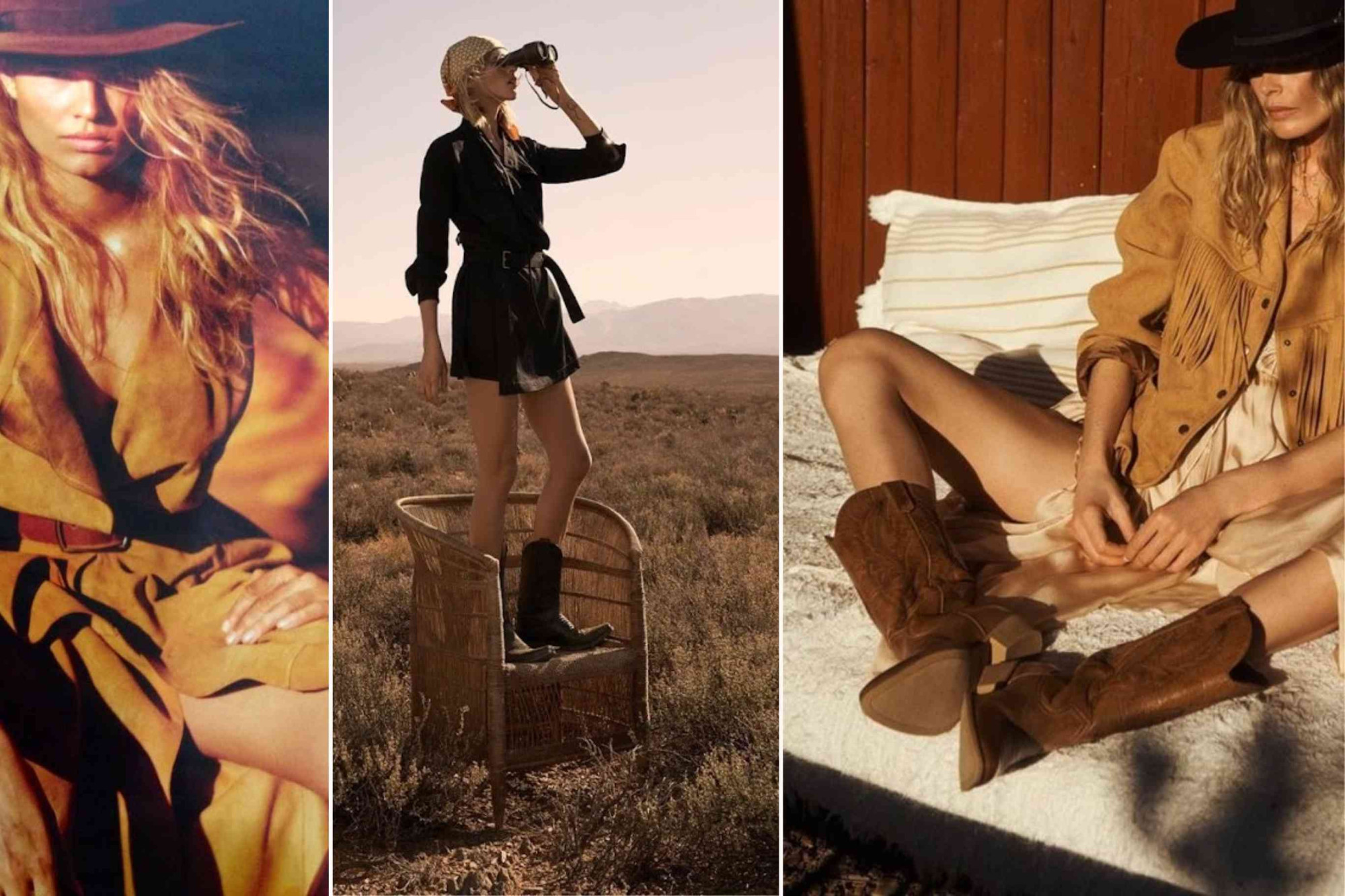
The Western Influence
Western-inspired fashion has become a recognisable part of contemporary bohemian style, with suede, leather and fringed details bringing elements of traditional ranch clothing into modern wardrobes. Dutch label Treasures Design explores this influence through handcrafted leather garments and accessories.
From the Netherlands to Bali
Founded in 2008, Treasures Design combines Dutch design with artisanal production in Bali, Indonesia.
The label specialises in leather and suede garments, particularly fringed jackets, ponchos, waistcoats and bags. Its collections draw on the visual language of western clothing while adapting traditional details for contemporary fashion.
The connection with Bali is an important part of the brand's identity. Treasures Design works with local artisans who produce the garments using established leatherworking techniques.
Rather than concentrating on seasonal trends, the label develops pieces around distinctive materials, decorative finishes and recognisable silhouettes.
Suede, Fringes and Western Details
Fringes originally served practical purposes on certain forms of leather clothing, including helping rainwater run off garments. Over time, they also became decorative features associated with western dress, rodeo clothing and later the counterculture fashion of the 1960s and 1970s.
Treasures Design incorporates these influences into soft suede wraps, leather jackets and accessories.
The emphasis is on the texture and movement of the material. Long fringes introduce a decorative element to otherwise simple shapes, while earthy shades such as cognac, tobacco and chocolate brown reference the traditional colours of leather.
A fringed suede jacket can be worn with denim, a cotton dress or tailored trousers, making western-inspired clothing adaptable to different personal styles.
The appeal of these garments lies in the combination of traditional leatherworking and a contemporary interpretation of western fashion.
#LesCouleursSauvages #StyleAndFashion #TreasuresDesign #WesternFashion #SuedeFashion #LeatherCraftsmanship #BohemianStyle #IndependentDesigners #LesCouleursDuMonde
Style & Fashion @safaristyle
The language of African artistry and ornamentation
Katherine-Mary Pichulik studied Fine Arts at the University of Cape Town before establishing her jewellery label in 2013.
Her earliest pieces were created at the kitchen table of her Cape Town apartment. Experimenting with rope, wrapping techniques and decorative objects, she developed a distinctive approach to jewellery that attracted attention at Design Indaba, South Africa's influential design platform.
Rope became the defining material of PICHULIK. Its flexibility allows the designer to create curved, architectural forms that are difficult to achieve using conventional jewellery techniques.
The label subsequently gained international recognition, including an Accessory Designer of the Year award from African Fashion International.
Designed out of rope and found materials
PICHULIK combines locally produced and repurposed rope with cast brass, semi-precious stones, glass beads and freshwater pearls.
In its Cape Town atelier, a team of female artisans uses techniques including knotting, wrapping, weaving and crochet. Each jewellery piece is made by one craftswoman from beginning to end, allowing individual skills to remain an important part of the production process.
The atelier also collaborates with women-owned businesses and local suppliers, supporting employment and specialist craftsmanship within South Africa.
The resulting collections include statement earrings, necklaces and sculptural accessories with strong geometric forms and contrasting textures.
For Katherine-Mary Pichulik, jewellery is also a means of exploring cultural narratives. References to African artistry, mythology and traditional ornamentation influence collections that combine symbolic meaning with contemporary design.
#LesCouleursSauvages #StyleAndFashion #Pichulik #AfricanJewellery #SouthAfricanDesign #ArtisanalJewellery #ContemporaryAccessories #LesCouleursDuMonde
Style & Fashion @safaristyle
Feminine with a Rebel Spirit
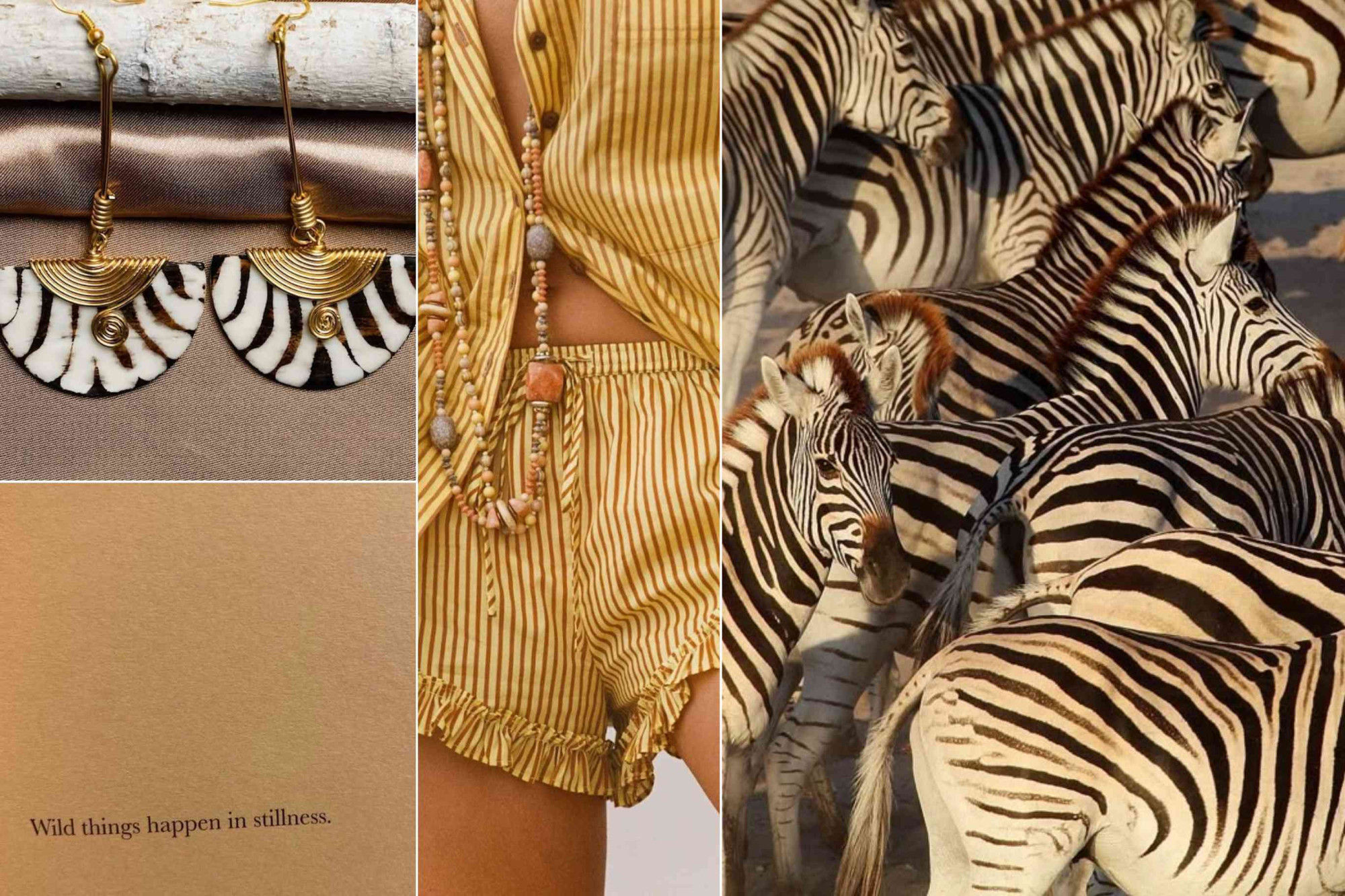
Animal prints, vintage influences and expressive silhouettes define the identity of Belle & Bowie, the Moroccan fashion label founded by Meriem Khaldi. Inspired by the distinctive styles of the 1970s and 1980s, her collections combine femininity with a rebellious approach to contemporary fashion.
Vintage Inspiration, Modern Expression
Meriem Khaldi founded Belle & Bowie in 2021, following a career that included luxury marketing, auction sales and four years working as a stylist and artistic director for international fashion campaigns in Morocco.
Her experience in fashion imagery influenced the creative direction of her own label. Rather than following conventional seasonal trends, Khaldi began developing collections around vintage references, expressive prints and versatile silhouettes.
Her particular interest in leopard and zebra patterns became a defining feature of Belle & Bowie. These prints appear alongside structured tailoring, fluid fabrics and designs influenced by the glamorous fashion of the 1970s and 1980s.
Eighties Influences and the Féline Collection
The Féline collection reflects Khaldi's interest in combining feminine silhouettes with stronger, more structured designs.
Pronounced shoulders, oversized jackets and animal prints reference the confident dressing associated with the 1980s.
One of the collection's signature pieces is the Blazer Dress, an oversized leopard-print jacket that can be worn as a dress or layered over more casual clothing.
Other designs include the Portofino dress, characterised by its low-cut back, and the Cher maxi skirt with its distinctive draping.
Versatility is an important part of Khaldi's design approach. Some garments can be tied or styled in different ways, allowing a single piece to serve several occasions.
Alongside these collections, Belle & Bowie has explored recycled denim, soft jersey and cotton voile, introducing different textures and silhouettes into the label's wardrobe.
Handmade in Casablanca
Belle & Bowie's collections are produced in Casablanca, where Khaldi works with a predominantly female team of artisans and garment makers.
The label sources fabrics locally, including surplus textiles from French and Italian fashion houses and vintage fabric stocks.
Production takes place in small quantities, allowing the atelier to make use of existing materials while reducing unnecessary stock.
This approach connects the creative direction of Belle & Bowie with local Moroccan craftsmanship.
Through its combination of animal prints, vintage influences and contemporary tailoring, Belle & Bowie has developed a recognisable identity within Morocco's independent fashion scene.
#LesCouleursSauvages #StyleAndFashion #BelleAndBowie #MeriemKhaldi #MoroccanFashion #AnimalPrint #VintageFashion #IndependentDesigners #LesCouleursDuMonde