Style & Fashion @safaristyle
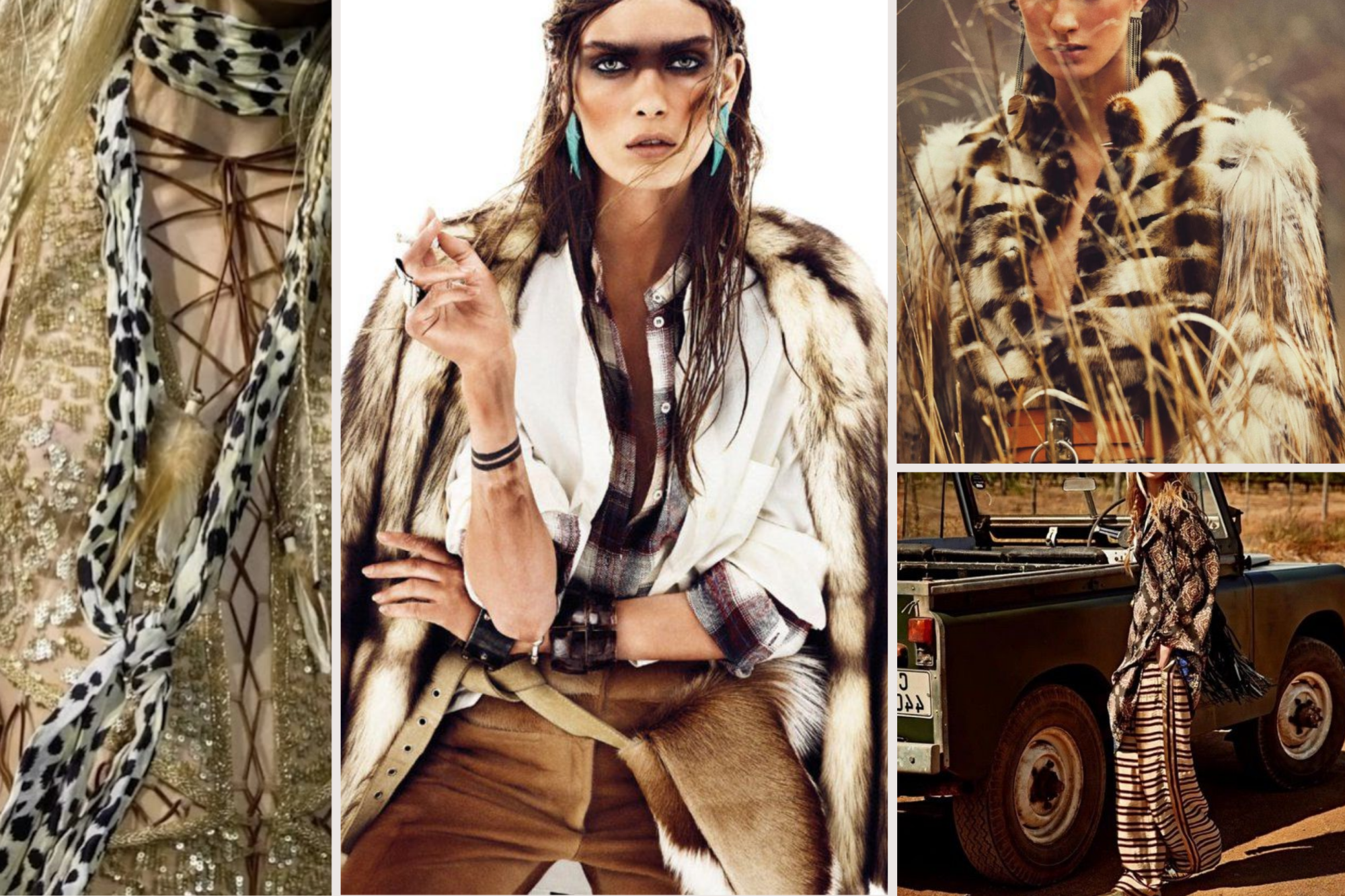
Combining different textures can give an outfit more depth even when the colours stay within a limited palette.
A smooth cotton shirt, for example, looks very different when worn with a textured vest or jacket. The contrast between the two materials makes both pieces more noticeable without requiring additional colour or print.
The same principle works with lighter fabrics. Sheer materials, lace and fine knits can be combined with leather, suede or heavier outerwear. The difference in weight prevents several neutral pieces from blending into one another.
Texture can also help balance an outfit. A long fluid skirt works well with substantial boots, while a lightweight dress can carry a heavier jacket or vest. The contrast keeps the silhouette from feeling too delicate or too heavy.
Print adds another layer, but it does not need to dominate. A patterned scarf, blouse or skirt can sit alongside textured materials when some of the colours are repeated elsewhere in the outfit.
Accessories are useful for introducing smaller contrasts. Leather belts, metal jewellery, woven bags and scarves can add another surface without requiring an additional garment.
The number of textures matters. Two or three clearly different materials are usually enough to create variation. When every piece has a strong surface, the outfit can quickly become visually busy.
This approach is particularly useful with neutral and earthy wardrobes. When colour is restrained, differences between cotton, leather, faux fur, suede and lightweight fabrics become a much more visible part of the styling.
Want to explore the softer side of texture mixing?
Discover Ruffles, Lace and Romantic Details →
#TextureMixing #FashionStyling #LayeredStyle #FashionDetails #LesCouleursSauvages