
Aurales Bohemian Collection
Timeless swim & beachwear for men & women, inspired by coastal living Contact: info@lescouleursdumonde.com
Step Outside @stepoutside
Spending more time outside does not have to mean planning a hike, booking a camping trip or organising a full day in nature. Many outdoor moments can simply become part of an ordinary day.
Walking is one of the easiest ways to spend more time outside. Going to the bakery on foot, taking the dog for a longer walk or choosing a route through a park instead of along a busy road adds outdoor time without requiring a separate activity.
Meals can move outside too. Breakfast on a balcony, lunch in the garden or taking a sandwich to a nearby park changes the setting without changing much else. A blanket, a basket and something simple to eat are often enough.
The same applies to activities you would normally do indoors. Reading, making a phone call, having coffee or meeting a friend can all take place outside when the weather allows. Even working outdoors for an hour can be an option if you have a shaded terrace or garden.
Small errands can become another reason to get outside. Visiting a local market, walking to a flower shop or picking up something for dinner gives a purpose to the outing while leaving room to explore the neighbourhood along the way.
Weekends create more possibilities without needing an elaborate plan. A morning at the beach, a bicycle ride, a walk through the countryside or a few hours beside a lake can fit around other plans instead of taking over the entire day.
What you take with you can stay simple. A reusable water bottle, sunglasses, a light layer, a book and a practical bag cover many everyday outings. For longer days, add food, sun protection and anything needed for the activity.
Where you live or travel naturally changes the possibilities. Near the coast, going outside might mean walking along the beach or swimming before dinner. In the countryside it could be a market followed by a walk, while in a city it might be a park, botanical garden or outdoor café.
Spending more time outside is therefore less about adding another activity to the calendar and more about changing where some everyday activities happen. A few small choices can make outdoor time a regular part of the week.
#StepOutside #OutdoorLiving #OutdoorLifestyle #NatureAndOutdoor #EverydayOutdoors

Step Outside @stepoutside
An outdoor bath brings bathing into the landscape without requiring the space or construction of a swimming pool. They are increasingly found at cabins, glamping sites, countryside stays and small hotels where the surroundings are an important part of the experience.
There are several ways to create one. Traditional bathtubs can be installed on a terrace or in a sheltered part of the garden, while larger metal stock tanks provide enough space to sit comfortably outdoors. Some are filled only when needed, while others remain connected to a permanent water supply.
Heating makes a significant difference to how and when an outdoor bath can be used. Some installations are connected to the property's hot water system. Others use electric or wood-fired heaters, particularly in more remote locations where the bath is designed to be used throughout the year.
The location is just as important as the bath itself. A view over mountains, fields, woodland or open countryside can become part of the experience, but privacy still needs to be considered. Planting, stone walls, timber screens or simply enough distance from neighbouring properties can provide shelter without completely enclosing the space.
Outdoor baths also work in places where a swimming pool would be impractical. They require much less space and can be incorporated beside a cabin, on a terrace or within a small garden. This makes them particularly suitable for individual guest rooms and smaller holiday properties.
They are different from hot tubs. A hot tub usually keeps water heated and circulating for repeated use, while an outdoor bath can be filled with fresh water for each use and emptied afterwards. This also means that water use and drainage need to be considered when planning an installation.
Climate influences the design as well. Shade can be useful in warmer destinations, while colder regions may require insulated pipes and reliable heating. In exposed locations, protection from wind can make an outdoor bath considerably more comfortable.
For travellers, outdoor baths have become another feature worth looking for when choosing an unusual stay. From a simple metal bath beside a cabin to a private bathtub overlooking the landscape, the concept shows how even a small outdoor space can be used differently.
#OutdoorBath #OutdoorLiving #CabinLife #Glamping #StepOutside

Step Outside @stepoutside
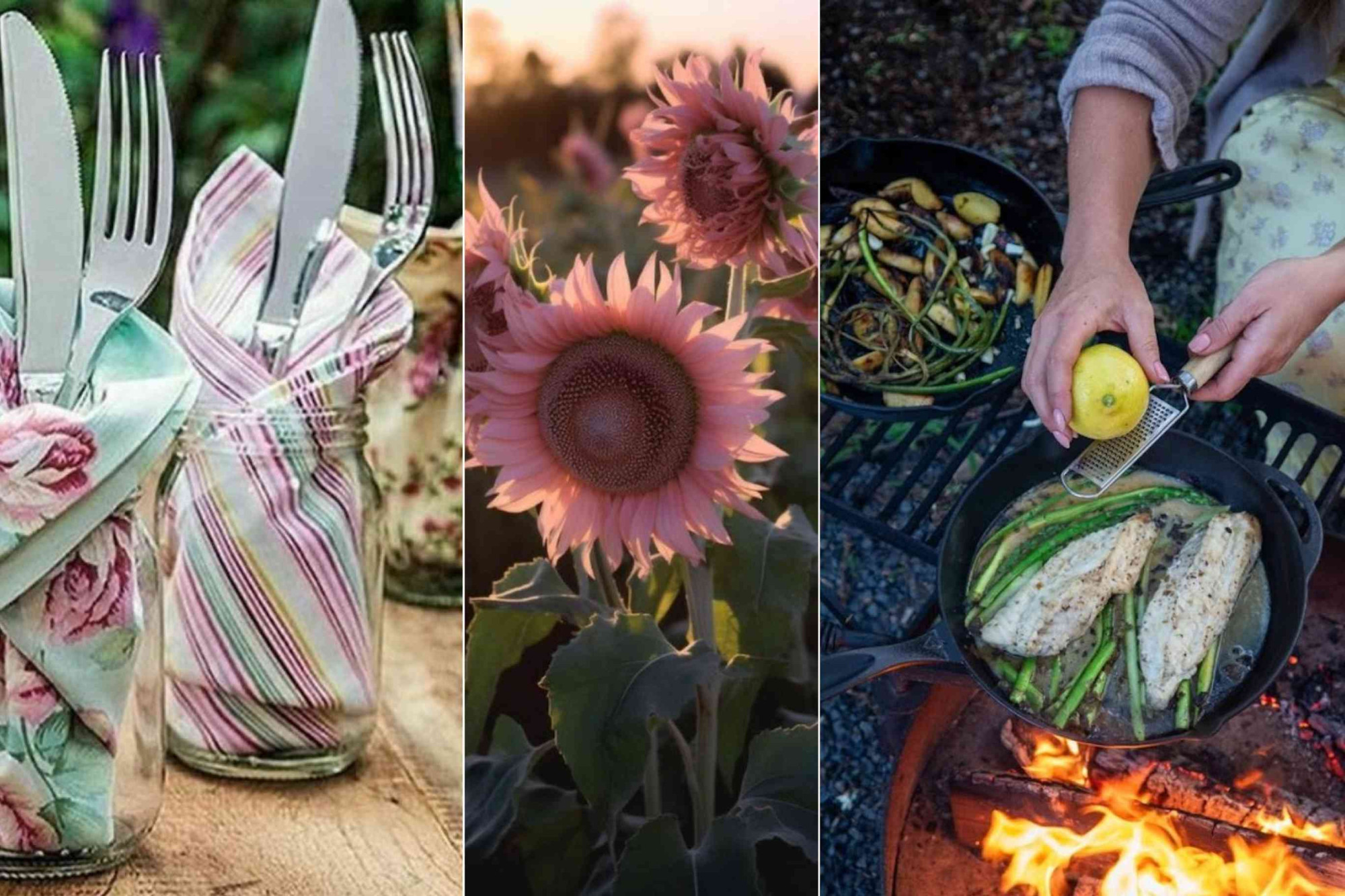
Cooking over an open fire can be surprisingly simple when the ingredients and cooking method are kept straightforward. Vegetables, fish, meat, bread and even fruit can all be prepared outdoors with little more than a grill or a good pan.
The first thing to consider is the fire itself. Cooking directly above large flames makes it difficult to control the heat and food can burn quickly. Waiting until the fire has produced a good layer of hot embers creates a steadier cooking temperature and makes it easier to move food between hotter and cooler areas.
A cast-iron pan is particularly useful outdoors because it retains heat well and can be placed directly on a grill above the fire. Vegetables such as courgettes, peppers, onions, potatoes and asparagus can be cooked together, while fish or meat can be prepared alongside them.
Simple ingredients work particularly well. Olive oil, salt, pepper, fresh herbs, garlic and lemon are easy to bring outside and can be used with many different foods. A piece of fish cooked with vegetables and finished with lemon, for example, needs very little additional preparation.
Not everything needs a pan. Corn, peppers and aubergines can be grilled directly, bread can be toasted over the heat and potatoes can be wrapped and cooked among the embers. Skewers are another practical option for vegetables, meat or combinations of both.
Preparation before lighting the fire makes outdoor cooking considerably easier. Vegetables can be washed and cut in advance, marinades prepared at home and ingredients packed in separate containers. This leaves less to organise once cooking begins.
Open-fire cooking is not limited to traditional camping. Fire pits and designated cooking areas are increasingly found at cabins, campsites and nature stays, while an appropriate setup can also be used in a garden where local fire regulations allow it.
Fire safety remains important, particularly during dry periods. Open fires may be restricted or completely prohibited depending on the location, season and wildfire risk, so local regulations should always be checked before lighting one.
With a few ingredients and the right place to cook, an outdoor fire can provide both the heat and the cooking surface for an entire meal, from grilled vegetables and fish to toasted bread and simple desserts.
#OpenFireCooking #OutdoorCooking #CampfireCooking #OutdoorMeals #StepOutside
Step Outside @stepoutside
Some of the best travel photographs are not necessarily the ones you planned to take. They can be the picture taken during a walk, someone swimming before breakfast, a friend carrying everything back from the beach or a photograph taken while waiting for lunch.
These images tend to say more about a trip because they show what was actually happening. The destination is still there, but so are the people, clothes, weather and small details that belonged to that particular day.
It is easy to return from a beautiful place with hundreds of photographs of the landscape and surprisingly few of the people who were there with you. Taking turns with the camera can change that. The person who normally takes the photographs becomes part of the story as well.
The surroundings are worth keeping in the frame. A photograph of someone on a beach becomes more specific when you can see the coastline behind them. The same applies to mountains, a campsite, a garden or the terrace of a holiday home. Years later, these details often help you remember exactly where the photograph was taken.
Not every image needs to look perfect. Windblown hair, wet clothes after swimming or someone laughing at the wrong moment can end up capturing a day better than the photograph everyone stopped to pose for.
There is also a difference between taking photographs for yourself and taking them primarily to share. When every image is considered in terms of how it will look online, it is easy to overlook the ordinary moments that might actually become the photographs you keep.
A camera can be part of a day outside without becoming the purpose of it. Take it along, photograph the moments you want to remember and then put it away again.
A collection of travel photographs does not need to look like a professional shoot. It only needs enough of the place and the people to bring you back to what the day was really like.
#TravelPhotography #OutdoorPhotography #TravelMemories #OutdoorLife #StepOutside

Step Outside @stepoutside
A nature journal can begin with the things you notice while spending time outside. A flower growing beside a path, an unfamiliar leaf, the first blossom in the garden or something collected during a weekend in the countryside can all become part of it.
There is no fixed format. Some people draw or paint what they find, while others use photographs, short notes or pressed flowers and leaves. A journal can combine all of these, depending on what you enjoy collecting and remembering.
Walks become a little different when you start paying attention to what is growing around you. Instead of passing the same plants each time, you begin to notice when they flower, which ones disappear as the season changes and what appears in their place.
Travelling provides another opportunity to add to the journal. Mediterranean herbs, Alpine wildflowers or plants growing along a coastal path can become reminders of a destination in much the same way as photographs. Writing down the location and date is often enough to remember where something was found.
You do not necessarily need to pick plants. Many wildflowers are protected or grow in sensitive environments, so photographing or sketching them where they grow is often the better choice. Flowers from your own garden or varieties bought at a local flower market can be pressed if you want to include something physical.
A small notebook is easy to take on a walk, but the journal itself can stay at home. Photographs and observations collected during the day can be added later, together with plant names or other details you want to remember.
Over time, the pages naturally begin to follow the seasons. Spring flowers give way to summer plants, autumn brings different leaves and seeds and winter reveals details that are less noticeable during the rest of the year.
The result does not have to be a botanical reference book. It can simply become a record of the plants, places and seasons you have noticed while spending time outside.
#NatureJournal #NatureJournaling #Wildflowers #OutdoorActivities #StepOutside

Step Outside @stepoutside
A day outside is easier when you can carry what you need without packing for every possible situation. A picnic, afternoon in the countryside or a few hours beside a lake usually requires much less than a full day trip.
Start with something comfortable to sit on. A large blanket works for picnics, reading and resting and can also be used as an extra layer when the temperature drops. Choose one that folds or rolls easily enough to carry with the rest of your things.
Food can stay simple. Bread, fruit, vegetables, cheese, sandwiches and a few snacks are easier to manage outdoors than dishes that need several containers or utensils. A reusable bottle for water is useful even when drinks are part of the picnic.
A basket looks good for a picnic, but it is not always the most practical choice when you have to walk any distance. A backpack or sturdy shoulder bag leaves your hands free, while a small cool bag is useful when food needs to stay chilled.
What you wear matters too. Comfortable clothes, shoes suited to the location and an extra layer are usually more useful than dressing for the photograph. A hat and sunglasses can stay in the bag until they are needed.
A book, magazine, cards or camera can give you something to do once you arrive. There is no need to bring several activities. Part of spending an afternoon outside is having enough time to do very little.
A few smaller things are easily forgotten: napkins, a bottle opener, sunscreen and a bag for taking rubbish home. If you are heading somewhere without facilities, having these with you avoids having to improvise later.
The location will determine what else belongs in the bag. A beach day might require swimwear and a towel, while an afternoon in the countryside may call for walking shoes and another layer.
Packing lightly makes it easier to change plans as well. You can walk a little further, stop somewhere unexpected or stay until later without feeling as though you have brought half the house with you.
#DayOutside #OutdoorLiving #OutdoorEssentials #PicnicDay #StepOutside

Step Outside @stepoutside
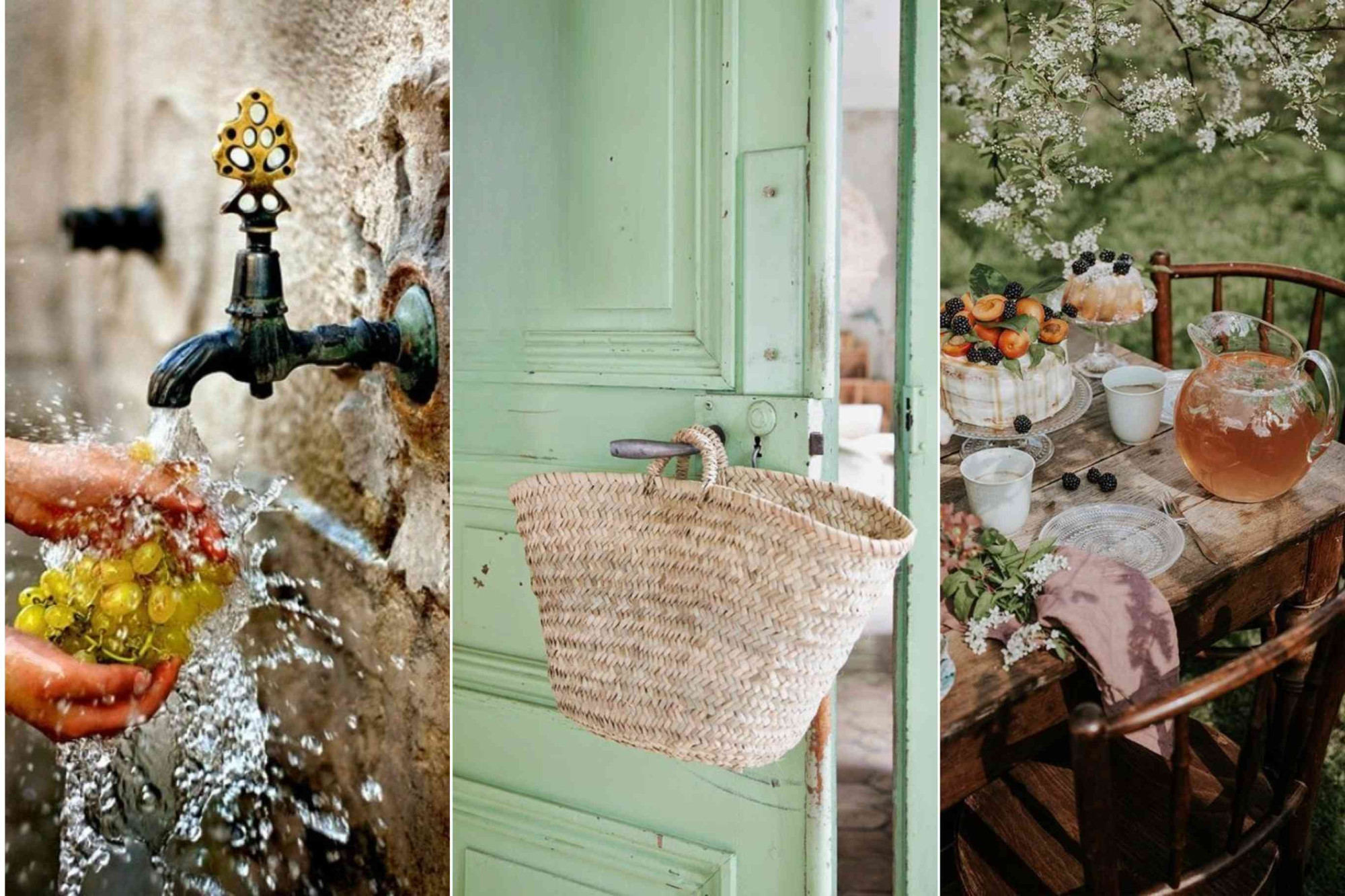
A garden can provide much more for the table than a few herbs picked just before dinner. Fruit, vegetables, edible flowers and fresh herbs can become part of everyday meals during the months when they are in season.
You do not need a large vegetable garden to make use of what grows outside. Tomatoes in pots, strawberries, salad leaves and herbs such as basil, mint and rosemary can all be grown in relatively small spaces and picked when they are needed.
Fruit trees and vines bring their own rhythm to the year. Figs, lemons, peaches, grapes and berries are available for a limited period, which naturally influences what appears on the table. When there is more than you can eat immediately, the extra fruit can become jam, compote, juice or something to share.
Fresh herbs are particularly useful because they can move directly from the garden into everyday cooking. Mint can go into cold drinks and salads, basil with tomatoes and rosemary with vegetables prepared outside on a grill.
Some of the pleasure comes from keeping the food simple. Ripe tomatoes need little more than olive oil and salt, freshly picked fruit can become dessert and a handful of herbs can change a basic lunch without requiring a complicated recipe.
The same idea can be experienced while travelling. Farm stays, vineyards, agriturismos and countryside properties increasingly have kitchen gardens or orchards that form part of the stay. Breakfast might include fruit from the property, while dinner can use vegetables and herbs harvested nearby.
Local markets can fill the gaps when you do not have a garden of your own. Buying directly from growers creates a similar connection with the season because the selection changes according to what is being harvested locally.
Eating from the garden is ultimately about using what is available at the right moment. It can make an outdoor lunch as simple as bread, tomatoes, fruit and something cold to drink, with much of the meal coming from only a few steps away.
#GardenToTable #OutdoorLiving #SeasonalFood #KitchenGarden #StepOutside
Step Outside @stepoutside
Picking fruit yourself is an easy way to spend a few hours outside and take home something you can actually use afterwards. Strawberry fields, orchards and berry farms increasingly open during harvest periods, allowing visitors to pick directly from the plants.
What is available depends entirely on the season. Strawberries usually appear first, followed by cherries, raspberries, blueberries and other summer fruits. Later in the year, apples, pears and sometimes grapes become the reason for a trip to the countryside.
You-pick farms work differently from a normal farm shop. Visitors are usually given a container or bring their own, walk through designated growing areas and pay according to the amount collected. Some farms also combine picking with a shop selling vegetables, preserves, juice and other produce grown locally.
It can be particularly enjoyable with children because there is something practical to do rather than simply going for a walk. They can see how fruit grows, choose what to pick and take part in collecting food that will be eaten later at home.
Picking at the farm also makes seasonality much more visible. Strawberries are not available all year and cherries may only have a relatively short harvest. A farm visit depends on what is ripe rather than what happens to be available in a supermarket.
It is worth bringing suitable shoes, particularly after rain, as fields and orchards can quickly become muddy. A hat, water and a container that protects softer fruit are useful on warmer days.
Once home, freshly picked fruit does not need an elaborate recipe. It can be eaten as it is, added to breakfast, served with yoghurt or used for a simple dessert. Larger quantities can be turned into jam, compote or frozen for later.
For travellers, local picking farms can also provide a different way to experience the countryside around a destination. Instead of only visiting villages and viewpoints, a morning at an orchard or fruit farm introduces another part of the landscape and how it is used.
#PickYourOwn #FruitPicking #SeasonalFruit #Countryside #StepOutside
Step Outside @stepoutside
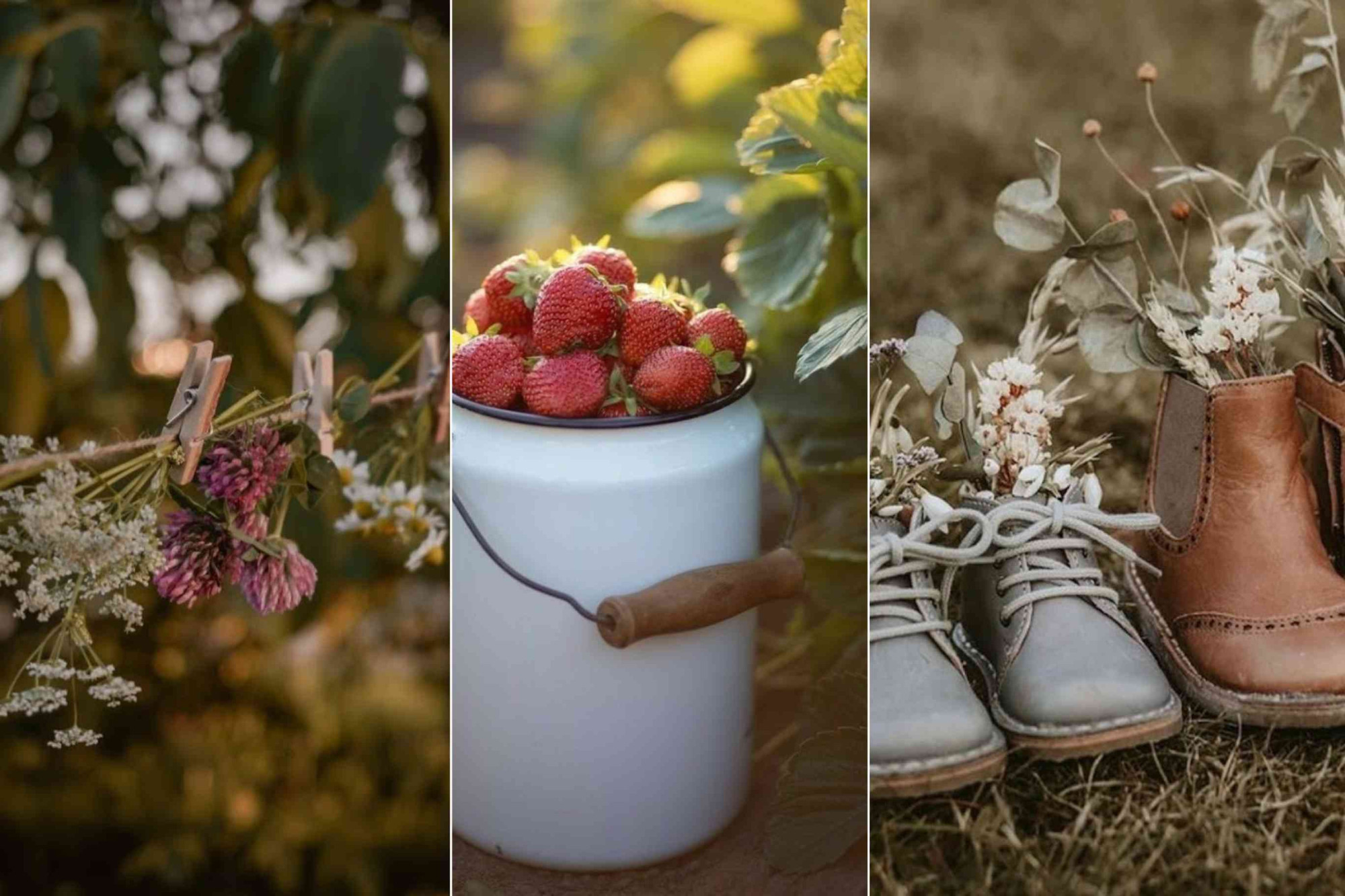
Children do not need a complicated outdoor programme to become interested in nature. A garden, woodland path, local park or afternoon in the countryside can provide plenty to look at, collect and talk about.
Flowers are an easy place to begin. Children can look for different colours, compare shapes or learn the names of a few varieties they see regularly. The aim does not have to be identifying every plant. Simply noticing what is growing makes a walk more interesting.
Small collections can give an outing a purpose. Fallen leaves, pine cones, feathers and interesting stones can be brought home where collecting is permitted. Wildflowers are usually better left growing, particularly in protected areas, but they can be photographed or drawn instead.
A small basket or the pockets of an old pair of dungarees are often enough for whatever is found along the way. Magnifying glasses, notebooks and other equipment can be fun, but they are not necessary every time children go outside.
Gardening provides another way to participate. Children can help plant seeds, water herbs, pick strawberries or choose flowers for a small bouquet. Seeing something change over several weeks gives them a reason to return and look again.
The seasons naturally provide new things to notice. Spring brings blossom and new growth, summer brings insects and fruit, while autumn is a good time for leaves, seeds and nuts. Even familiar places can therefore provide something different throughout the year.
Outdoor time also leaves room for children to decide what interests them. One child may spend half an hour looking for insects while another collects leaves or prefers climbing over fallen trees. Not every outing needs a planned activity or an educational goal.
Making nature familiar is often enough. Regular walks, time in the garden and small outdoor activities allow children to build their own relationship with the places and things they encounter outside.
#KidsInNature #OutdoorKids #NatureActivities #OutdoorLearning #StepOutside

Step Outside @stepoutside
Late summer and early autumn are the main seasons for finding elderberries, when the small dark fruits begin to hang in heavy clusters along hedgerows and country paths. Picking them can easily become part of a walk, especially in rural areas where elder grows naturally along field edges and woodland borders.
The berries develop from the elderflowers that appear earlier in the year. By the end of summer, the pale flowers have been replaced by clusters of deep purple-black fruit. Ripe berries are soft and dark, while green or reddish berries should be left on the plant.
Correct identification is essential when collecting anything wild. European elder, Sambucus nigra, is commonly foraged, but it can be confused with other plants. When in doubt, leave it untouched or join a guided foraging walk with someone who knows the local species.
A basket or container is useful because ripe elderberries can easily be crushed. Cutting whole clusters is usually easier than trying to remove individual berries outdoors. Once home, the berries can be separated from their stems with a fork.
Elderberries should be cooked before eating. Raw or unripe berries, as well as other parts of the plant, contain compounds that can cause illness. After proper preparation, the cooked fruit can be used for syrups, jellies, sauces and other seasonal recipes.
As with wildflowers and mushrooms, where you pick matters. Some plants grow on private property or in protected areas and local rules may restrict foraging. It is also sensible to avoid busy roadsides and places that may have been treated with chemicals.
There is no reason to strip an entire bush. Leaving plenty of berries behind provides food for birds and other wildlife and allows other people to enjoy the same hedgerow.
A container of elderberries brought home after a countryside walk is also a good starting point for learning more about the edible plants growing locally and how they change throughout the seasons.
#Elderberries #Foraging #WildFood #CountrysideWalks #StepOutside
Step Outside @stepoutside
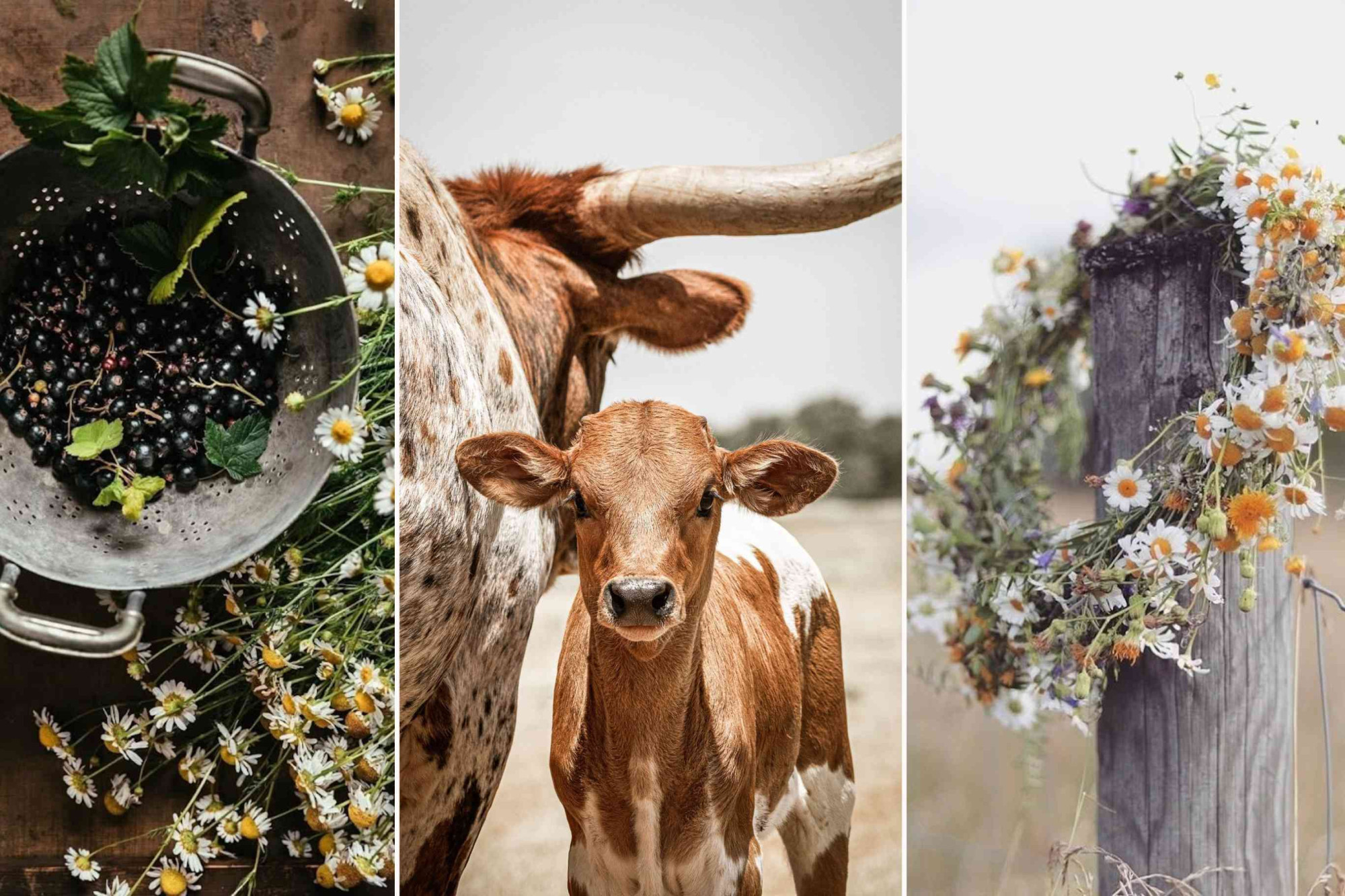
Pick-your-own farms can turn buying seasonal food into a day outside. Instead of choosing fruit and vegetables from a shop, visitors walk through orchards, fields or gardens and collect what is ready to harvest.
The experience changes throughout the year. Strawberries and cherries may bring the first picking days of the warmer months, followed by raspberries, tomatoes and other summer produce. Apples, pears and pumpkins tend to appear later in the season.
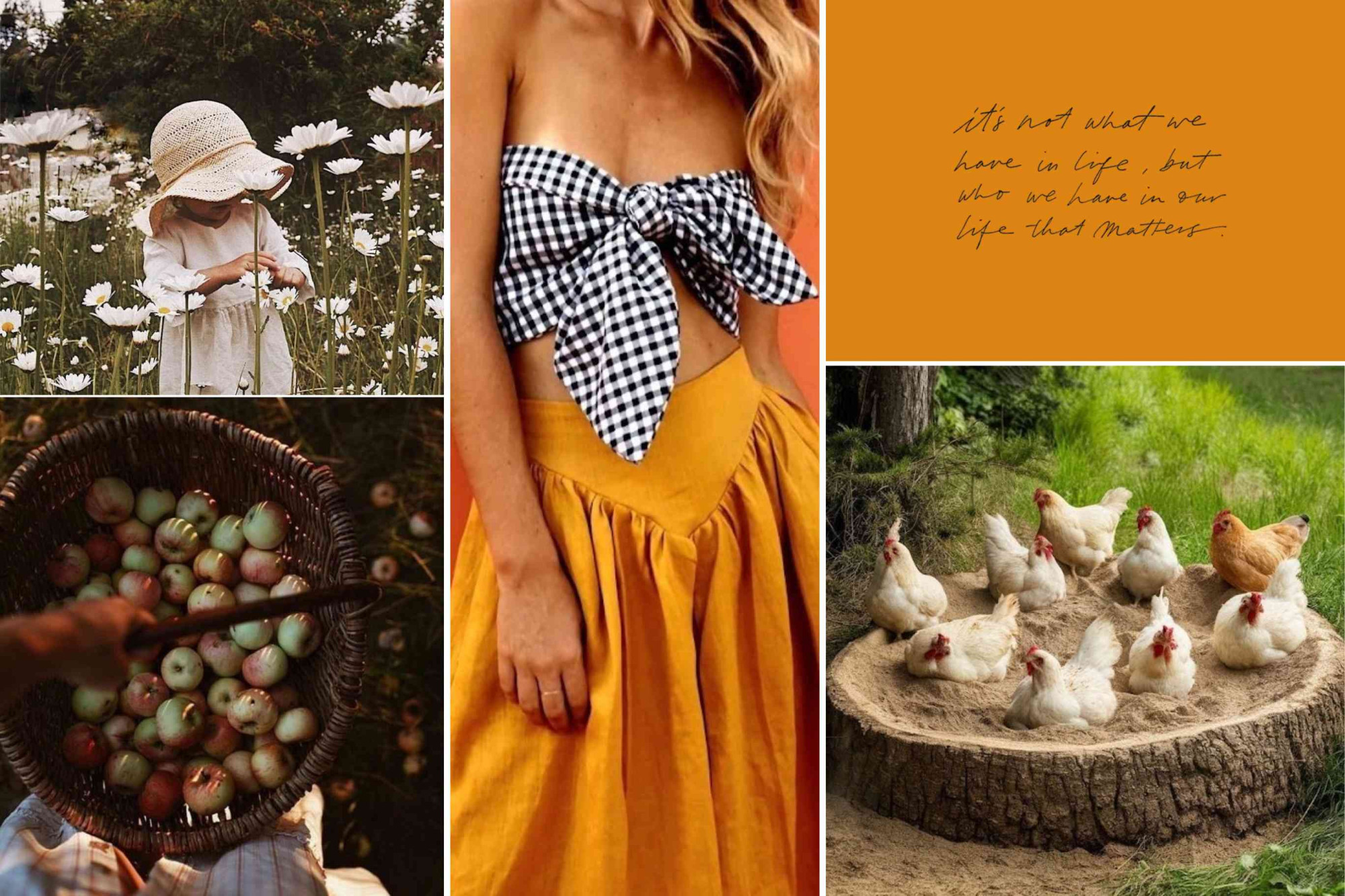
Some farms grow much more than fruit. You may find vegetable gardens, flower fields, chickens and small farm shops selling eggs, honey, juice, preserves and other products made or grown on the property.
For children, there is plenty happening without the need to organise separate entertainment. They can fill a basket with apples, see chickens roaming outside, look at how vegetables grow or choose flowers to take home where picking is allowed.
It can also become part of lunch. Some farms have picnic areas or cafés, while others allow visitors to bring their own food. A few things from the farm shop, together with what has just been picked, can easily become something to eat outside.
Clothing does not need much planning, although shoes that can handle grass, soil and mud are useful. A hat and something to drink are worth taking on warm days, especially when the fields are exposed to the sun.
The most interesting farms are not necessarily the largest. A small orchard or family-run property can provide just as much reason to spend a morning outside, particularly when visitors can meet the growers and see what is being harvested at that moment.
A visit also changes with every season, so the same farm can be worth returning to. What begins with strawberries in early summer might end with apples, pumpkins and the last flowers several months later.
#PickYourOwn #FarmLife #Countryside #SeasonalLiving #StepOutside
Step Outside @stepoutside
Picnic food does not always need to be prepared as a complete meal. A few snacks that are easy to pack and eat outside can be enough for an afternoon in the park, a walk in the countryside or a stop during a day out.
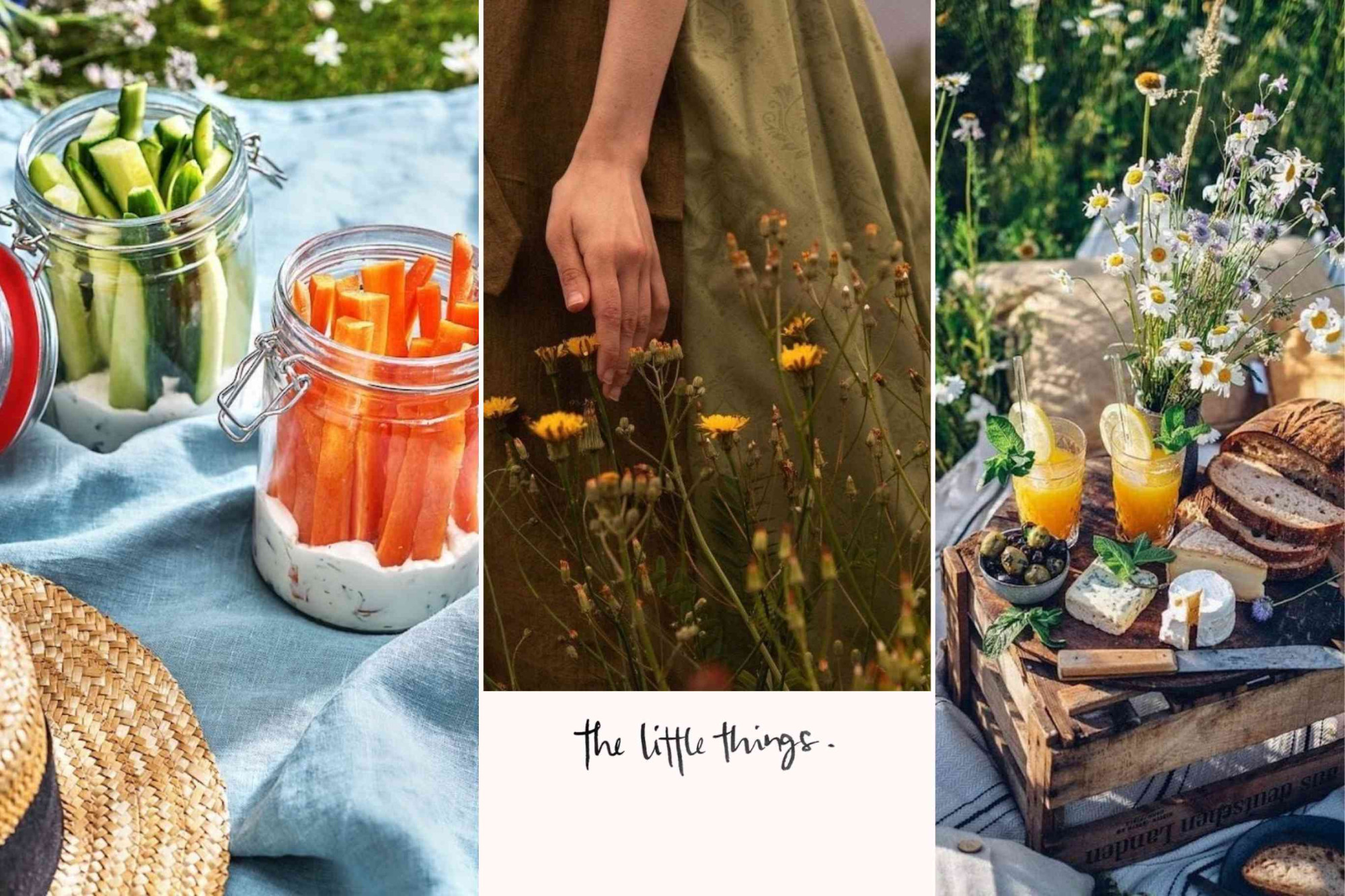
Fresh vegetables work particularly well because most require very little preparation. Carrots, cucumber, peppers and radishes can be cut at home and packed in jars or containers. Adding hummus, yoghurt dip or another spread at the bottom keeps everything together without needing separate bowls.
Fruit is another easy option. Grapes, berries, cherries and apricots can be eaten without cutlery, while apples and peaches travel well when packed carefully. Choosing fruit that is in season also means the selection naturally changes throughout the year.
Bread, crackers and cheese make the snacks more substantial. Harder cheeses generally travel more easily than very soft varieties, particularly on warmer days, although anything that normally needs refrigeration should still be kept cool.
Nuts, olives and dried fruit are useful additions because they can stay in a bag for longer and require no preparation once you arrive. A small selection is usually enough when there are already fresh vegetables, fruit and bread.
Drinks can stay simple too. Water is essential on warmer days, while homemade lemonade or water with citrus and herbs can be prepared before leaving. Reusable bottles are easier to carry than several individual drinks.
Packing smaller portions also makes it easier to share. Instead of bringing one large dish, several simple foods can be placed in the middle and everyone can take what they want.
The result can be as uncomplicated as vegetables with dip, bread and cheese, some seasonal fruit and a cold drink. It is enough to turn a few hours outside into an informal picnic without spending much of the day preparing it.
#PicnicSnacks #OutdoorFood #PicnicIdeas #OutdoorLiving #StepOutside
Step Outside @stepoutside
Brunch works particularly well outdoors because the food can be prepared in advance and served gradually rather than everything arriving at the table at the same time. It can be as simple as sandwiches, eggs, fruit and something to drink, making it suitable for a garden, park or weekend in the countryside.
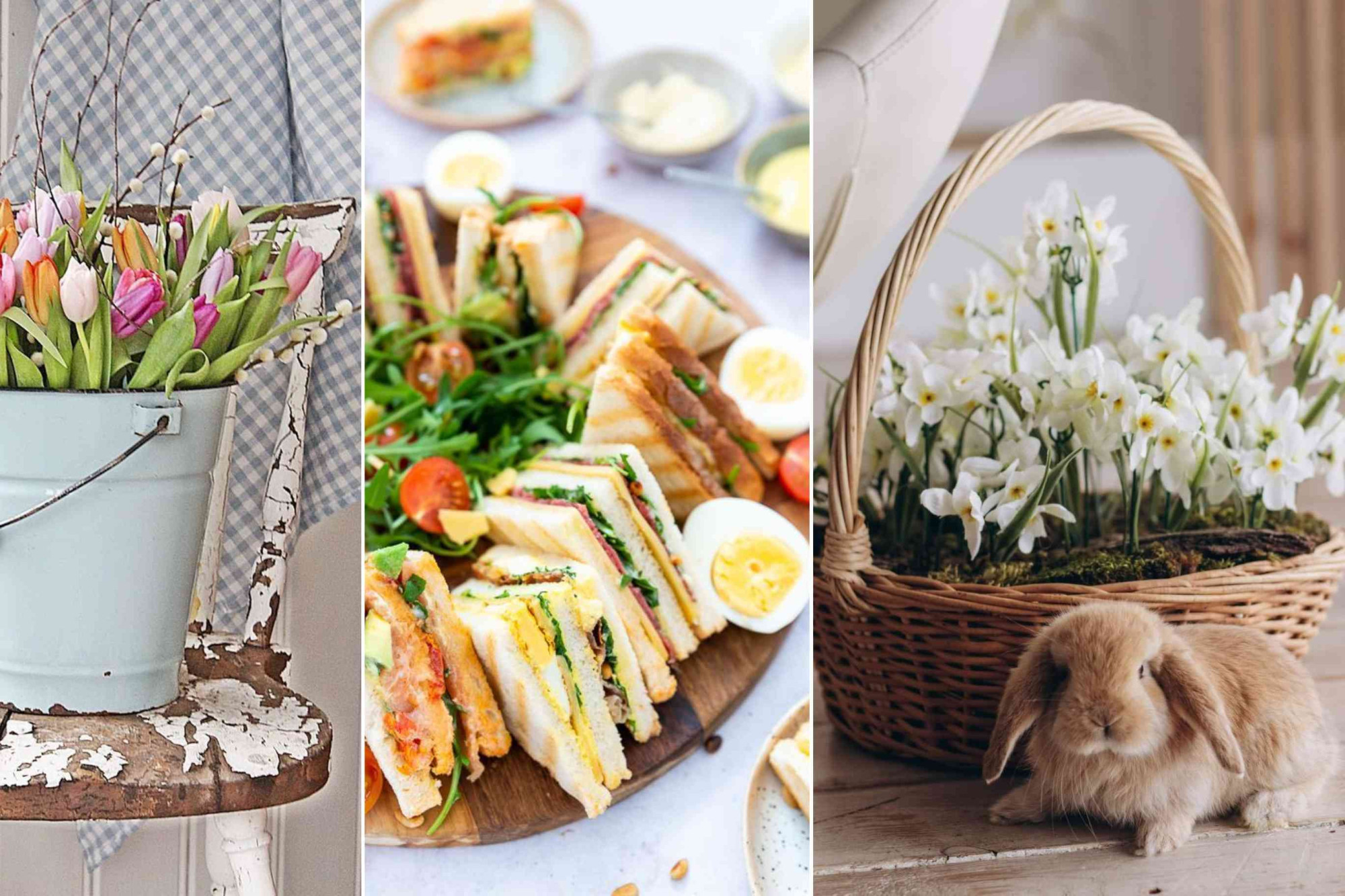
Sandwiches are an easy starting point. Smaller versions can be made with egg, cucumber, smoked salmon, cheese, avocado or roasted vegetables and arranged on one large board. Cutting them into halves or quarters makes it easier for everyone to try different fillings.
Eggs can be prepared in several ways without requiring cooking at the table. Boiled eggs travel well, while a frittata or tortilla can be made beforehand, served at room temperature and cut into portions when everyone is ready to eat.
Fresh fruit brings another element to the table without much preparation. Strawberries, cherries, grapes, melon or peaches can simply be washed and served, with the choice changing according to what is in season.
Bread and pastries can make the brunch feel more complete. Croissants, sourdough, brioche or something sweet from a local bakery require no preparation at home and work well alongside both savoury and sweet dishes.
Rather than preparing individual plates, place most of the food in the middle of the table or picnic blanket. A few boards and bowls make it easy to combine sandwiches, eggs, salads, fruit and pastries and allow everyone to eat at their own pace.
Coffee is not the only option for drinks. Fresh juice, homemade lemonade, sparkling water with citrus or iced tea are easy additions, particularly when brunch stretches into the warmer part of the day.
An outdoor brunch can also be a good reason to use what is available nearby. Bread from a bakery, fruit from a market, local cheese and fresh eggs can provide most of what is needed without turning the morning into a long preparation session.
The advantage of brunch is that it does not need a strict menu or starting time. Put together several foods that can be shared, find a comfortable place outside and allow breakfast and lunch to become one long meal.
#OutdoorBrunch #BrunchOutside #OutdoorFood #WeekendBrunch #StepOutside
Step Outside @stepoutside
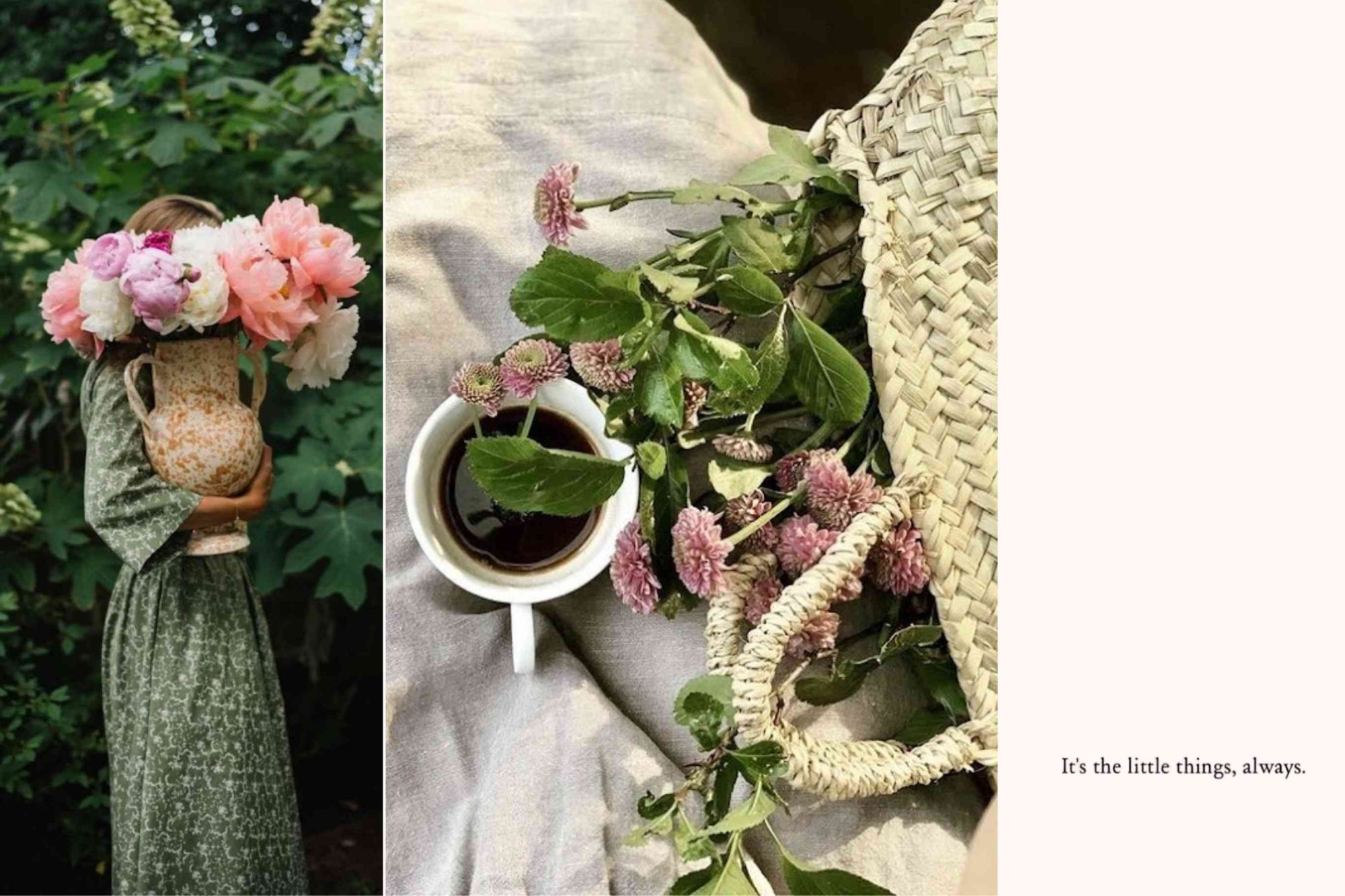
Growing a few flowers specifically for cutting means you can bring something in from the garden throughout much of the warmer season. You do not need a large flower garden either. A small bed, several pots or an unused corner of a vegetable garden can provide enough flowers for simple arrangements at home.
Some varieties are particularly useful because they produce new flowers after being cut. Cosmos, zinnias, dahlias, sweet peas and snapdragons are popular choices, while foliage and herbs can be added to make a small bunch feel more complete.
It is worth thinking about flowering times when choosing what to grow. Planting several varieties that bloom at different moments means everything does not arrive at once. Spring bulbs can start the season, followed by summer annuals and later-flowering dahlias.
The flowers do not have to match perfectly. A few stems picked from different parts of the garden can work together, especially when leaves, grasses or herbs are included. Even a small bunch can be enough for a bedside table, kitchen or outdoor lunch.
Cutting flowers regularly can actually encourage some varieties to keep producing. Removing flowers before they fade also prevents the plant from putting all its energy into seed production too early.
There is something practical about growing flowers you intend to use. They can be brought inside, placed on an outdoor table, given to someone or taken along when visiting friends. A garden does not have to remain something you only look at from the window.
Flower farms provide a similar experience for people without their own growing space. Some allow visitors to pick their own seasonal flowers, while others sell bunches directly from the farm during the flowering season.
By late summer, the combinations will look different from those picked in spring. That changing selection is part of the appeal. Instead of buying the same flowers throughout the year, the garden determines what goes into the vase.
#CuttingGarden #GrowFlowers #GardenFlowers #OutdoorLiving #StepOutside
Step Outside @stepoutside
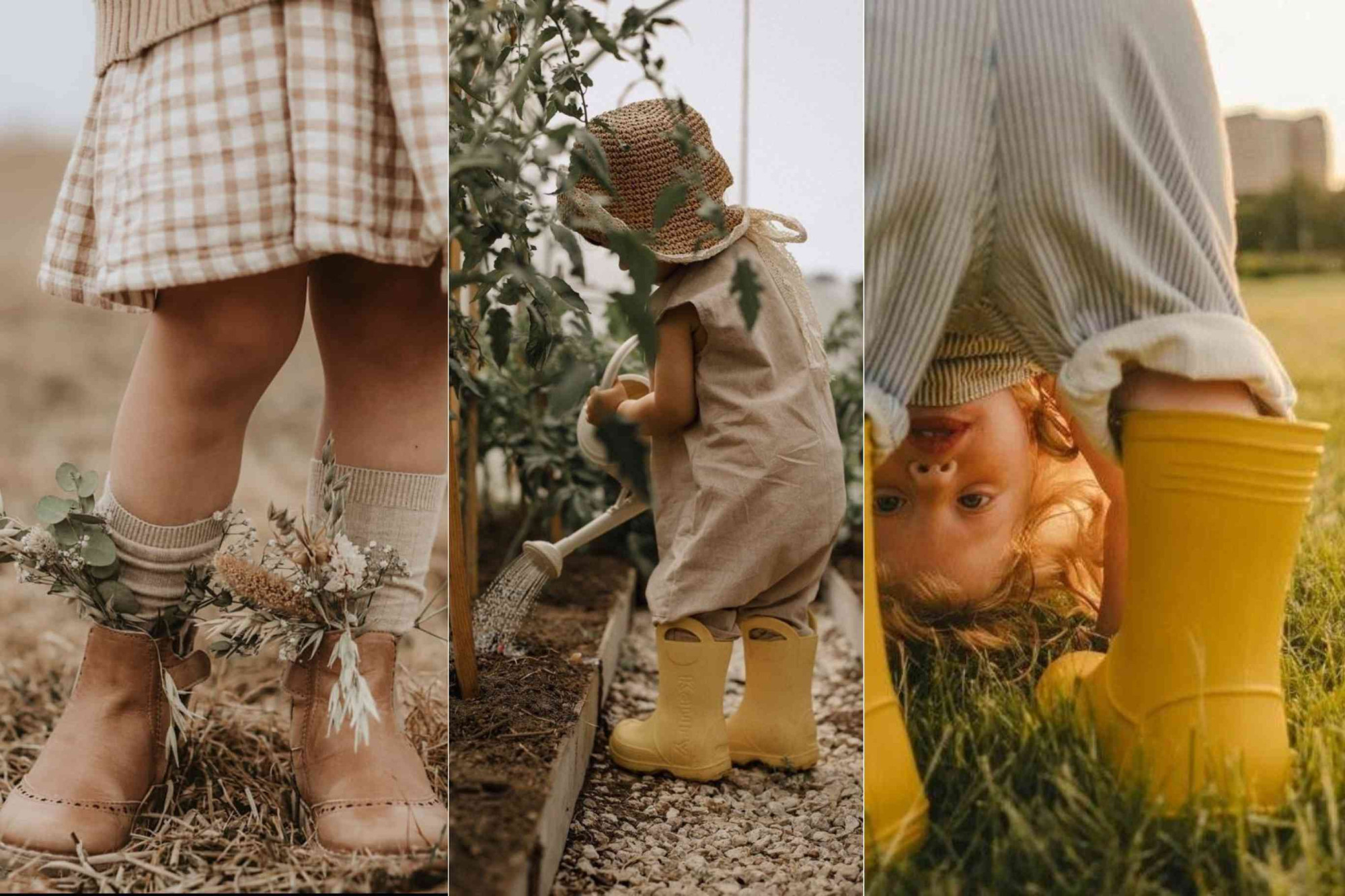
A small piece of garden that belongs to them can give children a reason to spend more time outside. It does not need to be a large vegetable patch. A raised bed, a few pots or even one corner of the garden can be enough for them to plant, water and see what happens.
Choosing what to grow can be part of the fun. Strawberries, cherry tomatoes, radishes and peas are good options because children can eventually pick and eat them. Sunflowers, nasturtiums and other easy flowers add colour and give them something different to look after.
Children can be involved from the beginning. Filling pots with soil, planting seeds and watering are all simple jobs that allow them to participate instead of watching an adult do everything.
Gardening also involves waiting. A seed planted today may take weeks before it becomes recognisable and even longer before there is something to harvest. Checking the garden regularly makes those small changes easier to notice.
Not everything will grow successfully. Seeds may fail, insects may eat leaves and a forgotten watering can quickly affect a plant during warm weather. That does not make the project unsuccessful. There is always an opportunity to plant something else and try again.
Having their own tools can make children feel more involved. A small watering can, gardening gloves and tools suited to their size are usually enough. Old clothes and boots are equally useful when soil and water are involved.
The garden can also become a place for small discoveries that have little to do with gardening itself. Worms appear when digging, butterflies visit flowers and birds arrive looking for food. What begins with planting a few seeds can easily lead to an interest in what else lives in the garden.
At the end of the season, there may be tomatoes for lunch, flowers to pick or a handful of strawberries to eat straight from the plant. For children, being able to use something they have grown themselves can be one of the best parts of having a garden of their own.
#KidsGardening #GardenWithKids #OutdoorKids #GardenActivities #StepOutside
Step Outside @stepoutside
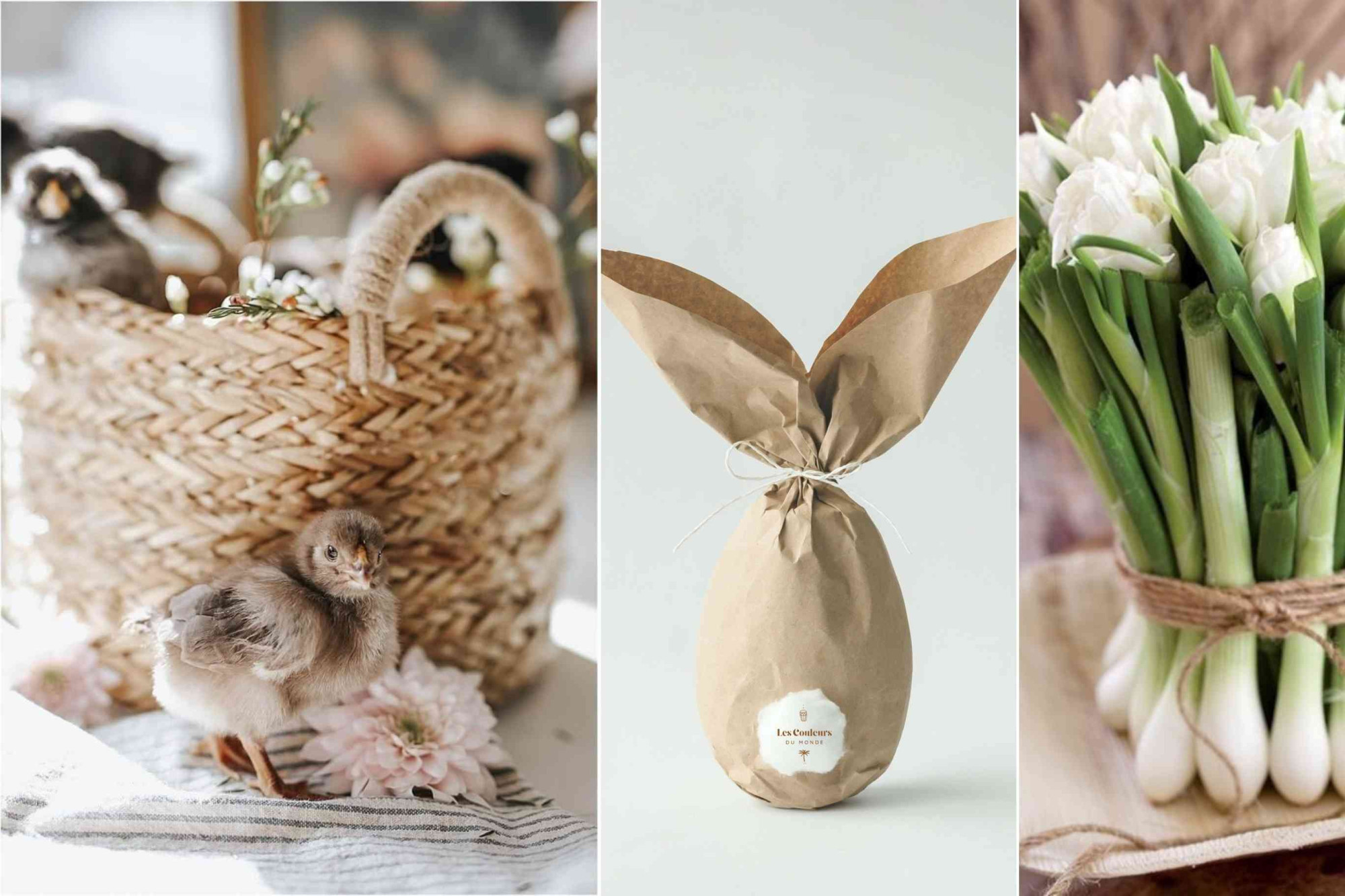
Tulips, daffodils and other spring bulbs do not necessarily have to be discarded once the flowers have finished. What happens after flowering can determine whether some varieties return to the garden the following year.
Once a flower has faded, the flower head can be removed, but the leaves are best left in place. During the weeks that follow, the foliage continues to provide energy to the bulb underground. Cutting everything back immediately can reduce its chances of flowering again.
Eventually the leaves will turn yellow and begin to dry naturally. At that point they can be removed. Bulbs growing in garden borders can often simply stay where they are until the next season.
Bulbs grown in pots need a little more consideration. The container can be moved somewhere less prominent while the foliage dies back. Depending on the variety and local climate, the bulbs can then remain in the pot or be lifted and stored somewhere dry before being replanted later in the year.
Tulips can be less predictable than daffodils and some other spring bulbs. Certain varieties return for several years, while others produce a much smaller display after their first season. This is one reason gardeners often add new tulip bulbs in autumn.
Spring is also a good moment to notice which combinations worked in the garden. Taking a few photographs while everything is flowering makes it easier to remember where there were gaps or where you might want to add more bulbs when planting begins again in autumn.
Cut flowers can still be enjoyed indoors while the display lasts outside. A small bunch of tulips or daffodils from the garden can bring some of the season inside without clearing the entire bed.
By the time summer planting takes over, the spring bulbs have largely disappeared from view. Underground, however, many are already waiting for another growing season.
#SpringBulbs #SpringGarden #Tulips #GardenTips #StepOutside
Step Outside @stepoutside
Keeping a few chickens has become increasingly common in gardens, smallholdings and countryside homes, particularly for people who like the idea of collecting their own eggs. But chickens need more than a coop and somewhere to put their food.
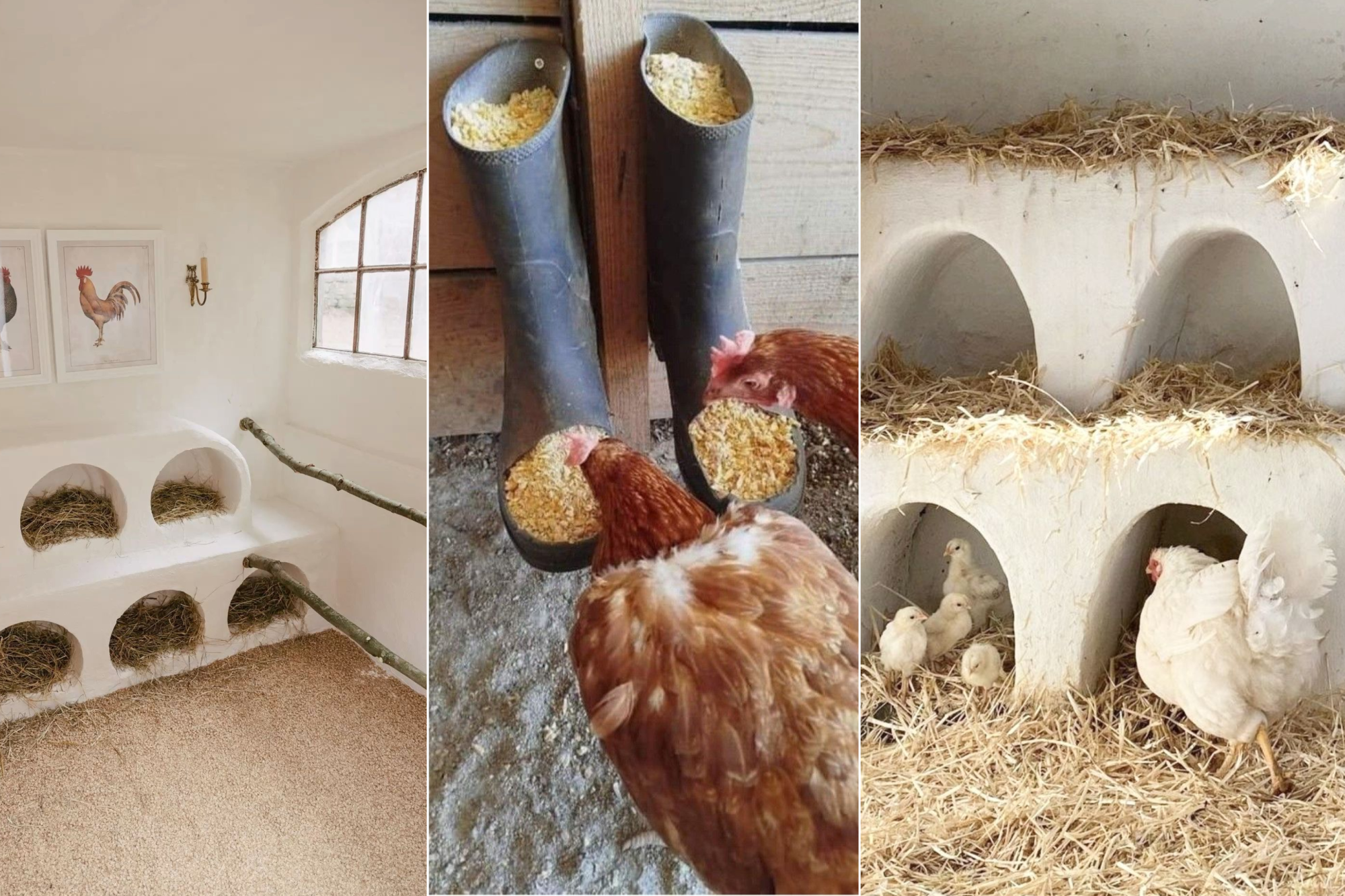
A secure place to sleep is essential. Chickens naturally look for somewhere raised to roost at night, while separate nesting boxes give them a quiet place to lay their eggs. These do not have to be elaborate, but they should be easy to access and clean.
During the day, chickens benefit from having space to move around outside. They scratch through soil, look for insects, take dust baths and spend a surprising amount of time investigating whatever is growing around them. A garden with chickens rarely remains completely untouched.
Fresh water and suitable chicken feed need to be available every day. Kitchen scraps can sometimes be given as an extra, but they are not a replacement for proper feed. What chickens can safely eat also varies, so leftovers should not automatically be emptied into their run.
Egg collecting quickly becomes part of the daily routine. Depending on breed, age and season, hens may lay regularly or slow down considerably. Shorter winter days, moulting and very hot weather can all affect production.
Keeping chickens also means thinking about predators. Foxes and other animals can enter surprisingly small gaps, making a secure coop particularly important at night. In some areas, local rules also determine how and where poultry can be kept.
For families, chickens can make the garden more interesting. Feeding them, collecting eggs and watching chicks grow can give children a practical introduction to where some of their food comes from.
They do require daily attention, including weekends and holidays, so they are not quite the low-maintenance garden addition they can sometimes appear to be. For those with the right space and time, however, a small flock can become a very active part of everyday life outdoors.
#KeepingChickens #BackyardChickens #GardenLife #OutdoorLiving #StepOutside
Step Outside @stepoutside
When herbs are growing faster than you can use them, drying is one of the simplest ways to keep some of the harvest for later. Rosemary, thyme, oregano, sage and mint are particularly suitable and can provide something from the garden long after the main growing season has finished.
Herbs are best picked when the leaves are healthy and dry. A small harvest is usually more manageable than cutting large quantities at once, especially when several varieties are ready at the same time.
After picking, remove damaged leaves and check the stems carefully. If the herbs need washing, allow them to dry completely before tying them into small bunches. Too much moisture trapped between the leaves can cause problems while they are drying.
Small bundles can be tied with string and hung upside down somewhere dry with good air circulation. A kitchen, pantry or covered outdoor area can work well as long as the herbs are protected from rain, humidity and strong direct sunlight.
Not every herb dries in exactly the same way. Woody Mediterranean herbs such as rosemary and thyme generally keep their flavour particularly well, while softer herbs such as basil and parsley are often better used fresh or preserved in another way.
Once the leaves are completely dry, they can be removed from the stems and stored in clean jars or containers. Keeping them whole until they are needed can help retain more of their aroma than crushing everything immediately.
Dried herbs are useful far beyond seasoning dinner. Mint can be used for herbal tea, rosemary with roasted vegetables and thyme in soups, sauces and marinades. Small bunches can also be combined into herb mixes based on what you regularly cook.
Growing herbs therefore does not have to end with the summer garden. A few bunches drying after the harvest can become part of the kitchen for the months ahead and make good use of plants that might otherwise be left unused.
#DryingHerbs #HerbGarden #GardenHarvest #GrowYourOwn #StepOutside
Step Outside @stepoutside
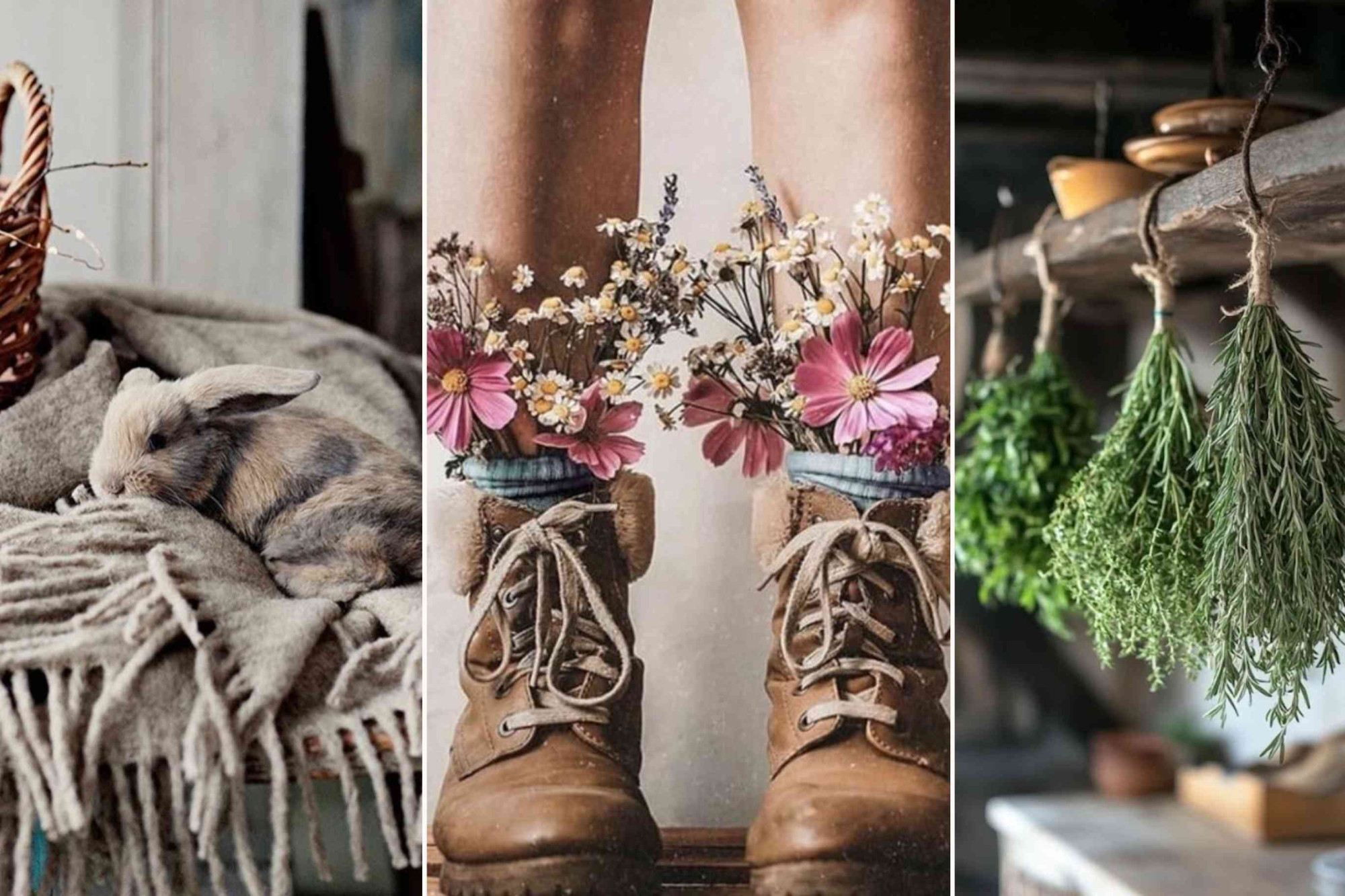
One of the easiest ways to notice the changing seasons is to look at what is growing around you. Flowers in gardens, vegetables at local markets, berries along country lanes and fruit appearing in farm shops all change throughout the year.
Spring usually brings the most obvious shift. Gardens begin filling with bulbs and blossom, while markets see the return of radishes, asparagus, peas and young leafy vegetables. It is also the time when fields and hedgerows begin to look noticeably different from only a few weeks earlier.
By summer, the choice becomes much larger. Tomatoes, courgettes, peppers, berries, peaches and other soft fruits appear in abundance. Flower gardens are at their fullest and many pick-your-own farms open for the season.
Late summer and early autumn bring another change. Apples, pears, grapes, figs and plums replace many of the earlier fruits, while pumpkins, squash and other vegetables begin appearing at farms and markets. Hedgerows can also provide berries and seeds that attract birds and other wildlife.
Even winter has its own seasonal selection. Cabbages, leeks, root vegetables and citrus fruits remain important in many regions, while gardens become quieter and evergreen plants are much more noticeable.
The exact calendar depends on where you are. What is harvested in Provence in May may arrive several weeks later in northern Europe. Altitude, rainfall and local growing conditions can make the seasons different even within the same country.
Local markets and farm shops are particularly good places to see these changes. When growers sell what they produce themselves, the selection naturally follows what is ready to harvest rather than remaining identical throughout the year.
Paying attention to what is in season can become part of spending more time outside. The same walk, market or countryside visit looks different a few months later, giving you a reason to return and see what has changed.
#SeasonalLiving #InSeason #Countryside #NatureAndOutdoor #StepOutside
Step Outside @stepoutside
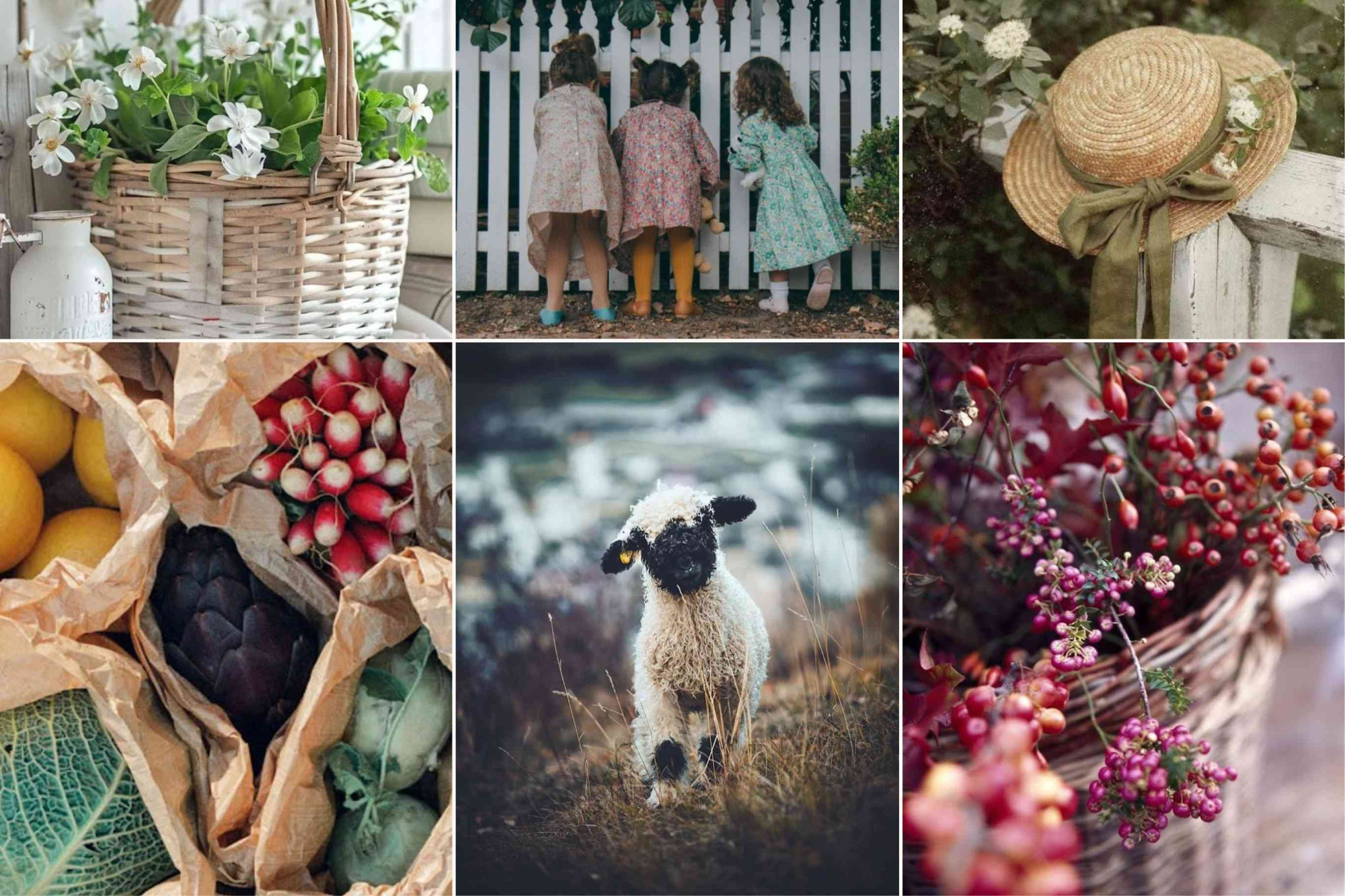
Foraging can turn an ordinary walk into an opportunity to notice what is growing naturally around you. Wild herbs, berries, flowers, nuts and leafy plants can all be found outside, although knowing exactly what you are looking at is essential before anything ends up in the basket.
It is best to begin with only a few plants that are easy to recognise. Depending on the region and season, that might include blackberries, wild garlic, nettles, elderflowers or certain familiar herbs. Learning a handful properly is more useful than trying to identify everything you encounter.
Where you collect matters too. Plants growing beside busy roads, sprayed agricultural land or polluted water are best avoided. Nature reserves and protected areas may prohibit picking completely, while other places have limits on what and how much can be collected.
There is rarely a reason to take everything you find. Picking a small amount leaves plenty for wildlife, allows plants to reproduce and means other people can find them too. Berries, seeds and flowers are an important food source for many animals.
A basket or cloth bag is useful because freshly picked plants can become crushed or damp inside plastic. Gloves can also be helpful when collecting plants such as nettles.
Once home, what you have collected can become part of everyday cooking. Wild herbs can be added to salads and sauces, berries used with breakfast or desserts and some flowers used for syrups, teas or simple garnishes.
Identification remains the most important part. Edible plants can have toxic lookalikes, so nothing should be eaten based on a photograph, an app or a guess. When you are unsure, leave it where it is. A guided foraging walk with someone who knows the local plants can be a useful introduction.
Foraging is not about returning with a full basket every time. Sometimes the most interesting part is simply beginning to recognise the plants you have walked past many times before.
#Foraging #WildFood #NatureWalks #OutdoorActivities #StepOutside
Step Outside @stepoutside
Horse riding is a way to explore landscapes that can feel very different from following the same route on foot. Forest trails, open countryside, beaches and mountain paths are all places where riding experiences can become part of a day outdoors or a longer trip.
You do not necessarily need previous riding experience. Many stables and equestrian centres organise guided rides for beginners, with horses selected according to the rider's level and routes chosen to match the group's experience.
A short countryside ride is often enough for a first introduction. Longer routes can take riders through vineyards, woodland or farmland, while some destinations have established trails that continue for several hours or even several days.
Coastal riding has its own appeal. In places where horses are permitted on the beach, rides are often scheduled early in the morning or outside the busiest season. Local restrictions can determine which beaches and times of day are available.
Mountain regions provide another kind of experience. Horses can follow tracks through valleys, forests and higher pastures, reaching areas that may otherwise require a considerable walk. The pace also gives riders time to take in the surrounding landscape.
Multi-day riding holidays take the idea further. Riders travel between different locations each day, sometimes staying at farms, guesthouses or small countryside properties along the route. These trips generally require more experience and several hours in the saddle each day.
The horses themselves are an important part of choosing an experience. Responsible operators pay close attention to their condition, workload, equipment and access to food, water and rest. Group sizes and routes should also be appropriate for both horses and riders.
Horse riding does not have to become a new sport or regular hobby to be worth trying. A guided ride can simply provide another way to spend a morning outside and experience a familiar type of landscape from a completely different perspective.
#HorseRiding #HorseRidingHoliday #OutdoorActivities #EquestrianTravel #StepOutside

Step Outside @stepoutside
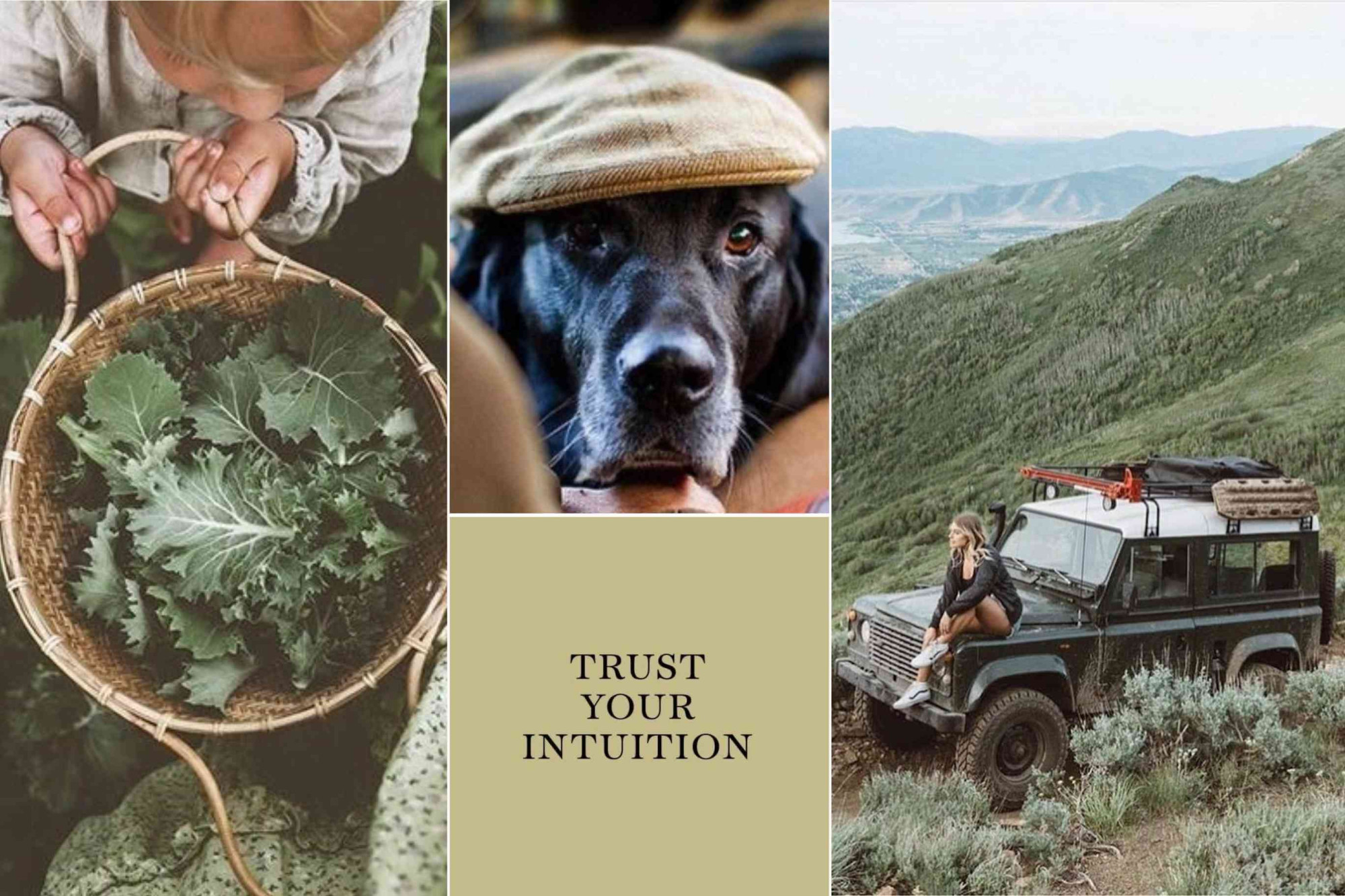
A 4x4 road trip makes sense when the places you want to reach are connected by more than ordinary paved roads. Mountain tracks, forest roads, desert routes and remote countryside can all require a vehicle that is better suited to rougher terrain.
The route is a good place to start. Not every road shown on a map is open to vehicles and access can change because of weather, fire risk, snow or seasonal restrictions. In national parks and protected landscapes, driving may also be limited to specific roads.
A 4x4 provides extra capability, but that does not mean every track should be attempted. The condition of the road, weather and your own driving experience matter just as much as the vehicle. Turning around is sometimes the most sensible part of the trip.
Packing also changes when travelling away from towns. Water, food, an extra layer of clothing and a basic first-aid kit are useful even for a day trip. On longer or more remote routes, a spare tyre, recovery equipment and enough fuel to cover unexpected detours become more important.
Travelling with a dog requires a little extra planning. Regular stops, drinking water and somewhere secure to travel in the vehicle are essential. Trails, beaches and protected natural areas may have their own rules regarding dogs, so these are worth checking before setting out.
The vehicle can also make spontaneous stops easier. Walking boots, a picnic, camera or swimming things can stay in the back, leaving the day open for a trail, viewpoint, river or quiet place encountered along the route.
Some trips combine driving with overnight stays at campsites, cabins or remote lodges. Others use the 4x4 simply to reach the starting point of a walk before returning to a hotel or guesthouse later in the day.
The point is not to drive as far off-road as possible. A 4x4 can simply give you access to landscapes and routes that would otherwise be difficult to include in a road trip.
#4x4RoadTrip #OffRoadTravel #OutdoorAdventure #RoadTrip #StepOutside

Step Outside @stepoutside
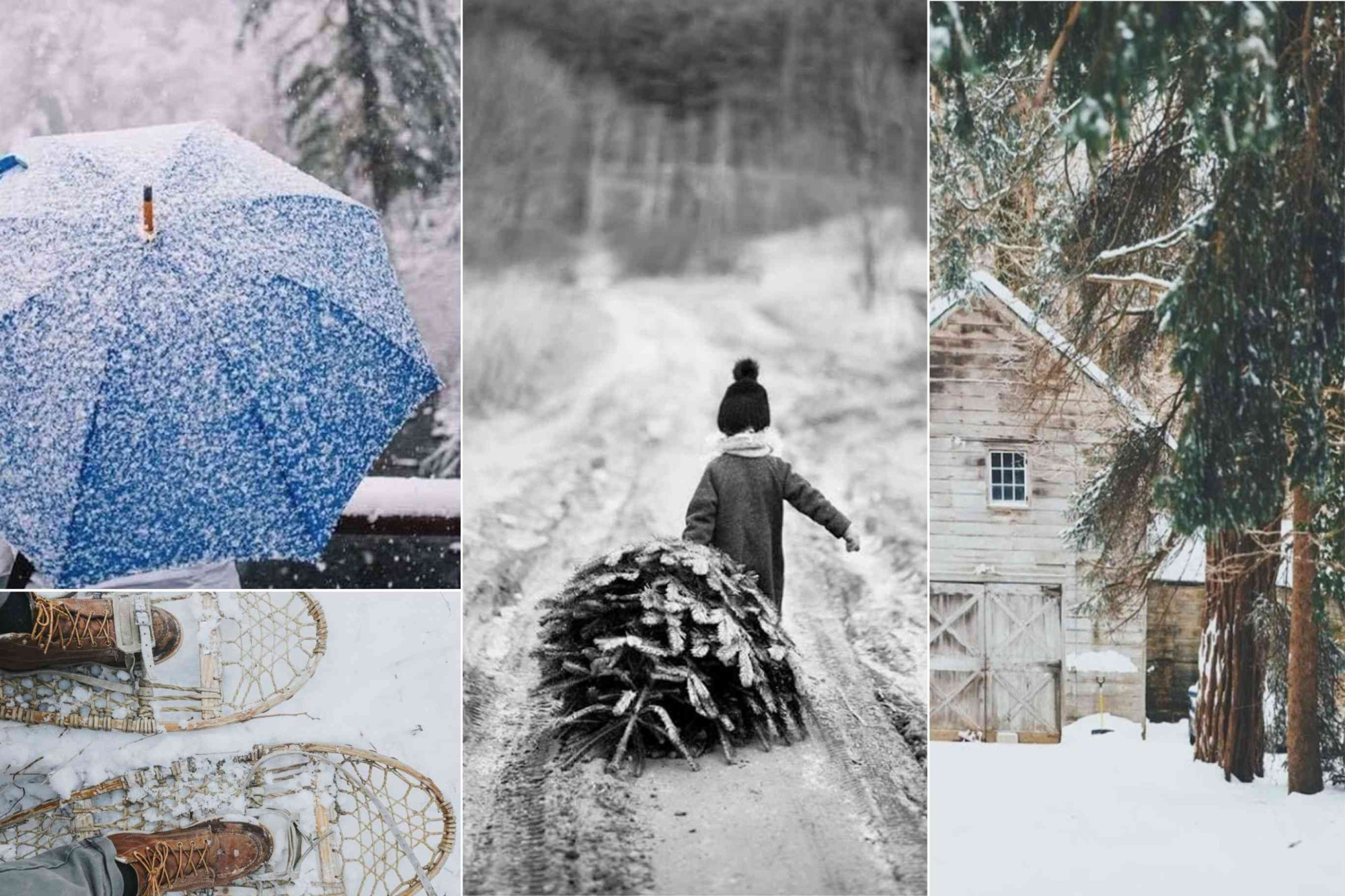
Winter does not have to mean that most outdoor activities stop until spring. Snow, shorter days and colder temperatures simply change what you can do outside and how much preparation is needed before leaving home.
Walking is still one of the easiest options. A familiar forest or countryside route can look completely different after snowfall, while shorter walks are often more realistic when daylight is limited. Good footwear and warm layers make a bigger difference than covering a particularly long distance.
Snow also creates activities that are unavailable during the rest of the year. Snowshoeing is an accessible way to explore deeper snow without needing to ski, with marked routes available in many mountain and winter destinations.
You do not need to travel to a ski resort to enjoy a winter day outside. Sledging, building something in the snow or simply taking a flask and going for a walk can provide a reason to leave the house when the weather would otherwise keep everyone indoors.
Everyday outdoor jobs continue too. Collecting firewood, clearing snow and looking after animals or the garden are part of winter life in colder regions. They may be practical tasks, but they also create regular time outside.
A warm drink or something to eat can make longer outings more comfortable. Soup in a flask, coffee, tea or a few snacks are easy to carry and provide a natural reason to stop along the way.
Winter weather can change quickly, particularly in mountain areas. Checking conditions before leaving and adjusting plans when snow, wind or ice become more severe is simply part of spending time outdoors at this time of year.
Coming back inside is part of the experience as well. Wet boots by the door, gloves left to dry and something warm to eat afterwards are all familiar parts of a winter day spent outside.
#WinterOutdoors #WinterActivities #SnowDays #OutdoorLiving #StepOutside
Step Outside @stepoutside
A cabin in winter can be a good base for spending more time outside without planning an entire holiday around winter sports. A forest location, walking trails and a few simple activities can easily fill a weekend, with somewhere warm to return to afterwards.
The location matters more than having a long list of facilities. A cabin close to woodland or marked trails makes it possible to start the day outside without driving somewhere first. When there is snow, the same routes can sometimes be explored on foot or with snowshoes.
Winter days are shorter, so plans tend to become simpler. A walk in the morning, lunch back at the cabin and another short outing before dark can be enough. There is less pressure to fit several activities into the same day.
Food is worth thinking about before arriving, particularly when the cabin is far from shops. Bread, cheese, soup, vegetables and a few things for breakfast can cover much of a weekend. A local farm shop or market along the way can provide regional products without requiring a restaurant reservation for every meal.
Some cabins have a wood-burning stove or fireplace, which becomes particularly useful after returning from the cold. Firewood may be provided, although it is worth checking beforehand rather than assuming it will be waiting on arrival.
Clothing can remain practical. Waterproof boots, warm socks, gloves and several layers are more useful than packing different outfits for every part of the weekend. Wet items also need somewhere to dry between outings.
A winter cabin stay works particularly well when there is no need to go far. Walking through the forest, making something warm to drink, preparing dinner and watching the weather change outside can provide enough structure for the day.
It can also be an alternative for people who enjoy mountain or forest destinations but do not ski. Snowshoeing, winter walking, sledging and simply staying somewhere surrounded by nature make winter landscapes accessible without spending the weekend on the slopes.
#WinterCabin #CabinStay #WinterOutdoors #NatureStay #StepOutside

Step Outside @stepoutside
Camping does not have to disappear from the calendar when winter arrives. A campervan provides a way to stay close to forests, mountains and winter landscapes while having more protection from cold, wind and wet weather than a traditional tent.
Winter changes the way a campervan is used. More time is naturally spent inside, so a comfortable sleeping area, warm bedding and enough space for wet boots and coats become more important than they might be during a summer road trip.
Keeping warm overnight requires some planning. Many campervans have heating, but insulation varies considerably between vehicles. Extra blankets, warm sleepwear and a properly rated sleeping bag can make cold nights much more comfortable.
The destination also determines how much preparation is needed. A weekend in a forest campsite is very different from staying in the mountains during heavy snowfall. Roads may require winter tyres or snow chains and some campsites close completely outside the main season.
Food can remain uncomplicated. Soup, bread, cheese, pasta and other meals that can be prepared on a small stove work well when evenings are spent around the van. A flask filled before heading out is useful for winter walks during the day.
A fire outside can become part of the evening where it is permitted. Designated fire pits provide somewhere to sit for a while before going inside, although local campsite rules and fire restrictions still apply in winter.
Campervan travel also makes it possible to combine several outdoor activities in one weekend. Walking, snowshoeing or visiting a nearby village can fill the day, while the van remains a place to change clothes, prepare food and warm up afterwards.
Winter camping is therefore less about recreating a summer camping trip in colder weather. The season changes the pace of the experience, with shorter outings, earlier evenings and more attention to staying warm and dry.
#WinterCamping #CampervanLife #WinterRoadTrip #OutdoorLiving #StepOutside

Step Outside @stepoutside
Spending Christmas at a campsite can turn a few days in a campervan into a very different kind of festive break. Instead of staying at home or booking a hotel, you can combine Christmas with winter walks, outdoor cooking and time in the countryside or mountains.
The first step is finding somewhere that actually stays open during winter. Many campsites close after autumn, but others operate throughout the year, particularly near mountain areas, national parks and towns with Christmas markets.
A campervan does not need much decoration to feel festive. A small tree, a string of lights and a few decorations that are easy to pack can change the space without filling valuable storage. Battery-powered lights are particularly practical when spending time outside.
Christmas food can be adapted to the space available. A large traditional dinner may be difficult in a compact camper kitchen, but cheese, bread, roasted vegetables, soup and dishes prepared in one pan can still make the evening feel different from an ordinary camping meal. Local markets are also useful for picking up regional food along the way.
If fires are permitted, an outdoor fire can become part of the evening. Chairs, blankets and something warm to drink are enough to spend some time outside before returning to the van. Campsite rules should always be checked before lighting a fire or using an outdoor stove.
Christmas Day itself does not need a full programme. A morning walk, lunch at the campsite and a drive to a nearby village can be enough. In snowy destinations, snowshoeing or sledging can become part of the day as well.
A winter campsite can also be a good base for visiting Christmas markets. Staying outside a town often gives you easier access to nature during the day while still allowing you to visit lights, markets and restaurants later.
Travelling over Christmas does require a little more preparation than a normal weekend away. Shops and restaurants may have limited opening hours, campsites can require advance reservations and cold weather makes reliable heating particularly important.
For anyone who already enjoys campervan trips, Christmas does not have to mean putting the van away until spring. It can simply become another reason to choose a winter destination and spend part of the festive period outside.
#ChristmasCamping #CampervanChristmas #WinterCamping #ChristmasOutdoors #StepOutside

Step Outside @stepoutside
A winter trip into the mountains often begins long before you reach the ski slopes or walking trails. Snow and ice can completely change familiar roads, making the drive itself something that needs to be planned as carefully as the activities at the destination.
Weather in the valleys can be very different from conditions higher up. Rain may turn into snow as the road climbs and a route that was clear in the morning can look completely different several hours later. Checking both the forecast and current road conditions before leaving is useful during the winter months.
Winter tyres are required or strongly recommended in many mountain regions and some roads require snow chains when conditions deteriorate. Knowing how to fit chains before you actually need them is considerably easier than trying to work it out for the first time beside a snowy road.
The vehicle is worth preparing too. An ice scraper, gloves, warm clothing and enough windscreen fluid for freezing temperatures are simple things to keep on board. On longer journeys, water, food and a blanket are useful in case delays last longer than expected.
Driving style changes on snow. More distance between vehicles gives additional time to slow down and sudden braking or steering is best avoided. Even a four-wheel-drive vehicle still depends on its tyres for grip, particularly when braking.
Timing can make the journey easier. Travelling during daylight provides better visibility and gives road services more time to clear fresh snow. It can also make finding accommodation, parking or an alternative route simpler if plans change.
Winter roads should not prevent a mountain trip, but they can determine how the day unfolds. Sometimes leaving earlier, waiting for a road to be cleared or choosing another route is simply part of travelling in the mountains at this time of year.
Once the practical side is taken care of, the drive becomes part of the trip itself, connecting snowy villages, forests, cabins and the outdoor activities waiting at the destination.
#WinterRoadTrip #MountainDriving #WinterTravel #MountainLife #StepOutside

Step Outside @stepoutside
Winter is an interesting time to visit a farm, with animals closer to the barns, seasonal produce in the farm shop and preparations for the months ahead.
Goats, sheep, chickens and other livestock may spend more time around shelters during cold or wet weather. This can make winter a good season to visit smaller working farms where animals are part of everyday life and visitors can learn more about how they are cared for.
The farm shop changes with the season as well. Instead of summer berries and tomatoes, you might find apples, pears, root vegetables, eggs, cheese, honey, preserves and products made from produce harvested earlier in the year.
Cheese farms are particularly interesting to visit. Some allow you to see where the animals are kept and explain how milk is turned into different cheeses. Buying directly from the producer also gives you the opportunity to try varieties that may only be available locally.
Winter is not necessarily a quiet period behind the scenes. Orchards need pruning, animals still require daily care and equipment is prepared for the next growing season. On some farms, work for spring begins while the surrounding fields still appear to be resting.
The weeks around Christmas bring additional reasons to visit. Farms may sell wreaths, greenery, Christmas trees, homemade products or food for the festive table. Smaller seasonal markets sometimes bring several local producers together in one place.
A visit does not need to take the entire day. Stop at a farm during a countryside drive, combine it with a winter walk or pick up bread, cheese and something to drink before returning to a cabin for lunch.
For families, farms can also provide an outdoor activity that works well in winter. Seeing animals, visiting the shop and walking around the property gives children something concrete to do without requiring several hours outside in cold weather.
Winter therefore brings a different kind of farm visit. There may be less happening in the fields, but animals, local food and the work behind the next season provide plenty of reasons to stop.
#WinterFarm #FarmVisit #CountrysideLife #WinterOutdoors #StepOutside

Step Outside @stepoutside
A winter walk can be one of the best parts of the day for a dog, especially when quieter trails, empty beaches and snowy paths replace the busier routes of summer. The colder months bring different possibilities for getting outside together, from short woodland walks to weekends in the mountains.
Dogs experience winter differently depending on their breed, size, age and coat. Some are perfectly comfortable running through snow, while smaller or short-haired dogs may appreciate an extra layer when temperatures fall. Watching how your dog behaves is often the best indication of when it is time to head home.
Snow can make even a familiar route feel new. Forest paths, fields and mountain trails change completely after snowfall and dogs often enjoy exploring the different smells and textures. Fresh snow can also hide ice, stones and uneven ground, so it is worth keeping an eye on the path.
Paws deserve some extra attention during winter. Snow can collect between the pads and salt used on roads and pavements may cause irritation. A quick check after the walk and rinsing away any salt or dirt can prevent small problems from becoming uncomfortable.
Shorter daylight hours also change the daily routine. Reflective details on a collar, harness or lead are useful when morning and evening walks happen in low light. In rural areas, a small light can make both dog and owner easier to see.
Winter is also a good season for exploring places that are crowded during summer. Some beaches become much quieter, countryside trails have fewer visitors and popular holiday areas take on a completely different character outside the main season. Local rules regarding dogs should still be checked before setting out.
For a longer day outside, pack water for the dog as well as yourself. Keeping a towel in the car is useful after muddy woodland walks, wet beaches or an afternoon in the snow.
A dog-friendly cabin or countryside stay can turn the daily walk into part of a winter weekend away. Choose somewhere with trails nearby and there is little need to plan complicated activities. A good walk, somewhere warm to return to and another route for the following morning can be enough.
#WinterWalks #WalkingWithDogs #DogFriendly #WinterOutdoors #StepOutside
Step Outside @stepoutside
Autumn brings mushroom season to forests and woodlands across much of Europe. After periods of rain, fungi can appear remarkably quickly among fallen leaves, around tree roots and along woodland paths, making this one of the most popular times of year for foraging.
A mushroom walk can be enjoyable even when the basket comes home almost empty. Once you start looking carefully, you notice how many different varieties grow within a relatively small area. Their size, colour and shape can vary considerably and the same woodland can look different from one week to the next.
For anyone hoping to eat what they collect, identification is the most important part. Edible mushrooms can resemble poisonous species and photographs or identification apps alone are not reliable enough to determine whether something is safe to eat. Joining an experienced local guide is one of the best ways to learn.
Where you forage matters as well. Rules vary between countries, regions and individual forests. Some areas allow small quantities for personal use, while others restrict collecting or require permission from the landowner.
A traditional basket is useful because mushrooms remain ventilated while you walk and are less likely to become damaged than when packed tightly into a bag. A small knife or brush can help remove some of the soil before they go into the basket.
Weather is part of the experience. Damp ground, cool mornings and changing autumn conditions make waterproof shoes and comfortable layers useful for a few hours in the forest. Bringing a dog can make it an enjoyable outing too, provided dogs are permitted and kept under control around wildlife and other walkers.
Foraging can also become part of an autumn trip. Many rural destinations organise guided mushroom walks during the season and some hotels, farms and restaurants build autumn menus around locally collected varieties.
Even without collecting anything for dinner, mushroom season provides a good reason to spend a morning in the woods. A basket may be the starting point, but learning to notice what is growing on the forest floor is just as much part of the outing.
#MushroomForaging #AutumnOutdoors #Foraging #ForestWalks #StepOutside