The SUMMER Edition
From the Mediterranean to Mongolia, remarkable destinations, unique stays, local stories, design, culture and the inspiring people behind them. Contact: info@lescouleursdumonde.com
Alpine du Monde @alpinedumonde
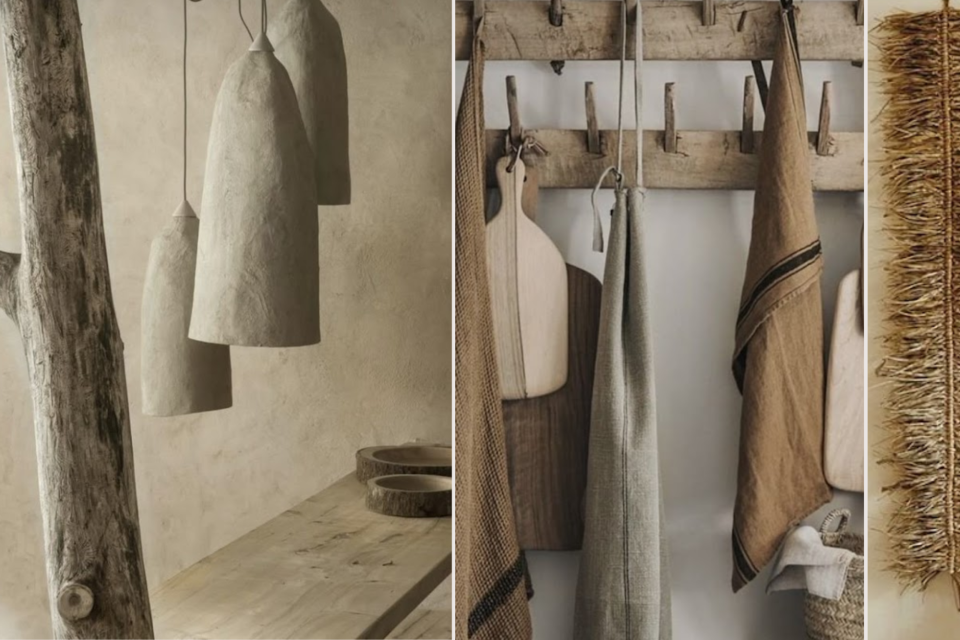
Open storage is frequently used in alpine kitchens and utility spaces, where everyday objects remain visible and within easy reach. Wall hooks, rails, shelves and simple hanging systems can replace part of the closed cabinetry normally used for storage.
The approach works particularly well for objects that are used regularly. Cutting boards can hang directly above a work surface, kitchen towels can be kept on hooks and baskets can hold smaller items that would otherwise disappear inside cupboards.
Open storage also makes use of vertical space. This can be useful in smaller mountain homes and cabins where floor space is limited and large pieces of furniture can make rooms feel crowded. Walls, unused corners and the space above work surfaces can all provide additional storage without increasing the footprint of the room.
The objects that remain visible become important to the overall interior. Wooden boards, linen towels, baskets and ceramics can function as everyday equipment while also contributing colour and material to the space. For that reason, open storage tends to work best when frequently used objects are selected and unnecessary items are kept elsewhere.
There is also a practical difference between open and closed storage. Items stored openly are easier to access but collect dust more quickly and can make a room look cluttered when too many objects are displayed. Combining both systems is often more effective: everyday pieces remain accessible while food, appliances and less attractive necessities stay behind closed doors.
Open storage does not have to mean rows of conventional shelving. Peg rails, individual hooks, wall-mounted racks and narrow ledges can provide storage while taking up very little visual space.
For alpine interiors, this can be particularly useful in kitchens, entrance halls, boot rooms and utility spaces where functionality is important but available space may be limited.
#OpenStorage #AlpineInteriors #KitchenDesign #StorageIdeas #MountainHomes #AlpineduMonde
Alpine du Monde @alpinedumonde
Natural textiles play an important role in creating warmth and comfort in alpine interiors. Wool, linen and other woven materials add softness to spaces that are often defined by wood, stone and other robust natural materials.
Wool has traditionally been closely connected to mountain regions. Its insulating qualities make it particularly suitable for colder environments, while its texture works naturally alongside timber, stone and neutral interior palettes. Today, wool appears throughout alpine homes in blankets, rugs, cushions and upholstery.
Linen brings a lighter contrast. Its natural texture works well in bedrooms and living spaces, where it can soften the heavier materials commonly associated with mountain architecture. Combining different textiles also creates visual depth without relying on strong colours or decorative elements.
The origin and production of these materials can add another dimension to an interior. Locally produced wool, handwoven fabrics and traditional textile techniques connect contemporary mountain homes with regional craftsmanship.
Natural textiles therefore have both a practical and aesthetic role in alpine design. They provide warmth and comfort while creating a connection between the interior, its materials and the surrounding mountain environment.
#AlpineInteriors #NaturalTextiles #MountainHomes #InteriorMaterials #AlpineDesign #AlpineduMonde
Alpine du Monde @alpinedumonde
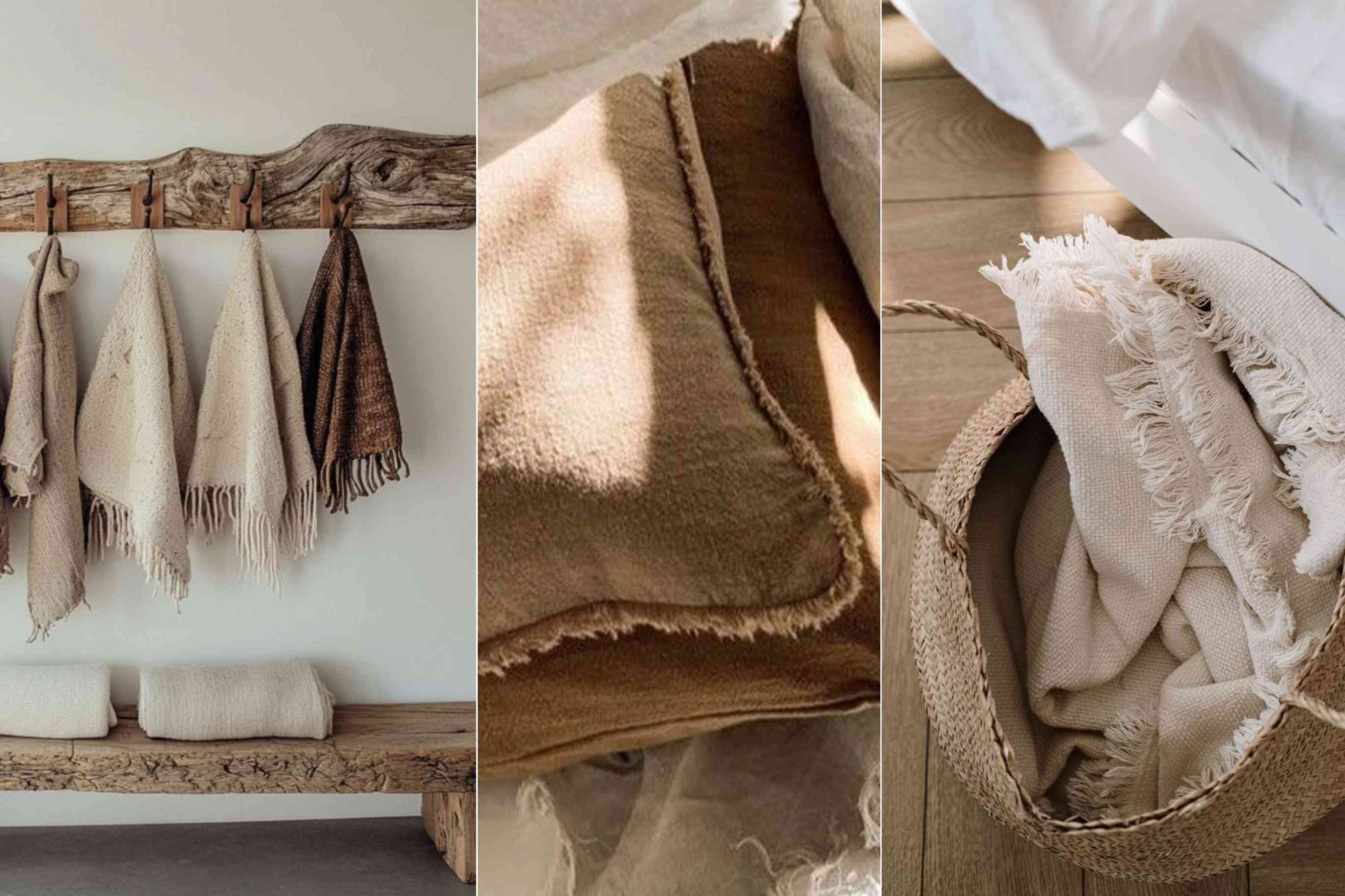
Texture is one of the defining elements of alpine interiors, bringing warmth and depth to spaces shaped by mountain climates and natural surroundings. Instead of relying primarily on colour or decoration, many mountain interiors combine materials with contrasting surfaces to create visual interest.
Wood often forms the foundation. Its grain and natural variations can be complemented by softer materials such as wool, sheepskin, knitted fabrics and woven textiles. Together, these layers make an interior feel warmer while maintaining a strong connection with natural materials.
Texture can also change how a relatively neutral interior is experienced. A room built around beige, brown, grey or cream tones can still feel rich when smooth surfaces are placed alongside rough timber, thick fabrics or tactile accessories.
Small details can have a significant effect. A textured cushion, a wool-covered chair, a woven wall piece or a fringed textile can introduce another material without changing the overall character of the room.
This approach is particularly relevant to contemporary alpine design. Rather than filling a mountain home with traditional decorative references, texture can create warmth and character while allowing the architecture and surrounding landscape to remain central.
#AlpineInteriors #InteriorTexture #MountainHomes #NaturalMaterials #InteriorDesign #AlpineduMonde
Alpine du Monde @alpinedumonde
Modernising the Traditional Chalet
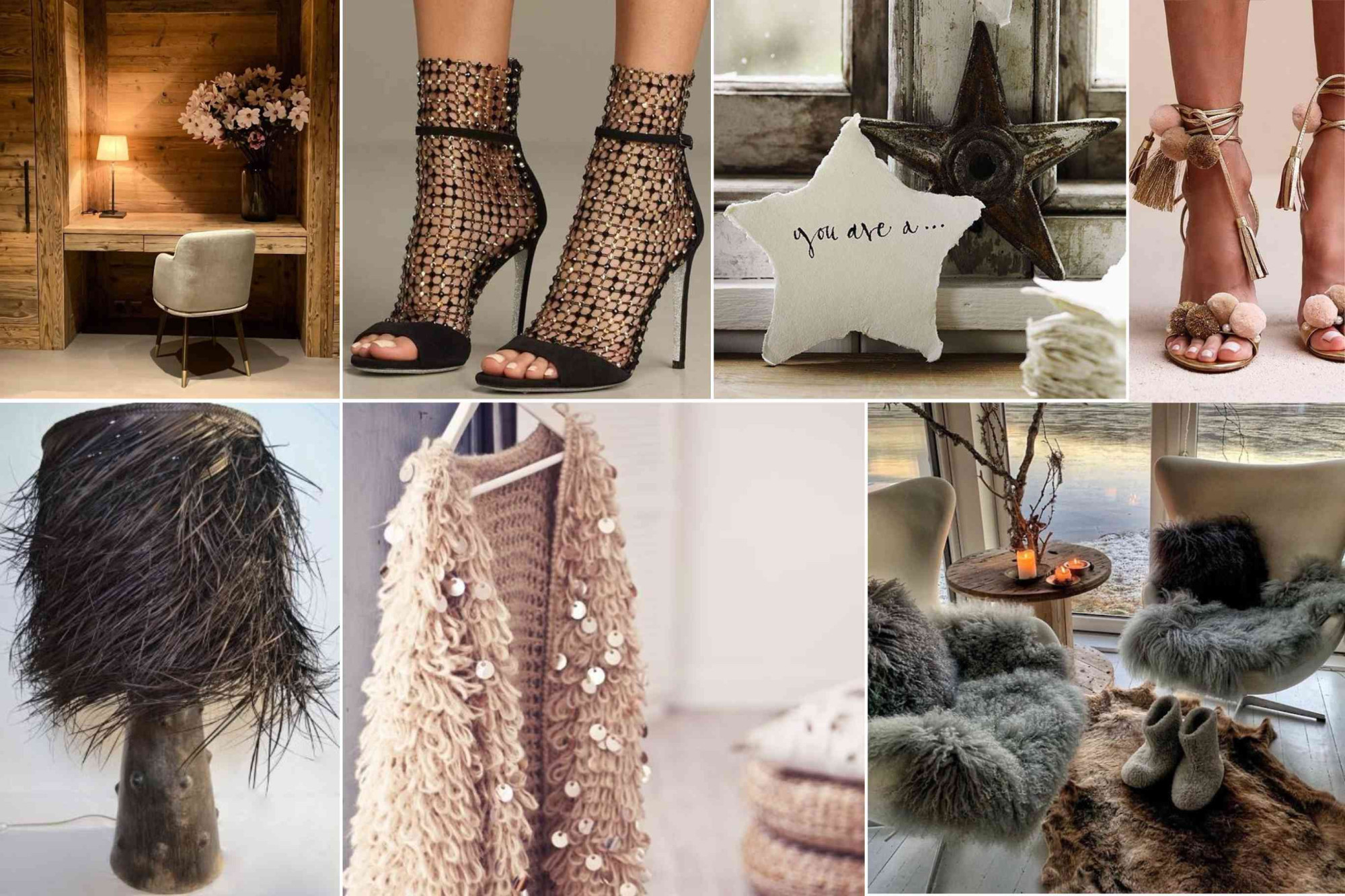
Traditional alpine interiors are closely associated with timber, warm textiles and materials that respond to the mountain environment. Contemporary chalet design often retains these elements while introducing cleaner lines, simpler furniture and a more restrained approach to decoration.
Wood remains one of the most recognisable features. Existing beams, timber walls and reclaimed wooden elements can preserve the character of an older property while modern furniture creates contrast and gives the interior a more contemporary direction.
Colour also plays an important role. Browns, greys, creams and other muted tones work naturally with timber and allow different materials to sit together without making the room feel overly decorated.
Traditional alpine references do not have to disappear. Wool, hides, rustic accessories and objects connected to mountain life can still be incorporated, but using them selectively creates a different result from the heavily themed chalet interiors of the past.
Lighting and artwork can further change the character of the space. Contemporary lamps, photography and graphic art introduce modern elements without altering the original architecture.
The result is an interior that respects the identity of a mountain home while adapting it to contemporary living.
#ChaletDesign #AlpineInteriors #MountainHomes #ModernChalet #InteriorDesign #AlpineduMonde
Alpine du Monde @alpinedumonde
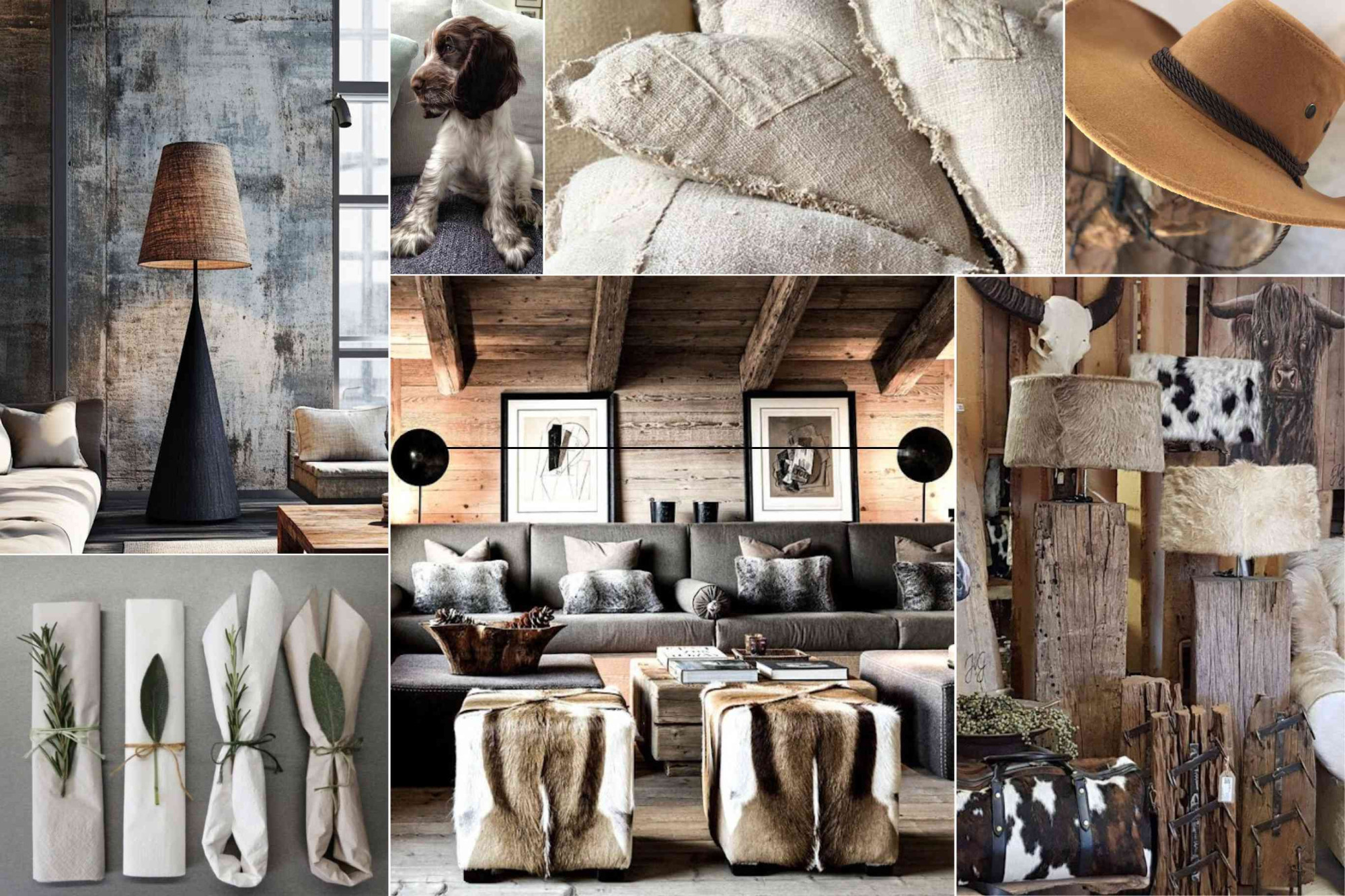
Seasonal changes can influence the way an alpine home is styled, particularly during winter when interiors become an important part of everyday mountain living. Small adjustments in lighting, textiles, natural elements and decorative objects can change the atmosphere of a room without changing its underlying design.
Winter styling often begins with light. Shorter days make table lamps, candles and subtle decorative lighting more prominent, creating different layers of illumination throughout the interior.
Natural elements can introduce the season without relying on elaborate decoration. Evergreen branches, simple trees, dried foliage and materials gathered from the surrounding landscape work naturally alongside timber, stone and neutral colours commonly found in mountain homes.
Textiles can also be adapted as temperatures change. Heavier blankets, layered bedding and warmer fabrics make bedrooms and living spaces more suitable for winter while adding visual depth.
During the festive period, existing objects can become part of the seasonal interior. Glassware, wrapped gifts and understated decorations can complement the home rather than dominate it.
This restrained approach allows an alpine interior to respond to the season while preserving the architecture, materials and character of the space throughout the year.
#AlpineInteriors #SeasonalStyling #WinterInteriors #MountainHomes #WinterDecor #AlpineduMonde
Alpine du Monde @alpinedumonde
Designing Alpine Homes Around the View
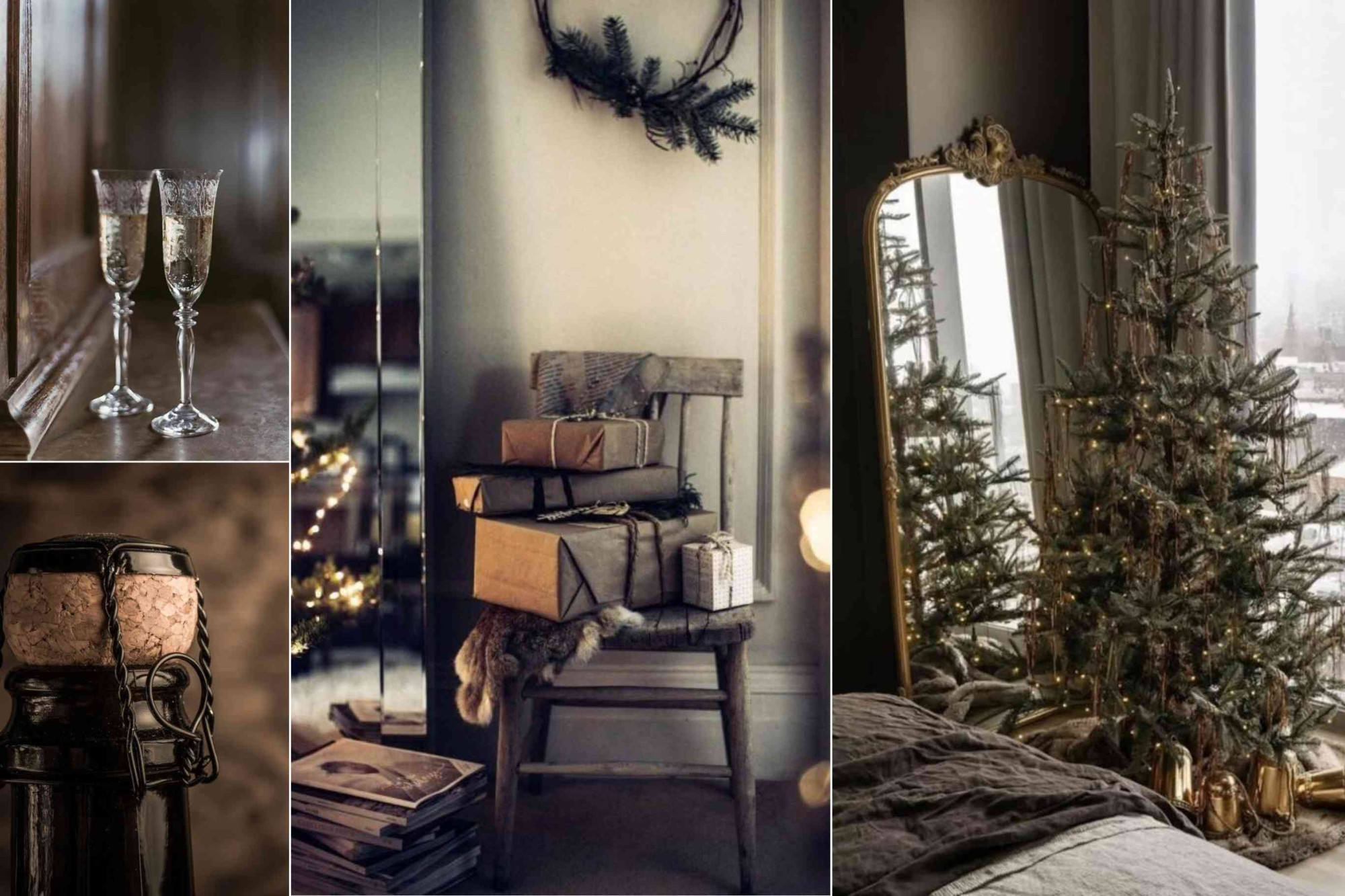
Mountain views can play an important role in the architecture and interior design of alpine homes. Rather than treating the surrounding landscape simply as a backdrop, architects can use windows, openings and the orientation of a building to make it part of the experience inside.
The position of a home is often the starting point. Mountain peaks, valleys, forests and changing winter landscapes can influence where living spaces, bedrooms and terraces are placed. Carefully positioned openings allow particular views to become visible from specific areas of the interior.
Window design can strengthen this relationship. Large expanses of glass create panoramic views, while smaller or unusually shaped openings can frame a single mountain or section of landscape almost like an artwork.
Interior choices can support the same idea. Furniture positioned towards a window, low seating and restrained decoration help keep attention on the surroundings. Natural materials and neutral colours can further connect the interior with the landscape outside.
Seasonal changes make this relationship especially relevant in mountain regions. The same view can look completely different under snow, during autumn or throughout the greener summer months.
Designing around the landscape therefore becomes more than creating a room with a view. It influences the architecture, layout and everyday experience of the mountain home.
#AlpineArchitecture #MountainHomes #ArchitectureAndLandscape #AlpineInteriors #MountainViews #AlpineduMonde
Alpine du Monde @alpinedumonde
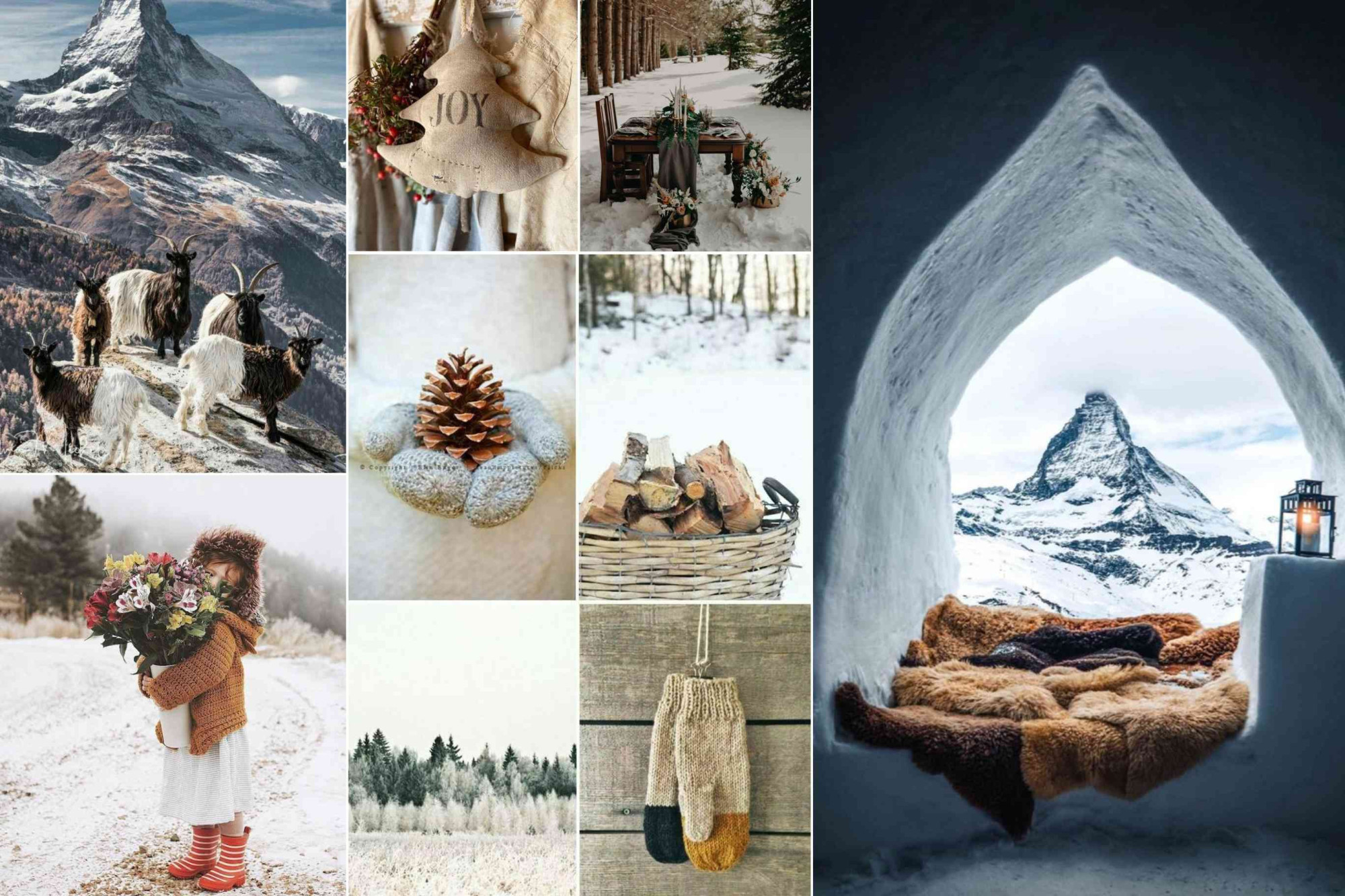
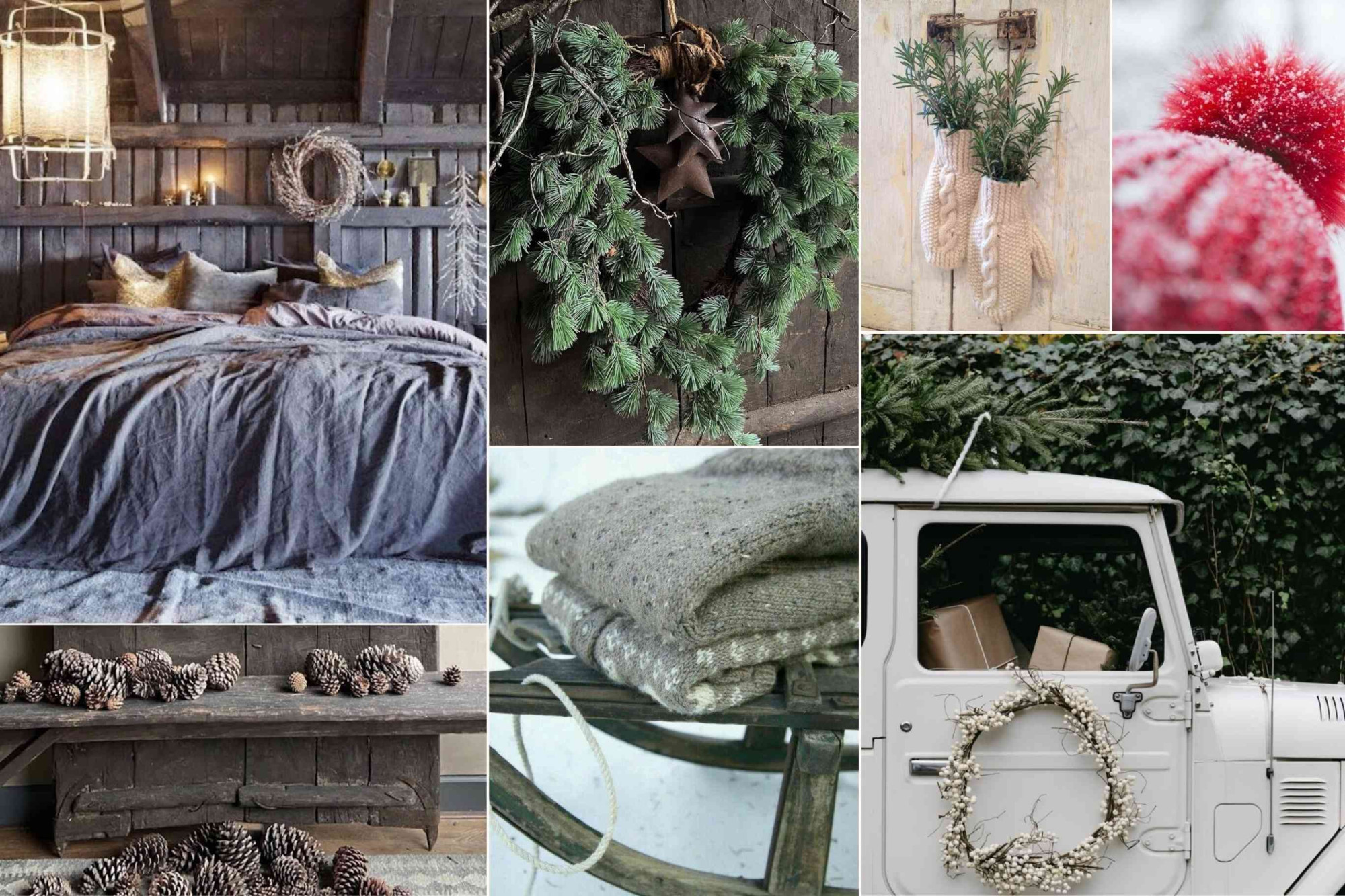
Christmas traditions in alpine regions are often closely connected to the home, where familiar objects, natural materials and seasonal rituals return each winter. Decorations are not always about transforming an interior. Individual pieces collected or reused over many years can become part of the identity of the season.
Christmas ornaments are a good example. Glass baubles, painted decorations, carved wooden figures and handmade textile pieces reflect different regional traditions and approaches to craftsmanship. Stored throughout the year and brought out again in winter, they often carry a personal history.
Textiles also become part of seasonal living. Knitted stockings, wool blankets and patterned fabrics introduce warmth while reflecting materials traditionally associated with colder mountain regions.
Everyday objects can contribute as well. Ceramic cups used for hot drinks, baskets filled with decorations and simple evergreen branches bring the festive season into the home without requiring an entirely different interior.
Many alpine destinations have their own Christmas traditions, markets and locally made decorations. Exploring these objects provides another way to discover regional design and craftsmanship beyond architecture and interiors.
The result is a form of seasonal decoration built around objects that can be kept, reused and gradually collected rather than replaced each year.
#AlpineChristmas #ChristmasTraditions #MountainLiving #ChristmasDecor #AlpineHome #AlpineduMonde
Alpine du Monde @alpinedumonde
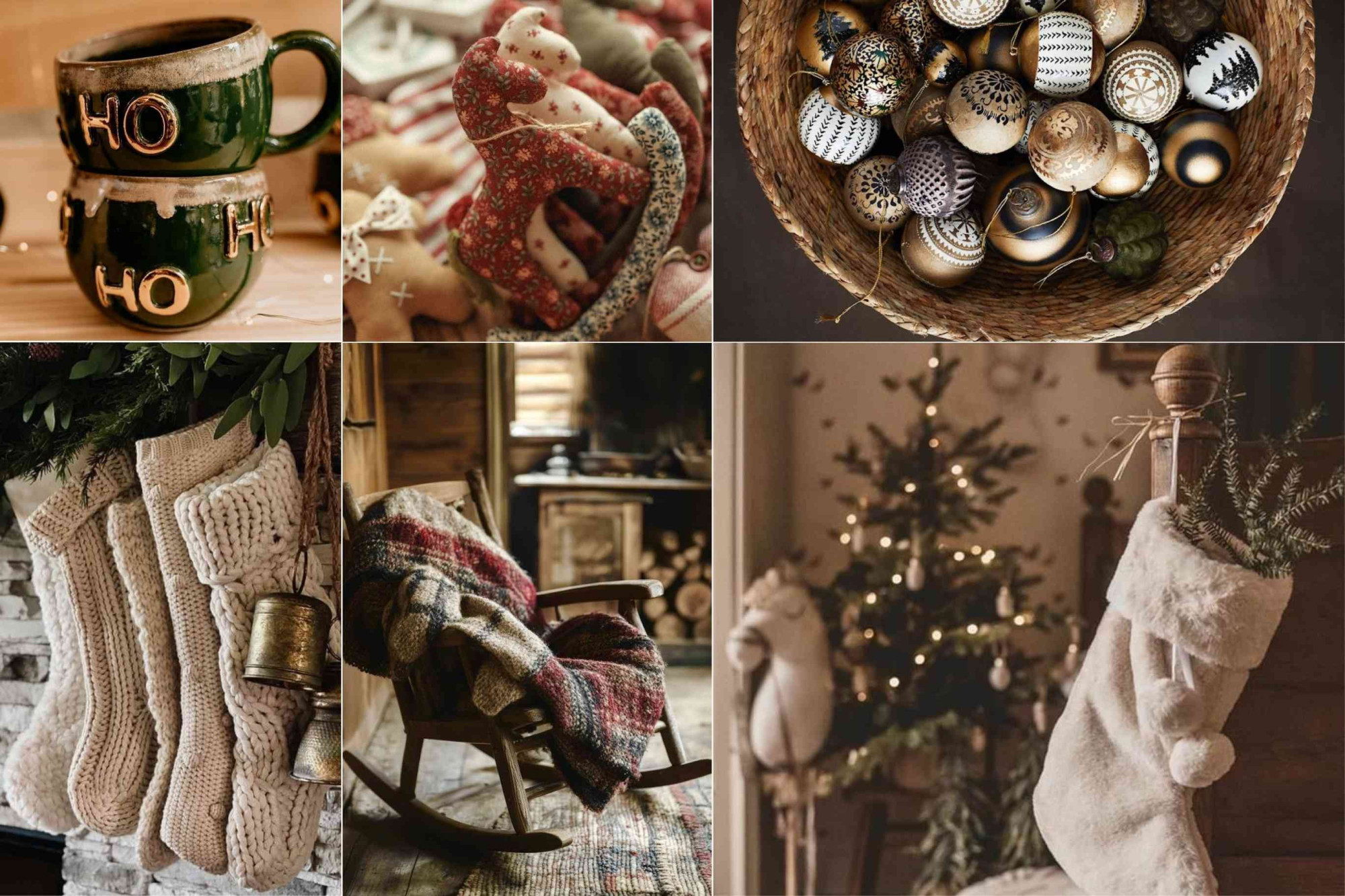
Outdoor spaces remain an important part of alpine homes during winter, even when snow and low temperatures change the way they are used. Covered terraces, balconies and sheltered seating areas can extend the living space while maintaining a direct connection with the surrounding mountain landscape.
Protection from the weather is essential. Roofed terraces and recessed balconies provide shelter from snow and wind while still allowing residents to spend time outside. Their orientation can also make a considerable difference, particularly when a space benefits from winter sunlight.
Furniture and textiles help adapt these areas to colder conditions. Wool blankets, sheepskins, outdoor rugs and cushions add insulation and make seating more comfortable during shorter periods outdoors.
Lighting becomes particularly important as daylight hours decrease. Lanterns, candles and warm exterior lighting can make terraces usable later in the day while creating a visual connection between indoor and outdoor spaces.
Small seasonal rituals can also influence how these spaces are used. A warm drink outside, an afternoon spent overlooking the snow or a sheltered place beside the house can make outdoor living part of everyday winter life rather than something reserved for warmer months.
Well-designed alpine homes therefore consider outdoor areas throughout the year, adapting terraces and balconies to the climate instead of abandoning them when winter arrives.
#AlpineLiving #OutdoorLiving #WinterTerrace #MountainHomes #AlpineDesign #AlpineduMonde
Alpine du Monde @alpinedumonde
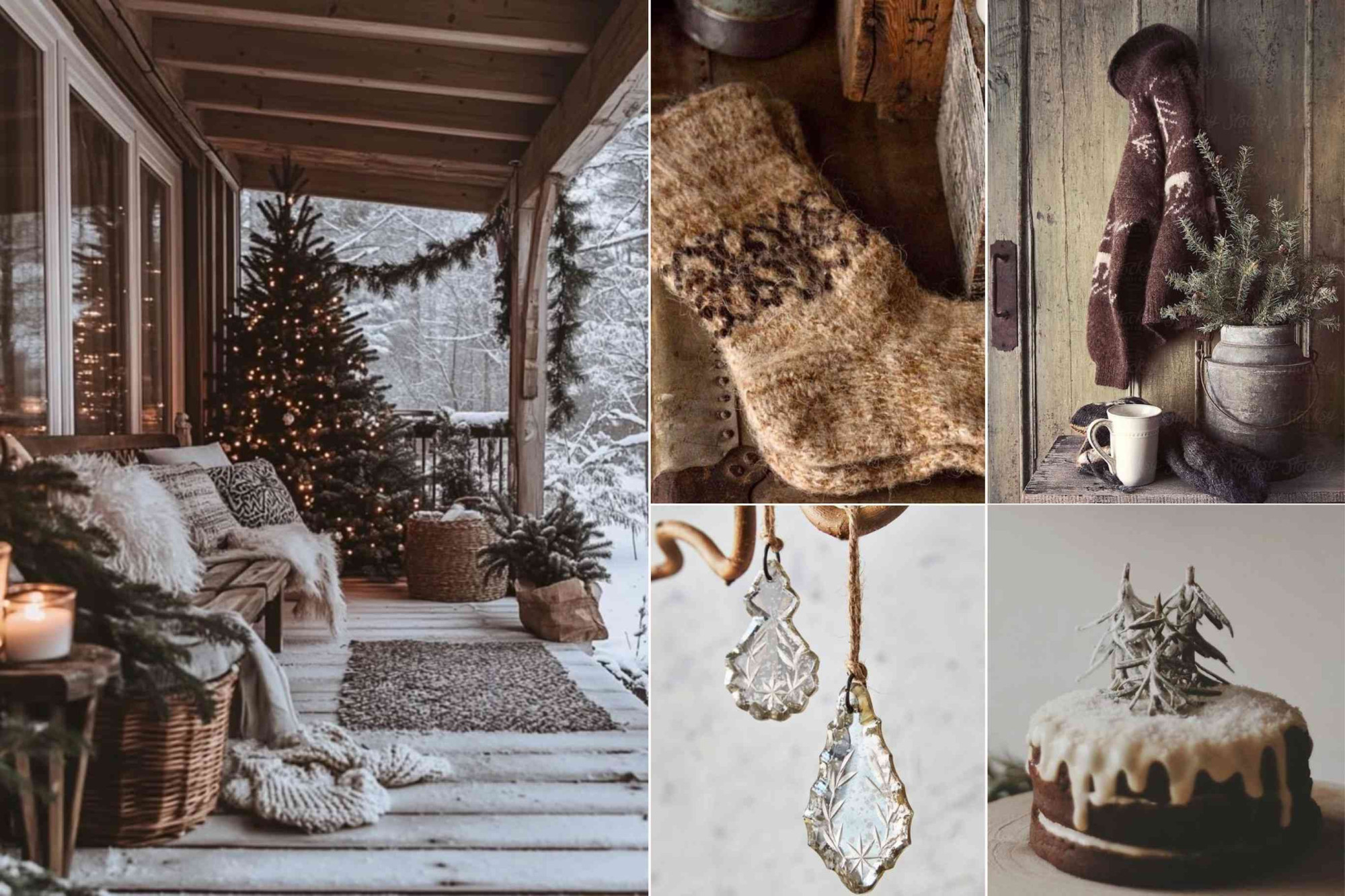
Dining spaces have traditionally played an important role in mountain homes, bringing family and guests together around food after a day spent outdoors. In contemporary alpine interiors, the dining area remains a central part of the home and often reflects the materials and atmosphere of the surrounding region.
Large wooden tables are particularly suited to this way of living. Rather than creating separate formal dining rooms, many mountain homes integrate generous tables into open living spaces where cooking, dining and socialising can take place together.
Natural materials reinforce the connection with the alpine setting. Timber walls and ceilings, linen or wool textiles, ceramic tableware and simple decorative elements complement the architecture without requiring elaborate styling.
Lighting is equally important. Pendant lights, candles and smaller sources of warm light can make a large dining space feel more intimate, particularly during winter when evenings begin earlier.
Seasonal gatherings add another dimension. During Christmas and other winter celebrations, greenery, textiles and table decorations can temporarily transform the dining area while the fundamental design of the room remains unchanged.
The alpine dining room therefore combines interior design with the social side of mountain living, creating a space designed not only for meals but also for spending time together.
#AlpineDining #DiningRoomDesign #AlpineInteriors #MountainHomes #TableSetting #AlpineduMonde
Alpine du Monde @alpinedumonde
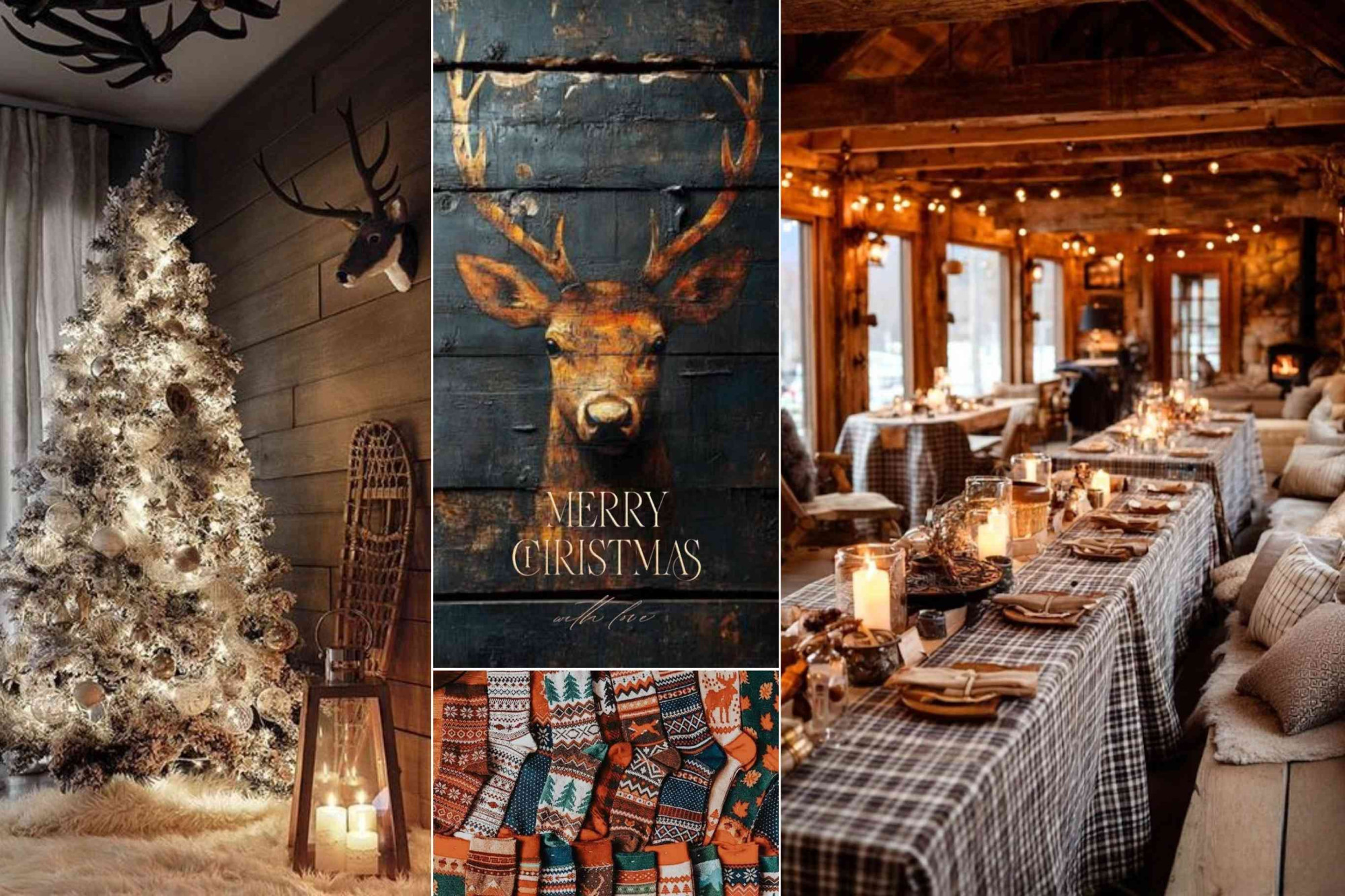
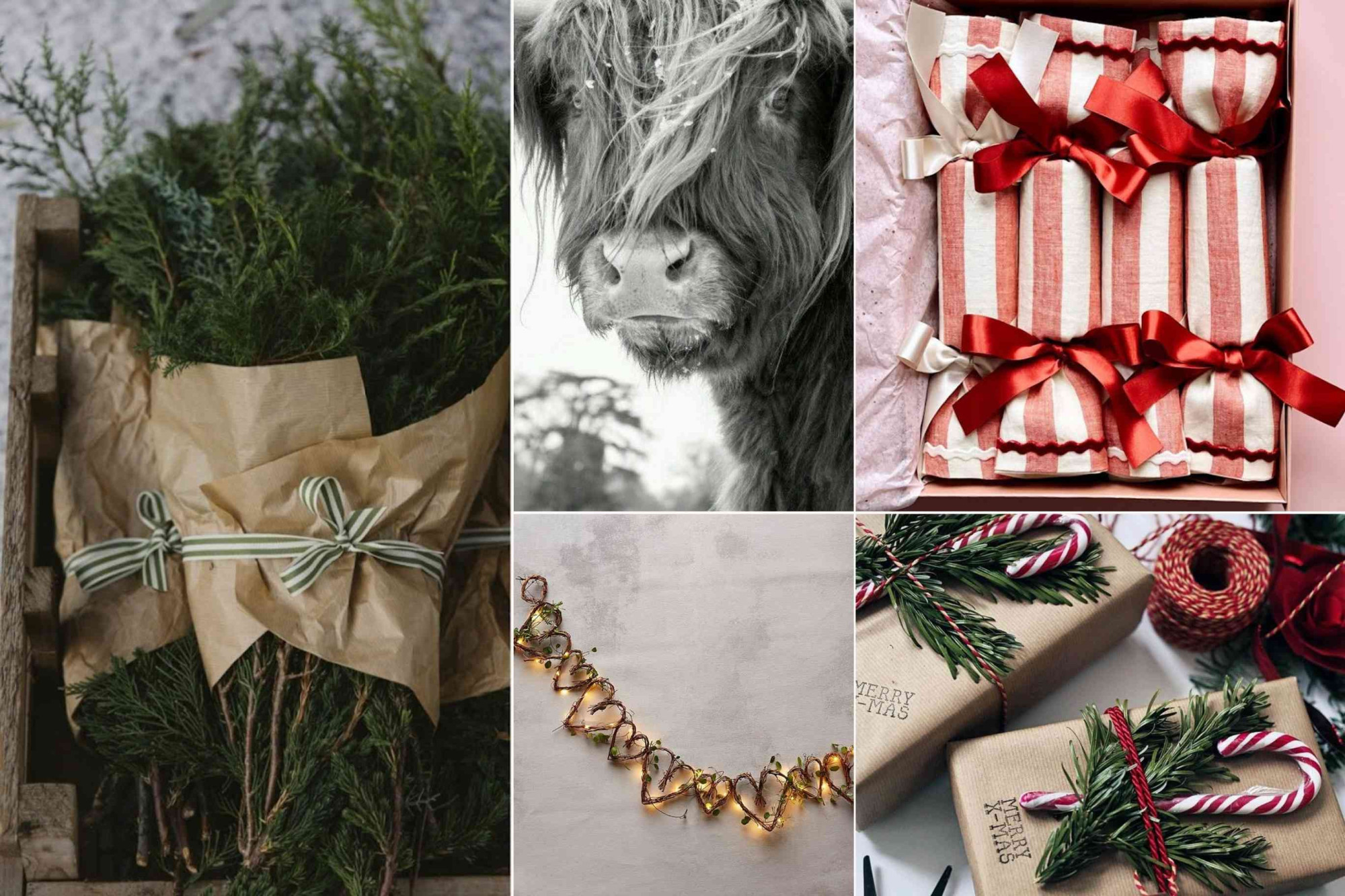
Gift wrapping can become part of seasonal design by using simple materials and natural elements instead of highly decorative packaging. Paper, fabric, ribbon, twine and greenery can create thoughtful presentations while keeping the materials themselves relatively simple.
Natural greenery is particularly effective during winter. Small branches of pine, fir, rosemary or other evergreens can be added to parcels and combined with plain paper, string or ribbon. The result connects seasonal gift wrapping with the colours and materials found in the surrounding landscape.
Fabric provides another approach. Reusable textiles, striped cloth and small fabric bags can replace conventional wrapping paper while adding colour and texture. Ribbons can be untied and reused for future gifts or other decorative purposes.
Small details can personalise a package without requiring elaborate decoration. A handwritten label, a piece of greenery, contrasting twine or a simple ornament can make each gift feel individual.
This approach also encourages using materials already available at home. Leftover fabric, saved ribbons, kraft paper and seasonal branches can all be incorporated into gift wrapping rather than purchasing an entirely new collection each year.
In alpine homes, these natural and practical materials fit particularly well with winter interiors where wood, textiles and greenery are already part of the seasonal environment.
#GiftWrapping #NaturalGiftWrapping #ChristmasDesign #SeasonalLiving #AlpineChristmas #AlpineduMonde
Alpine du Monde @alpinedumonde
Timber has shaped alpine architecture for centuries, providing mountain communities with a locally available material suited to both construction and the demands of a colder climate. From simple mountain cabins to traditional chalets, wood has become one of the most recognisable elements of building in the Alps.
Historically, the choice was largely practical. Forests provided an accessible building material that could be worked locally and used for structural frames, walls, roofs and interiors. Different regions developed their own construction methods based on available timber, climate and local building traditions.
The appearance of timber also changes naturally over time. Exposure to sun, snow and rain can alter its colour and surface, giving older mountain buildings the weathered character often associated with traditional alpine villages.
Contemporary architects continue to use wood, although the applications have evolved. Modern timber construction allows mountain homes to combine traditional materials with larger openings, simpler forms and improved energy performance.
Wood also creates a visual connection between architecture and landscape. A timber building surrounded by forests and mountains can feel closely related to its environment without needing decorative references to alpine style.
Understanding the role of timber therefore provides a useful starting point for exploring both historic chalets and the new generation of mountain architecture.
#AlpineArchitecture #TimberArchitecture #MountainHomes #WoodArchitecture #ChaletDesign #AlpineduMonde
Alpine du Monde @alpinedumonde
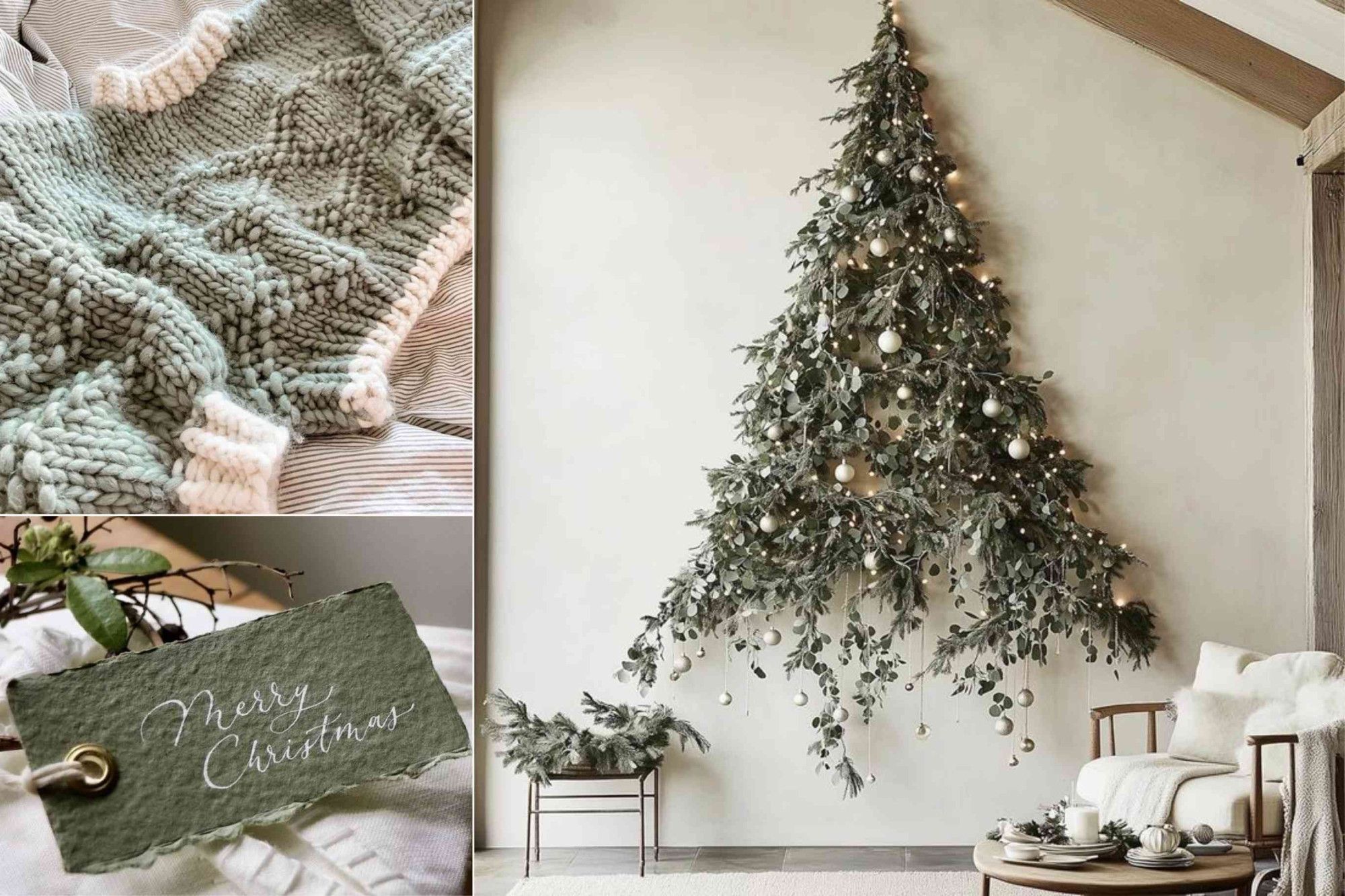
The traditional Christmas tree is not the only way to introduce seasonal greenery into a home. Wall-mounted branches, suspended greenery and smaller arrangements can create a festive focal point while requiring considerably less floor space.
This approach can be particularly useful in compact mountain homes and apartments, where living areas need to remain practical throughout the winter. Using a wall instead of the floor allows seasonal decoration to become part of the interior without occupying valuable space.
Natural branches can be arranged into the familiar triangular form of a Christmas tree and decorated with simple ornaments and lights. The result retains the visual reference to a traditional tree while creating a lighter and more contemporary interpretation.
The choice of greenery also influences the overall look. Fir and pine create a classic alpine character, while eucalyptus and other foliage can produce a softer and more modern result.
Surrounding materials can remain understated. Wool textiles, natural wood, ceramics and neutral colours complement the greenery and allow the seasonal installation to become the main decorative element.
Alternative Christmas trees show how familiar traditions can be adapted to different homes, spaces and interior styles without losing their seasonal identity.
#ChristmasTree #ChristmasInteriors #AlpineInteriors #SeasonalDesign #MountainHomes #AlpineduMonde
Alpine du Monde @alpinedumonde
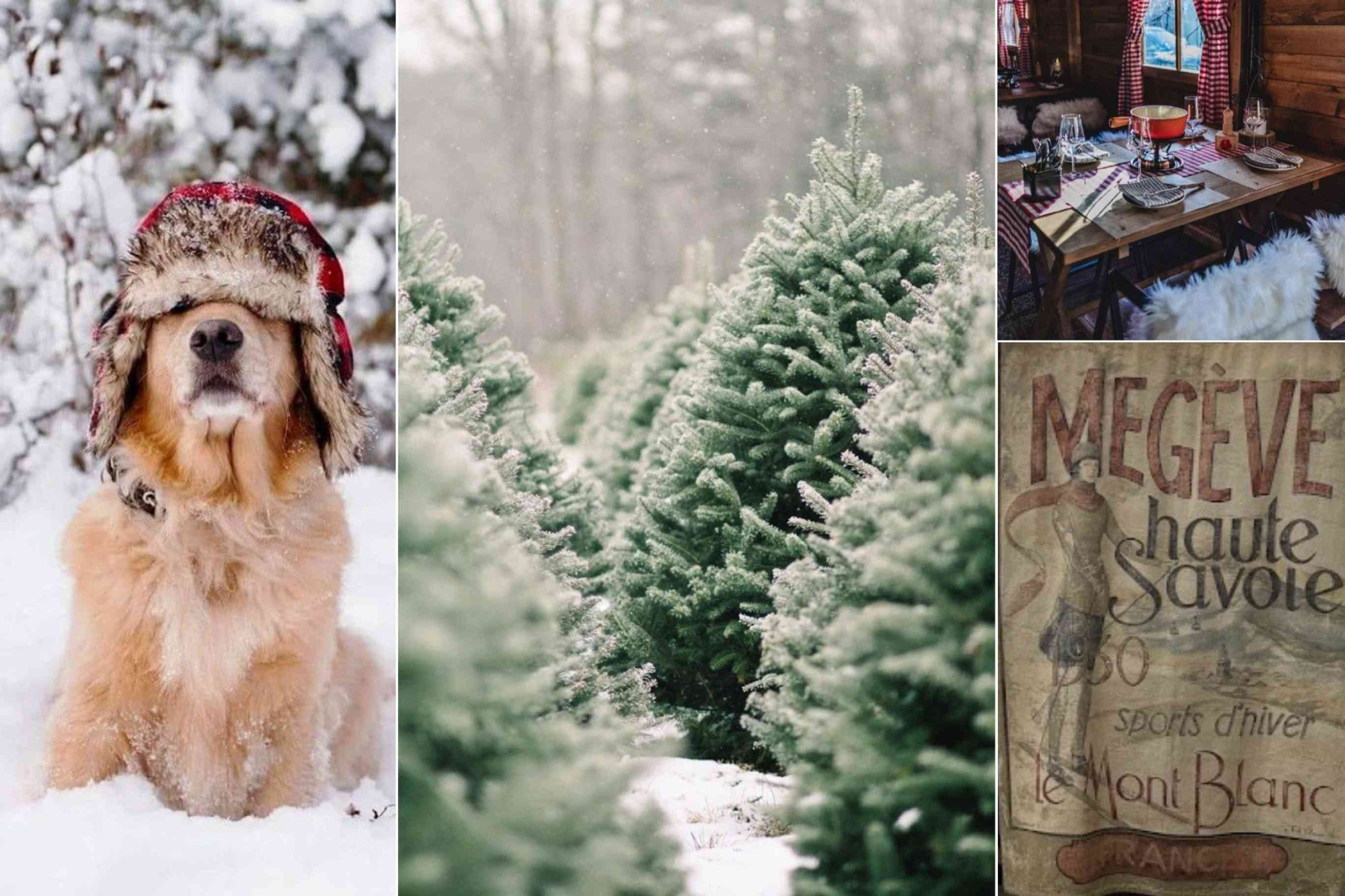
Megève has developed a distinctive visual identity in which traditional mountain architecture, natural materials and refined interior design come together. Its style is closely connected to the history of the village and the development of the modern alpine chalet.
Wood is central to this identity. Timber façades, exposed beams and panelled interiors reference traditional mountain construction, while contemporary renovations often combine these elements with more restrained furniture, lighting and decorative pieces.
Textiles add another characteristic layer. Wool, sheepskin, checked fabrics and heavier woven materials bring warmth to interiors and reflect the practical requirements of winter living in the French Alps.
The surrounding landscape also influences the visual language. Snow-covered forests, mountain views and evergreen trees introduce a natural palette of greens, browns, creams and whites that frequently returns inside homes, hotels and restaurants.
Megève's design identity extends beyond private chalets. Hotels, restaurants, boutiques and public spaces all contribute to the way the destination is experienced, making interior design part of its wider sense of place.
Exploring Megève through architecture and design therefore provides another perspective on the destination, connecting its mountain setting with the interiors, materials and spaces that have shaped its character.
#Megeve #FrenchAlps #AlpineDesign #AlpineInteriors #MountainArchitecture #AlpineduMonde
Alpine du Monde @alpinedumonde
Colour in alpine interiors is often closely connected to the landscape outside. During winter, snow, evergreen forests, exposed timber and muted natural light create a restrained palette that can also influence the materials and colours used inside mountain homes.
Wood provides an important foundation. Dark or weathered timber introduces brown, charcoal and grey tones, while lighter woods can soften the interior and create contrast with heavier winter materials.
Greys and other muted neutrals work particularly well with this natural base. Wool blankets, linen bedding, stone surfaces and upholstered furniture can introduce subtle variations of grey, beige and cream without creating strong contrasts.
Green provides a natural seasonal accent. Evergreen branches, wreaths and other foliage bring colour into the home while maintaining a connection with the surrounding mountain landscape.
Small amounts of white can lighten darker interiors and reference the winter environment outside. Rather than using pure white throughout a room, it can appear through textiles, ceramics or individual decorative objects.
A limited colour palette does not necessarily make an interior feel minimal. Variations in material, surface and tone can create depth while allowing the architecture and natural surroundings to remain visually important.
#AlpineInteriors #WinterPalette #InteriorColours #MountainHomes #NaturalInteriors #AlpineduMonde
Alpine du Monde @alpinedumonde
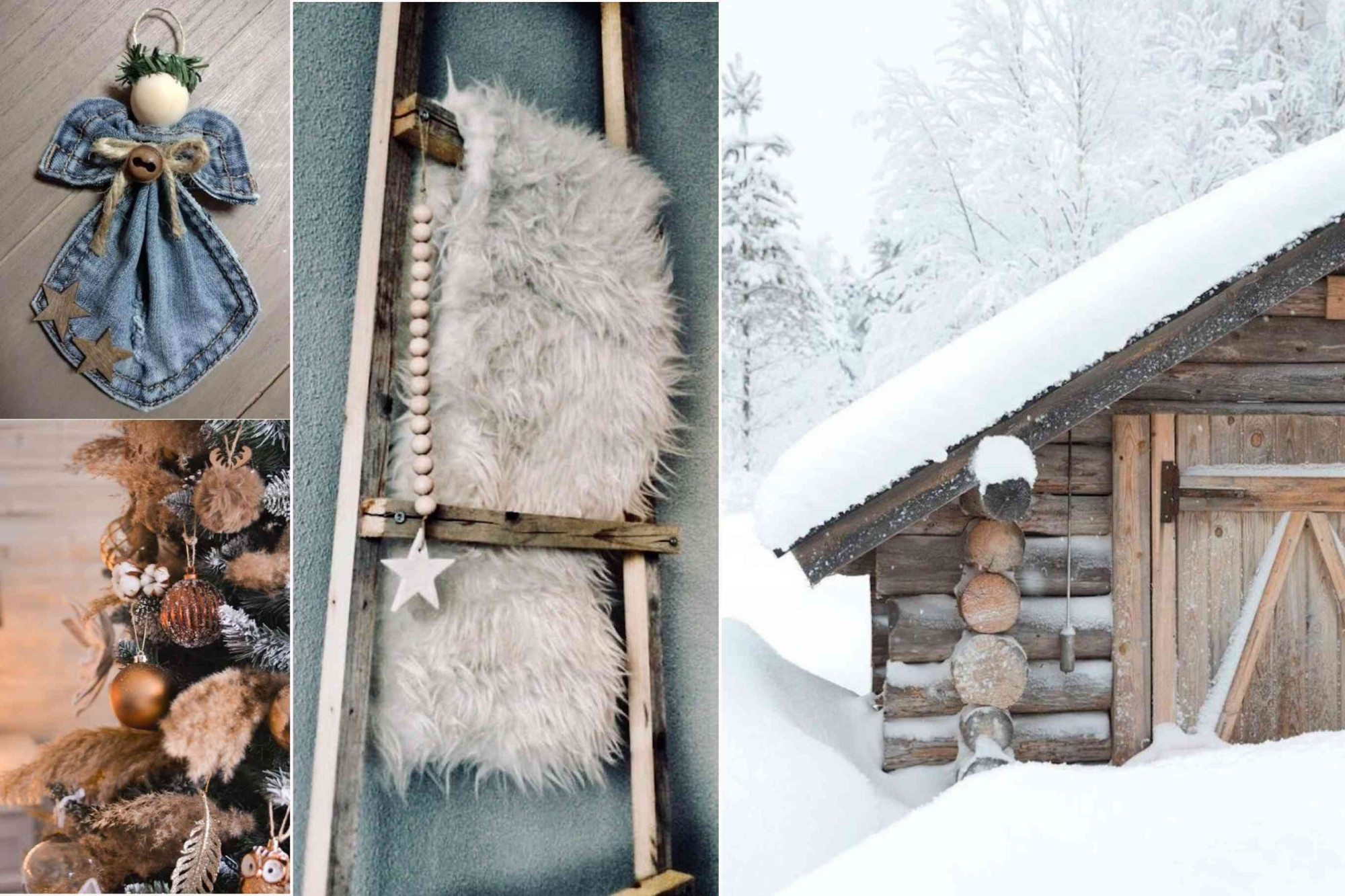
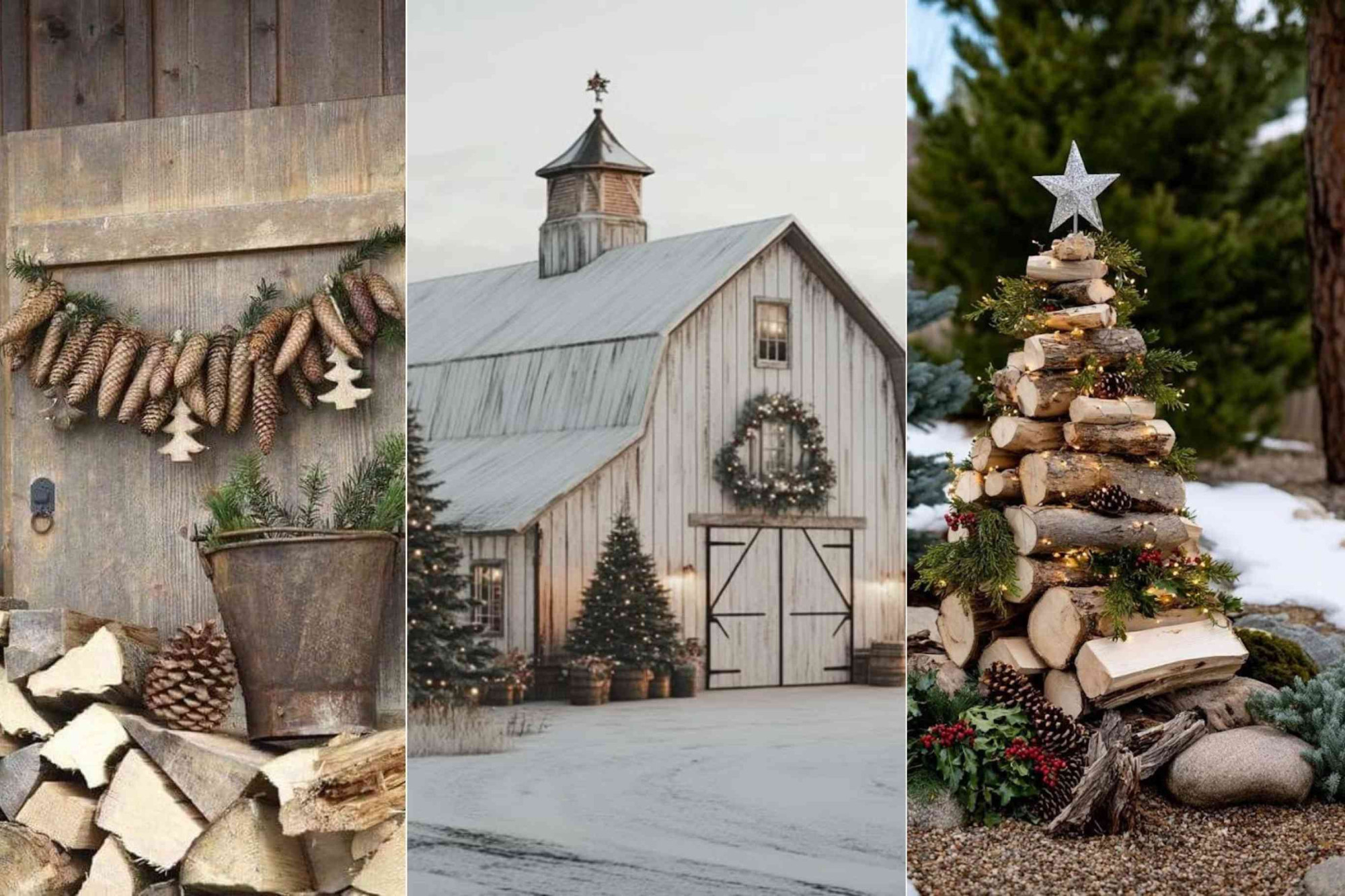
The surrounding landscape can provide a natural starting point for decorating mountain homes. Branches, pinecones, logs and evergreen foliage reflect materials already present in alpine environments and can be used to create simple seasonal arrangements.
Evergreen branches are particularly associated with winter. Their colour remains visible when much of the surrounding landscape becomes covered in snow, making them a natural choice for wreaths, garlands and outdoor arrangements.
Pinecones introduce another element directly connected to mountain forests. They can be collected into simple garlands, arranged in bowls or combined with branches and timber without requiring additional decorative materials.
Wood can also become part of seasonal displays. Logs and smaller pieces of timber can be stacked or arranged outdoors, where their natural shapes and different tones provide structure and texture. Even a Christmas tree can be interpreted through stacked pieces of wood rather than a conventional tree.
Using materials that visually belong to the surrounding environment also creates continuity between the house and its setting. Decorations feel less like temporary additions and more closely connected to the architecture and landscape.
This approach can extend beyond Christmas. Many of the same materials can remain throughout winter, allowing seasonal decoration to respond to the mountain environment rather than to a single celebration.
#AlpineLiving #NaturalDecor #WinterDecor #MountainHomes #AlpineDesign #AlpineduMonde
Alpine du Monde @alpinedumonde
Handmade Christmas Decorations
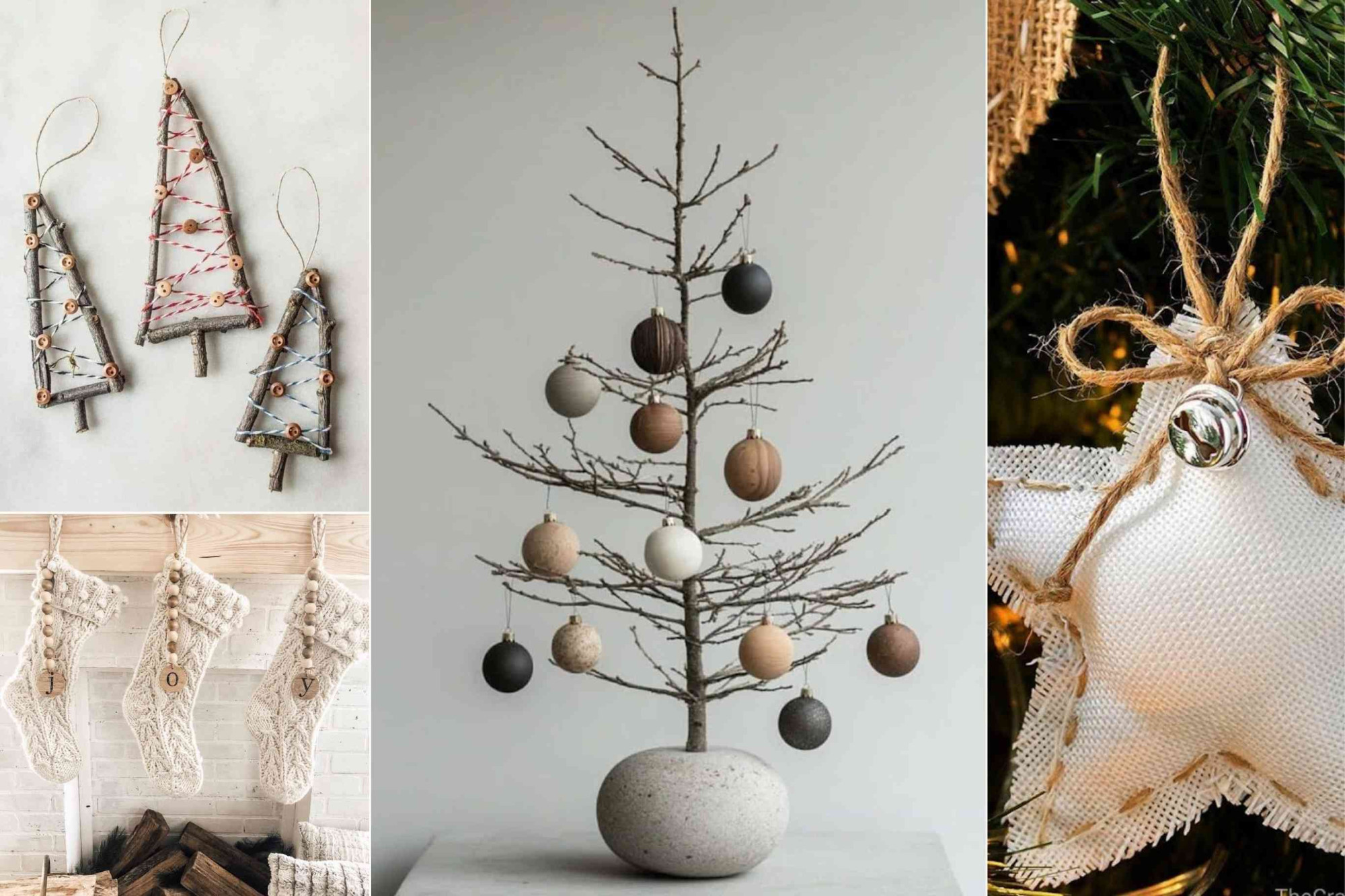
Making Christmas decorations at home is a simple way to create seasonal pieces using materials that are already available or easy to find. Branches, fabric, wool, twine and small pieces of wood can all be transformed into decorations without requiring specialist tools or complicated techniques.
Small wooden ornaments are one of the easiest places to start. Thin branches can be cut into different lengths and arranged into simple tree shapes, then tied together with string or fine wire. A few beads, pieces of thread or small decorative details can be added afterwards.
Fabric provides many other possibilities. Leftover linen, cotton or wool can be used for small hanging decorations, stockings or simple ornaments. Frayed edges and visible stitching can become part of the design rather than something that needs to be hidden.
Natural materials collected outdoors can also be incorporated. Pinecones, fallen branches and evergreen cuttings can become wreaths, table decorations or individual ornaments. Combining them with materials already found at home keeps the process simple.
A limited colour palette helps different handmade pieces work together. Natural wood, cream, grey, brown and muted greens are particularly easy to combine and work naturally within alpine interiors.
Making decorations also allows Christmas collections to develop gradually. Instead of replacing decorations each season, new handmade pieces can be added over time and reused year after year.
#DIYChristmas #HandmadeChristmas #ChristmasCrafts #NaturalDecor #AlpineLiving #AlpineduMonde
Alpine du Monde @alpinedumonde
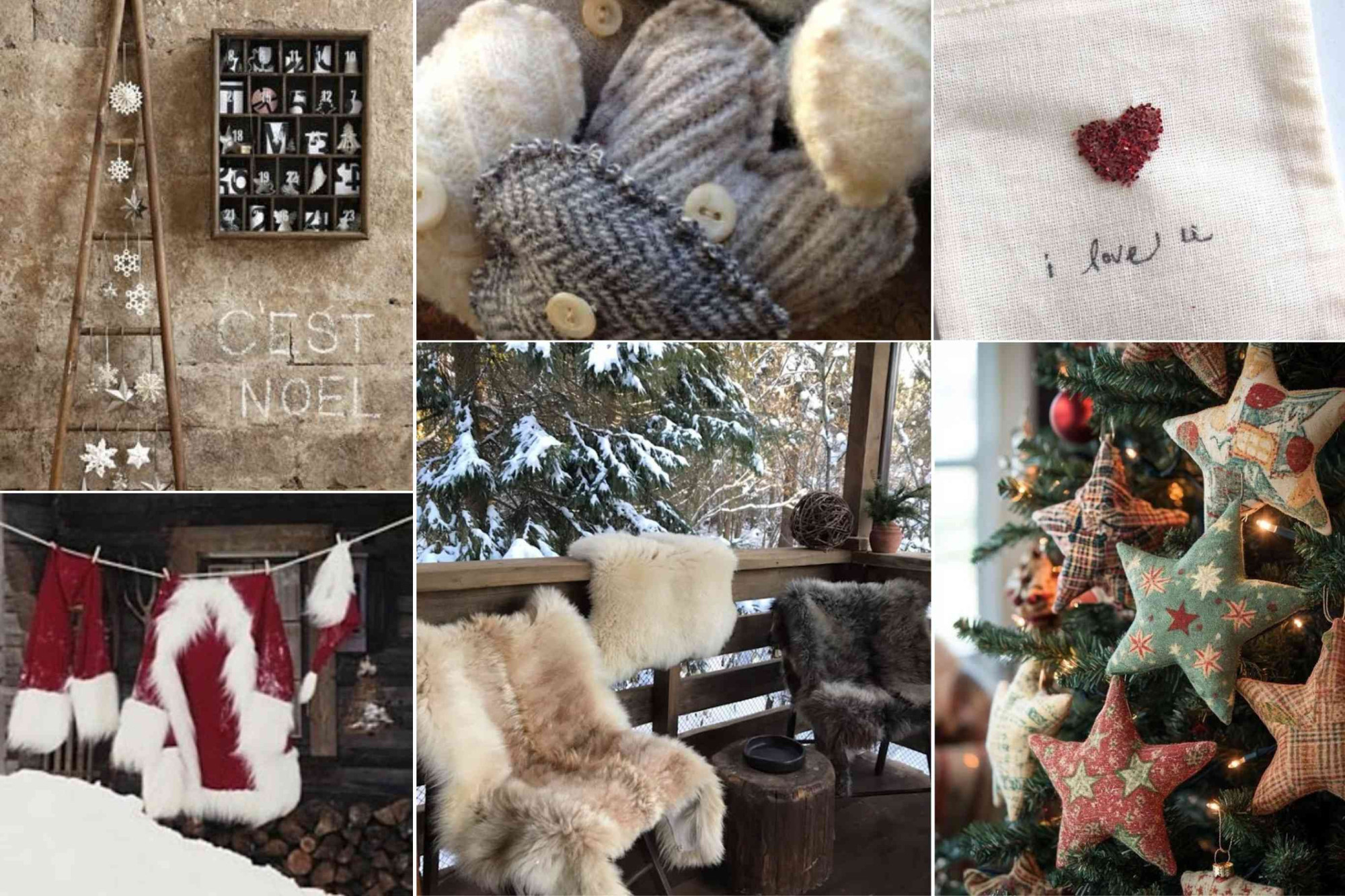
Textiles can bring Christmas into the home without relying on conventional ornaments and decorations. Wool, felt, linen and leftover fabrics can be used throughout an interior to introduce seasonal colour, pattern and texture.
Fabric ornaments are a simple example. Small stars, hearts and other shapes can be sewn from leftover pieces of material and finished with ribbon or string. Different fabrics can be combined to create individual pieces while maintaining a consistent colour palette.
Knitting provides another possibility. Wool can be used for small hanging decorations, stockings and soft ornaments that can return each winter. Using different stitches and natural wool colours adds variation without requiring additional decoration.
Embroidery can turn even a small piece of fabric into something personal. A word, date, initial or simple motif can be stitched onto linen or cotton and used as an ornament, gift tag or small decorative object.
Larger textiles can also change the seasonal character of a space. Wool cushions, blankets and sheepskins introduce additional warmth to seating areas, balconies and bedrooms during colder months.
Because many textile decorations can be repaired, adapted and reused, they can gradually become part of a family's Christmas collection rather than being replaced with new decorations every year.
#ChristmasTextiles #TextileDecor #HandmadeChristmas #AlpineInteriors #ChristmasCrafts #AlpineduMonde
Alpine du Monde @alpinedumonde
The experience of staying in the mountains is shaped not only by location, but also by the spaces in which guests spend their time. Architecture, materials, views and small interior details can turn a chalet, lodge or mountain hotel into an important part of the journey itself.
Natural materials often create the first connection with the surroundings. Stone walls, exposed timber beams and wooden ceilings reference the landscape and traditional mountain architecture while giving each property its own character.
The way spaces are organised also matters. A fireplace can become the centre of a living area, a bath positioned beside a window can make the landscape part of a private moment and a comfortable chair placed towards the mountains can create a place to simply enjoy the view.
Modern comfort does not need to remove the character of an older building. Contemporary furniture, lighting and bathrooms can sit alongside traditional materials when both are considered as part of the same interior.
Atmosphere becomes particularly important in mountain stays because guests often spend more time inside than they might on other types of trips. After skiing, hiking or exploring the surrounding area, the property becomes part of the destination experience.
The most memorable alpine stays therefore combine location and design, creating spaces where the architecture and interior contribute directly to the experience of being in the mountains.
#AlpineStays #MountainHotels #ChaletStay #AlpineInteriors #MountainLiving #AlpineduMonde
Alpine du Monde @alpinedumonde
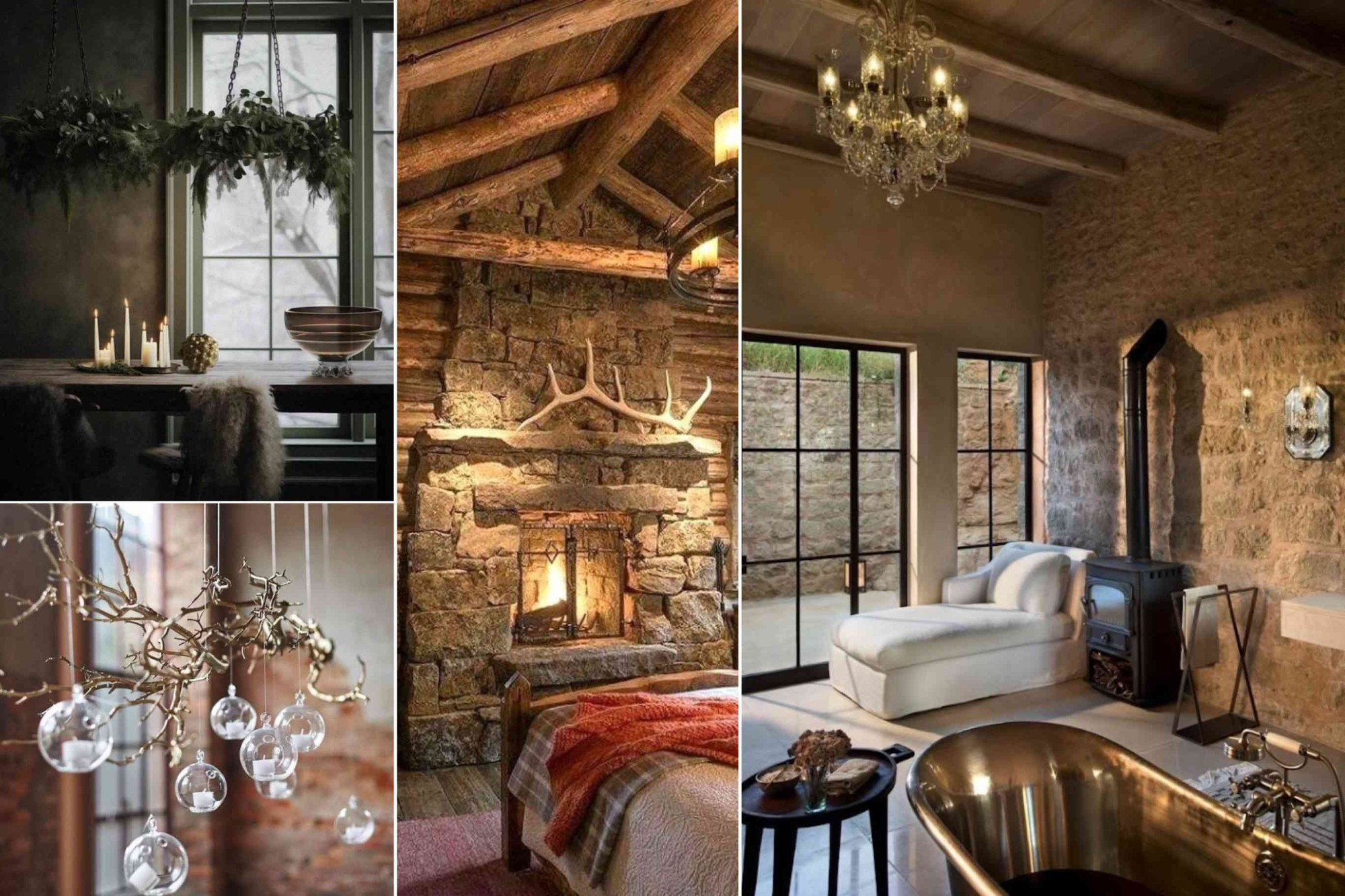
Tartan and checked fabrics have become familiar elements in mountain interiors, particularly during the colder months when layered textiles play a larger role in the home. Their combination of colour and pattern can introduce warmth into spaces dominated by timber, stone and neutral materials.
Checks can be incorporated in different ways. A rug can define a seating area, cushions can introduce smaller accents and upholstered furniture can make the pattern a more permanent part of the interior.
Red and green tartans are particularly associated with winter and Christmas, but the pattern is not limited to seasonal decorating. Brown, grey, cream and muted green checks can remain part of an alpine interior throughout the year.
The scale of the pattern also changes its effect. Larger checks create a stronger visual statement, while smaller patterns can be combined more easily with plain wool, linen and other natural textiles.
Using tartan selectively is particularly effective in interiors that already contain substantial amounts of wood. The pattern introduces colour and structure while the surrounding natural materials prevent it from becoming visually dominant.
Tartan can therefore move between seasonal decoration and permanent interior design, making it a versatile textile for chalets, mountain hotels and other alpine spaces.
#TartanInteriors #AlpineInteriors #MountainHomes #TextileDesign #ChaletStyle #AlpineduMonde

Alpine du Monde @alpinedumonde
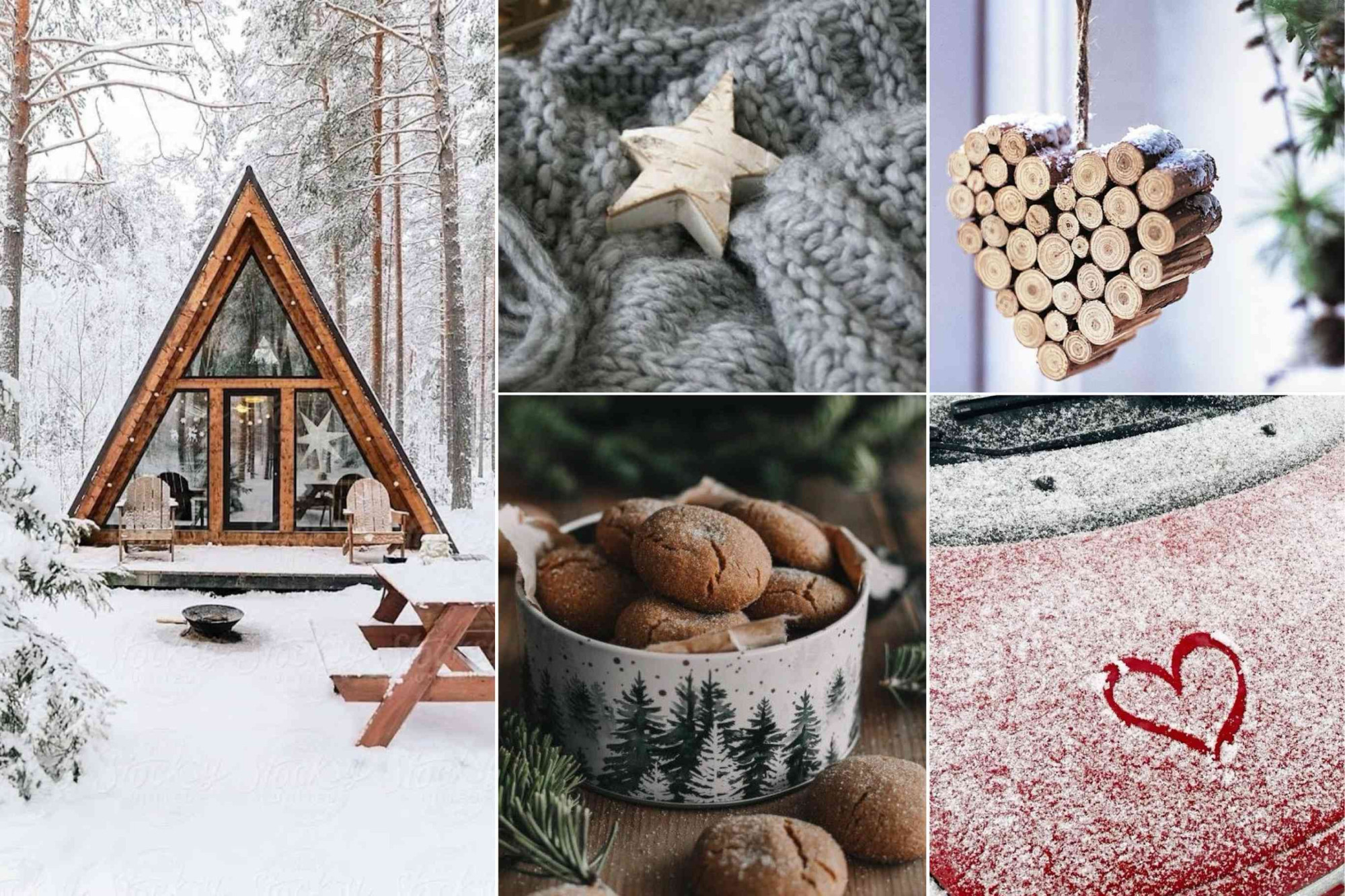
The A-frame cabin is one of the most recognisable forms of mountain architecture, defined by a steeply pitched roof that extends almost to ground level. Its simple geometry creates a distinctive appearance, but the shape also has practical advantages in regions where snow and changing weather conditions influence building design.
The steep roof helps snow move away from the structure rather than accumulating on large horizontal surfaces. At the same time, the triangular construction creates a compact building form that can work particularly well for smaller cabins and holiday homes.
Large glazed façades are frequently incorporated into contemporary A-frame designs. They bring natural light deep into the interior and can frame views of forests, mountains and snow-covered landscapes.
Inside, the roof structure becomes part of the character of the space. High ceilings create openness in the central living area, while loft levels can provide additional sleeping or storage space without significantly increasing the footprint of the building.
Timber is commonly used for both the structure and interior, strengthening the visual relationship between the cabin and its natural surroundings. Contemporary versions can combine wood with glass, metal and modern insulation technologies.
The continuing popularity of A-frame cabins shows how a relatively simple architectural form can respond to climate, landscape and the growing interest in compact stays surrounded by nature.
#AFrameCabin #CabinDesign #MountainArchitecture #AlpineArchitecture #MountainStays #AlpineduMonde
Alpine du Monde @alpinedumonde
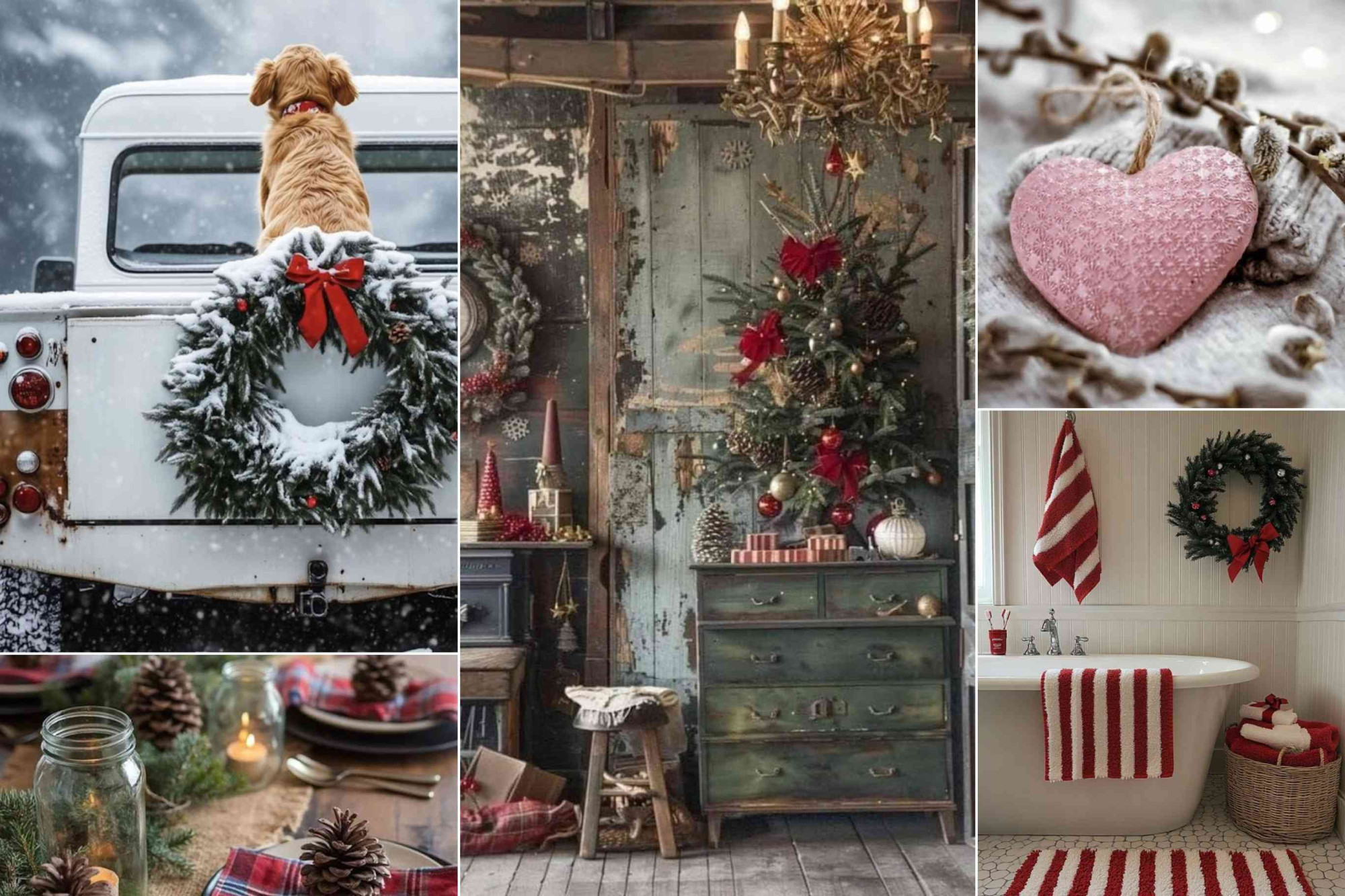
Vintage furniture and decorative objects can bring character and a sense of history to alpine interiors. Rather than furnishing a mountain home entirely with new pieces, combining contemporary comfort with older objects can create spaces that feel connected to the traditions and everyday life of the region.
Wooden cabinets, stools, benches and tables are particularly suited to mountain interiors. Signs of age such as faded paint, worn surfaces and visible repairs can become part of their appeal rather than something that needs to be removed.
Older pieces can also provide contrast in contemporary chalets. A traditional chest of drawers placed alongside modern lighting or a simple upholstered chair can introduce history without turning the entire room into a traditional chalet interior.
Smaller objects can have the same effect. Vintage ceramics, candleholders, baskets, textiles and framed pieces allow references to the past to be introduced gradually throughout a home.
Finding these objects can also become part of exploring an alpine destination. Antique shops, flea markets, brocantes and local dealers can reveal furniture and household objects that reflect the materials and styles traditionally used in the surrounding region.
The most interesting alpine interiors often combine different periods rather than recreating one particular style. Vintage pieces can help create that layered character while giving existing objects a new place within contemporary mountain homes.
#AlpineInteriors #VintageInteriors #MountainHomes #VintageFurniture #ChaletStyle #AlpineduMonde
Alpine du Monde @alpinedumonde
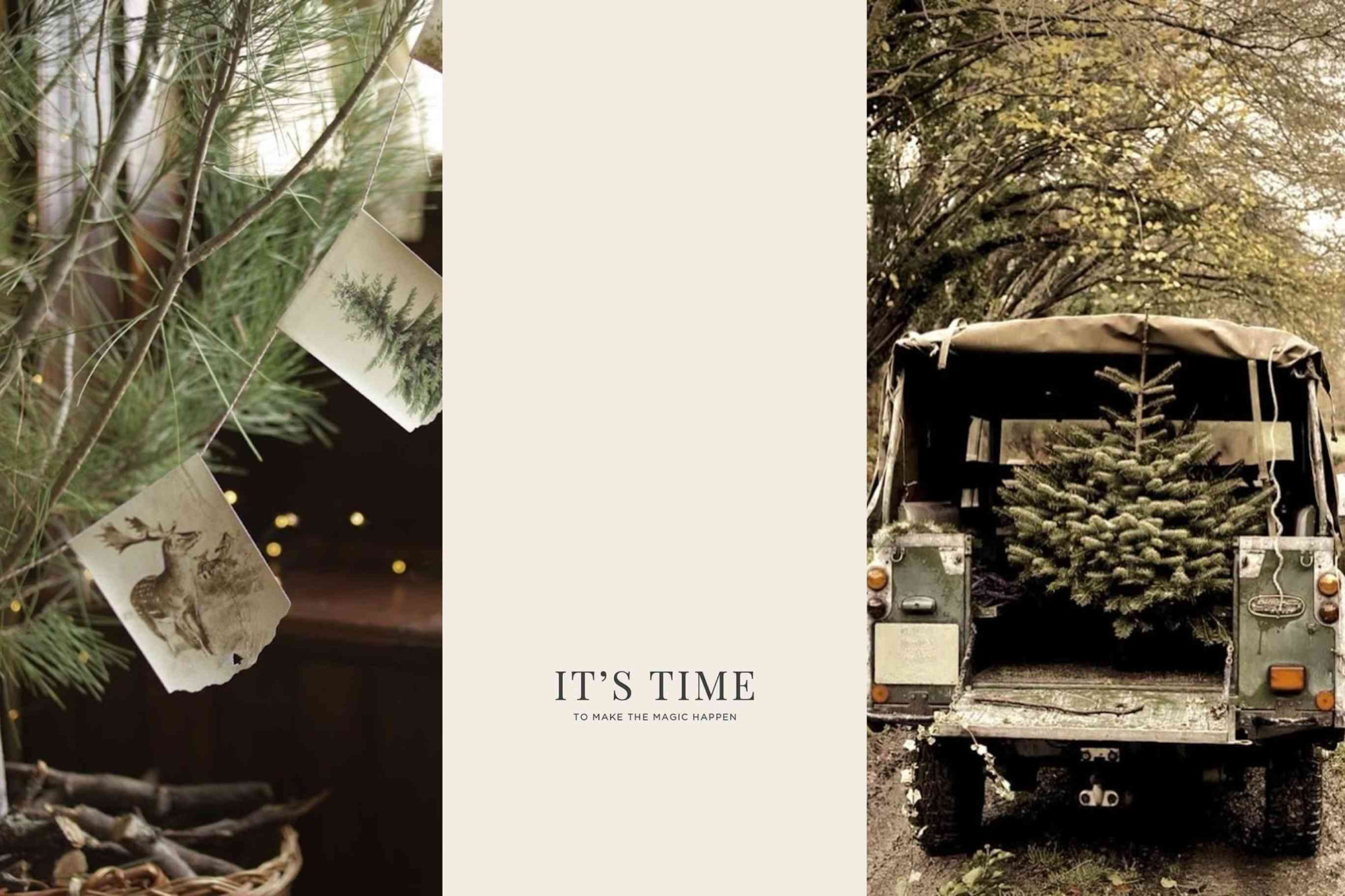
Choosing a Christmas tree is often the starting point for decorating a home for the festive season. Size, shape, tree variety and the space available indoors can all influence which tree works best.
Before selecting a tree, it helps to consider where it will stand. Measuring both the ceiling height and the available floor space prevents the tree from overwhelming the room. In smaller alpine homes or apartments, a narrower tree can provide the same seasonal character while taking up less space.
Different varieties also have different qualities. Some retain their needles particularly well, while others are valued for their fragrance, softer foliage or more irregular natural shape. The choice depends partly on how long the tree will remain indoors and how it will be decorated.
A tree does not need to be perfectly symmetrical. Trees with visible gaps and less uniform branches can work particularly well with simple decorations, allowing individual ornaments to remain visible.
Where the tree comes from is another consideration. Locally grown trees can reduce transport distances and buying directly from a grower provides an opportunity to learn more about how the trees are cultivated.
After Christmas, disposal or recycling options vary by destination. Many municipalities collect trees for composting or chipping, while potted trees may sometimes be replanted when they have been properly cared for.
#ChristmasTree #ChristmasAtHome #AlpineLiving #NaturalChristmas #SeasonalLiving #AlpineduMonde
Alpine du Monde @alpinedumonde
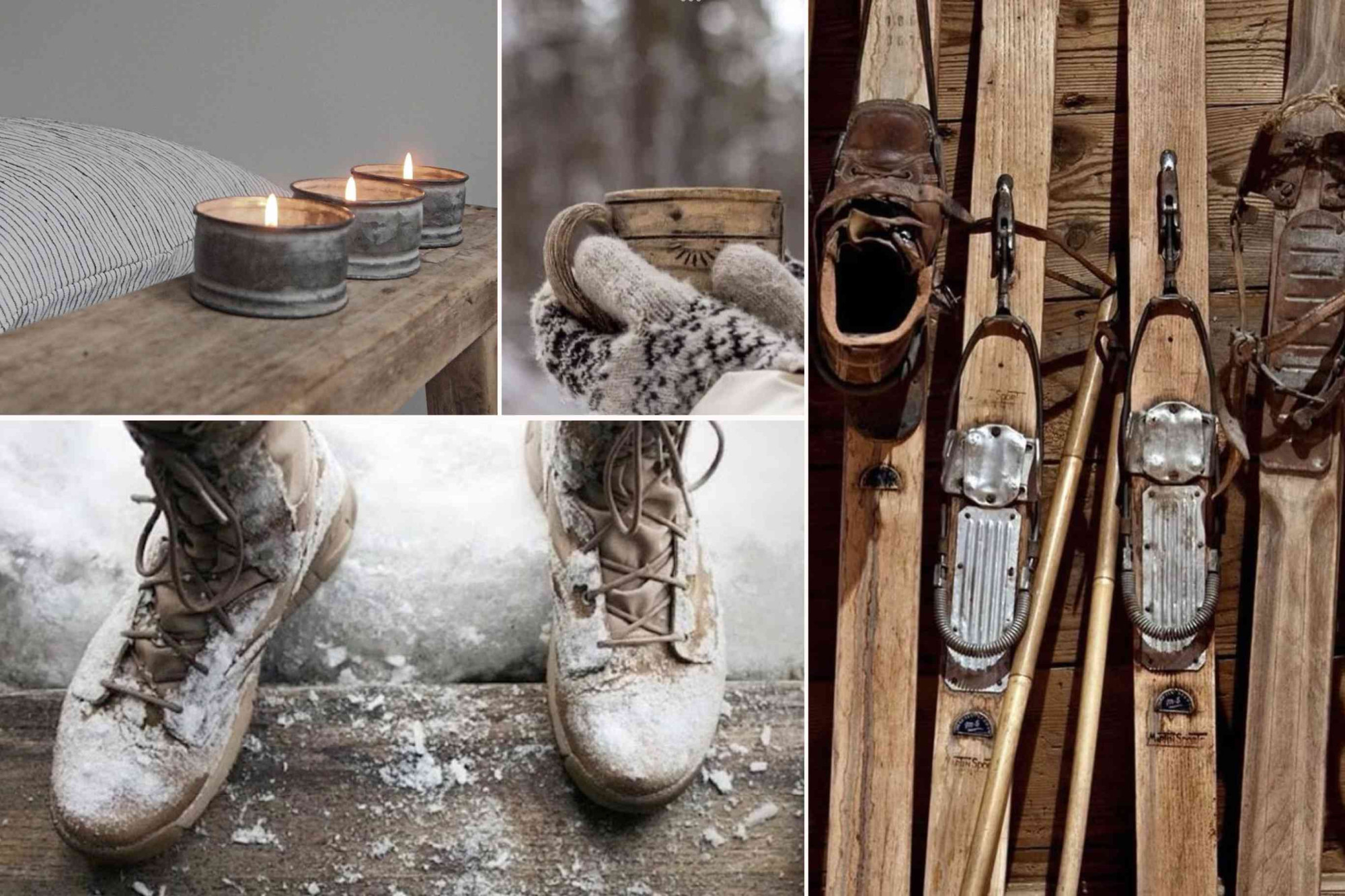
Vintage ski equipment tells part of the story of how life and tourism developed in mountain regions. Wooden skis, leather boots, poles, snowshoes and other early equipment were once functional objects but today they can also provide a visual connection with the history of alpine living.
Early skis were commonly made from wood and their construction was considerably simpler than modern equipment. Bindings, boots and poles evolved alongside skiing as the activity developed from a practical means of travelling through snow into an internationally popular winter sport.
These objects are increasingly found in chalets, mountain hotels and restaurants. A pair of wooden skis or old snowshoes can introduce a reference to local mountain culture without requiring an interior to follow a traditional chalet style throughout.
How these pieces are displayed makes an important difference. Individual objects can be mounted on timber walls, grouped with historic photographs or positioned alongside contemporary furniture to create contrast between past and present.
Original equipment can also be discovered beyond interiors. Alpine museums, antique dealers, flea markets and specialist collectors preserve objects that document the development of skiing and mountain tourism.
Using vintage ski equipment in an interior can therefore be more than decoration. When the history of the objects is understood, they become a way of connecting contemporary mountain spaces with the activities and traditions that helped shape alpine destinations.
#VintageSki #SkiCulture #AlpineInteriors #MountainHeritage #AlpineDesign #AlpineduMonde
Alpine du Monde @alpinedumonde
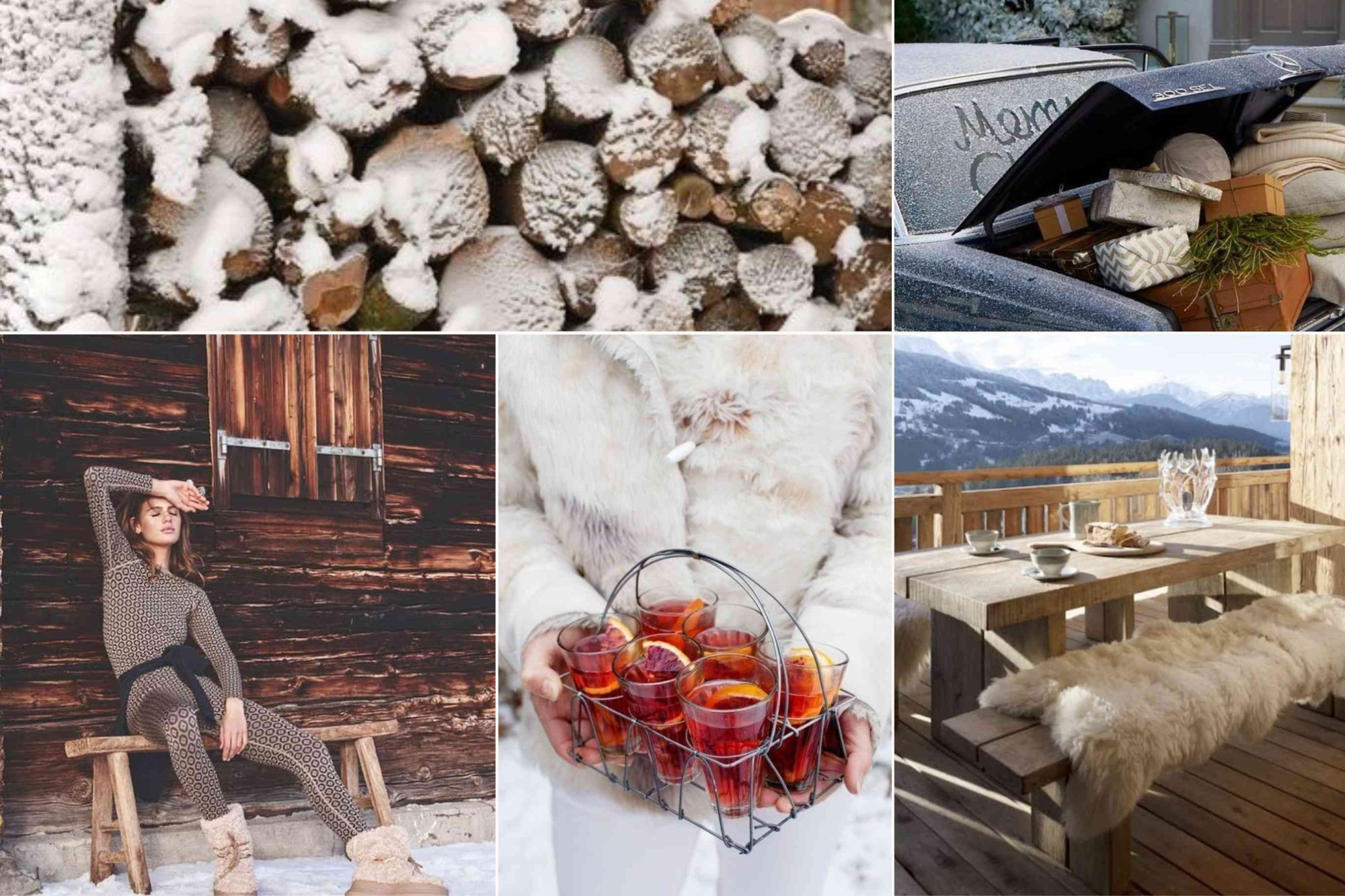
Hosting guests in a mountain home during winter involves more than preparing a meal. Cold weather, outdoor activities and the transition from snow to a warm interior influence how spaces are prepared and how guests experience the home.
A welcoming entrance is a practical starting point. Winter coats, boots, gloves and ski equipment require more space than summer belongings, making storage and accessible places to leave wet clothing particularly useful.
Warm drinks can become part of the arrival. Tea, coffee, hot chocolate or regional winter drinks provide a simple way to welcome guests after travelling through cold weather or spending time outdoors.
Comfort also extends beyond the interior. A sunny terrace can remain an inviting place during winter when seating is combined with wool blankets or sheepskins. Sheltered outdoor areas allow guests to enjoy the mountain landscape without needing to spend long periods in the cold.
Inside, informal gathering spaces often work particularly well. A large table, seating around a fireplace or a comfortable kitchen area encourages people to spend time together without creating a formal entertaining environment.
Small practical details can make a significant difference. Extra blankets, somewhere to dry gloves and boots and drinks prepared in advance all respond directly to the realities of winter in the mountains.
Winter hosting is therefore closely connected to both design and hospitality, with the home prepared around warmth, comfort and the activities that define mountain living.
#WinterHosting #AlpineLiving #MountainHomes #AlpineHospitality #WinterLiving #AlpineduMonde
Alpine du Monde @alpinedumonde
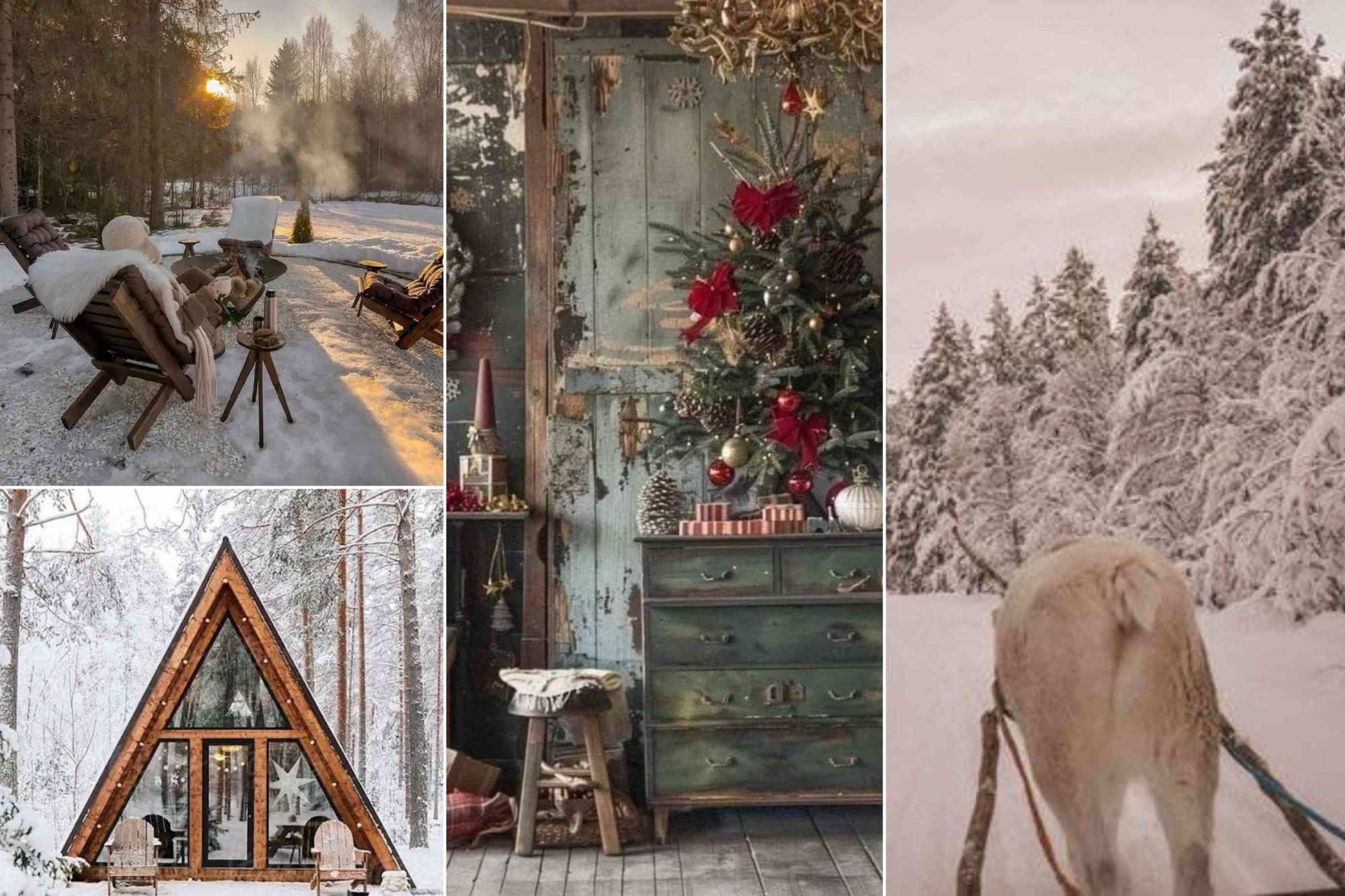
A mountain stay can create a different relationship with the surrounding landscape when nature is experienced directly from the property. Forests, snow, wildlife and changing weather become part of everyday life rather than something encountered only during planned activities.
Location plays an important role. Cabins and smaller mountain stays positioned near forests or away from busy resort centres can provide immediate access to walking routes, winter landscapes and outdoor spaces.
Architecture can strengthen this connection. Large windows bring views into the interior, while terraces and simple outdoor seating areas create places to spend time outside even during colder months.
The scale of a property can also influence the experience. Smaller cabins often place fewer barriers between guests and their surroundings, particularly when living spaces look directly towards forests, mountains or open landscapes.
Activities do not necessarily need to be elaborate. Walking through snow, spending time outdoors with a warm drink, observing wildlife or exploring the surrounding landscape can become part of the stay itself.
For travellers looking beyond traditional ski holidays, these properties provide another way to experience mountain regions, with the natural environment becoming one of the main reasons to stay.
#MountainStays #CabinStay #NatureStay #AlpineLiving #MountainEscape #AlpineduMonde
Alpine du Monde @alpinedumonde
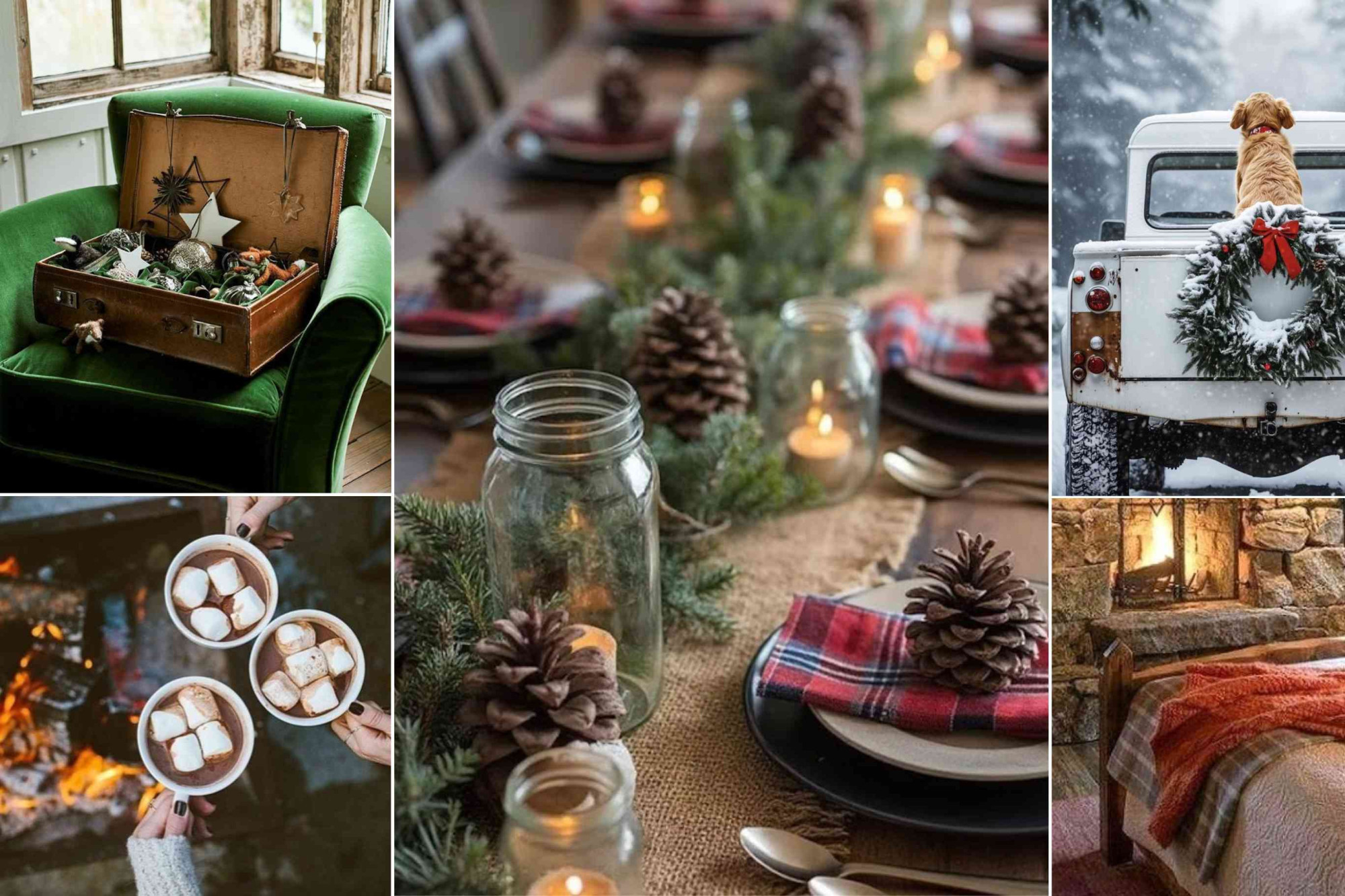
A winter table can reflect the mountain environment through a combination of natural materials, seasonal greenery and warm lighting. Rather than relying on elaborate decorations, a few carefully chosen elements can create a table that works for both everyday winter gatherings and festive occasions.
Natural materials provide a useful starting point. Linen, wood, ceramics and simple woven fabrics work well alongside the materials commonly found in alpine interiors. They also create a neutral base that can be adapted throughout the season.
Greenery can be placed along the centre of the table instead of using a traditional floral arrangement. Fir, pine, rosemary or other winter foliage introduces colour while keeping the arrangement relatively low so guests can still see one another across the table.
Pinecones and small branches can add further references to the surrounding landscape. These elements can be collected into a central arrangement or used individually around place settings.
Lighting changes the atmosphere of the table, particularly during the shorter days of winter. Candles placed in simple glass holders or lanterns provide softer light and can be combined at different heights.
Textiles provide an opportunity to introduce pattern and colour. Checked napkins, natural linen or wool details can change the character of an otherwise simple table without requiring an entirely new collection of tableware.
The same basic setting can then evolve throughout winter, with small adjustments for Christmas, New Year or informal gatherings after a day outdoors.
#WinterTable #TableSetting #AlpineInteriors #MountainLiving #Tablescape #AlpineduMonde
Alpine du Monde @alpinedumonde
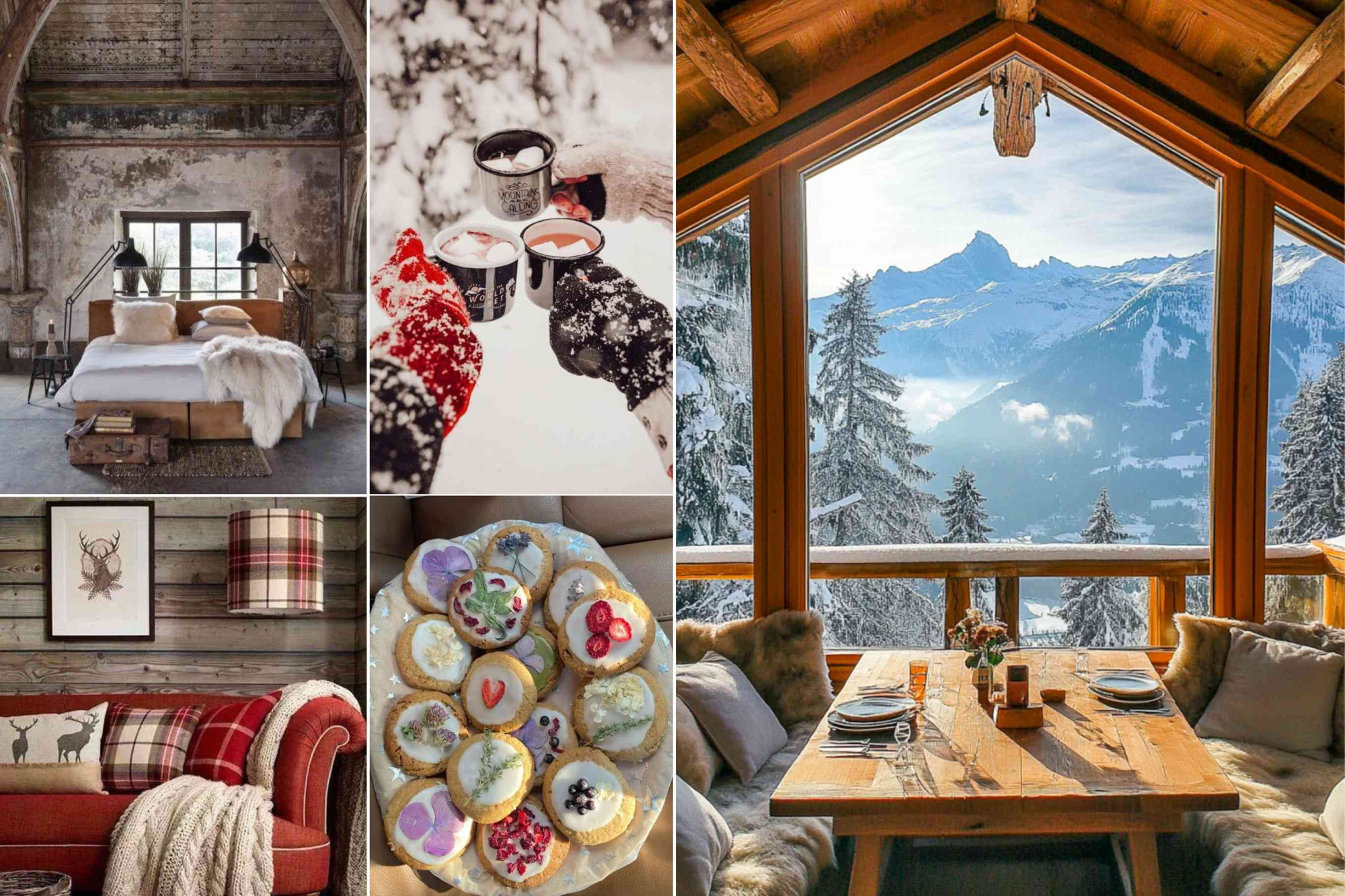
Creating warmth in a mountain home is not only about temperature. Materials, lighting, furniture and the relationship with the winter landscape all influence how warm and comfortable an interior feels.
Natural wood is one of the most effective elements. Timber walls, floors, ceilings and furniture introduce warmer tones and work particularly well against views of snow and winter landscapes.
Textiles provide another layer. Wool blankets, upholstered seating, rugs and soft bedding balance harder architectural materials such as stone, glass and timber. They can also be changed throughout the year, allowing an interior to respond naturally to the seasons.
The position of furniture matters too. A dining table beside a large window, a chair facing the mountains or seating arranged around a fireplace creates places where people naturally want to spend time during colder days.
Warmth can also come from smaller everyday moments. A hot drink after being outside, breakfast overlooking the snow or returning to a comfortable bedroom all contribute to how a mountain home is experienced.
Large windows create an interesting contrast. They expose the interior visually to the cold landscape outside while allowing people to experience it from a protected and comfortable space.
A successful alpine interior brings these elements together without filling every room with traditional mountain decoration. Warmth can come from materials, light and comfort while the landscape provides much of the visual character.
#MountainInteriors #AlpineInteriors #WarmInteriors #MountainHomes #WinterLiving #AlpineduMonde
Alpine du Monde @alpinedumonde
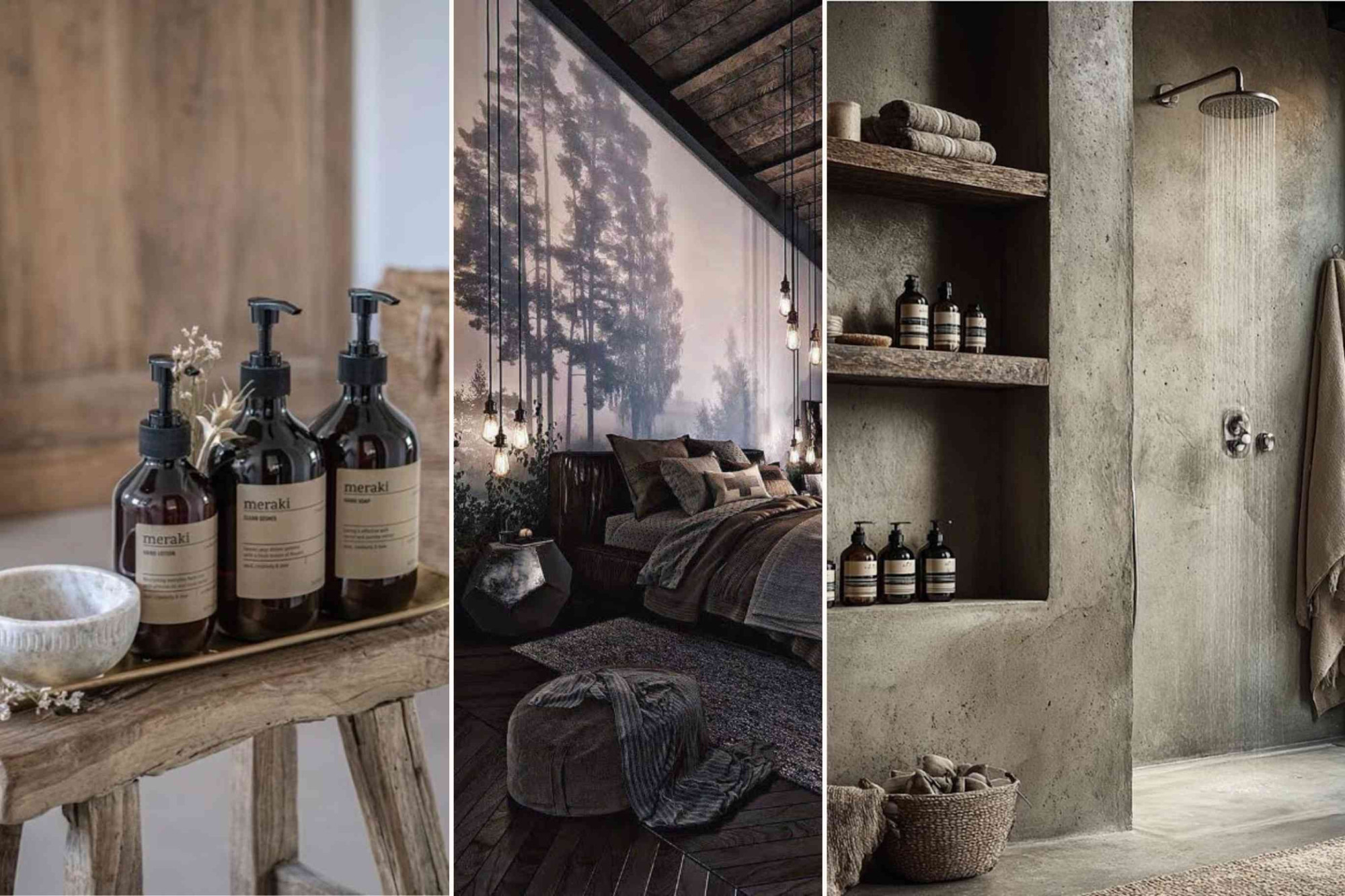
Concrete is increasingly used in bathrooms because it can create continuous surfaces with relatively few joints. It can be applied to floors, walls, showers, basins and built-in storage, making it suitable for both compact bathrooms and larger spaces.
Several finishes can create a concrete appearance. Poured concrete is one option, while microcement and mineral coatings can be applied in thinner layers over suitable existing surfaces. The construction method, waterproofing requirements and maintenance differ between these materials.
In shower areas, correct installation is particularly important. The surface needs to be properly sealed and the floor must provide adequate drainage. Finishes should also be selected with slip resistance in mind.
Concrete does not have to be grey. Pigments and different finishing techniques can produce warmer beige, brown or stone tones, making the material easier to combine with timber and other natural surfaces.
Built-in niches are frequently incorporated into concrete bathrooms. They provide storage for toiletries without adding separate cabinets or shelving and can help maintain a simple layout.
Because concrete and concrete-effect finishes work well alongside timber, stone and metal, they are particularly suitable for contemporary alpine interiors where these materials are frequently combined.
#ConcreteBathroom #BathroomDesign #AlpineInteriors #InteriorMaterials #Microcement #AlpineduMonde
Alpine du Monde @alpinedumonde
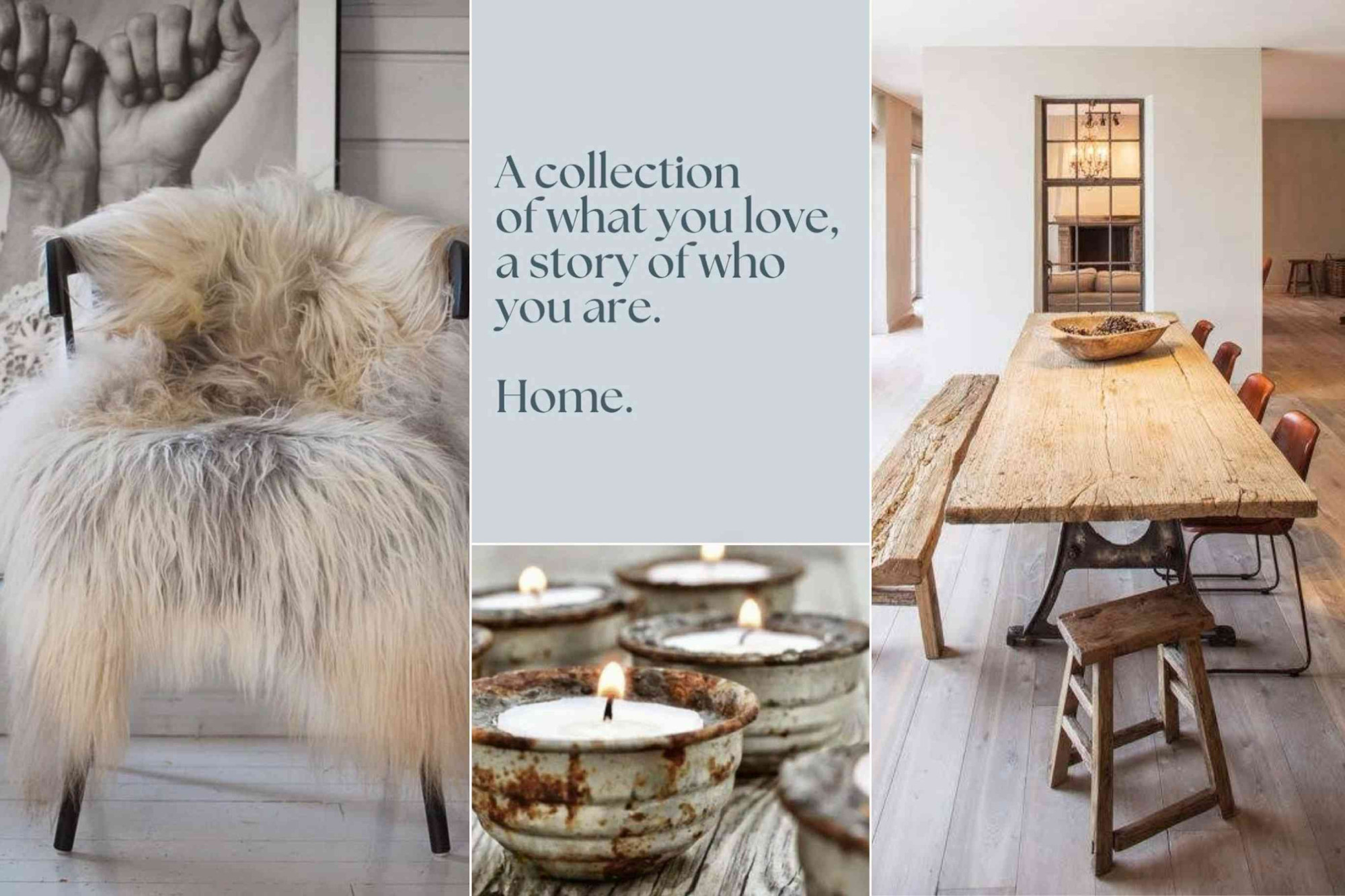
Reclaimed wood is timber that has previously been used in buildings, flooring, furniture or other structures and is recovered for a new application. It is frequently used in alpine interiors for dining tables, wall cladding, flooring, benches and custom-made furniture.
One of its most recognisable characteristics is its surface. Previous use, exposure and age can leave visible grain, colour variations, knots, marks and imperfections that distinguish reclaimed timber from newly processed wood.
The source of the timber can vary considerably. Old barns, farm buildings, warehouses, flooring and structural beams can all provide wood suitable for reuse, although the material needs to be inspected and prepared before being incorporated into a new project.
Reclaimed timber is particularly suitable for large furniture pieces such as dining tables. Wider boards and visibly aged surfaces can make the material itself an important part of the design without requiring additional decorative details.
It can also be combined with contemporary materials. Steel table legs, modern chairs, concrete floors and simple lighting can prevent reclaimed wood from making an interior appear overly rustic.
In alpine projects, reclaimed timber can provide a practical link between traditional building materials and contemporary interior design, particularly when wood recovered from local or regional buildings is reused.
#ReclaimedWood #InteriorMaterials #AlpineInteriors #WoodFurniture #InteriorDesign #AlpineduMonde
Alpine du Monde @alpinedumonde
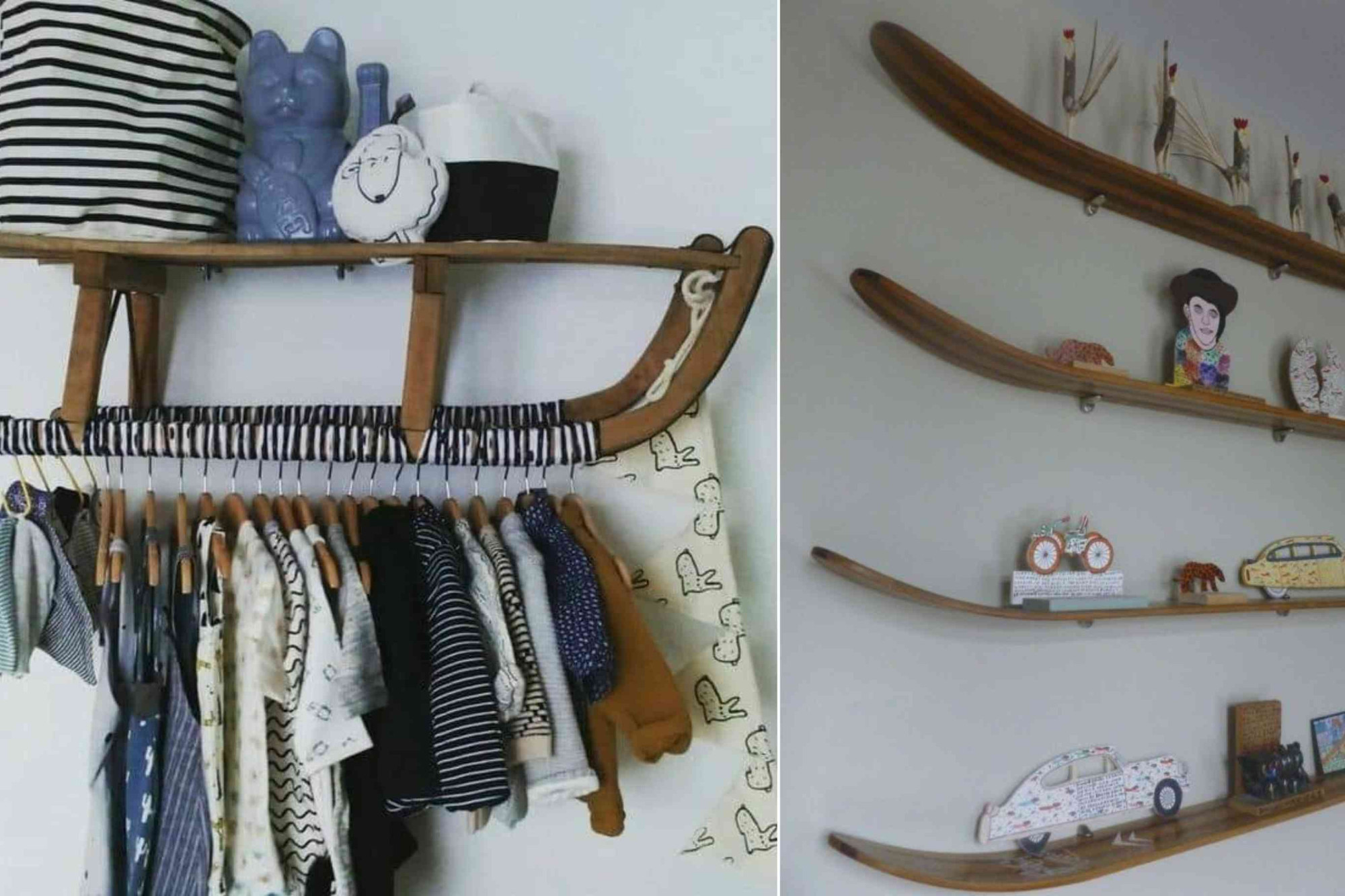
Repurposing gives existing objects a new function instead of using them only as decoration. In mountain interiors, old skis, sledges, wooden crates and other objects can be adapted into shelving, storage or furniture.
Vintage sledges are a good example. Their long wooden frames make them suitable for wall-mounted storage. Positioned horizontally, a sledge can function as a shelf, while the frame underneath can provide space for hooks or a hanging rail.
Old skis can be used in a similar way. Mounted individually or in groups, they can become narrow display shelves, coat racks or wall-mounted storage. Their shape remains visible while the object receives a practical new purpose.
Before reusing older pieces, their condition should be checked. Timber may need cleaning or light repair and metal components should be inspected before the object is expected to carry weight.
Installation is equally important. Objects originally designed for another purpose need appropriate wall fixings when they are converted into shelving or storage.
Repurposing can work particularly well in alpine interiors because many older mountain objects were made from timber and metal. Used selectively, they can introduce regional references while still serving a practical function.
#RepurposedDesign #UpcycledFurniture #AlpineInteriors #VintageDesign #CreativeStorage #AlpineduMonde