Aurales Bohemian Collection
Timeless swim & beachwear for men & women, inspired by coastal living Contact: info@lescouleursdumonde.com
Style & Fashion @coastalstyle
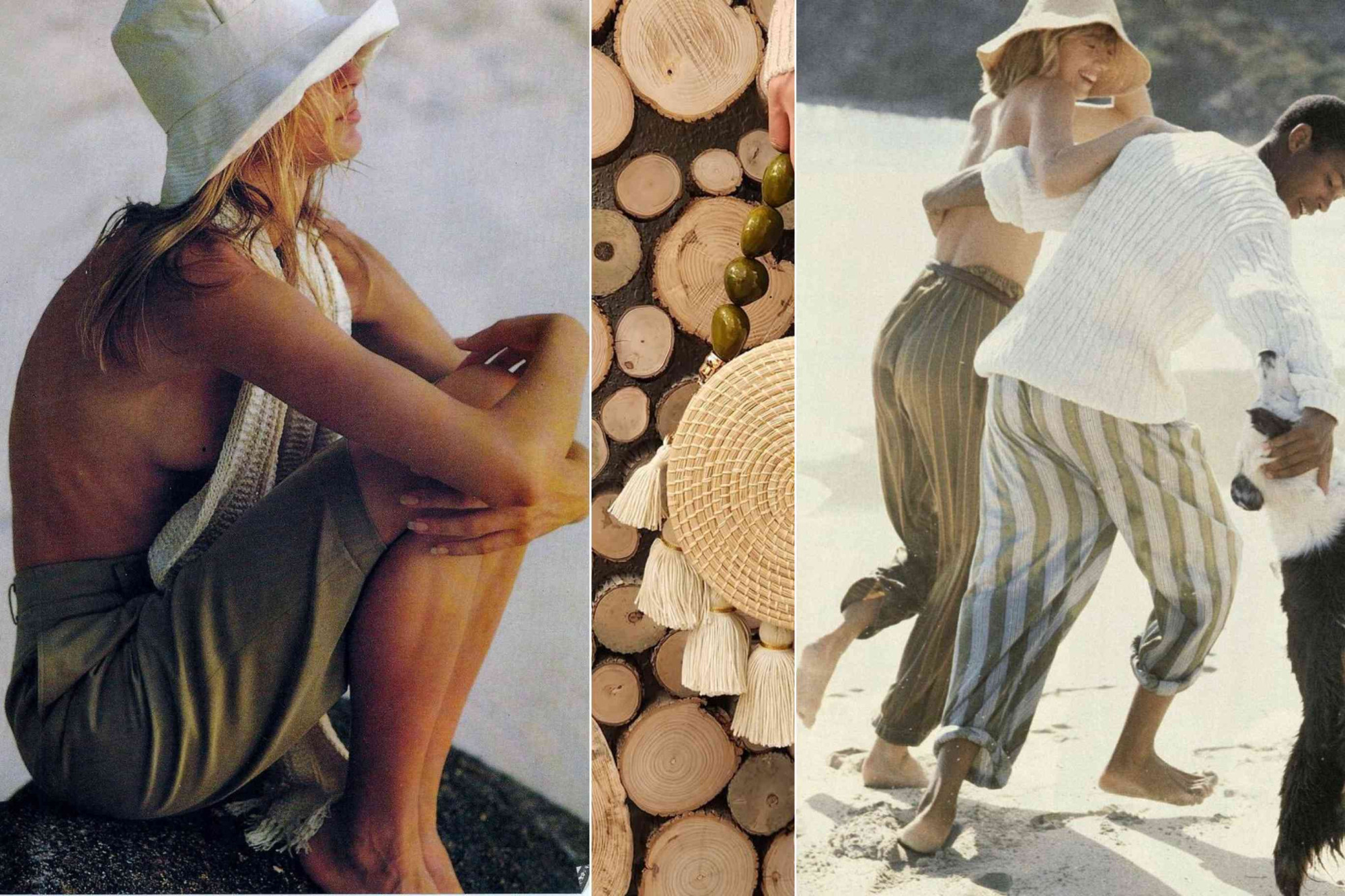
Coastal dressing for children takes on a different character in autumn, with comfortable layers, relaxed silhouettes and practical clothing suited to days spent outdoors. Along the Cornish coast, this approach has also inspired independent children's clothing labels.
Dressing for the Coast in Autumn
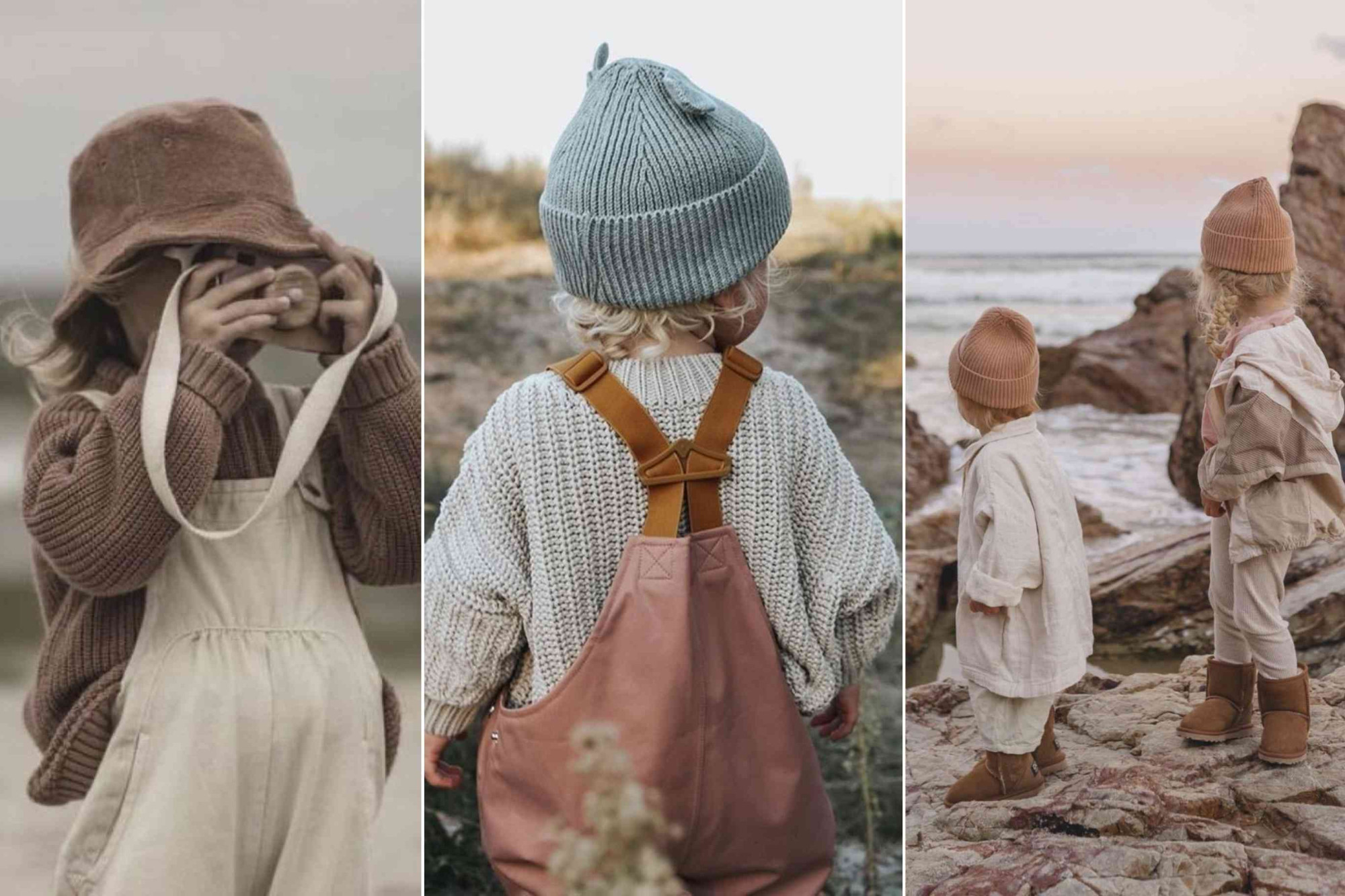
Autumn by the sea calls for clothing that can accommodate changing temperatures, coastal winds and plenty of movement. Knitted jumpers, soft trousers, dungarees and lightweight jackets provide a practical starting point for a versatile children's wardrobe.
Natural shades such as oatmeal, sand, warm brown and muted blue work well together. Chunky knitwear provides warmth, while adjustable dungarees and relaxed trousers allow children to move comfortably when exploring beaches, rock pools and coastal paths.
A ribbed beanie, practical boots and a weather-resistant outer layer complete the wardrobe. Choosing pieces that can be combined and worn throughout the season makes dressing for outdoor activities easier.
Inspired by Cornwall
Based in Cornwall, independent children's clothing label El + Bo was created by a mother looking for a different approach to toddler fashion.
After the birth of her son Bodhi, the founder found it difficult to source children's clothing that combined neutral colours, comfortable fits and a relaxed contemporary style. That experience led to the creation of El + Bo, a small business influenced by family life along the Cornish coast.
The brand takes inspiration from the natural colours of its surroundings and concentrates on versatile, unisex pieces rather than character prints and brightly coloured motifs.
Its collection includes the Olive Stripe Sweatshirt, Ocean Stripe Sweatshirt, The Bo Jean and a quilted gilet in a warm shade called Acorn. These pieces reflect the label's preference for practical everyday clothing that can be combined across different outfits.
Beach walks, outdoor play and the changing Cornish weather are part of the lifestyle that informs the brand's identity. El + Bo also encourages families to choose versatile pieces that can be worn repeatedly and passed between siblings.
#CoastalChildhood #KidsCoastalStyle #AutumnWardrobe #ChildrensFashion #CornwallStyle #IndependentDesigners #LesCouleursDeLaRiviera #LesCouleursDuMonde
Style & Fashion @coastalstyle
It Is Not Essential, but Necessary
A hat can change the proportions of an entire outfit. The width of its brim, the height of its crown and the materials used in its construction all influence its character. For independent milliners, these details are central to the design process.
The Importance of Silhouette
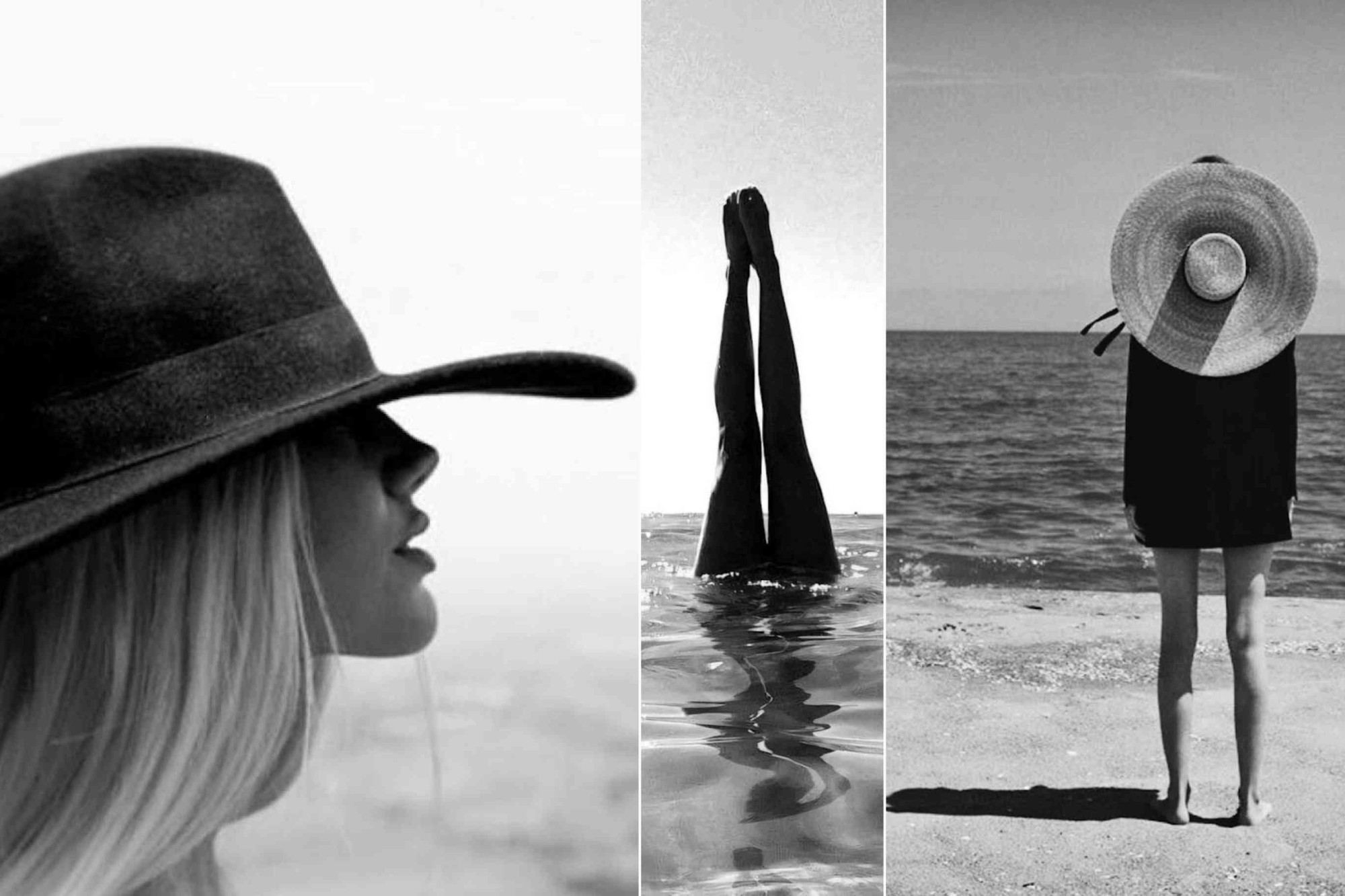
The fedora and the wide-brimmed sun hat illustrate two different approaches to millinery. A fedora is traditionally defined by its indented crown and shaped brim, while a broad summer hat creates a more expansive silhouette through the relationship between its crown and brim.
Both styles can be worn with simple clothing, allowing the hat's proportions to become the main feature of an outfit. A structured felt hat introduces a sharper outline, while a lightweight straw design is particularly suited to summer dressing.
Material selection also influences the final shape. Wool felt can be steamed and blocked into defined forms, while woven straw requires different construction techniques depending on the flexibility and structure of the fibres.
In contemporary millinery, these traditional methods provide opportunities to experiment with scale, asymmetry and the balance between decorative and functional design.
A Japanese Milliner in Paris
Japanese designer Kiriko Sato moved to Paris in 2008 and established her own millinery label in 2014. Her work combines an interest in Japanese design with the techniques of French hatmaking.
Rather than concentrating exclusively on conventional hat shapes, Sato explores the relationship between volume, proportion and the way a hat sits on the head. Her designs range from understated everyday pieces to more sculptural creations.
An important part of her work is the connection with traditional craftsmanship. Sato collaborates with straw-hat makers in Septfonds, a village in southern France with a long-established history of producing straw hats.
Septfonds became an important centre of French straw-hat manufacturing during the nineteenth century. Its workshops developed specialised knowledge in preparing, shaping and finishing woven straw, contributing to the region's reputation within the millinery industry.
Sato's collaboration with these craftspeople brings traditional techniques into contemporary collections, connecting regional expertise with her distinctive approach to proportion and form.
#KirikoSato #Millinery #HatDesign #SummerStyle #IndependentDesigners #FrenchCraftsmanship #JapaneseDesign #LesCouleursDeLaRiviera #LesCouleursDuMonde
Style & Fashion @coastalstyle
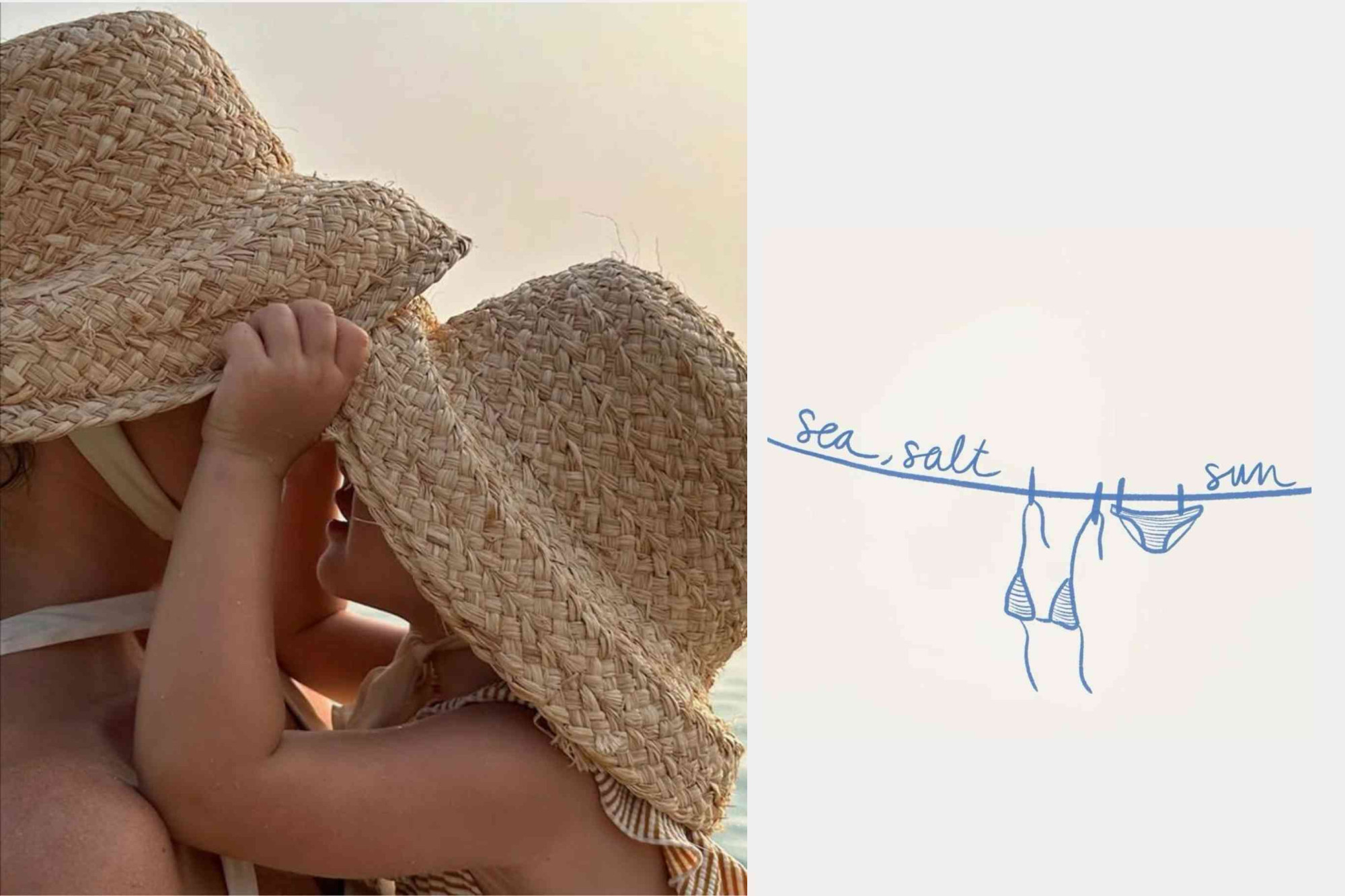
A hat can be more than a practical summer accessory. On Ibiza, independent label Bruce & Noah creates handmade hats that incorporate personal details, individual designs and small keepsakes, giving each piece a connection to the person wearing it.
A Summer Essential for Little Explorers
A woven sun hat is a practical addition to a child's summer wardrobe, particularly during holidays spent outdoors. A sufficiently wide brim helps shade the face, while a comfortable fit and secure chin strap are useful on windy beaches.
Natural fibres, lightweight cotton clothing and simple sandals are well suited to Mediterranean summers. For children, the construction of a hat is particularly important: it should remain comfortable during movement and be easy to wear throughout the day.
Personalisation introduces another element to children's accessories. A name, embroidered detail or specially selected decoration can turn an everyday item into something a child recognises as their own.
A Hatmaking Story from Ibiza
The story of Bruce & Noah began with a birthday present. When Noah received a custom-made hat from Ibiza-based hatmaker Mar Calvo, his father was struck by how personal the design felt. He began to consider creating similarly distinctive hats for other children.
Working with Calvo, the family developed a label named after their children, Bruce and Noah.
The hats are handmade in the brand's Ibiza atelier using natural materials and fibres. Many designs feature individual embellishments, decorative finishes and the option to add a child's name or a personal message.
One particularly distinctive detail is a small concealed pocket inside each hat, designed to hold a handwritten note or another small keepsake from a parent or loved one.
The collection includes designs such as The Explorer, featuring a leather chin strap, and Dream Weaver, which can be personalised with a message. The brand also creates hats for adults.
Bruce & Noah has a boutique at Plaza de la Constitución 9 in Ibiza, connecting its handmade collection directly with the island where the idea originated.
#SeaSaltSun #BruceAndNoah #IbizaDesign #ChildrensFashion #SummerAccessories #HandmadeHats #MediterraneanStyle #LesCouleursDeLaRiviera #LesCouleursDuMonde
Style & Fashion @coastalstyle
The Portuguese Fouta
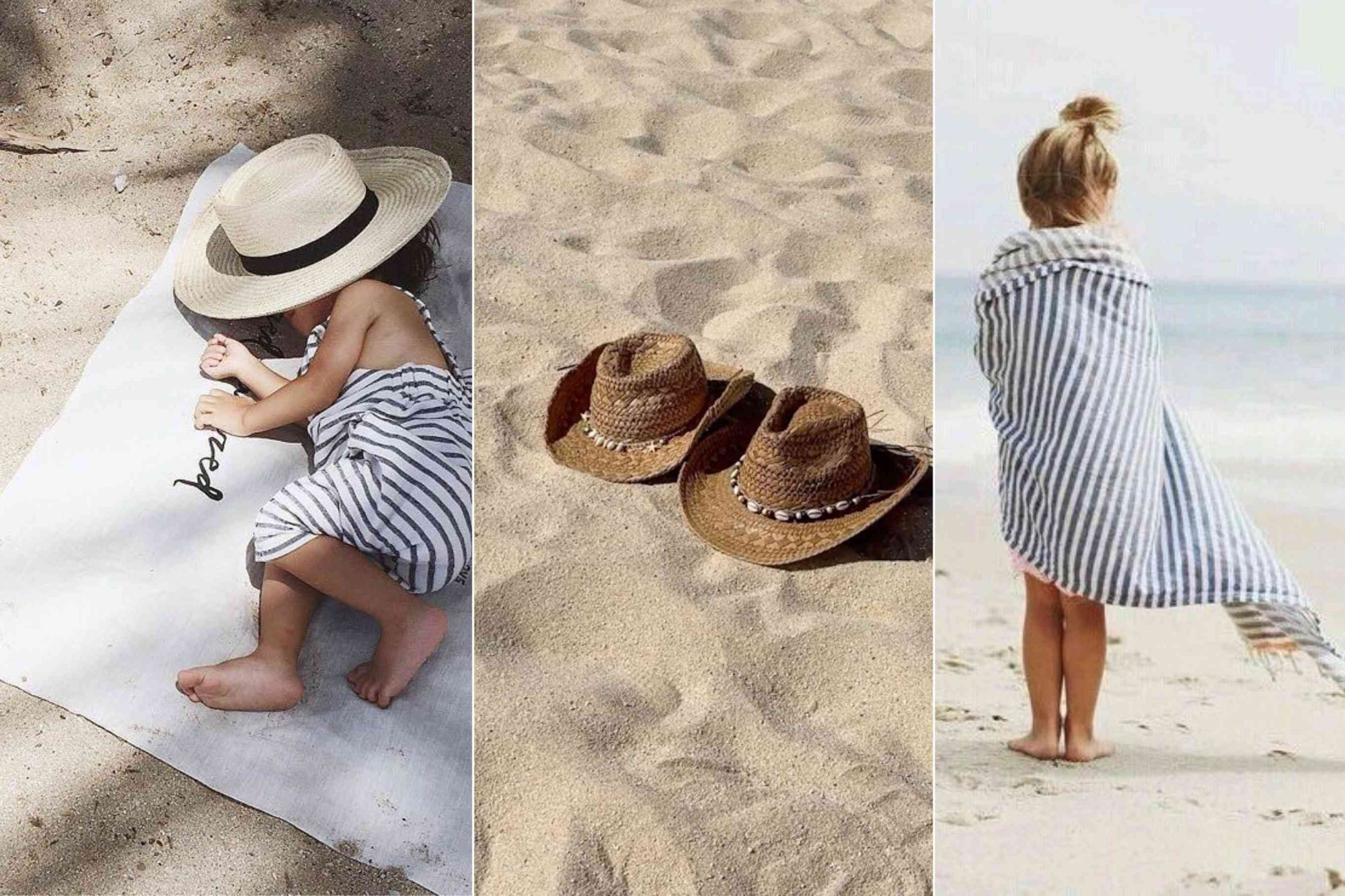
Inspired by traditional North African textiles, Portuguese brand Futah has developed a contemporary interpretation of the lightweight woven beach towel, combining practical design with colours and patterns influenced by the Atlantic coastline.
A Different Kind of Beach Towel
The fouta has its origins in North African textile traditions, particularly Tunisia, where lightweight woven cloths have long been used in hammams and everyday life.
Unlike conventional terry towels, traditional foutas are made from flat-woven cotton. Their relatively thin construction makes them easier to fold and pack, while the fabric can be used as a beach towel, wrap or lightweight cover.
Stripes are among the most recognisable features of these textiles. Traditionally associated with regional weaving practices, they also appear in contemporary beach collections in combinations of blue, sand, terracotta and other coastal colours.
A fouta is particularly useful when travelling because a single textile can serve several purposes, from drying off after swimming to providing a lightweight covering on a breezy afternoon.
A Portuguese Interpretation
Portuguese brand Futah was founded in 2013 by sisters Catarina and Mariana and their cousin Ricardo. Inspired by traditional Arab towels, the founders developed their own interpretation of the lightweight beach textile.
The brand's designs combine flat-woven cotton with colours and patterns influenced by the Portuguese coastline.
Futah's collections include striped beach towels, patterned designs and larger formats suitable for sharing. The textiles are designed to be lightweight, absorbent and easy to carry.
Portugal has an established textile manufacturing industry, particularly in the north of the country, and Futah places Portuguese production at the centre of its identity.
The brand has expanded its collection to include beach accessories and other summer essentials, while maintaining the woven towel as its principal product.
#Futah #PortugueseDesign #BeachTextiles #StripedBeachTowels #CoastalStyle #SummerAccessories #IndependentBrands #LesCouleursDeLaRiviera #LesCouleursDuMonde
Style & Fashion @coastalstyle
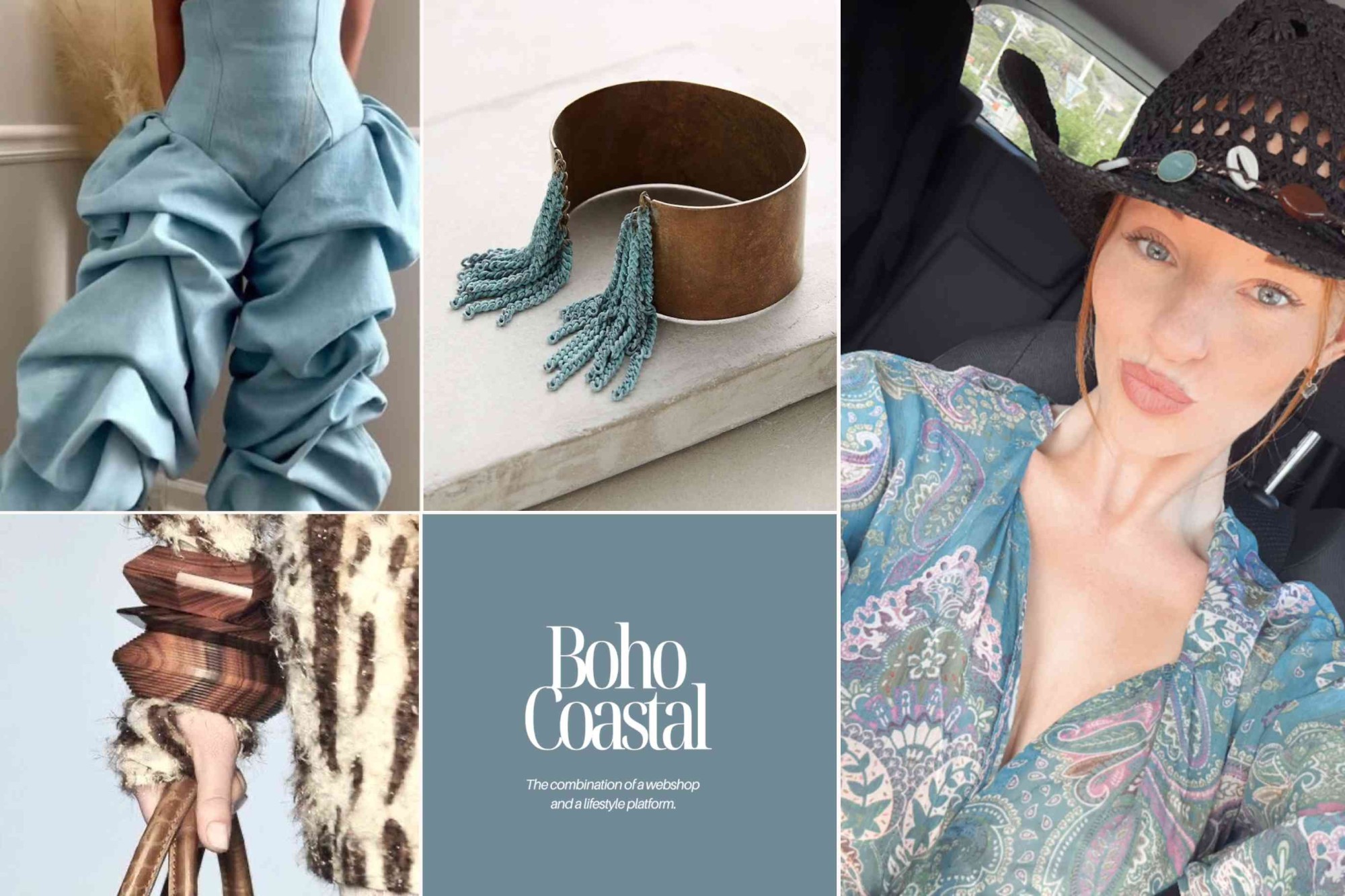
Jewellery can play a defining role in a coastal wardrobe, particularly when an individual piece introduces an unexpected shape, texture or material. On Ibiza, artist Elvira Golombosi approaches jewellery as a form of wearable sculpture, creating distinctive pieces through traditional goldsmithing techniques.
The Character of Primal energy and symbolism
Sculptural jewellery places emphasis on form rather than conventional ornamentation. Wide cuffs, irregular surfaces and three-dimensional details can give a simple outfit a distinctive character.
This approach is particularly interesting in bohemian coastal fashion, where relaxed clothing and natural materials provide a contrast to more substantial accessories. A sculptural bracelet worn with a linen dress or an oversized shirt can become the principal element of an outfit.
The appeal lies in the individuality of the design. Rather than relying on symmetry or polished uniformity, many contemporary jewellery artists experiment with organic shapes, textured metals and unexpected combinations of materials.
Traditional metalworking techniques allow these forms to be developed with considerable freedom, connecting jewellery design with sculpture and other artistic disciplines.
An Artist's Studio in Ibiza
Elvira Golombosi, the artist behind ORAÏK, creates her jewellery in a small countryside studio in the hills of Ibiza.
Her work draws inspiration from ancient symbolism, prehistoric imagery, masks and imaginary creatures. These references appear in sculptural forms that resemble miniature figures, protective symbols and abstract interpretations of animals.
Each piece begins with a model sculpted directly in wax. Golombosi uses this process to develop the shape by hand before the model is cast in silver or gold through the traditional lost-wax technique.
The finished jewellery may incorporate natural gemstones, colourful glass enamels and gold-vermeil finishes. The irregularities of the original wax model remain an important part of the design.
Among ORAÏK's creations are the Forest Guides, Snakes and Foxes bracelets. These designs illustrate the artist's interest in animal forms and symbolic jewellery, translating figurative subjects into substantial pieces of wearable art.
Golombosi's studio can be visited by appointment, offering an opportunity to encounter an independent jewellery practice away from Ibiza's better-known shopping districts.
#ORAIK #ElviraGolombosi #IbizaDesign #SculpturalJewellery #WearableArt #BohoCoastal #IndependentDesigners #LesCouleursBohemes #LesCouleursDuMonde
Style & Fashion @coastalstyle
Woven belts and structured raffia bags bring a distinctive element to summer dressing. Their appeal lies in the way natural fibres are shaped into accessories that combine texture, volume and practical design.
The Art of Woven Accessories
Weaving is traditionally associated with textiles and basketmaking, but the same principles are used to create contemporary fashion accessories. By varying the thickness, tension and direction of the fibres, makers can produce anything from flexible belts to bags with defined, architectural shapes.
Raffia, obtained from the leaves of the raffia palm, is particularly suitable for accessories because it can be woven, braided or crocheted. The finished material can remain flexible or be worked into a more structured form.
A wide woven belt with an oversized buckle can change the proportions of a loose linen dress, creating definition at the waist without introducing a contrasting material. Structured bags serve a different purpose, retaining their shape through the density and construction of the weave.
These accessories are particularly suited to Mediterranean summer wardrobes, where natural fabrics and uncomplicated silhouettes provide an interesting contrast to more substantial textures.
A Contemporary Approach to Mediterranean Accessories
Greek resortwear label APOELLA brings together clothing and accessories inspired by Mediterranean summer living.
Its collections include lightweight dresses, relaxed separates, woven belts and bags made with natural-looking textures. The accessories are designed to complement the clothing, with an emphasis on coordinated materials and understated colours.
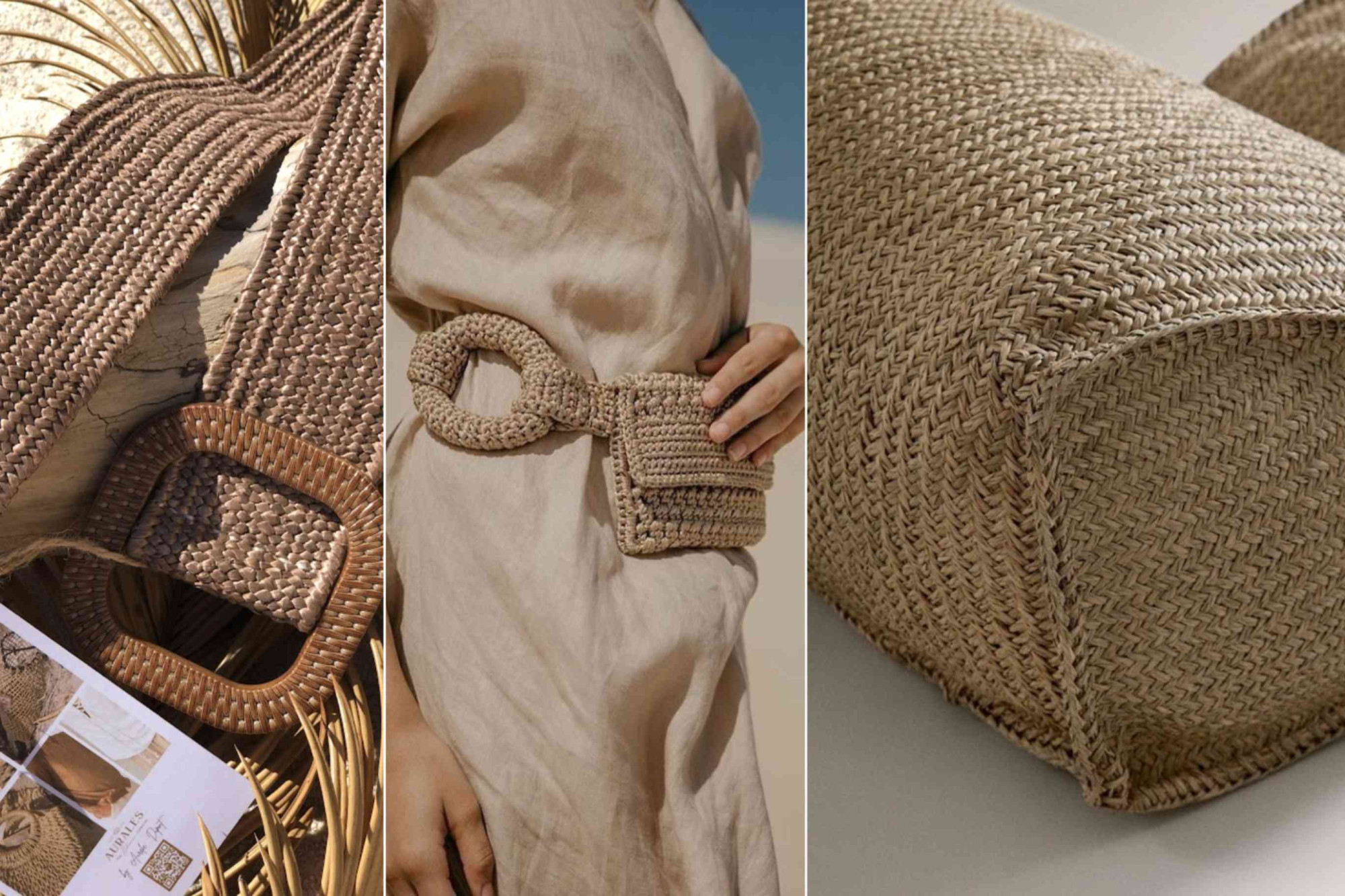
Among the brand's designs is the Raffia Woven Belt, featuring a textured woven strap and a tortoiseshell-effect buckle. Its broad construction makes it suitable for styling over loose summer dresses, adding shape without the formality of a traditional leather belt.
The Kea Straw Bucket Bag offers another interpretation of woven accessories. Its structured bucket silhouette gives the natural material a defined form, creating a practical alternative to softer beach bags.
The relationship between these two pieces illustrates how woven materials can be adapted to different functions. A belt follows the contours of the body, while a structured bag relies on its construction to maintain its volume.
APOELLA's approach reflects a wider interest in incorporating traditional weaving aesthetics into contemporary resortwear, with accessories playing an important role in the overall collection.
#APOELLA #WovenAccessories #RaffiaDesign #MediterraneanFashion #SummerAccessories #NaturalFibres #IndependentBrands #LesCouleursBohemes #LesCouleursDuMonde
Style & Fashion @coastalstyle
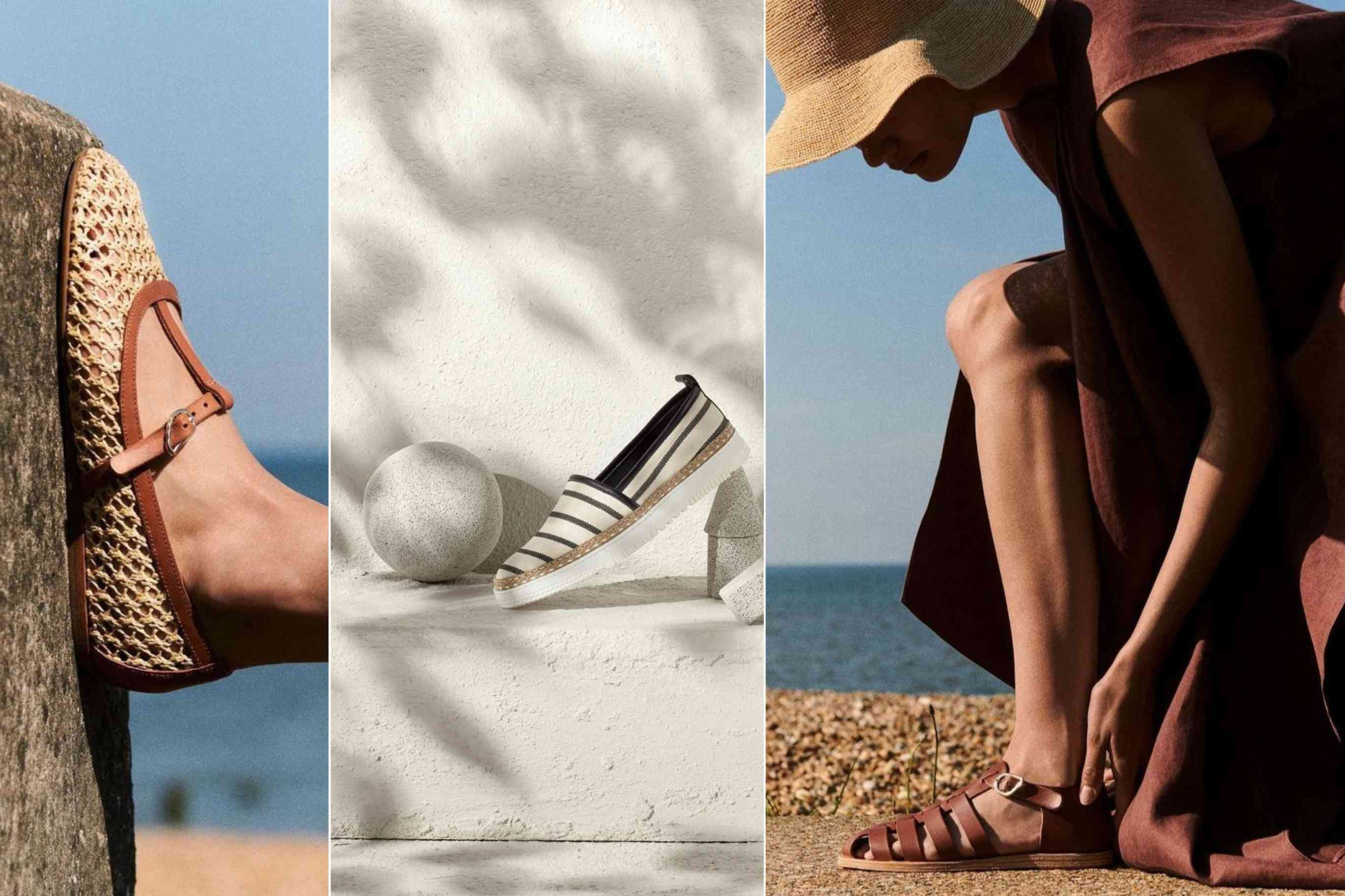
Espadrilles and leather sandals are two established styles of Mediterranean summer footwear. Their construction reflects generations of Spanish shoemaking, where natural materials, practical design and specialist craftsmanship continue to influence contemporary collections.
The Spanish Espadrille Tradition
The espadrille has a long history in Spain, particularly in regions where jute and canvas footwear became part of everyday dress. Originally associated with practical working shoes, the design gradually developed into a familiar summer style.
Its defining feature is the sole, traditionally made from braided jute. The rope is shaped into the required size and combined with an upper made from canvas, cotton or leather. Different finishes and sole constructions allow the classic espadrille to be adapted into flat shoes, slip-ons and sandals.
Leather sandals represent another important part of Mediterranean footwear. Designs with broad straps, adjustable buckles and open constructions are particularly suited to warm climates.
Both styles have become established elements of summer wardrobes, combining naturally with linen trousers, cotton dresses and relaxed holiday clothing.
Spanish Shoemaking Since 1982
Founded in 1982, Pinaz is a family-owned footwear manufacturer based in southeastern Spain, with production facilities in Caravaca de la Cruz in Murcia and Elche in Alicante.
The company specialises in handcrafted espadrilles and women's sandals, working with materials including jute, canvas, suede and cowhide leather.
Pinaz has maintained its own production facilities, allowing the company to oversee the development of its footwear, from the selection of materials and the creation of shoe lasts to assembly and finishing.
The second generation joined the family business in 2015, contributing to its international expansion. Today, Pinaz supplies footwear to more than twenty countries and participates in international industry events, including MICAM in Milan.
Its collection includes suede espadrilles, leather sandals and designs combining traditional jute soles with contemporary materials. Among the examples presented by the company are the 103 Ante África, 124 Ante Sol and 478 Vacuno Cipria.
An additional part of Pinaz's business is the development of private-label footwear and capsule collections for other brands. This allows independent fashion labels to work with an established Spanish manufacturer while developing their own designs.
#Pinaz #SpanishFootwear #MediterraneanStyle #Espadrilles #LeatherSandals #SpanishCraftsmanship #SummerFootwear #LesCouleursDeLaRiviera #LesCouleursDuMonde
Style & Fashion @coastalstyle
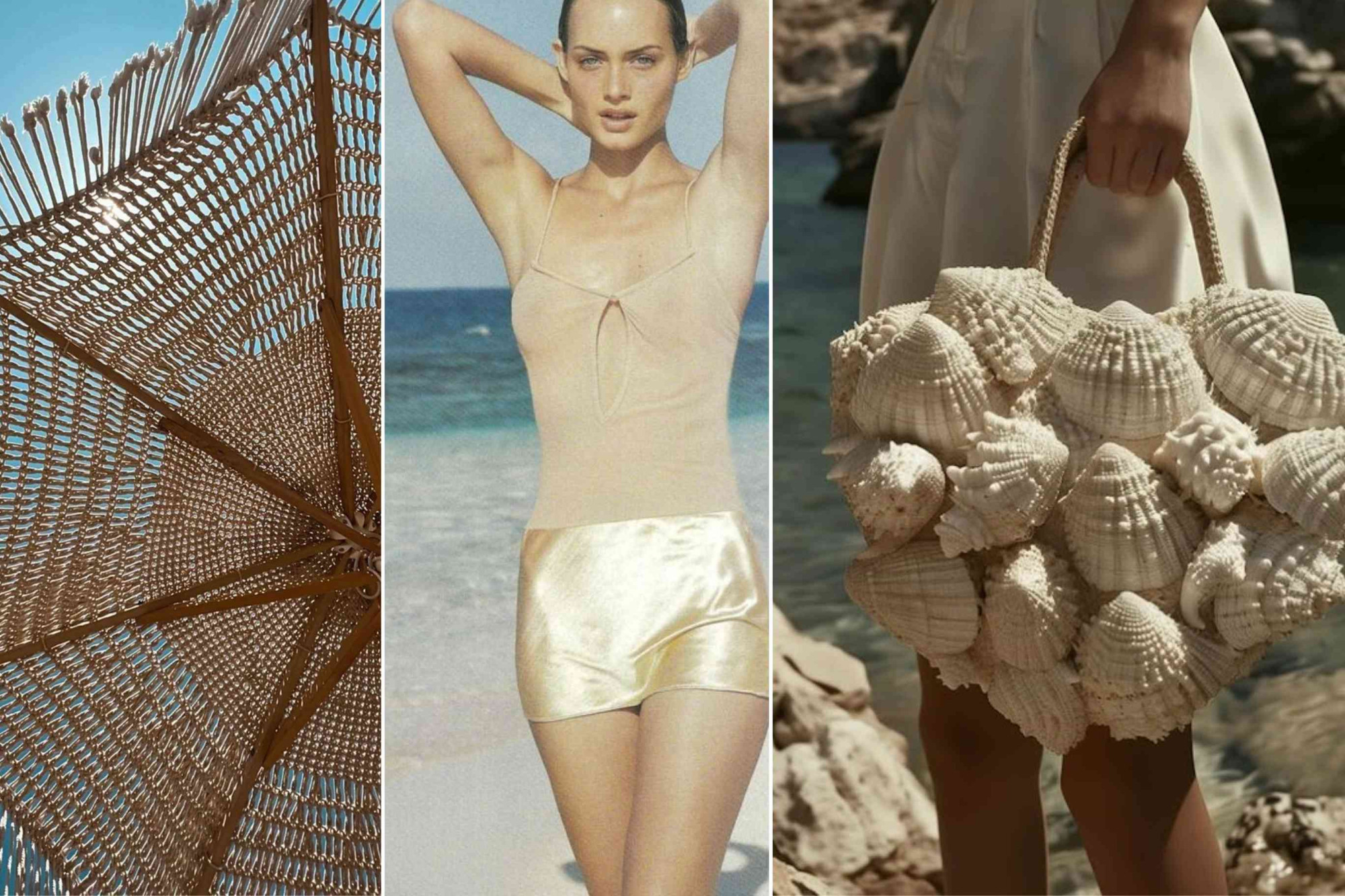
Seashells are an established decorative material in fashion, but contemporary accessory designers are finding new ways to incorporate them into distinctive handbags. On Bali, the label Joanna creates a statement bag using hundreds of natural mother-of-pearl shells.
The Shell as a Design Element
Shells have been used in jewellery, clothing and decorative objects across different cultures. Their natural shapes, textures and reflective surfaces make them particularly interesting for accessory design.
In handbag design, shells can be used as individual embellishments or assembled into larger decorative surfaces. Their arrangement influences the appearance of the finished piece, particularly when different shell sizes create a layered, three-dimensional effect.
Mother-of-pearl is especially interesting because of its iridescent surface. Formed inside certain mollusc shells, this material reflects light through its layered structure, producing subtle variations in colour.
Handcrafted in Bali
Bali-based label Joanna creates accessories that incorporate natural materials into contemporary handbag designs.
Its Seashell Handbag is made by hand using hundreds of genuine mother-of-pearl shells. Arranged across the exterior, the shells create a textured surface that gives the bag its distinctive appearance.
The design features a structured silhouette and a circular wooden handle, combining the reflective qualities of mother-of-pearl with the warmer appearance of natural wood.
Unlike a conventional woven beach tote, the Seashell Handbag places the decorative material at the centre of the design. Its substantial shell embellishment makes it particularly suited to simple summer outfits, including linen dresses and understated resortwear.
Joanna also offers a Small Freshwater Pearl Style Beach Bag, a crocheted design that explores another approach to decorative natural materials.
#JoannaBali #SeashellBags #MotherOfPearl #BaliDesign #CoastalAccessories #HandmadeBags #IndependentBrands #LesCouleursBohemes #LesCouleursDuMonde
Style & Fashion @coastalstyle
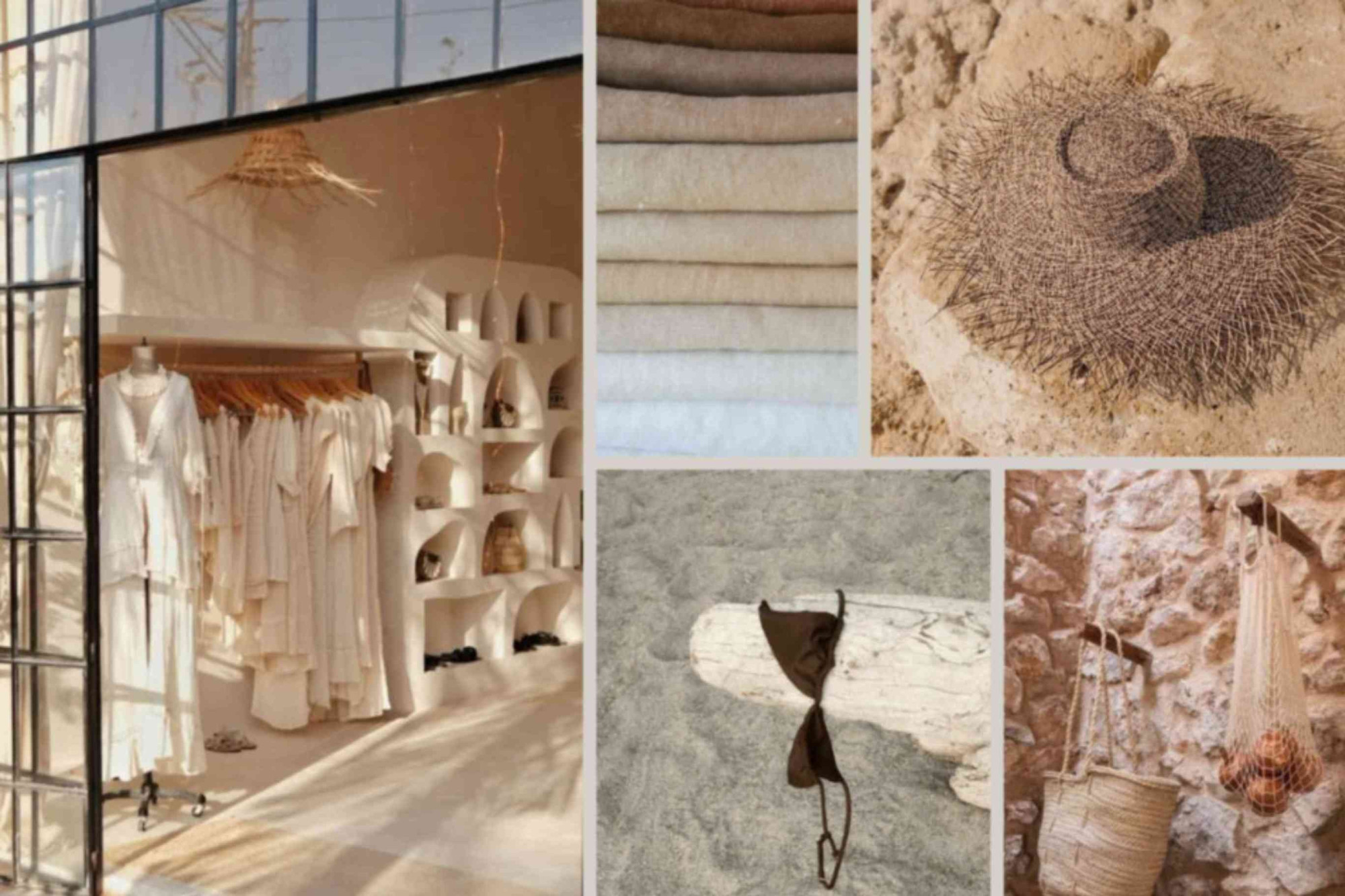
Linen, cotton and relaxed silhouettes are central to contemporary resortwear. For designers working with natural materials, the challenge lies in creating garments that combine comfort in warm climates with distinctive cuts and details. A Perfect Nomad approaches this through flowing shapes, textured fabrics and carefully considered proportions.
Dressing for Warmer Climates
Fabric selection is particularly important when designing clothing for warmer destinations. Linen, made from flax fibres, is breathable, absorbs moisture and has a characteristic texture that suits relaxed tailoring and loose-fitting garments.
Cotton offers different possibilities depending on its construction. Lightweight cotton voile creates soft, flowing silhouettes, while poplin provides more structure for shirts, dresses and coordinated separates.
However, the way a garment is cut can be just as important as the material itself. Wide sleeves, generous skirts and relaxed waistlines allow greater freedom of movement and reduce the amount of fabric resting directly against the skin.
These considerations influence the design of contemporary resortwear, particularly garments intended to be worn throughout the day rather than exclusively at the beach.
Contemporary Resortwear | A Perfect Nomad
A Perfect Nomad is a fashion label specialising in resortwear, with collections characterised by natural materials, relaxed silhouettes and decorative craftsmanship.
The brand's designs include flowing maxi dresses, loose-fitting separates and garments with gathered details, textured surfaces and carefully placed volume.
Organic cotton features in its collections, alongside design elements that give otherwise simple silhouettes a more individual character.
Rather than relying on closely fitted tailoring, A Perfect Nomad uses gathering, draping and generous proportions to shape its garments. These techniques create movement while allowing the fabric itself to remain an important part of the design.
The result is clothing that can be adapted to different settings. A flowing cotton dress can be worn with flat leather sandals for a day exploring a coastal town, while a more structured design can be combined with understated accessories for an evening occasion.
What makes A Perfect Nomad relevant to contemporary resortwear is its attention to the relationship between material and silhouette. Its collections demonstrate how natural fabrics, decorative details and considered construction can give relaxed summer clothing a recognisable design identity.
#APerfectNomad #NaturalFabrics #Resortwear #SummerWardrobe #LinenClothing #OrganicCotton #IndependentFashion #LesCouleursBohemes #LesCouleursDuMonde
Style & Fashion @coastalstyle
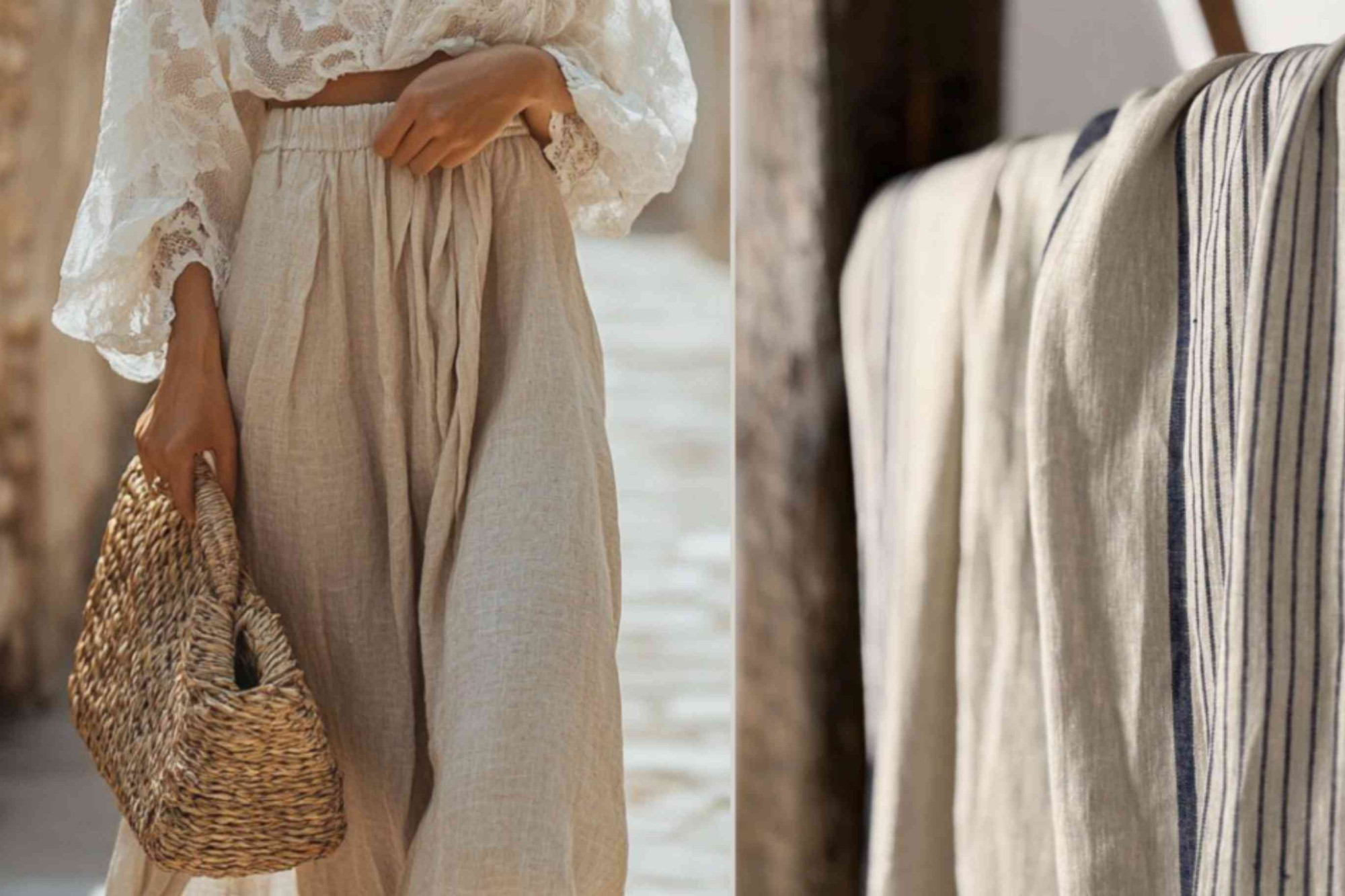
The wide-leg linen trouser has become an important part of the contemporary summer wardrobe. Its appeal lies in the combination of a relaxed silhouette, practical construction and the natural movement of the fabric. For Lithuanian label not PERFECT LINEN, the focus extends to individual fit and clothing made to order.
The Importance of Cut and Proportion
The design of a linen trouser begins with its proportions. A wide leg creates a different silhouette from a straight or tapered cut, while the position of the waistband influences how the fabric falls across the hips.
Elasticated waistbands offer flexibility, while high-waisted designs create a more defined shape. Fabric weight also plays a role: lighter linen produces a softer drape, whereas heavier weaves provide more structure. The natural creasing of linen contributes to its characteristic appearance.
Wide-leg trousers are particularly versatile when combined with contrasting pieces. A fitted cotton top creates a balanced silhouette, while a lace blouse introduces a more decorative element. Paired with a tailored waistcoat or a simple shirt, the same trousers can become part of a more structured summer outfit.
Made to Order
Founded in 2014, not PERFECT LINEN is a family-run Lithuanian clothing label specialising in linen garments produced in its own studio.
Rather than manufacturing large quantities of finished clothing, the brand works primarily on a made-to-order basis. Customers can select colours, sizes and certain alterations before production begins.
Its women's trouser collection illustrates the importance of different cuts. The Maxi WELS features a wide-leg silhouette, while the DOOLIN offers a high-waisted alternative. The PUGLIA introduces a shorter, straight-cut design.
The brand uses European linen, including fabrics carrying OEKO-TEX Standard 100 and EUROPEAN FLAX certification. Garments are cut, sewn and finished by local craftspeople in Lithuania.
Once an order is placed, the studio prepares the garment according to the selected size and requested modifications. Each piece is then sewn, washed, checked and prepared for delivery.
This made-to-order approach allows customers to adapt selected details to their individual preferences. It also highlights the importance of pattern-making and garment construction in achieving a comfortable, well-proportioned fit.
#NotPerfectLinen #LinenTrousers #WideLegTrousers #LithuanianDesign #MadeToOrderFashion #LinenFashion #IndependentDesigners #LesCouleursBohemes #LesCouleursDuMonde
Style & Fashion @coastalstyle
Slow fashion is about more than the appearance of a garment. It also concerns who makes it, how materials are selected and what happens to the fabric left behind during production. For independent designer Phoebe, founder of Surf & Sage, these considerations have shaped a fashion label built around handmade clothing and small-scale production.
From Bucket Hats to a Fashion Label
Surf & Sage began in South Africa with a sewing machine, online tutorials and a collection of handmade bucket hats.
Phoebe taught herself to sew after struggling to find the clothing she wanted locally. She began experimenting with existing fabrics, including old tablecloths, gradually developing her pattern-making skills before expanding into more complex garments.
Today, Surf & Sage includes tops, trousers, dresses, jumpsuits and accessories. Phoebe continues to design and make the pieces herself, releasing individual designs in small quantities instead of following a conventional seasonal production schedule.
Her collections reflect a relaxed approach to everyday dressing, with practical pieces suited to outdoor activities, coastal living and informal summer wardrobes.
Making More from Less
An important part of Phoebe's approach is the way she manages fabric throughout production.
She sources quality textiles and incorporates upcycled materials where possible. Offcuts are retained for smaller accessories, including bucket hats, quilted tote bags and Roo Pouches, rather than automatically being discarded.
Surf & Sage also explores botanical dyeing through its Living Pieces Collection. These cotton garments are coloured using materials such as garden-grown flowers and onion skins. Variations in the dyeing process produce individual patterns and shades, making each finished piece different.
Alongside its small-batch releases, the label offers selected made-to-order garments. This allows production to respond more closely to individual purchases and reduces the need to maintain large quantities of finished stock.
For Phoebe, slow fashion is reflected in the practical decisions made throughout the design process: developing patterns, selecting materials, reusing fabric remnants and producing garments in manageable quantities. Her direct involvement in these stages gives Surf & Sage its distinctive identity as an independent fashion label.
#SurfAndSage #SlowFashion #HandmadeFashion #SmallBatchFashion #UpcycledTextiles #CoastalStyle #LesCouleursBohemes #LesCouleursDuMonde
Style & Fashion @coastalstyle
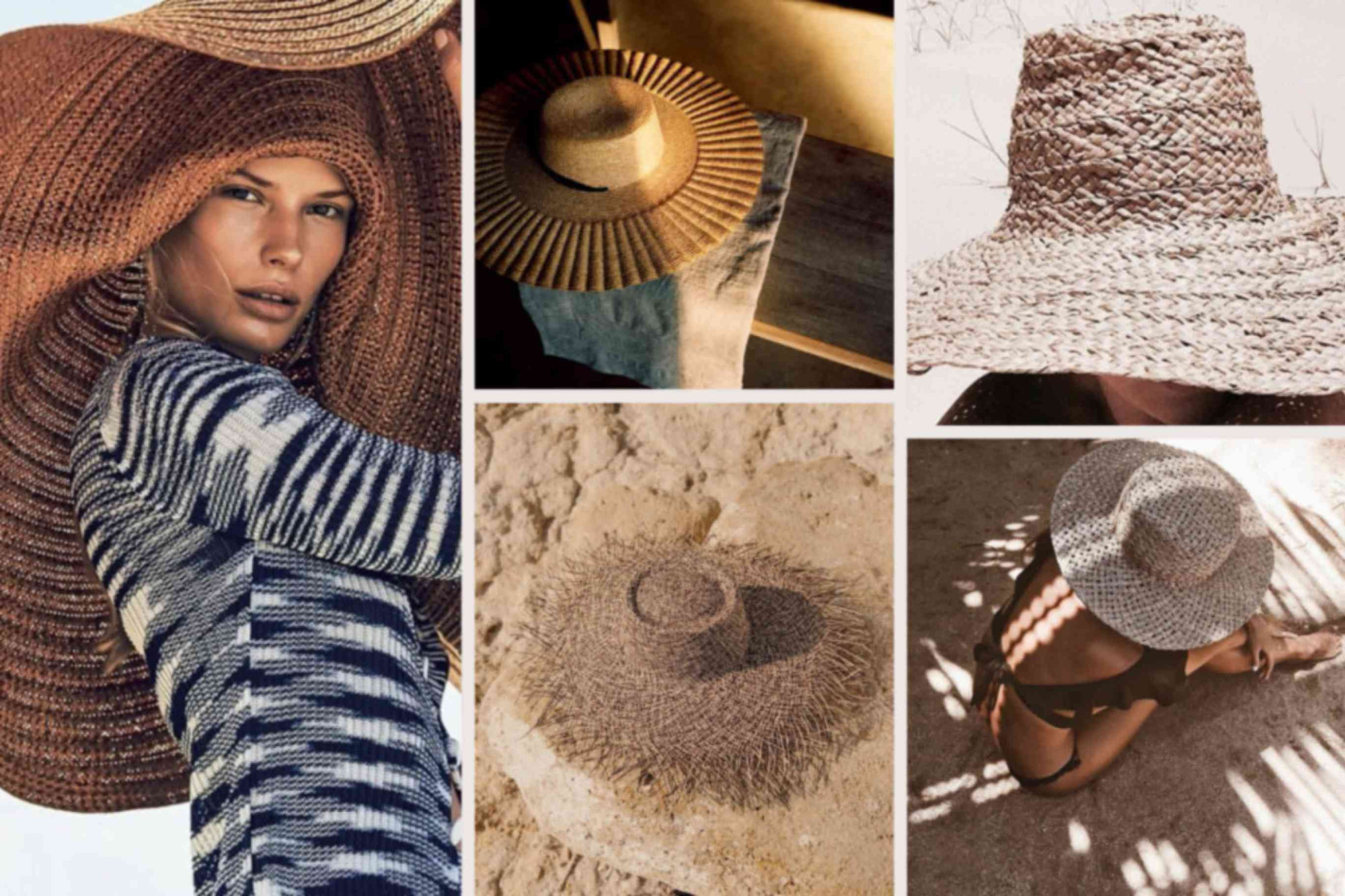
A hat can be more than a practical accessory. Through exaggerated proportions, architectural shapes and traditional craftsmanship, contemporary milliners are creating designs that occupy a distinctive position between fashion and wearable art. Berlin-based designer SUZ explores this approach through an unusual material: braided wheat straw.
A Traditional Craft Reinterpreted
Straw hat making has a long tradition in European fashion, particularly in Italy and Switzerland, where finely braided wheat straw was developed into decorative and functional headwear.
Unlike hats woven directly into their final shape, this technique begins with narrow lengths of braided straw. The braids are arranged and sewn together, allowing the maker to control the structure, proportions and surface of the finished piece.
The technique offers considerable possibilities for contemporary design. Wide brims, exaggerated crowns and geometric silhouettes can be created by manipulating the direction and arrangement of the braids.
The resulting hats can be both lightweight and visually substantial, with the texture of the straw contributing to their sculptural appearance.
Contemporary Millinery in Berlin
Based in Berlin-Kreuzberg, SUZ is an independent milliner specialising in the transformation of traditional wheat straw braids into contemporary hats, accessories and decorative objects.
Her work is characterised by graphic shapes, carefully controlled proportions and an emphasis on the natural properties of the material.
SUZ has collaborated with internationally recognised fashion designers, including Christian Lacroix, Thierry Mugler and Jean Paul Gaultier. She has also worked with theatre director Robert Wilson, bringing her knowledge of headwear into the world of performance and costume design.
This experience is reflected in her approach to millinery, where the relationship between shape, volume and the wearer is particularly important.
One example is the Circus hat, made from fine wheat straw braid and finished with a decorative pompom. Long cotton ribbons can be tied beneath the chin or left loose, introducing an additional element of movement to the structured design.
Each piece is handcrafted in Berlin-Kreuzberg, where SUZ continues to work directly with the traditional braiding and sewing techniques that define her practice.
Alongside her design work, she teaches millinery through workshops and educational institutions, including Kunsthochschule Berlin-Weißensee.
Her work demonstrates how a specialised European craft can remain relevant in contemporary fashion through experimentation with scale, structure and unconventional silhouettes.
#SUZBerlin #SculpturalHats #Millinery #StrawHats #WearableArt #GermanDesign #IndependentDesigners #TraditionalCraftsmanship #LesCouleursBohemes #LesCouleursDuMonde
Style & Fashion @coastalstyle
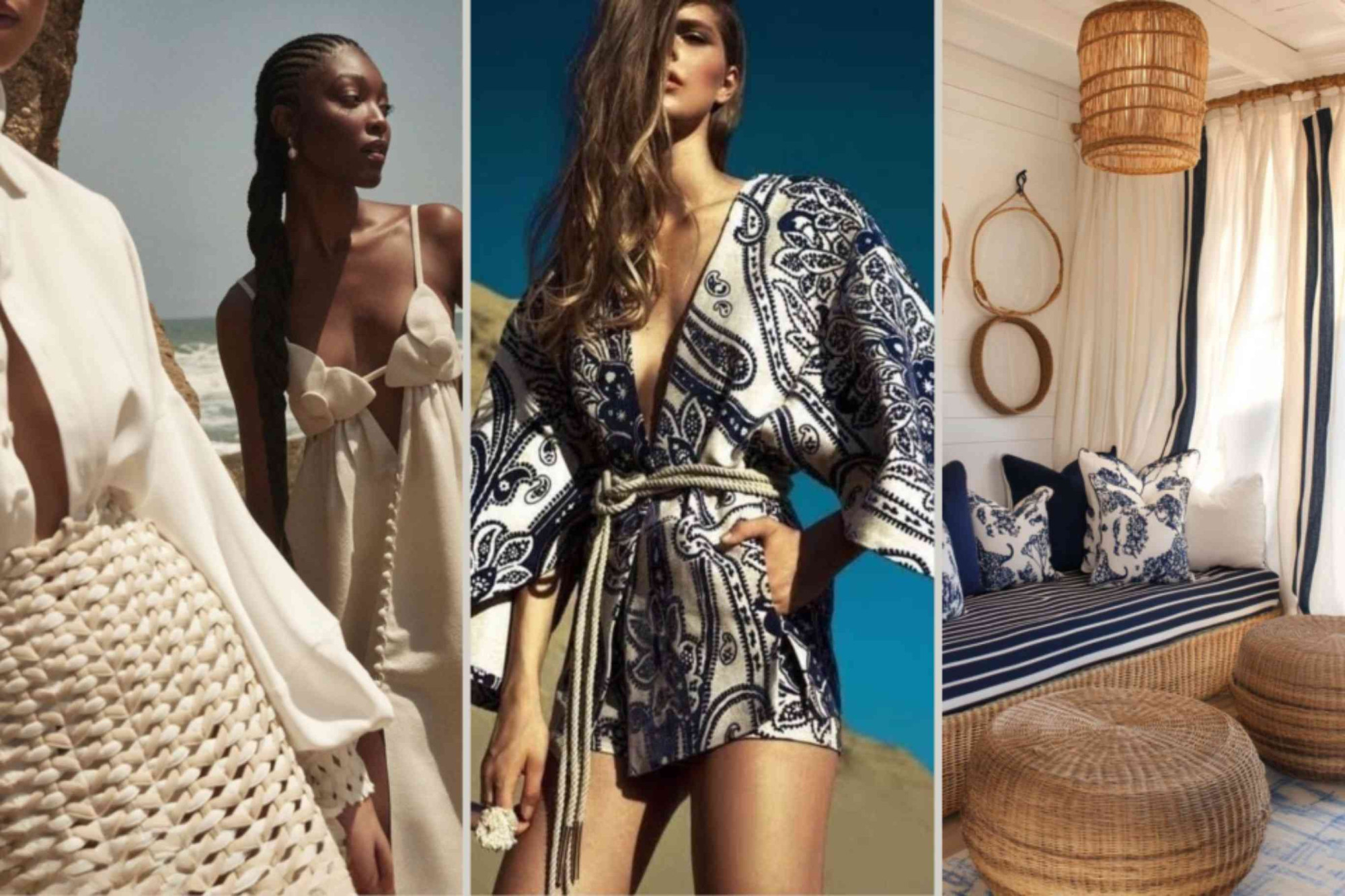
The contemporary kimono has established its place in resort fashion through expressive prints, luxurious fabrics and versatile silhouettes. For Karoobi, an independent label founded by cousins Theodora and Julia, the kimono is a distinctive fashion piece inspired by Mediterranean destinations and designed to be worn well outside the beach.
A Different Approach to Resort Dressing
The contemporary fashion kimono draws inspiration from traditional Japanese dress, although modern resortwear interpretations have developed their own proportions, fabrics and decorative details.
Wide sleeves, open fronts and relaxed silhouettes provide designers with generous surfaces for expressive prints. Silk is particularly suited to these designs because of its fluid drape, lightweight structure and ability to reproduce detailed patterns and colours.
A printed silk kimono can be worn open over a simple dress, combined with tailored trousers or secured at the waist to create a more defined silhouette.
Its versatility makes it suitable for different occasions, allowing one distinctive garment to become the central element of an outfit.
Mediterranean Inspiration
Karoobi was founded by cousins Theodora and Julia, whose shared interest in Mediterranean culture, colour and contemporary fashion inspired the creation of their independent label.
The brand's name refers to the carob tree, a species closely associated with the Mediterranean region. Historically, carob seeds were used as reference weights for precious materials, an association that contributes to the meaning behind the name.
Karoobi specialises in luxury silk kimonos and kaftans, produced in limited quantities in the United Kingdom. The collections focus on distinctive prints, fluid silhouettes and carefully selected fabrics.
Among its designs are The Andriani, The Eros, The Gabriella and The Phelicia. Each reflects the label's interest in creating individual statement pieces through colour, pattern and proportion.
The use of silk is central to the collection. Its natural movement complements the generous sleeves and relaxed construction of the garments, while the printed surfaces give each design its individual character.
Karoobi also offers a silk slip dress that can be worn independently or layered beneath its kimonos and kaftans. This creates a coordinated approach to dressing, allowing the printed outer garment to remain the focal point.
Through its limited collections and recognisable design language, Karoobi presents a contemporary interpretation of Mediterranean-inspired fashion, with the silk kimono at the centre of its identity.
#Karoobi #KimonoFashion #SilkKimono #MediterraneanFashion #StatementPrints #Resortwear #IndependentDesigners #LesCouleursDeLaRiviera #LesCouleursDuMonde
Style & Fashion @coastalstyle
The Softest Part of Nature: Cotton
Behind the relaxed silhouettes of The Handloom lies a commitment to traditional Turkish textile craftsmanship. Founded by designer Cansu Cansever, the independent fashion label works with local artisans in Turkey, bringing handwoven fabrics and contemporary clothing together while helping to sustain traditional weaving practices.
The People Behind the Fabric
Turkey has a long tradition of textile production, with weaving techniques passed between generations in different regions of the country.
For The Handloom, this heritage forms an important part of the brand's identity. Its garments are made using Turkish cotton and Tencel fabrics, with an emphasis on traditional handloom weaving and the skills of local craftspeople.
The brand works with artisans in remote Turkish villages, supporting communities where textile production remains an important source of income and cultural knowledge.
This approach gives the collections a connection to the people who produce the fabrics. Traditional weaving is incorporated into clothing intended for contemporary wardrobes, creating opportunities for established skills to remain relevant within the fashion industry.
A Contemporary Interpretation
Founder Cansu Cansever brings her Turkish heritage and creative experience in Los Angeles to the label.
Her collections focus on relaxed dresses, shirts, trousers and other versatile pieces, using the character of the fabrics as an important element of the design.
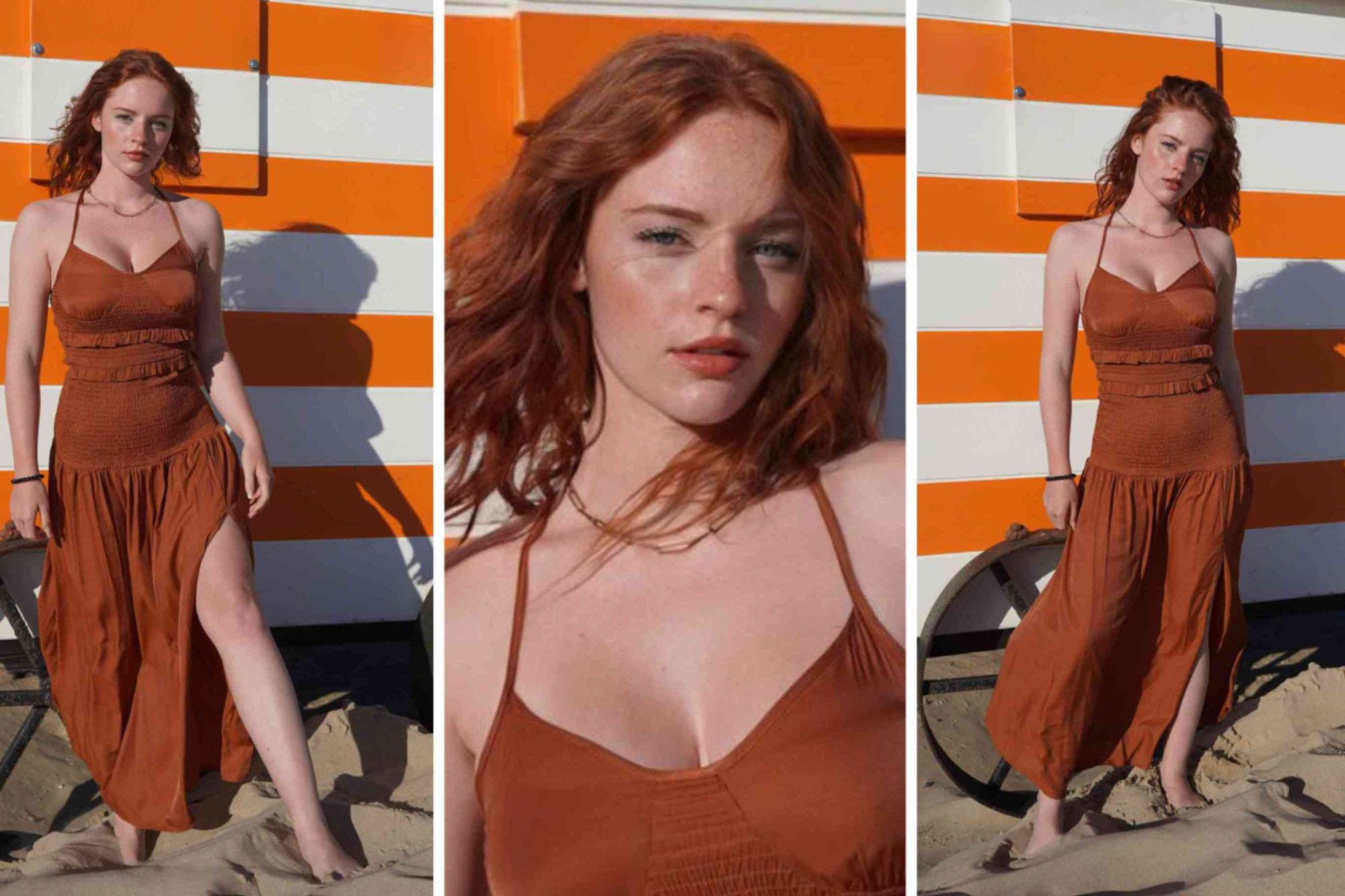
The Kaya Smocked Maxi Dress in Terracotta is one example. Its gathered bodice, adjustable straps and flowing skirt create a relaxed summer silhouette, while the warm colour reflects the natural tones found throughout the brand's collections.
Rather than relying on elaborate decoration, The Handloom allows the fabric, proportions and simple details to define each garment.
Supporting a Living Textile Tradition
Traditional craftsmanship can only continue when there is a demand for the skills involved.
By collaborating with local artisans and incorporating their work into contemporary fashion, The Handloom contributes to an economic model in which traditional textile knowledge has a place in modern production.
The result is a collection that connects Turkish weaving heritage with clothing designed for everyday life and travel.
For The Handloom, the value of a garment extends to the people, materials and craftsmanship involved in making it.
#TheHandloom #CansuCansever #TurkishCraftsmanship #HandwovenTextiles #TurkishCotton #IndependentDesigners #ArtisanFashion #LesCouleursBohemes #LesCouleursDuMonde
Style & Fashion @coastalstyle
For Portuguese swimwear label LATITID, travel is an important source of creative inspiration. Founded in Porto in 2013, the independent brand has developed a distinctive approach to beach fashion, drawing on the character of international cities to create collections with individual identities.
A Portuguese Label with an International Perspective
LATITID was founded by sisters Inês and Marta Fonseca and their friend Fernanda Santos, who wanted to bring a fresh perspective to Portuguese swimwear.
The founders combined different professional backgrounds. Marta studied fashion design at ESAD Matosinhos and completed a master's degree in Fashion Production in Barcelona. She took responsibility for the creative direction, while Inês contributed commercial and marketing experience and Fernanda brought expertise in clothing production.
The brand's name combines latitude and attitude, reflecting an interest in travel and personal style.
LATITID launched its first collection in April 2013, taking inspiration from Porto, the founders' hometown.
Places That Shape the Collection
The brand subsequently developed collections influenced by Barcelona in 2014, London in 2015 and Istanbul in 2016.
Each city offered different creative references. Architectural details, local aesthetics and cultural characteristics informed the selection of patterns, colours and silhouettes.
In 2019, LATITID looked to Cape Town, South Africa. The collection introduced animal-inspired prints and earthy tones, reflecting elements of the region's natural surroundings alongside its contemporary urban identity.
This approach allows LATITID to explore different visual directions while maintaining its focus on swimwear designed for contemporary wardrobes.
Designed and Made in Portugal
LATITID has retained its design and manufacturing operations in Portugal, drawing on the country's established textile industry and specialist clothing producers.
What began as a swimwear label has gradually expanded to include beachwear, clothing and activewear.
The wider collection offers more styling possibilities, with bikinis and swimsuits complemented by garments suitable for coastal holidays and summer travel.
By combining Portuguese production with an international creative outlook, LATITID has developed a recognisable identity within independent swimwear fashion.
#LATITID #PortugueseFashion #PortugueseDesign #Swimwear #Beachwear #ResortFashion #IndependentDesigners #TravelInspiredFashion #LesCouleursBohemes #LesCouleursDuMonde
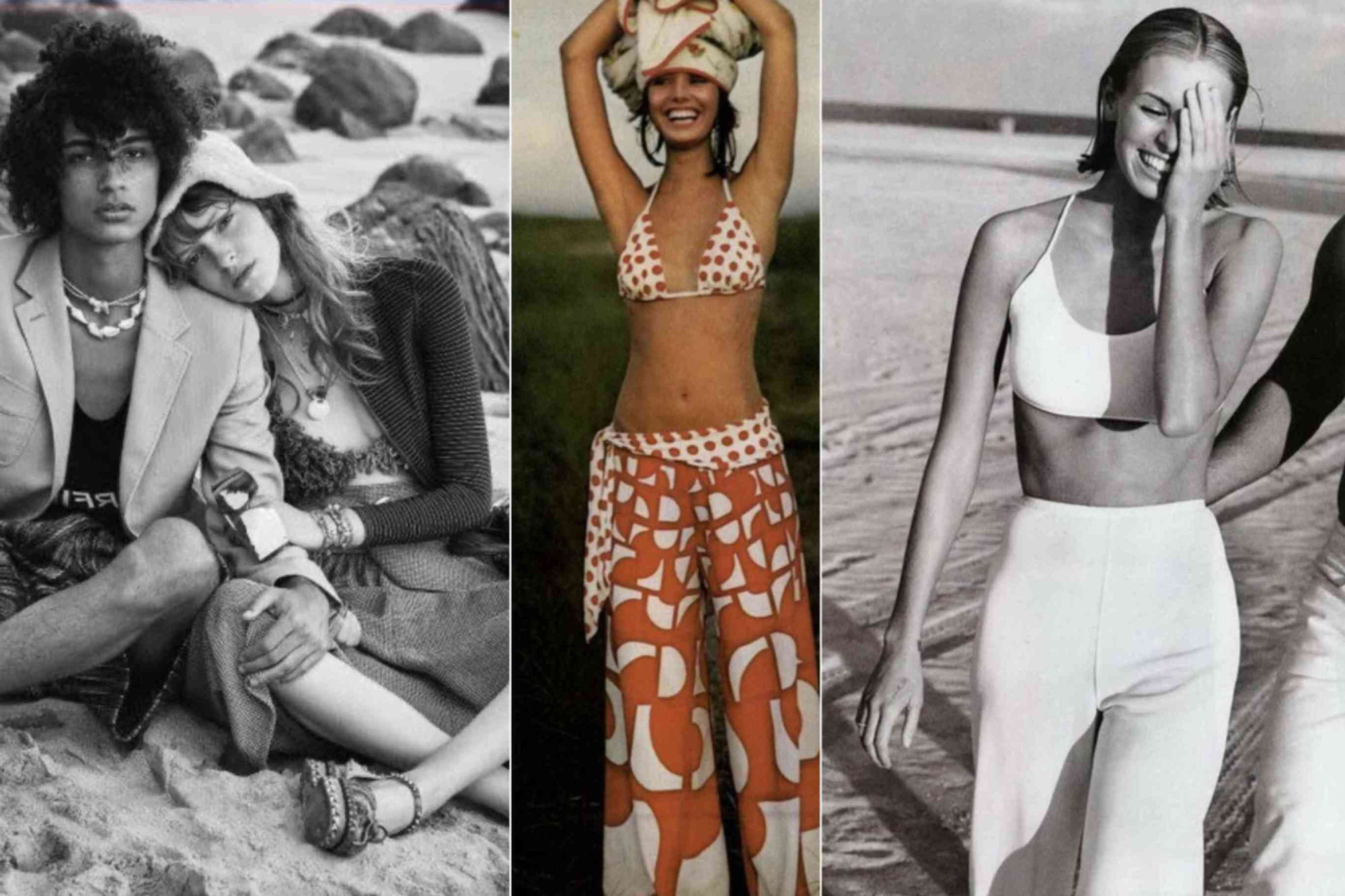
Style & Fashion @coastalstyle
Contemporary design, vintage influences and the distinctive colours of the Côte d’Azur come together in the eyewear collections of MUSU. The independent label brings a playful approach to sunglasses, combining expressive silhouettes with Italian craftsmanship and a strong connection to the French Riviera.
A Riviera Perspective on Eyewear
The Côte d’Azur has long been associated with distinctive summer fashion. During the 1960s and 1970s, oversized frames, coloured lenses and unconventional shapes became part of the visual identity of Mediterranean resort style.
MUSU takes inspiration from this period without simply reproducing vintage designs. Its collections explore the contrast between retro references and contemporary proportions, using colour as an important part of each frame's character.
The result is eyewear intended to stand out. Rounded silhouettes, sculptural details and carefully selected colour combinations give the sunglasses an identity that extends beyond their practical purpose.
Designed on the Côte d’Azur
Founded by a brother and sister, MUSU is an eyewear label inspired by the atmosphere and colour palette of the French Riviera.
The designs are developed on the Côte d’Azur and handcrafted in a family-run workshop in the Italian Dolomites, a region with an established tradition of eyewear manufacturing.
Rather than producing large quantities, MUSU works with limited editions of 50 pieces per design. Each pair receives an individual serial number, reinforcing the brand's approach to small-scale production.
This combination of distinctive design and specialist manufacturing gives the collections a clear identity within contemporary independent eyewear.
Colour as a Design Signature
Colour plays a central role in MUSU's interpretation of Riviera style.
The collections draw on combinations associated with the Mediterranean, incorporating expressive tones and contrasts into frames that reference vintage fashion while maintaining a contemporary appearance.
A statement pair of sunglasses can change the character of a simple summer outfit. Combined with a striped top, a cotton dress or relaxed tailoring, a colourful frame becomes the defining accessory.
For MUSU, sunglasses represent an opportunity to bring individuality into everyday dressing through design, craftsmanship and a distinctive sense of colour.
#MUSU #FuturisticNostalgia #RivieraStyle #IndependentEyewear #SunglassesDesign #ItalianCraftsmanship #CoteDAzur #LesCouleursDeLaRiviera #LesCouleursDuMonde
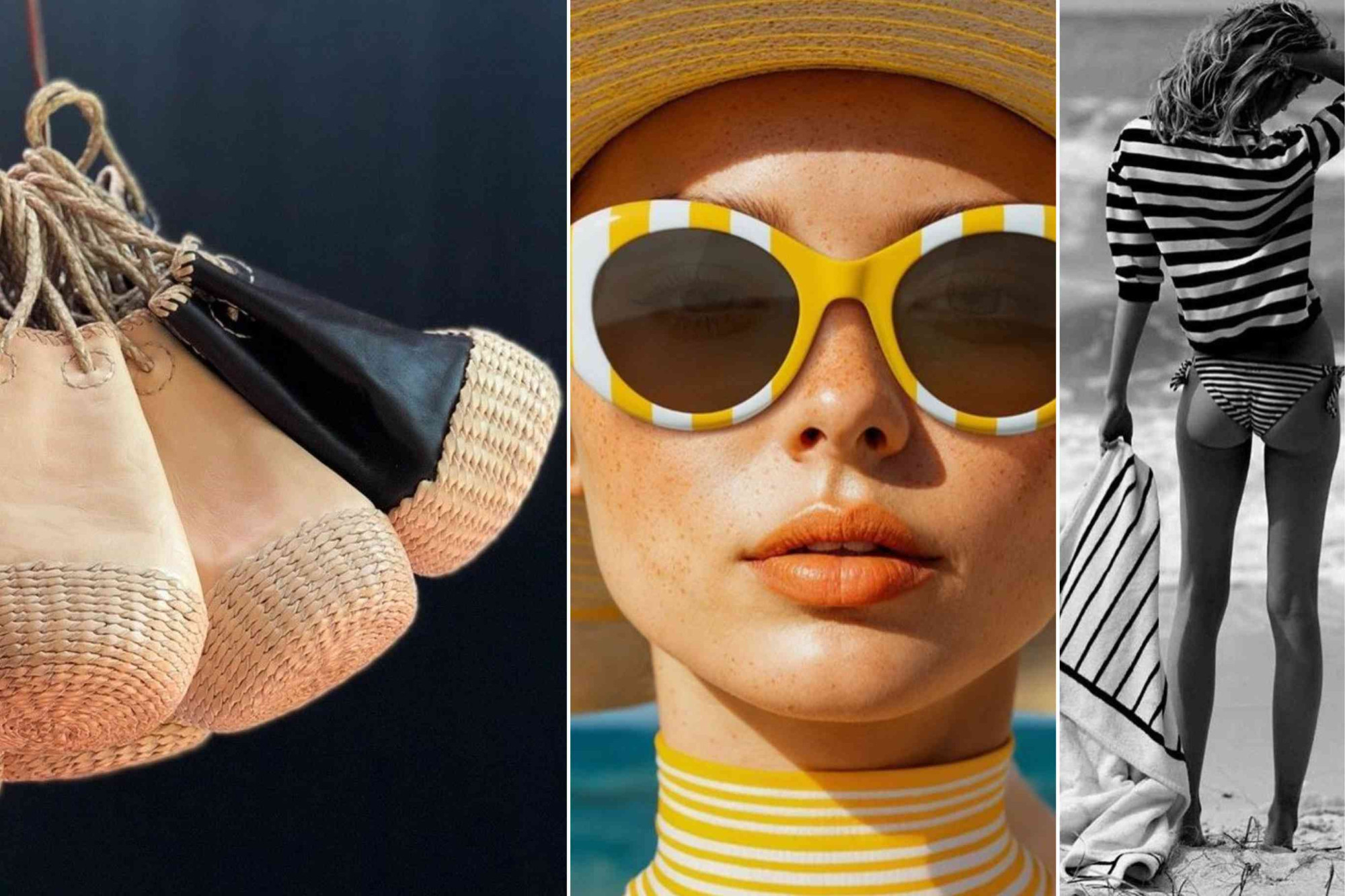
Style & Fashion @coastalstyle
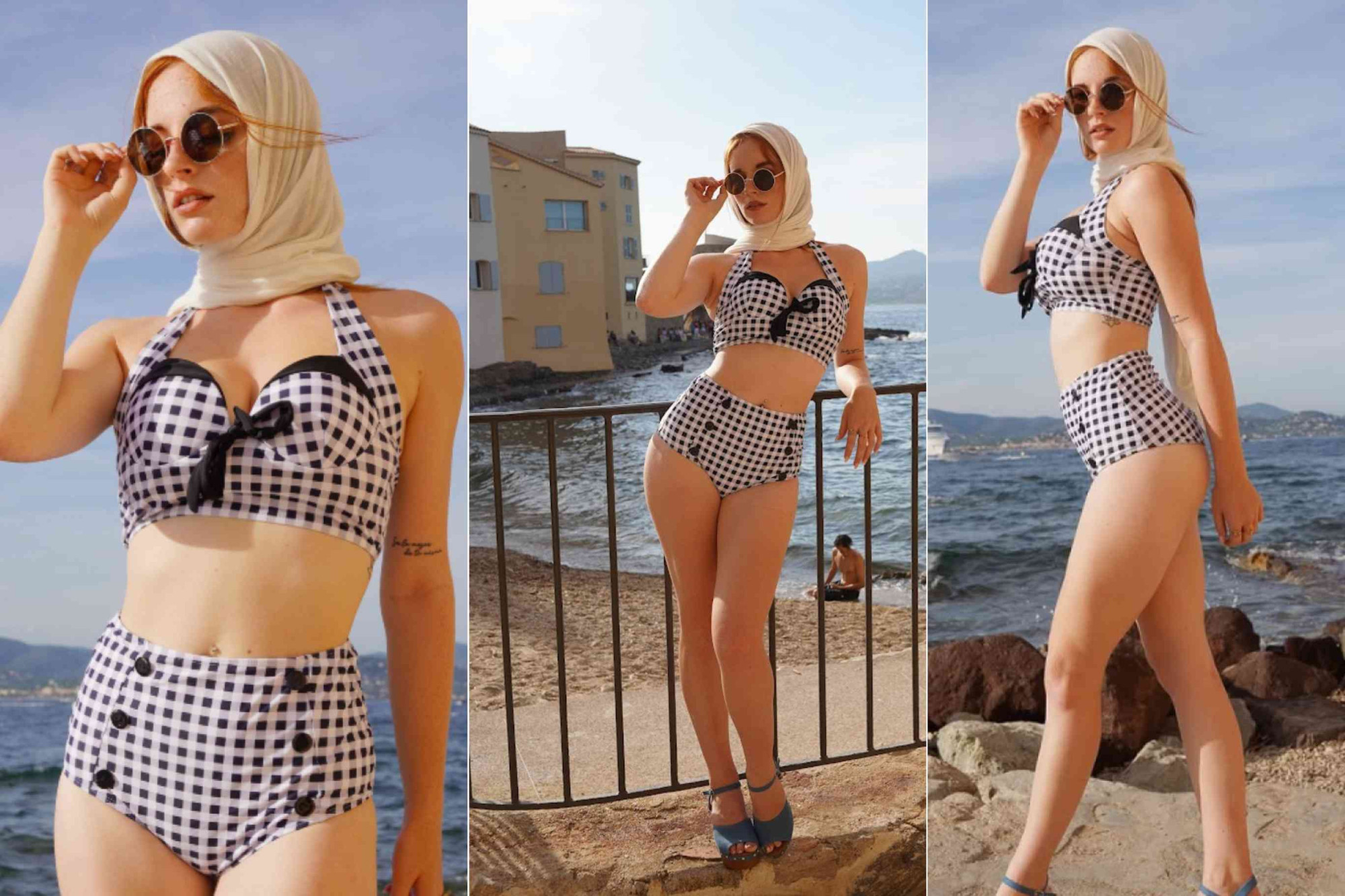
High-waisted bikini bottoms, structured tops and playful gingham prints remain recognisable elements of 1950s beach fashion. Contemporary labels such as Retro Stage revisit these silhouettes, bringing vintage-inspired swimwear into modern summer wardrobes.
The Bikini and the French Riviera
The bikini made its public debut in Paris in July 1946, when French engineer Louis Réard introduced a two-piece swimsuit named after Bikini Atoll in the Pacific Ocean.
Although two-piece bathing costumes already existed, Réard's design revealed considerably more skin than the styles commonly worn at the time. Its introduction attracted controversy, particularly in countries where conservative dress codes still influenced public beachwear.
During the 1950s, the French Riviera became an important setting for changing attitudes towards swimwear. Film stars, photographers and international visitors helped establish the beaches of Cannes and Saint-Tropez as fashionable summer destinations.
Brigitte Bardot's appearance in a bikini in the 1952 film Manina, la fille sans voiles contributed to the garment's growing visibility. Her association with Saint-Tropez further strengthened the connection between the bikini and Riviera fashion.
Alongside these more daring designs, high-waisted bottoms, halter necklines and structured busts remained popular, reflecting the broader fashion trends of the decade.
Revisiting Vintage Fashion
Retro Stage specialises in clothing and swimwear inspired by fashion from the 1930s through to the 1980s.
Its collections reinterpret recognisable period details, including sweetheart necklines, fitted waists, decorative buttons and classic prints.
The Black 1950s Gingham Halter Bowknot Bikini Set illustrates this approach. The design combines a black-and-white gingham pattern with a structured halter top, a decorative bow and high-waisted bottoms.
Rather than reproducing a historical swimsuit exactly, Retro Stage adapts these elements for contemporary beachwear while retaining the distinctive character of mid-century fashion.
The Appeal of Vintage Swimwear
The popularity of vintage-inspired swimwear also reflects its versatility within a modern summer wardrobe.
A gingham bikini can be combined with wide-leg cotton trousers, an oversized shirt or simple espadrilles for a relaxed Riviera look. These contemporary combinations reference the beach fashion of the 1950s without requiring an entirely vintage outfit.
Through designs such as its gingham bikini, Retro Stage demonstrates how familiar elements of fashion history can be reinterpreted for contemporary summer dressing.
#RetroStage #VintageSwimwear #FiftiesFashion #GinghamBikini #FrenchRiviera #CoteDAzur #SaintTropez #RetroFashion #LesCouleursDeLaRiviera #LesCouleursDuMonde
Style & Fashion @coastalstyle
A well-chosen swimwear wardrobe offers more possibilities than a collection of matching bikinis. By combining different cuts, colours and accessories, individual pieces can be styled for different occasions. French swimwear label Daïva Collections approaches summer fashion through feminine silhouettes, distinctive details and designs influenced by vintage style.
The Freedom to Mix & Match
Choosing swimwear is increasingly about personal preference and finding combinations that suit different occasions.
A structured bikini top can be paired with high-waisted bottoms, while contrasting colours or prints introduce a more individual look. Separates also allow different sizes and cuts to be selected for the top and bottom, making it easier to find a comfortable fit.
One-piece swimsuits offer additional styling possibilities. Worn with wide-leg trousers, a cotton skirt or a lightweight shirt, they can become part of an outfit suitable for a relaxed lunch or an afternoon exploring a coastal town.
The advantage is a smaller, more versatile selection of pieces that can be combined in different ways throughout a holiday.
Designed for Individual Style
Founded in 2015 by French designer Gloria Binoche, Daïva Collections combines retro influences with contemporary swimwear design.
The label focuses on distinctive silhouettes, with collections featuring plunging necklines, high-cut legs, decorative bows and carefully considered proportions.
One of its recognisable designs is the Dalia swimsuit, characterised by a feminine neckline and an oversized bow at the back.
Daïva Collections develops its designs in France, using Italian fabrics and working with manufacturing partners in Portugal. This approach brings together the designer's creative direction and specialist European swimwear production.
Styling Swimwear for the Riviera
On the Côte d’Azur, swimwear can easily become part of a wider summer wardrobe.
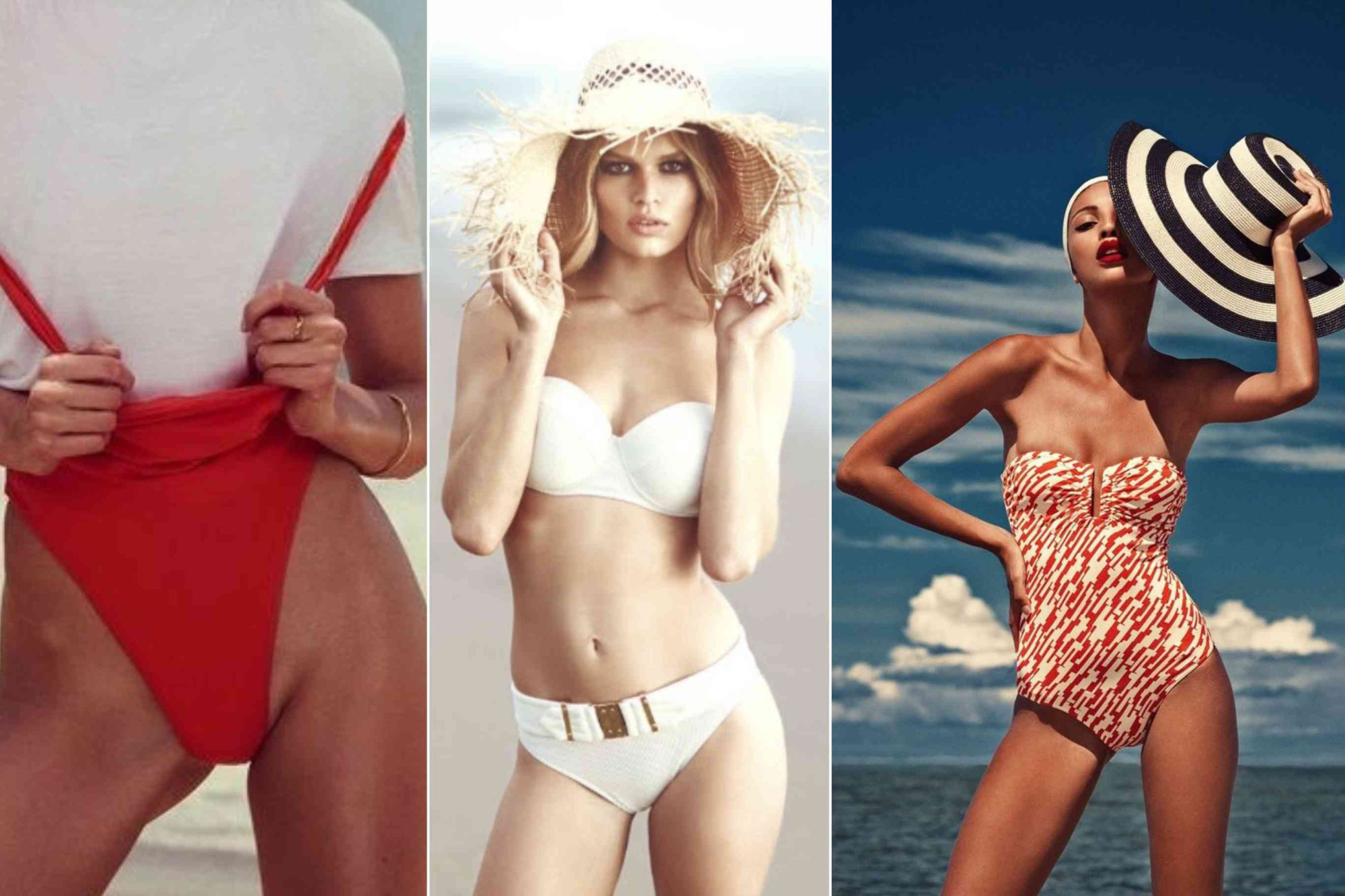
A red swimsuit paired with white linen trousers creates a simple outfit for lunch near the coast. A patterned one-piece can be combined with a cotton skirt, while a classic white bikini works beneath an oversized striped shirt.
Accessories complete these combinations. A wide-brimmed hat, leather sandals or a lightweight scarf can change the appearance of an outfit without requiring additional clothing.
Through its contemporary interpretation of classic swimwear silhouettes, Daïva Collections offers pieces that can be incorporated into a summer wardrobe according to individual style and occasion.
#DaivaCollections #MixAndMatch #SwimwearStyle #FrenchSwimwear #RivieraFashion #SummerWardrobe #IndependentDesigners #CoteDAzur #LesCouleursDeLaRiviera #LesCouleursDuMonde
Style & Fashion @coastalstyle
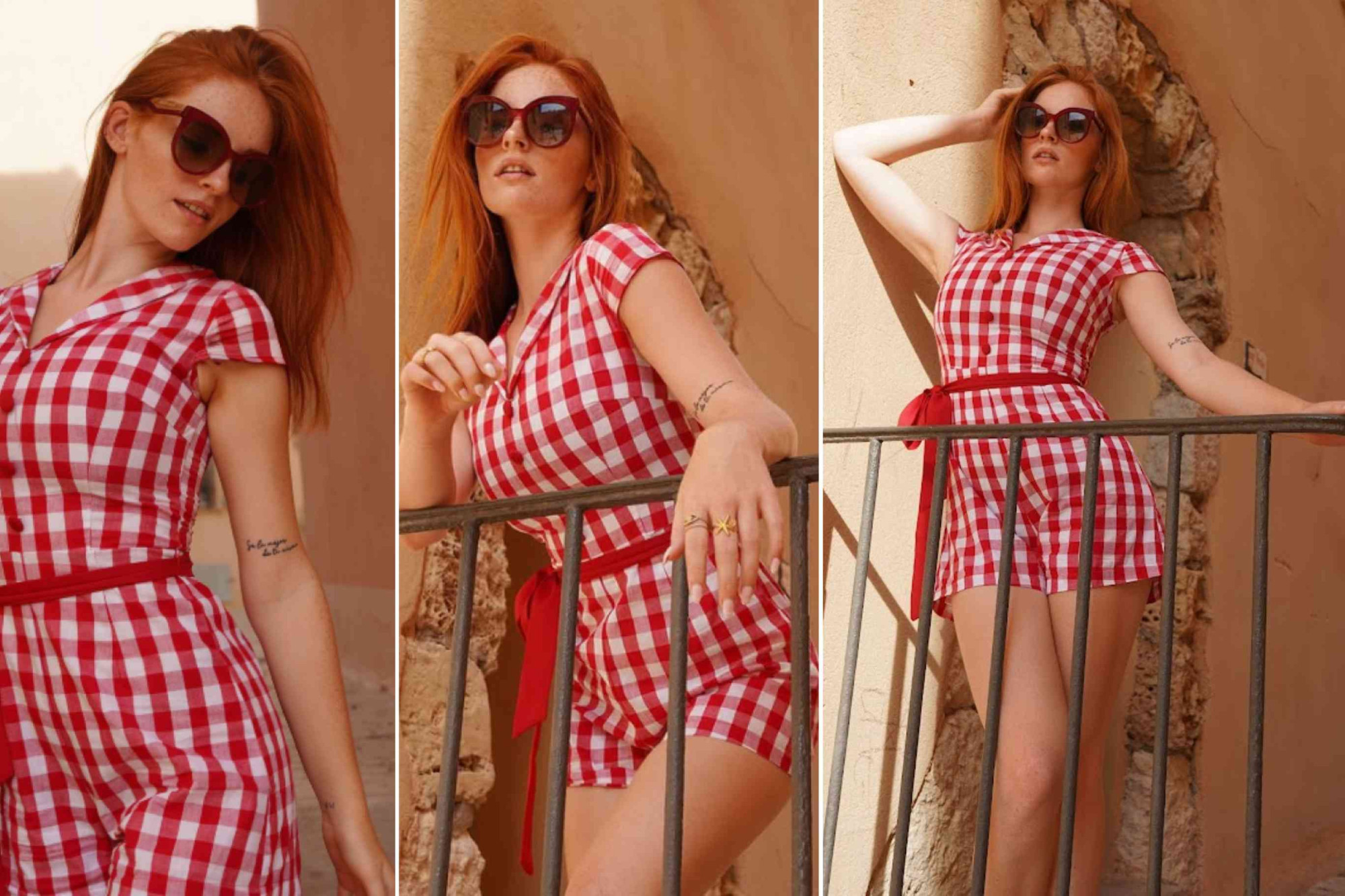
The playsuit became a distinctive part of twentieth-century holiday fashion, combining the practicality of shorts with the appearance of a coordinated outfit. Popularised through beach culture and Hollywood, this playful silhouette continues to influence contemporary summer collections, including the vintage-inspired designs of Retro Stage.
The Rise of Holiday Fashion
During the 1930s, leisurewear began to occupy a more prominent place in women's wardrobes. As beach holidays and outdoor recreation became increasingly popular, designers introduced clothing that offered greater freedom of movement than conventional daywear.
The playsuit emerged as a practical option for beach activities, sunbathing and informal summer occasions. Early designs frequently featured shorts, fitted waists and lightweight fabrics, sometimes accompanied by matching skirts that could be worn when leaving the beach.
Hollywood helped bring these relaxed silhouettes into the public eye. Actresses including Joan Crawford and Ginger Rogers appeared in fashionable leisurewear, contributing to the growing acceptance of shorts and playsuits outside sporting activities.
By the 1950s, the playsuit had become a familiar element of resort fashion. Gingham checks, polka dots, decorative buttons and defined waistlines reflected the decade's interest in feminine silhouettes and colourful summer clothing.
Revisiting the Playsuit
Retro Stage specialises in clothing inspired by fashion from the 1930s through to the 1980s, reinterpreting recognisable vintage details for contemporary wardrobes.
Its red-and-white gingham playsuit illustrates the appeal of mid-century holiday dressing.
The short design features a fitted waist, a matching red belt and a checked pattern associated with classic summer fashion. Its simple construction makes it suitable for warm-weather occasions while retaining the distinctive appearance of vintage leisurewear.
Rather than creating an exact historical reproduction, Retro Stage incorporates period-inspired details into clothing intended for modern everyday use.
The result reflects an era when holiday fashion became increasingly expressive, with casual garments receiving the same attention to colour and silhouette as more formal clothing.
A Summer Wardrobe Classic
The playsuit remains a practical alternative to a summer dress, particularly for travelling and spending time outdoors.
Its one-piece construction makes it easy to wear, while the shorter silhouette works well with flat sandals, espadrilles or simple canvas shoes.
For a stay on the Côte d’Azur, a gingham playsuit can be paired with a woven basket, oversized sunglasses and a lightweight cardigan for cooler evenings.
The continued appeal of the playsuit lies in its combination of practicality and recognisable vintage character, connecting contemporary summer dressing with the development of twentieth-century leisurewear.
#RetroStage #VintagePlaysuit #VintageFashion #GinghamStyle #FiftiesFashion #ResortFashion #SummerStyle #FrenchRiviera #LesCouleursDeLaRiviera #LesCouleursDuMonde
Style & Fashion @coastalstyle
For Mallorcan designer Margarita Payeras, swimwear is closely connected to the island where she grew up. Through her independent label SURO, she combines personal memories of Mediterranean summers with contemporary design, creating swimwear defined by simple silhouettes, carefully selected fabrics and understated details.
A Personal Connection to Mallorca
Founded in 2016, SURO Swimwear takes its name from the Mallorcan word for cork.
The name has a personal meaning for Margarita Payeras. As a child, she learned to swim using cork floats, a traditional swimming aid that inspired the identity of her future fashion label.
Growing up in Mallorca, surrounded by the Mediterranean, also influenced her approach to swimwear. Rather than following elaborate seasonal trends, Payeras developed a collection based on clean lines, comfortable fits and designs intended to remain relevant across different summers.
The island's relaxed approach to coastal living is reflected in the simplicity of the garments, with attention given to the relationship between fabric, silhouette and movement.
Timeless Swimwear
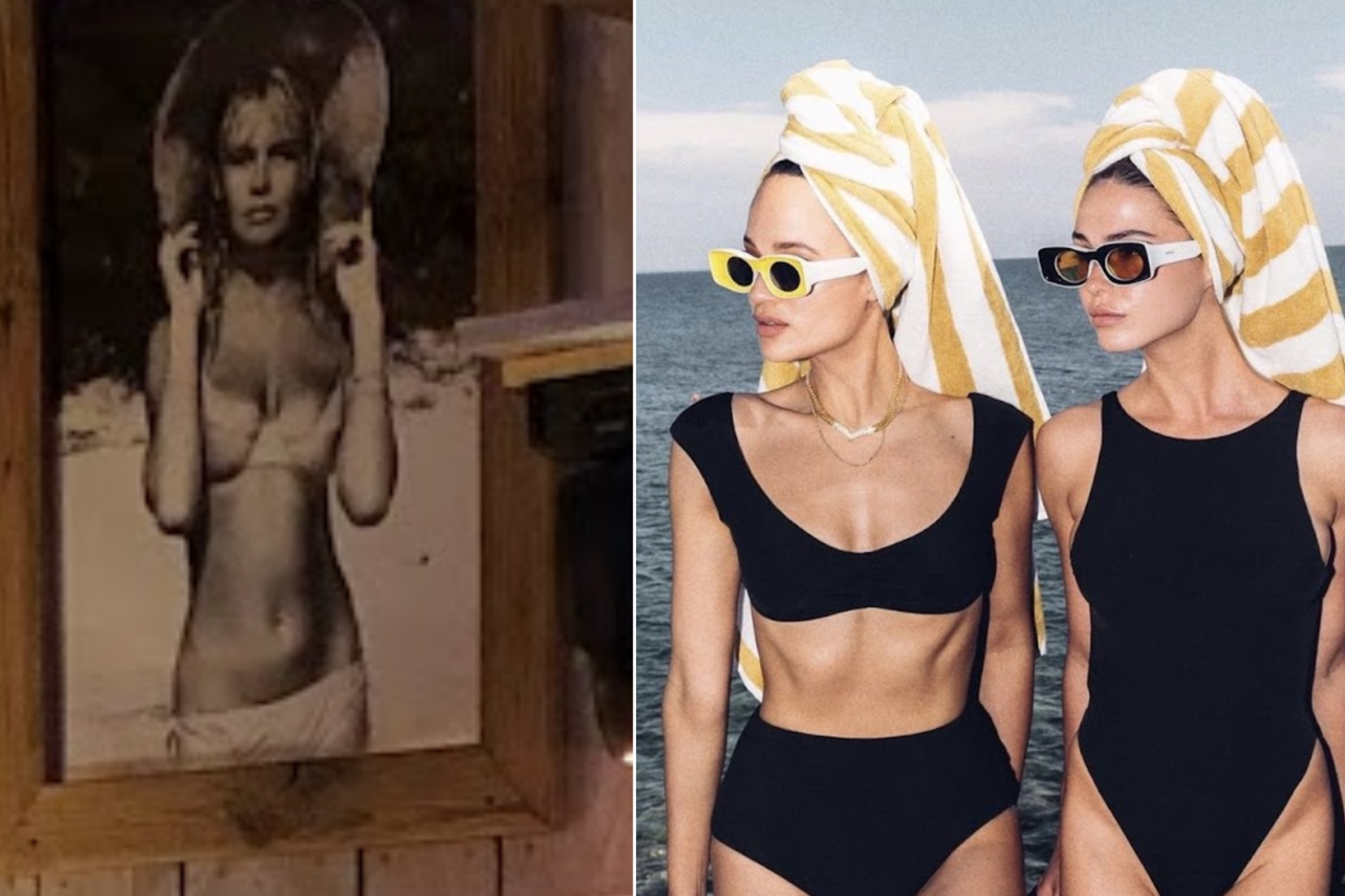
SURO focuses on bikinis and one-piece swimsuits with minimal detailing and carefully considered proportions.
Its collections favour solid colours, uncomplicated cuts and silhouettes that can be incorporated into different summer wardrobes.
The brand uses recycled Italian fabrics, combining contemporary textile development with a commitment to more responsible material choices.
Production takes place in Barcelona, allowing the label to work with specialist manufacturers while maintaining its Mediterranean roots.
The result is swimwear that places emphasis on fit, fabric quality and the details of construction rather than decorative elements.
The Black Swimsuit as a Wardrobe Essential
Among the most recognisable pieces in contemporary swimwear, the black one-piece remains a versatile choice.
Its appeal lies in the simplicity of its design. Necklines, straps and proportions become the defining features, making the quality of the cut particularly important.
A minimal black swimsuit can also be incorporated into a wider holiday wardrobe. Worn with loose cotton trousers, a linen shirt or a lightweight skirt, it works as an alternative to a traditional bodysuit.
This approach reflects SURO's design philosophy: creating practical swimwear with a recognisable aesthetic and a connection to the Mediterranean lifestyle.
Through SURO, Margarita Payeras brings a personal interpretation of Mallorca into contemporary fashion, with simplicity remaining central to the collection.
#SUROSwimwear #MargaritaPayeras #Mallorca #MinimalistSwimwear #BlackSwimsuit #MediterraneanFashion #IndependentDesigners #SpanishFashion #LesCouleursDeLaRiviera #LesCouleursDuMonde
Style & Fashion @coastalstyle
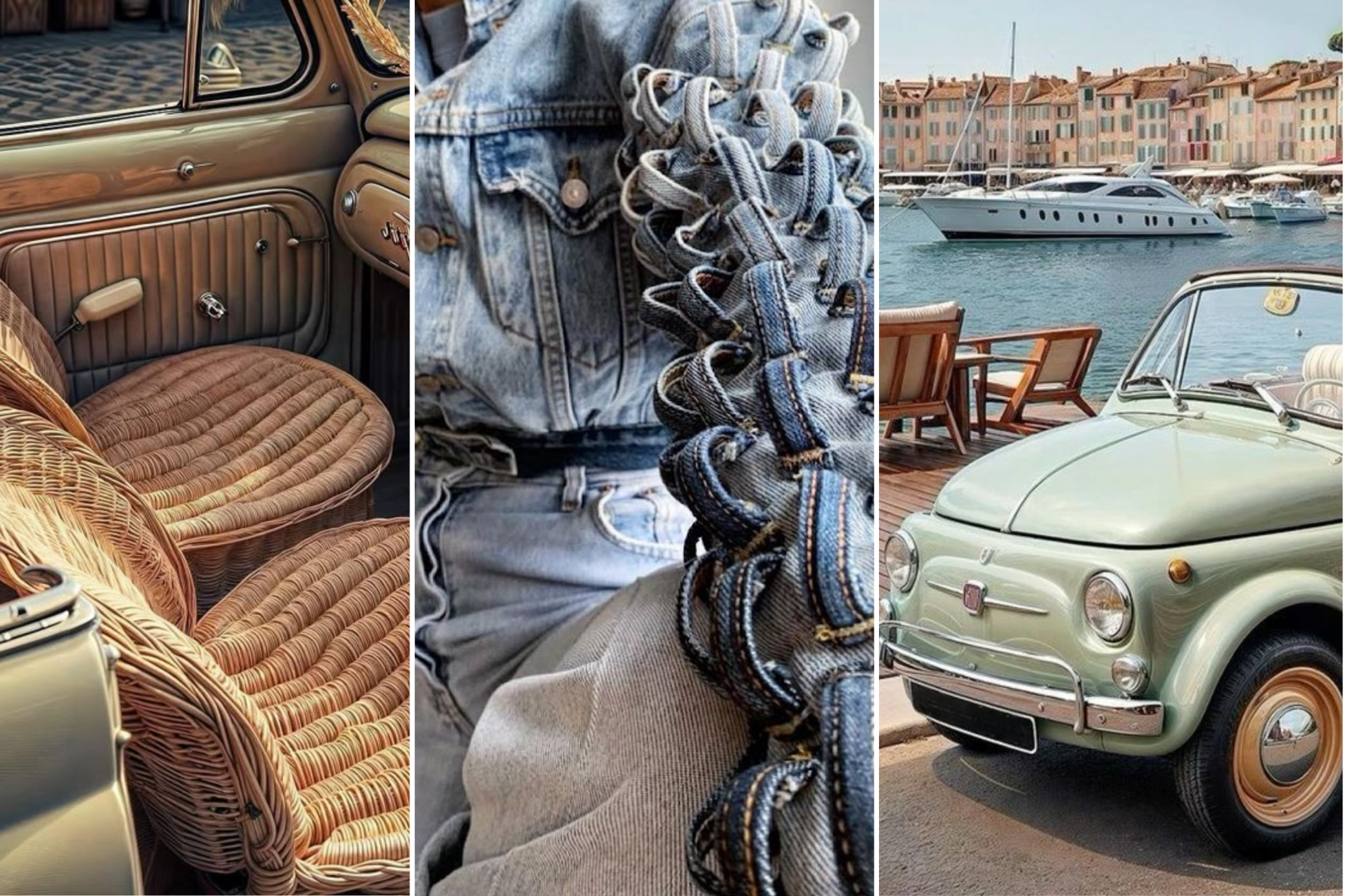
For Estonian designer Sandra Luks, a discarded pair of jeans is the starting point for an entirely new design. Through her independent label LUKS, she transforms existing denim into sculptural garments, woven structures and unexpected textures, challenging conventional ideas about what denim can become.
Sustainable Fashion
Denim is one of the most widely used materials in fashion, valued for its durability and versatility. Yet the production and disposal of jeans also contribute to the environmental challenges facing the clothing industry.
Sandra Luks approaches this issue through creative reuse.
Working from her studio in Tallinn, she collects discarded jeans and transforms them into new garments. Rather than following conventional denim construction, she experiments with weaving, braiding and combining existing materials.
Her approach focuses on the creative possibilities of textiles that have already been produced, giving unwanted clothing a new purpose.
A Creative Approach to Upcycling
For Luks, upcycling is an opportunity to experiment with fashion design rather than simply repair or alter existing garments.
Her work has attracted attention beyond Estonia, with designs presented in Tallinn, Stockholm and New York.
In April 2024, she collaborated with Estonian fashion project NADA during Tallinn Fashion Week. The collection combined NADA's contemporary tailoring with Luks's experimental approach to denim.
The collaboration included jackets, dresses and structured garments, demonstrating how existing textiles can be incorporated into contemporary fashion collections.
By working with materials that already exist, Luks challenges the conventional production process, where designers typically begin with newly manufactured fabrics.
When Denim Becomes Lace
One of Sandra Luks's most distinctive developments is her experimentation with denim lace.
While preparing strips of discarded jeans for her designs, she began collecting the loose threads that separated from the fabric.
Instead of discarding these fibres, she developed a method of incorporating them into delicate textile structures.
The resulting material offers an unexpected contrast to traditional denim, introducing the lightness and intricacy associated with lace.
This experimentation has opened up new possibilities for her collections, particularly in the creation of garments with unusual textures and decorative details.
Through LUKS, Sandra Luks demonstrates how traditional materials can be approached differently, combining textile experimentation with the reuse of existing clothing.
#SandraLuks #LUKS #DenimReconstructed #ExperimentalFashion #UpcycledDenim #IndependentDesigners #EstonianDesign #TextileInnovation #LesCouleursBohemes #LesCouleursDuMonde
Style & Fashion @coastalstyle
The summer playsuit combines the simplicity of a one-piece garment with the practicality of shorts. Originally associated with leisure and sportswear, it developed into a recognisable part of twentieth-century holiday fashion and continues to influence contemporary collections.
A New Kind of Leisurewear
During the 1930s, changing attitudes towards leisure and outdoor activities influenced women's clothing. Beach holidays, cycling and recreational sports encouraged the development of garments that allowed greater freedom of movement.
The playsuit became one of these alternatives. Its combination of a fitted upper section and short trousers offered a practical option for activities that were less suited to traditional dresses.
By the 1940s and 1950s, playsuits had become familiar in holiday wardrobes, particularly in American and European beach fashion. Designers introduced halter necklines, defined waistlines and decorative prints, adapting a functional garment into fashionable summer clothing.
Vintage Influences
Contemporary fashion label Retro Stage draws inspiration from these mid-century silhouettes, producing clothing that references the shapes and details of earlier decades.
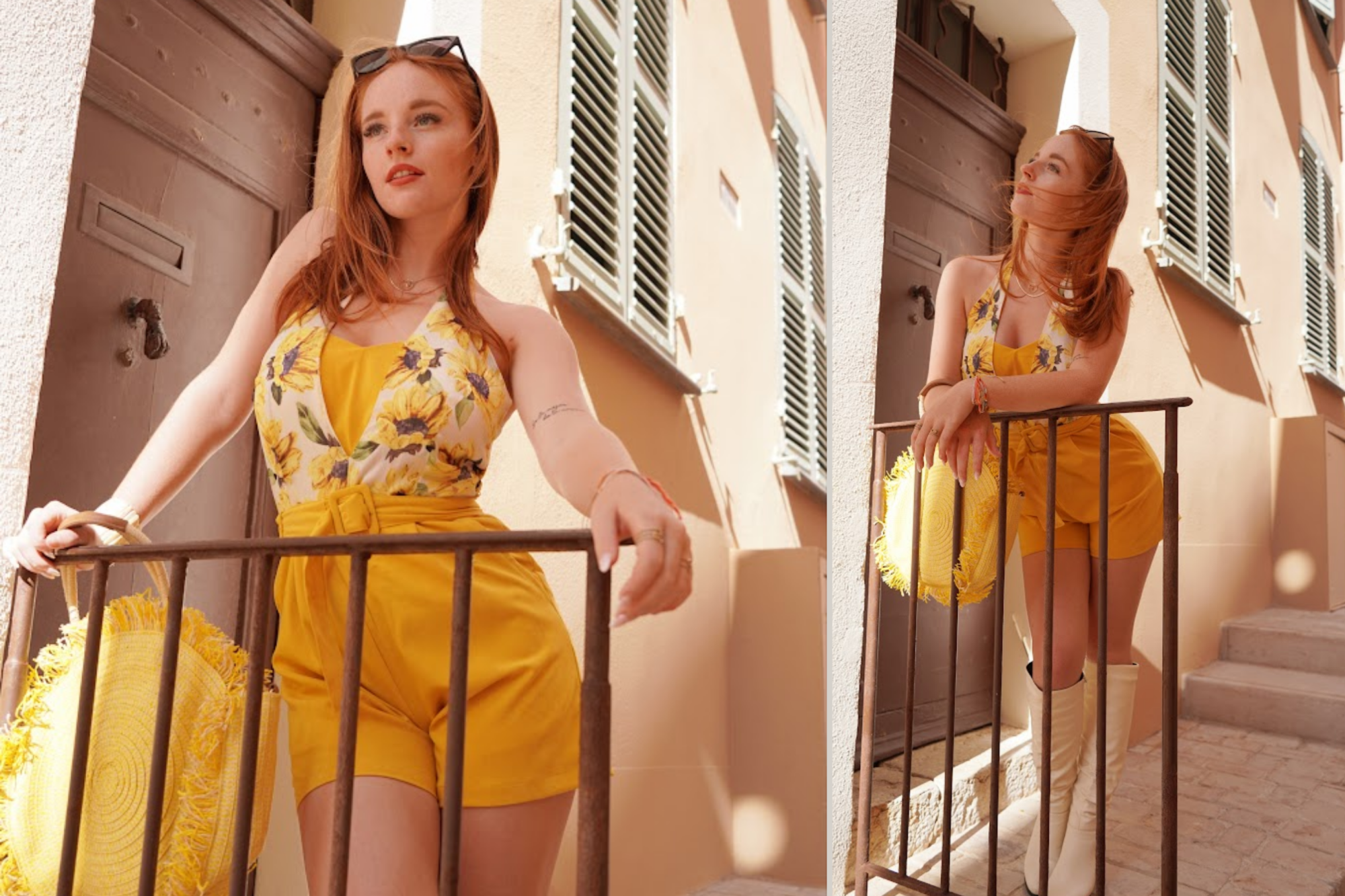
Its yellow floral playsuit reflects several characteristics associated with 1950s summer fashion: a halter neckline, a fitted waist, a decorative floral pattern and short, structured trousers.
The combination also illustrates how vintage-inspired clothing can be adapted for contemporary wardrobes without reproducing an entire historical outfit.
Retro Stage offers a wide selection of designs influenced by twentieth-century fashion, including dresses, swimwear and coordinated summer pieces.
Why the Playsuit Remains Relevant
Unlike a two-piece outfit, a playsuit combines the upper and lower sections into a single garment. This makes it particularly suitable for travelling, when a limited selection of clothing needs to accommodate different activities.
Its continued popularity also reflects the variety of designs available today. Tailored versions can be worn for informal dinners, while cotton styles and relaxed silhouettes are practical for daytime outings.
The playsuit has retained its original connection to leisurewear while becoming a regular feature of contemporary summer collections.
#RetroStage #SummerPlaysuit #VintageInspiredFashion #SummerFashion #RetroStyle #HolidayWardrobe #LesCouleursBohemes #LesCouleursDuMonde
Style & Fashion @coastalstyle
For Barcelona-based designer Sandra Miralles, swimwear is an expression of architectural influences, feminine silhouettes and carefully considered details. Through her label ANANE, she creates collections that combine minimalist design with a romantic aesthetic.
A Barcelona Swimwear Label
Founded in 2019, ANANE reflects Sandra Miralles's interest in contemporary design and the relationship between form and function.
Her collections feature one-piece swimsuits and bikinis distinguished by sculpted silhouettes, asymmetrical cuts and carefully positioned details.
Rather than relying on elaborate decoration, Miralles explores proportions and construction to create designs with a recognisable identity.
The result is a swimwear collection that balances simplicity with more expressive elements.
Architecture as Inspiration
Architecture and travel play an important role in the creative direction of ANANE.
Miralles draws inspiration from the shapes, proportions and colours of different destinations, incorporating these references into her collections.
The Petal Dust collection takes inspiration from Marrakech. Its architectural forms and distinctive colour palette provided a starting point for designs that interpret the destination through contemporary swimwear.
This approach allows Miralles to introduce new influences into each collection while maintaining a consistent design identity.
Designed and Produced in Barcelona
ANANE develops its collections in Barcelona and works with local ateliers for production.
The label uses selected European materials, including Italian fabrics and French finishing components.
In swimwear, material quality and construction are particularly important. Fabric elasticity, carefully positioned seams and the structure of a garment influence both fit and comfort.
By maintaining a close relationship with its production partners, ANANE can give particular attention to these aspects of the design process.
Sandra Miralles has developed a swimwear label in which architectural references, technical construction and feminine design come together in a contemporary interpretation of beachwear.
#ANANE #SandraMiralles #SwimwearDesign #BarcelonaFashion #MinimalistSwimwear #ContemporaryFashion #MediterraneanStyle #LesCouleursBohemes #LesCouleursDuMonde
Style & Fashion @coastalstyle
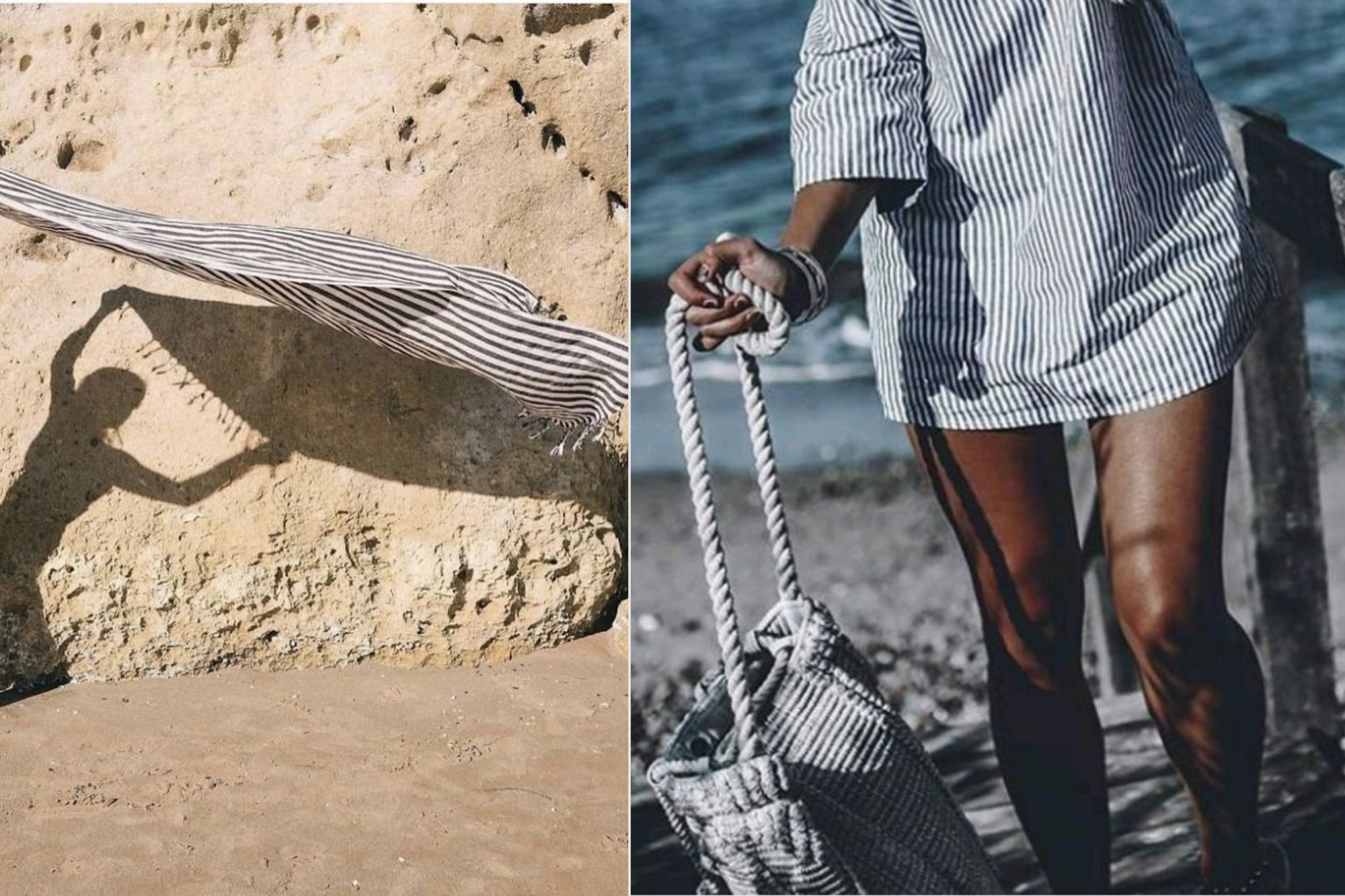
Stripes are among the most recognisable patterns in fashion, yet their character changes considerably through fabric, proportion and placement. At SU Paris, the classic striped textile becomes the starting point for contemporary garments that combine Parisian design with Anatolian craftsmanship.
Savoir-faire revived
The direction and spacing of stripes can influence the construction of a garment. Narrow vertical lines create continuity across a silhouette, while wider or contrasting stripes can emphasise particular sections of a design.
The effect also depends on the textile itself. A structured cotton poplin maintains a defined pattern, while lightweight cotton gauze or linen voile allows stripes to follow the movement and drape of the fabric.
These differences make stripes particularly interesting in garments with generous cuts, where the relationship between pattern and material becomes an important part of the design.
Between Paris and Istanbul
SU Paris brings together two distinct textile traditions. Its collections are designed in the Marais district of Paris and produced in Istanbul, drawing on established craftsmanship in Anatolia.
The name SU means water in Turkish, reflecting the label's connection to both cities and its focus on resortwear.
The brand works with natural materials, including combed cotton gauze and linen voile. Some fabrics are specially developed in Anatolia, while others are sourced from Italy.
Traditional finishing techniques, including hand-knotted fringes and carefully worked fabric edges, contribute to the character of its collections.
Stripes in Contemporary Design
SU Paris incorporates stripes into kaftans, dresses, kimonos and lightweight cover-ups.
The Gandu Kaftan, made from blue striped cotton poplin, demonstrates how a familiar pattern can be incorporated into a contemporary garment.
The Slim Kaftan offers another interpretation. Made from cotton gauze woven in Anatolia, it combines fine black stripes on an ecru background with flared sleeves, side openings and hand-knotted fringes.
These designs illustrate how the choice of fabric and the positioning of a pattern can give striped clothing different characteristics without relying on elaborate decoration.
Through its collaboration with textile producers in Istanbul, SU Paris continues to explore the possibilities of traditional fabrics within contemporary fashion.
#SUParis #StripedFashion #TextileDesign #AnatolianCraftsmanship #ParisFashion #ContemporaryResortwear #LesCouleursBohemes #LesCouleursDuMonde
Style & Fashion @coastalstyle
During the 1930s, Hollywood westerns and the growing popularity of American ranch holidays introduced cowboy-inspired clothing to a new female audience. What began as practical clothing for life in the American West gradually became part of fashionable leisurewear, influencing designs that continue to appear in contemporary collections.
Hollywood and the Western Wardrobe
The popularity of western films during the 1930s helped establish cowboy clothing as a recognisable fashion style.
At the same time, dude ranches, working ranches that welcomed paying holiday guests, became fashionable destinations for Americans seeking an experience of western life.
Visitors adopted denim trousers, checked shirts, leather belts and western boots, introducing these garments into wardrobes far removed from their original working environment.
In 1934, Levi Strauss & Co. introduced Lady Levi's, jeans specifically designed for women. The company also developed western-inspired leisurewear to meet the growing demand for ranch clothing.
This period marked an important development in women's casual fashion, as trousers and practical garments became increasingly associated with recreation and personal style.
Western Fashion for Women
Western-inspired fashion developed its own identity during the 1930s.
Hollywood costume designers and specialist tailors introduced decorative stitching, contrasting panels and carefully fitted silhouettes to traditional ranch clothing.
Designer Nathan Turk became known for his elaborate western garments, creating outfits for performers including Gene Autry. His work helped establish western clothing as a form of fashion and entertainment rather than exclusively practical dress.
For women, the growing popularity of ranch holidays also encouraged more tailored interpretations of trousers, shirts and coordinated outfits.
A Vintage Interpretation
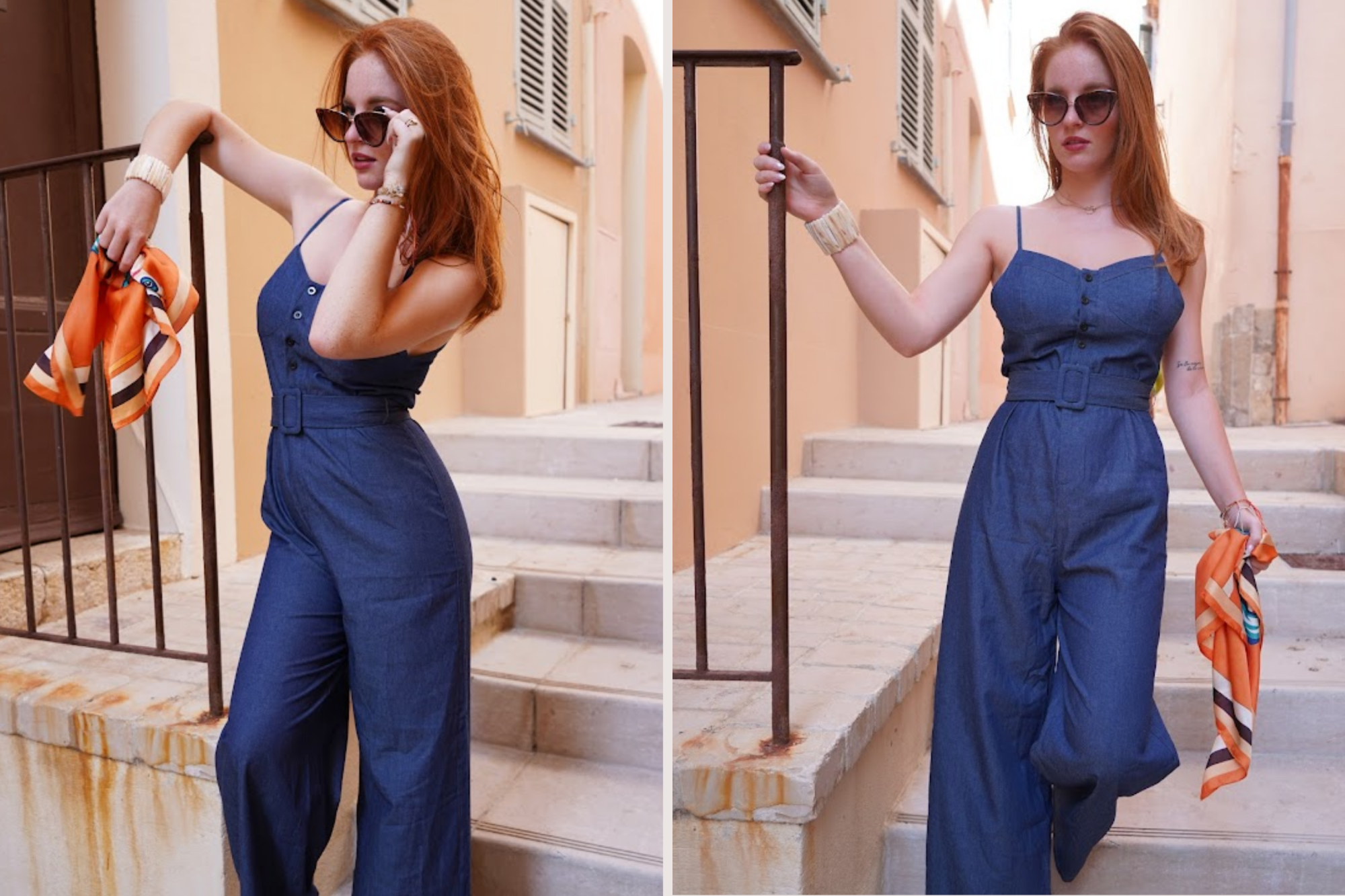
Retro Stage revisits this period through its Navy Blue 1930s Cowboy Solid Strap Jumpsuit.
The design references the practical character of western-inspired clothing while incorporating elements associated with vintage womenswear.
Made from cotton, the jumpsuit features a front fastening and an ankle-length silhouette, offering a contemporary interpretation of the period's casual fashion.
Its connection to the 1930s reflects an era when American western culture, cinema and leisure travel helped introduce new clothing styles into women's wardrobes.
#RetroStage #TheCowboyInfluence #WesternFashion #1930sFashion #VintageInspiredFashion #FashionHistory #JumpsuitStyle #LesCouleursBohemes #LesCouleursDuMonde