Home & Design @interiorsanddesign
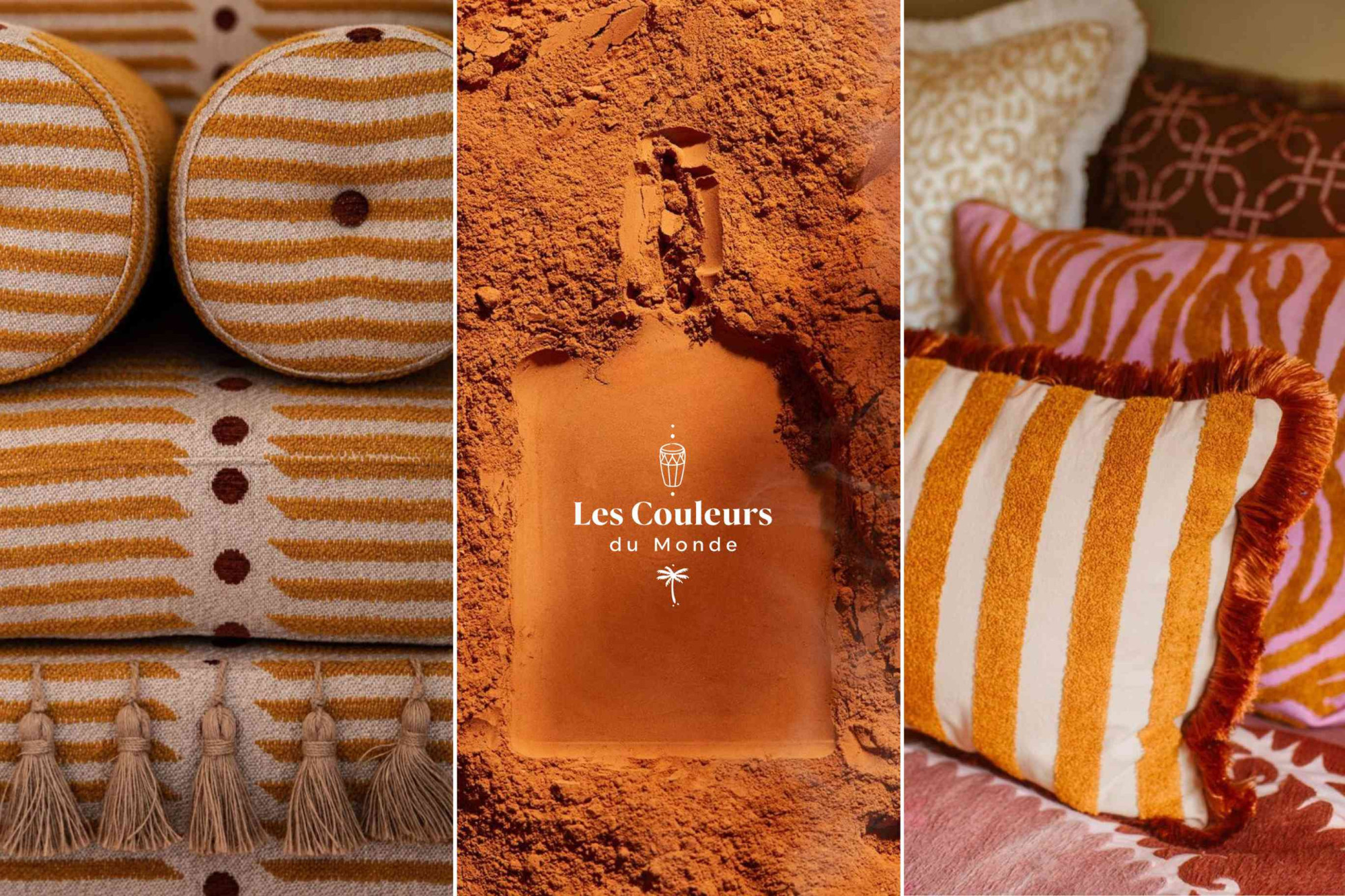
Stripes are simple in principle, but they become much more interesting when they are woven, embroidered or applied by hand. Small variations in width, colour and texture give the pattern a character that perfectly straight printed lines do not have.
On cushions and other textiles, stripes can provide structure without introducing a complicated motif. Ochre, rust, cream and brown bring warmth, while contrasting details such as tassels, piping or embroidery give each piece its own identity.
Mixing stripes with other patterns makes the composition less predictable. Geometric forms, animal-inspired motifs and smaller repeated patterns can sit together when they share part of the same colour palette.
The tactile quality matters just as much as the pattern itself. Raised embroidery, thick yarn and woven surfaces make the stripes visible through texture as well as colour, giving even a simple cushion more depth.
This is what makes stripes so adaptable within nomadic interiors. The basic pattern may be universal, but materials, techniques and colour combinations can give it a strong connection to a particular maker or place.
Want to use striped textiles in a different way?
Discover Woven Textiles for Built-In Seating →
#StripedTextiles #TextileDesign #WovenTextiles #InteriorDesign #NomadesDuMonde