Travel Never Goes Out of Style
Les Couleurs du Monde Magazine - Where’s Your Next Escape? Discover our editions. Contact: info@lescouleursdumonde.com
Les Couleurs Alpines @lescouleursalpines
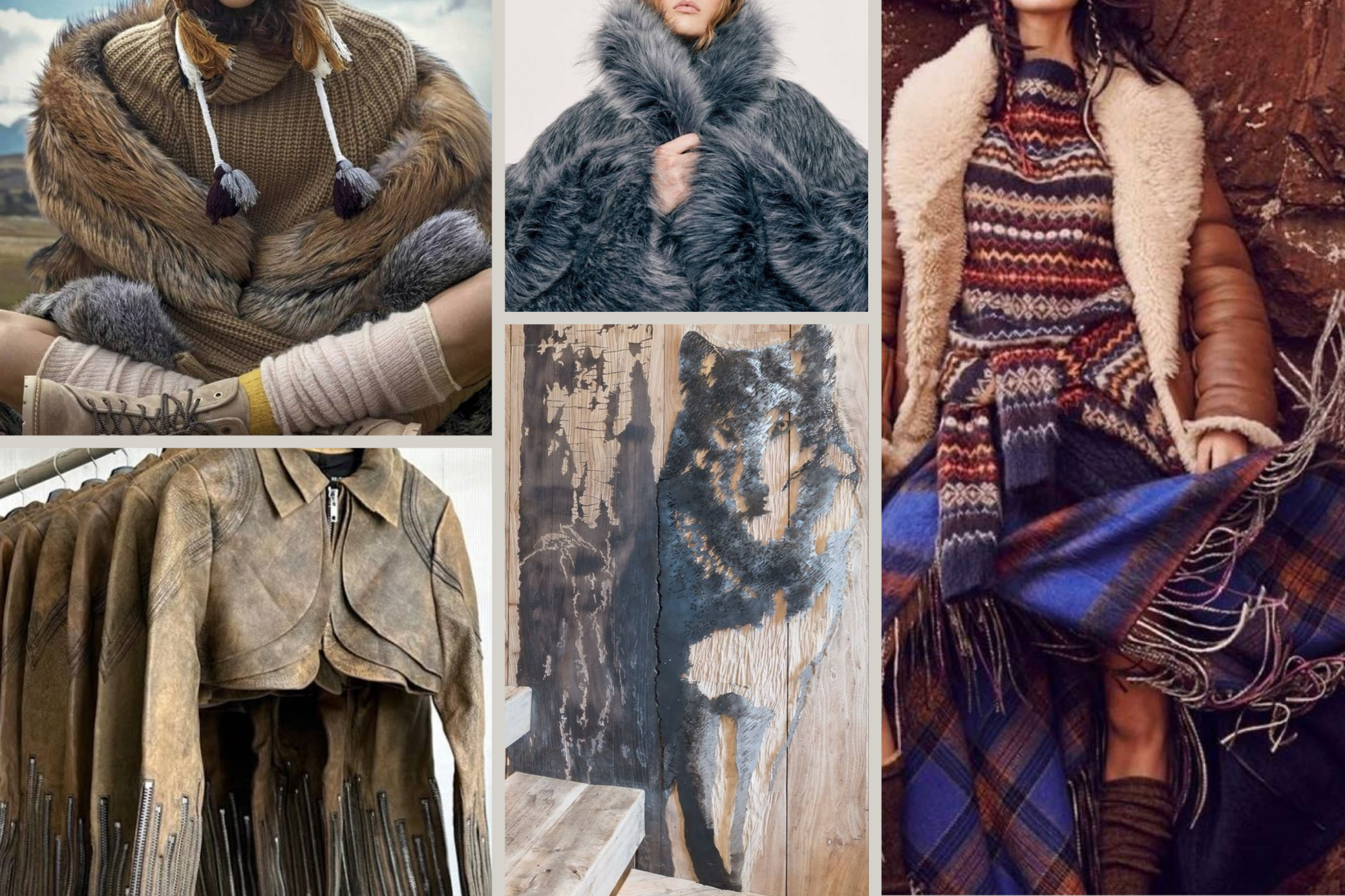
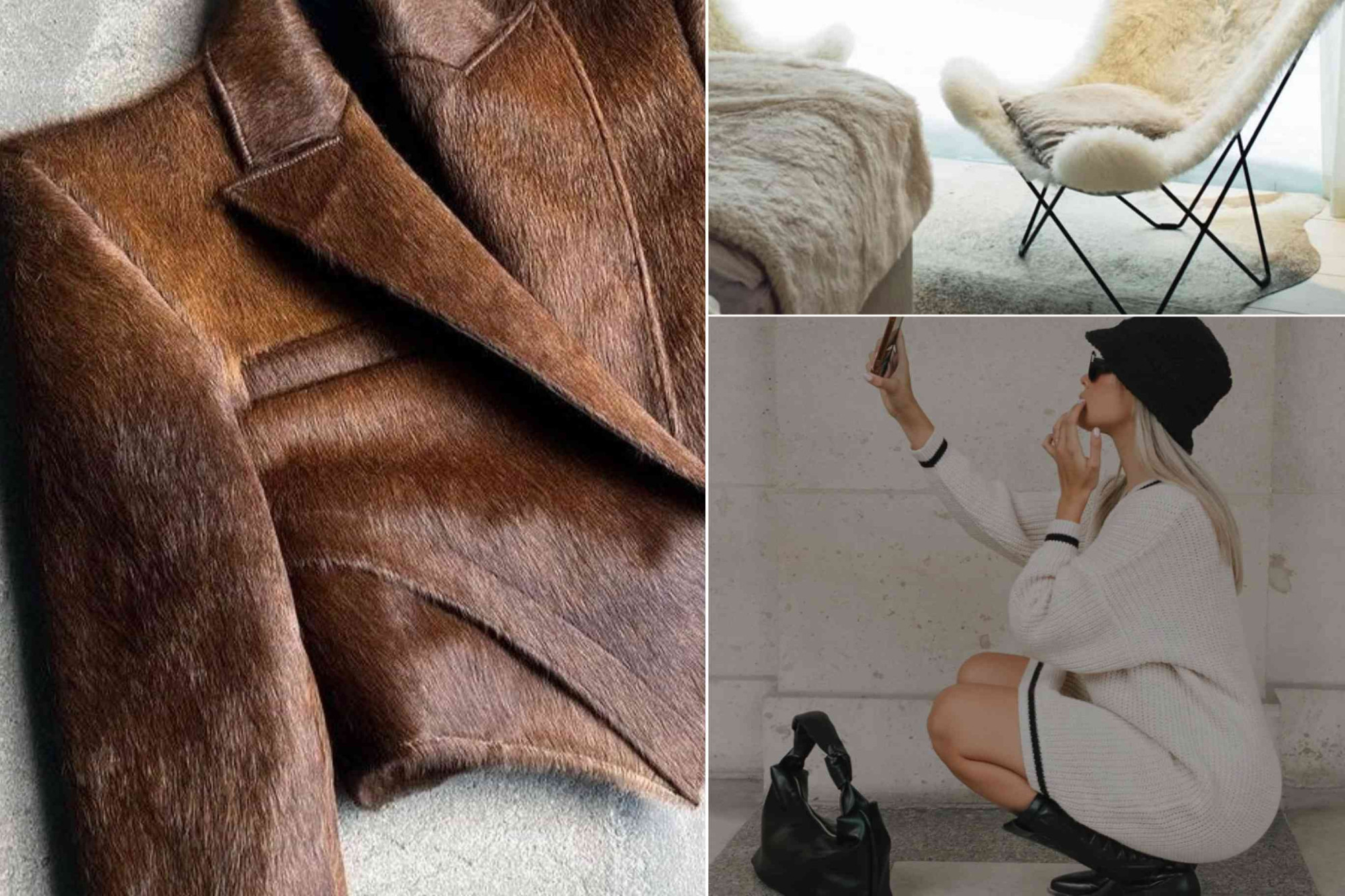
Texture plays an important role in giving alpine fashion its distinctive look. Wool, leather, soft knits and tactile finishes can make even a simple outfit feel more considered, without relying on prints or elaborate styling.
A textured jacket is a good example. Worn with straight trousers, denim or a fine knit, the material itself becomes the main feature of the outfit. The same principle works with chunky sweaters, suede boots, shearling details and structured leather accessories.
Mixing different textures also makes a neutral wardrobe more interesting. Brown leather with cream knitwear, soft wool with polished boots or an oversized sweater with a structured bag creates contrast while keeping the overall look simple.
The alpine influence has also moved far beyond traditional mountain clothing. These materials regularly appear in contemporary fashion, particularly in collections built around natural colours, relaxed tailoring and practical pieces that can be layered.
This makes alpine style easy to adapt to an everyday wardrobe. A wool coat, textured jacket, substantial knit or pair of leather boots can introduce the look without turning the entire outfit into mountain wear.
Colour can remain understated. Cream, chocolate brown, camel, grey, black and winter white work particularly well because they allow the materials and silhouettes to take more attention.
The result is a style that feels connected to the mountains but still works in the city, on a winter trip or during a weekend in the countryside. The alpine reference comes through the choice of materials rather than an obvious theme.
#AlpineStyle #MountainFashion #TexturedFashion #WinterStyle #LesCouleursAlpines
Les Couleurs Alpines @lescouleursalpines
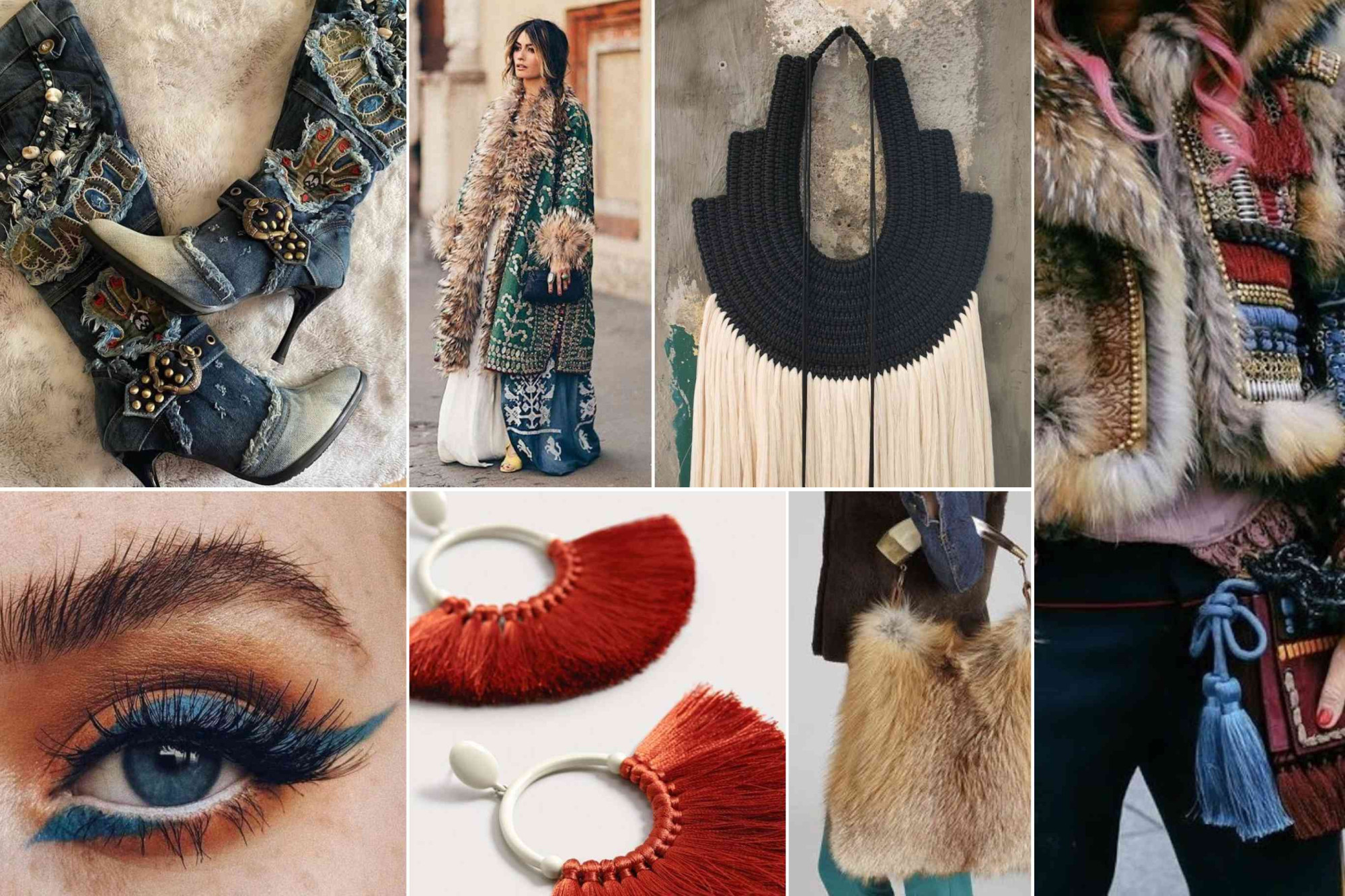
Alpine fashion can be just as expressive as it is practical. Embroidery, decorative boots, fringes, tassels and distinctive accessories bring colour and personality to clothing that is otherwise built around warm layers and substantial pieces.
A statement detail works particularly well with a relatively simple outfit. An embroidered jacket can be worn over a plain dress or knit, while decorated boots immediately change the look of denim, wide trousers or a long skirt. The detail becomes the focus without requiring every piece to compete for attention.
Accessories offer another way to introduce this side of alpine style. Fringed bags, unusual jewellery and colourful textile details work well against wool coats, knitwear and other heavier clothing. Even a small addition can make familiar winter pieces feel different.
Colour is particularly effective when the rest of the wardrobe stays neutral. Rust, deep blue, burgundy, forest green and warm earthy shades sit naturally alongside cream, brown, grey and black.
There is also room for more unexpected combinations. Decorative elements traditionally associated with folk or mountain clothing can be worn with contemporary silhouettes, while a dramatic accessory can bring character to an otherwise minimal look.
The key is choosing where the attention goes. One embroidered coat, an unusual pair of boots or a fringed bag can be enough. The rest of the outfit can remain uncomplicated.
This more decorative approach shows another side of alpine fashion. Alongside classic knitwear and winter essentials, there is plenty of space for colour, pattern and individual style.
#AlpineStyle #MountainFashion #StatementAccessories #WinterFashion #LesCouleursAlpines
Les Couleurs Alpines @lescouleursalpines
Beige and gold. White and gold.
Soft tones like beige and cream pair naturally with gold. The result is refined and understated with a warm and balanced feel. White brings freshness and clarity, making it ideal for a minimal look that still carries presence.
These combinations work across every skin tone. What matters most is the style you feel drawn to. Use beige for warmth and depth. Use white for structure and light. Let gold connect the two and add focus.
Tip: keep the base tone dominant and use gold sparingly. One strong detail is often more powerful than many small ones.
#LesCouleursDuMonde #ColorStories #DesignInDetails #IntentionalStyle #ModernElegance
![<div class="text-base my-auto mx-auto pb-10 [--thread-content-margin:--spacing(4)] @w-sm/main:[--thread-content-margin:--spacing(6)] @w-lg/main:[--thread-content-margin:--spacing(16)] px-(--thread-content-margin)"><div class="[--thread-content-max-width:40rem] @w-lg/main:[--thread-content-max-width:48rem] mx-auto max-w-(--thread-content-max-width) flex-1 group/turn-messages focus-visible:outline-hidden relative flex w-full min-w-0 flex-col agent-turn" tabindex="-1"><div class="flex max-w-full flex-col grow"><div class="min-h-8 text-message relative flex w-full flex-col items-end gap-2 text-start break-words whitespace-normal [.text-message+&]:mt-1" dir="auto" data-message-author-role="assistant" data-message-id="2f2a6c65-5e1e-44bc-9cf8-748f5439575a" data-message-model-slug="gpt-5-2"><div class="flex w-full flex-col gap-1 empty:hidden first:pt-[1px]"><div class="markdown prose dark:prose-invert w-full break-words light markdown-new-styling"><p><strong data-start="0" data-end="35">Beige and gold. White and gold. </strong><br data-start="35" data-end="38">Soft tones like beige and cream pair naturally with gold. The result is refined and understated with a warm and balanced feel. White brings freshness and clarity, making it ideal for a minimal look that still carries presence.</p><p>These combinations work across every skin tone. What matters most is the style you feel drawn to. Use beige for warmth and depth. Use white for structure and light. Let gold connect the two and add focus.</p><p>Tip: keep the base tone dominant and use gold sparingly. One strong detail is often more powerful than many small ones.</p><p>#LesCouleursDuMonde #ColorStories #DesignInDetails #IntentionalStyle #ModernElegance</p></div></div></div></div></div></div>](https://lescouleursdumonde.com/files/storage/1646/752696b530765b6b1768641287sshqualglckvt9u9prao.jpg)
Les Couleurs Alpines @lescouleursalpines
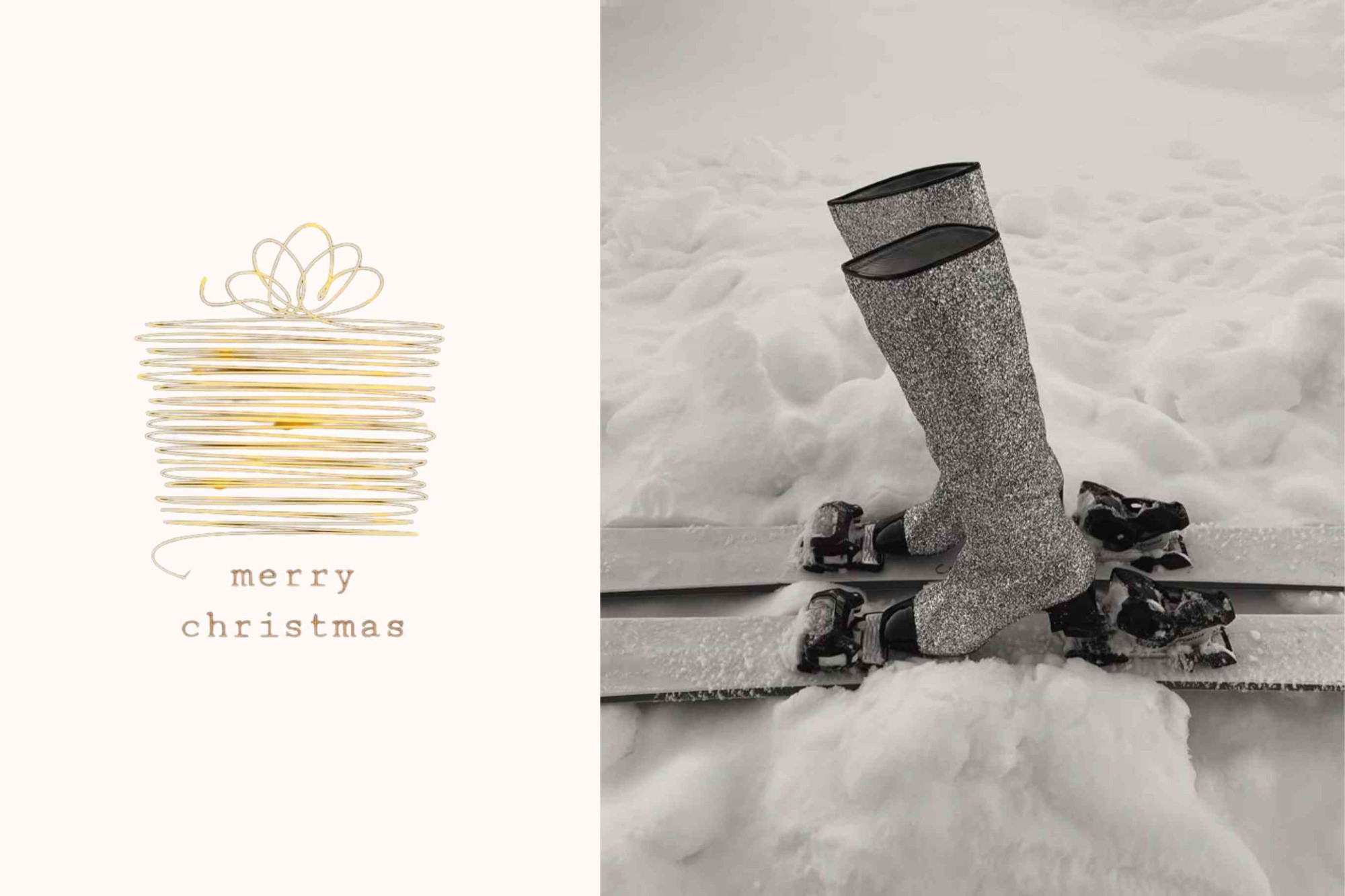
A mountain wardrobe can make room for a little glamour, especially during the festive season. Metallic finishes, crystals and subtle sparkle are an easy way to make familiar winter pieces feel more dressed up without moving into formal eveningwear.
Footwear is a good place to start. A pair of glittering boots can be worn with ski trousers, leggings or a simple knit dress and immediately becomes the main feature of the outfit. The contrast between practical mountain clothing and something more decorative is precisely what makes the combination interesting.
Silver works particularly well in a winter setting. It can appear on boots, bags, jewellery or sunglasses and combines easily with black, white, grey and cream. Gold brings a warmer alternative and looks good alongside camel, brown and deep winter colours.
Sparkle can also be kept small. Crystal earrings, a metallic manicure or a shimmering knit can add enough detail to an outfit without making it feel overly festive.
For dinners and drinks at a mountain hotel, these pieces can also make the transition from daytime to evening easier. A simple sweater and trousers need very little else when the accessories already provide the statement.
The idea is not to dress for a Christmas party every time you leave the slopes. One unexpected shiny piece can be enough to bring a more playful fashion element into a winter wardrobe.
#MountainFashion #WinterStyle #FestiveFashion #SparkleStyle #LesCouleursAlpines
Les Couleurs Alpines @lescouleursalpines
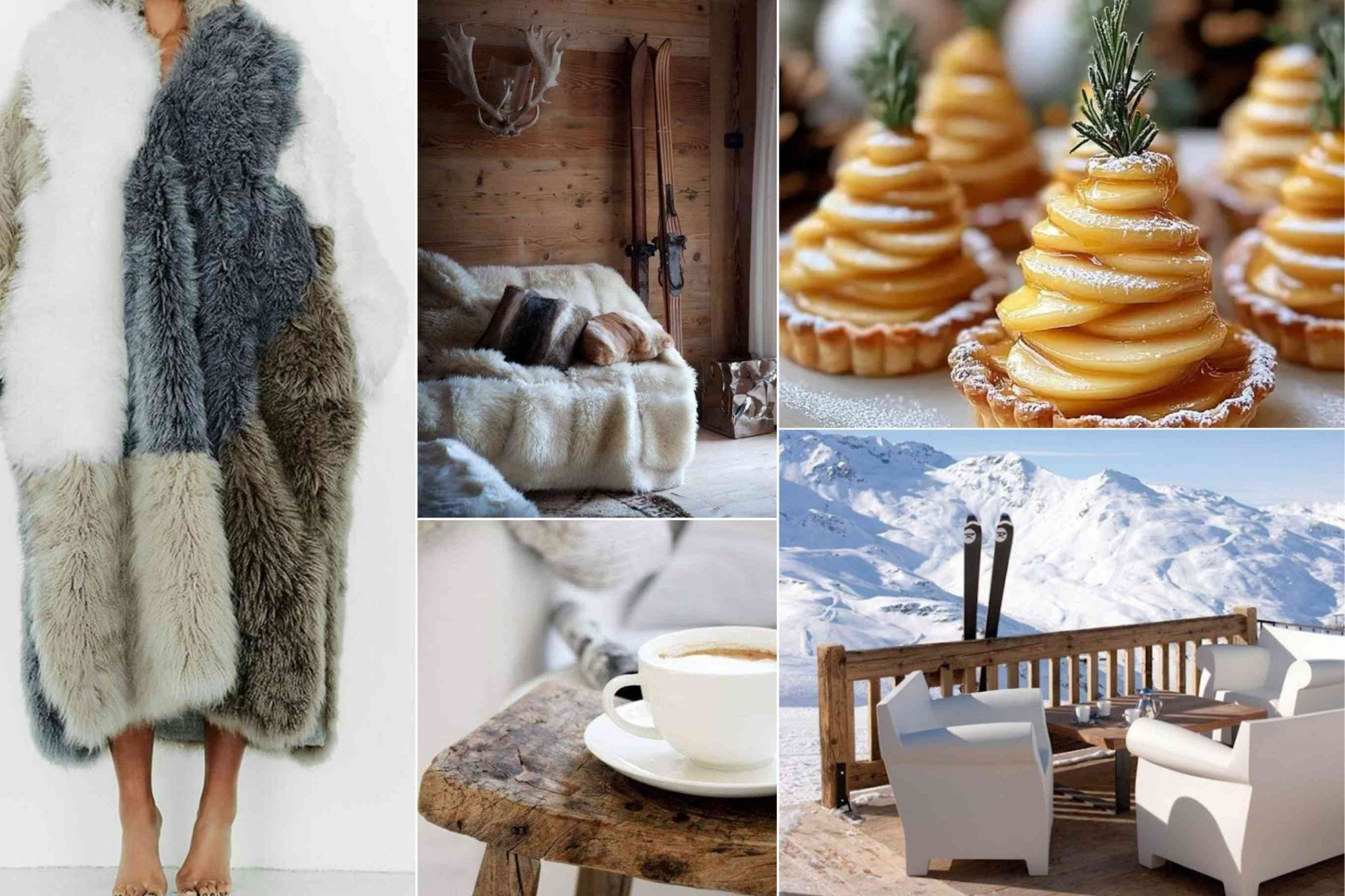
Winter coats are becoming an important part of the outfit itself, with length, volume and shape offering more possibilities than the classic fitted coat. A generous silhouette can completely change how simple winter pieces are worn.
Long coats are particularly useful for creating proportion. Worn over slim trousers or a narrow skirt, an oversized shape becomes more pronounced. With wide trousers or layers underneath, the same coat creates a softer, more relaxed look.
The contrast can also come from the coat itself. Different sections, textures or shades break up a large silhouette and make a longer style feel less heavy. Neutral combinations such as cream, grey, taupe and muted green are easy to mix with the rest of a winter wardrobe.
Footwear changes the look again. Flat boots keep things casual, while a more refined boot makes a long coat suitable for lunch, shopping or dinner in a mountain resort. On sunnier days, sunglasses are sometimes the only additional accessory needed.
This type of coat is particularly useful when travelling because the clothing underneath can remain simple. Knitwear, trousers and basic layers can be repeated while the outerwear gives the outfit its identity.
It is a good example of how proportion can make winter dressing more interesting without relying on bright colours, prints or complicated styling.
#WinterCoats #WinterFashion #MountainStyle #Outerwear #LesCouleursAlpines
Les Couleurs Alpines @lescouleursalpines
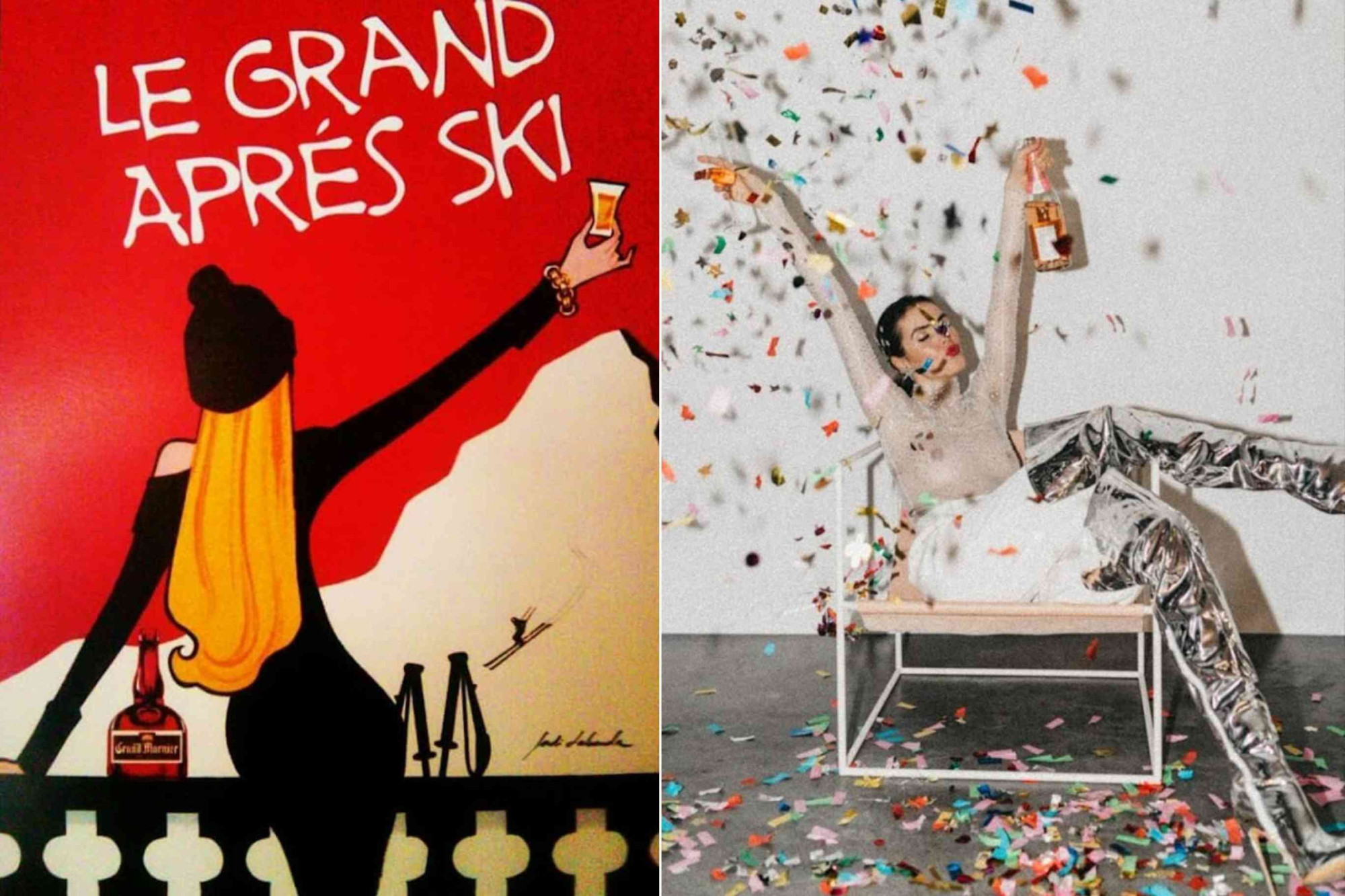
Après-ski has become a fashion moment of its own, somewhere between practical mountain dressing and going out. The ski boots may be off, but there is rarely a need to change into a completely different outfit for drinks, a late lunch or an evening that starts straight after the slopes.
The easiest approach is to keep part of the ski look and change a few pieces. Ski trousers can work with a fitted knit or an oversized sweater, while a technical jacket can be replaced by a long coat or shorter winter jacket.
Footwear makes one of the biggest differences. Snow boots keep the look casual, while leather boots or a more unusual winter shoe immediately make it feel more dressed. At resorts where après-ski continues into the evening, this is an easy way to move between different settings.
There is also more room for fashion than there is on the slopes. Metallic trousers, colourful knits, faux fur, sunglasses and jewellery can all become part of the outfit. Après-ski is one of the few moments where practical winter pieces and something much more playful sit naturally together.
You also do not need a separate après-ski wardrobe. A few pieces packed specifically for changing the look of your ski clothes are usually enough. A good sweater, boots, jewellery and an interesting coat can be combined in several ways during the same trip.
The destination can influence the way people dress too. A relaxed afternoon on a sunny terrace calls for something different from cocktails at a hotel bar or an evening in a busy resort.
That freedom is part of the appeal. Après-ski dressing can be comfortable, glamorous, sporty or somewhere in between.
#ApresSki #SkiFashion #WinterFashion #MountainStyle #LesCouleursAlpines
Les Couleurs Alpines @lescouleursalpines
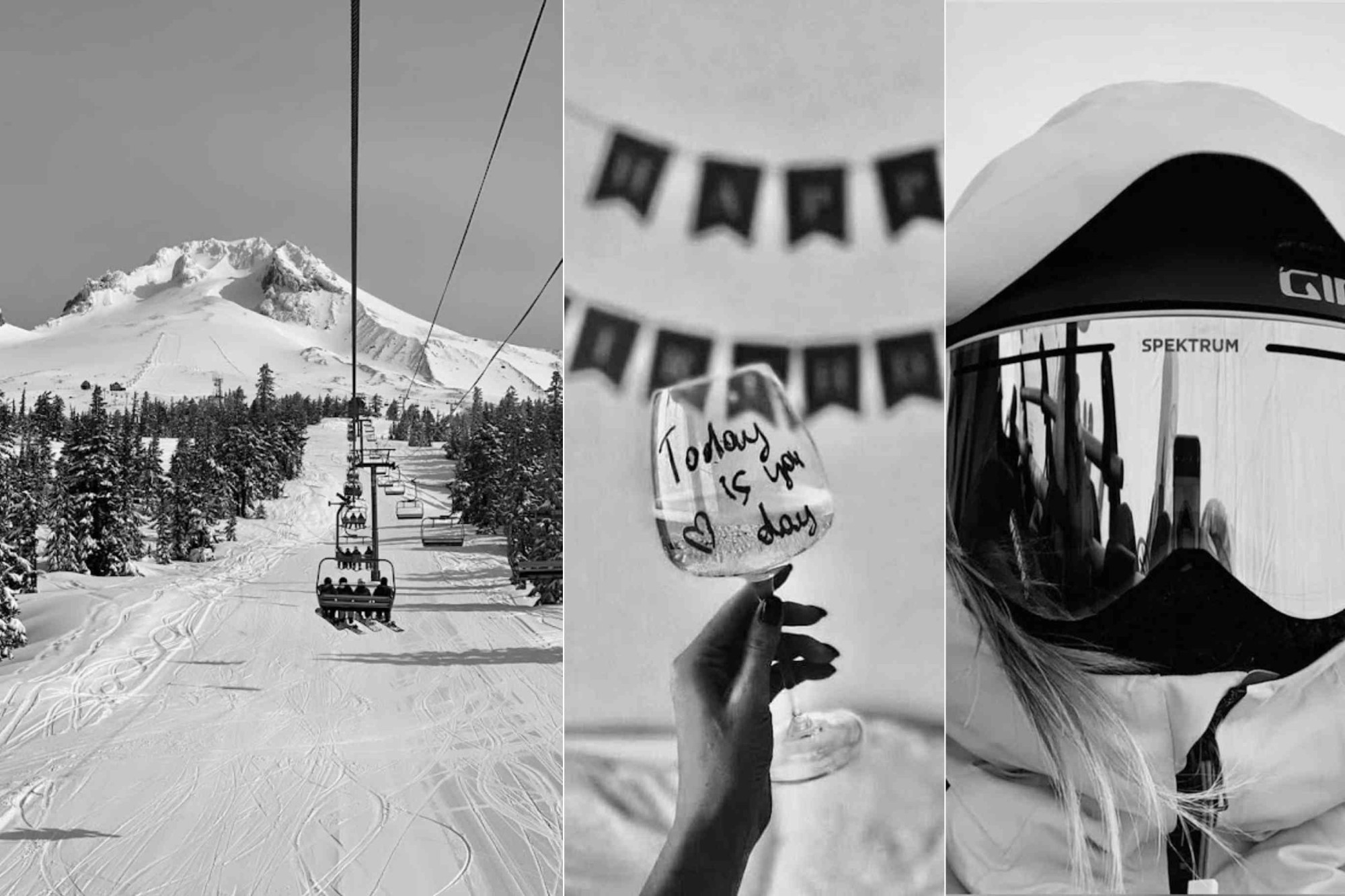
Ski goggles have become one of the most recognisable accessories in mountain fashion. Originally chosen primarily for visibility and protection on the slopes, they are now also an important part of the overall ski look.
The size of the frame makes a difference. Larger lenses create a more contemporary appearance and work particularly well with streamlined helmets and technical ski jackets. Smaller or more classic shapes give the outfit a sportier feel.
Lens colour offers another way to change the look. Black and mirrored finishes are easy to combine with almost any ski outfit, while coloured and reflective lenses can become a focal point against white, cream or neutral outerwear.
Goggles are also increasingly coordinated with the rest of the ski wardrobe. A black frame can pick up details in a jacket or helmet, while a mirrored lens works well with metallic fabrics and glossy finishes. For a more understated combination, keeping the helmet, goggles and outerwear within the same colour palette creates a clean look.
They have even started appearing away from active skiing. On mountain terraces and during après-ski, goggles are sometimes kept on with helmets, hats or ski jackets, making them part of the visual identity of a day on the mountain.
There is still a practical consideration behind the fashion. Fit, comfort and the right lens for the conditions remain important when choosing a pair that will actually be used for skiing.
For anyone building a ski wardrobe, goggles are therefore worth considering alongside the jacket, trousers and boots. They may be functional equipment, but they can also change the entire look.
#SkiGoggles #SkiFashion #MountainStyle #SkiStyle #LesCouleursAlpines
Les Couleurs Alpines @lescouleursalpines
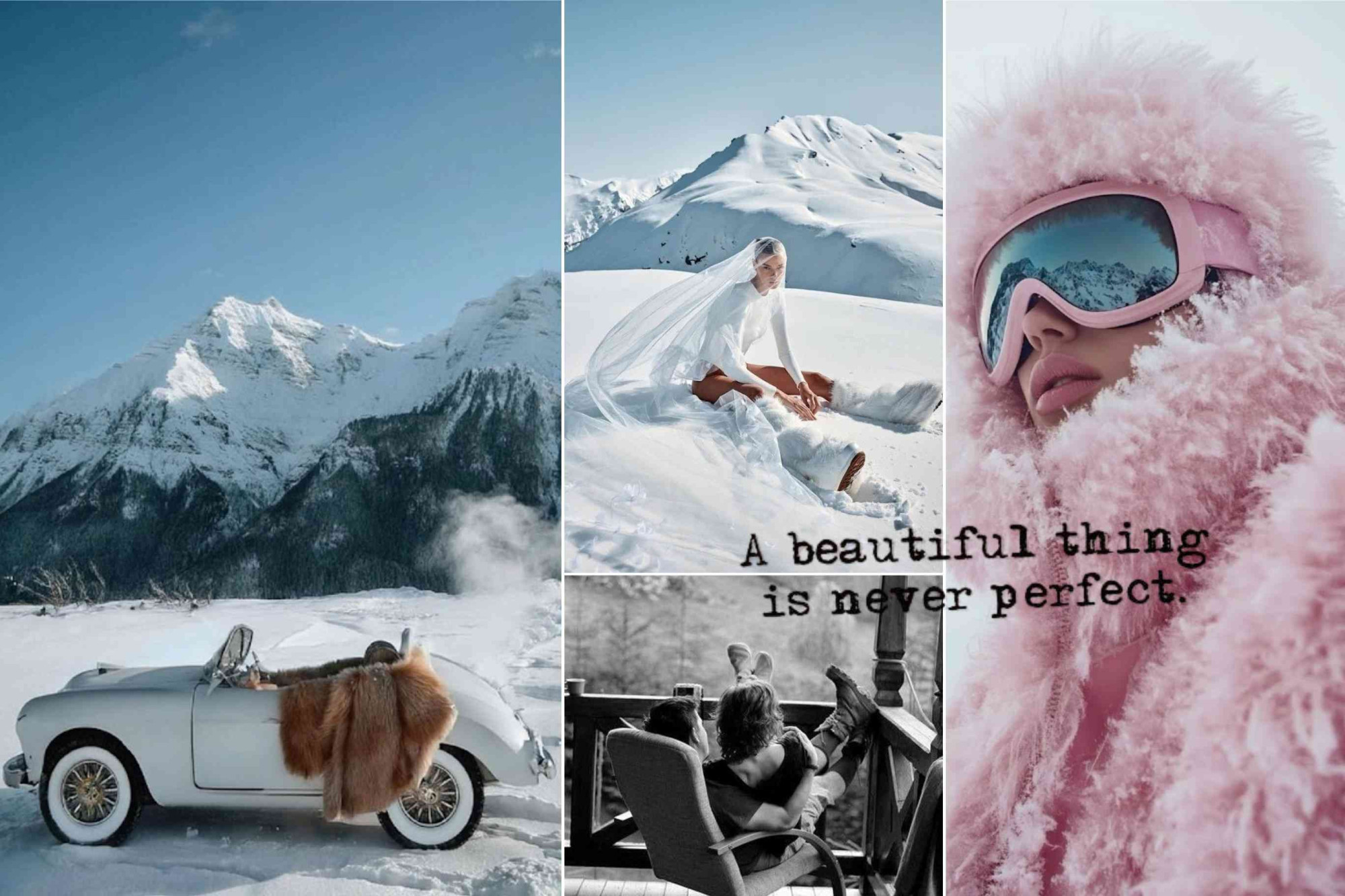
A mountain holiday does not mean spending the entire trip in ski clothes. Lunch at a hotel, drinks on a terrace, shopping in the village or a special dinner all create opportunities for a different kind of winter dressing.
Outerwear usually remains the starting point. A long coat, faux-fur jacket or oversized textured piece can be worn over relatively simple clothing and still create a dressed-up look. Cream, white and soft pastels offer an alternative to the darker colours traditionally associated with winter wardrobes.
Accessories can take the outfit further. Large sunglasses, jewellery, an interesting handbag or a pair of boots can make practical winter clothing feel more polished without requiring formal clothes underneath.
There is also room for pieces that might seem unexpected in the mountains. Dresses, skirts and lighter fabrics can work for indoor occasions when combined with a substantial coat and appropriate footwear. Even bridal and occasionwear can take on a completely different character against a snowy landscape.
Mountain resorts have long provided a setting for this more glamorous approach to winter fashion. The contrast between snow, dramatic outerwear and elegant clothing continues to influence fashion shoots and holiday wardrobes today.
The practical side still matters, particularly when moving between indoors and outdoors. Layers and suitable footwear make it easier to dress for the setting without giving up comfort completely.
It shows that a winter trip can accommodate more than one wardrobe. Ski clothing may dominate the slopes, but away from them there is plenty of room to dress up.
#MountainFashion #WinterFashion #MountainStyle #WinterDressing #LesCouleursAlpines
Les Couleurs Alpines @lescouleursalpines
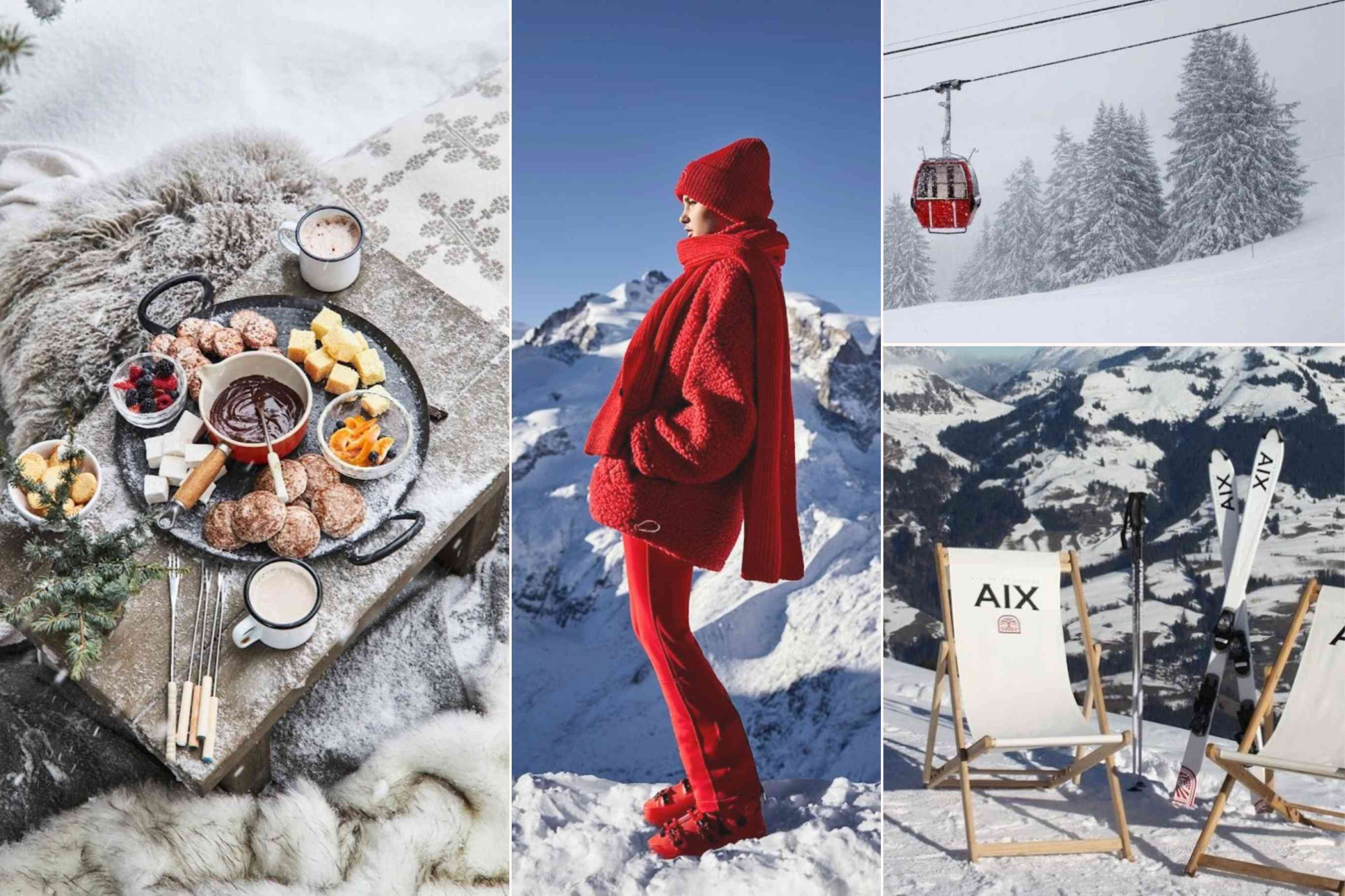
Wearing one colour from head to toe is a simple way to make winter dressing more interesting. Against a mountain landscape dominated by white, grey and natural tones, a single strong colour can have considerable impact.
Red is particularly effective. A red coat or jacket already attracts attention, but combining it with trousers, knitwear, a hat and even footwear creates a much stronger overall look. The pieces do not need to be exactly the same shade. Slight differences can actually make the outfit feel less coordinated and more natural.
The same idea works with other colours. Burgundy, forest green, navy, chocolate brown or even pale blue can all be used across several layers. Starting with a colour already present in your wardrobe makes the approach easier.
Different textures help break up a monochrome outfit. A knitted hat, wool coat, technical trousers and leather boots may share a similar colour but still look distinct because each surface catches the light differently.
Accessories can either continue the colour story or provide a small contrast. Sunglasses, gloves and a bag in the same family keep the look consistent, while black or neutral accessories can tone it down.
This way of dressing is especially suited to mountain destinations, where outerwear forms such a large part of what you wear throughout the day. Instead of relying on several decorative pieces, colour itself becomes the main feature.
It is also easy to adapt. The result can be sporty for a day around the slopes or more polished for lunch and an afternoon in the resort.
#MonochromeFashion #WinterFashion #ColourDressing #MountainFashion #LesCouleursAlpines
Les Couleurs Alpines @lescouleursalpines
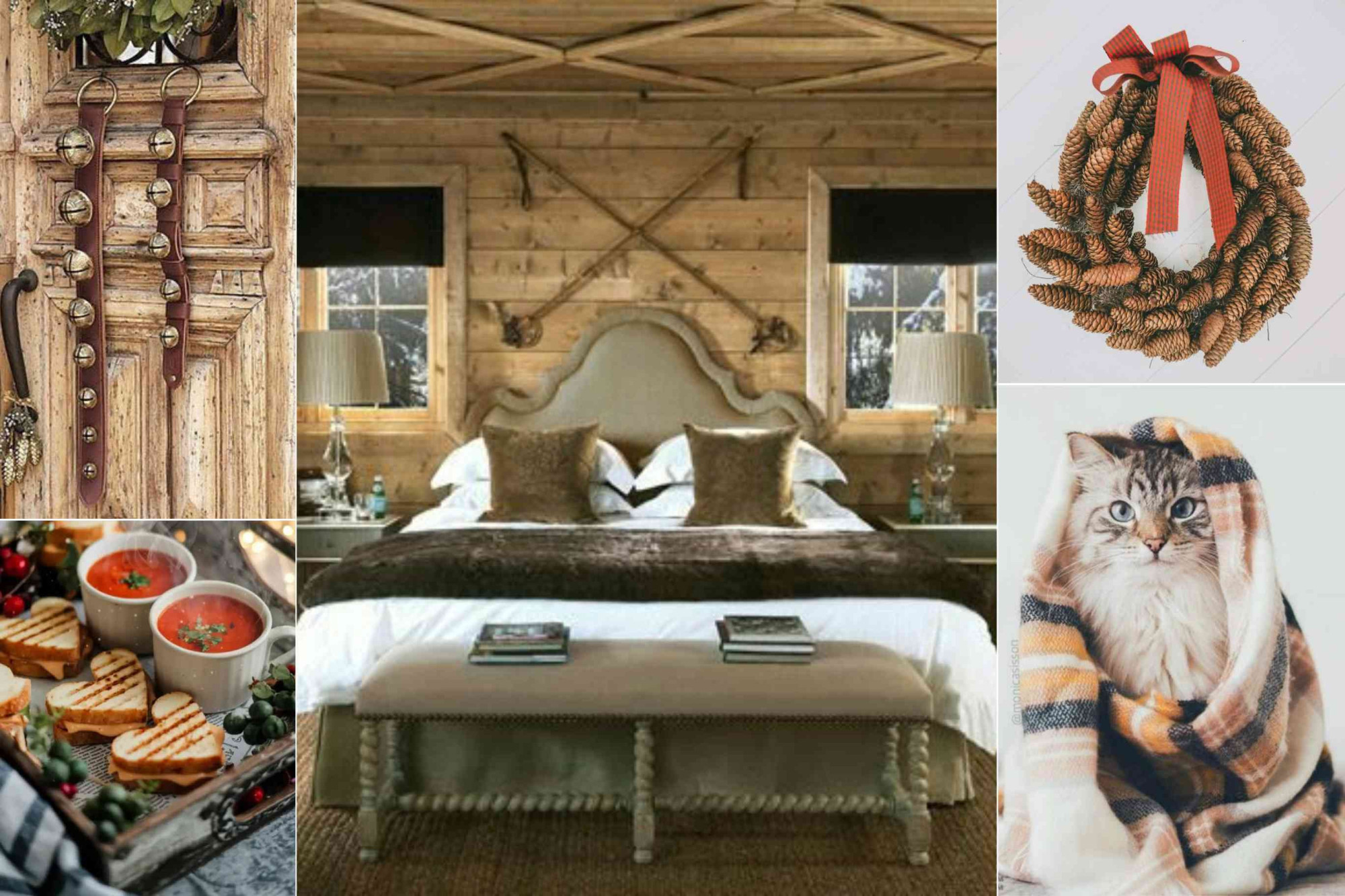
Some of the most recognisable details in mountain fashion come from objects, colours and materials found around the alpine home. Leather, checks, warm neutrals and small traditional details regularly find their way into clothing and accessories.
Checks are an obvious example. A checked scarf can be worn with a wool coat, knitwear or a simple winter jacket and immediately introduces a mountain reference without looking like ski clothing. Brown, camel, cream, dark green and muted yellow work particularly well together.
Leather accessories have a similar effect. Wide belts, substantial bags and boots in natural brown tones fit easily into a winter wardrobe. Decorative buckles, metal details or unusual fastenings can make these pieces more distinctive.
Even traditional alpine elements can provide inspiration when used selectively. Bells, straps, embroidery and rustic metalwork can influence jewellery, belts and bag details without being copied literally.
The most wearable approach is to combine these references with contemporary clothing. A checked scarf with a tailored coat, a decorative leather belt over a simple knit dress or traditional-inspired jewellery with an otherwise minimal outfit keeps the look current.
This also makes mountain-inspired fashion useful beyond a ski holiday. Individual pieces can work throughout autumn and winter, whether worn in the countryside, in the city or during a weekend in the mountains.
The alpine influence is sometimes strongest in these smaller details. They give familiar winter clothes a different character without requiring an entirely new wardrobe.
#MountainFashion #WinterAccessories #AlpineDetails #WinterStyle #LesCouleursAlpines
Les Couleurs Alpines @lescouleursalpines
A winter weekend away calls for a small wardrobe that works for more than one part of the day. Travelling, walking through a village, having lunch somewhere warm and going out for dinner can all require slightly different clothes, but that does not mean packing a different outfit for every occasion.
A good coat is the obvious starting point. Choose one that works with everything you are taking, from jeans and knitwear during the day to trousers or a dress in the evening. A neutral coat in brown, camel, grey or cream leaves plenty of options underneath.
Two or three knits are usually enough for a short trip. A fine sweater is useful for layering, while a heavier knit can be worn on its own with trousers or denim. A cardigan also works well when moving between cold outdoor temperatures and heated hotels or restaurants.
For the bottom half, pieces that can be repeated are the most useful. Straight trousers, dark denim or a longer skirt can each be styled differently simply by changing the knit, shoes or accessories.
Footwear deserves more consideration because winter shoes take up valuable luggage space. One practical pair of boots that can handle walking and still look good with your evening clothes can solve much of the problem.
A scarf, gloves, sunglasses and a small bag complete most outfits without taking up much room. Jewellery can also make familiar pieces feel more suitable for dinner without requiring an extra outfit.
Packing this way leaves room for spontaneity. Whether the weekend includes a mountain lunch, a long drive, a hotel dinner or simply staying somewhere cosy, the same small selection of clothes can cover it.
#WinterWardrobe #WeekendStyle #WinterFashion #MountainStyle #LesCouleursAlpines
Les Couleurs Alpines @lescouleursalpines
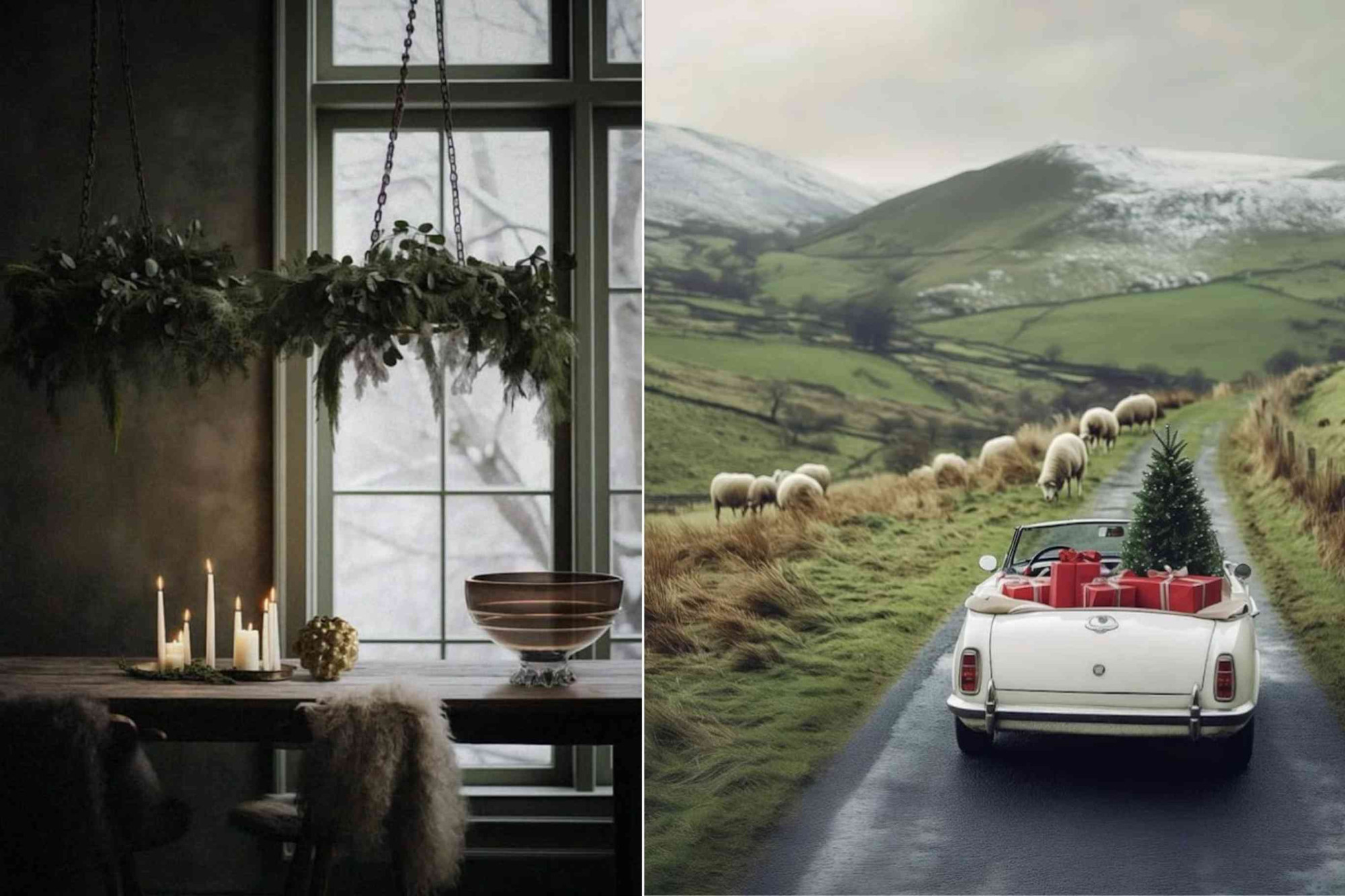
Good knitwear is one of the most useful parts of a cold-weather wardrobe because the same pieces can be worn year after year and styled in many different ways. A sweater may look simple, but the cut, weight and finish can make a noticeable difference to how frequently it is worn.
A classic crew neck is a good starting point. It works with jeans and boots for everyday wear, but can also be combined with tailored trousers, a long skirt or worn underneath a coat. Cardigans offer even more flexibility because they can function as a top, an extra layer or a light jacket indoors.
Fit is worth considering before colour or trends. Some people will get more use from a relaxed sweater that can be layered, while a finer knit is easier to wear underneath jackets and coats. Having both in a wardrobe covers very different situations.
Neutral colours such as cream, camel, grey and brown are particularly versatile, but knitwear is also an easy place to introduce colour. Burgundy, green, navy or a patterned knit can change familiar trousers or denim without requiring a completely new outfit.
Details matter too. Cable patterns, ribbing, buttons and different collars can make a relatively simple sweater more distinctive. Choosing a few different styles prevents a winter wardrobe from becoming a collection of almost identical knits.
Care also influences how long knitwear remains wearable. Washing pieces only when necessary, following the care instructions and storing heavier sweaters folded instead of hanging them can help them keep their shape.
Instead of buying many new sweaters each winter, a smaller selection that fits well and works with the rest of your wardrobe can be far more useful.
#Knitwear #WinterFashion #WinterWardrobe #MountainFashion #LesCouleursAlpines
Les Couleurs Alpines @lescouleursalpines
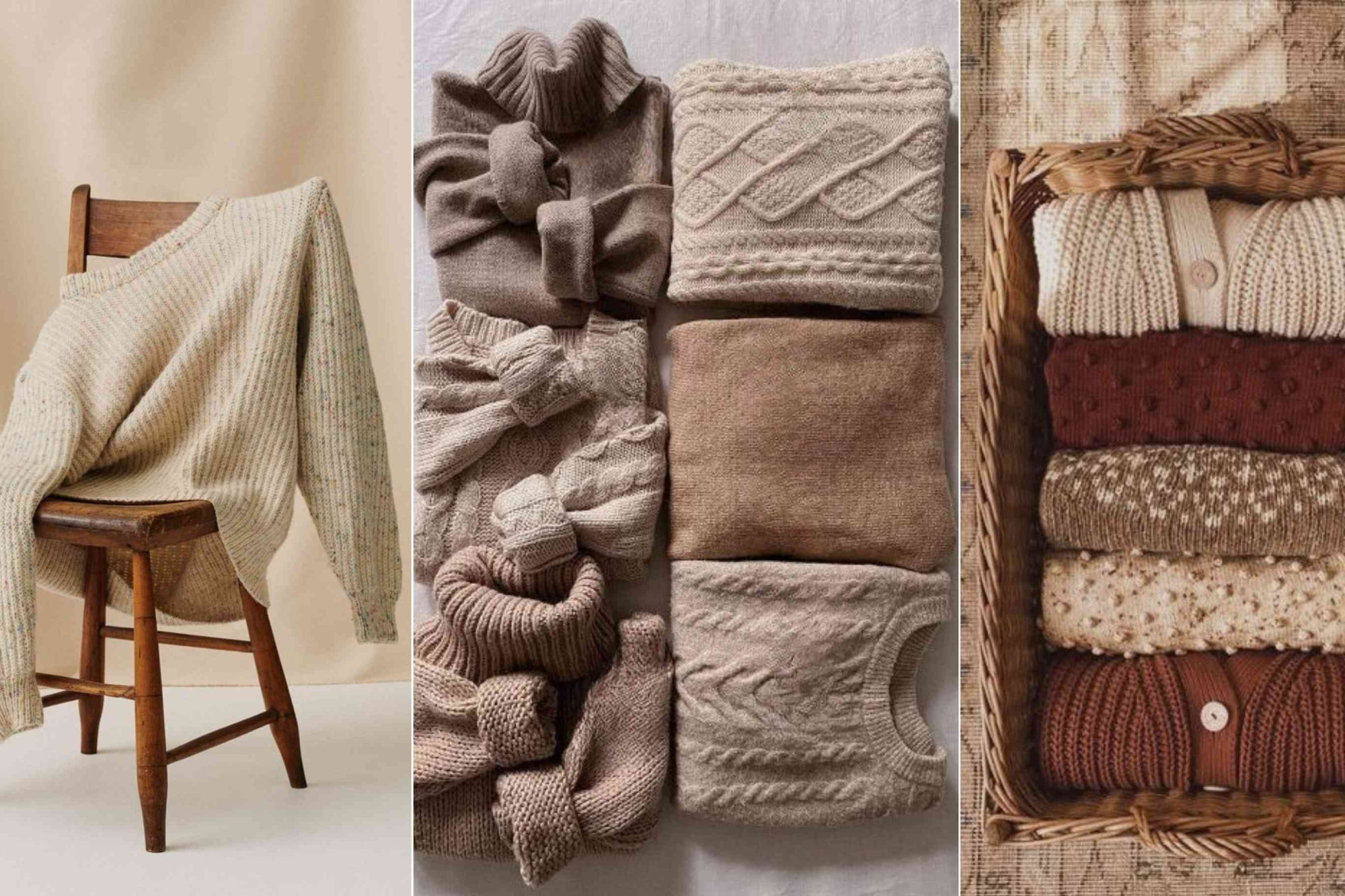
Trousers may be the obvious choice in the mountains, but a skirt can bring much more variety to a winter wardrobe. From long knitted styles to pleats, feathers and fuller silhouettes, there are plenty of options that work with the heavier pieces worn at this time of year.
A skirt with volume is particularly interesting because it changes the proportions of familiar winter clothing. A fluffy cropped jacket or oversized sweater combined with a longer skirt creates a very different silhouette from the usual knit-and-trouser combination.
Length makes a difference too. Midi and maxi skirts work well with boots and leave enough room for warm layers underneath. A shorter jacket can balance the extra fabric, while a long coat creates a more streamlined look.
Winter is also a good season to wear skirts with more decorative finishes. Feathers, embroidery, sequins and subtle shine can be mixed with everyday knitwear instead of being saved exclusively for parties. A simple sweater can make an elaborate skirt considerably easier to wear.
Footwear determines how dressed-up the result becomes. Flat boots make the combination suitable for daytime, while a sleeker boot can take the same skirt into the evening.
For a mountain stay, a skirt can therefore be surprisingly versatile. It offers an alternative on days away from the slopes and can be worn for lunch, shopping, dinner or drinks without requiring an entirely separate wardrobe.
#WinterSkirts #WinterFashion #MountainFashion #WinterWardrobe #LesCouleursAlpines
Les Couleurs Alpines @lescouleursalpines
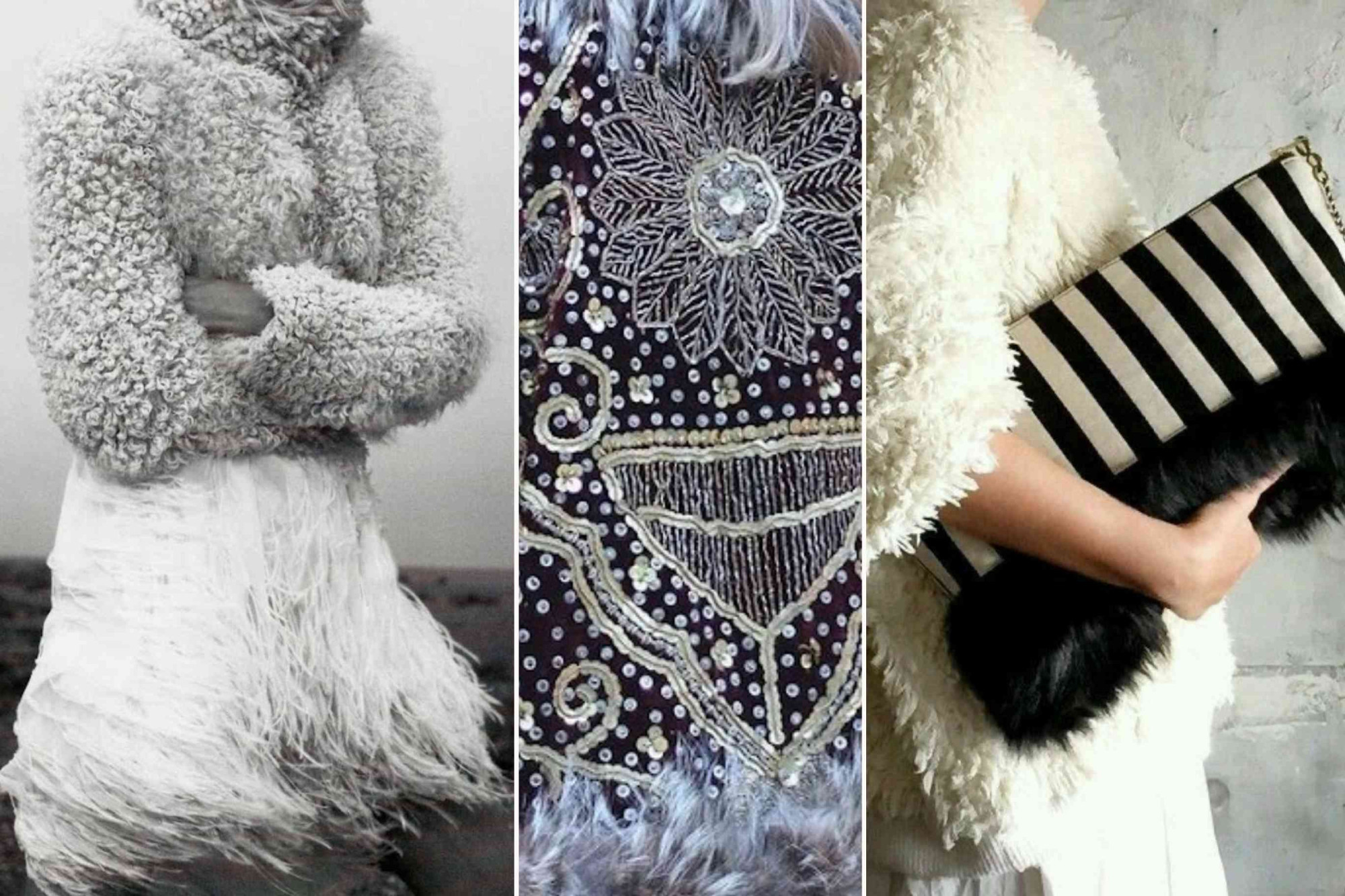
Western influences fit surprisingly naturally into a mountain wardrobe. Cowboy hats, wide belts, patterned coats and boots bring a different character to winter dressing and offer an alternative to the familiar ski-resort look.
The cowboy hat is perhaps the clearest reference. In felt or wool, it works particularly well with substantial coats and jackets and can replace the usual beanie on days away from the slopes. Neutral shades such as camel, chocolate and cream make it easy to combine with winter clothing.
Belts are another important part of the look. A wide leather belt with an oversized buckle can change the shape of a dress, long skirt or coat and gives simpler pieces more personality.
Prints also play a role. Geometric patterns inspired by blankets and traditional Western clothing work well on long coats, jackets and accessories. Combined with denim, suede or plain knitwear, they add colour without making the entire outfit feel overly styled.
The look becomes more interesting when Western pieces are mixed with winter clothing instead of worn together as a complete theme. A cowboy hat with a textured coat, for example, or a decorative belt with a simple skirt is usually enough.
Boots provide another easy connection, from classic Western shapes to more understated leather versions that can be worn throughout autumn and winter.
This combination works particularly well in mountain destinations because many of the individual pieces already belong naturally in a cold-weather wardrobe. The Western reference simply gives them a different direction.
#WesternStyle #WinterFashion #MountainFashion #CowboyStyle #LesCouleursAlpines
Les Couleurs Alpines @lescouleursalpines
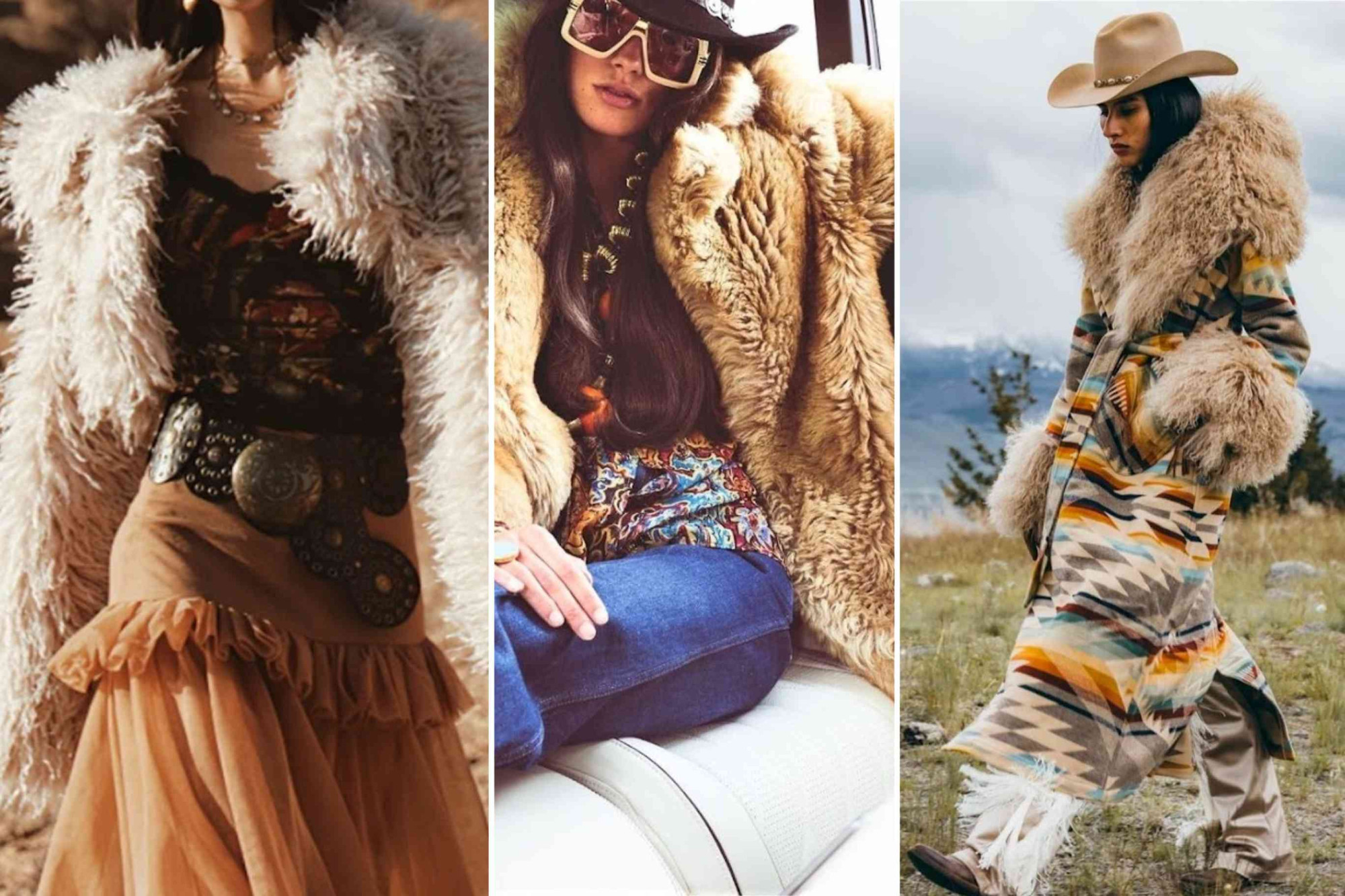
The headscarf is usually associated with warmer weather, but heavier fabrics and darker prints make it just as interesting for winter. Worn with substantial coats, knitwear and layered clothing, it offers a different alternative to the usual beanie.
The way it is tied can completely change the look. A scarf worn close around the head feels clean and simple, while leaving more hair visible creates a more relaxed result. Wider scarves can also be wrapped around the head and continued around the neck, combining two winter accessories in one.
Print is where the headscarf becomes particularly interesting. Leopard, geometric motifs, florals and graphic patterns can introduce something unexpected to a wardrobe dominated by plain coats and neutral knitwear.
There is no need to match the scarf precisely to the rest of the outfit. A printed version can work with brown, black, cream or camel outerwear, while colours from the scarf can be repeated subtly in a bag, sweater or pair of gloves.
Fabric makes a difference to the overall look. Silk and satin create a more polished finish, while wool, cashmere and knitted versions feel more at home in colder surroundings.
Sunglasses can also work particularly well with a winter headscarf. Together they create a distinctive alternative to the familiar combination of sunglasses and a knitted hat.
For days spent around a mountain village, travelling or having lunch away from the slopes, the headscarf is an easy accessory to experiment with. It brings print and colour close to the face while allowing the rest of the winter outfit to remain relatively simple.
#Headscarf #WinterAccessories #WinterFashion #MountainFashion #LesCouleursAlpines
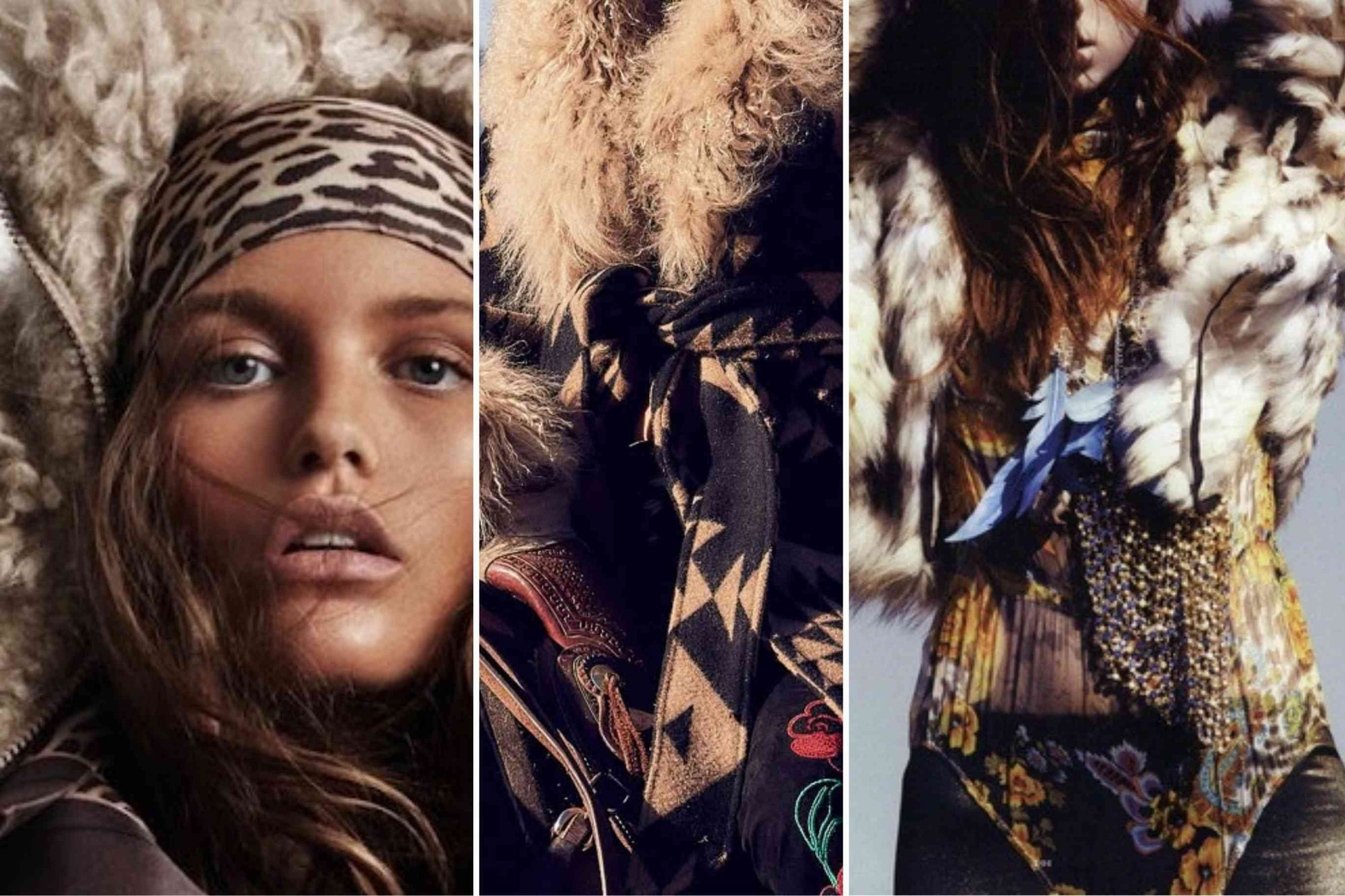
Les Couleurs Alpines @lescouleursalpines
Faux fur is no longer limited to the classic winter coat. It appears on hats, shoes, collars, cuffs and jackets, giving familiar winter pieces a very different look.
Accessories are an easy place to use it. A soft hat can change a simple coat and knit combination, while faux-fur details on shoes introduce something unexpected without dominating the entire outfit. These smaller pieces also work well when a full faux-fur coat feels like too much.
Jackets with contrasting trims offer another option. Leather or suede combined with a soft collar and cuffs has a different character from an all-over faux-fur jacket and is easy to wear with denim or trousers.
Colour has also moved beyond traditional brown, black and cream. Pale pink, grey and other softer shades give faux fur a more fashion-led direction and work particularly well when the rest of the outfit is kept simple.
Proportion is worth playing with too. A large collar, oversized sleeve or generous jacket can become the focus of an outfit, while fitted trousers, a short skirt or straightforward denim keeps the silhouette balanced.
The interesting part is how many different roles faux fur can have in a winter wardrobe. It can be glamorous, casual, playful or used simply as a small detail.
That variety makes it possible to choose a piece that suits your own wardrobe instead of treating faux fur as one particular winter look.
#FauxFur #WinterFashion #WinterAccessories #MountainFashion #LesCouleursAlpines
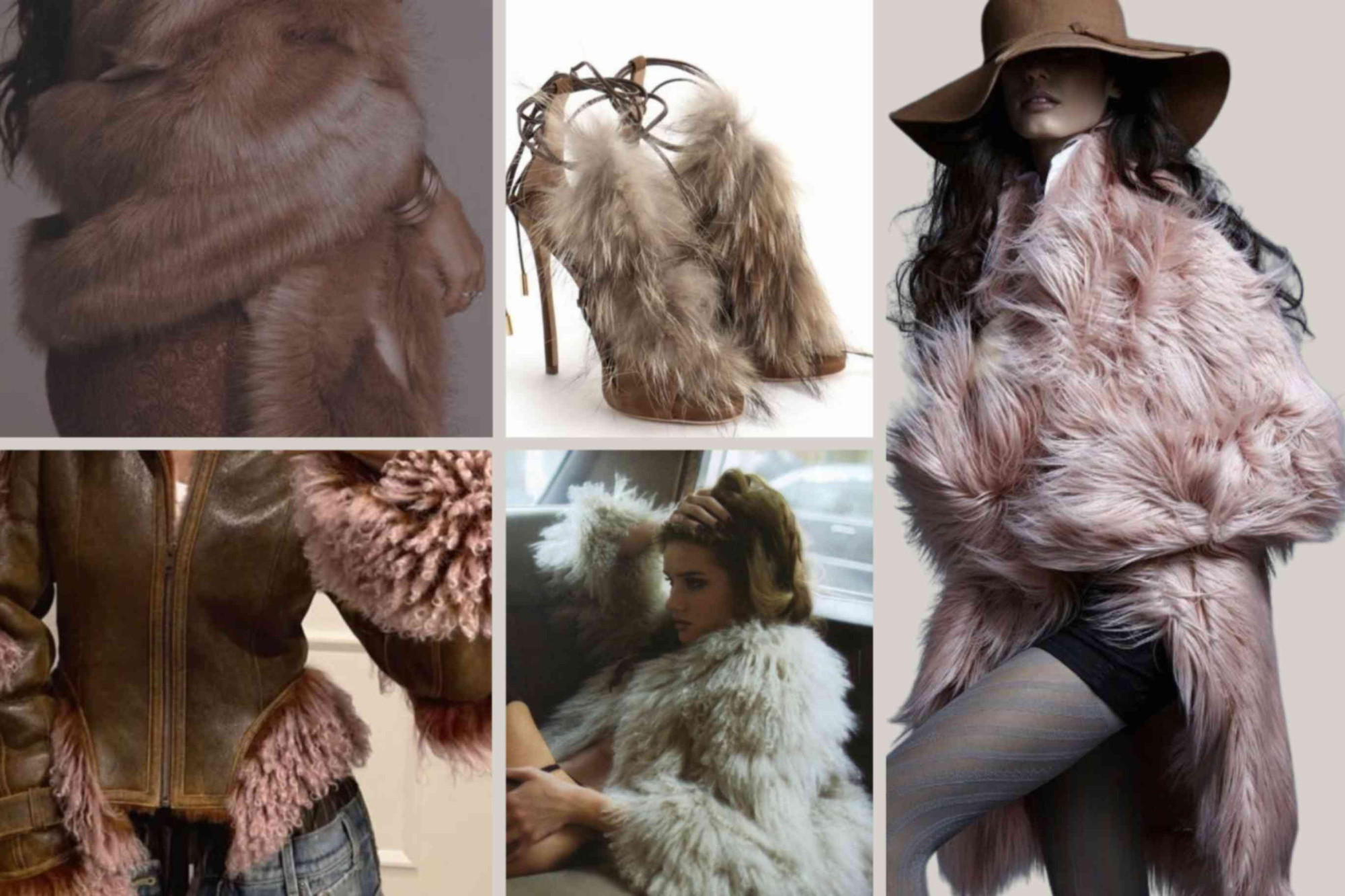
Les Couleurs Alpines @lescouleursalpines
A belt can completely change the way a winter coat, cardigan or oversized layer is worn. Instead of disappearing underneath outerwear, it can become part of the outfit and give heavier pieces a more defined shape.
Wide leather belts work particularly well over substantial fabrics. They can be worn over a long cardigan, wrap coat or oversized jacket, bringing the waist back into an outfit that would otherwise have a loose silhouette.
There is no need to reserve this idea for coats designed with their own belt. Adding a separate leather belt gives more freedom to change the look and can make a familiar piece feel quite different.
The choice of belt matters. Brown leather works naturally with cream, camel and earthy shades, while black creates a stronger contrast against lighter winter clothing. Large buckles and decorative fastenings can add another detail without requiring extra jewellery or accessories.
Belts can also be useful when wearing several layers. A cardigan or lighter jacket can be belted underneath an open coat, creating shape while still allowing the outer layer to remain relaxed.
The approach works particularly well with longer pieces, where a belt changes both the waistline and the overall proportions of the outfit. Boots or a long skirt can then continue the vertical line underneath.
It is a simple styling idea, but one that can create several different looks from the same winter pieces.
#BeltedCoat #WinterFashion #WinterStyling #MountainFashion #LesCouleursAlpines
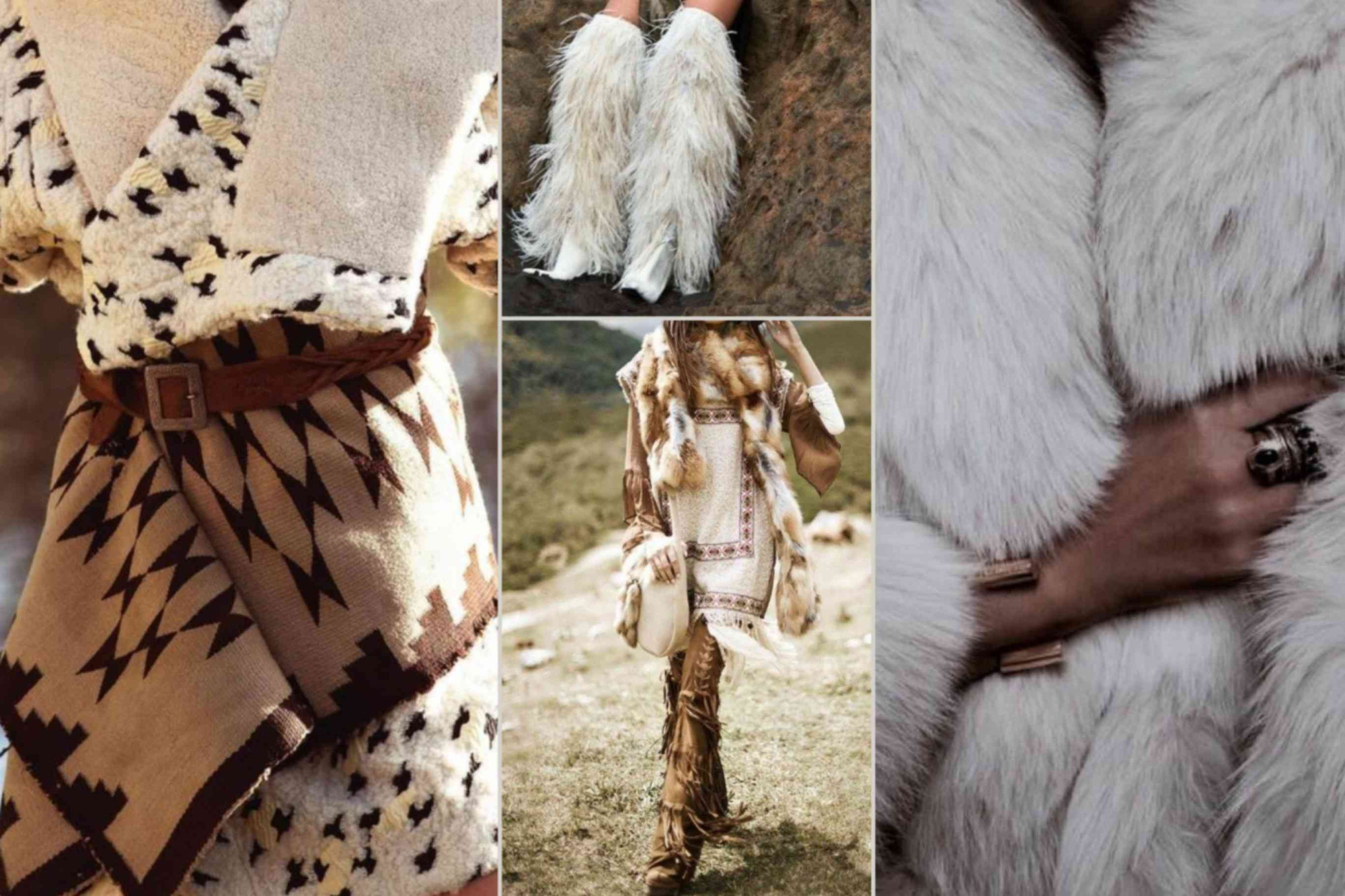
Les Couleurs Alpines @lescouleursalpines
Winter layers can easily hide jewellery, but the right pieces can become part of the outfit instead of disappearing underneath it. Longer necklaces, large rings, cuffs and earrings are particularly suited to heavier coats and jackets.
A long necklace is one of the easiest options. It can remain visible between the lapels of an open coat or over a simple top underneath, bringing detail to an outfit dominated by outerwear.
Rings work especially well in winter because they are visible whenever gloves come off. Several fine rings can be combined, but one larger design can have just as much impact alongside a substantial coat.
Cuffs and bracelets are another possibility when sleeves are slightly shorter or pushed back. Metallic finishes look particularly good against black, cream and brown winter clothing and can provide contrast against softer fabrics.
The neckline of a coat or jacket can also influence which jewellery works best. A large collar already creates plenty of volume around the face, so earrings or rings may work better than a short necklace. With an open neckline, layered chains become much easier to wear.
There is no need to keep jewellery exclusively for indoor outfits. Choosing pieces that remain visible with outerwear makes them part of the complete winter look, from walking through a resort to having lunch on a terrace.
It is a small change in styling, but it gives accessories a much bigger role during a season when clothing can easily become dominated by coats and layers.
#WinterJewellery #WinterFashion #JewelleryStyle #MountainFashion #LesCouleursAlpines
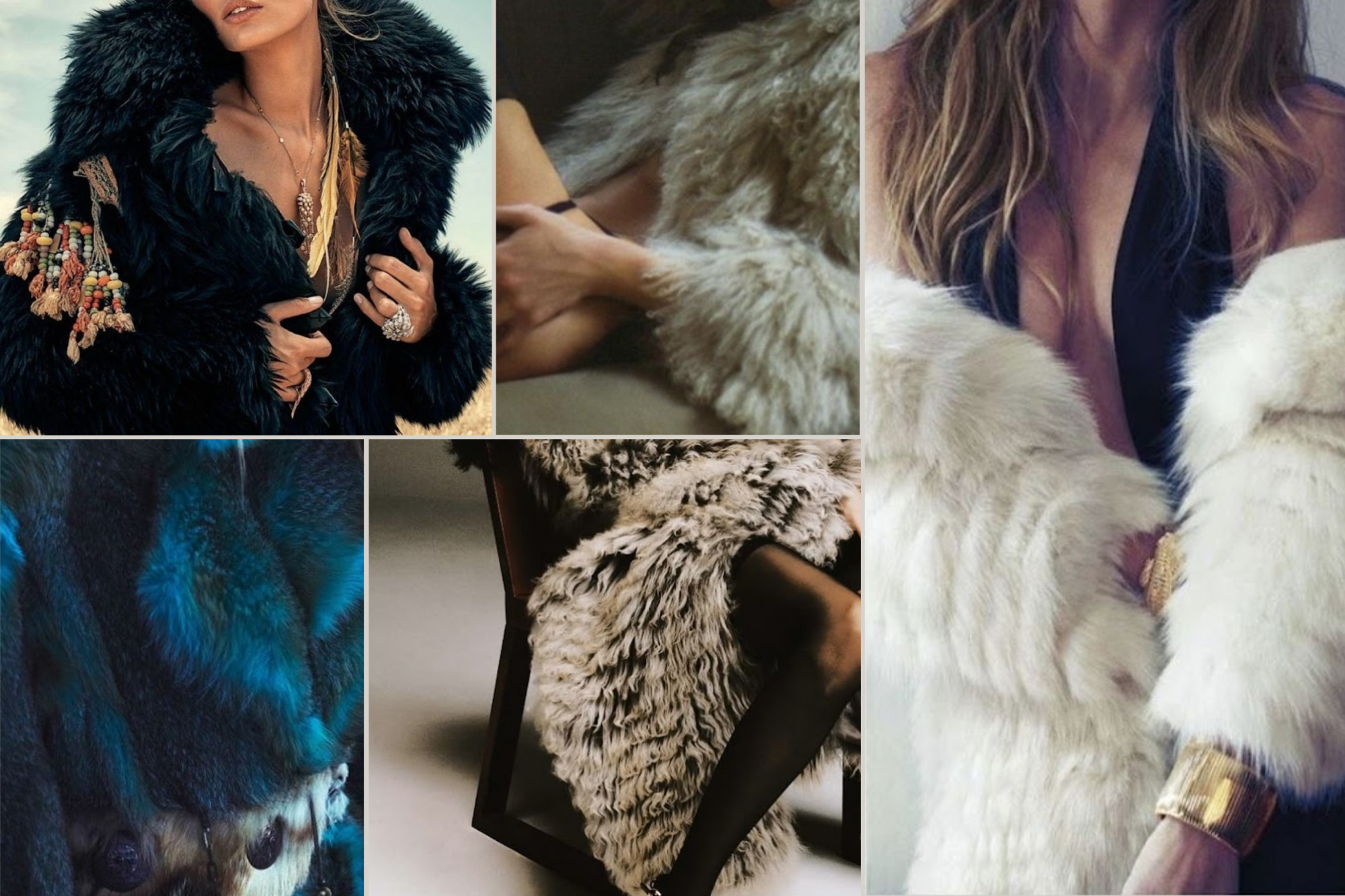
Les Couleurs Alpines @lescouleursalpines
An oversized hood can completely change the silhouette of a winter coat or jacket. Instead of being a small practical detail at the back, it becomes one of the most visible parts of the garment.
Large hoods work particularly well with winter outerwear because they add volume around the shoulders and face. On a long coat they can create a dramatic shape, while on a shorter jacket they make even a relatively simple design more distinctive.
They also offer an alternative to adding a separate hat. A generous hood can be worn loosely around the shoulders when indoors or pulled up outside, changing the appearance of the same coat within seconds.
Designers can play with this part of a garment in many ways. Contrasting trims, different colours and exaggerated proportions turn the hood into a design feature instead of something included purely for protection from the weather.
The rest of the outfit can remain uncomplicated. Straight trousers, a long skirt, boots or simple knitwear allow the volume around the upper body to take the focus.
Hoods can also frame accessories differently. Earrings remain visible underneath a wider shape, while sunglasses can give the combination a more contemporary, almost sporty direction.
For winter fashion, where coats are worn so frequently, details like this can make a significant difference. Changing the shape of something as familiar as a hood gives outerwear an entirely different personality.
#WinterFashion #Outerwear #WinterCoats #MountainFashion #LesCouleursAlpines
Les Couleurs Alpines @lescouleursalpines
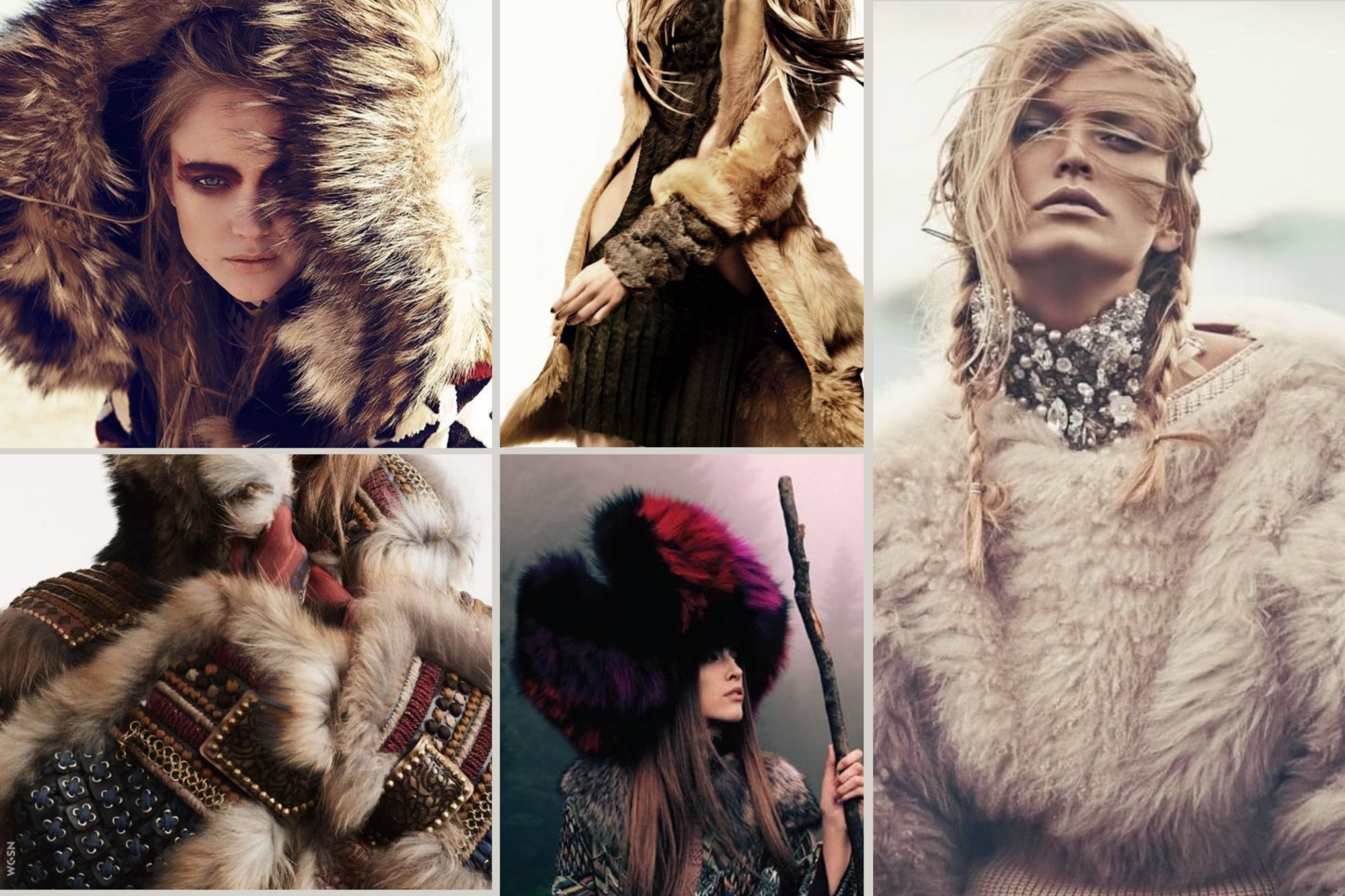
A mountain wardrobe can include much more than trousers, leggings and ski wear. Longer skirts and dresses bring a different silhouette to cold-weather dressing and can be surprisingly easy to combine with the pieces already packed for a mountain stay.
Midi and maxi lengths are particularly suited to the look. A flowing printed skirt can be worn with a heavy knit or short jacket, while a fuller neutral skirt works well underneath a long coat. The contrast between a lighter skirt and substantial outerwear keeps the outfit from feeling too formal.
Boots are what make the combination practical. Knee-high leather boots work well with shorter hemlines, while ankle boots can be worn underneath longer skirts. Thick socks or tights add another layer when temperatures drop.
There is also plenty of room for pattern. Florals, checks and geometric prints can introduce colour into a wardrobe otherwise dominated by cream, brown, grey and black. They are especially useful when the coat and knitwear are kept relatively simple.
Layering allows summer and transitional pieces to stay in the wardrobe for longer. A favourite dress can be worn with a roll neck underneath, a cardigan on top and boots instead of lighter shoes. A skirt that would normally be worn with a blouse can take on a completely different character with chunky knitwear.
This makes skirts and dresses useful pieces for days spent away from the slopes, whether the plan is lunch, exploring a village or an afternoon at a mountain hotel.
Winter dressing does not have to mean changing entirely to a trouser-based wardrobe. Sometimes it is simply a matter of wearing familiar pieces differently.
#WinterSkirts #MountainFashion #WinterDressing #Layering #LesCouleursAlpines
Les Couleurs Alpines @lescouleursalpines
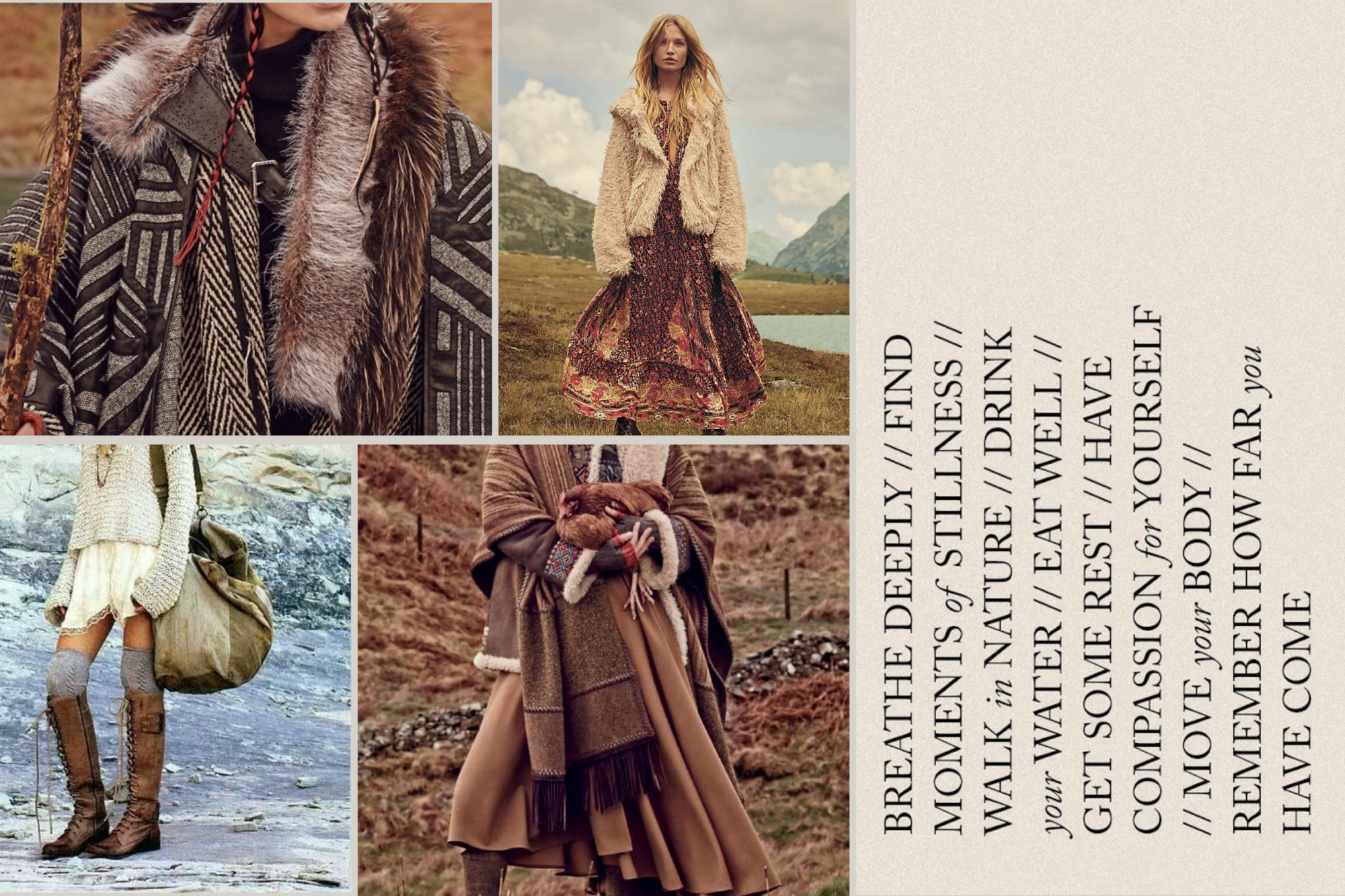
Handbags change with the seasons too, and winter is a good time to move away from the smooth leather styles carried throughout the rest of the year. Soft finishes, shearling details and tactile fabrics can make a bag feel much more connected to a cold-weather wardrobe.
A winter bag does not necessarily need a completely different shape. Familiar totes, shoulder bags and smaller handbags can take on a new character simply through the material used. A soft exterior or contrasting trim can make even a classic design feel seasonal.
These bags work particularly well with simple outerwear. Against a wool coat or plain knit, a more unusual bag adds interest without requiring additional styling. Neutral shades such as cream, camel and brown also make them easy to combine with several coats during the same trip.
Size is worth considering during winter. Gloves, sunglasses and other small accessories mean a slightly roomier bag can be useful during the day, while a smaller version works well for dinner or drinks at a hotel.
The handle can become part of the design too. Wood, metal and leather handles create contrast against softer materials and give the bag a more structured appearance.
A seasonal bag is also an easy way to change a winter wardrobe without buying another coat or pair of boots. The same knitwear and outerwear can look quite different simply by changing the accessory carried with them.
For a mountain stay, it is one of those pieces that can move easily between a village, lunch on a terrace and an evening indoors.
#WinterBags #WinterFashion #Handbags #MountainFashion #LesCouleursAlpines
Les Couleurs Alpines @lescouleursalpines
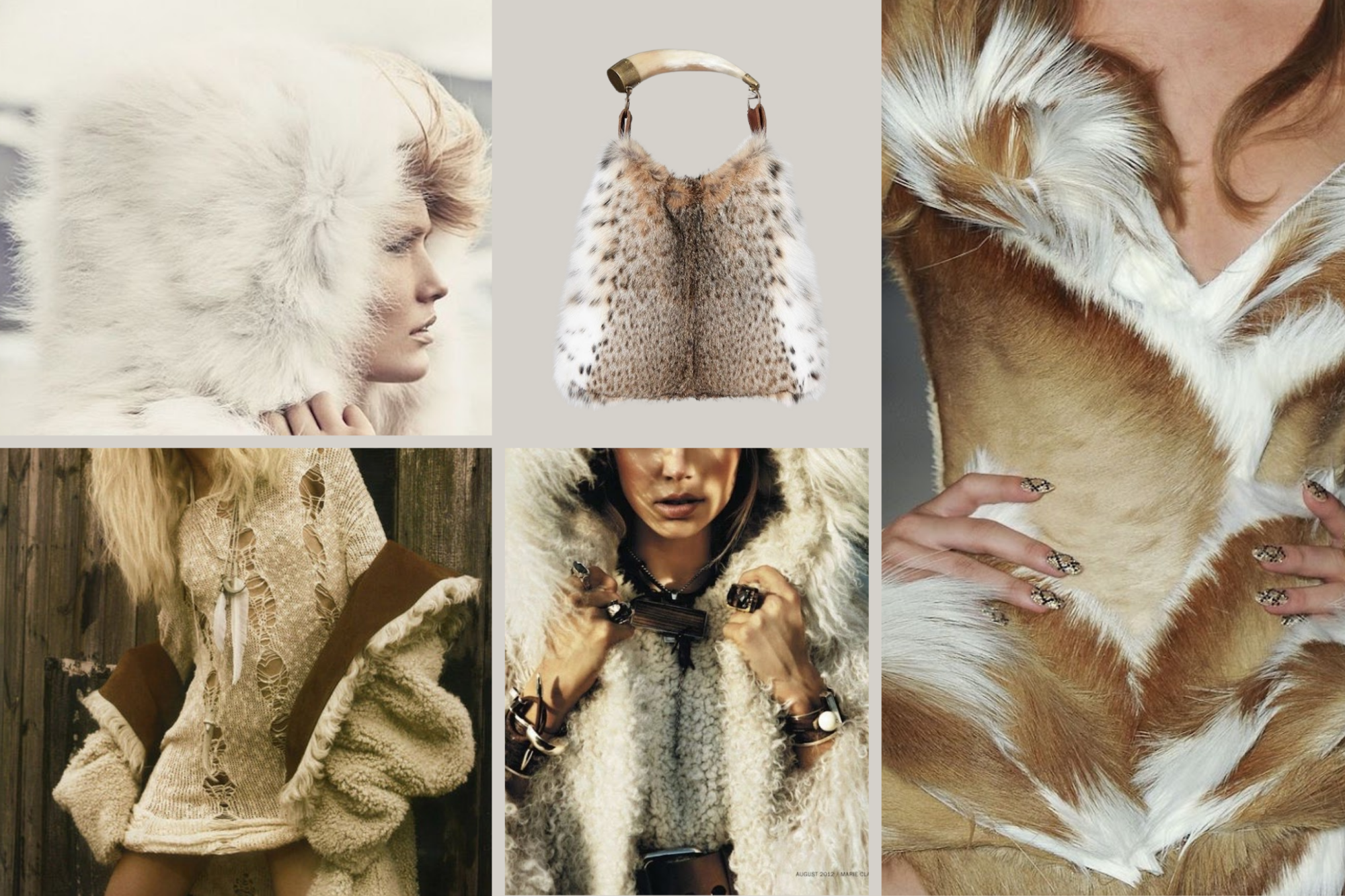
Checks, traditional knit patterns and geometric designs can work surprisingly well together in a winter outfit. Instead of choosing one patterned piece and keeping everything else plain, combining several motifs can give cold-weather dressing much more personality.
A patterned knit is an easy starting point. Fair Isle and other multicoloured sweaters already contain several shades, making it possible to pick one of those colours up again in a skirt, scarf or coat.
Checks are particularly useful for this. A tartan skirt or large checked scarf can sit alongside a smaller knitted motif because the scale of the two patterns is different. Keeping some colours in common helps the pieces feel connected.
The rest of the outfit can provide a quieter background. A cream shearling jacket, brown leather coat or plain pair of boots gives the patterns room without adding another competing element.
Accessories offer another way to experiment. A patterned scarf can be added to a printed sweater, while gloves, socks or a knitted hat can introduce a smaller motif. It is an easy approach if mixing a patterned skirt and sweater feels like too much.
Colour is what usually holds the combination together. Burgundy, navy, cream, brown and forest green appear frequently in winter clothing and can be repeated across several different prints.
Pattern mixing can make pieces already in the wardrobe feel new again. A sweater normally worn with jeans can look completely different with a checked skirt, while a familiar scarf may work unexpectedly well with another print.
#WinterPatterns #WinterFashion #PatternMixing #MountainFashion #LesCouleursAlpines