Winter Moods & Escapes
Edition of Les Couleurs du Monde featuring inspiring destinations, refined stays and unique experiences Contact: info@lescouleursdumonde.com
Les Couleurs de la Côte D'Azur @lescouleursdelariviera
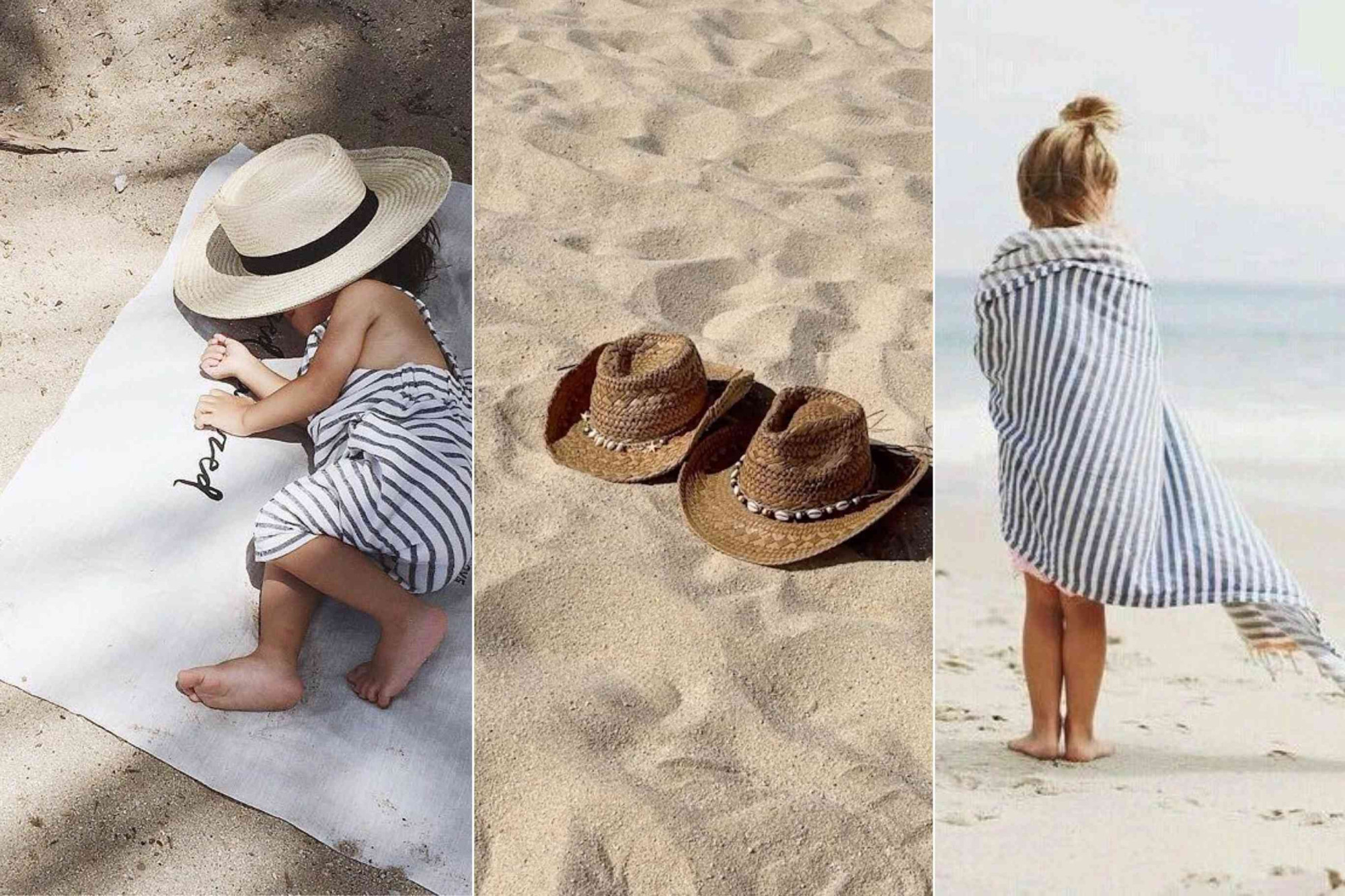
A beach towel is one of the simplest summer essentials, but its size, material and weave can make a considerable difference to how practical it is for a day by the sea.
Traditional terry towels are designed to absorb water quickly, which makes them useful after swimming. Their looped cotton surface holds more moisture but also makes them heavier and slower to dry once wet.
Flat-woven cotton towels provide a lighter alternative. Mediterranean hammam-style towels and foutas take up less space in a beach bag, dry relatively quickly and can be large enough to use on the sand or a sun lounger.
Size matters when choosing one for the beach. A larger towel provides enough space for lying down, while smaller versions are easier to carry when walking to a secluded beach or travelling by boat.
Stripes have become particularly associated with seaside textiles. Navy, white and softer neutral combinations reference classic coastal style, while brighter colours can make towels easier to recognise on a busy beach.
A lightweight towel can also serve more than one purpose. Wrapped around the body, it becomes a simple cover-up, while larger versions can be used as a picnic cloth, sunshade or extra layer when the temperature drops later in the day.
For a Riviera beach bag, the most useful choice is therefore not necessarily the thickest towel. A lightweight, absorbent design that dries quickly and packs easily is often better suited to a full day along the coast.
#BeachStyle #RivieraStyle #BeachEssentials #MediterraneanSummer #LesCouleursDeLaRiviera
Les Couleurs de la Côte D'Azur @lescouleursdelariviera
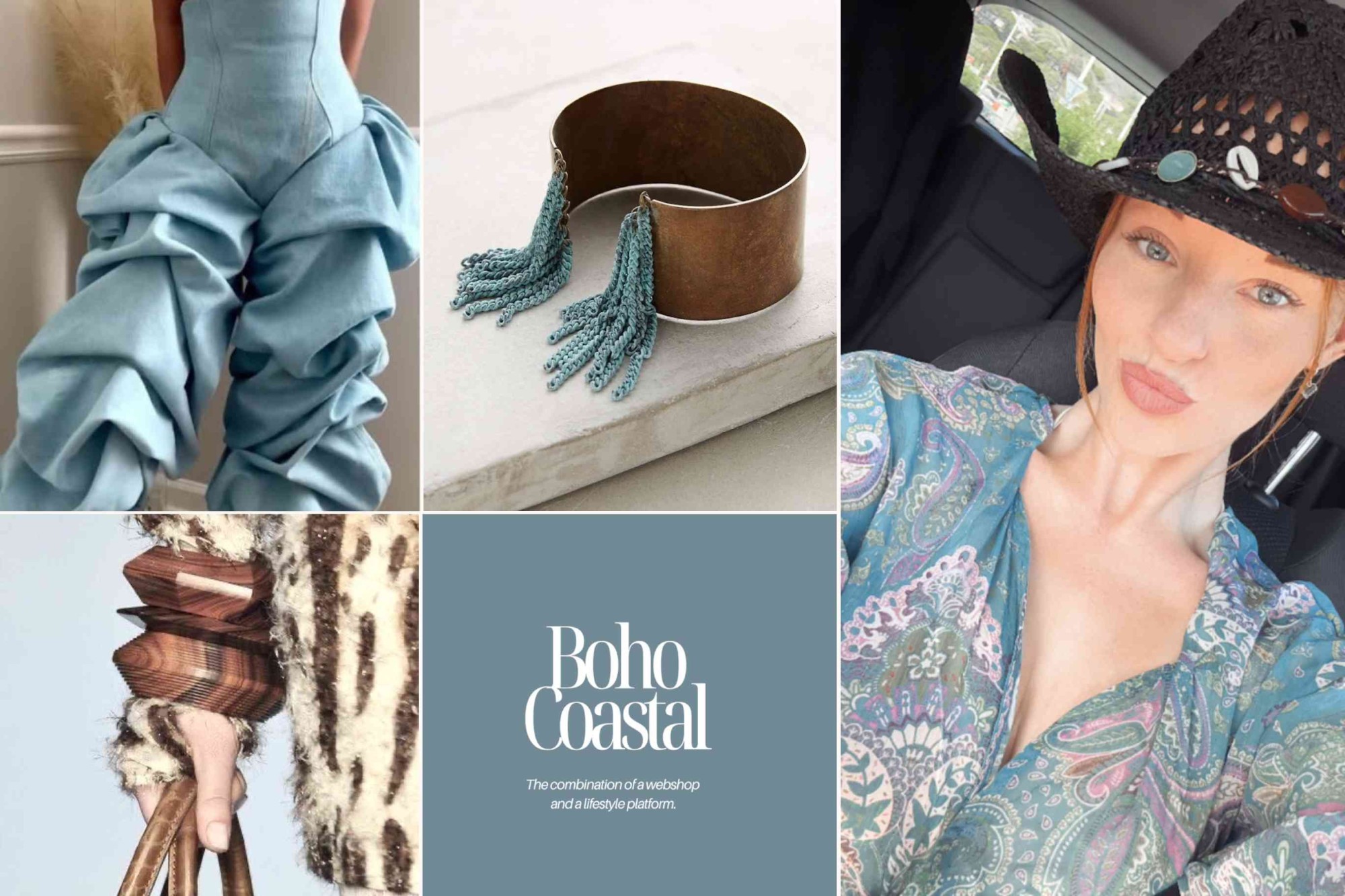
Bohemian fashion and Riviera style may come from different influences, but they work particularly well together. The result is boho coastal, a look that combines the relaxed character of Mediterranean dressing with stronger prints, handcrafted accessories and unconventional silhouettes.
The foundation is still suited to warm coastal living. Loose shirts, flowing dresses, wide trousers and lightweight layers are practical for days that move from the beach to lunch or an evening outdoors. Instead of relying only on the familiar Riviera palette of white, navy and stripes, boho coastal introduces paisley, faded blues, earthy shades and more decorative fabrics.
Accessories give the style much of its personality. Wide-brimmed hats, woven bags, leather pieces and jewellery with an artisanal character can change a simple outfit without requiring many additional elements.
Texture is equally important. Linen, cotton, crochet, washed fabrics and natural fibres sit comfortably beside more structured pieces. Even an unexpected item, such as a sculptural cuff or tailored trousers, can make the look feel more contemporary.
The key difference from traditional bohemian fashion is the coastal influence. The silhouettes remain relaxed but the overall wardrobe feels lighter and fresher, making it particularly suited to the South of France and other Mediterranean destinations.
Boho coastal brings two wardrobes together: the freedom of bohemian dressing and the fresh, relaxed character of Riviera style.
#BohoCoastal #RivieraStyle #BohemianFashion #MediterraneanStyle #LesCouleursDeLaRiviera
Les Couleurs de la Côte D'Azur @lescouleursdelariviera
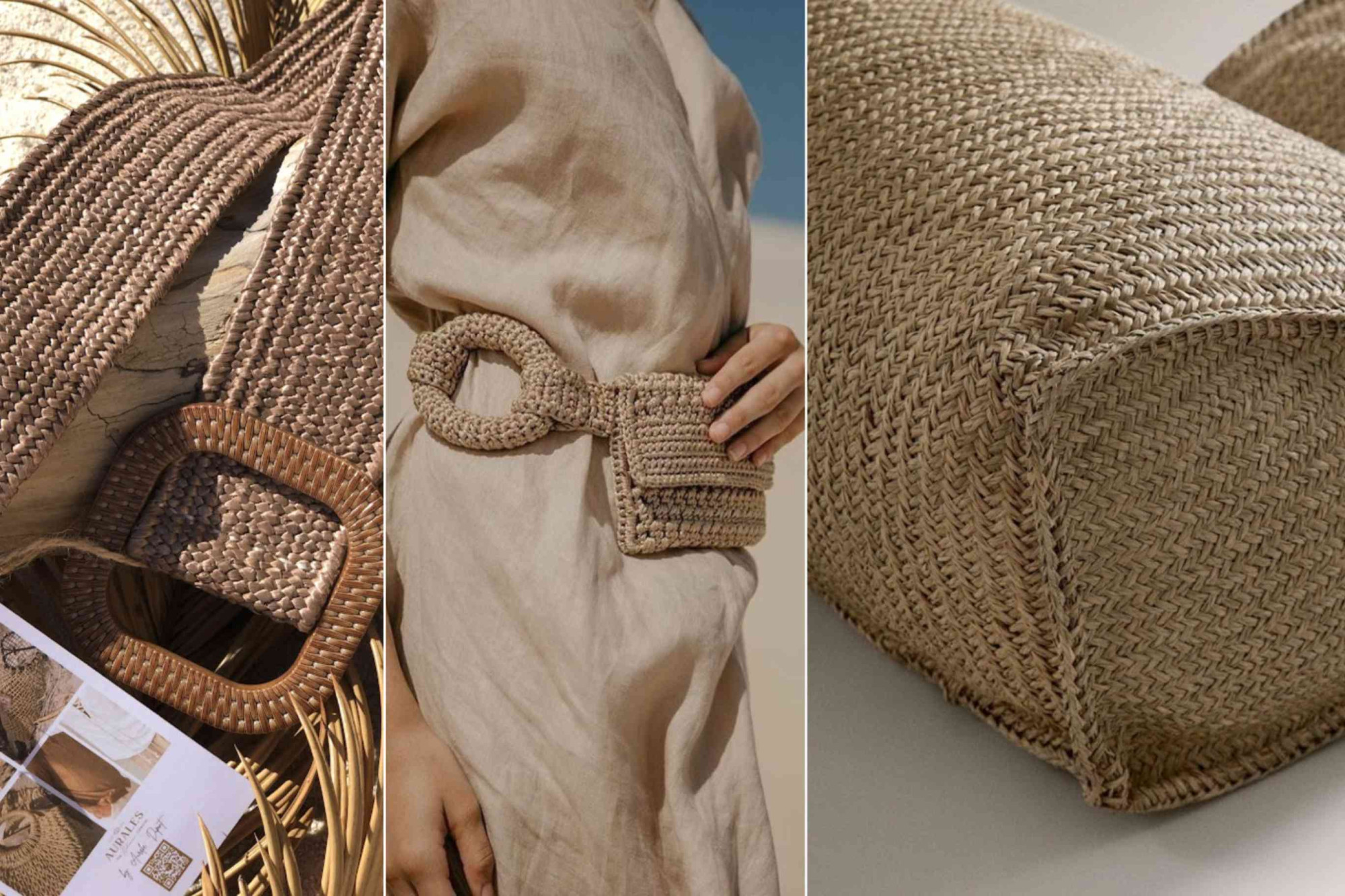
Natural materials are closely connected to summer dressing around the Mediterranean. Linen, cotton, raffia and straw each bring a different texture to clothing and accessories while working particularly well in warm climates.
Linen is one of the most familiar examples. Made from flax, it is lightweight and breathable, which explains its frequent use for shirts, trousers, dresses and relaxed tailoring. Its slightly irregular texture also means it works naturally with less formal summer wardrobes.
Raffia and straw are used differently. Their structure makes them particularly suitable for accessories such as bags, hats, belts and shoes. A woven belt can add definition to a loose linen dress, while a structured raffia bag introduces texture without requiring pattern or strong colour.
The way these materials are constructed also influences their appearance. Fine, tightly woven fibres create a more polished finish, while wider or irregular weaving gives an accessory a more handcrafted character.
Natural tones make these pieces particularly versatile. Sand, beige, cream and warm brown can be combined with white linen, denim, Mediterranean blues or brighter summer colours.
They also provide an alternative way to add interest to a simple outfit. Instead of relying on prints or jewellery, texture itself becomes part of the styling.
This combination of practical materials, neutral colours and tactile surfaces is one reason natural fibres remain a consistent part of summer wardrobes along the Riviera and throughout the Mediterranean.
#NaturalFibres #RivieraStyle #MediterraneanFashion #SummerWardrobe #LesCouleursDeLaRiviera
Les Couleurs de la Côte D'Azur @lescouleursdelariviera
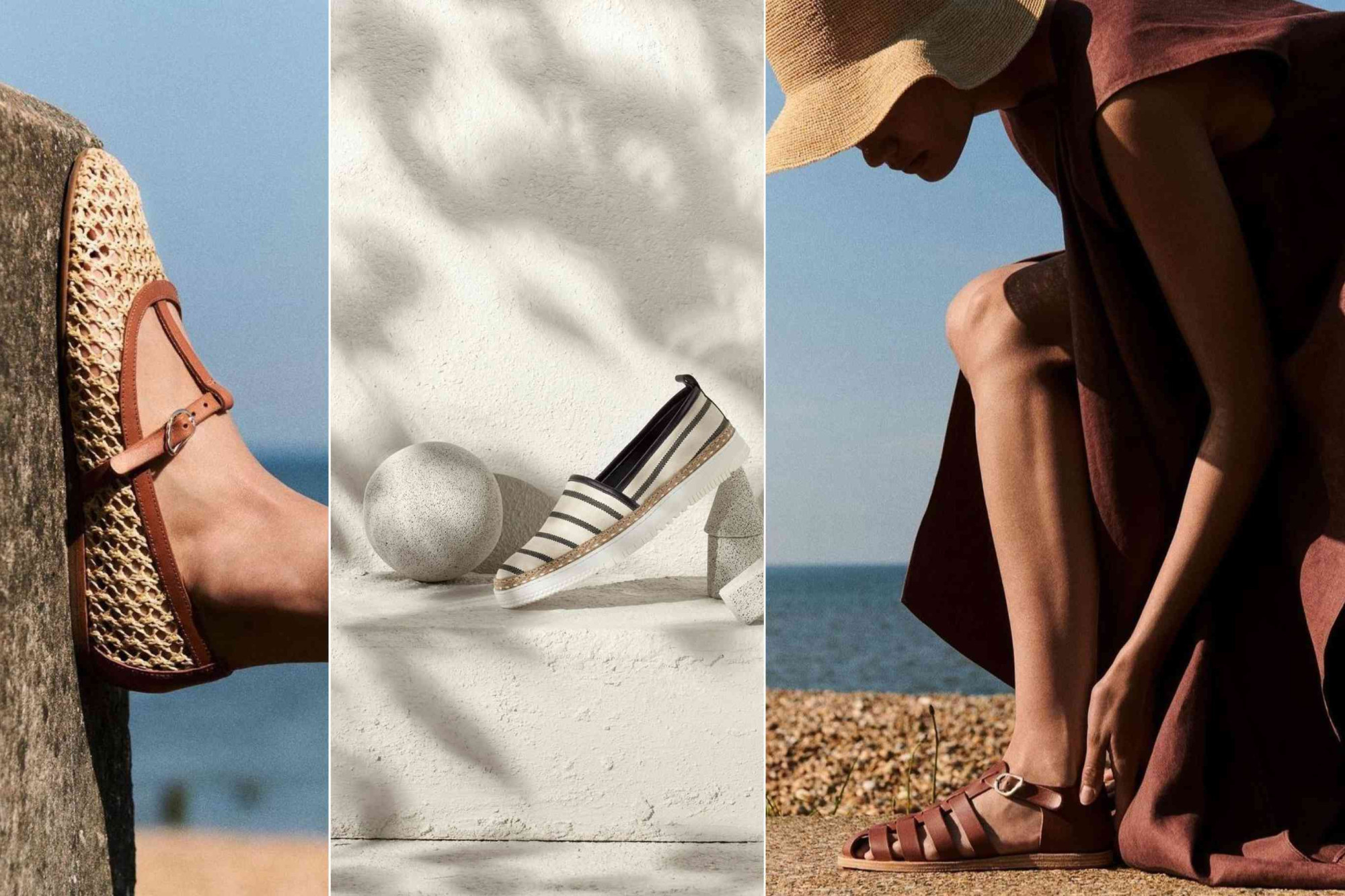
Shoes play an important role in a Mediterranean wardrobe because summer days can involve very different settings. A morning in town, lunch beside the sea and an afternoon at the beach each place different demands on what you wear.
Espadrilles are closely associated with this style of dressing. Traditionally made with a rope sole and canvas upper, they are lightweight and work particularly well with linen trousers, dresses, shorts and other relaxed summer pieces. Contemporary versions range from simple flats to wedges, leather finishes and more structured designs.
Leather sandals are another Riviera staple. Minimal straps keep them versatile, while woven leather or traditional fisherman-style constructions add more detail. Neutral shades such as tan, cognac and dark brown work particularly well with white, terracotta, navy and natural linen.
Materials matter in warm weather. Canvas, woven fibres and leather tend to suit summer wardrobes because they combine easily with lightweight fabrics and develop character with wear.
The most useful Riviera shoes are rarely limited to one type of outfit. An espadrille can work with a daytime dress or cropped trousers, while a simple leather sandal moves easily between beachwear and a more polished lunch look.
That versatility explains why certain shoe styles return every summer. Espadrilles and leather sandals are not dependent on a particular trend. They have become established parts of Mediterranean dressing.
#RivieraStyle #SummerShoes #Espadrilles #MediterraneanFashion #LesCouleursDeLaRiviera
Les Couleurs de la Côte D'Azur @lescouleursdelariviera
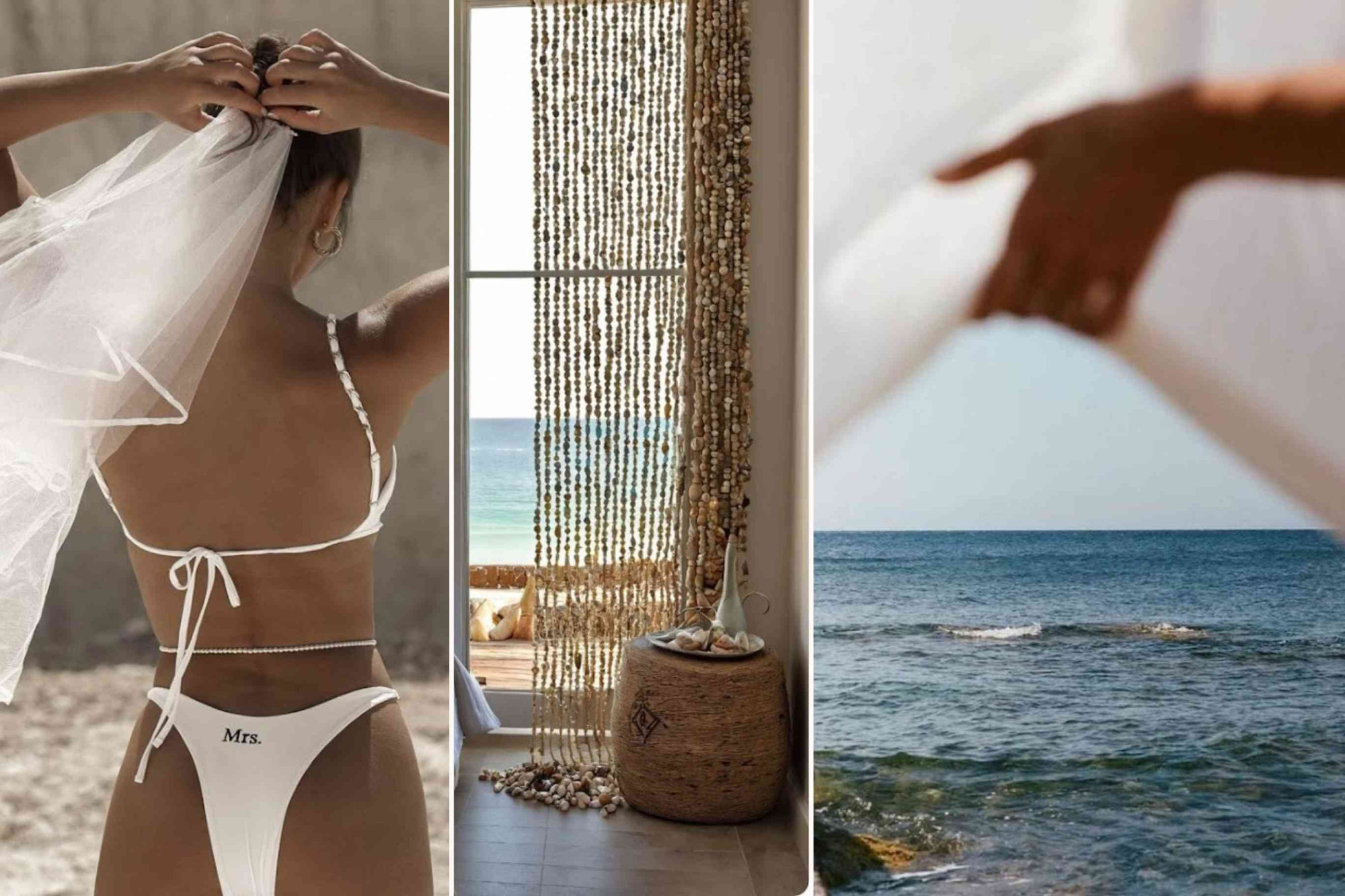
Bridal fashion can continue beyond the ceremony, especially for weddings celebrated by the sea. White swimwear has become a natural addition to destination weddings, honeymoons, poolside celebrations and the days surrounding the wedding itself.
The connection is simple. A white bikini or swimsuit already shares the colour most associated with bridal dressing, while small details can give it a more distinctive character. Embroidery, bows, pearls, delicate straps or personalised wording can reference the wedding without turning swimwear into a costume.
Veils can also be used differently outside the ceremony. Combined with a simple bikini, a lightweight veil creates a recognisable bridal look for photographs by the pool or on the beach while keeping the rest of the outfit minimal.
For Riviera weddings, swimwear can become part of a wider bridal wardrobe. The main dress may be reserved for the ceremony and dinner, while white swimwear, linen shirts, kaftans, sandals and woven accessories cover the more informal moments around the celebration.
This reflects a broader change in bridal fashion. Instead of choosing clothing only for the wedding day, many brides build a small wardrobe around the entire occasion, particularly when guests are travelling for several days.
On the Riviera, where weddings frequently include beaches, pools, boats and seaside hotels, bridal swimwear fits naturally into that approach.
#BridalSwimwear #RivieraStyle #DestinationWedding #BridalFashion #LesCouleursDeLaRiviera
Les Couleurs de la Côte D'Azur @lescouleursdelariviera
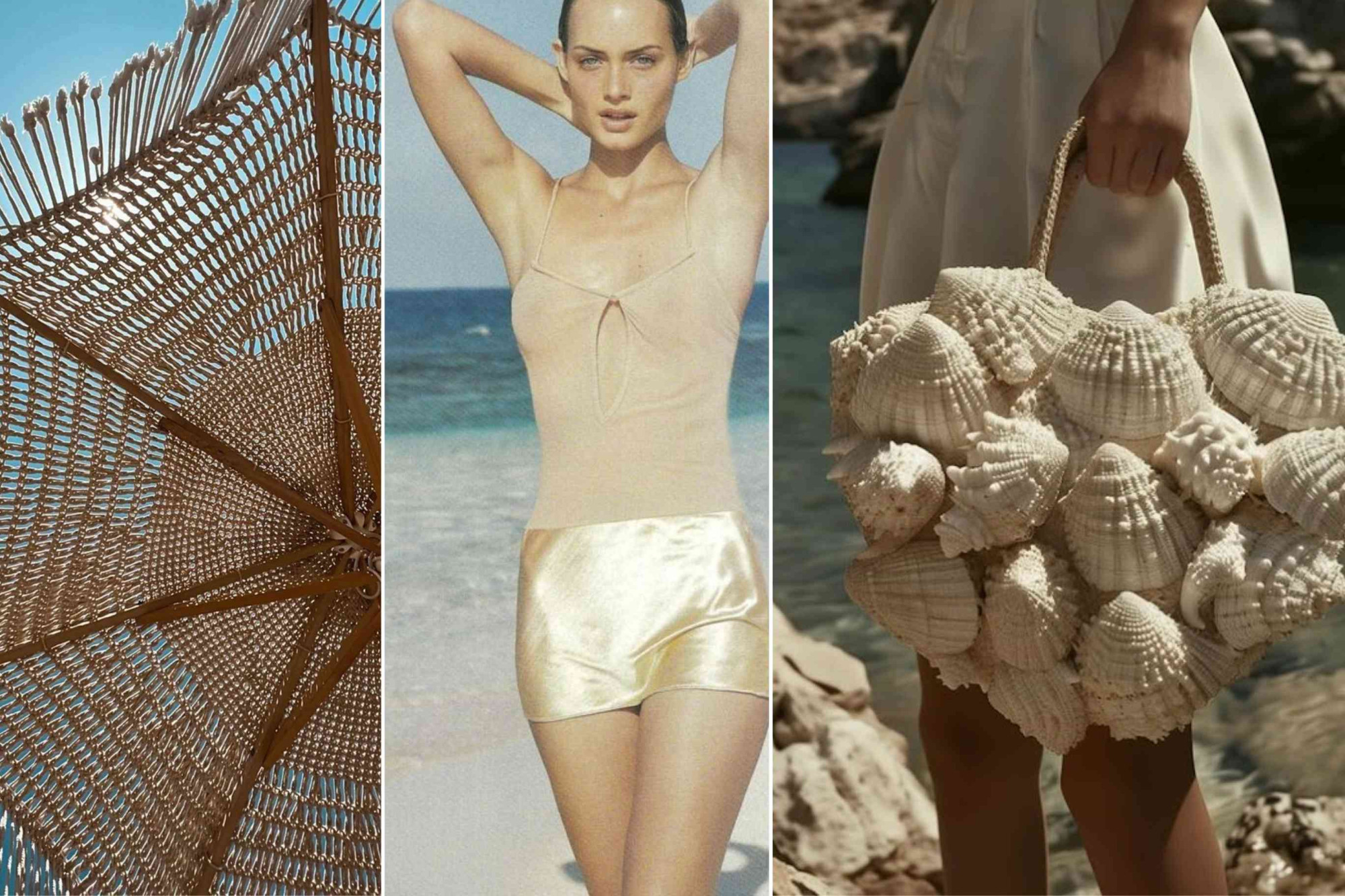
Seashells have moved between jewellery, accessories and clothing for generations, making them one of fashion's most enduring references to the coast. Their natural shapes and pale colours work particularly well with the lightweight fabrics and neutral palette associated with Mediterranean summer dressing.
Shell jewellery is perhaps the most familiar example. Necklaces, bracelets and earrings can range from simple pieces made with small natural shells to more refined designs combining shell forms with metal, pearls or beads.
Fashion designers have also translated the shape and texture of shells into bags. Individual shells can become decorative elements, while crochet, raffia and woven fibres can be structured into designs that reference marine forms without using real shells at all.
The strongest combinations are usually simple. Cream, ivory, sand and soft beige allow texture to become the main detail, especially when paired with linen, cotton or lightweight silk.
Shell-inspired accessories can also provide contrast against cleaner clothing. A sculptural bag paired with a minimal dress or a shell necklace worn with a simple summer top introduces a coastal reference without making the entire outfit beachwear.
This makes seashells particularly suited to Riviera fashion. They connect clothing with the Mediterranean setting while remaining versatile enough to return in different forms from one summer to the next.
#SeashellStyle #RivieraFashion #SummerAccessories #MediterraneanStyle #LesCouleursDeLaRiviera
Les Couleurs de la Côte D'Azur @lescouleursdelariviera
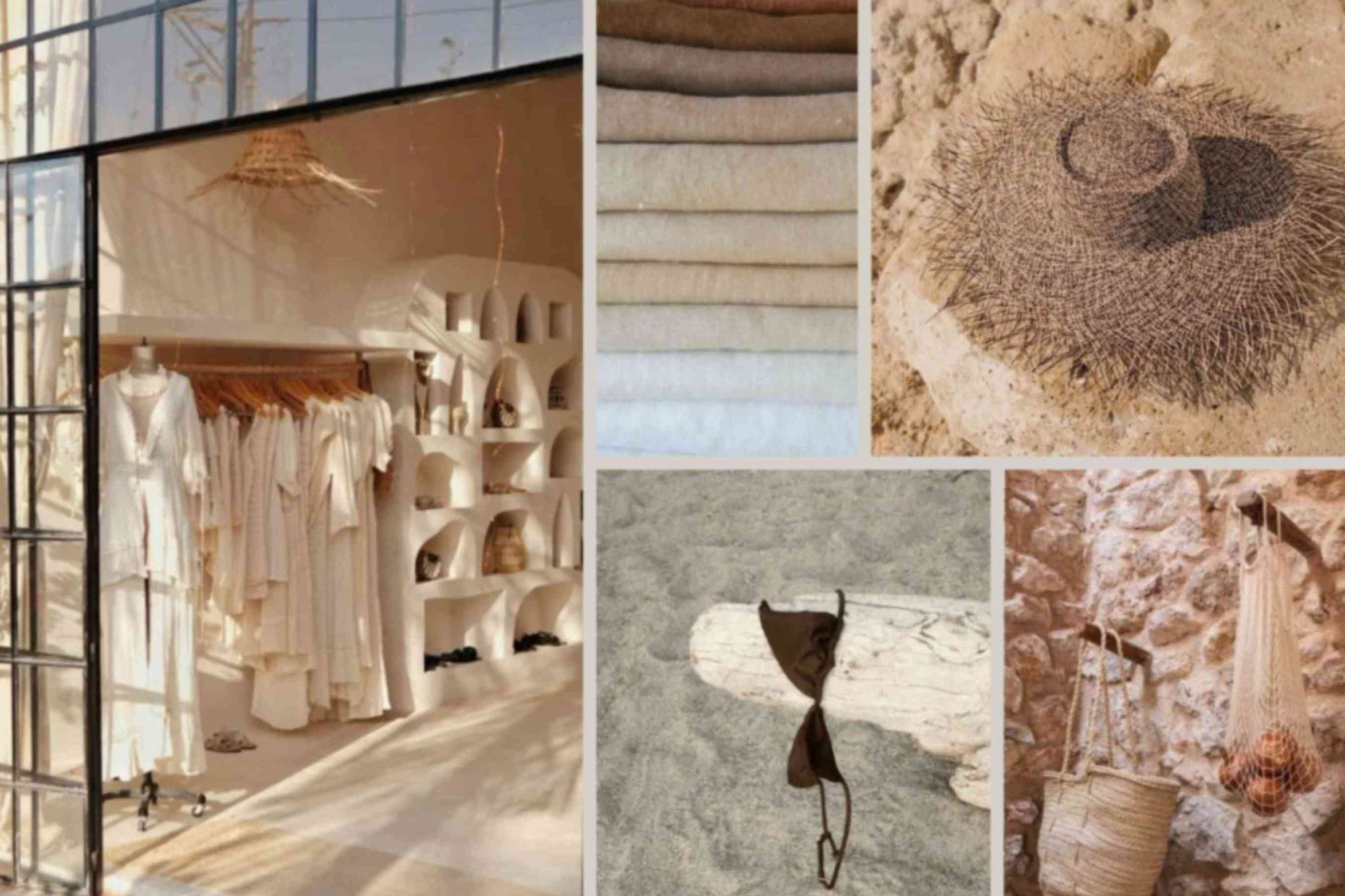
A Riviera wardrobe is built around pieces that can be worn repeatedly throughout the warmer months and combined in different ways. Lightweight fabrics, neutral colours and practical accessories form the foundation, while individual pieces can be added according to personal style.
Linen is particularly useful for shirts, trousers, shorts and dresses. It works well in warm weather and its natural texture means even simple silhouettes have some visual interest. Cotton provides another option for lighter dresses, tops and everyday basics.
A neutral palette makes these pieces easier to combine. White, cream, sand, stone and soft beige can form the base of the wardrobe, with Mediterranean blue, terracotta, black or seasonal colours introduced through individual garments and accessories.
The same principle applies to swimwear. A simple bikini or swimsuit can be worn beneath an oversized linen shirt, paired with shorts or covered with a lightweight dress when moving between the beach and town.
Accessories complete the wardrobe. A woven bag, wide-brimmed hat, leather sandals, espadrilles and understated jewellery can be used across many different outfits instead of being reserved for a single look.
The result is a relatively compact summer wardrobe where fabrics and proportions matter more than having a large number of clothes. Many of its core pieces also remain relevant from one summer to the next, which is why linen shirts, simple swimwear and woven accessories continue to be associated with dressing on the Riviera.
#RivieraWardrobe #RivieraStyle #SummerFashion #MediterraneanStyle #LesCouleursDeLaRiviera
Les Couleurs de la Côte D'Azur @lescouleursdelariviera
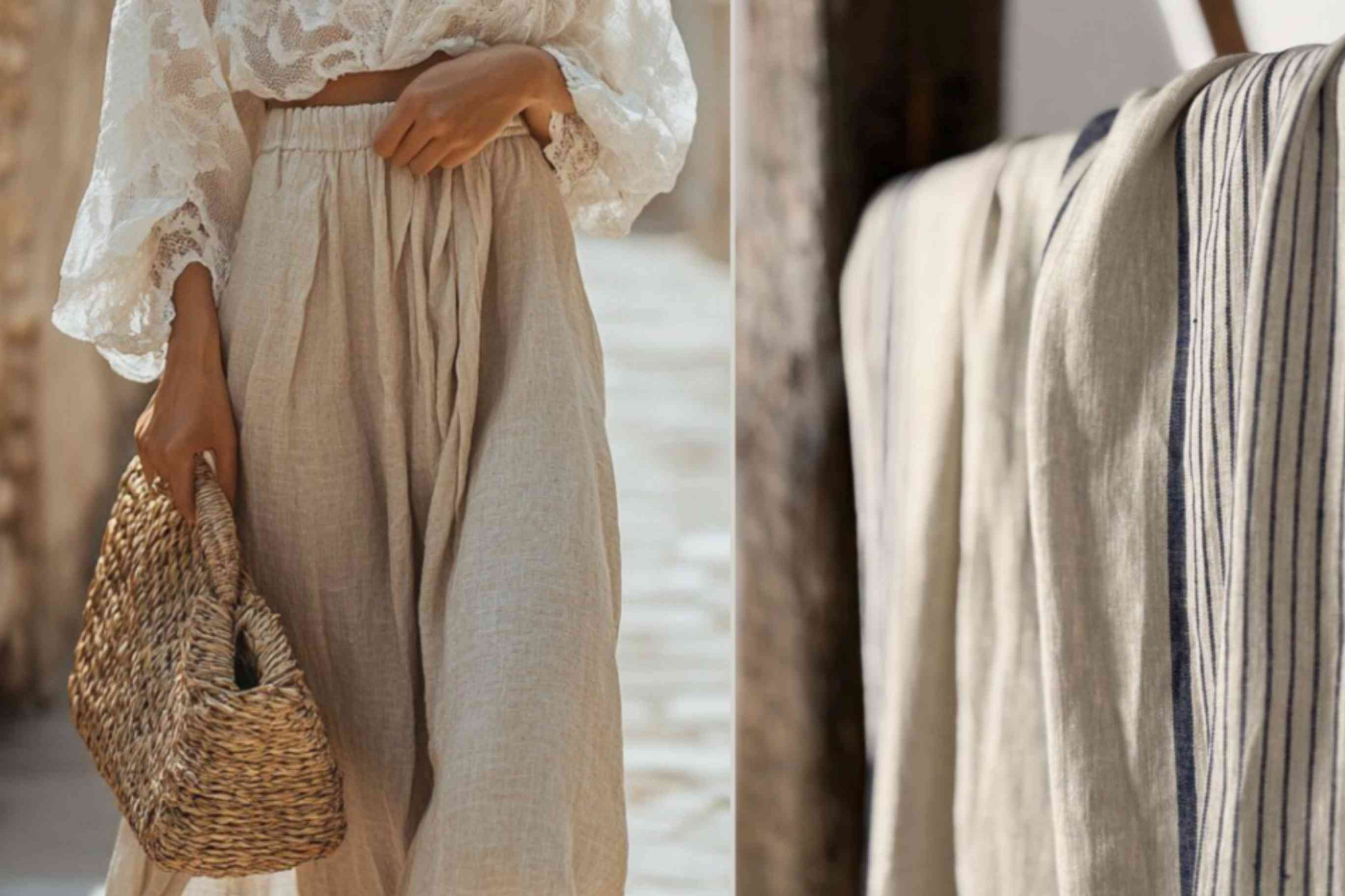
Linen has become one of the defining fabrics of Mediterranean summer dressing because its qualities are particularly suited to warm weather. Made from fibres of the flax plant, the fabric is breathable, lightweight and able to absorb moisture without feeling heavy against the skin.
The structure of linen also distinguishes it from smoother summer fabrics. Its fibres create the slightly irregular surface and natural creasing that have become part of its appearance. For summer clothing, this means garments can look relaxed without relying on oversized or particularly casual cuts.
Weight makes a considerable difference. Fine linen can be used for shirts, blouses and lightweight dresses, while heavier weaves provide enough structure for trousers, jackets and more tailored pieces. Linen can also be blended with cotton, silk or viscose to change its softness, drape or resistance to creasing.
Neutral shades such as flax, sand, ivory and stone show the texture of the material particularly well and have become closely associated with Riviera wardrobes. Stripes and Mediterranean blues provide a more traditional coastal reference.
The fabric is also versatile enough to move between different settings. Wide linen trousers can be worn with swimwear during the day and a blouse or jacket later, while a linen shirt works equally well over a swimsuit or as part of a more polished outfit.
Its place in Riviera fashion is therefore more than aesthetic. Linen combines the practical requirements of a Mediterranean climate with the relaxed tailoring that has become characteristic of summer dressing in the South of France.
#Linen #RivieraStyle #MediterraneanFashion #SummerWardrobe #LesCouleursDeLaRiviera
Les Couleurs de la Côte D'Azur @lescouleursdelariviera
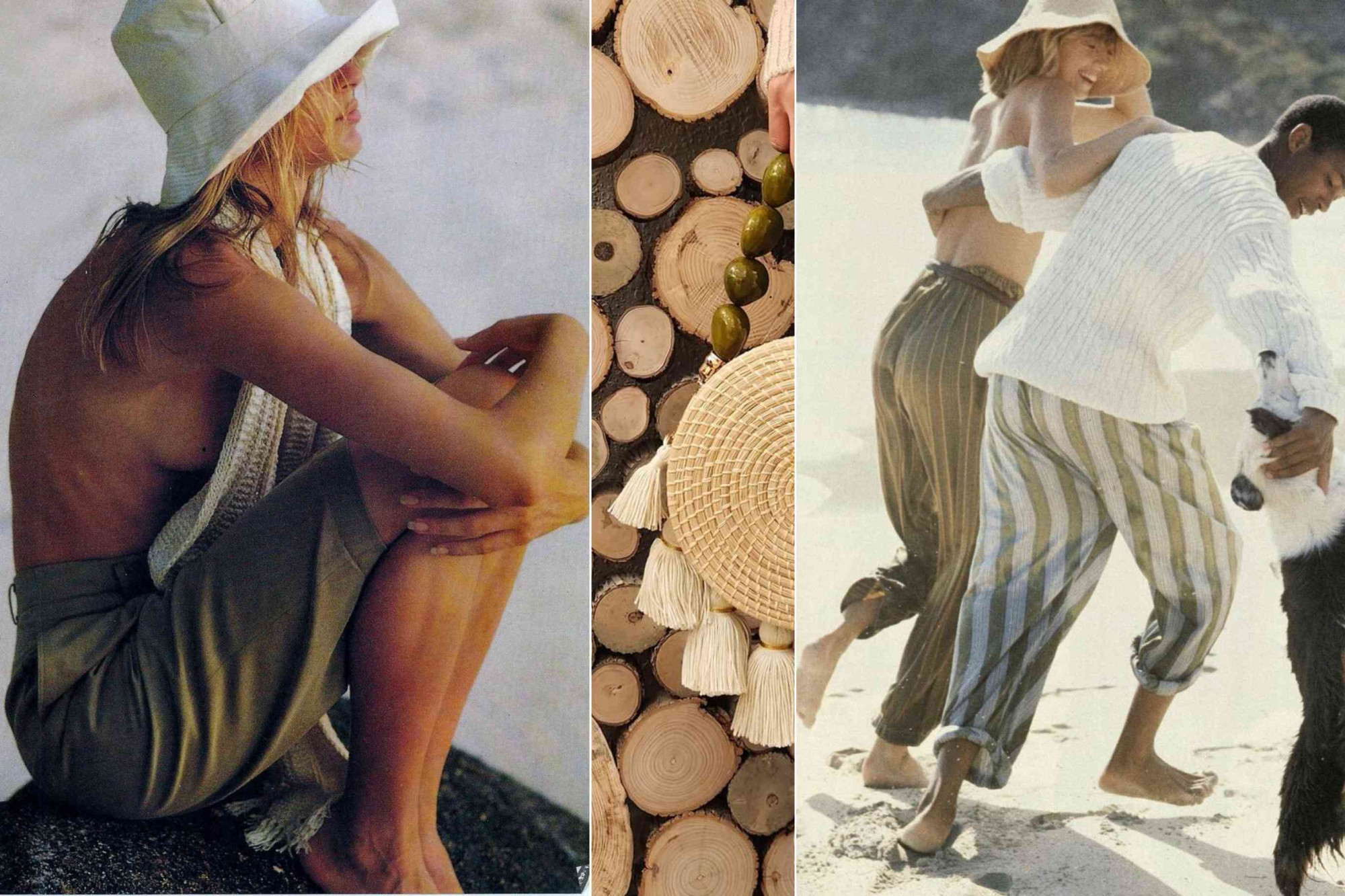
Loose trousers are one of the most practical alternatives to dresses and shorts during a Mediterranean summer. Lightweight fabrics and generous cuts provide coverage while remaining comfortable in warm weather, making them particularly useful for days spent between the coast and town.
Linen and cotton are natural choices for this type of trouser. Both can be woven into lightweight fabrics, while linen brings the slightly textured finish closely associated with Riviera dressing.
Shape is just as important as fabric. Wide-leg trousers create more airflow around the body, while cropped and tapered styles provide a slightly more structured silhouette. Elasticated or drawstring waists make them particularly suited to informal summer dressing.
Stripes are a natural match for these relaxed shapes. Fine vertical stripes can visually lengthen the silhouette, while wider contrasting stripes give simple trousers more character without requiring additional accessories.
Styling can remain uncomplicated. A white cotton shirt, lightweight knit or simple top is enough, while flat sandals, espadrilles and a woven bag complete the outfit. A sun hat adds practical protection and also works naturally with the proportions of wider trousers.
Loose summer trousers have remained relevant because they sit comfortably between beachwear and everyday clothing. They can be worn over swimwear near the coast and combined with a shirt or jacket later in the day, making them a useful part of a Riviera wardrobe.
#RivieraStyle #SummerTrousers #LinenStyle #MediterraneanFashion #LesCouleursDeLaRiviera
Les Couleurs de la Côte D'Azur @lescouleursdelariviera
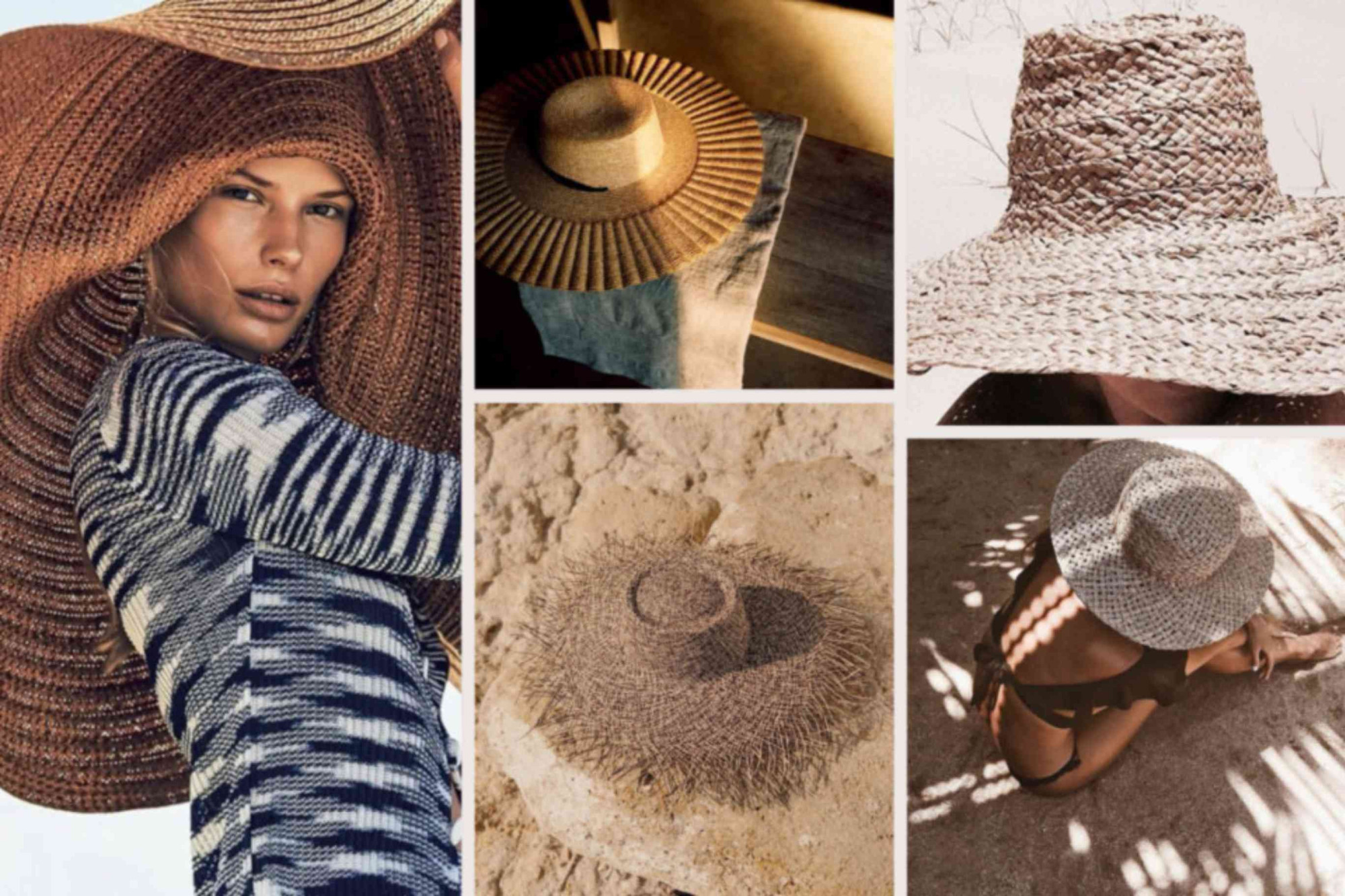
Few accessories are as closely connected to summer on the Riviera as the wide-brimmed sun hat. Originally practical protection from strong sunlight, it has also become an established part of Mediterranean summer dressing.
The proportions of a hat can completely change an outfit. Very wide brims create a stronger silhouette and work particularly well with long dresses, swimwear and simple resort clothing. Smaller structured styles are easier to wear in town and combine naturally with linen shirts, trousers and lightweight tailoring.
Material determines much of the hat's character. Straw, raffia and other woven plant fibres allow air to circulate and provide the textured finish associated with traditional summer accessories. A tightly woven hat generally holds a more defined shape, while looser constructions create softer and more flexible brims.
There are also significant differences between styles. Classic straw hats have a structured crown and brim, while crochet and handwoven designs can feel more relaxed. Visors provide shade without covering the entire head and packable hats are particularly useful for travel.
Neutral shades remain the most versatile, but the weave itself can introduce pattern and contrast. Natural straw, tobacco, cream and darker brown all work easily with white, navy, black and the blues commonly found in Riviera wardrobes.
A good sun hat therefore combines function with proportion, material and craftsmanship. It protects the face from direct sunlight while becoming a defining part of the summer silhouette.
#SunHats #RivieraStyle #SummerAccessories #MediterraneanFashion #LesCouleursDeLaRiviera
Les Couleurs de la Côte D'Azur @lescouleursdelariviera
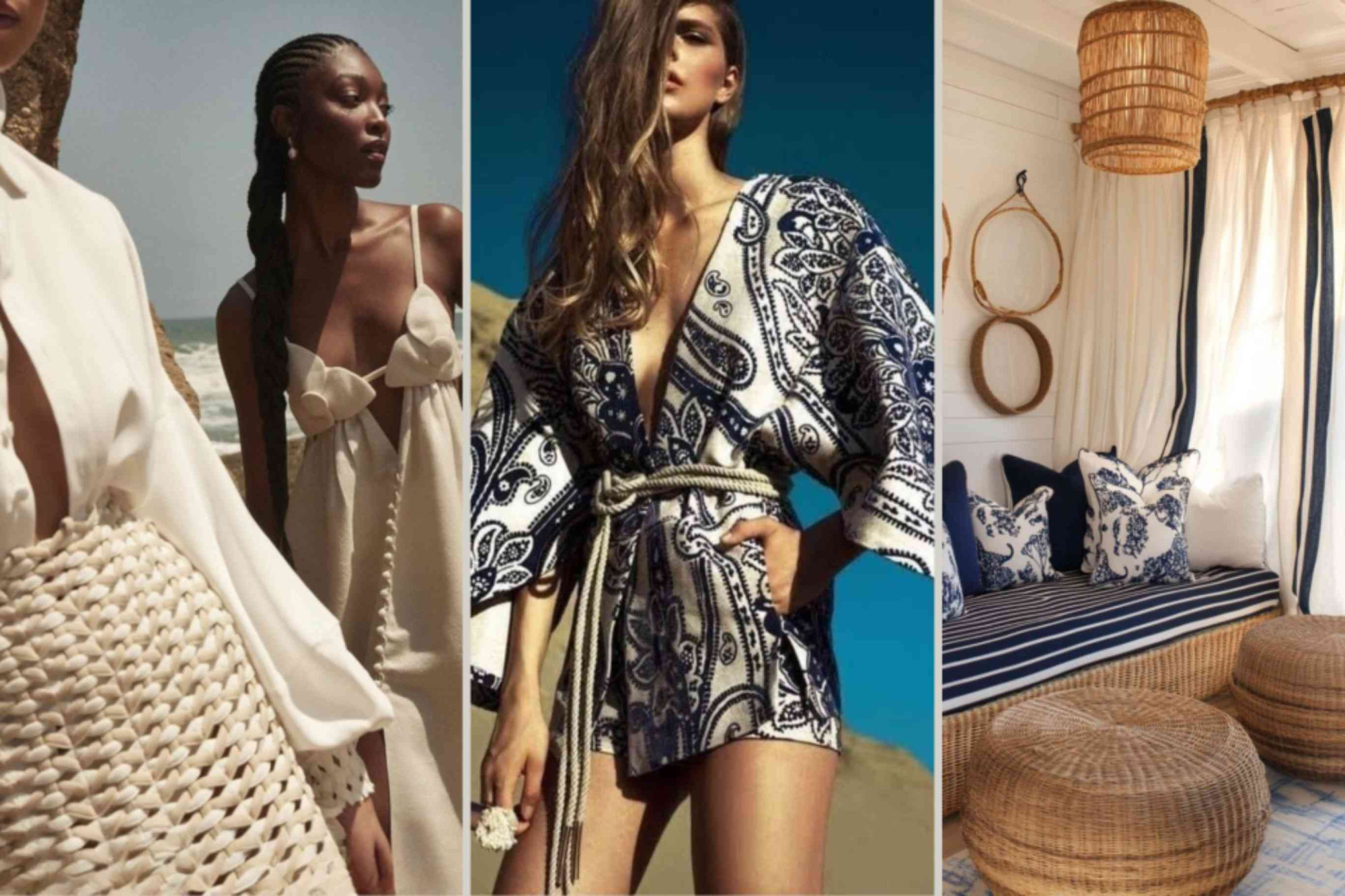
The kaftan has become a familiar part of Mediterranean resort dressing because one garment can move easily between swimwear, daytime clothing and a more dressed-up summer look. Its loose construction also makes it particularly suited to warm climates.
Traditional kaftans have a much longer history across North Africa, the Middle East and parts of Asia, with shapes, fabrics and decorative techniques varying considerably between regions. Contemporary resort fashion has adapted the loose silhouette into shorter tunics, open-front cover-ups and lightweight dresses.
Fabric changes how the garment is worn. Cotton and linen create practical daytime pieces, while silk and viscose provide more movement and a softer drape. Crochet, embroidery, woven borders and printed fabrics can add detail to an otherwise straightforward shape.
On the Riviera, a kaftan works particularly well as a layer over swimwear. A shorter version can be combined with flat sandals and a woven bag for lunch near the beach, while a longer design can replace a summer dress later in the day.
Print also gives the garment a different identity. Blue and white patterns have a natural connection with Mediterranean dressing, while geometric, floral and paisley designs introduce influences from other textile traditions.
The kaftan's continued place in summer fashion comes from this adaptability. The basic silhouette remains recognisable while fabric, length, print and construction allow it to take on many different forms.
#Kaftan #RivieraStyle #ResortWear #MediterraneanFashion #LesCouleursDeLaRiviera
Les Couleurs de la Côte D'Azur @lescouleursdelariviera
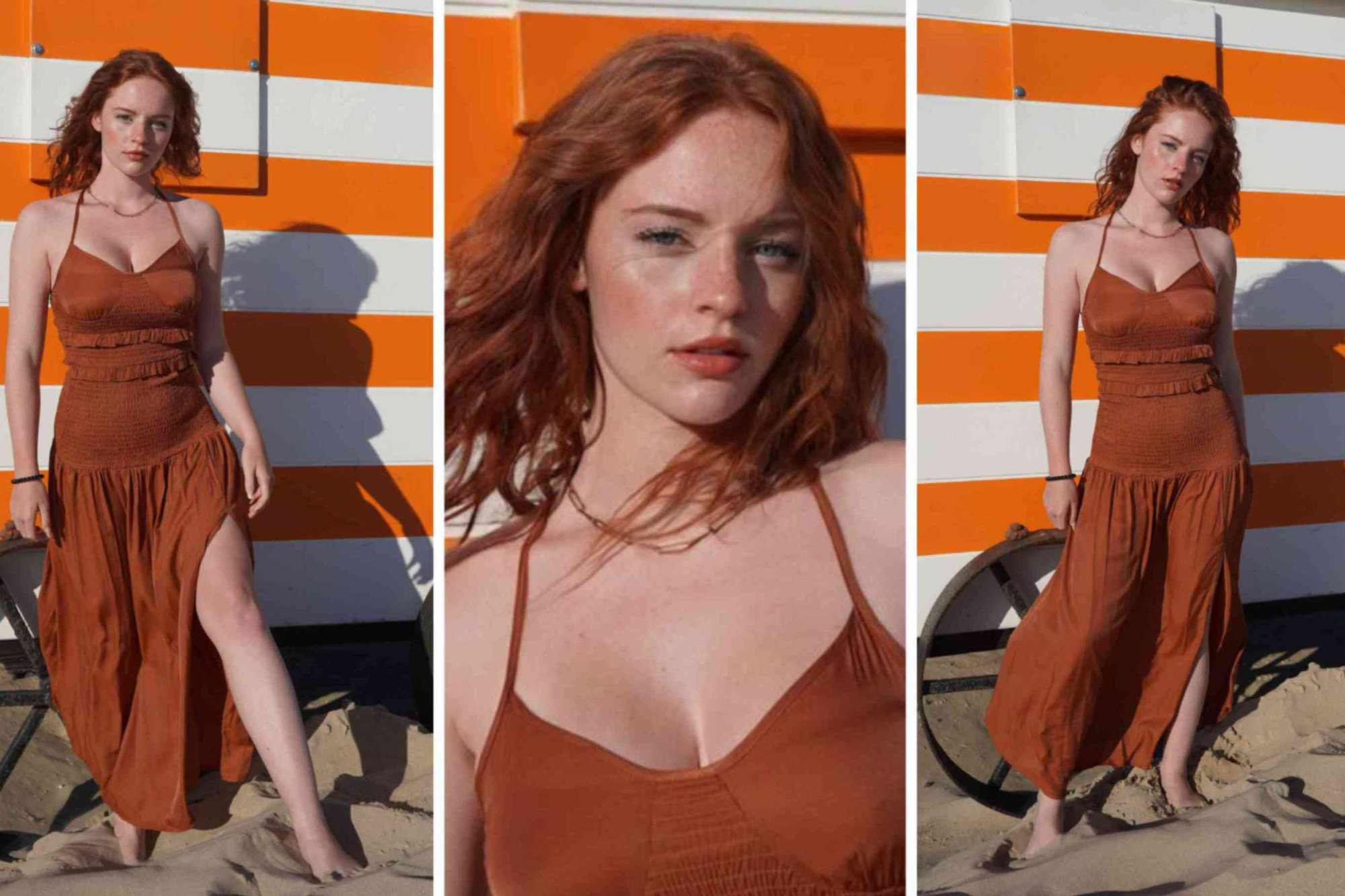
Terracotta is one of the warmer alternatives to the whites and blues traditionally associated with Mediterranean summer fashion. The colour ranges from soft clay and burnt orange to deeper rust and tobacco tones, making it surprisingly versatile in a summer wardrobe.
Its connection with the Mediterranean is easy to understand. Similar shades appear throughout the region in tiled roofs, pottery, sun-baked earth and architecture, giving the colour a natural place within Riviera-inspired fashion.
Terracotta works particularly well with lightweight summer fabrics. Linen and cotton give the colour a softer, more casual appearance, while silk and satin bring out its warmer undertones and create a more polished finish.
The shade is also easy to combine. White and cream make terracotta feel fresher, while sand, camel and natural woven accessories create a warmer tonal palette. Dark brown, black and gold can be introduced when the same colour is worn into the evening.
A single-colour dress is one of the simplest ways to wear it. Without prints or contrasting details, the focus shifts towards the cut, movement and texture of the fabric.
Terracotta also has the advantage of returning regularly without being dependent on a particular summer trend. Alongside white, navy, sand and Mediterranean blue, it has become a useful colour for building a warm-weather wardrobe with more depth.
#Terracotta #RivieraStyle #MediterraneanFashion #SummerColours #LesCouleursDeLaRiviera
Les Couleurs de la Côte D'Azur @lescouleursdelariviera
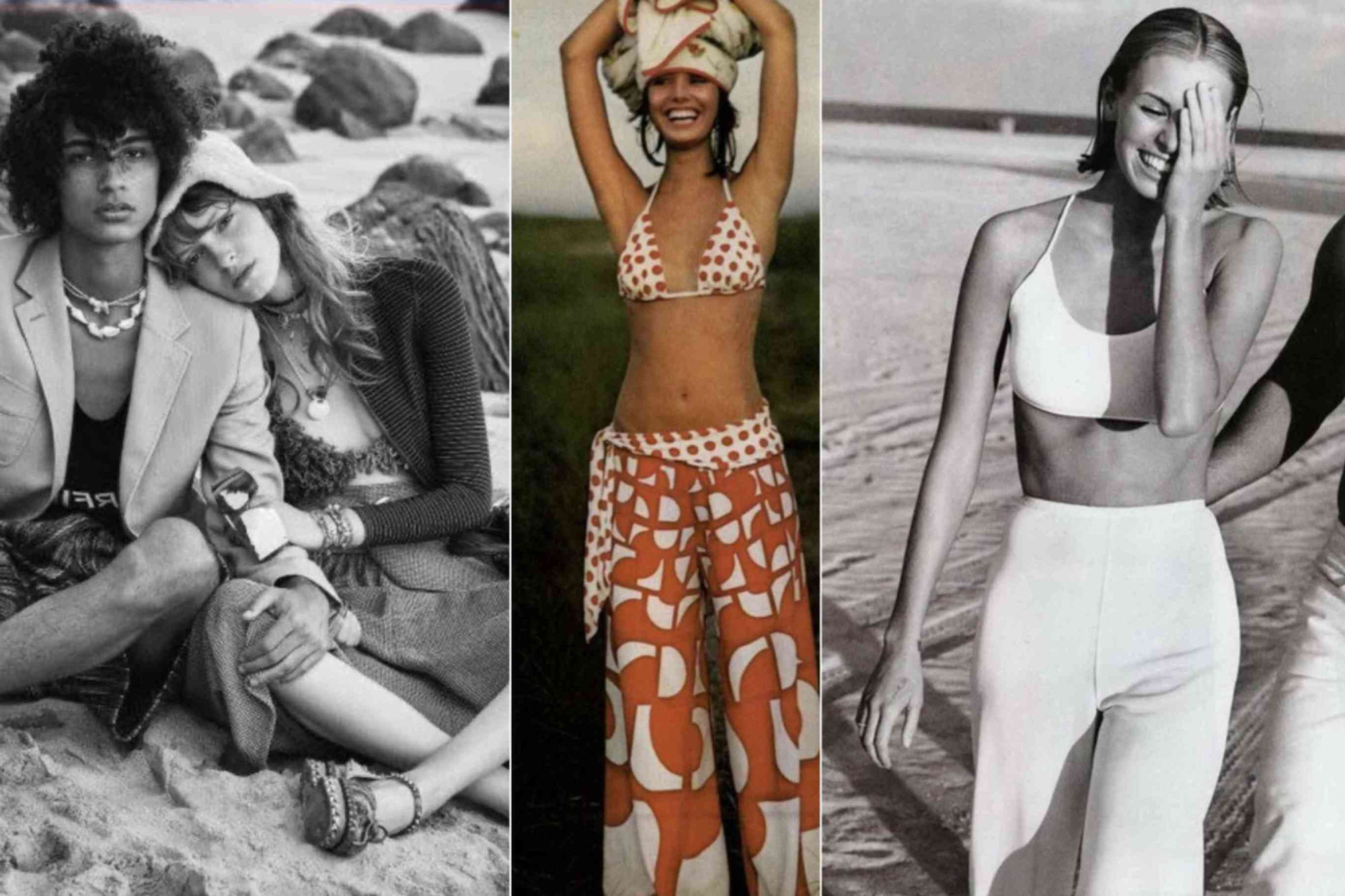
Riviera dressing has long blurred the line between clothes worn for swimming and those worn for the rest of the day. A bikini, swimsuit or simple beach top can become part of a complete outfit when combined with trousers, shorts, a shirt or lightweight tailoring.
High-waisted trousers are particularly useful for this style of dressing. Worn with a bikini top, they provide more coverage away from the beach while keeping the outfit suitable for warm weather. Wide legs and lightweight cotton or linen make the combination more comfortable during summer.
An open shirt or relaxed blazer adds another layer. This can make swimwear appropriate for a walk through town or an informal lunch without requiring a complete change of clothes.
Prints also play an important role. A patterned bikini can be paired with matching or contrasting trousers, while simple black, white or neutral swimwear works easily with stronger colours and prints elsewhere in the outfit.
Accessories help determine where the look belongs. Flat sandals, sunglasses, a scarf, shell jewellery or a woven bag keep it informal, while a structured jacket and simple jewellery create a more polished interpretation.
This flexibility is one of the defining characteristics of a Mediterranean summer wardrobe. Beachwear is no longer reserved exclusively for the beach. With a few well-chosen layers, the same pieces can remain part of an outfit throughout the day.
#RivieraStyle #Beachwear #SummerFashion #MediterraneanStyle #LesCouleursDeLaRiviera
Les Couleurs de la Côte D'Azur @lescouleursdelariviera
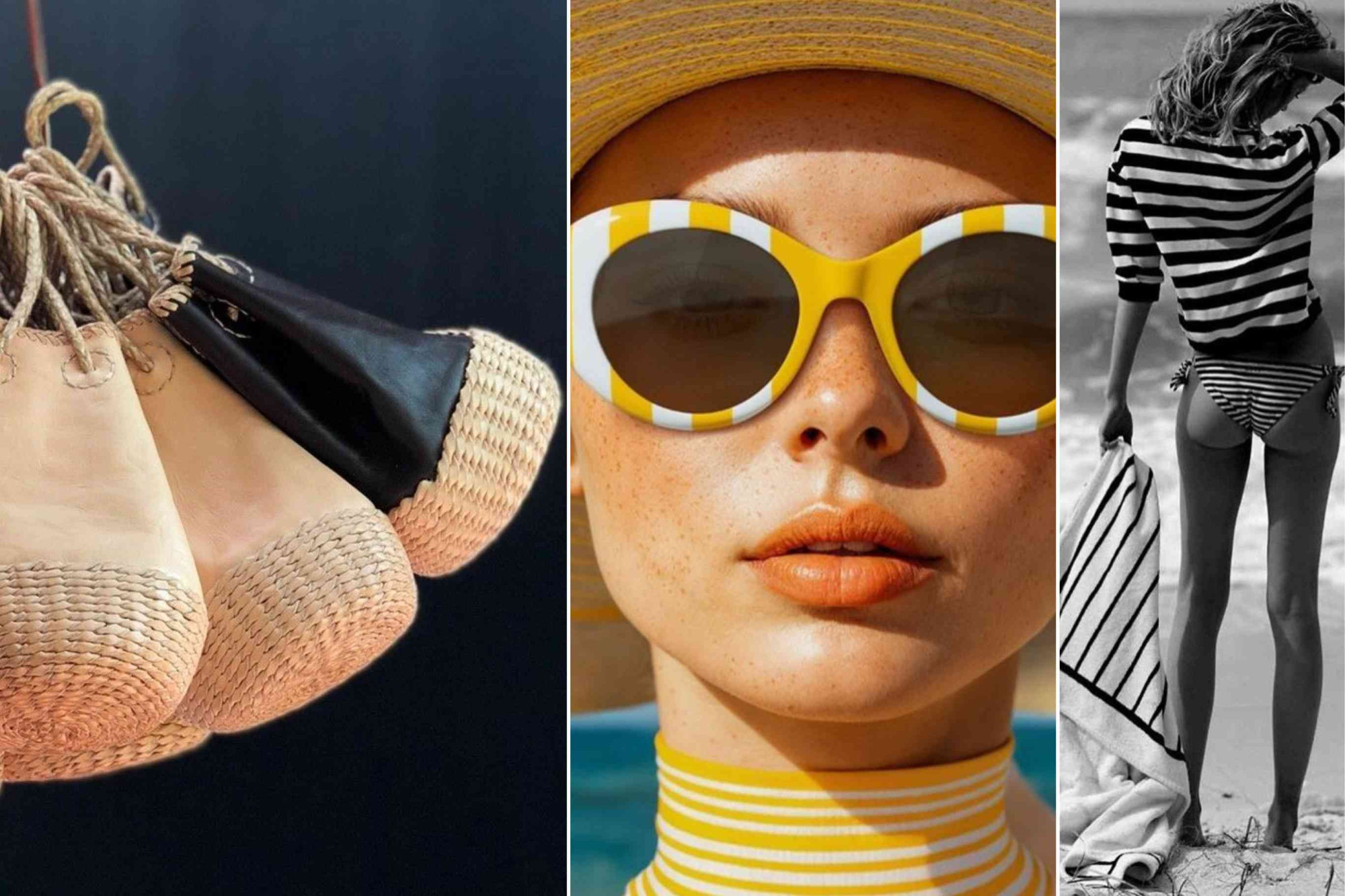
Few patterns are as strongly associated with the French coast as the stripe. From traditional Breton shirts to swimwear, beach bags and summer accessories, stripes have remained part of Riviera dressing for decades.
The connection begins with the marinière, the striped jersey associated with French sailors. Originally part of naval dress, the pattern gradually entered everyday fashion and was later adopted by designers who helped turn it into an internationally recognised element of French style.
While navy and white remain the classic combination, summer fashion has expanded the stripe into a much broader colour palette. Yellow, red, green and softer Mediterranean shades can make the same simple pattern feel completely different.
Scale matters as well. Fine stripes create a more understated effect, while wider bands become a stronger graphic element. Mixing different widths can work particularly well across swimwear, shirts, trousers and accessories.
The pattern also translates easily from clothing to the rest of a summer wardrobe. A striped beach bag or espadrille can introduce the reference without wearing a striped garment, while sunglasses with graphic frames provide a more playful interpretation.
This adaptability explains why stripes continue to return to the Riviera wardrobe. The colours and proportions may change, but the pattern remains closely connected with French coastal style.
#RivieraStyle #Stripes #FrenchFashion #MediterraneanStyle #LesCouleursDeLaRiviera
Les Couleurs de la Côte D'Azur @lescouleursdelariviera
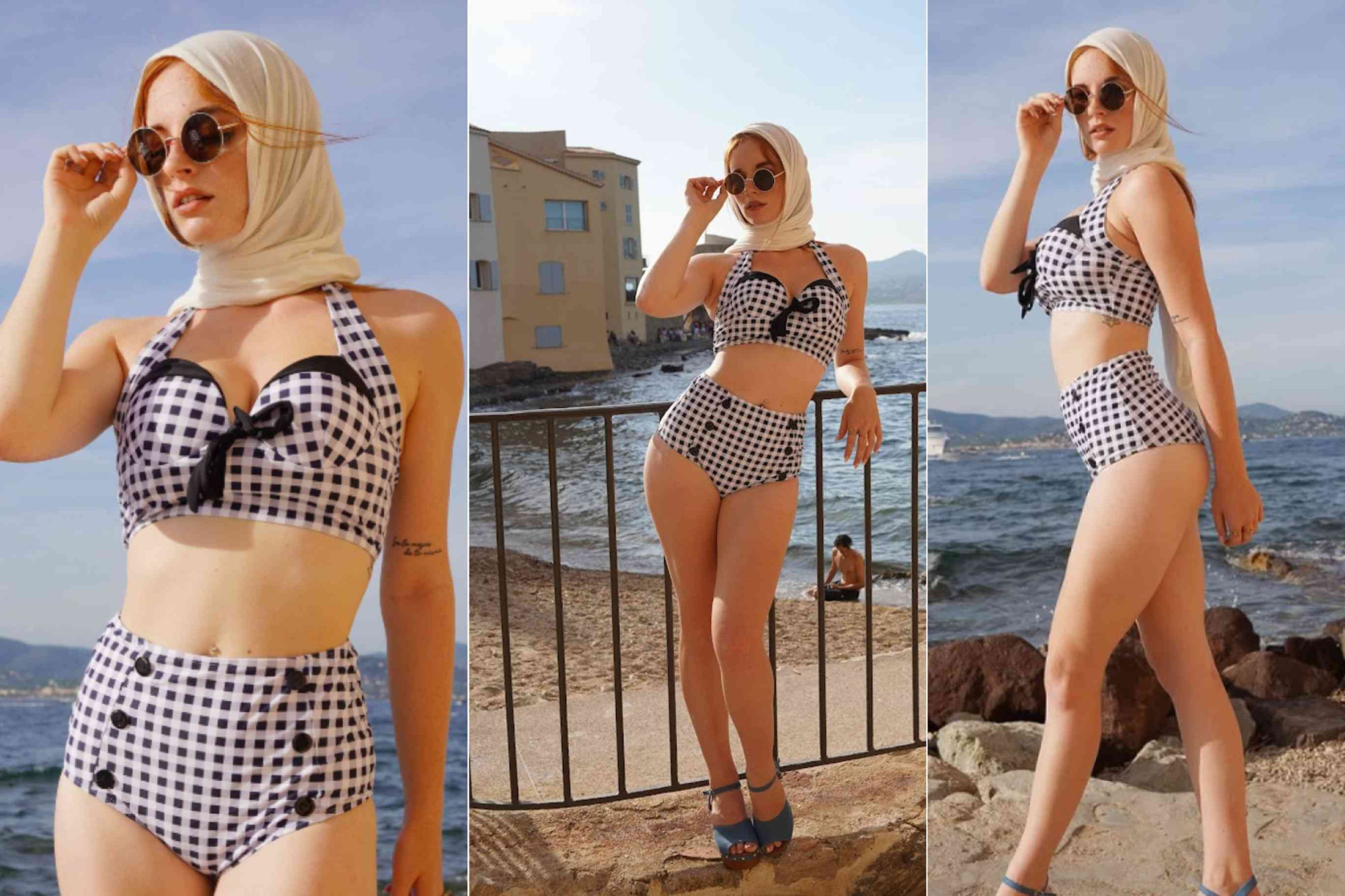
Gingham became one of the most recognisable patterns of French summer fashion during the 1950s and remains closely associated with the playful side of Riviera style.
Its place in fashion history is strongly connected with Brigitte Bardot. She wore gingham both on and off screen and famously chose a pink-and-white gingham dress for her 1959 wedding to Jacques Charrier. At a time when checks were still strongly associated with everyday cotton clothing, Bardot helped give the pattern a younger and more fashionable identity.
The Riviera proved a natural setting for it. Small checks work particularly well on structured bikinis, high-waisted bottoms, sundresses and fitted tops, combining a graphic pattern with silhouettes associated with mid-century summer fashion.
Black and white gives gingham a classic appearance, while pink, blue, yellow and red create a softer or more playful result. The scale of the check also changes its character, from small traditional gingham to larger checks with a stronger visual impact.
Swimwear shows why the pattern has lasted particularly well. A gingham bikini can reference the 1950s without requiring an entirely vintage outfit. High-waisted bottoms, supportive tops and simple accessories allow the pattern to be interpreted in a contemporary way.
Combined with round sunglasses, a headscarf, espadrilles or a woven beach bag, gingham remains an unmistakable reference to the decades that helped establish the French Riviera as an international fashion destination.
#Gingham #RivieraStyle #BrigitteBardot #FrenchFashion #LesCouleursDeLaRiviera
Les Couleurs de la Côte D'Azur @lescouleursdelariviera
Swimwear has changed considerably since sea bathing became a fashionable leisure activity, evolving from clothing designed primarily for coverage into a distinct part of the summer wardrobe.
Early bathing costumes covered much of the body and were made from relatively heavy fabrics. During the first half of the twentieth century, new materials and changing attitudes towards leisure gradually allowed swimsuits to become lighter, closer fitting and more practical for swimming.
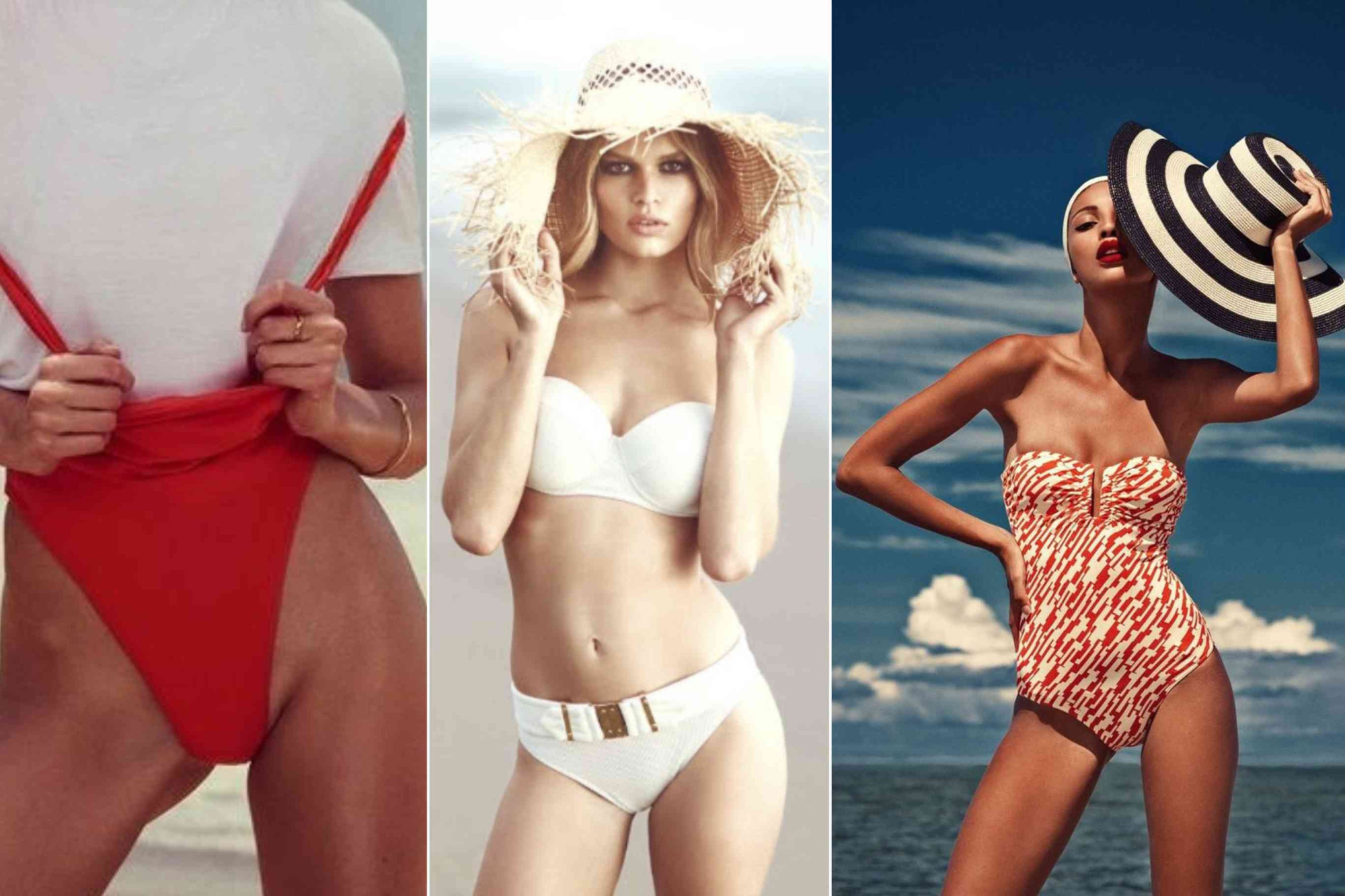
The bikini marked one of the biggest changes. Introduced in France in 1946, the two-piece design was initially controversial but became increasingly accepted during the following decades. The popularity of beach culture and figures such as Brigitte Bardot helped make the bikini particularly associated with holidays on the French Riviera.
The one-piece developed alongside it. Structured cups, defined waists and higher-cut legs allowed designers to treat the swimsuit as a fashion garment rather than simply practical bathing clothing.
Silhouettes have continued to change. High-waisted bikini bottoms reference styles from the 1940s and 1950s, while high-cut designs recall later decades. Bandeau tops, triangle bikinis and minimal one-pieces regularly return in new fabrics and colours.
Accessories became part of the look too. Wide-brimmed hats, scarves, sunglasses and jewellery turned swimwear into a complete beach outfit and helped establish the glamorous visual identity associated with Mediterranean resorts.
Today, many of these historical silhouettes exist alongside one another. The modern Riviera wardrobe can include a simple bikini, a structured retro swimsuit or a classic one-piece, showing how swimwear has developed into one of summer fashion's most varied categories.
#Swimwear #RivieraStyle #FrenchFashion #Beachwear #LesCouleursDeLaRiviera
Les Couleurs de la Côte D'Azur @lescouleursdelariviera
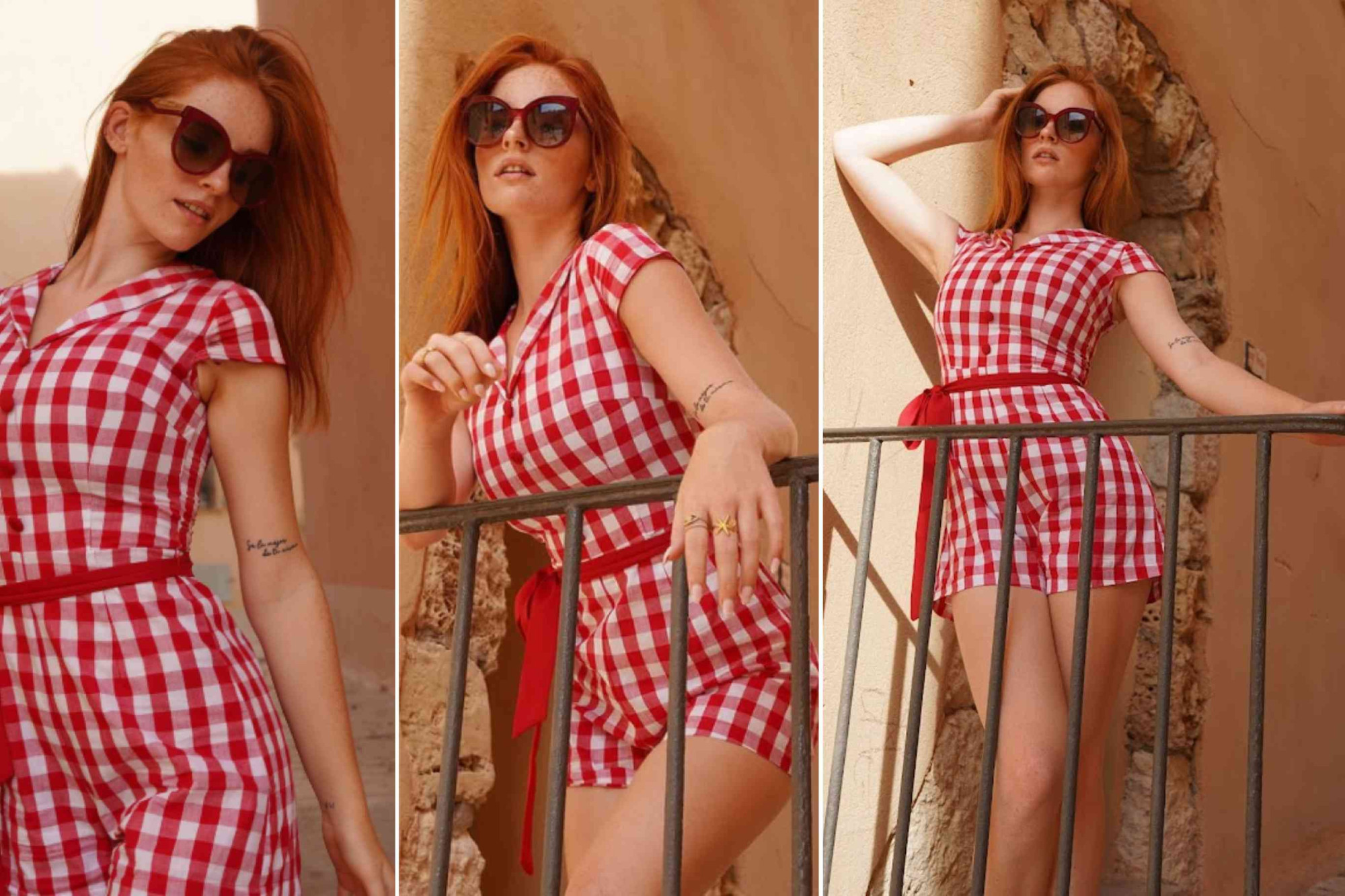
The playsuit combines the ease of a summer dress with the practicality of shorts, making it particularly suited to warm-weather dressing. Usually cut as a single garment with a defined waist, it creates a complete outfit without requiring separate pieces to be coordinated.
Playsuits became increasingly visible in women's leisurewear during the twentieth century, particularly as clothing for holidays, beaches and outdoor activities became less formal. Over time, the silhouette moved from practical resort clothing into mainstream summer fashion.
Fabric determines how the garment feels and where it can be worn. Lightweight cotton and linen work well during the day, while more structured fabrics create a sharper silhouette suitable for lunch or an evening in town.
The cut can vary considerably. A fitted waist creates a more defined shape, while looser designs have the relaxed proportions associated with resort wear. Short sleeves, halter necks and sleeveless versions provide further variations without changing the basic principle of the garment.
Prints are particularly effective on a playsuit because the pattern runs across the entire outfit. Checks, stripes and florals can become the main feature, while a belt or contrasting trim provides definition.
Simple accessories are usually enough to complete the look. Sunglasses, flat sandals, espadrilles and a small summer bag allow the garment itself to remain the focus.
Its combination of comfort and structure explains why the playsuit continues to return to summer wardrobes. It is practical for warm days while still providing the finished appearance of a complete outfit.
#SummerPlaysuit #RivieraStyle #SummerFashion #ResortWear #LesCouleursDeLaRiviera
Les Couleurs de la Côte D'Azur @lescouleursdelariviera
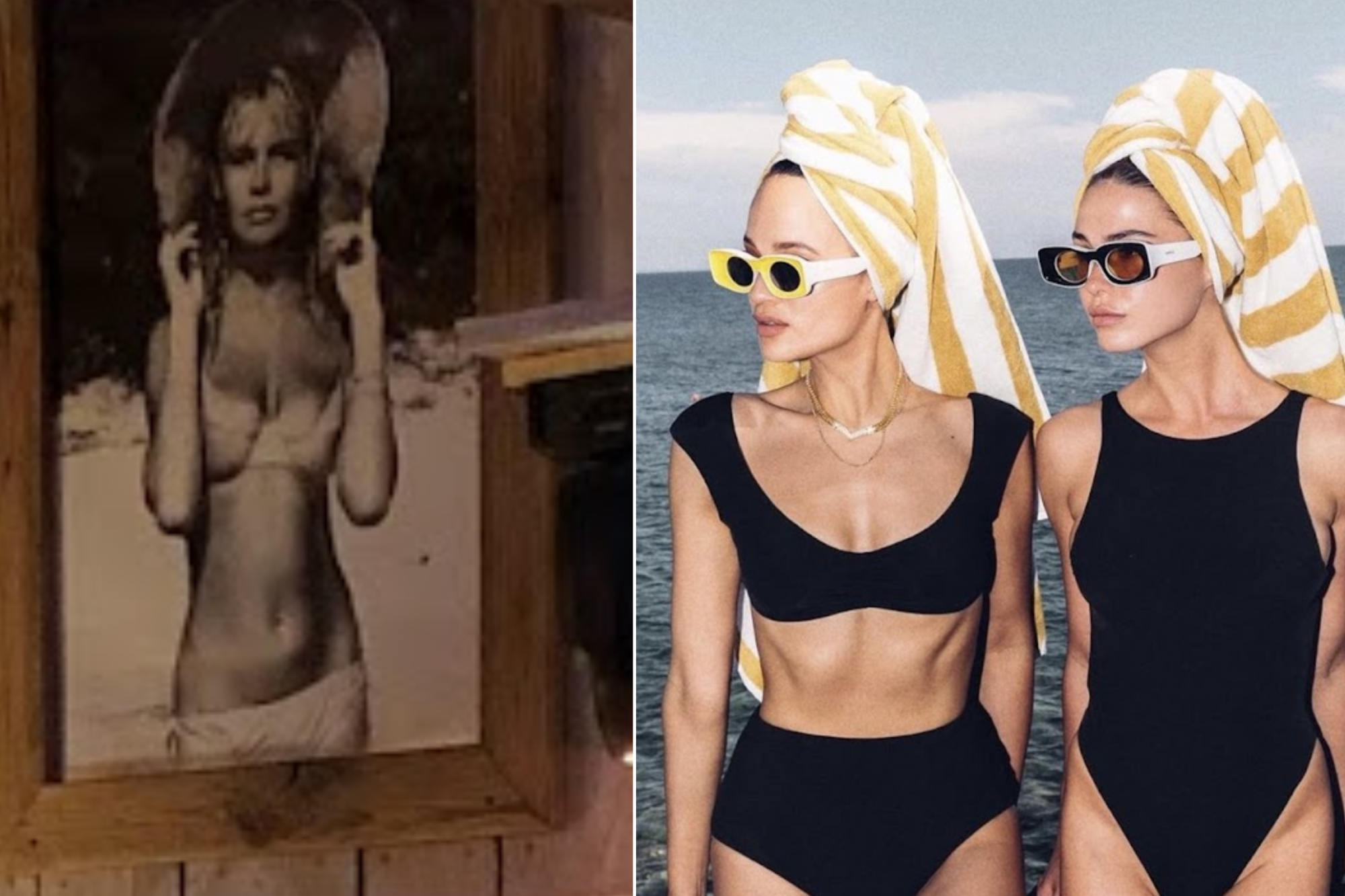
The black swimsuit has remained a summer classic because its impact comes primarily from shape and cut rather than colour or print. From simple one-pieces to high-waisted bikinis, it has appeared repeatedly throughout the history of resort and beach fashion.
The one-piece is perhaps its most recognisable form. A clean neckline and relatively simple construction create a strong silhouette, while variations in straps, leg height and back shape can make two black swimsuits look completely different.
The bikini provides another interpretation. High-waisted bottoms reference the structured swimwear of earlier decades, while minimal tops create a more contemporary proportion. Black also makes it easy to combine pieces from different sets without the result appearing mismatched.
Its versatility extends beyond swimming. A black one-piece can work as a bodysuit beneath linen trousers, shorts or a long skirt, while a bikini can be layered under an open shirt or lightweight kaftan.
Accessories determine much of the final look. Sunglasses can introduce colour or a retro reference, while striped towels, woven bags and simple jewellery add contrast without competing with the swimwear.
This ability to adapt to changing silhouettes is one reason the black swimsuit has remained relevant. Trends in swimwear continue to change, but black provides a consistent foundation for both classic and contemporary beach dressing.
#BlackSwimsuit #RivieraStyle #Swimwear #SummerFashion #LesCouleursDeLaRiviera
Les Couleurs de la Côte D'Azur @lescouleursdelariviera
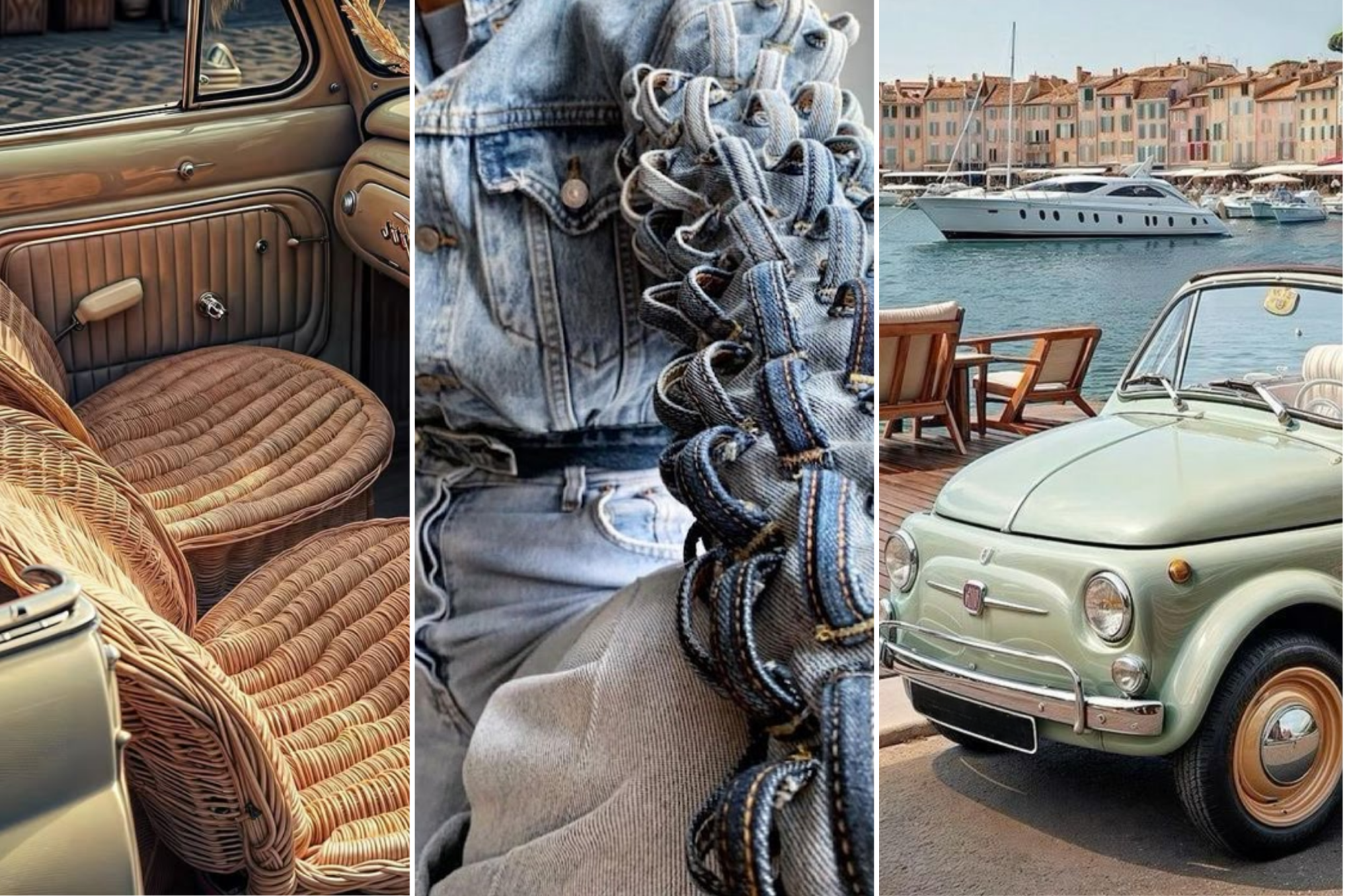
Denim brings a more casual side to Riviera style, particularly when it is combined with the lighter fabrics and accessories associated with Mediterranean dressing.
Although the French Riviera is frequently linked with linen, swimwear and polished resort clothing, denim has long had a place in informal summer wardrobes. Jeans, shorts, skirts and lightweight jackets provide practical pieces for cooler mornings, travelling and evenings after a day at the coast.
Wash has a considerable influence on the look. Faded blue denim feels naturally suited to summer, while white and ecru provide a lighter alternative to traditional indigo. Raw or darker denim creates a sharper appearance and can work particularly well outside the hottest part of the day.
The fabric also combines easily with Riviera staples. Denim shorts with a white cotton shirt, jeans with espadrilles or a jacket worn over a summer dress create outfits that feel relaxed without becoming beachwear.
Details can give classic denim a different identity. Braiding, contrasting seams, embroidery and reconstructed panels introduce craftsmanship and texture, while a straightforward pair of vintage jeans keeps the focus on cut and fit.
Denim is also one of the easiest fabrics to carry between seasons. The same jacket worn over a swimsuit in late summer can return with knitwear when temperatures fall.
That versatility gives denim a useful place in a Riviera wardrobe. Alongside linen, cotton and woven accessories, it represents the more informal side of dressing on the Côte d’Azur.
#DenimStyle #RivieraStyle #FrenchFashion #SummerWardrobe #LesCouleursDeLaRiviera
Les Couleurs de la Côte D'Azur @lescouleursdelariviera
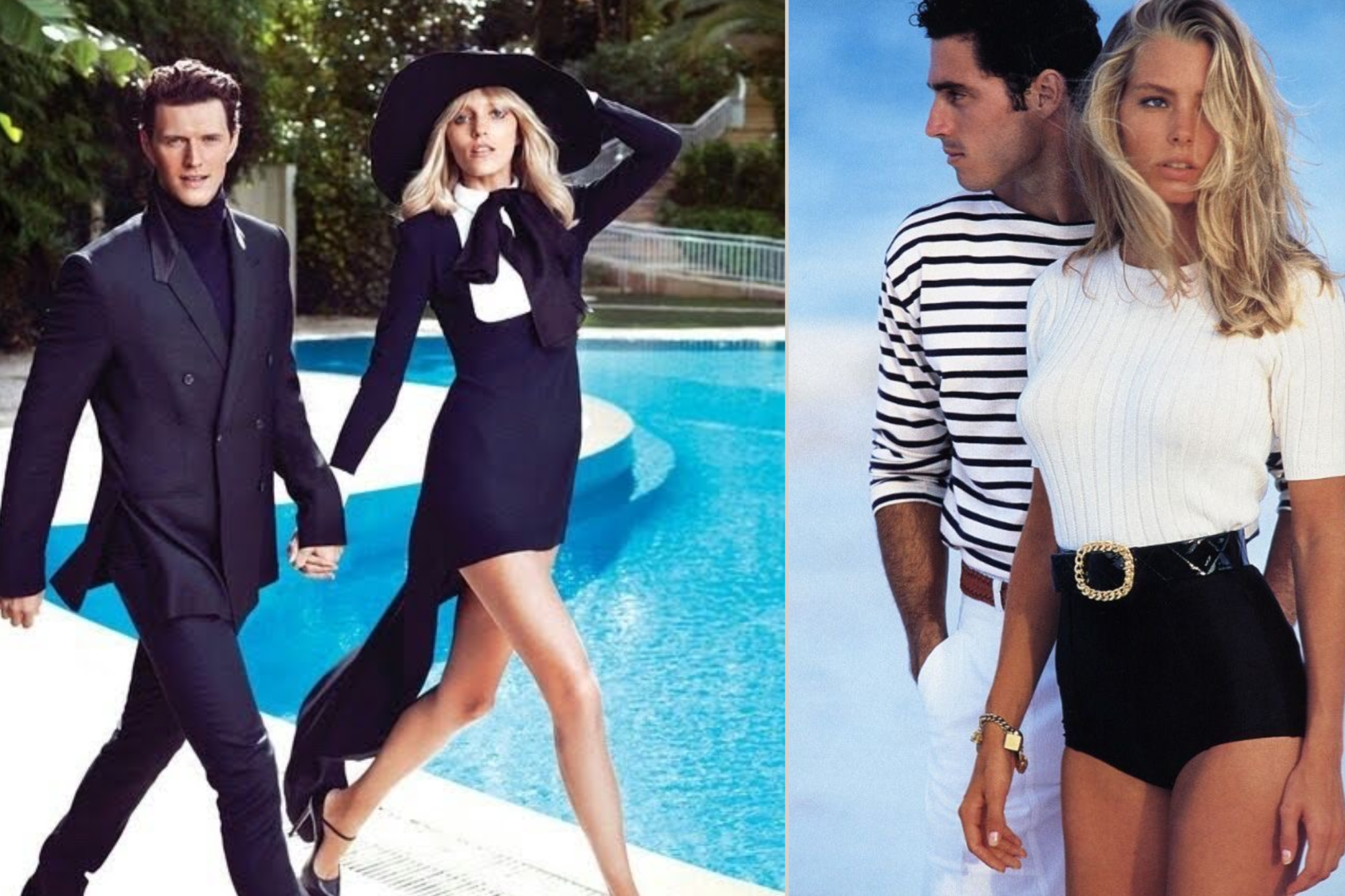
Black and white provide a sharper alternative to the pale neutrals and coastal blues commonly associated with Riviera fashion. The combination works across swimwear, knitwear and tailoring and has remained part of French summer style through changing decades.
White naturally suits warm-weather dressing and creates a clean base for an outfit. Black introduces contrast and definition, particularly through high-waisted shorts, fitted trousers, belts and structured jackets.
The proportions are what make the combination interesting. A simple white knit with black high-waisted shorts creates a very different silhouette from a fitted black dress or sharply tailored suit, even though the palette remains the same.
Stripes provide another interpretation. The marinière brings black or navy lines into an otherwise light outfit and can be worn with white trousers, shorts or denim. It is one of the easiest ways to reference French coastal style without building an entire outfit around nautical details.
Accessories can reinforce the graphic quality of the palette. A black belt against white clothing, dark sunglasses, monochrome shoes or a wide-brimmed hat can become a focal point without introducing another colour.
Black and white also move easily from day to evening. Relaxed knitwear and shorts suit the coast during the day, while stronger tailoring and more defined silhouettes work for restaurants and summer events.
The simplicity of the palette leaves room for cut, proportion and texture to take the lead, which is one reason black and white continue to have a place in the Riviera wardrobe.
#BlackAndWhite #RivieraStyle #FrenchFashion #SummerStyle #LesCouleursDeLaRiviera
Les Couleurs de la Côte D'Azur @lescouleursdelariviera
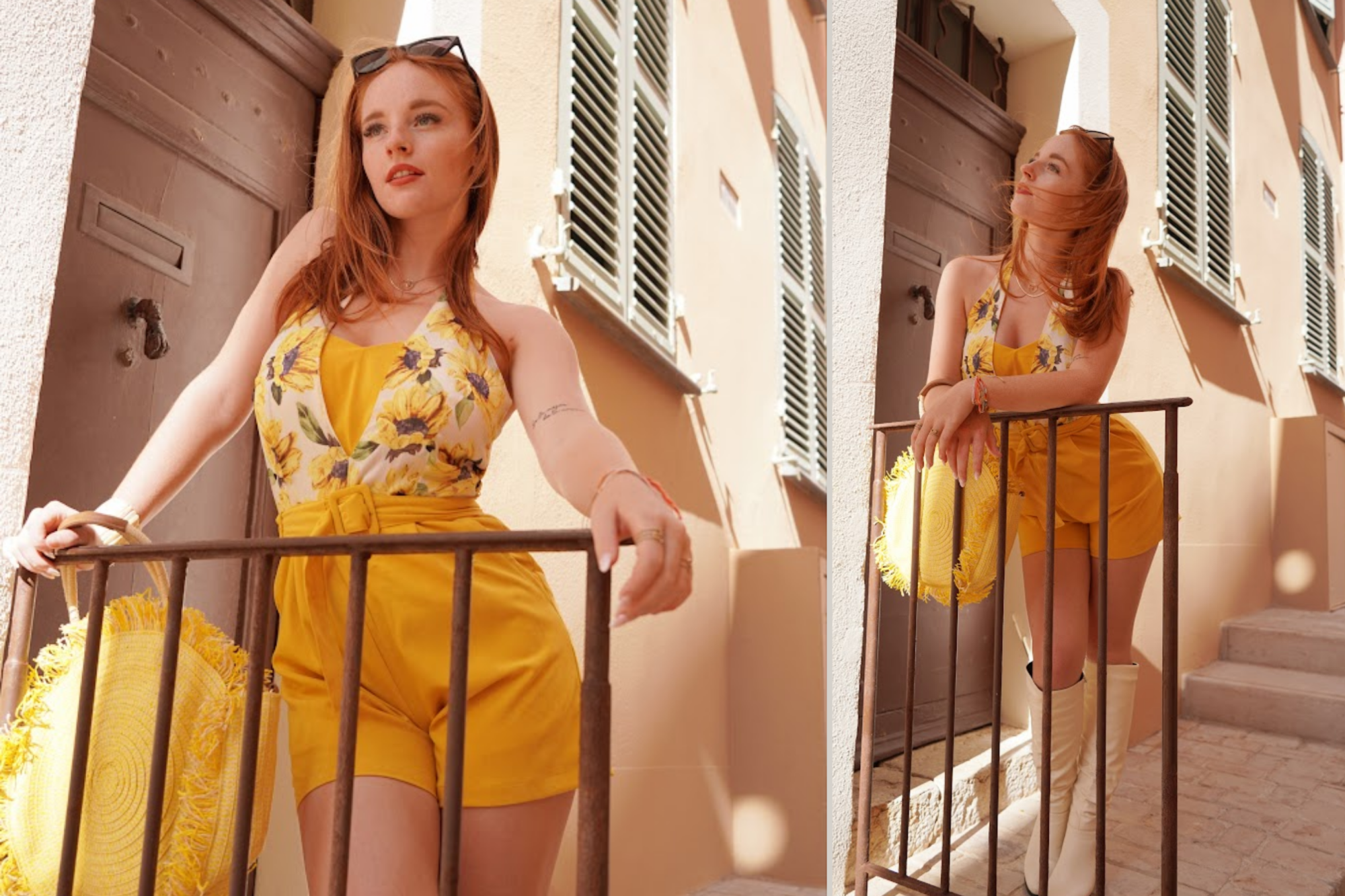
Yellow brings warmth and energy to a summer wardrobe and works particularly well with the sunlit colours of the Mediterranean. From pale butter and lemon to mustard and deeper golden shades, the colour can be used as either a small accent or the main focus of an outfit.
Lighter yellows combine naturally with white, cream and pale denim, creating a softer palette for daytime. Stronger shades work well with tan leather, natural raffia and warm neutrals, which makes them particularly easy to introduce through summer accessories.
Print provides another way to wear the colour. Floral patterns combining yellow with green, white or softer neutral tones can break up a brighter shade while still keeping the overall look distinctly summery.
A tonal outfit can also bring several shades together. Yellow shorts paired with a printed top and a woven bag in a similar colour family create variation through texture and pattern instead of strong colour contrast.
Accessories are useful when a full yellow outfit feels too dominant. Sunglasses, a woven bag, scarf or sandals can introduce the colour while allowing the rest of the wardrobe to remain neutral.
Against the ochre façades, stone streets and blue skies found throughout the South of France, yellow feels particularly at home. It is a colour that reflects the warmer side of Riviera dressing without relying on the traditional combination of navy and white.
#RivieraStyle #SummerColours #YellowFashion #MediterraneanStyle #LesCouleursDeLaRiviera
Les Couleurs de la Côte D'Azur @lescouleursdelariviera
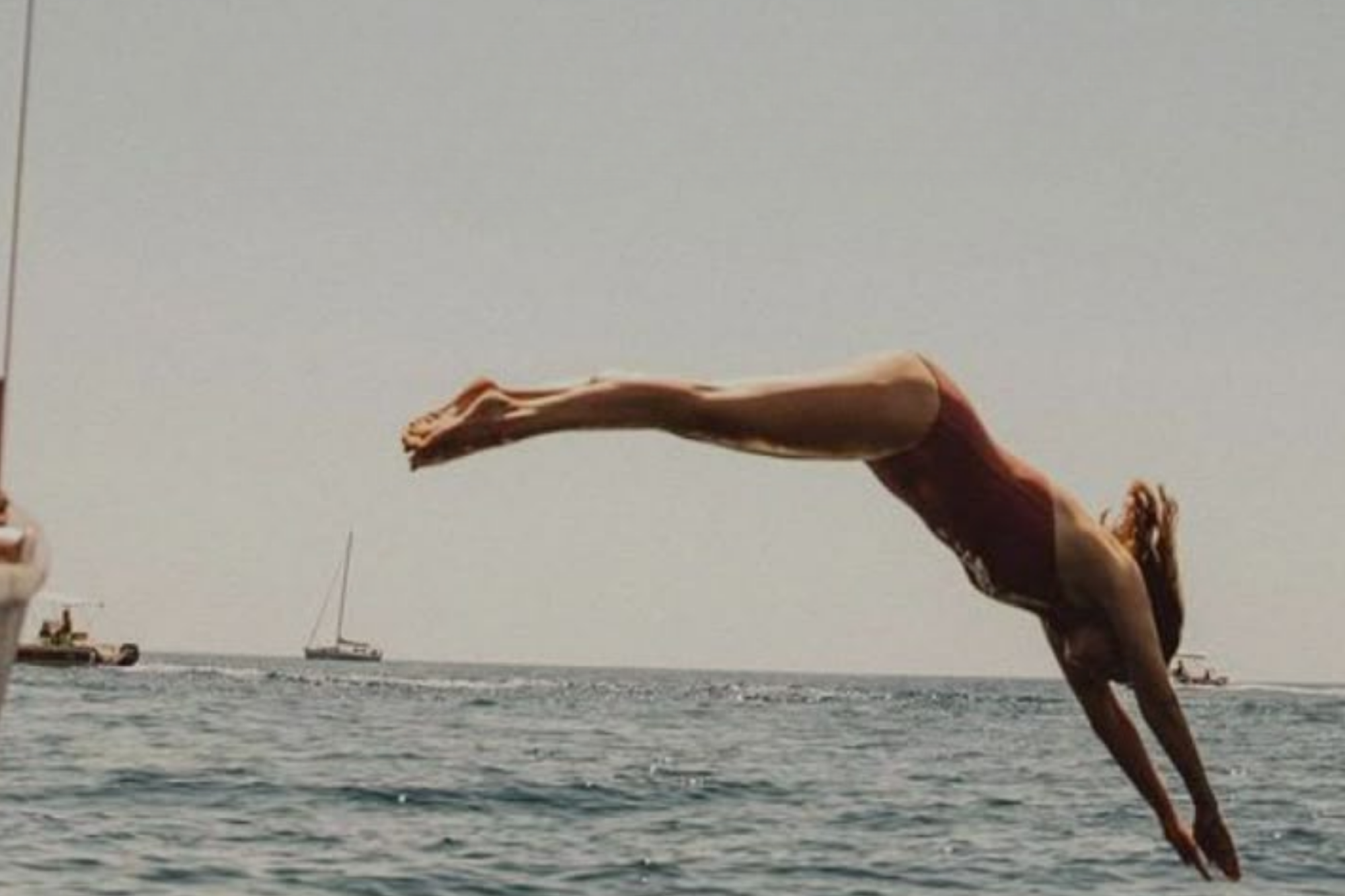
The one-piece swimsuit has survived decades of changing beach fashion because a simple silhouette can be continually reinterpreted through cut, fabric and proportion.
Early twentieth-century swimsuits covered considerably more of the body, but improvements in stretch fabrics gradually allowed designs to become more fitted and suitable for swimming. By the middle of the century, the one-piece had developed into a fashion garment in its own right.
Necklines are one of the elements that distinguish different designs. Scoop, halter, square and plunging shapes can completely alter the appearance of an otherwise minimal swimsuit. The height of the leg and shape of the back have a similar effect on its proportions.
Colour can be equally important. Black, navy and white create a classic look, while terracotta, red and other warm Mediterranean shades give a straightforward silhouette more presence without relying on print.
The simplicity of a one-piece also makes it versatile away from the water. Worn beneath linen trousers, shorts or a long skirt, it can function much like a bodysuit. An open shirt, sandals and a woven bag are enough to take it from the beach into the rest of the day.
Perhaps this versatility explains its longevity. While bikini shapes and swimwear trends continue to change, the one-piece remains one of the foundations of the summer wardrobe.
#OnePieceSwimsuit #RivieraStyle #Swimwear #BeachFashion #LesCouleursDeLaRiviera
Les Couleurs de la Côte D'Azur @lescouleursdelariviera
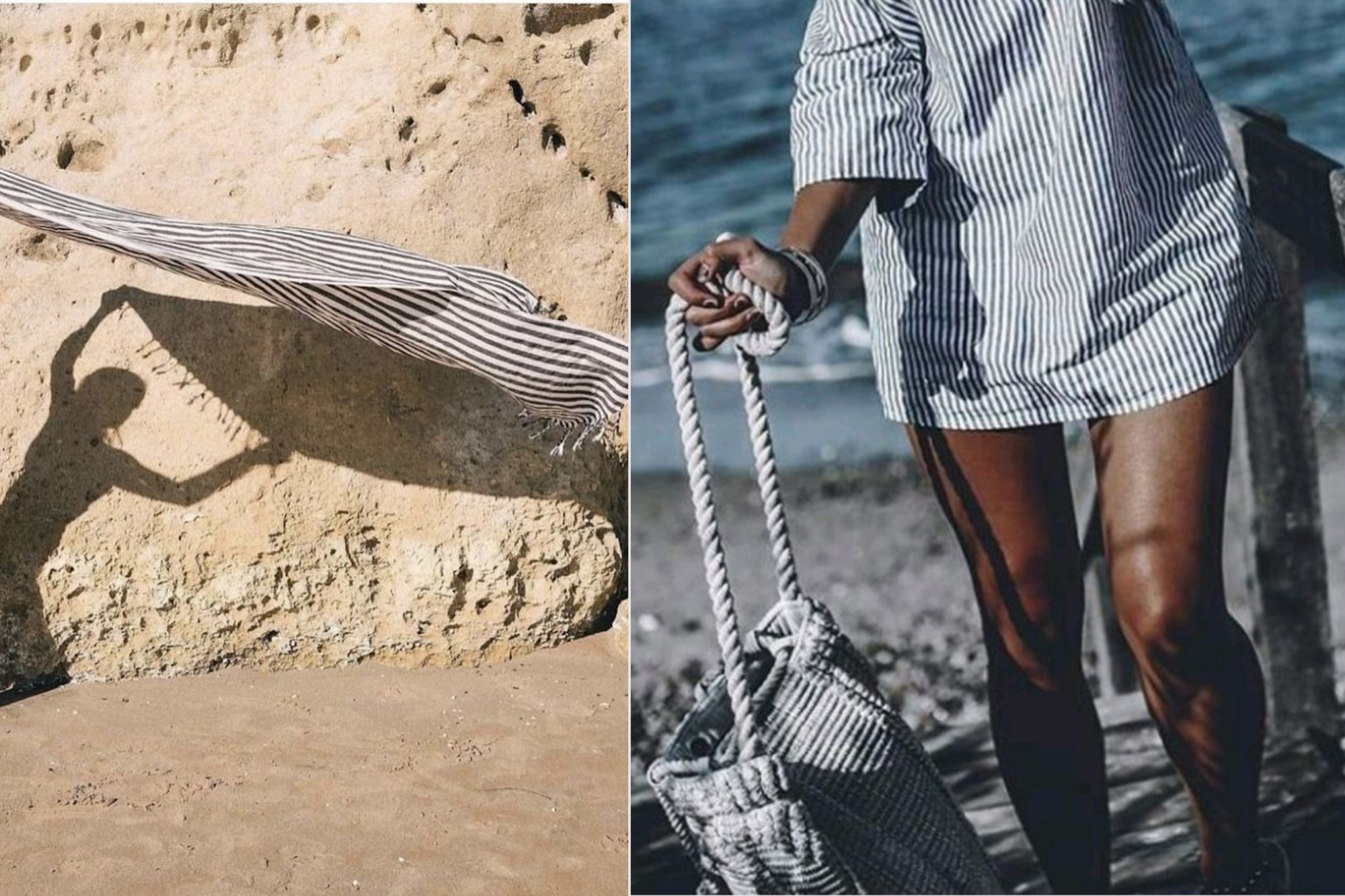
An oversized shirt is one of the most versatile pieces in a Riviera summer wardrobe, moving easily between beachwear and everyday clothing.
Cotton and linen are particularly suited to this style. Both fabrics are lightweight enough for warm weather, while a loose cut allows the shirt to be worn comfortably over swimwear.
Stripes give the classic shirt a stronger coastal identity. Fine blue and white lines reference traditional shirting and French seaside style without turning the garment into obvious nautical clothing. Wider stripes create a more casual effect, particularly when combined with woven accessories.
Length changes how the shirt can be worn. A longer version can function as a beach cover-up on its own, while a shorter oversized shirt works with linen trousers, denim shorts or a swimsuit. Rolling the sleeves or leaving several buttons open makes the same piece feel more informal.
The shirt is also useful away from the beach. Buttoned and belted, it can become a simple shirt dress. Worn open over a top and trousers, it provides a lightweight extra layer for later in the day.
Accessories can remain practical: a woven beach bag, flat sandals, sunglasses and a hat are enough to complete the look.
Its usefulness comes from this flexibility. Instead of being designed exclusively as beachwear, a good summer shirt can move through several parts of the day and return each year as part of the same wardrobe.
#BeachShirt #RivieraStyle #SummerWardrobe #FrenchStyle #LesCouleursDeLaRiviera
Les Couleurs de la Côte D'Azur @lescouleursdelariviera
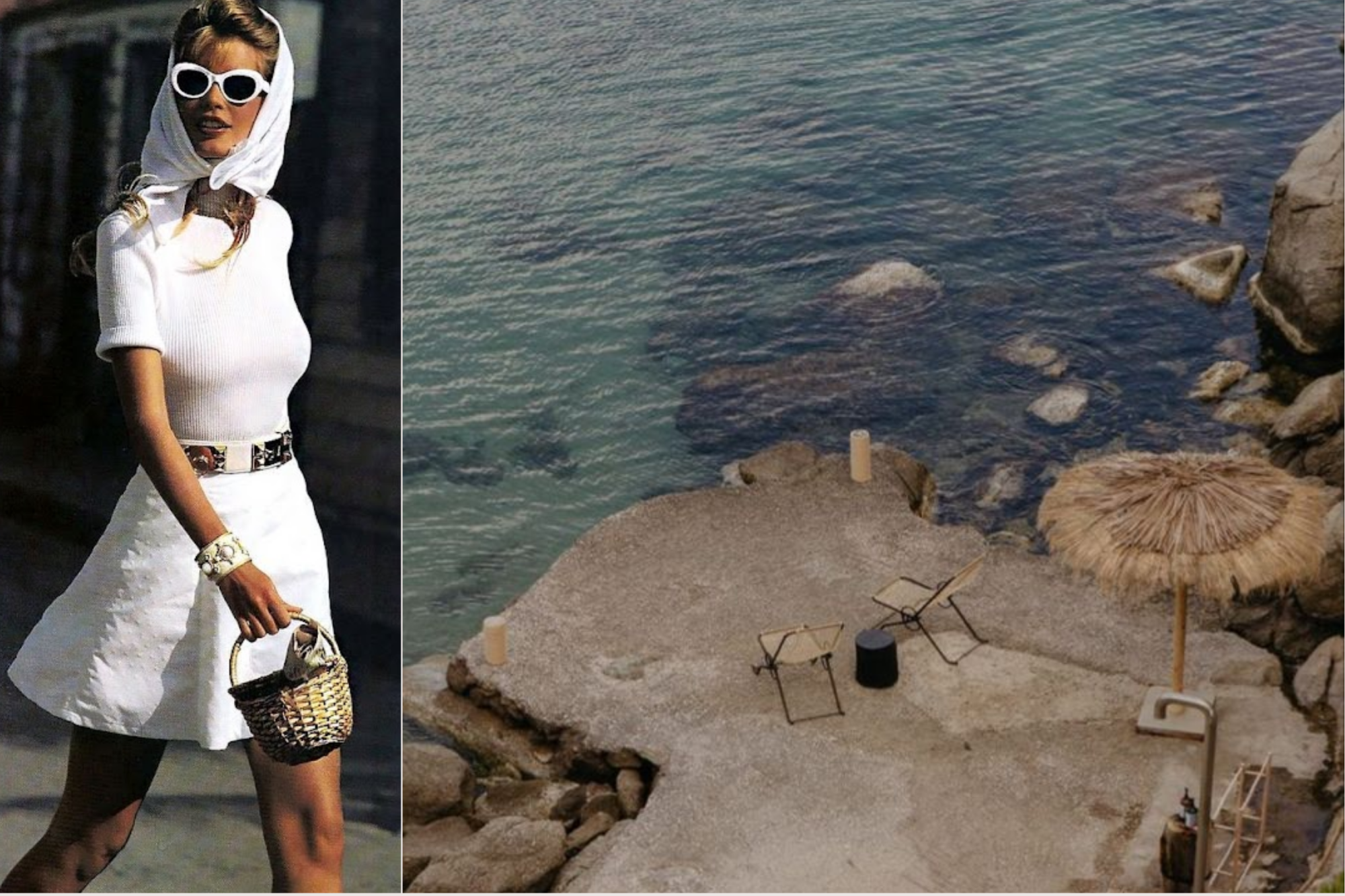
The headscarf became one of the defining accessories of mid-century Riviera style, combining practical protection from the sun and wind with a distinctly polished summer look.
During the 1950s and 1960s, scarves were regularly worn along the Mediterranean coast by actresses, models and holidaymakers. Folded over the hair and tied beneath the chin, they were particularly practical for travelling in open-top cars, spending time on boats or dealing with the coastal breeze.
Silk and lightweight cotton create different versions of the look. Silk gives the scarf a smoother finish and works particularly well with dresses and tailored clothing, while cotton feels more informal with swimwear, shorts and summer separates.
The way a scarf is tied changes its character. Worn beneath the chin, it has the unmistakable retro appearance associated with Riviera photographs of the period. Wrapped around the hair or tied at the back, the same accessory becomes more relaxed.
Sunglasses are a natural companion. Cat-eye, oval and oversized frames reinforce the vintage influence, while contemporary shapes prevent the combination from feeling like a costume.
A headscarf also works particularly well with a simple palette. White clothing, a woven bag and minimal jewellery allow the scarf and sunglasses to provide the main detail.
Its appeal has lasted because the scarf is both functional and adaptable. What began as a practical way to protect the hair has become one of the most recognisable accessories associated with summers on the French Riviera.
#Headscarf #RivieraStyle #FrenchFashion #VintageStyle #LesCouleursDeLaRiviera
Les Couleurs de la Côte D'Azur @lescouleursdelariviera
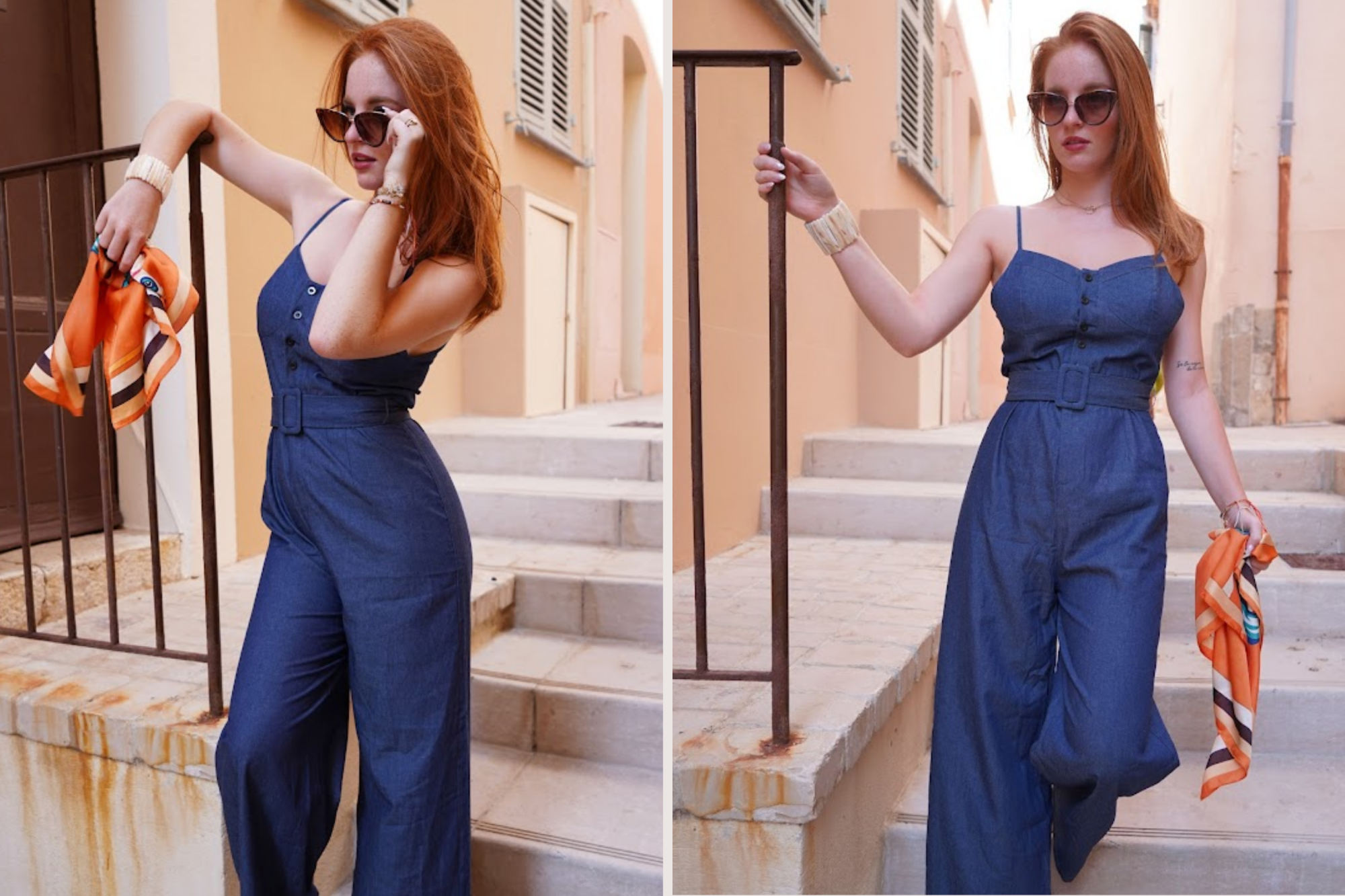
The jumpsuit provides the simplicity of a one-piece outfit while offering an alternative to the summer dress. With the right fabric and cut, it can move easily between daytime dressing, holidays and more polished occasions.
Originally associated with practical clothing, the jumpsuit entered women's fashion during the twentieth century and developed into numerous silhouettes. Wide legs, fitted waists and sleeveless tops are particularly suited to summer because they create shape without requiring several layers.
Fabric has a significant influence on the result. Linen and lightweight cotton create a relaxed daytime look, while finer woven fabrics and more structured finishes make the same basic silhouette suitable for restaurants or summer events.
A defined waist changes the proportions of a wide-leg jumpsuit. Belts, seams or fitted panels provide structure through the centre of the body while allowing the trousers to remain loose and comfortable.
Navy and Mediterranean blue are particularly versatile choices for the Riviera. They provide an alternative to black while combining easily with tan leather, gold jewellery, raffia and brighter accessories.
A scarf can introduce colour without changing the entire outfit. Worn around the neck, tied to a bag, wrapped around the hair or simply carried as an accessory, it is also an easy way to give a simple jumpsuit a different character.
The jumpsuit remains useful because it requires relatively little styling. One well-cut garment, sunglasses, a few pieces of jewellery and summer shoes can create a complete outfit for much of the day.
#Jumpsuit #RivieraStyle #SummerFashion #FrenchStyle #LesCouleursDeLaRiviera