Winter Moods & Escapes
Edition of Les Couleurs du Monde featuring inspiring destinations, refined stays and unique experiences Contact: info@lescouleursdumonde.com
Tulum @lescouleursdetulum
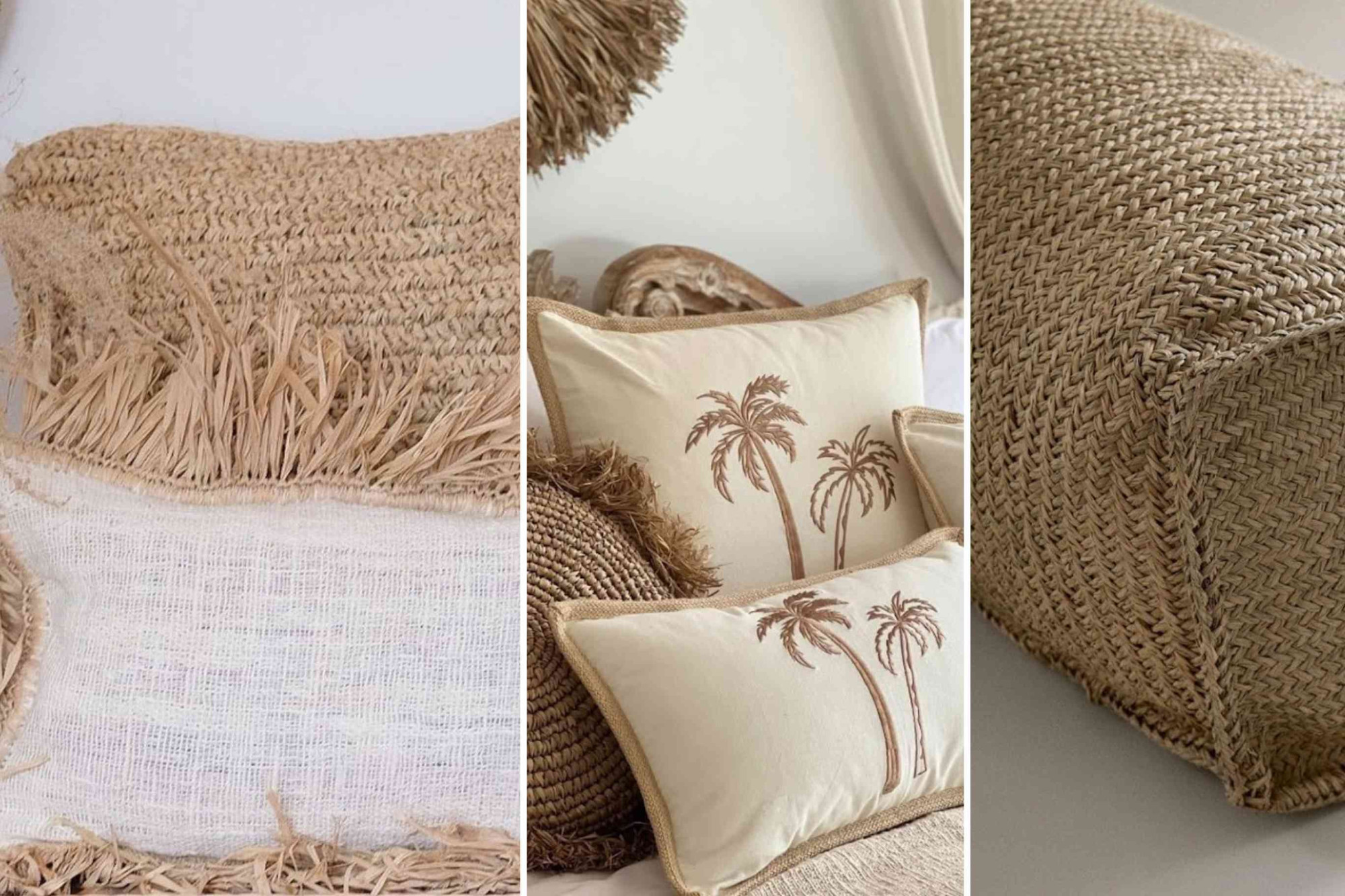
Raffia is one of the materials that works particularly well with the relaxed interiors associated with Tulum.
Its natural beige colour combines easily with white linen, pale plaster, timber and stone. Instead of introducing another colour, raffia adds texture, which makes even a very neutral room feel more detailed.
The material can be used in different ways. Tightly woven raffia gives stools, pouffes and furniture a more structured finish, while looser weaving and fringed edges create a softer look for cushions and decorative pieces.
Palm-tree motifs, as seen on the cushions here, are another easy fit for a Tulum-inspired interior. Used selectively, they add a tropical reference without turning the entire room into a themed space.
Combining different types of weaving is particularly effective. A raffia cushion can sit next to woven furniture or a thatched detail as long as the colours remain relatively simple.
Looking for more ways to decorate with natural textures?
Discover linen, woven details and warm neutral tones for the home in our third edition →
#Tulum #TulumInteriors #Raffia #InteriorDesign #Mexico
Tulum @lescouleursdetulum
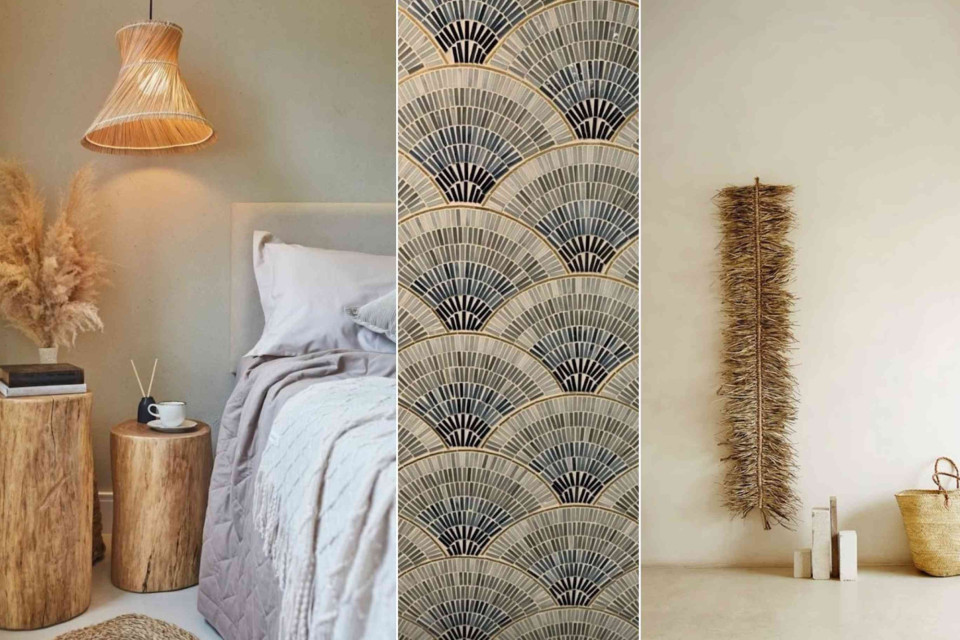
Natural materials play an important role in the relaxed interiors associated with Tulum.
Wood is one of the most visible elements, appearing in furniture, side tables and decorative objects. Pieces with irregular surfaces and visible grain work particularly well alongside simple plastered walls and pale fabrics.
Woven materials add another layer. Rattan lampshades, baskets, palm fibres and wall decorations introduce texture without filling a room with unnecessary objects. They also work naturally with the warm, sandy colour palette commonly found in homes and stays around Tulum.
Patterns can provide contrast. Geometric tiles, printed textiles or a single decorative wall bring colour and detail into otherwise neutral spaces. Black, muted blue and earthy shades are particularly easy to combine with wood and natural fibres.
The result is an interior style that suits Tulum’s climate and surroundings while remaining easy to translate into bedrooms, bathrooms and living spaces elsewhere.
Want to explore natural materials in more detail?
Discover Shell & Raffia Tassels →
#Tulum #TulumDesign #Interiors #NaturalMaterials #Mexico
Tulum @lescouleursdetulum
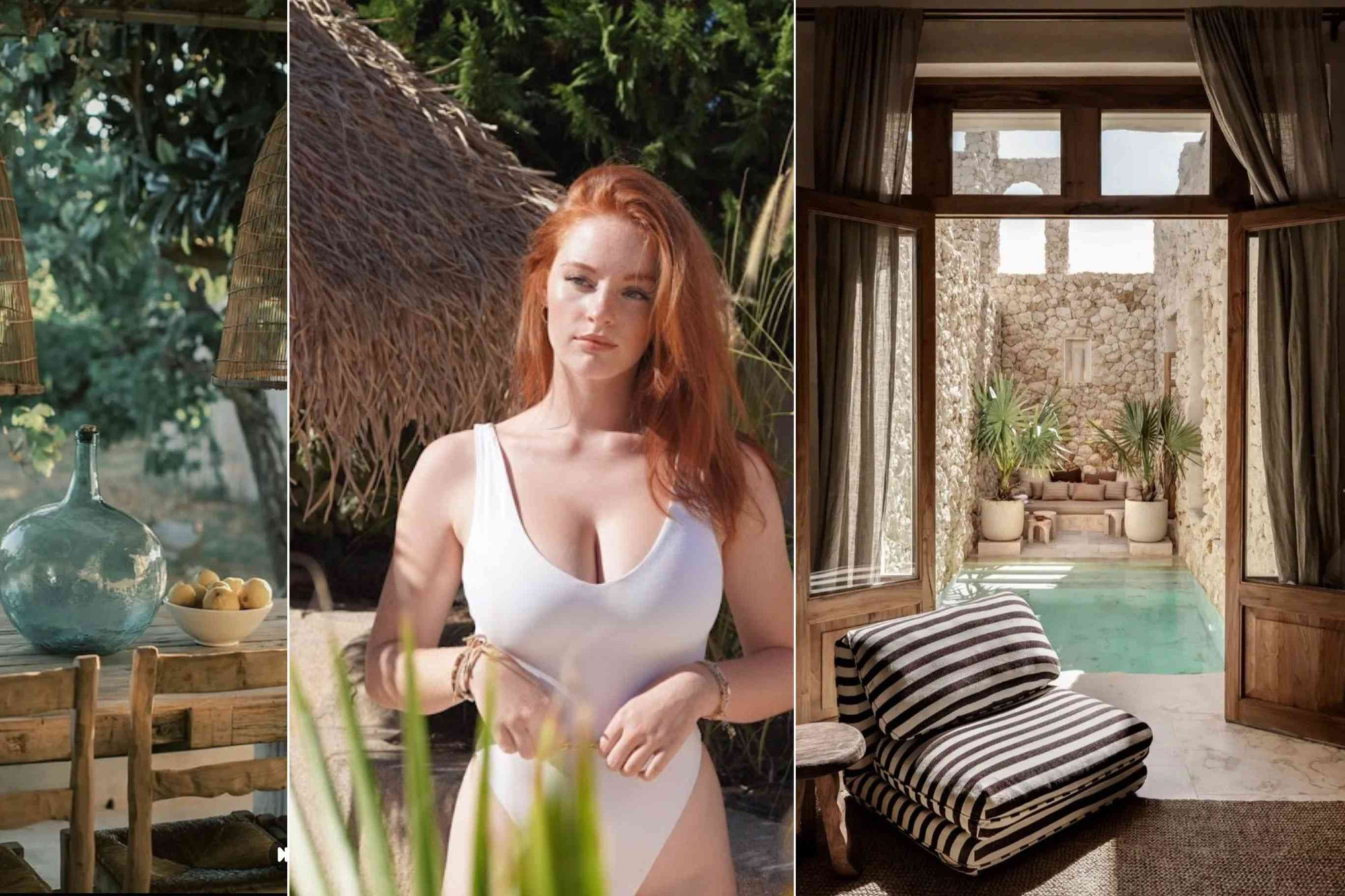
A villa in Tulum is usually designed around the warm climate and the possibility of spending much of the day outdoors.
Private pools are common, ranging from compact plunge pools to larger swimming pools surrounded by terraces and tropical planting. Large doors connect bedrooms and living areas directly with these outdoor spaces, making the garden part of the everyday layout.
Local limestone and pale plaster are widely used for walls and floors, while timber doors, linen curtains and simple wooden furniture add warmth to the interiors. Palapa-style thatched roofs are another recognisable feature of architecture in Tulum and across the Yucatán Peninsula.
The furniture tends to remain relatively simple. Low seating, woven lamps, rustic tables and neutral fabrics work well with the architecture, while stronger details such as black-and-white stripes can give a room a more contemporary character.
Many villas also favour privacy over traditional hotel facilities. Enclosed courtyards, dense vegetation and private pools make them particularly suited to travellers who want their accommodation to be an important part of their time in Tulum.
What would you wear by the pool?
Discover Élise One Piece →
#Tulum #TulumVillas #Mexico #TulumTravel #TulumDesign
Tulum @lescouleursdetulum
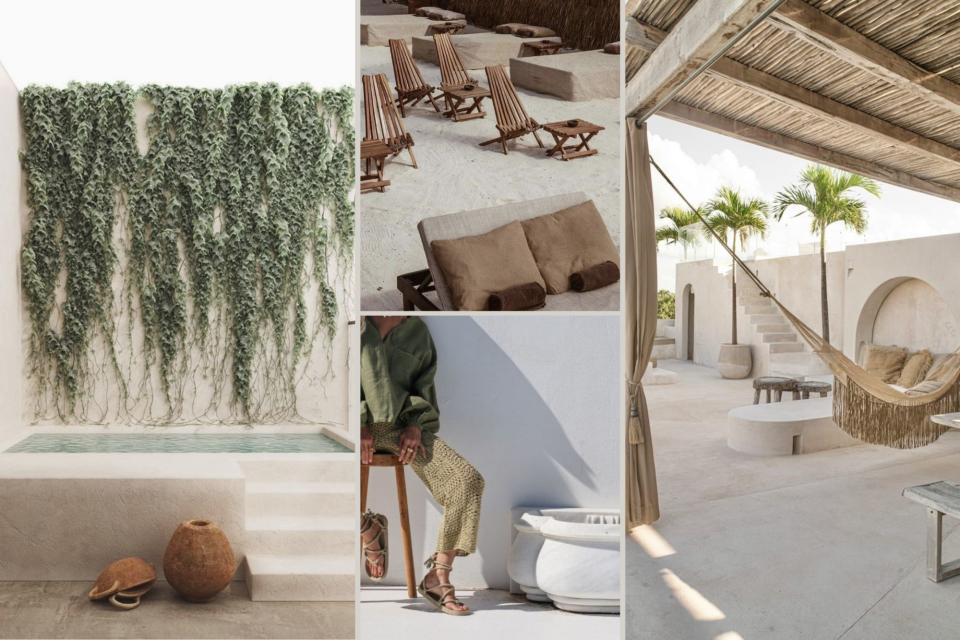
In Tulum, terraces and courtyards are frequently treated as proper living spaces rather than areas that simply surround a building.
The warm climate makes outdoor seating useful throughout much of the year. Wooden loungers, low sofas and hammocks provide different places to sit during the day, while pergolas and palapa-style roofs create essential shade.
White and sand-coloured walls are particularly common. They provide a simple background for timber, woven furniture and tropical greenery and also suit the limestone and pale finishes frequently seen in the region.
Plants can become part of the architecture itself. Climbing and trailing plants soften large walls, while palms and other tropical species provide privacy around pools and terraces.
Hammocks are another recognisable feature. In the Yucatán Peninsula, hammock-making has a long tradition and they remain a practical choice for the climate. In contemporary Tulum properties, they are frequently combined with more modern outdoor furniture.
The result is a relatively simple approach to outdoor living: shade, comfortable seating, natural materials, vegetation and easy access to the pool or garden.
Spending more time outside?
Discover Sun Protection →
#Tulum #TulumDesign #OutdoorLiving #TulumInteriors #Mexico
Tulum @lescouleursdetulum
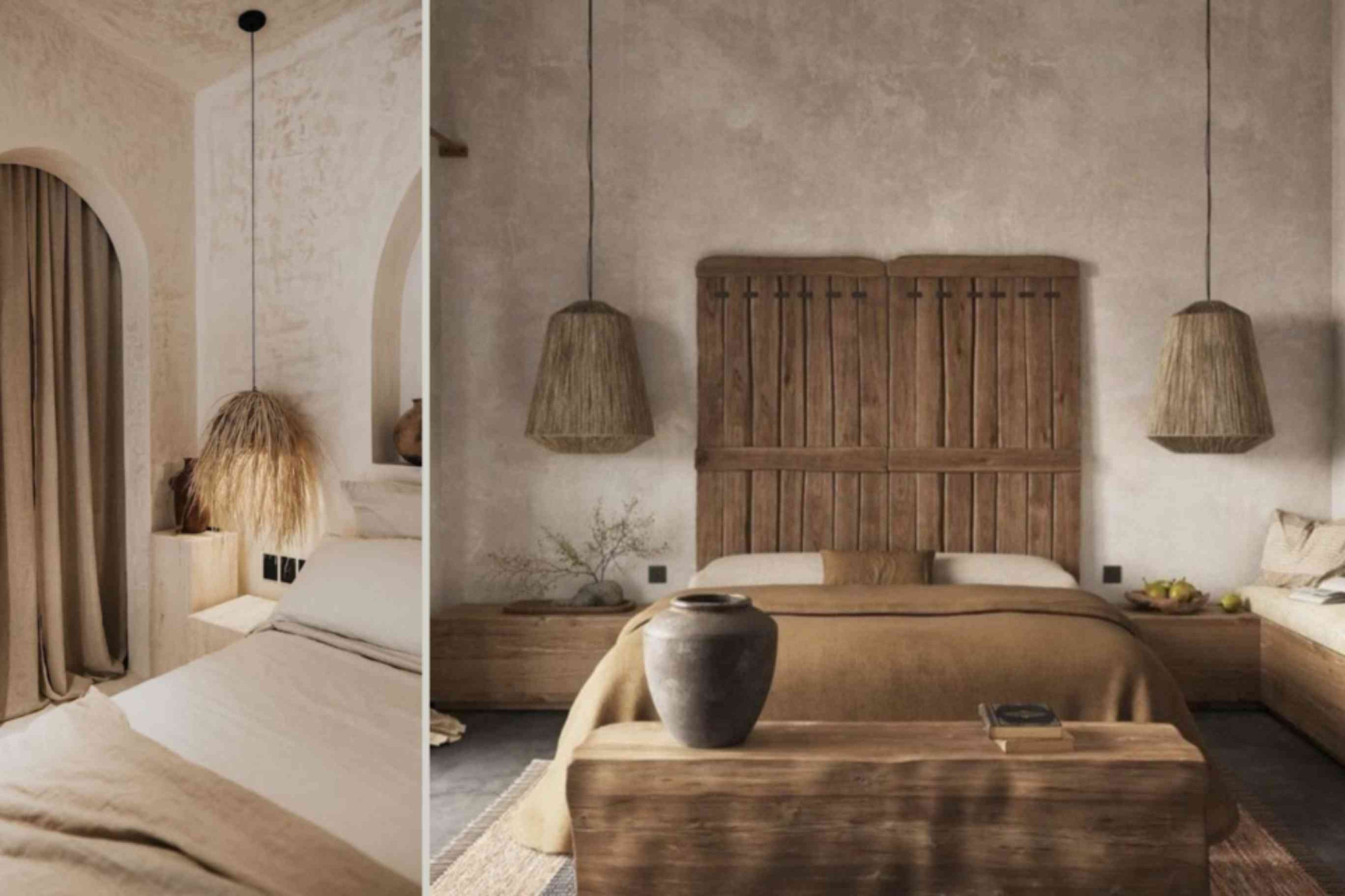
Tulum bedrooms are usually built around a warm, neutral palette and a relatively small selection of materials.
White, cream, sand, beige and brown dominate many interiors. Instead of introducing colour through decoration, contrast comes from different surfaces such as plaster walls, linen bedding, woven lamps and unfinished or reclaimed-looking timber.
The bed is usually the main feature of the room. Large wooden headboards, like the shutter-style design seen here, can replace artwork and give an otherwise simple bedroom a stronger focal point.
Lighting also plays an important role. Pendant lamps made from palm fibres, rattan or other woven materials are widely associated with the relaxed interiors found throughout Tulum. Their texture works particularly well against plain plaster walls.
Arches are another recognisable architectural detail. Used for doorways, niches and passages between rooms, they soften the simple lines of the interior and are frequently combined with built-in furniture.
Decoration remains limited. A large ceramic vessel, a few books or a small arrangement of branches is enough when the materials and furniture already provide plenty of texture.
Interested in using reclaimed timber in a more practical way?
Discover Reclaimed Timber Shelving →
#Tulum #TulumInteriors #BedroomDesign #TulumDesign #Mexico
Tulum @lescouleursdetulum
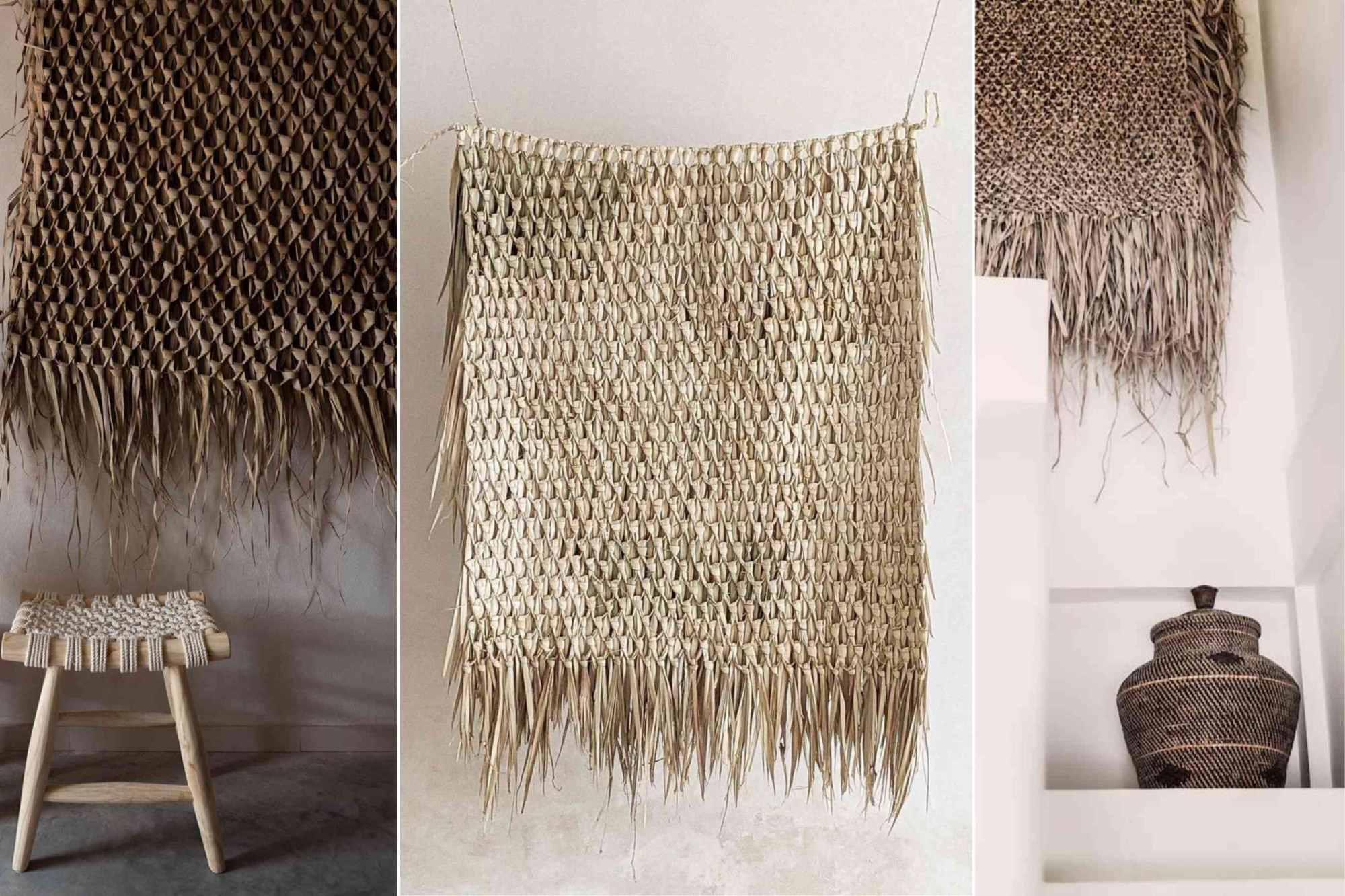
Large woven pieces are frequently used as an alternative to framed artwork in Tulum interiors.
The examples here show how different weaving techniques can create very different results. Tightly woven sections produce strong geometric patterns, while loose edges and long natural fibres give the pieces more texture.
Their size is part of their appeal. A single large hanging can fill an otherwise empty wall without the need for several smaller decorative objects. Against white, cream or limewashed walls, the natural variations in the fibres become particularly visible.
Palm leaves and other plant fibres also connect easily with materials already used elsewhere in Tulum interiors, including woven seating, baskets, timber furniture and thatched roofs. Ceramic vessels and simple wooden furniture can be added without making the room feel overly decorated.
These pieces work especially well above a bed, behind a sofa or on a large wall in an entrance or covered terrace.
Want to discover another side of woven design?
Discover Basketry in Marrakech →
#Tulum #TulumInteriors #WallDecor #WovenDesign #Mexico
Tulum @lescouleursdetulum
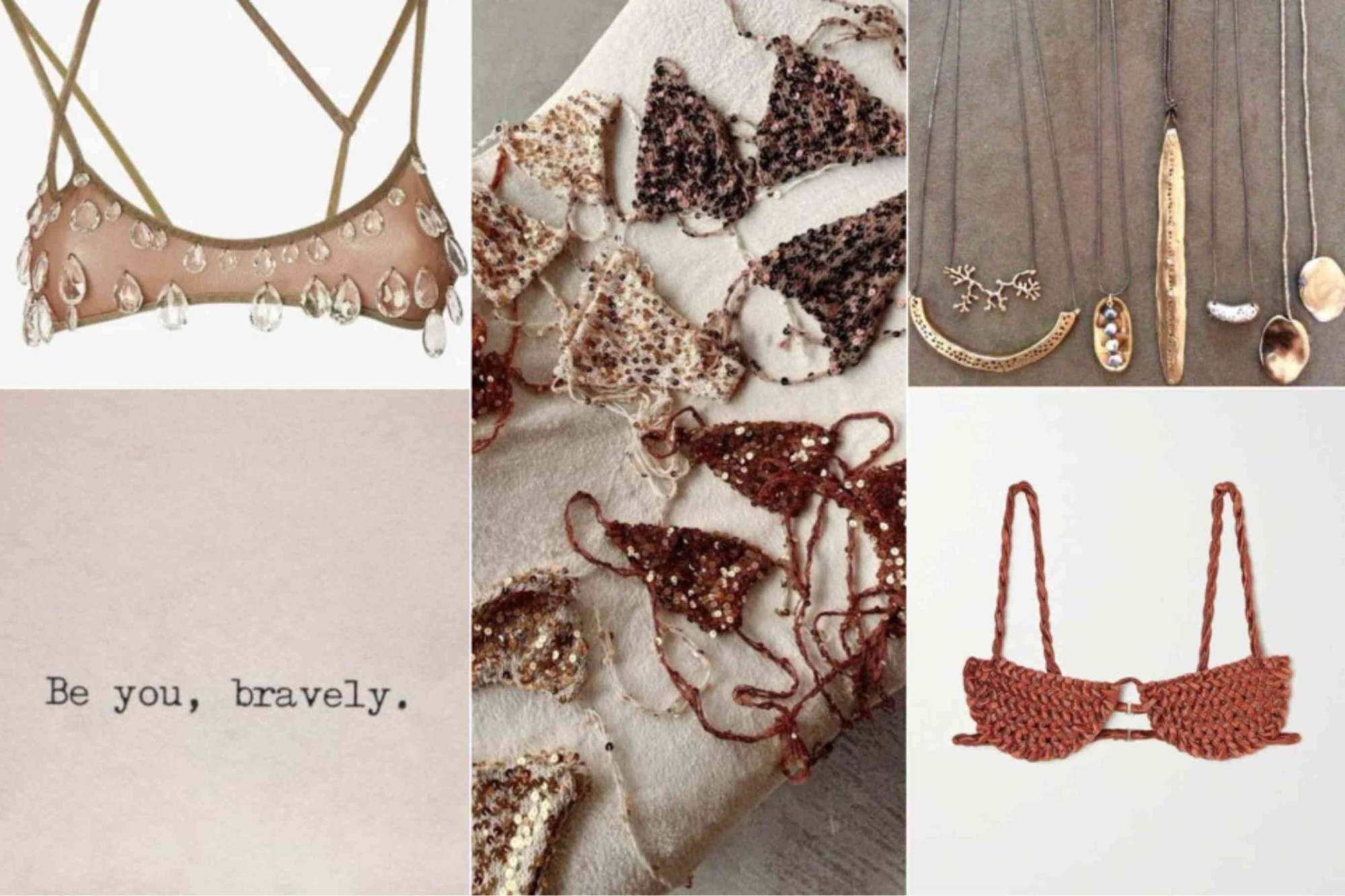
Crochet and shell details are particularly at home in a Tulum beach wardrobe.
Crochet bikinis and tops bring more texture than conventional swimwear and work well in shades such as rust, sand, cream and brown. Small metallic details or shells can make even a simple bikini more distinctive.
Shells also appear frequently in jewellery. Necklaces with individual pendants, irregular shapes and mixed metals suit the relaxed way accessories are worn in Tulum. Instead of matching pieces, several different necklaces and bracelets can be combined.
For something more decorative, shells can also be added directly to swimwear. The bikini shown here uses small shells along the neckline, turning a neutral piece into something that can easily be worn under an open shirt, kaftan or lightweight dress after leaving the beach.
It is a style that suits Tulum particularly well: swimwear remains practical for the beach, while the details make it easy to continue wearing throughout the day.
Looking for swimwear for your next escape?
Discover Bikinis & One-Pieces →
#Tulum #TulumStyle #Beachwear #CrochetBikini #BeachStyle
Tulum @lescouleursdetulum
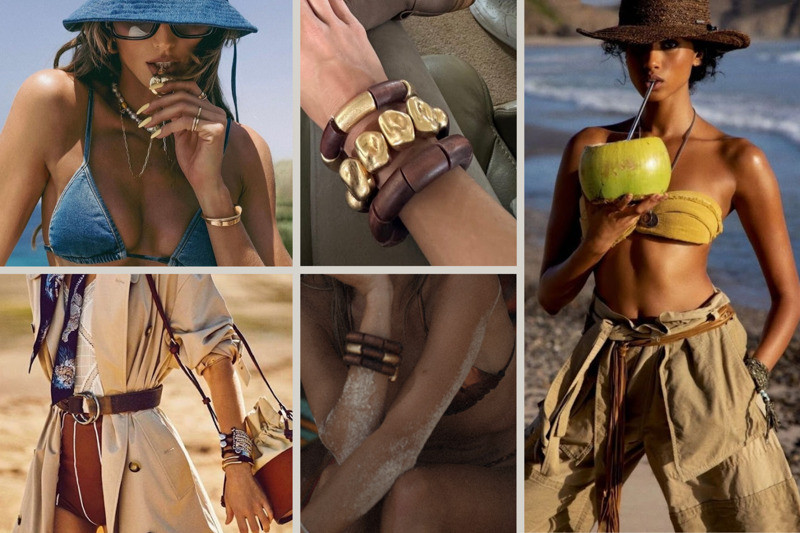
Tulum is a destination where accessories can carry much of the look.
Wide-brim hats are particularly practical in the strong Mexican sun and work with everything from bikinis to loose trousers and dresses. Natural straw and darker woven versions both fit easily into a Tulum wardrobe.
Jewellery tends to have more presence. Chunky wooden bracelets, hammered gold-toned pieces, beads and long pendants work particularly well with bare shoulders and simple tops. Several bracelets can also be worn together rather than choosing one delicate piece.
Leather is another useful detail. A belt can change the shape of loose trousers or an oversized shirt, while leather cords and straps add contrast to natural fabrics such as linen and cotton.
The colours remain easy to combine: tobacco brown, khaki, sand, ochre, denim blue and gold. This makes it possible to bring relatively few clothes and create different looks through hats, belts and jewellery.
Looking for the perfect hat?
Discover Hats & Headpieces →
#Tulum #TulumStyle #Accessories #ResortStyle #Mexico