Travel Never Goes Out of Style
Les Couleurs du Monde Magazine - Where’s Your Next Escape? Discover our editions. Contact: info@lescouleursdumonde.com
Home & Design @mountainliving
Mountain interiors are increasingly defined by natural materials, traditional craftsmanship and carefully selected furnishings. In the French Alps, ateliers such as Au Chalet combine woodworking and textiles to create interiors that reflect the character of their surroundings.
Craftsmanship in the French Alps
Au Chalet is a French interior design and decoration business specialising in mountain homes. Its work brings together furniture, decorative objects and textiles, with particular attention to materials associated with Alpine architecture.
Paola oversees the decorative projects, while Hervé contributes his woodworking expertise. Their approach combines furniture making with interior decoration, allowing individual pieces to be adapted to the proportions and requirements of a chalet.
Old timber plays an important role in their work. Reclaimed wood retains the marks of its previous use, giving furniture and architectural details a character that newly manufactured materials cannot easily reproduce.
The Materials of Mountain Interiors
Wood remains one of the defining elements of Alpine interiors, traditionally used for structural beams, flooring, wall panelling and furniture.
In contemporary mountain homes, reclaimed timber can be combined with natural linen, wool and stone to create interiors that feel less formal than traditional chalet decoration.
Textiles are particularly important. Heavy linen curtains, woven throws and wool upholstery introduce different textures while remaining practical for colder environments.
Au Chalet incorporates these materials into its furniture and decorative collections, combining traditional Alpine references with simpler contemporary forms.
Details That Define a Chalet
Smaller architectural and decorative elements can have a significant influence on the appearance of a mountain interior.
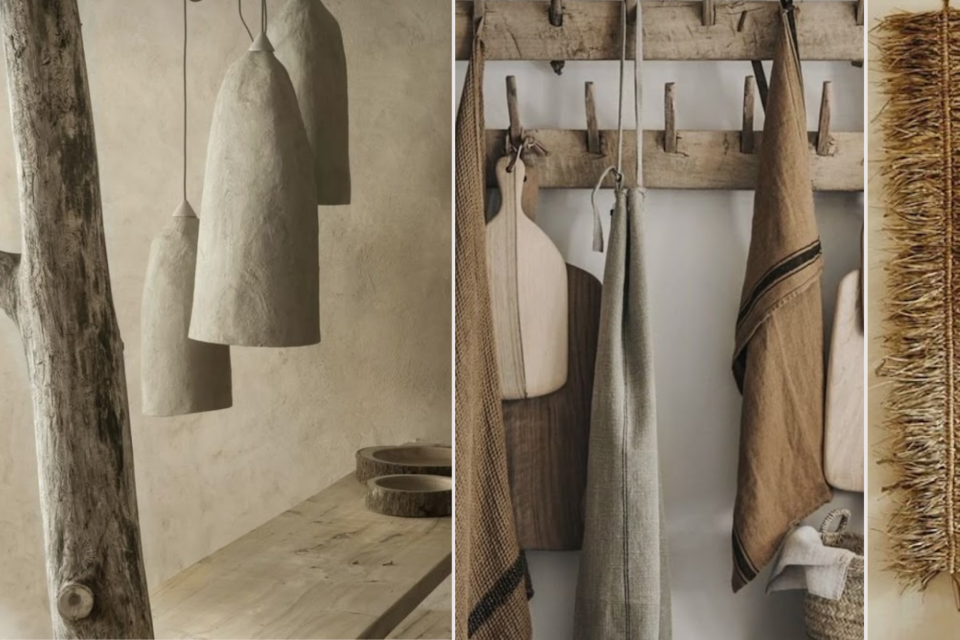
Wooden wall hooks, handmade shelving, linen kitchen textiles and carefully selected lighting introduce functional details without requiring elaborate decoration.
A restrained selection of materials also allows individual pieces of craftsmanship to stand out. Reclaimed timber, natural fabrics and handmade objects can be combined without relying on traditional chalet motifs.
Au Chalet's work illustrates how woodworking and textile design can contribute to a coherent interior, particularly in mountain properties where durability and practical use are important considerations.
#AlpineDuMonde #HomeAndDesign #MountainLiving #AuChalet #AlpineInteriors #FrenchAlps #NaturalMaterials #Woodworking #ChaletDesign #LesCouleursDuMonde
Home & Design @mountainliving
Woodworking takes on an architectural dimension when furniture, walls and structural forms are designed as part of the same interior. Slovenian studio ZZ FORM explores this approach through sculptural wooden surfaces and bespoke architectural elements.
Contemporary Woodcraft
Based in Slovenia, ZZ FORM combines traditional woodworking with digital design and precision manufacturing.
The studio specialises in parametric wooden walls, relief surfaces and custom-made furniture. Using three-dimensional modelling, complex shapes are developed before being transferred into solid wood through precision machining and hand finishing.
Oak, walnut, ash and maple are among the materials selected according to the requirements of each project.
Wood as Architecture
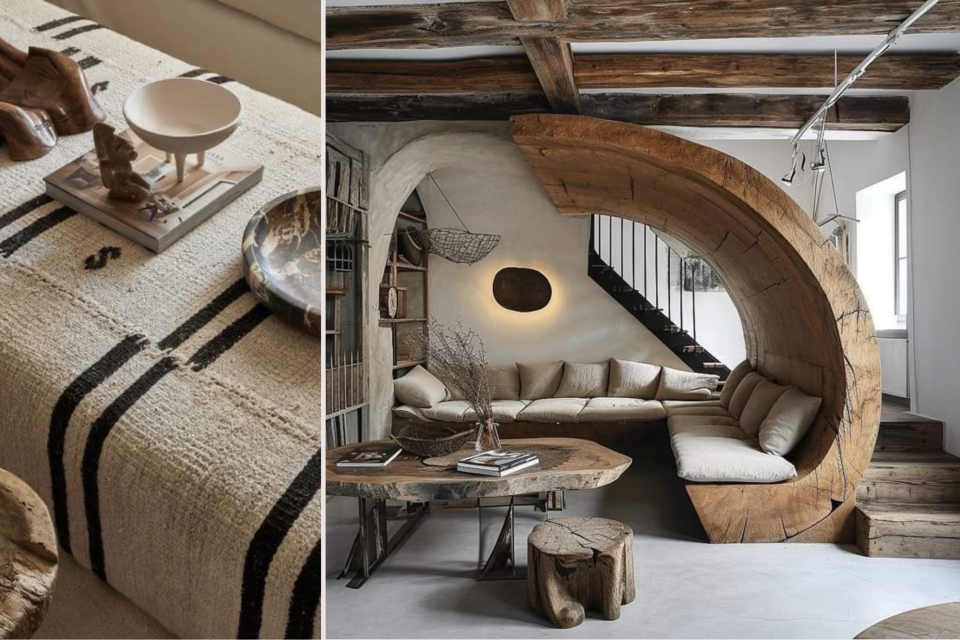
The studio's work demonstrates how timber can be used for more than conventional furniture. Sculptural wall panels, staircases and bespoke interior elements introduce architectural forms that are developed specifically for their surroundings.
This approach is particularly interesting for mountain residences, where timber is already central to the architecture. Custom woodworking allows traditional materials to be interpreted through contemporary design.
#AlpineDuMonde #HomeAndDesign #ZZFORM #WoodArchitecture #Woodworking #InteriorArchitecture #BespokeDesign #MountainLiving #LesCouleursDuMonde
Home & Design @mountainliving
Rustic linen throws offer an alternative to traditional woollen blankets in mountain interiors. Lithuanian textile brand LinenMe specialises in natural linen products, with its Rustico collection combining traditional weaving, textured fabrics and understated detailing.
The Rustico Collection
LinenMe is a family-run textile business with roots in Lithuania's linen-making tradition. The brand produces home textiles using European flax linen, with collections ranging from table linen and bedding to throws and cushions.
The Rustico collection includes throws made from 100% prewashed linen, finished with contrasting fringes. The Natural Black version combines undyed-looking neutral tones with darker detailing.
Linen becomes softer with washing while retaining its characteristic woven texture, making it suitable for everyday use.
An Alternative to Wool
Wool is traditionally associated with Alpine interiors, but linen introduces a lighter textile with a different structure and finish.
The Rustico throw can be used across a sofa, an armchair or a bed, complementing timber furniture, leather and other natural materials.
LinenMe's approach demonstrates how a familiar textile can be adapted to contemporary mountain living without relying on traditional Alpine patterns.
#AlpineDuMonde #HomeAndDesign #LinenMe #RusticLinen #NaturalTextiles #MountainLiving #LinenThrows #LesCouleursDuMonde
Home & Design @mountainliving
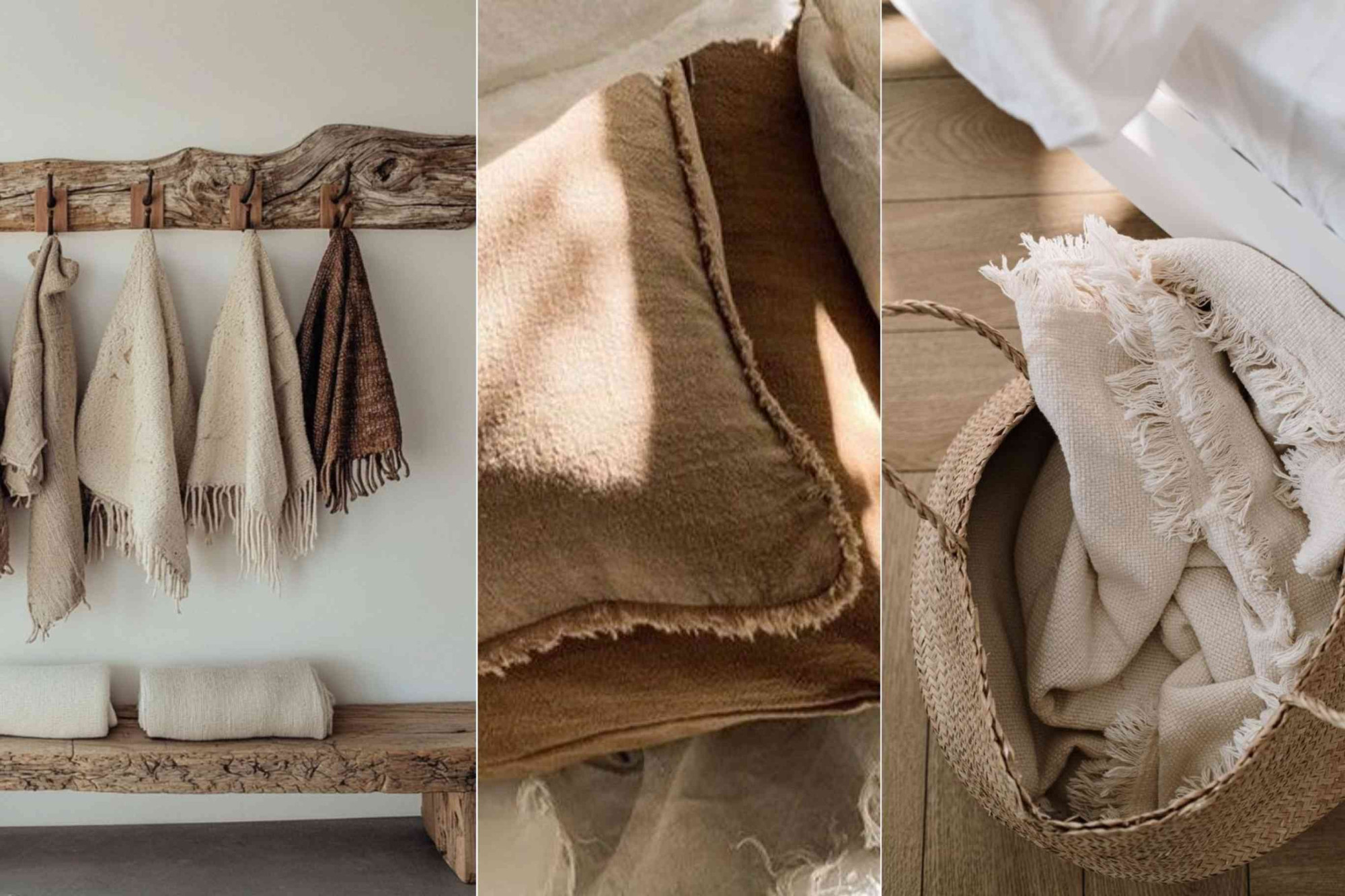
Textile art introduces a different form of craftsmanship into contemporary interiors. French artist Candice Aubert Dho, founder of Cosy Jungle, creates sculptural wall pieces using natural fibres, intricate knotting techniques and carefully composed textures.
A Contemporary Textile Atelier
Based in Provence, Cosy Jungle specialises in handmade textile art, combining traditional knotting techniques with contemporary design.
Candice Aubert Dho works with natural fibres to create wall hangings and decorative installations. Her pieces explore volume, movement and texture through layered threads, knots and fringes.
The atelier also develops bespoke commissions, allowing the dimensions, materials and composition of each work to respond to a particular interior.
Textile Art in Mountain Interiors
In Alpine residences, textile artwork offers an alternative to conventional paintings or decorative wall panels.
A large-scale fibre installation can introduce a handcrafted element alongside timber architecture, stone surfaces and contemporary furniture.
Cosy Jungle's approach is particularly relevant to interiors that combine traditional materials with individual design pieces. Rather than serving a purely decorative purpose, the textile becomes an artwork in its own right.
#AlpineDuMonde #HomeAndDesign #CosyJungle #CandiceAubertDho #TextileArt #FiberArt #ContemporaryCraft #MountainLiving #LesCouleursDuMonde
Home & Design @mountainliving
In contemporary mountain interiors, traditional materials are increasingly incorporated into furniture with a distinctive design identity. French maison Norki specialises in handcrafted furnishings, natural hides and bespoke pieces for residential and hospitality interiors.
A French Maison
Founded by Sonia Linard, Norki has developed its expertise around the transformation of natural hides and furs into furniture, rugs and decorative accessories.
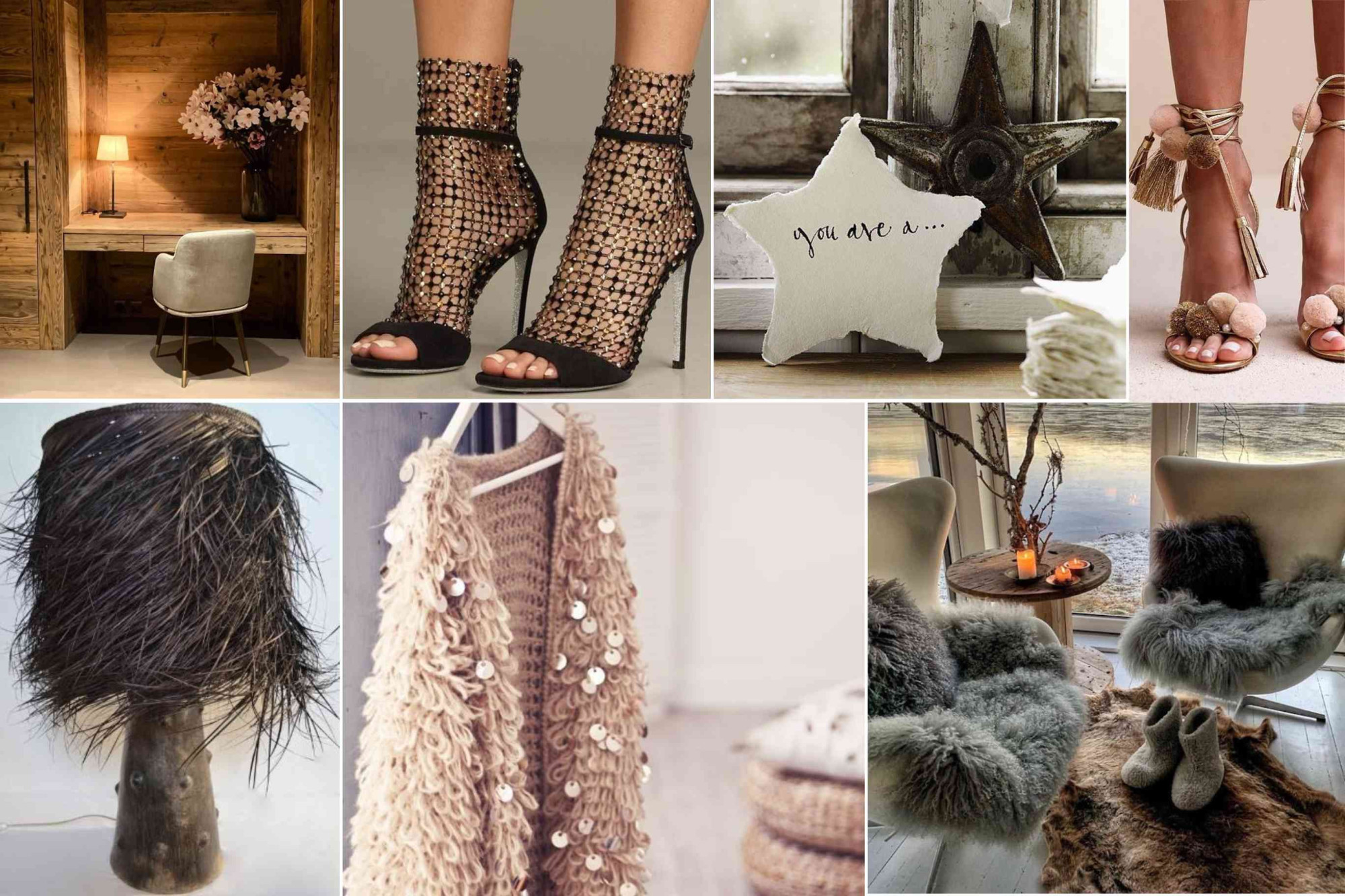
The maison works with sheepskin, cowhide and other materials to create upholstered seating, stools, cushions and statement pieces. Its collections combine traditional craftsmanship with contemporary furniture design.
Norki also offers bespoke production, allowing clients and interior designers to commission pieces adapted to individual projects.
A Contemporary Approach to Alpine Interiors
With a boutique in Megève, Norki has a direct connection to the world of Alpine residences.
Its collections include upholstered chairs, benches, rugs and smaller furnishings that introduce natural textures without relying on conventional rustic furniture.
The maison's work is particularly relevant to mountain properties where traditional materials are combined with contemporary architecture and carefully selected furniture.
Norki demonstrates how specialist upholstery and material expertise can give familiar Alpine furnishings a more individual character.
#AlpineDuMonde #HomeAndDesign #Norki #AlpineInteriors #FrenchDesign #BespokeFurniture #MountainLiving #LesCouleursDuMonde
Home & Design @mountainliving
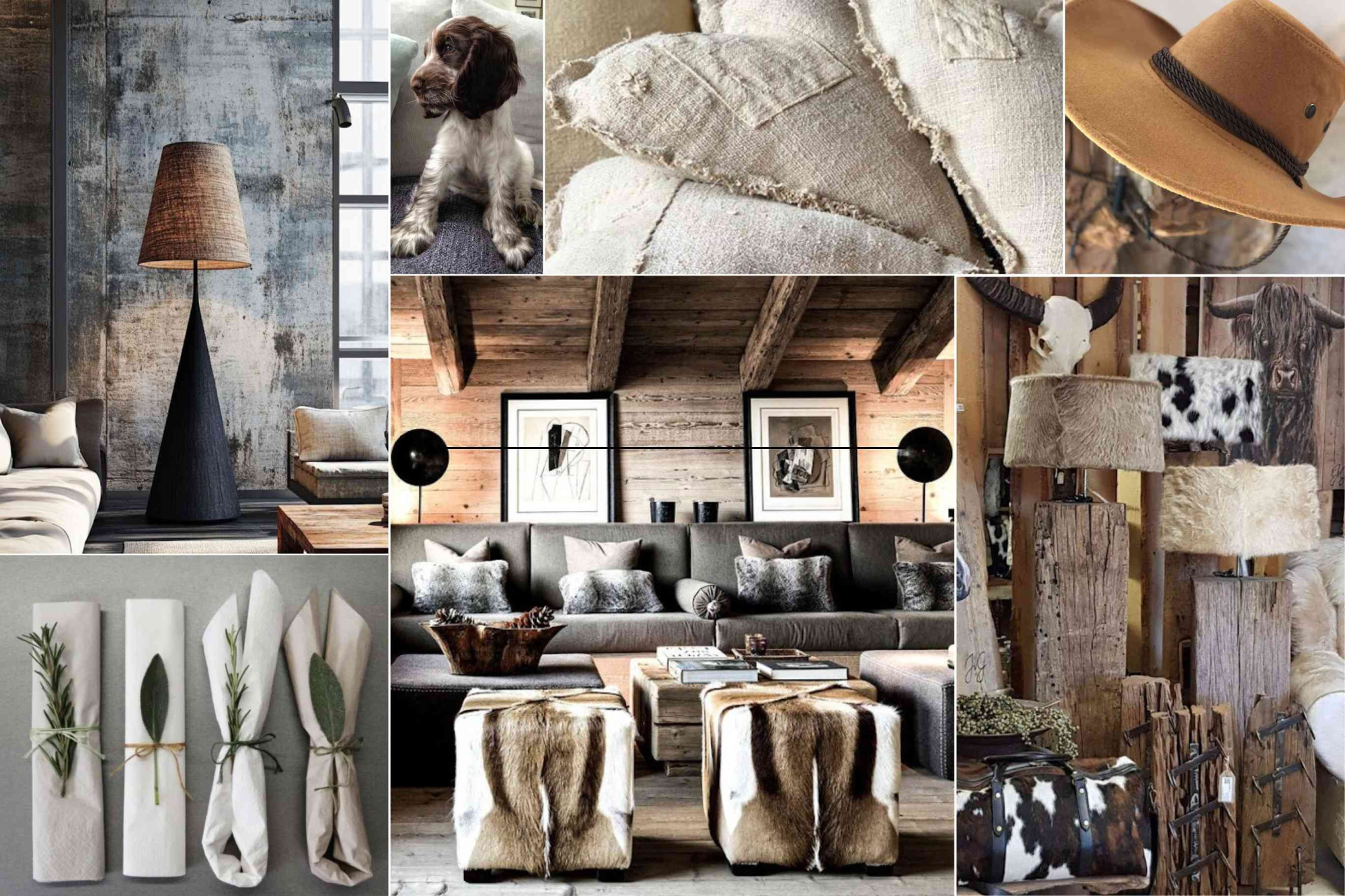
Antique silver, aged glass and traditional craftsmanship give Christmas decorations a distinctive character. British interiors brand Nkuku offers a collection of handmade ornaments that draws on vintage finishes and traditional decorative techniques.
The Appeal of Aged Glass
Founded in 2003, Nkuku works with artisans and makers to develop furniture, lighting and decorative accessories using materials such as recycled glass, brass and wood.
Its Christmas collection includes the Adisa glass baubles, featuring an antique silver finish reminiscent of historic mercury-glass ornaments.
The Athardi Drop Baubles introduce elongated glass shapes with a similarly aged appearance, while the Mavu collection explores deeper bronze tones.
These designs reference the tradition of silvered glass Christmas decorations, which became popular in nineteenth-century Europe.
Collecting Christmas Decorations
Vintage-inspired ornaments can be combined with inherited decorations, antique candleholders and older glassware to create a collection that develops over time.
Rather than purchasing a completely new decorative scheme each Christmas, individual pieces can be added gradually and reused for many years.
Nkuku's approach brings traditional finishes into contemporary interiors, making its ornaments particularly suitable for understated Christmas settings in mountain residences.
#AlpineDuMonde #HomeAndDesign #Nkuku #ChristmasDecorations #VintageChristmas #AntiqueSilver #ChristmasOrnaments #MountainLiving #LesCouleursDuMonde
Home & Design @mountainliving
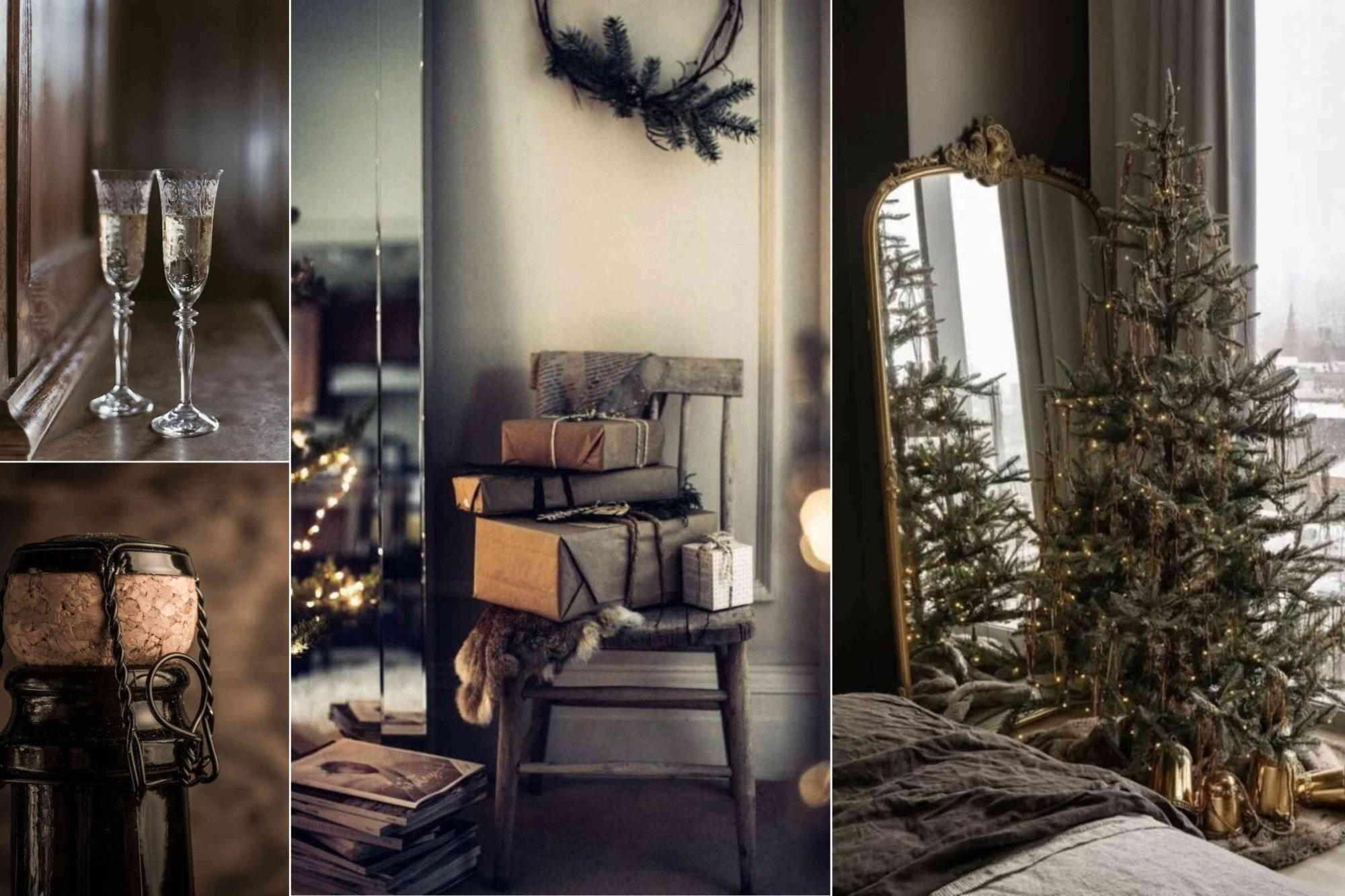
Traditional Christmas decorations take on a different character when made from vintage wool, tartan and reclaimed fabrics. REVERIE Dry Goods creates handmade Christmas stockings using textiles that already carry their own history.
Giving Vintage Textiles a New Purpose
REVERIE Dry Goods specialises in Christmas stockings made from vintage woollen blankets and carefully selected reclaimed fabrics.
Rather than using newly manufactured seasonal prints, the atelier works with existing textiles, including traditional tartans and woven wool.
Each stocking is individually made, allowing the original patterns, colours and textures to determine its appearance. The use of reclaimed materials also means that quantities are limited and individual designs may vary.
A Tradition of Wool and Tartan
Woollen blankets and tartan fabrics have long been associated with winter clothing and household textiles, particularly in Scotland and other northern European regions.
Their durability makes them suitable for reuse, while traditional checks and muted colours lend themselves naturally to Christmas accessories.
REVERIE's approach brings these familiar materials into a contemporary setting without losing their original character.
In a mountain home, a stocking made from vintage wool can become a seasonal piece that is brought out year after year, combining traditional Christmas customs with textile craftsmanship.
#AlpineDuMonde #HomeAndDesign #REVERIEDryGoods #VintageTextiles #ChristmasStockings #Tartan #WoolCraftsmanship #MountainLiving #LesCouleursDuMonde
Home & Design @mountainliving
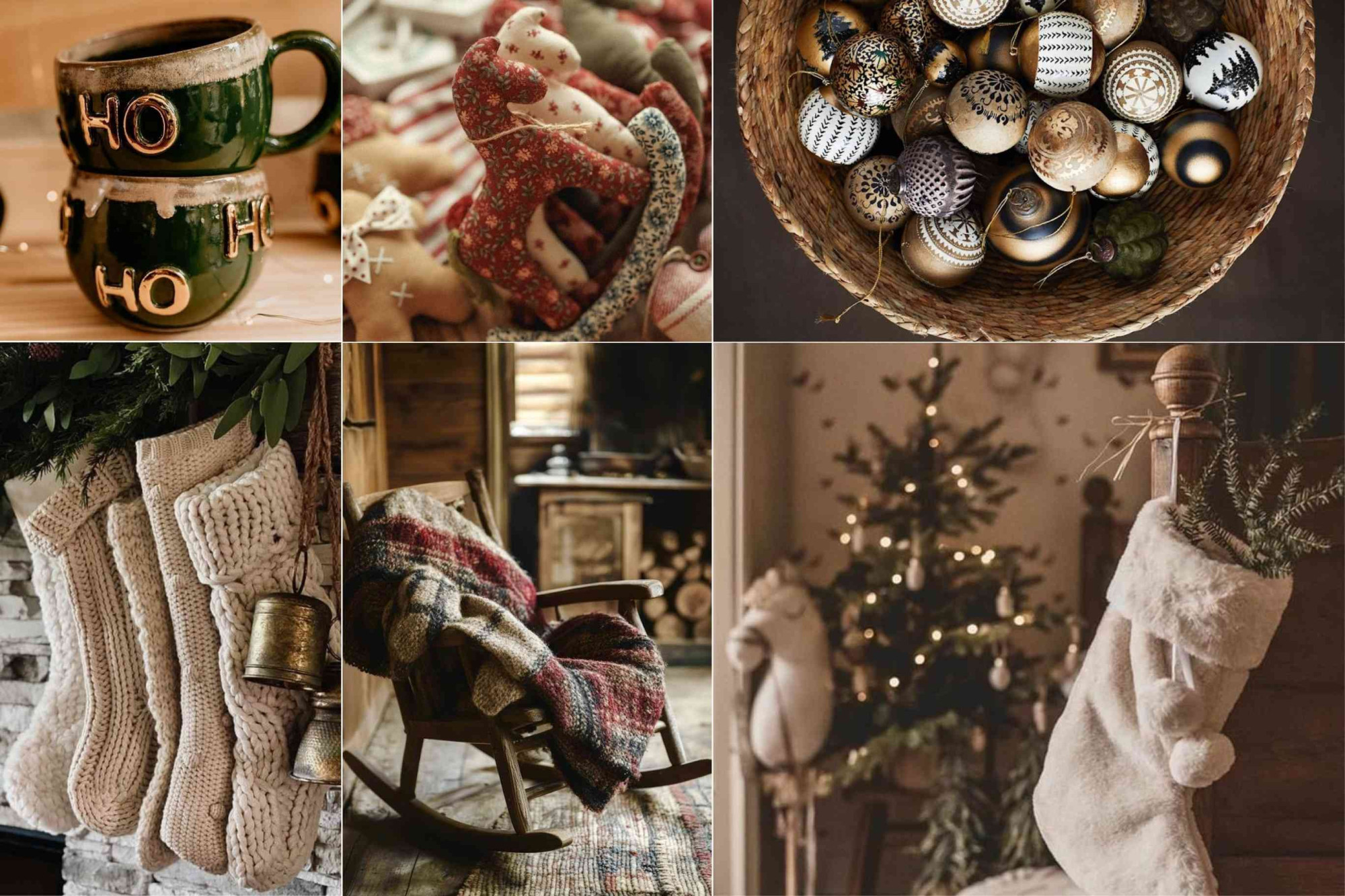
A covered veranda extends the living space of a mountain chalet into the winter months. With suitable furniture, sheltered seating and carefully chosen textiles, an outdoor terrace can remain part of everyday life even as temperatures fall.
Natural Outdoor Furniture
Founded by Danish designer Tine Kjeldsen, Tine K Home creates furniture and home accessories influenced by Scandinavian design and traditional craftsmanship.
The brand's outdoor collections include bamboo seating, teak furniture and woven accessories. Its bamboo sofas and lounge chairs are particularly suited to covered terraces, where protection from prolonged moisture helps preserve the material.
Natural wood, wicker baskets and neutral textiles create a practical foundation that can be adapted throughout the seasons.
Preparing a Veranda for Winter
In mountain regions, winter conditions require particular attention to materials and maintenance.
Furniture should be positioned away from direct snowfall, while cushions and blankets are best stored indoors when the terrace is unused.
A covered seating area can be furnished with removable woollen throws, weather-resistant lanterns and seasonal greenery. Small potted conifers offer an alternative to elaborate Christmas decorations.
The result is an outdoor space that remains useful for a morning coffee, an afternoon break or a sheltered evening overlooking the winter landscape.
#AlpineDuMonde #HomeAndDesign #TineKHome #WinterVeranda #OutdoorLiving #MountainLiving #ChaletInteriors #NaturalMaterials #LesCouleursDuMonde
Home & Design @mountainliving
In the Austrian Alps, traditional checked textiles and handcrafted tableware remain part of the region's dining culture. Kitzbühel-based Sofina Boutique brings these influences together in collections designed for both everyday meals and festive gatherings.
Chalet Table Traditions
Based in Kitzbühel, Sofina Boutique specialises in tableware and interior accessories influenced by Alpine craftsmanship.
Its textile collection includes checked placemats, embroidered linen napkins and traditional chalet motifs.
The Waldegg linen napkins are made from substantial Austrian linen, while the brand's porcelain and crystal collections feature designs inspired by Alpine wildlife and regional traditions.
The Festive Table
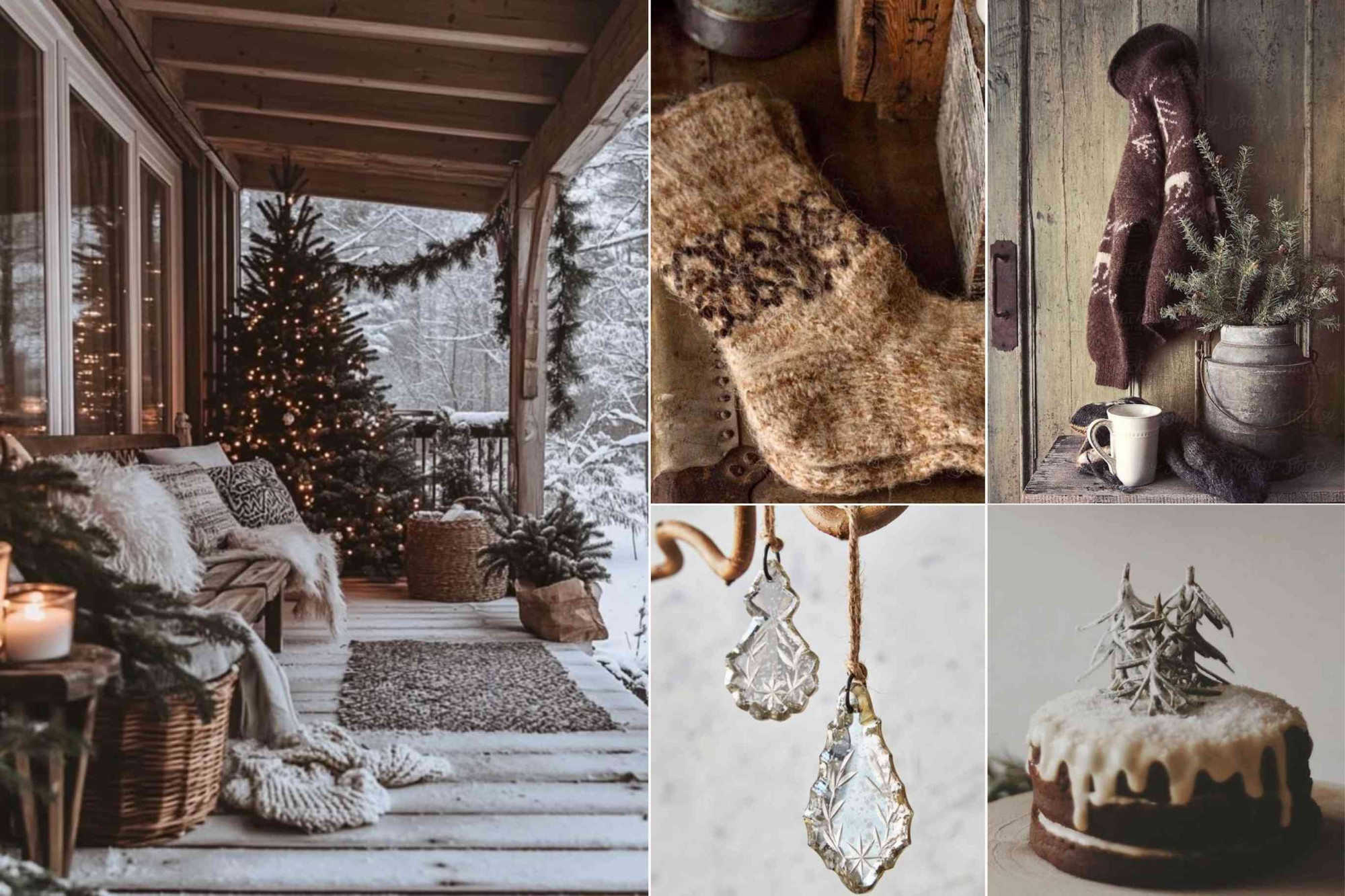
Checked fabrics have a long association with rural interiors in Austria and neighbouring Alpine regions. Their use in table linen reflects a practical textile tradition that continues in contemporary chalet design.
For Christmas gatherings, Sofina Boutique's collections offer an alternative to conventional festive tableware. Checked textiles can be paired with handcrafted ceramics, crystal glasses and simple candleholders.
The result is a table setting rooted in regional materials and craftsmanship, with pieces that remain relevant throughout the winter season.
#AlpineDuMonde #HomeAndDesign #SofinaBoutique #AlpineChristmas #ChristmasTable #TableLinen #AustrianDesign #MountainLiving #LesCouleursDuMonde
Home & Design @mountainliving
Christmas gift wrapping has its own traditions, from printed paper and fabric ribbons to handwritten labels and seasonal greenery. Danish interiors brand Bungalow brings a contemporary interpretation to decorative paper through its collection of handcrafted designs.
The Craft of Decorative Paper
Bungalow is known for its patterned home accessories and decorative paper collections, including handmade sheets produced from recycled cotton remnants from the textile industry.
The cotton-based paper is screen-printed by hand, giving it a softer texture than conventional wrapping paper.
Its Naya collection includes designs in Moss and Berry, while the wider gift-wrap range offers patterns in muted greens, reds and other seasonal colours.
These papers can also be used for small decorative projects, including Christmas cones, paper ornaments and handmade gift tags.
Wrapping with Natural Materials
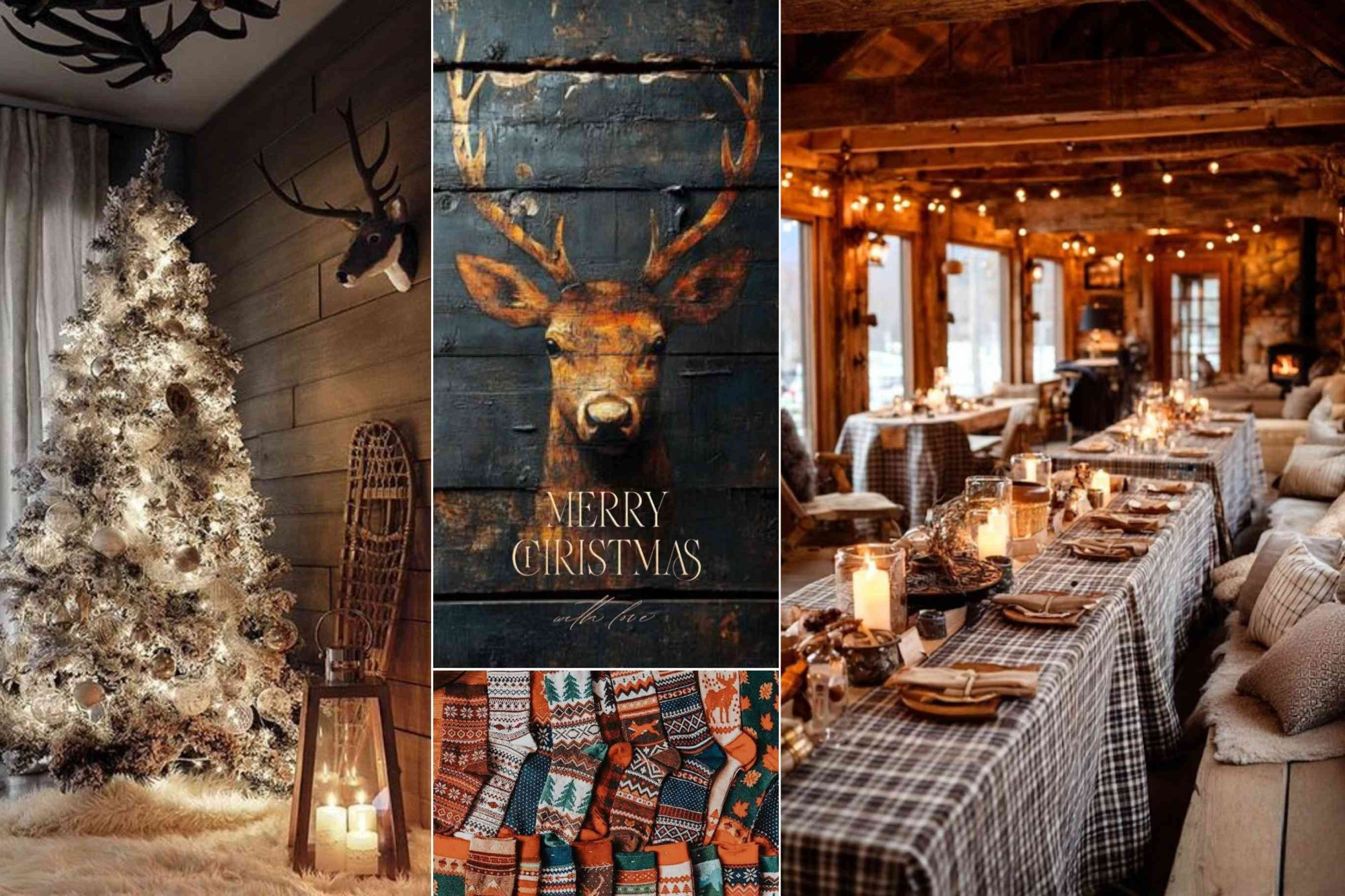
Traditional Christmas wrapping can be achieved with a small selection of materials: printed paper, cotton or fabric ribbons, natural twine and evergreen branches.
A sprig of rosemary, fir or pine can replace a conventional gift bow, while reusable fabric ribbons and handwritten labels introduce a personal detail.
Bungalow's decorative papers provide an interesting starting point for combining traditional wrapping techniques with contemporary patterns.
The emphasis is on the materials and the individual details, creating gift packaging that feels considered without becoming elaborate.
#AlpineDuMonde #HomeAndDesign #BungalowDenmark #ChristmasWrapping #GiftWrapping #HandmadePaper #PaperCraftsmanship #NaturalChristmas #LesCouleursDuMonde
Home & Design @mountainliving
Christmas greenery can take many forms, from traditional wreaths to arrangements of fir branches and eucalyptus. British interiors brand The White Company offers a restrained interpretation of seasonal decoration, combining muted foliage, white berries and subtle lighting.
A Botanical Approach to Christmas
Founded in 1994, The White Company has developed a distinctive approach to home accessories, with neutral colours and understated seasonal collections.
Its Pre-Lit Frosted Eucalyptus Garland combines artificial fir branches, eucalyptus leaves, twigs and white berries with integrated LED lighting.
Measuring 250 centimetres, the garland can be arranged across a mantelpiece, staircase or dining table. The matching eucalyptus wreath uses similar materials and can be displayed on a wall or door.
These designs offer a reusable alternative to fresh greenery while retaining the appearance of natural winter foliage.
An Alternative to the Traditional Christmas Tree
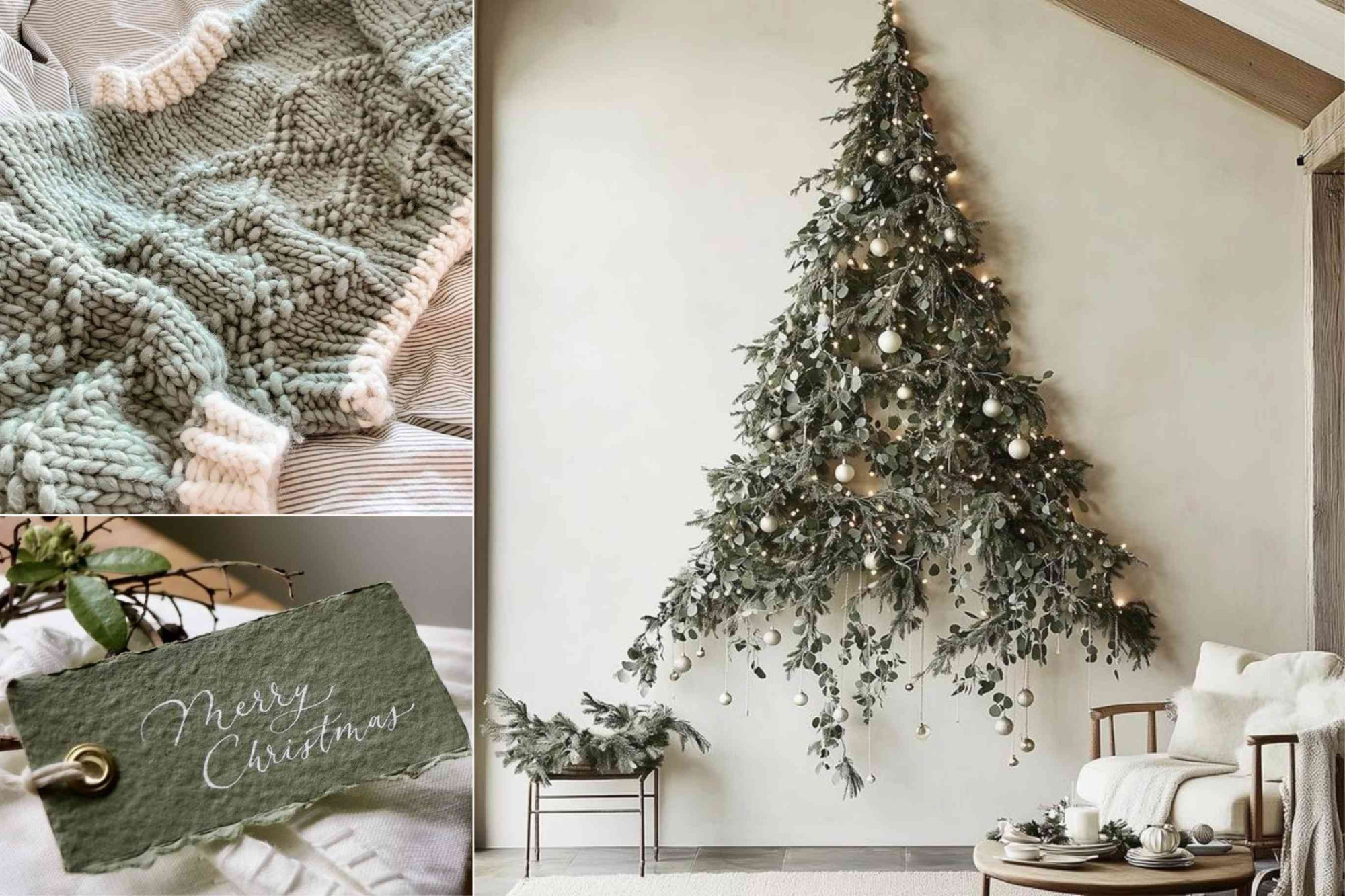
For smaller interiors or spaces where a conventional tree is impractical, greenery can become part of a wall installation.
Branches arranged in a triangular composition create the outline of a Christmas tree, while small ornaments and discreet lighting provide seasonal details.
A palette of sage green, soft grey and ivory works particularly well with natural timber, linen and knitted textiles.
The White Company's eucalyptus collection offers inspiration for this quieter approach to Christmas decorating, with individual pieces that can be reused in different arrangements each year.
#AlpineDuMonde #HomeAndDesign #TheWhiteCompany #ChristmasGreenery #BotanicalChristmas #EucalyptusGarland #ChristmasDecorations #MountainLiving #LesCouleursDuMonde
Home & Design @mountainliving
The tradition of hanging Christmas stockings has become an opportunity for textile designers to create personalised decorations intended for use year after year.
Danish family business Saga Copenhagen approaches the Christmas stocking through fabric selection, embroidery and practical construction.
Based in Odense, the company brings together two generations of a family with a background in interior design. Ole and Charlotte have worked in the industry since 2001, while their daughter Ida and son-in-law Joacim are involved in the business.
Linen, Embroidery and Personalisation
Saga Copenhagen's Christmas Stocking Tree is made from 100% linen with a cotton cuff and hand-sewn decorative details.
The stocking measures 28 by 36 centimetres and includes a buttoned hanging strap, allowing it to be attached to furniture or a staircase railing.
Personalisation is available through embroidered names or initials, added at the company's warehouse in Denmark.
The collection also includes a Snowman design, offering an alternative within the same textile range.
A Decoration with a Practical Purpose
Unlike purely decorative Christmas ornaments, stockings combine a seasonal tradition with a functional use.
The choice of linen and cotton allows the stockings to be folded and stored between Christmas seasons. Personalised embroidery also makes them suitable for individual family members without requiring a different decoration each year.
Saga Copenhagen's approach is a useful example of how a familiar Christmas accessory can be developed through textile details rather than elaborate ornamentation.
#SagaCopenhagen #ChristmasTextiles #DanishDesign #ChristmasStockings #TextileDesign #NordicChristmas
Home & Design @mountainliving
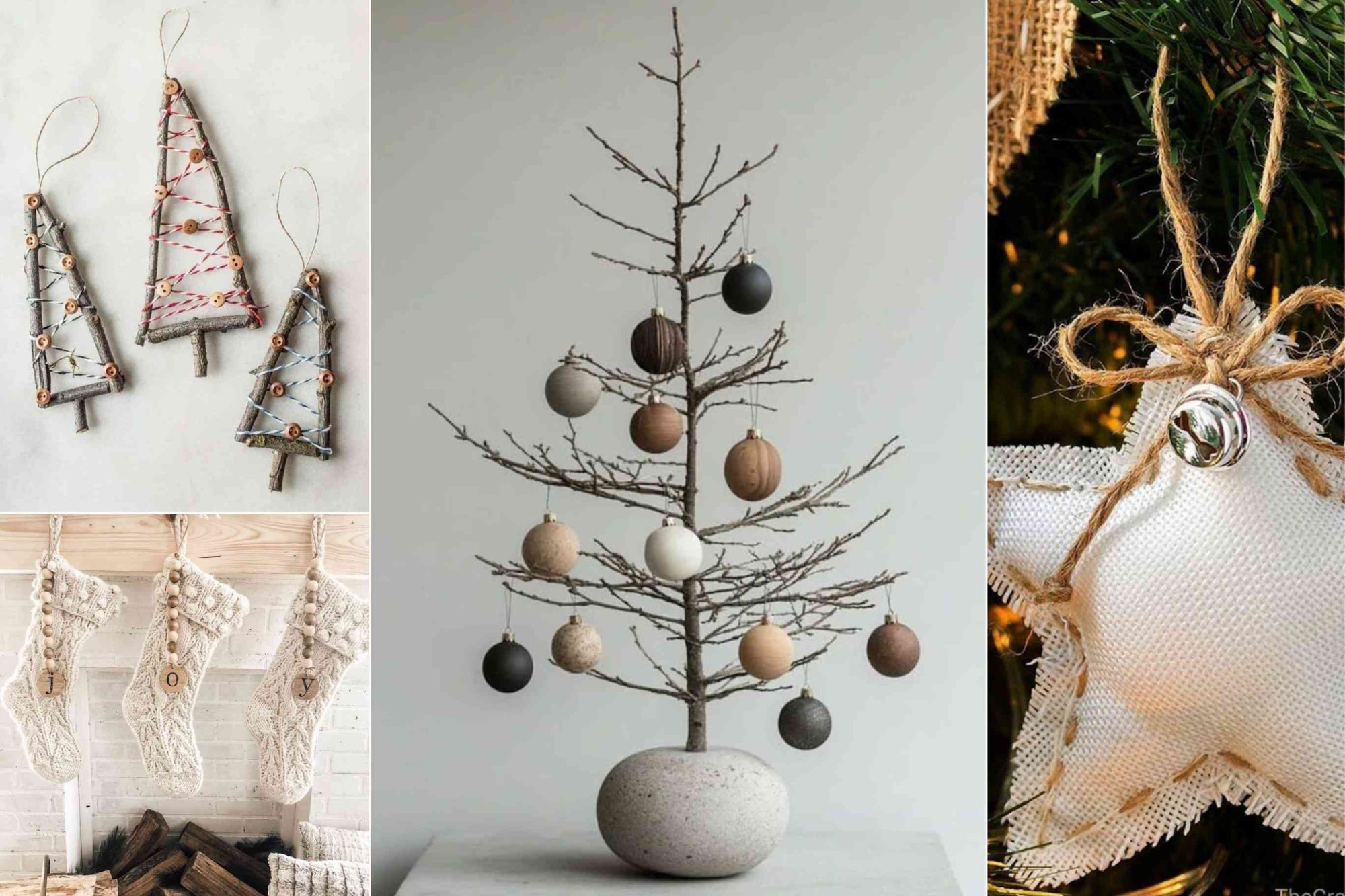
Embroidery artist Amanda Altendorf creates Christmas decorations through her brand Brit Heart, combining antique linens, traditional needlework and British textiles.
The collection includes patchwork stars, embroidered hearts, fabric bunting and Christmas stockings. Her designs incorporate decorative stitching, carefully selected fabrics and traditional textile techniques.
British Textiles and Handcrafted Details
Brit Heart uses antique linens alongside contemporary materials, including Liberty fabrics and Harris Tweed.
Its Christmas baubles combine patterned textiles with seed pearls, beads and hand-stitched details. The eight-centimetre ornaments are available in different fabric combinations.
The miniature Harris Tweed stockings feature embroidered linen bands, hand-stitched pockets and cotton linings.
Harris Tweed is a protected textile, handwoven by islanders in their homes in the Outer Hebrides of Scotland using pure virgin wool. Its production is regulated under the Harris Tweed Act of 1993.
The Redwork Embroidery Tradition
One of Brit Heart's more elaborate creations is the Redwork Advent Calendar, combining traditional embroidery with appliqué, beads and mother-of-pearl buttons.
Redwork became popular during the nineteenth century, particularly in Britain and North America. The technique uses predominantly red embroidery thread on a light-coloured fabric, traditionally for household linens, quilts and decorative textiles.
The technique developed partly through the availability of colourfast red cotton threads, which made embroidered designs more resistant to repeated washing.
Brit Heart incorporates this historical needlework technique into a reusable Advent calendar, with individually numbered pockets forming part of the embroidered composition.
#BritHeart #ChristmasEmbroidery #PatchworkStars #TextileCraftsmanship #HandmadeChristmas #BritishTextiles #ChristmasDesign
Home & Design @mountainliving
Tartan has become a familiar feature of traditional Christmas interiors, particularly in homes inspired by Scottish country-house style. Behind its distinctive checks lies a textile history that extends well beyond seasonal decoration.
Originally associated with woven woollen cloth in Scotland, tartan developed into one of the country's most recognisable cultural symbols. Its patterns are formed by intersecting bands of colour, repeated in a sequence known as a sett.
Although tartans are widely associated with particular clans, this system was largely formalised during the nineteenth century. Earlier patterns were influenced by regional weaving practices, available dyes and individual preference.
A Pattern with a History
Tartan's popularity increased considerably during the nineteenth century, particularly following King George IV's visit to Edinburgh in 1822, organised in part by Sir Walter Scott.
Queen Victoria's enthusiasm for Scottish Highland culture later helped establish tartan within fashionable domestic interiors.
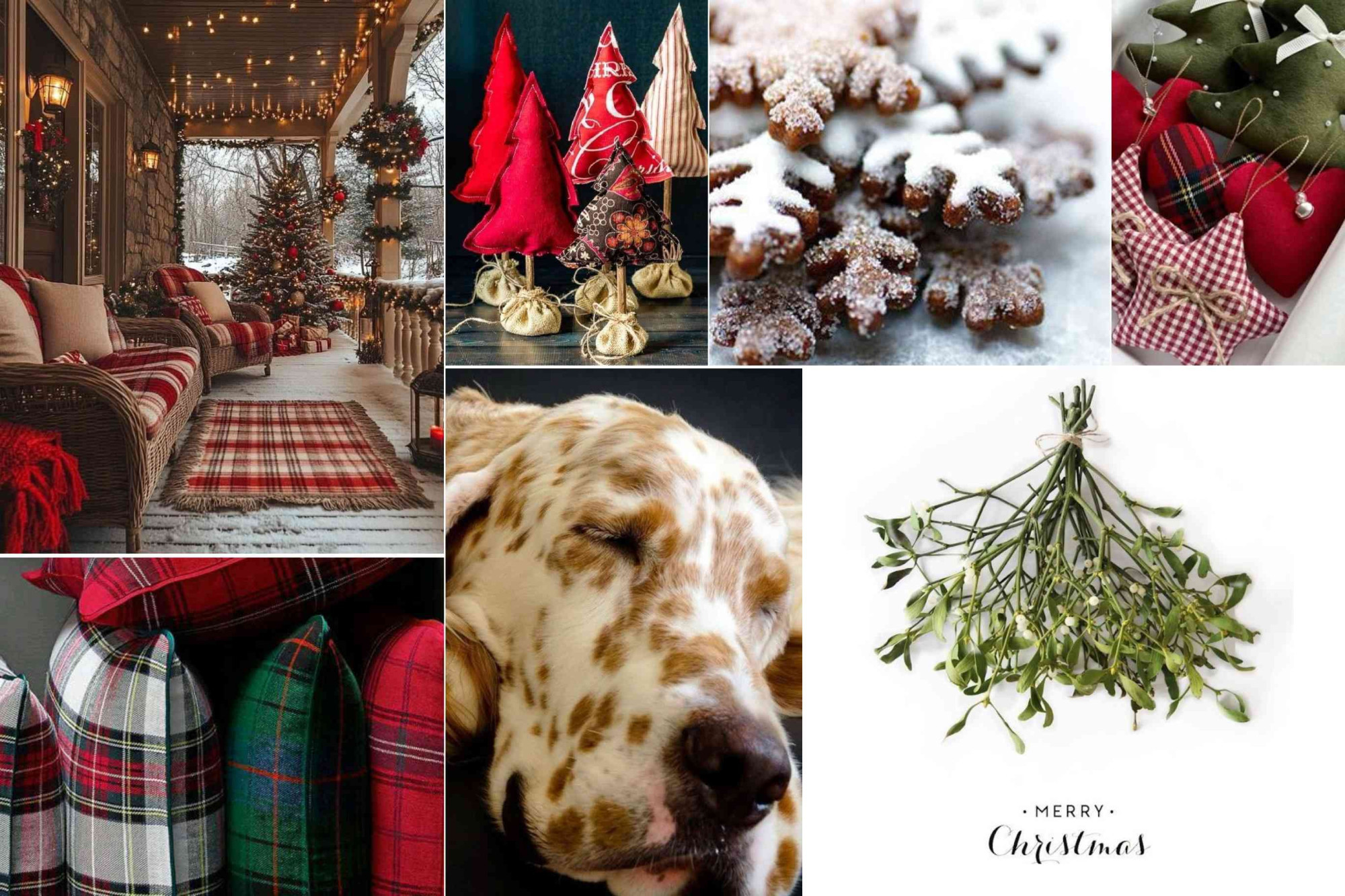
Today, traditional red and green tartans remain popular for Christmas textiles, including cushions, table runners and stockings. Their association with the festive season is primarily decorative rather than an ancient Scottish Christmas custom.
Nicolson Kiltmakers: Traditional Cloth, Contemporary Use
Scottish maker Nicolson Kiltmakers offers an example of how traditional kilt-making materials can be adapted for the home.
Its Christmas stockings are handmade in Scotland using kilt-weight wool tartan, with linings in Liberty's printed Tana Lawn cotton.
The collection includes the maker's own tartan designs, such as Flodden, Highland Mist, John Muir Way and Muted Red Nicolson. Each stocking is finished with a velvet hanging loop and shell button.
The contrast between structured wool tartan and finely printed cotton demonstrates how established textile traditions can be used in smaller decorative pieces.
Bringing Tartan into the Christmas Interior
Tartan works particularly well alongside natural materials such as timber, wool, evergreen branches and candlelight.
For a coordinated interior, one principal tartan can be repeated across a few elements, such as a cushion, a table textile or a Christmas stocking. Combining different checks is also possible, particularly when they share a similar colour palette but vary in scale.
#ScottishTartan #ChristmasInteriors #TraditionalChristmas #ScottishTextiles #NicolsonKiltmakers #CountryHouseStyle #ChristmasDecor
Home & Design @mountainliving
At the edge of the Fanes-Sennes-Braies Nature Park, a collection of small timber cabins offers an alternative to the traditional Alpine chalet. Camping Sass Dlacia, near San Cassiano in Alta Badia, combines simple accommodation with direct access to the surrounding mountain landscape.
A Different Kind of Mountain Stay
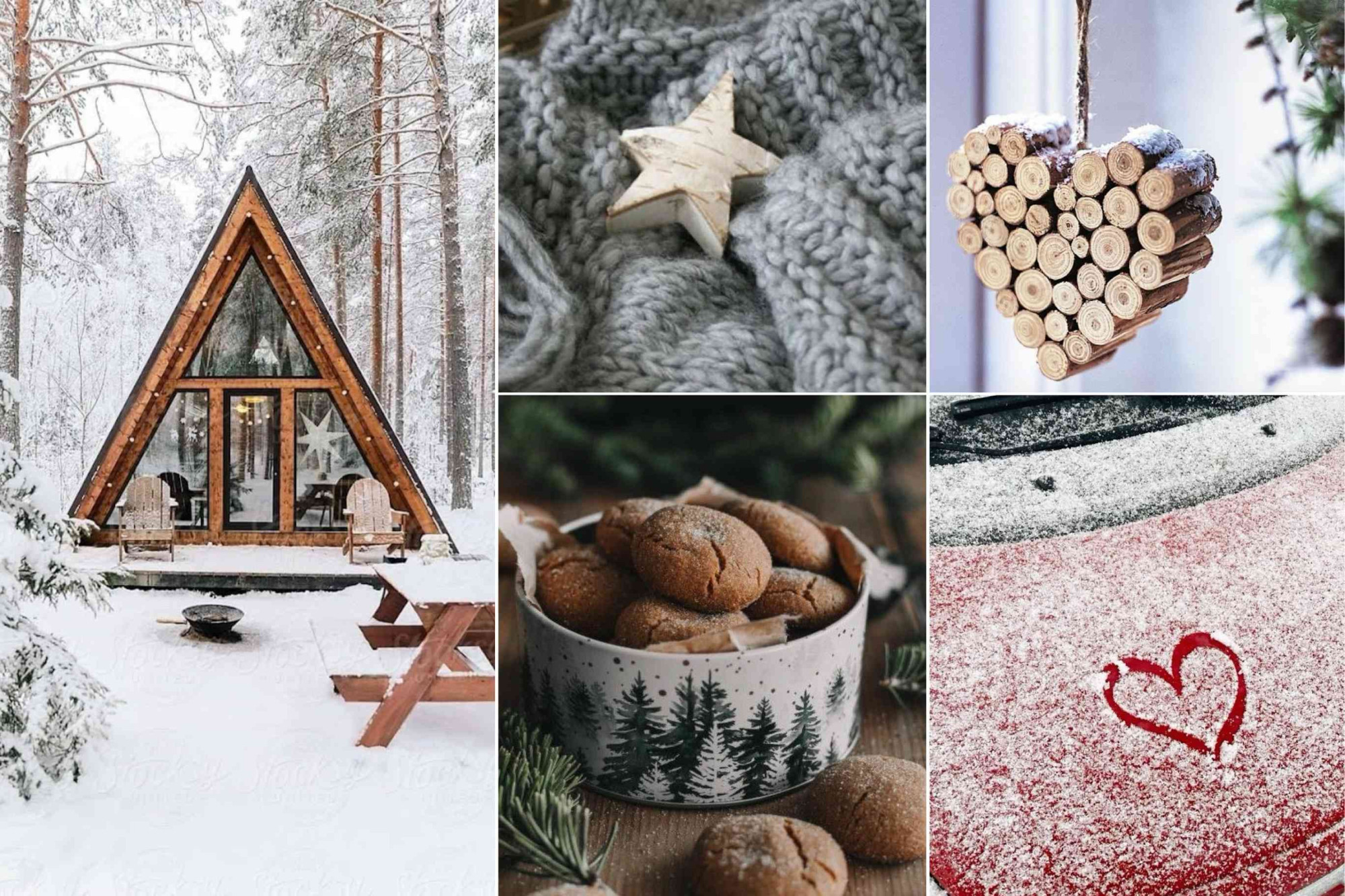
A-frame architecture is defined by its steeply pitched roof, which extends almost to ground level. The triangular structure creates a compact interior and allows snow to slide off the roof.
At Sass Dlacia, the cabins are constructed from larch and pine, two timbers closely associated with Alpine building traditions. Their glazed fronts face the surrounding forest and mountains.
Winter in Alta Badia
Camping Sass Dlacia is located in the Saré-Armentarola area, close to the entrance of the Fanes-Sennes-Braies Nature Park.
In winter, the region offers cross-country skiing, snowshoeing and access to the wider Dolomiti Superski network. The Armentarola area is particularly well known for its mountain scenery and winter sports.
For visitors who prefer exploring without skis, winter walking routes provide another way to experience the landscape, depending on snow and weather conditions.
Nearby San Cassiano has restaurants serving Ladin and South Tyrolean cuisine, offering an introduction to the region's culinary traditions.
Stay Inspiration: Camping Sass Dlacia
The A-Frame Cabins accommodate two guests in nine square metres. Each includes a double bed, heating, electricity, bed linen and a small porch.
Guests can choose between a more secluded position near the edge of the campsite and a cabin with mountain views. Shared bathrooms and showers are located approximately 50 metres away.
The campsite also offers restaurant facilities and the Natura Wellness Centre, with saunas and relaxation areas.
Stay Inspiration: A-Frame Cabin at Camping Sass Dlacia
#Dolomites #AltaBadia #SanCassiano #AFrameCabin #WinterInTheMountains #MountainEscapes #SassDlacia
Home & Design @mountainliving
An English Country House Christmas
In traditional English country houses, Christmas decorations become part of interiors shaped by generations of furniture, antiques and collected objects. Seasonal additions sit alongside pieces that have acquired their character over time.
Unlike interiors arranged around a single decorative style, country houses developed through successive generations of ownership. Furniture was inherited, adapted or purchased, while paintings, ceramics and everyday objects accumulated gradually.
At Christmas, this layered approach creates a setting in which familiar decorations return each year without requiring an entirely new interior scheme.
How Christmas Entered the Country House
Christmas trees became increasingly fashionable in Britain during the nineteenth century. Their popularity grew during Queen Victoria's reign, particularly after The Illustrated London News published an illustration of the royal family gathered around a decorated tree in 1848.
Glass ornaments, candles and decorative textiles gradually became more widely available, adding to older customs involving holly, ivy and evergreen branches.
In country houses, these seasonal traditions were incorporated into rooms already furnished with antiques, inherited possessions and collections assembled over decades.
Robyn & Wren: A Place for Vintage Finds
British interiors business Robyn & Wren specialises in antiques, vintage homewares and decorative objects selected for their individual character.
Its collections include furniture, pottery, artwork and country-house-inspired accessories, bringing together pieces from different periods.
The business reflects an approach to interiors in which an aged wooden cabinet, an antique ceramic vessel or a piece of vintage artwork can remain relevant within a contemporary home.
Rather than relying on coordinated collections, the emphasis is on choosing individual objects for their materials, craftsmanship and character.
A Christmas Collection That Grows Over Time
One of the advantages of decorating around existing furnishings is the possibility of building a seasonal collection gradually.
An inherited glass ornament might be displayed alongside a vintage decoration found at an antiques market. Traditional greenery can be arranged in an old ceramic vessel, while a simple wreath introduces a seasonal detail to an established room.
This approach also encourages the continued use of decorations from previous years, allowing personal collections to develop without following a different decorative trend each Christmas.
#EnglishCountryHouse #VintageChristmas #ChristmasInteriors #RobynAndWren #AntiqueInteriors #CountryHouseStyle #TraditionalChristmas
Home & Design @mountainliving
On a hillside near the village of Kettleshulme, Clayton Fold Christmas Tree Farm offers a seasonal experience that begins outdoors: walking among growing firs and spruces to choose the tree that will eventually take its place at home.
Situated in England's Peak District, the farm has been growing Christmas trees since 1994. Its location provides a rural setting for a tradition that many households associate with the beginning of the festive season.
A Tree Chosen in the Field
At Clayton Fold, visitors can walk through the plantation and select a growing tree. The farm then cuts, transports and nets it for collection.
The farm has also offered the opportunity to choose and mark a tree in advance, leaving it in the field until an agreed collection date closer to Christmas.
Choosing a tree at the plantation makes it possible to examine its natural shape, height and branch structure before it is cut.
What Grows at Clayton Fold?
The farm grows several varieties, including Norway spruce, Nordmann fir, Fraser fir and Noble fir.
Each has different characteristics. Norway spruce is associated with the familiar scent of a traditional Christmas tree but requires careful watering indoors. Nordmann fir is popular for its softer needles and relatively good needle retention.
The farm also offers pot-grown trees and larger specimens for spaces that can accommodate them.
These differences make a visit to a specialist grower particularly useful for anyone choosing a real Christmas tree for the first time.
A Winter Outing in the Peak District
Clayton Fold is located near Kettleshulme, surrounded by the hills and countryside of the Peak District.
Visitors choosing a tree in the field should wear suitable outdoor footwear, as the plantation is part of a working agricultural setting.
The nearby Goyt Valley offers woodland walks, reservoirs and moorland scenery, providing an opportunity to combine collecting a Christmas tree with time outdoors.
For those travelling specifically to visit the farm, seasonal access arrangements should be checked in advance.
Local Experience: Clayton Fold Christmas Tree Farm
#PeakDistrict #ChristmasTreeFarm #ChristmasTraditions #EnglishCountryside #WinterOutdoors #ChooseYourTree #StepOutside
Home & Design @mountainliving
The Alpine Winter, Saint-Luc Style
In the Swiss Val d'Anniviers, Saint-Luc offers a winter holiday rooted in traditional mountain life, with historic timber chalets, skiing above the village and a family-run hotel that has welcomed guests since 1933.
At 1,650 metres above sea level, Saint-Luc occupies a sunny mountainside overlooking the Valais Alps. Its old village retains traditional wooden buildings, narrow streets and a central square, while the surrounding mountains provide opportunities for both winter sports and quieter outdoor activities.
Skiing Above the Village
Saint-Luc shares its ski area with neighbouring Chandolin, with slopes reaching approximately 3,000 metres. A funicular connects the village to Tignousa at 2,200 metres, where visitors can access the ski area and panoramic mountain views.
For those who prefer to explore without skis, the region offers marked winter walking and snowshoeing routes.
Saint-Luc is also known as the Village of the Stars. Near the upper funicular station stands the François-Xavier Bagnoud Observatory, inaugurated in 1995. Visitors can join guided astronomical evenings, combining a mountain excursion with observations of the night sky.
A Village with an Alpine Heritage
The Val d'Anniviers has preserved distinctive examples of traditional Valais architecture, including timber houses and historic agricultural buildings.
In Saint-Luc, the old village remains an important part of the experience. Its historic centre is small enough to explore on foot, with local shops, restaurants and traditional buildings gathered around the church square.
The village offers a different setting from purpose-built ski resorts, with its original settlement remaining central to daily life.
Stay Inspiration: Grand Chalet Favre
At the heart of Saint-Luc, Grand Chalet Favre is a family-run hotel associated with Anne-Françoise and Claude Buchs-Favre.
Welcoming guests since 1933, the chalet has 15 rooms with timber balconies and terraces overlooking the valley. Inside, antique furniture and textiles woven in Switzerland and Savoie reflect the region's traditional decorative style.
The communal lounge has an open fireplace, while the hotel's restaurant provides a place to dine after a day in the mountains.
Its position in the old village, within walking distance of the funicular, makes it a practical base for exploring Saint-Luc and the surrounding Val d'Anniviers.
Stay Inspiration: Grand Chalet Favre
#SaintLuc #ValdAnniviers #SwissAlps #AlpineHeritage #WinterInSwitzerland #GrandChaletFavre #MountainEscapes
Home & Design @mountainliving
Alpen Charme: A Chalet with a Past
In the Swiss Bernese Alps, a chalet dating from 1827 has found a new purpose as an intimate guesthouse. Located in the mountain village of Gsteig, Alpen Charme combines historic Alpine architecture with personal hospitality and access to the winter landscape of the Saanenland.
Gsteig lies at approximately 1,200 metres, between the Diablerets massif and the Sanetsch region. Unlike the fashionable centre of nearby Gstaad, the village has retained much of its traditional character, with timber farmhouses, narrow streets and a historic church at its centre.
The Story Behind Alpen Charme
After fifteen years of working internationally, the family behind Alpen Charme returned to Europe and chose Gsteig as the location for their guesthouse.
They restored a nineteenth-century chalet, incorporating reclaimed timber, antique furniture and natural materials while adapting the building for contemporary accommodation.
The result is a small maison d'hôtes with individually furnished bedrooms and communal spaces that retain the character of a traditional Alpine home.
Hospitality is an important part of the experience. Breakfast is served at the table using organic ingredients, while homemade pastries are offered during afternoon tea.
Winter in Gsteig
The village provides a base for exploring the quieter side of the Gstaad region.
Cross-country skiing and marked winter walking routes offer opportunities to spend time outdoors, while the nearby Col du Pillon connects visitors to Glacier 3000, with high-altitude skiing and panoramic views of the surrounding mountains.
For a traditional local dining experience, Restaurant Bären is situated in the historic village centre.
Gsteig is also connected by public transport to Gstaad and Les Diablerets, making it possible to explore the wider region without relying entirely on a car.
Stay Inspiration: Alpen Charme
At Alpen Charme – Chalet d'Hôtes & SPA, guest rooms feature natural bedding, organic cotton and linen textiles alongside carefully selected furnishings.
A lounge with a fireplace provides a communal gathering space, while the spa includes a Nordic whirlpool, sauna and steam bath.
Outside, several terraces overlook the surrounding mountains, offering a place to enjoy the winter landscape.
The chalet also provides a dedicated ski room for equipment and wet clothing, a practical detail for guests returning from a day outdoors.
Stay Inspiration: Alpen Charme – Chalet d'Hôtes & SPA
#SwissAlps #Gsteig #GstaadSaanenland #AlpineChalets #MountainEscapes #WinterInSwitzerland #AlpenCharme
Home & Design @mountainliving
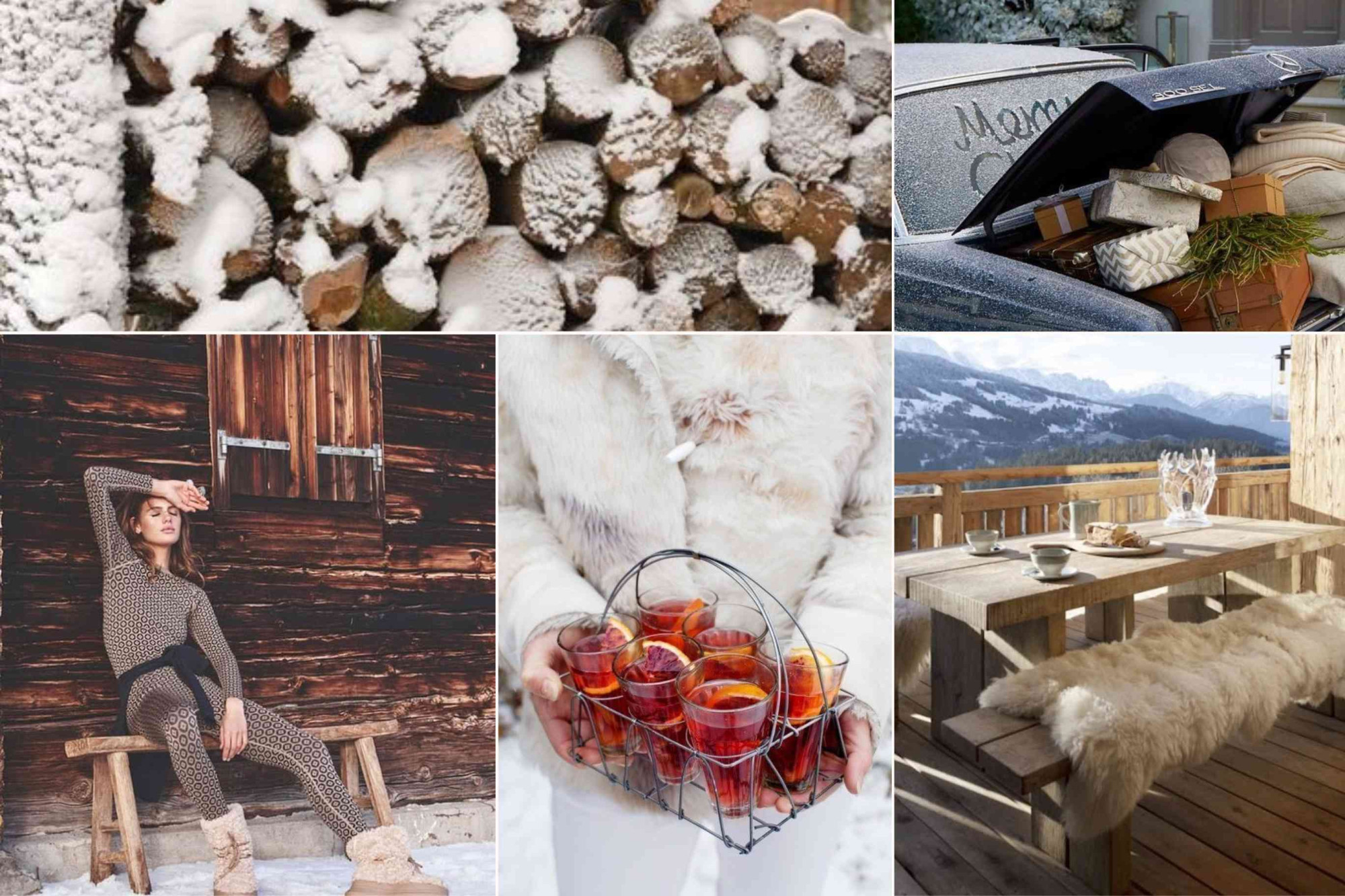
In northern Finnish Lapland, Muotkan Ruoktu offers a winter stay surrounded by forests, frozen waterways and the open fells of the Muotkatunturi Wilderness Area. Its traditional wooden cottages provide a base for experiencing the Arctic landscape and the region's Sámi heritage.
Located north of Inari, beside the Peltojoki River, the property sits at approximately 69 degrees north. Far from the larger tourist centres, winter activities here are closely connected to the surrounding wilderness.
A Family History in the Arctic
Muotkan Ruoktu began welcoming travellers in 1967, when Sámi reindeer herder Hans Niittyvuopio and his family established the accommodation.
Over the following decades, it became a stopping place for visitors exploring northern Lapland, particularly those interested in fishing, hiking and wilderness travel.
In 2023, Hans handed the business over to Kinga and Kevin, who continued its tradition of small-scale accommodation and guided outdoor experiences.
The property's history reflects the relationship between local livelihoods, reindeer husbandry and tourism in this part of Finnish Lapland.
Exploring the Muotkatunturi Wilderness
The nearby Muotkatunturi Wilderness Area extends across approximately 1,570 square kilometres of forests, waterways and open fells.
In winter, visitors can explore the landscape on snowshoes or Altai skis, which are designed for travelling across deep snow. Guided activities may also include ice fishing and traditional sledge excursions.
A visit to a Sámi reindeer herder provides an opportunity to learn about the seasonal work involved in managing a herd and the continuing cultural importance of reindeer husbandry.
The area's limited artificial lighting also makes it suitable for observing the Northern Lights when weather and solar conditions allow.
Stay Inspiration: Muotkan Ruoktu
Muotkan Ruoktu offers traditional wooden A-frame cottages among the trees, providing a different accommodation experience from the glass igloos and larger resorts found elsewhere in Lapland.
The triangular cottages are designed for a simple stay in the wilderness, with facilities for preparing meals and spending time indoors between outdoor activities.
Guests can also visit the property's log restaurant, spend an evening around the fire in a traditional kota or arrange a sauna experience.
The accommodation is approximately 55 kilometres from Inari, with airport transfers available by prior arrangement.
Stay Inspiration: Muotkan Ruoktu – A-Frame Cottages
#FinnishLapland #MuotkanRuoktu #Inari #ArcticWinter #LaplandCabins #SamiCulture #WinterEscapes
Home & Design @mountainliving
A Table Above the Rhône Valley
In Rosswald, high above Switzerland's Rhône Valley, Chalet Kristall brings traditional Alpine building materials together with contemporary interior design. Rebuilt in 2016, the chalet places mountain views at the centre of everyday life, particularly around its panoramic dining area.
Rosswald is a small mountain resort above Brig in the canton of Valais. Its elevated position, access to winter sports and relatively compact scale make it an interesting destination for travellers seeking a private chalet stay.
Rebuilding Chalet Kristall
Chalet Kristall was reconstructed on the foundations of an earlier building, with the interiors designed by its owner, Christin Volken Sprenger.
Her approach combines traditional timber construction with contemporary furnishings and generous glazing. Exposed wooden beams, natural materials and carefully positioned windows establish a connection between the building and its Alpine surroundings.
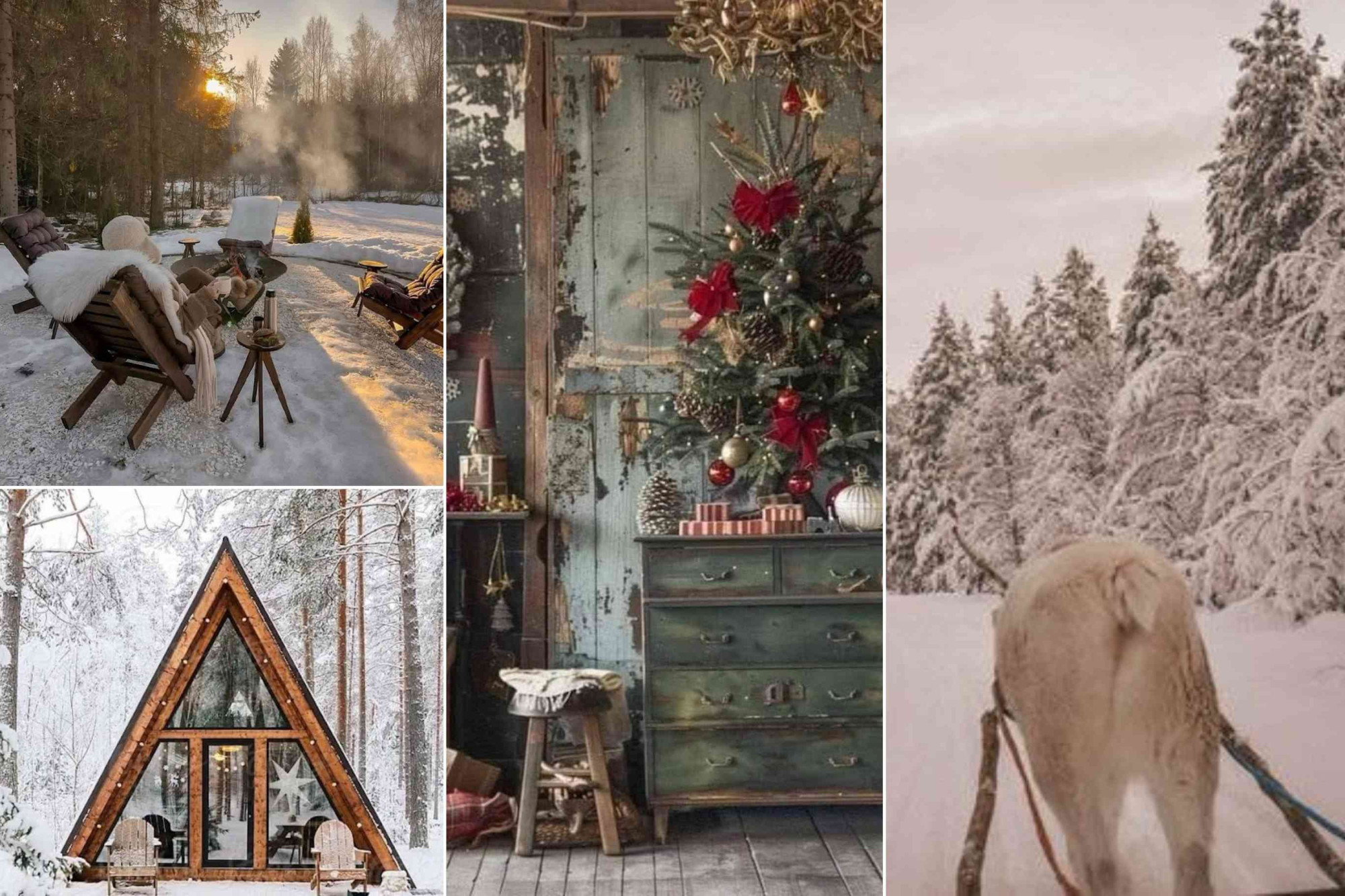
The dining area is a defining feature. A substantial wooden table stands beside panoramic windows overlooking the mountains, creating a space for shared meals with uninterrupted views across the landscape.
The design demonstrates how a traditional mountain chalet can be adapted without abandoning the materials and architectural character associated with the region.
Rosswald in Winter
At approximately 1,800 metres above sea level, Rosswald occupies a mountain terrace overlooking the Rhône Valley.
The village is reached by cable car from Ried-Brig and has a ski area extending to approximately 2,600 metres. Its slopes, winter walking routes and snowshoeing opportunities provide several ways to explore the surrounding mountains.
Rosswald's relatively small scale distinguishes it from the larger resorts in Valais, while its proximity to Brig offers access to restaurants, shops and cultural attractions.
In Brig, the seventeenth-century Stockalper Palace is particularly worth visiting. Built by the merchant Kaspar Stockalper, the palace is recognised for its three distinctive towers and Italian-influenced Baroque architecture.
Stay Inspiration: Chalet Kristall
Chalet Kristall offers private accommodation with a fully equipped kitchen and an open-plan living and dining area.
The interiors feature extensive timber detailing, exposed structural beams and large windows framing the surrounding mountain landscape.
Its location beside the ski slopes provides convenient access to winter sports, subject to snow conditions.
The chalet's combination of architectural character, private accommodation and panoramic mountain views makes it an interesting alternative to a conventional Alpine hotel.
Stay Inspiration: Chalet Kristall
#SwissAlps #Rosswald #ValaisSwitzerland #ChaletKristall #MountainArchitecture #WinterEscapes #AlpineLiving
Home & Design @mountainliving
On Scotland's Isle of Skye, a family-run tannery has spent more than four decades transforming a by-product of sheep farming into natural furnishings. Skyeskyns combines traditional tanning techniques with an appreciation for the individual character of wool, creating sheepskins suited to both rustic and contemporary interiors.
Established in 1983 by Clive and Lydia Hartwell, the business began on the family's croft in Waternish. At a time when many sheepskins from local livestock farming were discarded, the Hartwells recognised the potential of a material already available within the island's agricultural community.
Today, Skyeskyns is run by the second generation of the family and remains Scotland's only commercial sheepskin tannery.
Preserving a Traditional Craft
Unlike leather production that removes the fleece, sheepskin tanning preserves the wool while treating the hide beneath it.
At Skyeskyns, the process combines manual craftsmanship with machinery dating from the 1920s and 1930s. The tannery also uses a traditional vegetable-tanning method involving mimosa tree bark, whose natural tannins help preserve the leather.
Each finished sheepskin retains its own characteristics. Differences in wool length, natural colour and fleece density mean that no two pieces are identical.
Visitors to the Waternish tannery can learn about the stages of production, while the company's collection also includes woollen accessories and selected products from other tanneries.
Natural Wool in the Home
Wool's insulating properties come partly from the natural crimp of its fibres, which traps air. It can also absorb and release moisture vapour, helping it remain comfortable in different indoor conditions.
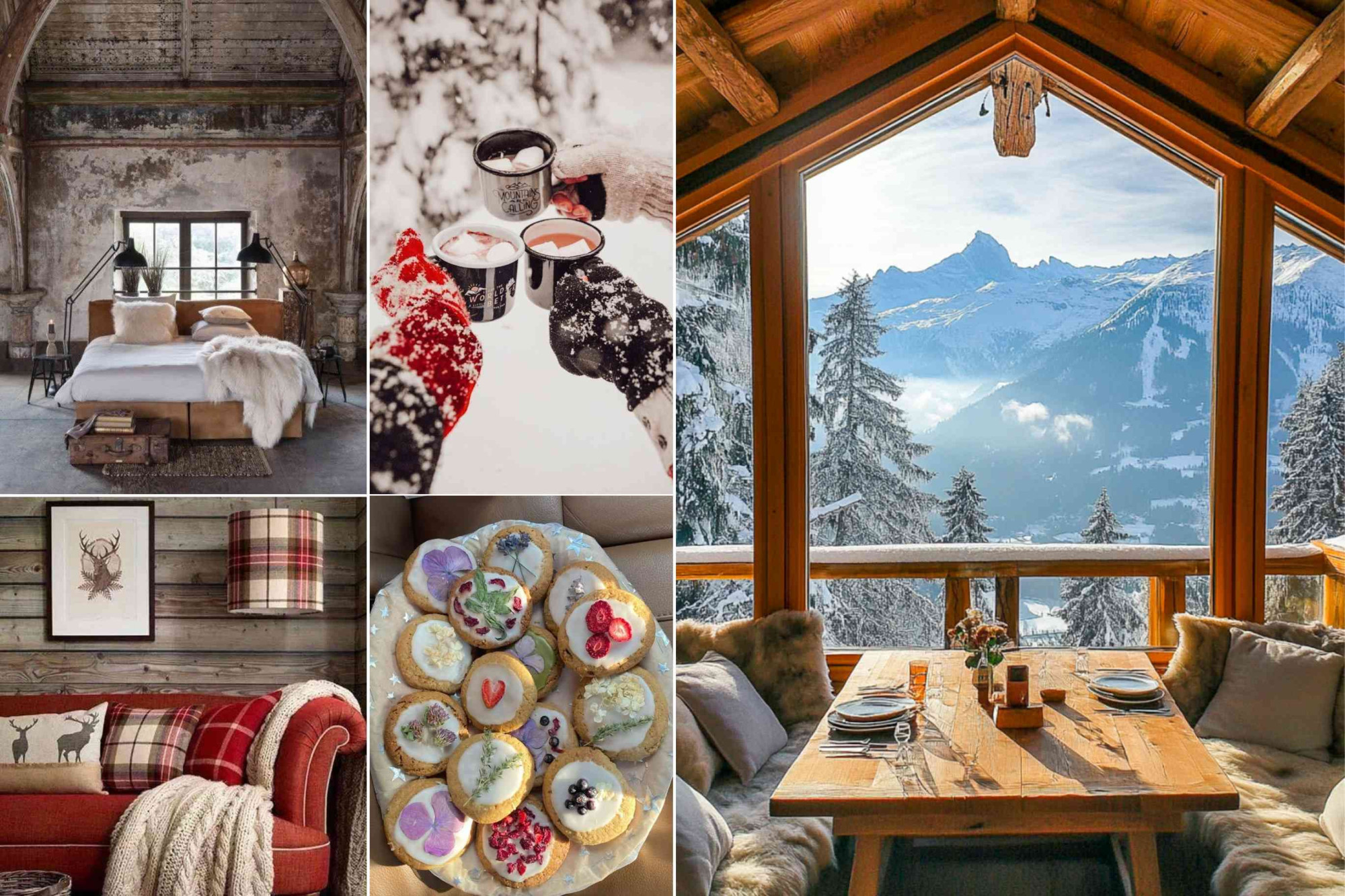
These qualities make sheepskins useful as well as decorative. A long-haired fleece adds softness to a wooden chair, while a shorter, denser sheepskin works well on a bench or beside a bed.
Natural variations in cream, grey and brown allow the material to sit comfortably alongside aged timber, linen, stone and antique furniture.
Choosing a Sheepskin for an Interior
The type of fleece influences both appearance and use. Long, loose wool creates a more pronounced texture, particularly on simple wooden furniture. Shorter wool offers a flatter surface that is generally easier to maintain.
Size and shape are equally important. A single sheepskin can soften an occasional chair, while a larger piece may be better suited to a bench or floor.
Care also matters. Regular shaking and gentle brushing help maintain the fleece, while prolonged exposure to strong sunlight or direct heat should be avoided.
Skyeskyns illustrates how a traditional material, processed through specialist craftsmanship, can become a lasting part of an interior.
#Skyeskyns #IsleOfSkye #ScottishCraftsmanship #NaturalWool #SheepskinInteriors #TraditionalCrafts #InteriorMaterials
Home & Design @mountainliving
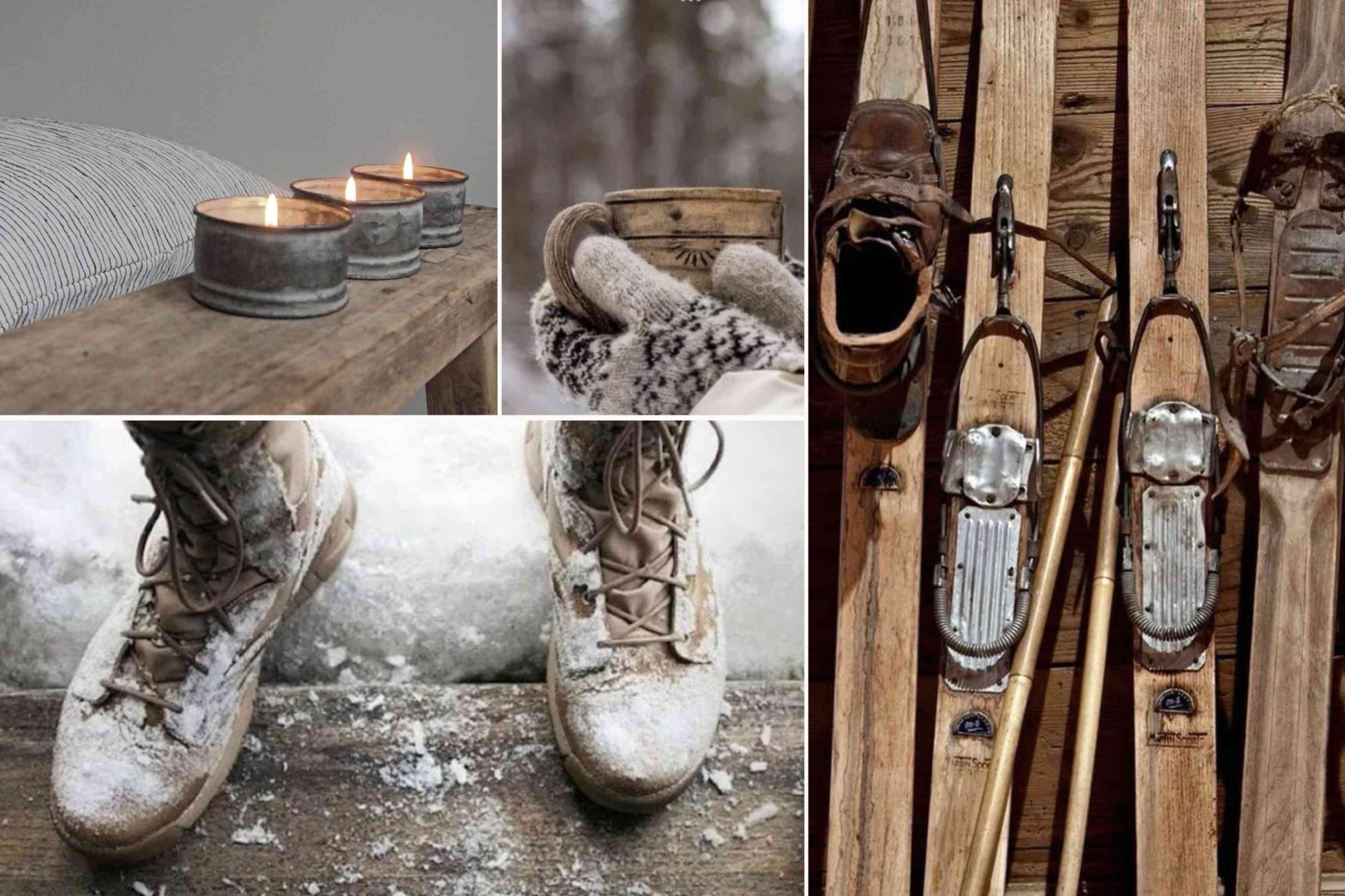
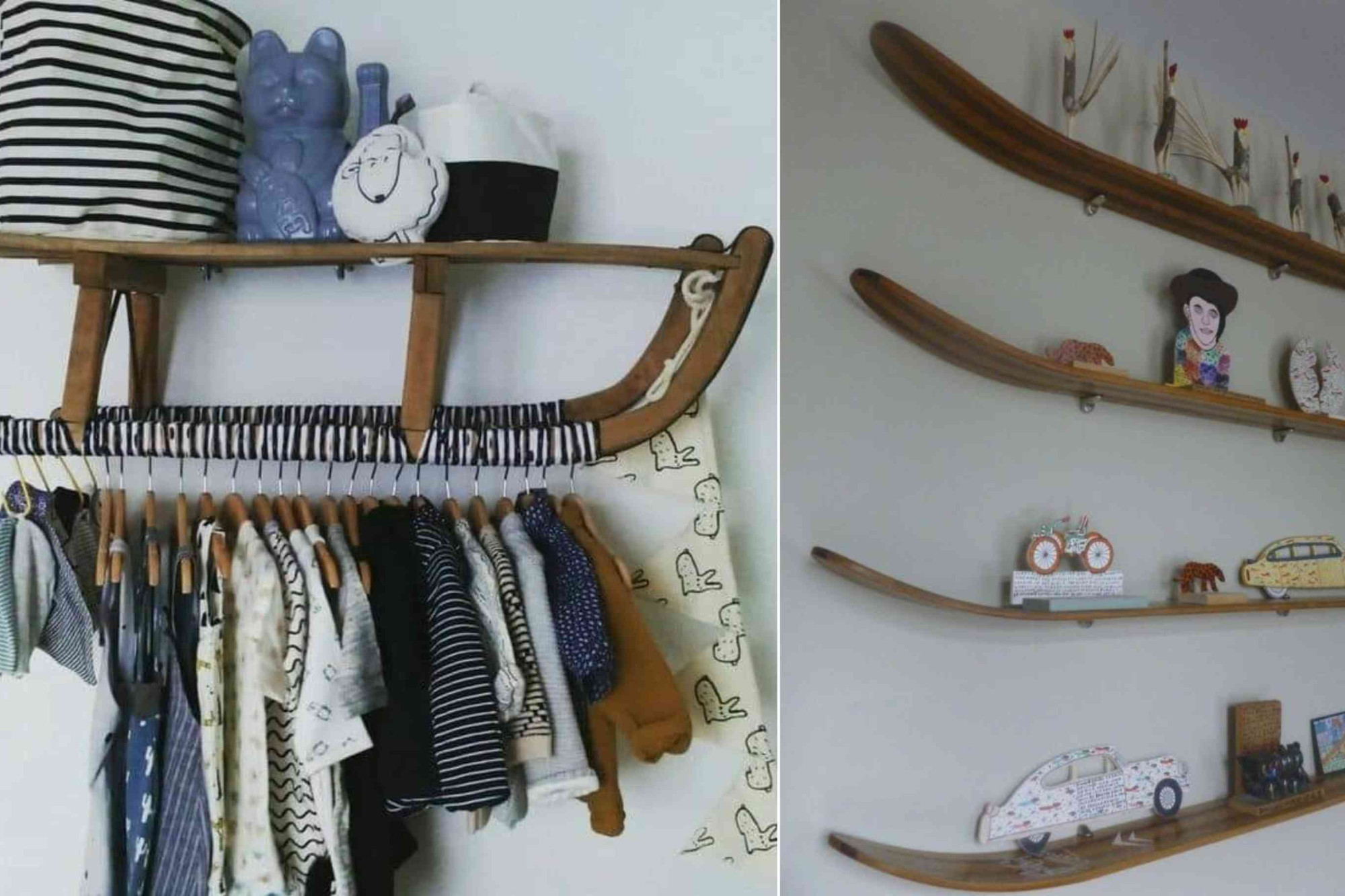
Old wooden skis, once designed for travelling across snow-covered mountains, are finding a place in contemporary interiors. Their curved tips, original bindings and aged timber offer designers an opportunity to create furniture that retains a recognisable connection to its original purpose.
Before the introduction of metal, fibreglass and synthetic materials, skis were predominantly made from wood. Their elongated proportions and distinctive construction now make vintage examples particularly interesting for furniture design, where existing shapes can determine the form of a new object.
Pierre Gérard: Designing with Discarded Skis
French designer Pierre Gérard explores the possibilities of repurposed ski equipment through SkiBanc by regards mêlés.
His collection includes benches, chairs, tables and shelving made using discarded skis. Rather than cutting the equipment into anonymous pieces of material, Gérard incorporates the original curves, bindings and proportions into his designs.
A ski's raised tip can become a distinctive furniture detail, while its long, narrow structure lends itself to benches and shelves. The variations between individual skis also influence the construction of each piece.
The result is furniture in which the original sporting equipment remains immediately identifiable, giving the design a character that conventional timber furniture would struggle to reproduce.
Vintage Ski Equipment as Interior Design
Old skis and wooden sledges are particularly suited to interiors where natural materials and collected objects are already part of the decoration.
A single wooden ski can become a narrow wall shelf for books or small objects, while an old sledge can be adapted into a clothing rail or display feature. In a child's bedroom, these pieces introduce an unexpected alternative to conventional storage furniture.
Their appeal lies in the details that remain visible: worn timber, metal fittings, original markings and the distinctive shapes developed for winter sports.
Pierre Gérard's SkiBanc collection demonstrates how these characteristics can become the starting point for functional design, giving discarded Alpine equipment a new role without erasing its history.
#VintageSkis #SkiBanc #PierreGerard #FurnitureDesign #CreativeReuse #AlpineDesign #AtelierDuMonde
Home & Design @mountainliving
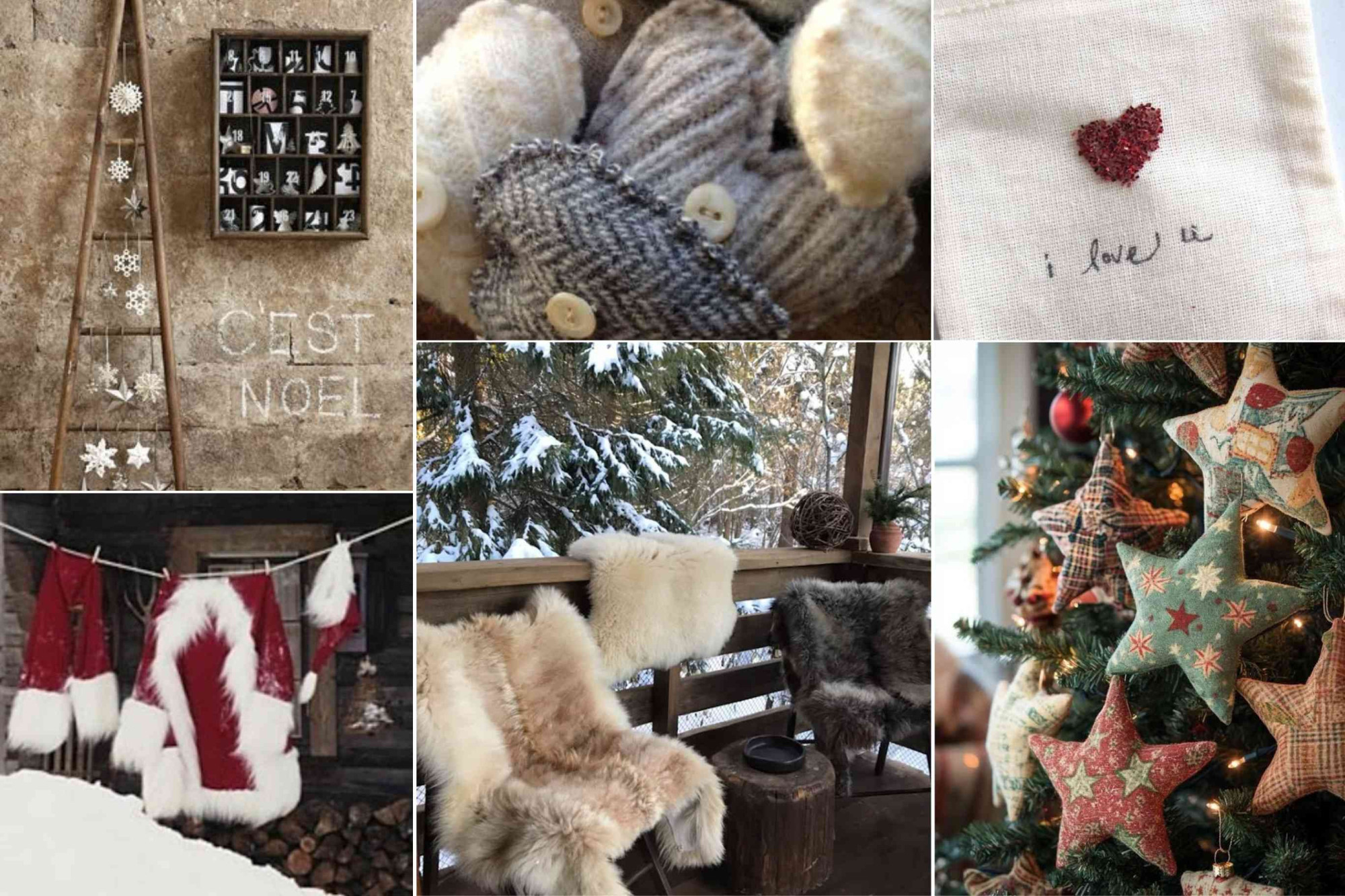
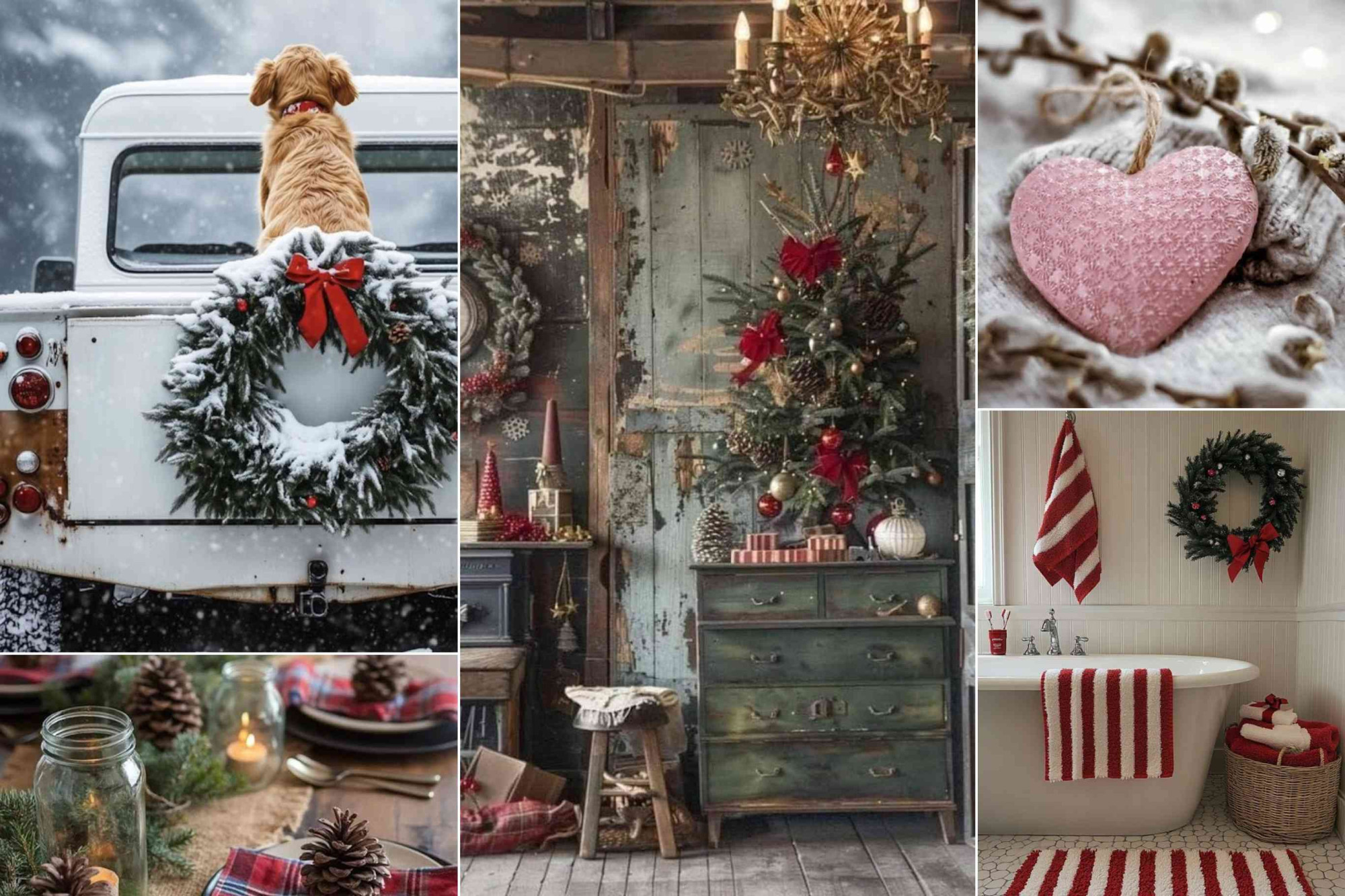
Christmas decorating can begin with a few familiar materials: wool, winter greenery and simple handmade details.
Tartan fabrics and knitted ornaments introduce colour and texture, while small arrangements of fir branches, pinecones and natural twine offer an alternative to conventional Christmas decorations.
An old pair of mittens can become a seasonal door ornament, filled with evergreen cuttings and tied with a ribbon. Small fabric trees can be made from leftover wool or tartan, giving unused textiles a new purpose.
These modest additions work particularly well on wooden doors, shelves and in country-style interiors, where seasonal decorations can sit alongside existing furnishings.
#ChristmasInspiration #NaturalChristmas #CountryChristmas #TartanDecor #HandmadeChristmas #WinterDecor

Home & Design @mountainliving
In the Swiss mountain village of Klosters, designer Conny Zanetti creates decorative objects and textiles inspired by the materials, wildlife and traditional architecture of Graubünden. Through her label Alpstore, she combines reclaimed timber with recognisable Alpine motifs, giving old materials a new place in contemporary interiors.
Old Timber, New Designs
One of Alpstore's defining materials is wood recovered from old barns and farmhouses. Years of exposure to the Alpine climate have left the timber with distinctive grain patterns, weathered surfaces and variations in colour.
Zanetti incorporates these characteristics into her handmade decorations rather than concealing them beneath new finishes. The original appearance of the wood becomes an important part of each design.
This approach connects her work to the agricultural buildings of Graubünden, where timber has long been used for structural construction, storage buildings and everyday furnishings.
The Collection at Alpstore
Alongside her wooden creations, Zanetti develops textiles and decorative accessories featuring deer, ibex and other motifs associated with the Swiss mountains.
Her collection includes cushions, clothing, small accessories and decorative objects such as lanterns and flowerpots. Some pieces are sewn or printed by hand, while others incorporate reclaimed wood selected for its individual characteristics.
The designs are particularly suited to interiors combining old furniture with contemporary pieces. A wooden decoration made from reclaimed barn timber can sit alongside antique furnishings, while a cushion featuring an Alpine animal motif introduces a regional reference without dominating the room.
Alpstore's distinctive character lies in its combination of local materials, familiar mountain imagery and small decorative objects designed for everyday interiors.
#Alpstore #ConnyZanetti #AlpineDesign #SwissCraftsmanship #ReclaimedWood #MountainInteriors #AtelierDuMonde

Home & Design @mountainliving
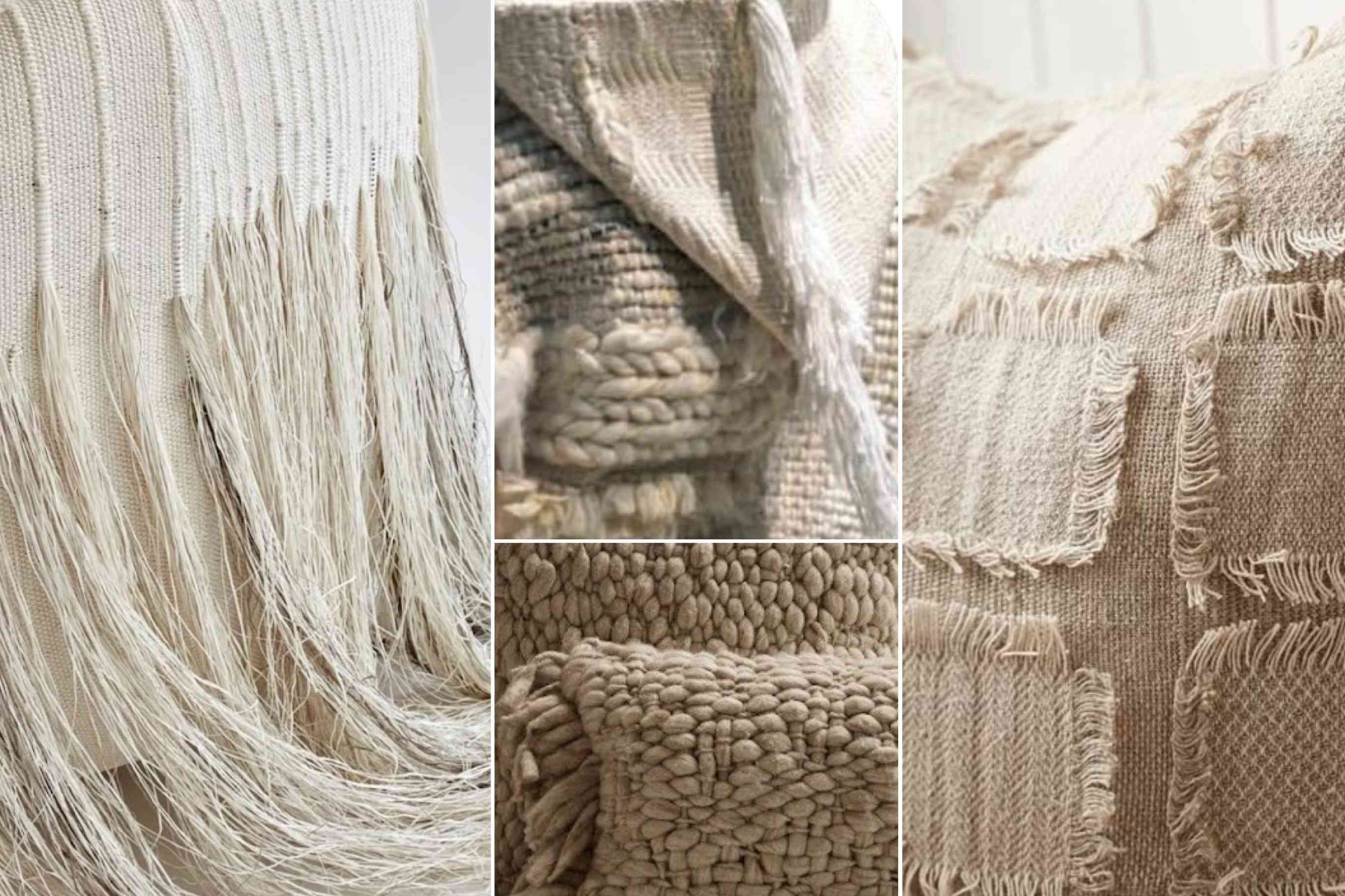
At Lale Studio in Poland, mother-and-daughter duo Ela and Nikola create handwoven wall art characterised by sculptural textures, natural fibres and subtle variations in colour. Their work explores how traditional weaving techniques can produce contemporary textile pieces with pronounced depth and structure.
A Different Approach to Weaving
Lale Studio works with contrasting yarn thicknesses and weaving techniques to create surfaces that extend beyond the flat structure of conventional textiles.
Dense woven sections sit alongside raised loops, thick wool fibres and long fringes. The combination creates variations in volume and texture, allowing the construction of the textile to become the defining element of each design.
The studio's preference for ivory, cream and beige places greater emphasis on the individual characteristics of the fibres. Subtle differences in texture and density remain visible without the distraction of strong colour contrasts.
Totipoa: Texture as Design
The studio's Totipoa wall hanging illustrates this approach through a composition of layered fibres and extended fringes.
Tightly woven areas provide structure, while softer sections introduce movement and irregularity. The different surfaces respond to changing light, revealing details that may be less apparent when viewed from a distance.
The piece demonstrates how a limited colour palette can support a complex design, with the relationship between different weaving techniques providing the visual interest.
Bringing Textile Art into an Interior
Sculptural wall hangings offer an alternative to framed artwork, particularly in interiors where natural materials are already prominent.
A large woven piece can soften an architectural wall of plaster or stone, while its three-dimensional surface introduces contrast alongside timber furniture and linen upholstery.
For a balanced composition, the dimensions of the textile should relate to the furniture beneath it. Above a sofa or bed, a generously proportioned wall hanging can provide a focal point without requiring additional decorative objects.
Lale Studio's designs are particularly suited to interiors that favour tactile materials and restrained colours, allowing the craftsmanship and individual structure of each piece to remain visible.
#LaleStudio #TextileArt #ContemporaryWeaving #FibreArt #HandwovenDesign #SculpturalTextiles #AtelierDuMonde
Home & Design @mountainliving
The Wooden Candle Collection
Chilean home décor brand Fustera combines wooden candle holders with hand-poured soy wax, creating decorative objects designed to remain in use long after the original candle has burned. Its refill concept offers an alternative to disposable candle containers.
Wood and Candle Making
Based in Chile, Fustera specialises in decorative candles and wooden home accessories.
Its collection includes candles poured into wooden bowls and elongated vessels, with designs such as the Vela Tronco Grande and Vela Batea.
Unlike conventional candles sold in glass or ceramic containers, these pieces place the wooden vessel at the centre of the product.
The combination reflects an approach to home accessories in which the container is intended to remain useful beyond its initial purpose.
The Refill Concept
One of Fustera's interesting services is the possibility of refilling existing candle holders.
Instead of replacing the entire product, customers can have their containers prepared for another candle.
This approach addresses a familiar issue with decorative candles: the vessel is often discarded once the wax has been used.
Refilling offers a practical way to extend the use of an existing object, although the environmental benefits also depend on the materials, production process and transport involved.
Decorative Objects with a Longer Purpose
Wooden candle vessels occupy an interesting position between candle making and decorative craftsmanship.
Their appeal is not limited to the fragrance or burning time. The vessel itself becomes part of the product's design and can be retained for future use.
With its combination of soy-wax candles, wooden containers and a refill service, Fustera provides an example of how candle makers can reconsider the lifespan of their products.
#Fustera #WoodenCandles #CandleDesign #HomeAccessories #DecorativeObjects #SoyWaxCandles #ChileanDesign #AtelierDuMonde #LesCouleursDuMonde

Home & Design @mountainliving
Italian Textile
Founded in Treviso in 1975, Penelope Tessuti is an Italian family business specialising in decorative fabrics and bespoke interior textiles, with embroidery and traditional finishing techniques playing an important role in its collections.
A Family Business in Veneto
Penelope Tessuti was established in Treviso, a city in northeastern Italy with a longstanding connection to textile production and craftsmanship.
Sisters Tiziana and Manrica Torresan are involved in the company's creative direction, combining textile knowledge with an interest in decorative details and fabric construction.
The business produces cushions, curtains, bed linen and customised furnishings, working with materials such as linen, cotton, wool and silk. Its collections include both ready-made designs and textiles developed for individual interior projects.
Embroidery, Fringes and Fabric Construction
One of the distinguishing features of Penelope Tessuti is its use of decorative finishes as an integral part of textile design.
Rather than relying exclusively on printed patterns, the company incorporates embroidery, contrasting fabric bands, cords and fringes to introduce detail through construction and surface treatment.
A particular example is its 45 × 45 cm linen cushion, featuring brown band embroidery and decorative fringe detailing. Made from 100% linen, the cushion has a removable cover and is produced to order.
Linen is particularly suited to this type of work because its woven structure provides a stable foundation for embroidery while retaining the natural texture of the fabric.
Made for Individual Interiors
Alongside its cushion collections, Penelope Tessuti creates customised textile furnishings for residential interiors and design projects.
The possibility of selecting fabrics, dimensions and decorative finishes allows individual pieces to be coordinated with curtains, upholstery and other interior textiles.
This combination of textile production and made-to-measure work remains central to the company's approach.
#PenelopeTessuti #ItalianTextiles #TextileCraftsmanship #DecorativeCushions #InteriorTextiles #HomeAndDesign #AtelierDuMonde

Home & Design @mountainliving
Based in Denmark, Natures Collection specialises in furniture upholstered with genuine sheepskin, combining natural materials with traditional woodworking and upholstery techniques.
Working with Sheepskin
Natures Collection is based in Hedensted, Denmark, where the company established its own cabinetmaking workshop in 2021. This allows the development of furniture that combines wooden structures with carefully selected sheepskins.
The company works with different varieties of wool, each offering distinct characteristics for furniture upholstery. Short New Zealand wool has a compact, curled structure, while longer wool creates a more pronounced texture. Tibetan sheepskin is recognised for its fine, naturally curled fibres.
The choice of material depends on the furniture's shape, intended use and desired finish. Upholstering a sofa or armchair requires particular attention to how the skins are positioned, joined and secured around the frame.
Natures Collection applies these techniques to a range of seating designs, including sofas, lounge chairs and benches.
Giving Existing Furniture a New Cover
An interesting part of the company's work is its upholstery service, which allows existing furniture to be recovered in genuine sheepskin.
At its workshop in Jutland, individual pieces can be assessed and upholstered according to their construction and dimensions. The service includes armchairs, sofas and other upholstered furnishings.
This approach is particularly relevant for furniture with a durable wooden frame or a distinctive design that owners wish to preserve.
Rather than replacing the entire piece, the original structure can be retained while the upholstery is renewed.
Natures Collection also supplies sheepskins to professional upholsterers and interior designers, making its materials available for customised residential projects.
#NaturesCollection #SheepskinFurniture #DanishDesign #FurnitureCraftsmanship #NaturalMaterials #InteriorDesign #HomeAndDesign #AtelierDuMonde
