Aurales Bohemian Collection
Timeless swim & beachwear for men & women, inspired by coastal living Contact: info@lescouleursdumonde.com
Seasalt & Picnics @seasaltandpicnics
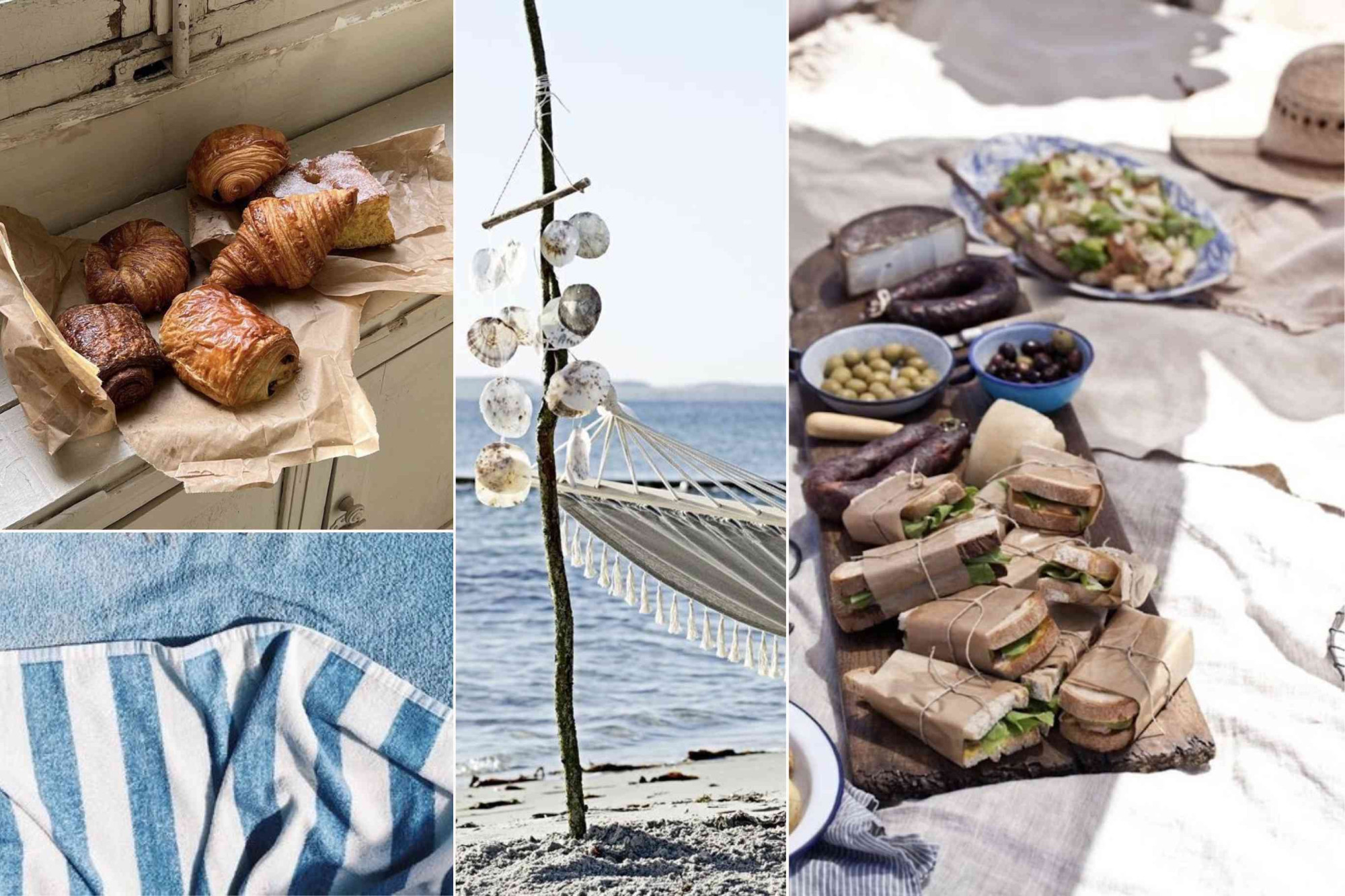
One of the easiest ways to organise a picnic while travelling is to buy what you need locally. A bakery, food market or small grocery shop can provide almost everything for lunch without spending the morning preparing food.
A bakery is often a good first stop. Fresh bread, croissants, savoury pastries or a simple filled baguette travel easily and can be eaten without much tableware. If you are leaving early for the beach, breakfast can even become the first part of the picnic.
Markets add plenty of choice. Tomatoes, peaches, melon, grapes and other seasonal produce need little preparation, while local cheeses, olives, cured meats and spreads can turn a loaf of bread into a complete lunch.
You do not need to buy something from every stall. A few things that work well together are usually enough. Bread with cheese and tomatoes, fruit for later and something sweet from the bakery can make a picnic without requiring a long shopping list.
Local delicatessens are useful when you want something already prepared. Salads, vegetable dishes, quiches and sandwiches are easy to take away and give you the chance to try food from the region without booking a restaurant for every meal.
A basket or reusable shopping bag makes it easy to collect everything along the way. Keep anything that needs refrigeration in a separate cool bag and pack a knife, napkins and a few reusable plates if the food requires them.
Shopping locally also means the picnic changes with the destination. A lunch bought in Provence will naturally look different from one put together in Greece, Italy or Spain because the bread, cheeses, fruit and prepared dishes available are different.
That is part of what makes a simple picnic interesting while travelling. Instead of planning the same lunch every time, you can see what is available that morning and take it with you to the beach or next stop on the road.
#LocalPicnic #PicnicFood #LocalMarkets #OutdoorLunch #SeasaltAndPicnics
Seasalt & Picnics @seasaltandpicnics
Eating outdoors changes what works well on the table. Food needs to be easy to transport, simple to serve and enjoyable without relying on an elaborate kitchen setup.
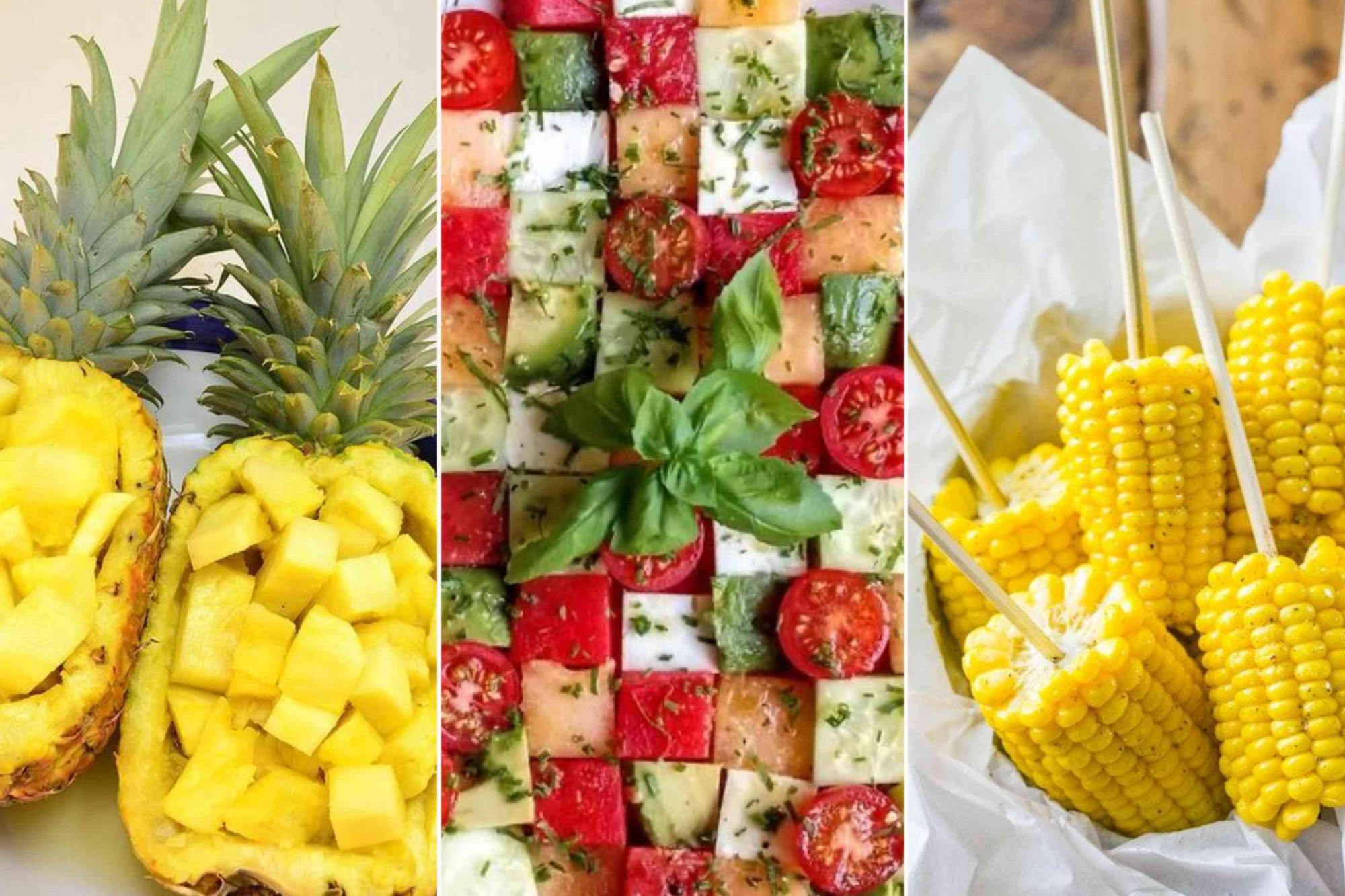
Fresh fruit is an obvious starting point. Pineapple, melon, peaches, grapes and berries can be prepared beforehand and packed in containers ready to share. Choosing fruit that can be cut or portioned in advance also makes it practical for beaches, parks and longer days outside.
Salads work particularly well when the ingredients retain their texture. Cucumber, tomatoes, watermelon, feta and fresh herbs can be combined shortly before serving, while dressings can be carried separately to keep everything fresh. Grain, pasta and potato salads are useful alternatives when something more substantial is needed.
Cooked vegetables can also travel surprisingly well. Corn on the cob can be grilled beforehand or prepared directly over a barbecue or campfire where permitted. Roasted peppers, courgettes and aubergines can be served at room temperature and require little preparation once the picnic begins.
The practical details matter too. Foods that can be shared directly from one container reduce the amount of tableware required. Reusable boxes, jars, cloth napkins and lightweight plates make it easier to create a proper outdoor meal without bringing an entire kitchen along.
A picnic does not need a complicated menu. A few foods chosen specifically for eating outdoors can turn a beach towel, garden table or patch of grass into a place to sit down and share a meal.
#OutdoorFood #PicnicIdeas #OutdoorDining #SummerFood #SeasaltAndPicnics
Seasalt & Picnics @seasaltandpicnics
A good sandwich is largely about balance. Bread provides the base, but the combination of vegetables, protein, herbs and spreads determines whether it works as a complete lunch rather than simply a quick snack.
Protein gives a sandwich substance. Chicken, eggs, cheese, tuna, beans or hummus can all form the main filling, depending on what else is being added. From there, vegetables introduce freshness and texture. Lettuce and cucumber add crunch, while grilled peppers, courgettes, aubergines or carrots provide a softer and more substantial layer.
Fresh herbs can make a surprisingly large difference. Basil works well with tomato and mozzarella, parsley with chicken or vegetables and mint with cucumber, feta or grilled vegetables. They add flavour without requiring heavy sauces or complicated preparation.
Spreads have more than one function. Pesto, hummus, cream cheese, tapenade and similar ingredients add flavour but can also help keep fillings in place. Very wet ingredients should be used carefully, particularly when sandwiches are prepared several hours before eating. Tomatoes, dressed salads and juicy vegetables can quickly soften bread.
This is especially important for picnics. Sandwiches made with firm bread, relatively dry fillings and ingredients that retain their texture can usually be prepared in advance. More delicate combinations are better assembled shortly before leaving or kept in separate containers until needed.
A well-planned sandwich can combine vegetables, protein and fresh ingredients in one portable meal. For an outdoor lunch, that simplicity is exactly what makes it useful.
#PicnicSandwich #OutdoorLunch #PicnicFood #SandwichIdeas #SeasaltAndPicnics

Seasalt & Picnics @seasaltandpicnics
Dining by the water
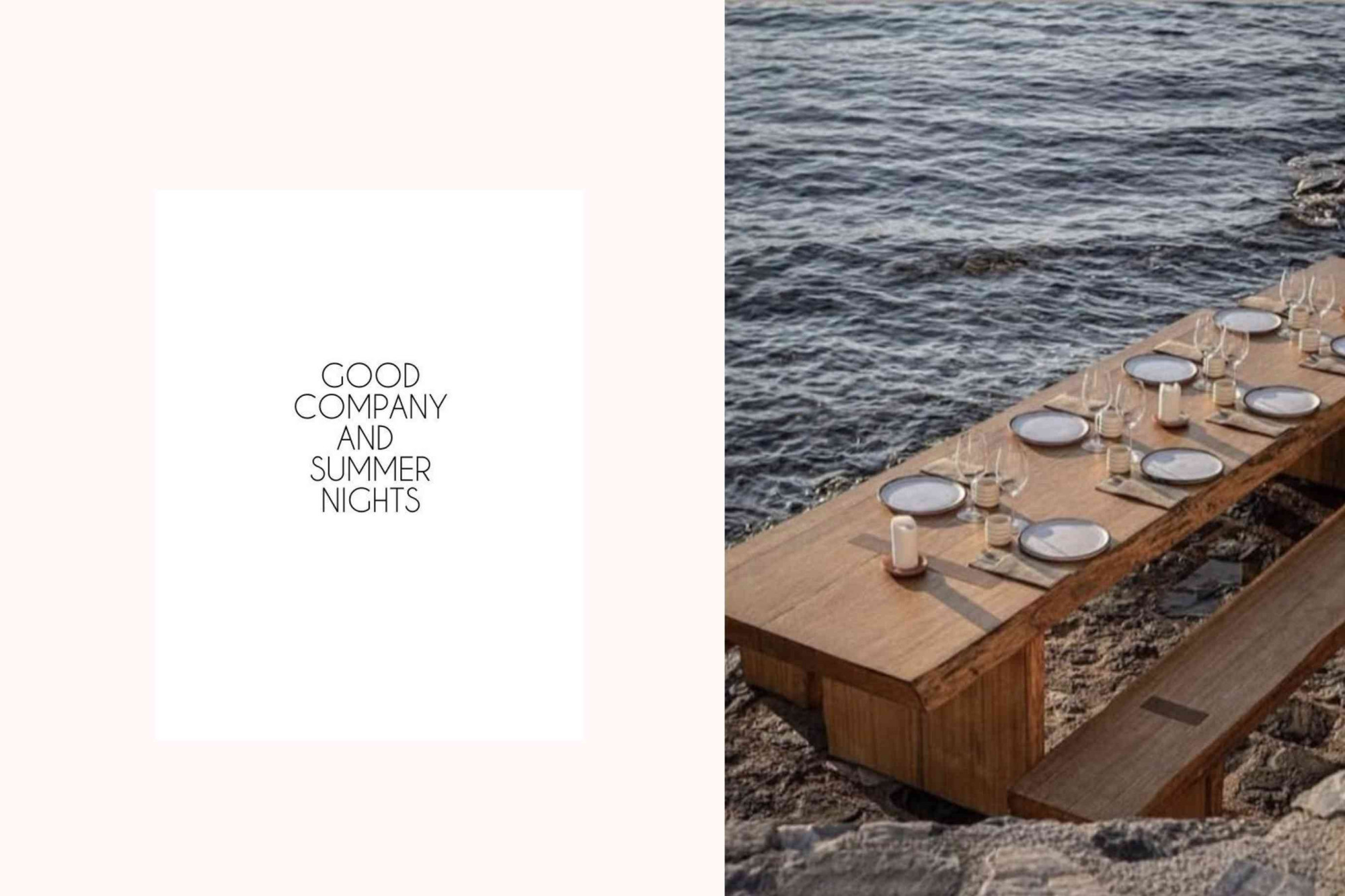
A table beside the sea or a lake is exposed to conditions that are easy to overlook when planning an outdoor dining space. Wind, reflected sunlight, humidity and salt air can influence everything from the position of the table to the materials and tableware used.
Coastal locations require particular attention to materials. Salt carried through the air can accelerate corrosion on untreated metals and affect some finishes over time. Suitable hardwoods, stone, ceramics and metals designed for exterior use are generally better choices for furniture that remains outside for long periods. Near freshwater, humidity and regular exposure to moisture are often more relevant than salt.
Wind changes how a table is used as well. Lightweight glasses, paper napkins and loose table decorations quickly become impractical in an exposed location. Heavier plates, stable glassware and simple textiles make the setting easier to manage. The orientation of the table can also help, particularly when the prevailing wind usually arrives from the same direction.
Sunlight presents another consideration. Water reflects light, which can make a waterside setting feel brighter than a sheltered garden or terrace. The position of the sun also changes considerably between lunch and dinner. A location that is comfortable at midday may receive strong, low sunlight later in the day, making adjustable shade useful.
Temperature can change quickly beside water. A warm afternoon can become noticeably cooler after sunset, particularly when there is a breeze. Cushions, light blankets or a sheltered seating area nearby can extend the amount of time the dining space remains comfortable.
Lighting works best when it is concentrated around the table rather than across the entire surroundings. Portable lamps and low outdoor lighting provide enough visibility for dining while keeping the water and landscape visible after dark.
Planning a waterside dining space is therefore partly about responding to its environment. Materials that tolerate moisture, tableware that remains stable in the wind and flexible solutions for shade and lighting make the setting easier to use throughout the day and into the evening.
#WatersideDining #OutdoorDining #CoastalLiving #OutdoorLiving #SeasaltAndPicnics
Seasalt & Picnics @seasaltandpicnics
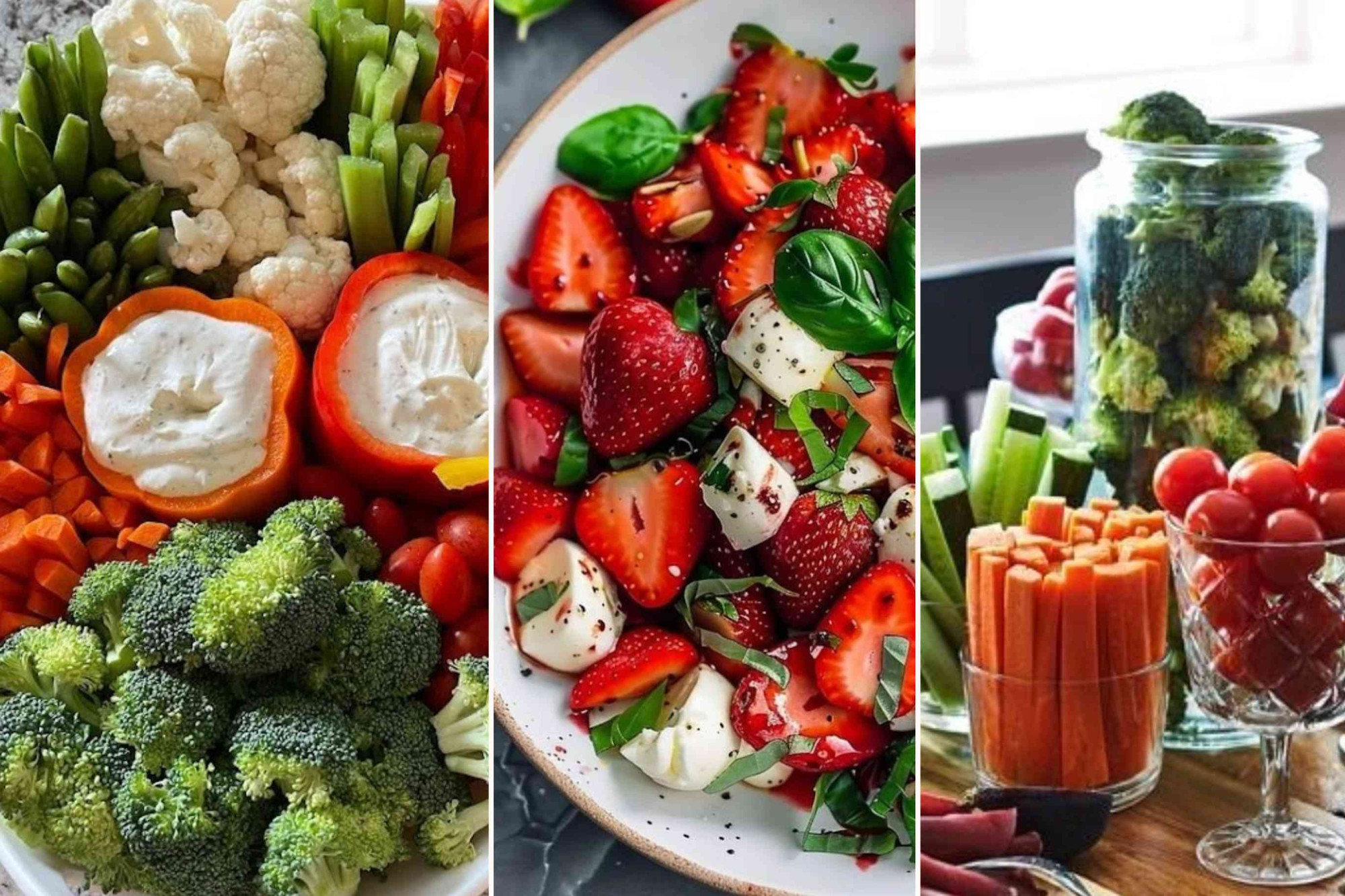
Fresh fruit and vegetables are easy additions to an outdoor lunch, but preparation and storage determine how well they hold up away from the kitchen. Some ingredients can be cut hours beforehand, while others quickly lose texture or release moisture once sliced.
Firm vegetables are among the easiest to prepare in advance. Carrots, celery, cauliflower, broccoli, radishes and peppers generally retain their structure well after cutting. Stored in sealed containers and kept cool, they can be prepared before leaving and served directly with dips or other picnic dishes.
Softer and water-rich ingredients need more consideration. Tomatoes, cucumber and certain fruits release moisture after cutting, which can affect both texture and anything stored alongside them. Keeping these ingredients in separate containers until serving helps maintain their quality.
Berries require a different approach. Strawberries can be washed beforehand, but keeping them dry after washing is important. Excess moisture encourages them to soften more quickly. Removing the stems and slicing them is therefore often best done close to the time they will be eaten when possible.
Temperature remains important even when the meal consists largely of produce. Cut fruit and vegetables should be transported in a cool bag, particularly during warm weather. Dips, cheese and other perishable accompaniments need reliable refrigeration until serving.
Containers can make preparation easier as well. Separating crisp vegetables from juicy fruit prevents flavours and moisture from transferring. Smaller containers also allow only part of the food to be placed on the table while the rest stays chilled.
Preparing fresh ingredients for a picnic is mainly about knowing how different foods behave once they have been washed and cut. Choosing produce that retains its texture and keeping more delicate ingredients cool and separate can make a simple outdoor lunch considerably easier to serve.
#PicnicFood #FreshFood #OutdoorLunch #PicnicIdeas #SeasaltAndPicnics
Seasalt & Picnics @seasaltandpicnics
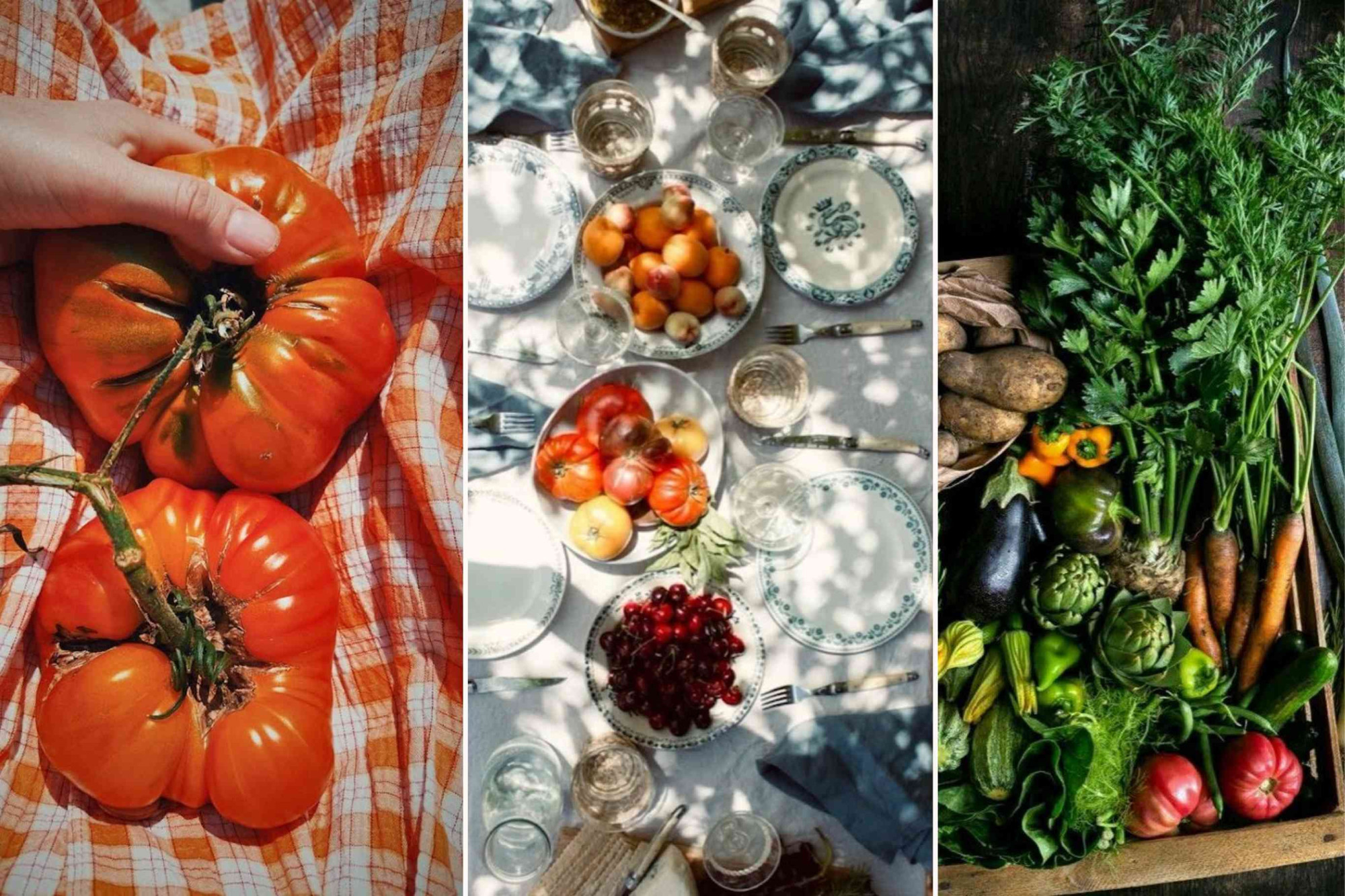
Seasonal produce naturally changes the way an outdoor table looks and what is served throughout the year. Tomatoes, cherries and stone fruit belong to a different moment than pumpkins, root vegetables or winter greens, making the growing season a useful starting point for planning meals outdoors.
During late spring and summer, many ingredients require relatively little preparation. Tomatoes can be served with herbs and cheese, courgettes and peppers can be grilled and cherries, peaches, apricots and berries work well as they are. This makes seasonal produce particularly practical for lunches in the garden and informal tables outside.
Buying locally can make seasonality easier to follow. Farmers' markets, farm shops and roadside producers tend to reflect what is being harvested in the surrounding region at that moment. In Mediterranean areas, summer tables may be dominated by tomatoes, aubergines, courgettes, peppers and stone fruit, while other climates and regions have their own growing patterns.
Seasonal eating also introduces more variety over the course of the year. Instead of relying on the same vegetables and fruit every month, ingredients change as different crops reach their natural harvesting period. Early tomatoes give way to the abundance of midsummer produce, followed later by grapes, figs, apples, squash and root vegetables.
For outdoor meals, this can influence more than the menu. A picnic built around summer fruit feels very different from an autumn table with roasted vegetables, bread and cheese. The location can remain the same while the food reflects what is available around it.
There is also a practical advantage. Produce harvested during its main season is often widely available locally, making markets and independent growers useful places to source ingredients for a picnic or garden lunch.
Using the season as a starting point keeps outdoor food closely connected to place and time, while providing a simple way to vary what appears on the table throughout the year.
#SeasonalEating #SeasonalProduce #OutdoorDining #LocalProduce #SeasaltAndPicnics
Seasalt & Picnics @seasaltandpicnics
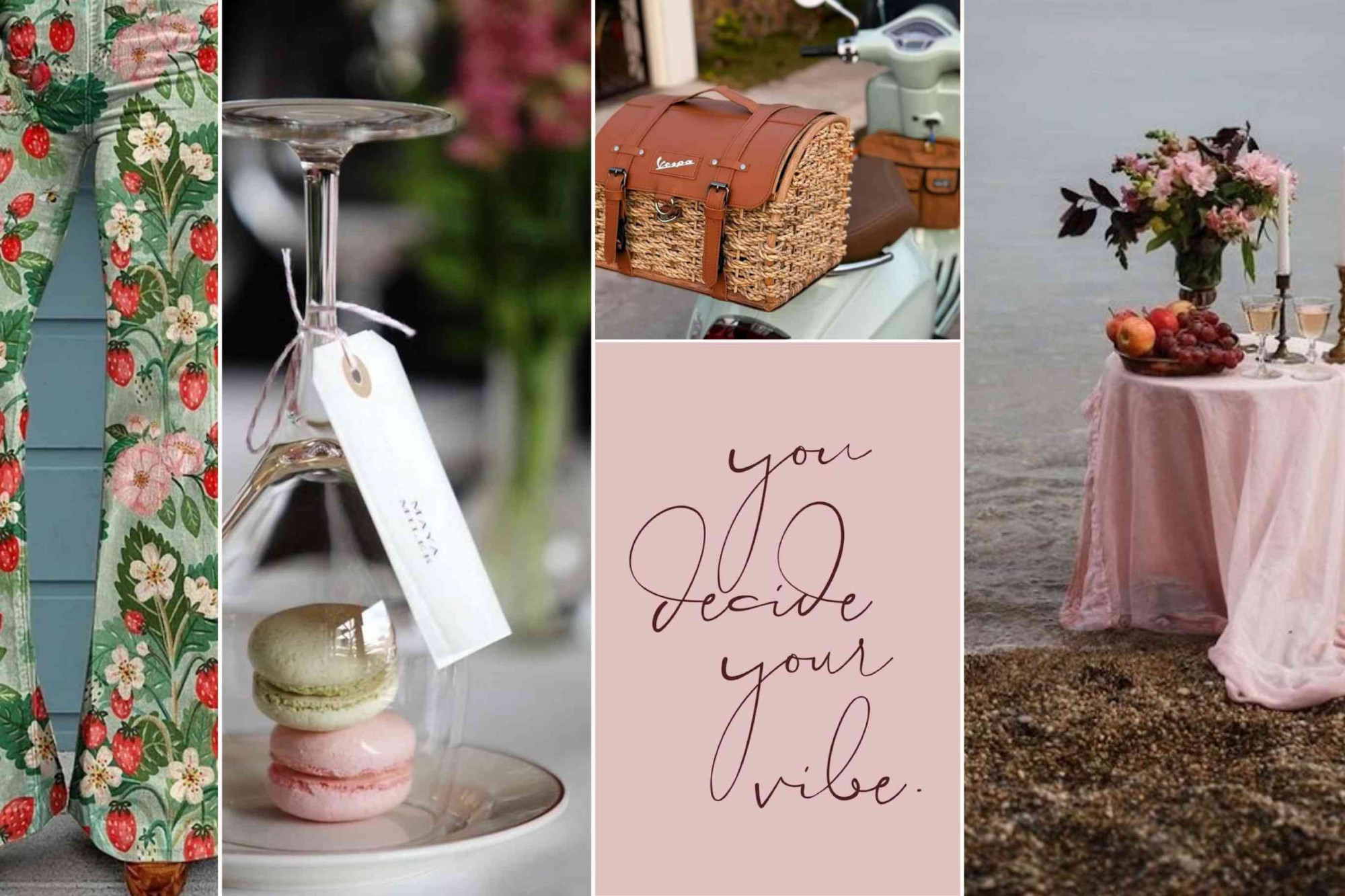
Outdoor dining can be as simple or considered as the occasion requires. A picnic blanket and a few containers work perfectly for an informal lunch, while other occasions benefit from bringing some of the elements normally associated with a dining table outside.
The surface is a useful starting point. A table is not essential, but it changes what can comfortably be served. Low portable tables have become practical for beaches and parks, while a folding table covered with a cloth can create a more traditional dining setup almost anywhere. On uneven ground, stability matters more than appearance.
Textiles immediately make an outdoor setting more functional. Tablecloths protect surfaces, blankets provide additional seating and cloth napkins are less affected by wind than paper alternatives. Patterns and colours can also be introduced through textiles without requiring extra decoration.
Tableware should be selected for the location. Glass and ceramic pieces can work for garden tables or places that are easy to reach, while lightweight reusable alternatives are more practical when everything needs to be carried some distance. Stable glasses and plates become particularly important near the coast or in exposed countryside.
A picnic basket remains useful because it combines transport and storage. Traditional wicker baskets can hold tableware, bread and dry foods, while insulated bags are better suited to ingredients that need to remain chilled. Using both separates practical food storage from the objects needed at the table.
Flowers or branches gathered responsibly from a garden can provide a simple centrepiece, although elaborate decoration is rarely necessary outdoors. The surrounding landscape already contributes much of the visual setting.
For longer lunches or early evening meals, a few additional details become useful. Portable lighting extends the table after sunset, extra textiles provide warmth and a separate bag for used tableware makes packing up considerably easier.
Creating an outdoor table is ultimately about choosing what is appropriate for the location. A garden, beach, park or lakeside setting each requires a slightly different combination of furniture, textiles and tableware.
#OutdoorTable #PicnicStyle #OutdoorDining #PicnicSetting #SeasaltAndPicnics
Seasalt & Picnics @seasaltandpicnics
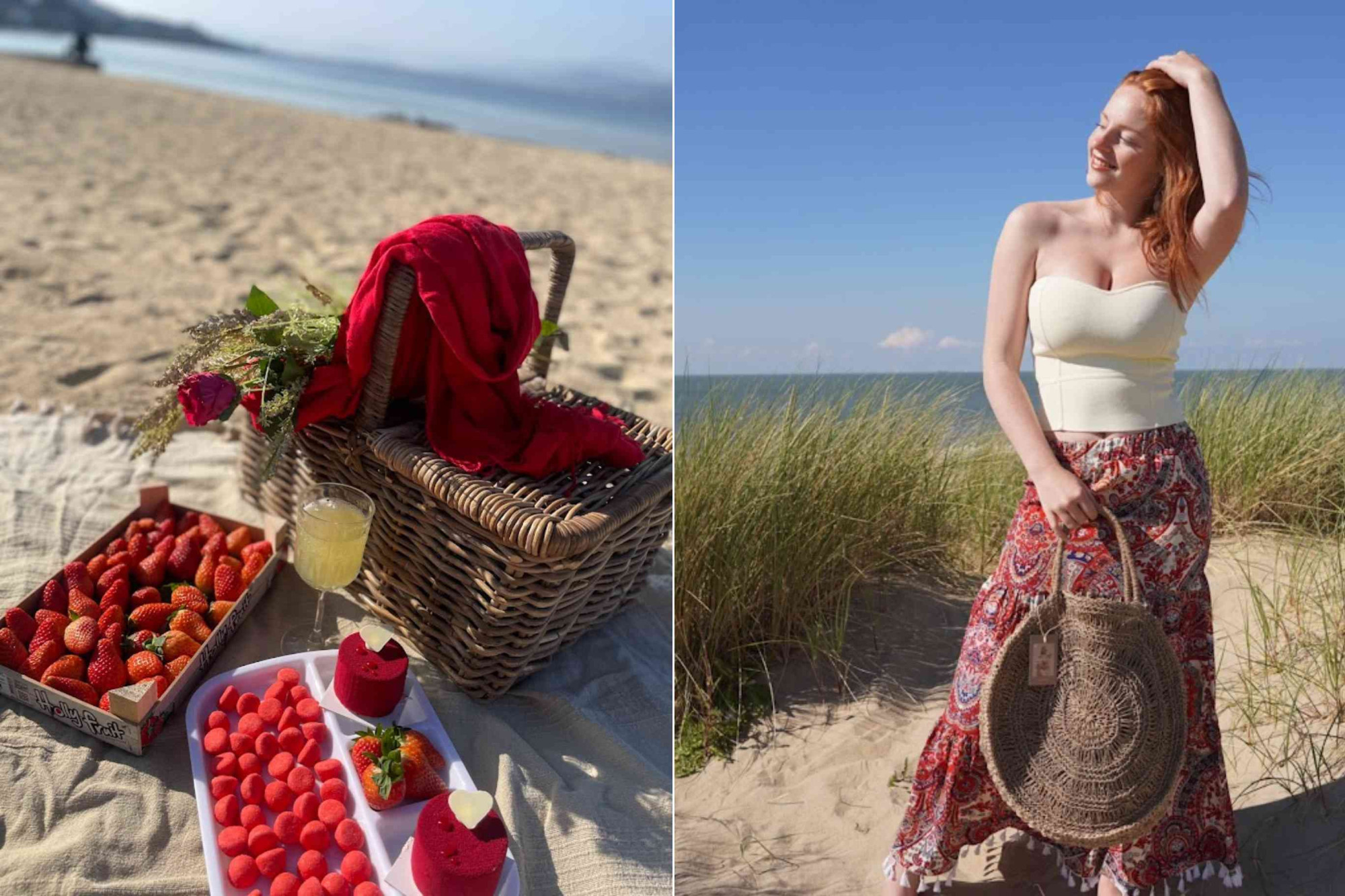
A beach picnic requires a slightly different approach from eating in a park or garden. Sand, wind, direct sun and the distance from facilities all influence what is practical to bring and how the picnic is organised.
Choosing the right spot makes a significant difference. A place above the high-water line avoids having to move everything as the tide changes, while some natural or permitted shade can make a long lunch more comfortable. Protected dunes and vegetation should be avoided, with blankets and baskets kept on areas intended for beach use.
Wind is one of the main practical challenges. Lightweight napkins, disposable plates and loose packaging are easily blown away. Reusable containers with lids, heavier cups and a large blanket that can be secured at the corners are easier to manage. Keeping food covered also protects it from blowing sand.
Temperature is equally important. Beaches often provide very little shade and food can warm quickly in direct sunlight. An insulated bag with sufficient ice packs is useful for sandwiches, dairy products, cut fruit and other foods that need to remain chilled. Drinks can be frozen or thoroughly chilled before leaving to help keep the bag cold for longer.
The menu is best kept straightforward. Foods that can be eaten by hand or served directly from a container reduce the need for plates and cutlery. Individual portions also prevent the entire meal from being exposed to sun and sand every time someone wants something to eat.
Transport deserves some planning as well. Reaching the beach can involve stairs, boardwalks or a considerable walk from the car. One basket may look appealing, but several lightweight bags or a beach trolley can be considerably easier when carrying food, drinks, towels and shade.
A separate bag for rubbish, used containers and wet textiles makes packing up easier. Everything brought onto the beach should leave with the picnic, including small pieces of packaging that can easily disappear into the sand.
With a little preparation, a beach picnic can remain simple. The most useful choices are those that keep food cool, limit the number of loose items and make everything easy to carry onto and off the beach.
#BeachPicnic #PicnicIdeas #OutdoorDining #BeachLife #SeasaltAndPicnics
Seasalt & Picnics @seasaltandpicnics
A picnic for an event needs more organisation than an informal lunch for two or three people. Seating, serving food, keeping drinks cool and making sure everyone can comfortably reach the table become more important as the number of guests increases.
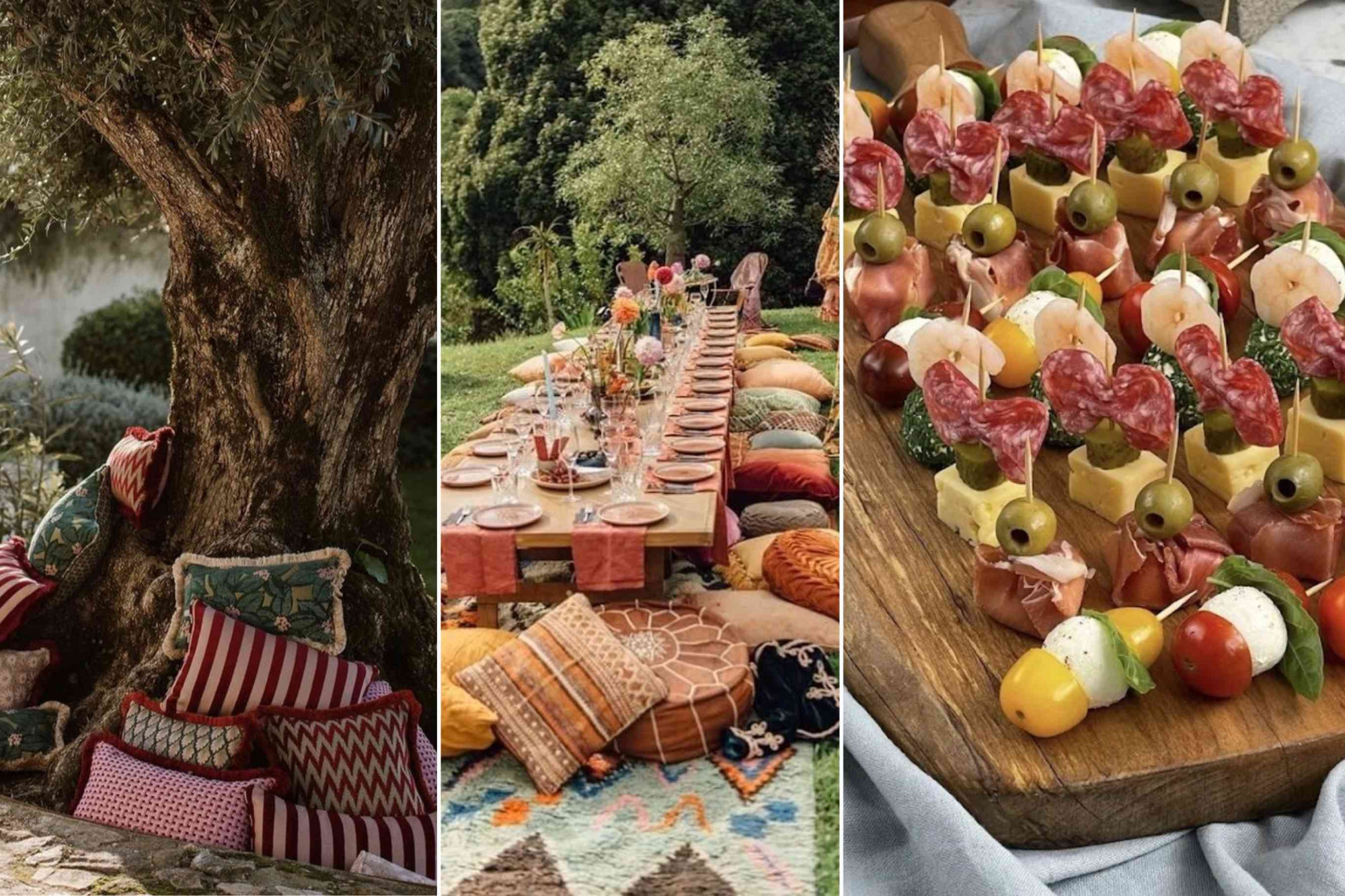
One long table is often easier to organise than several smaller ones. It creates a central place for the meal and provides enough surface for shared dishes, drinks and tableware. Low tables can work particularly well on grass, where cushions, blankets and pouffes can replace conventional chairs and make the setup easier to transport.
Comfort deserves some attention when people will be sitting outside for several hours. A combination of cushions and blankets allows guests to adjust their seating, while choosing a location with natural shade can make a considerable difference during warmer months. Under large trees, the temperature can also be noticeably more comfortable than in an exposed field or garden.
Food for a group is easier to manage when it can be shared. Platters with vegetables, cheese, bread, fruit and small portions allow people to serve themselves throughout the meal. Individual skewers and other ready-to-eat portions can also reduce the amount of cutting and serving required at the table.
Drinks require separate planning. Rather than filling the table with bottles, a dedicated drinks station or cooler can keep them chilled and accessible without taking up dining space. Water should be available throughout the gathering, particularly on warm days.
Serving pieces can be distributed along a long table instead of placing everything in one central area. This prevents guests at one end from constantly passing dishes from the other and makes a large picnic feel less crowded.
A group picnic also benefits from dividing what needs to be brought. Food, drinks, textiles, tableware and decorations can be allocated between several people rather than transported by one person. A simple plan beforehand prevents unnecessary duplication and forgotten essentials.
The result can still feel informal. The organisation happens before everyone arrives, allowing the actual meal to remain relaxed and easy to share outdoors.
#GroupPicnic #OutdoorDining #PicnicIdeas #OutdoorEntertaining #SeasaltAndPicnics
Seasalt & Picnics @seasaltandpicnics
Sunset is one of the easiest moments to turn a beach picnic into an evening outdoors. The strongest heat of the day has passed, beaches often become quieter and there is enough daylight left to set everything up before it gets dark.
Timing makes a difference. Arriving an hour or two before sunset gives enough time to choose a spot, unpack the food and settle in without rushing. It also means the picnic can begin in daylight and continue naturally into the evening.
Food can remain simple. Bread, cheese, vegetables, fruit, dips and other dishes that are easy to share work particularly well when there is no need for elaborate serving. Preparing most things beforehand keeps the focus on the evening rather than organising the meal once you arrive.
As the sun disappears, temperature becomes more noticeable. Even after a hot day, coastal air can cool quickly. An extra blanket, lightweight sweater or large scarf is useful and cushions make sitting on the sand more comfortable for a longer period.
Lighting only becomes necessary later. A portable lamp or a few rechargeable lights provide enough illumination for the picnic without overpowering the surroundings. Where permitted and appropriate, a small contained fire can add warmth as the evening becomes cooler.
Drinks and food still need to remain cool, but a sunset picnic usually requires less protection from direct sun than a midday lunch. An insulated bag can stay closed until the food is needed and doubles as practical storage throughout the evening.
A sunset picnic requires relatively little to feel different from a day at the beach. Starting before dusk and bringing a few things for the cooler hours makes it possible to stay long after most daytime visitors have left.
#SunsetPicnic #BeachPicnic #OutdoorDining #BeachEvening #SeasaltAndPicnics

Seasalt & Picnics @seasaltandpicnics
An outdoor blanket is one of those things that quickly becomes useful once you have one. Take it to the beach, spread it out for a picnic, keep it in the car for an unexpected stop or bring it outside when dinner continues after sunset.
There are plenty of beautiful blankets to choose from, but the way you plan to use one is worth thinking about. A large blanket is useful when several people need somewhere to sit, while a smaller plaid is easier to carry and works well for cooler evenings outside.
Material makes a difference too. Cotton feels light and is a good choice for spring and summer. Wool is warmer and particularly useful towards the end of summer and during autumn, when evenings outside can become chilly surprisingly quickly.
For picnics, a blanket with a little weight is convenient because it stays in place more easily. Some picnic blankets also have a water-resistant underside, which is useful when the grass still feels damp even though the weather is dry.
Then there is the question of colour and pattern. Checks, stripes and traditional woven designs have been used for outdoor blankets for generations and they remain easy to combine with baskets, cushions and other picnic accessories. They are also more forgiving than very light, plain fabrics when used regularly outside.
A blanket with carrying straps is particularly handy for days away from home. Roll it up, attach the straps and it can be carried separately without taking up most of the space in a picnic basket or bag.
It is also worth keeping one somewhere accessible. A blanket in the car can be used for an unplanned picnic, an evening on the beach, an outdoor concert or simply when the temperature drops while travelling.
You do not need a different blanket for every occasion. A comfortable size, a material suited to your climate and a design you like are usually enough to find one that gets used throughout the year.
#OutdoorBlanket #PicnicBlanket #OutdoorLiving #PicnicEssentials #SeasaltAndPicnics

Seasalt & Picnics @seasaltandpicnics
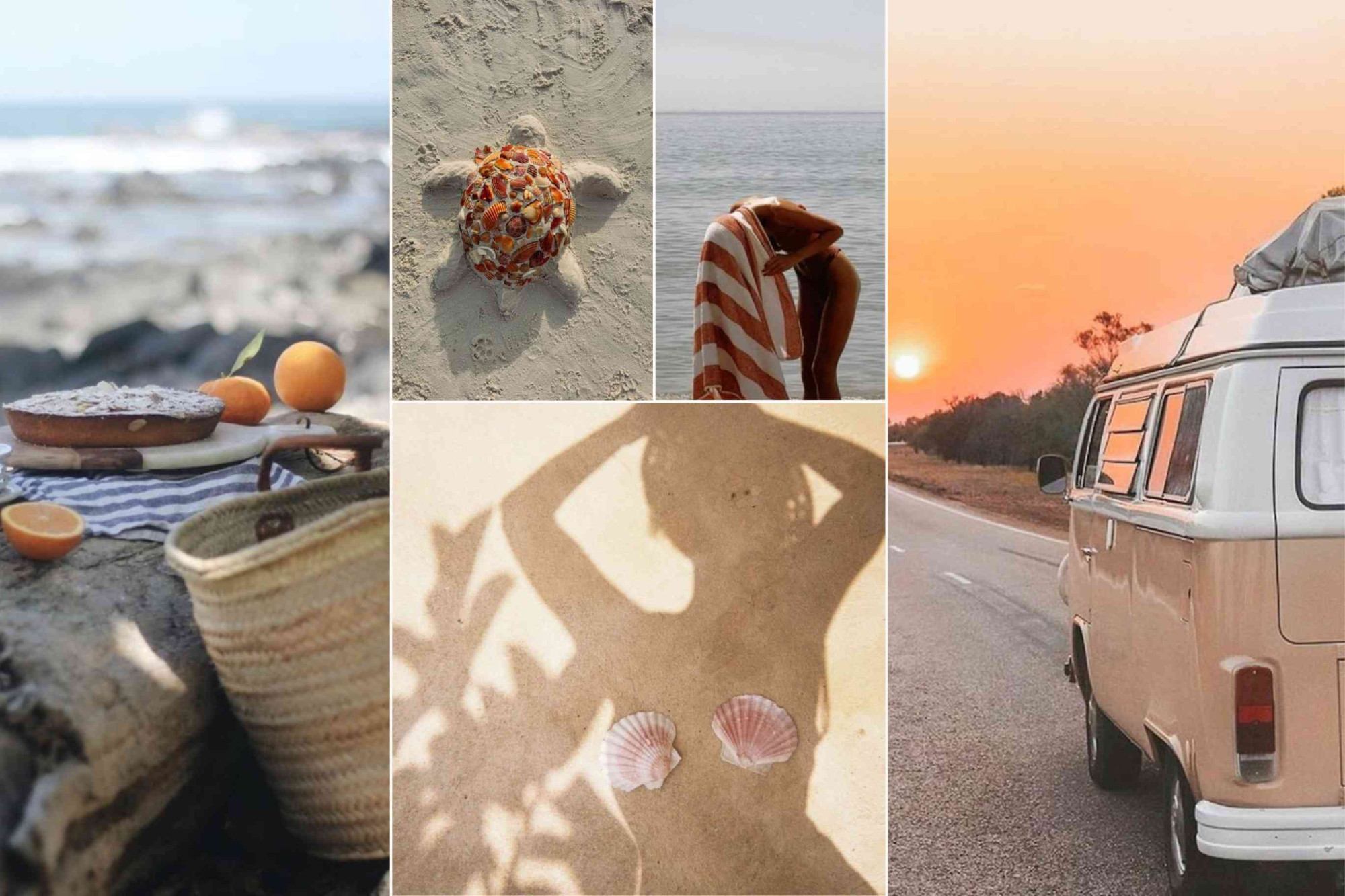
A road trip gives you plenty of opportunities to stop somewhere you had not planned in advance. A quiet beach, a viewpoint or a small village along the route can suddenly become the place where you decide to have lunch.
Keeping a few picnic basics in the car makes those stops much easier. A blanket, reusable cups and plates, a knife, napkins and a small chopping board take up little space and mean you do not have to organise everything again each morning.
A cool bag is useful for food bought along the way. Instead of shopping for an entire trip at once, local bakeries, markets and small food shops can become part of the day. Bread, cheese, tomatoes, fruit or something prepared locally are often enough for an easy lunch outside.
Water is worth carrying in larger quantities, especially during summer. Refillable bottles can be topped up whenever possible and an extra supply in the vehicle is useful when the next stop turns out to be further away than expected.
The car also makes it possible to bring things that would normally be inconvenient for a picnic. A larger blanket, cushions, proper glasses or a basket are much easier to take when they only need to travel from the vehicle to the beach or picnic spot.
Not every stop needs to become an elaborate setup. Sometimes a blanket, something bought at the morning market and a place with a view are enough. Other days there may be time to stay for several hours, swim or wait until sunset before continuing the drive.
It is useful to keep one bag for picnic equipment and another for rubbish and used tableware. Once everything has its regular place in the car, stopping for lunch becomes much easier.
That is one of the advantages of travelling by road: lunch does not always have to be planned around a restaurant or a particular destination. You can decide where to stop when you get there.
#RoadTripPicnic #RoadTrip #BeachPicnic #OutdoorLiving #SeasaltAndPicnics
Seasalt & Picnics @seasaltandpicnics
A picnic basket can be much more than the traditional wicker case filled with plates and cutlery. Today, woven baskets, raffia bags and large beach totes are just as useful for taking everything you need for lunch outdoors.
The best choice depends on where you are going. A classic picnic basket with a lid is useful when food and tableware need some protection during transport. Many traditional versions also have compartments or straps inside, which help keep glasses, plates and cutlery organised.
For a day at the beach, an open woven basket can be more practical. There is usually enough room for a towel, blanket, book, reusable bottle and a few picnic essentials. Larger handles make it easy to carry and sand can be shaken out afterwards.
Raffia and straw bags are another option, especially when the picnic is part of a full day away from home. They work as a beach bag, shopping basket and picnic bag at the same time, so there is no need to bring several different bags.
Size is worth considering. A basket that looks spacious can become surprisingly heavy once it is filled with bottles, food and tableware. For larger picnics, it can be easier to use one basket for dry items and a separate cool bag for anything that needs to stay chilled.
Handles also make a difference. Short handles work well for carrying a basket by hand, while longer straps leave your hands free for a blanket, parasol or other bags. A sturdy base is useful for bottles and containers that need to remain upright.
Natural woven materials also fit easily into outdoor settings. Raffia, palm leaves, wicker and other plant fibres are used in baskets around the world, often with techniques and styles that are specific to a particular region. Handmade versions can therefore be both practical objects and examples of local craftsmanship.
A good picnic basket is ultimately one that you will use regularly. It might travel to the beach one weekend, carry produce home from a market the next and be packed again for an afternoon in the countryside.
#PicnicBasket #WovenBasket #PicnicAccessories #OutdoorLiving #SeasaltAndPicnics

Seasalt & Picnics @seasaltandpicnics
Eating outside is a good reason to bring out the plates, bowls and serving dishes that sometimes stay hidden in the cupboard. A garden lunch or picnic table does not need a perfectly matching dinner service. Mixing different pieces often works particularly well outdoors.
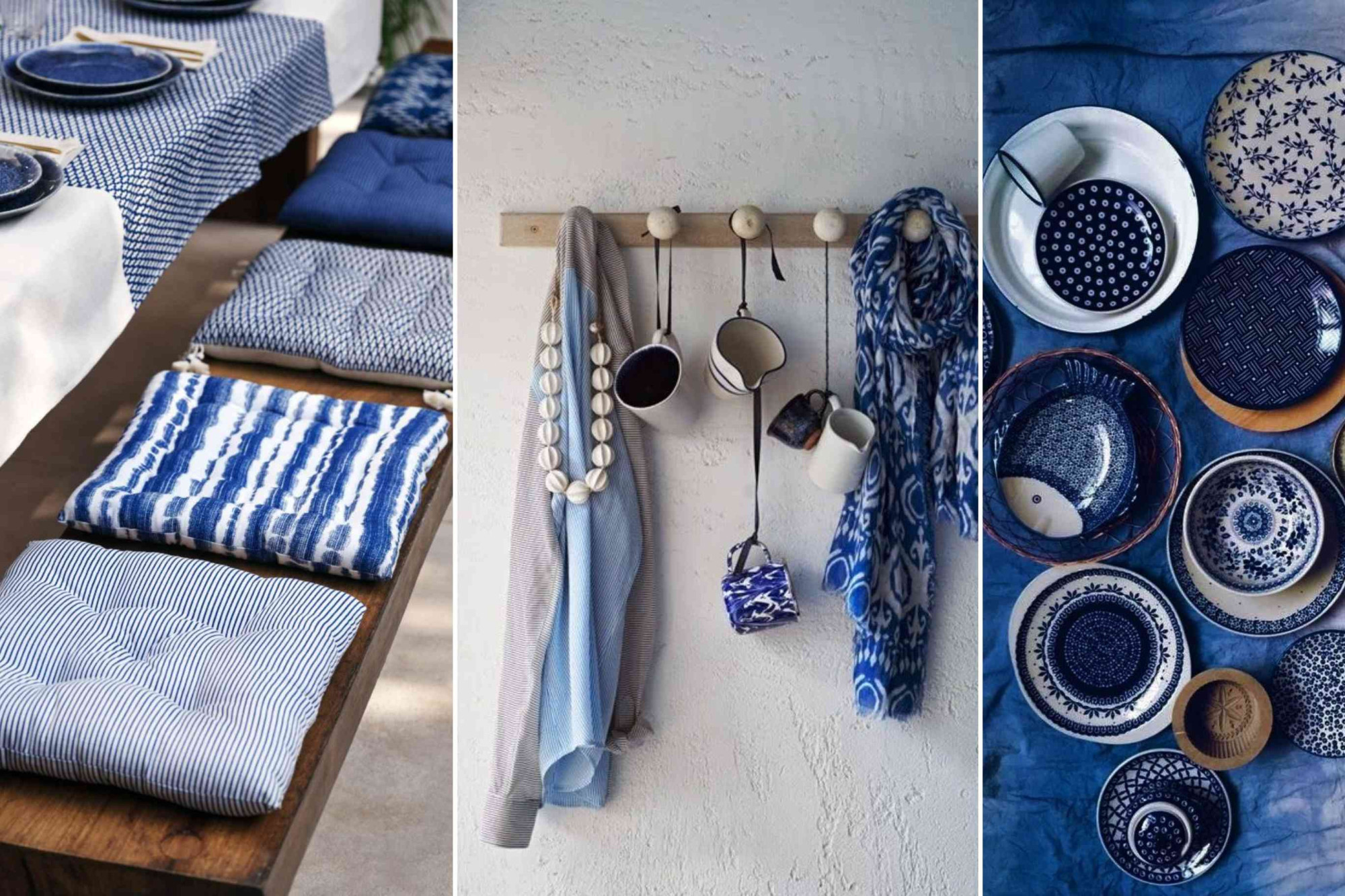
Ceramic plates and bowls are a good choice when the table is close to home. They feel just as pleasant to use as they do indoors and individual pieces can easily be combined. Blue and white ceramics, colourful Mediterranean patterns or simple handmade pottery all work well with natural wood, linen and cotton.
For picnics further from home, lighter tableware can be more convenient. Reusable plates and cups made for outdoor use are easier to carry and there is less concern about breaking something on the way. A few serving bowls and a large platter are often enough when most of the food is meant to be shared.
There is no real need for everything to match. Combining striped textiles with patterned plates or using several designs in the same colour family can make an outdoor table feel more relaxed. It is also an easy way to use individual pieces collected from markets, travels or local ceramic studios.
Bowls are particularly useful outside. They can be used for salads, fruit, bread, dips and snacks and make it easy to place several dishes along a larger table. Small plates are equally practical when lunch consists of different foods that everyone can share.
Textiles can bring the different pieces together. A tablecloth, placemats or cushions in similar shades can create some consistency even when the plates and bowls are all different.
Outdoor dining is also a good place for handmade pieces. Ceramics from local makers, painted bowls and traditional patterns can bring something from a destination directly to the table and continue to be used long after the trip itself.
#OutdoorTableware #OutdoorDining #TableSetting #Ceramics #SeasaltAndPicnics
Seasalt & Picnics @seasaltandpicnics
Small bites are an easy choice when you want a picnic where everyone can simply take something whenever they feel like it. There is no need to serve a complete plate and most of the food can already be prepared before you leave.
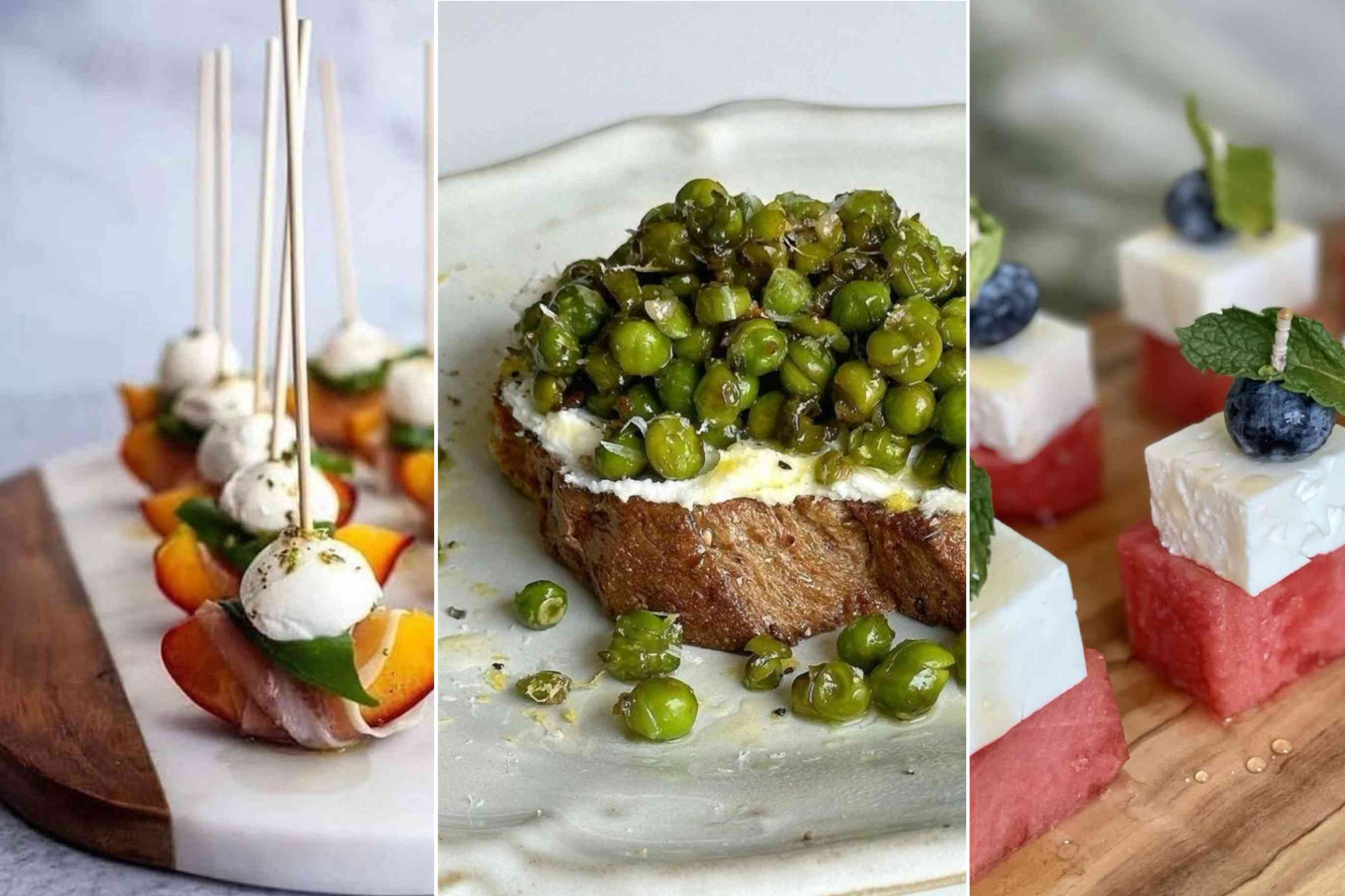
Fruit and cheese are a simple combination to start with. Watermelon with feta, peaches with mozzarella or berries with a mild cheese bring sweet and savoury flavours together and require very little preparation. Fresh basil, mint or another herb can be added just before serving.
Vegetables work well too. Peas on toast, grilled courgette, roasted peppers or small tomatoes can be combined with ricotta, cream cheese or hummus. Crostini and pieces of firm bread are particularly useful because they are easy to hold and can carry plenty of different toppings.
Skewers are another picnic favourite. Alternating cheese, fruit, vegetables and cured meats makes individual portions that are ready to pick up from a platter. Keeping the pieces roughly the same size makes them easier to eat.
It is worth including a few different flavours rather than making large quantities of one thing. Something fresh, something savoury and something slightly sweet gives people a choice without requiring a long list of dishes.
Some bites are best assembled shortly before eating. Bread can soften under moist toppings and juicy fruit can release liquid once it has been cut. Taking a few ingredients separately and putting them together at the picnic can keep everything looking and tasting fresher.
Small bites also work well when a picnic continues for several hours. Instead of sitting down for one large meal, food can be placed on the table gradually and shared throughout the afternoon or early evening.
Add bread, a bowl of fruit and something to drink and a selection of small bites can easily become a complete outdoor lunch.
#PicnicFood #SmallBites #OutdoorLunch #PicnicIdeas #SeasaltAndPicnics
Seasalt & Picnics @seasaltandpicnics
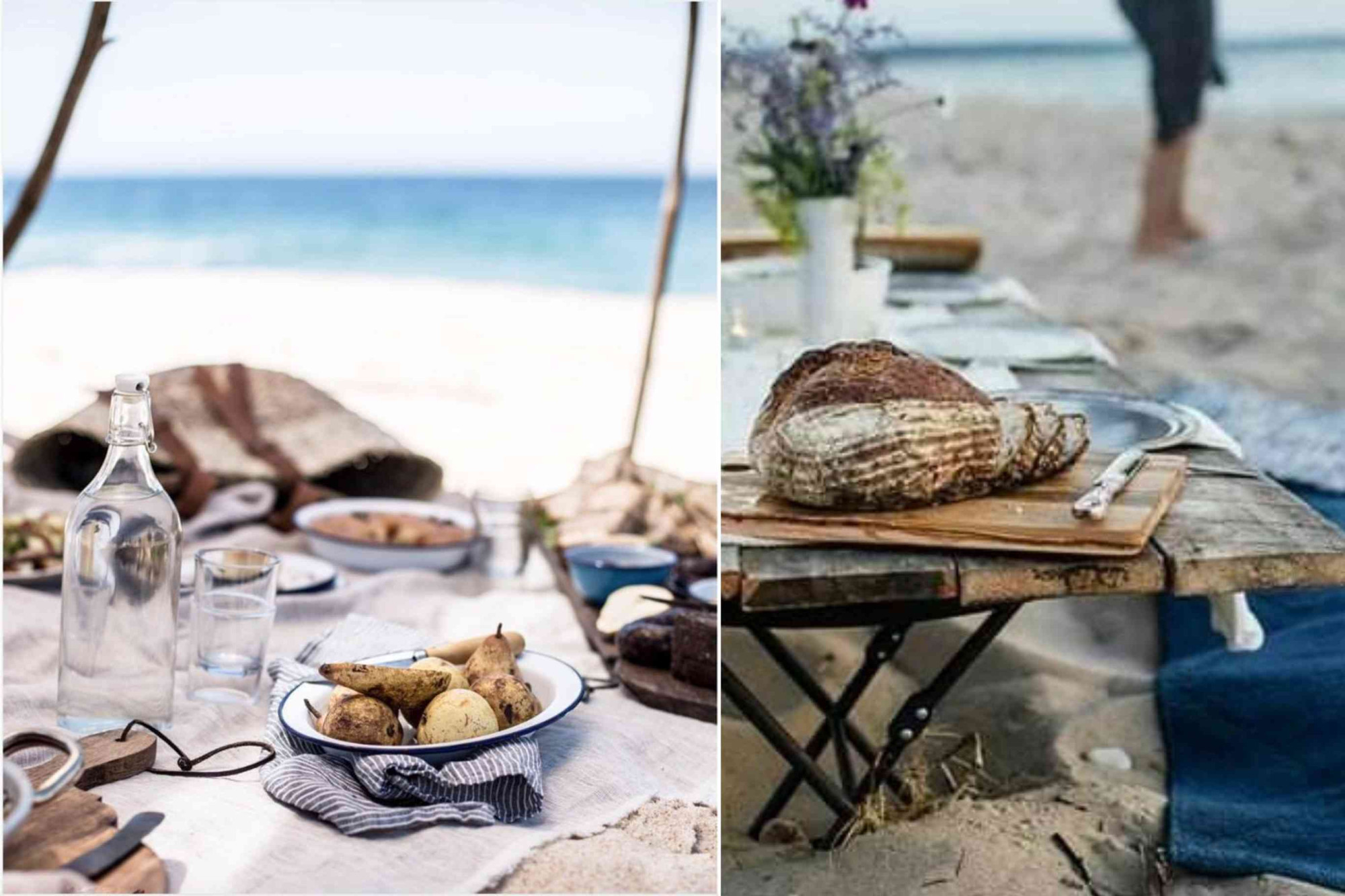
Lunch on the beach can be more than sandwiches taken from a cool bag. With a table, a few proper plates and food prepared beforehand, it can feel much closer to sitting down for lunch at home, only with the sea a few metres away.
A beach lunch works particularly well when the food is kept simple. Fresh bread, cooked potatoes, salads, vegetables, cheese, fruit and a few things to share can all be placed on the table at once. There is no need to prepare a separate dish for everyone.
Bread is especially useful for this kind of lunch. A whole loaf travels well, can be sliced at the table and works with almost anything else you bring. The same applies to potatoes and vegetables, which can be cooked beforehand and served cold or at room temperature.
Bringing a table changes the experience. Instead of unpacking everything onto a blanket, food and drinks have their own place and people can stay comfortably for longer. A folding table is enough and benches, beach chairs or cushions can provide seating depending on the location.
Proper plates and glasses are an option when the beach is easy to reach. Enamel tableware is another practical choice and has long been associated with camping and outdoor meals. A tablecloth or large piece of fabric helps keep everything together and can be shaken out afterwards.
Water deserves plenty of space on the table, especially during summer. Large reusable bottles are easier than carrying many small ones and can be refilled before leaving home.
The nicest thing about this type of beach lunch is that there is no need to rush it. Food can stay on the table, people can go for a swim between courses and lunch can easily continue well into the afternoon.
#BeachLunch #BeachPicnic #OutdoorDining #LunchOutside #SeasaltAndPicnics
Seasalt & Picnics @seasaltandpicnics
Dressing for a summer picnic is mostly about choosing clothes that still feel comfortable after a few hours outside. Sitting on a blanket, walking across grass or sand and spending time in the sun call for something slightly different from an ordinary summer lunch.
Loose dresses are an easy option on warm days. Linen and cotton feel light, while longer skirts provide a little more coverage when sitting on the ground. Shorts, relaxed trousers and oversized shirts work just as well when you prefer separates.
Shoes depend on the location. Flat sandals, espadrilles and trainers are practical for parks and gardens, while simple sandals or shoes that are easy to remove make more sense at the beach. High heels rarely work well on grass, gravel or sand.
A hat and sunglasses are worth bringing even when the picnic starts in the shade. As the sun moves during the afternoon, a sheltered spot can quickly become much brighter. A lightweight shirt or scarf can provide some extra coverage without adding much to your bag.
The bag itself can be part of the picnic kit. A roomy woven basket or tote has space for personal belongings, sunscreen, a book and a few smaller picnic items. Keeping food in a separate cool bag also prevents clothing and other belongings from getting mixed up with containers.
Jewellery is best kept comfortable, particularly when you plan to swim or spend most of the day outside. A few simple pieces are easier to wear than accessories that constantly need adjusting.
For a picnic that continues into the evening, adding one extra layer is usually enough. A cardigan, lightweight knit or oversized shirt can make the difference once the temperature begins to fall.
The best picnic outfit is ultimately something you can forget about once you arrive: comfortable enough to sit, walk and spend the rest of the day outside.
#PicnicStyle #SummerStyle #OutdoorLiving #SummerPicnic #SeasaltAndPicnics

Seasalt & Picnics @seasaltandpicnics
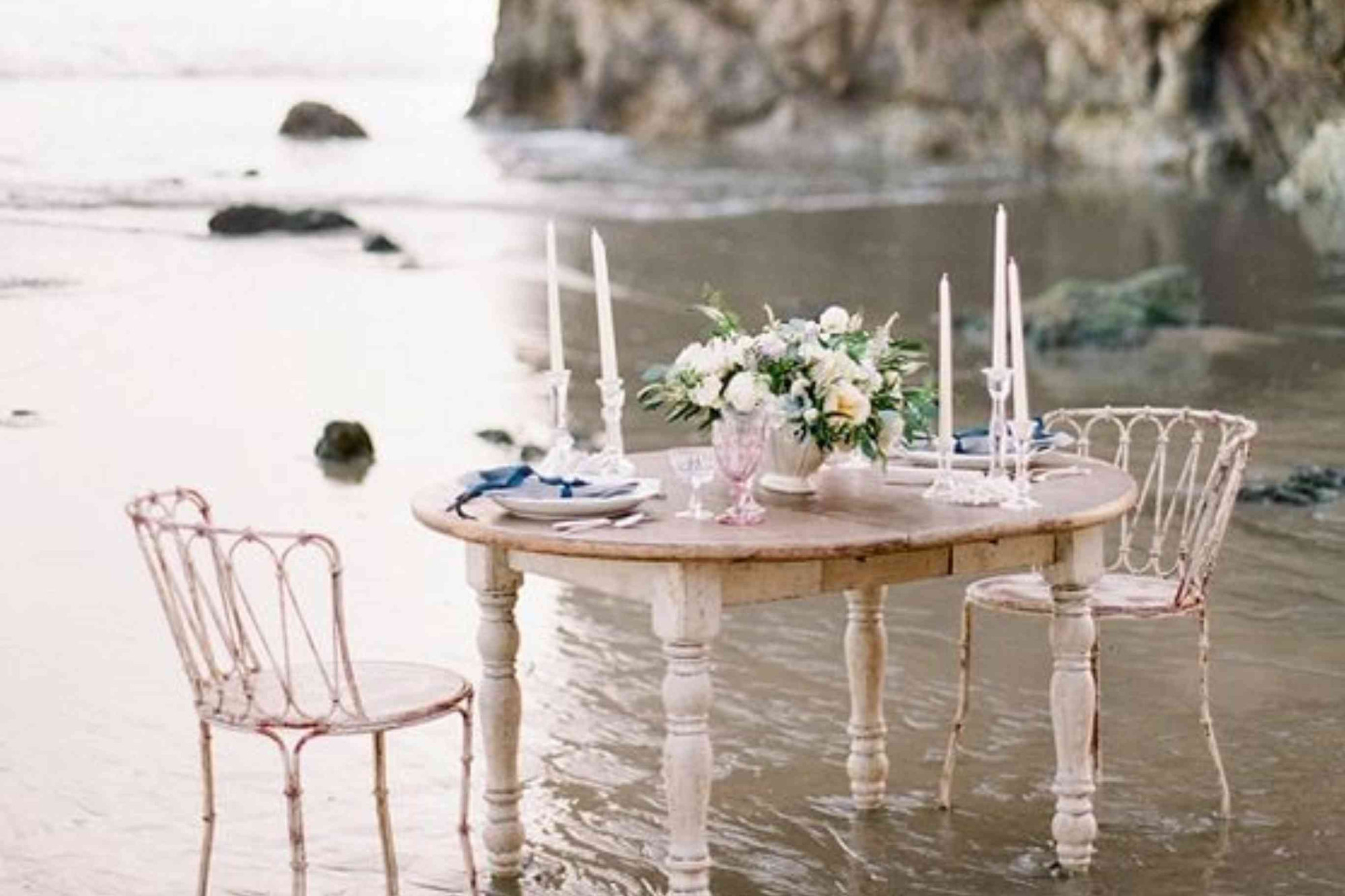
A birthday, anniversary or intimate dinner can easily move outdoors when the setting is right. A table beside the sea, in a garden or somewhere in the countryside already gives the occasion a different character without requiring a large event setup.
For a small celebration, one table is often all that is needed. A table for two, four or six people leaves room for proper plates, glasses, flowers and serving dishes while keeping the gathering personal. It also makes it possible to choose locations that would be impractical for a larger event.
The surroundings can guide the table setting. Beside the sea, soft colours, simple flowers and natural materials work easily with the landscape. A garden can take more colour and pattern, while a countryside table might suit linen, ceramics and seasonal flowers.
Flowers are one of the simplest ways to make an outdoor table feel appropriate for a special occasion. One arrangement can be enough on a smaller table. Keeping it relatively low also means everyone can still see each other across the table.
Candles can work well for a dinner that continues after sunset, although lanterns or rechargeable table lamps are often easier outdoors when there is a breeze. Combining a few small light sources creates enough light for dinner without needing to illuminate the entire area.
The meal itself can remain uncomplicated. A small celebration does not automatically require several courses or formal service. A favourite meal, something from a local restaurant or food prepared beforehand can work equally well.
Comfort is worth remembering when choosing a beautiful location. Chairs need to stand securely, guests need somewhere easy to walk and an extra layer can be useful when an evening beside the water becomes cooler.
A smaller guest list gives you more freedom to choose the setting. Instead of finding a venue first and decorating it afterwards, the beach, garden or landscape can become part of the celebration itself.
#OutdoorCelebration #OutdoorDining #IntimateEvent #DinnerOutside #SeasaltAndPicnics
Seasalt & Picnics @seasaltandpicnics
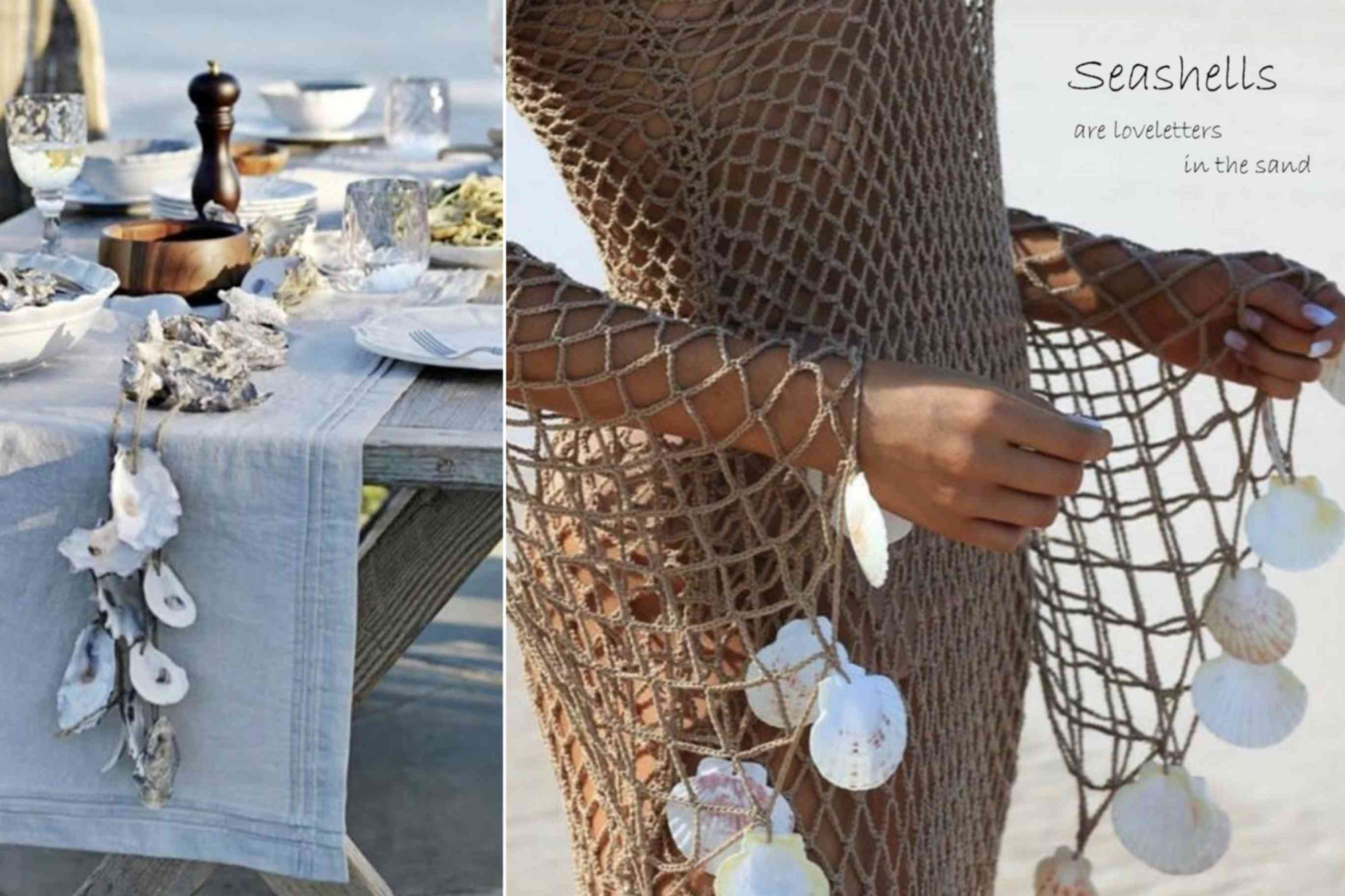
Seashells are an easy way to bring something from the coast to a summer table. A few shells between the plates, a simple garland or individual pieces used as decoration can be enough, especially when the table is already close to the sea.
They work particularly well with materials that naturally belong outdoors. Linen tablecloths, woven placemats, wooden boards, clear glassware and simple ceramics provide an easy background for shells without making the table feel overly themed.
There are plenty of ways to use them. Larger shells can sit between serving dishes, smaller ones can be tied around napkins and strings of shells can be hung from a table, parasol or nearby branch. Individual shells can even be used as simple place markers for a lunch or small event.
White and pale shells create a very different look from colourful or patterned varieties, so there is no need to mix everything together. Choosing one type or colour and repeating it a few times often works better than covering the entire table.
For evening tables, shells also combine easily with candles and small lamps. The decoration can stay in place while the table changes naturally from lunch to dinner.
It is worth being selective about where the shells come from. On many beaches, shells form part of the natural coastal environment and collecting them may be discouraged or restricted. Shell decorations can also be found through makers, vintage shops and markets, making it possible to create the same look without removing them from a beach.
After summer, the same pieces can be stored and used again. A shell garland or a small collection does not have to remain exclusively beach decoration. Combined with natural textiles and simple tableware, it can return to the outdoor table year after year.
#SummerTable #Seashells #OutdoorDining #CoastalTable #SeasaltAndPicnics
Seasalt & Picnics @seasaltandpicnics
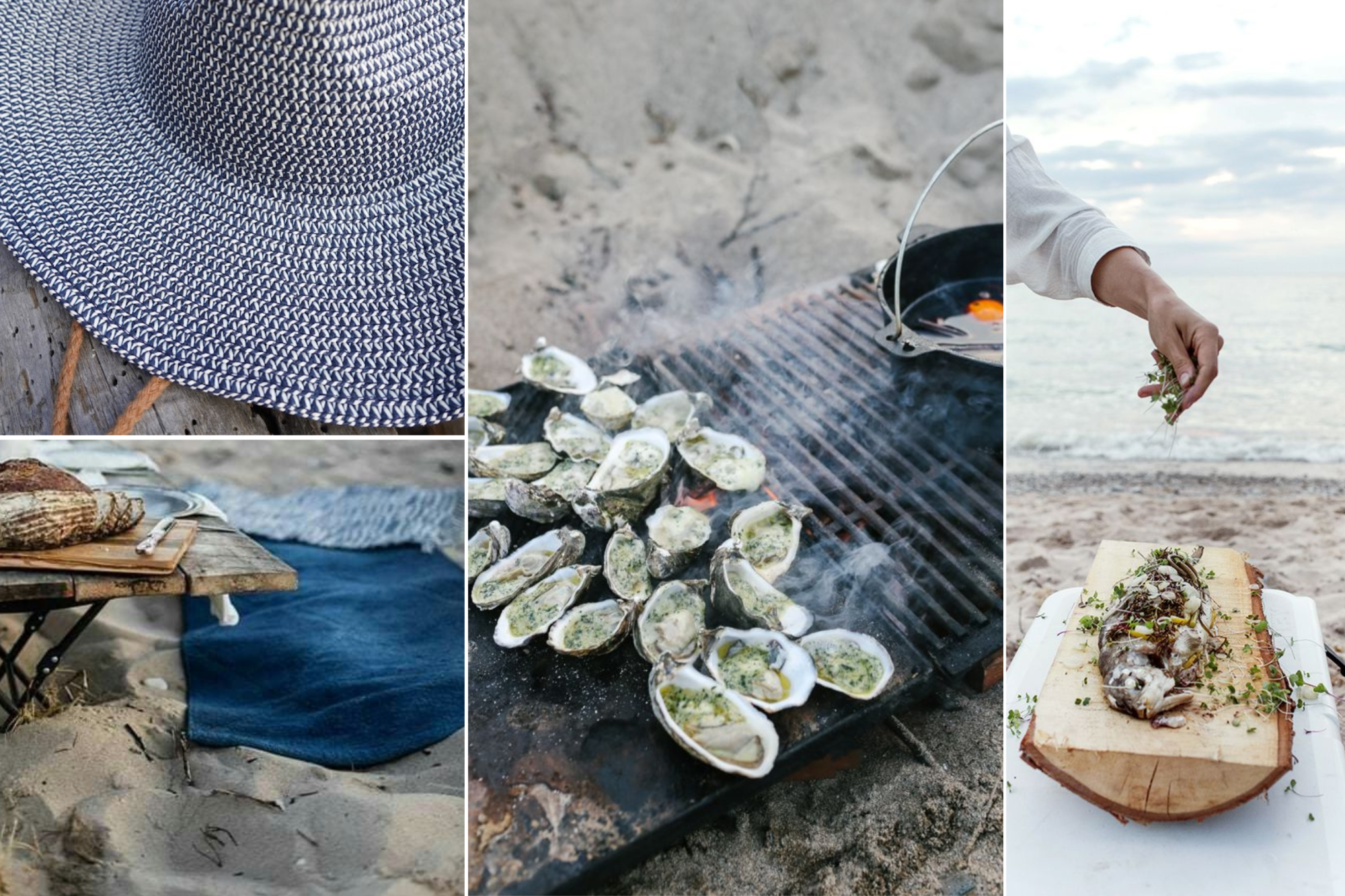
Cooking by the sea turns lunch into part of the day outdoors. Instead of arriving with everything already prepared, a few ingredients can be cooked or finished on the spot and served straight from the grill to the table.
Fish and seafood are particularly suited to this kind of meal. Whole fish can be grilled with lemon and herbs, while prawns, sardines and other small fish need little more than a hot grill and a simple seasoning.
Oysters are another option. They are usually associated with being served raw, but they can also be placed on the grill and finished with butter, herbs, garlic or lemon. Served with bread and a salad, they can easily become part of a relaxed lunch beside the water.
Vegetables deserve space on the grill too. Courgettes, peppers, aubergines, tomatoes and corn can be prepared beforehand and cooked alongside the main dish. Potatoes can be cooked at home and finished outside, which saves time once everyone is ready to eat.
Keeping the menu short makes outdoor cooking much easier. One main ingredient, a few vegetables, good bread and something fresh to finish the meal are often enough. Most of the washing, cutting and marinating can already be done at home.
A simple table nearby means food can be served as soon as it is ready. Large boards and platters work well for sharing and avoid turning an outdoor lunch into a formal meal with separate courses.
The location naturally becomes part of the menu too. Buying fish from a local market or seafood from a producer nearby makes the meal specific to the place rather than recreating exactly the same barbecue everywhere.
Outdoor cooking can be part of a beach day, a stay beside a lake or a weekend at a coastal house. Where cooking is permitted, preparing part of the meal outside adds something different to the usual picnic without requiring an elaborate outdoor kitchen.
#OutdoorCooking #CookingByTheSea #BeachLunch #OutdoorDining #SeasaltAndPicnics
Seasalt & Picnics @seasaltandpicnics
Where you stop can make as much difference to a picnic as what you bring with you. A quiet stretch of beach, a flat rock beside the sea, a shady place under a tree or a grassy spot with a view can all work without needing a complete picnic setup.
At the beach, it is worth looking a little further than the first available patch of sand. Rocks can provide a useful surface for plates and serving boards, while a sheltered corner can make a big difference when there is a breeze. If you plan to stay for a few hours, having some shade nearby is another advantage.
In the countryside, trees often provide the most comfortable places for lunch. Apart from shade, they can offer somewhere to lean against and usually make a better choice on a hot day than an exposed field. A blanket may be all you need to create somewhere comfortable to sit.
Beside a lake or river, a flat area close to the water can be appealing, especially if swimming is part of the day. Leaving a little distance between the picnic and the water keeps bags, shoes and food away from wet ground and gives everyone more room.
The view matters, but so does comfort. A beautiful location loses some of its appeal if you are sitting on a steep slope, constantly moving things because of the wind or carrying a heavy basket much further than expected.
There is also no need to recreate a dining table everywhere you go. A rock can hold a chopping board, a basket can double as storage and a blanket can provide enough space for lunch. Using what is already available keeps the amount you need to carry surprisingly small.
Some of the best picnic places are found rather than planned. Keeping a few basics in the car or in a basket means you can stop when you come across somewhere that feels right for lunch.
#PicnicSpot #OutdoorPicnic #BeachPicnic #OutdoorLiving #SeasaltAndPicnics
Seasalt & Picnics @seasaltandpicnics
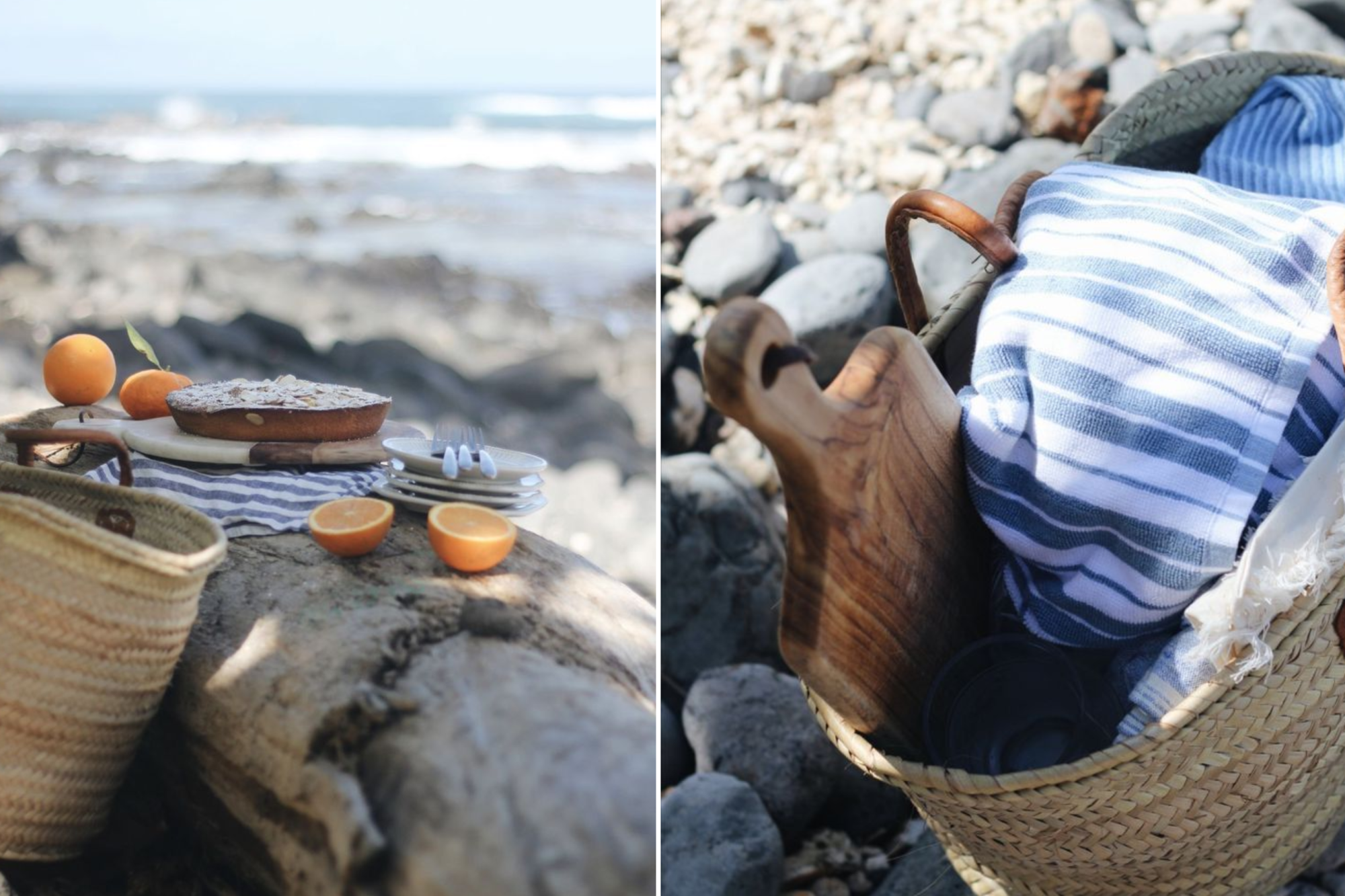
Stripes have been part of summer outdoor style for decades and they continue to appear on everything from parasols and deckchairs to cushions, towels and tablecloths. They are easy to recognise, easy to combine and work particularly well in settings close to the coast.
Blue and white may be the classic combination, but outdoor stripes now come in almost every colour. Red and white can bring more contrast to a garden or terrace, while green, sand, terracotta and softer neutral shades work well with natural surroundings.
The width of the stripe can change the look considerably. Fine stripes tend to feel quieter and work well for table linen and smaller cushions. Wider stripes make more of an impact on larger pieces such as parasols, mattresses, rugs and beach towels.
There is no need to use the same pattern everywhere. A striped cushion can sit beside a plain one, while different stripe widths can be combined if the colours relate to each other. Natural materials such as wood, rattan, linen and woven baskets help balance stronger patterns.
Stripes are particularly useful when an outdoor space needs a little colour without adding many decorative objects. A few cushions on a wooden bench or a striped cloth over a table can change the look of a terrace without replacing the furniture.
They also move easily between different outdoor settings. The same pattern that works on a Mediterranean terrace can appear on a picnic blanket, beach bag or garden chair. This makes striped textiles easy to reuse throughout the summer.
And blue and white does not have to mean a nautical theme. Combined with natural wood, simple ceramics and relaxed fabrics, the colours can feel just as at home in a garden or countryside setting as beside the sea.
#OutdoorLiving #OutdoorTextiles #SummerStripes #CoastalLiving #SeasaltAndPicnics

Seasalt & Picnics @seasaltandpicnics
Low tables, cushions and rugs have become a popular way to set up a picnic, especially for longer lunches and small gatherings outdoors. They keep the relaxed feeling of sitting on a blanket, while giving food, glasses and tableware a proper place.
A low table makes a surprising difference. Plates and serving dishes no longer have to balance on a blanket and drinks are less likely to be knocked over. It also creates one central place where everyone can sit together, which works well for sharing food.
Comfort comes mainly from what you put around the table. Large cushions are useful for sitting, while smaller ones can provide support behind the back. Rugs and blankets add another layer between guests and sand, grass or harder ground.
Mixing different textiles works particularly well outdoors. Cushions do not all need to match and a combination of patterns, plain fabrics and woven textures can make the setting feel less formal. Rugs can be layered in the same way, especially when a larger seating area is needed.
The height of the table is worth considering. It should be low enough to use comfortably from the ground but high enough that guests are not constantly leaning forward to reach their plates. For a longer lunch, leaving enough space around each place makes the setup considerably more comfortable.
This type of seating works especially well on flat surfaces such as a garden lawn, terrace or firm stretch of beach. It can also be adapted to different occasions, from an afternoon picnic with friends to a birthday, beach dinner or small event.
For an evening picnic, a few blankets can stay nearby once temperatures drop. Portable lamps or candles in protected holders can be added to the table as daylight disappears.
Low seating creates something between a traditional picnic and a conventional outdoor dining table. It keeps the informal character of eating outside while making it comfortable enough to stay for several hours.
#PicnicSeating #OutdoorPicnic #OutdoorLiving #BeachPicnic #SeasaltAndPicnics

Seasalt & Picnics @seasaltandpicnics
Finding some shade can make the difference between a quick picnic and spending an entire afternoon outside. On a warm summer day, a parasol, canopy or even the shade of a tree gives you somewhere to eat, read and relax away from the strongest sun.
At the beach, a large parasol is still one of the easiest options. It is quick to put up and can usually be moved as the sun changes position. For several people, a fabric canopy creates a larger shaded area and leaves more room underneath for blankets, baskets and food.
A canopy can be surprisingly simple. A large piece of outdoor fabric attached to suitable supports creates an open shelter without making the picnic area feel enclosed. Neutral fabrics such as white, sand or beige also work easily with colourful blankets, cushions and picnic accessories.
In a garden or park, natural shade may be all you need. A large tree can provide enough cover for a table or blanket and usually creates a pleasant place to stay during the warmer part of the day. It is worth remembering that the shade will move as the afternoon progresses, so leaving a little room to shift the picnic setup can be useful.
What you place underneath matters too. Food and drinks are better kept out of direct sunlight and a shaded area gives bags, baskets and coolers somewhere to stay. Cushions and blankets also remain more comfortable when they have not been heating up in the sun.
For a full day outside, it can be useful to combine shade with a few personal sun essentials. A hat, sunglasses and lightweight clothing provide extra protection when you leave the picnic area for a walk or swim.
A shaded picnic spot quickly becomes more than somewhere to have lunch. With enough room for a blanket, a few cushions and the things you have brought for the day, it can become a comfortable base from morning until late afternoon.
#SummerPicnic #BeachShade #OutdoorLiving #BeachPicnic #SeasaltAndPicnics

Seasalt & Picnics @seasaltandpicnics
Some summer days are better when there is no reason to leave after lunch. A beach, quiet stretch of coast or place in the countryside can easily become somewhere to spend most of the day when you bring a few things for eating, sitting and relaxing.
Start with a comfortable base. A large blanket gives you enough room for bags and food as well as somewhere to sit or lie down. Cushions make a difference if you plan to stay for several hours and a little shade gives everyone somewhere to retreat during the warmest part of the afternoon.
Food can be spread across the day rather than planned as one large meal. Fruit and something small to eat can come out first, followed by lunch later on. Keeping part of the food in a cool bag means everything does not need to be unpacked at once.
What you wear can be just as simple. Swimwear, a loose shirt or dress, comfortable sandals and a hat are enough for a day that moves between swimming, eating and relaxing. A dry layer is useful later, especially near the coast when the temperature changes towards evening.
A roomy basket or tote helps keep smaller belongings together. Books, sunscreen, sunglasses and a change of clothes are easier to find when they are not mixed with food and wet towels.
There is also something to be said for bringing very little entertainment. A book, cards or a magazine may be enough when swimming, walking and lunch already fill much of the day.
If you plan to stay until sunset, an extra blanket and a small portable light can extend the day without requiring an entirely different setup.
A day outdoors does not need a full itinerary. With somewhere comfortable to sit, enough shade, food and a few useful things close at hand, the same spot can take you from a morning swim to the end of the afternoon.
#OutdoorLiving #SummerDays #BeachDay #PicnicLife #SeasaltAndPicnics

Seasalt & Picnics @seasaltandpicnics
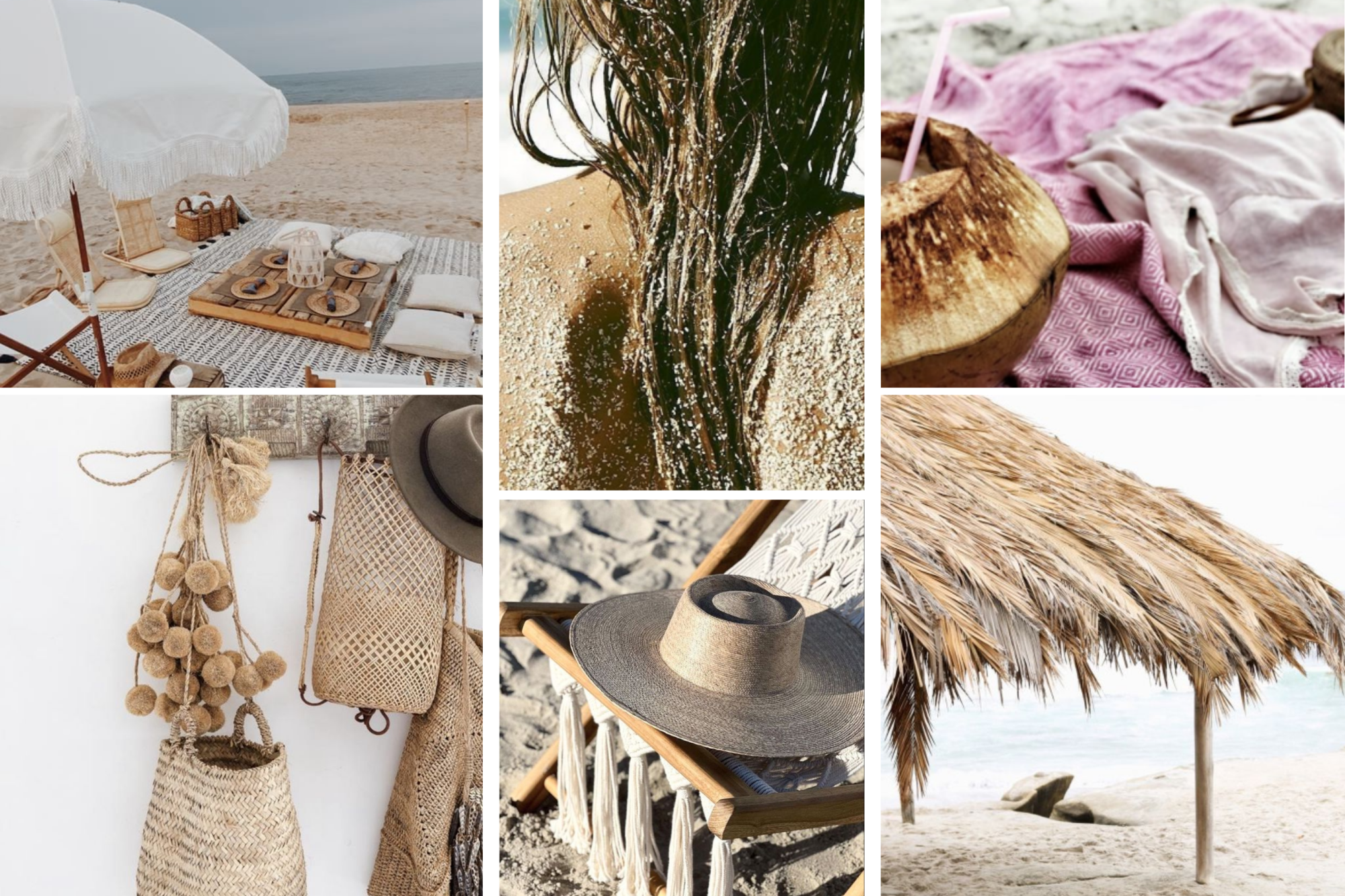
Raffia bags, straw hats, linen towels and woven parasols are summer pieces that return year after year. They are practical for days outside and their natural colours are easy to combine with almost anything you already own.
A woven bag is a good example. Large versions have room for towels, sunscreen, water and a change of clothes, while smaller baskets work well for a picnic or a walk to the local market. Raffia, palm leaves and other plant fibres are commonly used, with different weaving traditions found in many parts of the world.
Straw hats have the same combination of function and style. A wide brim provides useful shade and the neutral material works with swimwear as easily as it does with a summer dress. For travelling, softer woven styles are often easier to pack than hats with a very structured shape.
Linen and cotton are particularly useful for textiles. Towels, blankets, tablecloths and lightweight throws made from these fabrics can be used in several ways during the same day. A large cloth might start as a picnic table covering and later become an extra layer when the evening turns cooler.
Wood also fits naturally into outdoor dining. Serving boards, folding chairs and small tables are easy to combine with woven baskets and simple ceramics, especially when the aim is to keep the setup informal.
Even beach shade can introduce natural materials. Traditional woven parasols and thatched shelters are still common in many coastal destinations and provide a very different look from synthetic beach umbrellas.
The appeal of these materials is also in how they age. Linen becomes softer, wood develops character and a well-used basket rarely looks worse after a summer of trips to the beach.
Choosing a few useful pieces in natural materials makes it easy to build a collection that returns to the beach, garden and picnic table every summer.
#NaturalMaterials #BeachStyle #OutdoorLiving #SummerLiving #SeasaltAndPicnics
Seasalt & Picnics @seasaltandpicnics
Spending a full day at the beach is much more enjoyable when you have somewhere comfortable to sit, enough shade and a place to keep your things together. You do not need to bring half the house with you, but a few well-chosen items can make a big difference.
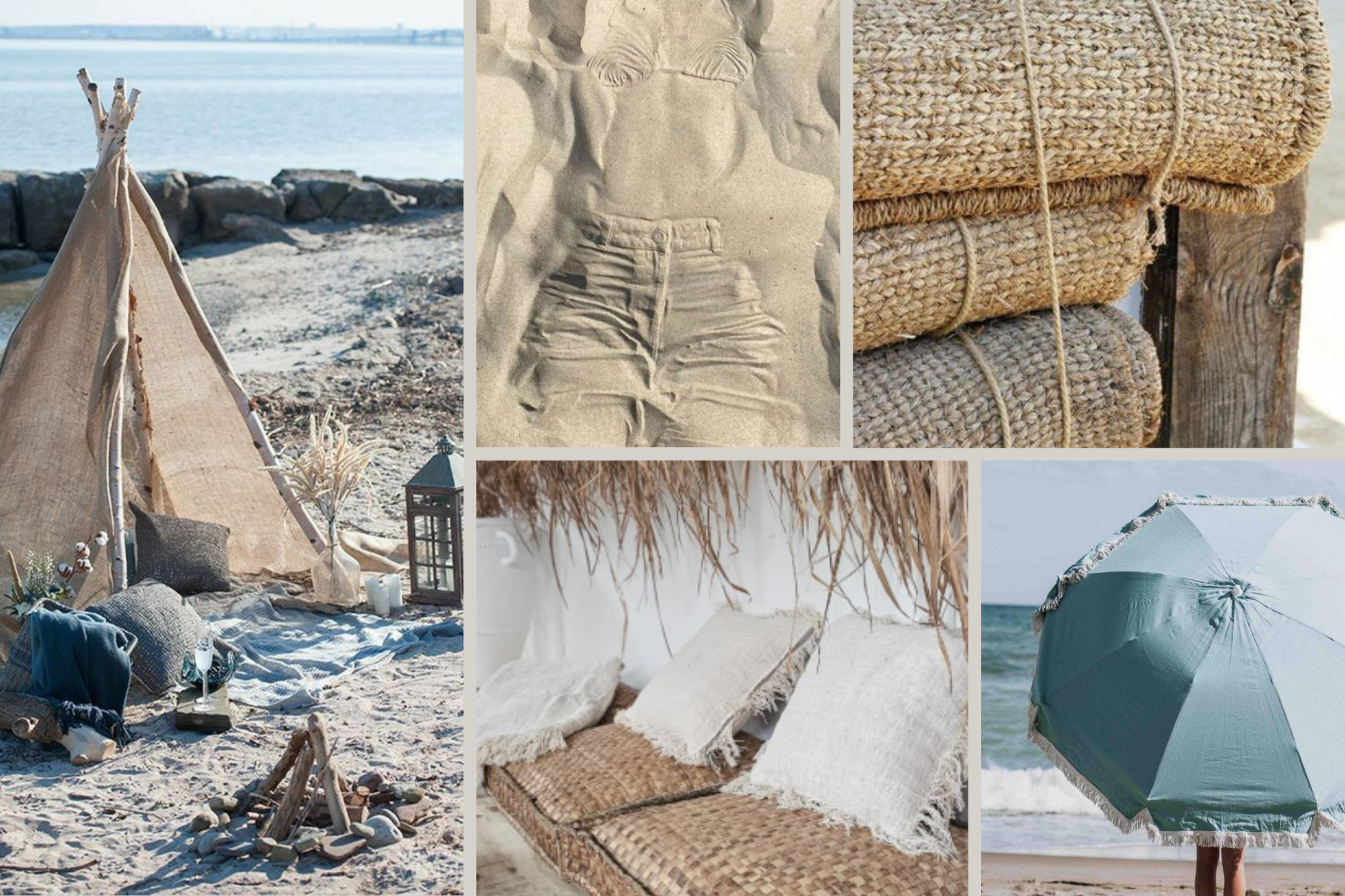
A beach tent or small shelter is useful when you plan to stay for several hours. It creates a place to get out of the sun, store bags and relax between swims. Open-sided versions still allow air to circulate and give you a clear view of the beach.
A large blanket creates the main sitting area. Adding one or two cushions makes reading, eating or simply staying in the same spot for an afternoon much more comfortable. Lightweight throws are useful too, especially later in the day when the breeze picks up.
It helps to divide the space a little. Food and drinks can stay together in a cool bag or basket, while towels, books, clothes and personal belongings have their own place. That prevents the familiar situation where everything gradually disappears underneath towels and sandy clothes.
Shade remains useful even outside the hottest hours. A parasol can be moved during the day, while a beach tent provides a more permanent base. If you are travelling with children or simply prefer to stay out of direct sun for part of the day, having both can be useful.
Comfort also comes down to what you do not bring. Heavy furniture, too many bags and unnecessary tableware quickly become inconvenient when everything has to cross a stretch of sand. Pieces that fold, roll or fit inside one another are much easier to carry.
By late afternoon, the same setup can change again. A blanket becomes useful as the temperature drops, a lantern can provide some light and the sheltered spot that offered shade earlier becomes somewhere to sit as the beach gets quieter.
With a comfortable base in place, there is less reason to keep packing and unpacking throughout the day. Everything you need is nearby and the beach becomes somewhere to stay rather than simply somewhere to visit.
#BeachDay #OutdoorLiving #BeachComfort #SummerOutdoors #SeasaltAndPicnics