Travel Never Goes Out of Style
Les Couleurs du Monde Magazine - Where’s Your Next Escape? Discover our editions. Contact: info@lescouleursdumonde.com
Travel & Escapes @travelwithcouleursdumonde
A Historic Address in Palma
Located in Palma's historic La Lonja neighbourhood, Can Bordoy Grand House & Garden occupies a restored mansion with a history dating back several centuries.
The hotel combines the character of a traditional Mallorcan residence with the facilities of a contemporary luxury stay. Its renovation, led by Mallorca-based architecture studio OHLAB, preserved original architectural features while introducing new spaces and modern comforts.
Rather than concealing the building's history, the design incorporates existing stonework, timber elements and decorative details alongside contemporary furniture.
The result is a property with 24 suites, each individually designed, within walking distance of Palma's principal historic attractions.
A Private Garden in the City
One of the hotel's most distinctive features is its extensive private garden, an unusual amenity in the centre of Palma.
Mature trees, landscaped terraces and a swimming pool provide an outdoor setting away from the surrounding streets.
The hotel also has a rooftop plunge pool with views across the city and a spa offering treatments and wellness facilities.
Dining is centred around Botànic, the hotel's restaurant, which places vegetables and seasonal produce at the heart of its menus.
These facilities make Can Bordoy suitable for travellers who want to combine time exploring Palma with the possibility of spending an afternoon at the hotel.
Exploring Palma on Foot
The hotel's location in La Lonja makes it convenient for exploring the historic centre without a car.
The Palau de l'Almudaina and La Seu Cathedral are within walking distance, as are the narrow streets surrounding Plaça de Cort.
For art and architecture, Es Baluard Museu d'Art Contemporani offers exhibitions of modern and contemporary art in a former defensive structure overlooking Palma's waterfront.
The nearby streets also contain independent boutiques, galleries and restaurants, making the neighbourhood an interesting area to explore throughout the day.
Stay Inspiration
Can Bordoy Grand House & Garden | Palma de Mallorca, Spain
A restored historic mansion offering individually designed suites, a private garden, swimming pools and a spa in the centre of Palma.
Particularly suitable for a city break combining architecture, culture and time to enjoy the hotel itself.
Explore Can Bordoy Grand House & Garden
#TravelAndEscapes #Mallorca #PalmaDeMallorca #CanBordoy #BoutiqueHotels #HeritageHotels #MallorcaTravel #StayInspiration #LesCouleursDuMonde
Travel & Escapes @travelwithcouleursdumonde
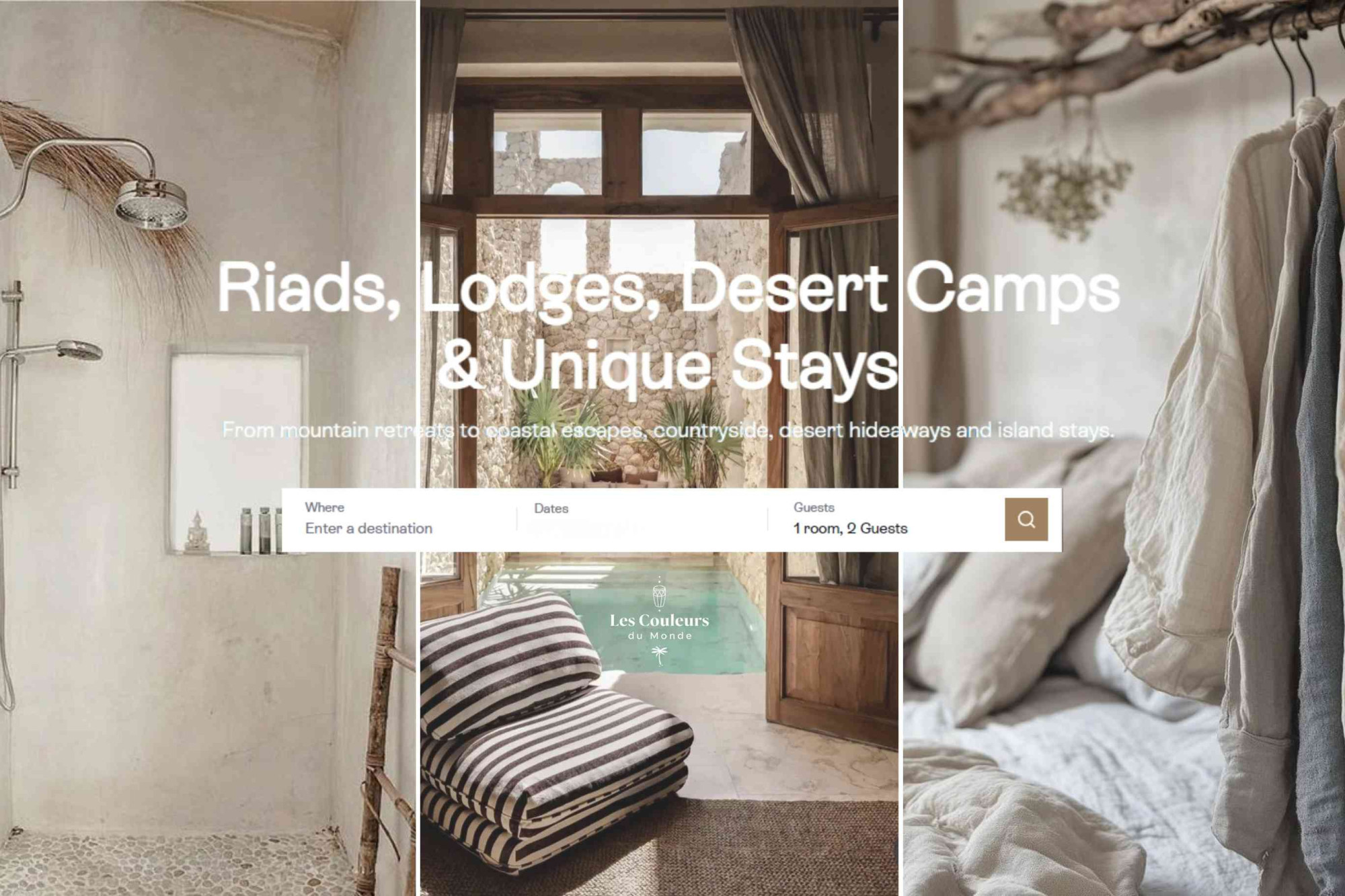
Find Your Next Stay with Les Couleurs du Monde Travel
Explore a selection of riads, lodges, countryside retreats, desert camps and distinctive places to stay across different destinations. Search by location, travel dates and guests to find accommodation suited to your next trip.
https://travel.lescouleursdumonde.com
#TravelAndEscapes #UniqueStays #BoutiqueStays #TravelInspiration #RiadStays #Lodges #LesCouleursDuMonde
Travel & Escapes @travelwithcouleursdumonde
Seychelles | Life Between the Islands
The Seychelles archipelago consists of 115 islands in the Indian Ocean, with some of its most distinctive landscapes found around Mahé, Praslin and La Digue. Granite formations, sheltered beaches, tropical forests and coral reefs create remarkably different environments within relatively short distances.
Three Islands, Three Experiences
Mahé | Beaches, Mountains & Local Life
Mahé is the largest island and home to Victoria, the capital. Beyond its beaches, the island has a mountainous interior, tropical vegetation and walking trails through Morne Seychellois National Park.
Beau Vallon is one of its best-known beaches, while the southern coastline includes bays such as Anse Takamaka and Anse Intendance.
Praslin | Coco de Mer & Protected Forests
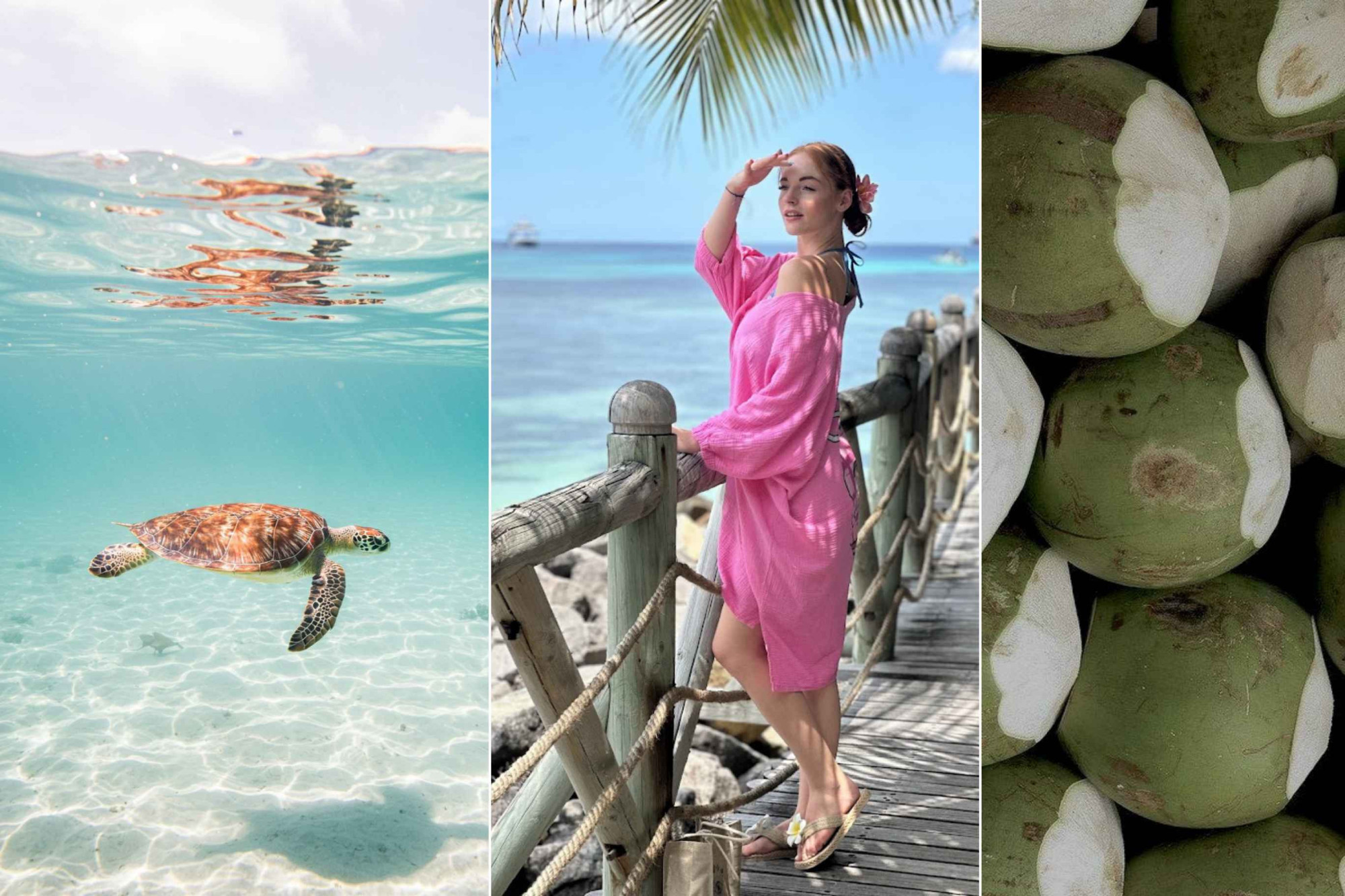
Praslin is particularly known for the Vallée de Mai Nature Reserve, a UNESCO World Heritage Site where the remarkable coco de mer palm grows naturally.
Its enormous double coconut is one of the Seychelles' most recognisable botanical features.
The island is also home to Anse Lazio and Anse Georgette, two beaches known for their clear water and granite surroundings.
La Digue | Cycling & Coastal Landscapes
La Digue is a smaller island where bicycles are a popular means of transport. Its coastline includes Anse Source d'Argent, recognised for its shallow turquoise water and large granite boulders.
Visitors can explore coastal roads, traditional Creole houses and beaches, including Grand Anse and Anse Cocos.
Marine Life | Swimming with Sea Turtles
The waters surrounding the Seychelles support green sea turtles and hawksbill turtles, along with reef fish, rays and other marine species.
Snorkelling around protected reefs can provide opportunities to observe turtles feeding on seagrass or swimming close to coral formations.
Visitors should maintain a respectful distance, avoid touching marine animals and choose operators that follow responsible wildlife practices.
Beyond the Beaches
Seychellois cuisine reflects African, French, Indian and Chinese influences. Fresh grilled fish, octopus curry, coconut-based dishes and tropical fruit are familiar elements of local cooking.
Markets and small Creole restaurants offer an opportunity to experience these flavours alongside the islands' natural attractions.
For travellers planning to visit several islands, combining Mahé, Praslin and La Digue provides a varied introduction to the archipelago, from mountain trails and protected forests to beaches and marine wildlife.
Stay Inspiration | Denis Private Island, Seychelles
Located on a private coral island north of Mahé, Denis Private Island offers individual cottages and villas surrounded by tropical vegetation and marine habitats.
The island is involved in conservation programmes for sea turtles, rare endemic birds and native forests. Guests can explore its beaches, snorkel in the surrounding waters and enjoy cuisine featuring produce from the island's own farm.
Its remote setting makes it particularly suitable for travellers interested in marine wildlife, nature conservation and a quieter island experience.
→ Planning a stay in the Seychelles?
Find stays in the Seychelles with Les Couleurs du Monde Travel.
#Seychelles #IslandEscapes #IndianOcean #MarineLife #TropicalIslands #TravelAndEscapes #LesCouleursDuMonde
Travel & Escapes @travelwithcouleursdumonde
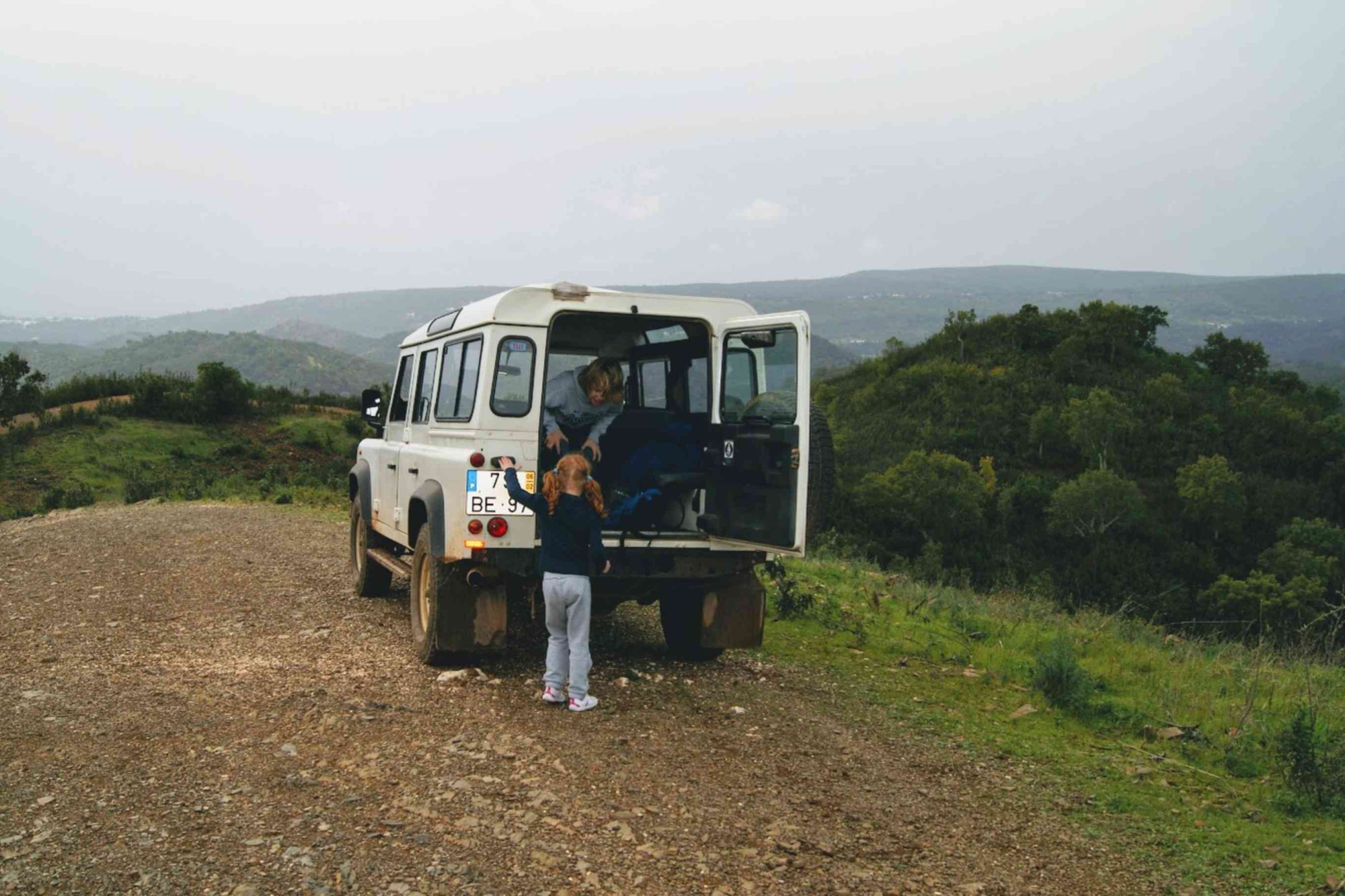
The Algarve is widely associated with its Atlantic beaches and limestone cliffs, but the region's interior offers a very different landscape. Rural roads cross wooded hills, traditional villages and agricultural land, making the countryside particularly interesting for travellers who enjoy exploring by car or on foot.
Into the Serra de Monchique
The Serra de Monchique is one of the most distinctive inland areas of the Algarve. Its wooded slopes, narrow roads and elevated viewpoints contrast with the coastal resorts further south.
The town of Monchique is a useful starting point for exploring the surrounding countryside. Nearby, Fóia offers panoramic views across the region, while Caldas de Monchique is known for its thermal springs and tree-lined setting.
Small villages such as Marmelete and Alferce provide opportunities to experience the region's rural character, traditional architecture and local food.
Exploring the Algarve by 4x4
A countryside excursion by four-wheel-drive vehicle offers access to rural tracks and more remote landscapes, where permitted. Guided tours can introduce visitors to cork oak forests, traditional farming areas and viewpoints that are less accessible by ordinary car.
The region's agricultural heritage is particularly interesting. Cork production, olive cultivation, citrus orchards and the harvesting of medronho fruit all contribute to the identity of inland Algarve.
For travellers interested in nature, a guided excursion also provides an opportunity to learn about the local vegetation and the ways these landscapes are managed.
Walking the Via Algarviana
The Via Algarviana is a long-distance walking route crossing approximately 300 kilometres of the Algarve's interior, from Alcoutim near the Spanish border to Cabo de São Vicente on the Atlantic coast.
Divided into 14 sections, it passes through traditional villages, cork oak landscapes and the Serra de Monchique.
Visitors can choose individual sections rather than completing the entire route, making it suitable for incorporating a countryside walk into a longer Algarve holiday.
Stay Inspiration | Quinta do Tempo, Monchique
Situated on the southern slopes of the Serra de Monchique, Quinta do Tempo is a restored traditional farmhouse offering rural accommodation close to the town of Monchique.
The property provides a countryside base for exploring local walking routes, mountain villages and the region's traditional food culture. Its location makes it particularly suitable for travellers who want to experience the Algarve away from the coastal resorts.
→ Planning a stay in the Algarve?
#Algarve #PortugalTravel #Countryside #OutdoorExploration #RuralEscapes #TravelAndEscapes #LesCouleursDuMonde
Travel & Escapes @travelwithcouleursdumonde
A Hawaiian Classic Revisited
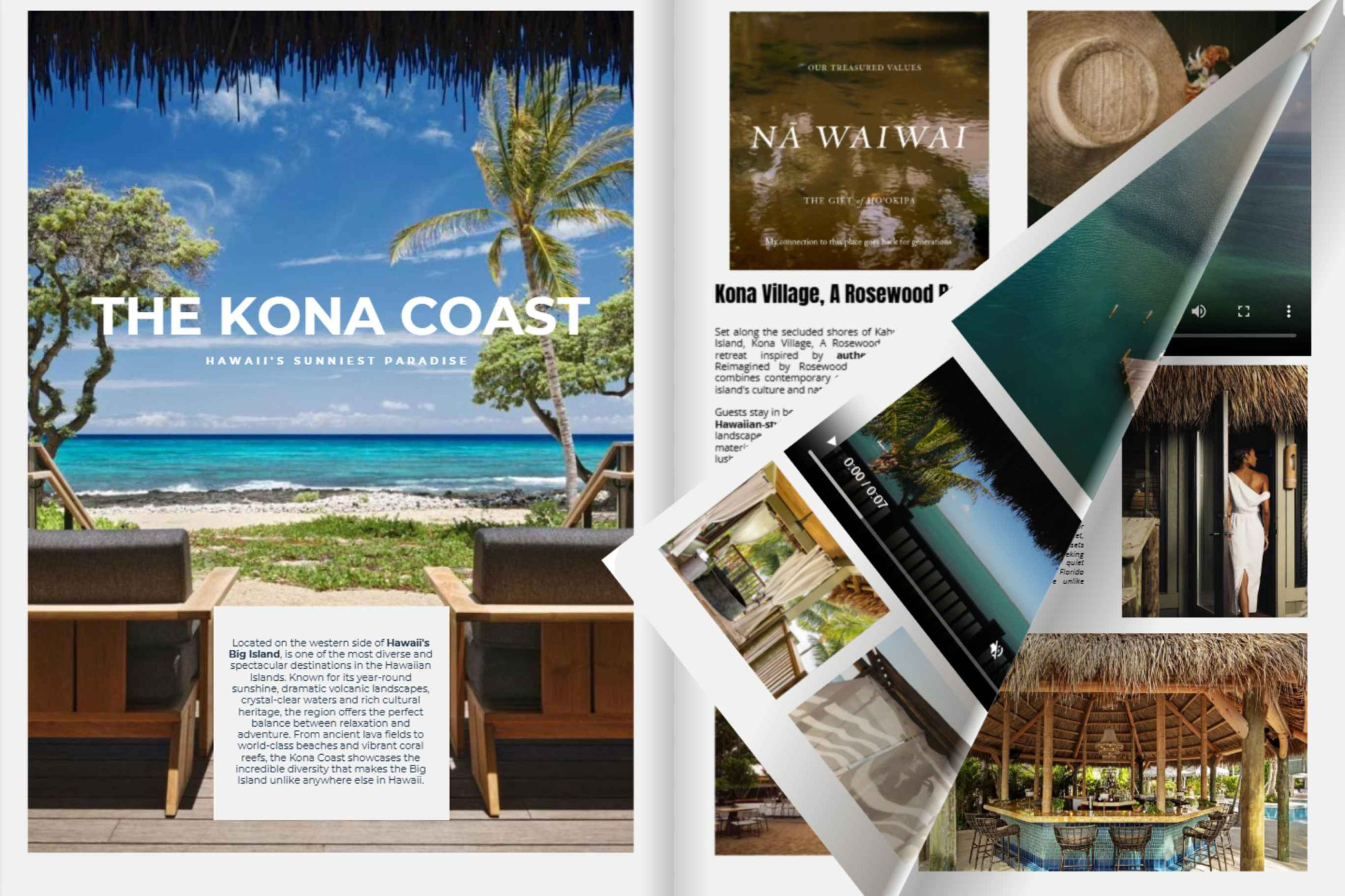
On the western coast of Hawaii's Big Island, Kona Village occupies a remarkable stretch of coastline shaped by ancient lava flows, sheltered bays and the Pacific Ocean. The resort has a history that sets it apart from many of Hawaii's contemporary luxury hotels.
Originally opened in 1965, Kona Village became known for its traditional Hawaiian-inspired thatched bungalows, known as hale, and its secluded setting along Kahuwai Bay. Following extensive damage from the 2011 tsunami, the resort closed for more than a decade before reopening as Kona Village, A Rosewood Resort.
A Different Side of Hawaiian Hospitality
The resort's design draws on traditional Polynesian architecture, with individual thatched-roof accommodations positioned throughout the coastal landscape.
The restored property combines contemporary interiors with references to Hawaiian craftsmanship, natural materials and the cultural history of the site.
Its location also provides access to the distinctive environment of the Kona Coast, where volcanic rock, tropical vegetation and clear Pacific waters create a landscape quite different from Hawaii's greener eastern regions.
More Than a Beach Destination
The Kona Coast offers opportunities to explore the island's cultural and natural heritage.
Puʻuhonua o Hōnaunau National Historical Park preserves an important Hawaiian ceremonial and refuge site, while Kealakekua Bay is known for its marine life and historical significance.
The region is also associated with Kona coffee, cultivated on the slopes above the coast, where volcanic soils and local growing conditions contribute to its distinctive character.
Featured in Les Couleurs du Monde Magazine
Our fifth edition takes a closer look at Kona Village, A Rosewood Resort, its remarkable coastal setting and the revival of a celebrated Hawaiian retreat.
→ Read the full Kona Coast feature in our fifth edition.
Explore the magazine | Page 44
Shop for the Destination | Green Isles
Inspired by the natural greens and coastal colours of tropical destinations, the Green Isles bikini is a fitting addition to a warm-weather travel wardrobe.
#KonaCoast #Hawaii #BigIsland #KonaVillage #IslandEscapes #TravelAndEscapes #LesCouleursDuMonde
Travel & Escapes @travelwithcouleursdumonde
The Florida Keys | The Road to Island Life
Stretching southwest from mainland Florida, the Florida Keys form an archipelago of coral islands connected by one of America's most distinctive coastal roads. The Overseas Highway runs for approximately 113 miles from Key Largo to Key West, crossing bridges with views of the Atlantic Ocean and Florida Bay.
The journey is an opportunity to explore several islands, each with its own character, from marine sanctuaries and fishing communities to historic towns and secluded waterfront retreats.
From Key Largo to Key West
Key Largo is known for its diving and snorkelling, particularly around John Pennekamp Coral Reef State Park, which protects coral reefs, seagrass beds and mangrove habitats.
Further south, Islamorada has a strong connection to recreational fishing and boating. Its waterfront restaurants, small marinas and access to the surrounding waters make it a popular stop.
Marathon provides access to the famous Seven Mile Bridge and nearby Bahia Honda State Park, known for its beaches and coastal scenery.
At the end of the highway, Key West offers a different atmosphere, with historic wooden houses, galleries, restaurants and a lively harbour.
The Experience of a Private Island
Some of the most distinctive accommodation in the Florida Keys is found away from the main highway.
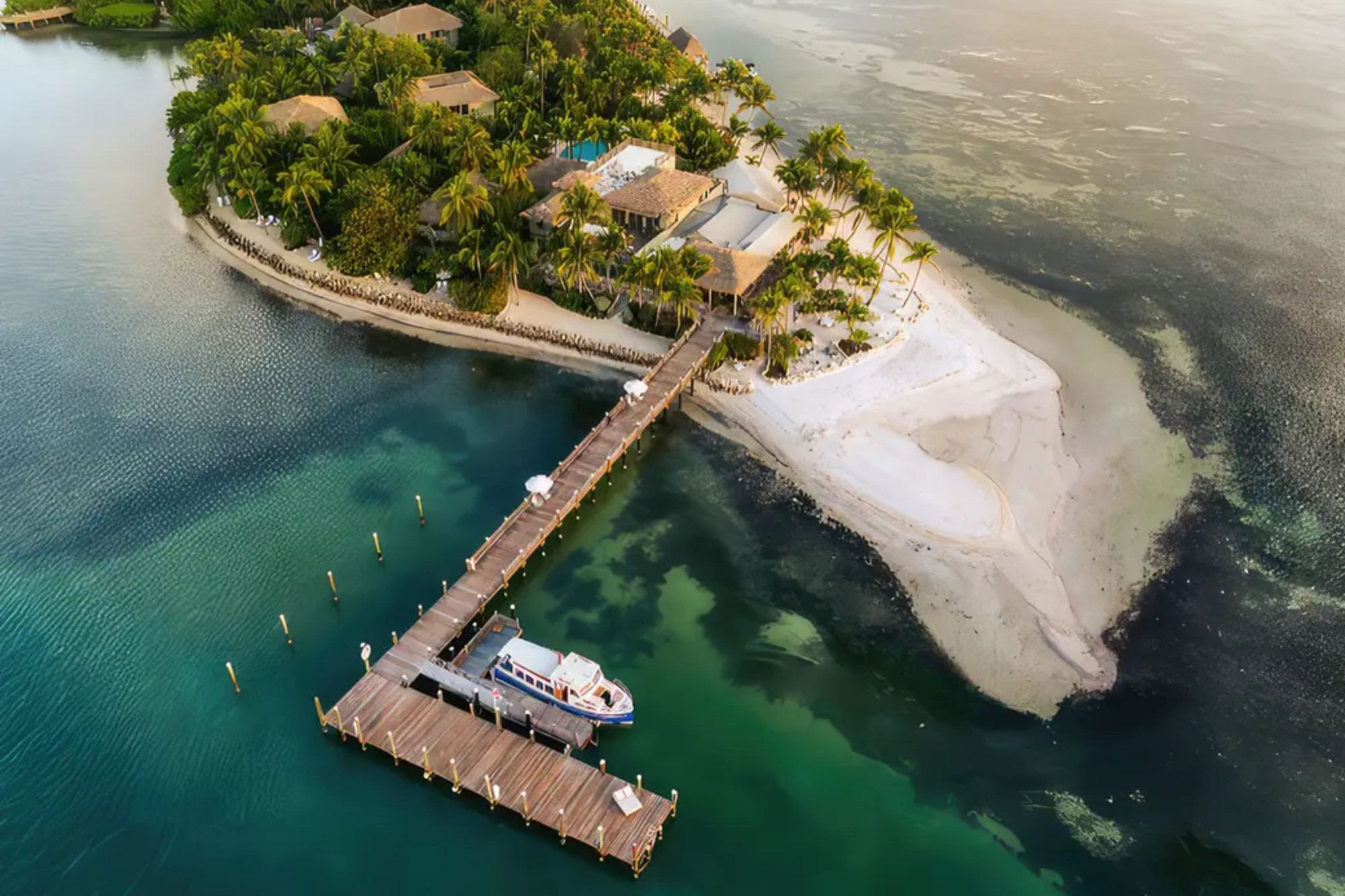
Accessible primarily by boat or seaplane, private-island retreats offer a more secluded way to experience the archipelago, with direct access to the water and opportunities for kayaking, snorkelling and boating.
Little Palm Island Resort & Spa, located on Little Torch Key's offshore island, is one of the region's best-known private-island resorts. Its thatched-roof bungalows, tropical gardens and waterfront setting create a retreat surrounded by the natural environment of the Lower Keys.
Featured in Les Couleurs du Monde Magazine
Our fifth edition explores the Florida Keys, from the journey along the Overseas Highway to the experience of staying on a secluded private island.
Discover the islands worth visiting, the places to explore along the route and a remarkable stay in the Lower Keys.
→ Read the Florida Keys feature in our fifth edition of Les Couleurs du Monde Magazine.
Explore the magazine | Page 46
#FloridaKeys #Florida #IslandTravel #KeyWest #CoastalEscapes #TravelAndEscapes #LesCouleursDuMonde
Travel & Escapes @travelwithcouleursdumonde
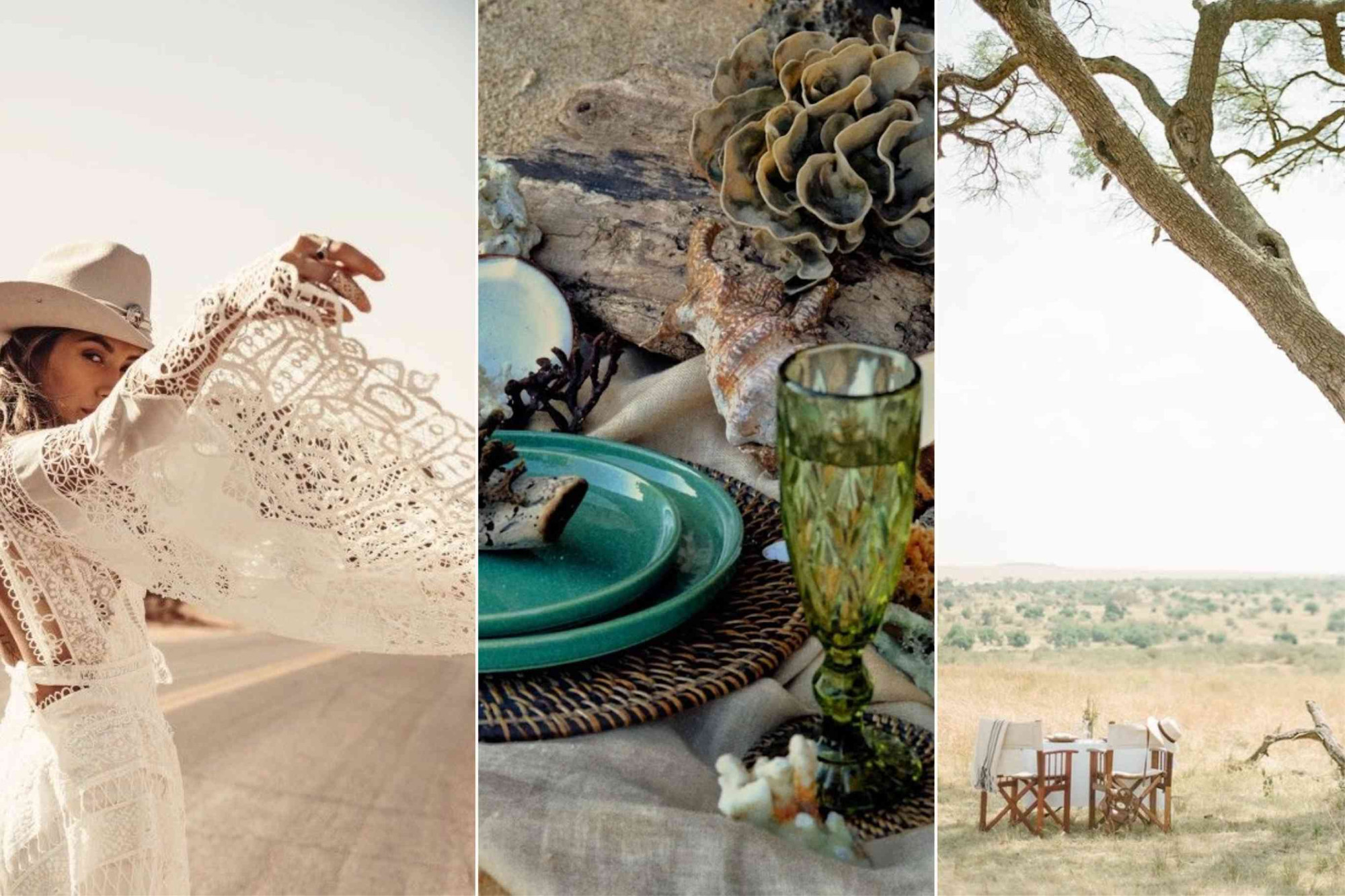
A Sicilian Estate Rooted in the Land
In the countryside of central Sicily, Susafa occupies a former agricultural estate where farming, family history and hospitality remain closely connected. Surrounded by wheat fields, olive groves and rolling hills, the restored masseria offers an opportunity to discover a quieter, rural side of the island.
From Working Farm to Countryside Retreat
Susafa's history is closely tied to the Saeli-Rizzuto family, whose connection to the estate extends across several generations. Originally developed around agricultural activities, the property has gradually been restored and adapted to welcome guests while preserving its rural architecture.
The original stone buildings, internal courtyards and former working spaces remain central to the estate's identity. Guest rooms combine traditional architectural elements with contemporary furnishings, natural fabrics and carefully selected handcrafted pieces.
The result is accommodation that retains a strong connection to the property's agricultural past.
The Sicilian Kitchen at Susafa
Food plays an important role in the experience. The estate's restaurant draws on Sicilian culinary traditions, with seasonal ingredients, regional recipes and produce sourced from the surrounding countryside.
The agricultural setting provides an opportunity to explore ingredients associated with inland Sicily, including wheat, olive oil, vegetables, herbs and local cheeses.
Cooking experiences and tastings introduce guests to traditional preparations and the importance of regional produce in Sicilian cuisine.
Discovering Sicily's Rural Interior
While many visitors associate Sicily with coastal towns, archaeological sites and volcanic landscapes, the island's interior has a different character.
The countryside around Susafa is marked by agricultural estates, small villages and broad stretches of cultivated land.
This central location also provides a base for exploring destinations such as the Madonie mountains and historic towns including Petralia Soprana and Gangi.
For travellers interested in local food culture, architecture and rural traditions, this part of Sicily offers an alternative to the island's better-known coastal destinations.
Featured in Les Couleurs du Monde Magazine
Our fifth edition takes a closer look at Susafa, exploring the history of the family estate, its transformation into a countryside retreat and the agricultural traditions that continue to influence life on the property.
Discover the architecture, interiors and experiences that make Susafa an interesting example of contemporary hospitality rooted in Sicilian heritage.
→ Discover the full Susafa story in our fifth edition of Les Couleurs du Monde Magazine.
#Susafa #Sicily #ItalyTravel #Countryside #FarmStays #RuralHeritage #TravelAndEscapes #LesCouleursDuMonde
Travel & Escapes @travelwithcouleursdumonde
A Different Perspective on Mallorca
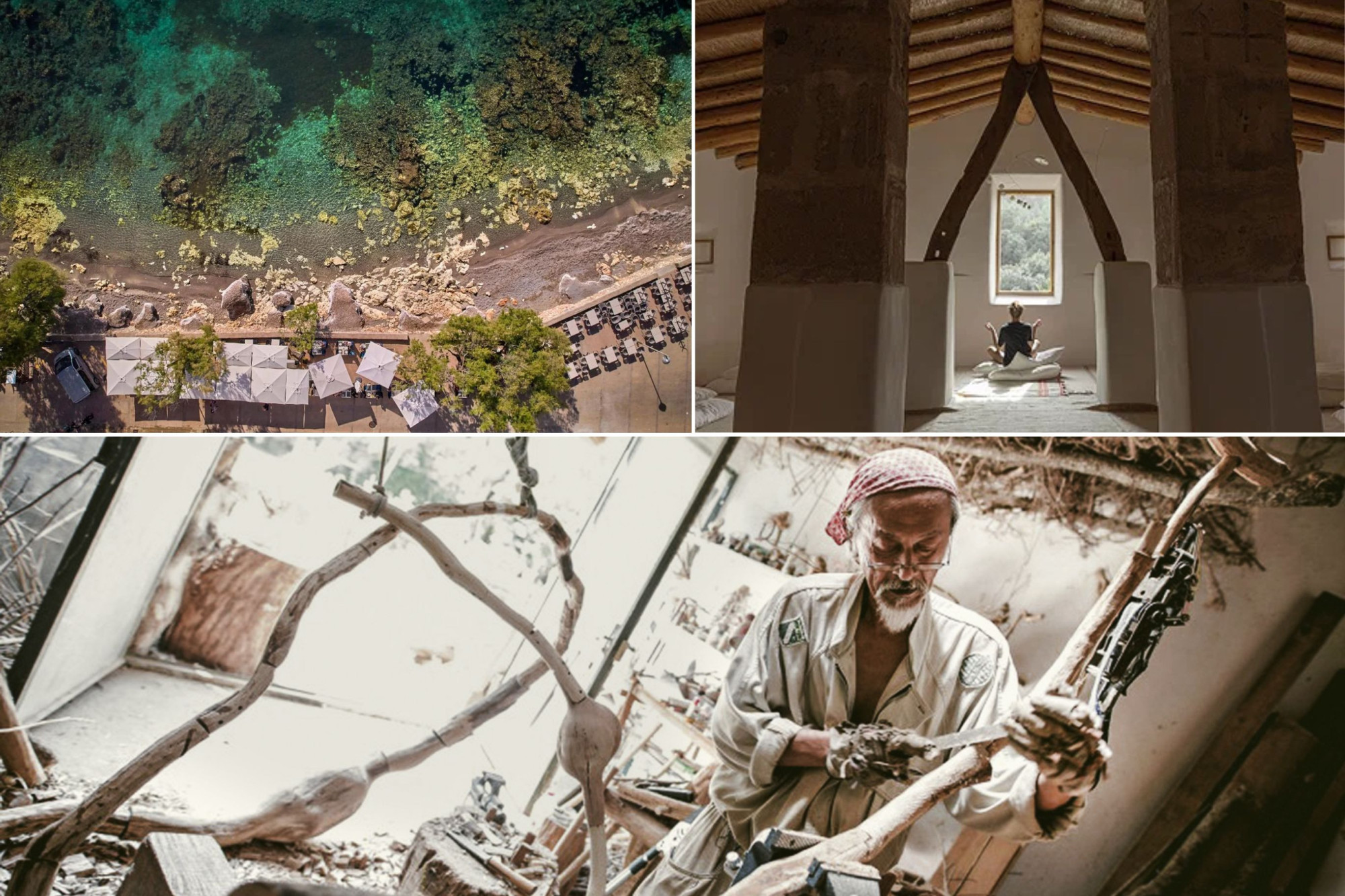
In northeastern Mallorca, Artà brings together traditional village life, protected landscapes and a growing interest in contemporary architecture and craftsmanship. Away from the island's larger coastal resorts, the region offers an opportunity to explore how local materials, agricultural heritage and creative practices continue to influence its identity.
Our fifth edition of Les Couleurs du Monde Magazine explores this connection through the landscape around Artà, the architecture of Es Racó d'Artà and the work of Japanese artist Hiroshi.
Artà
Artà is a historic town surrounded by hills, agricultural land and traditional Mallorcan estates. Its centre retains narrow streets, sandstone buildings and independent businesses, while the hilltop Santuari de Sant Salvador overlooks the surrounding countryside.
The nearby Parc Natural de la Península de Llevant protects an extensive landscape of mountains, coastal vegetation and walking routes. Its relatively undeveloped setting provides a contrast to Mallorca's busier beach destinations.
The region also has a long tradition of working with natural materials. Palm-leaf weaving, locally known as llatra, is particularly associated with Artà and the surrounding area. Traditionally used to produce baskets and practical household objects, the craft remains part of the region's cultural heritage.
Es Racó d'Artà | Architecture Connected to Nature
Set within a large rural estate, Es Racó d'Artà approaches hospitality through architecture, landscape and a strong connection to its surroundings.
Traditional stone buildings have been restored and combined with contemporary interiors, using natural materials, restrained furnishings and carefully considered spaces.
The accommodation is distributed across the property, allowing the surrounding countryside to remain an important part of the experience.
The estate also incorporates gardens, agricultural areas and spaces dedicated to movement and relaxation. Its architectural approach reflects an interest in preserving the character of the original buildings while introducing a contemporary way of experiencing rural Mallorca.
Hiroshi | Working with Materials from the Landscape
The magazine also introduces Hiroshi, a Japanese artist based in Mallorca whose practice centres on natural and reclaimed materials.
Branches, wood, earth, paper and natural pigments become the starting point for works that explore form, material and the relationship between objects and their environment.
His approach connects with a broader interest in craftsmanship on the island, where traditional techniques and contemporary artistic practices often share an appreciation for locally available materials.
Discover the Story in Our Magazine
What connects a restored Mallorcan estate, a Japanese artist and the landscape around Artà?
Our fifth edition explores these subjects through photography and editorial features, offering a closer look at the architecture of Es Racó d'Artà, Hiroshi's creative practice and the character of northeastern Mallorca.
→ Explore Artà, Es Racó d'Artà and the work of Hiroshi in Les Couleurs du Monde Magazine.
Read the feature | Fifth Edition, Page 30
#Mallorca #Artà #EsRacóDArtà #BalearicIslands #ArtAndCulture #ArchitectureAndDesign #TravelAndEscapes #LesCouleursDuMonde
Travel & Escapes @travelwithcouleursdumonde
A Countryside Retreat in Provence
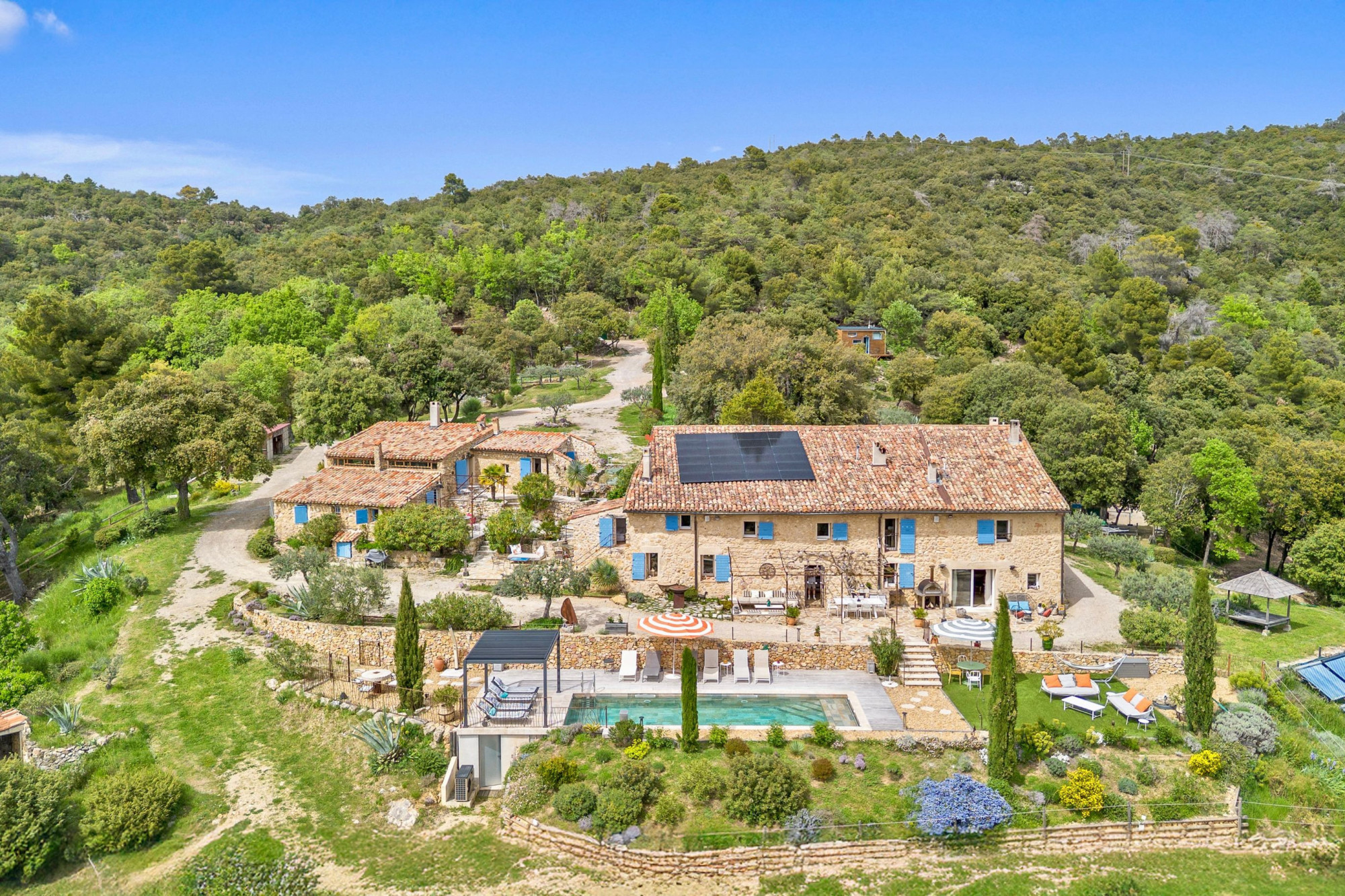
In the Haut-Var countryside, Domaine des Gipières offers an alternative to the traditional Provençal village stay, combining a historic bastide with independent accommodation, extensive grounds and opportunities to explore the surrounding landscape. Located near Aups and the Verdon region, the estate extends across nearly 100 hectares of woodland and rural land.
A Historic Bastide with Different Ways to Stay
At the centre of the property stands a restored 16th-century Provençal bastide, reflecting the agricultural and architectural heritage of the region.
Rather than operating as a conventional hotel, Domaine des Gipières offers several accommodation options distributed throughout the estate.
Self-catering cottages provide space for families or longer stays, while a tiny house and woodland retreats offer a more secluded experience. Stone walls, timber details and natural materials reflect the rural setting, with practical facilities that allow guests to organise their days independently.
This variety makes the estate suitable for couples, families and travellers who prefer accommodation with greater privacy.
Life on the Estate
The grounds are an important part of Domaine des Gipières. Walking paths and open countryside provide opportunities to spend time outdoors without planning an excursion.
A panoramic swimming pool overlooks the surrounding landscape, while a sauna and hammam offer facilities for relaxation. A pétanque court and children's playground add options for families and groups.
The property also has a particular connection to horses and donkeys. With ten animals on the estate and dedicated equestrian facilities, it welcomes guests travelling with their own horses.
Paddocks and access to the surrounding countryside make it possible to combine a holiday in Provence with riding and exploring rural trails.
Exploring the Haut-Var and Verdon
Domaine des Gipières is located within reach of several interesting destinations in northeastern Provence.
Aups is a traditional Provençal town known for its markets, local produce and connection to the region's truffle-growing heritage.
Lac de Sainte-Croix offers opportunities for swimming, kayaking and exploring the turquoise waters at the entrance to the Gorges du Verdon.
Further into the region, Moustiers-Sainte-Marie is recognised for its traditional faience ceramics, narrow streets and position beneath dramatic limestone cliffs.
Together, these destinations offer a combination of nature, local craftsmanship and regional food culture within driving distance of the estate.
A Different Way to Experience Provence
For travellers who enjoy independent accommodation, outdoor activities and access to nature, Domaine des Gipières offers a practical base for discovering the Haut-Var.
Its combination of historic architecture, varied accommodation and equestrian facilities gives the property a character that differs from the region's more conventional boutique hotels.
Featured in Les Couleurs du Monde Magazine
Our fifth edition introduces Domaine des Gipières and its approach to countryside hospitality, with a closer look at the estate, its accommodation and the experiences available in this part of Provence.
→ Discover Domaine des Gipières in our fifth edition of Les Couleurs du Monde Magazine.
Read the feature | Fifth Edition, Page 22
#DomaineDesGipières #Provence #HautVar #Countryside #RuralEscapes #Verdon #TravelAndEscapes #LesCouleursDuMonde
Travel & Escapes @travelwithcouleursdumonde
A City That Keeps Its Character
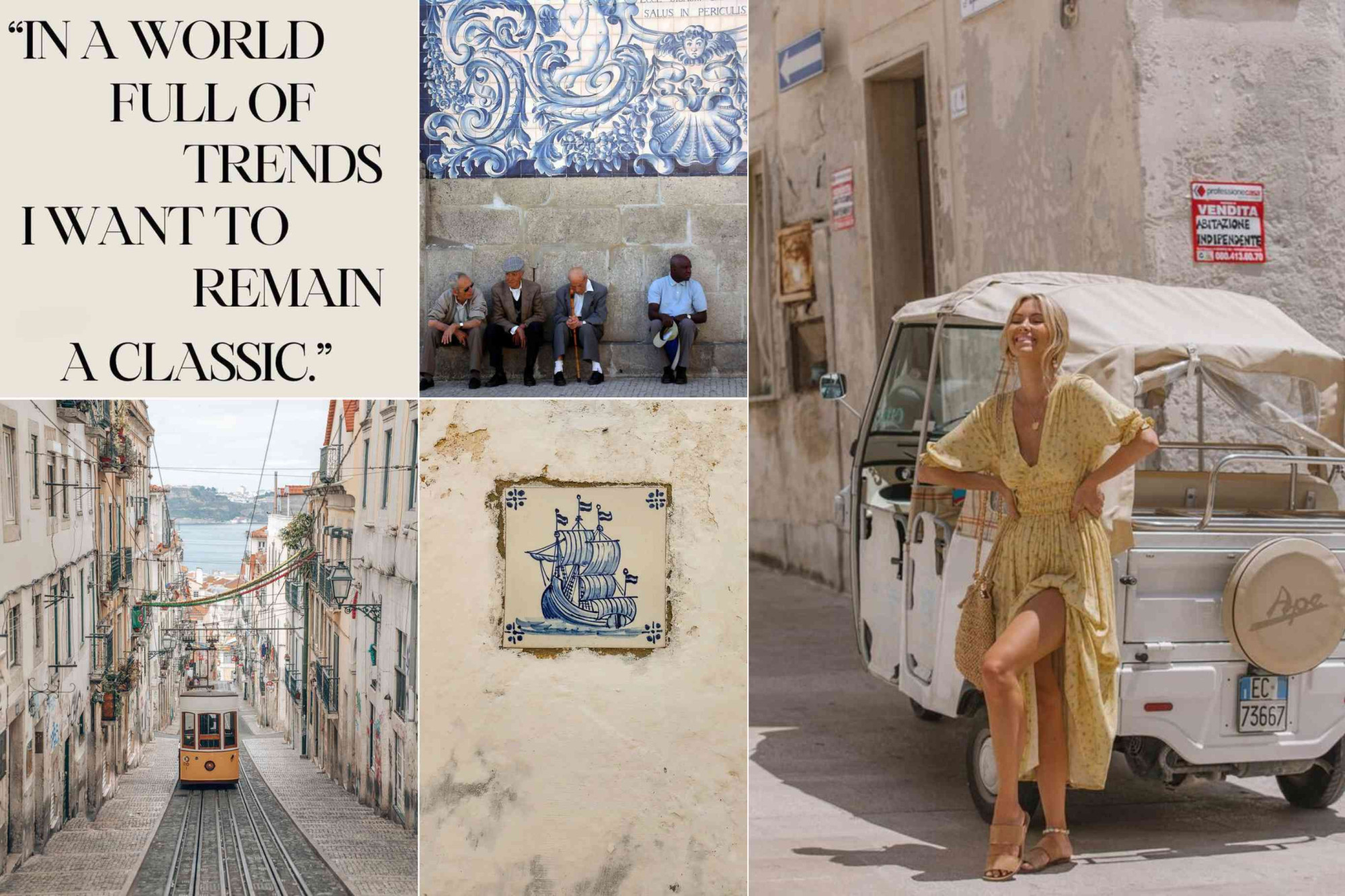
Lisbon is a city where traditional architecture, local craftsmanship and everyday street life remain visible alongside contemporary culture. Its historic neighbourhoods, tiled façades and long-established businesses offer plenty to explore beyond the main tourist attractions.
The Portuguese capital is particularly interesting for travellers who enjoy discovering a city through its streets, small shops, architecture and local traditions.
The Neighbourhoods That Define Lisbon
Alfama is among Lisbon's oldest neighbourhoods, recognised for its narrow streets, tiled buildings and steep stairways. Small squares, traditional restaurants and viewpoints such as Miradouro de Santa Luzia offer views across the rooftops towards the Tagus River.
Bairro Alto has a different character, with independent shops, cafés and restaurants occupying historic buildings. Nearby, Chiado brings together bookshops, theatres and established Portuguese businesses.
Graça is another neighbourhood worth exploring, particularly for its local cafés, residential streets and viewpoints overlooking the city.
Azulejos | Portugal's Decorative Heritage
The blue and white ceramic tiles found throughout Lisbon are an important part of Portugal's architectural identity.
Known as azulejos, these tiles decorate building façades, churches, railway stations and interiors. Their designs range from geometric patterns to elaborate scenes depicting historical events and everyday life.
The Museu Nacional do Azulejo provides an introduction to the history of Portuguese tilemaking, including examples dating from the 15th century onwards.
The Appeal of Traditional Lisbon
Lisbon's historic trams remain among the city's most recognisable features. Tram 28 passes through several older neighbourhoods, following streets that are often too narrow or steep for larger vehicles.
Traditional cafés, family-run shops and small neighbourhood businesses are equally important to the city's character.
Look for historic establishments selling Portuguese ceramics, linen, leather goods and traditional food products. These businesses provide an opportunity to discover local craftsmanship alongside the city's contemporary design scene.
A Few Addresses Worth Discovering
A Vida Portuguesa offers a carefully selected collection of Portuguese products, including traditional soaps, ceramics, stationery and household goods.
Conserveira de Lisboa, established in 1930, is known for its traditional Portuguese tinned fish and historic packaging.
Manteigaria is a popular address for freshly baked pastéis de nata, served warm with a little cinnamon.
Together, these places offer an introduction to Lisbon through products and traditions that remain part of everyday Portuguese culture.
A City Best Explored on Foot
Lisbon's hills and narrow streets make walking an important part of discovering the city. Comfortable shoes are essential, particularly when exploring Alfama, Graça and Bairro Alto.
Allow time to move between neighbourhoods without following a strict route. Historic façades, small cafés, local markets and independent shops often provide some of the most interesting discoveries.
Stay Inspiration | Memmo Alfama, Lisbon
Located in the heart of Lisbon's historic Alfama neighbourhood, Memmo Alfama is a boutique hotel housed in a restored 19th-century building.
Its contemporary interiors combine natural wood, warm colours and Portuguese design influences, while the rooftop terrace and outdoor pool overlook Alfama's tiled rooftops and the Tagus River.
With Lisbon Cathedral, traditional fado restaurants and historic streets within walking distance, it offers a convenient base for discovering the city's architectural and cultural heritage.
Continue Exploring | Évora & the Alentejo
Want to discover more of Portugal?
Continue from Lisbon to Évora and the Alentejo, where historic towns, traditional architecture, vineyards and countryside estates reveal another side of Portugal.
→ Discover another side of Portugal in our second edition
#Lisbon #Portugal #CityEscapes #Azulejos #PortugueseCulture #Alfama #TravelAndEscapes #LesCouleursDuMonde
Travel & Escapes @travelwithcouleursdumonde
Creative Contrasts
Lisbon's growing international creative scene is changing how the city uses its historic buildings, traditional craftsmanship and local food culture. Former industrial spaces accommodate contemporary businesses, Portuguese designers reinterpret familiar materials and restaurants introduce new approaches to regional cooking.
These developments create opportunities, but also raise questions about preserving the identity of a city experiencing increasing international attention.
A New Purpose for Old Buildings
Lisbon's creative development is particularly visible in its architecture.
LX Factory in Alcântara, formerly an industrial complex associated with textile production and printing, now accommodates studios, independent shops, restaurants and cultural activities. Its transformation demonstrates how industrial heritage can support new businesses without losing the original structures.
In Marvila, former warehouses have similarly attracted galleries, creative studios and cultural projects.
However, redevelopment also brings challenges. Rising property costs have placed pressure on established communities and independent businesses. Maintaining space for local residents and entrepreneurs is an important part of Lisbon's future.
Portuguese Traditions in Contemporary Design
Portugal's manufacturing heritage continues to influence contemporary design, particularly through ceramics, textiles and cork.
Traditional azulejos remain part of Lisbon's architectural identity, while contemporary ceramic artists explore new forms and applications. Portuguese textile and leather production also provide opportunities for independent fashion labels.
A Vida Portuguesa offers another perspective by bringing together established Portuguese products, including traditional soaps, stationery and household goods, often presented in their original packaging.
These examples demonstrate how craftsmanship can remain commercially relevant through continued production and new audiences.
How Lisbon's Food Culture Is Changing
Lisbon's restaurant scene reflects a similar relationship between tradition and innovation.
Portuguese classics such as bacalhau à brás, grilled sardines and amêijoas à Bulhão Pato remain important, while contemporary chefs explore seasonal ingredients and regional producers.
At Prado, vegetables, seafood and Portuguese produce shape a changing menu. The emphasis on ingredient quality and sourcing reflects an approach that values local agricultural traditions without relying exclusively on established recipes.
Portugal's historical connections with Africa, Brazil and Asia also influence Lisbon's food culture, contributing ingredients and culinary traditions that are part of the city's wider identity.
Preserving Lisbon's Local Character
The city's international popularity has encouraged investment in architecture, hospitality and creative businesses. Yet traditional cafés, neighbourhood shops and family-run establishments remain essential to its character.
For visitors, discovering independent Portuguese businesses and contemporary cultural spaces provides a more complete understanding of Lisbon than concentrating solely on its famous landmarks.
The challenge for the city is to accommodate new creative activity while retaining the communities and traditions that contribute to its identity.
Stay Inspiration | Hotel Convento do Salvador, Lisbon
In Alfama, Hotel Convento do Salvador occupies a former convent converted into a contemporary three-star hotel. Its interiors feature works by Portuguese artists, connecting the building's architectural heritage with Lisbon's creative culture.
With private rooms and a courtyard in one of the city's oldest neighbourhoods, it offers a more accessible alternative to Lisbon's luxury boutique hotels.
#Lisbon #Portugal #CreativeCities #ArtAndCulture #PortugueseDesign #CityEscapes #LesCouleursDuMonde
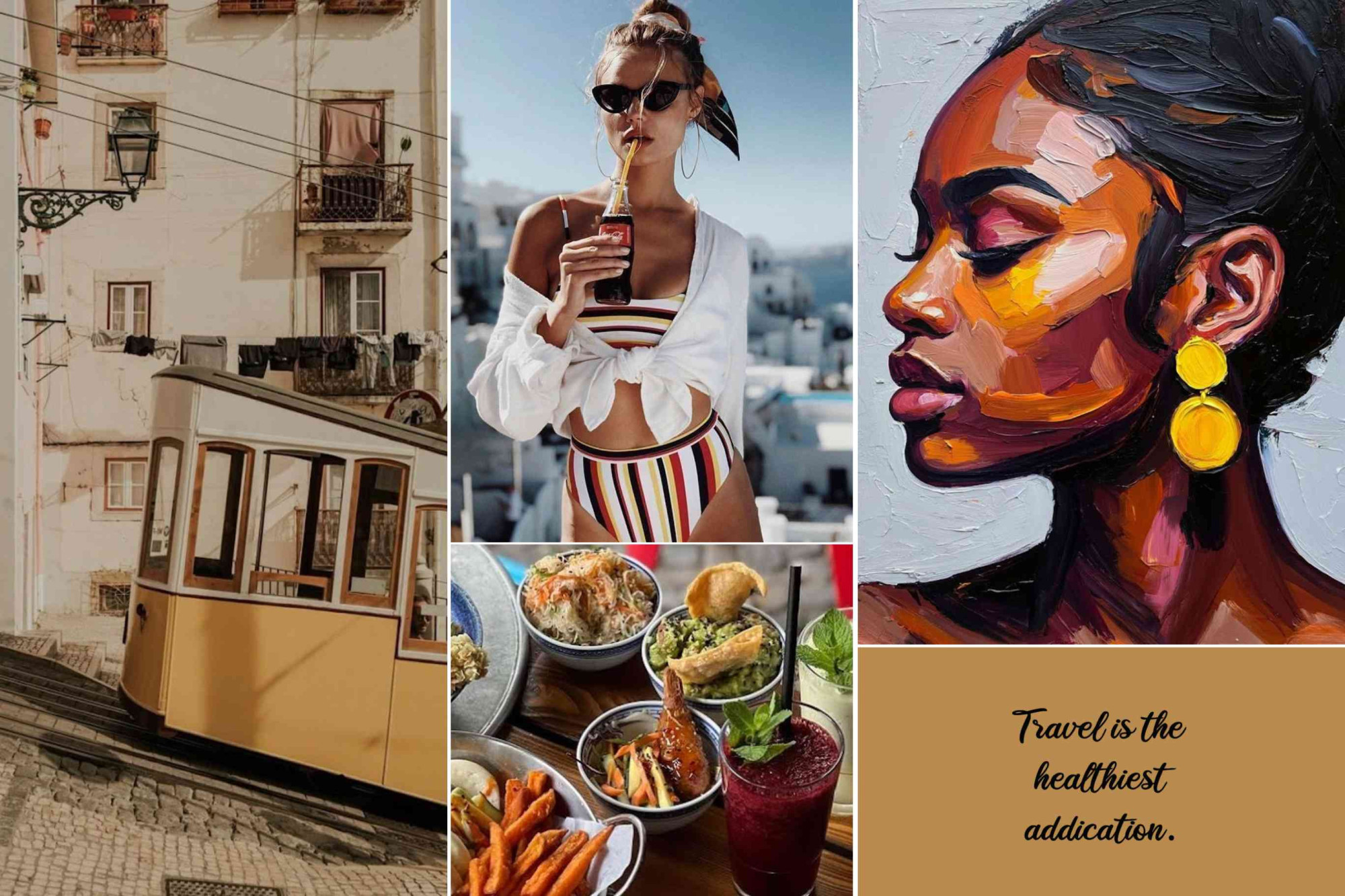
Travel & Escapes @travelwithcouleursdumonde
The Business of Portuguese Identity
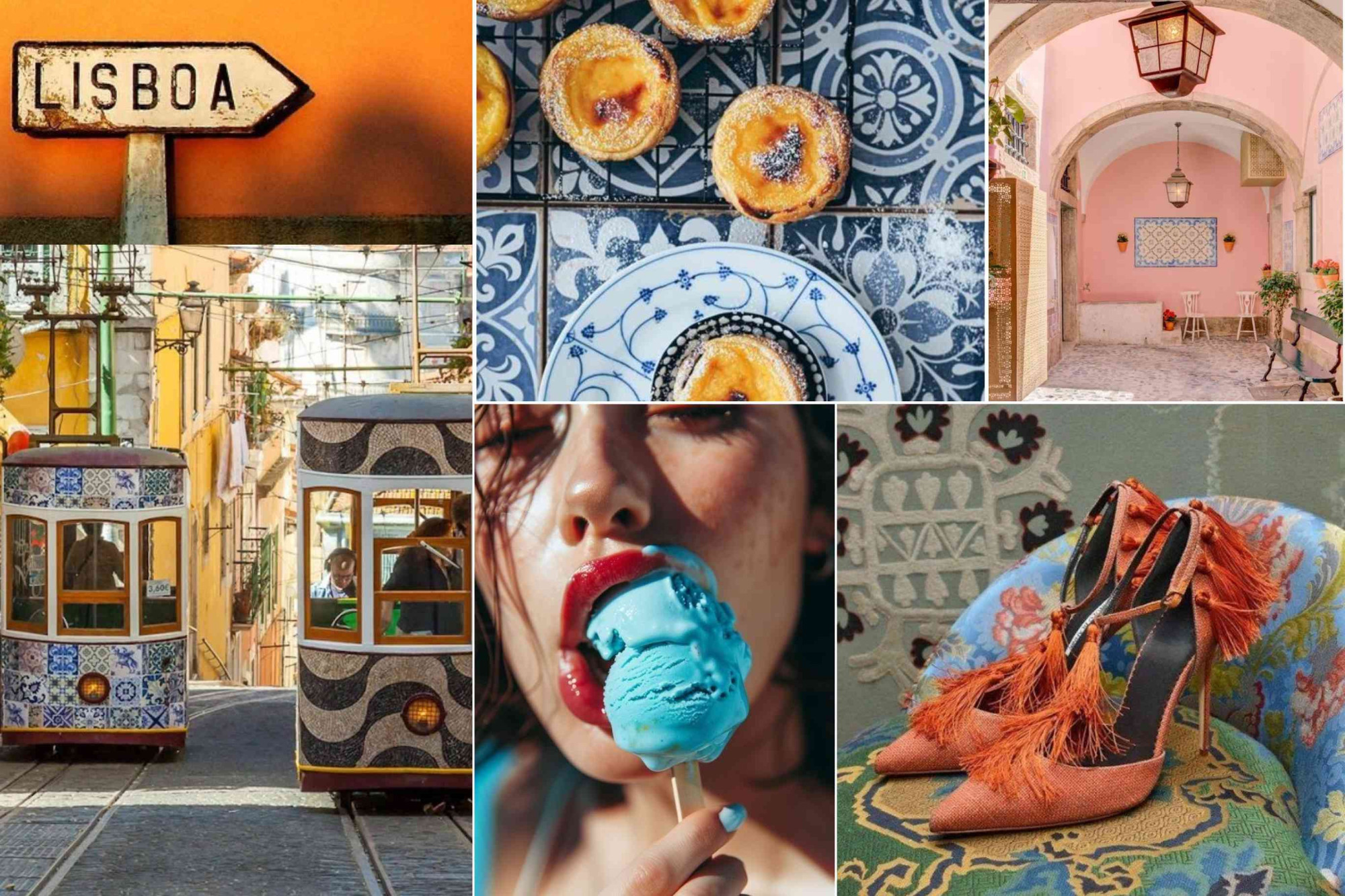
Lisbon's traditional products have become an important part of its contemporary identity, with local businesses turning familiar recipes, materials and designs into brands that appeal to international audiences. From pastry shops to independent fashion labels, the Portuguese capital shows how cultural heritage can remain commercially relevant without losing its connection to local production.
Pastéis de Nata | A Recipe with Commercial History
Few Portuguese products are as internationally recognised as the pastel de nata. Its origins are associated with Lisbon's monasteries, where egg yolks were used in confectionery.
Pastéis de Belém began producing its pastries in 1837, using a recipe linked to the nearby Jerónimos Monastery.
The preparation remains central to the product's identity. Crisp laminated pastry surrounds a creamy egg custard, baked at high temperature until the surface develops characteristic dark spots.
At Manteigaria, visitors can observe part of the production process and purchase pastries fresh from the oven. It demonstrates how traditional preparation can become part of a contemporary retail experience.
Azulejos | A Living Design Tradition
Portuguese ceramic tiles are among Lisbon's most recognisable architectural features. Influenced by Islamic decorative traditions, azulejos developed into an important element of Portuguese buildings, combining practical protection with elaborate decoration.
Today, traditional patterns also appear on contemporary ceramics, textiles and decorative objects.
However, not every product featuring Portuguese tile patterns is locally manufactured.
Viúva Lamego, established in 1849, remains an important name in Portuguese ceramics. Its work combines traditional tilemaking techniques with contemporary collaborations involving artists and architects.
For visitors interested in craftsmanship, understanding where and how a product is made provides more value than simply recognising its design.
Fashion and Portuguese Manufacturing
Portugal has an established textile and footwear industry, producing clothing and accessories for both domestic and international brands.
Independent designers in Lisbon increasingly draw on this manufacturing expertise, developing collections that combine contemporary design with local production.
Leather goods, woven fabrics and traditional textile techniques remain relevant, although the origin of materials and manufacturing varies between brands.
The city's independent shops offer opportunities to discover Portuguese labels and understand the relationship between design, production and craftsmanship.
Historic Trams | Heritage Still in Use
Lisbon's yellow trams have become an internationally recognised symbol, but their original purpose was practical.
Their compact design allows them to navigate steep hills and narrow streets that are difficult for larger vehicles.
Routes such as Tram 28 remain part of the public transport network while also attracting visitors interested in the city's historic neighbourhoods.
Their continued operation illustrates how urban heritage can retain a practical function instead of becoming exclusively a tourist attraction.
The Value of Portuguese Identity
Lisbon's traditional products and businesses demonstrate that cultural heritage is not limited to museums or historic buildings.
Recipes, manufacturing knowledge and everyday services also contribute to a city's identity.
For visitors, discovering the businesses behind these products offers a more informed way to experience Lisbon and support the people who continue its traditions.
Stay Inspiration | Browns Boutique Hotel, Lisbon
Located in the Baixa district, Browns Boutique Hotel combines contemporary interiors with a central location near Lisbon's historic shopping streets.
Its individually styled rooms and proximity to traditional shops, pastry addresses and independent businesses make it a convenient base for exploring the city's food and design culture.
#Lisbon #Portugal #PortugueseDesign #FoodCulture #LocalCraftsmanship #CityEscapes #TravelAndEscapes #LesCouleursDuMonde
Travel & Escapes @travelwithcouleursdumonde
Behind the Pastel Façades
Behind the colourful houses and famous harbour of Saint-Tropez lies a village where local markets, family businesses and neighbourhood traditions remain part of everyday life. The historic streets offer a different experience from the beach clubs and luxury boutiques for which the destination is internationally known.
A Village That Starts Its Day Early
While Saint-Tropez is associated with late evenings and summer nightlife, the local market is an important part of village life.
Every Tuesday and Saturday morning, Place des Lices hosts a Provençal market selling seasonal produce, cheeses, olives, flowers, clothing and household goods.
The square also has a strong connection to pétanque, a game that remains part of the social culture of southern France. Local players regularly gather beneath the plane trees.
For visitors, arriving in the morning offers an opportunity to experience a more familiar side of Saint-Tropez before the busiest shopping and restaurant hours.
The Streets Where People Actually Lived
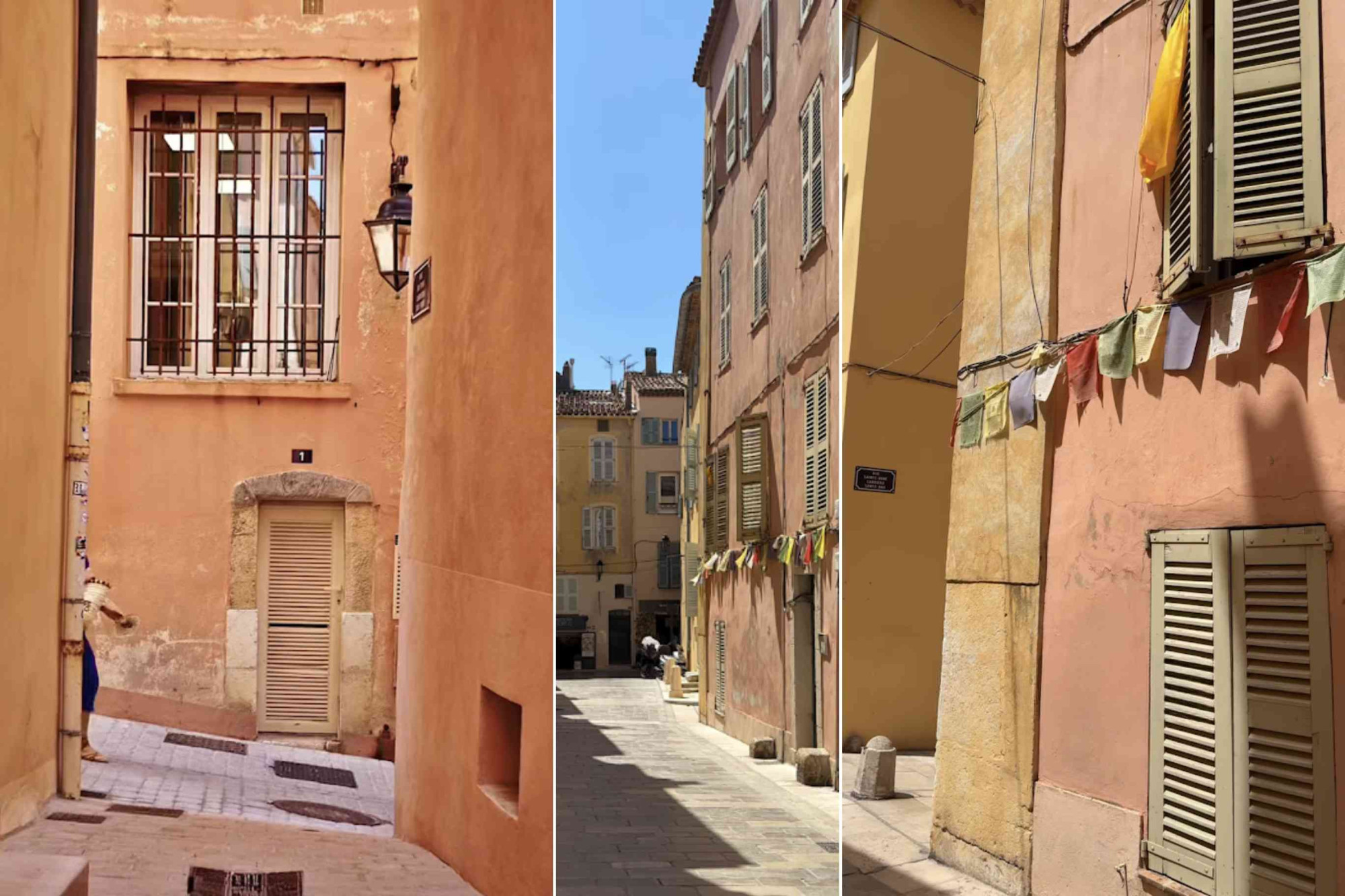
The pastel-coloured houses of the historic centre were not originally designed as luxury holiday properties.
Many were modest family homes, with small ground-floor spaces used for storage, workshops or commercial activities.
In the older streets, buildings stand close together, with shutters providing privacy and protection from the sun.
Although many properties have been renovated or converted, their compact proportions still reveal the village's earlier residential character.
Local Businesses with a Story
Saint-Tropez has several businesses whose history is closely connected to the village.
Atelier Rondini, established in 1927, is known for its handmade leather sandals, traditionally associated with the French Riviera.
La Tarte Tropézienne was created in 1955 by Alexandre Micka, a Polish-born pastry chef. His brioche filled with cream became a local speciality and eventually an internationally recognised product.
These businesses demonstrate how products developed in Saint-Tropez became part of its cultural and commercial identity.
What to Look for When Exploring the Old Town
Some of the most interesting details are found away from the main shopping streets.
Look for small residential courtyards, traditional doorways and the differences between renovated façades and older houses.
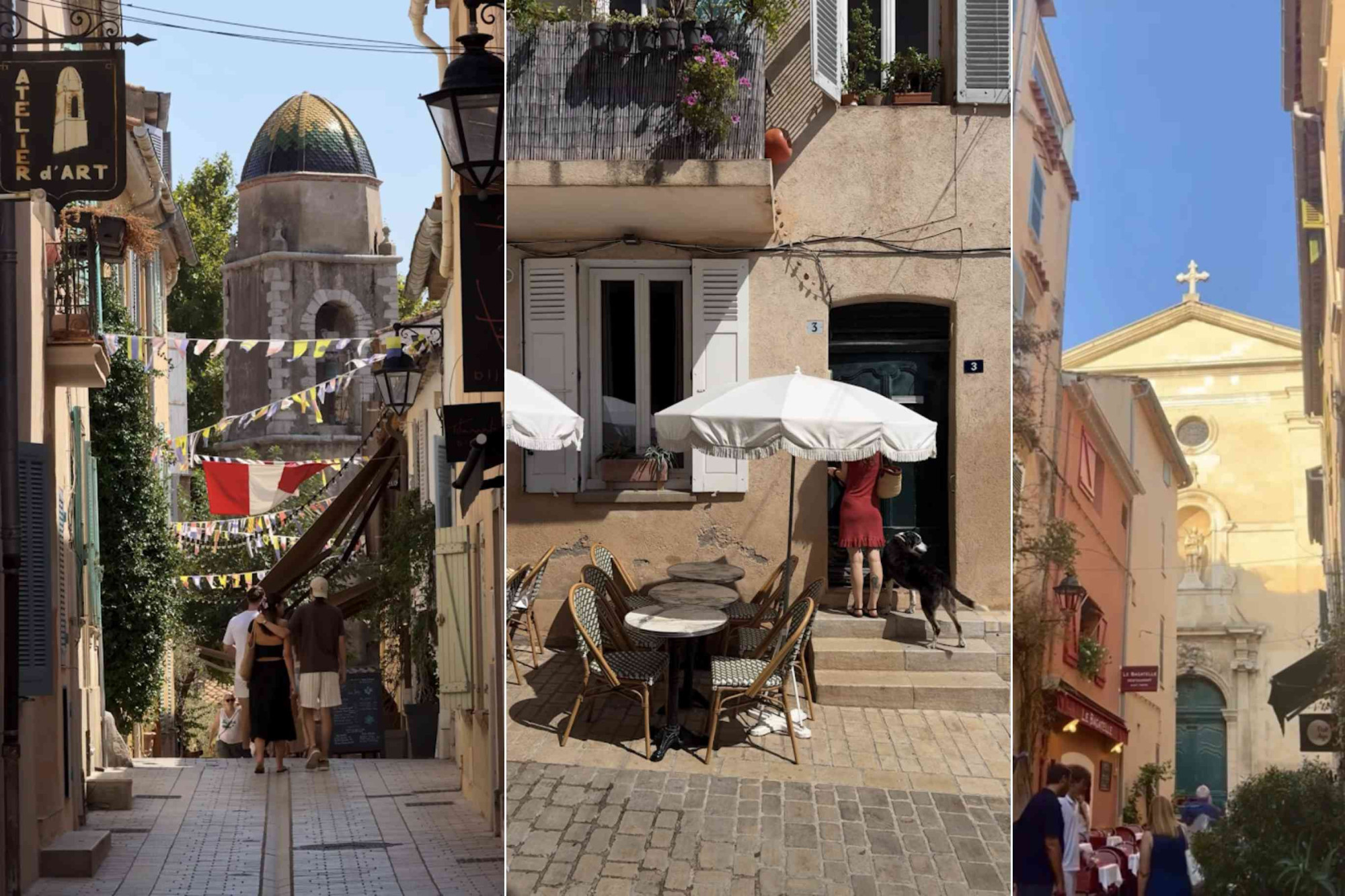
The streets around Rue de la Citadelle and Rue de l'Église provide opportunities to discover the historic centre on foot.
The contrast between these modest buildings and the luxury properties surrounding Saint-Tropez offers an interesting perspective on how the destination has changed.
Stay Inspiration | La Bastide du Port, Saint-Tropez
Located in a former Provençal country house overlooking the Gulf of Saint-Tropez, La Bastide du Port offers a quieter setting within walking distance of the village centre. Its Mediterranean garden and individually decorated rooms provide a comfortable base for exploring local markets, traditional streets and independent businesses.
#SaintTropez #CotedAzur #FrenchRiviera #VillageLife #Provence #LocalCulture #TravelAndEscapes #LesCouleursDuMonde
Travel & Escapes @travelwithcouleursdumonde
The Churches Behind the Village
The churches and chapels of Saint-Tropez reveal an important part of the village's history, from its maritime heritage to religious traditions that remain active today. While its harbour and beaches attract international attention, several historic religious buildings offer a closer understanding of the community that developed around this Mediterranean port.
Notre-Dame-de-l'Assomption | The Church Behind the Famous Bell Tower
The ochre and sienna-coloured bell tower of Notre-Dame-de-l'Assomption is among the most recognisable architectural features of Saint-Tropez.
The tower dates from 1634, while the present church was developed during the 18th century. Its architecture reflects Italian Baroque influences, particularly visible in the interior decoration.
Inside, visitors can discover carved woodwork, religious paintings and a bust of Saint Torpès, the patron saint from whom Saint-Tropez takes its name.
According to Christian tradition, Torpès was a Roman officer martyred for his faith. His body was placed in a boat that eventually reached the coast near the settlement that would become Saint-Tropez.
The bust plays an important role in the annual Bravade celebrations, connecting the church directly to the village's religious and maritime history.
The Bravade | A Tradition That Continues
Every May, Saint-Tropez celebrates its patron saint through the Bravade, a tradition involving processions, ceremonial uniforms, music and historic military customs.
The celebrations recall the period when the inhabitants organised the defence of their coastal community against attacks from the sea.
Religious ceremonies and civic traditions are closely connected during the event, demonstrating how the village's history continues to influence its cultural calendar.
For visitors, the Bravade provides an opportunity to understand Saint-Tropez through a tradition maintained by its inhabitants.
Chapelle Sainte-Anne | A Connection to the Village's Past
Situated on a hill overlooking Saint-Tropez, Chapelle Sainte-Anne was built in the early 17th century following a plague epidemic that spared the village.
The chapel became a place associated with gratitude and religious devotion.
Its elevated position also offers views towards the Mediterranean and surrounding countryside.
Unlike the parish church, Sainte-Anne is not generally an everyday visitor attraction. Its significance lies primarily in its historical and ceremonial role.
From Religious Chapel to Art Museum
Another interesting example of Saint-Tropez's architectural heritage is the former Chapelle de l'Annonciade.
Originally associated with a religious brotherhood, the building was later adapted to accommodate the Musée de l'Annonciade.
Today, the museum presents an important collection of modern art, including works connected to artists who discovered Saint-Tropez during the late 19th and early 20th centuries.
Its transformation illustrates how a historic religious building can acquire a new cultural purpose while remaining part of the village's architectural heritage.
Discovering Saint-Tropez Through Its Heritage
The religious buildings of Saint-Tropez provide a different perspective on the village's development.
Notre-Dame-de-l'Assomption remains closely connected to local celebrations, Sainte-Anne recalls a significant chapter in the community's history and the former Annonciade chapel demonstrates how historic architecture can be adapted for contemporary cultural use.
Together, they offer an opportunity to explore Saint-Tropez through the places that shaped its identity before it became an international holiday destination.
Stay Inspiration | Hôtel Les Lauriers, Saint-Tropez
Located near Place des Lices, Hôtel Les Lauriers is a small family-run hotel within walking distance of the historic centre.
Its central location makes it a convenient base for visiting Notre-Dame-de-l'Assomption, exploring the streets around La Ponche and discovering the village's architectural heritage without relying on a car.
#SaintTropez #CotedAzur #FrenchRiviera #FrenchHeritage #HistoricChurches #ArchitectureAndCulture #TravelAndEscapes #LesCouleursDuMonde
Travel & Escapes @travelwithcouleursdumonde
The Film That Put Saint-Tropez on the Map
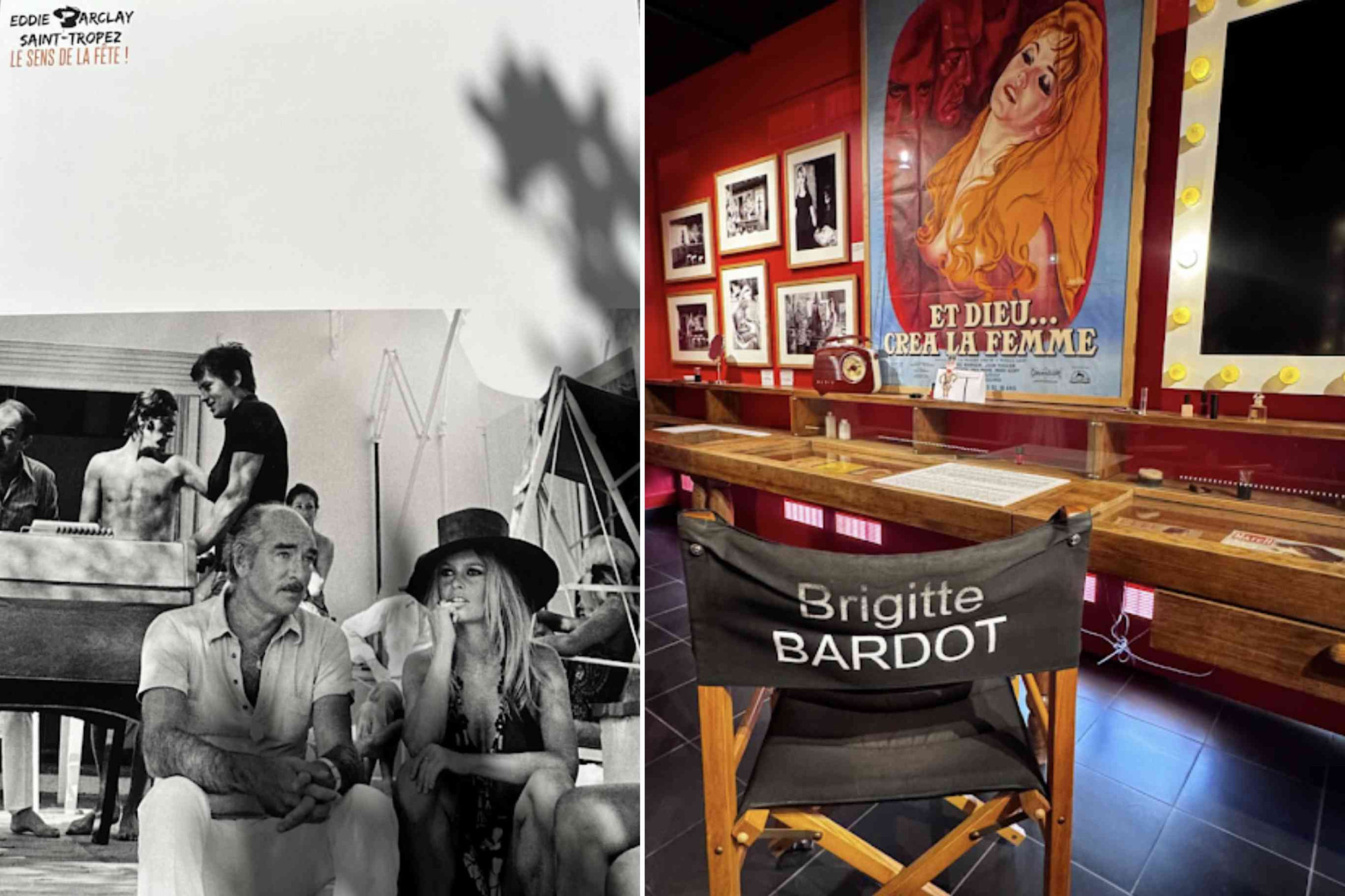
In 1956, Roger Vadim's Et Dieu… créa la femme (And God Created Woman) introduced international audiences to a young Brigitte Bardot and brought unprecedented attention to Saint-Tropez. The film challenged established conventions of French cinema and helped transform the Mediterranean village into a destination associated with a new generation of film stars.
The Film That Challenged Convention
Bardot played Juliette Hardy, a young woman whose relationships and behaviour defied the expectations of the period.
What made the character controversial was her open expression of desire and her refusal to behave according to conventional ideas of femininity. The film's treatment of sexuality attracted criticism and censorship in several countries.
Its international release, particularly in the United States in 1957, helped establish Bardot as a major star.
The film also marked an important moment in Roger Vadim's career, demonstrating how provocative storytelling could attract audiences far outside France.
The Mambo Scene That Made Film History
Among the film's most memorable moments is Bardot's mambo dance in a Saint-Tropez nightclub.
Barefoot and wearing a fitted black outfit, her performance was strikingly different from the carefully choreographed glamour associated with many female film stars of the 1950s.
The scene became famous for its spontaneity, sensuality and the independence Bardot projected on screen.
It also helped establish the image that would follow her throughout her career: a woman whose appeal came from challenging expectations rather than conforming to them.
Today, the sequence remains closely associated with Bardot's breakthrough and the cultural impact of the film.
Why Saint-Tropez Was the Perfect Setting
The harbour, beaches and narrow streets of Saint-Tropez provided more than an attractive Mediterranean background.
The film contrasted the traditional life of a small coastal community with Juliette's unconventional behaviour, making the setting an important part of the story.
Saint-Tropez already attracted artists and visitors before 1956, but the film brought the village to a much wider audience.
Bardot strengthened that association when she purchased La Madrague, her waterfront home, in 1958.
As international attention grew, Saint-Tropez became increasingly connected with cinema, fashion and the celebrity culture of the French Riviera.
Where to Discover This Film History Today
The Musée de la Gendarmerie et du Cinéma in Saint-Tropez explores the village's relationship with French filmmaking.
Housed in the former gendarmerie, the museum presents photographs, film memorabilia and exhibitions connected to productions associated with Saint-Tropez.
Its collections also explore the popularity of the Gendarme de Saint-Tropez films starring Louis de Funès, another important chapter in the village's cinematic history.
For visitors interested in Bardot and the development of French cinema, the museum provides historical context for the images and stories that helped make Saint-Tropez internationally famous.
#BrigitteBardot #SaintTropez #FrenchCinema #AndGodCreatedWoman #CinemaHistory #CotedAzur #ArtAndCulture #LesCouleursDuMonde
Travel & Escapes @travelwithcouleursdumonde
The Pleasure of Finding Something Unexpected
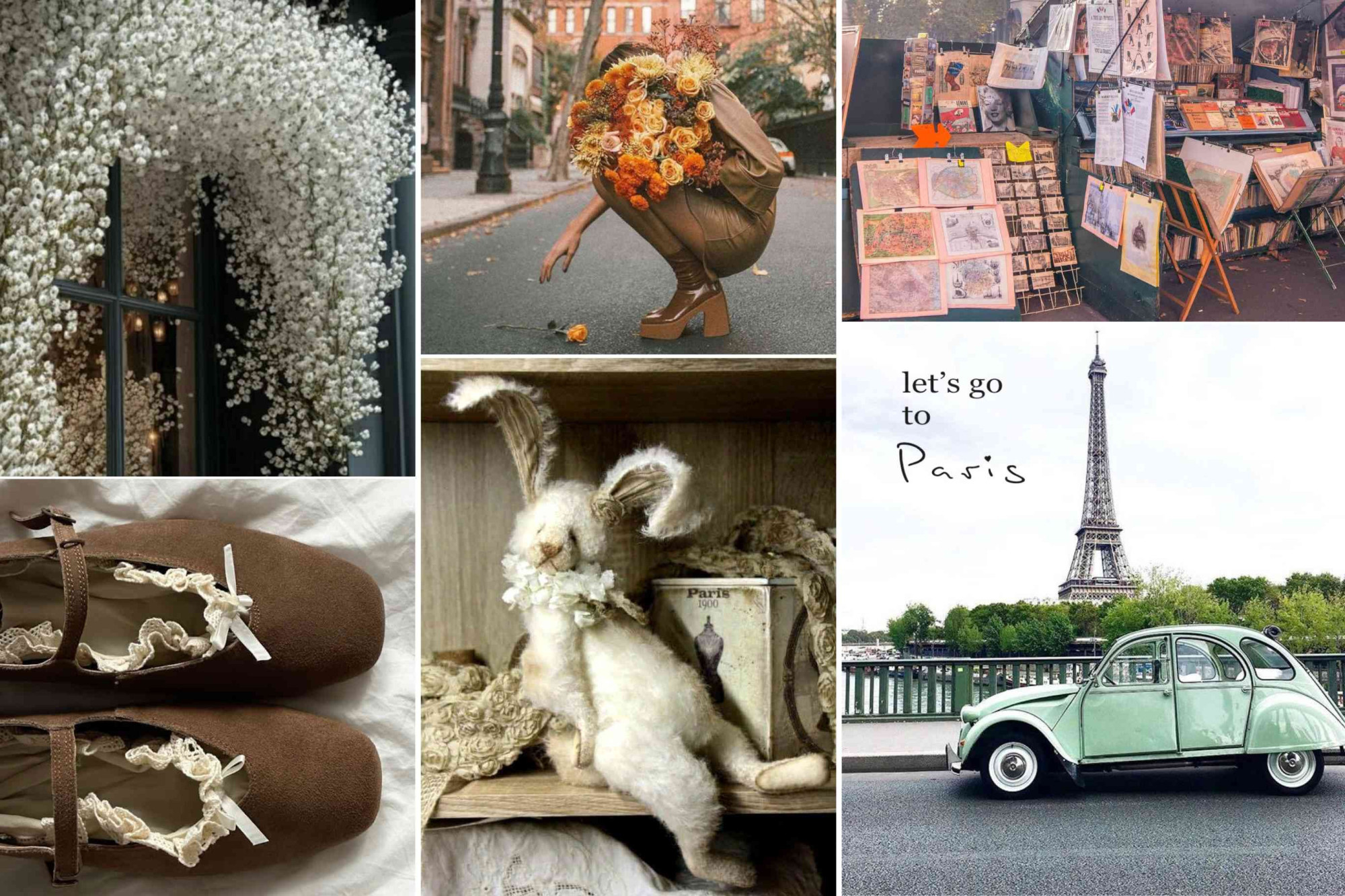
Some of Paris's most interesting discoveries are found in small independent boutiques, neighbourhood brocantes and specialist shops where objects are selected for their craftsmanship, history or unusual character. From illustrated postcards and antique toys to handmade accessories and vintage fashion, these places offer a more personal alternative to conventional souvenir shopping.
Brocante, Vintage or Antique?
In Paris, these terms are often used together, but they describe different categories of objects.
A brocante generally offers second-hand goods, including decorative pieces, household objects, prints and collectibles. Vintage usually refers to clothing and accessories from an earlier period, while antiques are traditionally objects at least 100 years old.
At a vide-grenier, residents sell belongings they no longer need. These neighbourhood sales can be particularly interesting for finding inexpensive ceramics, books, jewellery and decorative objects.
Knowing the difference helps visitors understand what they are buying and why prices can vary considerably.
The Bouquinistes | Paris on Paper
Along the Seine, the famous bouquinistes sell second-hand books, vintage posters, engravings and illustrated postcards from their traditional green stalls.
Old postcards are particularly interesting because they document how Paris has changed. Street scenes, shopfronts, advertisements and fashion illustrations provide glimpses of everyday life from earlier decades.
Original prints and engravings can also be affordable alternatives to contemporary wall art. When buying, check whether the piece is an original print, a later reproduction or a modern decorative illustration.
Independent Boutiques and French Craftsmanship
Paris has a long tradition of specialist shops dedicated to particular products and crafts.
In the Marais, independent boutiques bring together French fashion labels, handmade jewellery, textiles and accessories alongside carefully selected vintage pieces.
Some designers work with traditional materials and small-scale production, while others reinterpret historical styles through contemporary collections.
For visitors interested in buying something made in France, it is worth checking the manufacturing information. A Parisian brand or French-inspired design does not automatically mean that an item was produced locally.
Antique Toys and Childhood Collectibles
Old toys provide an unexpected introduction to design history.
Traditional teddy bears, miniature furniture, illustrated children's books and mechanical toys reflect the materials and manufacturing techniques of their time.
Earlier stuffed animals were often made using mohair, while wooden and metal toys reveal how production developed before plastics became widespread.
For collectors, original labels, condition and provenance can influence value. For others, the appeal lies in finding an object that has survived several generations.
Where to Start Exploring
The Marais is a good starting point for independent fashion, design and smaller specialist shops. The Seine's bouquinistes are worth visiting for books, illustrations and vintage paper goods.
For a larger selection of antiques, furniture and collectibles, the Marché aux Puces de Saint-Ouen brings together specialist dealers across several markets.
The most rewarding discoveries often come from visiting shops with a particular speciality and taking time to learn about the objects they sell.
Stay Inspiration | Hôtel du Petit Moulin, Paris
Hidden behind the preserved façade of a former bakery in the Haut Marais, Hôtel du Petit Moulin brings together Parisian history and contemporary design. Fashion designer Christian Lacroix created the interiors of its 17 individually decorated rooms and suites, combining references to different periods with unexpected colours, fabrics and patterns. Surrounded by independent boutiques, galleries and vintage shops, the hotel is a fitting address for exploring the creative side of Paris.
→ Explore Hôtel du Petit Moulin
#Paris #ParisShopping #ParisVintage #Brocante #FrenchDesign #IndependentBoutiques #DesignStays #LesCouleursDuMonde
Travel & Escapes @travelwithcouleursdumonde
Where Will You Stay Next?
Every destination offers different ways to experience it, and choosing where to stay is an important part of planning a trip.
At Les Couleurs du Monde Travel, we bring together a curated selection of places to stay across different destinations and travel styles.
From intimate boutique hotels and traditional riads to countryside retreats, design-led properties and safari lodges, our collection is designed to help travellers discover accommodation with its own character and sense of place.
Whether you are planning a weekend in Paris, a few days on the Côte d'Azur or a longer journey to Marrakech, Bali or another destination, explore stays that suit the way you want to travel.
Discover your next stay.
→ Explore Les Couleurs du Monde Travel
#LesCouleursDuMonde #TravelAndEscapes #BoutiqueHotels #UniqueStays #TravelInspiration #DesignHotels #CountrysideRetreats
Travel & Escapes @travelwithcouleursdumonde
Around Place des Lices
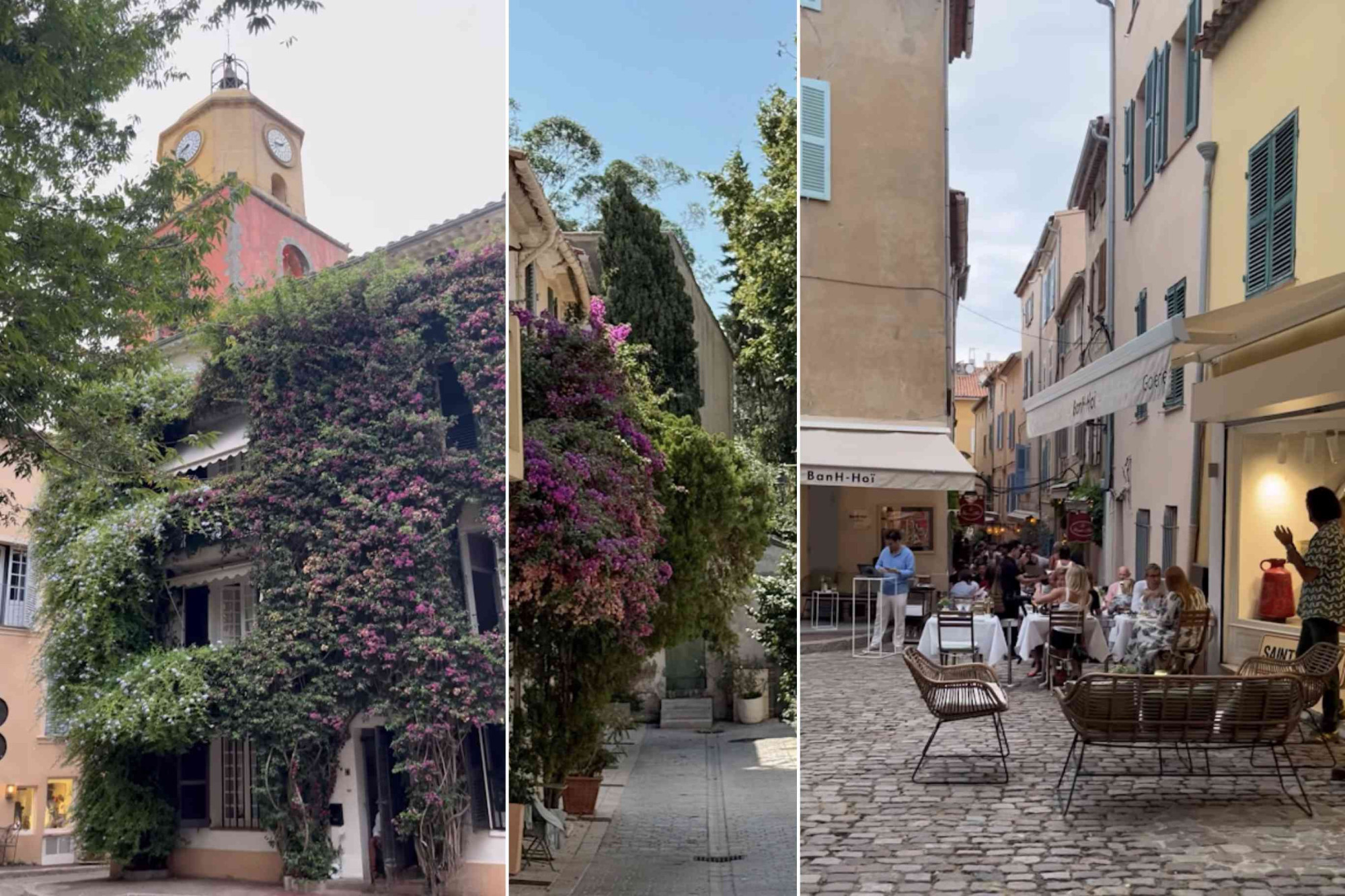
Place des Lices has remained an important meeting place in Saint-Tropez, bringing together market traders, pétanque players and café terraces beneath its centuries-old plane trees. A short walk from the harbour, the square and its surrounding streets reveal a part of village life that continues throughout the year.
Bougainvillea | The Flowers Behind the Colour
The flowering plants climbing across façades in Saint-Tropez are often bougainvillea, a species originally native to South America.
Although strongly associated with Mediterranean villages, bougainvillea is not indigenous to the region. It was introduced to Europe through botanical exploration and became popular in warmer climates.
Its colourful displays are actually modified leaves called bracts, which surround small, relatively inconspicuous flowers.
Bougainvillea thrives in sunny, sheltered positions and can climb across walls and pergolas. In coastal areas with mild winters, established plants can develop into impressive specimens.
The combination of traditional shutters, pale façades and flowering climbers has become an important part of the visual identity of the French Riviera.
A Few Streets Worth Exploring
Around Place des Lices, narrow streets connect residential buildings with cafés, boutiques and smaller public spaces.
Rue Gambetta is worth exploring for its shops and village architecture, while Rue de la Citadelle leads towards the historic upper part of Saint-Tropez.
Look for the differences between planted courtyards, flowering façades and the mature trees that provide shade in public spaces.
These small-scale planting traditions are particularly suited to Mediterranean towns, where limited ground space encourages the use of climbing plants and containers.
Stay Inspiration | Lou Cagnard, Saint-Tropez
Located just a short walk from Place des Lices, Lou Cagnard is a four-star hotel with 33 rooms, a Provençal garden and an outdoor swimming pool. Its central position makes it convenient for visiting the morning market, exploring the surrounding streets and discovering the flowering façades of the historic centre without needing a car.
#SaintTropez #PlaceDesLices #CotedAzur #Bougainvillea #Provence #VillageLife #TravelAndEscapes #LesCouleursDuMonde
Travel & Escapes @travelwithcouleursdumonde
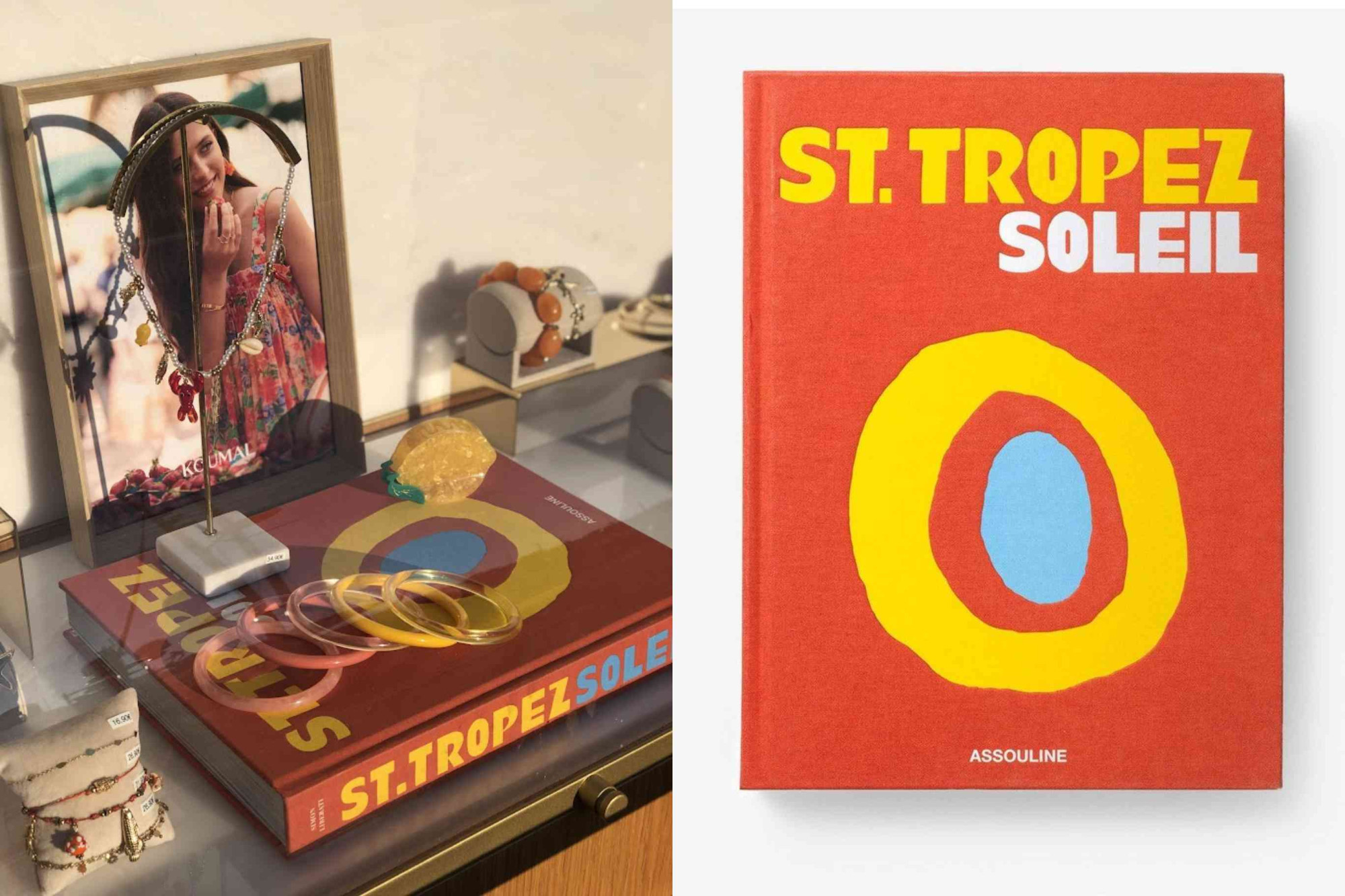
Saint-Tropez | Inside St. Tropez Soleil
Published by Assouline in 2020, St. Tropez Soleil brings together the people, places and cultural influences that established Saint-Tropez as an international destination. Written by French author Simon Liberati, the illustrated volume explores the town through its artistic connections, famous residents, beaches and social history.
The Story Behind Assouline
Prosper and Martine Assouline founded their publishing house in Paris in 1994. Their first book was dedicated to La Colombe d'Or, the hotel and restaurant in Saint-Paul-de-Vence known for its connections with artists including Picasso, Matisse and Miró.
The couple subsequently developed a publishing catalogue covering fashion houses, designers, architecture, travel and cultural figures.
Their Travel Series includes destinations such as Capri, Marrakech, Ibiza and Saint-Tropez. The books combine photography with texts by writers who have a connection to the subject.
Simon Liberati and Saint-Tropez
French novelist and journalist Simon Liberati wrote St. Tropez Soleil. His work frequently draws on popular culture, music, cinema and the personalities associated with particular periods.
In the book, Saint-Tropez is presented through the people and cultural movements that contributed to its reputation.
The town attracted painters including Paul Signac, who purchased a house there in 1897. His presence helped establish Saint-Tropez as a destination for artists, particularly those interested in Mediterranean light and colour.
Later, the town became closely associated with cinema, fashion and international society.
Photography, Fashion and the French Riviera
During the twentieth century, photographers documented the changing social life of the French Riviera.
Jacques Henri Lartigue photographed fashionable society, seaside leisure and sporting events. His extensive archive provides a record of French social life across several decades.
Willy Rizzo became known for portraits of actors, artists and celebrities, working for publications including Paris Match. His photographs reflect the period when the Riviera attracted an increasingly international circle of famous visitors.
Saint-Tropez also developed connections with fashion through local businesses such as Rondini, which has produced leather sandals since 1927, and K. Jacques, established in 1933.
These workshops contributed to a style of footwear that became closely associated with summer on the French Riviera.
A Book That Connects Several Periods
St. Tropez Soleil contains approximately 280 pages and more than 200 illustrations, combining historical photographs with images of the destination.
Its subjects range from the artistic heritage of Saint-Tropez to its beaches, nightlife and international visitors.
The book is part of Assouline's Travel Series and was published with a colourful fabric cover featuring a graphic interpretation of the sun.
For readers interested in Saint-Tropez, it brings together cultural references that are usually encountered separately in books about art, cinema, fashion and travel.
#SaintTropez #StTropezSoleil #Assouline #SimonLiberati #FrenchRiviera #Photography #ArtAndCulture #LesCouleursDuMonde
Travel & Escapes @travelwithcouleursdumonde
The Locals' Saint-Tropez
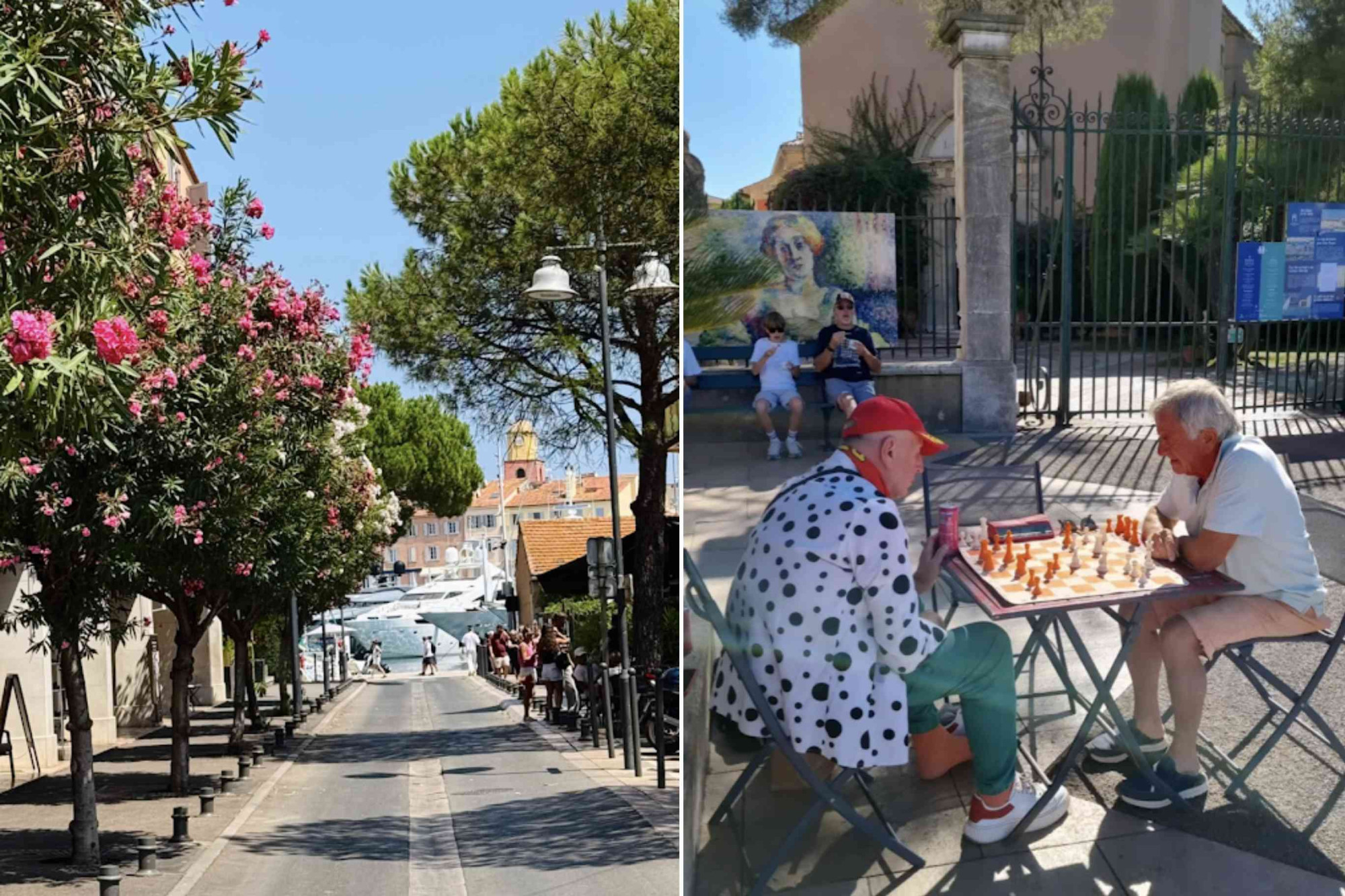
A chess game between two local players offers a different perspective on Saint-Tropez. While the town attracts international visitors for its beaches, yachts and restaurants, its public spaces also belong to the people who live there throughout the year.
Saint-Tropez has a relatively small permanent population, despite welcoming large numbers of visitors during the tourist season.
This difference has an important influence on daily life. Streets that become busy with visitors in summer also serve as ordinary routes between homes, shops and local services.
The town has its own schools, sports associations, community organisations and municipal facilities. These are part of Saint-Tropez as a functioning village, not simply a holiday destination.
The Games That Bring People Together
Place des Lices is closely associated with pétanque, a game with strong roots in Provence.
Local players have gathered here for generations, and the square has hosted important pétanque competitions, including the Masters de Pétanque.
Chess offers a quieter alternative. Unlike pétanque, it requires no specially prepared playing surface and can be played almost anywhere with a table.
The two men photographed playing outdoors illustrate how an ordinary public space can become a meeting place without any organised event.
A Village with Its Own Identity
The people of Saint-Tropez are known as Tropéziens and Tropéziennes.
Local identity is closely connected to the town's maritime heritage and traditions, particularly the Bravade de Saint-Tropez, celebrated each May in honour of the town's patron saint.
The celebration involves traditional uniforms, processions and ceremonial gunfire, reflecting a history that predates the town's international reputation as a resort.
These traditions remain an important part of community life.
Looking Beyond the Harbour
Visitors who explore the streets surrounding the historic centre will encounter residential buildings, local shops and public spaces that continue to serve the permanent population.
The photograph of two men playing chess captures a simple example of that everyday activity.
It is a reminder that Saint-Tropez is not exclusively defined by its visitors. It is also a town where people work, meet friends and maintain local traditions.
#SaintTropez #Tropéziens #FrenchRiviera #LocalLife #Provence #CotedAzur #TravelAndEscapes #LesCouleursDuMonde
Travel & Escapes @travelwithcouleursdumonde
A Saint-Tropez Favourite Since 1959
Since 1959, Crêperie Gourmandise has been serving freshly prepared crêpes in the historic La Ponche neighbourhood of Saint-Tropez. Located on Rue des Remparts, close to the harbour, this small establishment has become a familiar address for generations of visitors and residents.
A Saint-Tropez Address Since 1959
Gourmandise specialises in freshly made crêpes, waffles and artisanal ice cream, with a selection of homemade fillings.
Its location in La Ponche is part of its appeal. This former fishing neighbourhood contains some of the oldest streets in Saint-Tropez, with small shops and traditional buildings just a short distance from the busy waterfront.
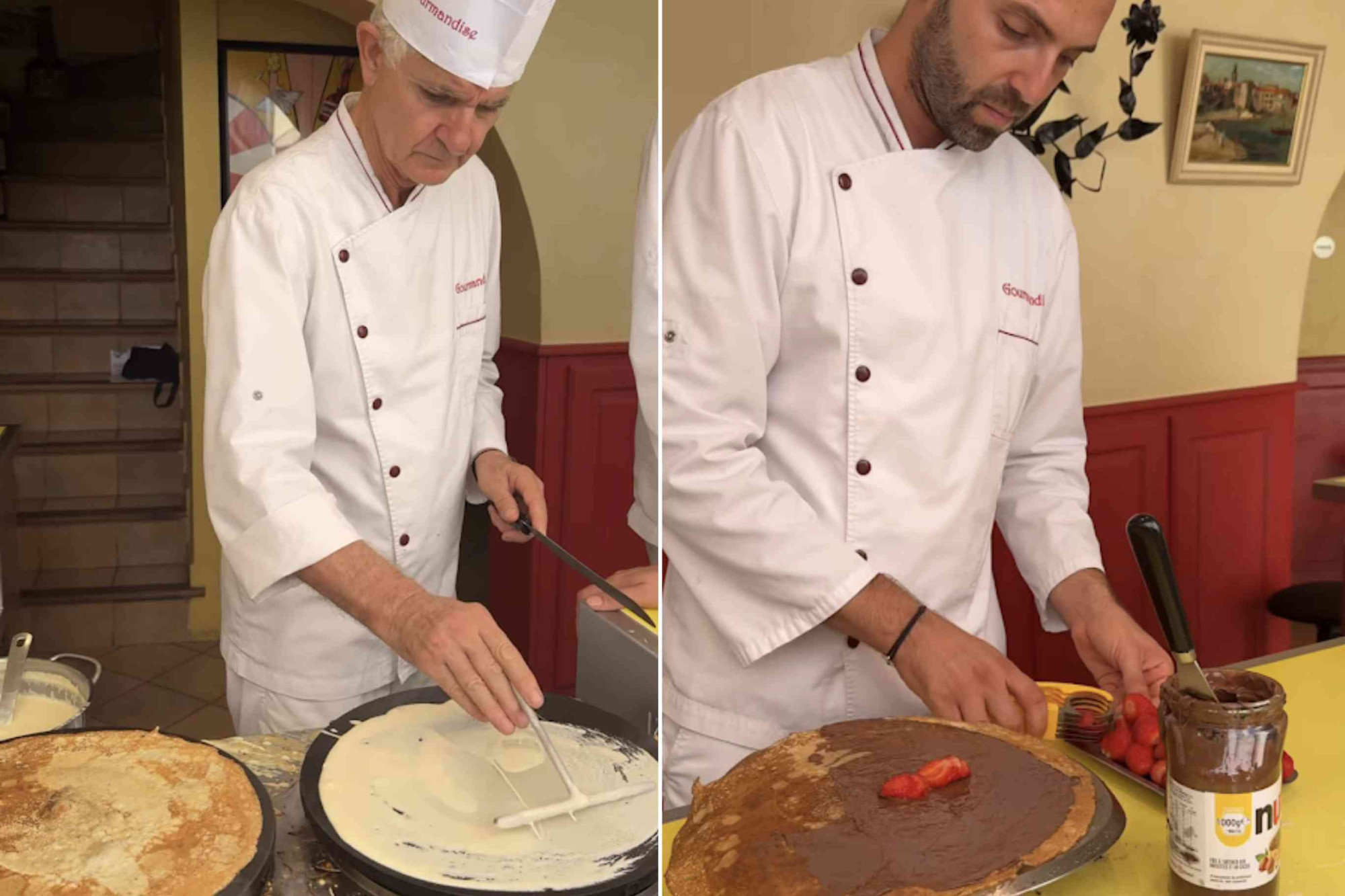
The crêpes are prepared in front of customers on a circular cooking plate known as a billig. The batter is spread into a thin layer using a wooden tool called a rozell, a technique associated with traditional Breton crêpe-making.
The Famous Grand Marnier Crêpe
The establishment is particularly known for its Grand Marnier crêpe, described by Saint-Tropez Tourism as its signature speciality.
Grand Marnier is a French orange liqueur created in 1880 by Louis-Alexandre Marnier Lapostolle. Its original Cordon Rouge expression combines cognac with bitter orange essence.
When used in crêpes, the liqueur adds citrus notes that complement the buttery batter. It belongs to a wider French tradition of serving sweet crêpes with citrus and liqueurs, also found in preparations such as Crêpes Suzette.
Homemade Fillings and French Favourites
Alongside its Grand Marnier speciality, Gourmandise offers sweet combinations including chocolate, salted butter caramel, chestnut cream and pistachio cream.
The photographs show the preparation of a thin crêpe followed by another finished with chocolate spread and strawberries.
Salted butter caramel is particularly associated with Brittany, where salted butter has traditionally been an important ingredient in regional cooking.
Chestnut cream, meanwhile, has strong connections with the Ardèche region and is frequently used in French desserts, pastries and crêpes.
These different fillings bring together regional French flavours in a simple takeaway speciality.
Where to Find Gourmandise
Crêperie Gourmandise
14–16 Rue des Remparts
83990 Saint-Tropez, France
Located in La Ponche, the crêperie is within walking distance of the old harbour and the historic centre.
#SaintTropez #CreperieGourmandise #FrenchCrepes #FrenchFood #LaPonche #CotedAzur #SaveursDuMonde #LesCouleursDuMonde
Travel & Escapes @travelwithcouleursdumonde
A short walk from the busy harbour of Saint-Tropez leads to a very different coastal landscape, where historic fishing quarters, centuries-old defensive towers and rocky Mediterranean shores form part of the same route. It is an opportunity to discover the town on foot without travelling far from its centre.
From the Old Port to La Ponche
The old harbour has been central to Saint-Tropez since the town's development as a maritime settlement in the fifteenth century.
Fishing, coastal trading and shipbuilding were once important local industries. Today, the harbour accommodates fishing boats, sailing vessels and luxury yachts.
A short walk east brings visitors to La Ponche, the former fishing quarter, where narrow streets connect the historic buildings with the sea.
The Quai de la Pesquière was traditionally used by fishermen to moor their boats, unload their catches and dry fishing nets. Nearby, residents repaired nets in the public spaces surrounding the waterfront.
The Towers That Protected Saint-Tropez
Along this stretch of coastline, two historic towers recall a period when Saint-Tropez needed protection from attacks arriving by sea.
The Tour du Portalet stands near the entrance to the old harbour, while the Tour Vieille is located further along the waterfront in La Ponche.
Both formed part of the town's coastal defences during the sixteenth century.
Today, the towers provide useful landmarks for exploring the historic shoreline and understanding how closely the development of Saint-Tropez was connected to maritime activity.
Walking the Sentier du Littoral
From the historic waterfront, visitors can continue towards the Sentier du Littoral, the coastal walking route that follows sections of the Saint-Tropez peninsula.
The route passes the area below the Citadel and the marine cemetery before continuing towards smaller beaches and rocky stretches of coastline.
Plage des Graniers is an early stopping point, while longer walks can continue towards Les Canebiers and the more natural coastal areas further east.
The path varies considerably. Some sections are relatively straightforward, while others involve uneven rocks, steps and exposed coastal terrain.
Comfortable walking shoes are advisable, particularly when continuing beyond the beaches closest to the town.
Discovering the Gulf from the Shore
The Gulf of Saint-Tropez is surrounded by wooded hills and coastal settlements, including Sainte-Maxime on the opposite shore.
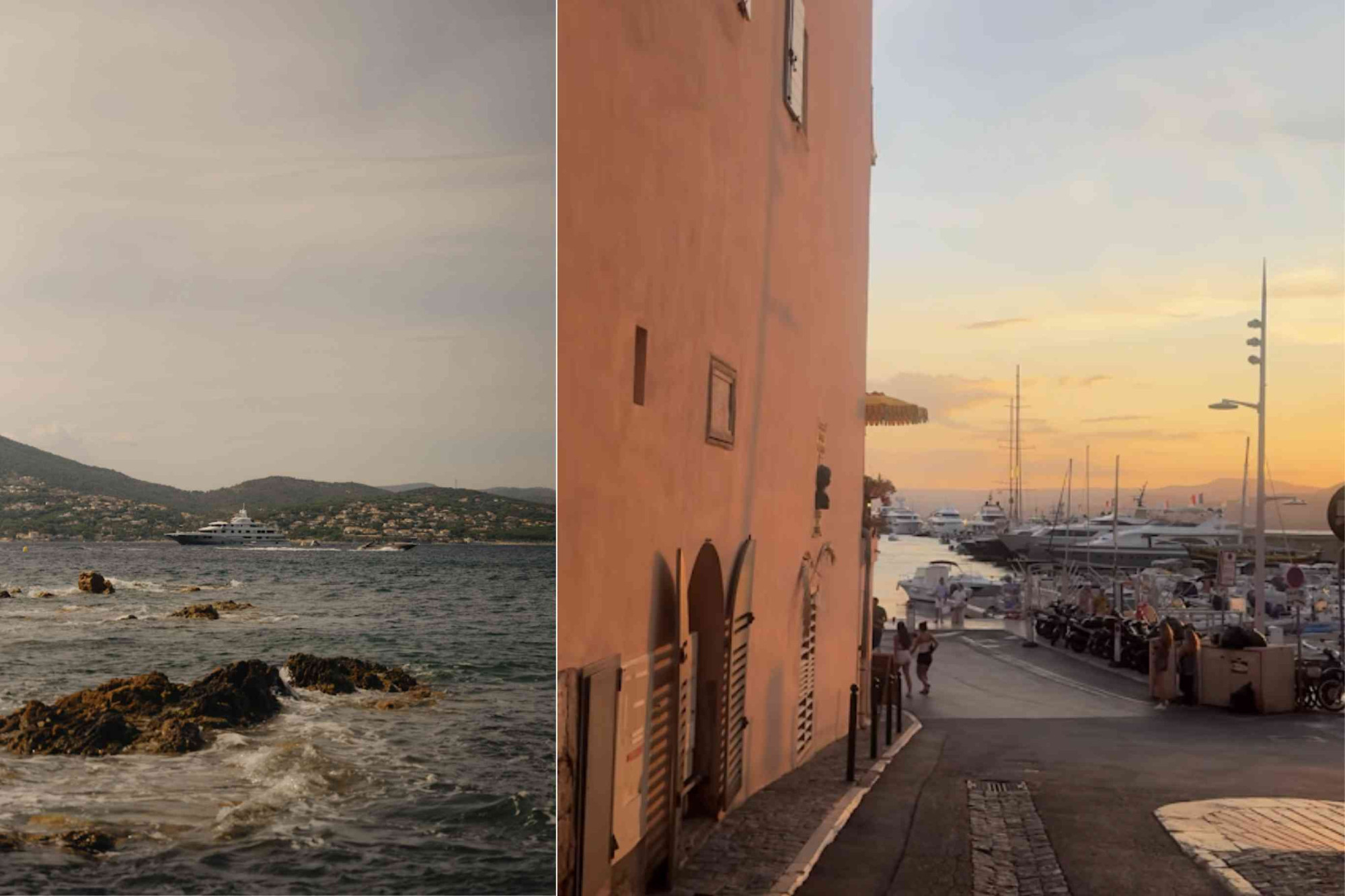
From the rocky coastline, visitors can observe the changing maritime landscape, with sailing boats, larger yachts and smaller vessels travelling through the gulf.
The contrast between the busy harbour and the quieter coastal sections is particularly noticeable along this route.
For visitors staying in central Saint-Tropez, exploring the shoreline on foot is an accessible way to combine the town's maritime heritage with its Mediterranean landscape.
#SaintTropez #SentierDuLittoral #LaPonche #FrenchRiviera #CoastalWalks #CotedAzur #TravelAndEscapes #LesCouleursDuMonde
Travel & Escapes @travelwithcouleursdumonde
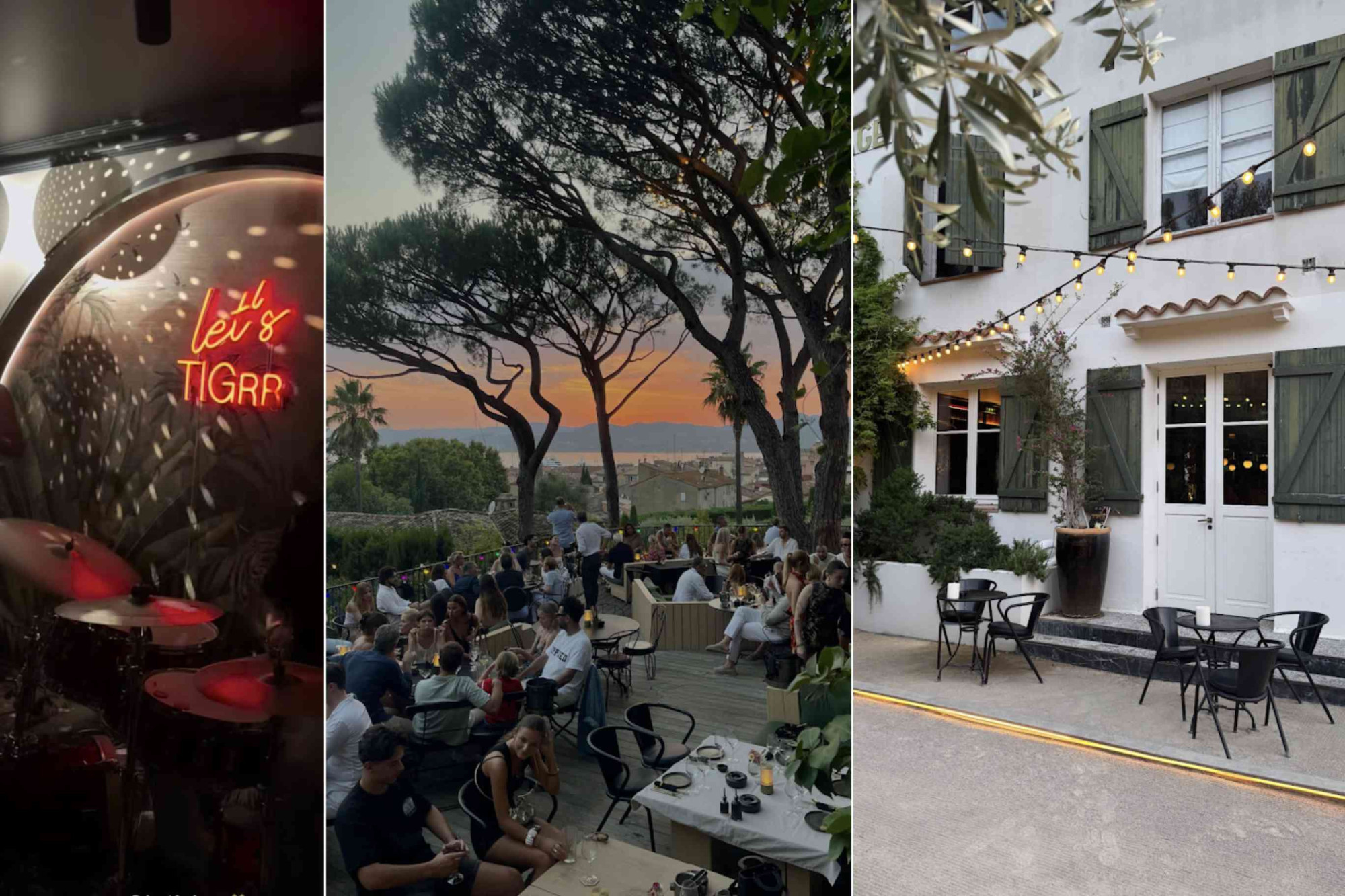
Located at the foot of the Citadel, Le TIGrr brings together Asian cuisine, cocktails and music in a setting overlooking the rooftops and harbour of Saint-Tropez. Part of Hôtel Ermitage on Avenue Paul Signac, the restaurant is particularly known for its elevated terrace and its combination of dining and nightlife.
An Asian Restaurant Above Saint-Tropez
Le TIGrr occupies a privileged position a few minutes from Place des Lices and the old harbour.
Its terrace offers views across the village towards the Gulf of Saint-Tropez, making it a popular setting for an early evening drink or dinner around sunset.
The restaurant is part of a wider TIGrr concept, with addresses also associated with Gordes and Megève. Each location combines Asian-inspired dining with a bar and social atmosphere.
What Is on the Menu?
The kitchen draws on Thai, Japanese and other Asian culinary traditions.
Sushi, sashimi and maki feature alongside spring rolls, nems and Asian-inspired salads. Dishes are designed to accommodate both individual orders and sharing between guests.
The restaurant's approach is informal, allowing guests to combine several smaller dishes during an evening.
Cocktails are another important part of the experience, particularly for visitors arriving before dinner to enjoy the view.
When Dinner Becomes an Evening Out
Le TIGrr is also known for its music and entertainment programme.
The restaurant has a separate lounge and bar area, allowing guests to continue their evening after dining. DJ sets, dancing and karaoke are part of the concept, with Thursday evenings associated with karaoke sessions.
The atmosphere changes throughout the evening, from terrace dining and sunset drinks to a more lively indoor setting.
This combination makes Le TIGrr an option for visitors who prefer to spend the evening in one location rather than moving between a restaurant and a nightclub.
Address: 14 Avenue Paul Signac, 83990 Saint-Tropez, France. Inside Hôtel Ermitage, near the Citadel.
Reservations: Recommended, particularly for terrace seating. Confirm the current entertainment programme directly with the restaurant.
#LeTigrr #SaintTropez #CotedAzur #SaintTropezRestaurants #AsianCuisine #FrenchRiviera #TravelAndEscapes #LesCouleursDuMonde
Travel & Escapes @travelwithcouleursdumonde
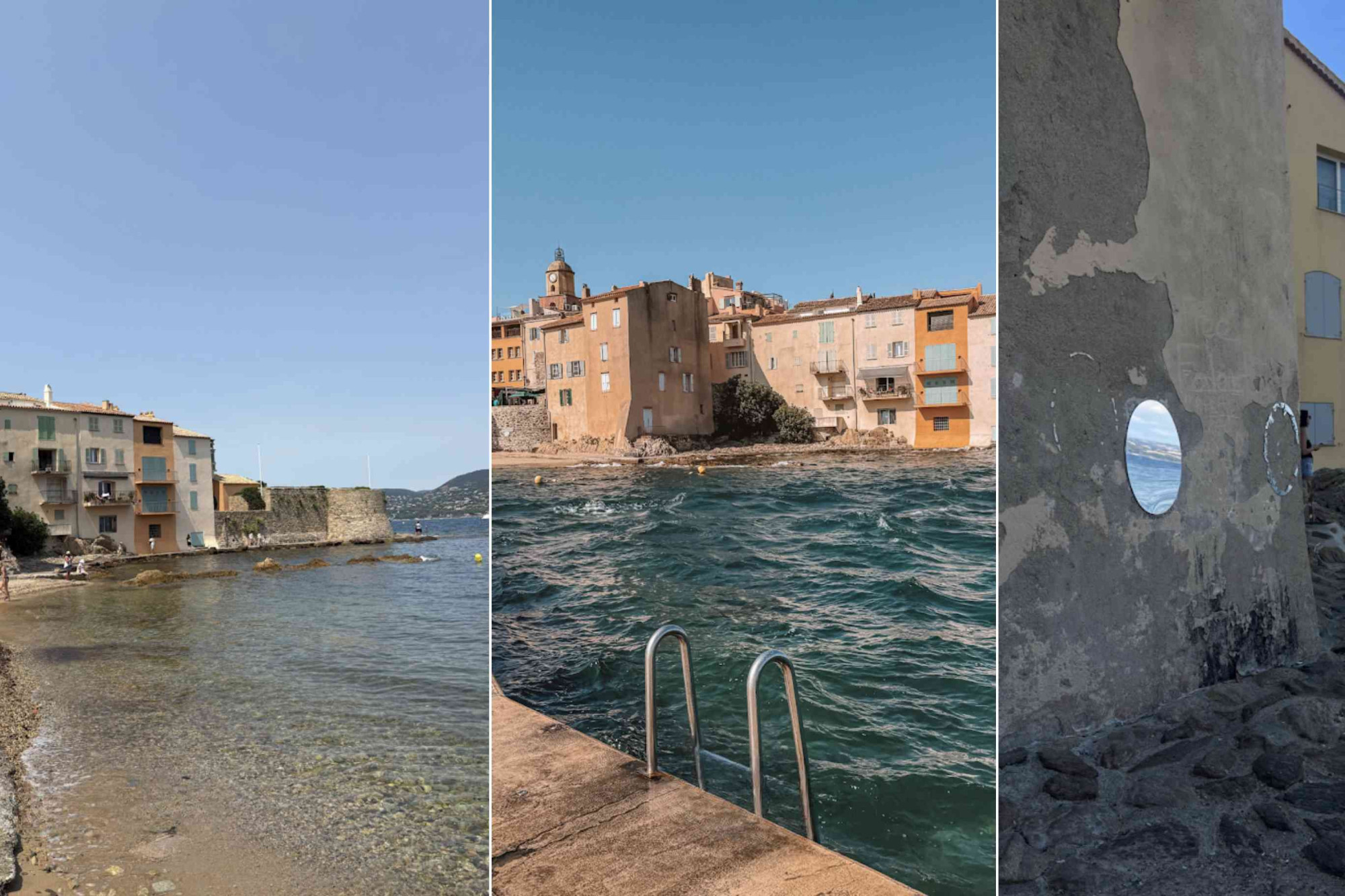
You don't need to travel to Pampelonne to find a beach in Saint-Tropez. Plage de la Ponche is located directly beside the old village, where a small stretch of sand and pebbles meets the Mediterranean beneath the waterfront houses.
A Beach Just Minutes from the Harbour
Plage de la Ponche is approximately 50 metres long and can only be reached on foot from the historic centre.
Unlike the large beaches associated with Saint-Tropez, there are no rows of beach club loungers or extensive facilities. Visitors can simply bring a towel and find a place along the shore.
The beach consists of coarse sand and small pebbles, so water shoes can be useful when entering the sea.
A concrete platform beside the beach also has a metal ladder providing direct access to the water.
Swimming at La Ponche
La Ponche is an attractive place for a short swim, particularly for visitors already exploring the village.
However, its position near the harbour means that boat traffic and changing sea conditions deserve attention. On windy days, waves can reach the exposed waterfront and make entering the water less comfortable.
The beach is relatively small, and the available space can fill quickly during busy periods.
For visitors planning a full beach day with more room to spread out, larger beaches elsewhere on the peninsula may be a better choice.
La Fontanette | The Neighbouring Beach
A little further along the waterfront lies Plage de la Fontanette, another small public beach beneath the old village.
It has a similar mixture of sand and pebbles and is easily reached on foot from La Ponche.
Both beaches are free to access, making them convenient for visitors staying in central Saint-Tropez.
For a different setting, Plage des Graniers offers another option within walking distance of the centre, with a small bay below the Citadel.
What to Know Before Visiting
La Ponche is best suited to a short beach visit rather than a full day requiring extensive facilities.
Bring your own towel, drinking water and sun protection. Restaurants and cafés are available in the surrounding streets, but the beach itself is not organised as a private beach club.
Dogs are not permitted on La Ponche or La Fontanette.
For visitors who want to combine time in the village with a swim, these small beaches offer a convenient alternative to travelling further along the coast.
#SaintTropez #PlageDeLaPonche #FrenchRiviera #CotedAzur #MediterraneanBeaches #BeachEscapes #TravelAndEscapes #LesCouleursDuMonde
Travel & Escapes @travelwithcouleursdumonde
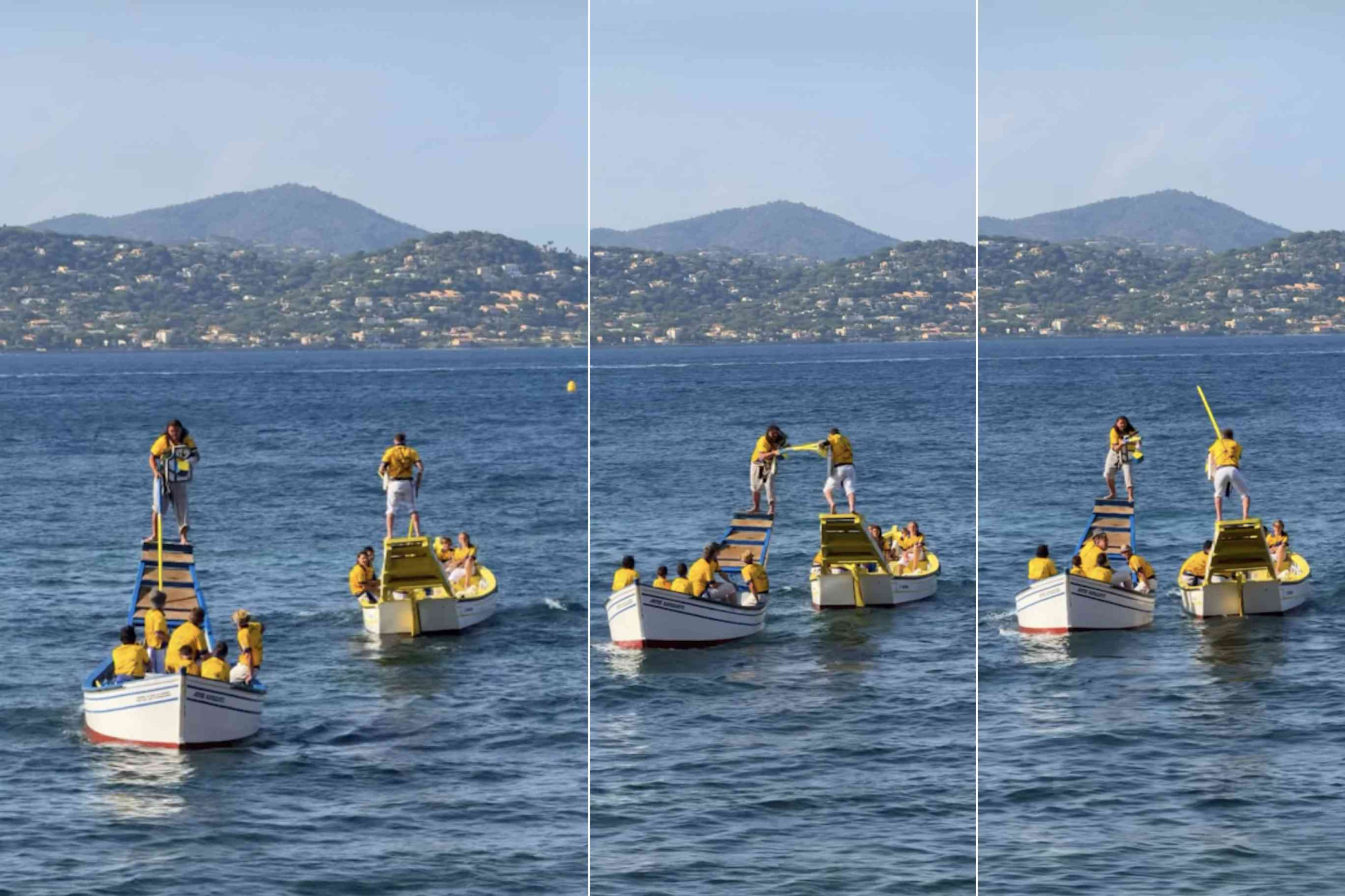
Along the Mediterranean coast of France, traditional water jousting competitions bring together local teams, wooden boats and a sporting tradition that continues to attract spectators. Known as joutes nautiques, the activity involves competitors standing on raised platforms at the stern of opposing boats and attempting to knock one another into the water with long wooden lances.
How Water Jousting Works
In the Mediterranean style of water jousting, two boats approach one another, propelled by crews using oars.
Each boat carries a competitor standing on an elevated platform called a tintaine. The competitors hold a wooden lance and a protective shield known as a pavois.
As the boats pass, each participant aims to unbalance their opponent and send them into the water.
Balance, timing and coordination between the competitors and boat crews are essential. A successful encounter depends as much on the movement of the boats as on the strength of the participants.
A Sporting Tradition of Southern France
Water jousting has a particularly strong presence in Mediterranean towns such as Sète, where the annual Saint-Louis tournament is a major event in the local calendar.
Different regional styles exist across France, with variations in boat design, equipment and competition rules.
The méthode provençale, practised in parts of Provence and the French Riviera, differs from the Languedoc style associated with Sète.
In Provençal jousting, the boats are traditionally propelled by motors, while Languedoc competitions use rowing crews.
Water Jousting in Saint-Tropez
Saint-Tropez has a longstanding connection with maritime activities, including sailing regattas, fishing traditions and local celebrations involving boats.
Water jousting fits within this wider Mediterranean sporting culture, where activities on the sea remain part of community events.
The photographs show participants wearing matching yellow shirts and standing on raised platforms, with the two boats approaching one another for an encounter.
Unlike conventional sailing competitions, the objective is not speed or navigation. The focus is on the confrontation between the two competitors.
Watching a Jousting Event
Water jousting events are generally held during the warmer months, when coastal towns organise maritime celebrations and local sporting competitions.
Spectators can watch from quays and waterfront areas, although the exact locations and schedules vary between towns.
#SaintTropez #JoutesNautiques #FrenchRiviera #MaritimeTraditions #Provence #MediterraneanCulture #TravelAndEscapes #LesCouleursDuMonde
Travel & Escapes @travelwithcouleursdumonde
Watch the Sunset
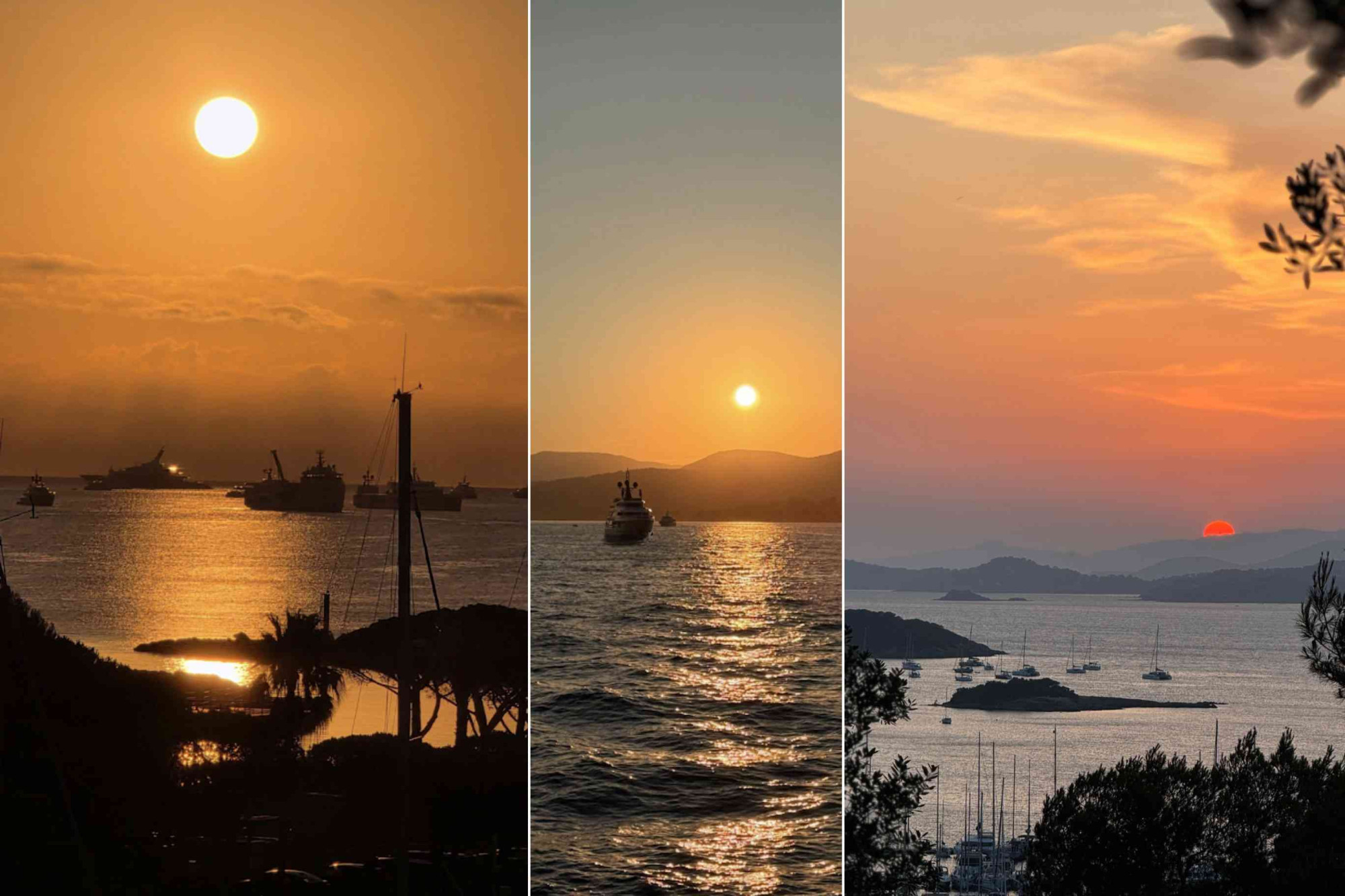
Saint-Tropez offers several places to watch the sun set over the Mediterranean, from the harbour to elevated viewpoints overlooking the gulf. Choosing the right location depends on the direction of the view, the season and whether you prefer to stay in the village or explore the surrounding coastline.
The Citadel | Views Across the Gulf
The area around the Citadel offers elevated views over Saint-Tropez and the surrounding coastline.
From publicly accessible viewpoints facing west, visitors can look towards the hills on the opposite side of the Gulf of Saint-Tropez.
The Citadel is within walking distance of the historic centre, although reaching the higher paths involves a short uphill climb.
The museum has separate opening hours, so visitors should distinguish between the museum grounds and accessible public paths.
The Old Harbour | Sunset by the Water
The Vieux Port is a convenient location for visitors who prefer to remain in the centre.
The harbour is lined with cafés and restaurants, while boats and waterfront buildings provide interesting foregrounds for photography.
Because the harbour is surrounded by buildings, the setting sun may not always be directly visible from every position.
Walking towards the harbour entrance can provide a more open view across the water.
Pointe des Sardinaux | A Coastal Alternative
Across the gulf near Sainte-Maxime, Pointe des Sardinaux offers a more natural coastal setting with rocky shores and Mediterranean vegetation.
The area has views towards Saint-Tropez and the surrounding hills.
However, its orientation means it is better suited to enjoying late-afternoon coastal light than watching the sun disappear directly over the sea.
For a sunset-focused visit, it is worth checking the sun's position before choosing a location.
Arriving approximately 30 minutes before sunset allows time to choose a viewpoint and observe the changing light.
Photographers may also want to remain after the sun disappears, when the sky can retain colour during the period known as blue hour.
#SaintTropez #SunsetViews #FrenchRiviera #CotedAzur #MediterraneanSunset #TravelPhotography #TravelAndEscapes #LesCouleursDuMonde
Travel & Escapes @travelwithcouleursdumonde
Saint-Tropez has no railway station, and reaching the village by road can be time-consuming during busy periods. For visitors staying around the Gulf of Saint-Tropez, travelling by boat is often a practical alternative, with regular passenger services connecting the village to neighbouring coastal destinations.
The 15-Minute Crossing from Sainte-Maxime
Les Bateaux Verts operates a passenger ferry between Sainte-Maxime and Saint-Tropez, with a crossing time of approximately 15 minutes.
This route is particularly useful for visitors staying on the northern side of the gulf. Instead of following the road around the coastline, passengers travel directly across the water.
The service also makes it possible to combine both destinations in a single day, visiting Sainte-Maxime's shops and beaches before crossing to Saint-Tropez for lunch or an afternoon in the village.
Arriving from Port Grimaud
Port Grimaud, known for its network of canals and waterfront houses, is another departure point for passenger boats to Saint-Tropez.
The crossing provides a convenient connection for visitors staying in the marina village or at nearby campsites and holiday accommodation.
Port Grimaud was developed during the 1960s by architect François Spoerry, who designed a residential community organised around canals and private boat moorings.
Its water-based layout makes travelling by boat to Saint-Tropez a natural extension of the destination.
What About Travelling by Private Boat?
Saint-Tropez is a popular stop for private yachts and sailing boats travelling along the French Riviera.
However, arriving by private boat requires more planning than taking a passenger ferry.
Berths in the harbour are allocated according to vessel size and availability. During busy periods, demand can be high, particularly when major events take place.
Skippers should contact the harbour office before arrival to confirm the appropriate procedures and whether a berth is available.
A Practical Alternative to Driving
For visitors staying around the gulf, the main advantage of travelling by boat is avoiding the road journey into Saint-Tropez.
The ferry also removes the need to find parking near the village centre.
However, services are subject to timetables and weather conditions. Travellers planning an evening visit should check the final return departure before leaving.
Tickets and current schedules are available through Les Bateaux Verts.
#SaintTropez #BateauxVerts #PortGrimaud #SainteMaxime #FrenchRiviera #BoatTravel #CotedAzur #LesCouleursDuMonde
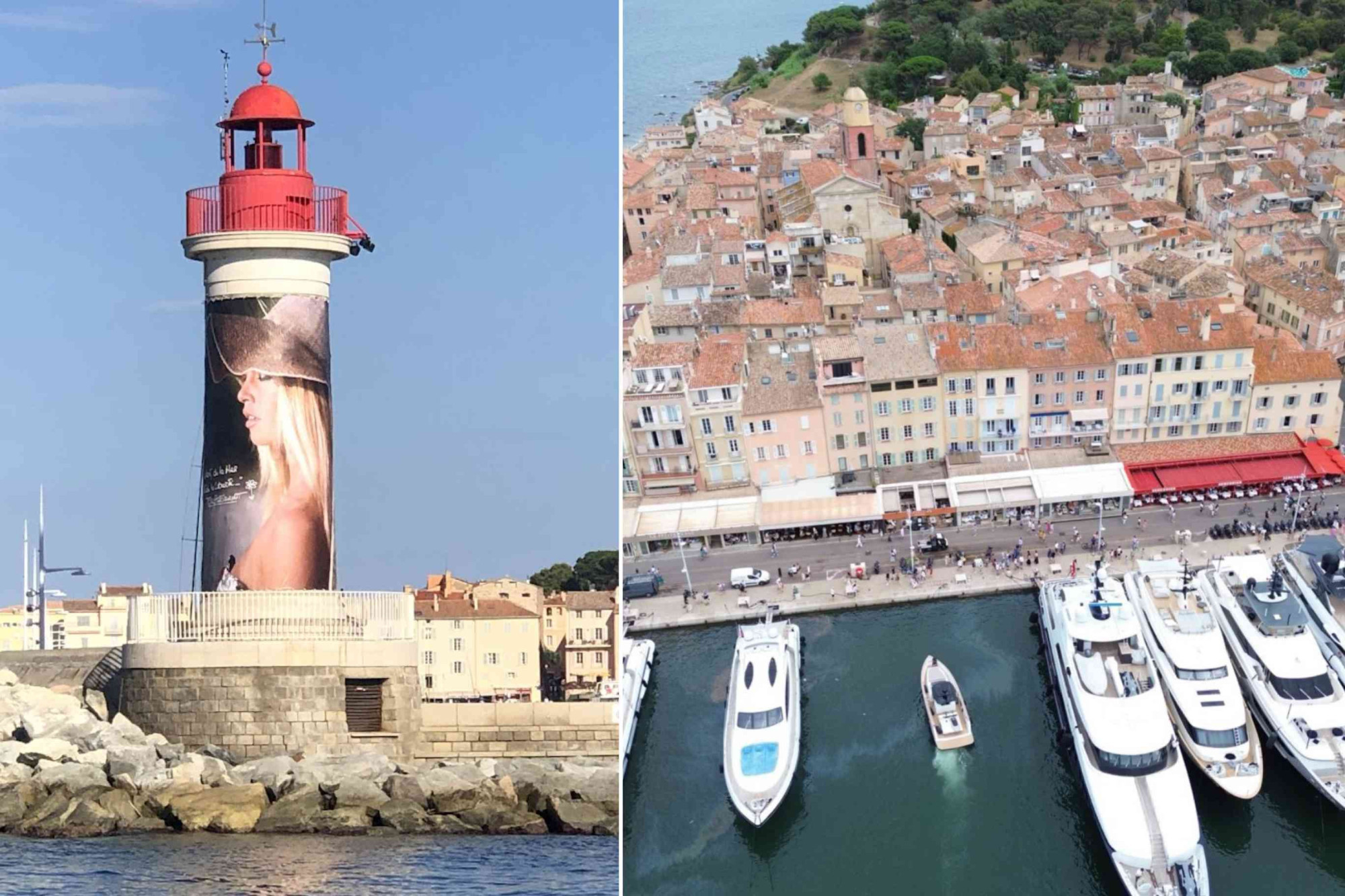
Travel & Escapes @travelwithcouleursdumonde
Everyone Has Their Own Story
Saint-Tropez has a reputation for luxury, celebrity culture and expensive beach clubs, but that is only part of the experience. The village attracts people with different interests, backgrounds and ways of spending their time. What you discover depends largely on where you go and what you choose to do.
Different People, Different Saint-Tropez
Around the harbour, visitors gather at café terraces, admire the yachts or browse the shops. Some arrive for a few hours by ferry, while others spend several weeks in the area.
The contrast is part of the character of Saint-Tropez. Designer boutiques stand close to small independent businesses, while restaurants with international reputations share the village with neighbourhood cafés and traditional bakeries.
There is no single way to experience the destination. A day can revolve around shopping and restaurants, a visit to the market or simply spending time with friends.
The Freedom to Express Yourself
Saint-Tropez has long attracted people interested in fashion, art and individual style.
The village is a place where different approaches to dressing and socialising are visible. Summer fashion can range from simple linen clothing and sandals to designer outfits and more extravagant personal styles.
This variety is particularly noticeable around the harbour, where visitors from different countries and cultures meet.
For some, dressing up and being seen is part of the enjoyment. Others prefer a quieter experience without participating in the social scene.
Both approaches have a place in Saint-Tropez.
The Places You Choose Make the Difference
The atmosphere changes considerably between different parts of the village.
The harbour terraces attract visitors interested in the social scene, while the smaller streets contain galleries, independent shops and local businesses.
Place des Lices brings together cafés, market traders and pétanque players. The surrounding streets offer opportunities to discover places that receive less attention than the waterfront.
The same destination can therefore provide very different experiences depending on how visitors organise their time.
Enjoying Saint-Tropez on Your Own Terms
A visit to Saint-Tropez does not have to revolve around luxury spending.
The public beaches, local market, coastal paths and village streets can all be enjoyed without booking an expensive beach club or restaurant.
At the same time, those who appreciate fashion, fine dining and exclusive experiences will find plenty of options.
Saint-Tropez is a place where you can choose your own experience, without having to follow the version of the destination that receives the most attention.
#SaintTropez #FrenchRiviera #CotedAzur #TravelLifestyle #SaintTropezLife #TravelAndEscapes #LesCouleursDuMonde
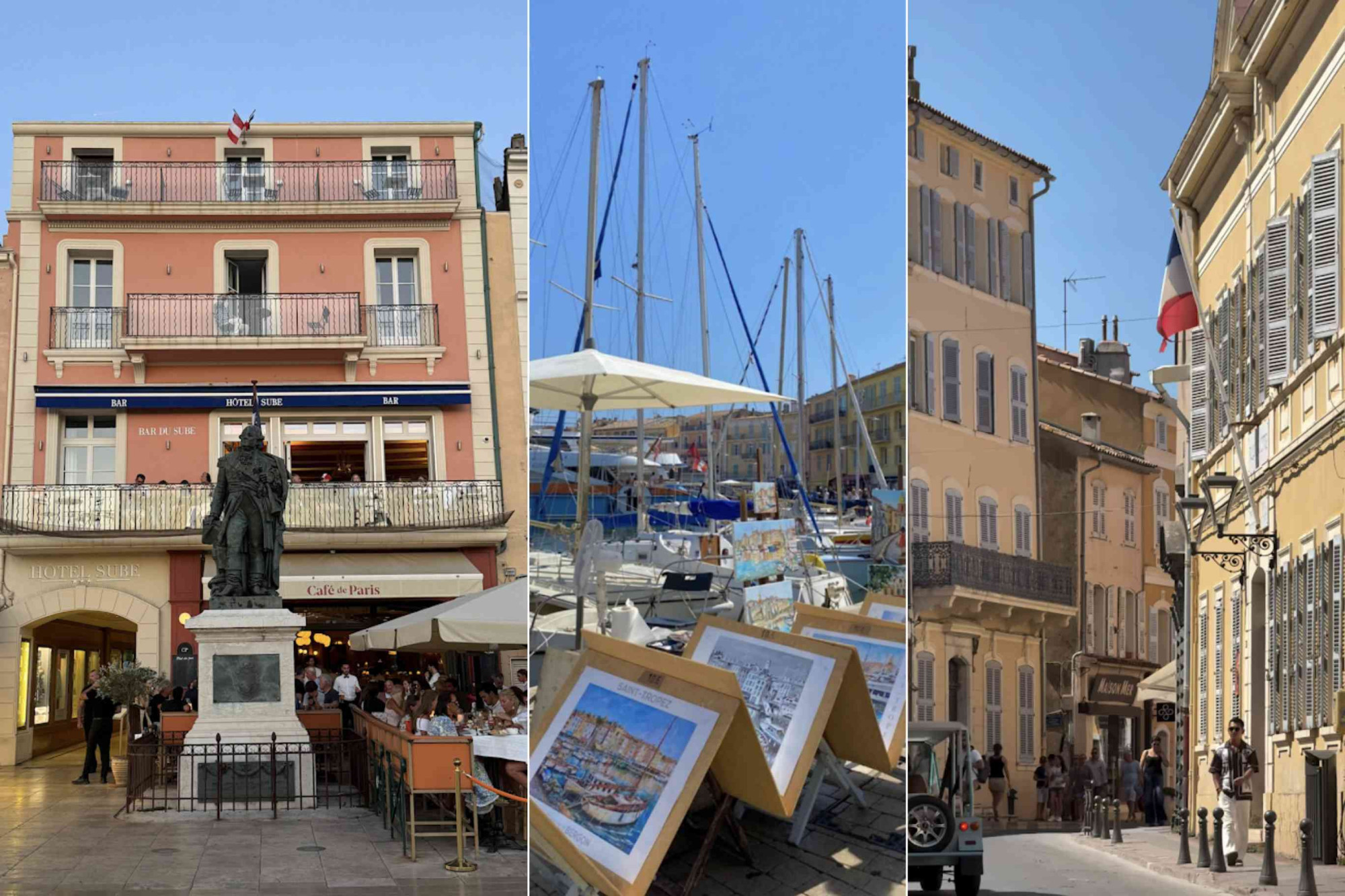
Travel & Escapes @travelwithcouleursdumonde
Most visitors arrive in Saint-Tropez with a few familiar places in mind: the harbour, Place des Lices and the famous beaches. Yet some of the most interesting discoveries are found between these landmarks, in the smaller streets, independent shops and details that are easy to overlook.
The Paintings Along the Harbour
Among the yachts and waterfront terraces, artists display paintings and illustrations of Saint-Tropez.
Some work with watercolours, capturing the harbour's colourful buildings and fishing boats, while others produce sketches, prints and more contemporary interpretations of the village.
Take a closer look at the paintings. The same harbour can appear remarkably different depending on the artist's choice of colours, perspective and technique.
For anyone considering a purchase, asking about the artist and whether the work is an original or reproduction can make the experience more interesting than simply choosing a souvenir.
Look Above the Shopfronts
Saint-Tropez is a place where much of the architectural detail is found above eye level.
In the older streets, look for small balconies, painted shutters, traditional roof tiles and buildings that have been adapted over generations.
The clock tower rising above the village is another recognisable landmark. It belongs to the Church of Notre-Dame-de-l'Assomption, whose yellow and ochre tower is visible from different parts of the centre.
The streets around Rue de la Citadelle and Rue Gambetta are particularly interesting for observing the variety of buildings and façades.
The Shops You Didn't Plan to Visit
Saint-Tropez has an interesting mixture of established local businesses, independent boutiques and international fashion labels.
Alongside the larger names, smaller shops specialise in leather sandals, jewellery, clothing and accessories.
Some businesses have developed their own connection with the village. Rondini, for example, has been making leather sandals in Saint-Tropez since 1927.
The shopfronts themselves are worth noticing. Some retain traditional architectural features, while others introduce contemporary designs into older buildings.
Take a Different Street
One of the simplest ways to discover more of Saint-Tropez is to change your usual route through the village.
Instead of walking directly between the harbour and Place des Lices, explore the smaller connecting streets.
You may encounter an independent gallery, a family-run shop, a small courtyard or a café away from the busiest terraces.
These discoveries are not necessarily major attractions, but they provide a closer look at the businesses and everyday activities that form part of Saint-Tropez.
#SaintTropez #FrenchRiviera #CotedAzur #LocalDiscoveries #VillageLife #TravelAndEscapes #ExploreSaintTropez #LesCouleursDuMonde
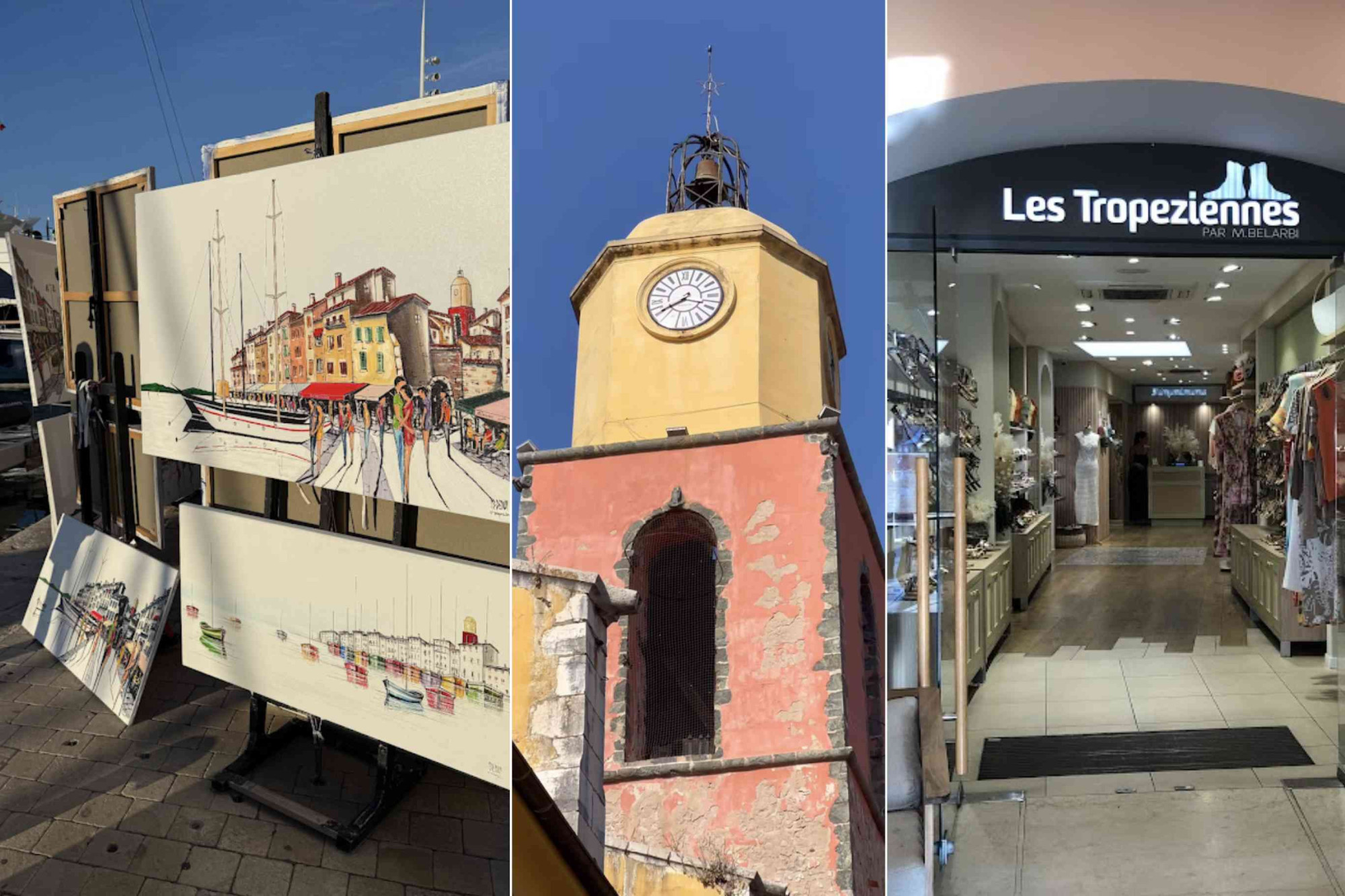
Travel & Escapes @travelwithcouleursdumonde
The Food Market of Saint-Tropez
Just a few streets from the famous harbour, Place aux Herbes is a small square where food shopping remains part of everyday life in Saint-Tropez. Unlike the larger Provençal market at Place des Lices, this market focuses on fresh ingredients, with stalls selling fruit, vegetables and other regional products.
A Different Market Experience
Place aux Herbes is considerably smaller than the market at Place des Lices, which takes place on Tuesday and Saturday mornings.
Here, the focus is on food. Depending on the traders present and the season, visitors can find fresh vegetables, tomatoes, courgettes, aubergines, garlic, herbs and seasonal fruit.
The market is particularly interesting for travellers staying in apartments or accommodation with kitchen facilities, where buying ingredients locally is an alternative to eating out every day.
What to Buy at a Provençal Market
Several ingredients commonly found at markets in Provence are closely connected with regional cooking.
Courgettes, aubergines, peppers and tomatoes form the basis of ratatouille, while fresh basil, garlic and olive oil are essential ingredients in pistou, the Provençal sauce traditionally prepared without pine nuts.
Olives and tapenade are other regional specialities. Traditional black olive tapenade is made with olives, capers, anchovies and olive oil.
For a simple lunch, market purchases can be combined with fresh bread, goat's cheese, tomatoes and seasonal fruit.
Shopping Like a Local
French food markets often distinguish between producteurs, who sell produce they have grown themselves, and revendeurs, who buy products for resale.
The distinction can be useful for visitors interested in local agriculture. A stall selling Provençal produce does not necessarily mean that every item was grown nearby.
Asking where ingredients come from is a straightforward way to learn more about seasonal products and regional suppliers.
Prices are usually displayed per kilogram or per item. At smaller markets, the selection can change considerably depending on deliveries and the time of year.
Where to Find Place aux Herbes
Place aux Herbes is located in the historic centre of Saint-Tropez, a short walk from the Vieux Port.
Its position makes it convenient to combine food shopping with a visit to the surrounding bakeries, delicatessens and smaller streets.
Address: Place aux Herbes, 83990 Saint-Tropez, France
Market days: Daily from April to October
Opening hours: 7:00 am – 12:45 pm
#SaintTropez #PlaceAuxHerbes #ProvencalMarket #FrenchFood #LocalMarkets #CotedAzur #TravelAndEscapes #LesCouleursDuMonde