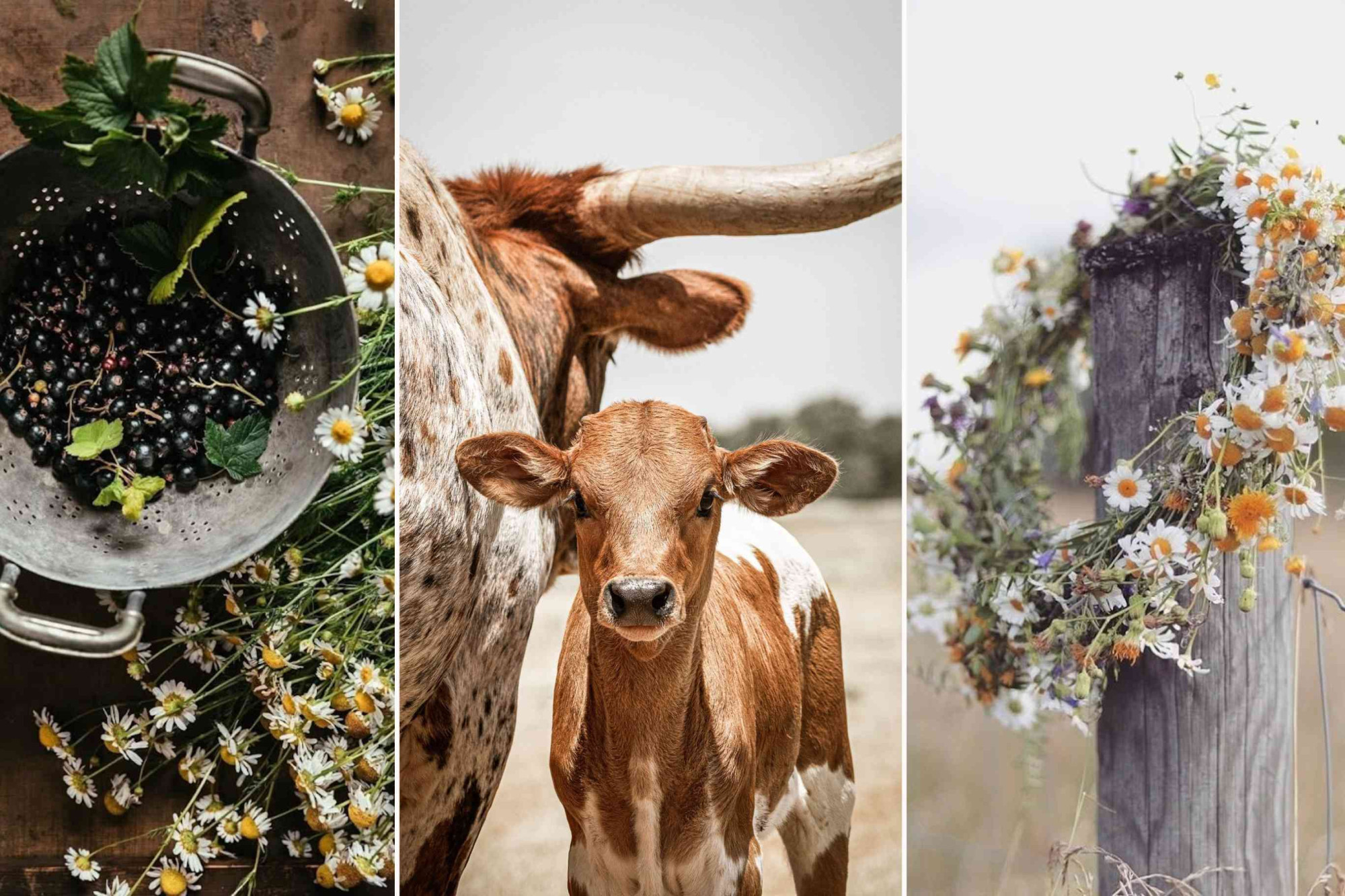
Outdoor & Nature @countryliving
Late summer and early autumn are the main seasons for finding elderberries, when the small dark fruits begin to hang in heavy clusters along hedgerows and country paths. Picking them can easily become part of a walk, especially in rural areas where elder grows naturally along field edges and woodland borders.
The berries develop from the elderflowers that appear earlier in the year. By the end of summer, the pale flowers have been replaced by clusters of deep purple-black fruit. Ripe berries are soft and dark, while green or reddish berries should be left on the plant.
Correct identification is essential when collecting anything wild. European elder, Sambucus nigra, is commonly foraged, but it can be confused with other plants. When in doubt, leave it untouched or join a guided foraging walk with someone who knows the local species.
A basket or container is useful because ripe elderberries can easily be crushed. Cutting whole clusters is usually easier than trying to remove individual berries outdoors. Once home, the berries can be separated from their stems with a fork.
Elderberries should be cooked before eating. Raw or unripe berries, as well as other parts of the plant, contain compounds that can cause illness. After proper preparation, the cooked fruit can be used for syrups, jellies, sauces and other seasonal recipes.
As with wildflowers and mushrooms, where you pick matters. Some plants grow on private property or in protected areas and local rules may restrict foraging. It is also sensible to avoid busy roadsides and places that may have been treated with chemicals.
There is no reason to strip an entire bush. Leaving plenty of berries behind provides food for birds and other wildlife and allows other people to enjoy the same hedgerow.
A container of elderberries brought home after a countryside walk is also a good starting point for learning more about the edible plants growing locally and how they change throughout the seasons.
Looking for more countryside inspiration?
Discover a quieter side of the Netherlands, in our second edition →
#Elderberries #Foraging #WildFood #CountrysideWalks #StepOutside