
Safari & Wilderness @lescouleursdesafari
South Africa's Eastern Cape offers an unusual combination of wildlife, renowned surf beaches and countryside accommodation. Around Jeffreys Bay, travellers can experience free-roaming zebras, explore one of the world's best-known surfing destinations and visit Addo Elephant National Park.
Retreat in the Heart of NatureThe Eastern Cape offers a different approach to wildlife travel. While Addo Elephant National Park is known for its elephant population, smaller countryside lodges provide opportunities to observe animals in a more informal setting.
Near Thornhill, J-Bay Zebra Lodge is an example of this experience. Zebras roam around the property and can sometimes be seen grazing close to the accommodation.
The surrounding countryside also provides opportunities for mountain biking, with marked trails through the local landscape.
Stay Inspiration: J-Bay Zebra Lodge
Established by Didier and Florbela Mateus Duc, J-Bay Zebra Lodge occupies an elevated position overlooking indigenous bushland, mountains and the Indian Ocean.
The accommodation includes individually decorated luxury suites and safari tents with private wooden decks. Guests can choose between different styles of accommodation, including the Earth and Stone suites and the Colonial and Country safari tents.
The property also features a swimming pool, an outdoor boma and dining facilities. Its smaller scale offers an alternative to larger safari resorts, particularly for travellers interested in combining wildlife with coastal activities.
Jeffreys Bay and Addo Elephant National Park
Approximately 20–25 kilometres from the lodge, Jeffreys Bay is internationally recognised for Supertubes, a fast right-hand point break that has hosted professional surfing competitions. Winter swells, particularly between May and September, create the conditions for which the destination is famous.
Further east, Addo Elephant National Park offers a more traditional wildlife experience. Established in 1931 to protect the region's remaining elephants, the park has developed into an important conservation area with elephants, buffalo, lions and other wildlife.
The contrast is particularly interesting: observing zebras around a countryside lodge, watching surfers at Supertubes and spending a day exploring Addo provide three distinct experiences within the same Eastern Cape itinerary.
#SafariStays #TravelAndEscapes #JBayZebraLodge #EasternCape #SouthAfricaTravel #JeffreysBay #AddoElephantNationalPark #WildlifeTravel #LesCouleursDuMonde
Safari & Wilderness @lescouleursdesafari
Xigera Safari Lodge in Botswana's Okavango Delta combines wildlife experiences with an extensive collection of contemporary African art and design. With just 12 suites, commissioned furniture and a remarkable treehouse, the lodge offers an opportunity to discover African creativity while exploring one of the continent's most important wildlife regions.
Located on the western edge of the Moremi Game Reserve, Xigera is surrounded by seasonal floodplains, waterways and riverine forests. Its timber-clad suites are connected by elevated walkways, with private terraces overlooking the surrounding landscape.
The lodge takes an individual approach to interior design, commissioning African artists and makers to create furniture and decorative objects specifically for the property.
African Design at Xigera
Working with South African gallery Southern Guild, Xigera brought together more than 80 African artists, designers and craftspeople.
The collection includes sculptural wooden chairs by Adam Birch, woven seating structures by Porky Hefer and a copper fireplace inspired by the shape of a water lily. South African metal artist Conrad Hicks also created a sculptural fire pit for the outdoor boma.
These are not simply decorative additions. Guests encounter the commissioned pieces throughout the lodge, from the shared lounges to the dining areas, offering an introduction to contemporary African design through objects created for everyday use.
Exploring the Okavango Delta
Safari activities at Xigera include guided game drives, walking safaris and excursions through the Delta's waterways. Traditional mokoro trips are available when water conditions allow.
Elephants, lions, leopards and buffalo inhabit the surrounding reserve, alongside numerous antelope species and a wide variety of birds.
A particularly unusual experience is the Baobab Treehouse, an elevated structure designed for an overnight stay in the bush. Guests can spend the night away from the main lodge, with views across the landscape and the sounds of wildlife after dark.
Safari Style | From Game Drive to Lodge
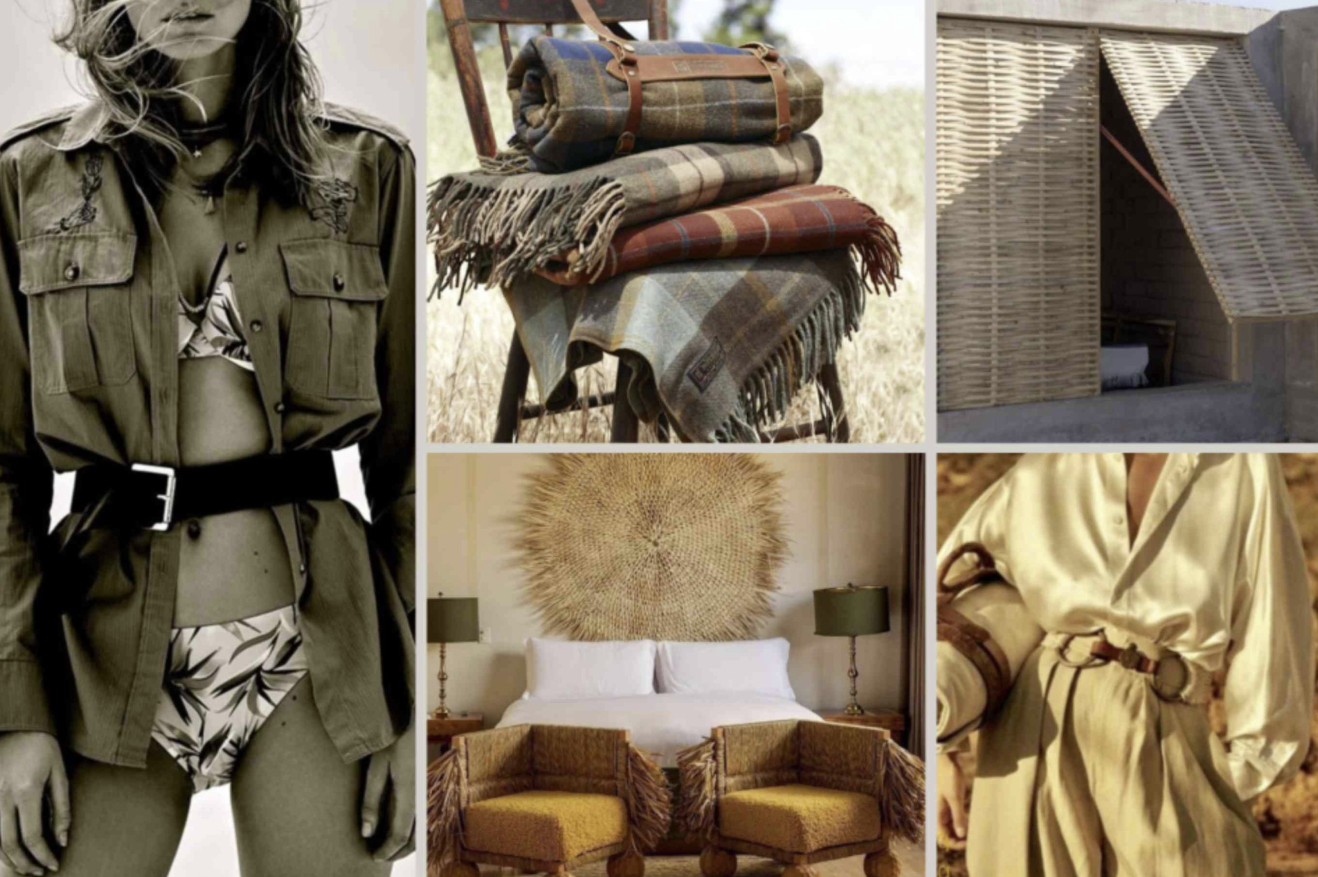
The daily rhythm of a safari influences what travellers wear and bring along. Early game drives call for warm layers, comfortable trousers and a practical jacket, while lighter clothing is useful as temperatures rise.
A woollen blanket is often a welcome addition during cooler drives. Back at the lodge, linen clothing and relaxed knitwear suit afternoons on the terrace or dinner after a day exploring the reserve.
At Xigera, this practical approach is reflected in the accommodation itself, where handcrafted furniture and textiles are combined with the comfort expected of a contemporary safari lodge.
Stay Inspiration | Xigera Safari Lodge, Botswana
Set within the Okavango Delta, Xigera offers 12 individually designed suites, guided wildlife experiences and an exceptional collection of commissioned African art. The Baobab Treehouse provides an additional opportunity for an overnight experience in the bush.
#Safari #SafariStyle #Botswana #OkavangoDelta #SafariLodge #AfricanDesign #SafariTravel #LesCouleursDuMonde
Safari & Wilderness @lescouleursdesafari
In northern Botswana, the Khwai region offers a safari experience that combines wildlife viewing by 4x4 with traditional mokoro excursions, guided nature walks and nights spent camping close to the waterways of the Okavango Delta.
Exploring the Khwai Wilderness
Located along the northeastern edge of the Okavango Delta, the Khwai Community Concession borders Moremi Game Reserve. Its landscape combines river channels, seasonal floodplains, woodland and open grassland, creating habitats for a wide variety of wildlife.
Elephants and buffalo are frequently associated with the Khwai River, particularly during the drier months when animals gather near reliable water sources. The area also supports lions, leopards, African wild dogs and numerous bird species.
One of Khwai's attractions is the variety of safari experiences available. Visitors can explore the landscape by vehicle, travel through shallow waterways in a traditional canoe or join a guided walk to learn more about the smaller details of the ecosystem.
Wildlife Watching by Land and Water
A guided game drive is an opportunity to explore the different habitats of Khwai. Experienced guides interpret animal tracks, identify bird calls and explain how wildlife uses the landscape throughout the day.
Mokoro excursions offer a completely different experience. These narrow canoes are propelled through shallow channels by a guide using a long pole. Travelling at water level allows visitors to observe aquatic plants, frogs, waterbirds and the vegetation lining the waterways.
Guided nature walks introduce another aspect of the region. Instead of concentrating exclusively on large mammals, they can reveal animal tracks, insects, plants and the relationships between different species.
The combination of these activities makes Khwai particularly interesting for travellers who enjoy wildlife photography and learning about the natural environment.
The Khwai Community and Safari Tourism
Khwai is also home to a local community with a direct connection to the surrounding wildlife area.
The Khwai Development Trust was established in 2000 to represent community interests and manage tourism-related activities. Revenue from community campsites and tourism operations contributes to local initiatives.
For visitors, learning about the community adds an important dimension to the safari experience. Local guides bring knowledge of the waterways, wildlife movements and the region's cultural traditions.
Stay Inspiration | Khwai Mokoro Safaris and Campsites, Botswana
Situated along the Sable Alley River in the Khwai Community Concession, Khwai Mokoro Safaris and Campsites offers a camping-based safari experience surrounded by the natural landscapes of northern Botswana.
The property has four private campsites, each with its own bathroom facilities and space for a maximum of six guests. Fully equipped camping packages are available for travellers who prefer an organised stay.
Guests can combine traditional mokoro excursions with guided game drives, nature walks and stargazing. An on-site restaurant and communal dining area provide facilities for meals between activities.
The combination of camping and guided wildlife experiences makes this a suitable choice for travellers who want to explore Khwai without staying in a conventional luxury safari lodge.
→ Explore Khwai Mokoro Safaris and Campsites
#TravelAndEscapes #Botswana #Khwai #OkavangoDelta #SafariTravel #WildlifeExperiences #SafariCamping #Safari

Safari & Wilderness @lescouleursdesafari
The Value of Time on Safari
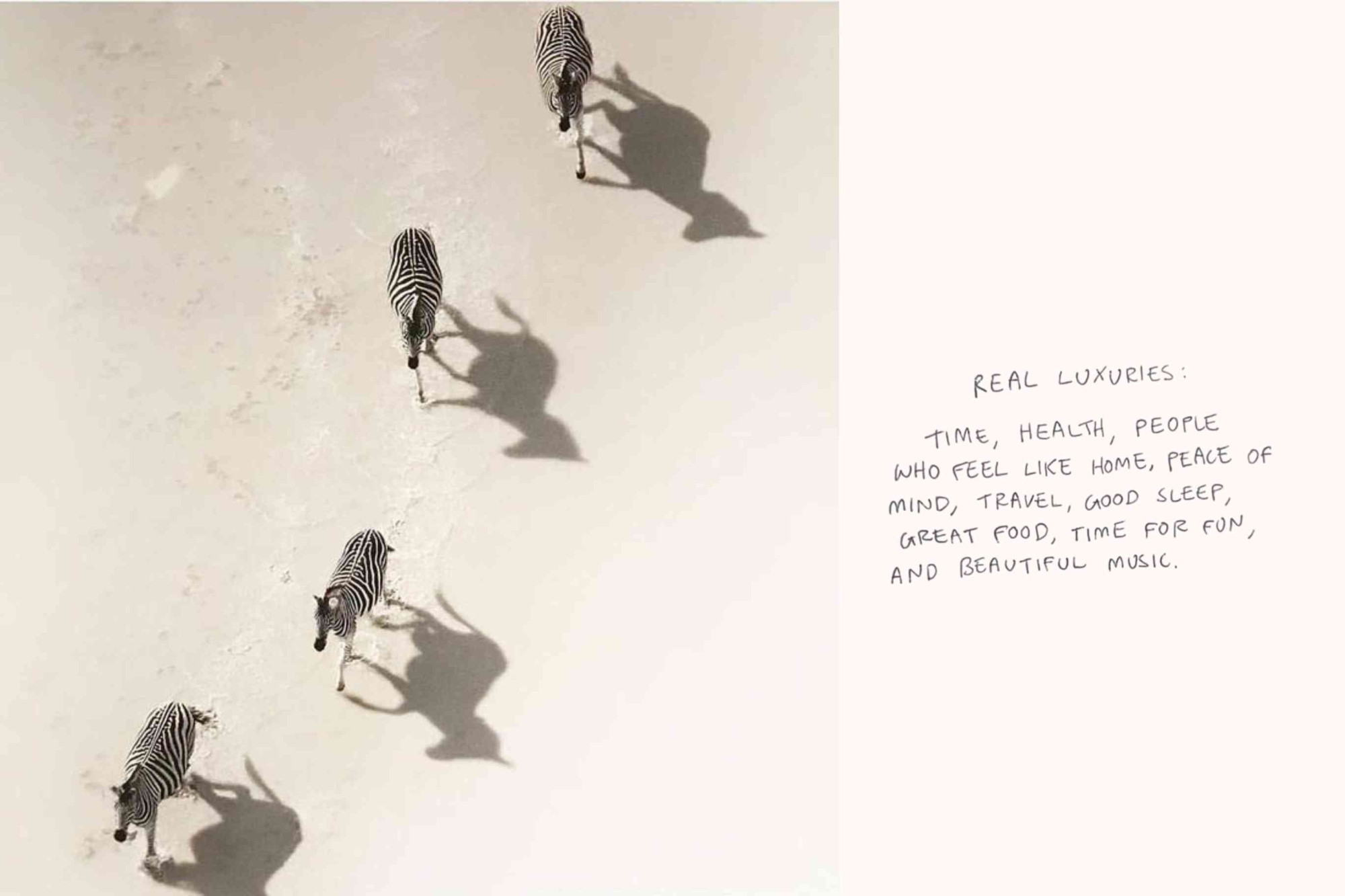
Time is one of the most valuable elements of a safari. It allows travellers to observe wildlife behaviour, understand the landscapes they are exploring and appreciate the details that experienced guides recognise during a game drive.
In Kenya's Maasai Mara, open grasslands, river systems and scattered acacia trees support a remarkable diversity of wildlife. The landscape provides opportunities to observe animals in their natural environment, from grazing herds to predators moving through their territories.
Understanding Wildlife Behaviour
A safari becomes particularly interesting when there is time to observe how animals interact.
Zebras maintain social relationships within their groups and communicate through vocalisations, ear movements and body language. Watching a herd reveals how individuals remain alert while grazing and respond to potential threats.
Elephants demonstrate equally complex behaviour. Family groups are generally led by experienced females, while younger animals learn through observation and interaction.
Predators provide another perspective. Lions may spend much of the day resting, while cheetahs rely on open terrain and visibility when hunting.
These encounters offer opportunities to understand animal behaviour rather than simply record a sighting.
The Importance of a Knowledgeable Guide
Experienced safari guides play an important role in interpreting the landscape.
They recognise tracks, identify bird calls and explain how animals respond to seasonal changes in vegetation and water availability.
In the Maasai Mara, guides can also introduce visitors to the relationship between grazing animals and predators, the importance of river habitats and the seasonal movement of wildlife across the wider Mara-Serengeti ecosystem.
The annual Great Migration is one of the region's best-known natural events. Large herds of wildebeest and zebras move in response to rainfall and grazing conditions, although their location and timing vary from year to year.
Understanding these ecological relationships provides a more complete picture of the region.
The Experience Between Game Drives
The hours between organised safari activities offer another perspective on the Maasai Mara.
From an elevated lodge overlooking the plains, guests may observe changing weather conditions, distant wildlife movements and the activity of birds across the landscape.
Time spent reading, photographing wildlife or speaking with guides creates opportunities to learn more about the surrounding environment.
Early mornings and late afternoons are particularly interesting for observing changes in animal activity as temperatures and light conditions shift.
The experience of staying in a wildlife area extends throughout the day, including the quieter periods between excursions.
Stay Inspiration | Pearl Mara, Maasai Mara, Kenya
Situated on the Oloololo Escarpment overlooking the Mara Triangle, Pearl Mara is a luxury tented lodge surrounded by the landscapes of Kenya's Maasai Mara.
The property offers accommodation with private terraces overlooking the surrounding countryside. Guided safari experiences provide opportunities to explore the region's wildlife, including zebras, elephants, giraffes and large predators.
Between game drives, guests can spend time observing the landscape from the lodge and learning more about the ecosystem through conversations with local guides.
Its elevated location makes Pearl Mara a suitable base for combining wildlife exploration with time spent appreciating the natural surroundings.
#MaasaiMara #KenyaSafari #WildlifeBehaviour #SafariExperiences #AfricanWildlife #SafariLodges #NatureTravel #LesCouleursDeSafari
Safari & Wilderness @lescouleursdesafari
Two Sides of Kenya: Maasai Mara & Tsavo West
Kenya's Maasai Mara and Tsavo West offer two distinctly different safari experiences, making them an interesting combination for travellers who want to explore more than one ecosystem. The Maasai Mara is associated with open grasslands, large concentrations of wildlife and the annual wildebeest migration. Tsavo West introduces volcanic landscapes, natural springs, wooded hills and a different variety of wildlife habitats.
Maasai Mara | Wildlife on the Open Plains
The Maasai Mara ecosystem extends across southwestern Kenya and connects with Tanzania's Serengeti.
Within this landscape, the Olare Motorogi Conservancy is a privately managed wildlife area bordering the Maasai Mara National Reserve.
The conservancy supports populations of lions, leopards, cheetahs, elephants, giraffes and numerous antelope species.
Its limited number of camps and safari vehicles allows for wildlife viewing with fewer visitors than in the main reserve.
The annual Great Migration brings large herds of wildebeest and zebras through the wider ecosystem. Their movements depend on rainfall and grazing conditions, so sightings cannot be guaranteed at a particular location or date.
Tsavo West | Volcanic Landscapes and Red Elephants
Further southeast, Tsavo West National Park presents a contrasting environment.
The park is characterised by volcanic hills, lava fields, acacia woodland and natural springs. The Shetani Lava Flow is one of its most recognisable geological features.
Tsavo is particularly associated with elephants covered in reddish dust from the region's iron-rich soil.
Wildlife also includes buffalo, giraffes, zebras, antelope and predators, although animals can be more difficult to locate in the park's dense vegetation.
Mzima Springs is another important feature of Tsavo West. Fed by underground water from the Chyulu Hills, the springs support hippos, crocodiles and a variety of birdlife.
On clear days, parts of the park offer views towards Mount Kilimanjaro.
Combining Two Safari Regions
Visiting both areas provides an opportunity to experience the ecological diversity of Kenya.
The Maasai Mara is particularly rewarding for observing large mammals and predator activity across open grassland.
Tsavo West offers a different perspective, combining wildlife viewing with volcanic geology, freshwater habitats and extensive wilderness.
Travelling between the regions is best organised through safari operators or the camps themselves. Depending on flight schedules, the journey may require a connection through Nairobi or a private charter.
Allowing several nights in each region provides time for different game drives and reduces the pressure to see everything in a single day.
Two Distinctive Safari Camps
Mahali Mzuri | Olare Motorogi Conservancy
Mahali Mzuri is a luxury tented safari camp overlooking a valley within the Maasai Mara ecosystem.
The camp offers guided game drives through the conservancy, where guests can observe wildlife in a landscape of grassland, hills and river valleys.
Finch Hattons | Tsavo West National Park
Finch Hattons is situated beside natural springs beneath the Chyulu Hills.
Its tented suites overlook the surrounding landscape, while safari activities introduce guests to Tsavo West's wildlife, volcanic terrain and freshwater ecosystems.
Together, the two camps provide contrasting experiences of Kenya's protected landscapes.
Featured in Les Couleurs du Monde Magazine
Our second edition features a safari itinerary connecting Mahali Mzuri and Finch Hattons, highlighting the differences between these two regions and the experiences available at each camp.
Safari Style | Selva Verde Kaftan
For time spent at the lodge between game drives, explore the Selva Verde Kaftan from our collection.
→ Explore the Selva Verde Kaftan in the Les Couleurs du Monde Shop.
#Kenya #MaasaiMara #TsavoWest #AfricanSafari #WildlifeConservation #SafariLodges #LesCouleursDuMonde