Home & Design @mountainliving
Hosting guests in a mountain home during winter involves more than preparing a meal. Cold weather, outdoor activities and the transition from snow to a warm interior influence how spaces are prepared and how guests experience the home.
A welcoming entrance is a practical starting point. Winter coats, boots, gloves and ski equipment require more space than summer belongings, making storage and accessible places to leave wet clothing particularly useful.
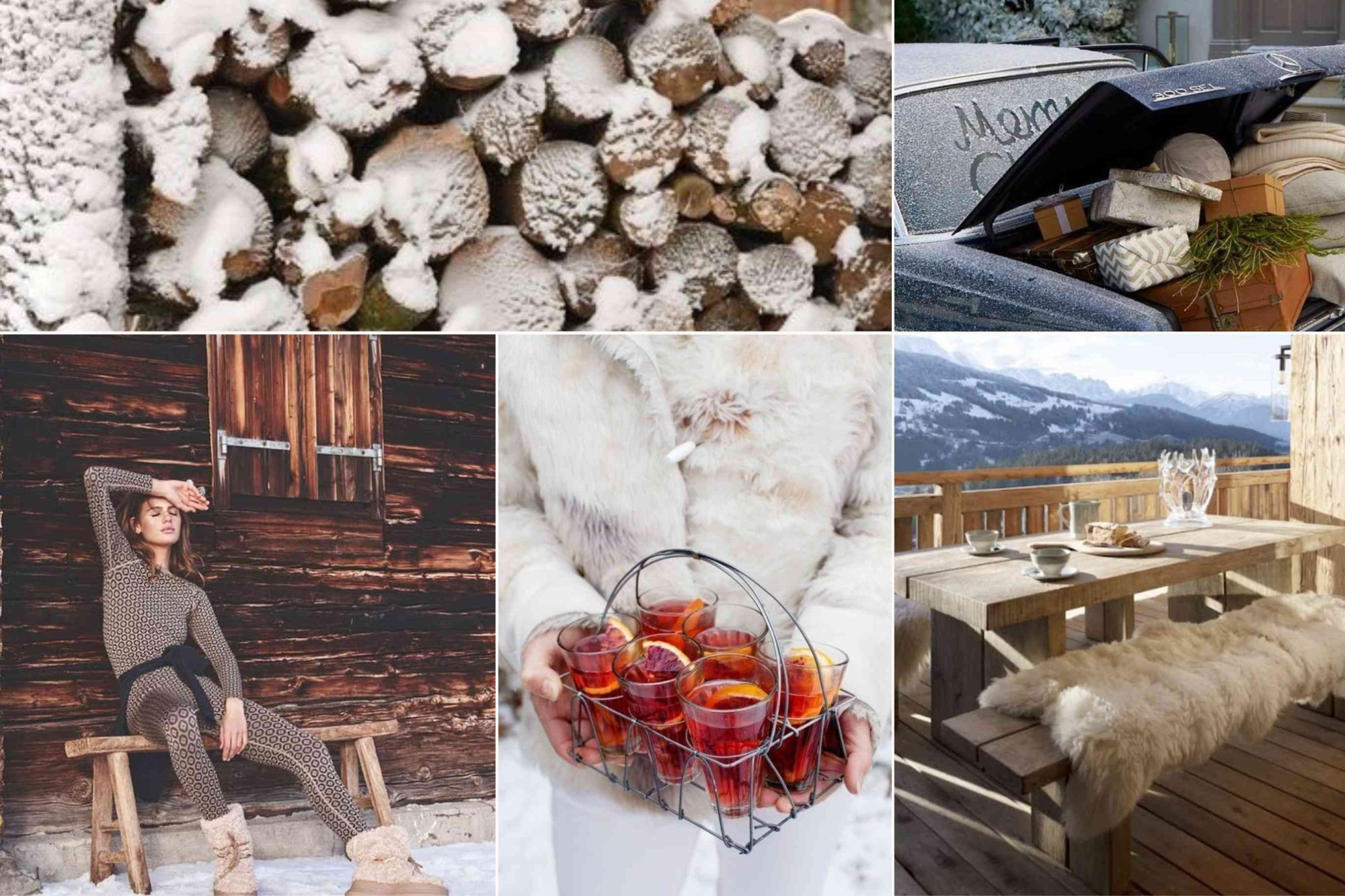
Warm drinks can become part of the arrival. Tea, coffee, hot chocolate or regional winter drinks provide a simple way to welcome guests after travelling through cold weather or spending time outdoors.
Comfort also extends beyond the interior. A sunny terrace can remain an inviting place during winter when seating is combined with wool blankets or sheepskins. Sheltered outdoor areas allow guests to enjoy the mountain landscape without needing to spend long periods in the cold.
Inside, informal gathering spaces often work particularly well. A large table, seating around a fireplace or a comfortable kitchen area encourages people to spend time together without creating a formal entertaining environment.
Small practical details can make a significant difference. Extra blankets, somewhere to dry gloves and boots and drinks prepared in advance all respond directly to the realities of winter in the mountains.
Winter hosting is therefore closely connected to both design and hospitality, with the home prepared around warmth, comfort and the activities that define mountain living.
Looking for more inspiration for dressing in the mountains?
Discover Faux Fur in Winter Fashion →
#WinterHosting #AlpineLiving #MountainHomes #AlpineHospitality #WinterLiving #AlpineduMonde