L'edition Printemps
Les Couleurs du Monde Magazine -Travel, Taste and Discovery. Discover our editions. Contact: info@lescouleursdumonde.com
Weddings & Events @lalaland
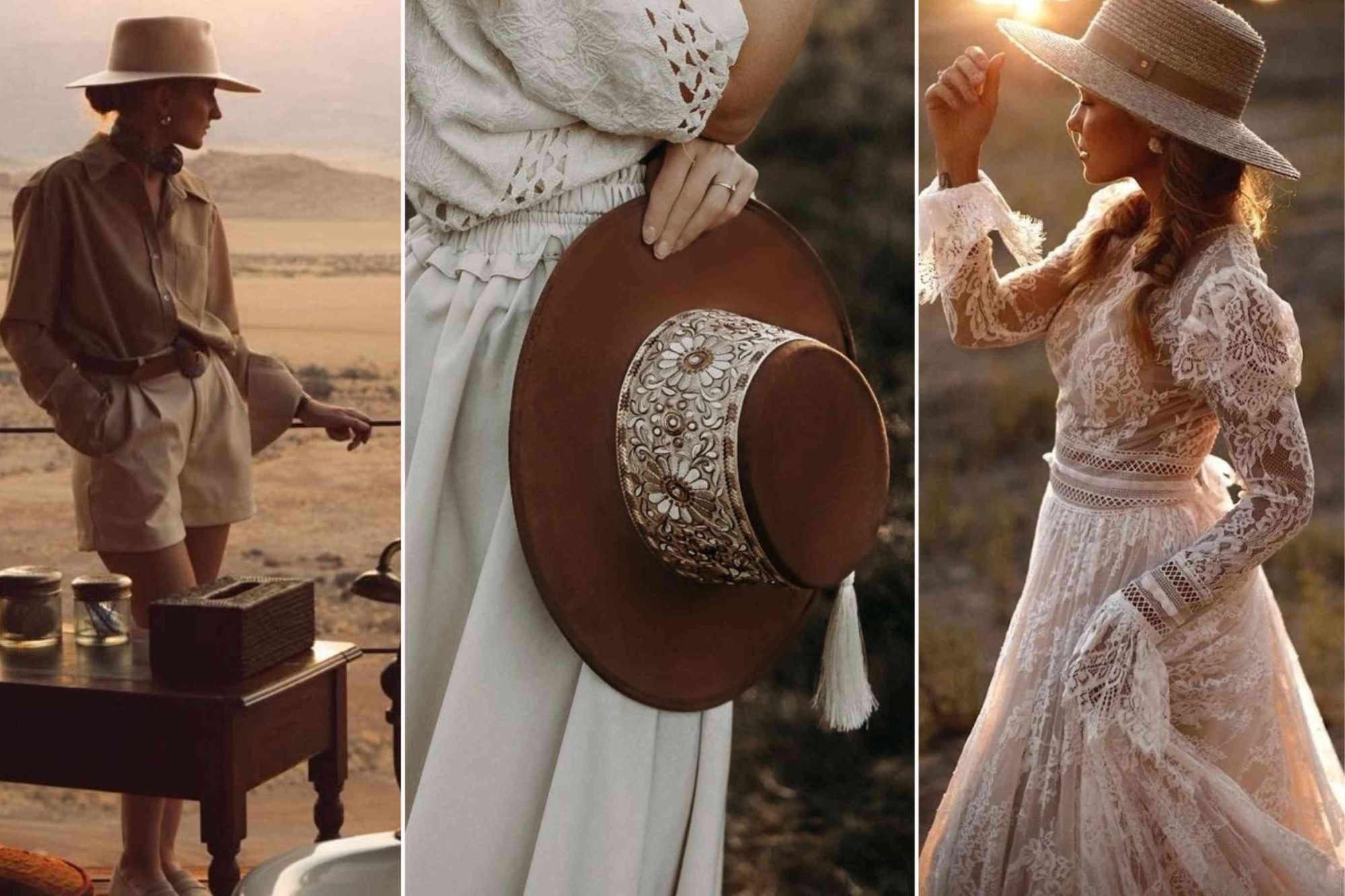
A hat can be both a practical and distinctive part of dressing for an outdoor wedding. Wide-brimmed styles work particularly well for celebrations in the countryside, where ceremonies, drinks and dinner may all take place outside.
For the bride, a hat can provide an alternative to a traditional veil. White, cream and natural tones work easily with lace and lighter bridal fabrics, while a more structured hat can create contrast with a softer dress.
Guests can take the same approach. Neutral felt, straw and woven styles can complement summer dresses, tailoring and relaxed occasionwear without making the outfit feel overly formal.
The surroundings matter too. Countryside weddings, vineyard celebrations and rural estates provide a natural setting for hats, particularly when much of the day takes place outdoors.
In regions such as the Basque Country, where the coast quickly gives way to green countryside, vineyards and rural landscapes, this type of wedding style can fit naturally into the setting.
A Wedding in the Basque Country
Planning an outdoor wedding or celebration? The Basque Country combines coastal locations with green countryside, vineyards and rural stays that work particularly well for celebrations outside.
→ Discover the Basque Country in our fourth edition.
#OutdoorWedding #WeddingHats #BridalStyle #CountrysideWedding #WeddingFashion #Lalaland
Weddings & Events @lalaland
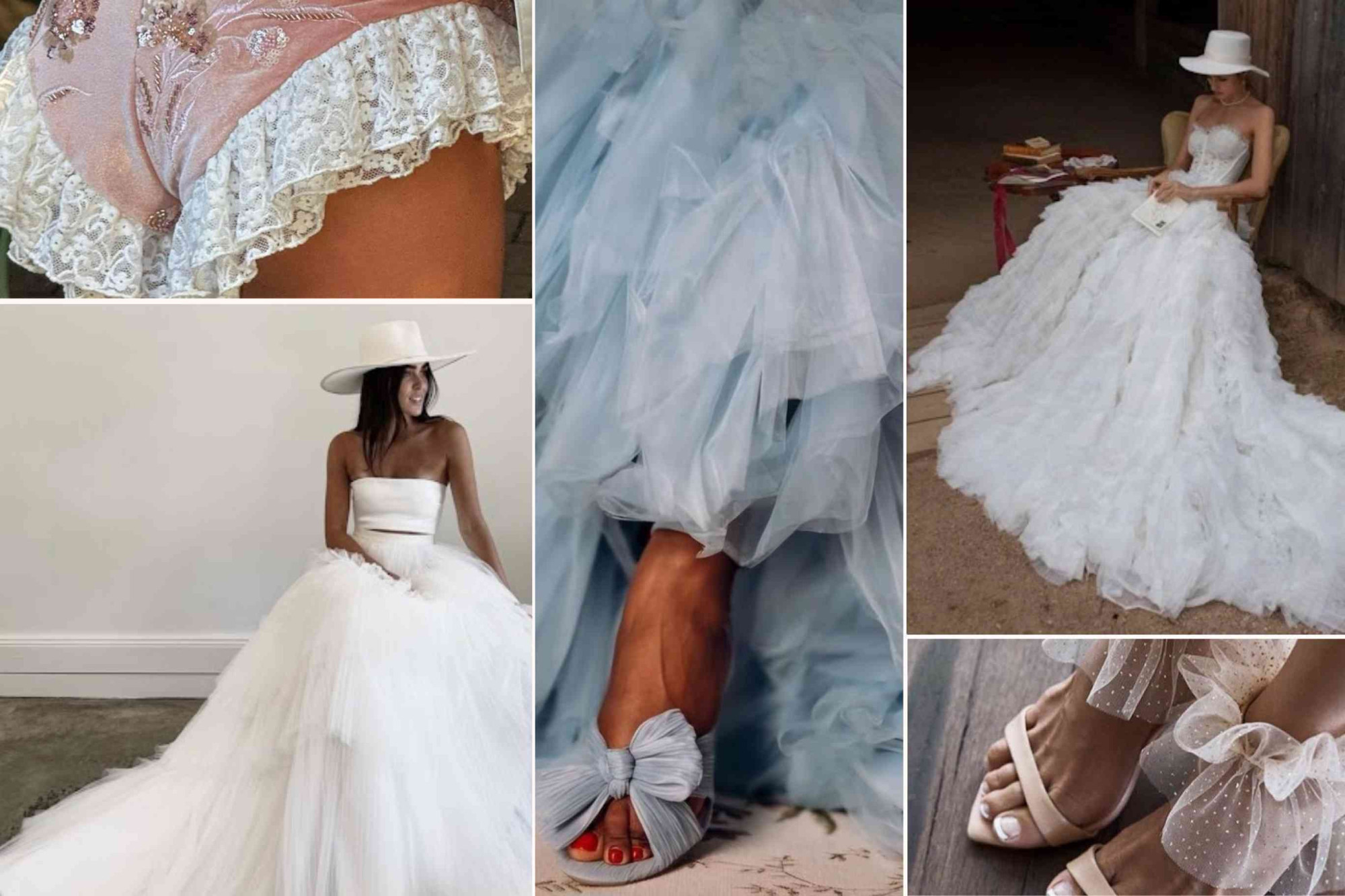
The silhouette is one of the first things that gives a wedding dress its character. A full skirt creates a very different impression from a fitted gown, even when both dresses use the same colour and relatively simple fabrics.
Volume is perhaps the most recognisable example. Layers of tulle or organza can create a large, flowing skirt while keeping the upper part of the dress surprisingly simple. Strapless bodices and clean necklines work particularly well with this contrast.
A fitted silhouette follows the body more closely and places greater emphasis on the cut of the dress. Lace, embroidery and subtle embellishment can add detail without changing its overall shape.
Between these two are softer A-line dresses. They have movement and volume but remain less structured than a traditional ball gown, making them suitable for many different styles of wedding.
Length can change a silhouette too. A shorter front, split skirt or removable layer reveals the legs and shoes while maintaining the effect of a longer gown from other angles.
Sleeves, necklines and trains add another dimension. A dramatic skirt can be combined with a very minimal top, while a simpler silhouette leaves room for lace sleeves, bows or other details.
Accessories can then work with the proportions of the dress. A wide-brimmed hat creates a strong addition to a clean gown, while delicate shoes can appear briefly beneath layers of tulle as the bride moves.
There is no single bridal silhouette that defines a particular type of wedding. Full skirts can work in contemporary spaces and simple dresses can look equally at home in grand historic settings. The interest lies in how shape, fabric and detail come together in one design.
Inspired by the volume of a full skirt?
Discover The Full Skirt →
#BridalFashion #WeddingDresses #BridalStyle #WeddingFashion #BridalDesign #Lalaland
Weddings & Events @lalaland
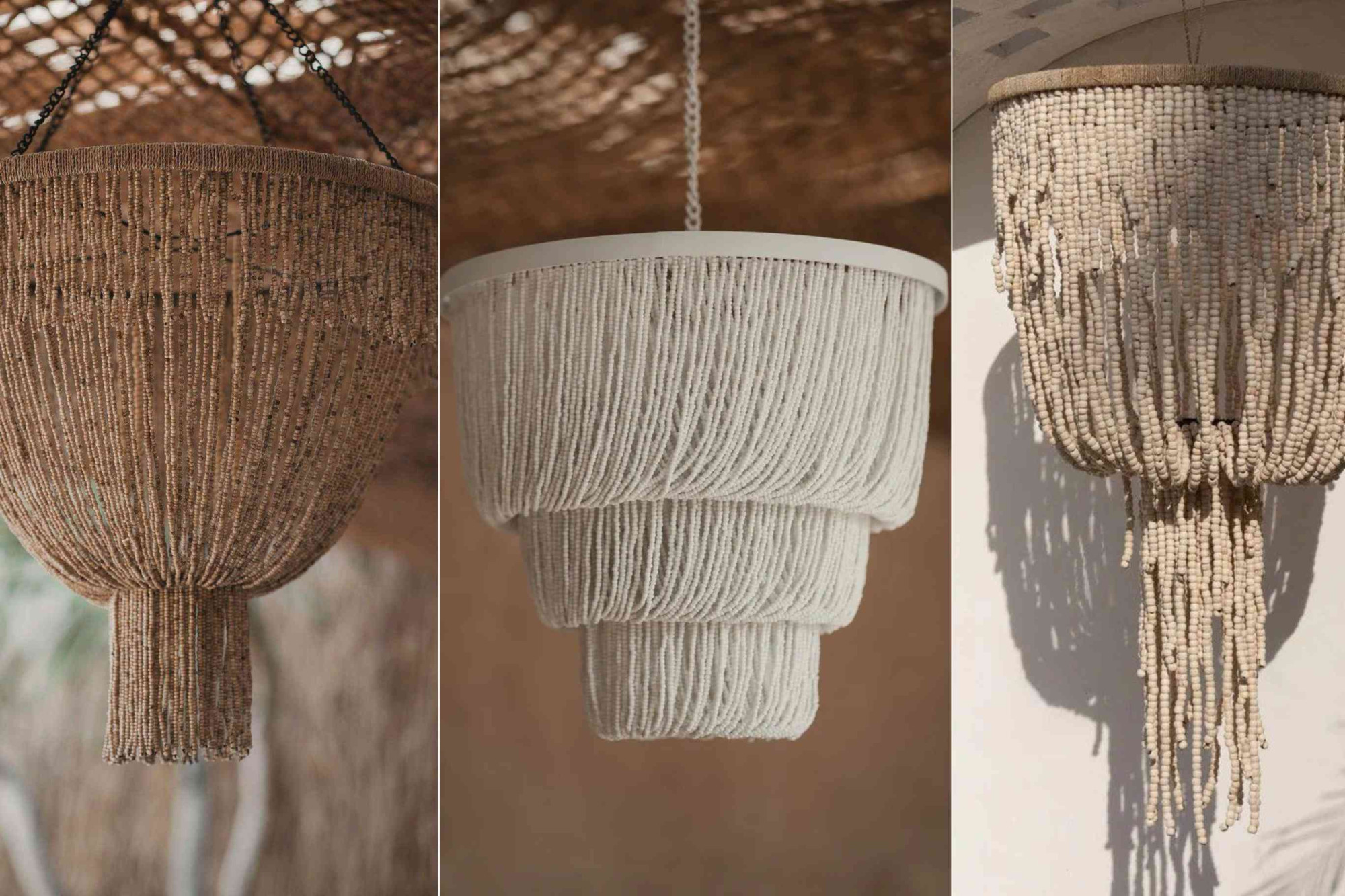
Lighting is usually planned for practical reasons, but at a wedding or event it can also become an important part of the decoration. Large pendant lights, chandeliers and grouped lamps can help define a dining area, ceremony space or lounge without adding more decoration to tables and walls.
Natural materials work particularly well for outdoor and destination events. Beads, rope, woven fibres, wood and shells bring texture into the setting and combine easily with linen, ceramics, flowers and simple furniture. During the day, the fixtures remain visible as decorative objects. Once evening begins, they take on their second function as lighting.
Scale is important when choosing statement pieces. One small pendant can disappear above a long dining table, while several larger lights can visually connect the entire table. For smaller round tables or lounge areas, a single low-hanging fixture may be enough.
The height also changes the effect. Hanging lights relatively low above a dining table creates a more defined area, while higher installations work better above dance floors, entrances and spaces where guests need to move freely.
For weddings in marquees, pergolas, barns or covered terraces, existing beams and structures can often be used to suspend lighting. Temporary outdoor installations require more planning, particularly when electricity, wind and weather protection need to be considered.
Statement lighting can also reduce the need for additional styling. Instead of filling a venue with numerous decorative elements, a few carefully chosen fixtures can provide a strong visual feature while keeping the rest of the setting relatively simple.
After sunset, additional candles, table lamps or smaller light sources can complement the main fixtures. Combining several levels of light generally works better for a dinner or evening celebration than relying on one bright overhead source.
For an event that continues from afternoon into evening, lighting is therefore worth considering early in the styling process. The fixtures are part of the setting during daylight and become increasingly important as natural light disappears.
Inspired by woven lighting beyond events?
Discover More Interior Inspiration →
#WeddingLighting #EventLighting #WeddingDecor #EventStyling #OutdoorWedding #WeddingInspiration #Lalaland
Weddings & Events @lalaland
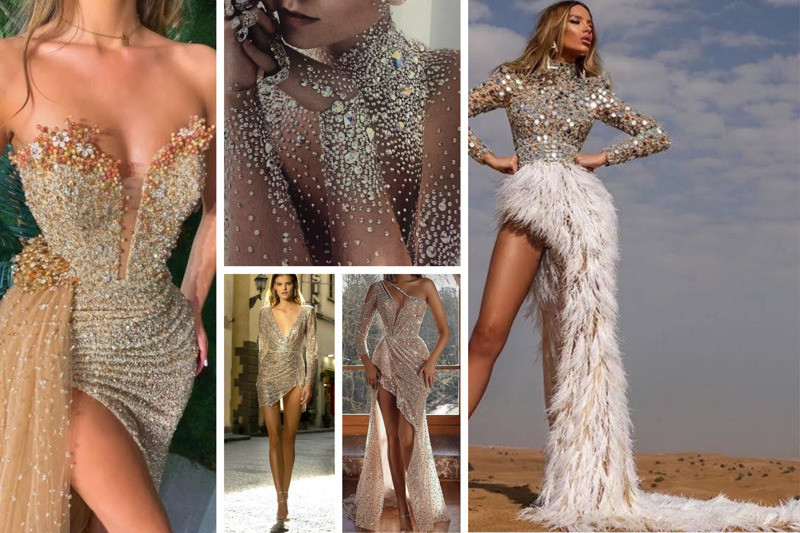
An evening wedding or formal celebration creates room for clothing that might feel too elaborate for an ordinary occasion. Crystal embellishments, metallic fabrics, sequins and feather details can all work when the setting and dress code support a more glamorous look.
The first consideration is the type of event. A black-tie wedding, gala dinner and large evening celebration generally allow for more formal pieces than an afternoon ceremony or informal outdoor reception. A floor-length gown is an obvious option, but embellished cocktail dresses and shorter evening dresses can work just as well.
When a dress already contains a large amount of detail, the rest of the outfit does not need to compete with it. Crystal-covered fabrics, dramatic sleeves or feathered skirts can become the main feature, with simpler shoes, jewellery and accessories completing the look.
Sheer fabrics with strategically placed embellishments create another possibility for evening dressing. Because these designs can vary considerably in transparency, it is worth considering the lighting and setting of the event as well as how the garment looks in daylight.
Movement is equally important. A dress may look impressive while standing still but weddings and celebrations usually involve several hours of sitting, walking and dancing. Long trains, fitted silhouettes and heavy embellishment can affect how comfortable a piece is throughout the evening.
For destination events, the location adds another consideration. Lightweight embellished fabrics can suit warm climates better than heavily structured gowns, while outdoor venues may make very long hems or delicate trains less practical.
The result does not have to be understated. For occasions where guests are encouraged to dress up, a statement dress can be exactly the right choice. The key is choosing one that works not only for the dress code but also for the venue and the way the evening will unfold.
Looking for a more relaxed approach to festive dressing?
Discover More Style Inspiration →
#EveningWear #WeddingGuestStyle #EventFashion #StatementDress #EveningDress #WeddingFashion #Lalaland
Weddings & Events @lalaland
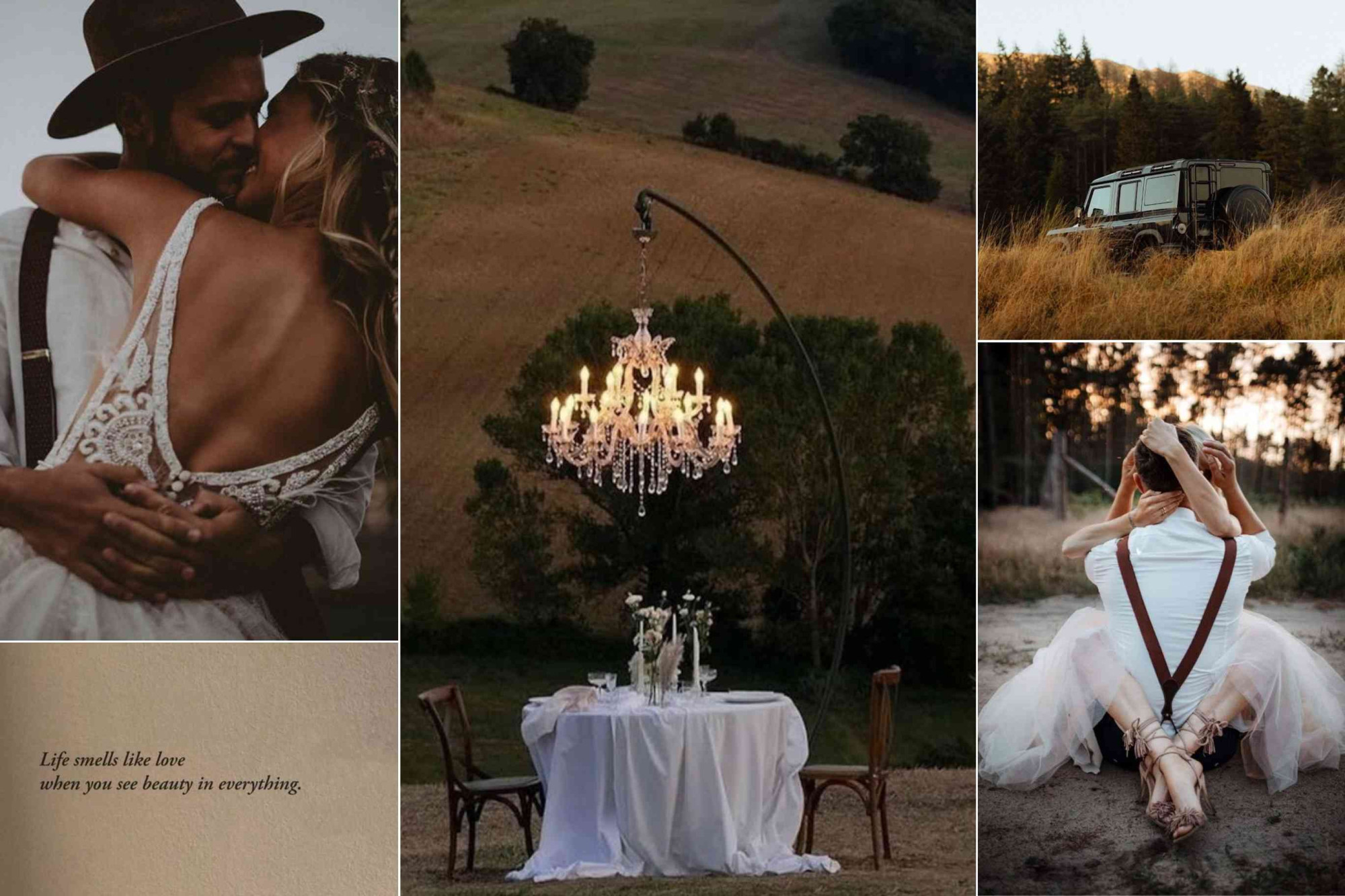
A wedding does not need a large guest list or traditional venue to feel like a complete celebration. For couples who prefer something smaller, a countryside setting can provide enough space for a ceremony, dinner and overnight stay without organising a large-scale event.
The first decision is how small the wedding will actually be. An elopement may involve only the couple and the people legally required for the ceremony, while an intimate wedding can include a small group of family and friends. Knowing the number of guests early makes choosing a location considerably easier.
Private houses, country estates, farms and small hotels can be particularly suitable. Instead of moving between several locations during the day, the ceremony, photographs and dinner can often take place on the same property.
Dinner can remain simple as well. One beautifully prepared table can replace a traditional reception setup with dozens of tables. A private chef, local caterer or restaurant nearby may be enough to provide the meal without requiring the infrastructure of a larger wedding.
A smaller celebration also creates more possibilities when choosing where to hold the ceremony. A garden, field, olive grove or quiet part of an estate may work for a small group where the same location would be impractical for a hundred guests.
Even with very few people, practical planning remains important. Access to the location, accommodation, transport, electricity, bathrooms and an alternative in case of rain should all be checked beforehand. Remote settings can look ideal in photographs but may require additional organisation.
Flowers, lighting and table decoration can then be concentrated in a few places rather than spread across an entire venue. One long table, a chandelier above dinner, candles or a small floral arrangement can be enough to create a defined setting for the evening.
For couples who want to spend more time together and less time managing a large event, keeping the wedding small can change where the celebration takes place and how the entire day is organised.
Thinking about music for a wedding?
Discover French saxophonist Loïck Stan in our second edition →
#IntimateWedding #CountrysideWedding #SmallWedding #DestinationWedding #WeddingPlanning #OutdoorWedding #Lalaland
Weddings & Events @lalaland
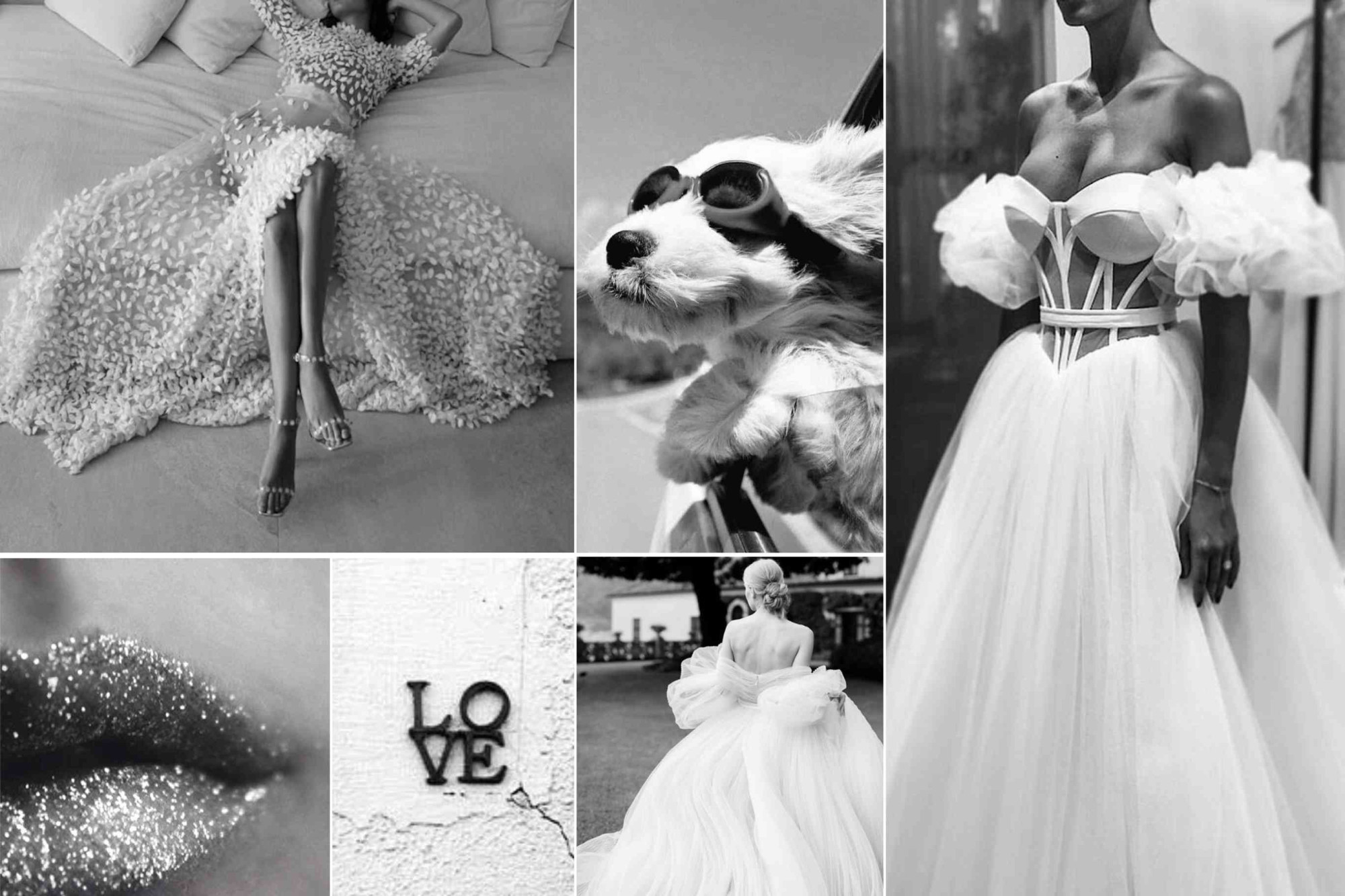
The location of a wedding can be a useful starting point when choosing a dress. A ceremony in a city hotel asks something different from a wedding on the beach, in a country estate or during a warm-weather destination celebration.
For a formal indoor wedding, structured fabrics, detailed corsetry and fuller skirts can work particularly well. Ball gowns and dresses with longer trains are easier to manage when most of the day takes place on smooth indoor floors and there is plenty of space around the ceremony and reception.
Outdoor weddings introduce different considerations. Grass, gravel, sand and uneven paths can quickly make a very long train difficult to manage. Lighter skirts, shorter trains or dresses that can be bustled after the ceremony give more freedom once guests move outside.
Climate matters too. For weddings in southern Europe or other warm destinations, breathable fabrics and the weight of the dress become particularly relevant. Layers of tulle may look light but can still feel warm, while heavily embellished fabrics add considerably more weight than expected.
The shape of the dress can also reflect how the day is organised. A fitted gown may work beautifully for a ceremony and seated dinner, while a dress with more movement can be easier for a celebration that includes walking between locations or spending several hours on the dance floor.
Some brides solve this by changing their look during the day. A removable overskirt, detachable sleeves or a second dress can take an outfit from the ceremony to dinner and dancing without requiring one design to work for every part of the wedding.
Shoes deserve the same consideration. Fine heels are suitable for many indoor venues but can be impractical on lawns, cobbled streets and beaches. Choosing shoes together with the dress and venue prevents an otherwise small detail from becoming inconvenient on the day.
Personal style remains central to the decision. The setting can help narrow down practical choices, while the final dress should still feel appropriate to the person wearing it.
Start with the Setting
The venue influences much more than the practical choice of a wedding dress. In the historic centre of Brussels, Zinnia provides a contemporary setting for celebrations, with flexible spaces that can be adapted to different types of events.
Discover Zinnia – A New Chapter in Brussels’ Hospitality in our first edition →
#WeddingDress #BridalFashion #WeddingStyle #DestinationWedding #BridalStyle #WeddingInspiration #Lalaland
Weddings & Events @lalaland
Wedding flowers can appear in many more places than the bridal bouquet and table arrangements. Small floral details can connect different parts of the celebration, from the ceremony and reception to accessories and gifts for guests.
The bridal bouquet is usually the starting point. Its flowers and colours can establish a direction without becoming a strict formula for everything else. Instead of repeating the exact bouquet throughout the venue, individual varieties or colours can return in smaller arrangements.
Flower baskets are useful for ceremonies, entrances and outdoor settings. They can hold fresh flowers, petals or small arrangements and are easy to move when different parts of the wedding take place in different areas of the same venue.
Wearable flowers provide another possibility. Individual blooms can be incorporated into hair, corsages, buttonholes and occasionally shoes or other accessories. These details work best when they remain comfortable and are made with flowers that can cope with several hours without water.
For tables, smaller arrangements can continue the same colour palette while introducing different flowers or greenery. This creates consistency without making every arrangement look identical.
Seasonality is worth discussing with the florist early in the planning process. Choosing flowers that are naturally available around the wedding date can provide more options and reduce the need to source particular varieties from further away.
Warm weather requires some additional thought. Delicate flowers may struggle during an outdoor summer ceremony, especially when arrangements are prepared several hours beforehand. Shade, access to water and the timing of installation can make a noticeable difference.
Flowers can also be moved during the day. Ceremony arrangements can later be placed around the reception, while baskets and smaller displays can be transferred to the dinner area. Planning this beforehand allows the same flowers to be used in several settings.
The aim is not to cover every part of the wedding in flowers. Repeating selected colours, varieties and natural materials in a few carefully chosen places can be enough to connect the different parts of the celebration.
Looking for more natural details for an outdoor table?
Discover Outdoor Place Cards →
#WeddingFlowers #WeddingFlorals #BridalBouquet #WeddingStyling #FloralDesign #WeddingInspiration #Lalaland
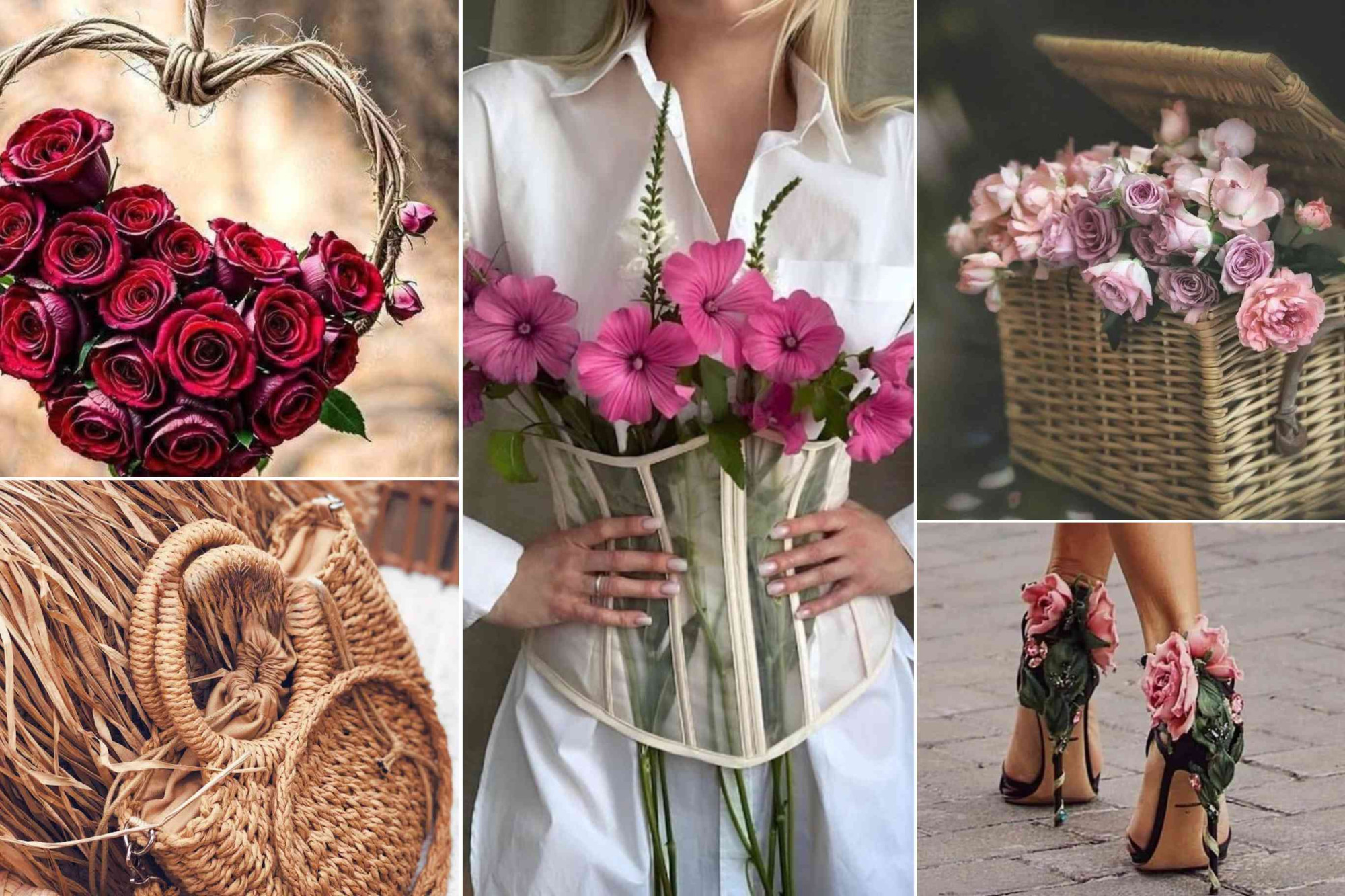
Weddings & Events @lalaland
A Christmas dinner becomes easier to organise when the evening is planned around a few key elements: the table, the food, the lighting and the timing. Preparing these in advance leaves more time to spend with guests once everyone arrives.
Start with the number of people and the way dinner will be served. A seated meal requires enough table space for plates, glasses and serving dishes, while a buffet or shared-table dinner gives more flexibility when the guest list is larger.
The menu is usually easiest when several dishes can be prepared earlier in the day. Starters served cold or at room temperature, oven dishes and desserts made in advance reduce the amount of cooking required while guests are already at the table.
Christmas is also an occasion where decoration can be more expressive. Glass ornaments, metallic details, ribbons, candles and greenery can move beyond the Christmas tree and become part of the dining room or entertaining space. A chandelier decorated with baubles or branches, for example, creates a focal point without taking up valuable space on the table.
For the table itself, leave enough room for dinner. Candles, small arrangements and individual decorations generally work better than large centrepieces when dishes will be shared. Christmas ornaments can also be used as place settings or scattered between glasses and serving pieces.
Lighting becomes particularly important for an evening event. Candles can be combined with table lamps, chandeliers and warm ambient lighting rather than relying entirely on bright overhead lights. Make sure candles remain away from greenery, ribbons and other flammable decorations.
Drinks can be organised separately from the dining table. A small bar or side table with glasses, water and bottles allows guests to help themselves and keeps the main table clear.
It also helps to decide beforehand what happens after dinner. Dessert and coffee might stay at the table, while drinks can move to another room or seating area. Music, a fireplace or a separate drinks station can give the second part of the evening its own setting.
With the practical parts prepared before guests arrive, Christmas dinner can remain festive without requiring the host to spend most of the evening organising it.
What would you wear for a festive winter evening?
Discover A Little Sparkle for the Mountains →
#ChristmasDinner #ChristmasParty #HolidayEntertaining #ChristmasTable #EventPlanning #ChristmasDecor #Lalaland
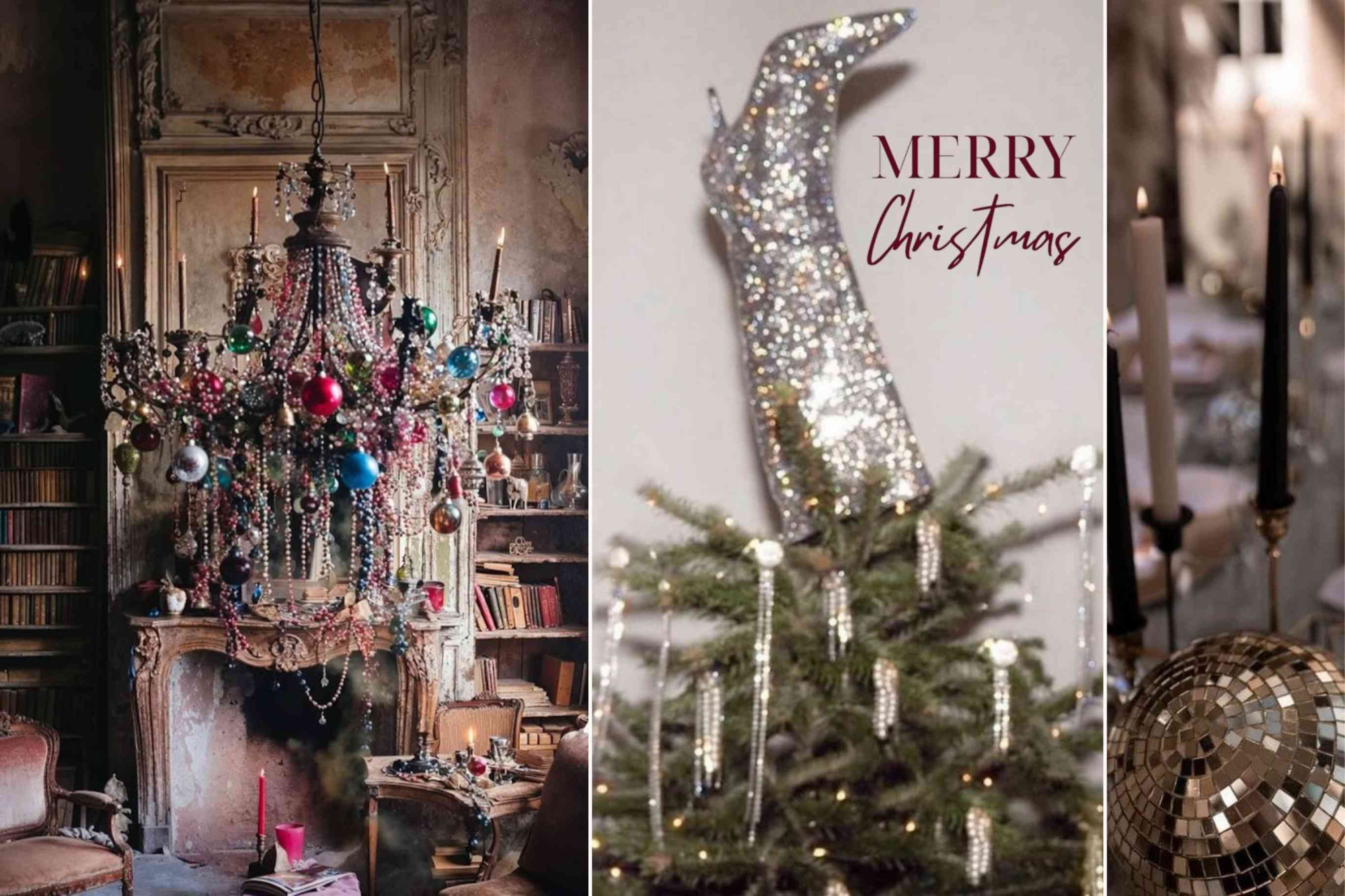
Weddings & Events @lalaland
A birthday dinner at home can feel like a real occasion without requiring the organisation of a large party. A guest list, a menu that can mostly be prepared beforehand and a few details reserved specifically for the birthday are a good place to start.
The number of guests determines much of the planning. A smaller group can usually sit around one table, making a full dinner practical. With more guests, shared dishes, a buffet or a combination of seated dining and informal drinks may work better.
Choose the menu with the evening itself in mind. Dishes that require constant preparation can leave the host in the kitchen while everyone else is together. Preparing a starter and dessert earlier and choosing a main course that can finish in the oven makes serving considerably easier.
The birthday cake can become part of the decoration before it is served. A simple cake placed on a stand, decorated macarons or individual desserts can create a focal point without needing a separate dessert table.
Drinks are another easy element to prepare in advance. Set out glasses and organise wine, water and other drinks in one place so guests can serve themselves. For a larger dinner, a separate drinks table keeps bottles away from the dining table.
Decoration can be concentrated around a few birthday details. Candles, ribbons, flowers, balloons or personalised desserts immediately identify the occasion while allowing the rest of the table to remain simple.
Think about what happens after dinner as well. Guests may stay around the table, move to a living room or continue outside during warmer months. Preparing another area for coffee, drinks and music avoids having to reorganise the room halfway through the evening.
The most useful preparations are often the ones guests barely notice: enough ice, somewhere for coats, extra chairs, serving utensils and space in the fridge for dishes brought by friends.
Once these practical details are arranged, the birthday itself can remain the focus of the evening rather than the work involved in hosting it.
Looking for a different way to celebrate a birthday?
Discover Birthday Wellness →
#BirthdayDinner #BirthdayParty #DinnerParty #BirthdayIdeas #EntertainingAtHome #EventPlanning #Lalaland
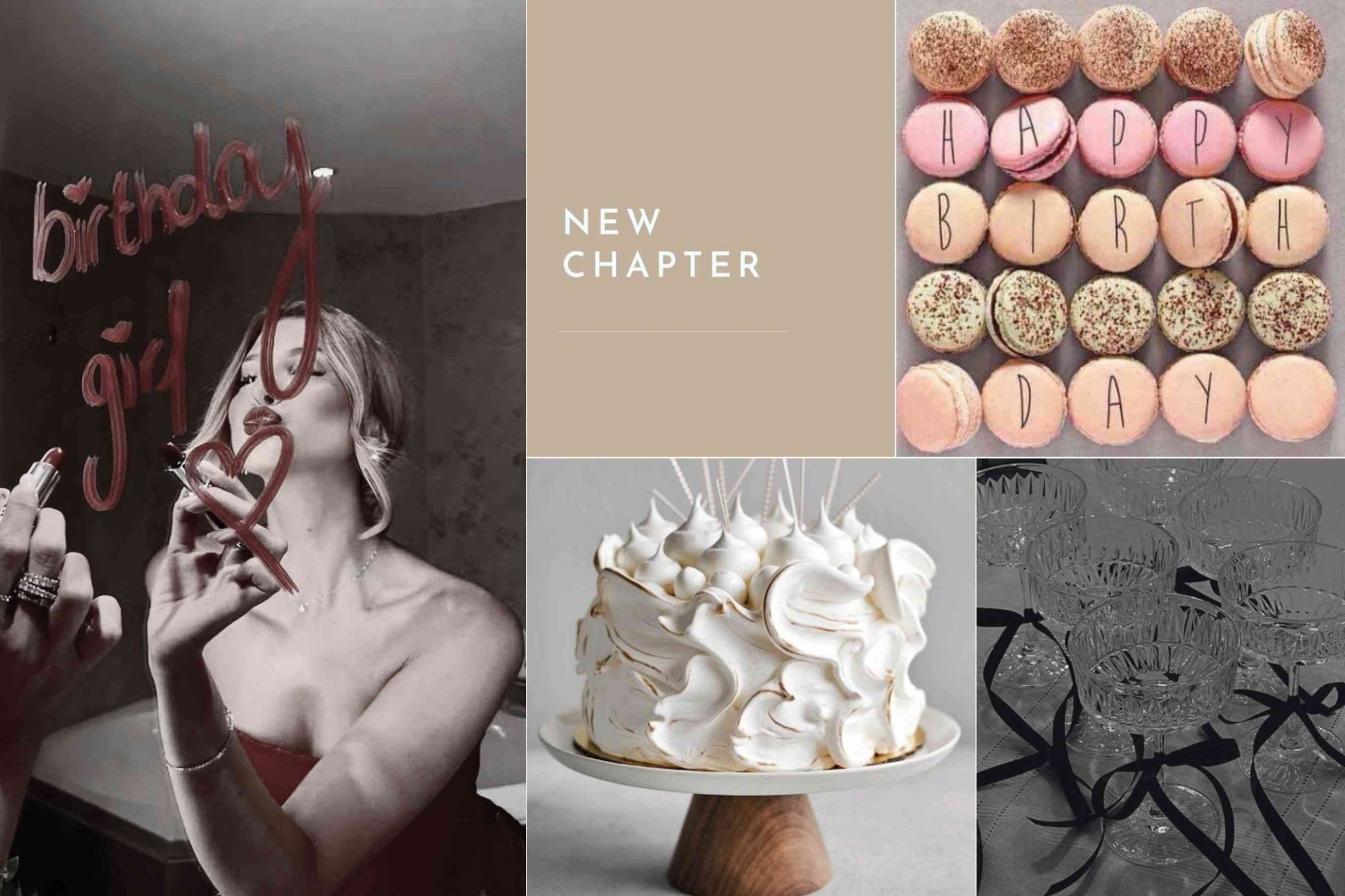
Weddings & Events @lalaland
A wedding in the weeks around Christmas already has a strong seasonal setting to work with. Winter greenery, candlelight, festive dinners and evening celebrations can become part of the wedding without turning the entire day into a traditional Christmas party.
The venue is an important starting point. Country houses, historic hotels, private estates and restaurants with several interconnected rooms work particularly well in winter because the ceremony, drinks and dinner can all take place indoors. Fireplaces, existing Christmas trees and seasonal decorations may already provide much of the atmosphere.
Before adding decorations, check what the venue plans to install for Christmas. Some locations decorate extensively while others keep things minimal. Knowing this beforehand prevents the wedding flowers and styling from competing with what is already there.
A winter palette can move well beyond traditional red and green. Ivory, champagne, silver, dark green, brown and warm metallic details work naturally with candles, greenery and seasonal branches. Existing Christmas ornaments can also be incorporated selectively into the styling.
The wedding dinner provides another opportunity to use the season. Long tables with candles, textured linen, winter foliage and simple place settings can create a festive setting while leaving enough room for food and glassware. Menus can include seasonal ingredients and desserts associated with the time of year.
Bridal fashion changes with the season too. Heavier fabrics, long sleeves, embellished gowns, capes and feather details become practical possibilities during colder months. For photographs or short periods outside, a coat or additional layer should be considered as part of the outfit rather than arranged at the last minute.
Daylight is particularly important when planning the schedule. In December, an afternoon ceremony can leave a relatively short window for outdoor photographs before sunset. Starting earlier or arranging portraits before the ceremony can provide more flexibility.
Transport and weather deserve extra attention as well. Rain, snow or icy roads may affect guests travelling to countryside or mountain venues, so accommodation close to the celebration can be particularly useful.
A Christmas wedding works best when the season provides the background rather than becoming the theme of every detail. A few recognisable elements can establish the time of year while leaving plenty of room for the couple's own style.
Looking for ideas for the seasonal details?
Discover Handmade Christmas Decorations →
#ChristmasWedding #WinterWedding #WeddingPlanning #WeddingDecor #BridalFashion #DestinationWedding #Lalaland
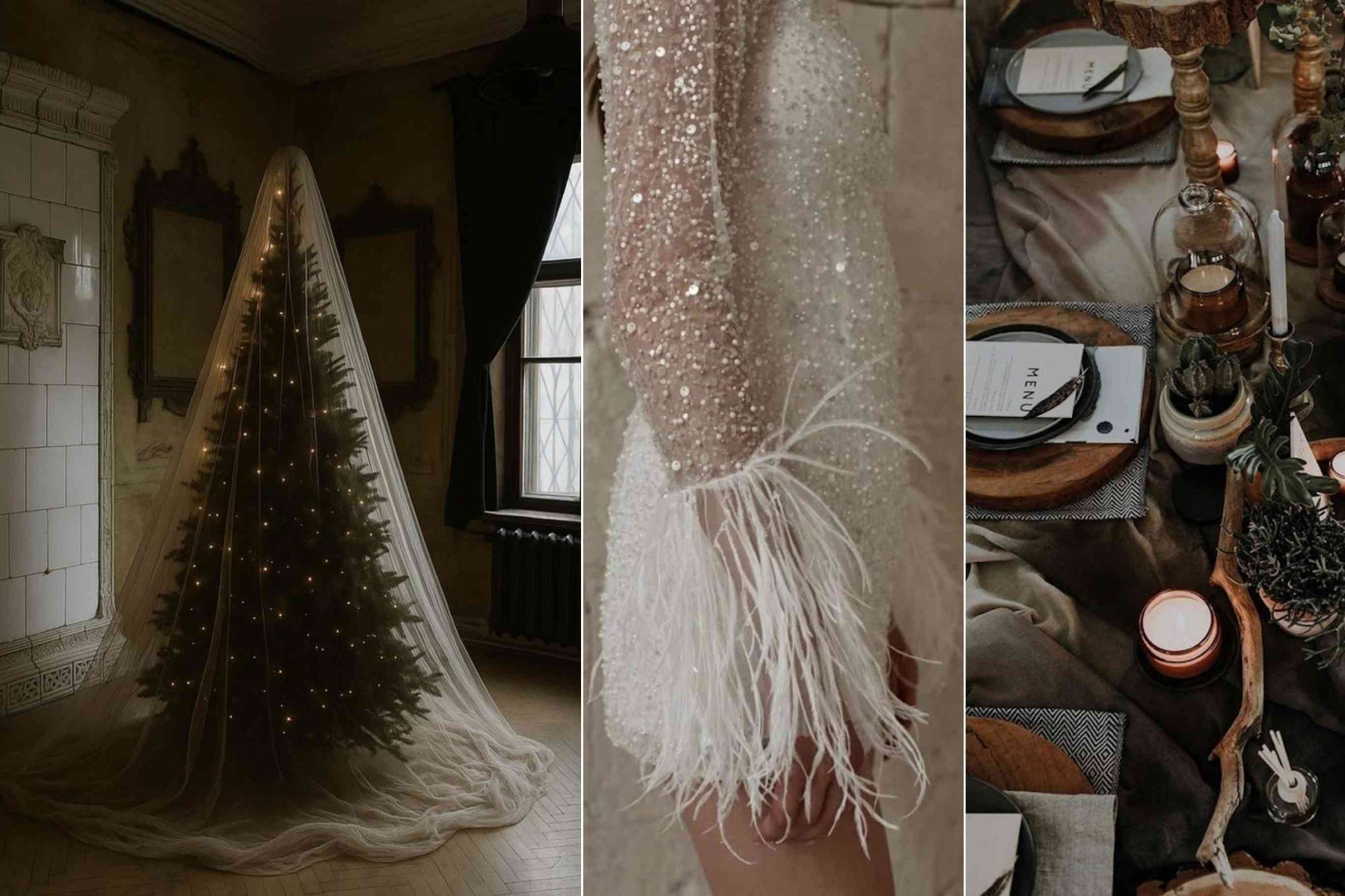
Weddings & Events @lalaland
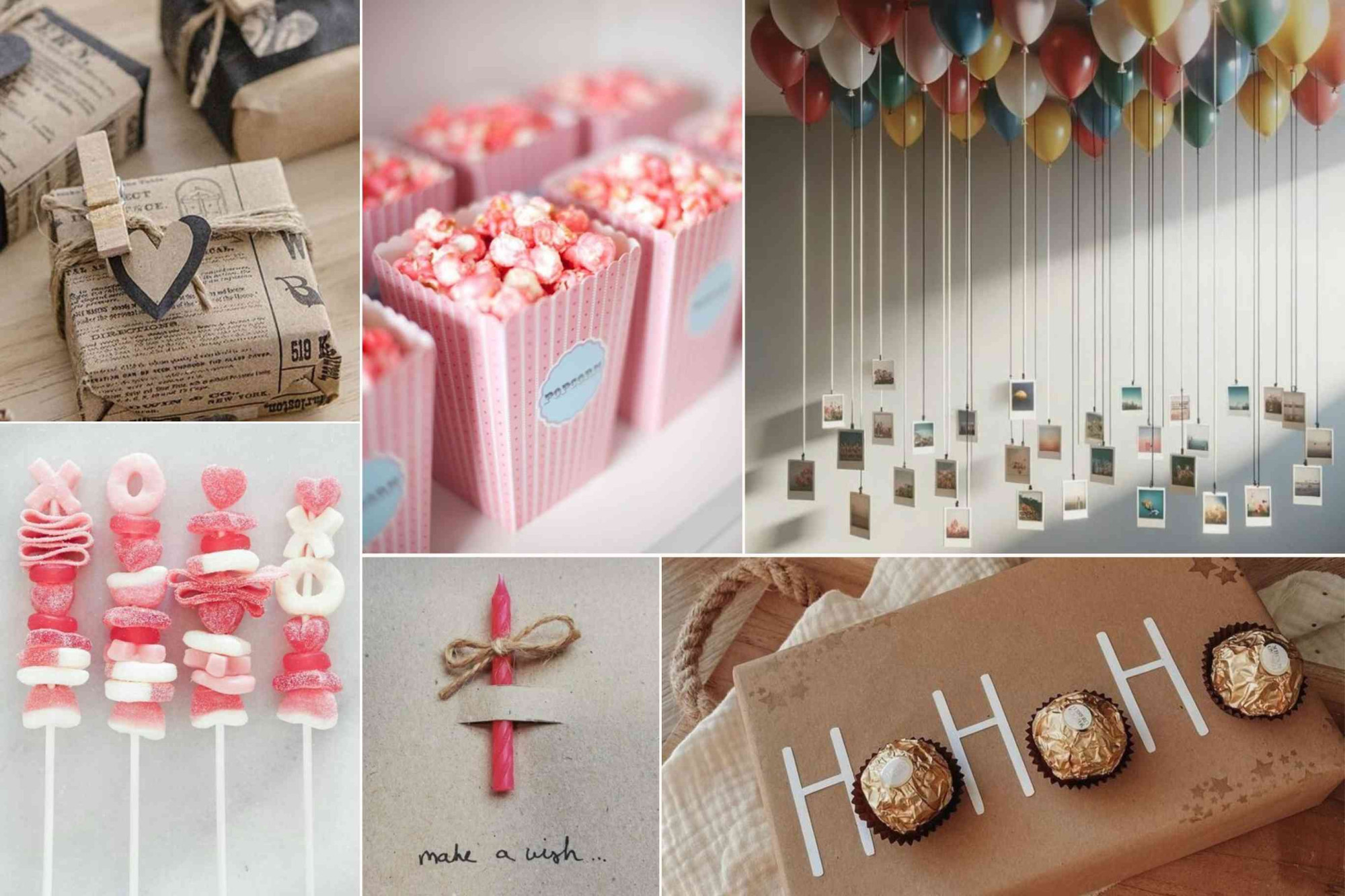
A small gift at the end of a wedding or celebration can be both a thank-you and a reminder of the day. The most successful choices are usually simple, easy to take home and connected in some way to the event.
Edible gifts are one of the easiest options. Chocolates, biscuits, macarons, sweets or small packages of local food can be prepared individually and placed at each setting or collected on a separate table. For destination weddings, something produced locally can also introduce guests to the region.
Packaging can make even a very simple gift feel considered. Paper bags, small boxes, fabric pouches or recycled paper can be personalised with a name, date or short message. There is little need for elaborate packaging when the contents already have a strong visual identity.
A favour can also become part of the table setting. A small gift beside each plate can double as a place marker, while personalised chocolates, candles or handwritten notes add something individual without introducing another decorative element.
Photographs provide a different approach. Instant photographs taken during the celebration can be displayed during the evening and taken home afterwards. A suspended photo installation or dedicated wall can gradually fill as the event progresses, becoming part of the decoration at the same time.
For birthdays and smaller celebrations, handwritten messages can make inexpensive gifts more personal. Guests could receive a short note, while another idea is to invite everyone to leave a message for the person being celebrated.
Think about practicality before ordering large quantities. Fragile objects, liquids and bulky gifts can be inconvenient for guests who are flying home. Small items that fit easily into a bag are particularly useful for destination events.
The gift itself can remain modest. Good food, a photograph or a personal message can provide a more meaningful reminder of the celebration than an object chosen simply because every guest is expected to receive something.
Looking for more ideas for wrapping small gifts?
Discover Natural Gift Wrapping →
#WeddingFavours #PartyFavours #WeddingIdeas #EventDetails #GuestGifts #WeddingInspiration #Lalaland
Weddings & Events @lalaland
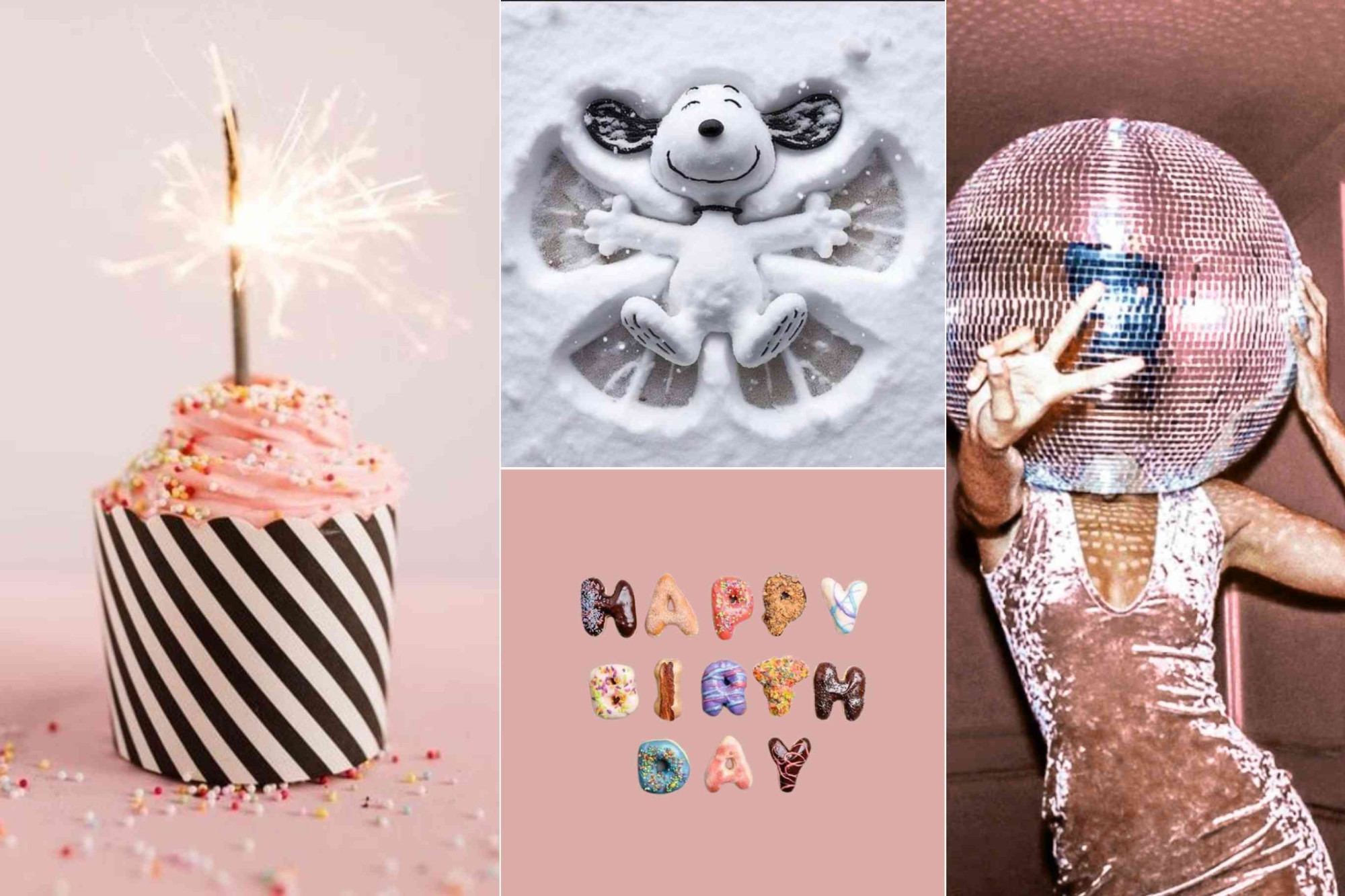
A good party theme gives you a direction for the celebration without dictating every detail. A colour, decade, destination, favourite film or even one unusual object can provide enough inspiration for the invitations, food, decorations and dress code.
Start by deciding where the theme will be most visible. For some parties, clothing becomes the main element. For others, the cake, table or decorations establish the idea as soon as guests arrive. Choosing two or three areas to concentrate on usually creates a stronger result than trying to theme everything.
Colour is one of the easiest ways to connect different elements. A combination such as pink and silver can return in balloons, desserts, candles and accessories without requiring matching decorations throughout the entire venue.
Food can become part of the theme too. Cupcakes, decorated biscuits, colourful sweets or a birthday cake can introduce shapes and colours that would otherwise require additional decoration. A dessert table works particularly well when guests will be moving around instead of sitting down for a formal meal.
A dress code can make the guests part of the setting. Disco, seventies, all-white, black tie or a particular colour can provide enough guidance while still allowing everyone to interpret the idea individually.
Music should follow the type of party rather than simply the decoration. A playlist, DJ or live musician can gradually change the atmosphere as the celebration moves from drinks and food towards dancing.
One memorable element can then bring everything together. A disco ball installation, unusual cake, photo booth or oversized decoration gives guests a natural place to gather and take photographs.
The theme works best as a starting point rather than a checklist. Once the main idea is recognisable, the rest of the party can stay simple and concentrate on food, music and spending time together.
Looking for more inspiration for what to wear?
Discover More Occasion Style →
#BirthdayParty #ThemedParty #PartyIdeas #BirthdayIdeas #EventStyling #PartyPlanning #Lalaland
Weddings & Events @lalaland
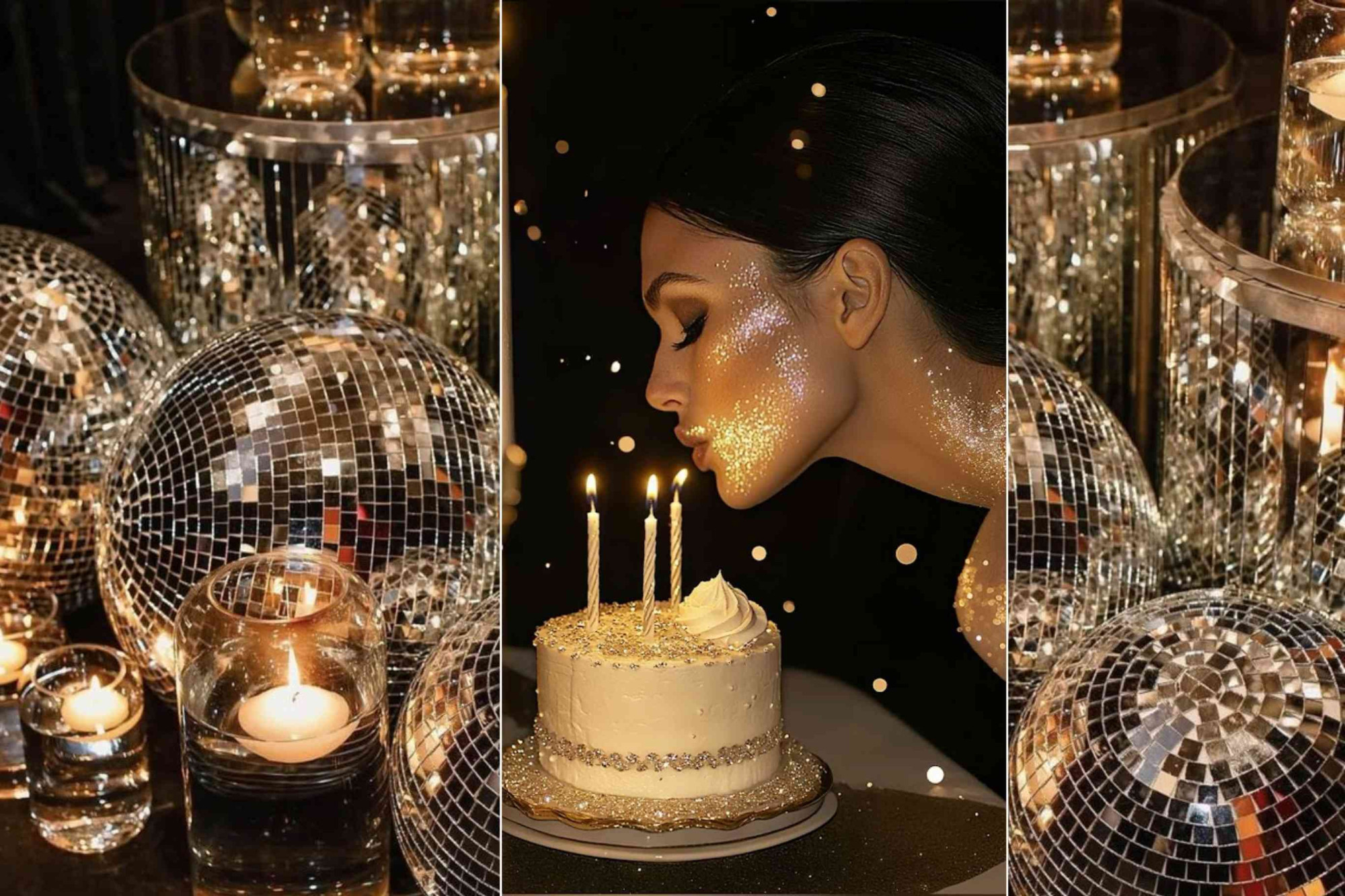
Some birthday celebrations start around the table and end on the dance floor. Planning both parts together can make the transition from dinner to party feel natural and avoids having to completely rearrange the space halfway through the evening.
The layout is a useful place to start. If dinner and dancing take place in the same room, leave an area free from large furniture and decorations. In a house or private venue with several rooms, dinner can take place in one space while drinks, music and dancing move elsewhere later.
Lighting can help signal the change. Candles and table lamps work well during dinner, while disco balls, reflected light and lower ambient lighting can give the room a completely different character once the meal is finished.
Music can follow the same progression. Background music during drinks and dinner can gradually become more prominent before a DJ, playlist or live musician takes over. Deciding when this change happens helps prevent the evening from losing momentum after dessert.
The birthday cake can become the moment that connects both parts of the celebration. Instead of serving it as the final course of a formal dinner, bringing out the cake later can gather everyone together before the music changes and the party begins.
A separate drinks station is useful once guests leave the table. Glasses, water, ice and other drinks can be moved away from the dining area so people can help themselves without returning to their seats.
Fashion and beauty can also reflect the evening setting. Metallic fabrics, sequins, statement jewellery and glitter makeup are particularly suited to celebrations where dinner continues into dancing. For a milestone birthday, the dress code itself can become part of the event.
There is no need to create two completely different events. Changing the lighting, music and use of the space can be enough to take a birthday from a seated dinner into a much livelier second half.
Still deciding what to serve for the birthday cake?
Discover Simple Biscuit Cake →
#BirthdayParty #BirthdayDinner #EveningParty #PartyPlanning #EventStyling #BirthdayIdeas #Lalaland
Weddings & Events @lalaland
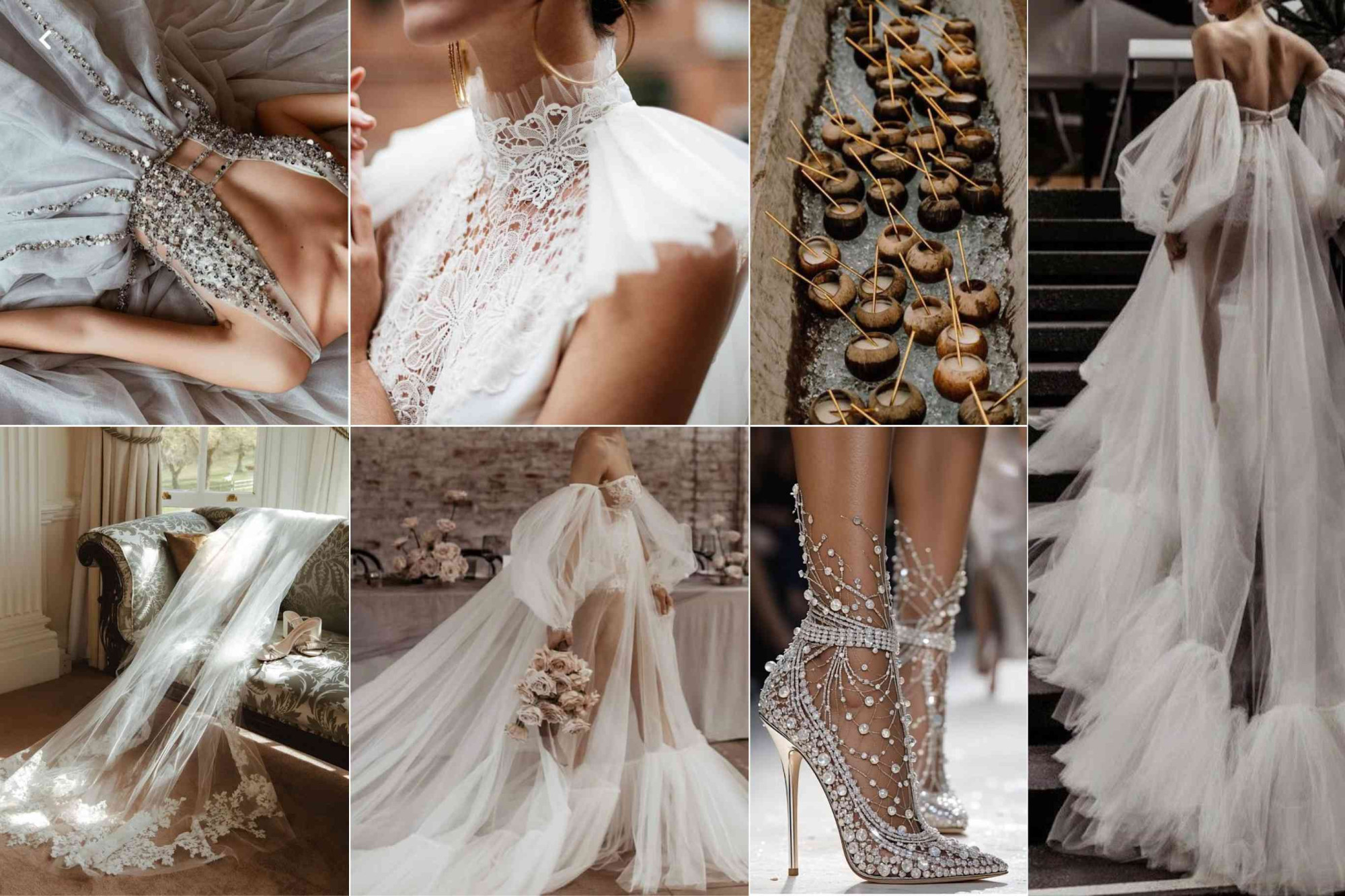
Choosing the dress is only one part of creating a bridal look. The veil, shoes, jewellery and other accessories can change how the same dress appears and are worth considering together rather than as separate decisions.
Start with the details already present in the gown. Lace, crystals, pearls, embroidery or a highly structured neckline may already provide a strong decorative element. Accessories can repeat one of those details or remain deliberately simpler.
The neckline is particularly useful when choosing jewellery. High lace necklines may need little more than earrings, while strapless and open-neck designs leave more space for a necklace. With heavily embellished dresses, one strong piece of jewellery is often enough.
A veil changes the silhouette considerably. Length, volume and decoration should therefore be viewed with the complete dress. Cathedral-length veils can add drama to a formal ceremony, while shorter or lighter styles are easier to manage during outdoor and destination weddings.
Shoes deserve more attention than their appearance in photographs. Heel height, surface and the amount of time spent standing all matter. Crystal-covered heels can complement an evening look, but grass, gravel and cobbled streets may call for a second pair later in the day.
Accessories can also help a bridal look change between different parts of the wedding. A veil can be removed after the ceremony, detachable sleeves can alter the dress for dinner and statement earrings or different shoes can introduce a stronger evening look.
Hair and makeup are part of the same decision. An elaborate neckline or veil can influence the hairstyle, while the lighting and time of the ceremony can affect makeup choices. Bringing photographs of the complete outfit to hair and makeup trials helps everyone work towards the same result.
The final fitting is a useful moment to try everything together. Dress, underwear, shoes, jewellery and veil can look very different as a complete outfit than they do individually.
The aim is to create a combination in which each detail has a purpose. Some bridal looks work through simplicity while others can carry crystals, lace and dramatic accessories. What matters is how those choices work together.
Inspired by lace and softer details?
Discover More Style Inspiration →
#BridalStyle #WeddingDress #BridalAccessories #WeddingFashion #WeddingShoes #BridalFashion #Lalaland
Weddings & Events @lalaland
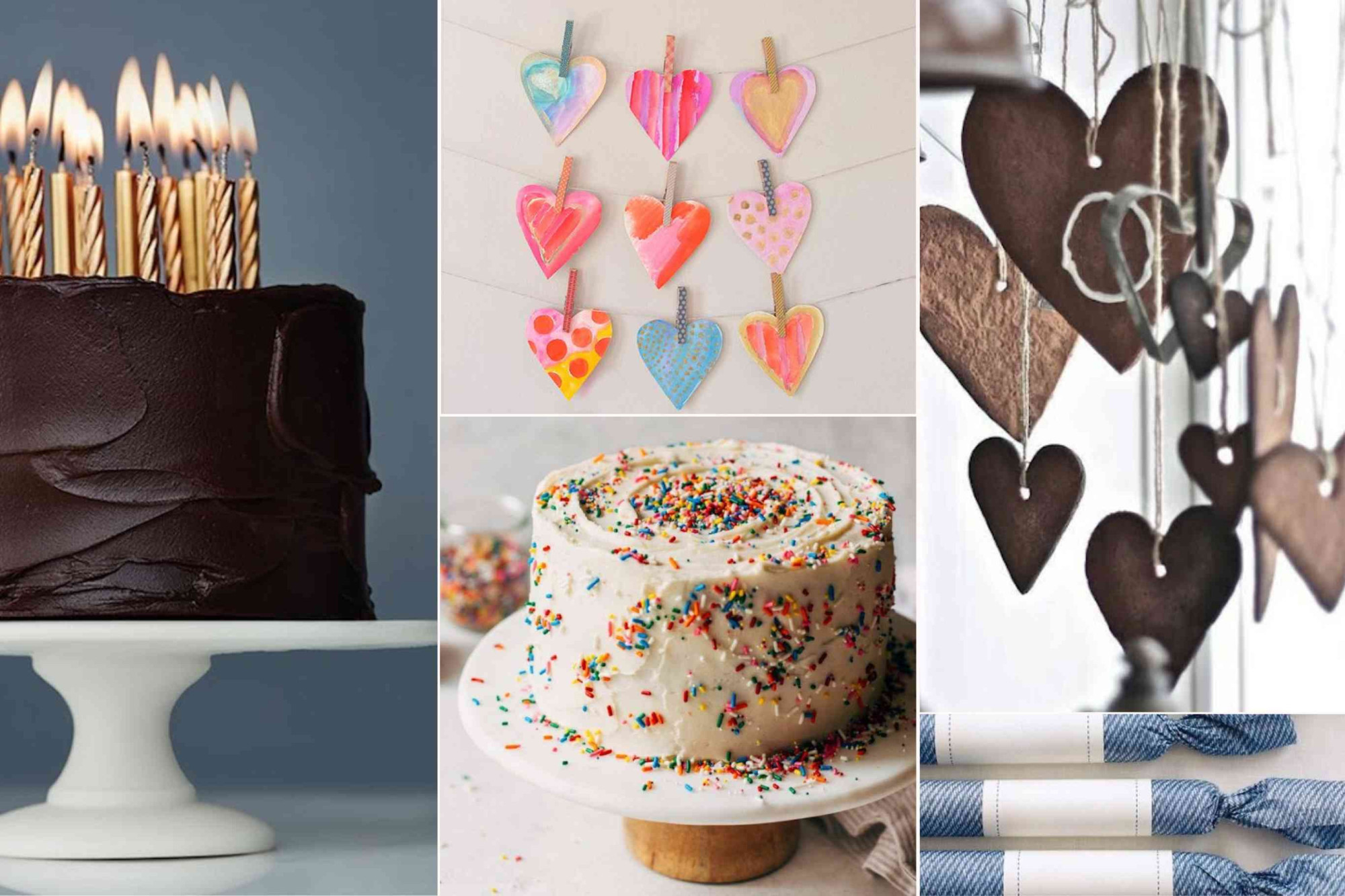
Making a few decorations yourself can give a birthday celebration a more personal character. It can be as simple as decorating a cake, making paper ornaments or creating candles and place settings specifically for the occasion.
The birthday cake is an easy place to start. A homemade cake with simple icing, sprinkles, fruit or candles can become part of the table decoration as well as dessert. Perfection is less important here than choosing colours and details that fit the celebration.
Paper decorations are another accessible option. Hearts, garlands, name cards and small hanging ornaments can be made beforehand and adapted to almost any colour palette. They are particularly useful for decorating walls, windows or the area around a cake table.
Candles can also become part of the styling. Plain candles can be combined with ribbons, illustrated paper bands or handmade holders, while birthday candles on the cake can follow the colours used elsewhere.
For a seated lunch or dinner, handmade place cards add a personal element to each setting. Names can be handwritten on card, attached to napkins or incorporated into a small decoration that guests can take home afterwards.
Making everything yourself is rarely necessary. Combining a homemade cake or handmade decorations with good tableware, flowers and professionally prepared food keeps the amount of work manageable.
It also helps to choose projects that can be completed several days before the celebration. Paper decorations, place cards and table details can all be prepared in advance, leaving only food, flowers and the final setup for the day itself.
For children, some of the preparation can even become part of the celebration. Decorating biscuits, painting paper ornaments or making simple garlands provides an activity as well as decoration for the party.
A few handmade elements are usually enough to make the setting feel individual. They can sit alongside purchased decorations and existing pieces from home without requiring an entirely handmade party.
Looking for more ideas for handmade decorations?
Discover More Creative Inspiration →
#BirthdayIdeas #DIYParty #BirthdayDecor #PartyIdeas #BirthdayCake #PartyStyling #Lalaland
Weddings & Events @lalaland
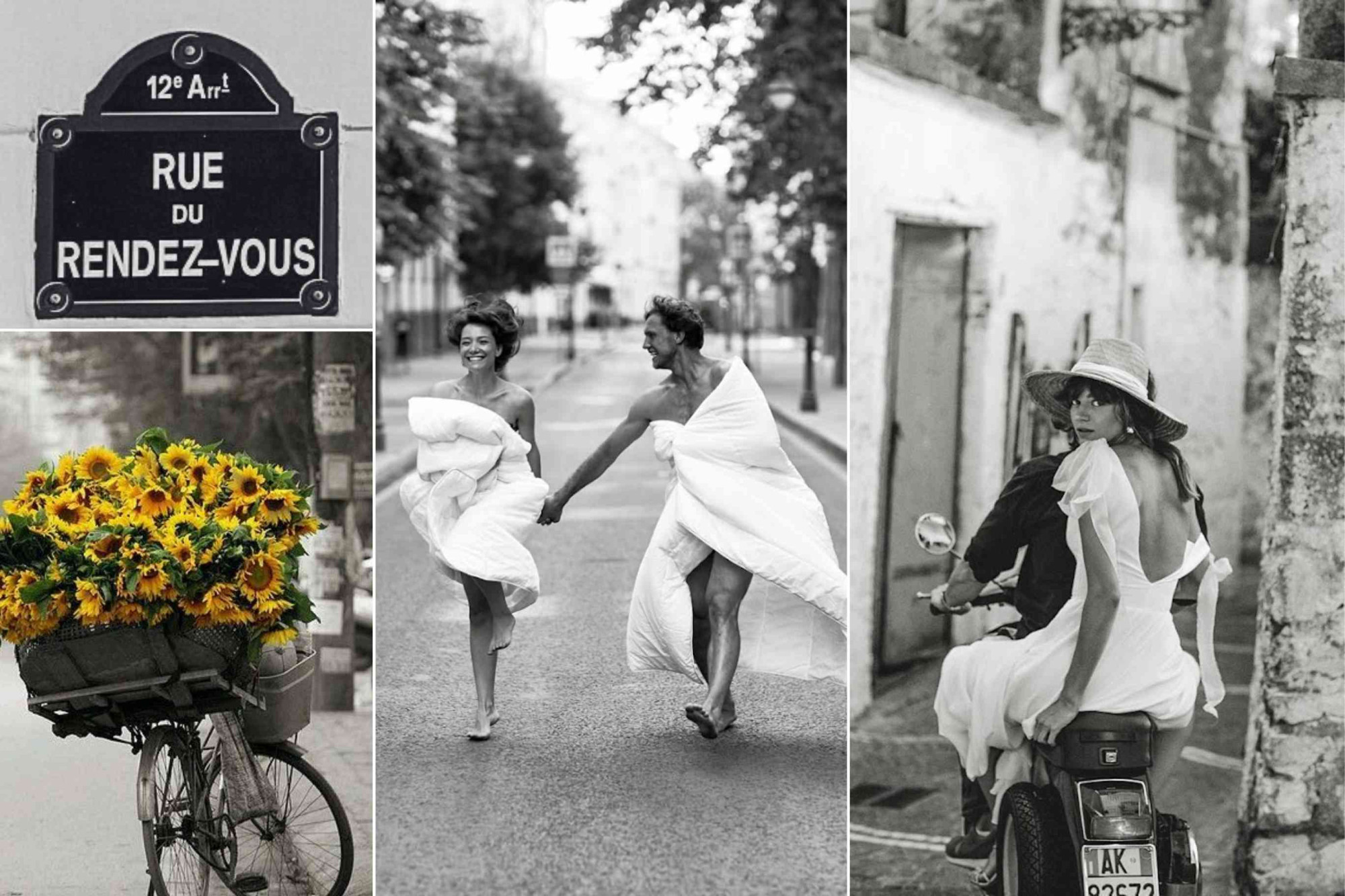
A birthday, anniversary, promotion or personal milestone can be a good reason to plan something together. It can be a dinner somewhere special, but combining a few different moments often makes the occasion more interesting.
Start with something the other person genuinely enjoys. That might be breakfast at a favourite café, a visit to a market, an afternoon by the sea, a walk through the city or dinner at a restaurant you have wanted to try for some time.
The location can make an ordinary activity feel different. Take a scooter along the coast, plan lunch in a nearby village, book a table in another part of the city or organise a picnic somewhere with a good view. Travelling even a short distance can make the day feel separate from the usual routine.
Flowers are an easy addition, especially when they are bought along the way rather than formally delivered. A bouquet from a market or local florist can become part of the day and something to take home afterwards.
Think about one element that comes as a surprise. It could be the restaurant, tickets for an exhibition, a bottle waiting at the next stop or arranging for friends to join for drinks later. The entire date does not need to remain secret for a surprise to work.
For an anniversary or another personal milestone, returning to somewhere connected to your relationship can also give the date a reason for being there. A restaurant from an early date, a favourite beach or a city you regularly visit can become the setting for a new celebration.
Leave some space in the schedule as well. Moving immediately from one reservation to another can make a day together feel more organised than enjoyable. One or two planned moments with time between them usually gives more freedom to stay somewhere longer when you want to.
The celebration itself can be simple. What makes the date different is choosing the place, activity and small details specifically for the person and occasion.
Looking for inspiration for a day together?
Sometimes the best plans begin with simply heading out together. Discover in our second edition →
#RomanticDate #DateIdeas #AnniversaryIdeas #CelebrateTogether #SpecialOccasion #Lalaland
Weddings & Events @lalaland
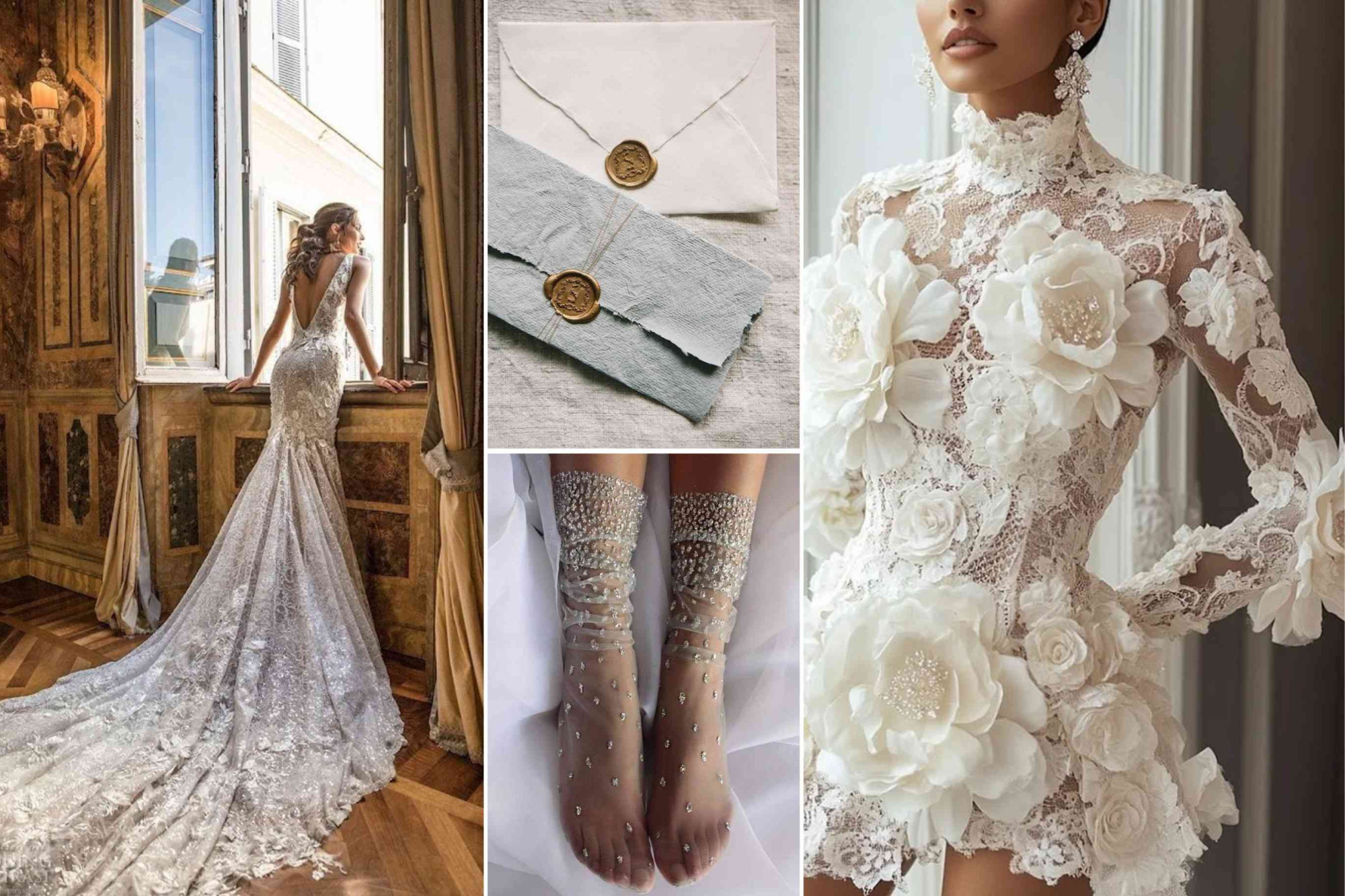
The overall style of a wedding is often established through a few details that return at different moments of the day. A particular flower, fabric, colour or finish can appear in the invitations, bridal look and table setting without making everything identical.
Wedding stationery is one of the first opportunities to introduce this direction. Handmade paper, embossed details, ribbon or a wax seal can give guests an early indication of the style of the celebration. The same colours or materials can later return in menus, place cards and other printed pieces.
The bridal look can continue the idea in a different way. Lace, pearls, crystals and fabric flowers each create their own texture. When a gown already has elaborate detailing, accessories can pick up one element rather than introducing several new ones.
Flowers can also move beyond the bouquet. Fabric flowers on a dress, floral earrings or embroidered motifs can reference the arrangements used during the ceremony without copying them literally.
Small accessories provide another opportunity. Shoes decorated with pearls or crystals, statement earrings and hair accessories can introduce details that are only visible up close. These pieces can be particularly effective with a relatively restrained colour palette.
The same principle can continue into the reception. If handmade paper was used for the invitation, it can return in menus. Pearls or floral forms from the bridal look might inspire napkin details, cake decoration or individual place settings.
Working this way also makes planning easier. Instead of searching separately for every invitation, accessory and decorative object, a few established materials and references provide a framework for later choices.
Consistency comes from repetition in small amounts. A wedding can include different flowers, fabrics and objects while still feeling connected when a few carefully chosen details appear throughout the day.
The Detail in the Jewellery
Jewellery can become one of the elements that connects the bridal look with the wider style of the celebration. In our second edition, discover Maison Vanassche and its approach to fine jewellery, from engagement rings to carefully selected stones and designs.
Discover Maison Vanassche in our second edition →
#WeddingDetails #WeddingStyling #BridalDetails #WeddingStationery #BridalFashion #WeddingInspiration #Lalaland
Weddings & Events @lalaland
A birthday can become more than one dinner or party when different moments are spread throughout the day. Breakfast, time with friends, a favourite activity and an evening celebration can each become part of the occasion without requiring one large event.
The morning can start slowly. Breakfast in bed, coffee somewhere you like or a few hours at home before making plans gives the day a different beginning from the usual routine. It is also a good moment for cards, flowers or a first small gift.
Later in the day, plan something you genuinely enjoy. Lunch with a few friends, shopping, a beauty appointment, a spa visit or an afternoon at the beach can work just as well as a more organised activity. The choice depends more on the person celebrating than on what a birthday is expected to look like.
Getting ready can become part of the occasion too. Choosing an outfit, doing hair and makeup together or opening a bottle while everyone prepares for the evening creates another moment to share before going out.
Cake can be served whenever it fits the day. It could arrive during an afternoon gathering, appear after dinner or become part of drinks later in the evening. A smaller cake is often enough when dessert is already included elsewhere.
For the evening, decide whether the celebration stays intimate or becomes more social. Dinner at a favourite restaurant can be followed by cocktails, live music or dancing, while a celebration at home can move from dinner to another room prepared for drinks and music.
A few details can connect the different parts of the day. Flowers, balloons, a particular colour, a favourite cake or a dress code can return without turning the birthday into a themed event.
There is also no reason for every friend or family member to be present for every part. Breakfast with one person, lunch with family and an evening with friends can make it easier to spend time with different people without bringing everyone together at once.
Planning the birthday as a series of moments leaves room for both quiet time and celebration, with each part of the day adding something different.
Planning an outdoor birthday celebration?
Discover More Creative Inspiration →
#BirthdayIdeas #BirthdayCelebration #BirthdayParty #BirthdayPlans #Celebrate #Lalaland
Weddings & Events @lalaland
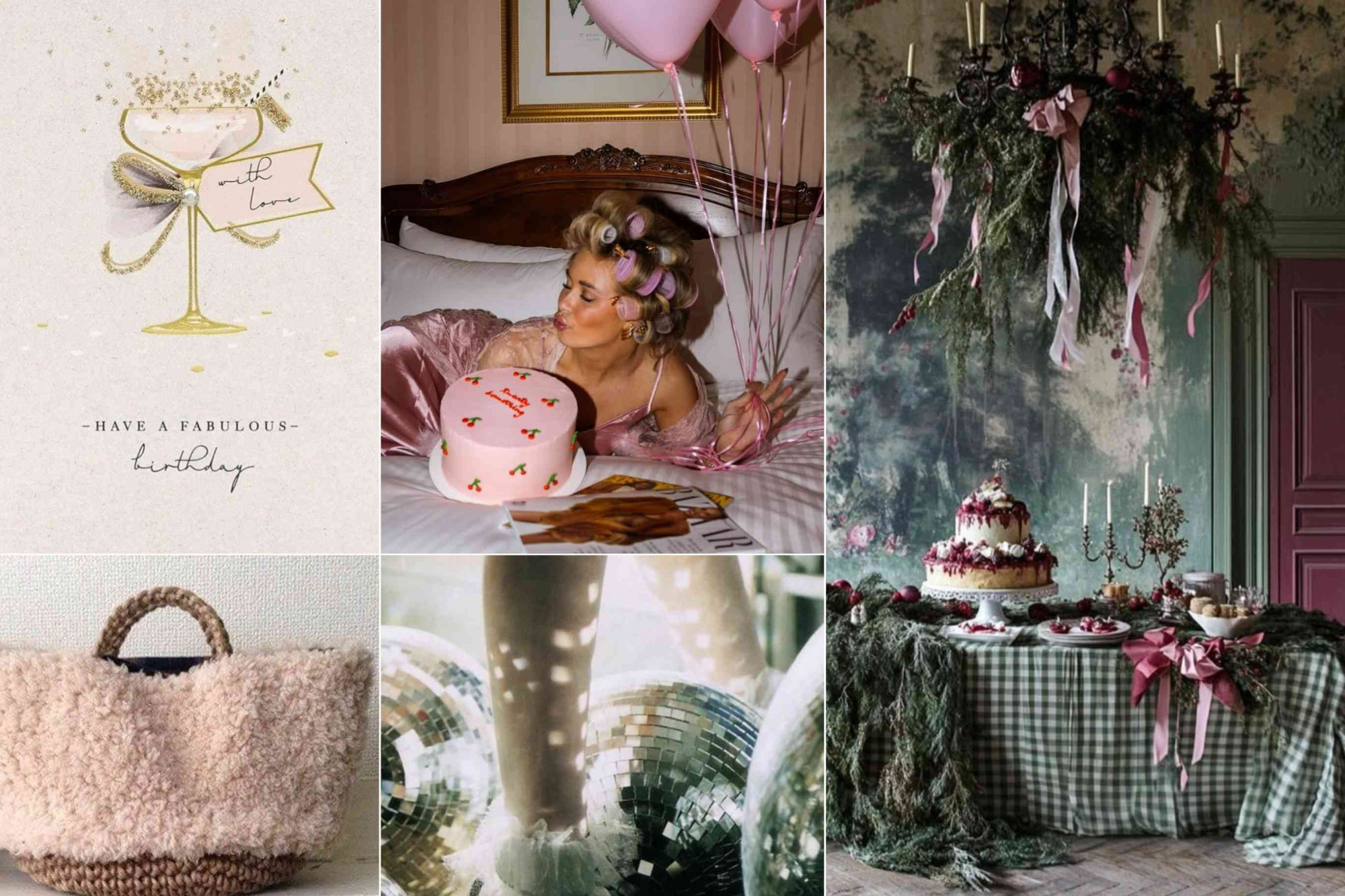
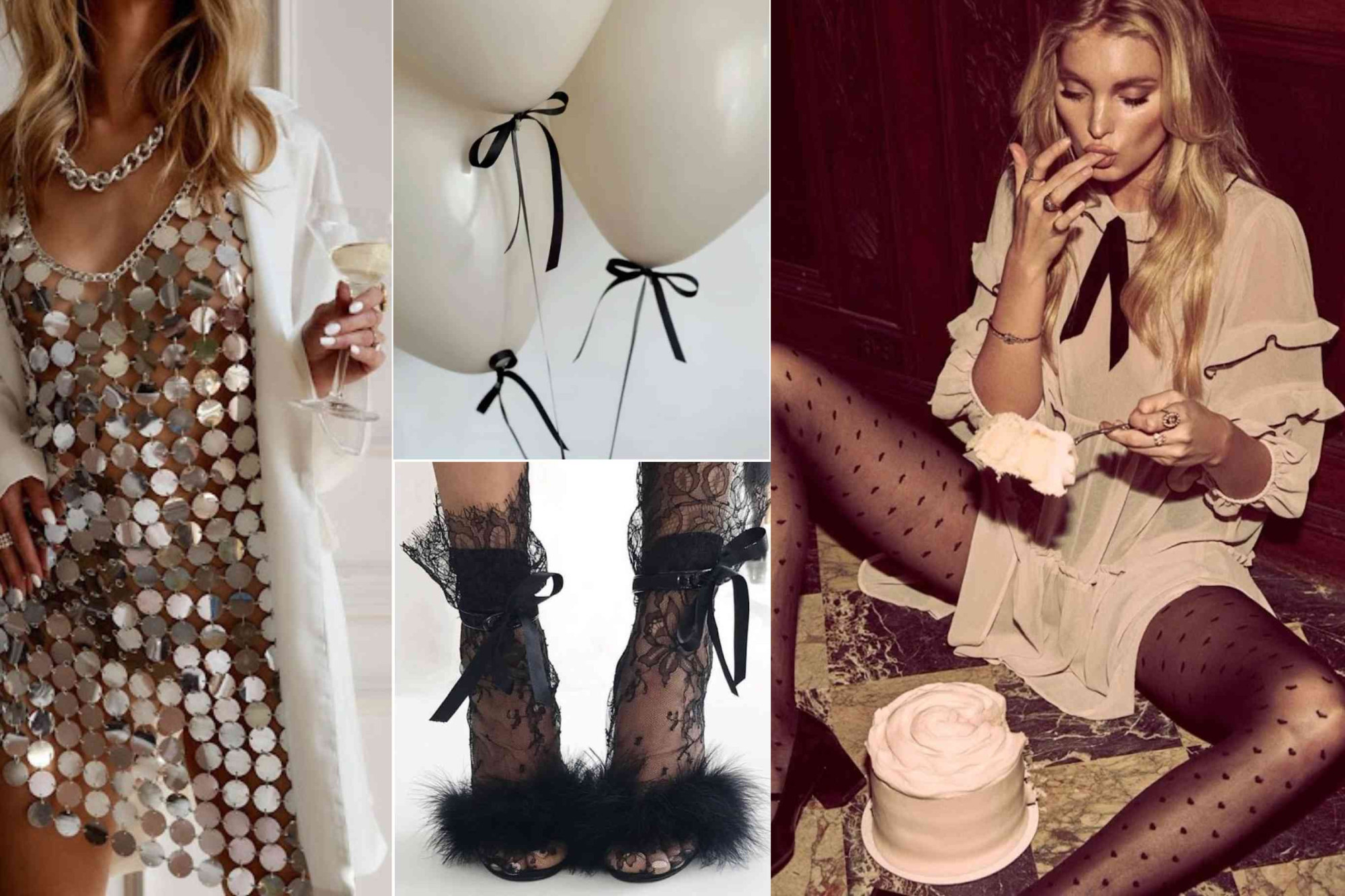
Being the person everyone is celebrating is a good opportunity to wear something more distinctive than you normally would. Birthdays, engagement parties, anniversaries and other personal celebrations all leave room for an outfit that feels appropriate to the occasion while standing out from the rest of the guests.
Start with the type of celebration. A restaurant dinner, cocktail party, garden gathering and night of dancing each require something slightly different. The venue and time of day can quickly narrow down the options.
For an evening party, metallic fabrics, sequins, lace and reflective details work particularly well. They respond to lower lighting and can make even a relatively simple silhouette feel more suited to a celebration.
A statement outfit can also be built around one element. A simple dress with dramatic shoes, oversized jewellery or an embellished bag can have as much impact as a fully sequinned look. This is particularly useful when you want pieces that can be worn again separately.
Black and white provide another direction. Lace tights, ribbons, feathers and textured fabrics can make a monochrome outfit feel more festive without relying on colour.
Shoes should match what is actually planned for the evening. A seated dinner allows more freedom with heels, while several hours of standing and dancing make comfort increasingly important. Bringing another pair can be useful when the celebration continues late.
Jewellery can change an outfit considerably too. Chunky necklaces, large earrings and cocktail rings work particularly well with simpler clothing, while an already embellished dress may need very little additional jewellery.
Hair and makeup can follow the same principle. Glitter, a stronger lip or a more defined evening eye can introduce a party element without requiring an entirely different beauty look.
The best celebration outfit ultimately combines the fun of dressing up with the practical reality of the event. It should still allow you to eat, move, dance and enjoy the evening you planned.
Looking for a beauty detail to complete your party look?
Discover Glitter Makeup →
#PartyFashion #BirthdayStyle #OccasionWear #PartyDress #EventFashion #Lalaland
Weddings & Events @lalaland
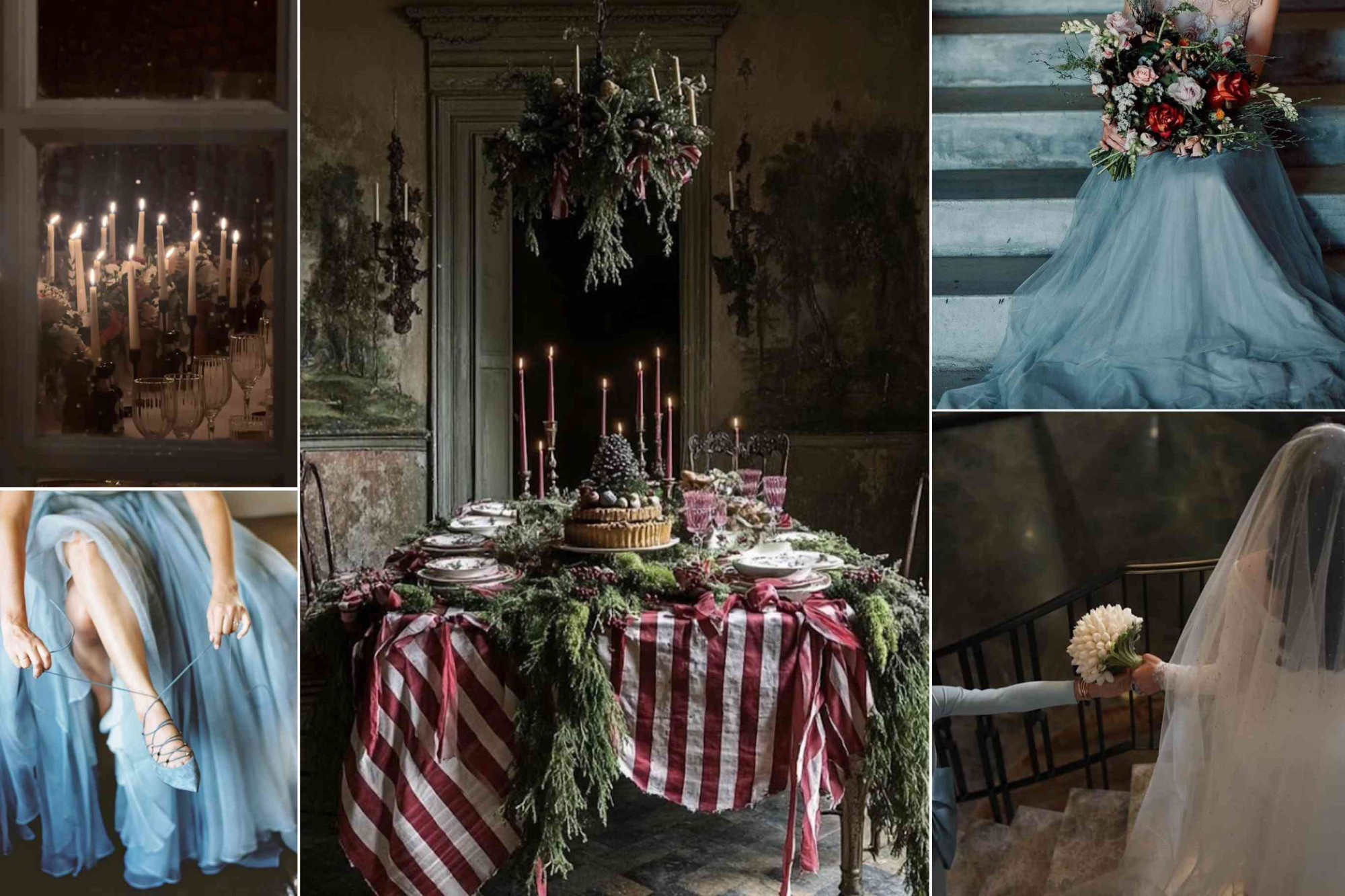
There is something special about a wedding dinner that begins as daylight fades and continues by candlelight. The table gradually becomes the centre of the evening, with dinner, speeches and conversations continuing long after the ceremony has finished.
Candles are an easy way to create this kind of setting. Tall candles between flowers, smaller lights around the table and a few larger arrangements nearby can provide enough atmosphere without filling every available space with decoration.
The table itself can have more personality than a traditional all-white wedding setting. Striped linen, coloured candles, vintage glassware or darker flowers can introduce colour while classic plates and simple napkins keep everything balanced.
Seasonal flowers and greenery work particularly well with candlelight. Deep reds, soft pinks, foliage and branches can make a dinner feel suited to autumn or winter, while lighter flowers and fresh greenery can create the same effect during spring and summer.
The venue also plays a part. An old house, private dining room, country estate or historic hotel already provides a strong background, so decoration can concentrate mainly on the table. Existing fireplaces, chandeliers and architectural details can remain visible rather than being covered with additional styling.
Dinner is also a moment when guests finally spend a longer period together. After the movement of the ceremony, photographs and reception, everyone gathers around the same table for food, speeches and conversation. Comfortable chairs, enough room around each setting and good food become just as important as how the table looks.
As the evening continues, music and drinks can gradually take over from dinner. Candles can remain burning while guests move to another room or towards the dance floor, helping the different parts of the evening feel connected.
A candlelit dinner can work for an elaborate wedding as well as a celebration with only a handful of guests. Good food, flowers, a beautifully set table and plenty of candlelight can already provide much of what the evening needs.
Looking for inspiration for what to serve?
Discover Mediterranean Sharing Table →
#WeddingDinner #CandlelitDinner #WeddingTable #EveningWedding #WeddingInspiration #Lalaland
Weddings & Events @lalaland
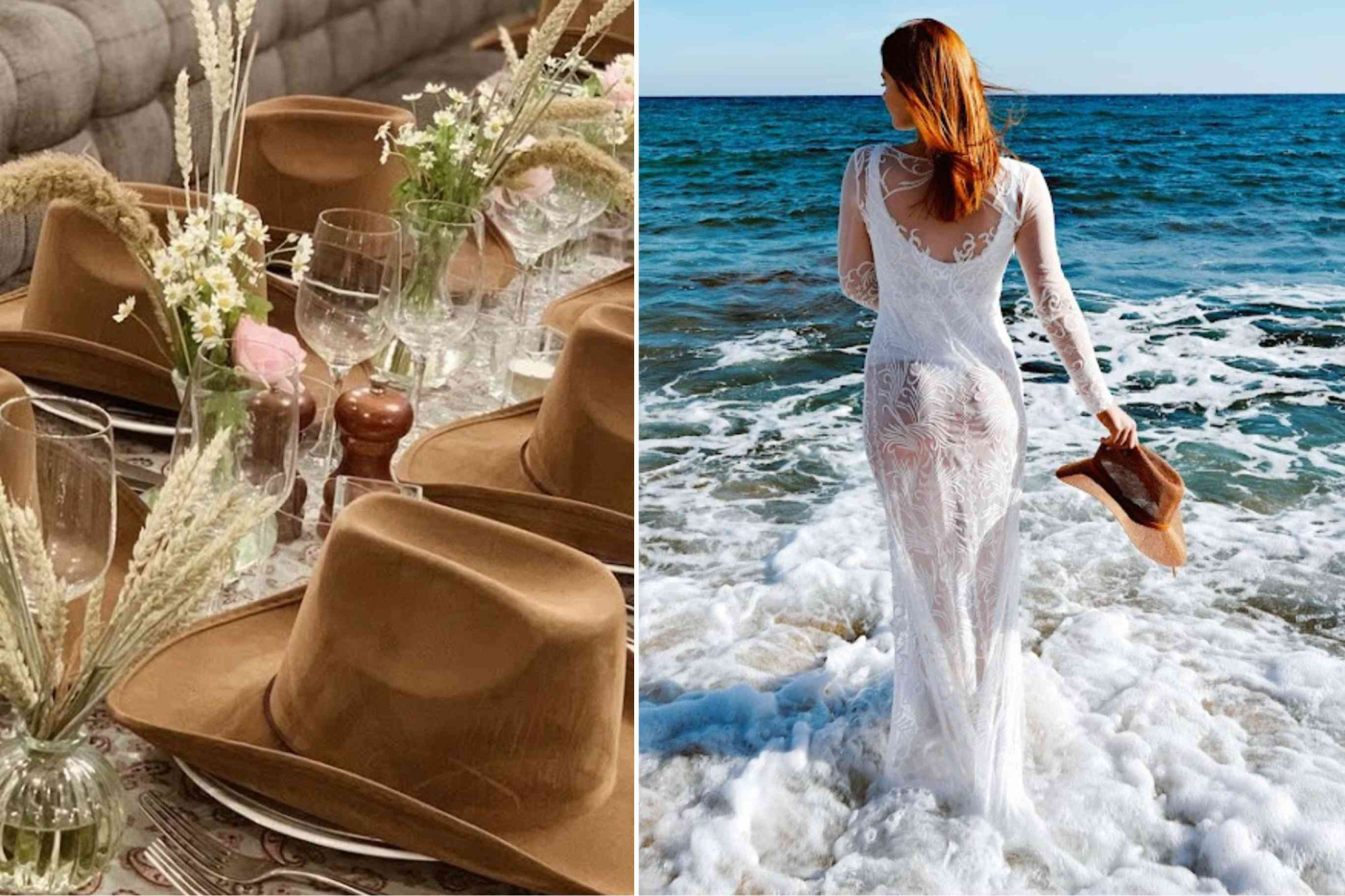
A wedding by the sea naturally brings much of the setting with it: open views, bright daylight, warm weather and long hours outside. The rest of the celebration can follow that relaxed coastal character, from what guests wear to the way the tables are arranged.
A ceremony overlooking the water is an obvious possibility, but the sea can remain part of the day afterwards too. Drinks on a terrace, dinner close to the beach or photographs along the coast allow the location to remain visible without making every detail explicitly nautical.
Natural materials fit easily into this type of setting. Linen, woven chairs, baskets, ceramics and simple glassware work well alongside flowers and grasses in softer, sun-washed colours. The result can feel connected to the surroundings without relying on shells, anchors or other traditional seaside decorations.
Guest fashion can become part of the atmosphere as well. A row of straw hats placed around a table is practical during a sunny afternoon and creates an informal visual detail at the same time. They can later become something guests take home.
Bridal fashion can follow a similarly relaxed direction. Lace, lighter fabrics and dresses with movement suit celebrations that include terraces, beaches and outdoor dinners. A second pair of flat shoes can make moving between sand, stone and the dance floor easier later in the day.
Food can reflect the location without becoming overly themed. Local fish, vegetables, fruit, regional dishes and wines can bring the destination onto the table more naturally than decorative references to the sea.
As afternoon moves into evening, the character of the celebration changes with the light. Dinner can begin around sunset and continue with candles, music and drinks after dark.
A coastal wedding can ultimately take much of its identity from where it happens. The view, local food, natural materials and an outdoor way of celebrating already provide a strong direction for the day.
Looking for more details for a coastal wedding?
Discover Shell Details for a Coastal Wedding →
#CoastalWedding #SeasideWedding #DestinationWedding #OutdoorWedding #WeddingInspiration #Lalaland
Weddings & Events @lalaland
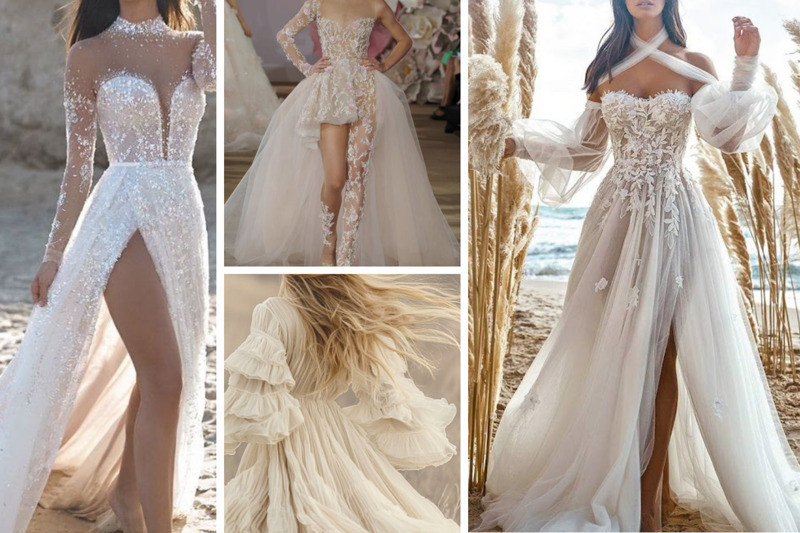
Wedding dresses are increasingly designed with details that can change the look during the day. Removable skirts, detachable sleeves, overskirts and separate layers make it possible to move from a more formal ceremony look to something lighter for dinner and dancing.
An overskirt is one of the most noticeable options. It can add volume and a longer train for the ceremony, then be removed to reveal a fitted dress or shorter silhouette underneath. This gives the bride two distinct looks without requiring a complete outfit change.
Detachable sleeves work in a similar way. Long lace or sheer sleeves can create a more covered look during the ceremony, while removing them later changes the proportions of the dress and makes it easier to move during the evening.
Some designs use separate capes, trains or shoulder pieces instead. These can add drama for the ceremony and photographs, then disappear once dinner begins.
A high split can also change how a full-length gown feels. When standing still, the dress retains its long silhouette, while walking reveals more of the shoes and creates greater freedom of movement.
These adaptable designs are particularly interesting for weddings that move through several settings. A ceremony, outdoor reception, formal dinner and evening party can each have a slightly different atmosphere, while the main dress remains the same.
Accessories can complete the changes. Removing a veil, changing earrings or switching from heels to a different pair of shoes can make the evening look feel different again without introducing another dress.
For brides who like the idea of several looks but prefer to choose one main gown, detachable elements provide an interesting middle ground. The dress remains recognisable throughout the wedding while adapting as the day progresses.
Looking for more ways to complete your bridal look?
Discover More Bridal Inspiration →
#WeddingDress #BridalFashion #WeddingStyle #BridalStyle #WeddingInspiration #Lalaland
Weddings & Events @lalaland
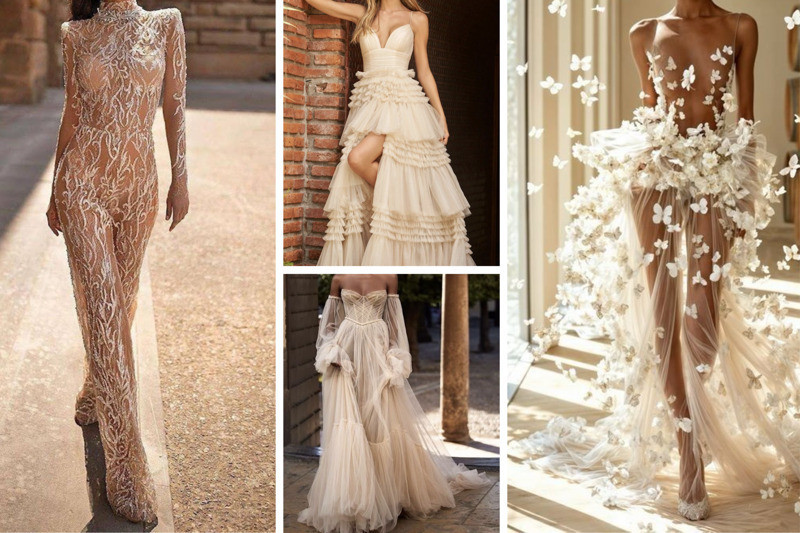
White and ivory wedding dresses can look completely different depending on the fabrics and details used in the design. Lace, layers of tulle, embroidery, pleating and three-dimensional flowers bring depth to a dress even when the colour palette remains almost entirely neutral.
Lace is one of the most familiar examples, but contemporary bridal designs use it in very different ways. Fine patterns can create an almost transparent layer over the body, while heavier embroidery gives the fabric a more graphic appearance.
Tulle creates a different effect. Several light layers can build volume without the visual weight of a heavier fabric. Ruffles, gathered sections and tiered skirts make that volume more visible and introduce movement when the dress is worn.
Three-dimensional flowers take texture even further. Fabric petals and floral appliqués can be concentrated around a bodice, scattered across a skirt or used to create an entire section of the dress. From a distance they form part of the silhouette, while closer up the individual details become visible.
Combining textures can be particularly effective. A relatively simple bodice can sit above a highly detailed skirt, or sheer fabric can provide a quiet background for embroidery and appliqué.
The amount of detail also changes how accessories are approached. A heavily textured dress may need little additional jewellery, while a simpler lace gown leaves more room for statement earrings, shoes or a veil.
Texture becomes especially noticeable in photographs. Side light, movement and close-up images reveal layers and details that may be less apparent when looking at the complete dress from a distance.
For bridal designers, these techniques make it possible to work almost entirely within white, cream and ivory while still creating dresses with very different identities.
Looking for accessories to complement a simpler look?
Discover Statement Accessories →
#BridalFashion #WeddingDress #BridalDesign #WeddingFashion #BridalDetails #Lalaland
Weddings & Events @lalaland
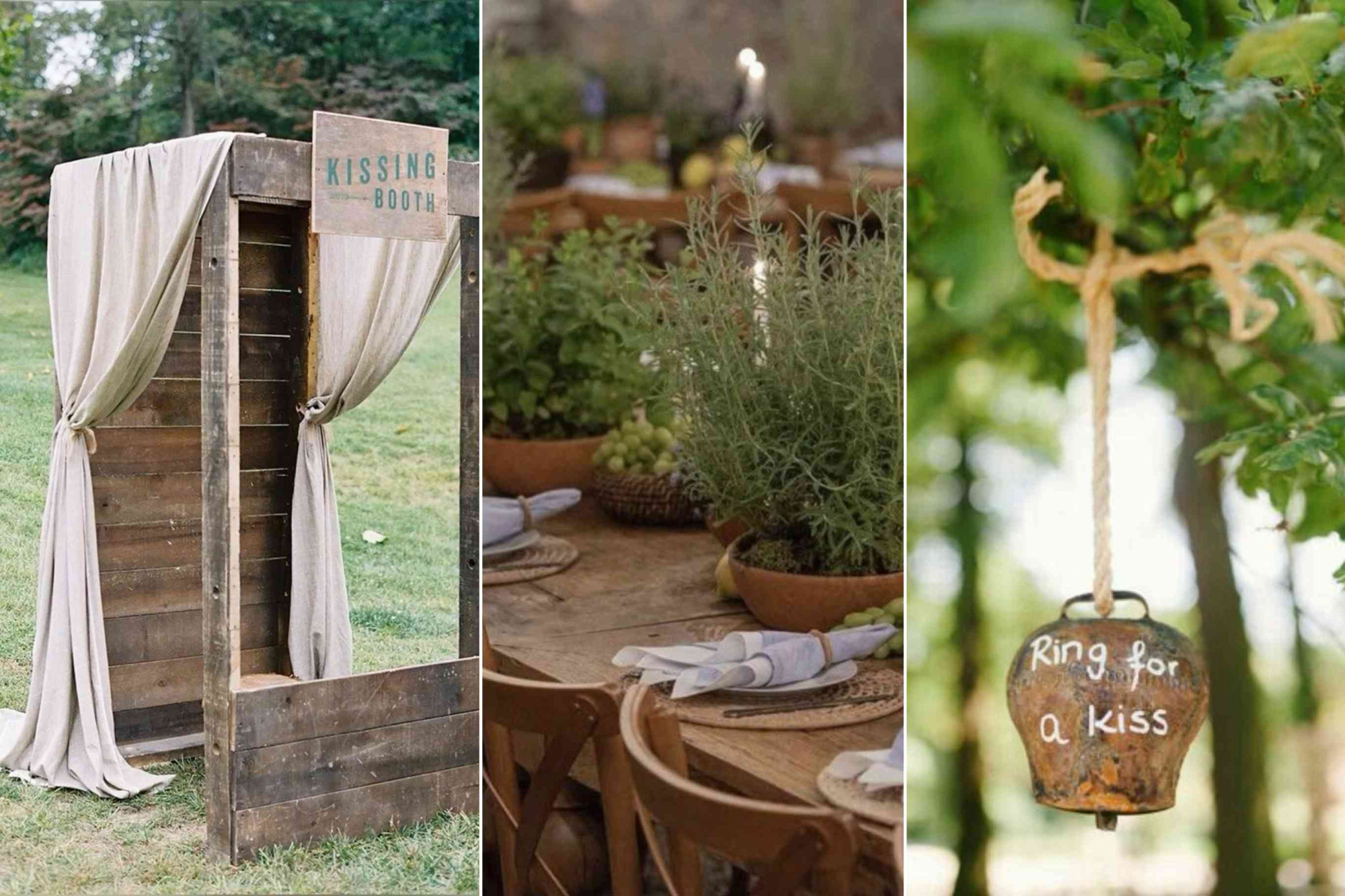
Some of the nicest parts of a wedding happen in the hours between the main moments. Guests arrive before the ceremony, spend time together over drinks and often have another pause before dinner or the evening party begins. A few simple activities can make those moments part of the celebration too.
A photo or kissing booth can become an informal place where guests stop throughout the day. It can be made from a simple wooden structure, curtains or an existing corner of the venue rather than a complete professional photo setup.
Small signs placed around the garden can introduce other ideas. A bell to ring for a kiss, handwritten messages or directions towards different parts of the celebration add personality and give guests something to notice as they move around.
Tables can also include something interactive. Guests might write a message for the couple, leave a suggestion for a future trip or add a photograph to a guest book. These details create something the couple can keep afterwards without interrupting the flow of the day.
Outdoor weddings leave plenty of room for relaxed activities. Garden games, pétanque or a simple area with chairs and drinks can keep guests together while photographs are being taken or dinner is being prepared.
Food and drinks can play a similar role. A self-service drinks table, small tasting station or local snacks give guests somewhere to gather without turning the reception into a tightly organised programme.
Not every minute needs an activity. Enough time should remain for people to talk, walk around and enjoy the venue. One or two well-placed ideas are usually more enjoyable than filling the entire afternoon with entertainment.
The best additions are those guests can join whenever they want. They become part of the setting and provide small moments throughout the celebration without making the wedding feel scheduled from beginning to end.
Looking for an informal food idea for your guests?
Discover Chips and Salsa Bar →
#WeddingIdeas #WeddingGuests #OutdoorWedding #WeddingActivities #WeddingInspiration #Lalaland
Weddings & Events @lalaland
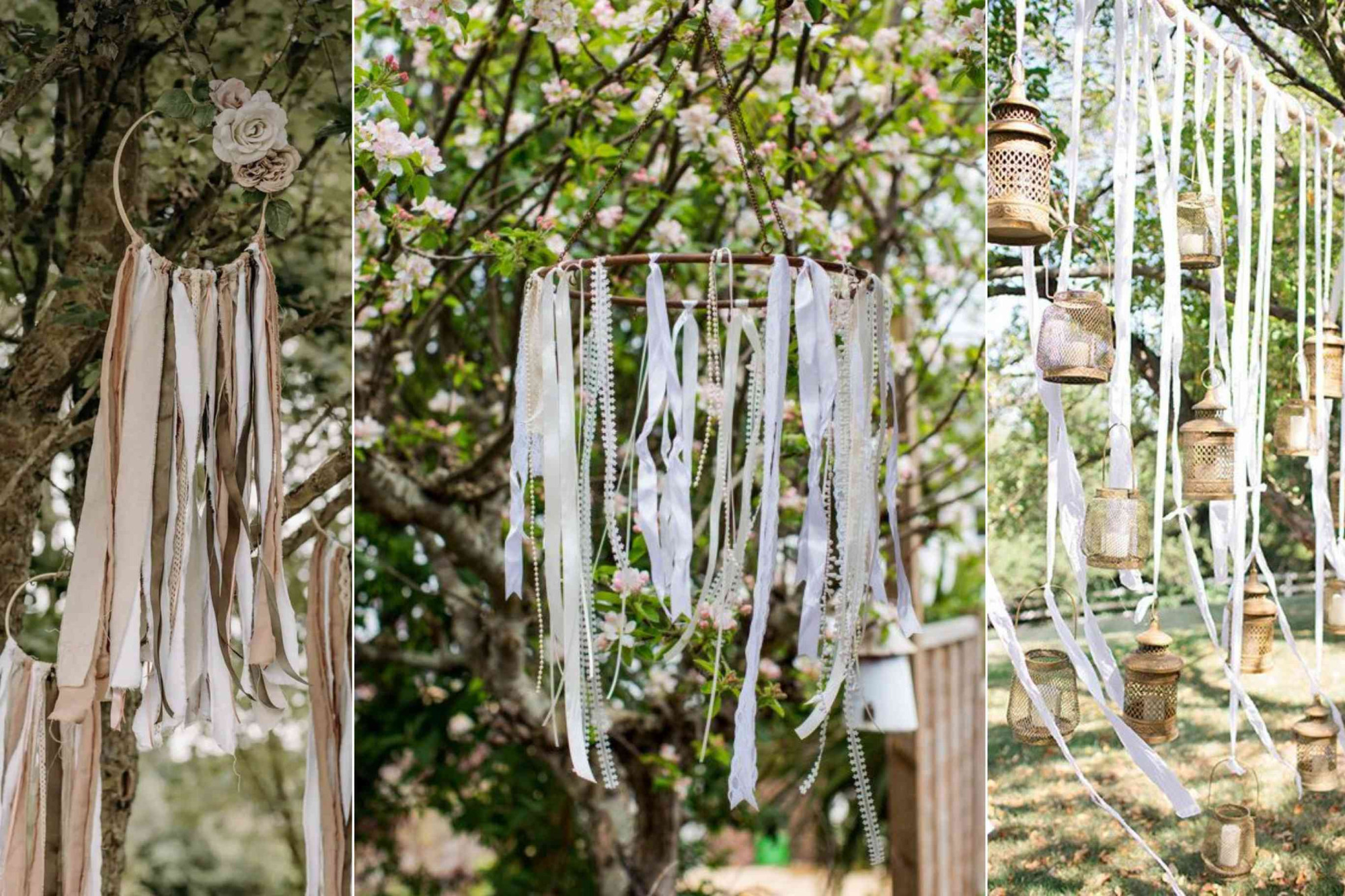
Ribbons are a simple way to bring colour and movement into an outdoor celebration. Hung from trees, chairs, lanterns or existing garden structures, they can decorate a large space without filling it with flowers or elaborate installations.
Trees provide an obvious starting point. Long ribbons tied loosely to branches move with the wind and can mark the area around a ceremony, dining table or entrance. Different lengths and widths create a more relaxed effect than perfectly matching pieces.
Colour can follow the rest of the celebration. White and cream work naturally for weddings, while soft pink, blue or green can pick up shades from flowers and table settings. For birthdays and garden parties, brighter combinations can give the same idea a completely different character.
Ribbons also combine easily with other materials. Hanging lanterns, small floral arrangements, baskets and candles can be mixed between them, particularly in gardens where there are already trees and planting to work with.
They can appear closer to the table as well. Napkins, menus, bouquets, chair backs or small guest gifts can each carry a piece of the same ribbon used elsewhere in the garden. Repeating it in a few places is enough to connect the different areas.
Older pieces of fabric can also be used. Linen strips, lace and leftover textiles create more variation in texture and are useful when a perfectly uniform finish is not the aim.
One of the advantages of this type of decoration is that it works with the garden instead of hiding it. Existing branches, flowers and greenery remain the main background, while the ribbons add a temporary layer for the celebration.
Afterwards, many of the materials can be collected and reused for another dinner, party or event, making them useful beyond a single day.
Looking for more inspiration for an outdoor table?
Discover More Outdoor Dining Inspiration →
#OutdoorCelebration #WeddingDecor #GardenWedding #EventStyling #OutdoorWedding #Lalaland
Weddings & Events @lalaland
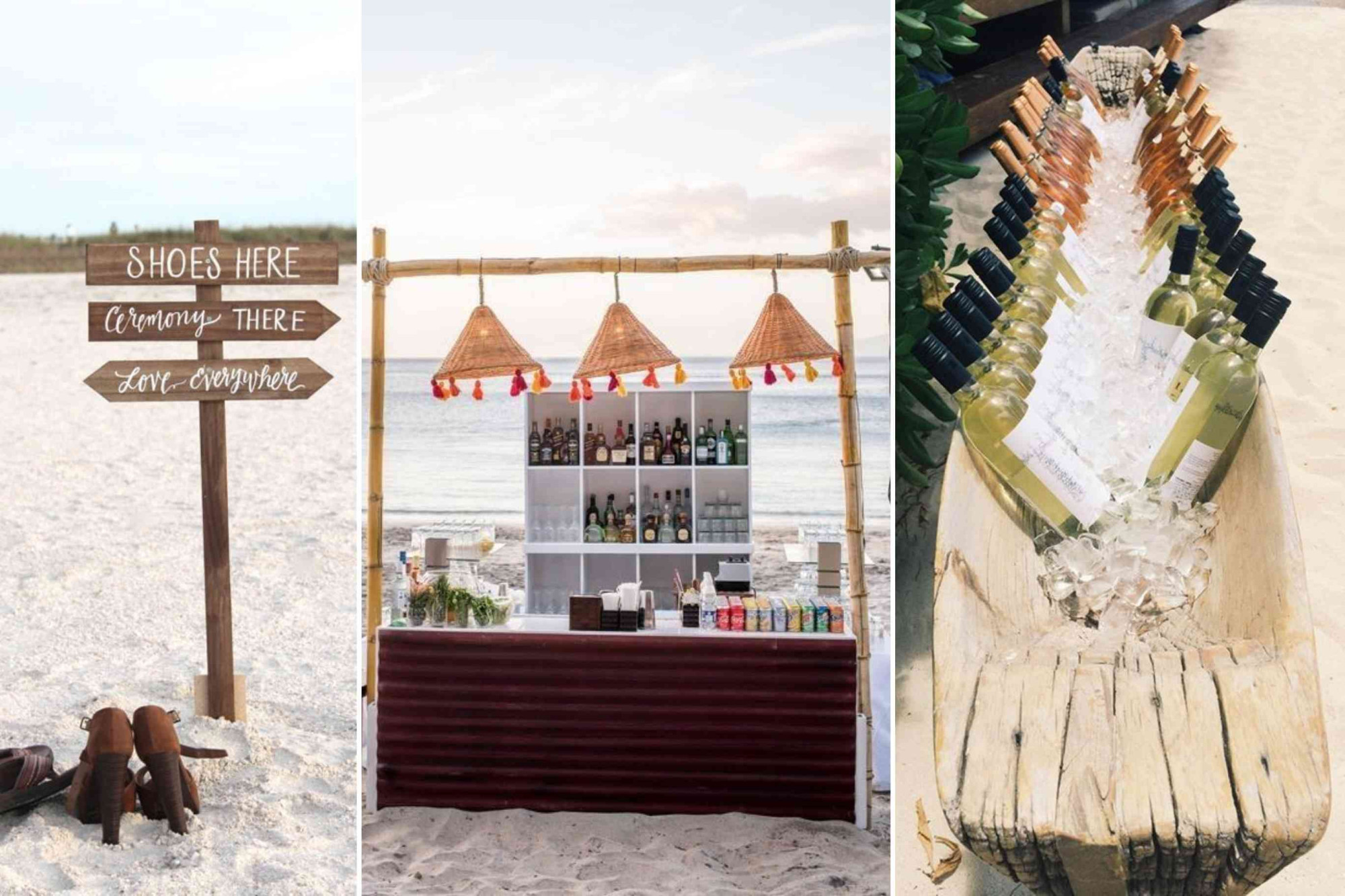
Cold drinks are quickly part of the setting when a celebration takes place on the beach. A simple bar, bottles on ice and somewhere guests can help themselves work naturally with an afternoon that moves from ceremony to drinks, dinner and sunset.
For a wedding, the first drinks can be ready as guests arrive or served immediately after the ceremony. Water and alcohol-free options are especially welcome on warm days, alongside wine, cocktails or champagne later in the celebration.
A beach bar can be relatively simple. A wooden counter, bamboo structure or existing beach bar already fits the surroundings, leaving little need for additional decoration. Flowers, fruit, woven lamps or a handwritten drinks menu can add enough detail.
Large containers filled with ice are useful for bottles that guests can take themselves. Wine, sparkling water and soft drinks can remain visible and accessible while also becoming part of the setup.
The drinks themselves can reflect the destination. Local wines, regional spirits, fresh citrus and seasonal fruit give the menu a connection to the location without turning it into a complicated cocktail list.
As the afternoon continues, the bar can become a natural meeting point. Guests return between photographs, dinner and dancing, so a few stools or a seating area nearby can make it part of the celebration rather than simply somewhere drinks are served.
A barefoot setting also changes the atmosphere. A place where guests can leave their shoes before walking onto the sand is a small practical detail that immediately makes the occasion feel more relaxed.
By sunset, the same bar can continue into the evening with candles, lanterns and music nearby. There is little need to create a completely different setup once dinner or the party begins.
Looking for more food and drink ideas for an outdoor celebration?
Discover Food & Drink Stations →
#BeachWedding #BeachParty #DestinationWedding #BeachBar #OutdoorCelebration #Lalaland
Weddings & Events @lalaland
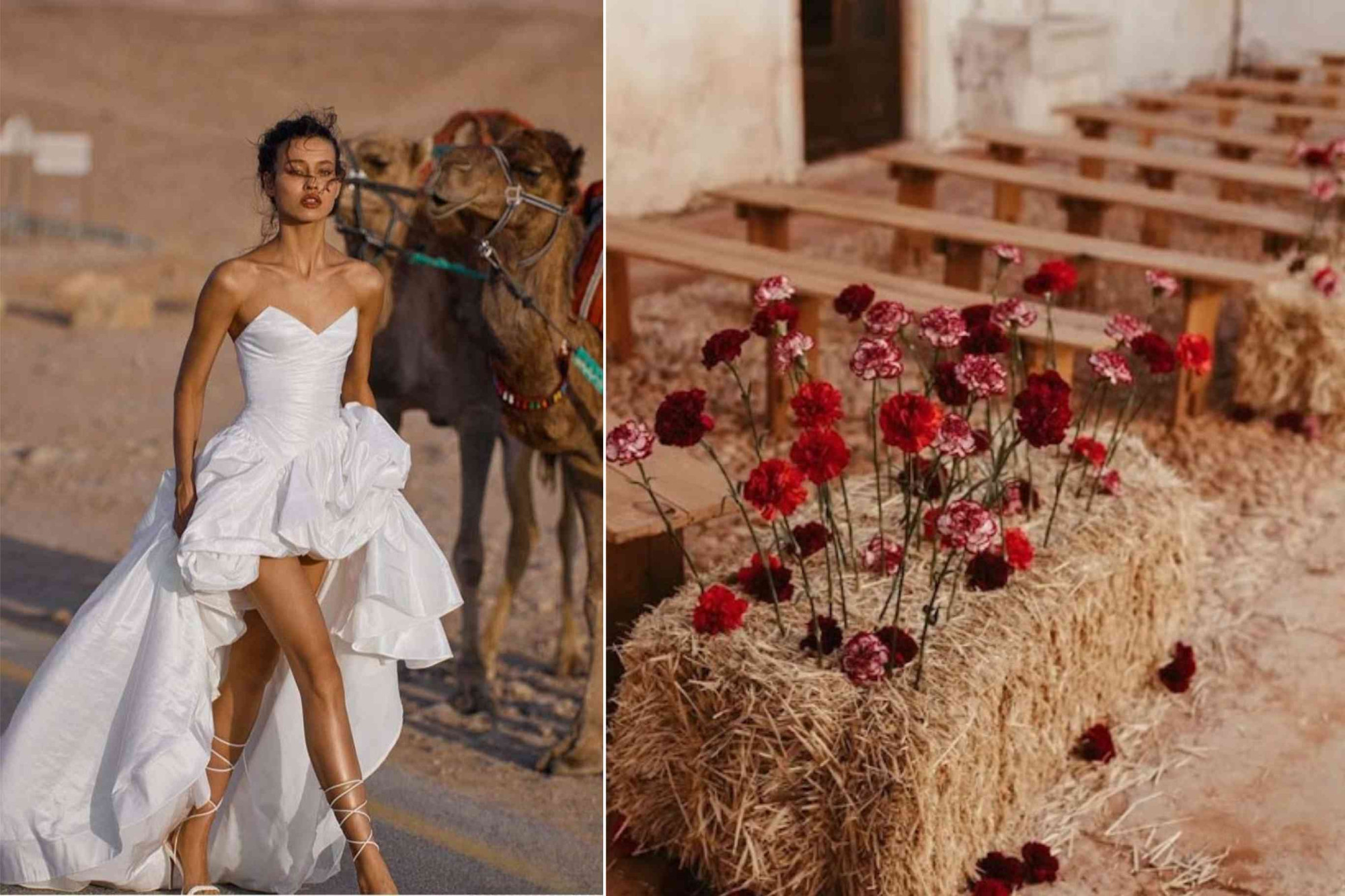
Some of the most interesting wedding locations begin as places that were never designed for ceremonies. A field, farm, desert property, olive grove or open piece of countryside can become the setting with relatively few additions.
Existing materials can provide much of what is needed. Wooden benches, hay bales, simple chairs or a mixture of seating can work naturally in rural surroundings without trying to recreate the look of a traditional wedding venue.
Flowers can follow the landscape. Loose stems placed between hay bales or along the aisle introduce colour while keeping the surroundings visible. Seasonal varieties and locally grown flowers are particularly suited to this type of setting.
The ceremony itself can remain visually simple. Instead of building a large floral arch, a tree, old doorway, stone wall or view across the landscape can provide the background.
Fashion can respond to the less formal surroundings too. A shorter wedding dress, high-low hem or lighter gown brings more freedom for walking outside, while a longer dress can create an interesting contrast with the rawness of the location.
An unconventional venue also gives the couple more freedom after the ceremony. Drinks might be served outside, dinner arranged around long tables nearby and music introduced as daylight begins to fade.
The strongest element is often the location itself. Adding only what is needed for guests to gather, sit and celebrate allows the character of the place to remain part of the wedding.
Looking for inspiration for a wedding in a remarkable setting?
Discover Kasbah Tamadot →
#OutdoorWedding #WeddingCeremony #CountrysideWedding #WeddingVenue #DestinationWedding #Lalaland
Weddings & Events @lalaland
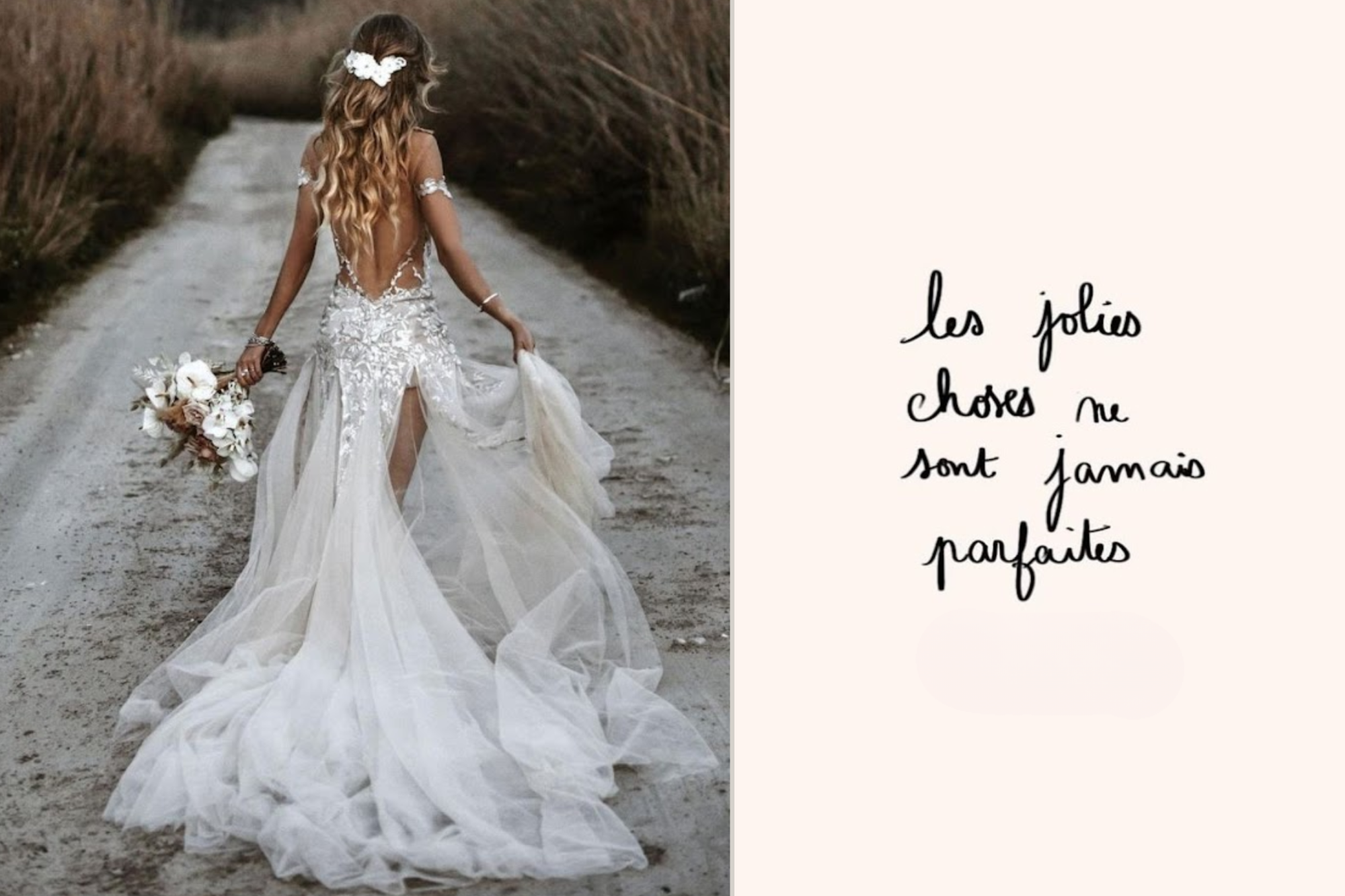
When family and friends are travelling for a wedding, the celebration can easily extend beyond the wedding day itself. Staying together for a weekend creates time for dinners, breakfasts and relaxed moments that would otherwise disappear between the ceremony and reception.
A countryside house, small hotel, vineyard or private estate works particularly well when guests can stay nearby. People can arrive during the afternoon, settle into their rooms and meet again later without immediately stepping into the formal part of the wedding.
The first evening can remain very simple. Drinks in the garden, pizza around a long table or dinner at a local restaurant gives everyone a chance to meet before the wedding. For guests coming from different parts of the couple's lives, this can make the following day feel much more relaxed.
The wedding remains the main event. A ceremony followed by drinks, dinner and dancing can fill most of Saturday, while the surrounding days require far less organisation.
Sunday morning is often the easiest moment to add. Breakfast or brunch allows everyone to come together once more before leaving. Fresh bread, fruit, coffee and a few local dishes are enough, particularly after a late night.
A wedding weekend also gives couples more opportunity to use the destination. Guests might visit a nearby village, go to the beach, walk through the countryside or spend a few hours around the pool before the celebrations begin.
There is no expectation that everyone participates in everything. Some guests may arrive only for the wedding, while close friends and family stay for the full weekend.
For destination weddings in particular, this approach makes the journey more worthwhile. Instead of travelling for one evening, guests have time to enjoy the place and spend more time together.
Looking for inspiration for a wedding weekend in the countryside?
Discover Rural Ibiza →
#WeddingWeekend #DestinationWedding #CountrysideWedding #WeddingIdeas #WeddingStay #Lalaland
Weddings & Events @lalaland
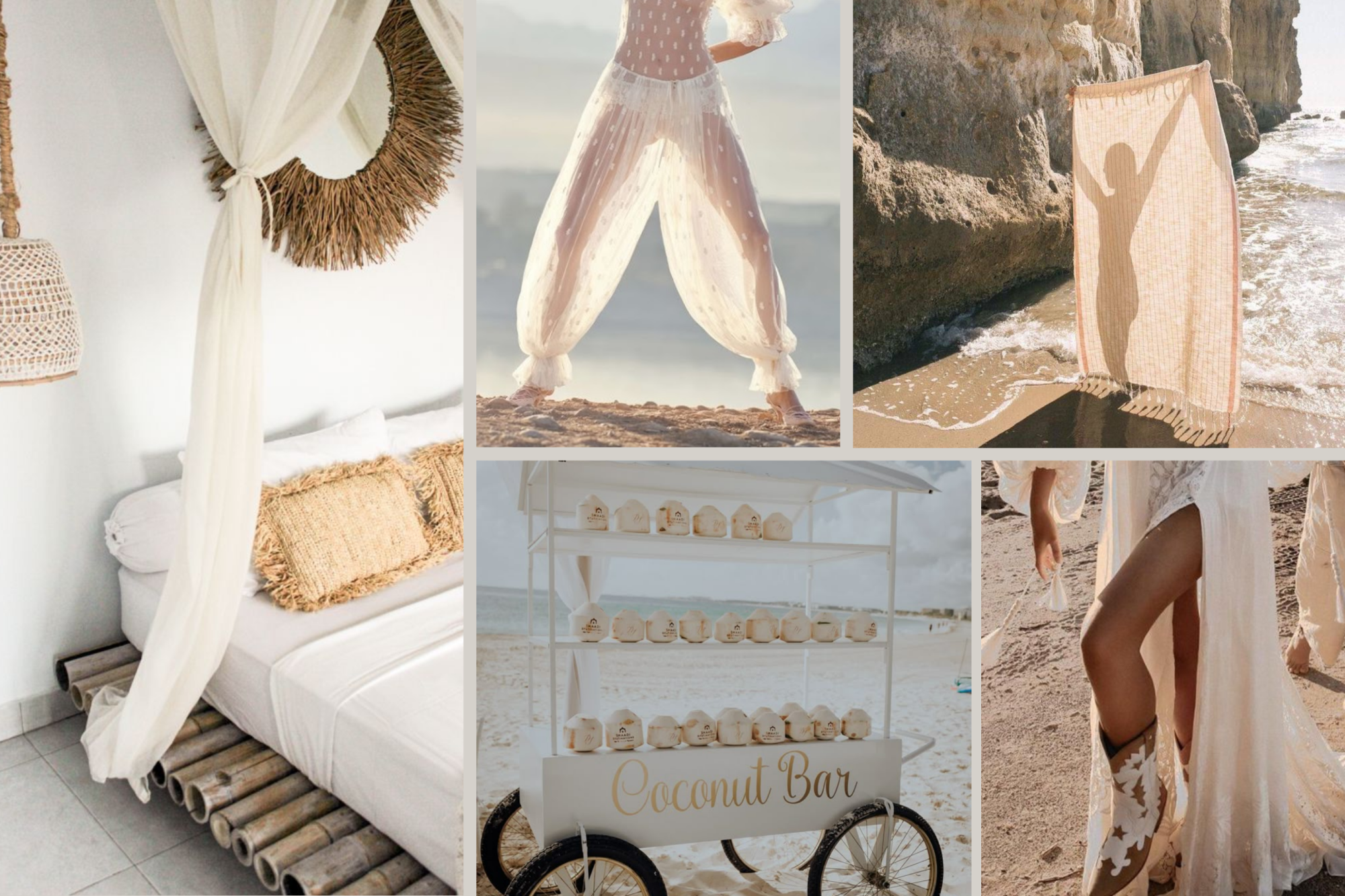
A coconut bar beside the beach immediately feels like part of the celebration rather than traditional catering. Guests can stop for a drink whenever they want, while the cart or counter becomes part of the setting at the same time.
The idea can take many forms depending on the location. Fresh coconuts are a natural choice for a tropical or beach celebration, while a Mediterranean wedding might have a lemonade stand, local wine bar or small counter serving fruit and chilled drinks.
Food works just as well. An oyster bar by the sea, gelato cart during a summer wedding or late-night pizza station can introduce something extra without adding another formal course to the meal.
These stations are particularly suited to the moments when guests are moving around. They can open after the ceremony, remain available during an afternoon reception or appear later in the evening when everyone has left the dinner table.
The destination can provide the idea. In Italy, it might be gelato or espresso. A celebration in Provence could include local fruit, pastries or regional products, while tropical destinations naturally lend themselves to coconut, fresh juices and fruit.
Presentation can stay connected to the surroundings. Woven baskets, ceramics, linen, wooden counters and handwritten menus work easily in outdoor settings and can make a simple food or drinks station feel considered.
A station can also become one of the details guests remember. It gives people somewhere to gather, something to taste and often a small experience connected to the place where the celebration is happening.
For destination weddings and outdoor events, using local food and drinks in this way is an easy way to bring the location into the celebration without turning the entire event into a theme.
Looking for a cocktail to add to your drinks station?
Discover Ginger Storm →
#OutdoorCelebration #DestinationWedding #WeddingFood #EventIdeas #BeachWedding #Lalaland
Weddings & Events @lalaland
Shells can bring a coastal reference into a wedding in a much subtler way than traditional seaside decoration. Used in jewellery, table details and handmade objects, they connect naturally with a beach setting while still feeling appropriate for a celebration.
Jewellery is perhaps the easiest place to introduce them. Necklaces made from small shells, mother-of-pearl earrings or individual shell details can complement a simple bridal look and can also work as accessories for bridesmaids or guests.
Around the ceremony, shells can be combined with natural materials already associated with the coast. Dried grasses, woven fibres, raffia and light fabrics create texture without competing with the landscape. The beach itself remains the main background.
Shell details can continue around the tables. Individual shells can hold place names, decorate napkins or appear alongside candles and ceramics. Larger pieces can be used for serving small bites or simply placed between flowers and other natural objects.
Handmade lighting and hanging decorations offer another possibility. Shell chandeliers, woven lamps and long fringed pieces work particularly well above outdoor tables or covered terraces where they remain visible throughout the day and evening.
For destination weddings, locally made pieces can make the idea more interesting. Jewellery, baskets, woven objects and decorative pieces sourced from artisans near the wedding location bring craftsmanship from the region into the celebration.
Afterwards, some of these elements can have a life beyond the wedding. Jewellery can continue to be worn and handmade lighting or decorative objects can move into the home instead of being used for a single day.
The coastal reference can remain relatively understated. A few shells, natural fibres and locally made pieces are enough to connect the styling with the sea without turning the wedding into a seaside theme.
Inspired by shell jewellery for a coastal celebration?
Discover More Creative Inspiration →
Stay Inspiration | Petunia Ibiza
For a coastal wedding in Ibiza, Petunia offers a Mediterranean setting overlooking Es Vedrà. Its gardens, outdoor terraces and natural surroundings provide an appealing backdrop for celebrations featuring shells, woven details and understated table decorations. A fitting location for couples considering a smaller destination wedding with a relaxed island atmosphere.
→ Explore Petunia Ibiza with Les Couleurs du Monde Travel
#CoastalWedding #BeachWedding #WeddingDetails #WeddingStyling #DestinationWedding #Lalaland
![<p class="isSelectedEnd"><strong>Shells can bring a coastal reference into a wedding in a much subtler way than traditional seaside decoration.</strong> Used in jewellery, table details and handmade objects, they connect naturally with a beach setting while still feeling appropriate for a celebration.</p>
<p class="isSelectedEnd">Jewellery is perhaps the easiest place to introduce them. Necklaces made from small shells, mother-of-pearl earrings or individual shell details can complement a simple bridal look and can also work as accessories for bridesmaids or guests.</p>
<p class="isSelectedEnd">Around the ceremony, shells can be combined with natural materials already associated with the coast. Dried grasses, woven fibres, raffia and light fabrics create texture without competing with the landscape. The beach itself remains the main background.</p>
<p class="isSelectedEnd">Shell details can continue around the tables. Individual shells can hold place names, decorate napkins or appear alongside candles and ceramics. Larger pieces can be used for serving small bites or simply placed between flowers and other natural objects.</p>
<p class="isSelectedEnd">Handmade lighting and hanging decorations offer another possibility. Shell chandeliers, woven lamps and long fringed pieces work particularly well above outdoor tables or covered terraces where they remain visible throughout the day and evening.</p>
<p class="isSelectedEnd">For destination weddings, locally made pieces can make the idea more interesting. Jewellery, baskets, woven objects and decorative pieces sourced from artisans near the wedding location bring craftsmanship from the region into the celebration.</p>
<p class="isSelectedEnd">Afterwards, some of these elements can have a life beyond the wedding. Jewellery can continue to be worn and handmade lighting or decorative objects can move into the home instead of being used for a single day.</p>
<p>The coastal reference can remain relatively understated. A few shells, natural fibres and locally made pieces are enough to connect the styling with the sea without turning the wedding into a seaside theme.</p>
<p><strong data-start="488" data-end="546">Inspired by shell jewellery for a coastal celebration?</strong><br data-start="546" data-end="549"><a href="../../atelierdumonde/post/1037">Discover <strong data-start="558" data-end="589" data-is-last-node="">More Creative Inspiration →</strong></a></p>
<p data-pm-slice="1 1 []"><strong>Stay Inspiration | Petunia Ibiza</strong></p>
<p>For a coastal wedding in Ibiza, Petunia offers a Mediterranean setting overlooking Es Vedrà. Its gardens, outdoor terraces and natural surroundings provide an appealing backdrop for celebrations featuring shells, woven details and understated table decorations. A fitting location for couples considering a smaller destination wedding with a relaxed island atmosphere.</p>
<p>→ <a href="https://travel.lescouleursdumonde.com/hotels/lp655a5578?source=hotels&placeId=38.898602%2C1.220121">Explore Petunia Ibiza with Les Couleurs du Monde Travel</a></p>
<p>#CoastalWedding #BeachWedding #WeddingDetails #WeddingStyling #DestinationWedding #Lalaland</p>](https://lescouleursdumonde.com/files/storage/553/75567d7fd454b2ec1742208325dzr82bujwvzyw5pb7lty.png)