
L'edition Printemps
Les Couleurs du Monde Magazine -Travel, Taste and Discovery. Discover our editions. Contact: info@lescouleursdumonde.com
Table & Taste @saveursdumonde
A croissant is one of the simplest pleasures of a French breakfast, but the best ones are worth choosing carefully. At a good boulangerie, the difference is noticeable in the crisp exterior, visible layers and buttery interior.
A traditional croissant is made from laminated dough, where butter is folded repeatedly between layers of dough. During baking, those layers expand and create the light, flaky structure that distinguishes a good croissant from a softer, bread-like version.
In France, the croissant is usually kept simple. It might be eaten with coffee at the counter of a café or taken home from the boulangerie for breakfast. Butter, jam and fresh fruit can be added to the table, but a well-made croissant needs very little.
When buying one, look for a golden surface and clearly defined layers. It should feel crisp when broken open, with a soft centre and a noticeable flavour of butter without feeling greasy.
And there is something particularly enjoyable about buying croissants while travelling. Finding the neighbourhood boulangerie, walking there in the morning and bringing a warm paper bag back to your room or holiday house becomes part of experiencing a place through its everyday food.
Inspired by the simple pleasures of a French morning?
Discover A Simple Côte d’Azur Morning →
#Croissant #FrenchBreakfast #FrenchFood #TableAndTaste #SaveursDuMonde
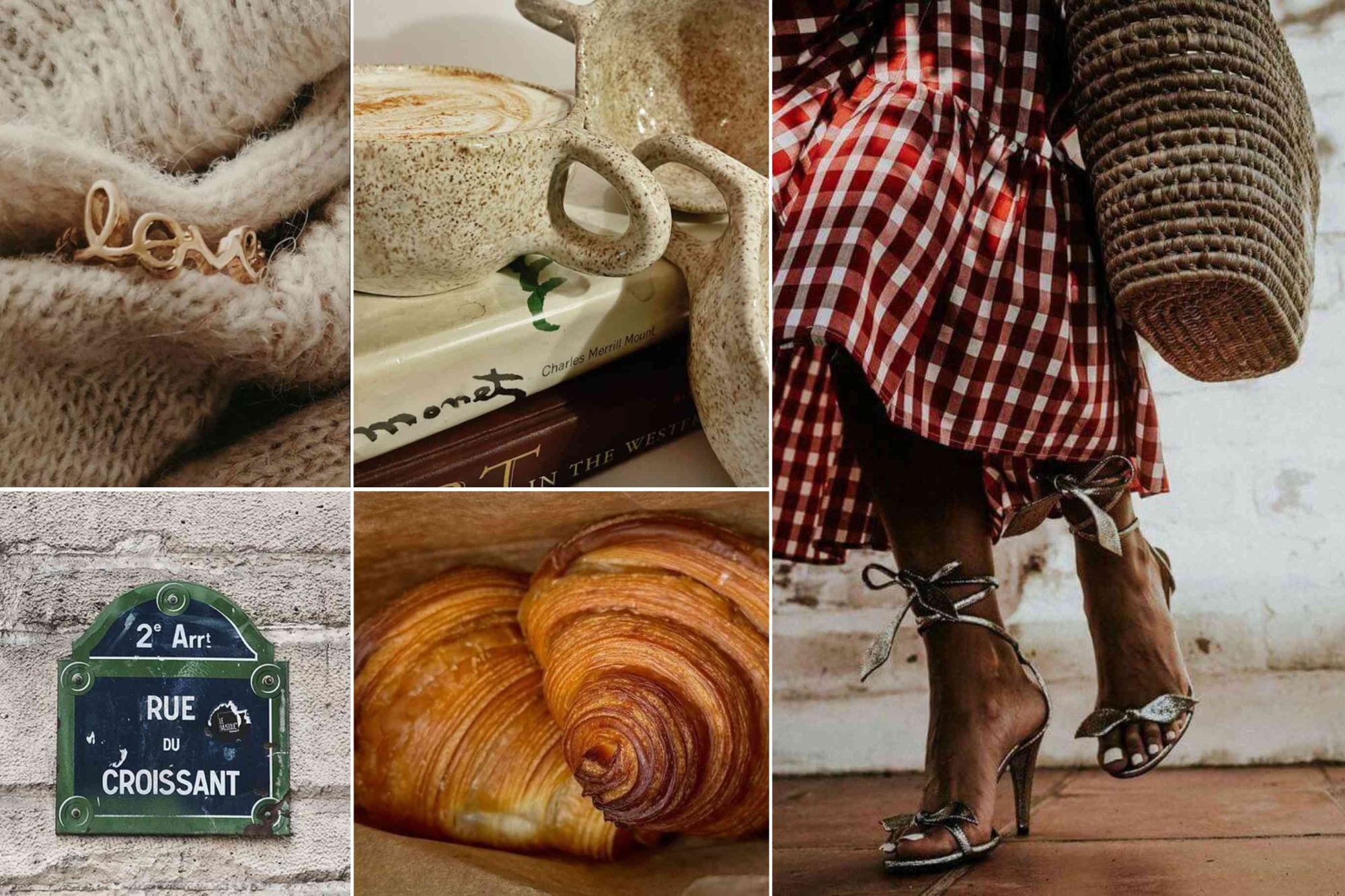
Table & Taste @saveursdumonde
A selection of seafood can turn a simple lunch into a complete sharing table. Small fried fish, grilled prawns and clams each bring a different flavour and texture, while the preparation can remain relatively straightforward.
Small fish such as anchovies or sardines are particularly good when lightly coated in flour and fried until crisp. Serve them immediately with lemon, sea salt and parsley. They work well as the first dish on the table while the rest of the seafood is still being prepared.
Large prawns need little more than olive oil, garlic and herbs before going onto a hot grill or pan. Cooking them in their shells helps keep the flesh moist and gives them more flavour.
Clams can be prepared separately with garlic, olive oil and parsley. A little white wine or lemon juice creates enough liquid for dipping bread once the shells have opened.
Instead of serving everything as separate courses, bring the dishes to the table as they are ready. Add crusty bread, a tomato salad, grilled vegetables and a simple green salad and the seafood becomes the centre of a relaxed lunch.
This style of eating works especially well near the coast, where the selection can simply follow what is fresh at the fish market that morning.
Planning a seafood lunch by the coast?
Discover Coastal Table Styling →
#SeafoodTable #CoastalFood #SeafoodLunch #TableAndTaste #SaveursDuMonde
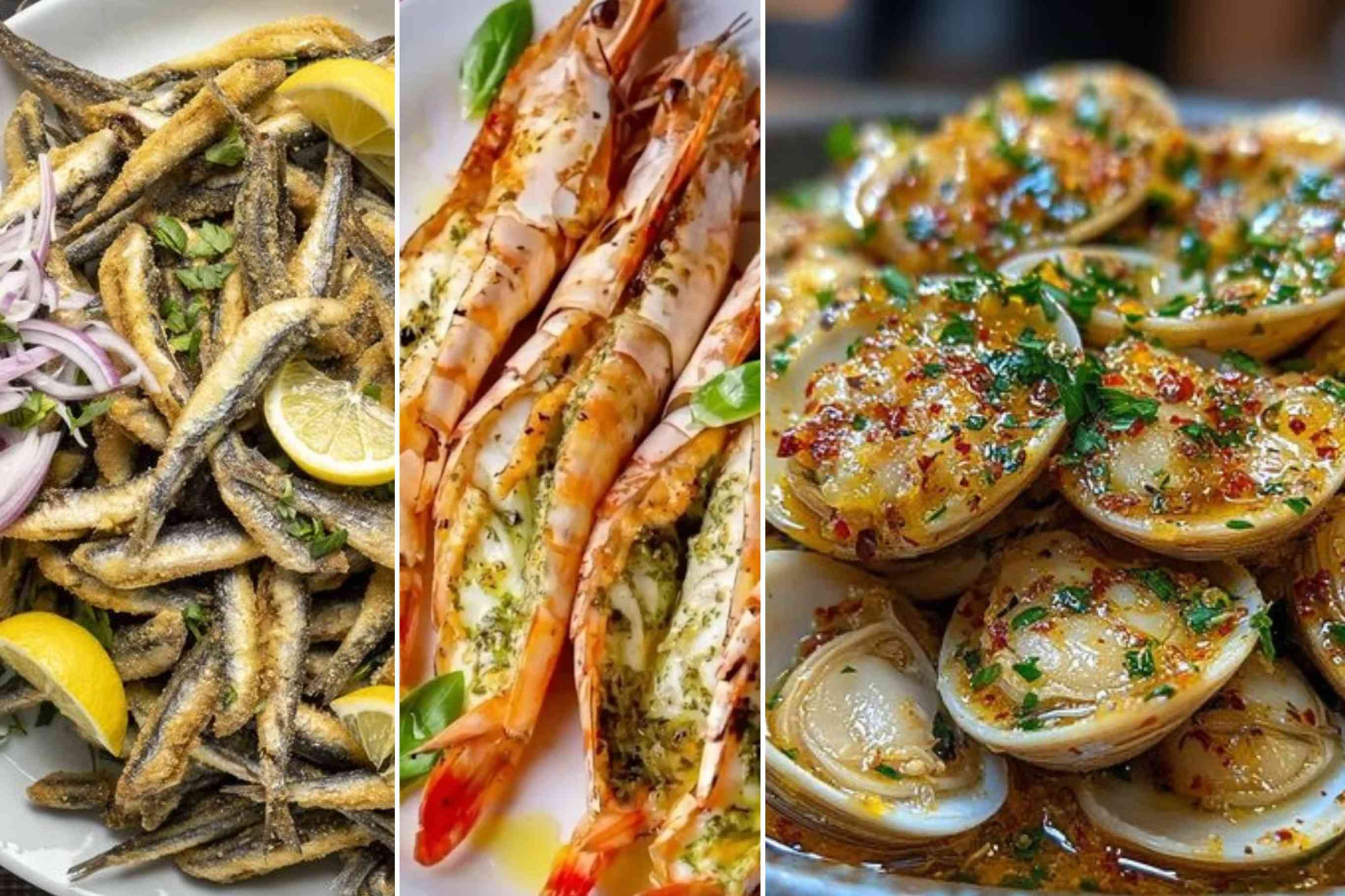
Table & Taste @saveursdumonde
Burrata has become a popular addition to pasta because it brings something very different from grated or melted cheese. Added at the end, it stays fresh and creamy while the heat from the pasta gently softens the outside.
This works particularly well with tomato-based sauces. The mild, milky flavour of burrata balances the acidity of tomato without covering the other ingredients. Once the cheese is opened, its creamy centre mixes naturally into the sauce and coats the pasta.
Texture is just as important. A dish such as rigatoni with burrata becomes more interesting when the softness of the cheese is combined with contrasting ingredients. Crispy prosciutto, toasted pine nuts, breadcrumbs or roasted vegetables can add crunch while herbs and black pepper bring freshness and seasoning.
Burrata is best added just before serving instead of being cooked into the sauce. This keeps its characteristic texture and allows it to become part of the dish at the table.
Inspired to enjoy Italian flavours on the Riviera?
Discover Gigi Ramatuelle →
#Burrata #Pasta #ItalianFood #TableAndTaste #SaveursDuMonde
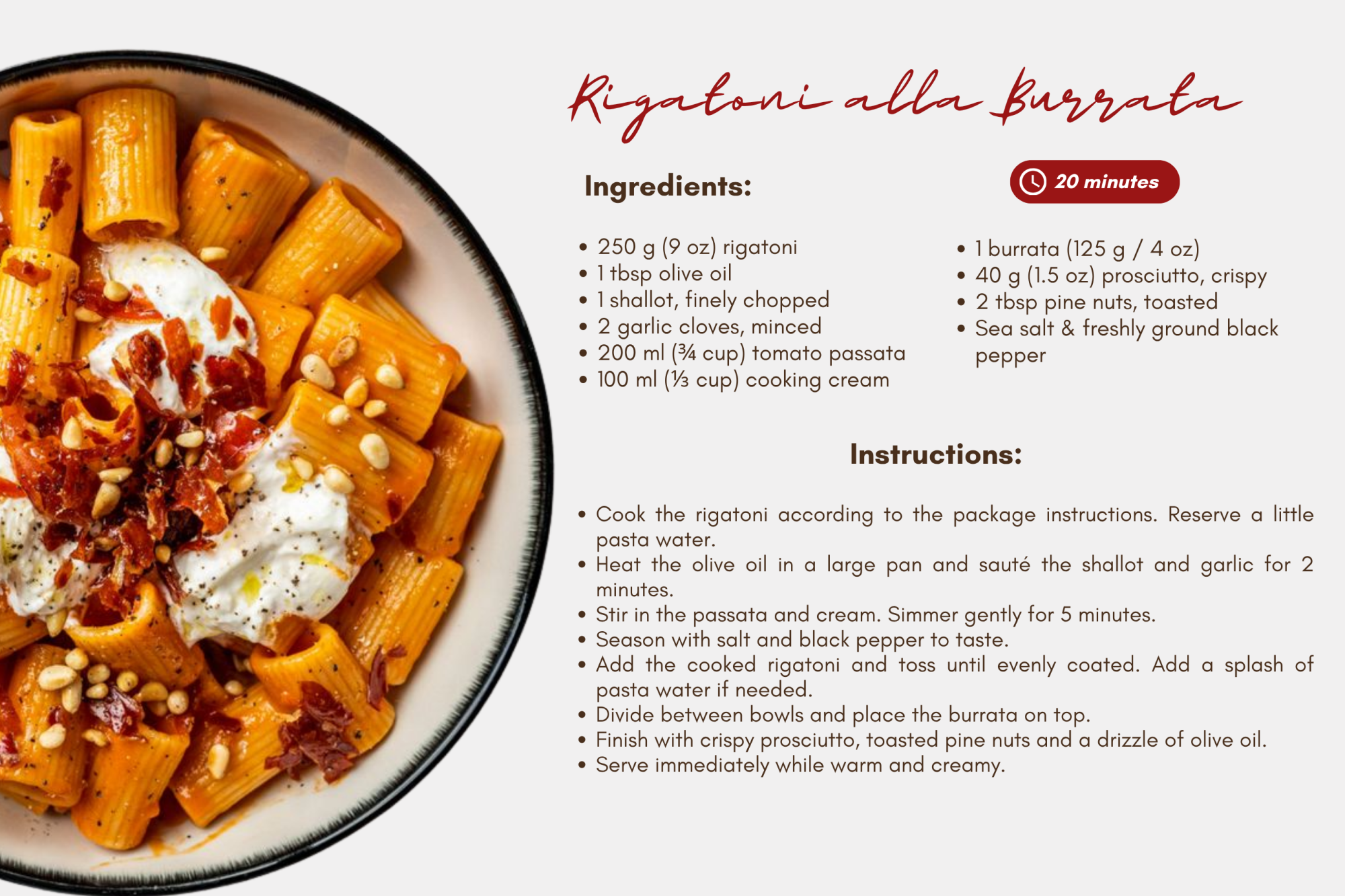
Table & Taste @saveursdumonde
Summer cocktails work particularly well when sweetness, acidity and freshness are kept in balance. Instead of building a drink around several sweet ingredients, a few simple adjustments can create something lighter and easier to serve on a warm afternoon.
Fresh lime is useful because its acidity cuts through fruit-based flavours and syrups. Mint adds freshness without adding sweetness, while sparkling water, tonic or ginger ale can lengthen a drink and reduce the intensity of the other ingredients.
Fruit-based spirits and liqueurs can also replace part of the traditional base of a cocktail. In a Berry Mojito, for example, berry flavours add a different character while still working naturally with lime and mint.
Ice matters too. A generous amount keeps the drink properly chilled and slightly dilutes stronger flavours as it melts. The result should remain refreshing from the first sip to the last.
For outdoor lunches, aperitifs and summer gatherings, simple combinations are usually the most practical: one main flavour, something fresh, something acidic and a sparkling finish.
A simple way to use Carumbola rum: a Berry Mojito.
Mix 50 ml Carumbola Very Berry with fresh lime, mint and a small amount of sugar syrup. Add ice and finish with a splash of ginger ale for a lighter, fresher taste.
The result is less heavy than a classic mojito, with a slightly fruity note that works well in warm weather.
Best served cold. www.carumbola.com
#SummerCocktails #BerryMojito #SummerDrinks #TableAndTaste #SaveursDuMonde

Table & Taste @saveursdumonde
Creamy Garlic Salmon with Spinach & Cherry Tomatoes
A simple dish full of fresh ingredients. Salmon cooked in a creamy sauce with garlic, cherry tomatoes, spinach, Parmesan, lemon, and basil. Rich in flavor but easy to prepare. Perfect for a relaxed dinner at home and ready in about 20 minutes.
Ingredients (serves 2):
- 2 salmon fillets
- 40 g Parmesan cheese (grated)
- 350 g cherry tomatoes
- 150 g spinach
- 150 ml cream
- 2 garlic cloves (finely chopped)
- fresh basil
- juice of ½ lemon
- 1 tbsp olive oil
- salt and pepper
Salmon is particularly suited to quick one-pan dinners because it needs very little cooking time and works well with both fresh and richer ingredients. This version combines it with cherry tomatoes, spinach and a creamy garlic sauce for a dinner that can be prepared in around 20 minutes.
Start by seasoning two salmon fillets with salt and black pepper. Heat a tablespoon of olive oil in a large pan and cook the salmon for three to four minutes on each side until lightly golden. Remove the fillets and keep them aside while preparing the sauce.
Add two finely chopped garlic cloves to the same pan, followed by 350 g of cherry tomatoes. Let the tomatoes soften for a few minutes, then pour in 150 ml of cream and stir through 40 g of grated Parmesan.
Once the sauce is smooth, add 150 g of fresh spinach and allow it to wilt. Return the salmon to the pan and cook gently for another two to three minutes.
Finish with the juice of half a lemon, fresh basil and black pepper. The lemon is particularly useful here, cutting through the richness of the cream and Parmesan while working naturally with the salmon and tomatoes.
Serve straight from the pan with pasta, rice or potatoes. Crusty bread is another good option, especially when you want to keep the rest of the meal simple.
Inspired to take dinner outside?
Discover Dining by the Water →
#SalmonRecipe #OnePanDinner #HomeCooking #TableAndTaste #SaveursDuMonde
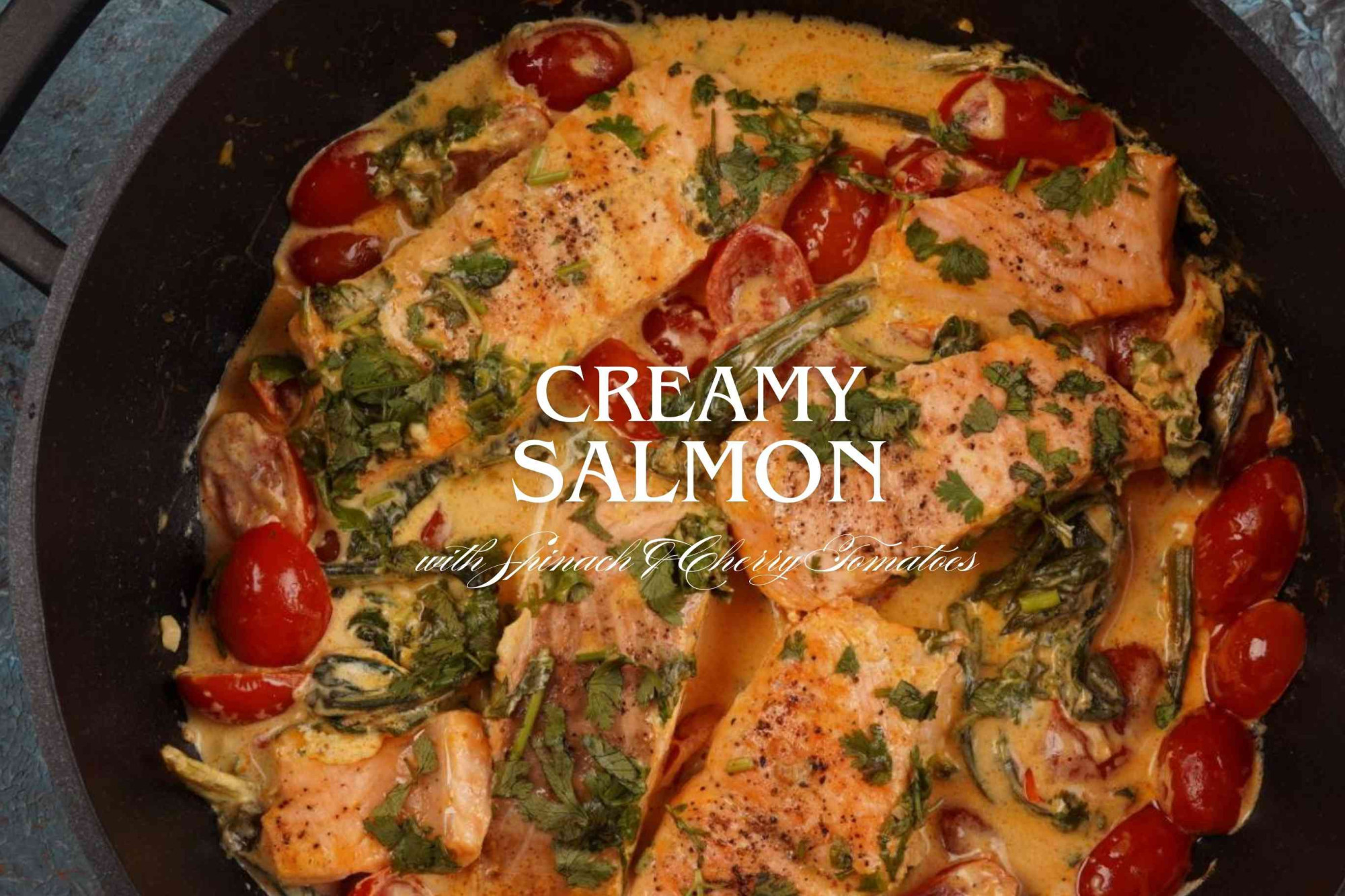
Table & Taste @saveursdumonde
Fresh fruit is one of the easiest ingredients to build a summer dessert table around. Strawberries, cherries, blackberries, melon and grapes can be served with very little preparation and combined with richer ingredients in smaller quantities.
Chocolate is an obvious partner, particularly with berries and cherries. Instead of preparing a complete chocolate dessert, break a good bar into pieces and arrange it between the fruit. Nuts such as almonds, pistachios or pecans add another texture and make the platter more substantial.
A large sharing board works well when several fruits are available. Keep some whole and cut larger pieces just before serving so they remain fresh. Smaller bowls or glass jars are useful for fruit salad, especially for an outdoor lunch where guests may prefer individual portions.
Frozen treats can be added alongside the fresh fruit. Fruit popsicles, sorbets and other frozen desserts bring a colder element to the table and can be served towards the end of a long lunch.
The advantage of this type of dessert is its flexibility. The selection can simply follow what is in season, from strawberries and cherries in early summer to peaches, apricots, figs and late-summer berries.
Try Another Fruity Dessert
Looking for another way to serve seasonal fruit? In our second edition, discover our Rubus Spring Delight with Framboise Layers, combining fresh raspberries, mascarpone or yoghurt, granola and Kasteel Rubus Framboise 0.0.
Discover the recipe in our second edition →
#SummerDesserts #SeasonalFruit #Chocolate #TableAndTaste #SaveursDuMonde
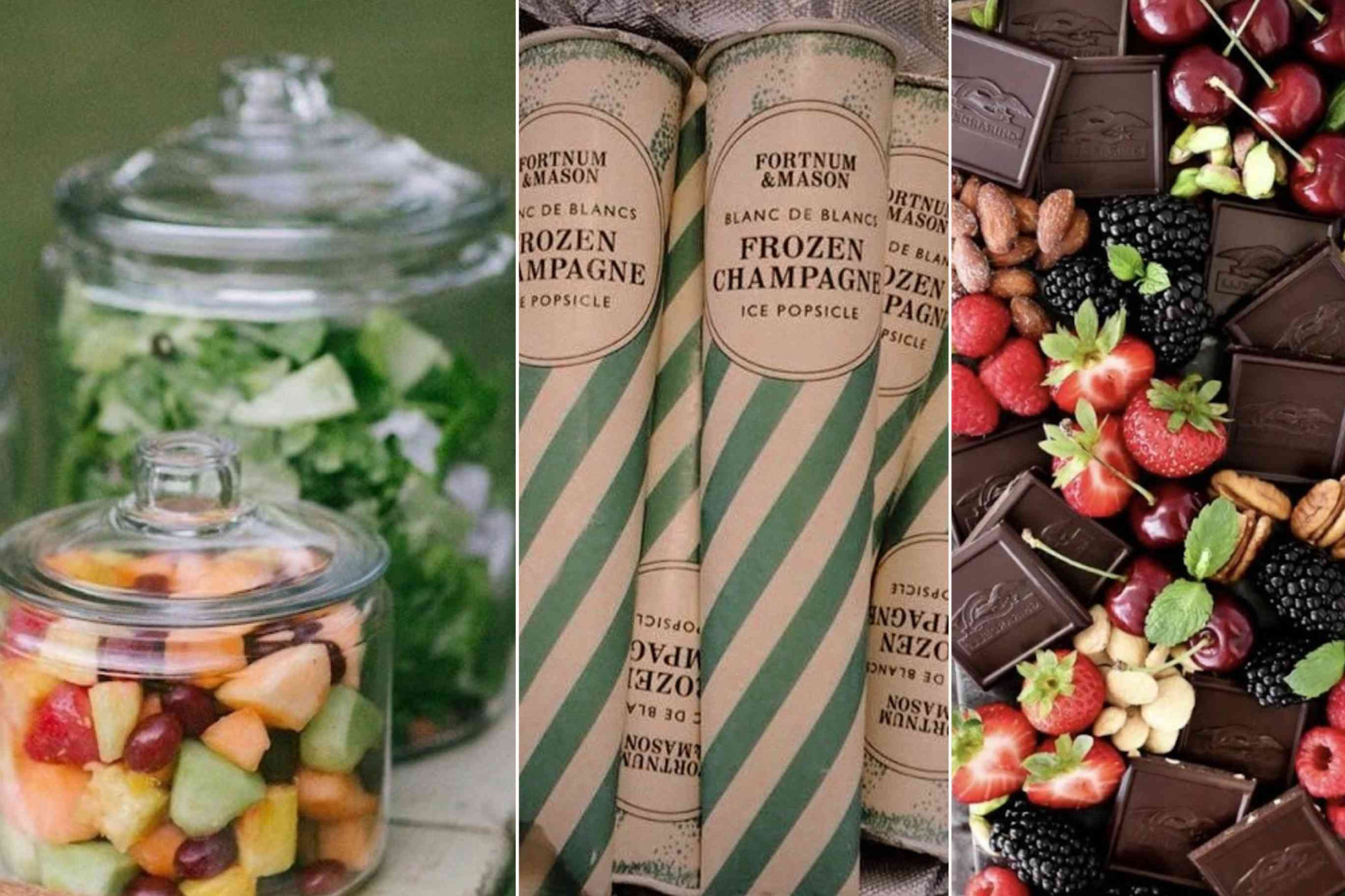
Table & Taste @saveursdumonde
Coastal cooking becomes particularly interesting when the ingredients on the plate can be traced directly to the surrounding waters. Mussels, sea urchins and locally caught fish are part of everyday food culture in many coastal regions, with availability changing according to season and location.
Buying seafood close to where it is caught can also influence the way it is prepared. Very fresh ingredients usually require little intervention. Mussels can be steamed with herbs, garlic or white wine, while sea urchin is commonly eaten raw or used in small quantities to add its distinctive flavour to pasta and other dishes.
The same principle applies to fish. A whole grilled fish with lemon and herbs can make a complete meal without a complicated sauce or long list of ingredients.
Coastal markets and small fishing harbours are useful places to see what is actually available locally. Instead of deciding on a recipe first, the day's catch can determine what ends up on the table.
This way of cooking naturally changes from one destination to another. The Mediterranean, Atlantic coast and northern European waters each have their own species, fishing traditions and ways of preparing them.
For travellers interested in food, visiting a fish market or buying directly from a local producer can reveal as much about a coastal destination as eating in a restaurant.
Inspired to enjoy seafood by the Aegean?
Discover A Beach Day in Mykonos →
#CoastalFood #LocalSeafood #FishMarket #TableAndTaste #SaveursDuMonde
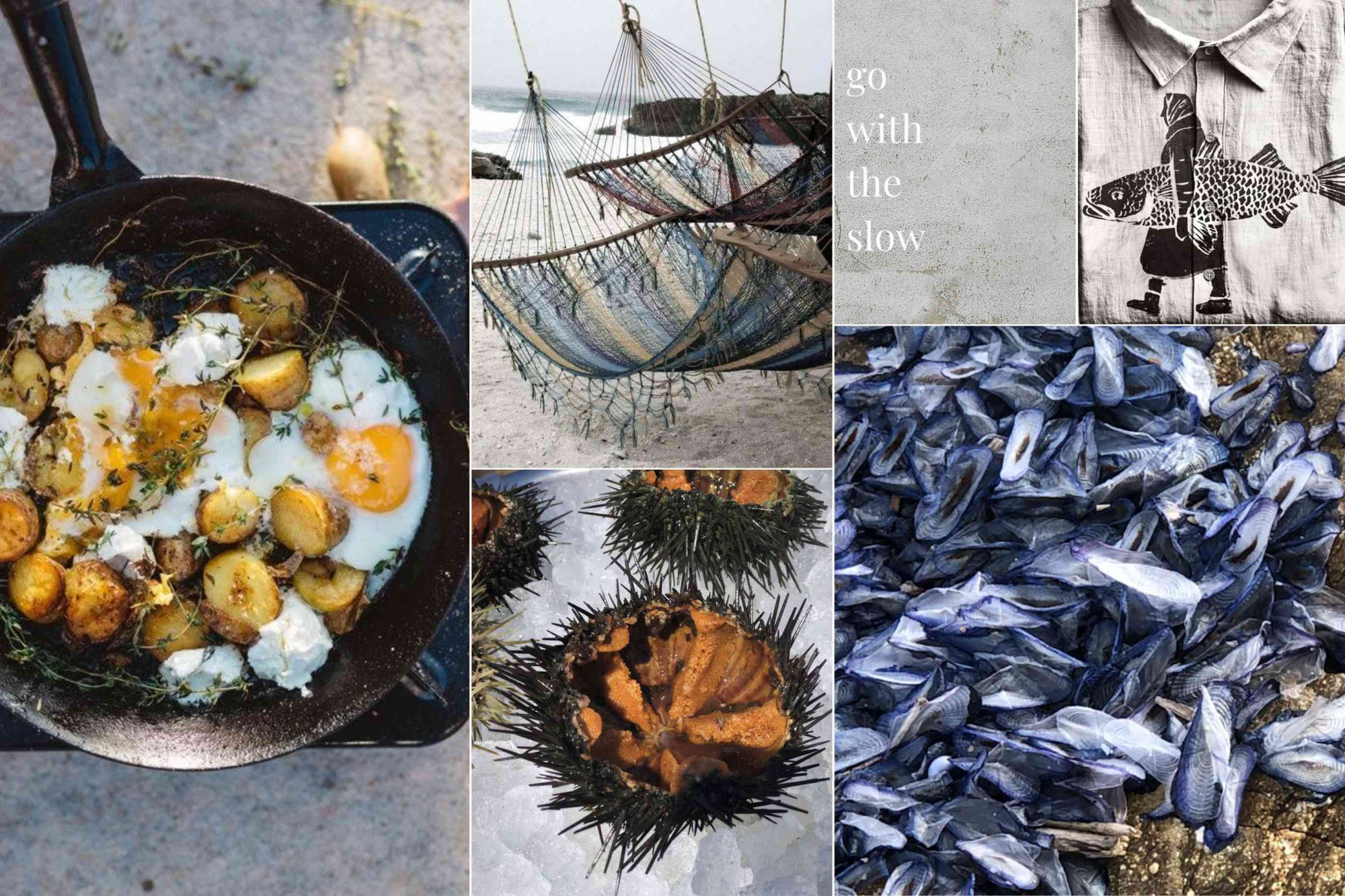
Table & Taste @saveursdumonde
Strawberries are at their best in desserts that leave plenty of room for the fruit itself. Once the first good strawberries arrive in spring, they can turn simple pastries into something worth serving for breakfast, afternoon coffee or dessert.
Croissants are particularly easy to use. Sliced through the middle and filled with pastry cream and fresh strawberries, they become a quick alternative to making a complete fruit tart from scratch. A little icing sugar is enough to finish them.
The same combination works with brioche, small pastry cases or individual tartlets. Vanilla pastry cream is a classic choice, although mascarpone or lightly whipped cream can be used when a softer filling is preferred.
The quality of the strawberries makes the biggest difference. Ripe fruit needs very little added sugar, while keeping some strawberries in larger pieces gives the pastry more texture and prevents the filling from becoming too soft.
For a spring brunch or Easter table, these pastries can be prepared shortly before serving and arranged on a large platter with bowls of extra strawberries. They also work well alongside coffee, tea and other breakfast dishes when several people are sharing the table.
It is a straightforward way to make seasonal fruit the focus without turning dessert into a complicated baking project.
Planning a spring brunch outdoors?
Discover Outdoor Brunch →
#StrawberryDessert #SpringBaking #SpringBrunch #TableAndTaste #SaveursDuMonde

Table & Taste @saveursdumonde
A good alcohol-free aperitif should feel just as considered as any cocktail. Fruit, citrus and sparkling water are an easy starting point, particularly when serving drinks before a summer lunch or dinner.
This Rosé Nojito combines raspberry syrup with two different sparkling waters, one with lemon and another with lime. Orange juice adds a softer citrus flavour and balances the sharper acidity of the lime.
Use equal parts raspberry syrup, lemon sparkling water, lime sparkling water and orange juice. Mix everything together before pouring over plenty of ice. Fresh raspberries can be added just before serving.
For a frozen version, crushed ice works particularly well. Fill the glass generously and pour the mixture over the top to create a drink somewhere between a mocktail and a granita. On very warm days, this also keeps the drink cold for longer.
The recipe is easy to prepare in larger quantities too. Mix the raspberry syrup and orange juice in advance, then add the sparkling water shortly before serving so it keeps its fizz.
Served in a cocktail glass with fresh fruit, it is a simple alternative for anyone who wants an alcohol-free option at the aperitif table.
Planning an outdoor lunch to go with your summer drinks?
Discover Preparing Fresh Food for a Picnic →
Mooie overgang van summer drink inspiratio
#Nojito #Mocktail #AlcoholFree #SummerDrinks #SaveursDuMonde
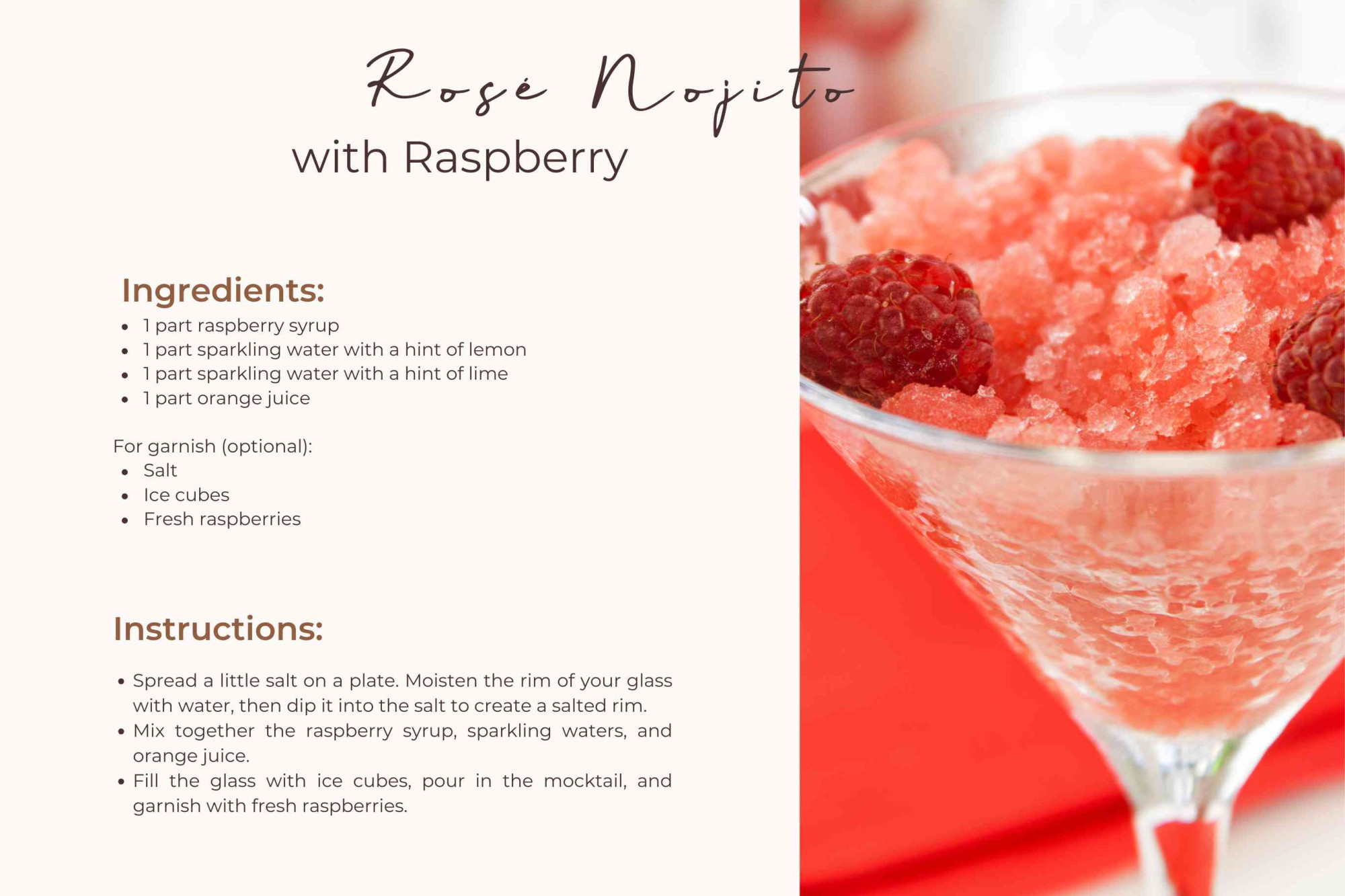
Table & Taste @saveursdumonde
Ginger is particularly useful in rum cocktails because its heat can balance the sweeter and warmer notes of the spirit. Combined with a spiced rum and a sparkling mixer, it creates a drink with plenty of flavour without requiring a long list of ingredients.
The Ginger Storm uses CARUMBOLA Dark Spice as its base, paired simply with ginger ale. The rum brings notes of spice while the ginger adds freshness and a gentle kick.
Fill a glass generously with ice, add one part Dark Spice and approximately three parts ginger ale, then stir gently. A slice of lemon adds acidity and keeps the combination from becoming too sweet.
The choice of ginger ale can change the drink considerably. A dry version keeps the cocktail lighter, while a stronger ginger beer creates a more pronounced ginger flavour. Fresh lime can also replace lemon when a sharper citrus finish is preferred.
Simple serves like this are useful when entertaining because they can be prepared directly in the glass. Keep the rum, chilled mixer, citrus and plenty of ice ready and guests can be served without preparing cocktails in advance.
It works particularly well as an aperitif or as a straightforward evening drink after dinner.
Discover Carumbola
The Ginger Storm is one way to use Carumbola Dark Spice, while the collection includes several rum-based spirits and liqueurs created for different serves and occasions.
Discover Carumbola in our first edition →
#GingerStorm #SpicedRum #RumCocktail #TableAndTaste #SaveursDuMonde
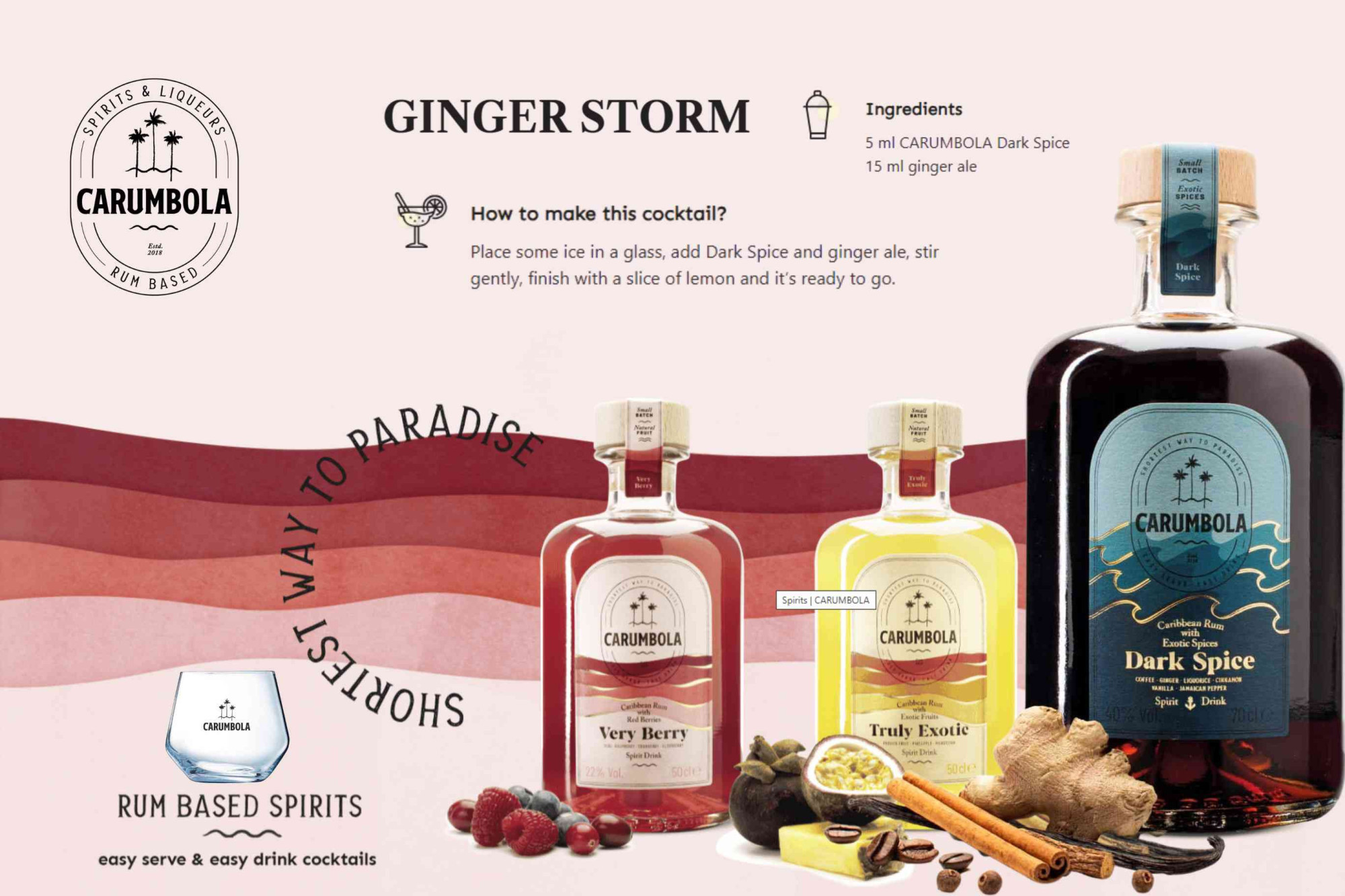
Table & Taste @saveursdumonde
Pears work particularly well in savoury dishes because their natural sweetness can balance stronger cheeses and earthy nuts. It is a simple combination that can be used for everything from a small appetiser to an open sandwich or autumn lunch.
For crostini, start with slices of toasted bread and a soft cheese. Goat's cheese, ricotta and blue cheese all work, although each gives a different result. Ricotta keeps the flavours mild while goat's cheese adds acidity and blue cheese creates a stronger contrast with the fruit.
Thinly sliced pear can be added raw, keeping its fresh texture. Choose fruit that is ripe but still firm enough to slice cleanly. A few walnuts add crunch and make the combination more substantial.
Honey is a natural finishing touch, particularly with goat's cheese or blue cheese. Only a small amount is needed because the pear already provides sweetness. Black pepper, thyme or a few leaves of rocket can move the dish further towards the savoury side.
The same ingredients can also be served without bread. Pear wedges topped with cheese and walnuts make an easy appetiser for an informal gathering or can become part of a larger cheese board.
It is also an easy combination to adapt through autumn and winter when pears are widely available and work naturally with seasonal cheese boards, lunches and aperitif tables.
Inspired by the flavours of autumn?
Discover A Visit to the Farm in Autumn →
#Pears #CheeseBoard #Crostini #TableAndTaste #SaveursDuMonde
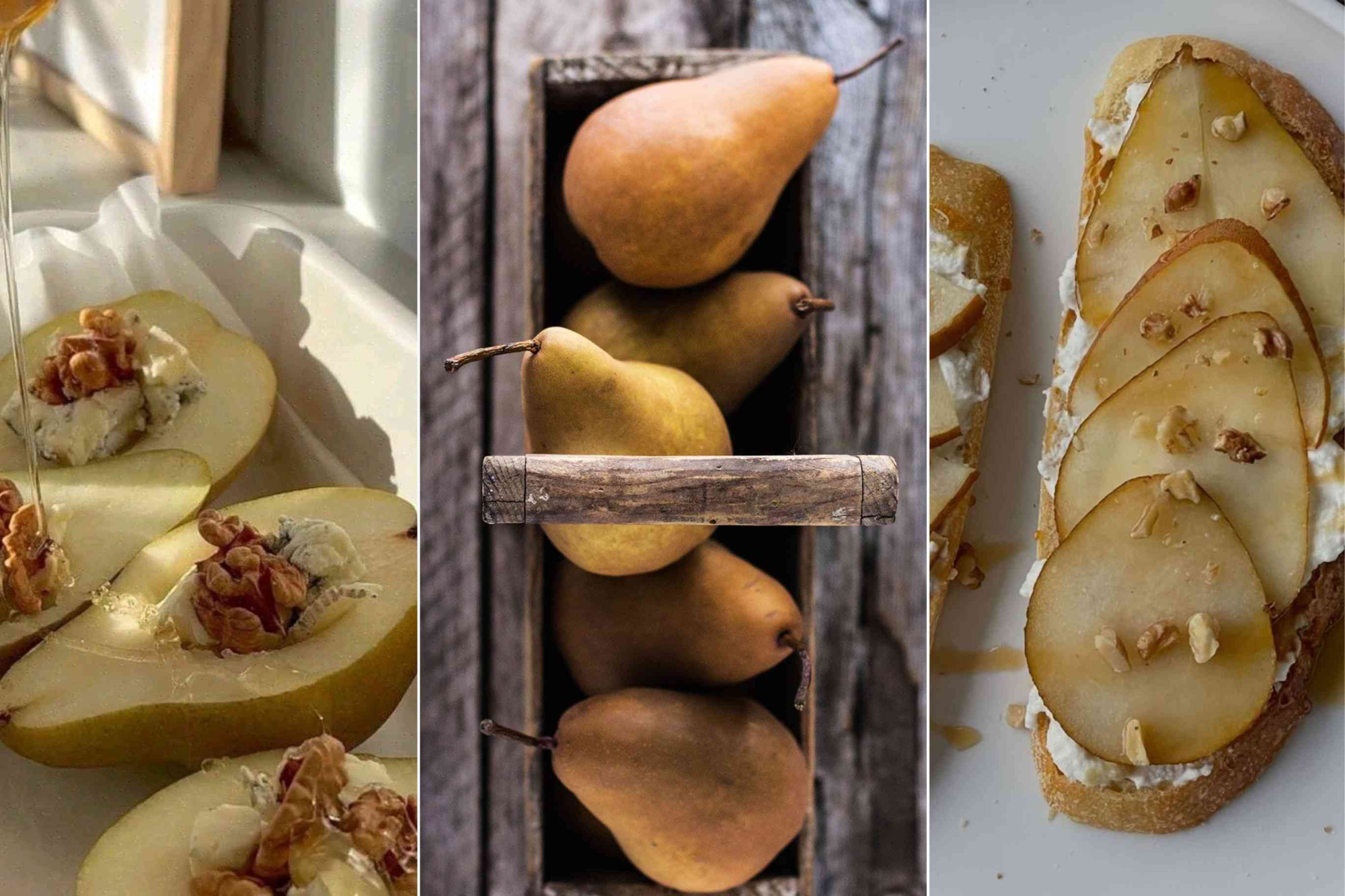
Table & Taste @saveursdumonde
Food in the Alps has traditionally been shaped by ingredients that were readily available in mountain communities: potatoes, cheese, milk, cured meats and grains. Many of the dishes associated with the region today developed from this practical way of cooking.
Potatoes remain particularly important. They appear roasted, baked, grated into rösti or served alongside meat and sausages. One of the simplest preparations is to slice them thinly and roast them with butter, herbs and seasoning until the edges become crisp while the centre stays soft.
Cheese brings another important element to Alpine cooking. Depending on the region, local varieties are melted into potatoes, polenta and pasta or served separately with bread and cured meats. Many mountain cheeses have a stronger flavour because they are matured for longer periods.
Sausages and smoked meats are equally characteristic. Recipes vary considerably between Austria, Switzerland, northern Italy, France and southern Germany, with each area using its own combinations of meat, herbs and spices.
Polenta becomes more common towards the southern Alps, particularly in northern Italy and parts of Switzerland. Served soft alongside sausage, mushrooms, cheese or slow-cooked meat, it is an example of how Alpine food changes as the landscape moves closer to the Mediterranean.
For travellers, these regional differences are part of the interest. A mountain lunch in Switzerland can be quite different from one in the Dolomites, Tyrol or the French Alps, even when familiar ingredients such as potatoes, cheese and cured meats appear across several regions.
Taste Is Part of the Journey
Food is one of the ways to understand the differences between Alpine regions. In Switzerland, exploring local villages, landscapes and everyday traditions reveals much more of the country than its best-known destinations.
Discover Switzerland Through the Eyes of Ferdi Wagner in our first edition →
#AlpineFood #MountainCuisine #LocalFood #TableAndTaste #SaveursDuMonde

Table & Taste @saveursdumonde
A basket of good bread can be as important to a meal as the dishes served alongside it. Across Europe, bread remains part of everyday eating, appearing at breakfast, with lunch, beside soups and salads and on tables where several dishes are shared.
The choice of bread can change with the meal. A crusty country loaf works well with cheese and charcuterie, while focaccia can be served with antipasti, tomatoes or grilled vegetables. Smaller rolls are practical for larger lunches and gatherings because everyone can take their own.
Herbs are an easy way to give bread more character. Rosemary, thyme and oregano can be baked into dough or scattered over focaccia before it goes into the oven. Olive oil, sea salt, seeds and olives are other simple additions.
Presentation can be equally uncomplicated. A linen-lined basket or wooden crate keeps several varieties together and makes it easy to place bread directly on a shared table. For an outdoor lunch, bread can even remain wrapped in its cloth until everyone is ready to eat.
Buying from a local bakery also makes bread an interesting part of travelling. Different regions have their own loaves, flours and baking traditions, from French baguettes and Provençal fougasse to Italian focaccia and dense mountain breads.
A bakery visit can therefore be one of the simplest ways to taste something genuinely connected to a destination, with bread brought back to the table for breakfast, an aperitif or the day's main meal.
Taking good bread on a picnic?
Discover The Perfect Picnic Sandwich →
#ArtisanBread #LocalBakery #BreadBasket #TableAndTaste #SaveursDuMonde
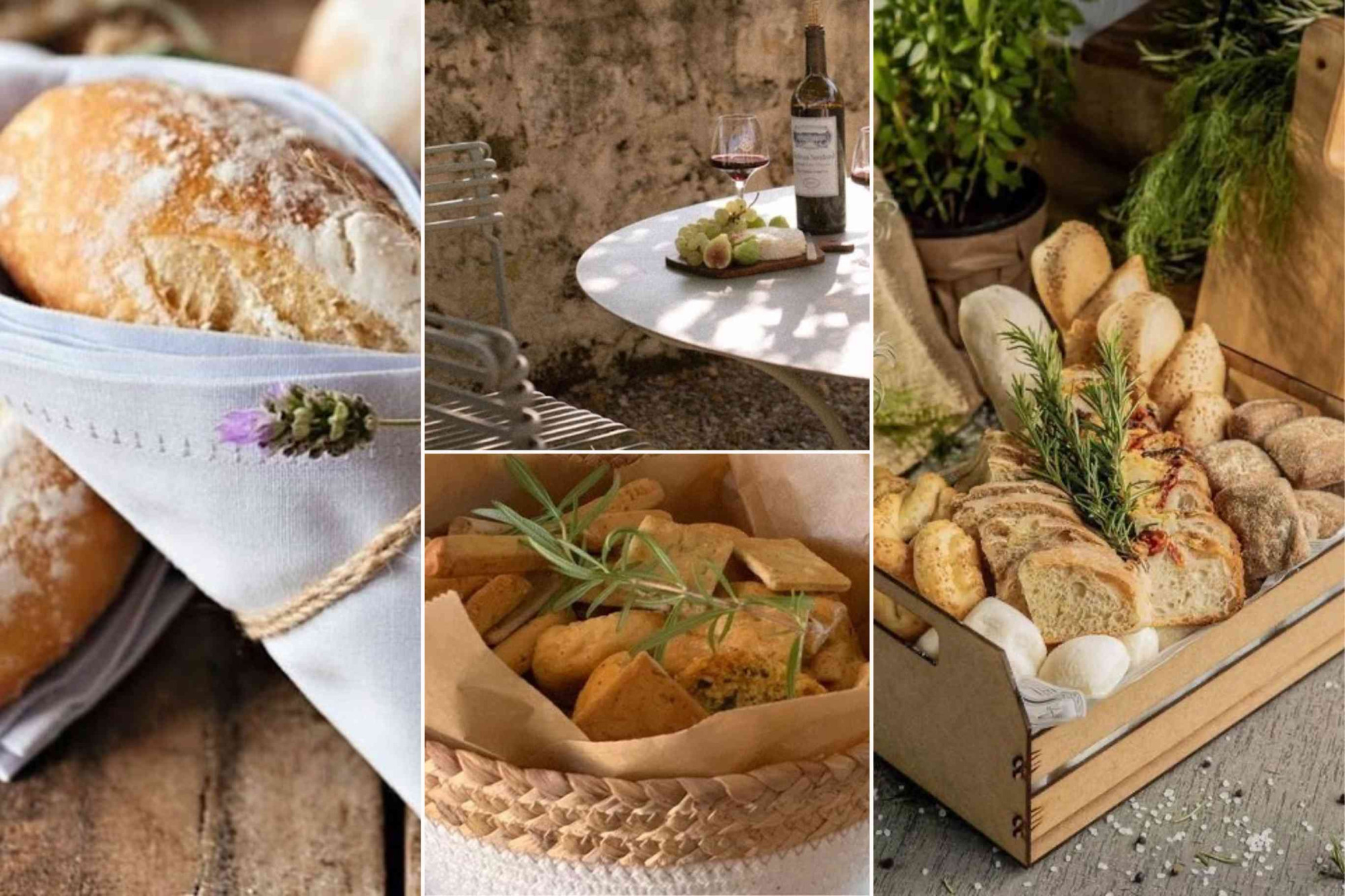
Table & Taste @saveursdumonde
Champagne has traditionally been associated with celebrations, but it does not have to wait for a wedding, birthday or New Year's Eve. It can just as easily be served as an aperitif, with lunch or alongside food when friends come together.
The style of Champagne can help determine when to serve it. A fresh Blanc de Blancs works particularly well before a meal and with seafood, while fuller styles can accompany poultry, cheese and richer dishes. Rosé Champagne is particularly versatile with food and can work with everything from charcuterie to fruit-based desserts.
Temperature matters. Champagne is best served well chilled, but serving it too cold can mute its flavour. Keeping the bottle in an ice bucket during a long lunch is usually enough to maintain a good serving temperature.
The glass also makes a difference. Although the narrow flute remains closely associated with Champagne, a slightly wider tulip-shaped glass gives the wine more room and makes it easier to appreciate its aromas.
And then there is the question of occasion. A bottle opened simply because friends have arrived or because lunch has moved into the afternoon can be every bit as appropriate as one saved for a formal celebration.
Perhaps the simplest rule is that Champagne needs less of an occasion than we sometimes think.
Looking for more festive winter inspiration?
Discover Planning a Christmas Wedding →
#Champagne #Aperitif #TableCulture #TableAndTaste #SaveursDuMonde

Table & Taste @saveursdumonde
Christmas is a table filled with stories. The dishes we prepare at this time of year are rarely chosen at random. Some come from family traditions, others belong to the region where we live and a few simply became favourites somewhere along the way.
Every family seems to have something that returns each Christmas. It might be a particular starter, a grandmother's dessert, seafood on Christmas Eve or a bottle opened only for special occasions. Even the smallest traditions can become surprisingly important once they have been repeated for several years.
Food also tells us something about where Christmas is being celebrated. In France, oysters, foie gras, smoked salmon and bûche de Noël may appear on the festive table. Italy has its panettone and regional Christmas dishes while northern European tables bring their own combinations of fish, meat, baking and winter spices.
Travelling and changing families add new traditions. A recipe tasted on holiday can eventually become part of Christmas at home. Partners bring dishes from their own families and children sometimes introduce completely new favourites.
This is why no two Christmas tables are exactly the same. They gradually become a collection of places, people and memories expressed through food.
And each December, when familiar dishes return to the table, another year is added to their story.
How can personal traditions shape the rest of Christmas?
Discover Making Christmas More Personal →
#ChristmasTable #ChristmasTraditions #FoodCulture #TableAndTaste #SaveursDuMonde

Table & Taste @saveursdumonde
Some recipes only seem to come out of the cupboard once a year. Christmas has a way of bringing back cakes, biscuits and desserts that we may rarely prepare during the other eleven months.
Part of this comes from tradition. A handwritten family recipe, an old cookbook or a particular set of biscuit cutters can become associated with December simply because they have been used at Christmas for years.
Seasonal ingredients play their part too. Orange, cinnamon, ginger, nuts, chocolate and dried fruit immediately find their way back into the kitchen. A simple cake can become a Christmas dessert with citrus and spice, while familiar biscuit dough can be cut into stars and trees.
These recipes are also closely connected to place. Gingerbread appears in different forms across northern and central Europe, panettone belongs to the Italian Christmas table and the French bûche de Noël has countless regional and family variations. Travelling introduces us to still more traditions that can eventually find their way into our own kitchens.
Not every Christmas recipe needs to be elaborate. Baking biscuits with children, making a cake for afternoon coffee or preparing something from an old family cookbook can become as much a part of Christmas as the main festive meal.
Over time, the recipes we repeat become part of how we remember Christmas and sometimes the ones we pass on to the next generation.
Want to bring the season beyond the table?
Discover Seasonal Greenery in the Home →
#ChristmasRecipes #ChristmasBaking #FoodTraditions #TableAndTaste #SaveursDuMonde
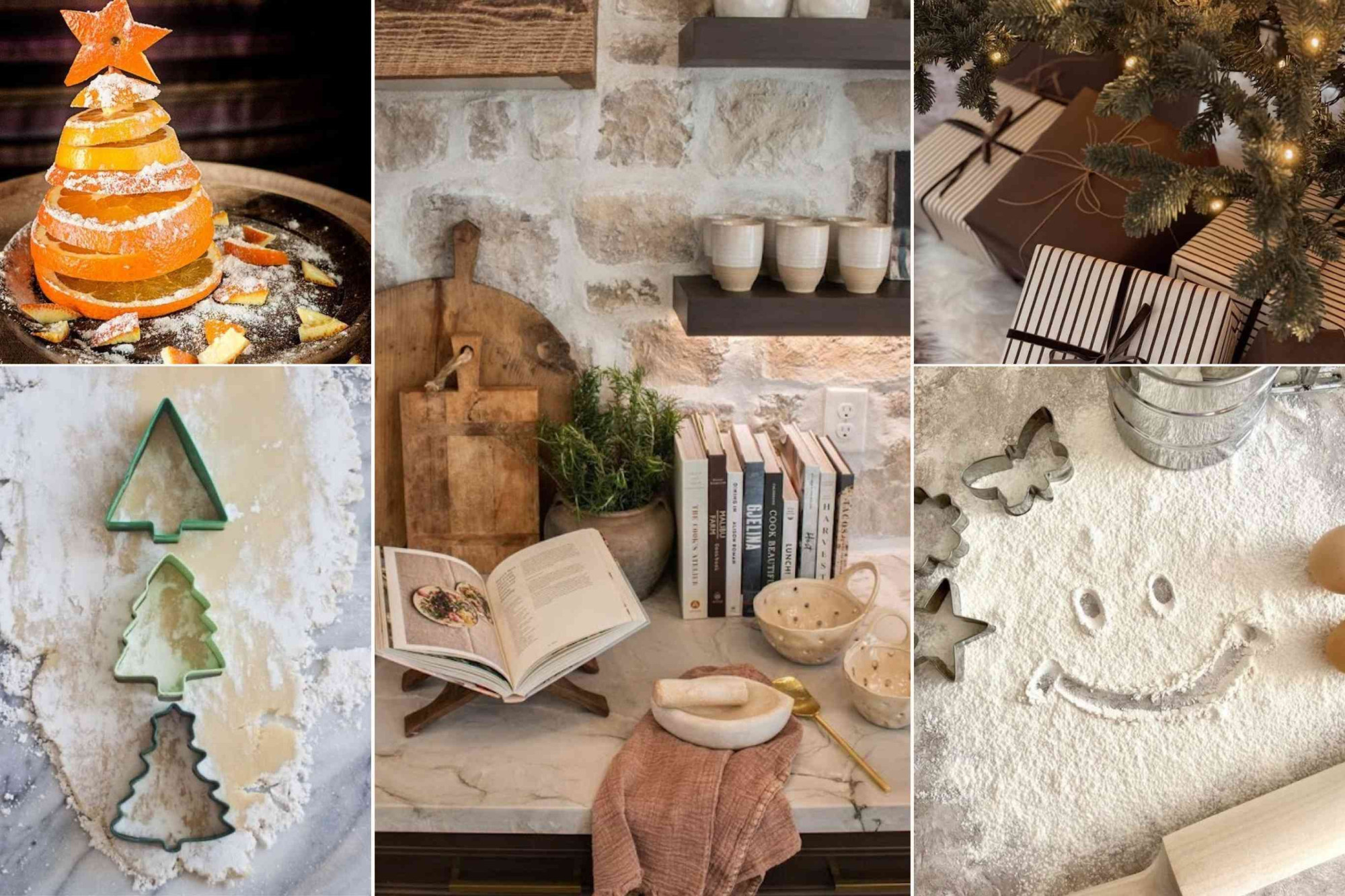
Table & Taste @saveursdumonde
Cold weekends are a good excuse to bring baking back into the kitchen. When there is less reason to rush outside, a batch of muffins, biscuits or a simple cake can become part of an afternoon at home.
Winter baking tends to suit richer flavours particularly well. Chocolate, nuts, cinnamon, orange, apple and pear can all be added to familiar recipes without turning them into complicated desserts. Chocolate chip muffins, for example, require little preparation and can be eaten warm from the oven or kept for breakfast the following morning.
Baking can also make good use of ingredients already in the kitchen. Overripe bananas can become banana bread, apples can be baked into a simple cake and leftover chocolate can be chopped and added to cookies or muffins.
A warm drink naturally belongs alongside it. Coffee, tea, hot chocolate or spiced apple juice can turn something freshly baked into an easy afternoon break, especially during the colder months.
There is no need to save baking for guests or special occasions. Making something small for home can be reason enough to switch on the oven.
And perhaps that is one of the best things about winter food: sometimes a warm muffin and a hot drink really are enough.
Mix flour sugar baking powder and a pinch of salt in a bowl. In another bowl whisk eggs with milk melted butter and a touch of vanilla. Bring everything together gently and fold in chocolate chips. No overmixing. Keep it simple.
Spoon the batter into muffin cups and bake until the kitchen smells like home. Serve them slightly warm with a mug of hot chocolate and whipped cream on top.
Baking, taking a pause and enjoying the little things.
Looking for more winter inspiration?
Discover Winter Accessories Worth Bringing Back Every Year →
#WinterBaking #HomeBaking #WinterFood #TableAndTaste #SaveursDuMonde

Table & Taste @saveursdumonde
A winter sharing table is an easy alternative to serving a formal meal, especially when friends arrive for drinks or an informal evening at home. Cheese, charcuterie, bread and a few seasonal additions can provide enough variety without requiring several separate courses.
Start with two or three cheeses with different textures. A firm aged cheese can sit alongside something softer and creamier, while a stronger cheese adds contrast. Charcuterie such as prosciutto, salami or smoked ham can then be arranged between them.
Winter fruit works particularly well on this type of table. Pears, apples and grapes can be served fresh, while figs, apricots and other dried fruits add sweetness. Walnuts, hazelnuts and almonds bring crunch and pair naturally with both cheese and cured meats.
Bread is worth treating as part of the selection rather than simply an accompaniment. A sliced country loaf, seeded crackers or warm focaccia give guests different options and make the table more substantial.
A few small additions can complete the spread: olives, chutney, honey, mustard or roasted vegetables. There is little advantage in including everything at once. A smaller selection of good ingredients usually makes a more appealing table.
Finish with something sweet served separately, such as a chocolate cake, pear tart or simple winter dessert. It turns an informal sharing board into an entire evening meal without much extra preparation.
Looking for more inspiration for your winter table?
Discover Decorating the Table with Fresh Herbs →
#WinterTable #SharingTable #CheeseBoard #TableAndTaste #SaveursDuMonde

Table & Taste @saveursdumonde
A birthday cake can still feel celebratory without requiring an afternoon of baking. A simple chocolate biscuit cake is one of the easiest alternatives, particularly when you want something that can be prepared the day before.
The basic combination is straightforward: plain tea biscuits or digestive biscuits, chocolate, butter and a small amount of cream. Melt the chocolate and butter together, stir in the cream and then fold through roughly broken biscuits.
From there, the cake can change depending on the occasion. Chopped hazelnuts or almonds add crunch, dried fruit works well with dark chocolate and orange zest can bring a fresher flavour. A small amount of sea salt is another good addition when using sweeter milk chocolate.
Press the mixture firmly into a lined cake tin and leave it in the refrigerator for several hours. Preparing it the evening before gives it plenty of time to become firm enough to slice cleanly.
Decoration can remain simple. Whipped cream, chocolate curls, fresh berries or small ribbons can turn the basic cake into something suitable for a birthday table. Add candles just before serving.
Because everything can be prepared in advance, there is very little left to do once guests arrive. It is a useful recipe for birthdays at home, informal celebrations or occasions when the cake should be part of the party without becoming the day's biggest project.
Planning more than just the cake?
Discover From Birthday Dinner to Evening Party →
#BirthdayCake #BiscuitCake #NoBakeCake #TableAndTaste #SaveursDuMonde

Table & Taste @saveursdumonde
Lunch outdoors is not only for summer. In the mountains, a winter picnic can become part of a day of skiing, snowshoeing or walking, especially when there is somewhere sheltered to stop and a fire nearby.
The food can be simple and suited to cold weather. Mountain cheeses, charcuterie, thick slices of bread and pickles travel well and require very little preparation once you arrive. A thermos of soup is useful when something warm is needed, while baked potatoes or sausages can be cooked over a fire where this is permitted.
A wooden board makes an easy serving surface for cheese and cured meats. Add a few smaller dishes with nuts, dried fruit, mustard or chutney and the meal quickly becomes substantial enough for a winter afternoon.
Hot drinks are just as important. Coffee, tea, hot chocolate or warm apple juice can be carried in insulated flasks and served throughout the lunch.
The practical side matters more in winter. Food should be packed so it stays dry, while insulated cushions, blankets and waterproof layers make sitting outside considerably more comfortable. It is also worth choosing a location before setting out rather than trying to build a lunch stop wherever you happen to be.
For a day in the mountains, the combination works particularly well: time outside, something warm from the fire and a table filled with regional food.
Inspired to spend more time outdoors this winter?
Discover A Winter Cabin Stay →
#WinterPicnic #MountainFood #OutdoorLunch #TableAndTaste #SaveursDuMonde

Table & Taste @saveursdumonde
Apples are one of the easiest fruits to turn into a warm winter dessert. They keep well throughout the colder months and need very little preparation to become the basis of a tart.
For a simple version, ready-made puff pastry saves most of the work. Place the pastry on a baking tray and arrange two thinly sliced apples across the centre, leaving a small border around the edge.
Sprinkle the apples with a tablespoon of brown sugar and a teaspoon of cinnamon. Add a few small pieces of butter, then fold the pastry edges loosely over the fruit. There is no need to make the shape perfectly even. The exposed apples will soften and caramelise while the pastry becomes crisp around the edges.
Bake at 200°C for around 20 to 25 minutes, or until the pastry is golden and the apples are tender.
The basic recipe is easy to adapt. Pears can replace some of the apple, chopped walnuts or almonds can add texture and a little orange zest works well with the cinnamon. When the fruit is naturally sweet, very little additional sugar is required.
Serve the tart while it is still slightly warm, either on its own or with crème fraîche, vanilla ice cream or softly whipped cream. With coffee or tea, it also works well as an afternoon bake on a cold winter day.
Looking for more winter inspiration at home?
Discover Winter Outdoor Living in Alpine Homes →
#AppleTart #WinterBaking #SeasonalFood #TableAndTaste #SaveursDuMonde
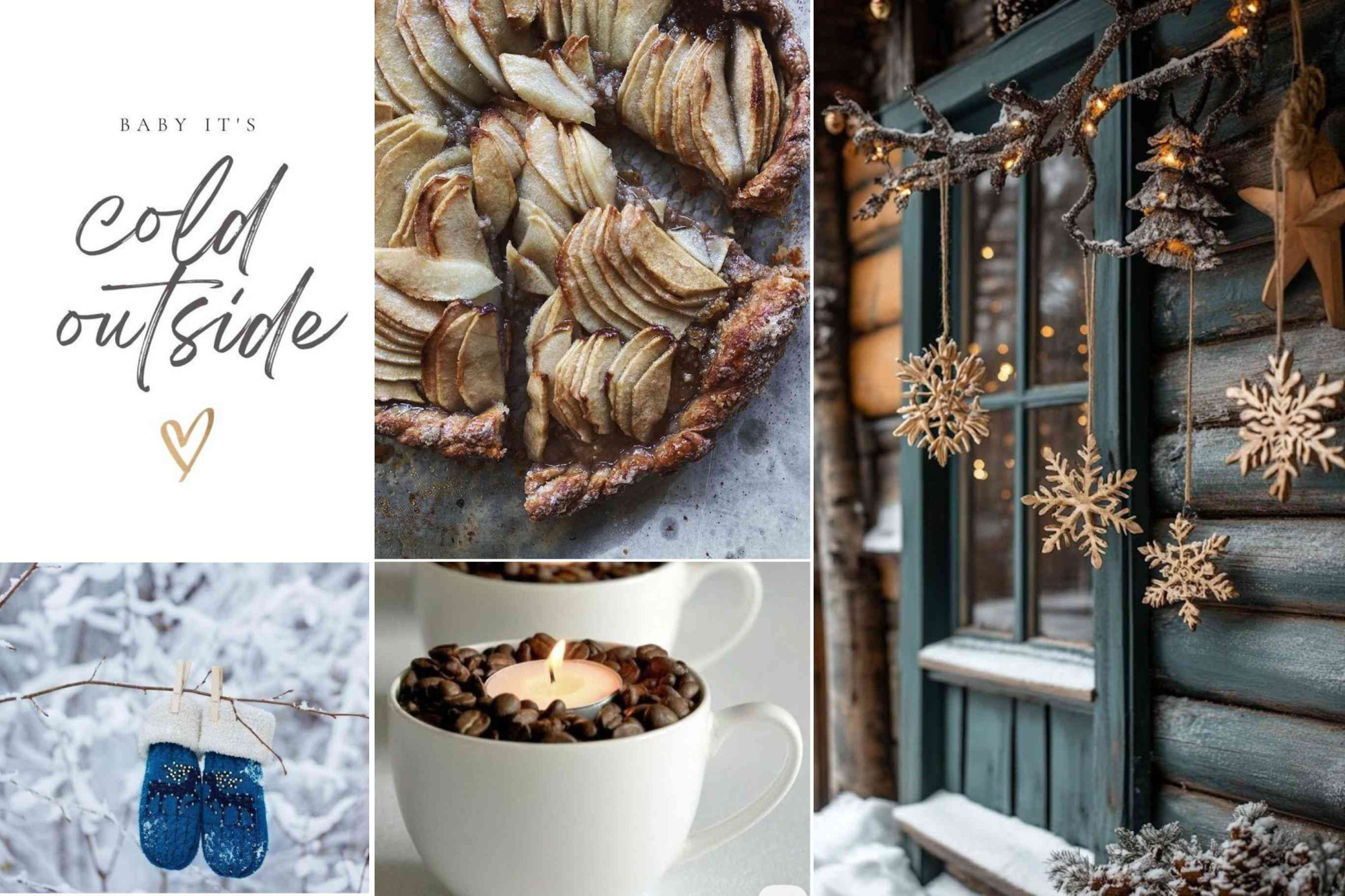
Table & Taste @saveursdumonde
Banana, chocolate and pistachio make an easy combination for a small homemade treat. There is no baking involved and most of the preparation can be done in around 20 minutes before the banana bites go into the fridge to set.
Choose bananas that are ripe but still firm and cut them into thick slices. Firmer fruit is easier to coat and holds its shape better once chilled.
Melt dark or milk chocolate gently, adding a teaspoon of coconut oil if you prefer a smoother coating. Dip each banana slice into the chocolate, then place it on a tray lined with baking paper.
Before the chocolate sets, sprinkle the pieces with finely chopped pistachios. Other toppings can work just as well: toasted hazelnuts, almonds, shredded coconut or a small amount of sea salt all give a different finish.
Place the tray in the refrigerator for at least 30 minutes. The chocolate will become firm while the banana stays soft inside, creating a contrast between the fresh fruit, crisp chocolate shell and nuts.
They can be made in advance and kept chilled until serving, which makes them useful for an afternoon snack, a children's party or as part of a larger dessert table.
The same idea also works with strawberries, orange segments or pieces of pear, making it an easy recipe to adapt to the fruit you already have at home.
Looking for another easy chocolate treat?
Discover S’mores Around the Campfire →
#ChocolateBanana #NoBakeTreats #Chocolate #TableAndTaste #SaveursDuMonde
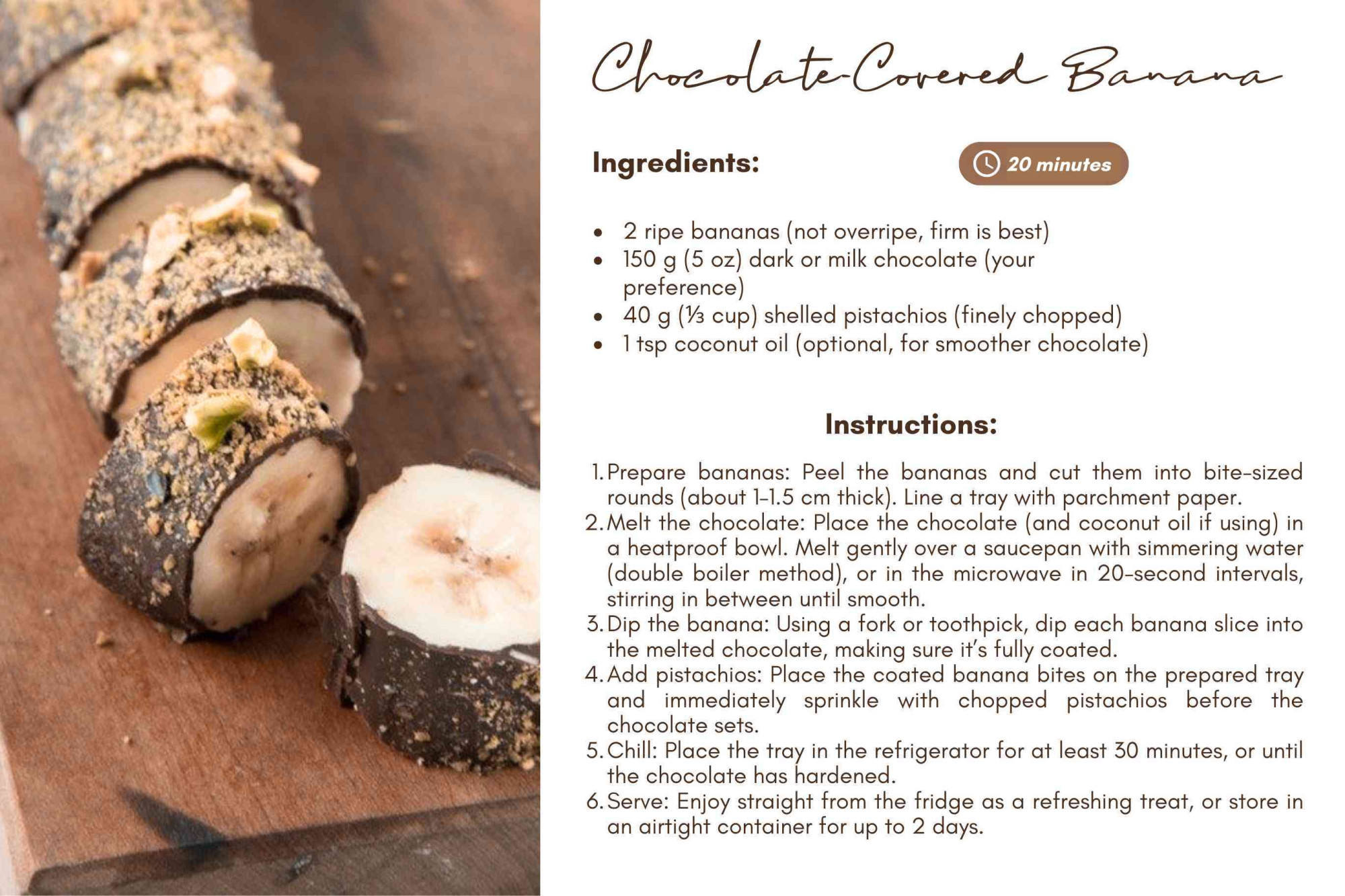
Table & Taste @saveursdumonde
A Mediterranean sharing table works best when guests can choose a little of everything. Bread, cheese, vegetables, olives and filled sandwiches can be served together, turning a collection of relatively simple foods into a complete lunch.
Start with good bread. Focaccia, ciabatta, flatbreads and sliced country loaves can be served separately or filled with ingredients such as mozzarella, tomatoes, grilled vegetables, pesto and rocket. Cutting sandwiches into smaller portions makes them easier to share.
Cheese can form another part of the table. Feta, mozzarella, goat's cheese and other regional varieties can be served in larger pieces alongside tomatoes, herbs and olive oil rather than arranged as a formal cheese course.
Fresh vegetables bring colour and balance to the richer ingredients. Cherry tomatoes, peppers, cucumber and grilled courgettes all work well, while olives, artichokes and marinated vegetables can be placed in smaller bowls around the table.
A few prepared dishes can make the selection more substantial. Bruschetta, vegetable tarts, stuffed breads or a simple salad are easy to serve at room temperature, which is particularly useful when preparing food for several people.
The advantage of this style of lunch is that almost everything can be placed on the table before guests sit down. There are no individual plates to prepare and dishes can be added as needed.
It works particularly well for garden lunches, larger gatherings and relaxed celebrations where the food is intended to remain on the table and be shared throughout the afternoon.
Looking for more outdoor dining inspiration?
Discover Rural Ibiza →
#MediterraneanFood #SharingTable #GardenLunch #TableAndTaste #SaveursDuMonde
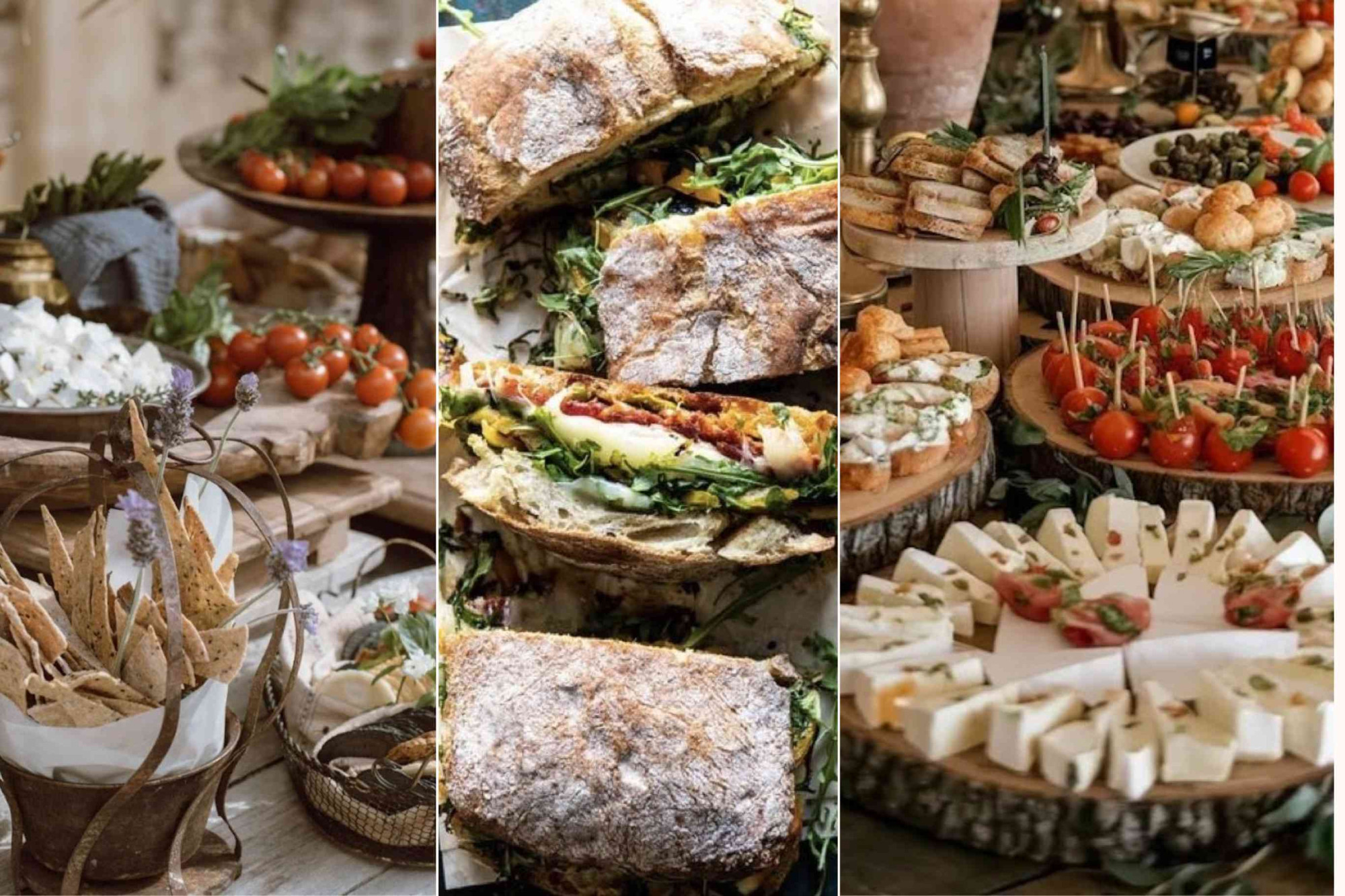
Table & Taste @saveursdumonde
A vegetable-based dinner becomes much more satisfying when different textures are brought together on the same plate. Roasted cauliflower, lentils and mashed pumpkin are a good example: crisp edges, earthy lentils and a soft, slightly sweet base each bring something different to the dish.
Start with the cauliflower. Cut one small cauliflower into florets, drizzle with olive oil and season with cumin, smoked paprika, salt and black pepper. Roast at 200°C for around 20 to 25 minutes until golden at the edges.
For the pumpkin mash, cook 400 g of pumpkin until tender, then drain well and mash with a little butter, nutmeg, salt and pepper. Keeping the seasoning simple allows the natural sweetness of the pumpkin to remain noticeable.
Warm 250 g of cooked lentils in a pan with a little olive oil. Lentils make the dish more substantial and their earthy flavour works particularly well with both roasted vegetables and warm spices.
Spread the pumpkin mash over the plate, spoon the lentils on top and finish with the roasted cauliflower. Fresh parsley, coriander or dill can be added just before serving. Toasted seeds, pine nuts or a few dried cranberries are useful additions when you want extra texture.
It is the kind of meal that works particularly well through autumn and winter, using familiar seasonal vegetables without relying on meat to make the plate feel complete.
Looking for more autumn inspiration?
Discover Autumn Colours and Textures →
#RoastedCauliflower #Lentils #SeasonalCooking #TableAndTaste #SaveursDuMonde
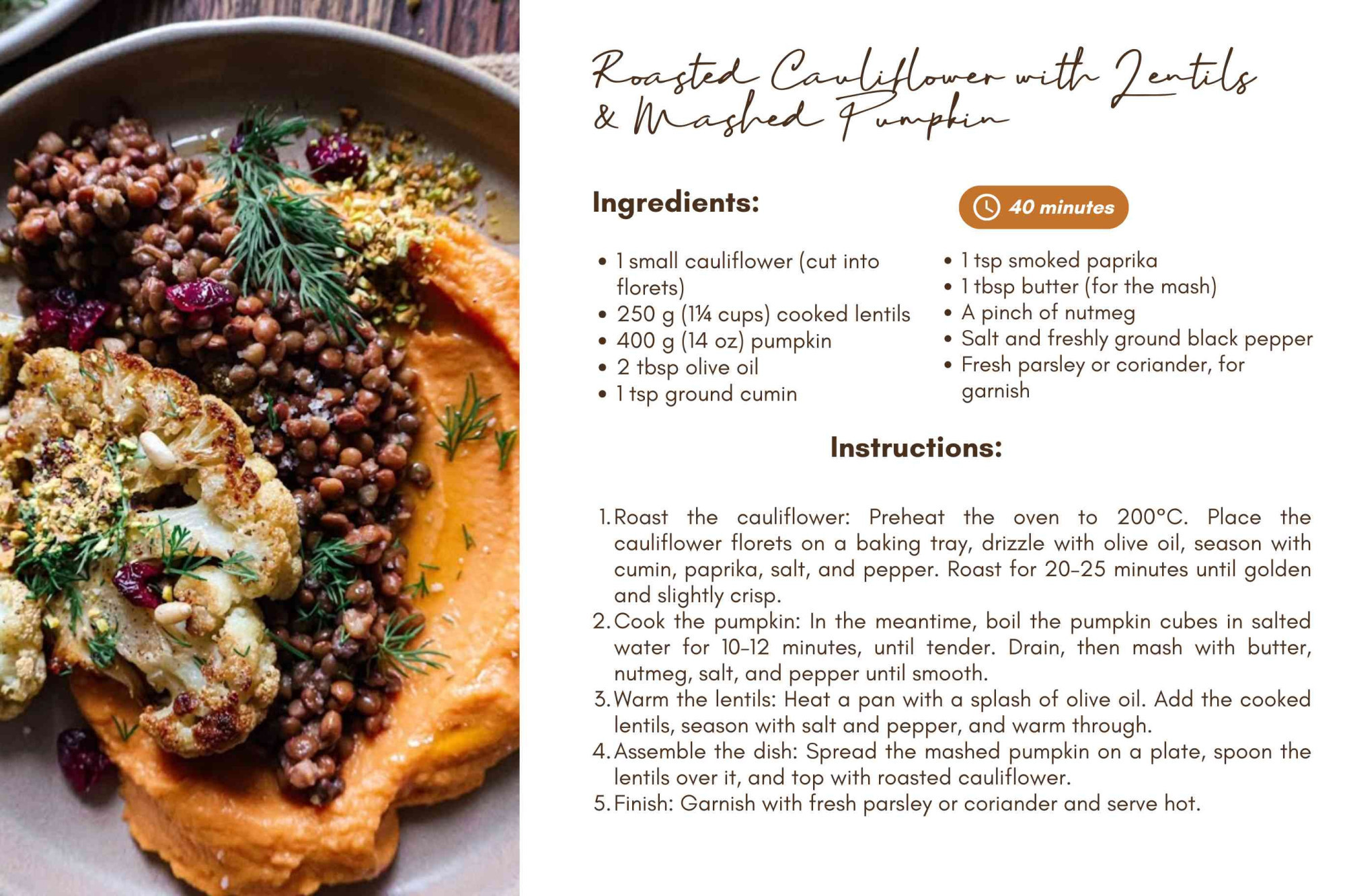
Table & Taste @saveursdumonde
Avocado toast has moved well beyond the breakfast table. With a few more substantial toppings, it can work just as well for brunch, a quick lunch or an easy meal at home.
The base is simple: good toasted bread and ripe avocado, roughly mashed rather than completely smooth. From there, eggs add protein and turn a slice of toast into something much more filling. Poached, soft-boiled and fried eggs all work, with a runny yolk creating its own sauce once the toast is cut.
Smoked salmon is another useful addition. Combined with avocado and a poached egg, it makes a straightforward brunch dish that needs little else apart from lemon, black pepper and fresh herbs.
For a vegetarian version, soft-boiled eggs can be paired with cucumber, feta and herbs such as dill or parsley. Seeds, chilli flakes, capers or a spoonful of mustard dressing can add extra flavour without requiring another cooked element.
The bread matters too. Sourdough and seeded loaves hold heavier toppings better than very soft bread and their crisp texture provides contrast with avocado and egg.
These combinations are particularly practical when several people want something different. Prepare the toast and avocado first, then put eggs, salmon, cheese, vegetables and herbs on the table so everyone can finish their own.
Ever thought about collecting your own eggs?
Discover Keeping Chickens →
#AvocadoToast #BrunchIdeas #Brunch #TableAndTaste #SaveursDuMonde
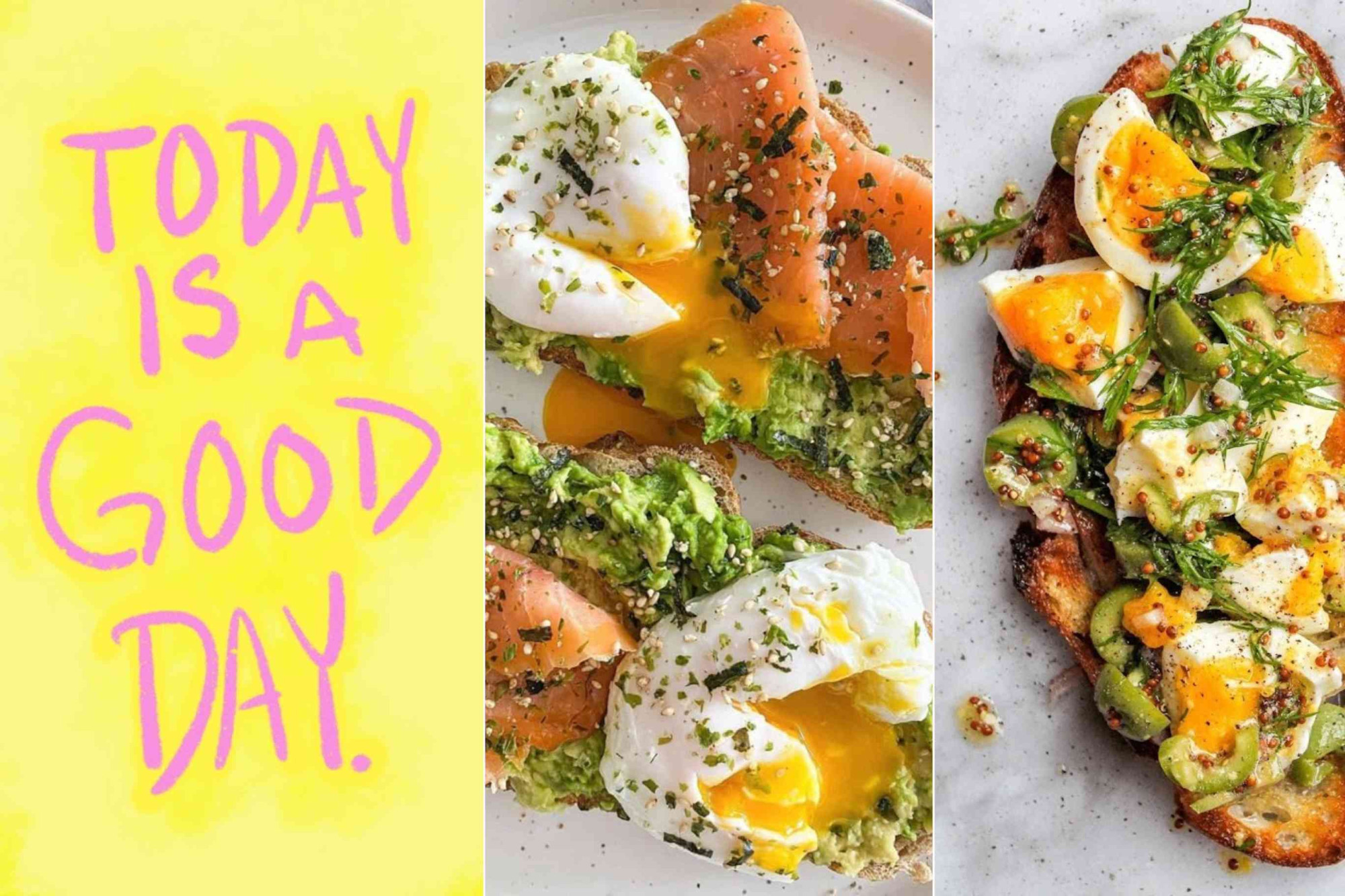
Table & Taste @saveursdumonde
Dates are useful when you want something sweet without preparing a complete dessert. Their soft texture and naturally rich flavour work particularly well with nuts, nut butters, yoghurt and chocolate.
One of the simplest options is to split Medjool dates and remove the stones, then fill them with peanut, almond or cashew butter. A little sea salt can be added for contrast, while chopped pistachios or almonds provide extra crunch.
For a more dessert-like version, the filled dates can be dipped or drizzled with dark chocolate and chilled until the chocolate sets. They keep well in the fridge, making them easy to prepare in advance.
Dates also work well at breakfast. Chopped into porridge, yoghurt or granola, they add sweetness without needing much else. Combined with banana, apple, nuts and cinnamon, they can turn a simple breakfast bowl into something more substantial.
Their usefulness is partly down to how little preparation they require. A packet in the cupboard can become part of breakfast, an afternoon snack or something sweet to serve with coffee.
It is a good example of an ingredient that can move easily between everyday eating and the dessert table depending on what you pair it with.
Turn It into Breakfast
Dates work just as well as part of a complete breakfast. Combined with yoghurt, granola, banana, pear and nuts, they add natural sweetness and texture without making the bowl complicated.
Discover our Breakfast Bowl recipe in our first edition →
#Dates #SimpleDesserts #BreakfastIdeas #TableAndTaste #SaveursDuMonde
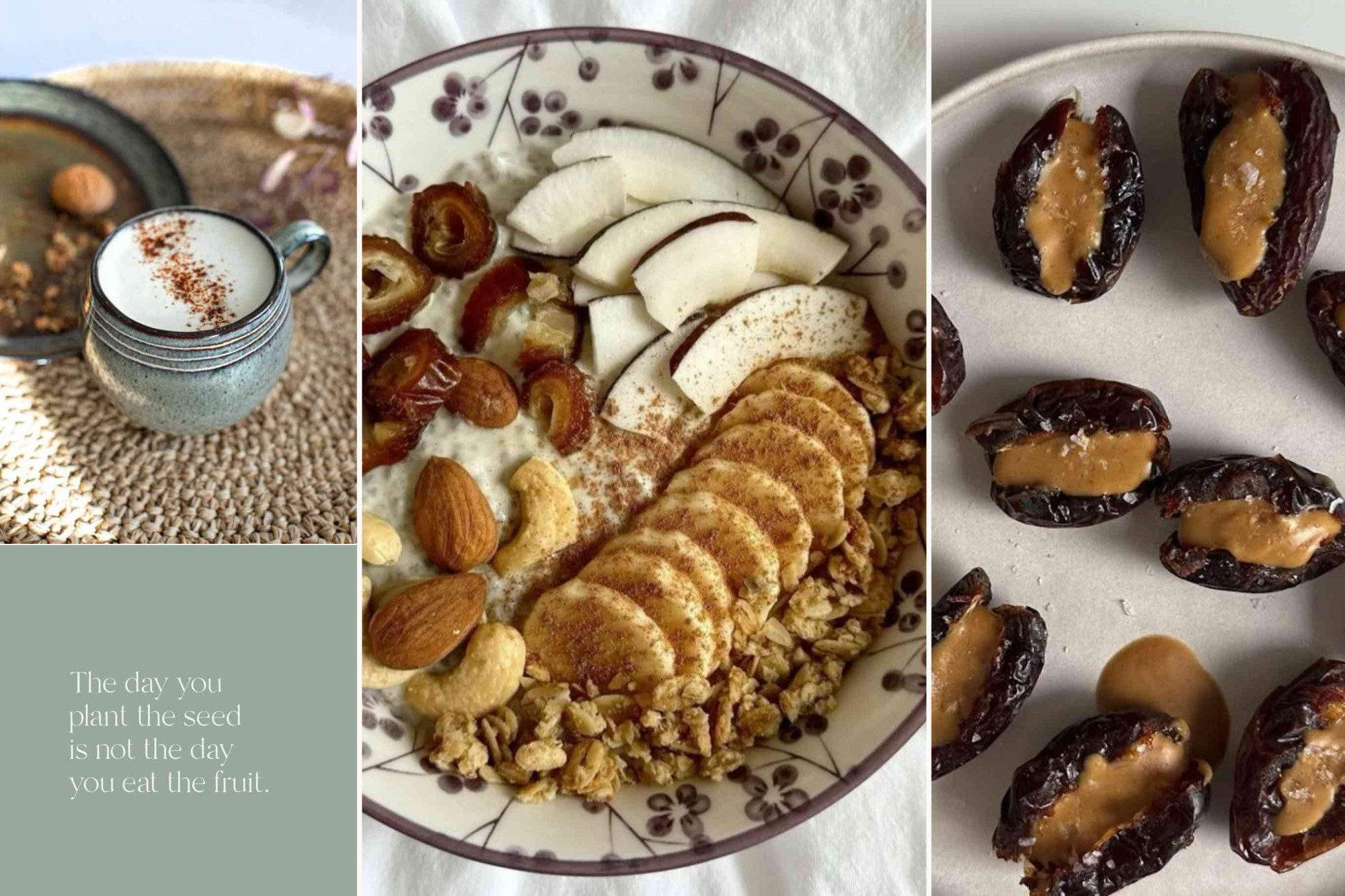
Table & Taste @saveursdumonde
A table filled with small dishes can easily replace a traditional starter and main course. Crostini, soup, roasted vegetables and warm bites allow everyone to try different flavours and make the meal particularly suited to informal lunches or evenings with friends.
Crostini are a useful starting point because the toppings can vary across one platter. Prosciutto and artichoke, avocado, tomato and olives or soft cheese with grilled vegetables can all be served together on toasted bread.
A small bowl of soup adds something warm. Seasonal vegetable soups such as pumpkin, tomato or courgette can be served in smaller portions than usual, leaving room for the other dishes on the table. A crisp topping, toasted bread or fresh herbs can add texture.
Warm oven dishes can complete the selection. Roasted cauliflower, potatoes, mushrooms or slices of chorizo need little attention once they are in the oven and can be brought directly to the table.
The key is variety without preparing too many completely different recipes. Bread can appear in several dishes, the same herbs can be used across the table and vegetables prepared for crostini can also become part of a warm side dish.
This type of meal also allows the food to arrive gradually. Start with the crostini, add the soup and bring out warm dishes as they are ready. It creates an informal way of eating that can continue over several hours without the structure of a formal dinner.
Taking your sharing table outside?
Discover Inspiration Outdoor Tableware →
#SmallPlates #SharingFood #Crostini #TableAndTaste #SaveursDuMonde
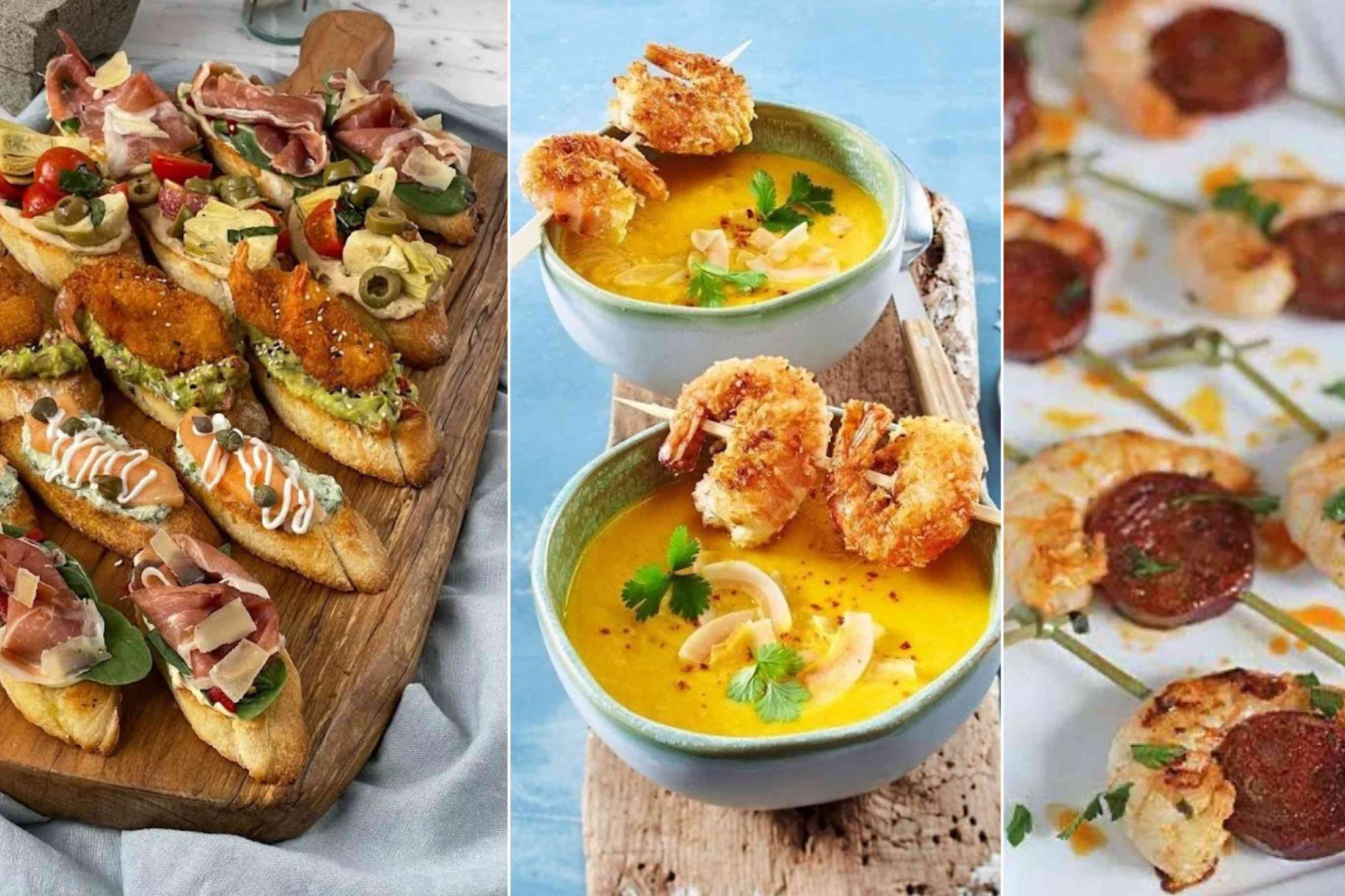
Table & Taste @saveursdumonde
Fresh focaccia can be much more than bread served on the side. Its crisp edges, soft centre and olive oil flavour make it a useful starting point for a lunch built around food that everyone can share.
A classic focaccia needs very little once it comes from the oven. Rosemary, coarse sea salt and good olive oil are enough to serve it warm in generous pieces alongside cheese, charcuterie and vegetables.
It can also become part of the meal itself. Cut horizontally, focaccia makes excellent sandwiches filled with ingredients such as mozzarella, grilled vegetables, mortadella, prosciutto or tuna. Smaller portions work particularly well for a buffet or long lunch where guests are helping themselves.
For a large table, serve different breads instead of relying on one loaf. A rosemary focaccia can sit alongside sourdough, ciabatta and crisp crackers, surrounded by cheeses, olives, grapes, cured meats and seasonal vegetables.
Focaccia is also easy to adapt to the season. Tomatoes and basil work well in summer, while onions, rosemary, mushrooms or roasted pumpkin suit cooler months. The toppings can reflect whatever is available at the market.
Served warm from the oven or filled for lunch, focaccia is one of those foods that naturally encourages sharing, which is exactly why it works so well at the centre of a table.
Taking your sharing table outdoors?
Discover Planning a Picnic for a Group →
#Focaccia #SharingTable #ItalianFood #TableAndTaste #SaveursDuMonde
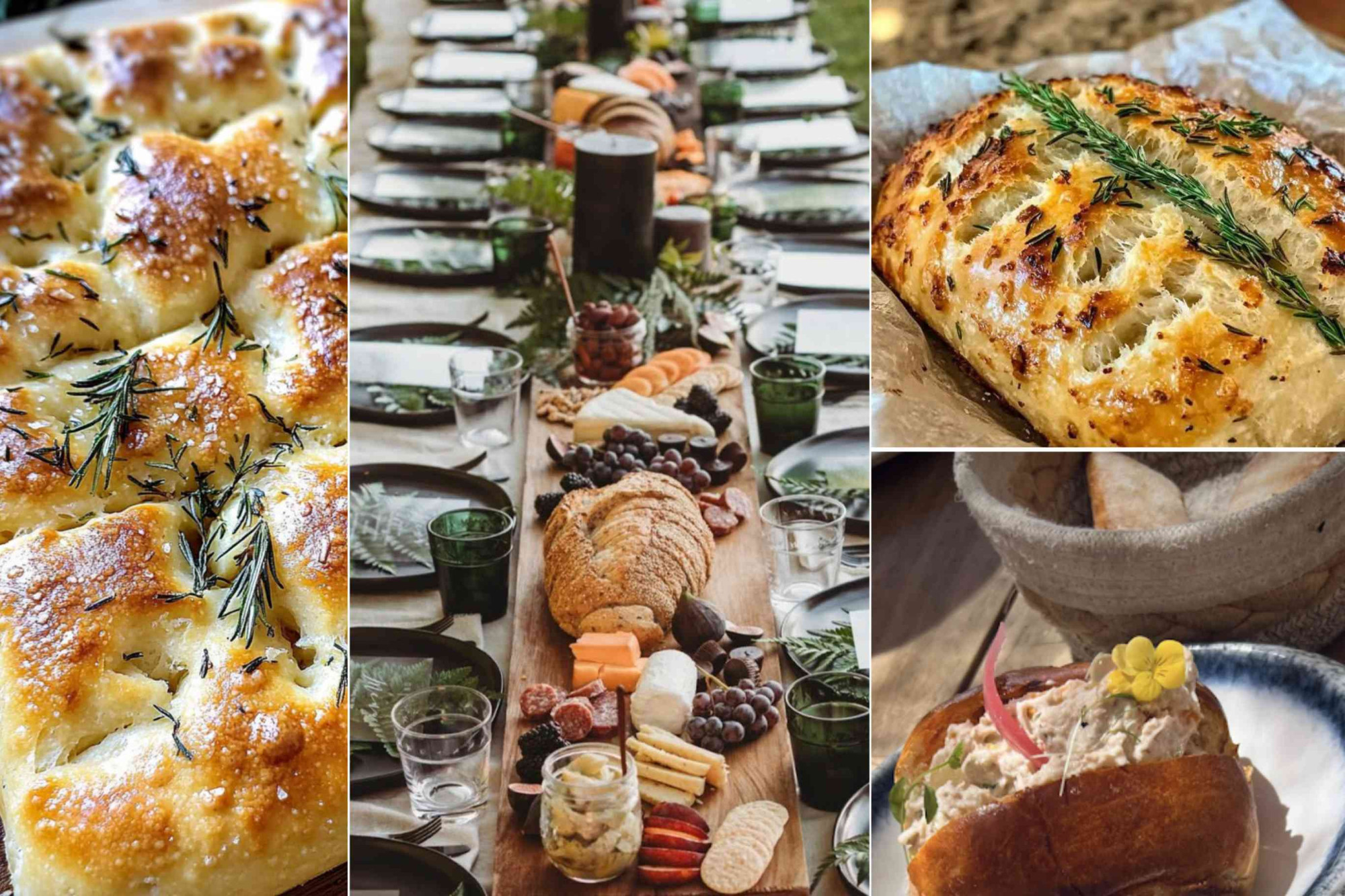
Table & Taste @saveursdumonde
Pumpkin soup is one of the easiest ways to make the most of autumn produce. Pumpkins and squash are widely available throughout the season, keep well at home and need only a few additional ingredients to become a complete lunch.
Start with onion and garlic softened in a little olive oil. Add pumpkin cut into cubes and a carrot for extra sweetness, then cover with vegetable stock and cook until everything is tender.
The seasoning can remain simple. Nutmeg works naturally with pumpkin, while black pepper brings a little warmth. For a different version, cumin, curry powder or fresh ginger can change the flavour without changing the basic recipe.
Once the vegetables are soft, blend the soup until smooth. A spoonful of cream can make it richer, but there are plenty of other ways to finish it. Roasted pumpkin seeds add crunch, fresh herbs bring colour and a drizzle of olive oil works particularly well when the soup itself is kept simple.
Bread turns it into an easy lunch. Sourdough, toasted country bread or focaccia can be served alongside, while cheese or a small autumn salad makes the meal more substantial.
It is also worth making more than you need. Pumpkin soup keeps well in the fridge and can be reheated for lunch over the following days, making good use of one of autumn's most versatile vegetables.
Looking for more autumn inspiration?
Inspiration Knitted Pumpkins for Autumn →
#PumpkinSoup #AutumnCooking #SeasonalFood #TableAndTaste #SaveursDuMonde
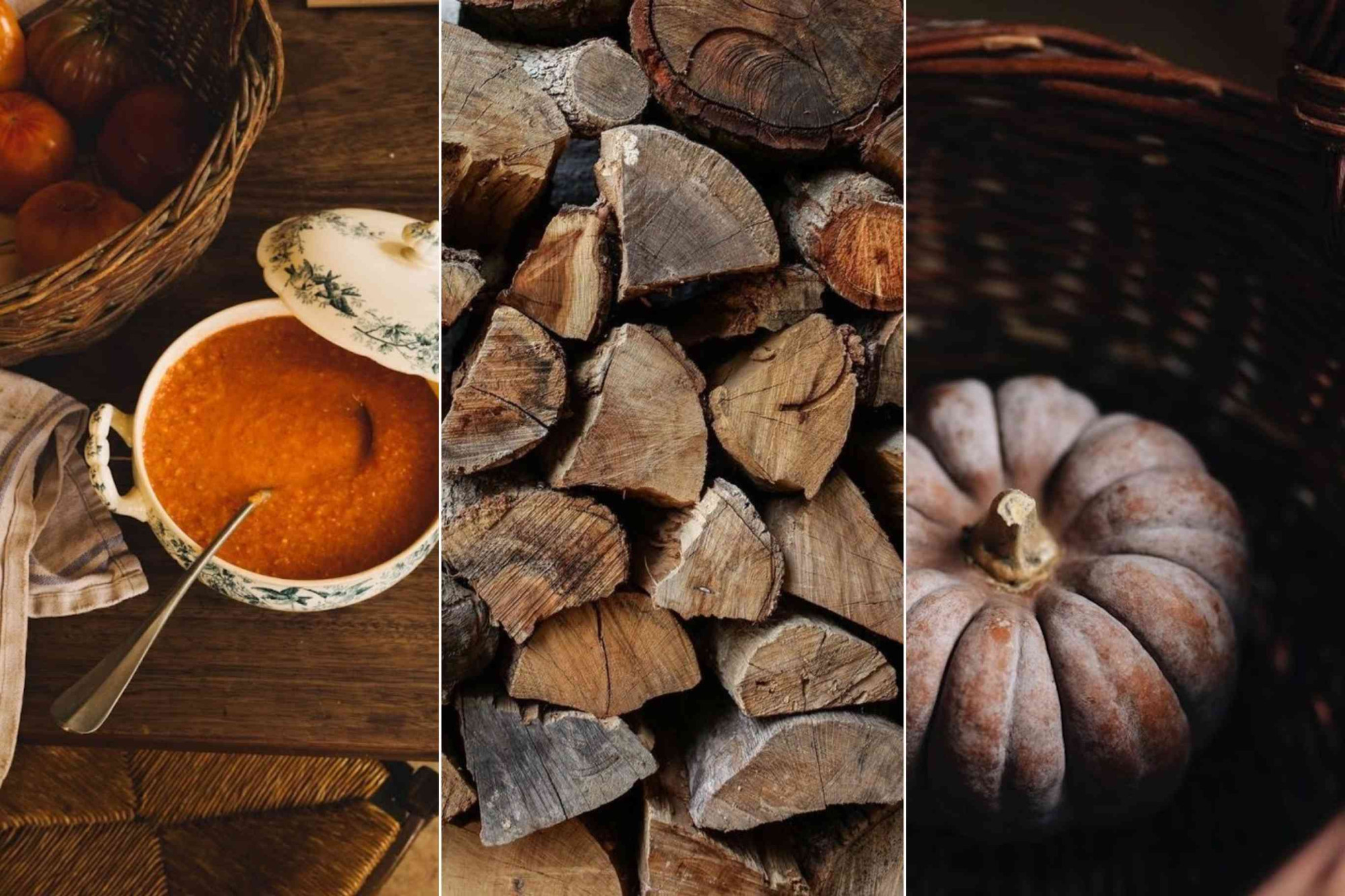
Table & Taste @saveursdumonde
Buying less but choosing better ingredients can completely change the way we shop for food. Instead of filling a trolley for the week, it can mean visiting a bakery for bread, choosing fruit that is actually in season and buying only what will realistically be eaten.
Fresh bread is a good example. A well-made loaf from a local bakery may cost more than industrial bread, but it can become part of several meals: served at breakfast, used for sandwiches at lunch and toasted alongside soup or cheese later in the day.
Seasonal fruit and vegetables follow the same principle. When produce is bought at the right time of year, flavour becomes more important than having every ingredient available throughout the year. Tomatoes in summer, apples and pears in autumn and citrus fruit in winter naturally change what appears on the table.
Shopping locally can also make smaller quantities practical. A bakery, greengrocer, market stall, butcher or cheesemonger allows you to buy what you need instead of relying entirely on large weekly shops.
It can also reduce food waste. A few carefully chosen ingredients are easier to use completely, especially when meals are planned around what is already in the kitchen.
Quality over quantity is therefore less about buying expensive food and more about paying attention to where ingredients come from, when they are in season and how much you actually need.
Does quality matter beyond what we eat?
Discover Quality Ingredients →
#QualityOverQuantity #LocalFood #SeasonalProduce #TableAndTaste #SaveursDuMonde